

MelendezMX
59 Posts

MelendezMX
Report
Block User
Empresario de Internet 🌐 Dinero • Negocios • Tecnología

Macro KOL
8 Following
2.6K+ Followers
99 Liked
1 Badges
Posts
All
Videos
·
--
The stablecoin race is no longer won by circulation alone
RLUSD has just been added to Coinbase for U.S. customers, with support for deposits and withdrawals on the XRP Ledger, Base, and Ethereum. At the same time, BNY added institutional custody for RLUSD and XRP, while Robinhood plans to integrate the stablecoin into more parts of its ecosystem.
The important signal is not a potential price increase. A stablecoin aims to maintain its peg, not appreciate in value. What really matters is the infrastructure being built around it: exchanges for accessing liquidity, multiple networks for transferring it, regulated custodians for safeguarding it, and enterprise systems for using it in settlement and treasury operations.
The signals worth watching are actual availability by country, sustained volume, ease of redemption, reserve quality, and whether institutional pilots become operational products. In Mexico and Latin America, availability should not yet be assumed based on U.S. announcements.
Follow me for more analysis on crypto, fintech, and markets.
196
·
--
Partly True
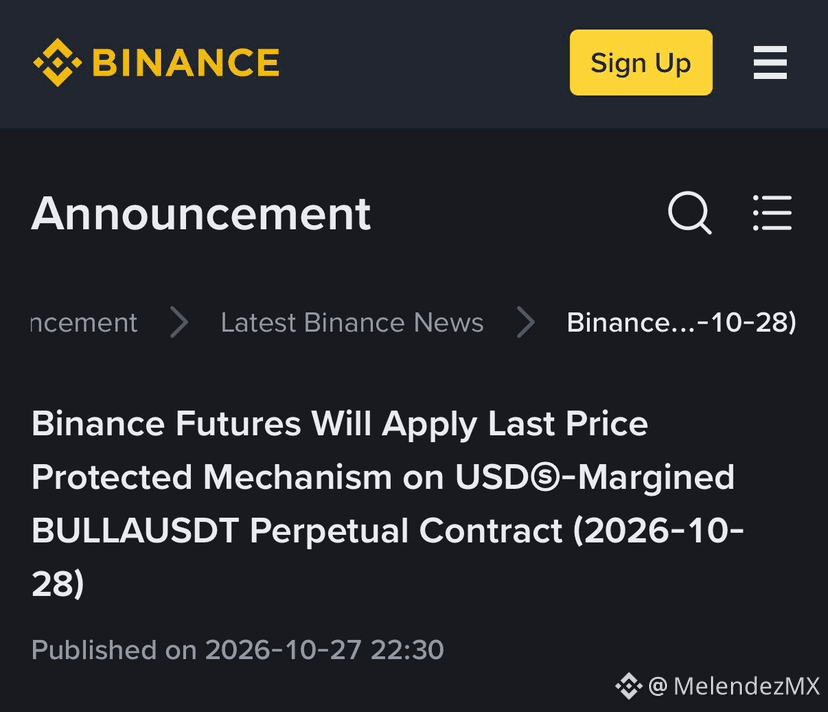
Binance activates special protection for BULLUSDT
What changed: Binance Futures temporarily activated the Last Price Protected mechanism for the BULLUSDT perpetual contract. The platform detected divergences between spot prices and deposit or withdrawal restrictions across different exchanges.
During this period, the Mark Price is calculated using the average of recent trades, with a maximum change of ±1% per second. Binance also temporarily lowered the funding cap.
2
1.6k
·
--
Verified
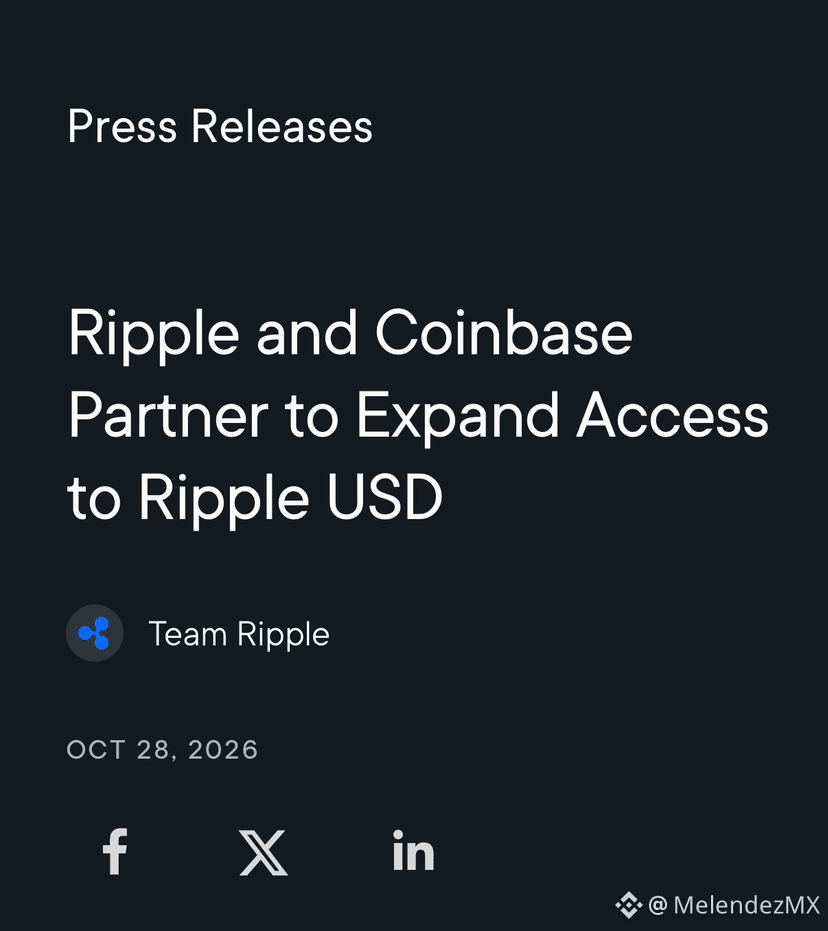
Mexico wants to make bank payments easier; Canada is creating rules for digital dollar issuers.
Starting today, U.S. customers can trade and manage RLUSD through Coinbase Retail, Coinbase Exchange, and Coinbase Prime. Deposits and withdrawals are supported on the XRP Ledger, Base, and Ethereum. Coinbase Global Exchange and the possible use of RLUSD as collateral may come later.
• BNY added institutional custody support for XRP and RLUSD. The possibility of its clients minting and redeeming RLUSD directly, as well as the tokenized trade finance project, are still plans subject to requirements and approvals.
• RLUSD is now available on Robinhood Chain and Bitstamp by Robinhood. Its addition to Robinhood’s retail app is planned for later in 2026; it is not available there yet.
Competition among stablecoins is no longer determined solely by which one has the largest circulation. It also matters how many exchanges, networks, custodians, and enterprise systems support it. Wider distribution of RLUSD could expand settlement and international payment options, but none of these announcements confirms retail availability in Mexico or Latin America.
1
783
·
--
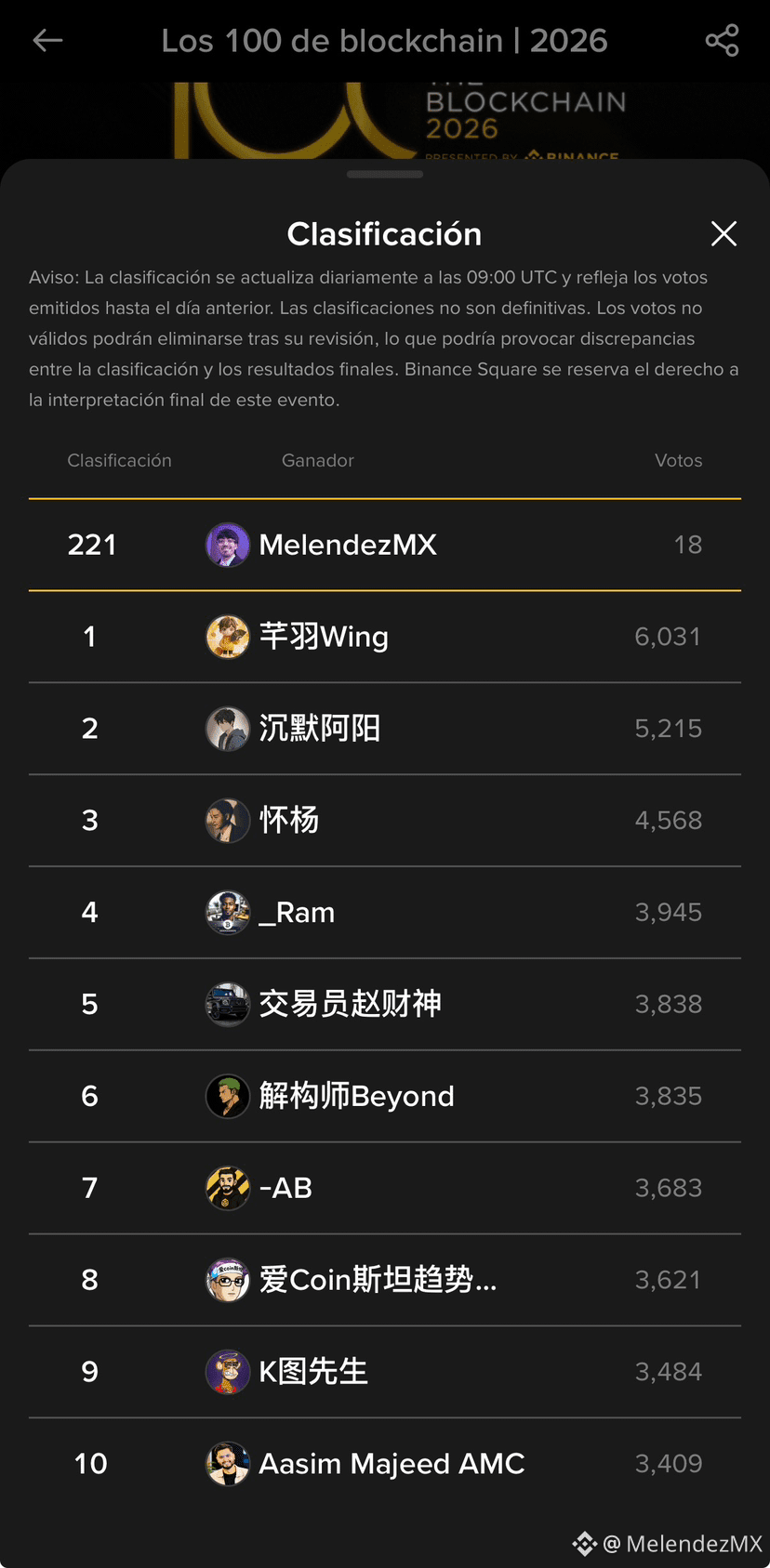
🇲🇽 THEY'RE BEATING US
[VOTA AQUÍ](https://app.binance.com/uni-qr/cact26user/662?uc=app_square_share_link&us=copylink)
We can beat them!! Thank you for your support 🫶🏻🇲🇽🚀
🇲🇽 THEY'RE BEATING US
VOTA AQUÍ
We can beat them!! Thank you for your support 🫶🏻🇲🇽🚀
VOTA AQUÍ
We can beat them!! Thank you for your support 🫶🏻🇲🇽🚀
1
222
·
--
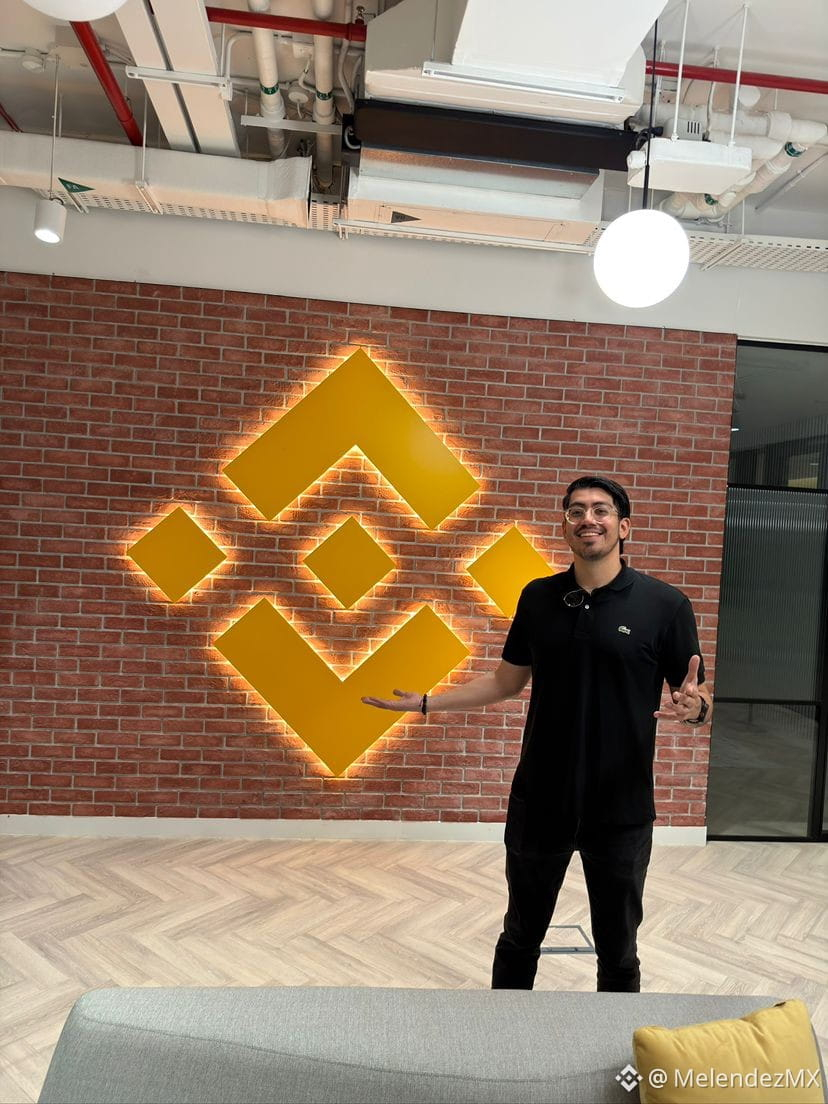
MEXICO COMMUNITY 🇲🇽
I need your help 🫶🏻
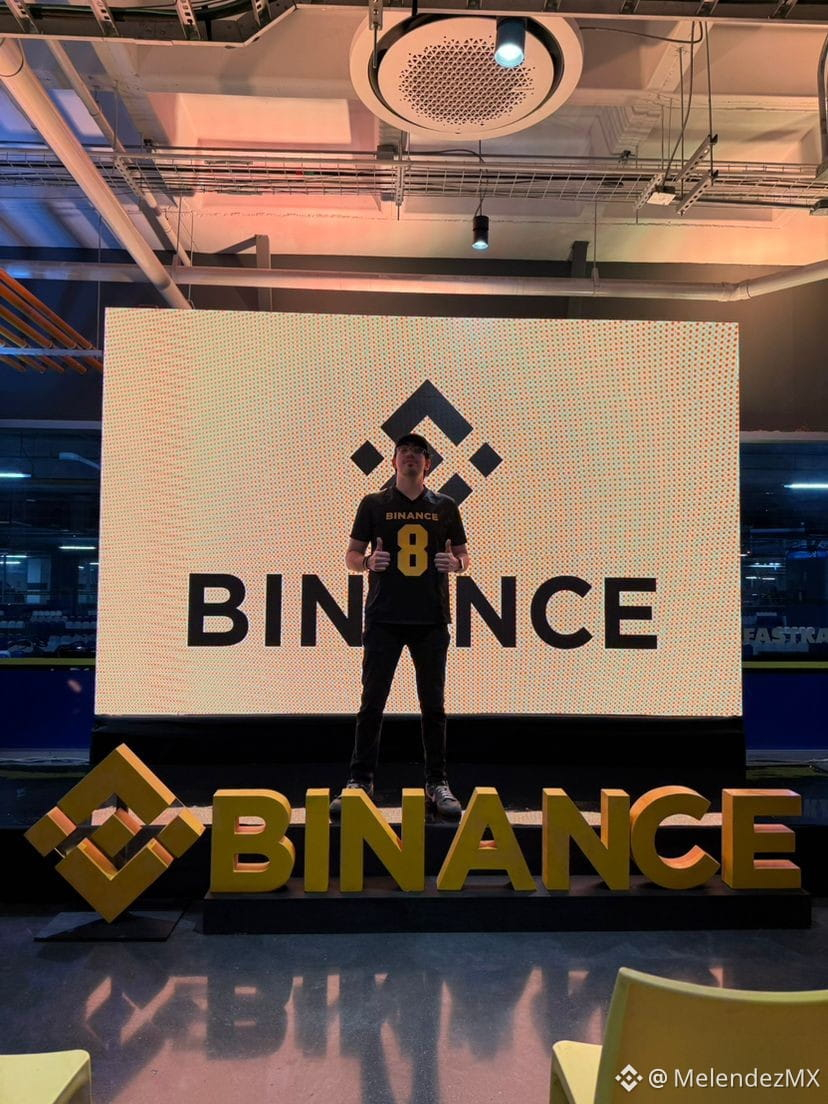
Binance has nominated me as a content creator in the Rising Star category 🤩
[Vota aqui](https://app.binance.com/uni-qr/cact26user/662?uc=app_square_share_link&us=copylink)
I’m very happy because for more than three years, we’ve been creating content on social media to help people learn how Blockchain works and use it more and more effectively every day.
I’m very proud, and I’d be grateful for your support. Just liking that post would already help me ❤️
MEXICO COMMUNITY 🇲🇽
I need your help 🫶🏻
Binance has nominated me as a content creator in the Rising Star category 🤩
Vota aqui
I’m very happy because for more than three years, we’ve been creating content on social media to help people learn how Blockchain works and use it more and more effectively every day.
I’m very proud, and I’d be grateful for your support. Just liking that post would already help me ❤️

6
1
12
4.6k
·
--
Blockchain does not make money invisible
Benjamin Netanyahu said he had asked officials to study economic alternatives, including cryptocurrencies, in case of banking sanctions. He later clarified that crypto was only one option and that no decision had been made to use it. The Bank of Israel publicly rejected the idea that cryptocurrencies could be used to evade sanctions.
The episode offers an important lesson: a blockchain can operate without relying on a traditional bank, but that does not mean the entire ecosystem is beyond the reach of regulators. Exchanges, custodians, stablecoin issuers and on-ramps to national currencies can verify identities, analyze transactions and restrict addresses.
Nor has any Israeli token, operational pilot or alternative system been announced so far. The distinction between a political statement, a plan under consideration and an available tool is essential to accurate reporting.
1
3
7.6k
·
--
Verified
New perpetual contracts on traditional stocks
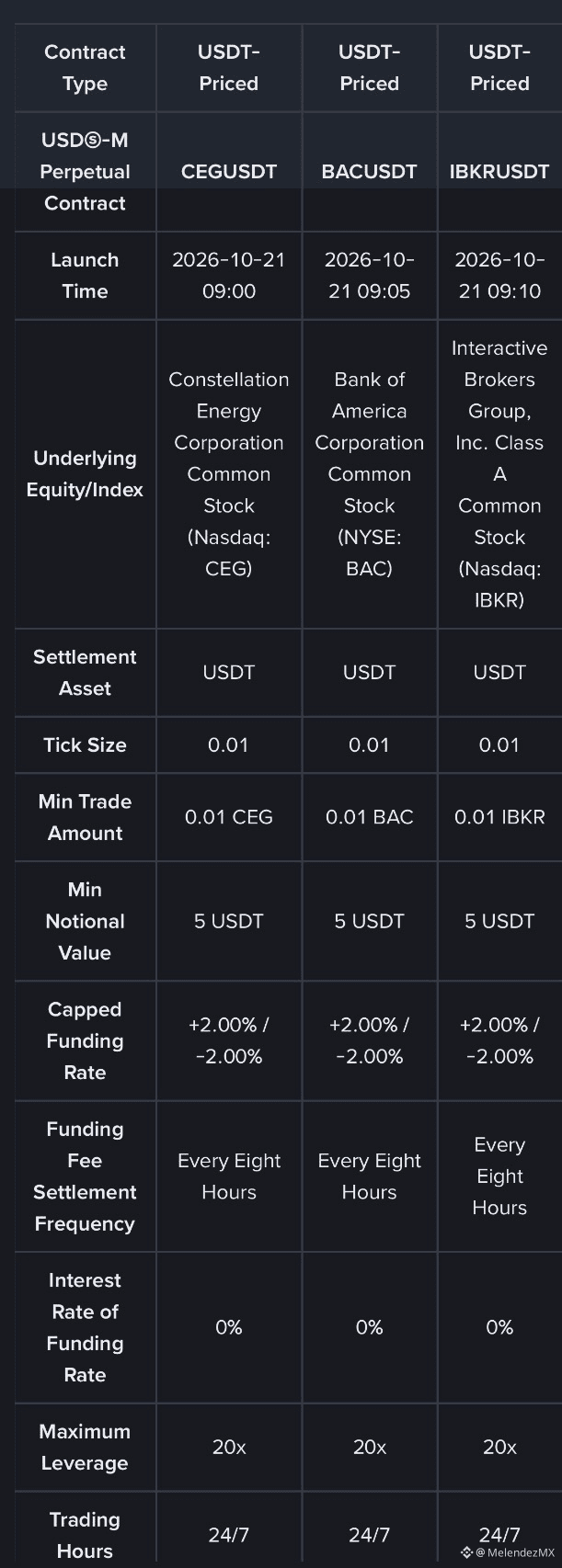
Binance announced four USDT-denominated and settled perpetual contracts linked to Constellation Energy, Bank of America, Interactive Brokers, and Medtronic: CEGUSDT, BACUSDT, IBKRUSDT, and MDTUSDT. They are scheduled to launch between 09:00 and 09:20 UTC on October 21.
These derivatives are available 24/7, with funding every eight hours and a maximum announced leverage of 20x. Binance expressly warns that the product may not be available in all regions.
This affects only users eligible for Futures and these contracts in their jurisdiction. Availability across Mexico or all of Latin America has not been confirmed.
[Artículo](https://www.binance.com/en/support/announcement/detail/29e4e52d711946c88762f0ba2259de2e)
New perpetual contracts on traditional stocks
Binance announced four USDT-denominated and settled perpetual contracts linked to Constellation Energy, Bank of America, Interactive Brokers, and Medtronic: CEGUSDT, BACUSDT, IBKRUSDT, and MDTUSDT. They are scheduled to launch between 09:00 and 09:20 UTC on October 21.
These derivatives are available 24/7, with funding every eight hours and a maximum announced leverage of 20x. Binance expressly warns that the product may not be available in all regions.
This affects only users eligible for Futures and these contracts in their jurisdiction. Availability across Mexico or all of Latin America has not been confirmed.
Artículo
1
913
·
--
Verified
Mastercard opens testing of payments between AI agents
Confirmed | Early access, not a mass launch
On October 20, Mastercard announced early access to Agent Pay for Machines. It allows AI agents to purchase data, computing power, or other digital services within budgets and permissions set by a company. The system uses digitally signed receipts and is based on the open x402 protocol.
Mastercard reported conducting end-to-end tests with Cloudflare, Ant International, Base, BVNK, Coinbase, and other companies.
This points to a model in which autonomous software can hire services and make micropayments. For Latin American creators and businesses, it could open up markets for content, data, or tools that are billed automatically, but general commercial availability in Mexico has not yet been confirmed.

MAUS+1.25%
1
1.3k
·
--
Mexico: Congress approves the new Digital Economy Law
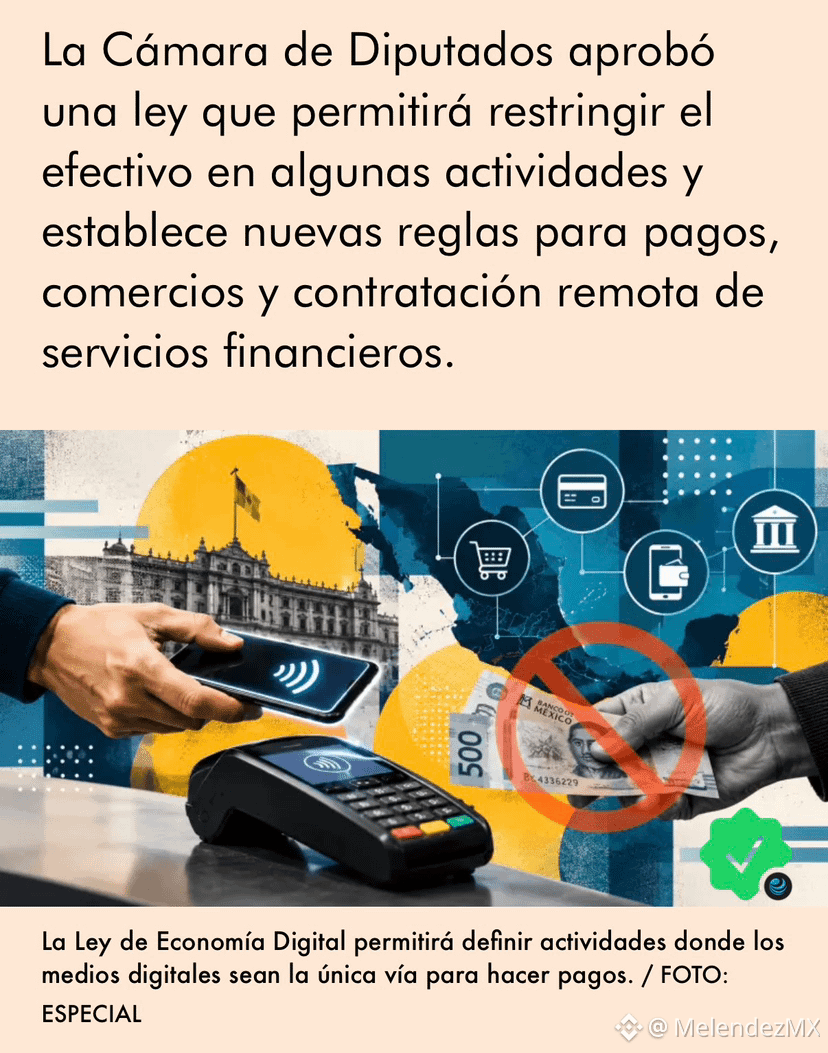
On October 20, the Senate approved the Digital Economy Law for Digital and Electronic Payments, both in general and article by article. The article-by-article vote was 72 in favor, 37 against, and no abstentions. Since the Senate did not amend the bill passed by the Chamber of Deputies, the decree was sent to the Executive Branch for promulgation and publication.
The law provides for:
* Promoting transfers, cards, QR codes, NFC, direct debit, and other digital payments.
* Making use of existing infrastructure such as SPEI and CoDi; CoDi was not created by this law.
* Enabling digital payments for government procedures and services.
* Allowing Banxico and the CNBV to promote the acceptance of QR payments for services that already accept cards.
* Recognizing the Digital CURP or another official ID to sign up for financial services remotely.
* Authorizing the Finance Ministry to determine the sectors in which digital payment could become the only accepted payment method.
* Allowing cash or checks when a contingency prevents digital payments from being processed.
This law could change how businesses, professionals, and public authorities collect payments. It could also expand access to banking, but raises questions about fees, connectivity, fraud, privacy, and costs for small businesses.
Exact status: approved by both chambers and sent to the Executive Branch. As of now, it should not yet be presented as a general operational requirement: promulgation, publication in the Official Gazette of the Federation (DOF), and implementing provisions are still pending.
701
·
--
Mexico: amendments proposed to digital payments law
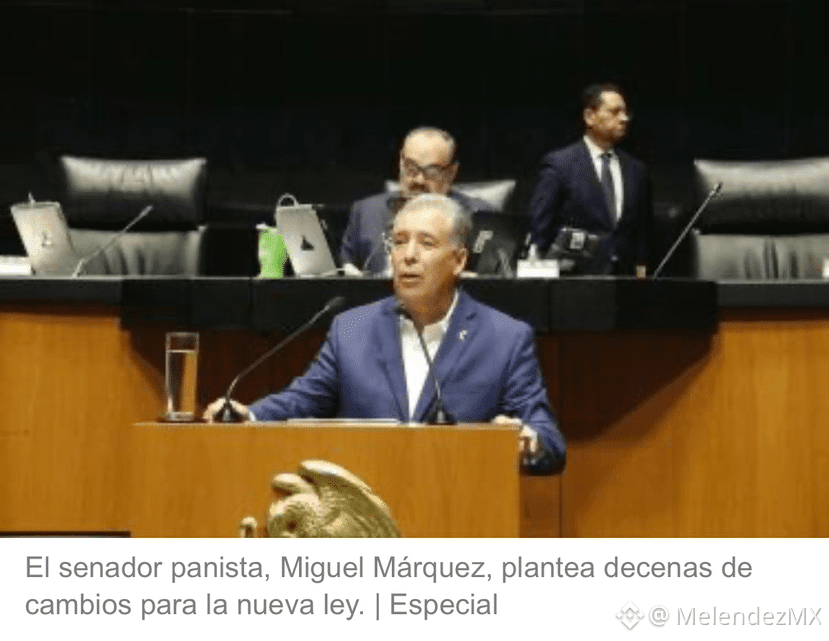
Excélsior reports that Senator Miguel Márquez filed around 200 amendments to the bill, seeking a transition based on incentives, accessibility, and coexistence with other payment methods. These are proposals, not approved changes.
For Mexican businesses and consumers, the key question is whether they will be able to choose how to pay and what requirements they will have to meet to accept electronic payment methods.
Let’s take a look at what these changes are…
1.1k
·
--
Partly True
HERMES proposes modernizing connections to SPEI
On October 13, GFT published information about HERMES, which was presented alongside Google Cloud and Conecta on October 8. The proposal uses cloud infrastructure and AI to help financial institutions modernize their connections and instant payment processes.
Behind every transfer are systems that need to run continuously. Modernizing this infrastructure could improve institutions’ operational capabilities; the benefits for users have yet to be demonstrated.
1
675
·
--
Verified
Tether invests in EFY Finance to connect stablecoins with the regional financial system
Tether announced its participation in EFY Finance’s seed round to expand institutional uses of USDT and USAT in Latin America. Mexico is among the markets where the company says it has a presence. This is an investment to develop infrastructure, not the automatic launch of a new feature for all Mexican users.
For agencies, freelancers, and businesses that collect payments internationally, the usefulness depends on being able to convert the balance and receive money in a local account. My take: competition will come down to total costs, availability, and the ability to resolve problems, as well as blockchain speed.
659
·
--
CAN A FINANCIAL AI BE SHUT DOWN? WHO CAN DO IT?
Banking regulators are increasing their scrutiny of how institutions use artificial intelligence and autonomous agents. They want to know whether audits and recovery mechanisms are in place, and whether there is an effective way to stop the system when something goes wrong.
My take is that AI adoption in finance is entering a phase that is less focused on surprising answers and more centered on accountability. A tool can detect patterns or summarize markets, but it is still necessary to know what data it uses, who is responsible for its mistakes, and whether a person can review its decisions.
For users of banks, fintechs, and crypto platforms in Latin America, it is worth watching for three signs: human oversight, data protection, and clear processes for correcting blocks or misclassifications. Automating a decision does not eliminate its risks.

2.5k
·
--
Verified
Mexico’s Orbi card connects stablecoins to the Mastercard network
SoFi Tech Solutions, Orbi, and Mastercard unveiled the infrastructure behind the Orbi Card in Mexico. The physical and virtual card lets users spend balances in digital assets; conversion takes place at the time of payment, and merchants receive fiat currency.
The announcement does not mark the launch of a completely new card: Orbi says its users could already use it and that its day-to-day operation remains unchanged. The news is the confirmation of SoFi as its technology provider and BIN sponsor, as well as the use of Mastercard’s domestic MxDS network for purchases and ATM withdrawals.
Technically, it’s what the Binance Card already does.
2
1
1.2k
·
--
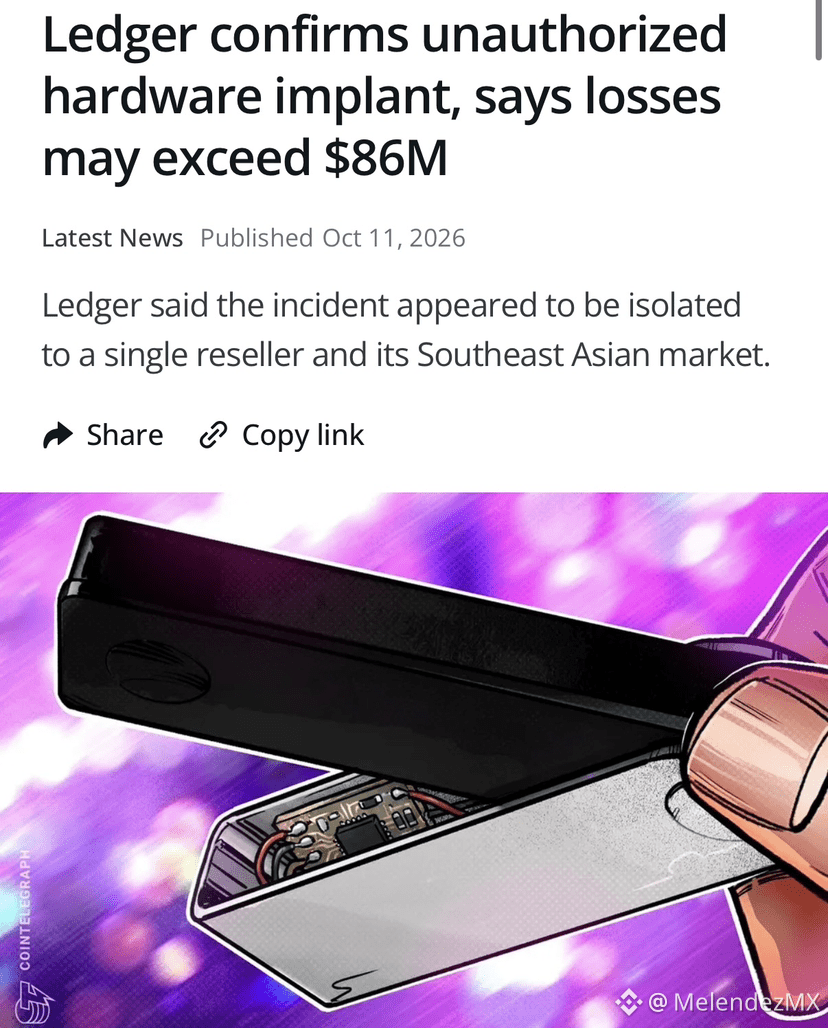
Your hardware wallet could also arrive tampered with: security starts before you turn it on.
Ledger confirmed an unauthorized implant in a device belonging to a user affected by the investigation related to CryptoBilis. The October 10 update adds a physical component to the case.
My take: when discussing self-custody, we tend to focus on passwords and recovery phrases, but we should also consider how the device reaches us. For users in Mexico and Latin America, it’s worth watching which units the investigation identifies, what guidance the manufacturer publishes, and whether any impacts emerge outside the market in question. A specialized device can reduce certain risks, but its brand name is no substitute for careful purchasing or secure setup.
1
1.3k
·
--
Verified
Are they trying to stop USDT?
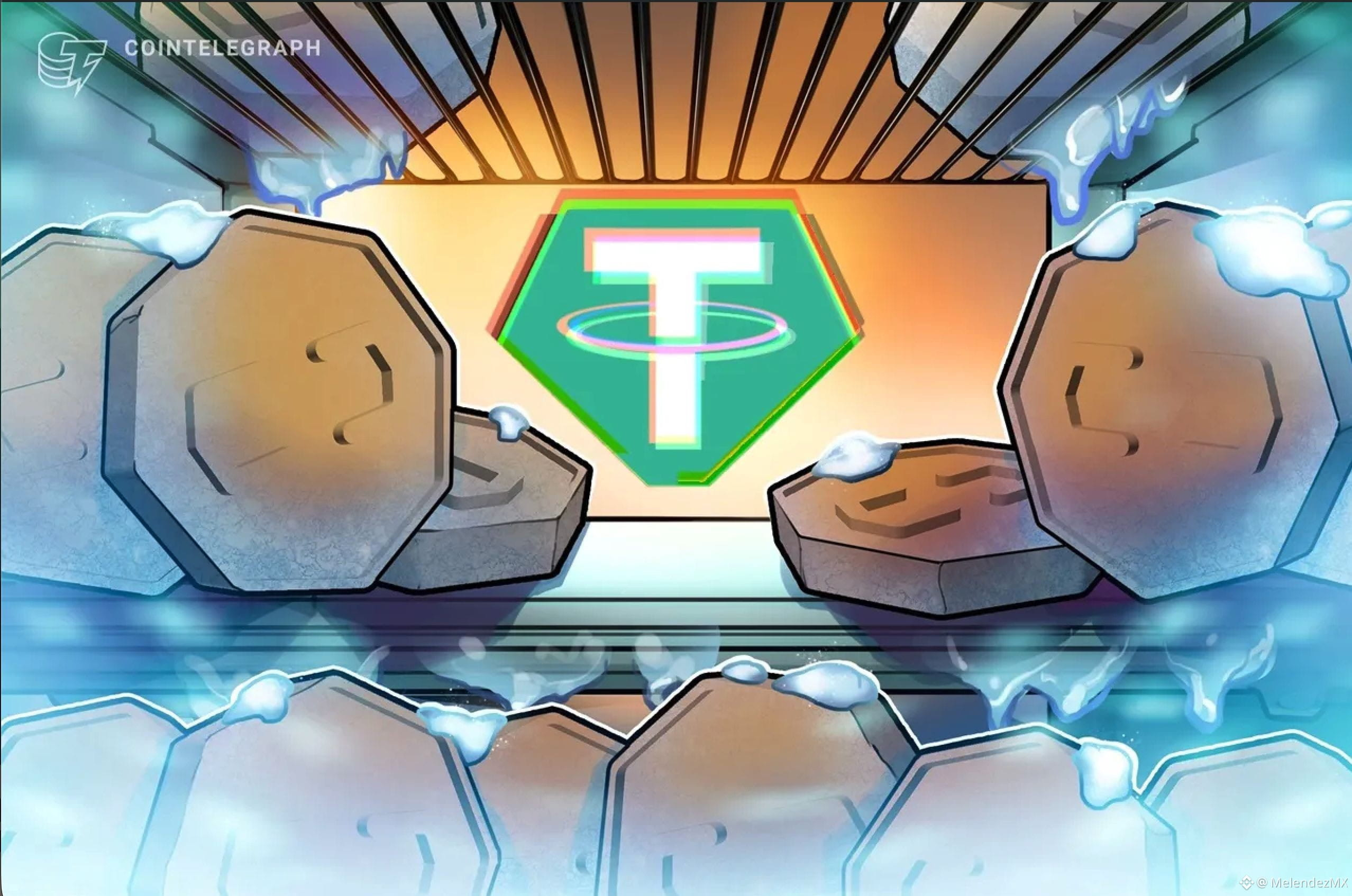
Chad Barraford, THORChain’s technical co-founder, reported that Tether blocked four addresses holding approximately 1.45 million USDT and unblocked them hours later. Cointelegraph requested comment from both organizations but received no immediate response. The reason remains publicly unclear in the coverage reviewed.
For people who use stablecoins to receive or transfer money, it matters who controls the wallet as well as who controls the token. A decentralized protocol may depend on an asset whose issuer retains the power to block it.
1
2
916
·
--
Verified
Securitize launches tokenized U.S. stocks
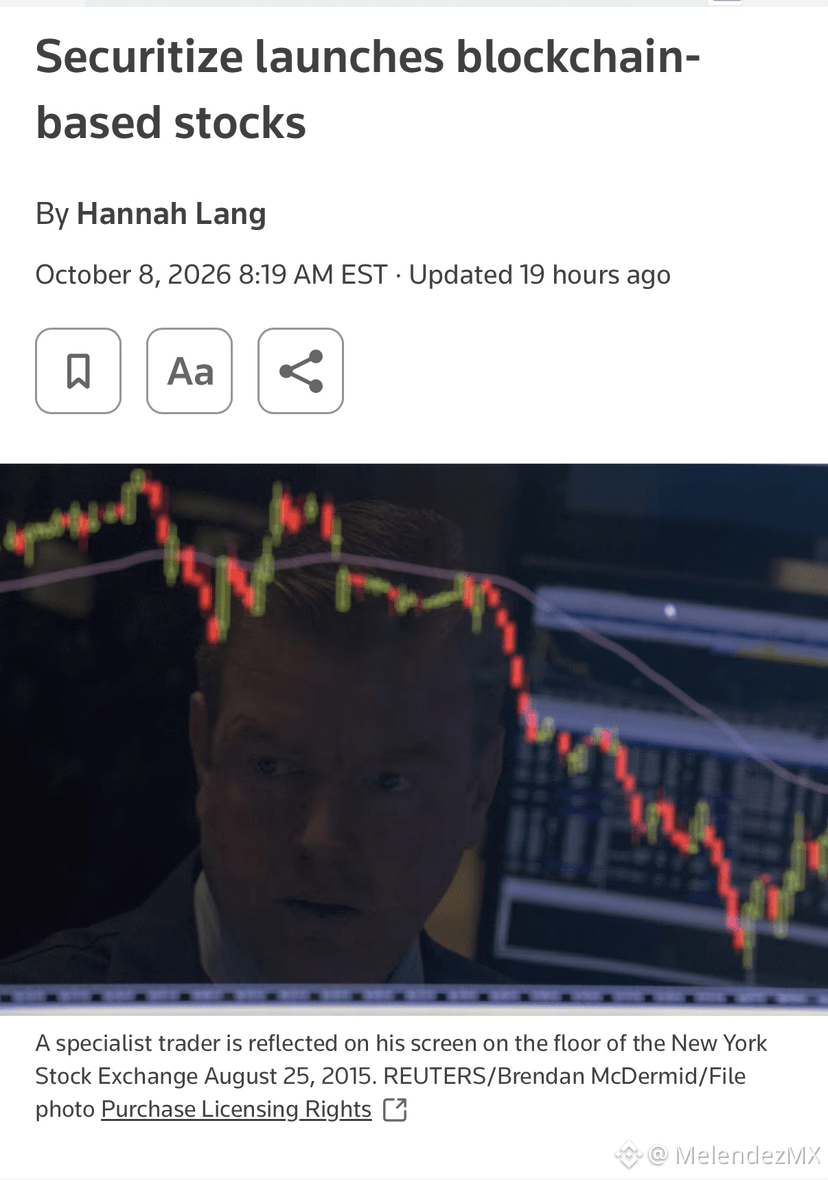
Securitize has begun offering tokenized representations of stocks such as Apple, Nvidia, Microsoft, Alphabet, Meta, Amazon, and Tesla. They initially operate on Solana, can be purchased with USDC, and are backed 1:1 by the underlying shares. The company says they convey dividend and voting rights.
The structure has an important legal distinction: the user acquires a right to securities held in custody by Securitize, but is not directly listed as a registered shareholder of the company unless they convert their position in accordance with the service terms.
This is a step forward from products that merely mimic a stock’s price. However, Securitize only announces availability in the United States, the European Union, and “other eligible markets”; Mexico is not expressly confirmed.
811
·
--
Verified
#token2049 Nium and RedotPay announce an alliance to expand the conversion of crypto into traditional money
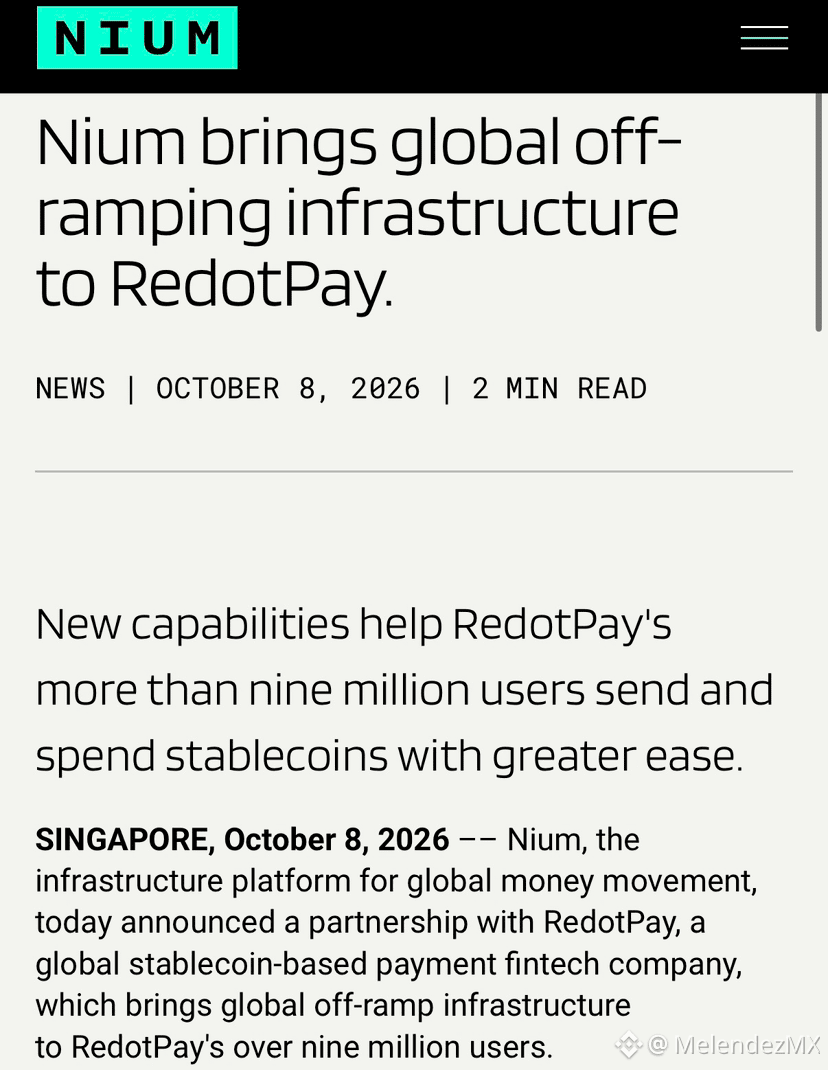
What happened: Both companies announced a collaboration to incorporate Nium’s infrastructure for converting to traditional currency into RedotPay. The deal aims to broaden the options for converting digital assets and receiving money through conventional payment networks. This is confirmed by statements from both companies.
What happened: Both companies announced a collaboration to incorporate Nium’s infrastructure for converting to traditional currency into RedotPay. The deal aims to broaden the options for converting digital assets and receiving money through conventional payment networks. This is confirmed by statements from both companies.
946
·
--
#token2049 Arthur Hayes presents FLOP:
a blockchain designed for AI agents
On October 7, Hayes unveiled FLOP as a network where artificial intelligence agents would pay for compute and memory resources. The announced timeline includes a test network by late October and a main network in the first quarter of 2027. These are plans, not a service that is already operational.
if an AI hires services, who authorizes its payments, sets limits, and is responsible for errors? The practical application will depend on whether the project demonstrates functionality and adoption.
357
·
--
Verified
#token2049 : Polygon connects its payments infrastructure with USDT on TRON
Official confirmation, October 8.
Polygon announced that Open Money Stack supports TRON: it integrates receiving funds, wallets, cross-network transfers, and payouts to traditional payment rails. It’s infrastructure for enterprises and fintechs. The release explicitly mentions Mexico and Argentina as relevant markets, but warns that features depend on the jurisdiction.
For those who bill for international services, the potential usefulness lies in linking the payment with stablecoins and receiving it into a bank account. It remains to be verified which providers will offer it locally, with what fees and terms.
732
Log in to explore more content
Join global crypto users on Binance Square
⚡️ Get latest and useful information about crypto.
💬 Trusted by the world’s largest crypto exchange.
👍 Discover real insights from verified creators.
Email / Phone number