

Grace蓝姐
1.3k Posts

Grace蓝姐
 Square Verified
Report
Block User
Writer, KOL. 灯塔DAO成员,中英双语主持人,项目大使,BP-4B5415613F56
Open Trade

BTC Holder
Frequent Trader
3.5 Years
9.7K+ Following
32.7K+ Followers
13.7K+ Liked
Posts
Portfolio
All
Quotes
Videos
Live
PINNED
·
--
HertzFlow Challenge Day 10
I’m bullish on $BTC
@HertzFlow_xyz
This contest is very creative, keep it up
#Hertzflow
$BTC
HertzFlow Challenge Day 10
I’m bullish on $BTC
@HertzFlow
This contest is very creative, keep it up
#Hertzflow
$BTC
I’m bullish on $BTC
@HertzFlow
This contest is very creative, keep it up
#Hertzflow
$BTC

2
1
159
PINNED
·
--
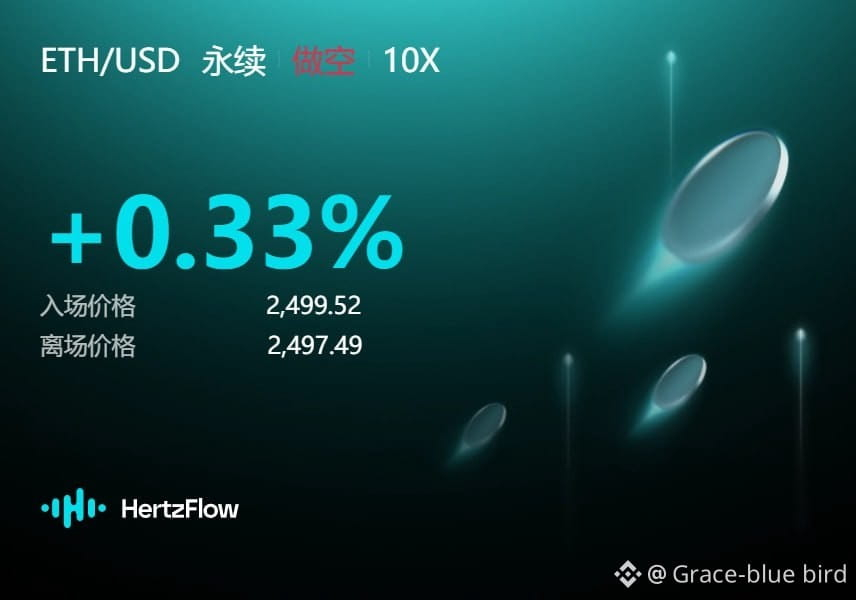
HertzFlow Challenge Day 7
I’m bullish on ETH. @HertzFlow
This contest is very creative—keep it up
$ETH
@HertzFlow_xyz
#Hertzflow
#美伊互袭油轮冲突升级
HertzFlow Challenge Day 7
I’m bullish on ETH. @HertzFlow
This contest is very creative—keep it up
$ETH
@HertzFlow
#Hertzflow
#美伊互袭油轮冲突升级
I’m bullish on ETH. @HertzFlow
This contest is very creative—keep it up
$ETH
@HertzFlow
#Hertzflow
#美伊互袭油轮冲突升级
2
1
2
165
·
--
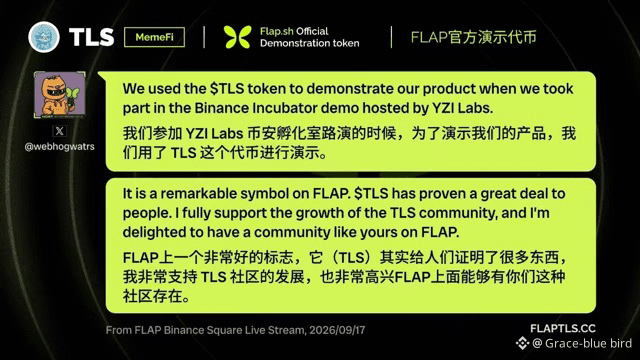
No hype, no short-term speculation—only day-by-day solid construction.
Four months of refinement: from being widely questioned to receiving official certification, $TLS has officially established its position as an official test token for FLAP.
We continue to deeply work in the #MemeFi track, focusing on ecosystem empowerment and market education, breaking industry bias with pure community building.
Looking across the BNBChain ecosystem, the official test token track has never been short of miracles. The market caps of TST and TUT have already validated the logic of the track. And with $TLS backed by the top-tier Meme platform FLAP, the starting point is higher and the momentum stronger.
We dedicate time to deterministic value—never wagering on hype or chasing trends. In the future, our strength will prove it. Long-term construction will ultimately yield more than proportional returns.
No hype, no short-term speculation—only day-by-day solid construction.
Four months of refinement: from being widely questioned to receiving official certification, $TLS has officially established its position as an official test token for FLAP.
We continue to deeply work in the #MemeFi track, focusing on ecosystem empowerment and market education, breaking industry bias with pure community building.
Looking across the BNBChain ecosystem, the official test token track has never been short of miracles. The market caps of TST and TUT have already validated the logic of the track. And with $TLS backed by the top-tier Meme platform FLAP, the starting point is higher and the momentum stronger.
We dedicate time to deterministic value—never wagering on hype or chasing trends. In the future, our strength will prove it. Long-term construction will ultimately yield more than proportional returns.
Four months of refinement: from being widely questioned to receiving official certification, $TLS has officially established its position as an official test token for FLAP.
We continue to deeply work in the #MemeFi track, focusing on ecosystem empowerment and market education, breaking industry bias with pure community building.
Looking across the BNBChain ecosystem, the official test token track has never been short of miracles. The market caps of TST and TUT have already validated the logic of the track. And with $TLS backed by the top-tier Meme platform FLAP, the starting point is higher and the momentum stronger.
We dedicate time to deterministic value—never wagering on hype or chasing trends. In the future, our strength will prove it. Long-term construction will ultimately yield more than proportional returns.
1
1
192
·
--
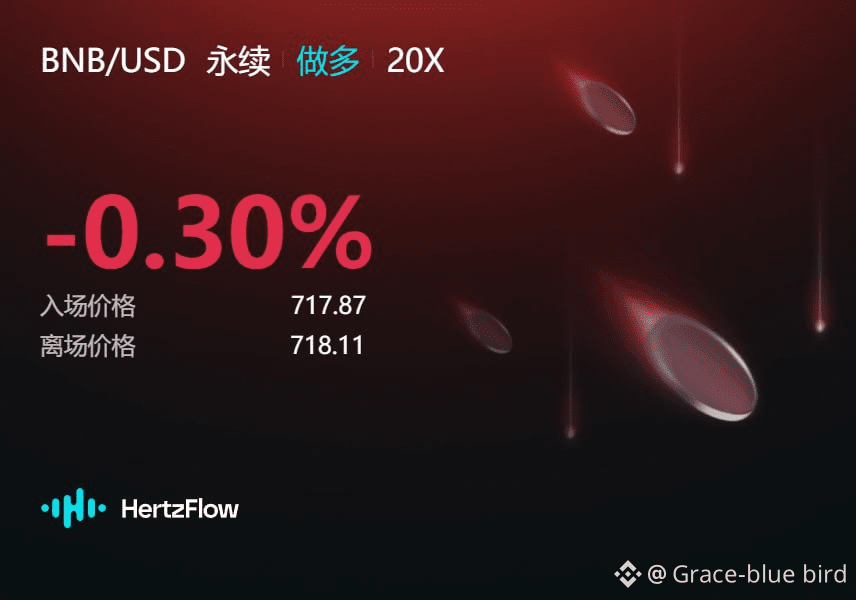
HertzFlow Challenge Day 13
I see long $BNB
@HertzFlow_xyz
This competition is very creative, keep it up
#HertzflowPNL
#AnthropicCEO呼吁放缓AI发展
HertzFlow Challenge Day 13
I see long $BNB
@HertzFlow
This competition is very creative, keep it up
#HertzflowPNL
#AnthropicCEO呼吁放缓AI发展
I see long $BNB
@HertzFlow
This competition is very creative, keep it up
#HertzflowPNL
#AnthropicCEO呼吁放缓AI发展
1
149
·
--
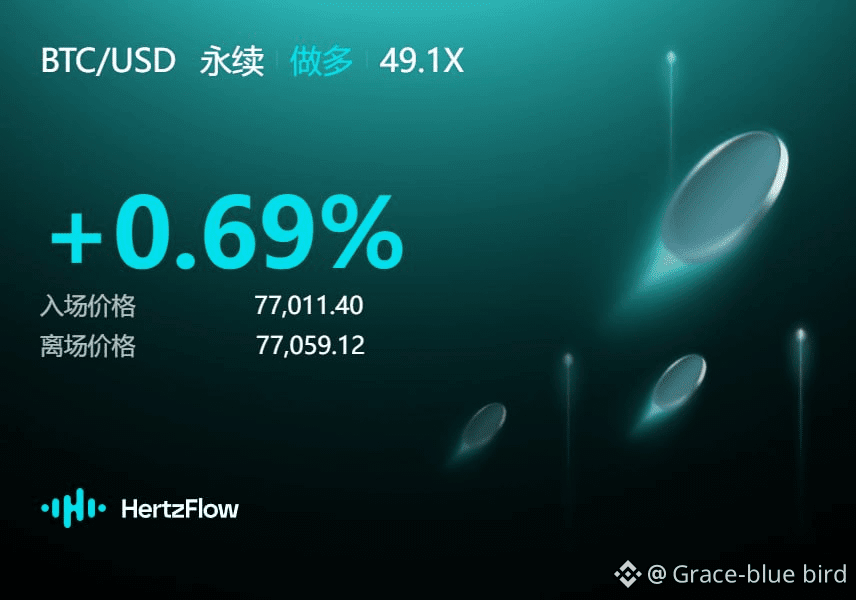
HertzFlow Challenge Day 11
I see more $BTC
@HertzFlow_xyz
This competition is very creative, keep it up
#HertzflowPNL
$BTC
HertzFlow Challenge Day 11
I see more $BTC
@HertzFlow
This competition is very creative, keep it up
#HertzflowPNL
$BTC
I see more $BTC
@HertzFlow
This competition is very creative, keep it up
#HertzflowPNL
$BTC
1
146
·
--
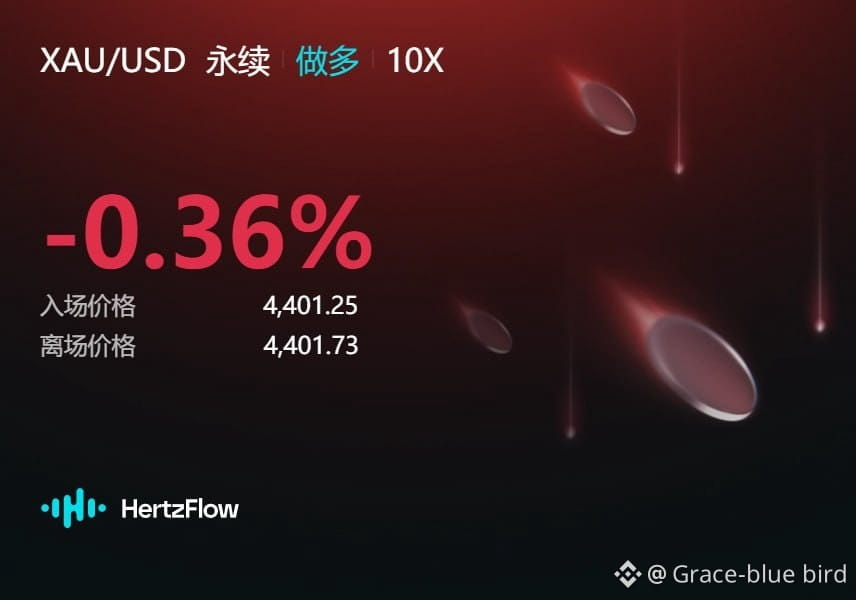
HertzFlow Challenge Day 8
I see XAU. @HertzFlow_xyz
This competition is very creative, keep it up
@HertzFlow_xyz
#Hertzflow
#美财政部拟回购最多60亿美元国债
HertzFlow Challenge Day 8
I see XAU. @HertzFlow
This competition is very creative, keep it up
@HertzFlow
#Hertzflow
#美财政部拟回购最多60亿美元国债
I see XAU. @HertzFlow
This competition is very creative, keep it up
@HertzFlow
#Hertzflow
#美财政部拟回购最多60亿美元国债
1
135
·
--
good
good

Crypto豪哥
·
--
I built an OmenX leverage prediction group chat—everyone is welcome to join.
First, I’ll send each brother 10u trading position for free. More activities and benefits will come later.
There’s also an entry link at the bottom of this post—you can click it directly and join immediately.
First, I’ll send each brother 10u trading position for free. More activities and benefits will come later.
There’s also an entry link at the bottom of this post—you can click it directly and join immediately.

63
·
--
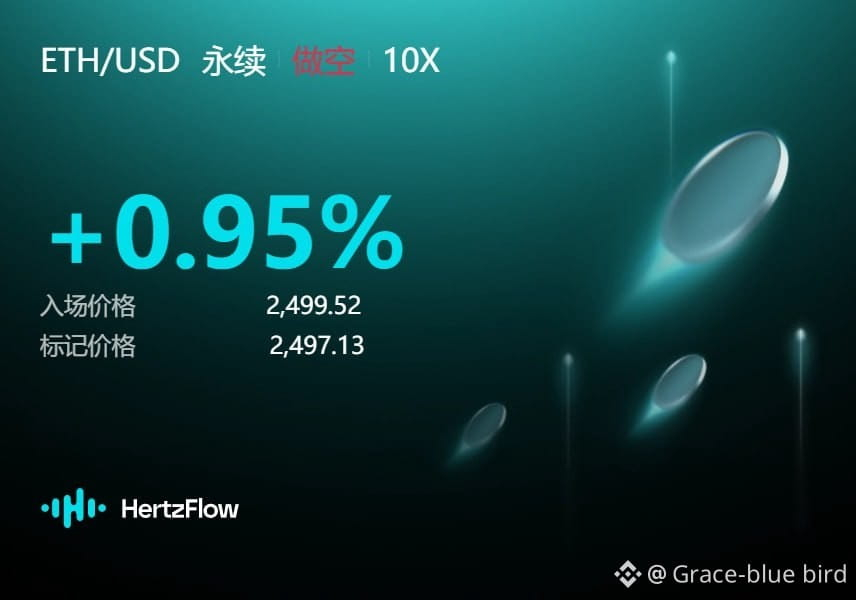
HertzFlow Challenge Day 6
I’m bullish on ETH. @HertzFlow_xyz
This competition is very creative, keep up the good work
$ETH
@HertzFlow_xyz
#Hertzflow
ZEC’s market cap has surpassed DOGE
HertzFlow Challenge Day 6
I’m bullish on ETH. @HertzFlow
This competition is very creative, keep up the good work
$ETH
@HertzFlow
#Hertzflow
ZEC’s market cap has surpassed DOGE
I’m bullish on ETH. @HertzFlow
This competition is very creative, keep up the good work
$ETH
@HertzFlow
#Hertzflow
ZEC’s market cap has surpassed DOGE
1
224
·
--
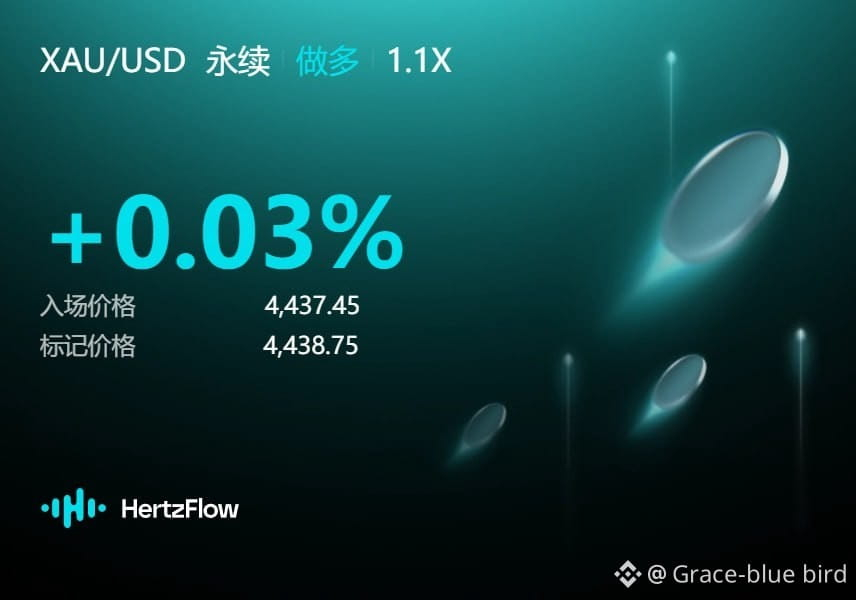
HertzFlow Challenge Day 5
Gold was first pressed down by expectations of interest rate hikes, so I’m watching for a long position first. @HertzFlow
This competition is very creative, keep up the good work
$XAU
#HertzflowPNL @HertzFlow_xyz
HertzFlow Challenge Day 5
Gold was first pressed down by expectations of interest rate hikes, so I’m watching for a long position first. @HertzFlow
This competition is very creative, keep up the good work
$XAU
#HertzflowPNL @HertzFlow
Gold was first pressed down by expectations of interest rate hikes, so I’m watching for a long position first. @HertzFlow
This competition is very creative, keep up the good work
$XAU
#HertzflowPNL @HertzFlow
1
193
·
--
#比特币创2023年3月来最佳周表现 , is the following termax article okay?
#比特币创2023年3月来最佳周表现 , is the following termax article okay?
25
1
5
141
·
--
《固定利率只对借款人有用吗?我觉得出借人可能更需要它》
大家说固定利率,通常第一反应都是借款人。
这个很好理解。
原本按 5% 的利率借钱,结果市场一热t,资金需求上来,利率涨到 10%、15%,原来算好的策略可能一下就不成立了。
所以对借款人来说,固定利率最直接的好处就是:
成本能提前算清楚。
但如果换到出借人这边,其实也一样。
比如现在浮动收益还有 6%,你判断接下来市场会慢慢冷下来,资金需求下降,收益可能掉到 3%。
那这个时候,如果能提前把未来 90 天的收益锁在一个自己能接受的位置,其实也挺有吸引力。
所以固定利率解决的,不只是:
“我借钱以后,会不会越来越贵?”
它也在解决另一个问题:
“我现在看到的收益,过一阵子还剩多少?”
这个角度,是我最近看 @termmax 时才慢慢意识到的。
牛市里大家都在追更高 APY,固定利率可能没那么抢眼。
但市场一旦开始降温,大家反而会更在意确定性。
借款人想锁成本。
出借人想锁收益。
这么一看,固定利率其实有一点“行情越不确定,价值越明显”的味道。
当然,这件事最后能不能真正跑起来,还是得看现实。
30 天、90 天、180 天这些不同期限,有没有人借?
有没有人愿意出?
市场有没有足够流动性?
这些比故事本身更重要。
所以我现在看 TermMax,不太想只盯着某个 APY。
我更想看的是:
它能不能真的把不同期限、不同需求的资金慢慢聚起来。
如果能,那固定利率可能就不只是一个借贷功能。
它会变成用户管理未来资金成本和收益的一种工具。
@termmax
#TermMax #TMX #DeFi
投票:
你觉得固定利率在 DeFi 里,哪一边更需要?
① 借款人:提前锁定成本
② 出借人:提前锁定收益
③ 两边都需要
④ 现在还太早,先看流动性
《固定利率只对借款人有用吗?我觉得出借人可能更需要它》
大家说固定利率,通常第一反应都是借款人。
这个很好理解。
原本按 5% 的利率借钱,结果市场一热t,资金需求上来,利率涨到 10%、15%,原来算好的策略可能一下就不成立了。
所以对借款人来说,固定利率最直接的好处就是:
成本能提前算清楚。
但如果换到出借人这边,其实也一样。
比如现在浮动收益还有 6%,你判断接下来市场会慢慢冷下来,资金需求下降,收益可能掉到 3%。
那这个时候,如果能提前把未来 90 天的收益锁在一个自己能接受的位置,其实也挺有吸引力。
所以固定利率解决的,不只是:
“我借钱以后,会不会越来越贵?”
它也在解决另一个问题:
“我现在看到的收益,过一阵子还剩多少?”
这个角度,是我最近看 @TermMax 时才慢慢意识到的。
牛市里大家都在追更高 APY,固定利率可能没那么抢眼。
但市场一旦开始降温,大家反而会更在意确定性。
借款人想锁成本。
出借人想锁收益。
这么一看,固定利率其实有一点“行情越不确定,价值越明显”的味道。
当然,这件事最后能不能真正跑起来,还是得看现实。
30 天、90 天、180 天这些不同期限,有没有人借?
有没有人愿意出?
市场有没有足够流动性?
这些比故事本身更重要。
所以我现在看 TermMax,不太想只盯着某个 APY。
我更想看的是:
它能不能真的把不同期限、不同需求的资金慢慢聚起来。
如果能,那固定利率可能就不只是一个借贷功能。
它会变成用户管理未来资金成本和收益的一种工具。
@TermMax
#TermMax #TMX #DeFi
投票:
你觉得固定利率在 DeFi 里,哪一边更需要?
① 借款人:提前锁定成本
② 出借人:提前锁定收益
③ 两边都需要
④ 现在还太早,先看流动性
大家说固定利率,通常第一反应都是借款人。
这个很好理解。
原本按 5% 的利率借钱,结果市场一热t,资金需求上来,利率涨到 10%、15%,原来算好的策略可能一下就不成立了。
所以对借款人来说,固定利率最直接的好处就是:
成本能提前算清楚。
但如果换到出借人这边,其实也一样。
比如现在浮动收益还有 6%,你判断接下来市场会慢慢冷下来,资金需求下降,收益可能掉到 3%。
那这个时候,如果能提前把未来 90 天的收益锁在一个自己能接受的位置,其实也挺有吸引力。
所以固定利率解决的,不只是:
“我借钱以后,会不会越来越贵?”
它也在解决另一个问题:
“我现在看到的收益,过一阵子还剩多少?”
这个角度,是我最近看 @TermMax 时才慢慢意识到的。
牛市里大家都在追更高 APY,固定利率可能没那么抢眼。
但市场一旦开始降温,大家反而会更在意确定性。
借款人想锁成本。
出借人想锁收益。
这么一看,固定利率其实有一点“行情越不确定,价值越明显”的味道。
当然,这件事最后能不能真正跑起来,还是得看现实。
30 天、90 天、180 天这些不同期限,有没有人借?
有没有人愿意出?
市场有没有足够流动性?
这些比故事本身更重要。
所以我现在看 TermMax,不太想只盯着某个 APY。
我更想看的是:
它能不能真的把不同期限、不同需求的资金慢慢聚起来。
如果能,那固定利率可能就不只是一个借贷功能。
它会变成用户管理未来资金成本和收益的一种工具。
@TermMax
#TermMax #TMX #DeFi
投票:
你觉得固定利率在 DeFi 里,哪一边更需要?
① 借款人:提前锁定成本
② 出借人:提前锁定收益
③ 两边都需要
④ 现在还太早,先看流动性
① 借款人:提前锁定成本
33%
② 出借人:提前锁定收益
0%
③ 两边都需要
67%
④ 现在还太早,先看流动性
0%
3 votes • Voting closed
6
2
2
1.7k
·
--
《TermMax Filling the DeFi Table That’s Been Missing: The Price of Time》
I used to think that @termmax is basically about fixed-rate lending and borrowing. But after taking another look this time, I suddenly feel that “fixed interest rates” might just be the surface.
What TermMax may really be tackling is a more fundamental question:
Borrow money for a month, three months, or half a year—its price shouldn’t be the same.
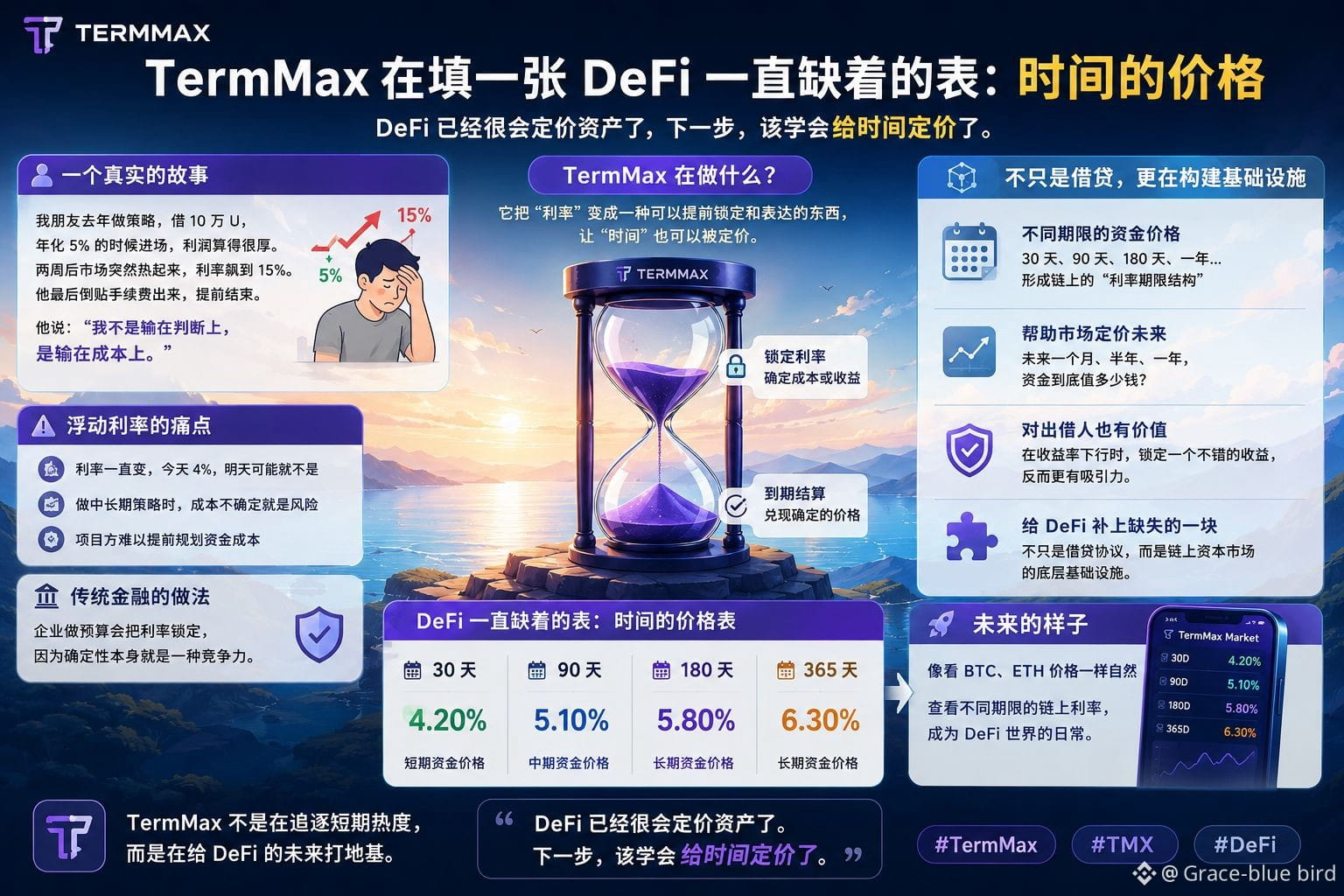
A friend of mine came up with a strategy last year with 100,000 U. When he entered, the borrowing interest rate was around 5%, and his calculations looked really beautiful. Two weeks later, when the market got hot, the rate shot up straight to 15%.
Later he said something I’ve never forgotten:
“Right direction, but ultimately you get wiped out by the cost of capital.”
That’s the troublesome part of floating rates—not necessarily because they’re always expensive, but because you don’t know what they’ll be tomorrow.
For a short-term trade it might not matter. But if a strategy has to run for a few months, whether the cost of capital can be determined in advance is crucial.
So when I look at TermMax now, I’m not just thinking, “Lock the interest rate.”
There’s a price for 30-day money, a price for 90-day money, and another price for 180-day money.
If different tenors can gradually form their own interest rates, what we see won’t be only an APY anymore—it’ll start to look like an on-chain “time price table.”
Traditional finance has been doing this for a long time.
Why do people track 2-year and 10-year government bond yields? Because money of different maturities really does have different prices.
But in DeFi, people are still mostly looking at what the AAVE rate is right now, and how much APY a certain pool has today—mostly “what’s happening now.”
As for what the capital should be worth three months or six months from now, an on-chain mature pricing system still hasn’t taken shape.
That’s also what I find interesting about TermMax.
It may not be trying only to build a more stable lending and borrowing protocol—it may be trying to bring “maturity/tenor” into DeFi for real.
Of course, it’s not that easy. For different tenors to work, there must be people who borrow and people who provide liquidity; liquidity and real demand have to keep up too.
So I won’t rush to say how far TermMax is definitely going to go.
But I’ll keep watching this direction.
#TermMax
#TMX #DeFi
《TermMax Filling the DeFi Table That’s Been Missing: The Price of Time》
I used to think that @TermMax is basically about fixed-rate lending and borrowing. But after taking another look this time, I suddenly feel that “fixed interest rates” might just be the surface.
What TermMax may really be tackling is a more fundamental question:
Borrow money for a month, three months, or half a year—its price shouldn’t be the same.
A friend of mine came up with a strategy last year with 100,000 U. When he entered, the borrowing interest rate was around 5%, and his calculations looked really beautiful. Two weeks later, when the market got hot, the rate shot up straight to 15%.
Later he said something I’ve never forgotten:
“Right direction, but ultimately you get wiped out by the cost of capital.”
That’s the troublesome part of floating rates—not necessarily because they’re always expensive, but because you don’t know what they’ll be tomorrow.
For a short-term trade it might not matter. But if a strategy has to run for a few months, whether the cost of capital can be determined in advance is crucial.
So when I look at TermMax now, I’m not just thinking, “Lock the interest rate.”
There’s a price for 30-day money, a price for 90-day money, and another price for 180-day money.
If different tenors can gradually form their own interest rates, what we see won’t be only an APY anymore—it’ll start to look like an on-chain “time price table.”
Traditional finance has been doing this for a long time.
Why do people track 2-year and 10-year government bond yields? Because money of different maturities really does have different prices.
But in DeFi, people are still mostly looking at what the AAVE rate is right now, and how much APY a certain pool has today—mostly “what’s happening now.”
As for what the capital should be worth three months or six months from now, an on-chain mature pricing system still hasn’t taken shape.
That’s also what I find interesting about TermMax.
It may not be trying only to build a more stable lending and borrowing protocol—it may be trying to bring “maturity/tenor” into DeFi for real.
Of course, it’s not that easy. For different tenors to work, there must be people who borrow and people who provide liquidity; liquidity and real demand have to keep up too.
So I won’t rush to say how far TermMax is definitely going to go.
But I’ll keep watching this direction.
#TermMax
#TMX #DeFi
I used to think that @TermMax is basically about fixed-rate lending and borrowing. But after taking another look this time, I suddenly feel that “fixed interest rates” might just be the surface.
What TermMax may really be tackling is a more fundamental question:
Borrow money for a month, three months, or half a year—its price shouldn’t be the same.
A friend of mine came up with a strategy last year with 100,000 U. When he entered, the borrowing interest rate was around 5%, and his calculations looked really beautiful. Two weeks later, when the market got hot, the rate shot up straight to 15%.
Later he said something I’ve never forgotten:
“Right direction, but ultimately you get wiped out by the cost of capital.”
That’s the troublesome part of floating rates—not necessarily because they’re always expensive, but because you don’t know what they’ll be tomorrow.
For a short-term trade it might not matter. But if a strategy has to run for a few months, whether the cost of capital can be determined in advance is crucial.
So when I look at TermMax now, I’m not just thinking, “Lock the interest rate.”
There’s a price for 30-day money, a price for 90-day money, and another price for 180-day money.
If different tenors can gradually form their own interest rates, what we see won’t be only an APY anymore—it’ll start to look like an on-chain “time price table.”
Traditional finance has been doing this for a long time.
Why do people track 2-year and 10-year government bond yields? Because money of different maturities really does have different prices.
But in DeFi, people are still mostly looking at what the AAVE rate is right now, and how much APY a certain pool has today—mostly “what’s happening now.”
As for what the capital should be worth three months or six months from now, an on-chain mature pricing system still hasn’t taken shape.
That’s also what I find interesting about TermMax.
It may not be trying only to build a more stable lending and borrowing protocol—it may be trying to bring “maturity/tenor” into DeFi for real.
Of course, it’s not that easy. For different tenors to work, there must be people who borrow and people who provide liquidity; liquidity and real demand have to keep up too.
So I won’t rush to say how far TermMax is definitely going to go.
But I’ll keep watching this direction.
#TermMax
#TMX #DeFi
2
2
2
206
·
--
GOOD
GOOD
Grace蓝姐
·
--
“Everyone is talking about TermMax’s fixed interest rate, but I’m more concerned about ‘uncertainty’ instead”
Recently, I’ve kept looking at @TermMax , and the feeling has only been getting stronger.
Many people talk about TermMax and the first thing they say is fixed interest rates.
That’s obviously correct.
But if TermMax is only turning a variable interest rate into a fixed one, then I feel the story still isn’t finished.
Sometimes the most troublesome thing about DeFi isn’t that the returns aren’t high enough—it’s that there are too many variables.
The APY you see today might already be different by next week.
If you borrow money, how much does it cost in total?
How long will you keep the funds?
What interest rate would I be willing to agree to?
So many things can only be figured out as you go.
When I put some of TermMax’s current designs together, I actually see a fairly interesting thread:
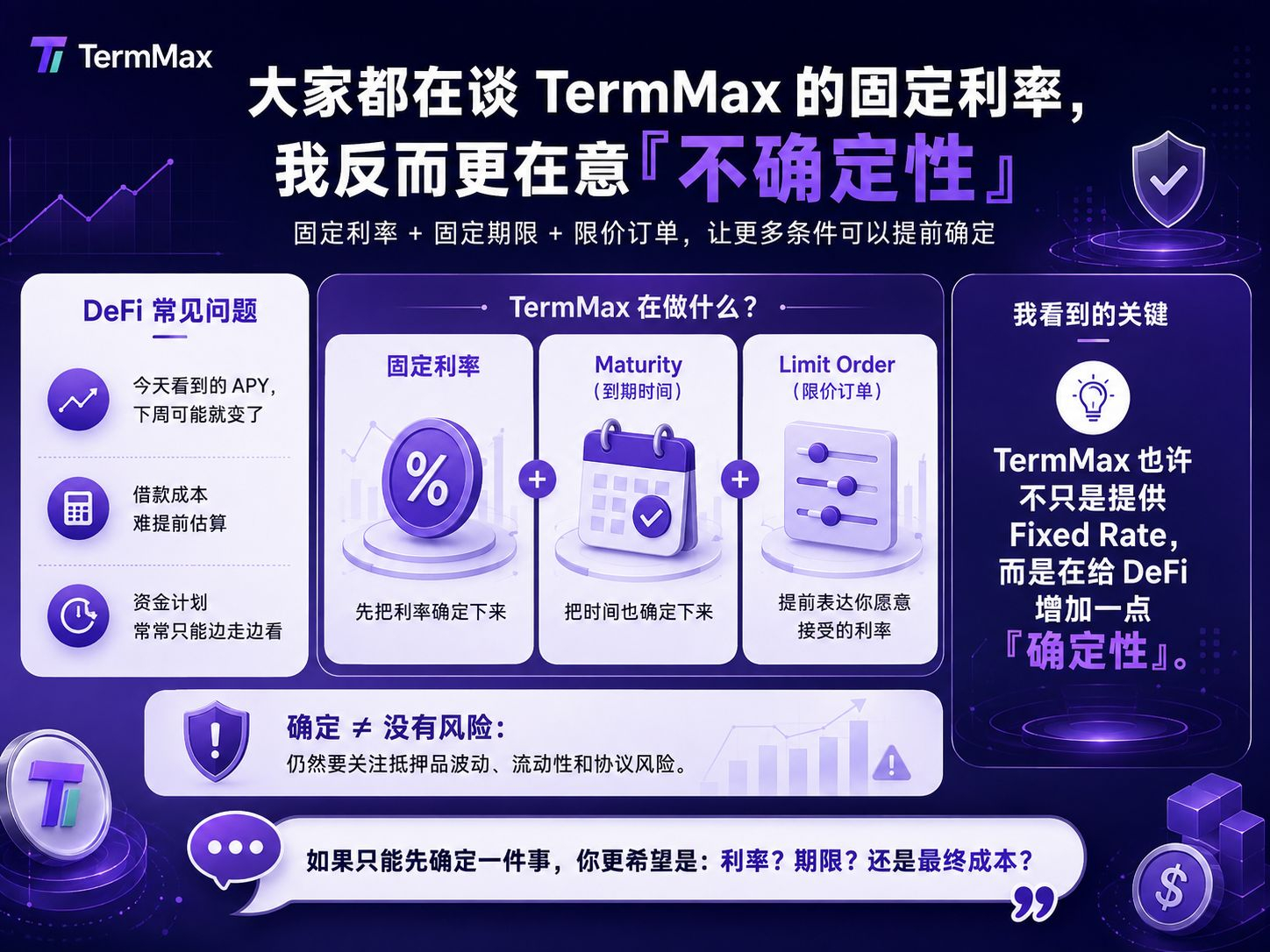
Fixed Rate—set the interest rate up front.
Maturity—also lock in the timeframe.
Limit Order—even “what interest rate I’m willing to accept” can be expressed in advance.
Seen this way, TermMax may not be doing only Fixed Rate.
It feels more like it’s trying to turn part of what people previously had to “guess” in DeFi into conditions you can choose and calculate ahead of time.
I think there’s an important distinction here:
Being certain doesn’t mean there’s no risk.
Collateral can fluctuate; there are liquidity risks in the market; and the protocol itself also carries risk.
But for people who genuinely need to manage funds, being able to know your interest rate, term, and cost in advance is valuable in itself.
So now, when I look at TermMax, I’m not just thinking:
“How high is the APY?”
I’d ask one more question instead:
Can it make managing funds easier to plan?
If the answer is yes, then the fixed interest rate might just be the surface.
What’s really interesting is perhaps that it’s attempting to add to DeFi something it’s been missing for a long time:
Certainty.
In DeFi, what do you most want to lock down first?
The interest rate, the term, or the final cost?
#TermMax
#DeFi $TMX
Recently, I’ve kept looking at @TermMax , and the feeling has only been getting stronger.
Many people talk about TermMax and the first thing they say is fixed interest rates.
That’s obviously correct.
But if TermMax is only turning a variable interest rate into a fixed one, then I feel the story still isn’t finished.
Sometimes the most troublesome thing about DeFi isn’t that the returns aren’t high enough—it’s that there are too many variables.
The APY you see today might already be different by next week.
If you borrow money, how much does it cost in total?
How long will you keep the funds?
What interest rate would I be willing to agree to?
So many things can only be figured out as you go.
When I put some of TermMax’s current designs together, I actually see a fairly interesting thread:
Fixed Rate—set the interest rate up front.
Maturity—also lock in the timeframe.
Limit Order—even “what interest rate I’m willing to accept” can be expressed in advance.
Seen this way, TermMax may not be doing only Fixed Rate.
It feels more like it’s trying to turn part of what people previously had to “guess” in DeFi into conditions you can choose and calculate ahead of time.
I think there’s an important distinction here:
Being certain doesn’t mean there’s no risk.
Collateral can fluctuate; there are liquidity risks in the market; and the protocol itself also carries risk.
But for people who genuinely need to manage funds, being able to know your interest rate, term, and cost in advance is valuable in itself.
So now, when I look at TermMax, I’m not just thinking:
“How high is the APY?”
I’d ask one more question instead:
Can it make managing funds easier to plan?
If the answer is yes, then the fixed interest rate might just be the surface.
What’s really interesting is perhaps that it’s attempting to add to DeFi something it’s been missing for a long time:
Certainty.
In DeFi, what do you most want to lock down first?
The interest rate, the term, or the final cost?
#TermMax
#DeFi $TMX
1
134
·
--
“Everyone is talking about TermMax’s fixed interest rate, but I’m more concerned about ‘uncertainty’ instead”
Recently, I’ve kept looking at @termmax , and the feeling has only been getting stronger.
Many people talk about TermMax and the first thing they say is fixed interest rates.
That’s obviously correct.
But if TermMax is only turning a variable interest rate into a fixed one, then I feel the story still isn’t finished.
Sometimes the most troublesome thing about DeFi isn’t that the returns aren’t high enough—it’s that there are too many variables.
The APY you see today might already be different by next week.
If you borrow money, how much does it cost in total?
How long will you keep the funds?
What interest rate would I be willing to agree to?
So many things can only be figured out as you go.
When I put some of TermMax’s current designs together, I actually see a fairly interesting thread:
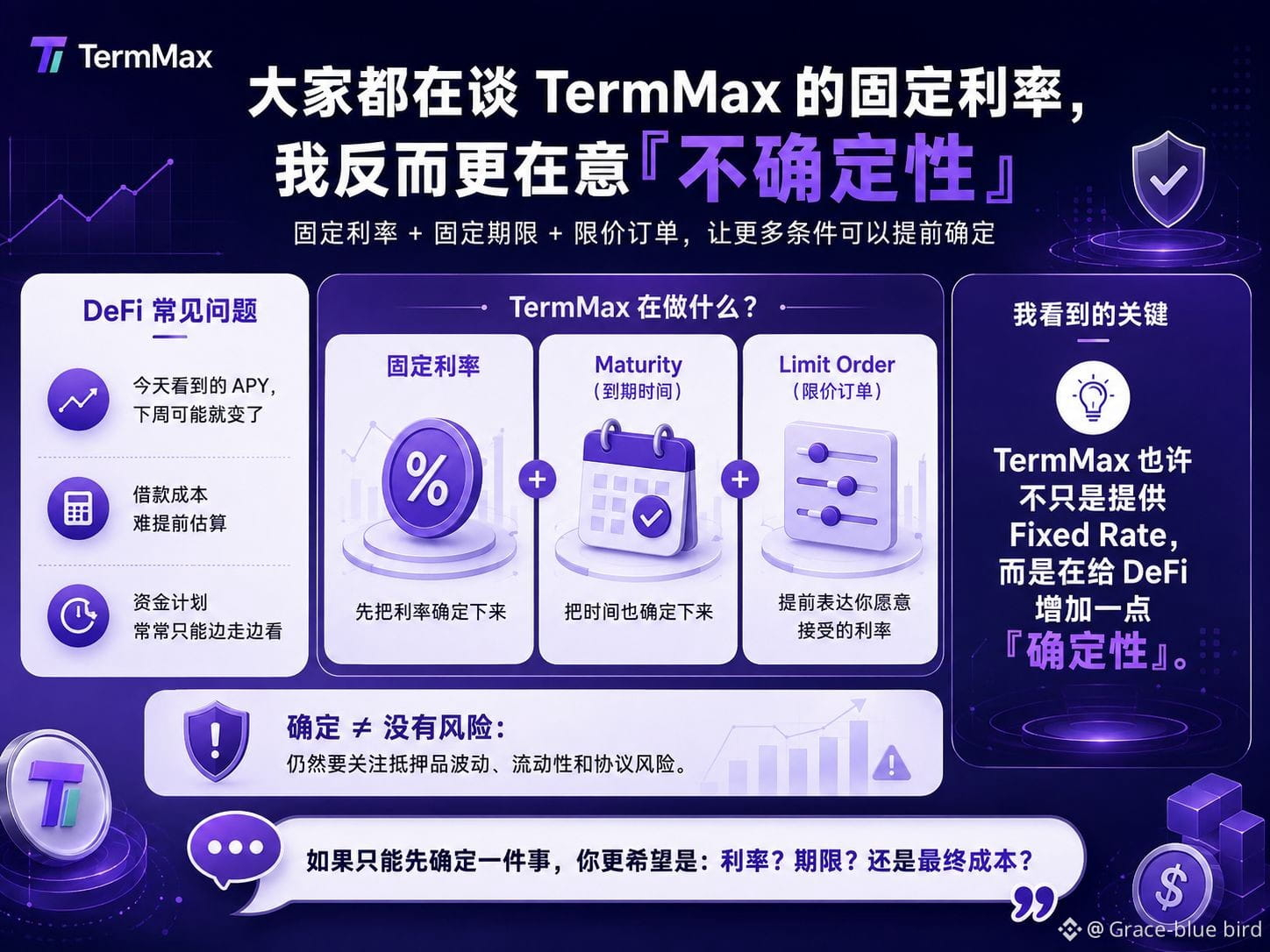
Fixed Rate—set the interest rate up front.
Maturity—also lock in the timeframe.
Limit Order—even “what interest rate I’m willing to accept” can be expressed in advance.
Seen this way, TermMax may not be doing only Fixed Rate.
It feels more like it’s trying to turn part of what people previously had to “guess” in DeFi into conditions you can choose and calculate ahead of time.
I think there’s an important distinction here:
Being certain doesn’t mean there’s no risk.
Collateral can fluctuate; there are liquidity risks in the market; and the protocol itself also carries risk.
But for people who genuinely need to manage funds, being able to know your interest rate, term, and cost in advance is valuable in itself.
So now, when I look at TermMax, I’m not just thinking:
“How high is the APY?”
I’d ask one more question instead:
Can it make managing funds easier to plan?
If the answer is yes, then the fixed interest rate might just be the surface.
What’s really interesting is perhaps that it’s attempting to add to DeFi something it’s been missing for a long time:
Certainty.
In DeFi, what do you most want to lock down first?
The interest rate, the term, or the final cost?
#TermMax
#DeFi $TMX
“Everyone is talking about TermMax’s fixed interest rate, but I’m more concerned about ‘uncertainty’ instead”
Recently, I’ve kept looking at @TermMax , and the feeling has only been getting stronger.
Many people talk about TermMax and the first thing they say is fixed interest rates.
That’s obviously correct.
But if TermMax is only turning a variable interest rate into a fixed one, then I feel the story still isn’t finished.
Sometimes the most troublesome thing about DeFi isn’t that the returns aren’t high enough—it’s that there are too many variables.
The APY you see today might already be different by next week.
If you borrow money, how much does it cost in total?
How long will you keep the funds?
What interest rate would I be willing to agree to?
So many things can only be figured out as you go.
When I put some of TermMax’s current designs together, I actually see a fairly interesting thread:
Fixed Rate—set the interest rate up front.
Maturity—also lock in the timeframe.
Limit Order—even “what interest rate I’m willing to accept” can be expressed in advance.
Seen this way, TermMax may not be doing only Fixed Rate.
It feels more like it’s trying to turn part of what people previously had to “guess” in DeFi into conditions you can choose and calculate ahead of time.
I think there’s an important distinction here:
Being certain doesn’t mean there’s no risk.
Collateral can fluctuate; there are liquidity risks in the market; and the protocol itself also carries risk.
But for people who genuinely need to manage funds, being able to know your interest rate, term, and cost in advance is valuable in itself.
So now, when I look at TermMax, I’m not just thinking:
“How high is the APY?”
I’d ask one more question instead:
Can it make managing funds easier to plan?
If the answer is yes, then the fixed interest rate might just be the surface.
What’s really interesting is perhaps that it’s attempting to add to DeFi something it’s been missing for a long time:
Certainty.
In DeFi, what do you most want to lock down first?
The interest rate, the term, or the final cost?
#TermMax
#DeFi $TMX
Recently, I’ve kept looking at @TermMax , and the feeling has only been getting stronger.
Many people talk about TermMax and the first thing they say is fixed interest rates.
That’s obviously correct.
But if TermMax is only turning a variable interest rate into a fixed one, then I feel the story still isn’t finished.
Sometimes the most troublesome thing about DeFi isn’t that the returns aren’t high enough—it’s that there are too many variables.
The APY you see today might already be different by next week.
If you borrow money, how much does it cost in total?
How long will you keep the funds?
What interest rate would I be willing to agree to?
So many things can only be figured out as you go.
When I put some of TermMax’s current designs together, I actually see a fairly interesting thread:
Fixed Rate—set the interest rate up front.
Maturity—also lock in the timeframe.
Limit Order—even “what interest rate I’m willing to accept” can be expressed in advance.
Seen this way, TermMax may not be doing only Fixed Rate.
It feels more like it’s trying to turn part of what people previously had to “guess” in DeFi into conditions you can choose and calculate ahead of time.
I think there’s an important distinction here:
Being certain doesn’t mean there’s no risk.
Collateral can fluctuate; there are liquidity risks in the market; and the protocol itself also carries risk.
But for people who genuinely need to manage funds, being able to know your interest rate, term, and cost in advance is valuable in itself.
So now, when I look at TermMax, I’m not just thinking:
“How high is the APY?”
I’d ask one more question instead:
Can it make managing funds easier to plan?
If the answer is yes, then the fixed interest rate might just be the surface.
What’s really interesting is perhaps that it’s attempting to add to DeFi something it’s been missing for a long time:
Certainty.
In DeFi, what do you most want to lock down first?
The interest rate, the term, or the final cost?
#TermMax
#DeFi $TMX
4
1
4
258
·
--
Verified
$ALIGN TGE is coming—Aligned finally takes the most critical step
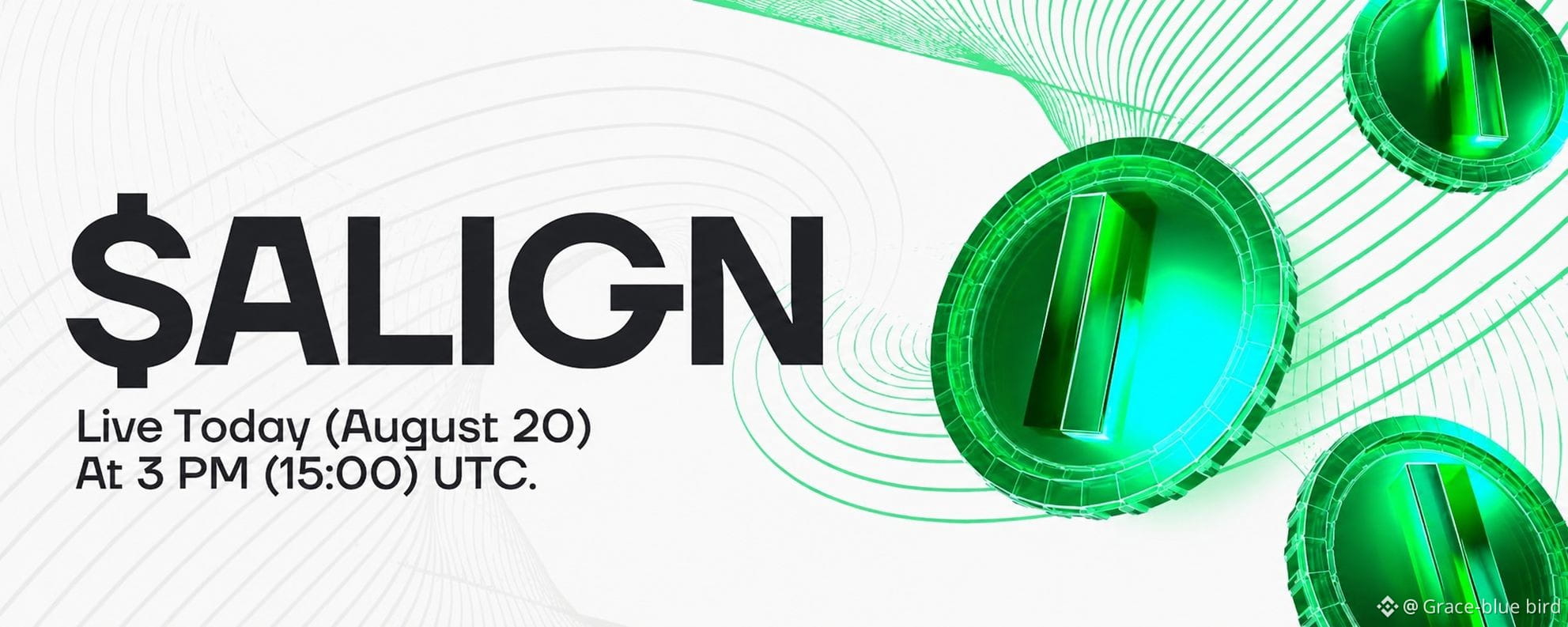
After waiting for so long, Aligned’s $ALIGN TGE is finally in the countdown.
📅 August 20, 15:00 UTC
🚀 $ALIGN officially enters circulation
I think the reason this TGE is worth paying attention to isn’t just “yet another project issuing tokens.”
Aligned has been building Ethereum + ZK-related infrastructure for a long time, from Proof Verification, Proof Aggregation, to RaaS and WaaS. It hasn’t taken the most straightforward path for manufacturing market hype; instead, it’s focused more on foundational, long-term development.
Now that the $ALIGN TGE is here, it marks a new phase where Aligned officially moves from the “product building period” into a stage of growing together across “Tokens + Product + Community + Ecosystem.”
For me, what’s really worth watching is what happens after the TGE:
Can $ALIGN truly enter Aligned’s ecosystem flywheel?
Will the community keep expanding?
Can product usage continue to grow?
Can $ALIGN gradually build long-term consensus from the short-term heat of the TGE?
The crypto market has never been short of TGE.
What’s truly scarce is this: after the TGE, the project keeps building.
So August 20 may not be the endpoint for $ALIGN.
Instead, it could be the first day when the real story begins.
#ALIGN
#Aligned #TGE #ZK #Ethereum
$ALIGN TGE is coming—Aligned finally takes the most critical step
After waiting for so long, Aligned’s $ALIGN TGE is finally in the countdown.
📅 August 20, 15:00 UTC
🚀 $ALIGN officially enters circulation
I think the reason this TGE is worth paying attention to isn’t just “yet another project issuing tokens.”
Aligned has been building Ethereum + ZK-related infrastructure for a long time, from Proof Verification, Proof Aggregation, to RaaS and WaaS. It hasn’t taken the most straightforward path for manufacturing market hype; instead, it’s focused more on foundational, long-term development.
Now that the $ALIGN TGE is here, it marks a new phase where Aligned officially moves from the “product building period” into a stage of growing together across “Tokens + Product + Community + Ecosystem.”
For me, what’s really worth watching is what happens after the TGE:
Can $ALIGN truly enter Aligned’s ecosystem flywheel?
Will the community keep expanding?
Can product usage continue to grow?
Can $ALIGN gradually build long-term consensus from the short-term heat of the TGE?
The crypto market has never been short of TGE.
What’s truly scarce is this: after the TGE, the project keeps building.
So August 20 may not be the endpoint for $ALIGN.
Instead, it could be the first day when the real story begins.
#ALIGN
#Aligned #TGE #ZK #Ethereum
After waiting for so long, Aligned’s $ALIGN TGE is finally in the countdown.
📅 August 20, 15:00 UTC
🚀 $ALIGN officially enters circulation
I think the reason this TGE is worth paying attention to isn’t just “yet another project issuing tokens.”
Aligned has been building Ethereum + ZK-related infrastructure for a long time, from Proof Verification, Proof Aggregation, to RaaS and WaaS. It hasn’t taken the most straightforward path for manufacturing market hype; instead, it’s focused more on foundational, long-term development.
Now that the $ALIGN TGE is here, it marks a new phase where Aligned officially moves from the “product building period” into a stage of growing together across “Tokens + Product + Community + Ecosystem.”
For me, what’s really worth watching is what happens after the TGE:
Can $ALIGN truly enter Aligned’s ecosystem flywheel?
Will the community keep expanding?
Can product usage continue to grow?
Can $ALIGN gradually build long-term consensus from the short-term heat of the TGE?
The crypto market has never been short of TGE.
What’s truly scarce is this: after the TGE, the project keeps building.
So August 20 may not be the endpoint for $ALIGN.
Instead, it could be the first day when the real story begins.
#ALIGN
#Aligned #TGE #ZK #Ethereum
14
4
14
1.5k
·
--
Is the following termmax article written well?
#FOMC会议纪要
Is the following termmax article written well?
#FOMC会议纪要
#FOMC会议纪要
106
2
8
307
·
--
《From FT to XT, see the other side of TermMax》
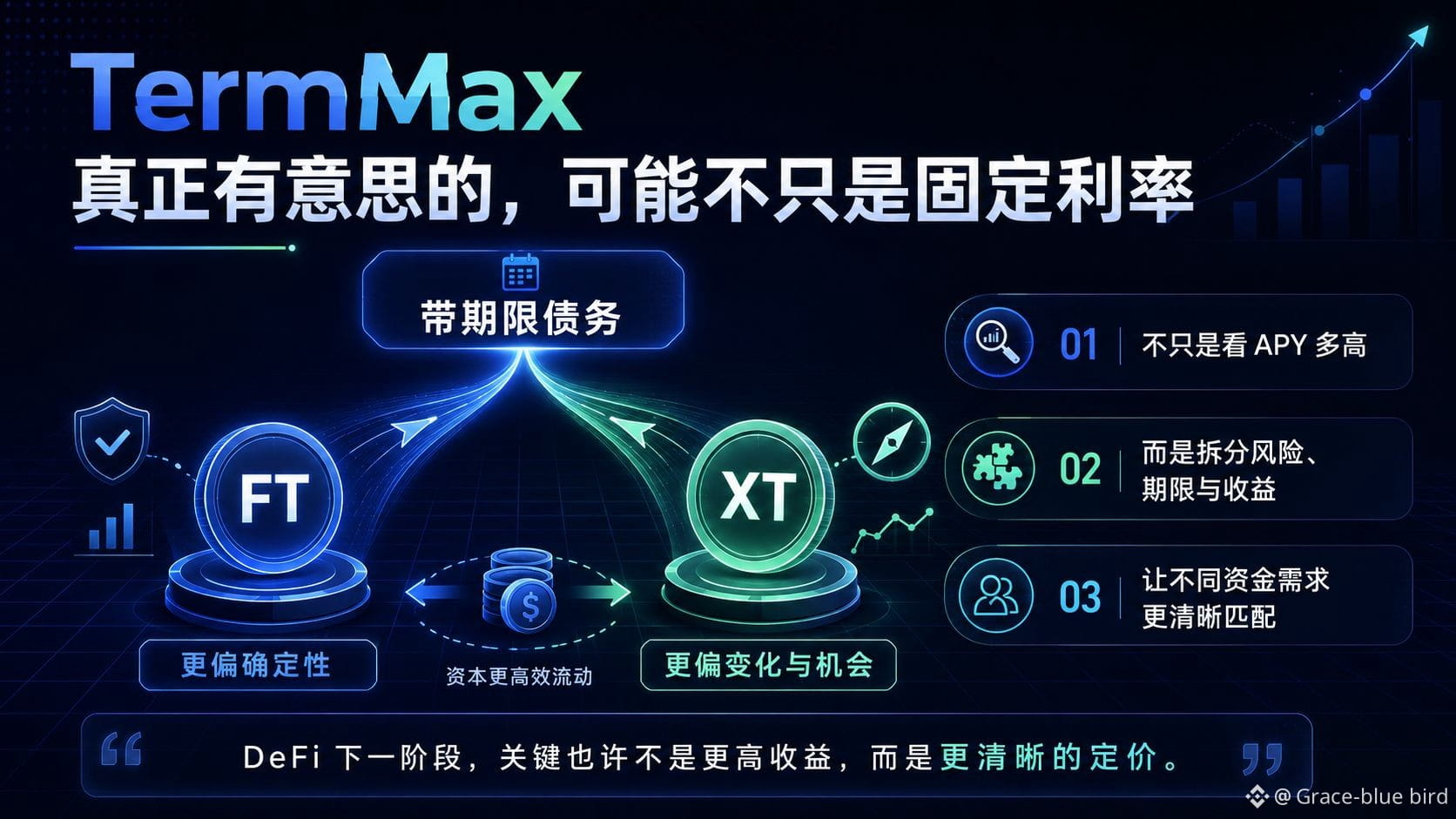
@termmax The truly interesting part isn’t just “fixed interest rate”—it’s that it tries to separate different needs within a single DeFi lending/borrowing position.
In simple terms, a time-bound debt can be split into two parts: FT and XT.
FT can be understood as the more “deterministic” component.
If you care more about how much you can get back at maturity than about how the market moves in the meantime, then FT’s logic is easier to grasp.
And XT is more about “change” and “opportunity.”
It’s much more sensitive to interest rates, market pricing, and shifts in capital supply and demand. That means higher risk, but it also gives proactive participants more room for strategy.
I find the cleverness of this design lies in this:
In the past, many people who participated in DeFi often looked at only one number first: how high the APY is?
20%, 50%, even higher.
But the longer the market runs, the more everyone realizes that high yield doesn’t necessarily mean good returns. What matters is: where does the yield come from? What’s the risk? How long is the term? And which part of the risk am I actually taking?
A truly mature financial market shouldn’t have only one kind of capital need.
Some people seek relatively stable returns;
some are willing to take on more volatility to find opportunities;
they value the term;
care about liquidity;
and others will choose different strategies depending on how interest rates change.
What TermMax aims to do is to split these different needs further, so that capital can choose according to its own risk preferences.
Maybe what the next phase of DeFi truly needs isn’t how to make APY increasingly outrageous, but how to price risk, term, and returns more clearly.
In traditional finance, bonds, fixed income, and interest-rate markets have already developed for a long time. But on-chain, this market infrastructure is still at an early stage.
If TermMax can gradually build liquidity and scale around fixed-rate lending, term trading, and mechanisms like FT / XT, then the market it faces likely won’t be only a single DeFi lending pool.
So when I look at FT and XT now, I won’t treat them as just two tokens.
Behind them, they’re actually doing something more fundamental:
separating different risk preferences and connecting them to different capital needs.
That might also be the most worth continuing to observe part of TermMax.
#TermMax
《From FT to XT, see the other side of TermMax》
@TermMax The truly interesting part isn’t just “fixed interest rate”—it’s that it tries to separate different needs within a single DeFi lending/borrowing position.
In simple terms, a time-bound debt can be split into two parts: FT and XT.
FT can be understood as the more “deterministic” component.
If you care more about how much you can get back at maturity than about how the market moves in the meantime, then FT’s logic is easier to grasp.
And XT is more about “change” and “opportunity.”
It’s much more sensitive to interest rates, market pricing, and shifts in capital supply and demand. That means higher risk, but it also gives proactive participants more room for strategy.
I find the cleverness of this design lies in this:
In the past, many people who participated in DeFi often looked at only one number first: how high the APY is?
20%, 50%, even higher.
But the longer the market runs, the more everyone realizes that high yield doesn’t necessarily mean good returns. What matters is: where does the yield come from? What’s the risk? How long is the term? And which part of the risk am I actually taking?
A truly mature financial market shouldn’t have only one kind of capital need.
Some people seek relatively stable returns;
some are willing to take on more volatility to find opportunities;
they value the term;
care about liquidity;
and others will choose different strategies depending on how interest rates change.
What TermMax aims to do is to split these different needs further, so that capital can choose according to its own risk preferences.
Maybe what the next phase of DeFi truly needs isn’t how to make APY increasingly outrageous, but how to price risk, term, and returns more clearly.
In traditional finance, bonds, fixed income, and interest-rate markets have already developed for a long time. But on-chain, this market infrastructure is still at an early stage.
If TermMax can gradually build liquidity and scale around fixed-rate lending, term trading, and mechanisms like FT / XT, then the market it faces likely won’t be only a single DeFi lending pool.
So when I look at FT and XT now, I won’t treat them as just two tokens.
Behind them, they’re actually doing something more fundamental:
separating different risk preferences and connecting them to different capital needs.
That might also be the most worth continuing to observe part of TermMax.
#TermMax
@TermMax The truly interesting part isn’t just “fixed interest rate”—it’s that it tries to separate different needs within a single DeFi lending/borrowing position.
In simple terms, a time-bound debt can be split into two parts: FT and XT.
FT can be understood as the more “deterministic” component.
If you care more about how much you can get back at maturity than about how the market moves in the meantime, then FT’s logic is easier to grasp.
And XT is more about “change” and “opportunity.”
It’s much more sensitive to interest rates, market pricing, and shifts in capital supply and demand. That means higher risk, but it also gives proactive participants more room for strategy.
I find the cleverness of this design lies in this:
In the past, many people who participated in DeFi often looked at only one number first: how high the APY is?
20%, 50%, even higher.
But the longer the market runs, the more everyone realizes that high yield doesn’t necessarily mean good returns. What matters is: where does the yield come from? What’s the risk? How long is the term? And which part of the risk am I actually taking?
A truly mature financial market shouldn’t have only one kind of capital need.
Some people seek relatively stable returns;
some are willing to take on more volatility to find opportunities;
they value the term;
care about liquidity;
and others will choose different strategies depending on how interest rates change.
What TermMax aims to do is to split these different needs further, so that capital can choose according to its own risk preferences.
Maybe what the next phase of DeFi truly needs isn’t how to make APY increasingly outrageous, but how to price risk, term, and returns more clearly.
In traditional finance, bonds, fixed income, and interest-rate markets have already developed for a long time. But on-chain, this market infrastructure is still at an early stage.
If TermMax can gradually build liquidity and scale around fixed-rate lending, term trading, and mechanisms like FT / XT, then the market it faces likely won’t be only a single DeFi lending pool.
So when I look at FT and XT now, I won’t treat them as just two tokens.
Behind them, they’re actually doing something more fundamental:
separating different risk preferences and connecting them to different capital needs.
That might also be the most worth continuing to observe part of TermMax.
#TermMax
5
1
4
264
·
--
“《I’m starting to think that what TermMax really wants to solve isn’t whether the returns are ‘high,’ but whether the interest rate can be confirmed》”
Recently, when I looked at @termmax , I switched my perspective.
In DeFi, everyone is used to watching APY. But if APY is 8% today, it could drop to 5% in a few days. When the market heats up, borrowing costs might also jump suddenly.
What TermMax is doing—fixed interest rates and fixed terms—actually solves another problem: being able to know your funding cost in advance. Officially, TermMax has clearly positioned both Lend and Borrow as Fixed Rate + Fixed Term.
Here’s a simple example.
Say someone wants to borrow 10,000 USDT for three months.
A floating interest rate is a bit like hailing a taxi with the meter running—how much you’ll pay is only clear after you finish the ride.
A fixed interest rate is more like agreeing on the price before you leave. No matter how the market fluctuates in between, at least the borrowing cost for that loan can be calculated more easily ahead of time.
It doesn’t sound particularly “exciting,” but I think it’s exactly the kind of foundational infrastructure DeFi needs if it wants to keep moving toward larger capital, institutions, and the RWA direction.
And TermMax has indeed been extending in that direction recently. On the BNB Chain page, Ondo’s stock tokens have already been combined with USDT lending/borrowing, and stock-type RWA is starting to enter the fixed-rate market.
So when I look at TermMax now, I probably won’t just focus on the APY of a single pool.
What I care about more is this: can fixed interest actually become a everyday on-chain tool for fund management?
Of course, fixed interest rates don’t mean there’s no risk. Risks related to collateral prices, liquidations, liquidity, and smart contracts still exist—you still need to understand them clearly yourself. TermMax’s market page also explicitly highlights the risks of collateral liquidation and liquidity.
If you had to choose, which would you prefer in DeFi?
A: Potentially higher returns, but the interest rate changes
B: Returns may not be the highest, but the interest rate and term are determined in advance
I’m increasingly starting to understand why some people choose B.
#TermMax
#TMX #DeFi
#FOMC会议纪要
“《I’m starting to think that what TermMax really wants to solve isn’t whether the returns are ‘high,’ but whether the interest rate can be confirmed》”
Recently, when I looked at @TermMax , I switched my perspective.
In DeFi, everyone is used to watching APY. But if APY is 8% today, it could drop to 5% in a few days. When the market heats up, borrowing costs might also jump suddenly.
What TermMax is doing—fixed interest rates and fixed terms—actually solves another problem: being able to know your funding cost in advance. Officially, TermMax has clearly positioned both Lend and Borrow as Fixed Rate + Fixed Term.
Here’s a simple example.
Say someone wants to borrow 10,000 USDT for three months.
A floating interest rate is a bit like hailing a taxi with the meter running—how much you’ll pay is only clear after you finish the ride.
A fixed interest rate is more like agreeing on the price before you leave. No matter how the market fluctuates in between, at least the borrowing cost for that loan can be calculated more easily ahead of time.
It doesn’t sound particularly “exciting,” but I think it’s exactly the kind of foundational infrastructure DeFi needs if it wants to keep moving toward larger capital, institutions, and the RWA direction.
And TermMax has indeed been extending in that direction recently. On the BNB Chain page, Ondo’s stock tokens have already been combined with USDT lending/borrowing, and stock-type RWA is starting to enter the fixed-rate market.
So when I look at TermMax now, I probably won’t just focus on the APY of a single pool.
What I care about more is this: can fixed interest actually become a everyday on-chain tool for fund management?
Of course, fixed interest rates don’t mean there’s no risk. Risks related to collateral prices, liquidations, liquidity, and smart contracts still exist—you still need to understand them clearly yourself. TermMax’s market page also explicitly highlights the risks of collateral liquidation and liquidity.
If you had to choose, which would you prefer in DeFi?
A: Potentially higher returns, but the interest rate changes
B: Returns may not be the highest, but the interest rate and term are determined in advance
I’m increasingly starting to understand why some people choose B.
#TermMax
#TMX #DeFi
#FOMC会议纪要
Recently, when I looked at @TermMax , I switched my perspective.
In DeFi, everyone is used to watching APY. But if APY is 8% today, it could drop to 5% in a few days. When the market heats up, borrowing costs might also jump suddenly.
What TermMax is doing—fixed interest rates and fixed terms—actually solves another problem: being able to know your funding cost in advance. Officially, TermMax has clearly positioned both Lend and Borrow as Fixed Rate + Fixed Term.
Here’s a simple example.
Say someone wants to borrow 10,000 USDT for three months.
A floating interest rate is a bit like hailing a taxi with the meter running—how much you’ll pay is only clear after you finish the ride.
A fixed interest rate is more like agreeing on the price before you leave. No matter how the market fluctuates in between, at least the borrowing cost for that loan can be calculated more easily ahead of time.
It doesn’t sound particularly “exciting,” but I think it’s exactly the kind of foundational infrastructure DeFi needs if it wants to keep moving toward larger capital, institutions, and the RWA direction.
And TermMax has indeed been extending in that direction recently. On the BNB Chain page, Ondo’s stock tokens have already been combined with USDT lending/borrowing, and stock-type RWA is starting to enter the fixed-rate market.
So when I look at TermMax now, I probably won’t just focus on the APY of a single pool.
What I care about more is this: can fixed interest actually become a everyday on-chain tool for fund management?
Of course, fixed interest rates don’t mean there’s no risk. Risks related to collateral prices, liquidations, liquidity, and smart contracts still exist—you still need to understand them clearly yourself. TermMax’s market page also explicitly highlights the risks of collateral liquidation and liquidity.
If you had to choose, which would you prefer in DeFi?
A: Potentially higher returns, but the interest rate changes
B: Returns may not be the highest, but the interest rate and term are determined in advance
I’m increasingly starting to understand why some people choose B.
#TermMax
#TMX #DeFi
#FOMC会议纪要
A:收益可能更高,但利率会变化
67%
B:收益未必最高,但利率和期限提前确定
33%
3 votes • Voting closed
6
1
3
289
Log in to explore more content
Join global crypto users on Binance Square
⚡️ Get latest and useful information about crypto.
💬 Trusted by the world’s largest crypto exchange.
👍 Discover real insights from verified creators.
Email / Phone number
Trending Topics
FedMinutesFocusOnOctoberPause
388,568 views
2,429 Discussing
🚨 THE FED JUST DROPPED A HUGE HINT — OCTOBER PAUSE INCOMING?
Wall Street is betting the Fed will HIT THE BRAKES in October. And crypto traders are watching closely. 👀
The latest FOMC minutes have shifted attention toward a potential pause at the October 27–28 meeting.
📊 The market setup:
🔥 October rate hold: approximately 82.8% in the latest previously reported pricing.
🔥 Rate hike probability: approximately 17.2%.
🔥 Weakening labor-market data is making an immediate hike harder to justify.
But here's the twist.
A PAUSE IS NOT A RATE CUT.
The Fed could hold in October while keeping the door open for additional tightening later.
For $BTC, $ ETH and $XAU, that distinction matters.
A pause could ease immediate pressure on risk assets. But persistent inflation and elevated Treasury yields could still crush bullish momentum.
⚠️ THE BIG QUESTION:
Is Wall Street positioning for a crypto breakout — or setting up another massive bull trap before the next Fed decision?
$BTC $ETH $BNB $SOL $XAU
#fedminutesfocusonoctoberpause #BinanceLaunchesBinanceIntelligence #EvernorthDelaysNasdaqDebutToOct12 #RobinhoodAdds$25MInBitcoinToBalanceSheet #SP500AndNasdaqHitRecordHighs
KimHotbae
·30 Likes
·33.6k views
VitalikWarnsAICouldWeakenCryptographySecurity
2,789 views
163 Discussing
XRPSpotETFsHold$1.7BWeeklyInflowsSlow
427 views
25 Discussing