

Kai熊猫
737 Posts

Kai熊猫
Report
Block User
佛不渡人,人自渡!随心而为
57 Following
18.1K+ Followers
4.1K+ Liked
Posts
All
Quotes
Live
PINNED

·
--
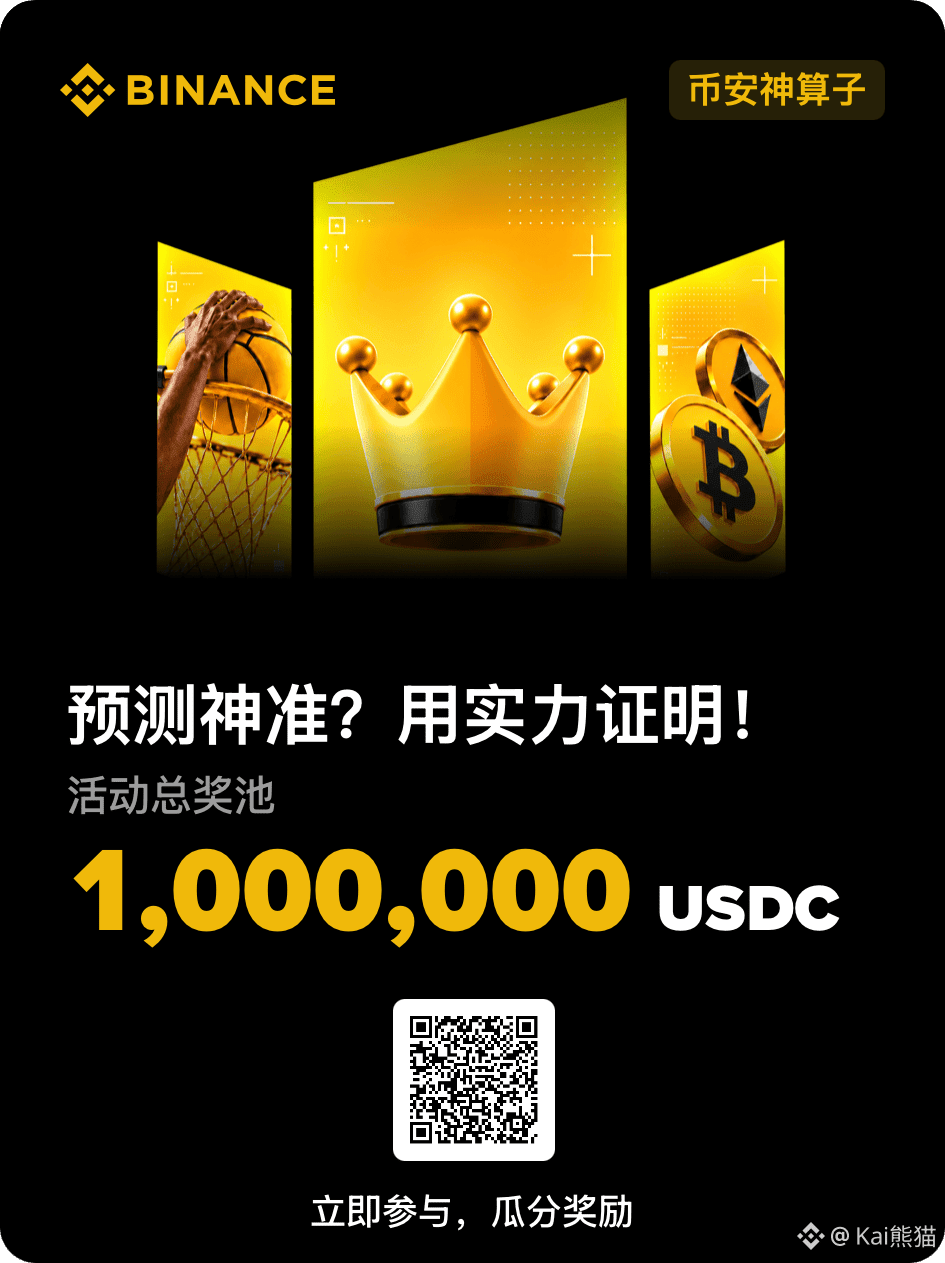
#币安神算子 The Fortune Teller prediction task is pretty simple—you can finish it with just a few taps. The rewards aren't bad either, so you might want to check it out.
#币安神算子 The Fortune Teller prediction task is pretty simple—you can finish it with just a few taps. The rewards aren't bad either, so you might want to check it out.
111
·
--
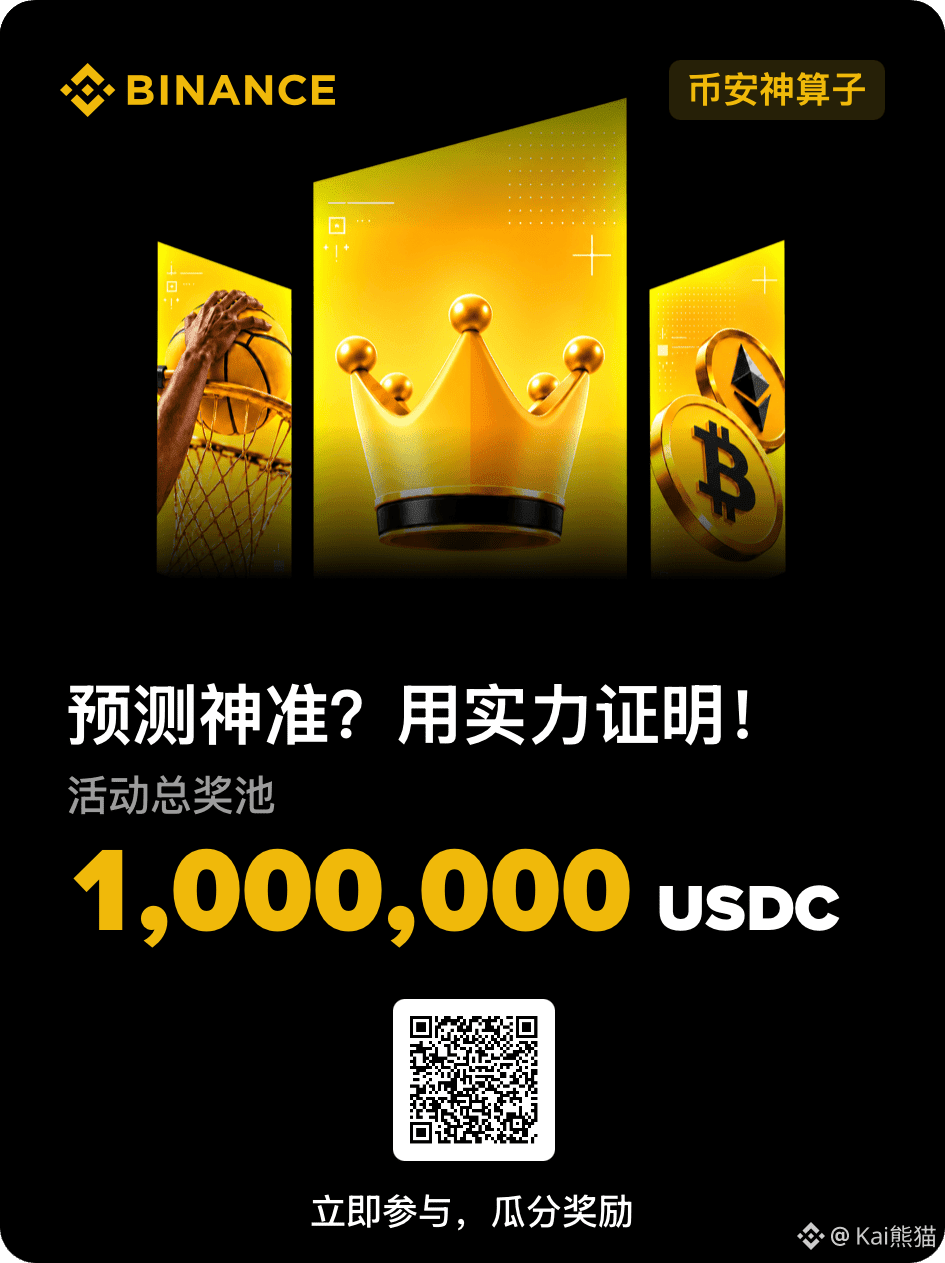
The #币安神算子 prediction event has a low barrier to entry—you can join with just a few taps. Take part and you’re guaranteed a minimum reward. If you’re interested, hurry and sign up!
The #币安神算子 prediction event has a low barrier to entry—you can join with just a few taps. Take part and you’re guaranteed a minimum reward. If you’re interested, hurry and sign up!
4
331
·
--
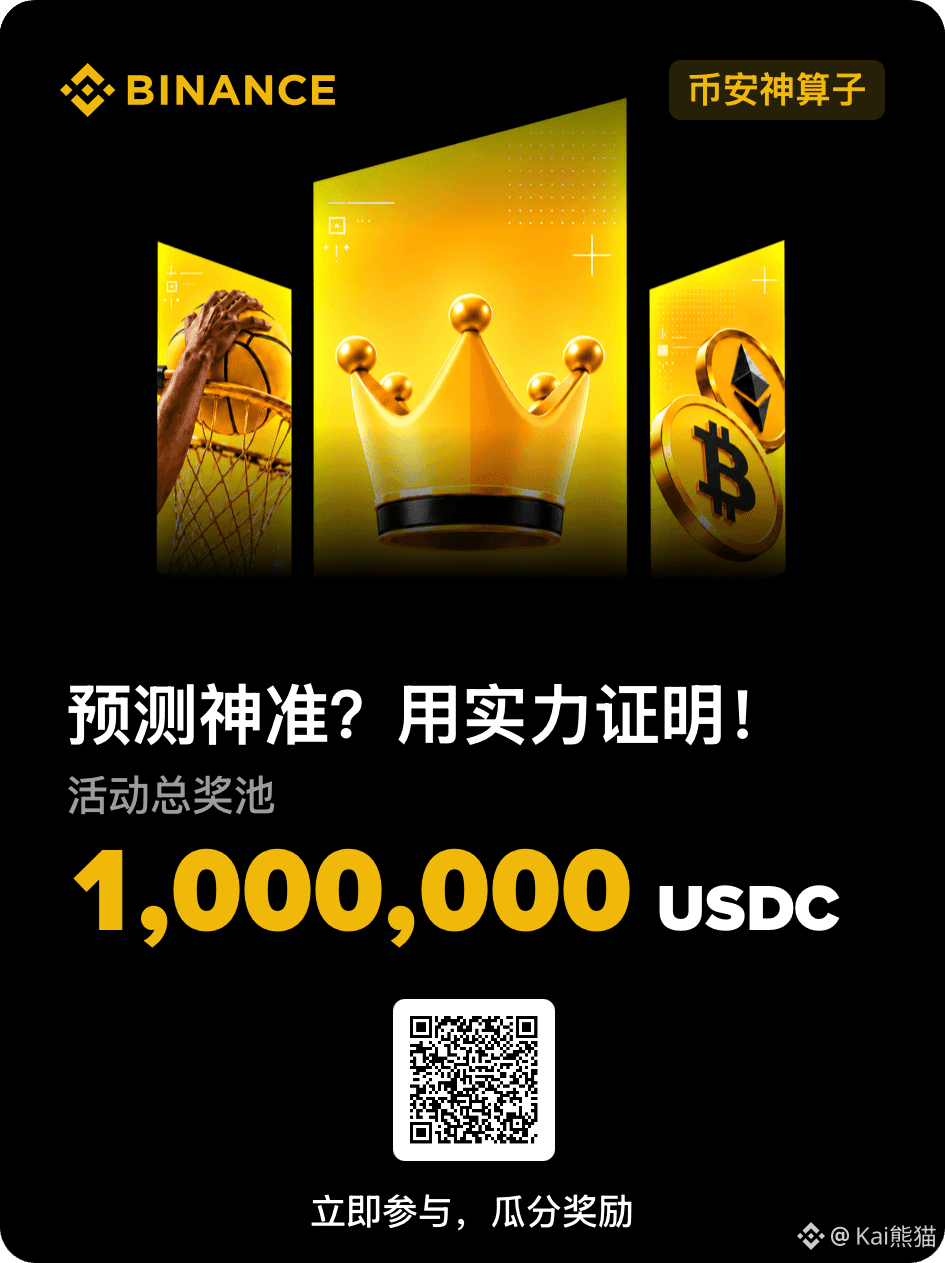
#币安神算子 Binance Predictor is a Binance event where you guess whether prices will rise or fall. It uses points only, so you don’t have to spend any money. The entry barrier is very low, and participants can generally count on receiving at least the minimum reward.
#币安神算子 Binance Predictor is a Binance event where you guess whether prices will rise or fall. It uses points only, so you don’t have to spend any money. The entry barrier is very low, and participants can generally count on receiving at least the minimum reward.
3
416
·
--
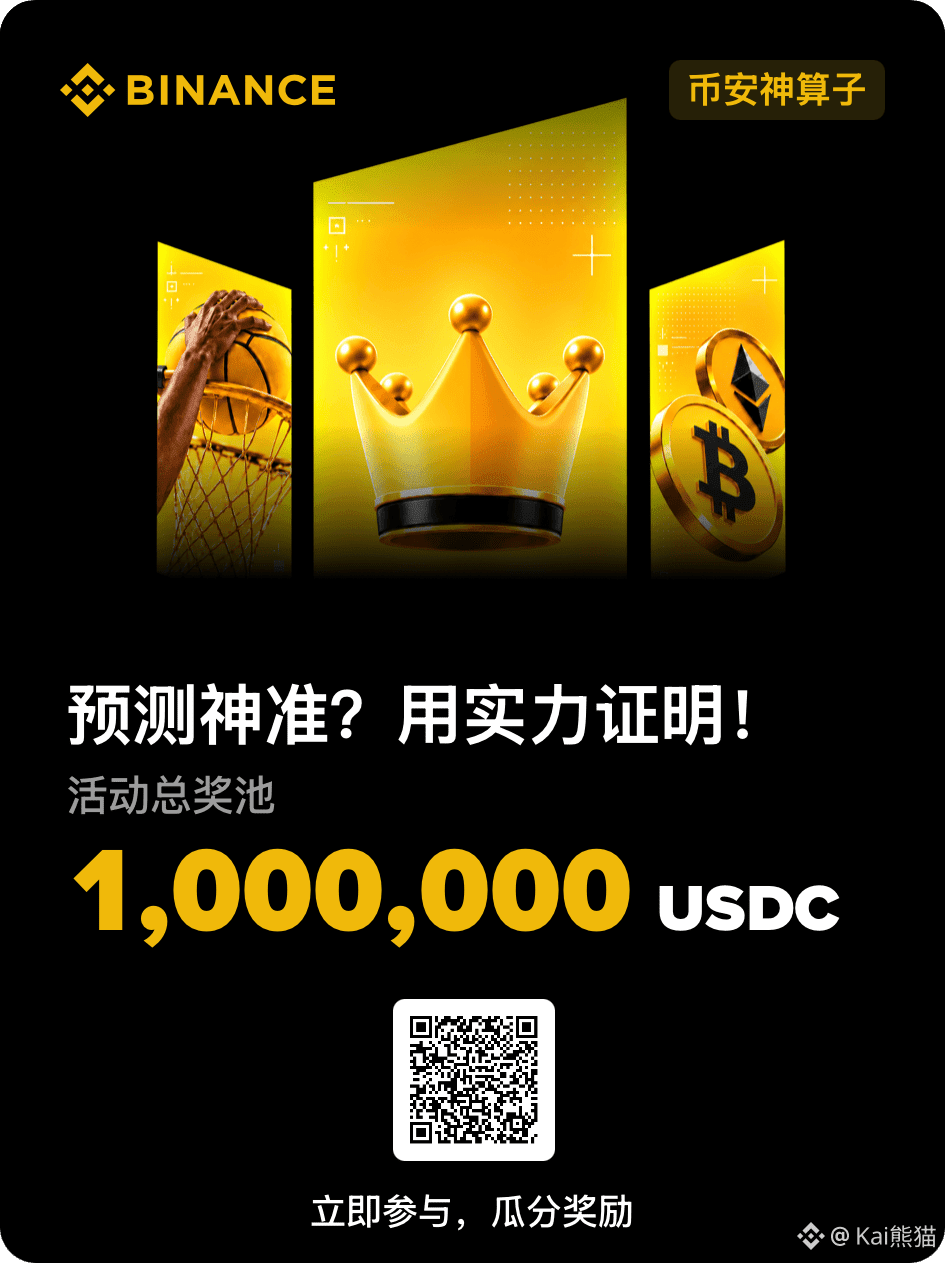
#币安神算子 is a lightweight investment tool launched by Binance. Shen Suan Zi lets you predict market trends to earn airdrops and coupons, with a low barrier to entry. Enjoy the experience, but always manage your risk.
#币安神算子 is a lightweight investment tool launched by Binance. Shen Suan Zi lets you predict market trends to earn airdrops and coupons, with a low barrier to entry. Enjoy the experience, but always manage your risk.
19
20.5k
·
--
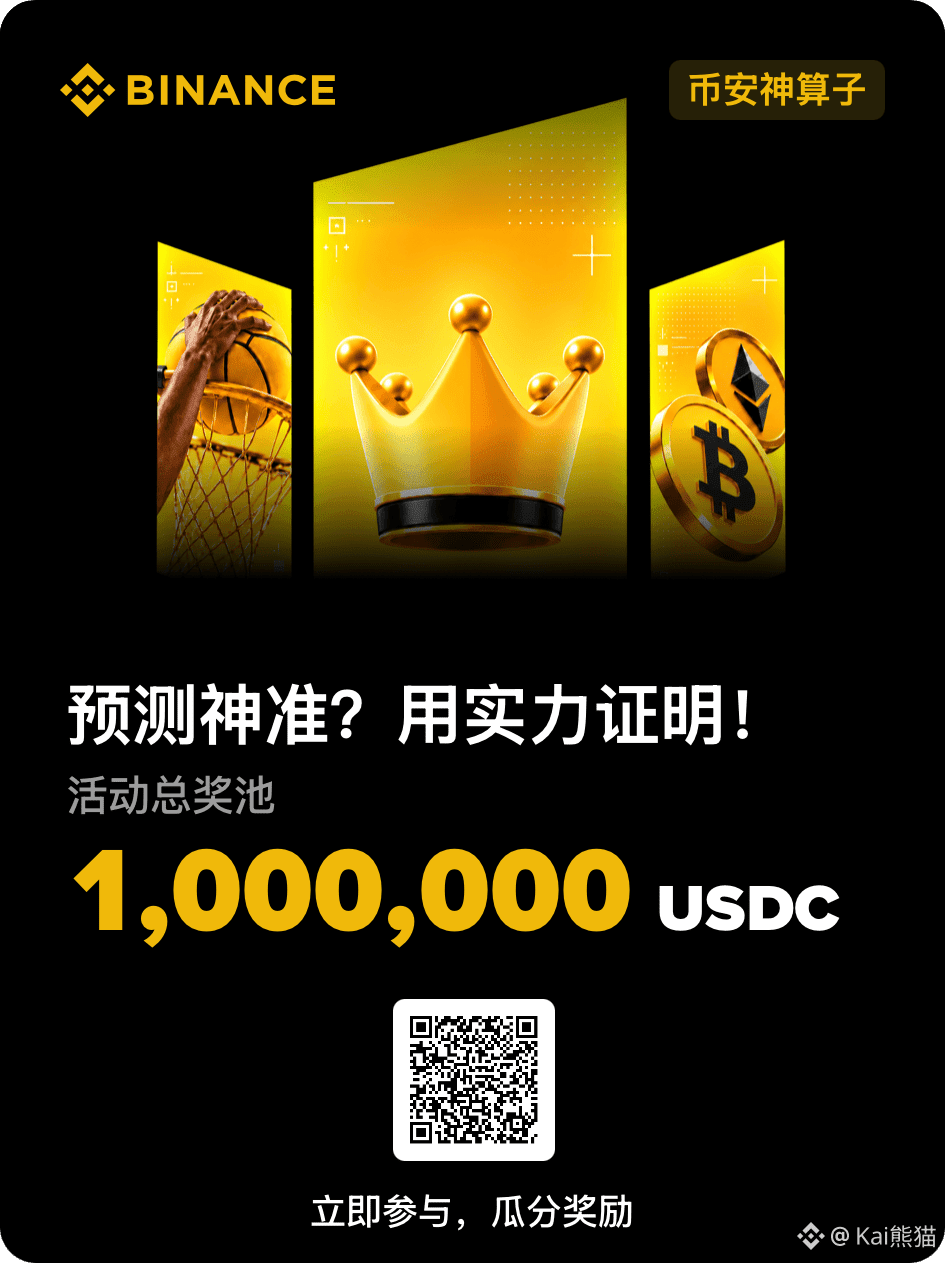
#币安神算子 Divine Predictor has tasks available every day, with 20,000 guaranteed-reward spots. Complete a task and earn 300 points. You can earn even more points with soccer, basketball, and esports. Keep checking in to secure your guaranteed rewards, and if you're interested, go for the top of the rankings.
#币安神算子 Divine Predictor has tasks available every day, with 20,000 guaranteed-reward spots. Complete a task and earn 300 points. You can earn even more points with soccer, basketball, and esports. Keep checking in to secure your guaranteed rewards, and if you're interested, go for the top of the rankings.
1.1k
·
--
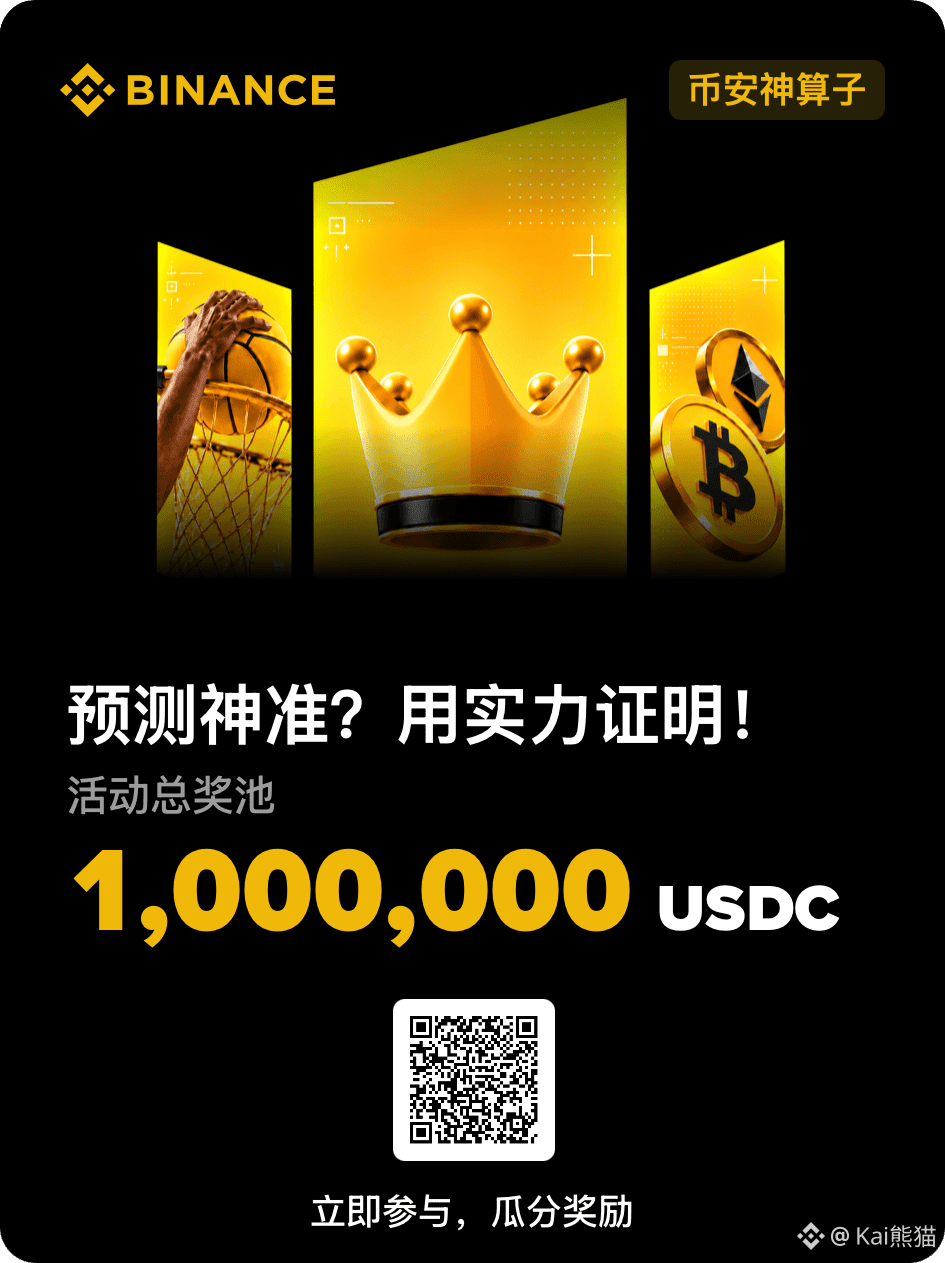
#币安神算子 Shensuanzi tasks are available every day. Even if you end up losing, you can still get a minimum-guarantee payout. There are football, basketball, and esports options, and you can hedge your bets. Pick the ones you know best. You can get the minimum-guarantee payout by posting and trading, so give it a try when you have time.
#币安神算子 Shensuanzi tasks are available every day. Even if you end up losing, you can still get a minimum-guarantee payout. There are football, basketball, and esports options, and you can hedge your bets. Pick the ones you know best. You can get the minimum-guarantee payout by posting and trading, so give it a try when you have time.
4
1
121
·
--
#币安神算子
Binance’s fortune-teller event has really taken off lately. Put simply, it’s an official free prediction market. I also compete on Predict and copy sports trades on Bagel, so here are a few thoughts.
Predicting whether BTC will rise or fall over 5 minutes looks exciting, but it’s highly competitive. Lots of pros use strategies and bots, so beginners can easily lose points. Definitely don’t go all in—try it with a small number of points first. Sports markets are easier for earning points. In competitions like the Champions League and the NBA, the stronger teams already have better odds.
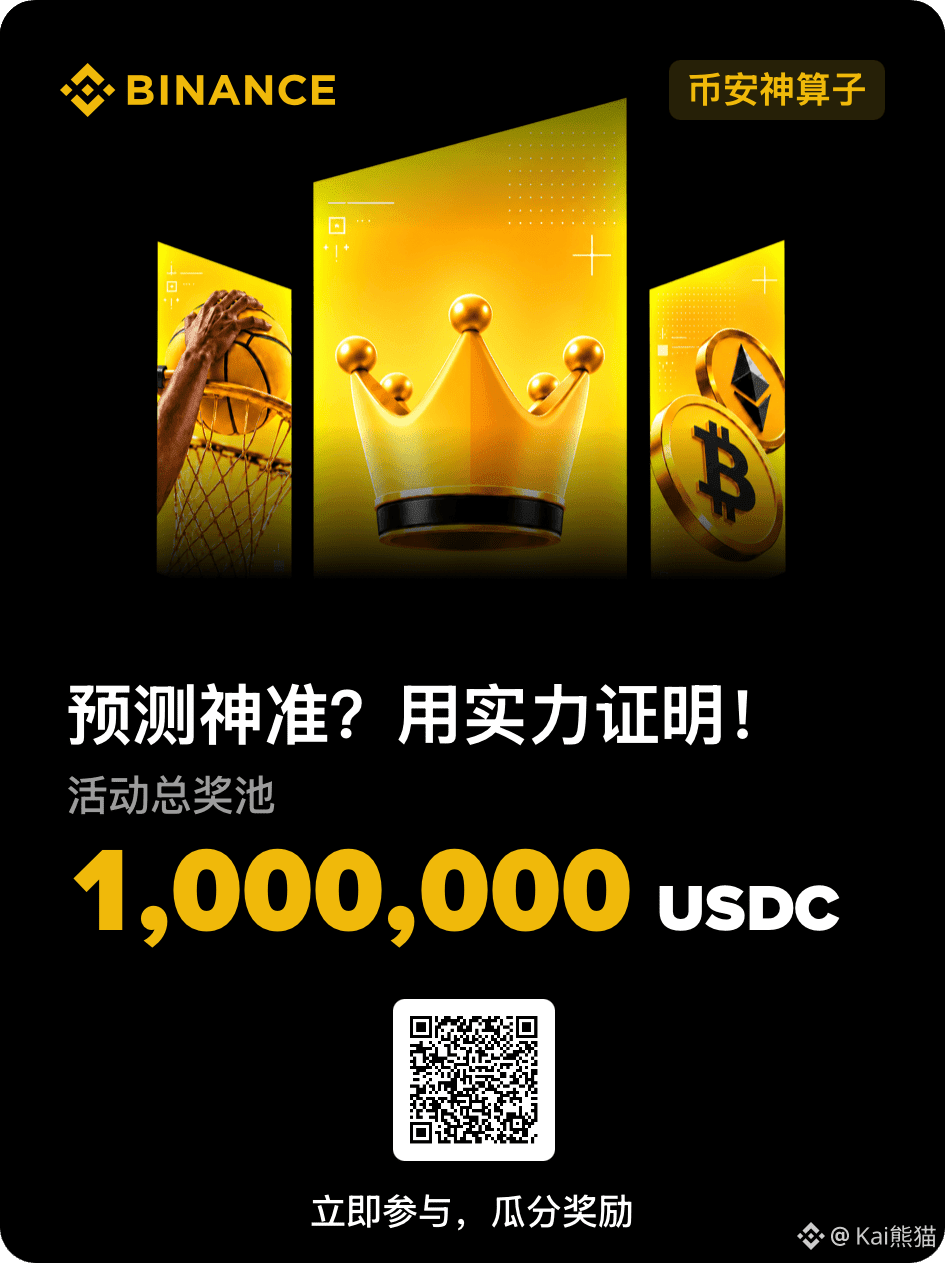
Remember to complete your daily tasks: check in, post on Square, and trade at least 50U. That’s a steady way to build up points over time. Even if you lose all your points, don’t worry—you can claim 100 points every day. Compete for a share of the 1 million USDC leaderboard prize pool, and take it slow to beat most people.
#币安神算子
Binance’s fortune-teller event has really taken off lately. Put simply, it’s an official free prediction market. I also compete on Predict and copy sports trades on Bagel, so here are a few thoughts.
Predicting whether BTC will rise or fall over 5 minutes looks exciting, but it’s highly competitive. Lots of pros use strategies and bots, so beginners can easily lose points. Definitely don’t go all in—try it with a small number of points first. Sports markets are easier for earning points. In competitions like the Champions League and the NBA, the stronger teams already have better odds.
Remember to complete your daily tasks: check in, post on Square, and trade at least 50U. That’s a steady way to build up points over time. Even if you lose all your points, don’t worry—you can claim 100 points every day. Compete for a share of the 1 million USDC leaderboard prize pool, and take it slow to beat most people.
Binance’s fortune-teller event has really taken off lately. Put simply, it’s an official free prediction market. I also compete on Predict and copy sports trades on Bagel, so here are a few thoughts.
Predicting whether BTC will rise or fall over 5 minutes looks exciting, but it’s highly competitive. Lots of pros use strategies and bots, so beginners can easily lose points. Definitely don’t go all in—try it with a small number of points first. Sports markets are easier for earning points. In competitions like the Champions League and the NBA, the stronger teams already have better odds.
Remember to complete your daily tasks: check in, post on Square, and trade at least 50U. That’s a steady way to build up points over time. Even if you lose all your points, don’t worry—you can claim 100 points every day. Compete for a share of the 1 million USDC leaderboard prize pool, and take it slow to beat most people.
269
·
--
A lot of privacy projects basically stop at simply protecting data. Nillion is different: it aims to go a step further with Covenants and DUSK.
First, Covenants—which is my favorite. It doesn’t just encrypt and lock up data; it also lets you bind rules for execution directly to the data. Even if someone gets hold of the encrypted data, they can only process it according to the predefined logic. They can’t tamper with it or sneak extra information out. That’s a big step up from many privacy solutions. The most interesting part is that once the data is encrypted, you can store and compute on it directly without decrypting it. Compared with projects that only pay lip service to privacy, this feels much more practical. DUSK is now live on Ethereum, so there’s a real-world environment to test blind computation and see whether this technology can support AI agents and applications involving sensitive information in Web3.
I’m not too concerned with the short-term hype around $NIL. What really matters is whether developers can build products, whether users trust them, and whether they’re willing to keep using them. That’s what separates reliable underlying infrastructure from projects that are just a passing fad. If you see things differently, feel free to share your thoughts.
#nil $NIL @Nillion
A lot of privacy projects basically stop at simply protecting data. Nillion is different: it aims to go a step further with Covenants and DUSK.
First, Covenants—which is my favorite. It doesn’t just encrypt and lock up data; it also lets you bind rules for execution directly to the data. Even if someone gets hold of the encrypted data, they can only process it according to the predefined logic. They can’t tamper with it or sneak extra information out. That’s a big step up from many privacy solutions. The most interesting part is that once the data is encrypted, you can store and compute on it directly without decrypting it. Compared with projects that only pay lip service to privacy, this feels much more practical. DUSK is now live on Ethereum, so there’s a real-world environment to test blind computation and see whether this technology can support AI agents and applications involving sensitive information in Web3.
I’m not too concerned with the short-term hype around $NIL . What really matters is whether developers can build products, whether users trust them, and whether they’re willing to keep using them. That’s what separates reliable underlying infrastructure from projects that are just a passing fad. If you see things differently, feel free to share your thoughts.
#nil $NIL @Nillion
First, Covenants—which is my favorite. It doesn’t just encrypt and lock up data; it also lets you bind rules for execution directly to the data. Even if someone gets hold of the encrypted data, they can only process it according to the predefined logic. They can’t tamper with it or sneak extra information out. That’s a big step up from many privacy solutions. The most interesting part is that once the data is encrypted, you can store and compute on it directly without decrypting it. Compared with projects that only pay lip service to privacy, this feels much more practical. DUSK is now live on Ethereum, so there’s a real-world environment to test blind computation and see whether this technology can support AI agents and applications involving sensitive information in Web3.
I’m not too concerned with the short-term hype around $NIL . What really matters is whether developers can build products, whether users trust them, and whether they’re willing to keep using them. That’s what separates reliable underlying infrastructure from projects that are just a passing fad. If you see things differently, feel free to share your thoughts.
#nil $NIL @Nillion

280
·
--
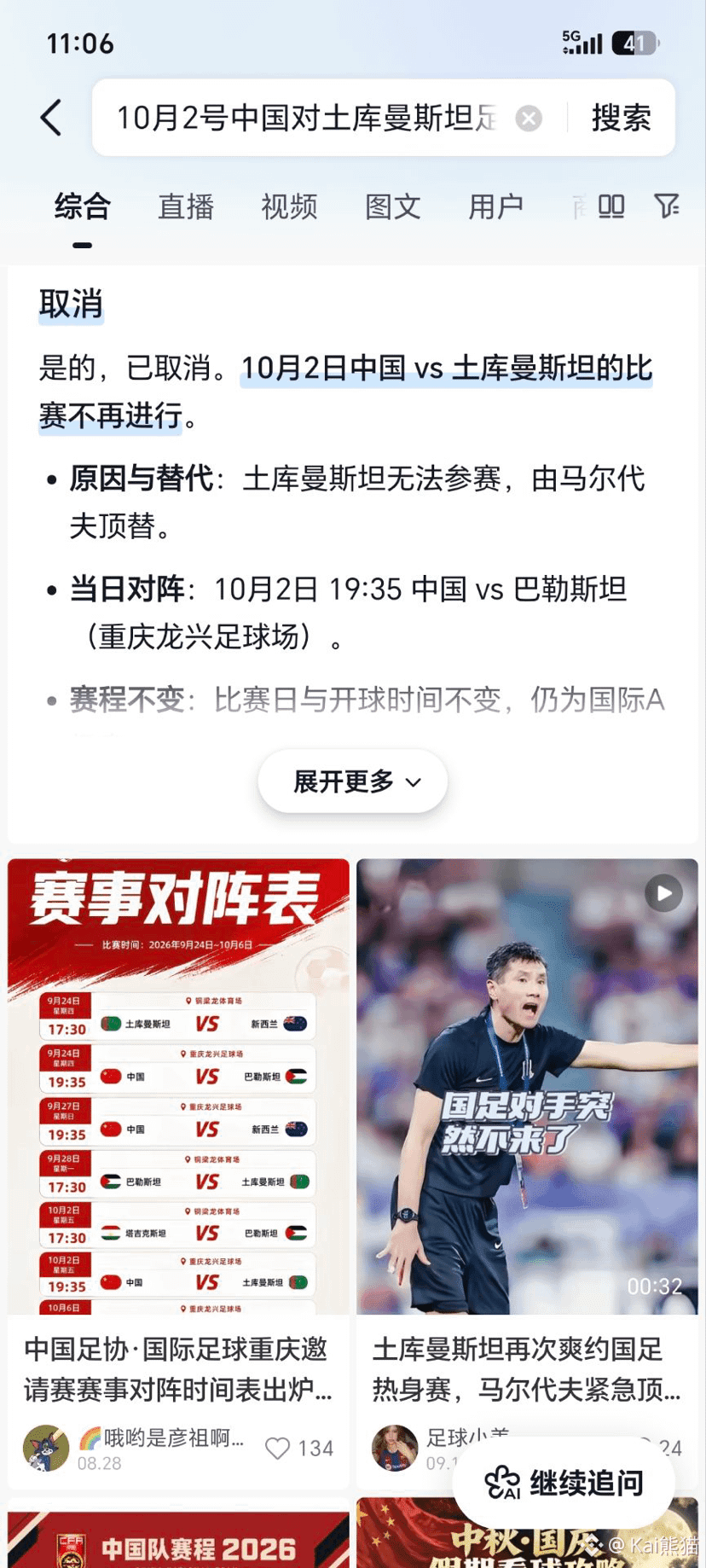
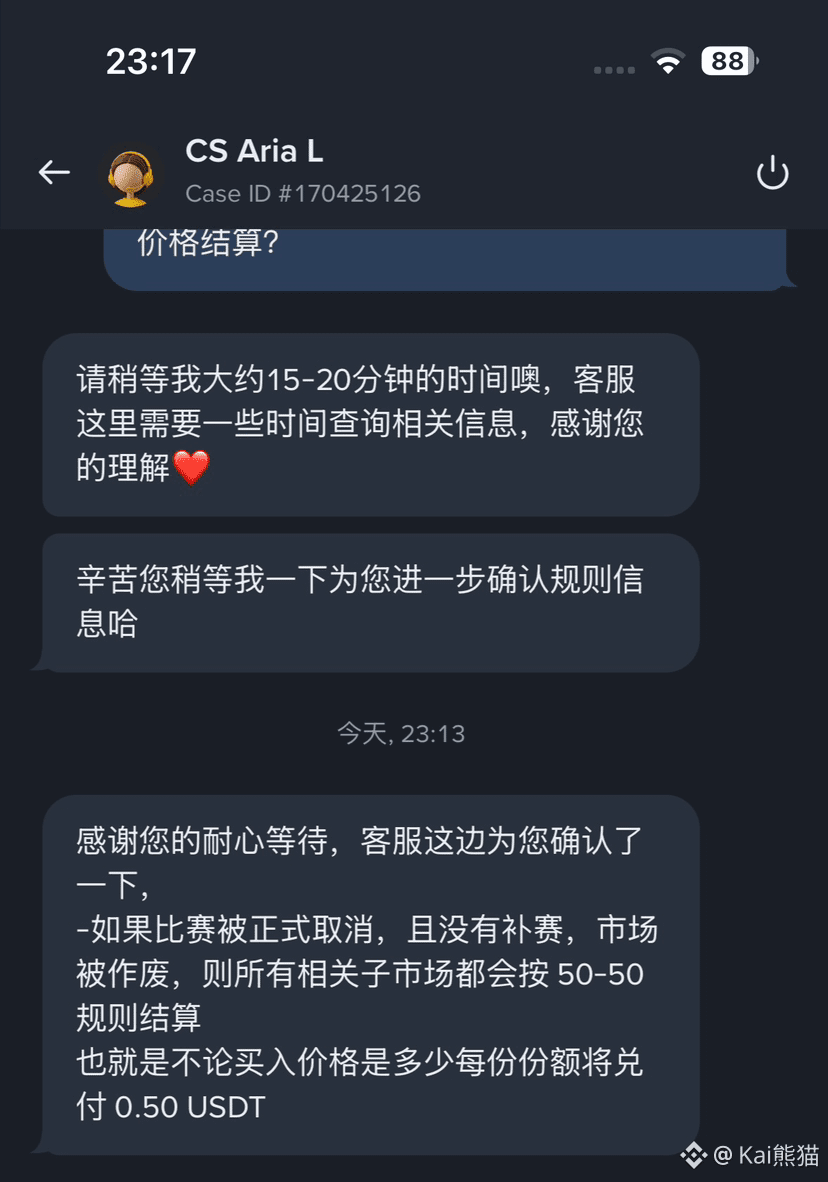
🔥🔥🔥If you’re the destined one, let me share a small tip with everyone. After official confirmation, the match on Oct 2nd between China and Turkmenistan was canceled. However, the prediction market currently shows that this match is still open. In the end, if the match is canceled, Binance customer service will repurchase and recover all tickets at a price of 0.5 per lot. So as long as you can buy at below 0.5, you’re in profit. It’s not recommended to gamble. You can buy 100 lots, which is about $2–3. You can verify whether the message is true or false yourself.
Purchase path: Wallet ➡️ Prediction Market ➡️ Sports ➡️ Football ➡️ Matches ➡️ Find the China vs Turkmenistan match. Remember to buy tickets below 0.1. Don’t go be a fool.
🔥🔥🔥If you’re the destined one, let me share a small tip with everyone. After official confirmation, the match on Oct 2nd between China and Turkmenistan was canceled. However, the prediction market currently shows that this match is still open. In the end, if the match is canceled, Binance customer service will repurchase and recover all tickets at a price of 0.5 per lot. So as long as you can buy at below 0.5, you’re in profit. It’s not recommended to gamble. You can buy 100 lots, which is about $2–3. You can verify whether the message is true or false yourself.
Purchase path: Wallet ➡️ Prediction Market ➡️ Sports ➡️ Football ➡️ Matches ➡️ Find the China vs Turkmenistan match. Remember to buy tickets below 0.1. Don’t go be a fool.
Purchase path: Wallet ➡️ Prediction Market ➡️ Sports ➡️ Football ➡️ Matches ➡️ Find the China vs Turkmenistan match. Remember to buy tickets below 0.1. Don’t go be a fool.
57
6
786
·
--
Come and join
Come and join


币安Binance华语
·
--
“Don’t laugh—you won’t find the 4th one either 😨”
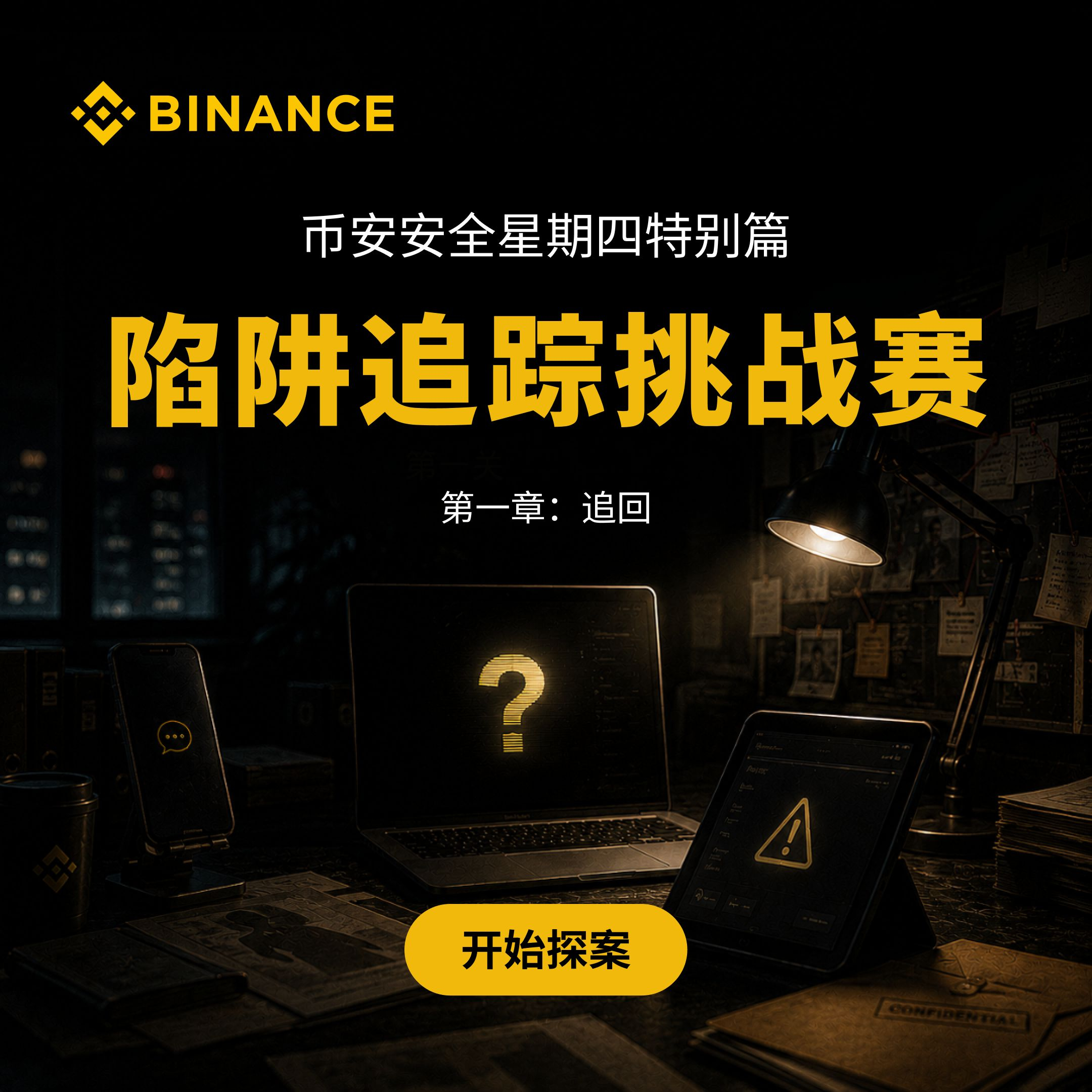
🪤 They say this is the hardest #币安安全星期四 challenge in history: in the shortest time, can you find all the traps?
👉 点击参与实景陷阱追踪挑战, compete for a spot on the leaderboard 🏆
The top 10 on the leaderboard each get a 100U detective reward, and the top 3 also receive a themed gift box!
Share it and post your clear-through screenshot in the comments, and then 15 people will be selected to receive 44U 🧧
🪤 They say this is the hardest #币安安全星期四 challenge in history: in the shortest time, can you find all the traps?
👉 点击参与实景陷阱追踪挑战, compete for a spot on the leaderboard 🏆
The top 10 on the leaderboard each get a 100U detective reward, and the top 3 also receive a themed gift box!
Share it and post your clear-through screenshot in the comments, and then 15 people will be selected to receive 44U 🧧
79
·
--
Verified
Why did $BTC surge so much? Should we chase it or not?
{spot}(BTCUSDT)
The reason is actually very simple: Trump met with executives from several crypto companies at the White House and publicly pushed the “Digital Asset Market Clarity Act.” The bill passed the House last July, but due to multiple controversies, it has been stuck in the Senate. The industry is optimistic that the Senate vote on September 18 may surpass the 60-vote threshold, and Trump is urging lawmakers to promote the legislation. In addition, the CFTC and SEC are also advancing their crypto regulatory agenda in parallel.
The bull market has arrived, and the lending market has also become hot. What is truly scary about many loans is not the yield spread, but that you have no idea what you are actually holding.
Research @termmax : I don’t focus on the interest rate first; I care more about where the risk goes after the claim is split.
FT leans toward principal, while XT represents future interest. The two can be traded separately, so principal and yield are no longer tied together. Buying FT means checking whether it is worth holding to maturity; buying XT means betting on whether the interest value still has market liquidity. #termmax
When you see fixed-income products, don’t assume they are stable just because the interest calculation is fixed. Prices and liquidity can still go wrong, and the longer the maturity, the more the opportunity cost cannot be ignored.
XT also has time decay: the closer it gets to maturity, the lower its value, and it becomes worthless at maturity. If you treat it like an ordinary coin and chase gains or sell in panic, it is very easy to get burned.
Now, when I look at it, I prioritize three things: how the principal will be repaid, whether it can be exited smoothly in the middle, and whether liquidation can be withstood in extreme market conditions. Only after thinking through these can we talk about returns.
Structured products spread out risk, but many people understand only the surface structure and think they have seen all the risks. That is a very easy way to end up losing money.
Do you want the bill to pass?
Why did $BTC surge so much? Should we chase it or not?
The reason is actually very simple: Trump met with executives from several crypto companies at the White House and publicly pushed the “Digital Asset Market Clarity Act.” The bill passed the House last July, but due to multiple controversies, it has been stuck in the Senate. The industry is optimistic that the Senate vote on September 18 may surpass the 60-vote threshold, and Trump is urging lawmakers to promote the legislation. In addition, the CFTC and SEC are also advancing their crypto regulatory agenda in parallel.
The bull market has arrived, and the lending market has also become hot. What is truly scary about many loans is not the yield spread, but that you have no idea what you are actually holding.
Research @TermMax : I don’t focus on the interest rate first; I care more about where the risk goes after the claim is split.
FT leans toward principal, while XT represents future interest. The two can be traded separately, so principal and yield are no longer tied together. Buying FT means checking whether it is worth holding to maturity; buying XT means betting on whether the interest value still has market liquidity. #termmax
When you see fixed-income products, don’t assume they are stable just because the interest calculation is fixed. Prices and liquidity can still go wrong, and the longer the maturity, the more the opportunity cost cannot be ignored.
XT also has time decay: the closer it gets to maturity, the lower its value, and it becomes worthless at maturity. If you treat it like an ordinary coin and chase gains or sell in panic, it is very easy to get burned.
Now, when I look at it, I prioritize three things: how the principal will be repaid, whether it can be exited smoothly in the middle, and whether liquidation can be withstood in extreme market conditions. Only after thinking through these can we talk about returns.
Structured products spread out risk, but many people understand only the surface structure and think they have seen all the risks. That is a very easy way to end up losing money.
Do you want the bill to pass?
The reason is actually very simple: Trump met with executives from several crypto companies at the White House and publicly pushed the “Digital Asset Market Clarity Act.” The bill passed the House last July, but due to multiple controversies, it has been stuck in the Senate. The industry is optimistic that the Senate vote on September 18 may surpass the 60-vote threshold, and Trump is urging lawmakers to promote the legislation. In addition, the CFTC and SEC are also advancing their crypto regulatory agenda in parallel.
The bull market has arrived, and the lending market has also become hot. What is truly scary about many loans is not the yield spread, but that you have no idea what you are actually holding.
Research @TermMax : I don’t focus on the interest rate first; I care more about where the risk goes after the claim is split.
FT leans toward principal, while XT represents future interest. The two can be traded separately, so principal and yield are no longer tied together. Buying FT means checking whether it is worth holding to maturity; buying XT means betting on whether the interest value still has market liquidity. #termmax
When you see fixed-income products, don’t assume they are stable just because the interest calculation is fixed. Prices and liquidity can still go wrong, and the longer the maturity, the more the opportunity cost cannot be ignored.
XT also has time decay: the closer it gets to maturity, the lower its value, and it becomes worthless at maturity. If you treat it like an ordinary coin and chase gains or sell in panic, it is very easy to get burned.
Now, when I look at it, I prioritize three things: how the principal will be repaid, whether it can be exited smoothly in the middle, and whether liquidation can be withstood in extreme market conditions. Only after thinking through these can we talk about returns.
Structured products spread out risk, but many people understand only the surface structure and think they have seen all the risks. That is a very easy way to end up losing money.
Do you want the bill to pass?
希望通过,让加密货币更国际化
62%
不希望通过,就失去匿名的初衷了
31%
不感兴趣
7%
206 votes • Voting closed
2
4
4k
·
--
#termmax Have you ever had this feeling—after getting immersed in DeFi for so long, you realize the things you can do start to look like you're just swapping the water in the same pool. Lending, staking, yield mining—you keep moving things around, but at the end of the day, the sources of returns are still those few. But recently, ever since the RWA concept started heating up, I've begun to seriously think about one question: can the money in the on-chain world and the money in the traditional world truly be connected for real?
@TermMax The recent work it’s been doing on BNB Chain caught my attention—it launched the first fixed-rate lending market that supports Ondo tokenized stocks as collateral. What does that mean? The Apple and Tesla tokenized stock you hold are no longer just “display items” you can only hold and wait for them to go up—you can use them as collateral to borrow USDT, with the interest rate locked and the term fixed. Borrow 10,000 USDT, with a 45-day term priced at 4%, and your total cost is about 49. It’s crystal clear the moment you open the position.
Honestly, this is bigger than I imagined. In the past, RWA on-chain was basically just window dressing—buy it, hold it, wait for it to appreciate. Now it’s different. Once fixed borrowing costs are locked in, it can truly be used for cash flow planning, like figuring out tolls in advance in the real world. DeFi is finally starting to move toward budgeting systems.
But I still have doubts. TermMax currently has TVL of over $90 million, more than 1.5 million registered wallets, and daily active users over 90,000. It’s deployed across 10 EVM chains. The data is definitely impressive. The problem is: tokenized stocks themselves tend to have lower volatility—but what about the collateral liquidity risk? In extreme market conditions, will Ondo’s RWA assets be discounted? With physical delivery, FT holders would receive stock tokens rather than stablecoins—how would those be handled then? @termmax
Another thing worth mulling over is that TermMax is simultaneously forming two interest-rate curves—one from the public market, and one from the institutional market. On the Canton network, TermPrime has already run fixed-rate inter-institution lending tests: two institutions used CBTC as collateral to borrow Canton Coin. This makes me worry a bit—will ordinary retail users still have pricing power in the future? Or will interest rates increasingly be controlled by institutional players?
My view is that the direction of RWA + fixed-rate lending is right. It combines the certainty of traditional finance with the composability of DeFi.
How far do you think TermMax’s RWA + fixed-rate path can go?
#termmax Have you ever had this feeling—after getting immersed in DeFi for so long, you realize the things you can do start to look like you're just swapping the water in the same pool. Lending, staking, yield mining—you keep moving things around, but at the end of the day, the sources of returns are still those few. But recently, ever since the RWA concept started heating up, I've begun to seriously think about one question: can the money in the on-chain world and the money in the traditional world truly be connected for real?
@TermMax The recent work it’s been doing on BNB Chain caught my attention—it launched the first fixed-rate lending market that supports Ondo tokenized stocks as collateral. What does that mean? The Apple and Tesla tokenized stock you hold are no longer just “display items” you can only hold and wait for them to go up—you can use them as collateral to borrow USDT, with the interest rate locked and the term fixed. Borrow 10,000 USDT, with a 45-day term priced at 4%, and your total cost is about 49. It’s crystal clear the moment you open the position.
Honestly, this is bigger than I imagined. In the past, RWA on-chain was basically just window dressing—buy it, hold it, wait for it to appreciate. Now it’s different. Once fixed borrowing costs are locked in, it can truly be used for cash flow planning, like figuring out tolls in advance in the real world. DeFi is finally starting to move toward budgeting systems.
But I still have doubts. TermMax currently has TVL of over $90 million, more than 1.5 million registered wallets, and daily active users over 90,000. It’s deployed across 10 EVM chains. The data is definitely impressive. The problem is: tokenized stocks themselves tend to have lower volatility—but what about the collateral liquidity risk? In extreme market conditions, will Ondo’s RWA assets be discounted? With physical delivery, FT holders would receive stock tokens rather than stablecoins—how would those be handled then? @TermMax
Another thing worth mulling over is that TermMax is simultaneously forming two interest-rate curves—one from the public market, and one from the institutional market. On the Canton network, TermPrime has already run fixed-rate inter-institution lending tests: two institutions used CBTC as collateral to borrow Canton Coin. This makes me worry a bit—will ordinary retail users still have pricing power in the future? Or will interest rates increasingly be controlled by institutional players?
My view is that the direction of RWA + fixed-rate lending is right. It combines the certainty of traditional finance with the composability of DeFi.
How far do you think TermMax’s RWA + fixed-rate path can go?
@TermMax The recent work it’s been doing on BNB Chain caught my attention—it launched the first fixed-rate lending market that supports Ondo tokenized stocks as collateral. What does that mean? The Apple and Tesla tokenized stock you hold are no longer just “display items” you can only hold and wait for them to go up—you can use them as collateral to borrow USDT, with the interest rate locked and the term fixed. Borrow 10,000 USDT, with a 45-day term priced at 4%, and your total cost is about 49. It’s crystal clear the moment you open the position.
Honestly, this is bigger than I imagined. In the past, RWA on-chain was basically just window dressing—buy it, hold it, wait for it to appreciate. Now it’s different. Once fixed borrowing costs are locked in, it can truly be used for cash flow planning, like figuring out tolls in advance in the real world. DeFi is finally starting to move toward budgeting systems.
But I still have doubts. TermMax currently has TVL of over $90 million, more than 1.5 million registered wallets, and daily active users over 90,000. It’s deployed across 10 EVM chains. The data is definitely impressive. The problem is: tokenized stocks themselves tend to have lower volatility—but what about the collateral liquidity risk? In extreme market conditions, will Ondo’s RWA assets be discounted? With physical delivery, FT holders would receive stock tokens rather than stablecoins—how would those be handled then? @TermMax
Another thing worth mulling over is that TermMax is simultaneously forming two interest-rate curves—one from the public market, and one from the institutional market. On the Canton network, TermPrime has already run fixed-rate inter-institution lending tests: two institutions used CBTC as collateral to borrow Canton Coin. This makes me worry a bit—will ordinary retail users still have pricing power in the future? Or will interest rates increasingly be controlled by institutional players?
My view is that the direction of RWA + fixed-rate lending is right. It combines the certainty of traditional finance with the composability of DeFi.
How far do you think TermMax’s RWA + fixed-rate path can go?
A. 看好,RWA是DeFi下一波增量的核心引擎
75%
B. 谨慎,代币化资产的流动性和定价仍是未知数
25%
C. 观望,等物理交割机制经受住一次黑天鹅再说
0%
4 votes • Voting closed
779
·
--
#termmax
After gaining a deep understanding of the core architecture of @termmax , I found that its ambitions go far beyond a simple fixed-rate lending platform. Instead, it aims to build the next generation of DeFi fixed-income infrastructure.
Unlike the common peer-to-peer or pool-based floating-rate protocols in the market, TermMax introduces the well-established TradFi concept of “zero-coupon bonds + term structure,” and then performs a complete on-chain native tokenization overhaul:
1. FT (Fixed-rate Token): Similar to a zero-coupon bond, users purchase it at a discount; at maturity, it’s redeemed for the face value, perfectly locking in fixed returns.
2. XT (Yield Token): Represents the asset’s right to yield. Borrowers can sell immediately to lock in their borrowing costs.
3. GT (NFT Leveraged Position): This design is especially clever—encapsulating complex multi-step leveraged operations into an NFT-style position, greatly reducing gas consumption and lowering the operational threshold.
On top of these tokenized assets, TermMax innovatively builds a custom Range Order AMM that allows users to provide liquidity within specific interest-rate ranges, just like market makers. Even more appealing is that it manages strategies and risk through a professional Curator mechanism, and supports cutting-edge assets such as Pendle PT, LST, and RWA as collateral—greatly expanding the boundaries of the DeFi interest-rate market.
This kind of product design, grounded in improving capital efficiency and reducing systemic operational challenges, clearly reflects strong institutional-grade financial product genes. I’m very期待 TermMax will help accelerate the DeFi market toward a more mature and predictable direction.@termmax
#termmax
After gaining a deep understanding of the core architecture of @TermMax , I found that its ambitions go far beyond a simple fixed-rate lending platform. Instead, it aims to build the next generation of DeFi fixed-income infrastructure.
Unlike the common peer-to-peer or pool-based floating-rate protocols in the market, TermMax introduces the well-established TradFi concept of “zero-coupon bonds + term structure,” and then performs a complete on-chain native tokenization overhaul:
1. FT (Fixed-rate Token): Similar to a zero-coupon bond, users purchase it at a discount; at maturity, it’s redeemed for the face value, perfectly locking in fixed returns.
2. XT (Yield Token): Represents the asset’s right to yield. Borrowers can sell immediately to lock in their borrowing costs.
3. GT (NFT Leveraged Position): This design is especially clever—encapsulating complex multi-step leveraged operations into an NFT-style position, greatly reducing gas consumption and lowering the operational threshold.
On top of these tokenized assets, TermMax innovatively builds a custom Range Order AMM that allows users to provide liquidity within specific interest-rate ranges, just like market makers. Even more appealing is that it manages strategies and risk through a professional Curator mechanism, and supports cutting-edge assets such as Pendle PT, LST, and RWA as collateral—greatly expanding the boundaries of the DeFi interest-rate market.
This kind of product design, grounded in improving capital efficiency and reducing systemic operational challenges, clearly reflects strong institutional-grade financial product genes. I’m very期待 TermMax will help accelerate the DeFi market toward a more mature and predictable direction.@TermMax
After gaining a deep understanding of the core architecture of @TermMax , I found that its ambitions go far beyond a simple fixed-rate lending platform. Instead, it aims to build the next generation of DeFi fixed-income infrastructure.
Unlike the common peer-to-peer or pool-based floating-rate protocols in the market, TermMax introduces the well-established TradFi concept of “zero-coupon bonds + term structure,” and then performs a complete on-chain native tokenization overhaul:
1. FT (Fixed-rate Token): Similar to a zero-coupon bond, users purchase it at a discount; at maturity, it’s redeemed for the face value, perfectly locking in fixed returns.
2. XT (Yield Token): Represents the asset’s right to yield. Borrowers can sell immediately to lock in their borrowing costs.
3. GT (NFT Leveraged Position): This design is especially clever—encapsulating complex multi-step leveraged operations into an NFT-style position, greatly reducing gas consumption and lowering the operational threshold.
On top of these tokenized assets, TermMax innovatively builds a custom Range Order AMM that allows users to provide liquidity within specific interest-rate ranges, just like market makers. Even more appealing is that it manages strategies and risk through a professional Curator mechanism, and supports cutting-edge assets such as Pendle PT, LST, and RWA as collateral—greatly expanding the boundaries of the DeFi interest-rate market.
This kind of product design, grounded in improving capital efficiency and reducing systemic operational challenges, clearly reflects strong institutional-grade financial product genes. I’m very期待 TermMax will help accelerate the DeFi market toward a more mature and predictable direction.@TermMax

235


Log in to explore more content
Join global crypto users on Binance Square
⚡️ Get latest and useful information about crypto.
💬 Trusted by the world’s largest crypto exchange.
👍 Discover real insights from verified creators.
Email / Phone number
Trending Topics
BinancePick
3.3M views
163,456 Discussing
Join #EarningsSeason: Predict Earnings on Binance Pick, Share Your Take on Binance Square!
Binance Square Official
·417 Likes
·345k views
EarningsSeason
5.4M views
26,760 Discussing
StrategySkipsBitcoinPurchasesSpends$205MOnSTRCBuybacks
410 views
17 Discussing