

CC离照
1.5k Posts

CC离照
Report
Block User
Be a laity, greedy and lustful, yet upright!
Open Trade

POL Holder
High-Frequency Trader
1.2 Years
5.2K+ Following
10.0K+ Followers
3.9K+ Liked
Posts
Portfolio
All
Quotes
Videos
Live
·
--
⚡ Want to build a listed digital-asset group—stuck on the audit
On November 3, 2025, two companies signed a non-binding letter of intent. Currenc Group, which is listed on Nasdaq, is set to use an Australian court-arranged scheme to fully acquire Animoca Brands. After the merger, Animoca’s existing shareholders will take about 95%, Currenc’s former shareholders 5%, and the company will continue to use the name Animoca Brands.
The idea is clear: Nasdaq investors get, in one purchase, a portfolio of more than 600 digital-asset companies.
Late on September 21 (US East), the two companies issued announcements at the same time: a pause. The wording was: “The expected closing time no longer matches the parties’ short- and mid-term strategic objectives.” The reason given was that the market environment has changed. The door isn’t shut completely—the announcements said that if conditions allow, the parties can renegotiate.
Animoca co-founder Yat Siu left just one line: the company’s flexibility and adaptability must take priority.
Currenc’s disclosure documents are more direct. The exclusive period expired on June 30, the final agreement was never signed, and the transaction was therefore put on hold. Putting it on hold also allows it to free up bandwidth to raise financing.
What’s stuck is the books.
The deal requires that the audit reports for historical fiscal years be completed. Animoca has only provided two for this year: FY2022 dated January 21, and FY2023 dated July 17—on which it says the latter is the second report of the year. FY2024 is still outstanding. For FY2025, up to September 8, it has issued only one unaudited investor update. In its FY2022 annual report, it admitted that completing the historical financial statements is an important milestone for this merger and closing, and for that purpose it has tripled its finance reporting team.
The counterparty is a smaller player. This week, several market-data sources put Currenc’s market cap at around $337 million. After the merger, the original shareholders will be left with only 5%.
The market is another story. Bitcoin rose 43.5% in Q3, and Ethereum gained 71%—the second-best Q3 for BTC on record, according to CoinGlass. Multiple media outlets cited it as well. When I wrote this, four quote sources were between 84,944 and 84,961, up about 0.9% over 24 hours; Ethereum was between 2,712 and 2,714, up about 0.9%.
A backdoor listing can save the roadshow. It can’t save the audit.
$BTC
#中本聪国际社区Baoluo币商资本 #加密货币 #加密并购
⚡ Want to build a listed digital-asset group—stuck on the audit
On November 3, 2025, two companies signed a non-binding letter of intent. Currenc Group, which is listed on Nasdaq, is set to use an Australian court-arranged scheme to fully acquire Animoca Brands. After the merger, Animoca’s existing shareholders will take about 95%, Currenc’s former shareholders 5%, and the company will continue to use the name Animoca Brands.
The idea is clear: Nasdaq investors get, in one purchase, a portfolio of more than 600 digital-asset companies.
Late on September 21 (US East), the two companies issued announcements at the same time: a pause. The wording was: “The expected closing time no longer matches the parties’ short- and mid-term strategic objectives.” The reason given was that the market environment has changed. The door isn’t shut completely—the announcements said that if conditions allow, the parties can renegotiate.
Animoca co-founder Yat Siu left just one line: the company’s flexibility and adaptability must take priority.
Currenc’s disclosure documents are more direct. The exclusive period expired on June 30, the final agreement was never signed, and the transaction was therefore put on hold. Putting it on hold also allows it to free up bandwidth to raise financing.
What’s stuck is the books.
The deal requires that the audit reports for historical fiscal years be completed. Animoca has only provided two for this year: FY2022 dated January 21, and FY2023 dated July 17—on which it says the latter is the second report of the year. FY2024 is still outstanding. For FY2025, up to September 8, it has issued only one unaudited investor update. In its FY2022 annual report, it admitted that completing the historical financial statements is an important milestone for this merger and closing, and for that purpose it has tripled its finance reporting team.
The counterparty is a smaller player. This week, several market-data sources put Currenc’s market cap at around $337 million. After the merger, the original shareholders will be left with only 5%.
The market is another story. Bitcoin rose 43.5% in Q3, and Ethereum gained 71%—the second-best Q3 for BTC on record, according to CoinGlass. Multiple media outlets cited it as well. When I wrote this, four quote sources were between 84,944 and 84,961, up about 0.9% over 24 hours; Ethereum was between 2,712 and 2,714, up about 0.9%.
A backdoor listing can save the roadshow. It can’t save the audit.
$BTC
#中本聪国际社区Baoluo币商资本 #加密货币 #加密并购
On November 3, 2025, two companies signed a non-binding letter of intent. Currenc Group, which is listed on Nasdaq, is set to use an Australian court-arranged scheme to fully acquire Animoca Brands. After the merger, Animoca’s existing shareholders will take about 95%, Currenc’s former shareholders 5%, and the company will continue to use the name Animoca Brands.
The idea is clear: Nasdaq investors get, in one purchase, a portfolio of more than 600 digital-asset companies.
Late on September 21 (US East), the two companies issued announcements at the same time: a pause. The wording was: “The expected closing time no longer matches the parties’ short- and mid-term strategic objectives.” The reason given was that the market environment has changed. The door isn’t shut completely—the announcements said that if conditions allow, the parties can renegotiate.
Animoca co-founder Yat Siu left just one line: the company’s flexibility and adaptability must take priority.
Currenc’s disclosure documents are more direct. The exclusive period expired on June 30, the final agreement was never signed, and the transaction was therefore put on hold. Putting it on hold also allows it to free up bandwidth to raise financing.
What’s stuck is the books.
The deal requires that the audit reports for historical fiscal years be completed. Animoca has only provided two for this year: FY2022 dated January 21, and FY2023 dated July 17—on which it says the latter is the second report of the year. FY2024 is still outstanding. For FY2025, up to September 8, it has issued only one unaudited investor update. In its FY2022 annual report, it admitted that completing the historical financial statements is an important milestone for this merger and closing, and for that purpose it has tripled its finance reporting team.
The counterparty is a smaller player. This week, several market-data sources put Currenc’s market cap at around $337 million. After the merger, the original shareholders will be left with only 5%.
The market is another story. Bitcoin rose 43.5% in Q3, and Ethereum gained 71%—the second-best Q3 for BTC on record, according to CoinGlass. Multiple media outlets cited it as well. When I wrote this, four quote sources were between 84,944 and 84,961, up about 0.9% over 24 hours; Ethereum was between 2,712 and 2,714, up about 0.9%.
A backdoor listing can save the roadshow. It can’t save the audit.
$BTC
#中本聪国际社区Baoluo币商资本 #加密货币 #加密并购
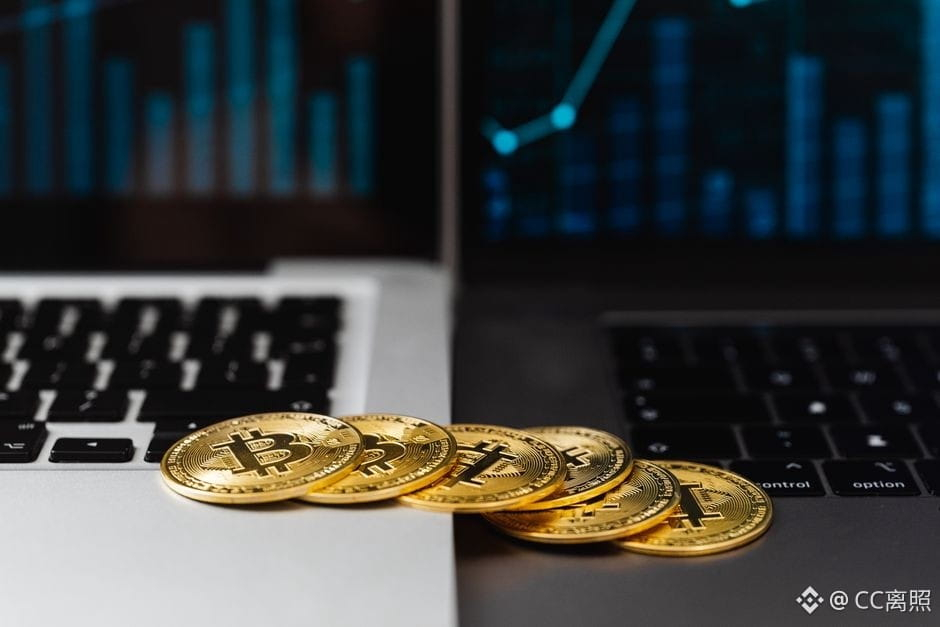
156
·
--
📊 ETF turned positive for the full year. Finally reaching beyond $900 million
Last week, U.S. spot Bitcoin ETFs saw net inflows of $2.4 billion— the largest single week since last October—bringing the 2026 full-year fund flows back into positive territory. The figures come from SoSoValue, with The Block reporting using the same methodology; Farside’s independently calculated full-year numbers are slightly lower.
The turning point was September 22. Since May 26 this year, the first time this year’s net inflows flipped to positive. On July 13, on that same day, these dozen-plus funds were still collectively net outflows of $5.69 billion for the year.
How much is it positive now? By the Farside measure, $887 million; by SoSoValue’s measure, $934 million. Out of $108.4 billion in net assets, the money net added this year is less than one percent.
Total for 2025 was $21.35 billion. To match that in the remaining 14 weeks, you’d need to bring in another $20 billion or more.
The money was earned in seven days. From September 17 to 25, there were seven consecutive trading days of net inflows, totaling about $3.0 billion. On September 21 alone, $999 million— the largest single day in 2026.
In the same stretch, the following days drop day by day. Monday: $999 million; Tuesday: $715 million; Wednesday: $347 million; Thursday: $191 million; Friday: $135 million. The first day alone consumed nearly a third of the entire period.
Who’s lifting. Last week, IBIT added $1.2 billion, FBTC $702 million, and Morgan Stanley’s MSBT $203 million—its biggest weekly inflow since it launched in April. In Farside data, IBIT was net positive year-to-date by $3.09 billion, while GBTC was net outflow of $2.59 billion. If you set IBIT aside, the remaining dozen-odd funds still, in total, were net outflows of around $2.2 billion.
One sentence. This “turning positive” was propped up by one fund plus a single week.
Why this particular week. On September 23, Nate Geraci wrote on X that since the Treasury said it would increase long-dated bond repurchases, ETFs received $4.6 billion. Bloomberg’s Eric Balchunas disagreed with this attribution; he believes it reflects real retail buying, with little contribution from basis-trading by hedge funds. Both are direct quotes, and I stand with the latter. Basis trading looks at the price spread, so it wouldn’t “cluster” into entries all at once in just this week.
Quick look at something else. ETH ETFs saw net inflows of $690 million last week; the week before that was net outflows of $140 million; year-to-date that’s roughly net positive by about $1.6 billion. SOL ETFs had $86.70 million net inflow on Friday— the largest day since launch.
In this writing, the four BTC quote sources land at 84,385 to 84,407; BTC is up about 0.5% over 24 hours. ETH: 2,696.
The first two days next week are critical. This curve is trending downward within this week. Either it re-tilts upward, or those $3.0 billion are just a one-time position reset. After the two words “turned positive,” there’s only a $999 million Monday left.
$BTC $ETH
#中本聪国际社区Baoluo币商资本 #比特币ETF #资金流
📊 ETF turned positive for the full year. Finally reaching beyond $900 million
Last week, U.S. spot Bitcoin ETFs saw net inflows of $2.4 billion— the largest single week since last October—bringing the 2026 full-year fund flows back into positive territory. The figures come from SoSoValue, with The Block reporting using the same methodology; Farside’s independently calculated full-year numbers are slightly lower.
The turning point was September 22. Since May 26 this year, the first time this year’s net inflows flipped to positive. On July 13, on that same day, these dozen-plus funds were still collectively net outflows of $5.69 billion for the year.
How much is it positive now? By the Farside measure, $887 million; by SoSoValue’s measure, $934 million. Out of $108.4 billion in net assets, the money net added this year is less than one percent.
Total for 2025 was $21.35 billion. To match that in the remaining 14 weeks, you’d need to bring in another $20 billion or more.
The money was earned in seven days. From September 17 to 25, there were seven consecutive trading days of net inflows, totaling about $3.0 billion. On September 21 alone, $999 million— the largest single day in 2026.
In the same stretch, the following days drop day by day. Monday: $999 million; Tuesday: $715 million; Wednesday: $347 million; Thursday: $191 million; Friday: $135 million. The first day alone consumed nearly a third of the entire period.
Who’s lifting. Last week, IBIT added $1.2 billion, FBTC $702 million, and Morgan Stanley’s MSBT $203 million—its biggest weekly inflow since it launched in April. In Farside data, IBIT was net positive year-to-date by $3.09 billion, while GBTC was net outflow of $2.59 billion. If you set IBIT aside, the remaining dozen-odd funds still, in total, were net outflows of around $2.2 billion.
One sentence. This “turning positive” was propped up by one fund plus a single week.
Why this particular week. On September 23, Nate Geraci wrote on X that since the Treasury said it would increase long-dated bond repurchases, ETFs received $4.6 billion. Bloomberg’s Eric Balchunas disagreed with this attribution; he believes it reflects real retail buying, with little contribution from basis-trading by hedge funds. Both are direct quotes, and I stand with the latter. Basis trading looks at the price spread, so it wouldn’t “cluster” into entries all at once in just this week.
Quick look at something else. ETH ETFs saw net inflows of $690 million last week; the week before that was net outflows of $140 million; year-to-date that’s roughly net positive by about $1.6 billion. SOL ETFs had $86.70 million net inflow on Friday— the largest day since launch.
In this writing, the four BTC quote sources land at 84,385 to 84,407; BTC is up about 0.5% over 24 hours. ETH: 2,696.
The first two days next week are critical. This curve is trending downward within this week. Either it re-tilts upward, or those $3.0 billion are just a one-time position reset. After the two words “turned positive,” there’s only a $999 million Monday left.
$BTC $ETH
#中本聪国际社区Baoluo币商资本 #比特币ETF #资金流
Last week, U.S. spot Bitcoin ETFs saw net inflows of $2.4 billion— the largest single week since last October—bringing the 2026 full-year fund flows back into positive territory. The figures come from SoSoValue, with The Block reporting using the same methodology; Farside’s independently calculated full-year numbers are slightly lower.
The turning point was September 22. Since May 26 this year, the first time this year’s net inflows flipped to positive. On July 13, on that same day, these dozen-plus funds were still collectively net outflows of $5.69 billion for the year.
How much is it positive now? By the Farside measure, $887 million; by SoSoValue’s measure, $934 million. Out of $108.4 billion in net assets, the money net added this year is less than one percent.
Total for 2025 was $21.35 billion. To match that in the remaining 14 weeks, you’d need to bring in another $20 billion or more.
The money was earned in seven days. From September 17 to 25, there were seven consecutive trading days of net inflows, totaling about $3.0 billion. On September 21 alone, $999 million— the largest single day in 2026.
In the same stretch, the following days drop day by day. Monday: $999 million; Tuesday: $715 million; Wednesday: $347 million; Thursday: $191 million; Friday: $135 million. The first day alone consumed nearly a third of the entire period.
Who’s lifting. Last week, IBIT added $1.2 billion, FBTC $702 million, and Morgan Stanley’s MSBT $203 million—its biggest weekly inflow since it launched in April. In Farside data, IBIT was net positive year-to-date by $3.09 billion, while GBTC was net outflow of $2.59 billion. If you set IBIT aside, the remaining dozen-odd funds still, in total, were net outflows of around $2.2 billion.
One sentence. This “turning positive” was propped up by one fund plus a single week.
Why this particular week. On September 23, Nate Geraci wrote on X that since the Treasury said it would increase long-dated bond repurchases, ETFs received $4.6 billion. Bloomberg’s Eric Balchunas disagreed with this attribution; he believes it reflects real retail buying, with little contribution from basis-trading by hedge funds. Both are direct quotes, and I stand with the latter. Basis trading looks at the price spread, so it wouldn’t “cluster” into entries all at once in just this week.
Quick look at something else. ETH ETFs saw net inflows of $690 million last week; the week before that was net outflows of $140 million; year-to-date that’s roughly net positive by about $1.6 billion. SOL ETFs had $86.70 million net inflow on Friday— the largest day since launch.
In this writing, the four BTC quote sources land at 84,385 to 84,407; BTC is up about 0.5% over 24 hours. ETH: 2,696.
The first two days next week are critical. This curve is trending downward within this week. Either it re-tilts upward, or those $3.0 billion are just a one-time position reset. After the two words “turned positive,” there’s only a $999 million Monday left.
$BTC $ETH
#中本聪国际社区Baoluo币商资本 #比特币ETF #资金流
1
90
·
--
🔍 Bangkok soaked up three days of water. That insurance policy bought for the 30 million households nationwide would only take effect four days later.
The rain in Thailand’s capital has not let up since Thursday afternoon. On Saturday, all 50 districts in Bangkok were declared disaster areas. Governor Chadchart Sittipunt said the cumulative rainfall is close to 300 millimeters—heaviest in the east—main roads were submerged, and cars were stranded by the roadside. The government added later that the water level has stabilized, and as long as it doesn’t rain again, drainage will still take another two or three days. The forecast says the rain will continue until Sunday. The subway is letting people park in transfer parking lots for free until October 2, so everyone can move their cars to higher ground. Bangkok residents are no strangers to flooding. In 2011, the nationwide deluge killed more than 500 people.
The timing is awkward.
In early September, the Thai cabinet approved a national disaster insurance system: 15.5 billion baht per year—about $467 million—covering floods, storms, and earthquakes for roughly 30 million households nationwide, with the coverage period starting from October 1, 2026. For flood losses, compensation for each household is 10,000 baht paid within 15 days; subsequent payments top up based on actual losses, with a per-claim cap of 100,000 baht. Deaths caused by disaster are covered at 2 million baht. Total annual coverage is about 75 billion baht; the portion beyond the government’s retained share is covered by insurance companies. What took shape involves the Department of Disaster Prevention and Mitigation, the Office of the Insurance Commission, and the Thai General Insurance Association.
In plain terms, the government used to cover at least 30 billion baht in losses each year, paying household by household. Now it wants to shift that ledger to the insurance market. The flood picked the week before the coverage would take effect.
Even the way the money moves is changing tracks.
On September 14, Thailand’s biggest e-wallet, TrueMoney, moved into the second phase of a pilot to integrate Fireblocks’ wallets into THBT, Thailand baht digital units. THBT is housed in the enhanced regulatory sandbox run by the Bank of Thailand. In the second phase, it cuts out self-custody and adds a process for recovering credentials that are lost. Users can buy digital vouchers in THBTStore and also swap with six types of assets; the backend is Ascend Bit, running through Thailand SEC’s digital asset sandbox. The slots are opened up to 20,000, for both Thai and foreign applicants, with the application deadline on December 31. TrueMoney has between 27 million and 32 million registered users in Thailand, nearly half of the e-wallet market.
Bitcoin isn’t paying any attention. When I write this, six quote sources are between 84,260 and 84,350; over the past 24 hours it’s up 0.3%. ETH is at 2,688 to 2,691, down 0.1%.
What to watch is October 1. Who pays the premiums, and how many days it takes for claims to arrive—this system will be tested for real for the first time in that very week. The chain is farther out, but in a city drowning under water, the first things to break are cash and card readers. If the wallet is still there, then whoever’s on the hook can see it all clearly.
$BTC
#中本聪国际社区Baoluo币商资本 #Bitcoin #Bangkok Flood Disaster
🔍 Bangkok soaked up three days of water. That insurance policy bought for the 30 million households nationwide would only take effect four days later.
The rain in Thailand’s capital has not let up since Thursday afternoon. On Saturday, all 50 districts in Bangkok were declared disaster areas. Governor Chadchart Sittipunt said the cumulative rainfall is close to 300 millimeters—heaviest in the east—main roads were submerged, and cars were stranded by the roadside. The government added later that the water level has stabilized, and as long as it doesn’t rain again, drainage will still take another two or three days. The forecast says the rain will continue until Sunday. The subway is letting people park in transfer parking lots for free until October 2, so everyone can move their cars to higher ground. Bangkok residents are no strangers to flooding. In 2011, the nationwide deluge killed more than 500 people.
The timing is awkward.
In early September, the Thai cabinet approved a national disaster insurance system: 15.5 billion baht per year—about $467 million—covering floods, storms, and earthquakes for roughly 30 million households nationwide, with the coverage period starting from October 1, 2026. For flood losses, compensation for each household is 10,000 baht paid within 15 days; subsequent payments top up based on actual losses, with a per-claim cap of 100,000 baht. Deaths caused by disaster are covered at 2 million baht. Total annual coverage is about 75 billion baht; the portion beyond the government’s retained share is covered by insurance companies. What took shape involves the Department of Disaster Prevention and Mitigation, the Office of the Insurance Commission, and the Thai General Insurance Association.
In plain terms, the government used to cover at least 30 billion baht in losses each year, paying household by household. Now it wants to shift that ledger to the insurance market. The flood picked the week before the coverage would take effect.
Even the way the money moves is changing tracks.
On September 14, Thailand’s biggest e-wallet, TrueMoney, moved into the second phase of a pilot to integrate Fireblocks’ wallets into THBT, Thailand baht digital units. THBT is housed in the enhanced regulatory sandbox run by the Bank of Thailand. In the second phase, it cuts out self-custody and adds a process for recovering credentials that are lost. Users can buy digital vouchers in THBTStore and also swap with six types of assets; the backend is Ascend Bit, running through Thailand SEC’s digital asset sandbox. The slots are opened up to 20,000, for both Thai and foreign applicants, with the application deadline on December 31. TrueMoney has between 27 million and 32 million registered users in Thailand, nearly half of the e-wallet market.
Bitcoin isn’t paying any attention. When I write this, six quote sources are between 84,260 and 84,350; over the past 24 hours it’s up 0.3%. ETH is at 2,688 to 2,691, down 0.1%.
What to watch is October 1. Who pays the premiums, and how many days it takes for claims to arrive—this system will be tested for real for the first time in that very week. The chain is farther out, but in a city drowning under water, the first things to break are cash and card readers. If the wallet is still there, then whoever’s on the hook can see it all clearly.
$BTC
#中本聪国际社区Baoluo币商资本 #Bitcoin #Bangkok Flood Disaster
The rain in Thailand’s capital has not let up since Thursday afternoon. On Saturday, all 50 districts in Bangkok were declared disaster areas. Governor Chadchart Sittipunt said the cumulative rainfall is close to 300 millimeters—heaviest in the east—main roads were submerged, and cars were stranded by the roadside. The government added later that the water level has stabilized, and as long as it doesn’t rain again, drainage will still take another two or three days. The forecast says the rain will continue until Sunday. The subway is letting people park in transfer parking lots for free until October 2, so everyone can move their cars to higher ground. Bangkok residents are no strangers to flooding. In 2011, the nationwide deluge killed more than 500 people.
The timing is awkward.
In early September, the Thai cabinet approved a national disaster insurance system: 15.5 billion baht per year—about $467 million—covering floods, storms, and earthquakes for roughly 30 million households nationwide, with the coverage period starting from October 1, 2026. For flood losses, compensation for each household is 10,000 baht paid within 15 days; subsequent payments top up based on actual losses, with a per-claim cap of 100,000 baht. Deaths caused by disaster are covered at 2 million baht. Total annual coverage is about 75 billion baht; the portion beyond the government’s retained share is covered by insurance companies. What took shape involves the Department of Disaster Prevention and Mitigation, the Office of the Insurance Commission, and the Thai General Insurance Association.
In plain terms, the government used to cover at least 30 billion baht in losses each year, paying household by household. Now it wants to shift that ledger to the insurance market. The flood picked the week before the coverage would take effect.
Even the way the money moves is changing tracks.
On September 14, Thailand’s biggest e-wallet, TrueMoney, moved into the second phase of a pilot to integrate Fireblocks’ wallets into THBT, Thailand baht digital units. THBT is housed in the enhanced regulatory sandbox run by the Bank of Thailand. In the second phase, it cuts out self-custody and adds a process for recovering credentials that are lost. Users can buy digital vouchers in THBTStore and also swap with six types of assets; the backend is Ascend Bit, running through Thailand SEC’s digital asset sandbox. The slots are opened up to 20,000, for both Thai and foreign applicants, with the application deadline on December 31. TrueMoney has between 27 million and 32 million registered users in Thailand, nearly half of the e-wallet market.
Bitcoin isn’t paying any attention. When I write this, six quote sources are between 84,260 and 84,350; over the past 24 hours it’s up 0.3%. ETH is at 2,688 to 2,691, down 0.1%.
What to watch is October 1. Who pays the premiums, and how many days it takes for claims to arrive—this system will be tested for real for the first time in that very week. The chain is farther out, but in a city drowning under water, the first things to break are cash and card readers. If the wallet is still there, then whoever’s on the hook can see it all clearly.
$BTC
#中本聪国际社区Baoluo币商资本 #Bitcoin #Bangkok Flood Disaster
406
·
--
⚡ The FTX lawn, handed over to an AI company four years later
Last night, a 50-yard-line logo appeared at Memorial Stadium in Berkeley, California, and the field is officially renamed Databricks Field. Four years ago, the same patch of turf was called FTX Field.
On September 24, Cal Athletics and its business partner Learfield announced a multi-year agreement with Databricks. Cal’s own press release was packed with superlatives, saying it was the largest sponsorship in the school’s history. The terms were not disclosed, but Fox Sports’ Ben Portnoy reported it as the longest deal—up to 10 years, worth as much as $22.8 million. Spread across 10 years, that’s $2.28 million per year.
The money doesn’t come in cash. Cal’s announcement said the deal was funded by making the University of California, Berkeley a Databricks shareholder through the school. Databricks began in 2013 in a room in Berkeley’s Soda Hall. Apache Spark was one of the products of that research. Of the seven co-founders, two still teach at Berkeley today. Forbes’ valuation put the company at $190 billion. What the school receives is equity—no cash at all.
Now look at the previous contract side by side. In August 2021, FTX paid $17.5 million for 10-year naming rights to that field—$1.75 million per year. It was billed as the first crypto naming deal in collegiate history, with Learfield collecting the payments in full. 450 days later, FTX filed for bankruptcy, the name was scrubbed off the turf, and the remaining more than eight years of the contract became void. Then-Cal lecturer Nicholas Weaver estimated that the school actually ended up with about $1.7 million, while what it “paid” was its reputation. That was his estimate at the time—without accounting for any numbers.
The turf sat empty for nearly four seasons starting in November 2022. It’s back. The price has gone up by roughly 30%.
Even in the same business, not all the crypto money walked away. On July 17, Texas Tech sold stadium naming rights to Galaxy for 15 years at $75 million, or $5 million per year. The announcement says it’s a data center infrastructure and digital asset company, publicly traded on the Nasdaq. In the same season, on the same kind of signage, the unit price is more than double Cal’s. The money didn’t go far.
On October 3, at UNLV, the Databricks logo will still be on Cal’s helmets. The announcement says this is the ACC’s first helmet naming deal. The sponsorships keep going deeper.
The on-field results haven’t matched the deal. Last night, Clemson beat Berkeley 24–10. They lost in their debut.
Bitcoin has nothing to do with this business. When I wrote this, five bid sources ranged from 84,159 to 84,172; over 24 hours, it was down 0.6%. ETH was 2,688 to 2,690, down 1.1%.
What matters is when the money hits the books. The cash hasn’t landed yet. Cal’s 2024–25 fiscal-year deficit exceeds $24 million, and this money is meant to plug the gap first. But what it got is shares in a private company with no market quote—if it wants to turn that into money, it has to wait for an IPO or an acquisition. Four years ago, the crypto contract that was mocked brought in coins that could be converted to cash immediately.
The name has changed. A field’s name—swapped from coins to equity. The sign is still that same sign; this time, what it’s worth isn’t a number on a price tag, but whether it can turn into paychecks.
$BTC $ETH
#中本聪国际社区Baoluo币商资本 #加密货币 #FTX
⚡ The FTX lawn, handed over to an AI company four years later
Last night, a 50-yard-line logo appeared at Memorial Stadium in Berkeley, California, and the field is officially renamed Databricks Field. Four years ago, the same patch of turf was called FTX Field.
On September 24, Cal Athletics and its business partner Learfield announced a multi-year agreement with Databricks. Cal’s own press release was packed with superlatives, saying it was the largest sponsorship in the school’s history. The terms were not disclosed, but Fox Sports’ Ben Portnoy reported it as the longest deal—up to 10 years, worth as much as $22.8 million. Spread across 10 years, that’s $2.28 million per year.
The money doesn’t come in cash. Cal’s announcement said the deal was funded by making the University of California, Berkeley a Databricks shareholder through the school. Databricks began in 2013 in a room in Berkeley’s Soda Hall. Apache Spark was one of the products of that research. Of the seven co-founders, two still teach at Berkeley today. Forbes’ valuation put the company at $190 billion. What the school receives is equity—no cash at all.
Now look at the previous contract side by side. In August 2021, FTX paid $17.5 million for 10-year naming rights to that field—$1.75 million per year. It was billed as the first crypto naming deal in collegiate history, with Learfield collecting the payments in full. 450 days later, FTX filed for bankruptcy, the name was scrubbed off the turf, and the remaining more than eight years of the contract became void. Then-Cal lecturer Nicholas Weaver estimated that the school actually ended up with about $1.7 million, while what it “paid” was its reputation. That was his estimate at the time—without accounting for any numbers.
The turf sat empty for nearly four seasons starting in November 2022. It’s back. The price has gone up by roughly 30%.
Even in the same business, not all the crypto money walked away. On July 17, Texas Tech sold stadium naming rights to Galaxy for 15 years at $75 million, or $5 million per year. The announcement says it’s a data center infrastructure and digital asset company, publicly traded on the Nasdaq. In the same season, on the same kind of signage, the unit price is more than double Cal’s. The money didn’t go far.
On October 3, at UNLV, the Databricks logo will still be on Cal’s helmets. The announcement says this is the ACC’s first helmet naming deal. The sponsorships keep going deeper.
The on-field results haven’t matched the deal. Last night, Clemson beat Berkeley 24–10. They lost in their debut.
Bitcoin has nothing to do with this business. When I wrote this, five bid sources ranged from 84,159 to 84,172; over 24 hours, it was down 0.6%. ETH was 2,688 to 2,690, down 1.1%.
What matters is when the money hits the books. The cash hasn’t landed yet. Cal’s 2024–25 fiscal-year deficit exceeds $24 million, and this money is meant to plug the gap first. But what it got is shares in a private company with no market quote—if it wants to turn that into money, it has to wait for an IPO or an acquisition. Four years ago, the crypto contract that was mocked brought in coins that could be converted to cash immediately.
The name has changed. A field’s name—swapped from coins to equity. The sign is still that same sign; this time, what it’s worth isn’t a number on a price tag, but whether it can turn into paychecks.
$BTC $ETH
#中本聪国际社区Baoluo币商资本 #加密货币 #FTX
Last night, a 50-yard-line logo appeared at Memorial Stadium in Berkeley, California, and the field is officially renamed Databricks Field. Four years ago, the same patch of turf was called FTX Field.
On September 24, Cal Athletics and its business partner Learfield announced a multi-year agreement with Databricks. Cal’s own press release was packed with superlatives, saying it was the largest sponsorship in the school’s history. The terms were not disclosed, but Fox Sports’ Ben Portnoy reported it as the longest deal—up to 10 years, worth as much as $22.8 million. Spread across 10 years, that’s $2.28 million per year.
The money doesn’t come in cash. Cal’s announcement said the deal was funded by making the University of California, Berkeley a Databricks shareholder through the school. Databricks began in 2013 in a room in Berkeley’s Soda Hall. Apache Spark was one of the products of that research. Of the seven co-founders, two still teach at Berkeley today. Forbes’ valuation put the company at $190 billion. What the school receives is equity—no cash at all.
Now look at the previous contract side by side. In August 2021, FTX paid $17.5 million for 10-year naming rights to that field—$1.75 million per year. It was billed as the first crypto naming deal in collegiate history, with Learfield collecting the payments in full. 450 days later, FTX filed for bankruptcy, the name was scrubbed off the turf, and the remaining more than eight years of the contract became void. Then-Cal lecturer Nicholas Weaver estimated that the school actually ended up with about $1.7 million, while what it “paid” was its reputation. That was his estimate at the time—without accounting for any numbers.
The turf sat empty for nearly four seasons starting in November 2022. It’s back. The price has gone up by roughly 30%.
Even in the same business, not all the crypto money walked away. On July 17, Texas Tech sold stadium naming rights to Galaxy for 15 years at $75 million, or $5 million per year. The announcement says it’s a data center infrastructure and digital asset company, publicly traded on the Nasdaq. In the same season, on the same kind of signage, the unit price is more than double Cal’s. The money didn’t go far.
On October 3, at UNLV, the Databricks logo will still be on Cal’s helmets. The announcement says this is the ACC’s first helmet naming deal. The sponsorships keep going deeper.
The on-field results haven’t matched the deal. Last night, Clemson beat Berkeley 24–10. They lost in their debut.
Bitcoin has nothing to do with this business. When I wrote this, five bid sources ranged from 84,159 to 84,172; over 24 hours, it was down 0.6%. ETH was 2,688 to 2,690, down 1.1%.
What matters is when the money hits the books. The cash hasn’t landed yet. Cal’s 2024–25 fiscal-year deficit exceeds $24 million, and this money is meant to plug the gap first. But what it got is shares in a private company with no market quote—if it wants to turn that into money, it has to wait for an IPO or an acquisition. Four years ago, the crypto contract that was mocked brought in coins that could be converted to cash immediately.
The name has changed. A field’s name—swapped from coins to equity. The sign is still that same sign; this time, what it’s worth isn’t a number on a price tag, but whether it can turn into paychecks.
$BTC $ETH
#中本聪国际社区Baoluo币商资本 #加密货币 #FTX

178
·
--
📊 Coins promoted by celebrities from a “famous platform”; the fivefold increase is a scam
On September 23, MarketWatch, under Dow Jones, ran a column that put an academic paper in front of retail investors. The authors are Joshua White of Vanderbilt University and Sean Wilkoff of the University of Nevada, Reno. The paper, “The effect of celebrity endorsements on crypto,” is published in the Journal of Banking and Finance.
They analyzed roughly 1,500 coins issued during the frenzy from 2017 to 2018: first marking which ones were backed by celebrities during fundraising, then comparing the rest.
The numbers are straightforward. About 10% of the full sample is classified as scams. The set that received celebrity endorsements falls in the 45% to 48% range—35 to 38 percentage points higher.
The money part is even more striking. Celebrity coins raise, on average, five times as much as non-celebrity coins. The sample mean is about $17.5 million, with an incremental amount of roughly $83 million to $104 million. Wilkoff confirmed this set of definitions in an email reply to the column’s author.
The authors leave a note of their own: what they can show is correlation, not causation. Another possibility is that scammers simply prefer to use celebrity endorsements.
There are ready-made examples in today’s market. CoinGecko data show TRUMP trading at $2.15, down 97% from its peak of $73.43 on January 19, 2025; prices on both Binance and OKX are $2.155 and $2.156. MELANIA is $0.107, down 99% from $13.05.
The faces are still leveling up. A report from Chainalysis estimated that in 2025, crypto scams and fraud losses will be about $17 billion. Impersonation scams are up more than 1,400% year over year. With AI, scam profit margins are 4.5 times those of traditional methods. Real celebrity faces aren’t enough anymore—synthetic faces move in.
Bitcoin didn’t pay attention to this show. While I’m writing this, five price sources are between 83,978 and 84,003, with the last 24 hours down less than 0.3%. ETH is between 2,689 and 2,690, up 0.4%.
That 35-percentage-point gap between 10% and 45% is about the fundraising ability of the celebrity-faced coins—not related to project quality. The next thing to watch will be the AI-synthesized faces, and whether they can get past disclosure rules.
$BTC $ETH
#中本聪国际社区Baoluo币商资本 #名人币 #crypto scams
📊 Coins promoted by celebrities from a “famous platform”; the fivefold increase is a scam
On September 23, MarketWatch, under Dow Jones, ran a column that put an academic paper in front of retail investors. The authors are Joshua White of Vanderbilt University and Sean Wilkoff of the University of Nevada, Reno. The paper, “The effect of celebrity endorsements on crypto,” is published in the Journal of Banking and Finance.
They analyzed roughly 1,500 coins issued during the frenzy from 2017 to 2018: first marking which ones were backed by celebrities during fundraising, then comparing the rest.
The numbers are straightforward. About 10% of the full sample is classified as scams. The set that received celebrity endorsements falls in the 45% to 48% range—35 to 38 percentage points higher.
The money part is even more striking. Celebrity coins raise, on average, five times as much as non-celebrity coins. The sample mean is about $17.5 million, with an incremental amount of roughly $83 million to $104 million. Wilkoff confirmed this set of definitions in an email reply to the column’s author.
The authors leave a note of their own: what they can show is correlation, not causation. Another possibility is that scammers simply prefer to use celebrity endorsements.
There are ready-made examples in today’s market. CoinGecko data show TRUMP trading at $2.15, down 97% from its peak of $73.43 on January 19, 2025; prices on both Binance and OKX are $2.155 and $2.156. MELANIA is $0.107, down 99% from $13.05.
The faces are still leveling up. A report from Chainalysis estimated that in 2025, crypto scams and fraud losses will be about $17 billion. Impersonation scams are up more than 1,400% year over year. With AI, scam profit margins are 4.5 times those of traditional methods. Real celebrity faces aren’t enough anymore—synthetic faces move in.
Bitcoin didn’t pay attention to this show. While I’m writing this, five price sources are between 83,978 and 84,003, with the last 24 hours down less than 0.3%. ETH is between 2,689 and 2,690, up 0.4%.
That 35-percentage-point gap between 10% and 45% is about the fundraising ability of the celebrity-faced coins—not related to project quality. The next thing to watch will be the AI-synthesized faces, and whether they can get past disclosure rules.
$BTC $ETH
#中本聪国际社区Baoluo币商资本 #名人币 #crypto scams
On September 23, MarketWatch, under Dow Jones, ran a column that put an academic paper in front of retail investors. The authors are Joshua White of Vanderbilt University and Sean Wilkoff of the University of Nevada, Reno. The paper, “The effect of celebrity endorsements on crypto,” is published in the Journal of Banking and Finance.
They analyzed roughly 1,500 coins issued during the frenzy from 2017 to 2018: first marking which ones were backed by celebrities during fundraising, then comparing the rest.
The numbers are straightforward. About 10% of the full sample is classified as scams. The set that received celebrity endorsements falls in the 45% to 48% range—35 to 38 percentage points higher.
The money part is even more striking. Celebrity coins raise, on average, five times as much as non-celebrity coins. The sample mean is about $17.5 million, with an incremental amount of roughly $83 million to $104 million. Wilkoff confirmed this set of definitions in an email reply to the column’s author.
The authors leave a note of their own: what they can show is correlation, not causation. Another possibility is that scammers simply prefer to use celebrity endorsements.
There are ready-made examples in today’s market. CoinGecko data show TRUMP trading at $2.15, down 97% from its peak of $73.43 on January 19, 2025; prices on both Binance and OKX are $2.155 and $2.156. MELANIA is $0.107, down 99% from $13.05.
The faces are still leveling up. A report from Chainalysis estimated that in 2025, crypto scams and fraud losses will be about $17 billion. Impersonation scams are up more than 1,400% year over year. With AI, scam profit margins are 4.5 times those of traditional methods. Real celebrity faces aren’t enough anymore—synthetic faces move in.
Bitcoin didn’t pay attention to this show. While I’m writing this, five price sources are between 83,978 and 84,003, with the last 24 hours down less than 0.3%. ETH is between 2,689 and 2,690, up 0.4%.
That 35-percentage-point gap between 10% and 45% is about the fundraising ability of the celebrity-faced coins—not related to project quality. The next thing to watch will be the AI-synthesized faces, and whether they can get past disclosure rules.
$BTC $ETH
#中本聪国际社区Baoluo币商资本 #名人币 #crypto scams
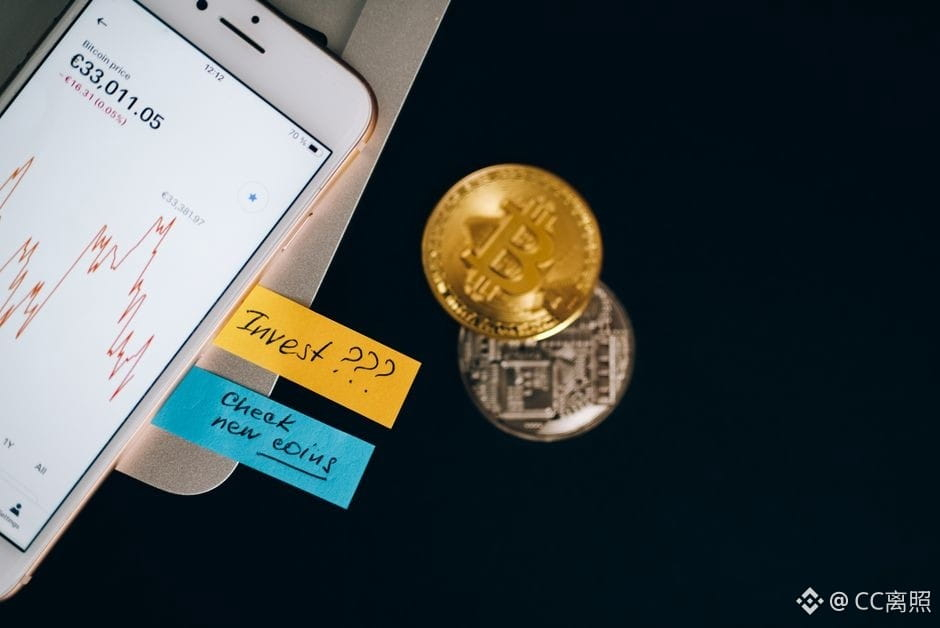
522
·
--
⚡ $11.6 billion to buy compute power—5% equity tucked into the bill
Two project plans were signed on September 18, but they weren’t disclosed until after market close on September 24. Anthropic committed to pay Akamai about $11.6 billion over seven years, running CPU tasks on Akamai Cloud’s distributed infrastructure. The earlier deal signed in May between the two parties was $1.8 billion—this one is more than six times that. The agreement may also be expanded by another $9 billion, bringing the potential total to around $20 billion.
The payment structure has changed. Akamai issued Anthropic warrants, allowing it to buy B preferred shares representing up to 5% of the outstanding shares. The exercise price is $111.33, exactly equal to the volume-weighted average price over the 30 trading days before the issuance date. Of this, 2% vests with the $11.6 billion payment; the remaining 3% unlocks only when Anthropic buys an additional $3 billion—i.e., 1% per extra $3 billion. Exercise is cash-only, and the warrants can only be transferred to Anthropic’s own wholly owned subsidiaries. To become common stock, the group would first have to move out of this structure. The customer becomes a shareholder.
The money is fronted by Akamai. The company estimates related capital expenditures of about $5.5 billion, including an additional $1.7 billion in 2026 to lock in key components early, such as memory. Revenue growth comes later: none this year; $150 million to $300 million in January 2027; and around $1.7 billion annualized around 2028.
There’s also a hard clause in the contract. If Anthropic’s direct competitor obtains control of Akamai, Anthropic can terminate the agreement. The buyer built an anti-takeover gate into the contract.
On Thursday’s regular session, Akamai received $110.41, down 6.8%. After-hours, it rose 16.8% to as much as 22% (figures vary by source). On Friday before the open, it surged to 134, then slipped back to around 130—up about 17.7% versus Thursday’s close.
Crypto was rising the same day as well. When I wrote this, six quote sources for BTC ranged from 84,597 to 84,671, up 1.4% to 1.5% over 24 hours. ETH was 2,716 to 2,720, up 2.7% to 2.9%. The AI coin complex was even stronger: TAO at 305.6 (+8.5%), RENDER at 1.96 (+10.5%), FET at 0.2407 (+22.6%). Binance and CoinGecko readings matched.
Watch two things. Whether the $9 billion expansion option gets fully exercised—JPMorgan’s take is “the path of least resistance.” And second, $5.5 billion in advance funding is concentrated on a single customer; how this concentration will be worked through going forward.
$BTC $ETH $TAO
#中本聪国际社区Baoluo币商资本 #AI算力 #Anthropic
⚡ $11.6 billion to buy compute power—5% equity tucked into the bill
Two project plans were signed on September 18, but they weren’t disclosed until after market close on September 24. Anthropic committed to pay Akamai about $11.6 billion over seven years, running CPU tasks on Akamai Cloud’s distributed infrastructure. The earlier deal signed in May between the two parties was $1.8 billion—this one is more than six times that. The agreement may also be expanded by another $9 billion, bringing the potential total to around $20 billion.
The payment structure has changed. Akamai issued Anthropic warrants, allowing it to buy B preferred shares representing up to 5% of the outstanding shares. The exercise price is $111.33, exactly equal to the volume-weighted average price over the 30 trading days before the issuance date. Of this, 2% vests with the $11.6 billion payment; the remaining 3% unlocks only when Anthropic buys an additional $3 billion—i.e., 1% per extra $3 billion. Exercise is cash-only, and the warrants can only be transferred to Anthropic’s own wholly owned subsidiaries. To become common stock, the group would first have to move out of this structure. The customer becomes a shareholder.
The money is fronted by Akamai. The company estimates related capital expenditures of about $5.5 billion, including an additional $1.7 billion in 2026 to lock in key components early, such as memory. Revenue growth comes later: none this year; $150 million to $300 million in January 2027; and around $1.7 billion annualized around 2028.
There’s also a hard clause in the contract. If Anthropic’s direct competitor obtains control of Akamai, Anthropic can terminate the agreement. The buyer built an anti-takeover gate into the contract.
On Thursday’s regular session, Akamai received $110.41, down 6.8%. After-hours, it rose 16.8% to as much as 22% (figures vary by source). On Friday before the open, it surged to 134, then slipped back to around 130—up about 17.7% versus Thursday’s close.
Crypto was rising the same day as well. When I wrote this, six quote sources for BTC ranged from 84,597 to 84,671, up 1.4% to 1.5% over 24 hours. ETH was 2,716 to 2,720, up 2.7% to 2.9%. The AI coin complex was even stronger: TAO at 305.6 (+8.5%), RENDER at 1.96 (+10.5%), FET at 0.2407 (+22.6%). Binance and CoinGecko readings matched.
Watch two things. Whether the $9 billion expansion option gets fully exercised—JPMorgan’s take is “the path of least resistance.” And second, $5.5 billion in advance funding is concentrated on a single customer; how this concentration will be worked through going forward.
$BTC $ETH $TAO
#中本聪国际社区Baoluo币商资本 #AI算力 #Anthropic
Two project plans were signed on September 18, but they weren’t disclosed until after market close on September 24. Anthropic committed to pay Akamai about $11.6 billion over seven years, running CPU tasks on Akamai Cloud’s distributed infrastructure. The earlier deal signed in May between the two parties was $1.8 billion—this one is more than six times that. The agreement may also be expanded by another $9 billion, bringing the potential total to around $20 billion.
The payment structure has changed. Akamai issued Anthropic warrants, allowing it to buy B preferred shares representing up to 5% of the outstanding shares. The exercise price is $111.33, exactly equal to the volume-weighted average price over the 30 trading days before the issuance date. Of this, 2% vests with the $11.6 billion payment; the remaining 3% unlocks only when Anthropic buys an additional $3 billion—i.e., 1% per extra $3 billion. Exercise is cash-only, and the warrants can only be transferred to Anthropic’s own wholly owned subsidiaries. To become common stock, the group would first have to move out of this structure. The customer becomes a shareholder.
The money is fronted by Akamai. The company estimates related capital expenditures of about $5.5 billion, including an additional $1.7 billion in 2026 to lock in key components early, such as memory. Revenue growth comes later: none this year; $150 million to $300 million in January 2027; and around $1.7 billion annualized around 2028.
There’s also a hard clause in the contract. If Anthropic’s direct competitor obtains control of Akamai, Anthropic can terminate the agreement. The buyer built an anti-takeover gate into the contract.
On Thursday’s regular session, Akamai received $110.41, down 6.8%. After-hours, it rose 16.8% to as much as 22% (figures vary by source). On Friday before the open, it surged to 134, then slipped back to around 130—up about 17.7% versus Thursday’s close.
Crypto was rising the same day as well. When I wrote this, six quote sources for BTC ranged from 84,597 to 84,671, up 1.4% to 1.5% over 24 hours. ETH was 2,716 to 2,720, up 2.7% to 2.9%. The AI coin complex was even stronger: TAO at 305.6 (+8.5%), RENDER at 1.96 (+10.5%), FET at 0.2407 (+22.6%). Binance and CoinGecko readings matched.
Watch two things. Whether the $9 billion expansion option gets fully exercised—JPMorgan’s take is “the path of least resistance.” And second, $5.5 billion in advance funding is concentrated on a single customer; how this concentration will be worked through going forward.
$BTC $ETH $TAO
#中本聪国际社区Baoluo币商资本 #AI算力 #Anthropic
726
·
--
📊 Five-year Treasury bond yields for selling the 2006 issue—no one was rushing to buy
On September 23, the U.S. Treasury sold $70 billion worth of five-year Treasuries, with a winning yield of 5.033%. The last time this figure appeared was June 2006. The tail was 3.1 basis points, the second-largest since records began. The bid-to-cover ratio was 2.212, the worst since December 2018.
There wasn’t enough demand.
On the same day, S&P Global released the initial reading of the September PMIs. The composite came in at 58.4, the highest in 62 months. Services and manufacturing were pushed to 59-month and 53-month highs, respectively. But the price action that really drove the market was harsher: the composite inflation measure hit the highest level since October 2022, input-cost growth was the fastest in four years, and fuel and transportation led the way.
Then the long end jumped. The 10-year closed at 5.11%, up 15 basis points on the day—the highest since July 2007, and the largest single-day jump in nearly 18 months. The 30-year closed at 5.40%, the highest closing level since 2004, and the next day kept testing above 5.44%.
The Federal Reserve governor Bāll’s comments also landed that day. In remarks for a housing conference in Chicago, he wrote that, under the baseline scenario, policy may still need further adjustment before inflation returns to target in a timely manner. He also said the committee earlier “wasn’t in the right place.” Last week’s 25 bps move was unanimously supported by all 12 voting members. Among the 18 participants submitting economic forecasts, only 2 didn’t think there would be another hike within the year.
CME readings followed suit. The probability of a rate hike for the October 27–28 meeting surged to 73% on that day. A week earlier it was 55%.
Move together across markets. Germany’s 10-year yield was 3.59%, the highest since 2009. Japan’s 10-year was 3.09%. The average yield on global government bonds is approaching 4%, the highest since 2007. U.S. 30-year mortgage rates were at 7%, the highest in two years. JPMorgan said the true break zone for stocks is between 5.5% and 6%.
Bitcoin was calm. When I wrote this, six quote sources were clustered between 84,201 and 84,231, up 0.3% over 24 hours, with ETH at 2,678.
Two forces are tugging-of-war. On September 21, U.S. spot ETF net inflows hit $999 million, the highest in 2026. On the 22nd, another $714.7 million came in, bringing the total inflows over five straight days to about $2.65 billion. In the same period, a round of short squeezes pushed prices above 87,000—ranging from $648 million to $920 million—before being rejected. Opposite directions: institutions are buying, while the long end is pressuring valuations.
Watch two things. First, whether the 84,000 support platform can hold after the second rate hike lands in October. Second, farther ahead but with earlier results: where the long-end yields go—because stocks may not be able to hold up first.
$BTC $ETH
#中本聪国际社区Baoluo币商资本 #宏观经济 #U.S. Treasury yields
📊 Five-year Treasury bond yields for selling the 2006 issue—no one was rushing to buy
On September 23, the U.S. Treasury sold $70 billion worth of five-year Treasuries, with a winning yield of 5.033%. The last time this figure appeared was June 2006. The tail was 3.1 basis points, the second-largest since records began. The bid-to-cover ratio was 2.212, the worst since December 2018.
There wasn’t enough demand.
On the same day, S&P Global released the initial reading of the September PMIs. The composite came in at 58.4, the highest in 62 months. Services and manufacturing were pushed to 59-month and 53-month highs, respectively. But the price action that really drove the market was harsher: the composite inflation measure hit the highest level since October 2022, input-cost growth was the fastest in four years, and fuel and transportation led the way.
Then the long end jumped. The 10-year closed at 5.11%, up 15 basis points on the day—the highest since July 2007, and the largest single-day jump in nearly 18 months. The 30-year closed at 5.40%, the highest closing level since 2004, and the next day kept testing above 5.44%.
The Federal Reserve governor Bāll’s comments also landed that day. In remarks for a housing conference in Chicago, he wrote that, under the baseline scenario, policy may still need further adjustment before inflation returns to target in a timely manner. He also said the committee earlier “wasn’t in the right place.” Last week’s 25 bps move was unanimously supported by all 12 voting members. Among the 18 participants submitting economic forecasts, only 2 didn’t think there would be another hike within the year.
CME readings followed suit. The probability of a rate hike for the October 27–28 meeting surged to 73% on that day. A week earlier it was 55%.
Move together across markets. Germany’s 10-year yield was 3.59%, the highest since 2009. Japan’s 10-year was 3.09%. The average yield on global government bonds is approaching 4%, the highest since 2007. U.S. 30-year mortgage rates were at 7%, the highest in two years. JPMorgan said the true break zone for stocks is between 5.5% and 6%.
Bitcoin was calm. When I wrote this, six quote sources were clustered between 84,201 and 84,231, up 0.3% over 24 hours, with ETH at 2,678.
Two forces are tugging-of-war. On September 21, U.S. spot ETF net inflows hit $999 million, the highest in 2026. On the 22nd, another $714.7 million came in, bringing the total inflows over five straight days to about $2.65 billion. In the same period, a round of short squeezes pushed prices above 87,000—ranging from $648 million to $920 million—before being rejected. Opposite directions: institutions are buying, while the long end is pressuring valuations.
Watch two things. First, whether the 84,000 support platform can hold after the second rate hike lands in October. Second, farther ahead but with earlier results: where the long-end yields go—because stocks may not be able to hold up first.
$BTC $ETH
#中本聪国际社区Baoluo币商资本 #宏观经济 #U.S. Treasury yields
On September 23, the U.S. Treasury sold $70 billion worth of five-year Treasuries, with a winning yield of 5.033%. The last time this figure appeared was June 2006. The tail was 3.1 basis points, the second-largest since records began. The bid-to-cover ratio was 2.212, the worst since December 2018.
There wasn’t enough demand.
On the same day, S&P Global released the initial reading of the September PMIs. The composite came in at 58.4, the highest in 62 months. Services and manufacturing were pushed to 59-month and 53-month highs, respectively. But the price action that really drove the market was harsher: the composite inflation measure hit the highest level since October 2022, input-cost growth was the fastest in four years, and fuel and transportation led the way.
Then the long end jumped. The 10-year closed at 5.11%, up 15 basis points on the day—the highest since July 2007, and the largest single-day jump in nearly 18 months. The 30-year closed at 5.40%, the highest closing level since 2004, and the next day kept testing above 5.44%.
The Federal Reserve governor Bāll’s comments also landed that day. In remarks for a housing conference in Chicago, he wrote that, under the baseline scenario, policy may still need further adjustment before inflation returns to target in a timely manner. He also said the committee earlier “wasn’t in the right place.” Last week’s 25 bps move was unanimously supported by all 12 voting members. Among the 18 participants submitting economic forecasts, only 2 didn’t think there would be another hike within the year.
CME readings followed suit. The probability of a rate hike for the October 27–28 meeting surged to 73% on that day. A week earlier it was 55%.
Move together across markets. Germany’s 10-year yield was 3.59%, the highest since 2009. Japan’s 10-year was 3.09%. The average yield on global government bonds is approaching 4%, the highest since 2007. U.S. 30-year mortgage rates were at 7%, the highest in two years. JPMorgan said the true break zone for stocks is between 5.5% and 6%.
Bitcoin was calm. When I wrote this, six quote sources were clustered between 84,201 and 84,231, up 0.3% over 24 hours, with ETH at 2,678.
Two forces are tugging-of-war. On September 21, U.S. spot ETF net inflows hit $999 million, the highest in 2026. On the 22nd, another $714.7 million came in, bringing the total inflows over five straight days to about $2.65 billion. In the same period, a round of short squeezes pushed prices above 87,000—ranging from $648 million to $920 million—before being rejected. Opposite directions: institutions are buying, while the long end is pressuring valuations.
Watch two things. First, whether the 84,000 support platform can hold after the second rate hike lands in October. Second, farther ahead but with earlier results: where the long-end yields go—because stocks may not be able to hold up first.
$BTC $ETH
#中本聪国际社区Baoluo币商资本 #宏观经济 #U.S. Treasury yields
1
247
·
--
🔍 A crossing fee for one strait—up to $2 million per ship—paid in Bitcoin.
This March, just weeks after the U.S. and the U.S. began hostilities, Iran started charging “safety passage fees” to commercial vessels transiting the Strait of Hormuz. CoinDesk obtained figures showing $1 million to $2 million per ship. Later, the payment was rebranded under another name—an insurance fee—collected by Hormuz Safe Marine Services Authority and Persian Gulf Marine Insurance Company. In its outward-facing promotions, Hormuz Safe claims a “99.9% safe passage rate,” accepts Bitcoin and USD-backed stablecoins, and also takes credit cards and bank transfers.
In July, the U.S. Treasury added both companies to its list. The stated rationale was a single sentence: Hormuz Safe generates revenue on behalf of the Islamic Revolutionary Guard Corps.
Where does the collected money go?
On-chain. BitBank, an Iranian Bitcoin exchange.
On September 17, OFAC also listed BitBank. The notice was blunt: beginning in June, Hormuz Safe had been using BitBank to transfer the money it received to the Iranian authorities. According to the Treasury’s account, Zanjani used BitBank to transfer tens or hundreds of millions of dollars’ worth of Bitcoin to the Revolutionary Guard Corps between June and July. This Zanjani was sentenced to death in 2016 for embezzling funds from Iran’s state oil company, had his sentence reduced in 2024, and came back to business last year—personally promoting BitBank on social media. On the same day, also added were Pishtaz Simorgh, who wrote the BitBank software, along with three executives.
Where the money goes, sanctions hit.
On September 24, both sides moved at the same time. Bahrain led the effort, with 80 countries joining in a joint statement at the United Nations calling for the strait to be fully reopened immediately, with no tolls, no conditions, no illegal fees, and reaffirming UN Security Council Resolution 2817 adopted on March 11. On the same day, Reuters reported that the U.S. and Iran were discussing a phased plan: Iran would reopen the strait in exchange for the U.S. lifting economic sanctions. Al Arabiya cited a U.S. official present with the Iranian delegation, saying Washington rejected the condition of first lifting the sanctions—the main obstacle had not been removed.
The International Maritime Organization has another account to keep. Since February 28, the conflict has seen 84 incidents involving commercial vessels recorded in the Strait of Hormuz and Middle East waters, with 23 crew members killed. On September 23, the Cape Dao was attacked, killing an Indian crew member.
The oil response has been very tangible. Brent is above $106, while WTI is just over $94—an $12 spread. Sea-borne cargo costs more than pipeline cargo; that is the price of a choke point. According to Kpler data, in September the strait’s throughput returned to 6.5 million barrels per day, relying on ship-to-ship transshipment by vessels offshore Oman—a makeshift temporary floating bridge.
Bitcoin didn’t pay attention to that. When I wrote this, six quote sources fell between 84,251 and 84,317, down 0.3% over 24 hours—ETH at 2,685.
Watch two things. If the deal goes through, will the toll booths be dismantled, or will the charge be renamed to remain in place? And even more urgently: there’s a dollar-stablecoin running on this chain, and OFAC has already gone after exchanges—will the next order go straight to the issuer?
$BTC
#中本聪国际社区Baoluo币商资本 #Bitcoin #Hormuz
🔍 A crossing fee for one strait—up to $2 million per ship—paid in Bitcoin.
This March, just weeks after the U.S. and the U.S. began hostilities, Iran started charging “safety passage fees” to commercial vessels transiting the Strait of Hormuz. CoinDesk obtained figures showing $1 million to $2 million per ship. Later, the payment was rebranded under another name—an insurance fee—collected by Hormuz Safe Marine Services Authority and Persian Gulf Marine Insurance Company. In its outward-facing promotions, Hormuz Safe claims a “99.9% safe passage rate,” accepts Bitcoin and USD-backed stablecoins, and also takes credit cards and bank transfers.
In July, the U.S. Treasury added both companies to its list. The stated rationale was a single sentence: Hormuz Safe generates revenue on behalf of the Islamic Revolutionary Guard Corps.
Where does the collected money go?
On-chain. BitBank, an Iranian Bitcoin exchange.
On September 17, OFAC also listed BitBank. The notice was blunt: beginning in June, Hormuz Safe had been using BitBank to transfer the money it received to the Iranian authorities. According to the Treasury’s account, Zanjani used BitBank to transfer tens or hundreds of millions of dollars’ worth of Bitcoin to the Revolutionary Guard Corps between June and July. This Zanjani was sentenced to death in 2016 for embezzling funds from Iran’s state oil company, had his sentence reduced in 2024, and came back to business last year—personally promoting BitBank on social media. On the same day, also added were Pishtaz Simorgh, who wrote the BitBank software, along with three executives.
Where the money goes, sanctions hit.
On September 24, both sides moved at the same time. Bahrain led the effort, with 80 countries joining in a joint statement at the United Nations calling for the strait to be fully reopened immediately, with no tolls, no conditions, no illegal fees, and reaffirming UN Security Council Resolution 2817 adopted on March 11. On the same day, Reuters reported that the U.S. and Iran were discussing a phased plan: Iran would reopen the strait in exchange for the U.S. lifting economic sanctions. Al Arabiya cited a U.S. official present with the Iranian delegation, saying Washington rejected the condition of first lifting the sanctions—the main obstacle had not been removed.
The International Maritime Organization has another account to keep. Since February 28, the conflict has seen 84 incidents involving commercial vessels recorded in the Strait of Hormuz and Middle East waters, with 23 crew members killed. On September 23, the Cape Dao was attacked, killing an Indian crew member.
The oil response has been very tangible. Brent is above $106, while WTI is just over $94—an $12 spread. Sea-borne cargo costs more than pipeline cargo; that is the price of a choke point. According to Kpler data, in September the strait’s throughput returned to 6.5 million barrels per day, relying on ship-to-ship transshipment by vessels offshore Oman—a makeshift temporary floating bridge.
Bitcoin didn’t pay attention to that. When I wrote this, six quote sources fell between 84,251 and 84,317, down 0.3% over 24 hours—ETH at 2,685.
Watch two things. If the deal goes through, will the toll booths be dismantled, or will the charge be renamed to remain in place? And even more urgently: there’s a dollar-stablecoin running on this chain, and OFAC has already gone after exchanges—will the next order go straight to the issuer?
$BTC
#中本聪国际社区Baoluo币商资本 #Bitcoin #Hormuz
This March, just weeks after the U.S. and the U.S. began hostilities, Iran started charging “safety passage fees” to commercial vessels transiting the Strait of Hormuz. CoinDesk obtained figures showing $1 million to $2 million per ship. Later, the payment was rebranded under another name—an insurance fee—collected by Hormuz Safe Marine Services Authority and Persian Gulf Marine Insurance Company. In its outward-facing promotions, Hormuz Safe claims a “99.9% safe passage rate,” accepts Bitcoin and USD-backed stablecoins, and also takes credit cards and bank transfers.
In July, the U.S. Treasury added both companies to its list. The stated rationale was a single sentence: Hormuz Safe generates revenue on behalf of the Islamic Revolutionary Guard Corps.
Where does the collected money go?
On-chain. BitBank, an Iranian Bitcoin exchange.
On September 17, OFAC also listed BitBank. The notice was blunt: beginning in June, Hormuz Safe had been using BitBank to transfer the money it received to the Iranian authorities. According to the Treasury’s account, Zanjani used BitBank to transfer tens or hundreds of millions of dollars’ worth of Bitcoin to the Revolutionary Guard Corps between June and July. This Zanjani was sentenced to death in 2016 for embezzling funds from Iran’s state oil company, had his sentence reduced in 2024, and came back to business last year—personally promoting BitBank on social media. On the same day, also added were Pishtaz Simorgh, who wrote the BitBank software, along with three executives.
Where the money goes, sanctions hit.
On September 24, both sides moved at the same time. Bahrain led the effort, with 80 countries joining in a joint statement at the United Nations calling for the strait to be fully reopened immediately, with no tolls, no conditions, no illegal fees, and reaffirming UN Security Council Resolution 2817 adopted on March 11. On the same day, Reuters reported that the U.S. and Iran were discussing a phased plan: Iran would reopen the strait in exchange for the U.S. lifting economic sanctions. Al Arabiya cited a U.S. official present with the Iranian delegation, saying Washington rejected the condition of first lifting the sanctions—the main obstacle had not been removed.
The International Maritime Organization has another account to keep. Since February 28, the conflict has seen 84 incidents involving commercial vessels recorded in the Strait of Hormuz and Middle East waters, with 23 crew members killed. On September 23, the Cape Dao was attacked, killing an Indian crew member.
The oil response has been very tangible. Brent is above $106, while WTI is just over $94—an $12 spread. Sea-borne cargo costs more than pipeline cargo; that is the price of a choke point. According to Kpler data, in September the strait’s throughput returned to 6.5 million barrels per day, relying on ship-to-ship transshipment by vessels offshore Oman—a makeshift temporary floating bridge.
Bitcoin didn’t pay attention to that. When I wrote this, six quote sources fell between 84,251 and 84,317, down 0.3% over 24 hours—ETH at 2,685.
Watch two things. If the deal goes through, will the toll booths be dismantled, or will the charge be renamed to remain in place? And even more urgently: there’s a dollar-stablecoin running on this chain, and OFAC has already gone after exchanges—will the next order go straight to the issuer?
$BTC
#中本聪国际社区Baoluo币商资本 #Bitcoin #Hormuz
87
·
--
📊 The exchange that invented perpetual futures has turned off the lights. On the same day, $280 million in long positions were liquidated
September 23, 04:00 UTC: BitMEX stopped trading, stopped accepting deposits, and stopped opening new positions. Founded in 2014 by Arthur Hayes, Ben Delo, and Samuel Reed, the exchange ran for 11 years.
It left behind more than what it managed to live for. The perpetual futures contract with 100x leverage was its invention. Today, this type of contract sees roughly $8.5 trillion in trading volume over the course of a year— the mainstay product of crypto derivatives. The inventors have gone first.
Liabilities piled up for five years. In 2021, it reached a regulatory settlement with the United States and paid $100 million. In July 2024, the operating entity admitted violating the Bank Secrecy Act, stretching the period of misconduct from September 2015 to September 2020. On January 15, 2025, a judge ordered another $100 million in penalties; the U.S. Department of Justice initially wanted $417 million. It was all self-inflicted.
In 2022, each of the three founders pleaded guilty and was fined $10 million each; Hayes received six months of home confinement. In March 2025, Trump issued pardons for all four people together.
But you can’t exactly sell it. The parent company, HDR Global, tried to unload it for a $1 billion price tag, but the deal didn’t happen. On July 23, it notified users the exchange would close in two months. On the day of the announcement, its own BMEX token crashed by more than 90%.
The official statement emphasized that the company is not insolvent—its assets exceed its liabilities, and the withdrawal channel is still open. The cost is that remaining balances will incur maintenance fees: the higher of 1% annualized or a monthly minimum of $50.
The market happened to demonstrate how this machine eats people on the very same day. BTC near 87,000 was rejected. After the U.S. stock market opened on Wednesday, it fell below 84,000. Within four hours, $280 million in long positions were force-liquidated. The next level analysts are watching is 82,000. On-chain data is even more blunt: CryptoQuant calculates that the cumulative 30-day spot demand is down by 180,000 BTC. Prices are being held up by buy orders from the derivatives side. Spot is retreating, while contracts are topping.
When I wrote this, five quote sources landed between 83,865 and 83,877, down about 3.2% over 24 hours. ETH at 2,674, down 3.5%.
The people who invented leverage have exited. The leverage is still here. There are two things to watch: whether 82,000 holds, and which regulator framework the next batch of high-leverage contracts will end up under.
$BTC $ETH
#中本聪国际社区Baoluo币商资本 #加密货币 #Perpetual futures
📊 The exchange that invented perpetual futures has turned off the lights. On the same day, $280 million in long positions were liquidated
September 23, 04:00 UTC: BitMEX stopped trading, stopped accepting deposits, and stopped opening new positions. Founded in 2014 by Arthur Hayes, Ben Delo, and Samuel Reed, the exchange ran for 11 years.
It left behind more than what it managed to live for. The perpetual futures contract with 100x leverage was its invention. Today, this type of contract sees roughly $8.5 trillion in trading volume over the course of a year— the mainstay product of crypto derivatives. The inventors have gone first.
Liabilities piled up for five years. In 2021, it reached a regulatory settlement with the United States and paid $100 million. In July 2024, the operating entity admitted violating the Bank Secrecy Act, stretching the period of misconduct from September 2015 to September 2020. On January 15, 2025, a judge ordered another $100 million in penalties; the U.S. Department of Justice initially wanted $417 million. It was all self-inflicted.
In 2022, each of the three founders pleaded guilty and was fined $10 million each; Hayes received six months of home confinement. In March 2025, Trump issued pardons for all four people together.
But you can’t exactly sell it. The parent company, HDR Global, tried to unload it for a $1 billion price tag, but the deal didn’t happen. On July 23, it notified users the exchange would close in two months. On the day of the announcement, its own BMEX token crashed by more than 90%.
The official statement emphasized that the company is not insolvent—its assets exceed its liabilities, and the withdrawal channel is still open. The cost is that remaining balances will incur maintenance fees: the higher of 1% annualized or a monthly minimum of $50.
The market happened to demonstrate how this machine eats people on the very same day. BTC near 87,000 was rejected. After the U.S. stock market opened on Wednesday, it fell below 84,000. Within four hours, $280 million in long positions were force-liquidated. The next level analysts are watching is 82,000. On-chain data is even more blunt: CryptoQuant calculates that the cumulative 30-day spot demand is down by 180,000 BTC. Prices are being held up by buy orders from the derivatives side. Spot is retreating, while contracts are topping.
When I wrote this, five quote sources landed between 83,865 and 83,877, down about 3.2% over 24 hours. ETH at 2,674, down 3.5%.
The people who invented leverage have exited. The leverage is still here. There are two things to watch: whether 82,000 holds, and which regulator framework the next batch of high-leverage contracts will end up under.
$BTC $ETH
#中本聪国际社区Baoluo币商资本 #加密货币 #Perpetual futures
September 23, 04:00 UTC: BitMEX stopped trading, stopped accepting deposits, and stopped opening new positions. Founded in 2014 by Arthur Hayes, Ben Delo, and Samuel Reed, the exchange ran for 11 years.
It left behind more than what it managed to live for. The perpetual futures contract with 100x leverage was its invention. Today, this type of contract sees roughly $8.5 trillion in trading volume over the course of a year— the mainstay product of crypto derivatives. The inventors have gone first.
Liabilities piled up for five years. In 2021, it reached a regulatory settlement with the United States and paid $100 million. In July 2024, the operating entity admitted violating the Bank Secrecy Act, stretching the period of misconduct from September 2015 to September 2020. On January 15, 2025, a judge ordered another $100 million in penalties; the U.S. Department of Justice initially wanted $417 million. It was all self-inflicted.
In 2022, each of the three founders pleaded guilty and was fined $10 million each; Hayes received six months of home confinement. In March 2025, Trump issued pardons for all four people together.
But you can’t exactly sell it. The parent company, HDR Global, tried to unload it for a $1 billion price tag, but the deal didn’t happen. On July 23, it notified users the exchange would close in two months. On the day of the announcement, its own BMEX token crashed by more than 90%.
The official statement emphasized that the company is not insolvent—its assets exceed its liabilities, and the withdrawal channel is still open. The cost is that remaining balances will incur maintenance fees: the higher of 1% annualized or a monthly minimum of $50.
The market happened to demonstrate how this machine eats people on the very same day. BTC near 87,000 was rejected. After the U.S. stock market opened on Wednesday, it fell below 84,000. Within four hours, $280 million in long positions were force-liquidated. The next level analysts are watching is 82,000. On-chain data is even more blunt: CryptoQuant calculates that the cumulative 30-day spot demand is down by 180,000 BTC. Prices are being held up by buy orders from the derivatives side. Spot is retreating, while contracts are topping.
When I wrote this, five quote sources landed between 83,865 and 83,877, down about 3.2% over 24 hours. ETH at 2,674, down 3.5%.
The people who invented leverage have exited. The leverage is still here. There are two things to watch: whether 82,000 holds, and which regulator framework the next batch of high-leverage contracts will end up under.
$BTC $ETH
#中本聪国际社区Baoluo币商资本 #加密货币 #Perpetual futures

255
·
--
🔍 Interview questions ask you to run some code. After you finish, your wallet is empty.
On September 18, Japan’s National Police Agency, the FBI, the U.S. Department of Defense Cyber Crime Center, along with intelligence agencies from Australia and Germany, and other parties issued a joint advisory. The organization is called WaterPlum, and the more familiar name in the industry is Contagious Interview. A contagious interview.
The numbers are not small. At least 30,000 devices were infected across more than 100 countries, from December 2025 to July 2026. Funds or account credentials from more than 7,000 encrypted wallets were stolen. Crypto assets worth 1.7 billion yen (about $10.71 million) were sent back to North Korea.
The method is straightforward. Impersonating recruiters from AI, crypto, and NFT companies, they look for people on social platforms, job sites, and freelancer markets. The targets are Web3 and blockchain developers. It’s roughly one technical interview, and then they have the candidate download a file—supposedly to complete a coding assignment, or to “just quickly fix” the error shown in a video.
That file contains five malicious malware families: BeaverTail, InvisibleFerret, OtterCookie, OtterCandy, and StoatWaffle. StoatWaffle hides in blockchain-themed code repositories.
One steals browser credentials. One installs a persistent backdoor. One installs remote-control software and then strikes once the victim opens the wallet.
The real losses are more than just the wallet. The advisory says infecting a developer machine is equivalent to getting an entry point into the employer’s internal network; after that come source code theft and lateral movement. Stolen passport-style photos can also be used by North Korea’s IT workers to impersonate people and win more outsourcing jobs.
The interviewer side might also be fake. Members use AI face-swap software to join video interviews, then turn off the camera under the pretext of bad network conditions—so the candidate follows suit. They use a text-to-speech tool to practice Japanese pronunciation. These are key identifiers: refusing face-to-face chat, requiring payment in cryptocurrency for wages, and repeatedly glancing at a second monitor during the interview. In May 2025, a Japanese exchange rejected an applicant because the skills on their resume were “too broad,” and their English proficiency didn’t match what their CV implied.
The scale is huge. CertiK attributes the $2.1 billion in 2025 crypto theft losses—plus 60% of the year’s share—to North Korea-related groups. The first half of 2026 is $643 million. Of the $285 million that Drift Protocol lost in April, the attackers had first posed as a quantitative trading company for six months.
My view: this “competition” isn’t happening on-chain. Hardware wallets, multisig, and cold storage do nothing along this path. Nobody cracks private keys. Instead, the person holding the private keys runs the code themselves—inside the “interview.”
Three action items. Have interviewers run code in a clean virtual machine or a cloud host—don’t use your everyday machine. Keep your work email and development environment separate from your wallet. Treat any executable files, scripts, and npm/pip dependencies in the interview assignment as malware first.
When I wrote this, the four BTC quote sources were between 84,435 and 84,455, down 2.1% over 24 hours. ETH at 2,685, down 2.7%. SOL down 3%, XRP down 4.7%, DOGE down 7.8%. Higher-beta coins fell even harder, unrelated to this advisory.
Watch two things. The “laptop farm” that Japan took down was the first case—how many are there after that? The next entry point for large-scale theft: will it be via contracts or via interviews.
$BTC $ETH
#中本聪国际社区Baoluo币商资本 #Bitcoin #加密安全
🔍 Interview questions ask you to run some code. After you finish, your wallet is empty.
On September 18, Japan’s National Police Agency, the FBI, the U.S. Department of Defense Cyber Crime Center, along with intelligence agencies from Australia and Germany, and other parties issued a joint advisory. The organization is called WaterPlum, and the more familiar name in the industry is Contagious Interview. A contagious interview.
The numbers are not small. At least 30,000 devices were infected across more than 100 countries, from December 2025 to July 2026. Funds or account credentials from more than 7,000 encrypted wallets were stolen. Crypto assets worth 1.7 billion yen (about $10.71 million) were sent back to North Korea.
The method is straightforward. Impersonating recruiters from AI, crypto, and NFT companies, they look for people on social platforms, job sites, and freelancer markets. The targets are Web3 and blockchain developers. It’s roughly one technical interview, and then they have the candidate download a file—supposedly to complete a coding assignment, or to “just quickly fix” the error shown in a video.
That file contains five malicious malware families: BeaverTail, InvisibleFerret, OtterCookie, OtterCandy, and StoatWaffle. StoatWaffle hides in blockchain-themed code repositories.
One steals browser credentials. One installs a persistent backdoor. One installs remote-control software and then strikes once the victim opens the wallet.
The real losses are more than just the wallet. The advisory says infecting a developer machine is equivalent to getting an entry point into the employer’s internal network; after that come source code theft and lateral movement. Stolen passport-style photos can also be used by North Korea’s IT workers to impersonate people and win more outsourcing jobs.
The interviewer side might also be fake. Members use AI face-swap software to join video interviews, then turn off the camera under the pretext of bad network conditions—so the candidate follows suit. They use a text-to-speech tool to practice Japanese pronunciation. These are key identifiers: refusing face-to-face chat, requiring payment in cryptocurrency for wages, and repeatedly glancing at a second monitor during the interview. In May 2025, a Japanese exchange rejected an applicant because the skills on their resume were “too broad,” and their English proficiency didn’t match what their CV implied.
The scale is huge. CertiK attributes the $2.1 billion in 2025 crypto theft losses—plus 60% of the year’s share—to North Korea-related groups. The first half of 2026 is $643 million. Of the $285 million that Drift Protocol lost in April, the attackers had first posed as a quantitative trading company for six months.
My view: this “competition” isn’t happening on-chain. Hardware wallets, multisig, and cold storage do nothing along this path. Nobody cracks private keys. Instead, the person holding the private keys runs the code themselves—inside the “interview.”
Three action items. Have interviewers run code in a clean virtual machine or a cloud host—don’t use your everyday machine. Keep your work email and development environment separate from your wallet. Treat any executable files, scripts, and npm/pip dependencies in the interview assignment as malware first.
When I wrote this, the four BTC quote sources were between 84,435 and 84,455, down 2.1% over 24 hours. ETH at 2,685, down 2.7%. SOL down 3%, XRP down 4.7%, DOGE down 7.8%. Higher-beta coins fell even harder, unrelated to this advisory.
Watch two things. The “laptop farm” that Japan took down was the first case—how many are there after that? The next entry point for large-scale theft: will it be via contracts or via interviews.
$BTC $ETH
#中本聪国际社区Baoluo币商资本 #Bitcoin #加密安全
On September 18, Japan’s National Police Agency, the FBI, the U.S. Department of Defense Cyber Crime Center, along with intelligence agencies from Australia and Germany, and other parties issued a joint advisory. The organization is called WaterPlum, and the more familiar name in the industry is Contagious Interview. A contagious interview.
The numbers are not small. At least 30,000 devices were infected across more than 100 countries, from December 2025 to July 2026. Funds or account credentials from more than 7,000 encrypted wallets were stolen. Crypto assets worth 1.7 billion yen (about $10.71 million) were sent back to North Korea.
The method is straightforward. Impersonating recruiters from AI, crypto, and NFT companies, they look for people on social platforms, job sites, and freelancer markets. The targets are Web3 and blockchain developers. It’s roughly one technical interview, and then they have the candidate download a file—supposedly to complete a coding assignment, or to “just quickly fix” the error shown in a video.
That file contains five malicious malware families: BeaverTail, InvisibleFerret, OtterCookie, OtterCandy, and StoatWaffle. StoatWaffle hides in blockchain-themed code repositories.
One steals browser credentials. One installs a persistent backdoor. One installs remote-control software and then strikes once the victim opens the wallet.
The real losses are more than just the wallet. The advisory says infecting a developer machine is equivalent to getting an entry point into the employer’s internal network; after that come source code theft and lateral movement. Stolen passport-style photos can also be used by North Korea’s IT workers to impersonate people and win more outsourcing jobs.
The interviewer side might also be fake. Members use AI face-swap software to join video interviews, then turn off the camera under the pretext of bad network conditions—so the candidate follows suit. They use a text-to-speech tool to practice Japanese pronunciation. These are key identifiers: refusing face-to-face chat, requiring payment in cryptocurrency for wages, and repeatedly glancing at a second monitor during the interview. In May 2025, a Japanese exchange rejected an applicant because the skills on their resume were “too broad,” and their English proficiency didn’t match what their CV implied.
The scale is huge. CertiK attributes the $2.1 billion in 2025 crypto theft losses—plus 60% of the year’s share—to North Korea-related groups. The first half of 2026 is $643 million. Of the $285 million that Drift Protocol lost in April, the attackers had first posed as a quantitative trading company for six months.
My view: this “competition” isn’t happening on-chain. Hardware wallets, multisig, and cold storage do nothing along this path. Nobody cracks private keys. Instead, the person holding the private keys runs the code themselves—inside the “interview.”
Three action items. Have interviewers run code in a clean virtual machine or a cloud host—don’t use your everyday machine. Keep your work email and development environment separate from your wallet. Treat any executable files, scripts, and npm/pip dependencies in the interview assignment as malware first.
When I wrote this, the four BTC quote sources were between 84,435 and 84,455, down 2.1% over 24 hours. ETH at 2,685, down 2.7%. SOL down 3%, XRP down 4.7%, DOGE down 7.8%. Higher-beta coins fell even harder, unrelated to this advisory.
Watch two things. The “laptop farm” that Japan took down was the first case—how many are there after that? The next entry point for large-scale theft: will it be via contracts or via interviews.
$BTC $ETH
#中本聪国际社区Baoluo币商资本 #Bitcoin #加密安全

359
·
--
⚡ $4.86 billion in two days—Kalshi has removed sports markets from the leverage list
On September 13, the season’s first NFL Sunday, Kalshi traded $2.433 billion in a single day. The previous day Saturday saw $2.426 billion. Over the two days, the total came to $4.859 billion, with fees of about $32 million. Parlays accounted for 60% of Sunday’s volume, and single-day parlay trading first touched $1.49 billion.
Sports money is just that fierce. The platform is pulling back to regain it. One step in, one step out.
On September 22, Kalshi filed an application through its own clearinghouse, seeking to allow qualified institutions to trade margin-settled event contracts. In the documents, it excluded sports, cultural, and “mention-type” contracts from the leverage list. The margin ratio would gradually return to 100% as the contracts approached settlement. Sports markets would continue to be fully margined; leverage would only be offered for forward-dated contracts.
That same day, regulators issued a staff guidance pointing to another category of markets. Whether someone would say a particular word, whether they would attend a certain event—these “mention-type” contracts are inherently easier to manipulate, because settlement depends on a person’s specific actions. Those actions are neither independently generated nor verifiable from outside; they can only be listed under very narrow conditions. Markets like how long an athlete will be out with an injury—Kalshi had already withdrawn them in early September, according to Sportico, at regulators’ request.
For years, on-chain prediction markets have been chewing on the same problem: how to choose the source for settlement. This guidance puts that old hard issue on paper—either the source is independently generated by multiple parties, or a third party can verify it. Otherwise, bribing a person effectively means controlling settlement. That’s all there is to it.
The evidence is already there. A White House teleprompter operator placed bets from December 2025 to February 2026 using previously seen scripts, betting on “what words the president would say.” In August, regulators found him liable for paying $172,539, including returning $107,539 in profits plus a $65,000 penalty, and he was banned for three years. Whoever controls the settlement source gets the answer first.
A similar class of contracts is offered by another offshore platform only on its international site. Kalshi is one of the few platforms in the domestic regulatory channel that lists this kind of market; its choice is to withdraw. The tighter it gets within the country, the more pricing power shifts offshore.
As I write this, the five BTC quote sources are clustered between 85,481 and 85,611, with the past 24 hours showing a drop of 0.4% to 0.8%. ETH is 2,721 to 2,727, down 0.6% to 1.2%. None of this is related.
Watch two things: whether the margin applications get approved. And after they’re approved, whether sports markets will be added back to the leverage list.
$BTC $ETH
#中本聪国际社区Baoluo币商资本 #加密货币 #Prediction market
⚡ $4.86 billion in two days—Kalshi has removed sports markets from the leverage list
On September 13, the season’s first NFL Sunday, Kalshi traded $2.433 billion in a single day. The previous day Saturday saw $2.426 billion. Over the two days, the total came to $4.859 billion, with fees of about $32 million. Parlays accounted for 60% of Sunday’s volume, and single-day parlay trading first touched $1.49 billion.
Sports money is just that fierce. The platform is pulling back to regain it. One step in, one step out.
On September 22, Kalshi filed an application through its own clearinghouse, seeking to allow qualified institutions to trade margin-settled event contracts. In the documents, it excluded sports, cultural, and “mention-type” contracts from the leverage list. The margin ratio would gradually return to 100% as the contracts approached settlement. Sports markets would continue to be fully margined; leverage would only be offered for forward-dated contracts.
That same day, regulators issued a staff guidance pointing to another category of markets. Whether someone would say a particular word, whether they would attend a certain event—these “mention-type” contracts are inherently easier to manipulate, because settlement depends on a person’s specific actions. Those actions are neither independently generated nor verifiable from outside; they can only be listed under very narrow conditions. Markets like how long an athlete will be out with an injury—Kalshi had already withdrawn them in early September, according to Sportico, at regulators’ request.
For years, on-chain prediction markets have been chewing on the same problem: how to choose the source for settlement. This guidance puts that old hard issue on paper—either the source is independently generated by multiple parties, or a third party can verify it. Otherwise, bribing a person effectively means controlling settlement. That’s all there is to it.
The evidence is already there. A White House teleprompter operator placed bets from December 2025 to February 2026 using previously seen scripts, betting on “what words the president would say.” In August, regulators found him liable for paying $172,539, including returning $107,539 in profits plus a $65,000 penalty, and he was banned for three years. Whoever controls the settlement source gets the answer first.
A similar class of contracts is offered by another offshore platform only on its international site. Kalshi is one of the few platforms in the domestic regulatory channel that lists this kind of market; its choice is to withdraw. The tighter it gets within the country, the more pricing power shifts offshore.
As I write this, the five BTC quote sources are clustered between 85,481 and 85,611, with the past 24 hours showing a drop of 0.4% to 0.8%. ETH is 2,721 to 2,727, down 0.6% to 1.2%. None of this is related.
Watch two things: whether the margin applications get approved. And after they’re approved, whether sports markets will be added back to the leverage list.
$BTC $ETH
#中本聪国际社区Baoluo币商资本 #加密货币 #Prediction market
On September 13, the season’s first NFL Sunday, Kalshi traded $2.433 billion in a single day. The previous day Saturday saw $2.426 billion. Over the two days, the total came to $4.859 billion, with fees of about $32 million. Parlays accounted for 60% of Sunday’s volume, and single-day parlay trading first touched $1.49 billion.
Sports money is just that fierce. The platform is pulling back to regain it. One step in, one step out.
On September 22, Kalshi filed an application through its own clearinghouse, seeking to allow qualified institutions to trade margin-settled event contracts. In the documents, it excluded sports, cultural, and “mention-type” contracts from the leverage list. The margin ratio would gradually return to 100% as the contracts approached settlement. Sports markets would continue to be fully margined; leverage would only be offered for forward-dated contracts.
That same day, regulators issued a staff guidance pointing to another category of markets. Whether someone would say a particular word, whether they would attend a certain event—these “mention-type” contracts are inherently easier to manipulate, because settlement depends on a person’s specific actions. Those actions are neither independently generated nor verifiable from outside; they can only be listed under very narrow conditions. Markets like how long an athlete will be out with an injury—Kalshi had already withdrawn them in early September, according to Sportico, at regulators’ request.
For years, on-chain prediction markets have been chewing on the same problem: how to choose the source for settlement. This guidance puts that old hard issue on paper—either the source is independently generated by multiple parties, or a third party can verify it. Otherwise, bribing a person effectively means controlling settlement. That’s all there is to it.
The evidence is already there. A White House teleprompter operator placed bets from December 2025 to February 2026 using previously seen scripts, betting on “what words the president would say.” In August, regulators found him liable for paying $172,539, including returning $107,539 in profits plus a $65,000 penalty, and he was banned for three years. Whoever controls the settlement source gets the answer first.
A similar class of contracts is offered by another offshore platform only on its international site. Kalshi is one of the few platforms in the domestic regulatory channel that lists this kind of market; its choice is to withdraw. The tighter it gets within the country, the more pricing power shifts offshore.
As I write this, the five BTC quote sources are clustered between 85,481 and 85,611, with the past 24 hours showing a drop of 0.4% to 0.8%. ETH is 2,721 to 2,727, down 0.6% to 1.2%. None of this is related.
Watch two things: whether the margin applications get approved. And after they’re approved, whether sports markets will be added back to the leverage list.
$BTC $ETH
#中本聪国际社区Baoluo币商资本 #加密货币 #Prediction market

265
·
--
📊 AI music lawsuit heads into the second round, as record labels target the sources of training data
On September 18, Universal Music and Sony filed their second complaint against Suno in the U.S. District Court for the District of Massachusetts. They allege 60,202 recordings were copied without authorization; under U.S. copyright law, each is claimed to be intentional infringement up to $150,000, for a theoretical maximum of more than $9 billion. Another claim: Suno is accused of bypassing YouTube’s anti-download technology for scraping songs—up to $2,500 per instance—applied to the 60,202 tracks, totaling about $150 million.
On September 22, Suno responded with: “It doesn’t hold up on the facts or the law.” Its argument is that v6 uses licensed content from partners, the community’s “interactions (including user-created content and preference signals),” plus the team’s own accumulated work.
The problem is in the second half. The plaintiffs interpret “user interactions” as the outputs of the prior models—and those prior models were trained on the very recordings they own. Using distillation to transfer the “teacher’s” behavior into the “student” is essentially wrapping the unlawful results in a different casing. The complaint’s own wording calls it “the fruits of the same poisonous tree.”
If this line of reasoning lands with the judge, it won’t just trouble one party. Any data set used to train on outputs from prior models could be traced back to its source. From here on, copyright cases may stop asking only “which song did you copy?” and instead ask whether the entire data chain can prove it’s clean.
Suno’s situation is awkward. Launched on September 9, v6 is its first version trained on licensed content, with partners including Warner Music, BMG, and Believe; the company’s valuation is $5.4 billion. In the same month of September, Universal sued the distributor DistroKid in Delaware (filed September 15), claiming the evidence is “upload stuffing.” An account called Lofi Chill published 4,562 tracks in one year; among the 1,901 tracks from Chill Flow Radio, 97% were Suno’s original output. Mellow Vibes Radio had 1,615 tracks, with more than 98% being original Suno output. Universal selected only 1,000 tracks as exhibits and asked for $150 million.
Crackdowns are tightening on the platform side. Starting July 15, Tidal began tagging purely AI-generated songs and stopped paying royalties. Spotify and Apple push the responsibility for labeling onto the uploader. A Munich court already ruled in July that Suno infringed. On September 22, Italy’s Sanremo Music Festival revised its rules, limiting generative AI for the 77th edition starting in 2027; it also adds a line: “Songs must be expressions of human creativity.”
My take is that the focus should be on source verification. Once the supply side approaches “infinite,” the value of each unit of content gets diluted. This has been demonstrated many times in crypto markets: when the cost of issuing approaches zero, scarcity runs only toward the kind that’s rigid on the supply side and traceable on the source side. The logic is the same. Music royalties and tokenized rights to copyright revenue can’t authenticate a verifiable source; it’s essentially providing credit enhancement to an asset whose origins are unclear.
When I wrote this, five quoted price sources showed BTC between 86,634 and 86,660, with a 24-hour gain of 1.1% to 1.2%. ETH is also up, between 2,769 and 2,772, gaining 1.0% to 1.2%. The record-label story has nothing to do with either of these prices.
Watch two things. How the Boston judge views “distillation inheritance”—in the first case, he just rejected incorporating another 61,026 tracks on August 18. And the false-positive/false-rate of Tidal’s detection tools: if labels get applied incorrectly, the money gets misallocated.
$BTC $ETH
#中本聪国际社区Baoluo币商资本 #AI版权 #music industry
📊 AI music lawsuit heads into the second round, as record labels target the sources of training data
On September 18, Universal Music and Sony filed their second complaint against Suno in the U.S. District Court for the District of Massachusetts. They allege 60,202 recordings were copied without authorization; under U.S. copyright law, each is claimed to be intentional infringement up to $150,000, for a theoretical maximum of more than $9 billion. Another claim: Suno is accused of bypassing YouTube’s anti-download technology for scraping songs—up to $2,500 per instance—applied to the 60,202 tracks, totaling about $150 million.
On September 22, Suno responded with: “It doesn’t hold up on the facts or the law.” Its argument is that v6 uses licensed content from partners, the community’s “interactions (including user-created content and preference signals),” plus the team’s own accumulated work.
The problem is in the second half. The plaintiffs interpret “user interactions” as the outputs of the prior models—and those prior models were trained on the very recordings they own. Using distillation to transfer the “teacher’s” behavior into the “student” is essentially wrapping the unlawful results in a different casing. The complaint’s own wording calls it “the fruits of the same poisonous tree.”
If this line of reasoning lands with the judge, it won’t just trouble one party. Any data set used to train on outputs from prior models could be traced back to its source. From here on, copyright cases may stop asking only “which song did you copy?” and instead ask whether the entire data chain can prove it’s clean.
Suno’s situation is awkward. Launched on September 9, v6 is its first version trained on licensed content, with partners including Warner Music, BMG, and Believe; the company’s valuation is $5.4 billion. In the same month of September, Universal sued the distributor DistroKid in Delaware (filed September 15), claiming the evidence is “upload stuffing.” An account called Lofi Chill published 4,562 tracks in one year; among the 1,901 tracks from Chill Flow Radio, 97% were Suno’s original output. Mellow Vibes Radio had 1,615 tracks, with more than 98% being original Suno output. Universal selected only 1,000 tracks as exhibits and asked for $150 million.
Crackdowns are tightening on the platform side. Starting July 15, Tidal began tagging purely AI-generated songs and stopped paying royalties. Spotify and Apple push the responsibility for labeling onto the uploader. A Munich court already ruled in July that Suno infringed. On September 22, Italy’s Sanremo Music Festival revised its rules, limiting generative AI for the 77th edition starting in 2027; it also adds a line: “Songs must be expressions of human creativity.”
My take is that the focus should be on source verification. Once the supply side approaches “infinite,” the value of each unit of content gets diluted. This has been demonstrated many times in crypto markets: when the cost of issuing approaches zero, scarcity runs only toward the kind that’s rigid on the supply side and traceable on the source side. The logic is the same. Music royalties and tokenized rights to copyright revenue can’t authenticate a verifiable source; it’s essentially providing credit enhancement to an asset whose origins are unclear.
When I wrote this, five quoted price sources showed BTC between 86,634 and 86,660, with a 24-hour gain of 1.1% to 1.2%. ETH is also up, between 2,769 and 2,772, gaining 1.0% to 1.2%. The record-label story has nothing to do with either of these prices.
Watch two things. How the Boston judge views “distillation inheritance”—in the first case, he just rejected incorporating another 61,026 tracks on August 18. And the false-positive/false-rate of Tidal’s detection tools: if labels get applied incorrectly, the money gets misallocated.
$BTC $ETH
#中本聪国际社区Baoluo币商资本 #AI版权 #music industry
On September 18, Universal Music and Sony filed their second complaint against Suno in the U.S. District Court for the District of Massachusetts. They allege 60,202 recordings were copied without authorization; under U.S. copyright law, each is claimed to be intentional infringement up to $150,000, for a theoretical maximum of more than $9 billion. Another claim: Suno is accused of bypassing YouTube’s anti-download technology for scraping songs—up to $2,500 per instance—applied to the 60,202 tracks, totaling about $150 million.
On September 22, Suno responded with: “It doesn’t hold up on the facts or the law.” Its argument is that v6 uses licensed content from partners, the community’s “interactions (including user-created content and preference signals),” plus the team’s own accumulated work.
The problem is in the second half. The plaintiffs interpret “user interactions” as the outputs of the prior models—and those prior models were trained on the very recordings they own. Using distillation to transfer the “teacher’s” behavior into the “student” is essentially wrapping the unlawful results in a different casing. The complaint’s own wording calls it “the fruits of the same poisonous tree.”
If this line of reasoning lands with the judge, it won’t just trouble one party. Any data set used to train on outputs from prior models could be traced back to its source. From here on, copyright cases may stop asking only “which song did you copy?” and instead ask whether the entire data chain can prove it’s clean.
Suno’s situation is awkward. Launched on September 9, v6 is its first version trained on licensed content, with partners including Warner Music, BMG, and Believe; the company’s valuation is $5.4 billion. In the same month of September, Universal sued the distributor DistroKid in Delaware (filed September 15), claiming the evidence is “upload stuffing.” An account called Lofi Chill published 4,562 tracks in one year; among the 1,901 tracks from Chill Flow Radio, 97% were Suno’s original output. Mellow Vibes Radio had 1,615 tracks, with more than 98% being original Suno output. Universal selected only 1,000 tracks as exhibits and asked for $150 million.
Crackdowns are tightening on the platform side. Starting July 15, Tidal began tagging purely AI-generated songs and stopped paying royalties. Spotify and Apple push the responsibility for labeling onto the uploader. A Munich court already ruled in July that Suno infringed. On September 22, Italy’s Sanremo Music Festival revised its rules, limiting generative AI for the 77th edition starting in 2027; it also adds a line: “Songs must be expressions of human creativity.”
My take is that the focus should be on source verification. Once the supply side approaches “infinite,” the value of each unit of content gets diluted. This has been demonstrated many times in crypto markets: when the cost of issuing approaches zero, scarcity runs only toward the kind that’s rigid on the supply side and traceable on the source side. The logic is the same. Music royalties and tokenized rights to copyright revenue can’t authenticate a verifiable source; it’s essentially providing credit enhancement to an asset whose origins are unclear.
When I wrote this, five quoted price sources showed BTC between 86,634 and 86,660, with a 24-hour gain of 1.1% to 1.2%. ETH is also up, between 2,769 and 2,772, gaining 1.0% to 1.2%. The record-label story has nothing to do with either of these prices.
Watch two things. How the Boston judge views “distillation inheritance”—in the first case, he just rejected incorporating another 61,026 tracks on August 18. And the false-positive/false-rate of Tidal’s detection tools: if labels get applied incorrectly, the money gets misallocated.
$BTC $ETH
#中本聪国际社区Baoluo币商资本 #AI版权 #music industry

569
·
--
🔍 Canada’s six major banks team up to move deposits onto the blockchain, with regulators first granting legitimacy
On September 22, RBC, TD, BMO, CIBC, Scotiabank, and the National Bank of Canada jointly issued an announcement saying they want to explore a system for tokenized Canadian-dollar deposits. In the first phase, tokenized deposits will be used to transfer among Canadian financial institutions. The longer-term goal is to connect to third-party digital asset systems.
It’s still money—still deposits. The Canadian-dollar deposits issued by commercial banks are not new coins, and they’re also separate from the Bank of Canada’s digital Canadian dollar. The six banks’ argument is that as digital money moves forward globally, Canada’s payment infrastructure needs to keep up—and it must be secure.
Regulators have given the green light first. Earlier this month, the Office of the Superintendent of Financial Institutions (OSFI) said that technology does not change a product’s legal nature, and that tokenized deposits have no legal difference from traditional deposits. This is regulatory interpretation, not a change to the law. On deposit insurance coverage, CDIC hasn’t given a clear position yet.
In the industry, the past approach was for each bank to play on its own. JPMorgan’s internal version, Citigroup’s internal version, HSBC’s internal version—each did its own thing. That’s simple for a single institution, but complicated across banks. When money moves from Bank A to Bank B, the token needs to move once, and inter-bank settlement also needs to move once. You either go through traditional real-time gross settlement, or use a wholesale CBDC and tokenized reserves.
By teaming up, the six banks are handling the cross-bank step. The announcement leaves the door open, inviting other deposit-taking institutions to join later. No timetable was provided. It also didn’t say how customers would use it—there’s only one phrase: “exploration phase.”
My take is defense. Stablecoins move payments and deposits outside the banking system, and banks don’t object to putting things on-chain—they object to money leaving their ledgers and landing on someone else’s chain. Deposit tokens mean deposits stay on their own balance sheets, and the settlement rails get switched to their own as well.
The market doesn’t care about this kind of news. When I wrote this, the six quote sources put BTC between 86,120 and 86,185, down 0.35% over 24 hours. ETH from three sources was between 2,753 and 2,756, down 0.95%.
Watch two things. First, which other deposit-taking institutions are truly involved in the first batch. For the cross-bank settlement step, whether it uses traditional clearing or tokenized reserves.
$BTC $ETH
#中本聪国际社区Baoluo币商资本 #Bitcoin #tokenized deposits
🔍 Canada’s six major banks team up to move deposits onto the blockchain, with regulators first granting legitimacy
On September 22, RBC, TD, BMO, CIBC, Scotiabank, and the National Bank of Canada jointly issued an announcement saying they want to explore a system for tokenized Canadian-dollar deposits. In the first phase, tokenized deposits will be used to transfer among Canadian financial institutions. The longer-term goal is to connect to third-party digital asset systems.
It’s still money—still deposits. The Canadian-dollar deposits issued by commercial banks are not new coins, and they’re also separate from the Bank of Canada’s digital Canadian dollar. The six banks’ argument is that as digital money moves forward globally, Canada’s payment infrastructure needs to keep up—and it must be secure.
Regulators have given the green light first. Earlier this month, the Office of the Superintendent of Financial Institutions (OSFI) said that technology does not change a product’s legal nature, and that tokenized deposits have no legal difference from traditional deposits. This is regulatory interpretation, not a change to the law. On deposit insurance coverage, CDIC hasn’t given a clear position yet.
In the industry, the past approach was for each bank to play on its own. JPMorgan’s internal version, Citigroup’s internal version, HSBC’s internal version—each did its own thing. That’s simple for a single institution, but complicated across banks. When money moves from Bank A to Bank B, the token needs to move once, and inter-bank settlement also needs to move once. You either go through traditional real-time gross settlement, or use a wholesale CBDC and tokenized reserves.
By teaming up, the six banks are handling the cross-bank step. The announcement leaves the door open, inviting other deposit-taking institutions to join later. No timetable was provided. It also didn’t say how customers would use it—there’s only one phrase: “exploration phase.”
My take is defense. Stablecoins move payments and deposits outside the banking system, and banks don’t object to putting things on-chain—they object to money leaving their ledgers and landing on someone else’s chain. Deposit tokens mean deposits stay on their own balance sheets, and the settlement rails get switched to their own as well.
The market doesn’t care about this kind of news. When I wrote this, the six quote sources put BTC between 86,120 and 86,185, down 0.35% over 24 hours. ETH from three sources was between 2,753 and 2,756, down 0.95%.
Watch two things. First, which other deposit-taking institutions are truly involved in the first batch. For the cross-bank settlement step, whether it uses traditional clearing or tokenized reserves.
$BTC $ETH
#中本聪国际社区Baoluo币商资本 #Bitcoin #tokenized deposits
On September 22, RBC, TD, BMO, CIBC, Scotiabank, and the National Bank of Canada jointly issued an announcement saying they want to explore a system for tokenized Canadian-dollar deposits. In the first phase, tokenized deposits will be used to transfer among Canadian financial institutions. The longer-term goal is to connect to third-party digital asset systems.
It’s still money—still deposits. The Canadian-dollar deposits issued by commercial banks are not new coins, and they’re also separate from the Bank of Canada’s digital Canadian dollar. The six banks’ argument is that as digital money moves forward globally, Canada’s payment infrastructure needs to keep up—and it must be secure.
Regulators have given the green light first. Earlier this month, the Office of the Superintendent of Financial Institutions (OSFI) said that technology does not change a product’s legal nature, and that tokenized deposits have no legal difference from traditional deposits. This is regulatory interpretation, not a change to the law. On deposit insurance coverage, CDIC hasn’t given a clear position yet.
In the industry, the past approach was for each bank to play on its own. JPMorgan’s internal version, Citigroup’s internal version, HSBC’s internal version—each did its own thing. That’s simple for a single institution, but complicated across banks. When money moves from Bank A to Bank B, the token needs to move once, and inter-bank settlement also needs to move once. You either go through traditional real-time gross settlement, or use a wholesale CBDC and tokenized reserves.
By teaming up, the six banks are handling the cross-bank step. The announcement leaves the door open, inviting other deposit-taking institutions to join later. No timetable was provided. It also didn’t say how customers would use it—there’s only one phrase: “exploration phase.”
My take is defense. Stablecoins move payments and deposits outside the banking system, and banks don’t object to putting things on-chain—they object to money leaving their ledgers and landing on someone else’s chain. Deposit tokens mean deposits stay on their own balance sheets, and the settlement rails get switched to their own as well.
The market doesn’t care about this kind of news. When I wrote this, the six quote sources put BTC between 86,120 and 86,185, down 0.35% over 24 hours. ETH from three sources was between 2,753 and 2,756, down 0.95%.
Watch two things. First, which other deposit-taking institutions are truly involved in the first batch. For the cross-bank settlement step, whether it uses traditional clearing or tokenized reserves.
$BTC $ETH
#中本聪国际社区Baoluo币商资本 #Bitcoin #tokenized deposits

1
197
·
--
🔍 Saudi quietly withdrew from a group. After it was done, nobody said anything.
On September 20, the Financial Times brought the matter to light. Saudi Arabia’s central bank (SAMA) is no longer listed as a member of mBridge.
mBridge is a wholesale-type CBDC cross-border settlement channel jointly built by several central banks from China, Hong Kong, Thailand, and the UAE. It has recently been preparing to go commercial. Macau joined this year, and it has already been running since June. Saudi is bowing out.
SAMA’s response is that it was supposed to withdraw anyway. It joined in 2023 as an observer, became a full member in 2024, and participated in developing the minimum viable product. On May 13, 2025, it completed verification—then the effort ended. The original wording was: “Successfully completed verification according to plan.”
Scale data doesn’t leave much room for the “toy project” explanation. According to statistics from the Atlantic Council, mBridge had run a total of 4,047 transactions and $54.99 billion by November 2025. The figures for October 2022 were 160 transactions and $22 million. In just a little over three years, the number of transactions rose 25-fold, while the amount jumped 2,500-fold. On the platform in 2025, 95% of the volume is digital yuan.
On the political pressure angle, nobody admits it. A source cited by the FT said that broad inference from SAMA’s decision is “inaccurate,” because its level of involvement was already limited. Another person said SAMA simply didn’t want to appear publicly again, but was still in private talks. The backdrop is there: Trump has warned that anyone who tries to create an alternative to the U.S. dollar in settlement would face a 100% tariff.
Saudi’s alternative move is worth watching more. Jeel, the innovation unit at Riyadh Bank, signed an agreement with Ripple this January to cover payment corridors, digital asset custody, and tokenization. It also plans to run verification in a regulatory sandbox. SAMA itself had already partnered with Ripple in 2018 on xCurrent. A Saudi/UK bank later used it for remittances to India. But neither Jeel nor SAMA mentioned XRP or RLUSD—never a word. In official talking points, those two assets don’t exist.
My view is that central-bank-level bridges are afraid of politics, but the rails that commercial banks set up themselves aren’t. In October 2024, the BIS described a “graduation exit.” Saudi is now following suit—on stage, only China, Hong Kong, Thailand, the UAE, and Macau remain.
Prices don’t care about this kind of news at all. While I’m writing this, five quote sources put BTC between 86,473 and 86,498, up 6.6% over 24 hours. ETH at 2,782, up 5.6%. This rally has nothing to do with Saudi.
Watch two things. When mBridge officially goes live, whether the member countries list becomes shortened again. And when the Jeel sandbox verification produces results, which asset will be used for settlement.
$BTC $ETH
#中本聪国际社区Baoluo币商资本 #Bitcoin #CBDC
🔍 Saudi quietly withdrew from a group. After it was done, nobody said anything.
On September 20, the Financial Times brought the matter to light. Saudi Arabia’s central bank (SAMA) is no longer listed as a member of mBridge.
mBridge is a wholesale-type CBDC cross-border settlement channel jointly built by several central banks from China, Hong Kong, Thailand, and the UAE. It has recently been preparing to go commercial. Macau joined this year, and it has already been running since June. Saudi is bowing out.
SAMA’s response is that it was supposed to withdraw anyway. It joined in 2023 as an observer, became a full member in 2024, and participated in developing the minimum viable product. On May 13, 2025, it completed verification—then the effort ended. The original wording was: “Successfully completed verification according to plan.”
Scale data doesn’t leave much room for the “toy project” explanation. According to statistics from the Atlantic Council, mBridge had run a total of 4,047 transactions and $54.99 billion by November 2025. The figures for October 2022 were 160 transactions and $22 million. In just a little over three years, the number of transactions rose 25-fold, while the amount jumped 2,500-fold. On the platform in 2025, 95% of the volume is digital yuan.
On the political pressure angle, nobody admits it. A source cited by the FT said that broad inference from SAMA’s decision is “inaccurate,” because its level of involvement was already limited. Another person said SAMA simply didn’t want to appear publicly again, but was still in private talks. The backdrop is there: Trump has warned that anyone who tries to create an alternative to the U.S. dollar in settlement would face a 100% tariff.
Saudi’s alternative move is worth watching more. Jeel, the innovation unit at Riyadh Bank, signed an agreement with Ripple this January to cover payment corridors, digital asset custody, and tokenization. It also plans to run verification in a regulatory sandbox. SAMA itself had already partnered with Ripple in 2018 on xCurrent. A Saudi/UK bank later used it for remittances to India. But neither Jeel nor SAMA mentioned XRP or RLUSD—never a word. In official talking points, those two assets don’t exist.
My view is that central-bank-level bridges are afraid of politics, but the rails that commercial banks set up themselves aren’t. In October 2024, the BIS described a “graduation exit.” Saudi is now following suit—on stage, only China, Hong Kong, Thailand, the UAE, and Macau remain.
Prices don’t care about this kind of news at all. While I’m writing this, five quote sources put BTC between 86,473 and 86,498, up 6.6% over 24 hours. ETH at 2,782, up 5.6%. This rally has nothing to do with Saudi.
Watch two things. When mBridge officially goes live, whether the member countries list becomes shortened again. And when the Jeel sandbox verification produces results, which asset will be used for settlement.
$BTC $ETH
#中本聪国际社区Baoluo币商资本 #Bitcoin #CBDC
On September 20, the Financial Times brought the matter to light. Saudi Arabia’s central bank (SAMA) is no longer listed as a member of mBridge.
mBridge is a wholesale-type CBDC cross-border settlement channel jointly built by several central banks from China, Hong Kong, Thailand, and the UAE. It has recently been preparing to go commercial. Macau joined this year, and it has already been running since June. Saudi is bowing out.
SAMA’s response is that it was supposed to withdraw anyway. It joined in 2023 as an observer, became a full member in 2024, and participated in developing the minimum viable product. On May 13, 2025, it completed verification—then the effort ended. The original wording was: “Successfully completed verification according to plan.”
Scale data doesn’t leave much room for the “toy project” explanation. According to statistics from the Atlantic Council, mBridge had run a total of 4,047 transactions and $54.99 billion by November 2025. The figures for October 2022 were 160 transactions and $22 million. In just a little over three years, the number of transactions rose 25-fold, while the amount jumped 2,500-fold. On the platform in 2025, 95% of the volume is digital yuan.
On the political pressure angle, nobody admits it. A source cited by the FT said that broad inference from SAMA’s decision is “inaccurate,” because its level of involvement was already limited. Another person said SAMA simply didn’t want to appear publicly again, but was still in private talks. The backdrop is there: Trump has warned that anyone who tries to create an alternative to the U.S. dollar in settlement would face a 100% tariff.
Saudi’s alternative move is worth watching more. Jeel, the innovation unit at Riyadh Bank, signed an agreement with Ripple this January to cover payment corridors, digital asset custody, and tokenization. It also plans to run verification in a regulatory sandbox. SAMA itself had already partnered with Ripple in 2018 on xCurrent. A Saudi/UK bank later used it for remittances to India. But neither Jeel nor SAMA mentioned XRP or RLUSD—never a word. In official talking points, those two assets don’t exist.
My view is that central-bank-level bridges are afraid of politics, but the rails that commercial banks set up themselves aren’t. In October 2024, the BIS described a “graduation exit.” Saudi is now following suit—on stage, only China, Hong Kong, Thailand, the UAE, and Macau remain.
Prices don’t care about this kind of news at all. While I’m writing this, five quote sources put BTC between 86,473 and 86,498, up 6.6% over 24 hours. ETH at 2,782, up 5.6%. This rally has nothing to do with Saudi.
Watch two things. When mBridge officially goes live, whether the member countries list becomes shortened again. And when the Jeel sandbox verification produces results, which asset will be used for settlement.
$BTC $ETH
#中本聪国际社区Baoluo币商资本 #Bitcoin #CBDC

266
·
--
⚡ The people scoring bonds are starting to score code
On September 17, S&P Global (NYSE: SPGI) announced the acquisition of OpenZeppelin. The official press release did not mention the price.
The company being bought is an on-chain security firm founded in 2015. Its open-source contract library, OpenZeppelin Contracts, has—over the past decade—handled more than $3.7 trillion worth of value transfers on-chain. It has conducted more than 900 security audits and identified more than 10,000 vulnerabilities before projects go live. Stablecoins, on-chain funds, DeFi protocols—large portions of them run on this codebase.
S&P’s core business is scoring issuers and sovereign bonds—a company that has been doing credit-ratings work for more than a hundred years. Over the past year or so, it has extended its reach into digital assets: it carried out stablecoin stability assessments and produced its first credit rating for a DeFi protocol. This time, it bought a team that can pick apart code issues.
The difference is right here.
Credit ratings are about the issuer: whether reserves are sufficient, whether cash flows are stable. Code doesn’t factor into that. A project may have healthy reserves and gorgeous audit reports, but if a single line of logic in the contract is wrong, it’s still zeroed out. What S&P is looking to add is exactly this layer.
Buying an audit firm is a heavier move than buying a data company. Data can be sourced externally; once you acquire an audit team, you effectively hold in your hands the question of “who will stamp it before it goes on-chain.”
The seller isn’t losing out either. OpenZeppelin will keep its name and operate independently. Co-founder Demian Brener will continue as CEO and will report to Yann Le Pallec, president of S&P’s ratings business. The open-source library stays as-is. Client contracts stay as-is. There’s just a new owner—and also an entire institutional network.
Price doesn’t recognize news like this. When I wrote this, three BTC quote sources were between 84,907 and 84,938; up 5.6% over 24 hours. ETH at 2,724; up 5.8%. This move today has nothing to do with the acquisition.
Watch two things. The closing conditions haven’t been completed yet. Whether Moody’s and Fitch follow suit is another point to observe.
$BTC $ETH
#中本聪国际社区Baoluo币商资本 #加密货币 #on-chain security
⚡ The people scoring bonds are starting to score code
On September 17, S&P Global (NYSE: SPGI) announced the acquisition of OpenZeppelin. The official press release did not mention the price.
The company being bought is an on-chain security firm founded in 2015. Its open-source contract library, OpenZeppelin Contracts, has—over the past decade—handled more than $3.7 trillion worth of value transfers on-chain. It has conducted more than 900 security audits and identified more than 10,000 vulnerabilities before projects go live. Stablecoins, on-chain funds, DeFi protocols—large portions of them run on this codebase.
S&P’s core business is scoring issuers and sovereign bonds—a company that has been doing credit-ratings work for more than a hundred years. Over the past year or so, it has extended its reach into digital assets: it carried out stablecoin stability assessments and produced its first credit rating for a DeFi protocol. This time, it bought a team that can pick apart code issues.
The difference is right here.
Credit ratings are about the issuer: whether reserves are sufficient, whether cash flows are stable. Code doesn’t factor into that. A project may have healthy reserves and gorgeous audit reports, but if a single line of logic in the contract is wrong, it’s still zeroed out. What S&P is looking to add is exactly this layer.
Buying an audit firm is a heavier move than buying a data company. Data can be sourced externally; once you acquire an audit team, you effectively hold in your hands the question of “who will stamp it before it goes on-chain.”
The seller isn’t losing out either. OpenZeppelin will keep its name and operate independently. Co-founder Demian Brener will continue as CEO and will report to Yann Le Pallec, president of S&P’s ratings business. The open-source library stays as-is. Client contracts stay as-is. There’s just a new owner—and also an entire institutional network.
Price doesn’t recognize news like this. When I wrote this, three BTC quote sources were between 84,907 and 84,938; up 5.6% over 24 hours. ETH at 2,724; up 5.8%. This move today has nothing to do with the acquisition.
Watch two things. The closing conditions haven’t been completed yet. Whether Moody’s and Fitch follow suit is another point to observe.
$BTC $ETH
#中本聪国际社区Baoluo币商资本 #加密货币 #on-chain security
On September 17, S&P Global (NYSE: SPGI) announced the acquisition of OpenZeppelin. The official press release did not mention the price.
The company being bought is an on-chain security firm founded in 2015. Its open-source contract library, OpenZeppelin Contracts, has—over the past decade—handled more than $3.7 trillion worth of value transfers on-chain. It has conducted more than 900 security audits and identified more than 10,000 vulnerabilities before projects go live. Stablecoins, on-chain funds, DeFi protocols—large portions of them run on this codebase.
S&P’s core business is scoring issuers and sovereign bonds—a company that has been doing credit-ratings work for more than a hundred years. Over the past year or so, it has extended its reach into digital assets: it carried out stablecoin stability assessments and produced its first credit rating for a DeFi protocol. This time, it bought a team that can pick apart code issues.
The difference is right here.
Credit ratings are about the issuer: whether reserves are sufficient, whether cash flows are stable. Code doesn’t factor into that. A project may have healthy reserves and gorgeous audit reports, but if a single line of logic in the contract is wrong, it’s still zeroed out. What S&P is looking to add is exactly this layer.
Buying an audit firm is a heavier move than buying a data company. Data can be sourced externally; once you acquire an audit team, you effectively hold in your hands the question of “who will stamp it before it goes on-chain.”
The seller isn’t losing out either. OpenZeppelin will keep its name and operate independently. Co-founder Demian Brener will continue as CEO and will report to Yann Le Pallec, president of S&P’s ratings business. The open-source library stays as-is. Client contracts stay as-is. There’s just a new owner—and also an entire institutional network.
Price doesn’t recognize news like this. When I wrote this, three BTC quote sources were between 84,907 and 84,938; up 5.6% over 24 hours. ETH at 2,724; up 5.8%. This move today has nothing to do with the acquisition.
Watch two things. The closing conditions haven’t been completed yet. Whether Moody’s and Fitch follow suit is another point to observe.
$BTC $ETH
#中本聪国际社区Baoluo币商资本 #加密货币 #on-chain security
1
419
·
--
📊 French kidnappers switch to hostage-taking: €40,000, kidnapping a family of four to force account passwords
At around 4 a.m. on September 20, in Vendin-le-Vieil, in France’s northern Pas-de-Calais department, four masked men broke into a home. Inside were a couple and their two children: a 12-year-old daughter and an 8-year-old son. They tied up all four people with black duct tape and took the father into a separate room.
The father, 40, works in IT and has investments in cryptocurrencies. The kidnappers knew this. They beat him, forcing him to hand over account information and verification codes, then transferred about €40,000 in cryptocurrency assets. During the process, the daughter was struck on the head by a car key. The four stayed inside the house for three hours, then left by car; they remain at large to this day.
There’s a clue in the case that’s easy to miss. According to Le Parisien, the four men maintained phone calls with another contact throughout the entire operation. The local muscle did the dirty work, while someone else selected the targets. The case was filed as organized kidnapping and extortion, and handed to a cross-department task force of judicial police from Pas-de-Calais and the North, along with France’s Office Against Cybercrime.
France’s authorities provided a figure in July: since 2026 up to now, 77 incidents related to cryptocurrency have been recorded—kidnapping, illegal detention, and extortion. In all of last year, there were 45. A September 12 review by the gendarmerie said these types of incidents are now happening every two or three days. The earliest link in the criminal chain is data leakage; there’s nothing worth stealing on-chain. In 2024, an employee of a tax authority in the Paris area was suspected of stealing files belonging to cryptocurrency holders and selling them, containing names, addresses, holdings, and phone numbers. This January, the crypto tax-filing platform Waltio was hacked, leaking data for roughly 50,000 users. Even further back, David Baran, a co-founder of Ledger, was abducted at home; a finger was cut off and used as a bargaining chip. Once the list is in hand, the rest only needs a car key.
Chainalysis’s August report tallied another figure. In the first half of 2026, such violent attacks worldwide stole more than $30 million; for all of 2025, it was $58 million—that’s a record. Of the 46 cases recorded, France accounts for 30. The success rate dropped from 67% in 2024 to 26% in the first half of this year.
The decline in success rate is the same as the flooding of lists. The more potential targets there are, the less each individual target can be squeezed for. This time it was €40,000, carried out by four people over three hours.
When I wrote this, three BTC price sources were between 81,428 and 81,472, up 1.2% over 24 hours. ETH was 2,667, up 3.1%. News like this has never moved prices.
Two things are worth watching. Where the accountability process for the Waltio leak case is at, and how the “insider” case inside France’s tax authority will be ruled. Once a list has been sold once, it stays in circulation forever.
$BTC $ETH
#中本聪国际社区Baoluo币商资本 #加密安全 #France
📊 French kidnappers switch to hostage-taking: €40,000, kidnapping a family of four to force account passwords
At around 4 a.m. on September 20, in Vendin-le-Vieil, in France’s northern Pas-de-Calais department, four masked men broke into a home. Inside were a couple and their two children: a 12-year-old daughter and an 8-year-old son. They tied up all four people with black duct tape and took the father into a separate room.
The father, 40, works in IT and has investments in cryptocurrencies. The kidnappers knew this. They beat him, forcing him to hand over account information and verification codes, then transferred about €40,000 in cryptocurrency assets. During the process, the daughter was struck on the head by a car key. The four stayed inside the house for three hours, then left by car; they remain at large to this day.
There’s a clue in the case that’s easy to miss. According to Le Parisien, the four men maintained phone calls with another contact throughout the entire operation. The local muscle did the dirty work, while someone else selected the targets. The case was filed as organized kidnapping and extortion, and handed to a cross-department task force of judicial police from Pas-de-Calais and the North, along with France’s Office Against Cybercrime.
France’s authorities provided a figure in July: since 2026 up to now, 77 incidents related to cryptocurrency have been recorded—kidnapping, illegal detention, and extortion. In all of last year, there were 45. A September 12 review by the gendarmerie said these types of incidents are now happening every two or three days. The earliest link in the criminal chain is data leakage; there’s nothing worth stealing on-chain. In 2024, an employee of a tax authority in the Paris area was suspected of stealing files belonging to cryptocurrency holders and selling them, containing names, addresses, holdings, and phone numbers. This January, the crypto tax-filing platform Waltio was hacked, leaking data for roughly 50,000 users. Even further back, David Baran, a co-founder of Ledger, was abducted at home; a finger was cut off and used as a bargaining chip. Once the list is in hand, the rest only needs a car key.
Chainalysis’s August report tallied another figure. In the first half of 2026, such violent attacks worldwide stole more than $30 million; for all of 2025, it was $58 million—that’s a record. Of the 46 cases recorded, France accounts for 30. The success rate dropped from 67% in 2024 to 26% in the first half of this year.
The decline in success rate is the same as the flooding of lists. The more potential targets there are, the less each individual target can be squeezed for. This time it was €40,000, carried out by four people over three hours.
When I wrote this, three BTC price sources were between 81,428 and 81,472, up 1.2% over 24 hours. ETH was 2,667, up 3.1%. News like this has never moved prices.
Two things are worth watching. Where the accountability process for the Waltio leak case is at, and how the “insider” case inside France’s tax authority will be ruled. Once a list has been sold once, it stays in circulation forever.
$BTC $ETH
#中本聪国际社区Baoluo币商资本 #加密安全 #France
At around 4 a.m. on September 20, in Vendin-le-Vieil, in France’s northern Pas-de-Calais department, four masked men broke into a home. Inside were a couple and their two children: a 12-year-old daughter and an 8-year-old son. They tied up all four people with black duct tape and took the father into a separate room.
The father, 40, works in IT and has investments in cryptocurrencies. The kidnappers knew this. They beat him, forcing him to hand over account information and verification codes, then transferred about €40,000 in cryptocurrency assets. During the process, the daughter was struck on the head by a car key. The four stayed inside the house for three hours, then left by car; they remain at large to this day.
There’s a clue in the case that’s easy to miss. According to Le Parisien, the four men maintained phone calls with another contact throughout the entire operation. The local muscle did the dirty work, while someone else selected the targets. The case was filed as organized kidnapping and extortion, and handed to a cross-department task force of judicial police from Pas-de-Calais and the North, along with France’s Office Against Cybercrime.
France’s authorities provided a figure in July: since 2026 up to now, 77 incidents related to cryptocurrency have been recorded—kidnapping, illegal detention, and extortion. In all of last year, there were 45. A September 12 review by the gendarmerie said these types of incidents are now happening every two or three days. The earliest link in the criminal chain is data leakage; there’s nothing worth stealing on-chain. In 2024, an employee of a tax authority in the Paris area was suspected of stealing files belonging to cryptocurrency holders and selling them, containing names, addresses, holdings, and phone numbers. This January, the crypto tax-filing platform Waltio was hacked, leaking data for roughly 50,000 users. Even further back, David Baran, a co-founder of Ledger, was abducted at home; a finger was cut off and used as a bargaining chip. Once the list is in hand, the rest only needs a car key.
Chainalysis’s August report tallied another figure. In the first half of 2026, such violent attacks worldwide stole more than $30 million; for all of 2025, it was $58 million—that’s a record. Of the 46 cases recorded, France accounts for 30. The success rate dropped from 67% in 2024 to 26% in the first half of this year.
The decline in success rate is the same as the flooding of lists. The more potential targets there are, the less each individual target can be squeezed for. This time it was €40,000, carried out by four people over three hours.
When I wrote this, three BTC price sources were between 81,428 and 81,472, up 1.2% over 24 hours. ETH was 2,667, up 3.1%. News like this has never moved prices.
Two things are worth watching. Where the accountability process for the Waltio leak case is at, and how the “insider” case inside France’s tax authority will be ruled. Once a list has been sold once, it stays in circulation forever.
$BTC $ETH
#中本聪国际社区Baoluo币商资本 #加密安全 #France
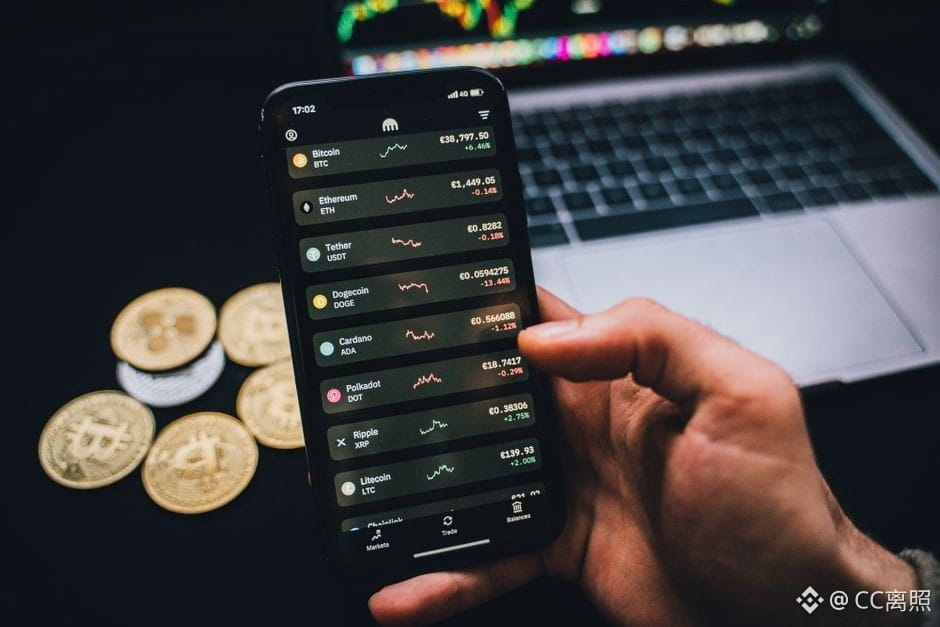
22
·
--
🔍 Cuba’s power grid collapsed for the eighth time this year, and the first license it issued to crypto is only for export-related matters
At 1:57 p.m. on September 18, two high-voltage lines in central Cuba tripped, and the entire island’s power system went down. Everything went dark. This was the eighth nationwide blackout in 2026.
It took 32 hours to restore power. By September 20, each province’s transmission systems were only back online after the Cuba Electric Union said fuel shortages and insufficient generation capacity meant load shedding was still ongoing. That night, in Havana’s 862,000 households, only 5% had power restored. Hospitals were prioritized; the rest of the areas relied on a few “power islands,” slowly rebuilding supply piece by piece.
How big is the gap? In the official forecast dated September 12, evening peak demand was 3,350 megawatts, while available output was 1,322 megawatts—short by 2,008 megawatts. Also weighing down the system was about 1,300 megawatts of installed capacity. Fuel- and diesel-fired units, Havana’s floating power stations, and the generators at Moa and Mariel—none of them were running because imported fuel deliveries were cut off. After fuel was shut off in January, the grid has been held together like this for eight months.
Put into simpler terms: 2,008 megawatts is enough to run 570,000 units of new-model mining rigs at the same time, assuming 3.5 kilowatts per rig.
Now for the money side. On March 23 this year, Cuba’s Central Bank Resolution No. 4/2026 was published in the Official Gazette. It was the first time the bank directly issued crypto operating licenses—granted to 10 entities: nine private companies, including small and micro enterprises, plus one joint venture.
The licenses are only for cross-border payments related to the license holder’s own business. They must use a virtual asset service provider licensed by the central bank. The term is one year and renewable; each quarter, the holder must report to the central bank the amounts, currencies, and intermediaries. Crypto use inside the country remains prohibited—violations result in immediate license revocation.
On the list are software companies Ingenius Tecnologías, Dofleini, Pasarela Digital SURL, Ara, and DASQOM SURL, as well as food service businesses La Calesa Real and El Asadito. There are also logistics firms like La Meknica, and a light-industry joint venture, Productos Sanitarios S.A. Prosa.
The exchange rate is more direct than the license itself. On September 16, in the informal market, the U.S. dollar climbed above 700 pesos—a historical high—while the euro reached 795. The official third-tier rate was 662; the corporate tier was 24; for individuals and private SMEs, it was 120. In Santa Clara, the country’s first private exchange counter ADT 64 opened nationwide: dollars were bought at 710 and sold at 730; euros were bought at 815 and sold at 839. Next to it, the state-owned Cadeca posted 664.
As recently as June 3, the informal dollar had just broken 600. In the following three and a half months, it rose another 17%.
My take: this license is for payment settlement routes, not for electricity. The companies are allowed to bypass sanctioned banks and bring export receivables back—but once the entire island loses power, crypto balances on-chain and money in bank cards just sit there. Sanctions are about how the money moves. Blackouts are about whether there’s a next step.
When I wrote this, six BTC price sources were between 81,148 and 81,175, down 0.1% over 24 hours. ETH was between 2,634 and 2,637.
Watch for two things. Whether September’s 700 pesos is the ceiling for this round—last time the record was 600 on June 3. And among those ten licenses, whether any company has truly managed to route cross-border trade payments through the chain.
$BTC
#中本聪国际社区Baoluo币商资本 #Bitcoin #Cuba blackout
🔍 Cuba’s power grid collapsed for the eighth time this year, and the first license it issued to crypto is only for export-related matters
At 1:57 p.m. on September 18, two high-voltage lines in central Cuba tripped, and the entire island’s power system went down. Everything went dark. This was the eighth nationwide blackout in 2026.
It took 32 hours to restore power. By September 20, each province’s transmission systems were only back online after the Cuba Electric Union said fuel shortages and insufficient generation capacity meant load shedding was still ongoing. That night, in Havana’s 862,000 households, only 5% had power restored. Hospitals were prioritized; the rest of the areas relied on a few “power islands,” slowly rebuilding supply piece by piece.
How big is the gap? In the official forecast dated September 12, evening peak demand was 3,350 megawatts, while available output was 1,322 megawatts—short by 2,008 megawatts. Also weighing down the system was about 1,300 megawatts of installed capacity. Fuel- and diesel-fired units, Havana’s floating power stations, and the generators at Moa and Mariel—none of them were running because imported fuel deliveries were cut off. After fuel was shut off in January, the grid has been held together like this for eight months.
Put into simpler terms: 2,008 megawatts is enough to run 570,000 units of new-model mining rigs at the same time, assuming 3.5 kilowatts per rig.
Now for the money side. On March 23 this year, Cuba’s Central Bank Resolution No. 4/2026 was published in the Official Gazette. It was the first time the bank directly issued crypto operating licenses—granted to 10 entities: nine private companies, including small and micro enterprises, plus one joint venture.
The licenses are only for cross-border payments related to the license holder’s own business. They must use a virtual asset service provider licensed by the central bank. The term is one year and renewable; each quarter, the holder must report to the central bank the amounts, currencies, and intermediaries. Crypto use inside the country remains prohibited—violations result in immediate license revocation.
On the list are software companies Ingenius Tecnologías, Dofleini, Pasarela Digital SURL, Ara, and DASQOM SURL, as well as food service businesses La Calesa Real and El Asadito. There are also logistics firms like La Meknica, and a light-industry joint venture, Productos Sanitarios S.A. Prosa.
The exchange rate is more direct than the license itself. On September 16, in the informal market, the U.S. dollar climbed above 700 pesos—a historical high—while the euro reached 795. The official third-tier rate was 662; the corporate tier was 24; for individuals and private SMEs, it was 120. In Santa Clara, the country’s first private exchange counter ADT 64 opened nationwide: dollars were bought at 710 and sold at 730; euros were bought at 815 and sold at 839. Next to it, the state-owned Cadeca posted 664.
As recently as June 3, the informal dollar had just broken 600. In the following three and a half months, it rose another 17%.
My take: this license is for payment settlement routes, not for electricity. The companies are allowed to bypass sanctioned banks and bring export receivables back—but once the entire island loses power, crypto balances on-chain and money in bank cards just sit there. Sanctions are about how the money moves. Blackouts are about whether there’s a next step.
When I wrote this, six BTC price sources were between 81,148 and 81,175, down 0.1% over 24 hours. ETH was between 2,634 and 2,637.
Watch for two things. Whether September’s 700 pesos is the ceiling for this round—last time the record was 600 on June 3. And among those ten licenses, whether any company has truly managed to route cross-border trade payments through the chain.
$BTC
#中本聪国际社区Baoluo币商资本 #Bitcoin #Cuba blackout
At 1:57 p.m. on September 18, two high-voltage lines in central Cuba tripped, and the entire island’s power system went down. Everything went dark. This was the eighth nationwide blackout in 2026.
It took 32 hours to restore power. By September 20, each province’s transmission systems were only back online after the Cuba Electric Union said fuel shortages and insufficient generation capacity meant load shedding was still ongoing. That night, in Havana’s 862,000 households, only 5% had power restored. Hospitals were prioritized; the rest of the areas relied on a few “power islands,” slowly rebuilding supply piece by piece.
How big is the gap? In the official forecast dated September 12, evening peak demand was 3,350 megawatts, while available output was 1,322 megawatts—short by 2,008 megawatts. Also weighing down the system was about 1,300 megawatts of installed capacity. Fuel- and diesel-fired units, Havana’s floating power stations, and the generators at Moa and Mariel—none of them were running because imported fuel deliveries were cut off. After fuel was shut off in January, the grid has been held together like this for eight months.
Put into simpler terms: 2,008 megawatts is enough to run 570,000 units of new-model mining rigs at the same time, assuming 3.5 kilowatts per rig.
Now for the money side. On March 23 this year, Cuba’s Central Bank Resolution No. 4/2026 was published in the Official Gazette. It was the first time the bank directly issued crypto operating licenses—granted to 10 entities: nine private companies, including small and micro enterprises, plus one joint venture.
The licenses are only for cross-border payments related to the license holder’s own business. They must use a virtual asset service provider licensed by the central bank. The term is one year and renewable; each quarter, the holder must report to the central bank the amounts, currencies, and intermediaries. Crypto use inside the country remains prohibited—violations result in immediate license revocation.
On the list are software companies Ingenius Tecnologías, Dofleini, Pasarela Digital SURL, Ara, and DASQOM SURL, as well as food service businesses La Calesa Real and El Asadito. There are also logistics firms like La Meknica, and a light-industry joint venture, Productos Sanitarios S.A. Prosa.
The exchange rate is more direct than the license itself. On September 16, in the informal market, the U.S. dollar climbed above 700 pesos—a historical high—while the euro reached 795. The official third-tier rate was 662; the corporate tier was 24; for individuals and private SMEs, it was 120. In Santa Clara, the country’s first private exchange counter ADT 64 opened nationwide: dollars were bought at 710 and sold at 730; euros were bought at 815 and sold at 839. Next to it, the state-owned Cadeca posted 664.
As recently as June 3, the informal dollar had just broken 600. In the following three and a half months, it rose another 17%.
My take: this license is for payment settlement routes, not for electricity. The companies are allowed to bypass sanctioned banks and bring export receivables back—but once the entire island loses power, crypto balances on-chain and money in bank cards just sit there. Sanctions are about how the money moves. Blackouts are about whether there’s a next step.
When I wrote this, six BTC price sources were between 81,148 and 81,175, down 0.1% over 24 hours. ETH was between 2,634 and 2,637.
Watch for two things. Whether September’s 700 pesos is the ceiling for this round—last time the record was 600 on June 3. And among those ten licenses, whether any company has truly managed to route cross-border trade payments through the chain.
$BTC
#中本聪国际社区Baoluo币商资本 #Bitcoin #Cuba blackout
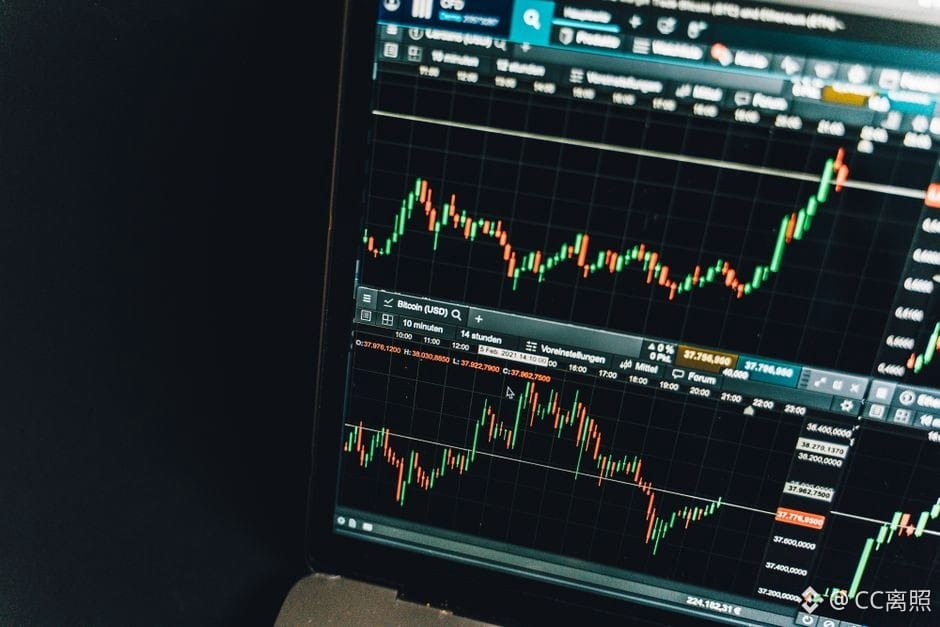
354
·
--
⚡ E-sports at the Asian Games will award 11 gold medals; among 13 games, there isn’t a single chain game
The Aichi · Nagoya Asian Games opened yesterday. With 46 countries and regions, 10,787 athletes, 43 events, and 469 gold medals, the number of participants is even higher than at the Olympics. Today is the first full competition day: China’s 13-year-old Yu Zidi swam the women’s 200m butterfly in 2:05.08, breaking the meet record to win gold, while teammate Chang Mohan took silver.
E-sports starts on September 23 at Aichi Sky Expo in Tokoname, with matches running all the way until October 2. 13 games, 11 gold medals, and registrations from 23 countries and regions. Last Hangzhou’s edition had 7; this one is almost double. Dota 2 didn’t make it in—reportedly because match lengths vary from 20 minutes to 100 minutes, so the broadcast schedule can’t keep up.
After going through all 13 games, not a single one is a chain game. Street Fighter 6, Tekken 8, King of Fighters 15, League of Legends, Honor of Kings, Final Showdown, Pokémon Unite, PUBG Mobile, Dead by Daylight, For Honor, GT7, eFootball, and Magic Bubble. The publishers are Capcom, Bandai Namco, Riot, Tencent, NetEase, Konami, and Sega—all traditional studios.
As for what happened on the chain-game side, it traces back to September 15. Pixelmon announced the termination of all game development, and the company laid off the game team. The project raised about $70 million in February 2022 through NFT minting, one of the loudest single-run NFT releases that year. After four years, three rounds of publisher testing—each lasting three weeks—still didn’t result in any long-term contract. The team said they might move on to AI next.
The tokens didn’t get out of it either. When I wrote this, AXS was 0.9902, down 3.2% over 24 hours. IMX was 0.1356, down 4.0%. SAND was 0.03927, down 0.9%. In the same period, BTC’s four sources landed between 80,404 and 80,449, down 1.0%, and ETH was 2,579, down 2.3%. These three old faces in chain games all underperformed the broader market.
Money grows long—but it grows elsewhere.
In the prediction markets, e-sports is one of the fastest-growing categories. In the past year, e-sports contract trading on Polymarket exceeded $1.2 billion, and Kalshi itself did about $1 billion. League of Legends on Polymarket averaged over $1 million per match day. One series peaked at 28.3 million. On Kalshi’s side, LoL averaged 4.8 million per day over the past month, CS2 averaged 4.0 million per day, and Valorant rose from under 1 million per day at the start of the year to over 2 million.
None of this is related to game assets. Players are betting on who wins; not a cent goes into game tokens.
My take is that chain games can’t get into the Asian Games because they’re stuck at the product stage. Major multi-sport events only accept things that can be broadcast, ruled on, and stand on the podium. Over the four years that chain games were built, the order was: sell assets first, then talk about gameplay. When the order is reversed, the product can’t be filled in.
E-sports kicks off on September 23—watch two things. How big can the market size for the betting on 11 gold medals get? In the next generation of chain games, will anyone first build the game, and then issue tokens.
$BTC $AXS
#中本聪国际社区Baoluo币商资本 #电竞 #chain game
⚡ E-sports at the Asian Games will award 11 gold medals; among 13 games, there isn’t a single chain game
The Aichi · Nagoya Asian Games opened yesterday. With 46 countries and regions, 10,787 athletes, 43 events, and 469 gold medals, the number of participants is even higher than at the Olympics. Today is the first full competition day: China’s 13-year-old Yu Zidi swam the women’s 200m butterfly in 2:05.08, breaking the meet record to win gold, while teammate Chang Mohan took silver.
E-sports starts on September 23 at Aichi Sky Expo in Tokoname, with matches running all the way until October 2. 13 games, 11 gold medals, and registrations from 23 countries and regions. Last Hangzhou’s edition had 7; this one is almost double. Dota 2 didn’t make it in—reportedly because match lengths vary from 20 minutes to 100 minutes, so the broadcast schedule can’t keep up.
After going through all 13 games, not a single one is a chain game. Street Fighter 6, Tekken 8, King of Fighters 15, League of Legends, Honor of Kings, Final Showdown, Pokémon Unite, PUBG Mobile, Dead by Daylight, For Honor, GT7, eFootball, and Magic Bubble. The publishers are Capcom, Bandai Namco, Riot, Tencent, NetEase, Konami, and Sega—all traditional studios.
As for what happened on the chain-game side, it traces back to September 15. Pixelmon announced the termination of all game development, and the company laid off the game team. The project raised about $70 million in February 2022 through NFT minting, one of the loudest single-run NFT releases that year. After four years, three rounds of publisher testing—each lasting three weeks—still didn’t result in any long-term contract. The team said they might move on to AI next.
The tokens didn’t get out of it either. When I wrote this, AXS was 0.9902, down 3.2% over 24 hours. IMX was 0.1356, down 4.0%. SAND was 0.03927, down 0.9%. In the same period, BTC’s four sources landed between 80,404 and 80,449, down 1.0%, and ETH was 2,579, down 2.3%. These three old faces in chain games all underperformed the broader market.
Money grows long—but it grows elsewhere.
In the prediction markets, e-sports is one of the fastest-growing categories. In the past year, e-sports contract trading on Polymarket exceeded $1.2 billion, and Kalshi itself did about $1 billion. League of Legends on Polymarket averaged over $1 million per match day. One series peaked at 28.3 million. On Kalshi’s side, LoL averaged 4.8 million per day over the past month, CS2 averaged 4.0 million per day, and Valorant rose from under 1 million per day at the start of the year to over 2 million.
None of this is related to game assets. Players are betting on who wins; not a cent goes into game tokens.
My take is that chain games can’t get into the Asian Games because they’re stuck at the product stage. Major multi-sport events only accept things that can be broadcast, ruled on, and stand on the podium. Over the four years that chain games were built, the order was: sell assets first, then talk about gameplay. When the order is reversed, the product can’t be filled in.
E-sports kicks off on September 23—watch two things. How big can the market size for the betting on 11 gold medals get? In the next generation of chain games, will anyone first build the game, and then issue tokens.
$BTC $AXS
#中本聪国际社区Baoluo币商资本 #电竞 #chain game
The Aichi · Nagoya Asian Games opened yesterday. With 46 countries and regions, 10,787 athletes, 43 events, and 469 gold medals, the number of participants is even higher than at the Olympics. Today is the first full competition day: China’s 13-year-old Yu Zidi swam the women’s 200m butterfly in 2:05.08, breaking the meet record to win gold, while teammate Chang Mohan took silver.
E-sports starts on September 23 at Aichi Sky Expo in Tokoname, with matches running all the way until October 2. 13 games, 11 gold medals, and registrations from 23 countries and regions. Last Hangzhou’s edition had 7; this one is almost double. Dota 2 didn’t make it in—reportedly because match lengths vary from 20 minutes to 100 minutes, so the broadcast schedule can’t keep up.
After going through all 13 games, not a single one is a chain game. Street Fighter 6, Tekken 8, King of Fighters 15, League of Legends, Honor of Kings, Final Showdown, Pokémon Unite, PUBG Mobile, Dead by Daylight, For Honor, GT7, eFootball, and Magic Bubble. The publishers are Capcom, Bandai Namco, Riot, Tencent, NetEase, Konami, and Sega—all traditional studios.
As for what happened on the chain-game side, it traces back to September 15. Pixelmon announced the termination of all game development, and the company laid off the game team. The project raised about $70 million in February 2022 through NFT minting, one of the loudest single-run NFT releases that year. After four years, three rounds of publisher testing—each lasting three weeks—still didn’t result in any long-term contract. The team said they might move on to AI next.
The tokens didn’t get out of it either. When I wrote this, AXS was 0.9902, down 3.2% over 24 hours. IMX was 0.1356, down 4.0%. SAND was 0.03927, down 0.9%. In the same period, BTC’s four sources landed between 80,404 and 80,449, down 1.0%, and ETH was 2,579, down 2.3%. These three old faces in chain games all underperformed the broader market.
Money grows long—but it grows elsewhere.
In the prediction markets, e-sports is one of the fastest-growing categories. In the past year, e-sports contract trading on Polymarket exceeded $1.2 billion, and Kalshi itself did about $1 billion. League of Legends on Polymarket averaged over $1 million per match day. One series peaked at 28.3 million. On Kalshi’s side, LoL averaged 4.8 million per day over the past month, CS2 averaged 4.0 million per day, and Valorant rose from under 1 million per day at the start of the year to over 2 million.
None of this is related to game assets. Players are betting on who wins; not a cent goes into game tokens.
My take is that chain games can’t get into the Asian Games because they’re stuck at the product stage. Major multi-sport events only accept things that can be broadcast, ruled on, and stand on the podium. Over the four years that chain games were built, the order was: sell assets first, then talk about gameplay. When the order is reversed, the product can’t be filled in.
E-sports kicks off on September 23—watch two things. How big can the market size for the betting on 11 gold medals get? In the next generation of chain games, will anyone first build the game, and then issue tokens.
$BTC $AXS
#中本聪国际社区Baoluo币商资本 #电竞 #chain game
413
·
--
📊 A decommissioned ferry ship, reopens four years later by selling nostalgia
On the evening of September 17, Pete Davidson and Colin Jost held a 60-minute free comedy show at Manhattan’s Pier 17. The venue was a retired ferry built in 1965, painted an orange hull, and temporarily renamed the Snapple Island Ferry.
They bought the ship for $280,100 at a New York City auction in January 2022. The MV John F. Kennedy, 277 feet long, carried more than 3,000 passengers and was retired in August 2021 due to mechanical issues—at the time, it was the oldest vessel in the fleet. After the purchase, the media joked about it for more than four years. Later, renovation plans also emerged: two restaurants, six bars, 24 rooms with terraces, and a budget of $34 million—121 times the purchase price. The ship still wasn’t repaired; with the engines scrapped, it could only be moved by tugboat.
For those four years, it never officially operated. In September 2024, during New York Fashion Week, Tommy Hilfiger moved the show onto the deck, counting as a “borrowed” appearance. The real opening is this Thursday.
Where did the money come from. Tickets were free. From September 3 to September 8, tickets were released every day at 3:00 p.m., one pair per person. Variety’s on-site reporter did the math: even at $200 a ticket it would sell out, but a sellout box office of “low six figures” isn’t as valuable as the buzz generated by free ticket grabs. The one paying is Snapple.
What is Snapple calculating? The brand was born in 1972 in Brooklyn. In 2017 it switched away from glass bottles, and in 2021 it fully switched to plastic. In October 2025, the glass bottles return to New York for a limited time, selling for $3.99. The official explanation is “overwhelming consumer demand for nostalgia.” That night, the peach tea on the bar was served in glass bottles.
This ship hasn’t been renovated for four years—it’s only had a new label slapped on it. The first cash came from the beverage company’s marketing budget; the ship itself still hasn’t earned any money.
The crypto community isn’t unfamiliar with this setup. Many of those pretty active on-chain metrics are incentivized purchases—keep the scene going first, and deal with cash flow later. Put a price tag on a packaged asset that has no cash flow on top of everything else—RWA is doing it, and Snapple is doing it too. The only difference is the packaging material: one uses contracts, and the other uses neon lights.
As I write this, three BTC quoted prices land between 80,414 and 80,451, down 0.85% over 24 hours. ETH is at 2,585, down 1.35%.
Watch two things. When that $34 million renovation will truly begin. What the ticket price will be for the first paid performance. A sponsor can buy one-off exposure—no venue can live forever on someone else’s marketing budget.
$BTC $ETH
#中本聪国际社区Baoluo币商资本 #娱乐 #nostalgia economy
📊 A decommissioned ferry ship, reopens four years later by selling nostalgia
On the evening of September 17, Pete Davidson and Colin Jost held a 60-minute free comedy show at Manhattan’s Pier 17. The venue was a retired ferry built in 1965, painted an orange hull, and temporarily renamed the Snapple Island Ferry.
They bought the ship for $280,100 at a New York City auction in January 2022. The MV John F. Kennedy, 277 feet long, carried more than 3,000 passengers and was retired in August 2021 due to mechanical issues—at the time, it was the oldest vessel in the fleet. After the purchase, the media joked about it for more than four years. Later, renovation plans also emerged: two restaurants, six bars, 24 rooms with terraces, and a budget of $34 million—121 times the purchase price. The ship still wasn’t repaired; with the engines scrapped, it could only be moved by tugboat.
For those four years, it never officially operated. In September 2024, during New York Fashion Week, Tommy Hilfiger moved the show onto the deck, counting as a “borrowed” appearance. The real opening is this Thursday.
Where did the money come from. Tickets were free. From September 3 to September 8, tickets were released every day at 3:00 p.m., one pair per person. Variety’s on-site reporter did the math: even at $200 a ticket it would sell out, but a sellout box office of “low six figures” isn’t as valuable as the buzz generated by free ticket grabs. The one paying is Snapple.
What is Snapple calculating? The brand was born in 1972 in Brooklyn. In 2017 it switched away from glass bottles, and in 2021 it fully switched to plastic. In October 2025, the glass bottles return to New York for a limited time, selling for $3.99. The official explanation is “overwhelming consumer demand for nostalgia.” That night, the peach tea on the bar was served in glass bottles.
This ship hasn’t been renovated for four years—it’s only had a new label slapped on it. The first cash came from the beverage company’s marketing budget; the ship itself still hasn’t earned any money.
The crypto community isn’t unfamiliar with this setup. Many of those pretty active on-chain metrics are incentivized purchases—keep the scene going first, and deal with cash flow later. Put a price tag on a packaged asset that has no cash flow on top of everything else—RWA is doing it, and Snapple is doing it too. The only difference is the packaging material: one uses contracts, and the other uses neon lights.
As I write this, three BTC quoted prices land between 80,414 and 80,451, down 0.85% over 24 hours. ETH is at 2,585, down 1.35%.
Watch two things. When that $34 million renovation will truly begin. What the ticket price will be for the first paid performance. A sponsor can buy one-off exposure—no venue can live forever on someone else’s marketing budget.
$BTC $ETH
#中本聪国际社区Baoluo币商资本 #娱乐 #nostalgia economy
On the evening of September 17, Pete Davidson and Colin Jost held a 60-minute free comedy show at Manhattan’s Pier 17. The venue was a retired ferry built in 1965, painted an orange hull, and temporarily renamed the Snapple Island Ferry.
They bought the ship for $280,100 at a New York City auction in January 2022. The MV John F. Kennedy, 277 feet long, carried more than 3,000 passengers and was retired in August 2021 due to mechanical issues—at the time, it was the oldest vessel in the fleet. After the purchase, the media joked about it for more than four years. Later, renovation plans also emerged: two restaurants, six bars, 24 rooms with terraces, and a budget of $34 million—121 times the purchase price. The ship still wasn’t repaired; with the engines scrapped, it could only be moved by tugboat.
For those four years, it never officially operated. In September 2024, during New York Fashion Week, Tommy Hilfiger moved the show onto the deck, counting as a “borrowed” appearance. The real opening is this Thursday.
Where did the money come from. Tickets were free. From September 3 to September 8, tickets were released every day at 3:00 p.m., one pair per person. Variety’s on-site reporter did the math: even at $200 a ticket it would sell out, but a sellout box office of “low six figures” isn’t as valuable as the buzz generated by free ticket grabs. The one paying is Snapple.
What is Snapple calculating? The brand was born in 1972 in Brooklyn. In 2017 it switched away from glass bottles, and in 2021 it fully switched to plastic. In October 2025, the glass bottles return to New York for a limited time, selling for $3.99. The official explanation is “overwhelming consumer demand for nostalgia.” That night, the peach tea on the bar was served in glass bottles.
This ship hasn’t been renovated for four years—it’s only had a new label slapped on it. The first cash came from the beverage company’s marketing budget; the ship itself still hasn’t earned any money.
The crypto community isn’t unfamiliar with this setup. Many of those pretty active on-chain metrics are incentivized purchases—keep the scene going first, and deal with cash flow later. Put a price tag on a packaged asset that has no cash flow on top of everything else—RWA is doing it, and Snapple is doing it too. The only difference is the packaging material: one uses contracts, and the other uses neon lights.
As I write this, three BTC quoted prices land between 80,414 and 80,451, down 0.85% over 24 hours. ETH is at 2,585, down 1.35%.
Watch two things. When that $34 million renovation will truly begin. What the ticket price will be for the first paid performance. A sponsor can buy one-off exposure—no venue can live forever on someone else’s marketing budget.
$BTC $ETH
#中本聪国际社区Baoluo币商资本 #娱乐 #nostalgia economy

355
·
--
🔍 Three federal bank licenses a day for stablecoin companies—moving into the banking system.
On September 18, the U.S. Office of the Comptroller of the Currency (OCC) approved three trust bank charters in the same day. The decisions are all posted on the official website. Bastion converted from a New York state trust company into Bastion Platforms National Trust Company, charter number 27198. Catena Trust Bank is 27214, and Agora National Trust Bank is 27207—both newly established.
First, be clear about what these three licenses *don’t* do. They don’t take deposits, don’t make loans, and don’t provide FDIC deposit insurance. The exact wording in Bastion’s decision letter says so. What it grants is the part that the crypto industry actually wants: stablecoin custody, white-label issuance, wallets, minting and redemptions, fiat exchanges, and settlement and clearing.
The advantage lies in the license itself. Bastion only filed its conversion application on March 30; before that, it had only a single New York state trust charter. After switching to a federal charter, it doesn’t have to apply for permissions across all 50 states one by one—one charter covers the entire U.S. That’s the real reason these companies are lining up.
None of these three came easily. Bastion was founded in 2023 by two former a16z crypto executives. Seed round: $14.6 million, led by Coinbase Ventures, with participation from Sony Innovation Fund and Samsung Next. Last year, it bought Dibbs Trust Company to obtain the New York license, and also did stablecoin business with Sony’s bank. Catena is a new company by Circle co-founder Sean Neville, focusing on compliance rails for AI agents to spend money; it raised $30 million in May. Agora issued the U.S. dollar stablecoin AUSD, and in June brought in the former head of crypto business at Robinhood.
This is a long queue. On December 12 last year, the OCC approved three companies in one day: BitGo, Ripple, and First National Digital Currency Bank. This February 12: Bridge. February 20: Foris DAX. July 8: Sony. August 14: World Liberty Financial. On September 11, Block filed an application, and on the 12th, Zerohash followed. With 40 applications accumulated over 18 months, there are still 13 more in the public list waiting in line. Up to now, only one company has received final approval and can open its doors—Circle, on July 10.
There’s also a deadline overhead. The GENIUS Act’s effective date is locked to January 18, 2027—nothing can change it. Six major institutions missed the rule cutoff on July 18, and so far only issued a notice of proposed rulemaking. OCC chief Jonathan Gould promised on August 19 that the final rules would be out in November, and that applications for the payment stablecoin issuer license would start being accepted in early 2027. Last week, the CLARITY Act failed in the Senate 50–49, blocking the legislative route for now. For stablecoins at the federal level, the only pathway lies with the OCC.
On the market side, there’s not much happening. When I wrote this, the four BTC quote sources were between 81,209 and 81,246, up 0.1% over 24 hours. On September 18, U.S. spot Bitcoin ETFs saw net inflows of $433 million—Fidelity alone $310.7 million, BlackRock $108.4 million. But for this week, the total adds up to only $6.1 million, basically for nothing. The infrastructure is being laid, but the money hasn’t arrived.
My take. In this round of stablecoin competition, the ticket is the license—and the tickets are limited. Up to now, only one license has been issued with final approval. The real business is in the back office: issuance, custody, and clearing—less about the relationship with coin prices.
Watch two things. How the OCC’s final rules in November are written—especially the language on issuer’s own reserves and custody account allocation. And, besides Circle, which company will be the second to receive final approval and be allowed to open.
$BTC
#中本聪国际社区Baoluo币商资本 #Bitcoin #稳定币牌照
🔍 Three federal bank licenses a day for stablecoin companies—moving into the banking system.
On September 18, the U.S. Office of the Comptroller of the Currency (OCC) approved three trust bank charters in the same day. The decisions are all posted on the official website. Bastion converted from a New York state trust company into Bastion Platforms National Trust Company, charter number 27198. Catena Trust Bank is 27214, and Agora National Trust Bank is 27207—both newly established.
First, be clear about what these three licenses *don’t* do. They don’t take deposits, don’t make loans, and don’t provide FDIC deposit insurance. The exact wording in Bastion’s decision letter says so. What it grants is the part that the crypto industry actually wants: stablecoin custody, white-label issuance, wallets, minting and redemptions, fiat exchanges, and settlement and clearing.
The advantage lies in the license itself. Bastion only filed its conversion application on March 30; before that, it had only a single New York state trust charter. After switching to a federal charter, it doesn’t have to apply for permissions across all 50 states one by one—one charter covers the entire U.S. That’s the real reason these companies are lining up.
None of these three came easily. Bastion was founded in 2023 by two former a16z crypto executives. Seed round: $14.6 million, led by Coinbase Ventures, with participation from Sony Innovation Fund and Samsung Next. Last year, it bought Dibbs Trust Company to obtain the New York license, and also did stablecoin business with Sony’s bank. Catena is a new company by Circle co-founder Sean Neville, focusing on compliance rails for AI agents to spend money; it raised $30 million in May. Agora issued the U.S. dollar stablecoin AUSD, and in June brought in the former head of crypto business at Robinhood.
This is a long queue. On December 12 last year, the OCC approved three companies in one day: BitGo, Ripple, and First National Digital Currency Bank. This February 12: Bridge. February 20: Foris DAX. July 8: Sony. August 14: World Liberty Financial. On September 11, Block filed an application, and on the 12th, Zerohash followed. With 40 applications accumulated over 18 months, there are still 13 more in the public list waiting in line. Up to now, only one company has received final approval and can open its doors—Circle, on July 10.
There’s also a deadline overhead. The GENIUS Act’s effective date is locked to January 18, 2027—nothing can change it. Six major institutions missed the rule cutoff on July 18, and so far only issued a notice of proposed rulemaking. OCC chief Jonathan Gould promised on August 19 that the final rules would be out in November, and that applications for the payment stablecoin issuer license would start being accepted in early 2027. Last week, the CLARITY Act failed in the Senate 50–49, blocking the legislative route for now. For stablecoins at the federal level, the only pathway lies with the OCC.
On the market side, there’s not much happening. When I wrote this, the four BTC quote sources were between 81,209 and 81,246, up 0.1% over 24 hours. On September 18, U.S. spot Bitcoin ETFs saw net inflows of $433 million—Fidelity alone $310.7 million, BlackRock $108.4 million. But for this week, the total adds up to only $6.1 million, basically for nothing. The infrastructure is being laid, but the money hasn’t arrived.
My take. In this round of stablecoin competition, the ticket is the license—and the tickets are limited. Up to now, only one license has been issued with final approval. The real business is in the back office: issuance, custody, and clearing—less about the relationship with coin prices.
Watch two things. How the OCC’s final rules in November are written—especially the language on issuer’s own reserves and custody account allocation. And, besides Circle, which company will be the second to receive final approval and be allowed to open.
$BTC
#中本聪国际社区Baoluo币商资本 #Bitcoin #稳定币牌照
On September 18, the U.S. Office of the Comptroller of the Currency (OCC) approved three trust bank charters in the same day. The decisions are all posted on the official website. Bastion converted from a New York state trust company into Bastion Platforms National Trust Company, charter number 27198. Catena Trust Bank is 27214, and Agora National Trust Bank is 27207—both newly established.
First, be clear about what these three licenses *don’t* do. They don’t take deposits, don’t make loans, and don’t provide FDIC deposit insurance. The exact wording in Bastion’s decision letter says so. What it grants is the part that the crypto industry actually wants: stablecoin custody, white-label issuance, wallets, minting and redemptions, fiat exchanges, and settlement and clearing.
The advantage lies in the license itself. Bastion only filed its conversion application on March 30; before that, it had only a single New York state trust charter. After switching to a federal charter, it doesn’t have to apply for permissions across all 50 states one by one—one charter covers the entire U.S. That’s the real reason these companies are lining up.
None of these three came easily. Bastion was founded in 2023 by two former a16z crypto executives. Seed round: $14.6 million, led by Coinbase Ventures, with participation from Sony Innovation Fund and Samsung Next. Last year, it bought Dibbs Trust Company to obtain the New York license, and also did stablecoin business with Sony’s bank. Catena is a new company by Circle co-founder Sean Neville, focusing on compliance rails for AI agents to spend money; it raised $30 million in May. Agora issued the U.S. dollar stablecoin AUSD, and in June brought in the former head of crypto business at Robinhood.
This is a long queue. On December 12 last year, the OCC approved three companies in one day: BitGo, Ripple, and First National Digital Currency Bank. This February 12: Bridge. February 20: Foris DAX. July 8: Sony. August 14: World Liberty Financial. On September 11, Block filed an application, and on the 12th, Zerohash followed. With 40 applications accumulated over 18 months, there are still 13 more in the public list waiting in line. Up to now, only one company has received final approval and can open its doors—Circle, on July 10.
There’s also a deadline overhead. The GENIUS Act’s effective date is locked to January 18, 2027—nothing can change it. Six major institutions missed the rule cutoff on July 18, and so far only issued a notice of proposed rulemaking. OCC chief Jonathan Gould promised on August 19 that the final rules would be out in November, and that applications for the payment stablecoin issuer license would start being accepted in early 2027. Last week, the CLARITY Act failed in the Senate 50–49, blocking the legislative route for now. For stablecoins at the federal level, the only pathway lies with the OCC.
On the market side, there’s not much happening. When I wrote this, the four BTC quote sources were between 81,209 and 81,246, up 0.1% over 24 hours. On September 18, U.S. spot Bitcoin ETFs saw net inflows of $433 million—Fidelity alone $310.7 million, BlackRock $108.4 million. But for this week, the total adds up to only $6.1 million, basically for nothing. The infrastructure is being laid, but the money hasn’t arrived.
My take. In this round of stablecoin competition, the ticket is the license—and the tickets are limited. Up to now, only one license has been issued with final approval. The real business is in the back office: issuance, custody, and clearing—less about the relationship with coin prices.
Watch two things. How the OCC’s final rules in November are written—especially the language on issuer’s own reserves and custody account allocation. And, besides Circle, which company will be the second to receive final approval and be allowed to open.
$BTC
#中本聪国际社区Baoluo币商资本 #Bitcoin #稳定币牌照
101
Log in to explore more content
Join global crypto users on Binance Square
⚡️ Get latest and useful information about crypto.
💬 Trusted by the world’s largest crypto exchange.
👍 Discover real insights from verified creators.
Email / Phone number
Trending Topics
BitwiseFilesFinalNEARSpotETFProspectus
18,753 views
584 Discussing
#bitwisefilesfinalnearspotetfprospectus 🚀
Can the NEAR token reach $562?$NEAR
Bitwise is preparing a spot NEAR ETF, listed under the ticker NRR on NYSE Arca. The manager was already discussing targets of $155, or even $562 by 2030.$RESOLV $DASH
Rajo C
·5 Likes
·3.3k views
BitgetHackerMoves$83MStolenXRP
16,493 views
106 Discussing
SOLSpotETFWeeklyInflow$188M
7,800 views
79 Discussing