

凯伦宝典
90 Posts

凯伦宝典
 Square Verified
Report
Block User
13年入圈,13 年产业人,前基金管理人,现全职投研和投资。横跨:A股·美股·加密。

Top traders by profit in 30D

Top 30D Traders by Volume
14 Following
158 Followers
153 Liked
2 Badges
Posts
·
--
I bought the dip.
This level won’t break down that quickly.
I bought the dip.
This level won’t break down that quickly.
This level won’t break down that quickly.
7
2
3.2k
·
--
Predicting a move to form an M top.
1. High growth is not sustainable.
2. We need more narrative.
Predicting a move to form an M top.
1. High growth is not sustainable.
2. We need more narrative.
1. High growth is not sustainable.
2. We need more narrative.
1
4
324
·
--
Bearish
{spot}(BTCUSDT)
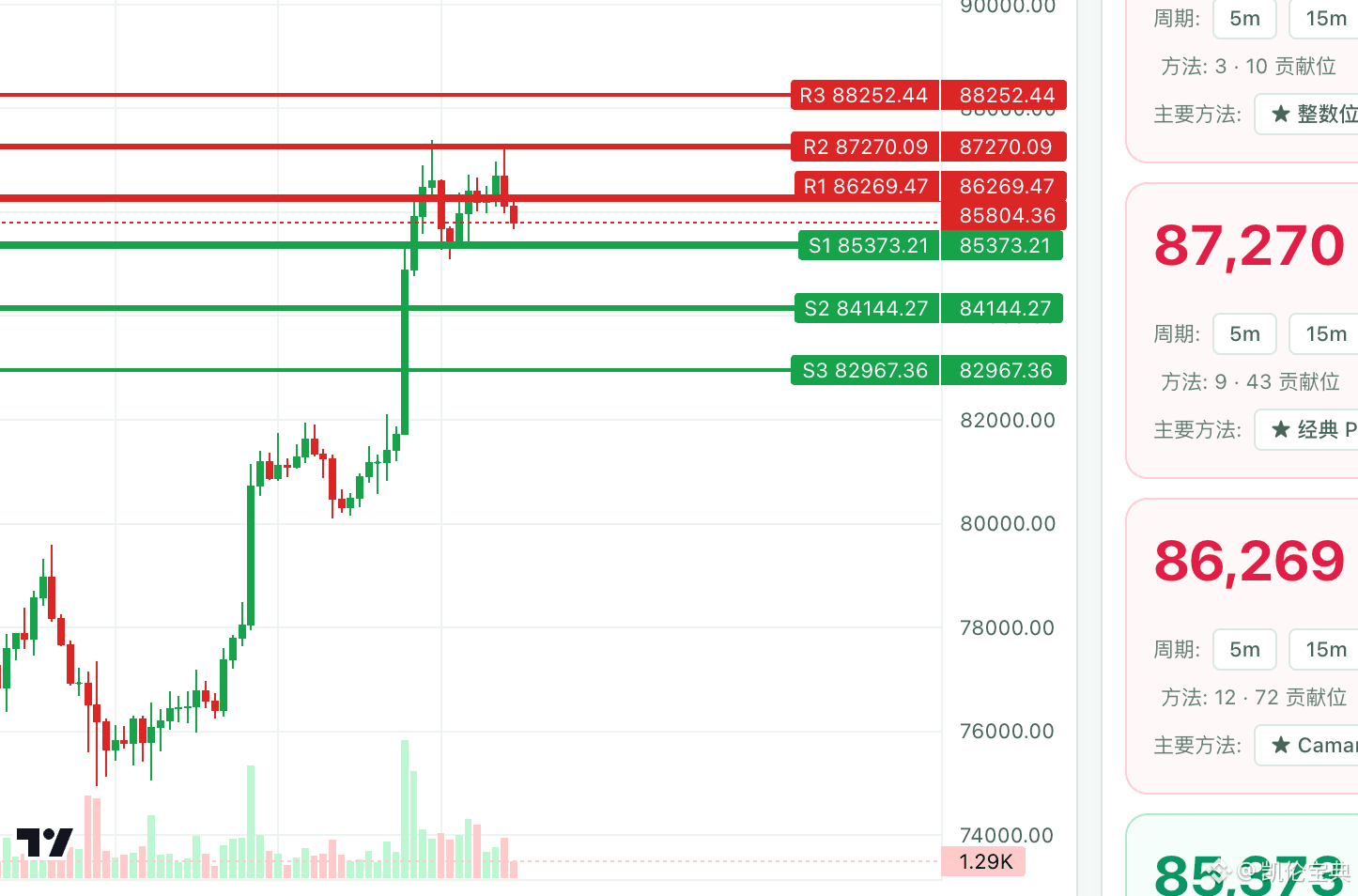
There is a clear problem with the current trend:
1. Two times it was rejected around 87300.
2. The 1-hour chart’s middle band is sloping downward.
3. Clearly defined pressure and resistance levels $$
There is a clear problem with the current trend:
1. Two times it was rejected around 87300.
2. The 1-hour chart’s middle band is sloping downward.
3. Clearly defined pressure and resistance levels $$
1. Two times it was rejected around 87300.
2. The 1-hour chart’s middle band is sloping downward.
3. Clearly defined pressure and resistance levels $$
1
1.8k
·
--
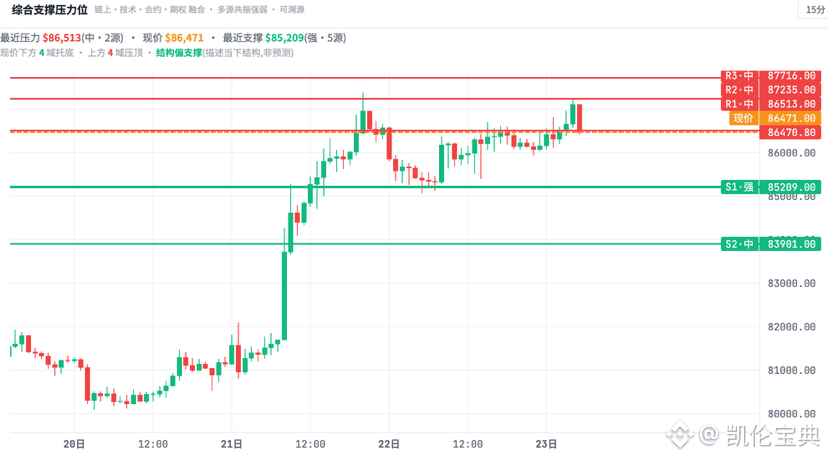
Keep adding positions to continue shorting
The pressure level has failed a second test
Keep adding positions to continue shorting
The pressure level has failed a second test
The pressure level has failed a second test
11
1
2.3k
·
--
Bearish
$SNDK Sandisk today put in one bullish candlestick surge upward, breaking through 1900, and now it's back around 1860.
The main driving force is that Meta's MUSE product has become really popular, proving that it works on the consumer side. If it works there, then storage might see even greater demand, which is why Sandisk's earnings have benefited a lot.
But in reality, I think this narrative is just a continuation of the original KV Cache story, not a brand-new big narrative. So the 1900 level still has some pressure. I put on a short position around 1900 and will take a short-term look to see if I can catch it.
$SNDK Sandisk today put in one bullish candlestick surge upward, breaking through 1900, and now it's back around 1860.
The main driving force is that Meta's MUSE product has become really popular, proving that it works on the consumer side. If it works there, then storage might see even greater demand, which is why Sandisk's earnings have benefited a lot.
But in reality, I think this narrative is just a continuation of the original KV Cache story, not a brand-new big narrative. So the 1900 level still has some pressure. I put on a short position around 1900 and will take a short-term look to see if I can catch it.
The main driving force is that Meta's MUSE product has become really popular, proving that it works on the consumer side. If it works there, then storage might see even greater demand, which is why Sandisk's earnings have benefited a lot.
But in reality, I think this narrative is just a continuation of the original KV Cache story, not a brand-new big narrative. So the 1900 level still has some pressure. I put on a short position around 1900 and will take a short-term look to see if I can catch it.
9
1
2.4k
·
--
My view on Bitcoin is very simple: go long on pullbacks, or go long while it is consolidating.
This morning it already reached a position above 87,000. This is pretty much at the extreme, and it needs to digest the current profit-taking. So either it pulls back a bit, or it consolidates and trades sideways within a range.
This morning it moved down out of the lower bound of a range and reached and stabilized around the low 85,000s—just above 85,000. If it continues to trade sideways, I’d lean toward it doing so within a channel range. The upper boundary of the channel is actually very clear: it’s around 87,300, which is what it moved out to this morning. The lower boundary is 85,000. On the short-term 15-minute timeframe, the extreme downside I can see is 84,000. At most, it might retrace to about 84,200.
I think from here onward, it will most likely keep ranging within this channel.
If you’re trading short-term right now, I think it will be this kind of movement on the 15-minute level.
And above all, don’t go short with a heavy position—punch out the “go short with heavy size” button!$
My view on Bitcoin is very simple: go long on pullbacks, or go long while it is consolidating.
This morning it already reached a position above 87,000. This is pretty much at the extreme, and it needs to digest the current profit-taking. So either it pulls back a bit, or it consolidates and trades sideways within a range.
This morning it moved down out of the lower bound of a range and reached and stabilized around the low 85,000s—just above 85,000. If it continues to trade sideways, I’d lean toward it doing so within a channel range. The upper boundary of the channel is actually very clear: it’s around 87,300, which is what it moved out to this morning. The lower boundary is 85,000. On the short-term 15-minute timeframe, the extreme downside I can see is 84,000. At most, it might retrace to about 84,200.
I think from here onward, it will most likely keep ranging within this channel.
If you’re trading short-term right now, I think it will be this kind of movement on the 15-minute level.
And above all, don’t go short with a heavy position—punch out the “go short with heavy size” button!$
This morning it already reached a position above 87,000. This is pretty much at the extreme, and it needs to digest the current profit-taking. So either it pulls back a bit, or it consolidates and trades sideways within a range.
This morning it moved down out of the lower bound of a range and reached and stabilized around the low 85,000s—just above 85,000. If it continues to trade sideways, I’d lean toward it doing so within a channel range. The upper boundary of the channel is actually very clear: it’s around 87,300, which is what it moved out to this morning. The lower boundary is 85,000. On the short-term 15-minute timeframe, the extreme downside I can see is 84,000. At most, it might retrace to about 84,200.
I think from here onward, it will most likely keep ranging within this channel.
If you’re trading short-term right now, I think it will be this kind of movement on the 15-minute level.
And above all, don’t go short with a heavy position—punch out the “go short with heavy size” button!$
3
1.3k
·
--
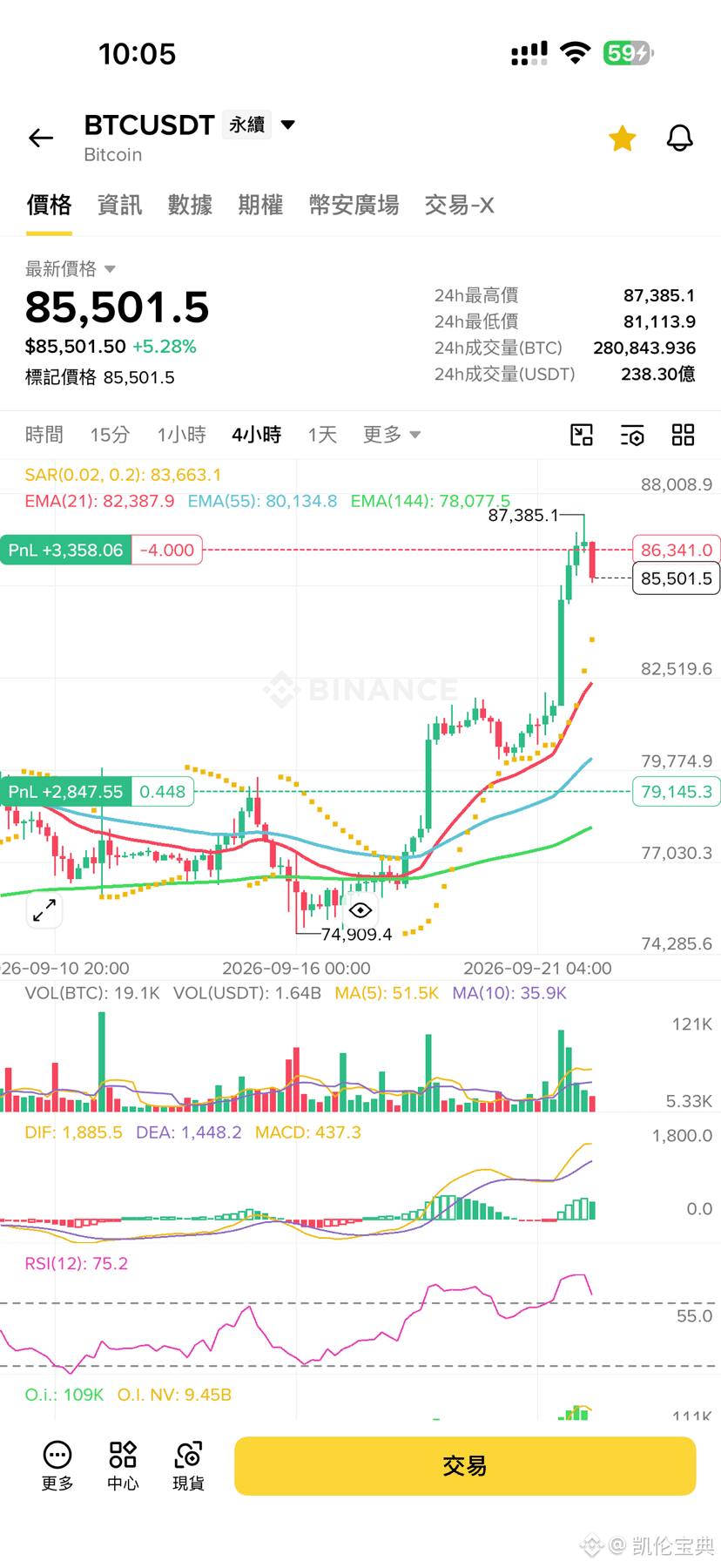
$BTC This Bitcoin long position is basically about to be finished. Leave a bit of a core position and observe for now.
From the 4-hour timeframe, it really has formed a pattern that looks a bit like a bearish evening star. In the area from around 87,000 to over 88,000, there’s very heavy resistance. As we mentioned yesterday, 82,000 to 88,000 is essentially a vacuum zone. “Vacuum zone” means there are relatively fewer pending orders here, so price swings—up or down—are both relatively easy.
Right now, the sentiment in the group is that people are shouting for a pullback and likely many will go bottom-fishing. I think this area might trap some people.
However, from the weekly chart perspective, the overall trend is still bullish. So my next plan is:
1. Reduce most of the previous long positions at this level.
2. When there’s a pullback to the 4-hour support area, then buy again.
$BTC This Bitcoin long position is basically about to be finished. Leave a bit of a core position and observe for now.
From the 4-hour timeframe, it really has formed a pattern that looks a bit like a bearish evening star. In the area from around 87,000 to over 88,000, there’s very heavy resistance. As we mentioned yesterday, 82,000 to 88,000 is essentially a vacuum zone. “Vacuum zone” means there are relatively fewer pending orders here, so price swings—up or down—are both relatively easy.
Right now, the sentiment in the group is that people are shouting for a pullback and likely many will go bottom-fishing. I think this area might trap some people.
However, from the weekly chart perspective, the overall trend is still bullish. So my next plan is:
1. Reduce most of the previous long positions at this level.
2. When there’s a pullback to the 4-hour support area, then buy again.
From the 4-hour timeframe, it really has formed a pattern that looks a bit like a bearish evening star. In the area from around 87,000 to over 88,000, there’s very heavy resistance. As we mentioned yesterday, 82,000 to 88,000 is essentially a vacuum zone. “Vacuum zone” means there are relatively fewer pending orders here, so price swings—up or down—are both relatively easy.
Right now, the sentiment in the group is that people are shouting for a pullback and likely many will go bottom-fishing. I think this area might trap some people.
However, from the weekly chart perspective, the overall trend is still bullish. So my next plan is:
1. Reduce most of the previous long positions at this level.
2. When there’s a pullback to the 4-hour support area, then buy again.
2
3
5.5k
·
--
Light shorting. The logic is
1. Test the top position.
2. The strong pressure level test fails.
3. Break the line to short.
Light shorting. The logic is
1. Test the top position.
2. The strong pressure level test fails.
3. Break the line to short.
1. Test the top position.
2. The strong pressure level test fails.
3. Break the line to short.
2
346
·
--
Just now I counted RPCs on the mainnet by myself for 62 seconds: 232 slots, 268.7 milliseconds per slot.
What people call “Solana’s target block time reduced to 250 milliseconds” sounds like an upgrade that hasn’t happened yet. In practice, it’s not like that.
Tonight at 22:58, three sets of one-minute sampling per slot were 265.5 / 275.2 / 265.5 milliseconds; my own run stretched to 62 seconds was 268.7.
From current epoch 1039 until now, with 660 validators, a total of 241,011 block slots were produced, 50 were missed, and the skip rate is 0.021%.
This shows that 250ms isn’t “speeding up” — it’s “ratifying” what was already true. The network has already been running at 265 to 275 milliseconds; hard-coding the parameter only turns an existing fact into a protocol requirement. Performance won’t suddenly get faster by another chunk.
What’s truly not priced-in is the other half: in the same batch of sampling, total transactions were 5,315 to 5,547 TPS, and vote transactions alone accounted for 152,281, nearly half. The confirmation latency users feel is mainly where this consensus overhead comes in, not the inter-block interval.
My view: treating 250ms as good news to buy SOL is buying the wrong thesis. SOL is now 118.00, up +9.06% over 24 hours. The perpetual funding rate is still the 0.0100% baseline, and retail—63.4%—is long.
Here’s a falsifiable one: if, within one month after 250ms officially takes effect, non-vote TPS does not rise by 30% or more relative to tonight’s 2,869 to 3,009, then this upgrade has zero impact on real usage. When that happens, I’ll come back and post the numbers.
#Solana目标出块时间降至250毫秒 $SOL
Just now I counted RPCs on the mainnet by myself for 62 seconds: 232 slots, 268.7 milliseconds per slot.
What people call “Solana’s target block time reduced to 250 milliseconds” sounds like an upgrade that hasn’t happened yet. In practice, it’s not like that.
Tonight at 22:58, three sets of one-minute sampling per slot were 265.5 / 275.2 / 265.5 milliseconds; my own run stretched to 62 seconds was 268.7.
From current epoch 1039 until now, with 660 validators, a total of 241,011 block slots were produced, 50 were missed, and the skip rate is 0.021%.
This shows that 250ms isn’t “speeding up” — it’s “ratifying” what was already true. The network has already been running at 265 to 275 milliseconds; hard-coding the parameter only turns an existing fact into a protocol requirement. Performance won’t suddenly get faster by another chunk.
What’s truly not priced-in is the other half: in the same batch of sampling, total transactions were 5,315 to 5,547 TPS, and vote transactions alone accounted for 152,281, nearly half. The confirmation latency users feel is mainly where this consensus overhead comes in, not the inter-block interval.
My view: treating 250ms as good news to buy SOL is buying the wrong thesis. SOL is now 118.00, up +9.06% over 24 hours. The perpetual funding rate is still the 0.0100% baseline, and retail—63.4%—is long.
Here’s a falsifiable one: if, within one month after 250ms officially takes effect, non-vote TPS does not rise by 30% or more relative to tonight’s 2,869 to 3,009, then this upgrade has zero impact on real usage. When that happens, I’ll come back and post the numbers.
#Solana目标出块时间降至250毫秒 $SOL
What people call “Solana’s target block time reduced to 250 milliseconds” sounds like an upgrade that hasn’t happened yet. In practice, it’s not like that.
Tonight at 22:58, three sets of one-minute sampling per slot were 265.5 / 275.2 / 265.5 milliseconds; my own run stretched to 62 seconds was 268.7.
From current epoch 1039 until now, with 660 validators, a total of 241,011 block slots were produced, 50 were missed, and the skip rate is 0.021%.
This shows that 250ms isn’t “speeding up” — it’s “ratifying” what was already true. The network has already been running at 265 to 275 milliseconds; hard-coding the parameter only turns an existing fact into a protocol requirement. Performance won’t suddenly get faster by another chunk.
What’s truly not priced-in is the other half: in the same batch of sampling, total transactions were 5,315 to 5,547 TPS, and vote transactions alone accounted for 152,281, nearly half. The confirmation latency users feel is mainly where this consensus overhead comes in, not the inter-block interval.
My view: treating 250ms as good news to buy SOL is buying the wrong thesis. SOL is now 118.00, up +9.06% over 24 hours. The perpetual funding rate is still the 0.0100% baseline, and retail—63.4%—is long.
Here’s a falsifiable one: if, within one month after 250ms officially takes effect, non-vote TPS does not rise by 30% or more relative to tonight’s 2,869 to 3,009, then this upgrade has zero impact on real usage. When that happens, I’ll come back and post the numbers.
#Solana目标出块时间降至250毫秒 $SOL
1
1
228
·
--
Six hours ago, what I wrote to myself was: “Before September 30, if the BTC daily close stands above 85,000, then the script is considered fulfilled.” Today it briefly touched a high of 85,473.68; now it’s at 84,972.58—since the daily candle hasn’t closed yet, I won’t count this one.
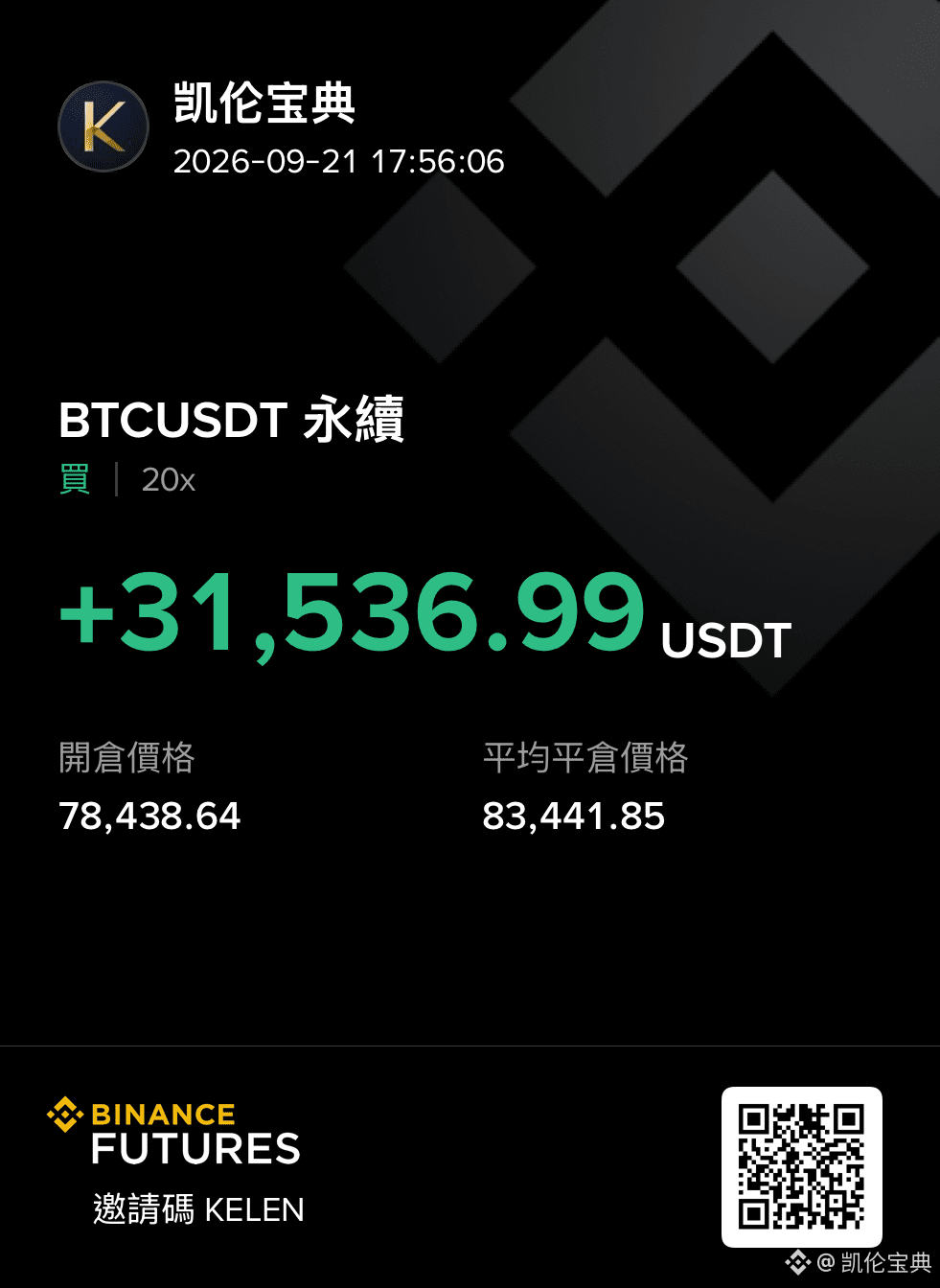
Today it opened at 81,178, hit a high of 85,473.68, a low of 80,850.22, and is up 5.5% over the last 24 hours. At 85,100 I closed one of the two long positions. The position opened at 78,438.64 realized $31,536.99; the one I still hold was opened at 79,145.35.
Why half? In the afternoon, my assessment for this segment was that it’s a move pushed up by short liquidations: from the close on September 17 at 76,417 to now, it’s up 11%. In the same period, Binance USDT perpetuals’ open interest rose from 107,918 contracts to 111,857 contracts—an increase of only 3.7%. This kind of rally looks steady on the way up, but the pushers are limited: once shorts liquidate, there’s no next wave. So I’m not betting that it keeps going, and I’m not betting that it turns around either.
85,000 is the target level I wrote down. Once it hits half of that fulfillment, I reserve the other half for “in case I underestimated.” This isn’t a technical call—it’s position management. I wrote “I might be wrong” into the account in the form of a half position.
My view: tonight will have the answer. The open interest is currently just 143 contracts away from the 112,000 level I marked. If it breaks above that, I’ll change this segment’s label from “short liquidations pushing up” to “longs adding leverage.” The odds on the remaining half position will worsen accordingly. If I change the label, I’ll post it. Also, the funding rate is still the base value of 0.0100%/8h. Next settlement is at 00:00—once the price reaches 85,000, the longs still haven’t started paying. 78,000 remains the invalidation level.
$BTC #比特币突破8.5万美元
Six hours ago, what I wrote to myself was: “Before September 30, if the BTC daily close stands above 85,000, then the script is considered fulfilled.” Today it briefly touched a high of 85,473.68; now it’s at 84,972.58—since the daily candle hasn’t closed yet, I won’t count this one.
Today it opened at 81,178, hit a high of 85,473.68, a low of 80,850.22, and is up 5.5% over the last 24 hours. At 85,100 I closed one of the two long positions. The position opened at 78,438.64 realized $31,536.99; the one I still hold was opened at 79,145.35.
Why half? In the afternoon, my assessment for this segment was that it’s a move pushed up by short liquidations: from the close on September 17 at 76,417 to now, it’s up 11%. In the same period, Binance USDT perpetuals’ open interest rose from 107,918 contracts to 111,857 contracts—an increase of only 3.7%. This kind of rally looks steady on the way up, but the pushers are limited: once shorts liquidate, there’s no next wave. So I’m not betting that it keeps going, and I’m not betting that it turns around either.
85,000 is the target level I wrote down. Once it hits half of that fulfillment, I reserve the other half for “in case I underestimated.” This isn’t a technical call—it’s position management. I wrote “I might be wrong” into the account in the form of a half position.
My view: tonight will have the answer. The open interest is currently just 143 contracts away from the 112,000 level I marked. If it breaks above that, I’ll change this segment’s label from “short liquidations pushing up” to “longs adding leverage.” The odds on the remaining half position will worsen accordingly. If I change the label, I’ll post it. Also, the funding rate is still the base value of 0.0100%/8h. Next settlement is at 00:00—once the price reaches 85,000, the longs still haven’t started paying. 78,000 remains the invalidation level.
$BTC #比特币突破8.5万美元
Today it opened at 81,178, hit a high of 85,473.68, a low of 80,850.22, and is up 5.5% over the last 24 hours. At 85,100 I closed one of the two long positions. The position opened at 78,438.64 realized $31,536.99; the one I still hold was opened at 79,145.35.
Why half? In the afternoon, my assessment for this segment was that it’s a move pushed up by short liquidations: from the close on September 17 at 76,417 to now, it’s up 11%. In the same period, Binance USDT perpetuals’ open interest rose from 107,918 contracts to 111,857 contracts—an increase of only 3.7%. This kind of rally looks steady on the way up, but the pushers are limited: once shorts liquidate, there’s no next wave. So I’m not betting that it keeps going, and I’m not betting that it turns around either.
85,000 is the target level I wrote down. Once it hits half of that fulfillment, I reserve the other half for “in case I underestimated.” This isn’t a technical call—it’s position management. I wrote “I might be wrong” into the account in the form of a half position.
My view: tonight will have the answer. The open interest is currently just 143 contracts away from the 112,000 level I marked. If it breaks above that, I’ll change this segment’s label from “short liquidations pushing up” to “longs adding leverage.” The odds on the remaining half position will worsen accordingly. If I change the label, I’ll post it. Also, the funding rate is still the base value of 0.0100%/8h. Next settlement is at 00:00—once the price reaches 85,000, the longs still haven’t started paying. 78,000 remains the invalidation level.
$BTC #比特币突破8.5万美元
3
568
·
--
MSTR’s 8-K just came out, covering the week of September 14 to 20. I’ll lay out what I did and what the results were.
I did three things: bought 950 Bitcoins, $75.7 million, at an average price of $79,670; issued no new shares of common stock via ATM; and repurchased 1,771,238 shares of STRC preferred stock for $174 million.
The two wallets match—USD Reserve went from $5.10B to $4.74B, and the $57.4 million difference is dividends and interest; USD Cash went from $1.30B to $1.05B, and the decrease is exactly the $75.7 million used to buy the coins plus the $174 million for the repurchase.
Results: Bitcoins held increased from 845,050 to 846,000, average cost $75,416, total cost $6.38B.
There’s a set of numbers that’s worth looking at side by side. The money this week spent on Bitcoin is less than half of what it spent on repurchasing its own preferred stock. 950 Bitcoins versus 846,000 coins is 0.11%—rounded, it didn’t move. And in the same week, Bitcoin itself went from 76,805 to 81,144, up 5.6%—just that alone means the book value on those 846,000 coins went up by roughly $3.7B.
In other words, of the extra money on its books this week, 98% is given by the coin price, and 2% is from its own buying—and even that 2% is only swapping cash into coins, not adding anything new.
So when you look at MSTR’s 8-K, the real thing you should never focus on is how much it bought this week. Even if it does nothing at all this week, its book value will still rise by $3.7B. The company’s income statement, in essence, is the income statement of its 846,000 Bitcoins; the only thing in between is a layer of premium.
That premium is moving now: after U.S. stock market open, Bitcoin is 85,275, up 5.9%; MSTR is 166.91, up 8.4%. The extra 2.5 percentage points that the stock gained more than the coin—that’s it.
Two consecutive weeks of zero common share issuances, and two consecutive weeks of preferred stock repurchases—combined over two weeks, $313 million. I’ll keep an eye on this direction next week.
#比特币突破8.5万美元
MSTR’s 8-K just came out, covering the week of September 14 to 20. I’ll lay out what I did and what the results were.
I did three things: bought 950 Bitcoins, $75.7 million, at an average price of $79,670; issued no new shares of common stock via ATM; and repurchased 1,771,238 shares of STRC preferred stock for $174 million.
The two wallets match—USD Reserve went from $5.10B to $4.74B, and the $57.4 million difference is dividends and interest; USD Cash went from $1.30B to $1.05B, and the decrease is exactly the $75.7 million used to buy the coins plus the $174 million for the repurchase.
Results: Bitcoins held increased from 845,050 to 846,000, average cost $75,416, total cost $6.38B.
There’s a set of numbers that’s worth looking at side by side. The money this week spent on Bitcoin is less than half of what it spent on repurchasing its own preferred stock. 950 Bitcoins versus 846,000 coins is 0.11%—rounded, it didn’t move. And in the same week, Bitcoin itself went from 76,805 to 81,144, up 5.6%—just that alone means the book value on those 846,000 coins went up by roughly $3.7B.
In other words, of the extra money on its books this week, 98% is given by the coin price, and 2% is from its own buying—and even that 2% is only swapping cash into coins, not adding anything new.
So when you look at MSTR’s 8-K, the real thing you should never focus on is how much it bought this week. Even if it does nothing at all this week, its book value will still rise by $3.7B. The company’s income statement, in essence, is the income statement of its 846,000 Bitcoins; the only thing in between is a layer of premium.
That premium is moving now: after U.S. stock market open, Bitcoin is 85,275, up 5.9%; MSTR is 166.91, up 8.4%. The extra 2.5 percentage points that the stock gained more than the coin—that’s it.
Two consecutive weeks of zero common share issuances, and two consecutive weeks of preferred stock repurchases—combined over two weeks, $313 million. I’ll keep an eye on this direction next week.
#比特币突破8.5万美元
I did three things: bought 950 Bitcoins, $75.7 million, at an average price of $79,670; issued no new shares of common stock via ATM; and repurchased 1,771,238 shares of STRC preferred stock for $174 million.
The two wallets match—USD Reserve went from $5.10B to $4.74B, and the $57.4 million difference is dividends and interest; USD Cash went from $1.30B to $1.05B, and the decrease is exactly the $75.7 million used to buy the coins plus the $174 million for the repurchase.
Results: Bitcoins held increased from 845,050 to 846,000, average cost $75,416, total cost $6.38B.
There’s a set of numbers that’s worth looking at side by side. The money this week spent on Bitcoin is less than half of what it spent on repurchasing its own preferred stock. 950 Bitcoins versus 846,000 coins is 0.11%—rounded, it didn’t move. And in the same week, Bitcoin itself went from 76,805 to 81,144, up 5.6%—just that alone means the book value on those 846,000 coins went up by roughly $3.7B.
In other words, of the extra money on its books this week, 98% is given by the coin price, and 2% is from its own buying—and even that 2% is only swapping cash into coins, not adding anything new.
So when you look at MSTR’s 8-K, the real thing you should never focus on is how much it bought this week. Even if it does nothing at all this week, its book value will still rise by $3.7B. The company’s income statement, in essence, is the income statement of its 846,000 Bitcoins; the only thing in between is a layer of premium.
That premium is moving now: after U.S. stock market open, Bitcoin is 85,275, up 5.9%; MSTR is 166.91, up 8.4%. The extra 2.5 percentage points that the stock gained more than the coin—that’s it.
Two consecutive weeks of zero common share issuances, and two consecutive weeks of preferred stock repurchases—combined over two weeks, $313 million. I’ll keep an eye on this direction next week.
#比特币突破8.5万美元
265
·
--
30D trade $BTC 2.8M USDT
390
·
--
Broke through the next pressure level
83061
83842
84224
Broke through the next pressure level
83061
83842
84224
83061
83842
84224
7
2
1.2k
·
--
In the post where I shared my positions yesterday, I mentioned a script: first it pin-picks, then move from 85,000 to 90,000, and reconcile on September 30. Today BTC is around 81,600; it’s still 4.2% away from the lower end, and there are 9 days left. This trade is currently “in transit,” not “confirmed.”
First, let’s lay out the numbers. The September 15 daily low was 74,968—the pin went in there. On September 18, one day moved from 76,417 to 80,884, up 5.8%. Today the high was 82,100. My long position was opened on September 15 at an average price of 79,145. I’m still holding it—I haven’t added to it, and the entry price is pinned below.
But I’m not chasing now, because of another set of figures. In Binance BTC perpetual open interest: as of the close on September 17 it was 107,918 contracts, and now it’s 109,666. In five days it only increased by 1.6%, while the price rose 6.8% over the same period. With positions not increasing but price moving up, this part can only be shorts closing out—not longs adding leverage. Meanwhile, in the global long/short ratio, the longs make up only 49.00%. And by account count, most people are still on the short side.
The characteristic of this kind of rally is: it climbs steadily, but it doesn’t offer the odds for chasing higher. Once the shorts close, there’s no next push.
Three conditions—when it comes due I’ll check and confirm:
1) Before September 30, if the BTC daily close is above 85,000, the script plays out. If it doesn’t get above that level, I’m wrong—I’ll still place the orders.
2) If open interest before then surges to more than 112,000 contracts, I’ll reclassify this leg as “longs adding leverage,” and that won’t be the kind of up-move I want.
3) 78,000 is the invalidation level. If the daily close falls below it, the rationale for this long position is gone.
#比特币突破8万美元大关 $BTC
In the post where I shared my positions yesterday, I mentioned a script: first it pin-picks, then move from 85,000 to 90,000, and reconcile on September 30. Today BTC is around 81,600; it’s still 4.2% away from the lower end, and there are 9 days left. This trade is currently “in transit,” not “confirmed.”
First, let’s lay out the numbers. The September 15 daily low was 74,968—the pin went in there. On September 18, one day moved from 76,417 to 80,884, up 5.8%. Today the high was 82,100. My long position was opened on September 15 at an average price of 79,145. I’m still holding it—I haven’t added to it, and the entry price is pinned below.
But I’m not chasing now, because of another set of figures. In Binance BTC perpetual open interest: as of the close on September 17 it was 107,918 contracts, and now it’s 109,666. In five days it only increased by 1.6%, while the price rose 6.8% over the same period. With positions not increasing but price moving up, this part can only be shorts closing out—not longs adding leverage. Meanwhile, in the global long/short ratio, the longs make up only 49.00%. And by account count, most people are still on the short side.
The characteristic of this kind of rally is: it climbs steadily, but it doesn’t offer the odds for chasing higher. Once the shorts close, there’s no next push.
Three conditions—when it comes due I’ll check and confirm:
1) Before September 30, if the BTC daily close is above 85,000, the script plays out. If it doesn’t get above that level, I’m wrong—I’ll still place the orders.
2) If open interest before then surges to more than 112,000 contracts, I’ll reclassify this leg as “longs adding leverage,” and that won’t be the kind of up-move I want.
3) 78,000 is the invalidation level. If the daily close falls below it, the rationale for this long position is gone.
#比特币突破8万美元大关 $BTC
First, let’s lay out the numbers. The September 15 daily low was 74,968—the pin went in there. On September 18, one day moved from 76,417 to 80,884, up 5.8%. Today the high was 82,100. My long position was opened on September 15 at an average price of 79,145. I’m still holding it—I haven’t added to it, and the entry price is pinned below.
But I’m not chasing now, because of another set of figures. In Binance BTC perpetual open interest: as of the close on September 17 it was 107,918 contracts, and now it’s 109,666. In five days it only increased by 1.6%, while the price rose 6.8% over the same period. With positions not increasing but price moving up, this part can only be shorts closing out—not longs adding leverage. Meanwhile, in the global long/short ratio, the longs make up only 49.00%. And by account count, most people are still on the short side.
The characteristic of this kind of rally is: it climbs steadily, but it doesn’t offer the odds for chasing higher. Once the shorts close, there’s no next push.
Three conditions—when it comes due I’ll check and confirm:
1) Before September 30, if the BTC daily close is above 85,000, the script plays out. If it doesn’t get above that level, I’m wrong—I’ll still place the orders.
2) If open interest before then surges to more than 112,000 contracts, I’ll reclassify this leg as “longs adding leverage,” and that won’t be the kind of up-move I want.
3) 78,000 is the invalidation level. If the daily close falls below it, the rationale for this long position is gone.
#比特币突破8万美元大关 $BTC
8
1
10
11.8k
·
--
Thoughts on HOOD’s big surge and what comes nextThis is the second installment in my stock tokenization series, continuing from the previous post about that SEC five-year exemption.
At the close on September 18, MSTR rose 16.39%, COIN rose 11.66%, and HOOD rose 9.12%. Bitcoin went from 78.3k to 80.6k, up about 3%. Two days ago, when I wrote that SEC exemption, I said this: the true beneficiaries of this are the exchanges and broker-dealers that live off their licenses—not the coin prices themselves. On Friday, the side that got the license received four to five times what the side tied to the coin prices got.
This one’s correct. But what I’m going to say next is something else, and it’s the opposite of the current mainstream interpretation.
Thoughts on HOOD’s big surge and what comes next
This is the second installment in my stock tokenization series, continuing from the previous post about that SEC five-year exemption.
At the close on September 18, MSTR rose 16.39%, COIN rose 11.66%, and HOOD rose 9.12%. Bitcoin went from 78.3k to 80.6k, up about 3%. Two days ago, when I wrote that SEC exemption, I said this: the true beneficiaries of this are the exchanges and broker-dealers that live off their licenses—not the coin prices themselves. On Friday, the side that got the license received four to five times what the side tied to the coin prices got.
This one’s correct. But what I’m going to say next is something else, and it’s the opposite of the current mainstream interpretation.
At the close on September 18, MSTR rose 16.39%, COIN rose 11.66%, and HOOD rose 9.12%. Bitcoin went from 78.3k to 80.6k, up about 3%. Two days ago, when I wrote that SEC exemption, I said this: the true beneficiaries of this are the exchanges and broker-dealers that live off their licenses—not the coin prices themselves. On Friday, the side that got the license received four to five times what the side tied to the coin prices got.
This one’s correct. But what I’m going to say next is something else, and it’s the opposite of the current mainstream interpretation.
323
·
--
“Encrypted script written in the weekly report: first insert the needle, then pump; target 85,000 to 90,000; reconciling on 9/30.” The position is exactly this: the BTC long opened on 9/15 at an average price of 79,145—still holding it now. On 9/30, whether it reached and we exited or not: I’ll come back to reconcile, and post the position along with it.
Full weekly report: https://www.binance.com/zh-CN/square/post/368747315415886
#MichaelSaylor暗示增持BTC $BTC
“Encrypted script written in the weekly report: first insert the needle, then pump; target 85,000 to 90,000; reconciling on 9/30.” The position is exactly this: the BTC long opened on 9/15 at an average price of 79,145—still holding it now. On 9/30, whether it reached and we exited or not: I’ll come back to reconcile, and post the position along with it.
Full weekly report: https://www.binance.com/zh-CN/square/post/368747315415886
#MichaelSaylor暗示增持BTC $BTC
Full weekly report: https://www.binance.com/zh-CN/square/post/368747315415886
#MichaelSaylor暗示增持BTC $BTC
310
·
--
Verified
Article
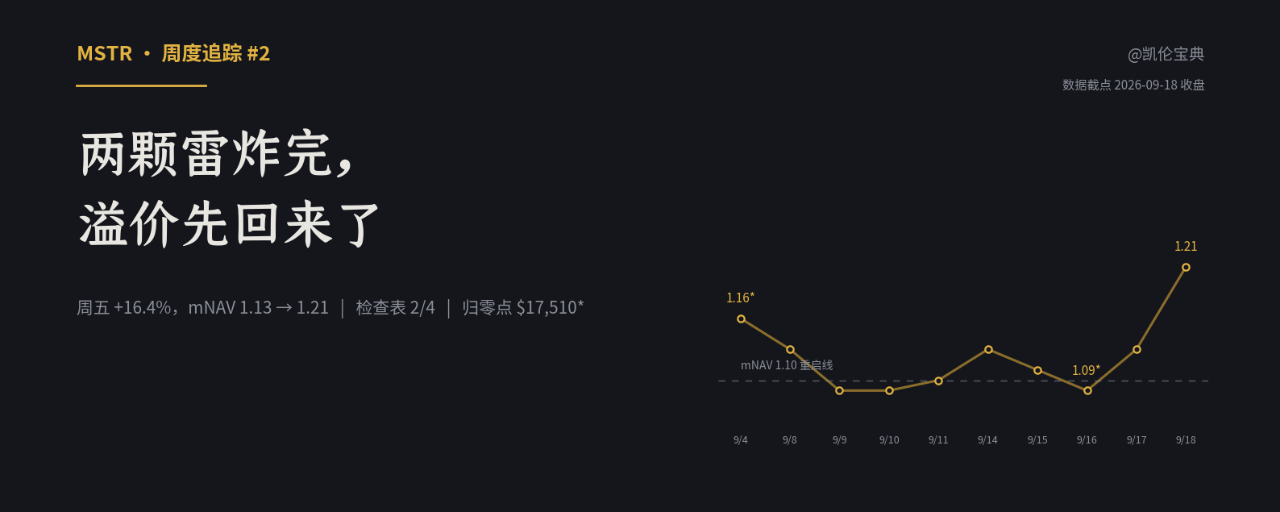
MSTR Weekly Tracking | After Two Bombs Explode, the Premium Comes Back FirstThis is the weekly MSTR reconciliation report I prepare every week. It’s being published on Xueqiu serially; starting with this issue, it will also be synchronized to Binance Square. The rules are simple: in each issue, set 1–2 predictions that can be falsified next week. At the beginning of the next issue, settle the score first—if you got it wrong, write it again and don’t delete it.
First, let’s talk about Friday. MSTR closed at $153.92, up 16.39% in a single day, with trading volume of $8.1 billion—2.7 times the 30-day average daily volume. On the same day, Bitcoin rose from $76.5k to $81k, up 6%. With BTC up 6% and shares up 16%, the missing difference of those 10 percentage points is the premium: the official-site metric mNAV (market cap divided by net reserves—think of it as the thermometer the market uses for this machine) jumped from 1.13 on Thursday to 1.21 in a single day. Honestly, on Thursday night I didn’t expect Friday to turn out like this.
MSTR Weekly Tracking | After Two Bombs Explode, the Premium Comes Back First
This is the weekly MSTR reconciliation report I prepare every week. It’s being published on Xueqiu serially; starting with this issue, it will also be synchronized to Binance Square. The rules are simple: in each issue, set 1–2 predictions that can be falsified next week. At the beginning of the next issue, settle the score first—if you got it wrong, write it again and don’t delete it.
First, let’s talk about Friday. MSTR closed at $153.92, up 16.39% in a single day, with trading volume of $8.1 billion—2.7 times the 30-day average daily volume. On the same day, Bitcoin rose from $76.5k to $81k, up 6%. With BTC up 6% and shares up 16%, the missing difference of those 10 percentage points is the premium: the official-site metric mNAV (market cap divided by net reserves—think of it as the thermometer the market uses for this machine) jumped from 1.13 on Thursday to 1.21 in a single day. Honestly, on Thursday night I didn’t expect Friday to turn out like this.
First, let’s talk about Friday. MSTR closed at $153.92, up 16.39% in a single day, with trading volume of $8.1 billion—2.7 times the 30-day average daily volume. On the same day, Bitcoin rose from $76.5k to $81k, up 6%. With BTC up 6% and shares up 16%, the missing difference of those 10 percentage points is the premium: the official-site metric mNAV (market cap divided by net reserves—think of it as the thermometer the market uses for this machine) jumped from 1.13 on Thursday to 1.21 in a single day. Honestly, on Thursday night I didn’t expect Friday to turn out like this.
2
43
·
--
Bullish
Conversations on the weekend with a few friends — key conclusions
#$BTC
1. Crypto and equities still have a very strong momentum. Everyone underestimated the potential value of the SEC administrative bills/laws. Compliant U.S. stablecoins and compliant U.S. chains directly benefit. Projects that meet the standards include Uni V4, Base Chain, Robinhood Chain; perhaps in the future there could also be a Hashkey Chain $UNI
2. The key area to compete for is compliant contracts/CFDs—especially for exchanges that handle Pre-ipo trades. The core is compensating for the loss of pricing power after the bstock trend.
3. Regarding point 1, the compliant value was underestimated. Both channels and chains are value. $COINB #比特币突破8万美元大关
Conversations on the weekend with a few friends — key conclusions
#$BTC
1. Crypto and equities still have a very strong momentum. Everyone underestimated the potential value of the SEC administrative bills/laws. Compliant U.S. stablecoins and compliant U.S. chains directly benefit. Projects that meet the standards include Uni V4, Base Chain, Robinhood Chain; perhaps in the future there could also be a Hashkey Chain $UNI
2. The key area to compete for is compliant contracts/CFDs—especially for exchanges that handle Pre-ipo trades. The core is compensating for the loss of pricing power after the bstock trend.
3. Regarding point 1, the compliant value was underestimated. Both channels and chains are value. $COINB #比特币突破8万美元大关
#$BTC
1. Crypto and equities still have a very strong momentum. Everyone underestimated the potential value of the SEC administrative bills/laws. Compliant U.S. stablecoins and compliant U.S. chains directly benefit. Projects that meet the standards include Uni V4, Base Chain, Robinhood Chain; perhaps in the future there could also be a Hashkey Chain $UNI
2. The key area to compete for is compliant contracts/CFDs—especially for exchanges that handle Pre-ipo trades. The core is compensating for the loss of pricing power after the bstock trend.
3. Regarding point 1, the compliant value was underestimated. Both channels and chains are value. $COINB #比特币突破8万美元大关
2
1
522
Log in to explore more content
Join global crypto users on Binance Square
⚡️ Get latest and useful information about crypto.
💬 Trusted by the world’s largest crypto exchange.
👍 Discover real insights from verified creators.
Email / Phone number