
kandian Shahid javed
149 Posts

kandian Shahid javed
Report
Block User
Crypto trader || chart analyst || Grooming my experience by sharing trades || learn and earn from my posts.
Open Trade
Frequent Trader
3.1 Years
14 Following
89 Followers
211 Liked
Posts
Portfolio
All
Quotes
$SUI is now down in market but i think it's gonna pump upwords in no time
it's my pov what you think let me know in comments
$SUI
{spot}(SUIUSDT)
$SUI is now down in market but i think it's gonna pump upwords in no time
it's my pov what you think let me know in comments
$SUI
it's my pov what you think let me know in comments
$SUI
95
When we look at Solana (SOL)’s future, its growth potential is visible, but due to the volatility of the crypto market, this cannot be guaranteed that the price will surely go up. There are some important factors in Solana’s favor, including growing network activity, increasing use of DeFi and stablecoins, institutional interest, and recent inflows into Solana-based ETFs. Network upgrades are also focused on improving the blockchain’s speed and overall performance. If the broader crypto market remains positive and Solana’s adoption and institutional demand continue in the same way, then higher price levels are possible for SOL in the future. On the other hand, broader crypto-market weakness, reduced investor demand, strong competition, or a significant loss of technical support $SOL can create pressure. That’s why it’s more meaningful to evaluate $SOL by looking at its network growth, adoption, market conditions, and technical structure—rather than just short-term price movement.
$SOL
When we look at Solana (SOL)’s future, its growth potential is visible, but due to the volatility of the crypto market, this cannot be guaranteed that the price will surely go up. There are some important factors in Solana’s favor, including growing network activity, increasing use of DeFi and stablecoins, institutional interest, and recent inflows into Solana-based ETFs. Network upgrades are also focused on improving the blockchain’s speed and overall performance. If the broader crypto market remains positive and Solana’s adoption and institutional demand continue in the same way, then higher price levels are possible for SOL in the future. On the other hand, broader crypto-market weakness, reduced investor demand, strong competition, or a significant loss of technical support $SOL can create pressure. That’s why it’s more meaningful to evaluate $SOL by looking at its network growth, adoption, market conditions, and technical structure—rather than just short-term price movement.
$SOL
$SOL

38
·
--
Bullish
And right on cue, $SUI has reached the $1 mark! 🚀
What's next?
Compared to other major blue-chip cryptocurrencies, $SUI appears to be at an earlier stage in terms of its broader market cycle. The token has had a strong breakout, appreciating by more than 22% over the last 24 hours.
The larger question is structural confirmation. If SUI is able to confirm this breakout and confirm the next leg of its market structure, the next move could potentially be significantly more explosive.
For now, $1 is a key level, and traders are going to be watching closely to see if $SUI is able to capitalize on this breakout.
#SUI #SuiNetwork #Crypto #Altcoins #BinanceSquare
And right on cue, $SUI has reached the $1 mark! 🚀
What's next?
Compared to other major blue-chip cryptocurrencies, $SUI appears to be at an earlier stage in terms of its broader market cycle. The token has had a strong breakout, appreciating by more than 22% over the last 24 hours.
The larger question is structural confirmation. If SUI is able to confirm this breakout and confirm the next leg of its market structure, the next move could potentially be significantly more explosive.
For now, $1 is a key level, and traders are going to be watching closely to see if $SUI is able to capitalize on this breakout.
#SUI #SuiNetwork #Crypto #Altcoins #BinanceSquare
What's next?
Compared to other major blue-chip cryptocurrencies, $SUI appears to be at an earlier stage in terms of its broader market cycle. The token has had a strong breakout, appreciating by more than 22% over the last 24 hours.
The larger question is structural confirmation. If SUI is able to confirm this breakout and confirm the next leg of its market structure, the next move could potentially be significantly more explosive.
For now, $1 is a key level, and traders are going to be watching closely to see if $SUI is able to capitalize on this breakout.
#SUI #SuiNetwork #Crypto #Altcoins #BinanceSquare
107
#AIStocksWhatNext
Is there anything serious about it please tell me should we have to trade or not
#AIStocksWhatNext
Is there anything serious about it please tell me should we have to trade or not
Is there anything serious about it please tell me should we have to trade or not
4
see🚨 HOLDING THE LONG TERM VIEW ON $SUI
$SUI is seeing renewed attention as the ecosystem continues to grow. September 17 saw a partnership announcement that Sui is teaming up with Daya to enable gasless, stablecoin backed payments across Africa and Sept 21 brought us live GraphQL subscriptions real time for developers.
On the flip side, keep an eye out on the short term wiggles as Phantom is cutting off Sui support on Sept 24 which will undoubtedly add to the token's volatility.
With corrections possible at any time following a strong climb, instead of chasing after the price, it may be more prudent for some long term holders to slowly DCA in order to avoid risk. While $SUI has more to come to the ecosystem, volatility is sure to remain.
Watch the level. Watch the risk. And stay patient. 📊
#SUI #SuiNetwork #Crypto #Altcoins #BinanceSquare
see🚨 HOLDING THE LONG TERM VIEW ON $SUI
$SUI is seeing renewed attention as the ecosystem continues to grow. September 17 saw a partnership announcement that Sui is teaming up with Daya to enable gasless, stablecoin backed payments across Africa and Sept 21 brought us live GraphQL subscriptions real time for developers.
On the flip side, keep an eye out on the short term wiggles as Phantom is cutting off Sui support on Sept 24 which will undoubtedly add to the token's volatility.
With corrections possible at any time following a strong climb, instead of chasing after the price, it may be more prudent for some long term holders to slowly DCA in order to avoid risk. While $SUI has more to come to the ecosystem, volatility is sure to remain.
Watch the level. Watch the risk. And stay patient. 📊
#SUI #SuiNetwork #Crypto #Altcoins #BinanceSquare
$SUI is seeing renewed attention as the ecosystem continues to grow. September 17 saw a partnership announcement that Sui is teaming up with Daya to enable gasless, stablecoin backed payments across Africa and Sept 21 brought us live GraphQL subscriptions real time for developers.
On the flip side, keep an eye out on the short term wiggles as Phantom is cutting off Sui support on Sept 24 which will undoubtedly add to the token's volatility.
With corrections possible at any time following a strong climb, instead of chasing after the price, it may be more prudent for some long term holders to slowly DCA in order to avoid risk. While $SUI has more to come to the ecosystem, volatility is sure to remain.
Watch the level. Watch the risk. And stay patient. 📊
#SUI #SuiNetwork #Crypto #Altcoins #BinanceSquare
80
Bitcoin Spot ETFs Soar To Nearly A Billion Dollars Daily Inflows
Bitcoin spot ETFs had a total of about $999 million in terms of net inflows on September 21, SoSoValue data shows, with investors continuing to flock to regulated Bitcoin investment vehicles.
BlackRock’s IBIT was the biggest winner at around $381 million in net inflows during the day. The fund’s cumulative net inflows have now reached approximately $64.506 billion,
followed byARK Invest and 21Shares’ ARKB at about $289 million in daily net inflows, bringing its cumulative net inflows to roughly $1.37 billion.
Total net assets for the bitcoin spot ETF market amounted to about $110.135 billion. The ETFs accounted for a 6.3% net asset ratio, while cumulative net inflows across the sector reached approximately $56.16 billion.
The latest data indicates that capital is flowing into bitcoin-backed exchange-traded products as investors continue to gain exposure to the cryptocurrency through regulated financial markets.
#AgoraGetsPreliminaryOCCApprovalForTrustBank #XRPRises8% #AIStocksWhatNext #StrategyAdds950Bitcoin
$BITCOIN
{alpha}(10x72e4f9f808c49a2a61de9c5896298920dc4eeea9)
Bitcoin Spot ETFs Soar To Nearly A Billion Dollars Daily Inflows
Bitcoin spot ETFs had a total of about $999 million in terms of net inflows on September 21, SoSoValue data shows, with investors continuing to flock to regulated Bitcoin investment vehicles.
BlackRock’s IBIT was the biggest winner at around $381 million in net inflows during the day. The fund’s cumulative net inflows have now reached approximately $64.506 billion,
followed byARK Invest and 21Shares’ ARKB at about $289 million in daily net inflows, bringing its cumulative net inflows to roughly $1.37 billion.
Total net assets for the bitcoin spot ETF market amounted to about $110.135 billion. The ETFs accounted for a 6.3% net asset ratio, while cumulative net inflows across the sector reached approximately $56.16 billion.
The latest data indicates that capital is flowing into bitcoin-backed exchange-traded products as investors continue to gain exposure to the cryptocurrency through regulated financial markets.
#AgoraGetsPreliminaryOCCApprovalForTrustBank #XRPRises8% #AIStocksWhatNext #StrategyAdds950Bitcoin
$BITCOIN
Bitcoin spot ETFs had a total of about $999 million in terms of net inflows on September 21, SoSoValue data shows, with investors continuing to flock to regulated Bitcoin investment vehicles.
BlackRock’s IBIT was the biggest winner at around $381 million in net inflows during the day. The fund’s cumulative net inflows have now reached approximately $64.506 billion,
followed byARK Invest and 21Shares’ ARKB at about $289 million in daily net inflows, bringing its cumulative net inflows to roughly $1.37 billion.
Total net assets for the bitcoin spot ETF market amounted to about $110.135 billion. The ETFs accounted for a 6.3% net asset ratio, while cumulative net inflows across the sector reached approximately $56.16 billion.
The latest data indicates that capital is flowing into bitcoin-backed exchange-traded products as investors continue to gain exposure to the cryptocurrency through regulated financial markets.
#AgoraGetsPreliminaryOCCApprovalForTrustBank #XRPRises8% #AIStocksWhatNext #StrategyAdds950Bitcoin
$BITCOIN
51
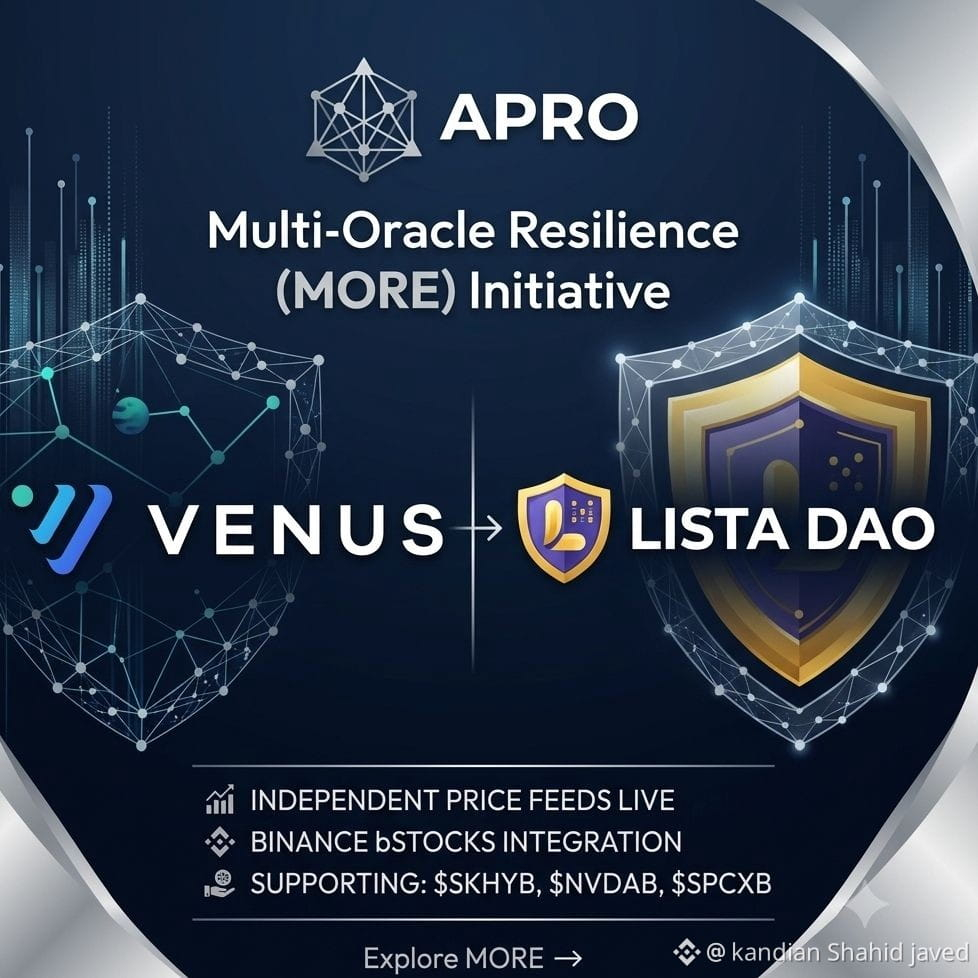
Big update for DeFi security! APRO is now powering Venus and Lista DAO with standalone price feeds. Tokenized real-world assets like Binance bStocks ($SKHYB , $NVDAB ) now have transparent and reliable valuation. The MORE initiative is officially live bringing true resilience to decentralized finance!
#KospiFallsAsAITradingEuphoriaCools #GoldRisesAbout14%InAugust #CaliforniaBillWouldBarOfficialMemeCoins #TaiwanTAIEXRetakes46500OnChipRally #CentralBanksBuy289TonsGoldInQ2
Big update for DeFi security! APRO is now powering Venus and Lista DAO with standalone price feeds. Tokenized real-world assets like Binance bStocks ($SKHYB , $NVDAB ) now have transparent and reliable valuation. The MORE initiative is officially live bringing true resilience to decentralized finance!
#KospiFallsAsAITradingEuphoriaCools #GoldRisesAbout14%InAugust #CaliforniaBillWouldBarOfficialMemeCoins #TaiwanTAIEXRetakes46500OnChipRally #CentralBanksBuy289TonsGoldInQ2
#KospiFallsAsAITradingEuphoriaCools #GoldRisesAbout14%InAugust #CaliforniaBillWouldBarOfficialMemeCoins #TaiwanTAIEXRetakes46500OnChipRally #CentralBanksBuy289TonsGoldInQ2
1
159
SpaceX ( $SPCX ) surpasses Microsoft ( $MSFT ) to become the world's 4th most valuable company
SpaceX is now trading above $229 per share in overnight markets, pushing its valuation to an incredible $2.97 trillion.
The company has surged nearly 70% since its IPO on Friday, adding more than $1.2 trillion in market value in just a few days.
With this rally, SpaceX has overtaken Microsoft to become the fourth most valuable company on the planet.
$SPCX
{future}(SPCXUSDT)
{future}(MSFTUSDT)
SpaceX ( $SPCX ) surpasses Microsoft ( $MSFT ) to become the world's 4th most valuable company
SpaceX is now trading above $229 per share in overnight markets, pushing its valuation to an incredible $2.97 trillion.
The company has surged nearly 70% since its IPO on Friday, adding more than $1.2 trillion in market value in just a few days.
With this rally, SpaceX has overtaken Microsoft to become the fourth most valuable company on the planet.
$SPCX
SpaceX is now trading above $229 per share in overnight markets, pushing its valuation to an incredible $2.97 trillion.
The company has surged nearly 70% since its IPO on Friday, adding more than $1.2 trillion in market value in just a few days.
With this rally, SpaceX has overtaken Microsoft to become the fourth most valuable company on the planet.
$SPCX

85
The SEC is signaling a major shift in its upcoming 2026-2030 Strategic Plan by proposing a dedicated objective for digital assets and blockchain. This move points to increased regulatory clarity and aims to formally integrate the crypto industry into the US regulatory framework. Prepare for a new era of oversight!
#NEARRises22.2% #TAORises31.9% #TradebStocks #WLDRises21PctOnEightcoDisclosure $SPCXB
The SEC is signaling a major shift in its upcoming 2026-2030 Strategic Plan by proposing a dedicated objective for digital assets and blockchain. This move points to increased regulatory clarity and aims to formally integrate the crypto industry into the US regulatory framework. Prepare for a new era of oversight!
#NEARRises22.2% #TAORises31.9% #TradebStocks #WLDRises21PctOnEightcoDisclosure $SPCXB
#NEARRises22.2% #TAORises31.9% #TradebStocks #WLDRises21PctOnEightcoDisclosure $SPCXB

189
Data availability and storage rarely trend on social media, but they decide whether apps survive real usage. Walrus isn’t competing for hype — it’s competing for reliability. If it delivers predictable storage for real-world content, it fills a gap many Web3 stacks still ignore.
@WalrusProtocol $WAL #Walrus #walrus $WAL
Data availability and storage rarely trend on social media, but they decide whether apps survive real usage. Walrus isn’t competing for hype — it’s competing for reliability. If it delivers predictable storage for real-world content, it fills a gap many Web3 stacks still ignore.
@Walrus 🦭/acc $WAL #Walrus #walrus $WAL
@Walrus 🦭/acc $WAL #Walrus #walrus $WAL

11
Most Web3 apps still rely on centralized storage because it’s easy and cheap. Walrus challenges that tradeoff by offering decentralized storage designed for large files. The upside is resilience and censorship resistance. The risk is adoption — developers won’t migrate unless performance stays consistent under load.
@WalrusProtocol $WAL #Walrus #walrus $WAL
Most Web3 apps still rely on centralized storage because it’s easy and cheap. Walrus challenges that tradeoff by offering decentralized storage designed for large files. The upside is resilience and censorship resistance. The risk is adoption — developers won’t migrate unless performance stays consistent under load.
@Walrus 🦭/acc $WAL #Walrus #walrus $WAL
@Walrus 🦭/acc $WAL #Walrus #walrus $WAL

4
There’s growing awareness that execution layers alone aren’t enough. Walrus focuses on the data layer — where app content actually lives. This isn’t flashy, but it’s necessary. If decentralized storage can match centralized performance over time, projects like Walrus become default infrastructure instead of optional tools.
@WalrusProtocol $WAL #Walrus #walrus $WAL
There’s growing awareness that execution layers alone aren’t enough. Walrus focuses on the data layer — where app content actually lives. This isn’t flashy, but it’s necessary. If decentralized storage can match centralized performance over time, projects like Walrus become default infrastructure instead of optional tools.
@Walrus 🦭/acc $WAL #Walrus #walrus $WAL
@Walrus 🦭/acc $WAL #Walrus #walrus $WAL

4
Walrus is tackling a quiet problem in Web3: data doesn’t disappear after a transaction. NFTs, games, social apps, and AI tools all rely on large files, yet most still sit on centralized servers. Walrus is positioning itself as decentralized blob storage built for scale. The challenge is uptime and speed — if it proves reliable, it earns trust.
@WalrusProtocol l $WAL #Walrus #walrus $WAL
Walrus is tackling a quiet problem in Web3: data doesn’t disappear after a transaction. NFTs, games, social apps, and AI tools all rely on large files, yet most still sit on centralized servers. Walrus is positioning itself as decentralized blob storage built for scale. The challenge is uptime and speed — if it proves reliable, it earns trust.
@Walrus 🦭/acc l $WAL #Walrus #walrus $WAL
@Walrus 🦭/acc l $WAL #Walrus #walrus $WAL

1
1
6
Narratives come and go, but infrastructure sticks. Walrus is part of the less-glamorous, high-impact side of crypto — the systems that apps rely on quietly. These are often the foundations that survive market cycles.
@WalrusProtocol #USNonFarmPayrollReport #USTradeDeficitShrink #USTradeDeficitShrink $WAL #Walrus #walrus $WAL
Narratives come and go, but infrastructure sticks. Walrus is part of the less-glamorous, high-impact side of crypto — the systems that apps rely on quietly. These are often the foundations that survive market cycles.
@Walrus 🦭/acc #USNonFarmPayrollReport #USTradeDeficitShrink #USTradeDeficitShrink $WAL #Walrus #walrus $WAL
@Walrus 🦭/acc #USNonFarmPayrollReport #USTradeDeficitShrink #USTradeDeficitShrink $WAL #Walrus #walrus $WAL
11
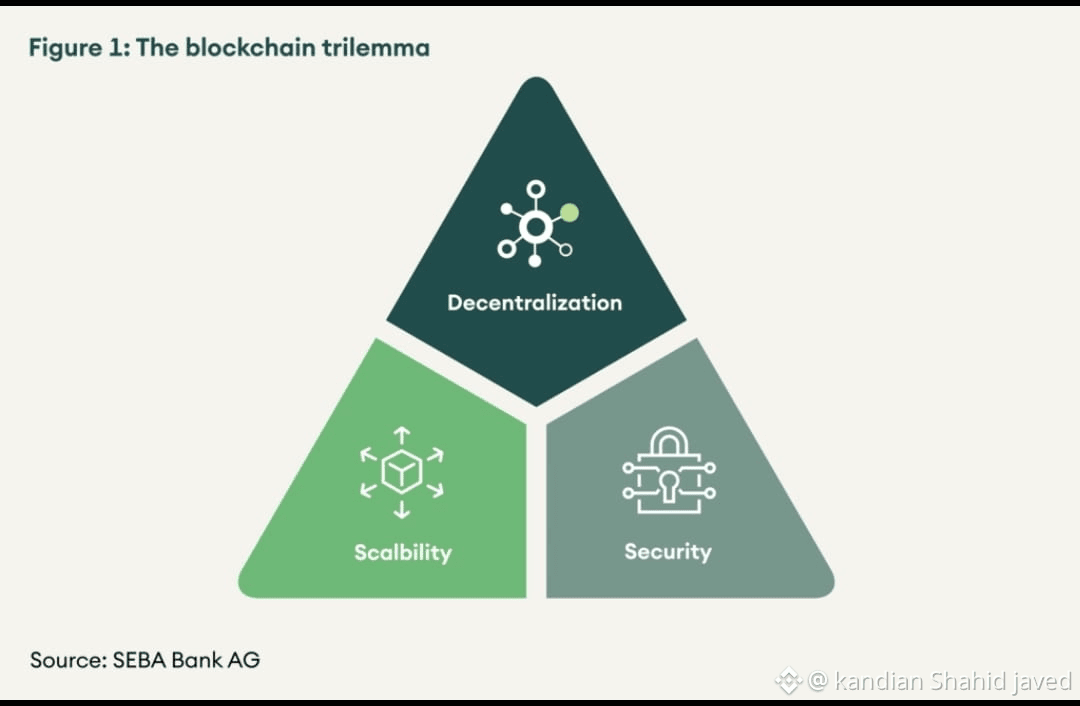
Scaling usually means trade-offs. Walrus focuses on maintaining security guarantees while improving scalability through smarter data handling. That balance is where long-term infrastructure projects win.
@WalrusProtocol l $WAL #Walrus #walrus $WAL
{future}(WALUSDT)
Scaling usually means trade-offs. Walrus focuses on maintaining security guarantees while improving scalability through smarter data handling. That balance is where long-term infrastructure projects win.
@Walrus 🦭/acc l $WAL #Walrus #walrus $WAL
@Walrus 🦭/acc l $WAL #Walrus #walrus $WAL
14
Walrus isn’t trying to be flashy — it’s trying to be useful. By simplifying how large datasets are stored and accessed, it reduces friction for developers building real-world Web3 products, not just speculative tokens.
@WalrusProtocol l $WAL #Walrus #walrus $WAL
#USNonFarmPayrollReport #USTradeDeficitShrink #ZTCBinanceTGE
Walrus isn’t trying to be flashy — it’s trying to be useful. By simplifying how large datasets are stored and accessed, it reduces friction for developers building real-world Web3 products, not just speculative tokens.
@Walrus 🦭/acc l $WAL #Walrus #walrus $WAL
#USNonFarmPayrollReport #USTradeDeficitShrink #ZTCBinanceTGE
@Walrus 🦭/acc l $WAL #Walrus #walrus $WAL
#USNonFarmPayrollReport #USTradeDeficitShrink #ZTCBinanceTGE
1
50
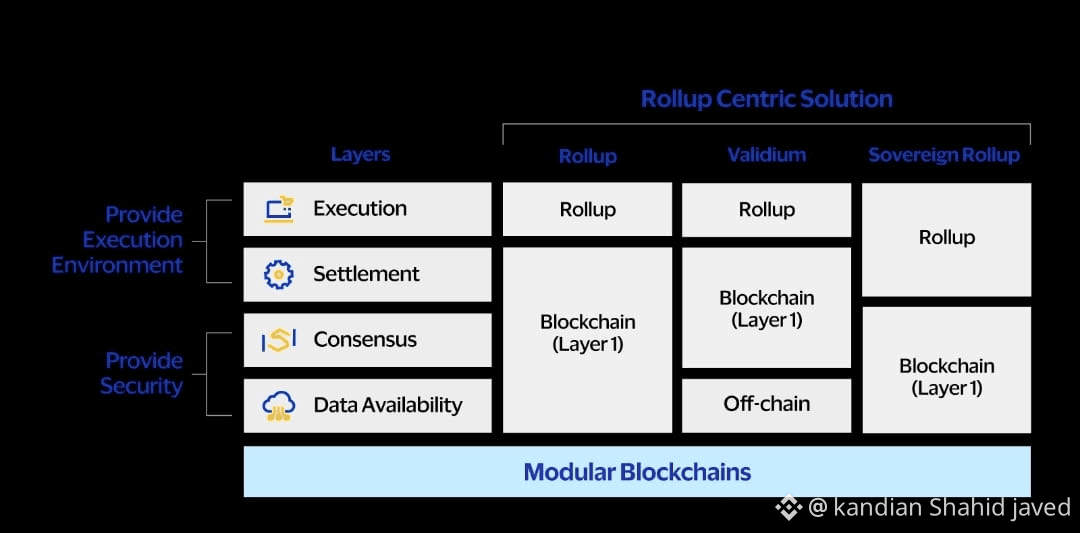
In a modular blockchain world, execution, settlement, and data availability are separated. Walrus positions itself as a dedicated data layer, helping developers build scalable systems without bloating the base chain. Clean design beats brute force.
@WalrusProtocol l $WAL #Walrus #walrus $WAL
In a modular blockchain world, execution, settlement, and data availability are separated. Walrus positions itself as a dedicated data layer, helping developers build scalable systems without bloating the base chain. Clean design beats brute force.
@Walrus 🦭/acc l $WAL #Walrus #walrus $WAL
@Walrus 🦭/acc l $WAL #Walrus #walrus $WAL
11
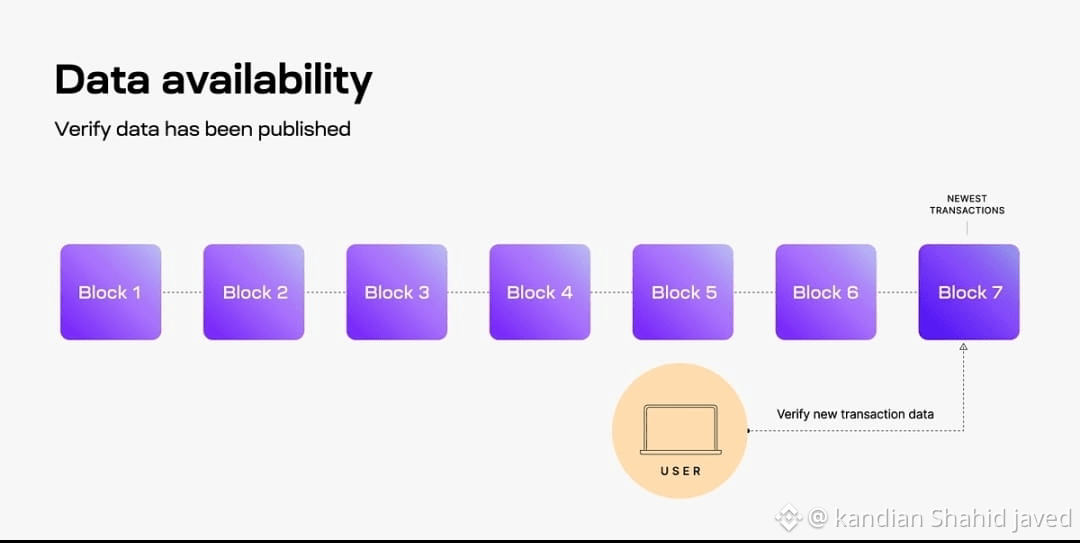
Most people talk about TPS, but data availability is the real bottleneck. Walrus addresses this by enabling efficient off-chain data storage while maintaining on-chain security guarantees — a must-have for rollups and modular blockchains.
@WalrusProtocol col $WAL #Walrus #walrus $WAL
Most people talk about TPS, but data availability is the real bottleneck. Walrus addresses this by enabling efficient off-chain data storage while maintaining on-chain security guarantees — a must-have for rollups and modular blockchains.
@Walrus 🦭/acc col $WAL #Walrus #walrus $WAL
@Walrus 🦭/acc col $WAL #Walrus #walrus $WAL
14
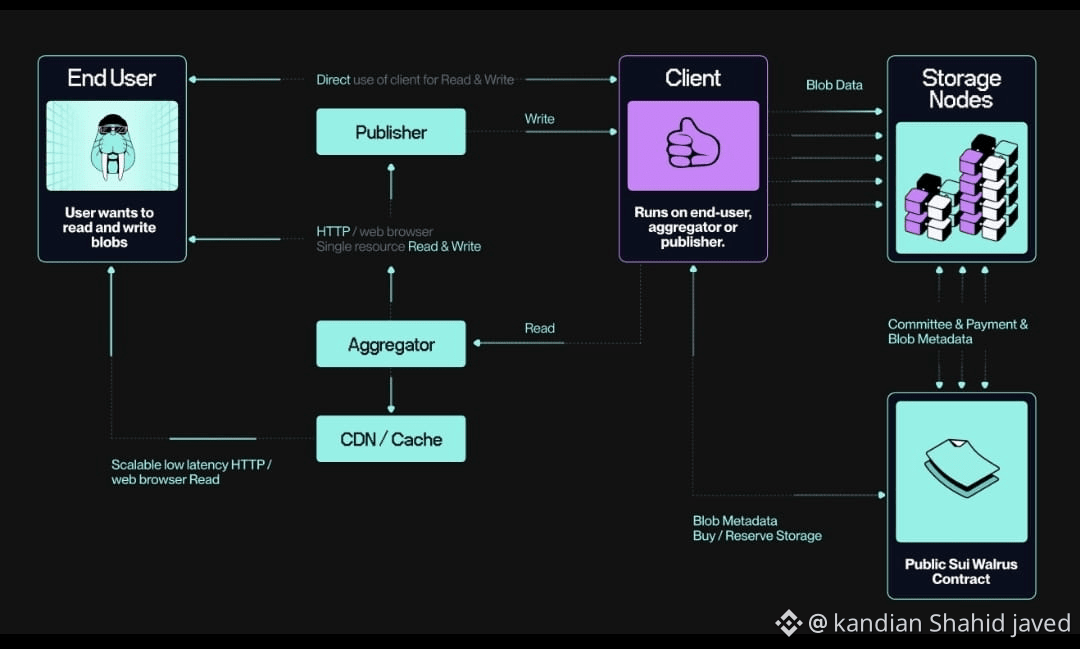
Walrus focuses on decentralized data availability — a critical layer many blockchains still struggle with. Instead of storing everything on-chain, Walrus enables scalable, verifiable data storage for Web3 apps. This makes dApps faster, cheaper, and more reliable over time.
@WalrusProtocol $WAL #Walrus
#walrus $WAL
#USNonFarmPayrollReport #USTradeDeficitShrink #ZTCBinanceTGE #CPIWatch you
Walrus focuses on decentralized data availability — a critical layer many blockchains still struggle with. Instead of storing everything on-chain, Walrus enables scalable, verifiable data storage for Web3 apps. This makes dApps faster, cheaper, and more reliable over time.
@Walrus 🦭/acc $WAL #Walrus
#walrus $WAL
#USNonFarmPayrollReport #USTradeDeficitShrink #ZTCBinanceTGE #CPIWatch you
@Walrus 🦭/acc $WAL #Walrus
#walrus $WAL
#USNonFarmPayrollReport #USTradeDeficitShrink #ZTCBinanceTGE #CPIWatch you
13
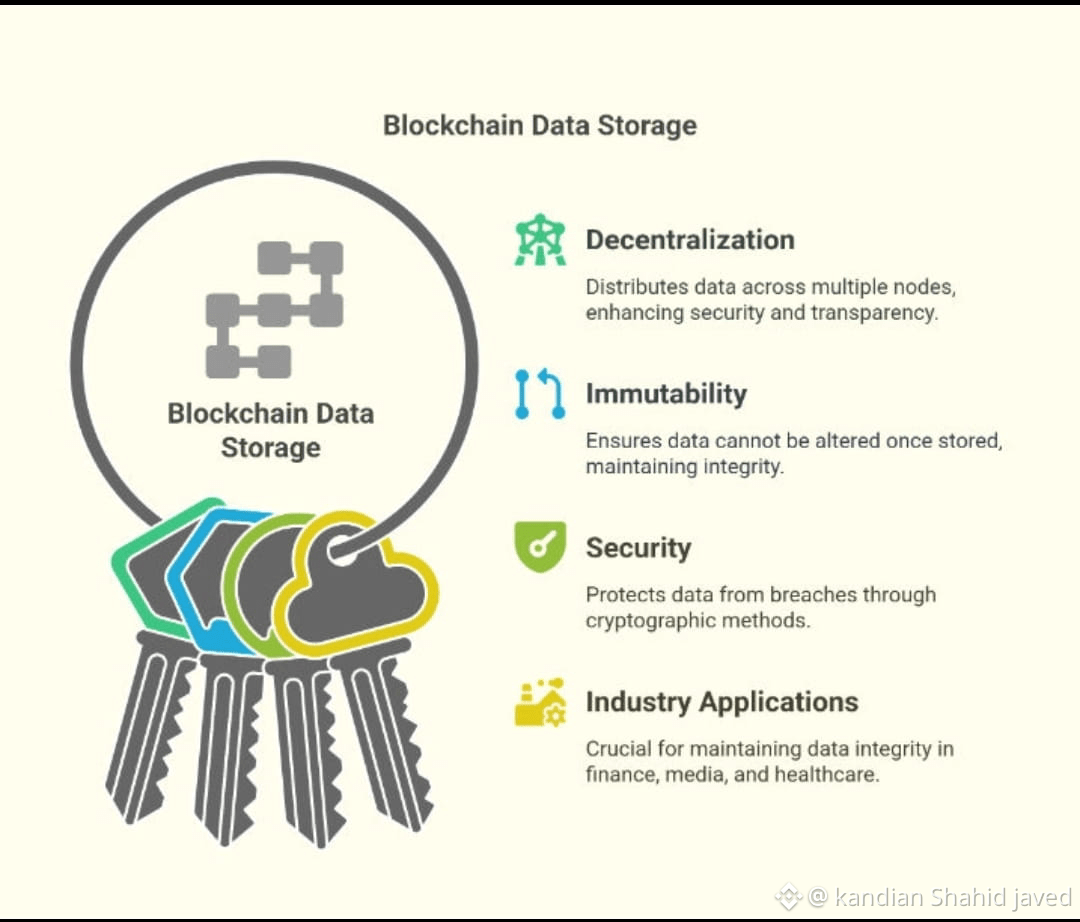
Everyone debates TPS, but ignores storage. Without reliable data availability, Web3 breaks. @WalrusProtocol l focuses on this missing layer, making $WAL more than hype — it’s infrastructure. #Walrus
#walrus $WAL
Everyone debates TPS, but ignores storage. Without reliable data availability, Web3 breaks. @Walrus 🦭/acc l focuses on this missing layer, making $WAL more than hype — it’s infrastructure. #Walrus
#walrus $WAL
#walrus $WAL
6
Log in to explore more content
Join global crypto users on Binance Square
⚡️ Get latest and useful information about crypto.
💬 Trusted by the world’s largest crypto exchange.
👍 Discover real insights from verified creators.
Email / Phone number
Trending Topics
AIStocksWhatNext
353,849 views
2,944 Discussing
Share & Win Traffic Reward in our Trending Hashtag Campaign
✨Topic: What Other Investment Opportunities Remain as AI Stocks Keep Rising?
👉How to Join:
Publish a short post or article with hashtag #AIStocksWhatNext
Share whether you’re bullish or bearish, and post your AI stock holdings or trade — using the trade widget may improve your eligibility.
You can also strengthen your post by sharing data or charts, and avoiding AI-generated images.
✍️Create content based on the below angles:
- Nvidia says chip sales will double next year, and top AI companies keep hitting record revenue, the compute spend behind it is just as staggering. Is AI demand really taking off? And how long can it last? AI stocks are up across the board. Is this a real breakout, or just a short-term bounce?
- Industry leaders are calling to slow down AI development, while Trump plans to build an “AI Force”, claiming AI could account for 25% of U.S. GDP in the future. Whose side are you on? Will state-level backing be a long-term win for AI stocks?
- Are you buying AI stocks? Share your AI-related trade/holdings with our trade sharing widget.
⏰Campaign Period:
- 2026-09-22 7:00 - 2026-09-24 4:00 UTC
🎁Reward:
- Qualified posts that comply with the above guidelines and contain more than 100 words will be reviewed and may receive a random traffic boost of 500 to 3,000 views. You will receive a notification from your feed secretary if your post is selected.
- Get a chance to have your article featured on Binance Square Official
Need ideas for your post? Visit the topic page #AIStocksWhatNext or the Square Guide on How to Post for Better Reach.
Binance Square Official
·359 Likes
·876.7k views
BitcoinBreaksAboveMayHighNears$86K
14,185 views
188 Discussing
DogecoinRises15%
44,635 views
971 Discussing