

Kamila Schuchard
1k Posts

Kamila Schuchard
Report
Block User
Open Trade
Occasional Trader
5.5 Years
8 Following
1.9K+ Followers
7.1K+ Liked
Posts
Portfolio
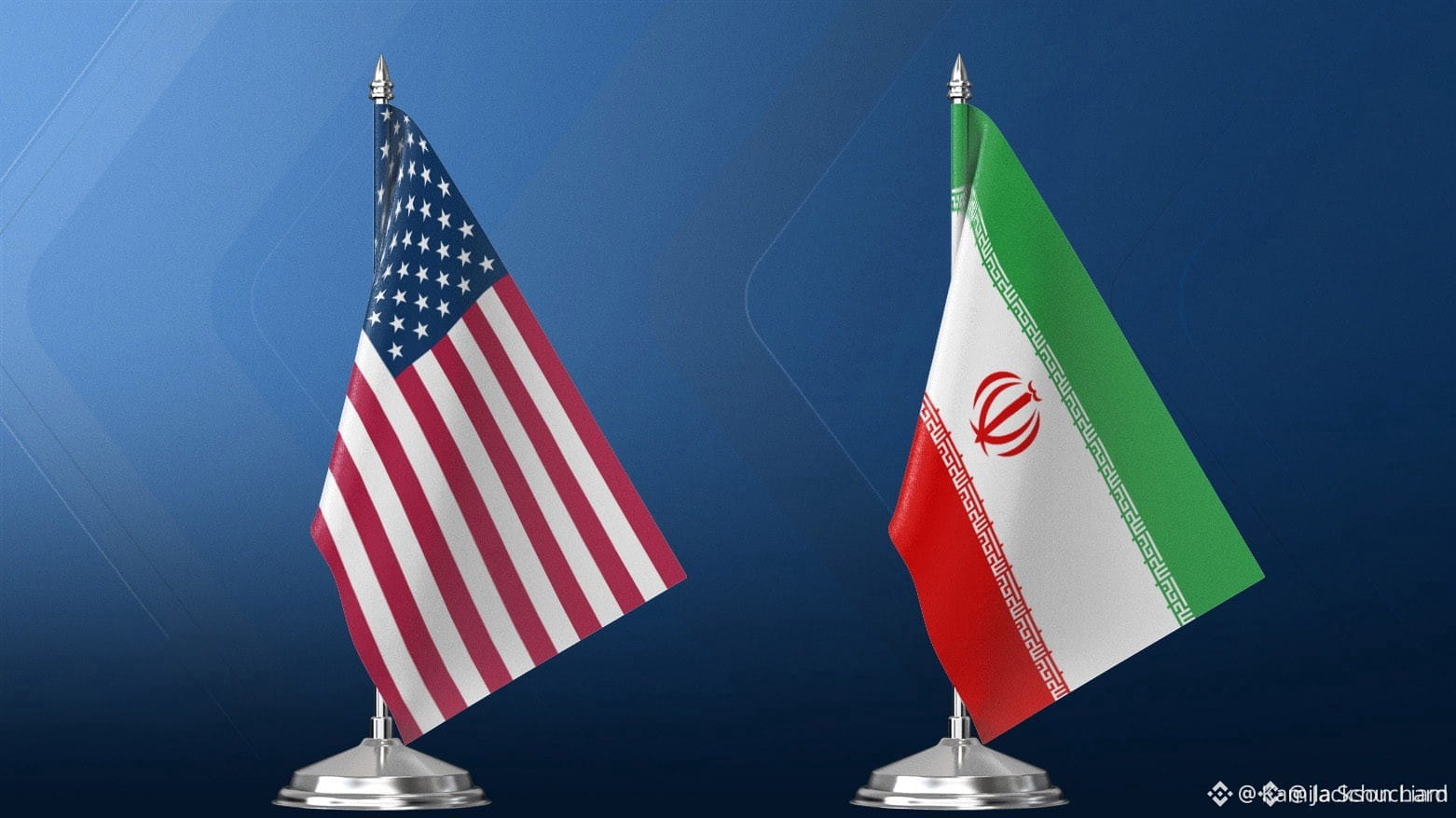
🇺🇸🇮🇷 IMPORTANT: America just REJECTED Iran's latest peace offer — and the whole situation is dangerously close to blowing up.
President Trump reportedly called Iran's response "TOTALLY UNACCEPTABLE" after Tehran sent a revised peace proposal through Pakistani mediators.
Now everyone's eyes are on tomorrow's high-level Crisis Room meeting in Washington.
The ceasefire that once gave hope to the world is now hanging by a thread.
Behind closed doors, U.S. officials are discussing the next steps as tensions rise throughout the Middle East. Trump warned that "time is running out" and suggested that stronger actions may follow if Iran doesn't make quick moves.
Iran is demanding significant concessions — including easing sanctions, ending military pressure, resuming oil exports, and guarantees against future attacks. But Washington refuses to budge on key issues regarding Iran's nuclear program and control over the Strait of Hormuz.
The concern is now simple:
If tomorrow's talks fail, the fragile ceasefire could completely collapse.
Oil markets are already jittery. Military threats are escalating. And the world is closely watching every move.
One wrong decision from either side could push this crisis into a much darker phase.
🇺🇸🇮🇷 IMPORTANT: America just REJECTED Iran's latest peace offer — and the whole situation is dangerously close to blowing up.
President Trump reportedly called Iran's response "TOTALLY UNACCEPTABLE" after Tehran sent a revised peace proposal through Pakistani mediators.
Now everyone's eyes are on tomorrow's high-level Crisis Room meeting in Washington.
The ceasefire that once gave hope to the world is now hanging by a thread.
Behind closed doors, U.S. officials are discussing the next steps as tensions rise throughout the Middle East. Trump warned that "time is running out" and suggested that stronger actions may follow if Iran doesn't make quick moves.
Iran is demanding significant concessions — including easing sanctions, ending military pressure, resuming oil exports, and guarantees against future attacks. But Washington refuses to budge on key issues regarding Iran's nuclear program and control over the Strait of Hormuz.
The concern is now simple:
If tomorrow's talks fail, the fragile ceasefire could completely collapse.
Oil markets are already jittery. Military threats are escalating. And the world is closely watching every move.
One wrong decision from either side could push this crisis into a much darker phase.
President Trump reportedly called Iran's response "TOTALLY UNACCEPTABLE" after Tehran sent a revised peace proposal through Pakistani mediators.
Now everyone's eyes are on tomorrow's high-level Crisis Room meeting in Washington.
The ceasefire that once gave hope to the world is now hanging by a thread.
Behind closed doors, U.S. officials are discussing the next steps as tensions rise throughout the Middle East. Trump warned that "time is running out" and suggested that stronger actions may follow if Iran doesn't make quick moves.
Iran is demanding significant concessions — including easing sanctions, ending military pressure, resuming oil exports, and guarantees against future attacks. But Washington refuses to budge on key issues regarding Iran's nuclear program and control over the Strait of Hormuz.
The concern is now simple:
If tomorrow's talks fail, the fragile ceasefire could completely collapse.
Oil markets are already jittery. Military threats are escalating. And the world is closely watching every move.
One wrong decision from either side could push this crisis into a much darker phase.
1
2.8k
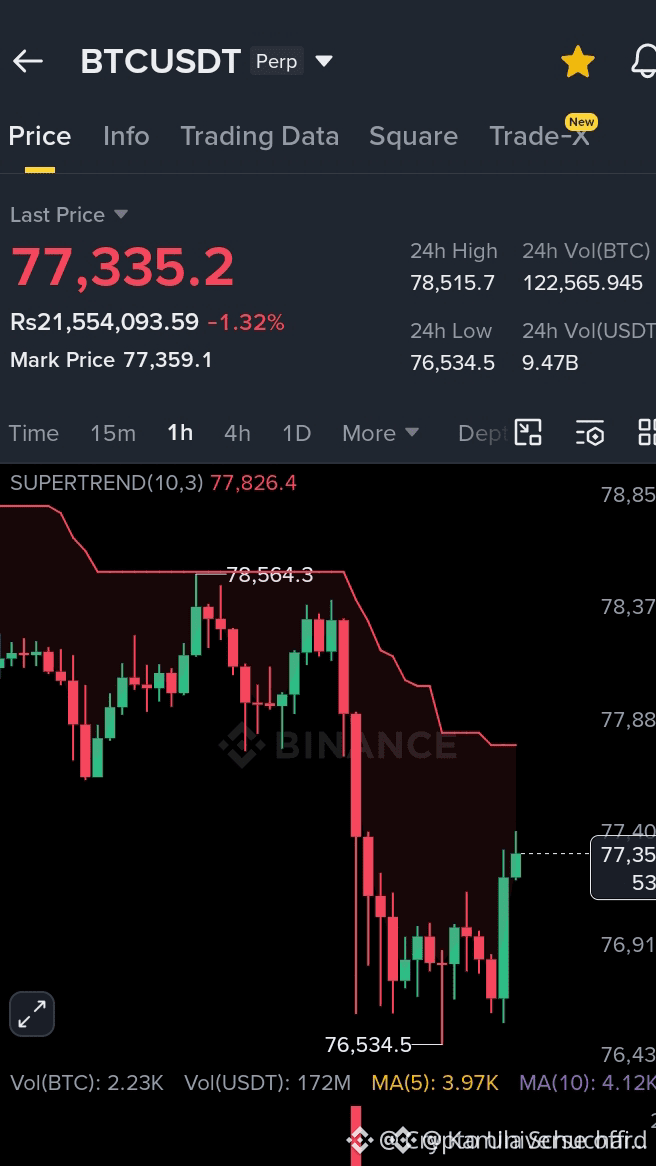
🚨 SELLING BITCOIN $BTC — THE "BULLISH NEWS, BEARISH PRICE" STRUCTURE IS UNFOLDING 🔥📉
Bitcoin is currently experiencing a sharp macroeconomic correction, with prices dropping by around $5,400 and nearly $110B evaporating from market capitalization following the approval of the so-called "Clarity Act".
📊 CURRENT MARKET IMPACT: 💥 Price down: ~$5,400
💰 Market cap loss: ~$110B
⚡ Liquidations: ~$1.4B in long positions liquidated (5 days)
📉 Structure: Strong volatility + forced deleveraging phase
⚠️ WHY IS THIS HAPPENING DESPITE "BULLISH NEWS":
Markets don't move solely based on headlines—they move based on positioning and liquidity.
📌 Likely factors: • The behavior of "Buy the rumor, sell the news"
• Overloaded long positions are being liquidated
• Macroeconomic pressure remains dominant (rates, earnings, liquidity)
• ETF/institutional flows are not strong enough to absorb the leverage liquidation
🧱 KEY SUPPORT ZONE IN PLAY: 📍 $75K–$77K region = critical demand shelf
✔️ If held: • Liquidation can be absorbed
• Market stabilizes within range
• Potential base for the next move
❌ If broken: • Next liquidity zones open up below
• Deeper macroeconomic correction becomes possible
• Forced deleveraging accelerates
📉 MARKET STRUCTURE SUMMARY: 🔥 High leverage → forced pullback
⚖️ Macroeconomic uncertainty still present
📊 Support is actively being tested
💀 Conflict of "Bullish narrative vs bearish positioning"
🚨 SELLING BITCOIN $BTC — THE "BULLISH NEWS, BEARISH PRICE" STRUCTURE IS UNFOLDING 🔥📉
Bitcoin is currently experiencing a sharp macroeconomic correction, with prices dropping by around $5,400 and nearly $110B evaporating from market capitalization following the approval of the so-called "Clarity Act".
📊 CURRENT MARKET IMPACT: 💥 Price down: ~$5,400
💰 Market cap loss: ~$110B
⚡ Liquidations: ~$1.4B in long positions liquidated (5 days)
📉 Structure: Strong volatility + forced deleveraging phase
⚠️ WHY IS THIS HAPPENING DESPITE "BULLISH NEWS":
Markets don't move solely based on headlines—they move based on positioning and liquidity.
📌 Likely factors: • The behavior of "Buy the rumor, sell the news"
• Overloaded long positions are being liquidated
• Macroeconomic pressure remains dominant (rates, earnings, liquidity)
• ETF/institutional flows are not strong enough to absorb the leverage liquidation
🧱 KEY SUPPORT ZONE IN PLAY: 📍 $75K–$77K region = critical demand shelf
✔️ If held: • Liquidation can be absorbed
• Market stabilizes within range
• Potential base for the next move
❌ If broken: • Next liquidity zones open up below
• Deeper macroeconomic correction becomes possible
• Forced deleveraging accelerates
📉 MARKET STRUCTURE SUMMARY: 🔥 High leverage → forced pullback
⚖️ Macroeconomic uncertainty still present
📊 Support is actively being tested
💀 Conflict of "Bullish narrative vs bearish positioning"
Bitcoin is currently experiencing a sharp macroeconomic correction, with prices dropping by around $5,400 and nearly $110B evaporating from market capitalization following the approval of the so-called "Clarity Act".
📊 CURRENT MARKET IMPACT: 💥 Price down: ~$5,400
💰 Market cap loss: ~$110B
⚡ Liquidations: ~$1.4B in long positions liquidated (5 days)
📉 Structure: Strong volatility + forced deleveraging phase
⚠️ WHY IS THIS HAPPENING DESPITE "BULLISH NEWS":
Markets don't move solely based on headlines—they move based on positioning and liquidity.
📌 Likely factors: • The behavior of "Buy the rumor, sell the news"
• Overloaded long positions are being liquidated
• Macroeconomic pressure remains dominant (rates, earnings, liquidity)
• ETF/institutional flows are not strong enough to absorb the leverage liquidation
🧱 KEY SUPPORT ZONE IN PLAY: 📍 $75K–$77K region = critical demand shelf
✔️ If held: • Liquidation can be absorbed
• Market stabilizes within range
• Potential base for the next move
❌ If broken: • Next liquidity zones open up below
• Deeper macroeconomic correction becomes possible
• Forced deleveraging accelerates
📉 MARKET STRUCTURE SUMMARY: 🔥 High leverage → forced pullback
⚖️ Macroeconomic uncertainty still present
📊 Support is actively being tested
💀 Conflict of "Bullish narrative vs bearish positioning"
1.2k
China is the ONLY country on Earth that can REPLACE the USA both ECONOMICALLY and MILITARILY. According to capabilities.
The largest economies by GDP (PPP) in 2026
1. 🇨🇳 China: ~43.492 billion
2. 🇺🇸 United States: ~31.821 billion
3. 🇮🇳 India: ~19.143 billion
4. 🇷🇺 Russia: ~7.341 billion
5. 🇯🇵 Japan: ~6.923 billion
6. 🇩🇪 Germany: ~6.324 billion
7. 🇮🇩 Indonesia: ~5.358 billion
8. 🇧🇷 Brazil: ~5.161 billion
9. 🇫🇷 France: ~4.657 billion
10. 🇬🇧 United Kingdom: ~4.592 billion
11. 🇹🇷 Turkey: ~3.976 billion
China is the ONLY country on Earth that can REPLACE the USA both ECONOMICALLY and MILITARILY. According to capabilities.
The largest economies by GDP (PPP) in 2026
1. 🇨🇳 China: ~43.492 billion
2. 🇺🇸 United States: ~31.821 billion
3. 🇮🇳 India: ~19.143 billion
4. 🇷🇺 Russia: ~7.341 billion
5. 🇯🇵 Japan: ~6.923 billion
6. 🇩🇪 Germany: ~6.324 billion
7. 🇮🇩 Indonesia: ~5.358 billion
8. 🇧🇷 Brazil: ~5.161 billion
9. 🇫🇷 France: ~4.657 billion
10. 🇬🇧 United Kingdom: ~4.592 billion
11. 🇹🇷 Turkey: ~3.976 billion
The largest economies by GDP (PPP) in 2026
1. 🇨🇳 China: ~43.492 billion
2. 🇺🇸 United States: ~31.821 billion
3. 🇮🇳 India: ~19.143 billion
4. 🇷🇺 Russia: ~7.341 billion
5. 🇯🇵 Japan: ~6.923 billion
6. 🇩🇪 Germany: ~6.324 billion
7. 🇮🇩 Indonesia: ~5.358 billion
8. 🇧🇷 Brazil: ~5.161 billion
9. 🇫🇷 France: ~4.657 billion
10. 🇬🇧 United Kingdom: ~4.592 billion
11. 🇹🇷 Turkey: ~3.976 billion

2
5
8.2k
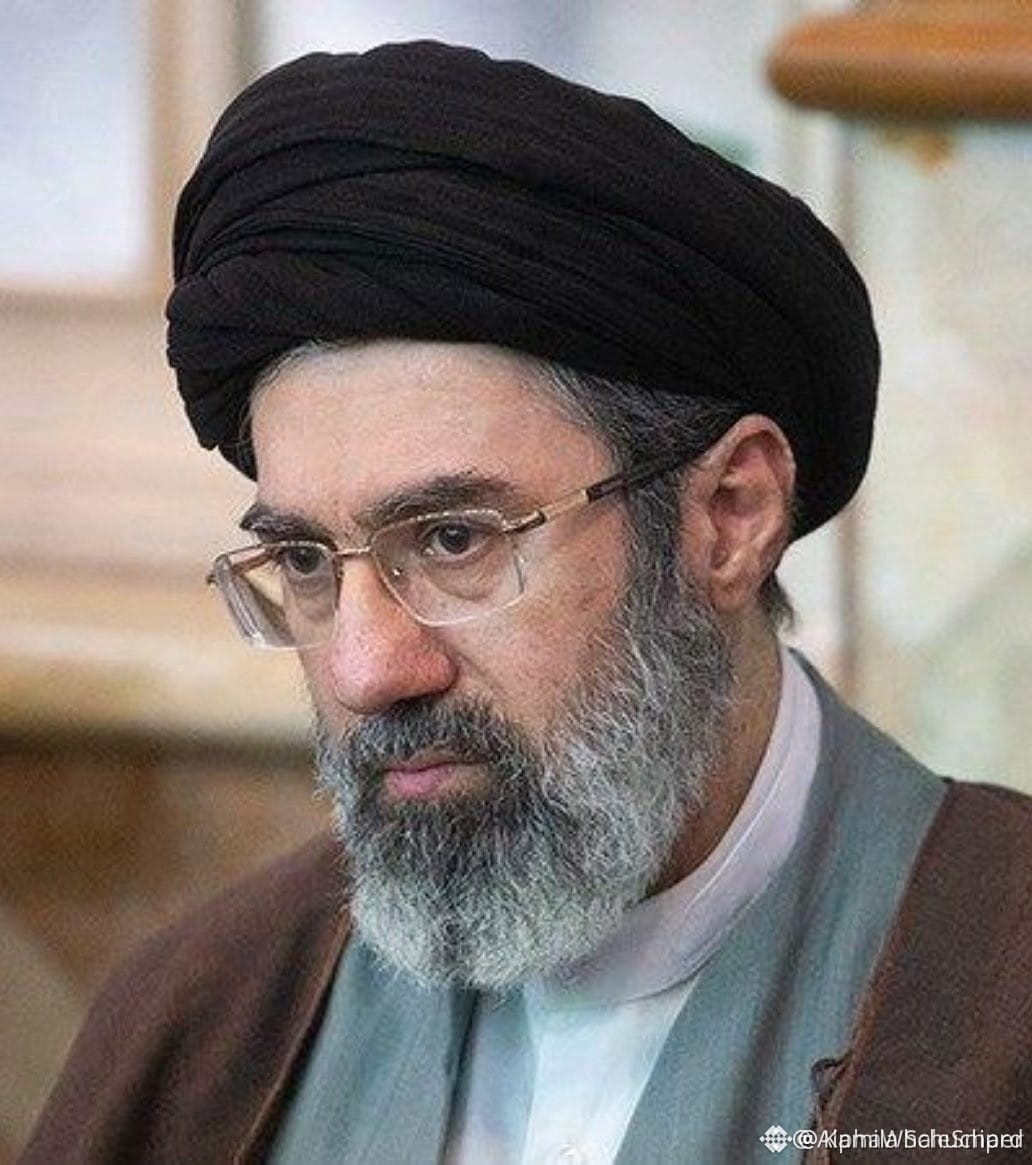
🚨🇮🇷 IRAN HAS JUST ISSUED A SERIOUS NUCLEAR WARNING
"Our enriched uranium is not going anywhere."
Iran openly rejects global pressure and shuts down ALL demands regarding the transfer of its nuclear material. �
Arab News PK
🌍 This comes at a time when tensions are flaring around the world:
🇺🇸 USA is pushing for the removal of uranium
🇮🇷 Iran completely refuses
💣 Diplomatic talks have stalled
⚠️ The Middle East is already on high alert
Iran's message is clear:
👉 "This is our red line. No transfer. No compromises." �
The Economic Times
🚨🇮🇷 IRAN HAS JUST ISSUED A SERIOUS NUCLEAR WARNING
"Our enriched uranium is not going anywhere."
Iran openly rejects global pressure and shuts down ALL demands regarding the transfer of its nuclear material. �
Arab News PK
🌍 This comes at a time when tensions are flaring around the world:
🇺🇸 USA is pushing for the removal of uranium
🇮🇷 Iran completely refuses
💣 Diplomatic talks have stalled
⚠️ The Middle East is already on high alert
Iran's message is clear:
👉 "This is our red line. No transfer. No compromises." �
The Economic Times
"Our enriched uranium is not going anywhere."
Iran openly rejects global pressure and shuts down ALL demands regarding the transfer of its nuclear material. �
Arab News PK
🌍 This comes at a time when tensions are flaring around the world:
🇺🇸 USA is pushing for the removal of uranium
🇮🇷 Iran completely refuses
💣 Diplomatic talks have stalled
⚠️ The Middle East is already on high alert
Iran's message is clear:
👉 "This is our red line. No transfer. No compromises." �
The Economic Times
3
3.6k
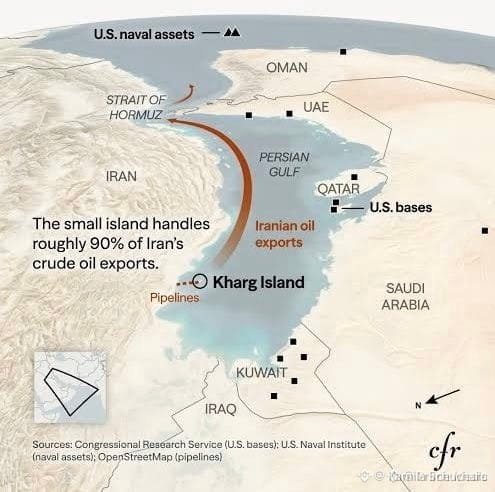
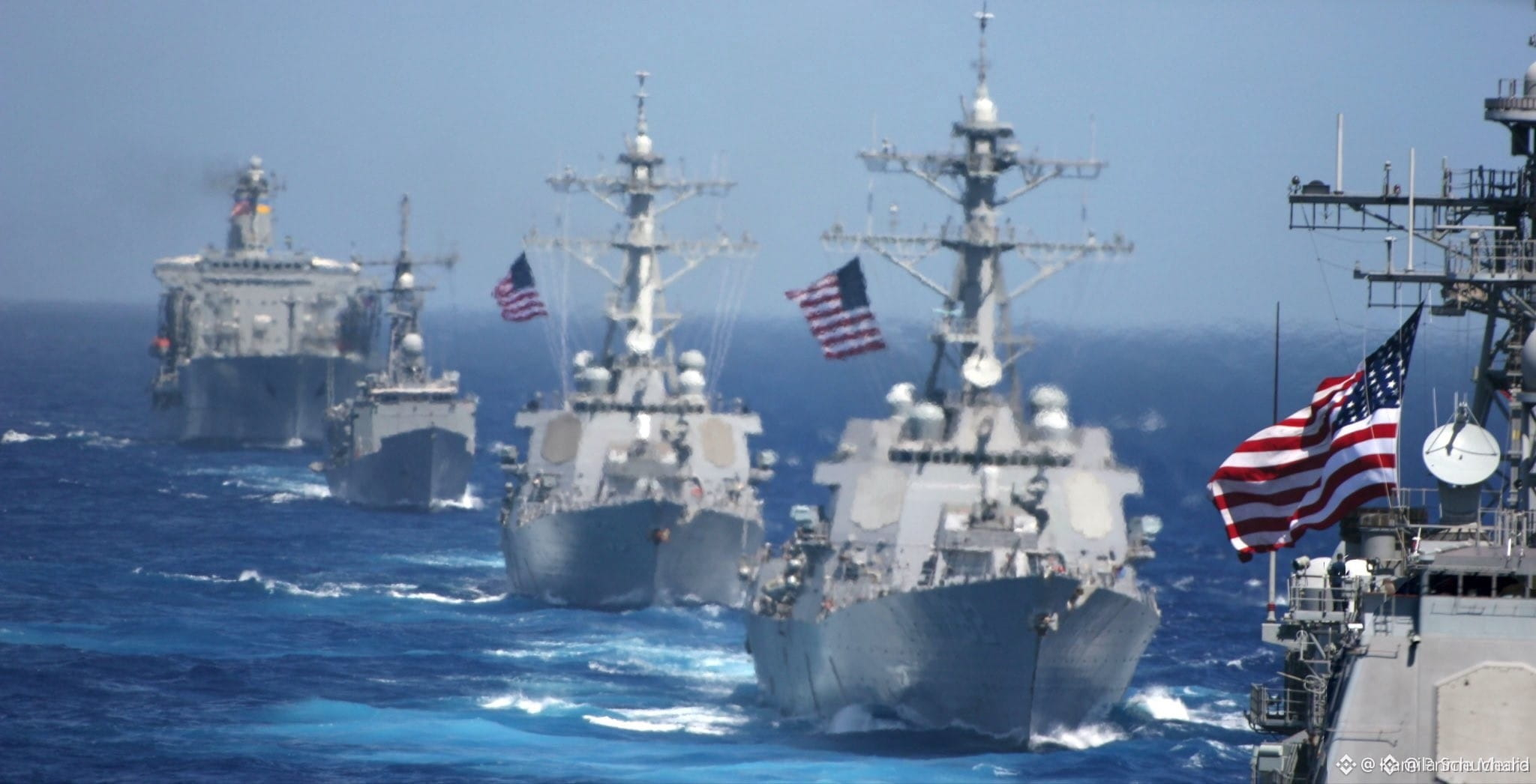
The powerful US Navy will begin a full blockade of the Strait of Hormuz.
Here are the terrifying consequences for major countries such as China, India, Saudi Arabia..
🇮🇷 Iran: Oil export revenues largely halted (aside from limited smuggling), severe budget pressure, potential internal unrest, and direct naval confrontation with US forces.
🇸🇦 Saudi Arabia: Major disruption to oil exports (limited bypass through pipelines ~4-5 mb/d), revenue losses, economic slowdown, and pressure on budget reserves.
🇦🇪 UAE: Significant reduction in exports despite partial bypass from Fujairah, revenue losses, and tensions in the energy sector.
🇰🇼 Kuwait: Nearly total blockade of exports (no major bypasses), sharp decline in revenues, and shrinking economy.
🇮🇶 Iraq: Significant losses in exports (minimal alternatives), budget crisis, and rising instability.
🇶🇦 Qatar: LNG exports significantly restricted, large revenue drop, and energy/export challenges.
🇨🇳 China: The largest importer affected (~38% of flows through Hormuz), higher energy costs, industrial slowdown, and inflationary pressure; relying on reserves.
🇮🇳 India: Significant disruptions in oil imports (~15% of global flows through Hormuz, high dependence), rising fuel prices, and economic growth slowdown.
🇯🇵 Japan: High dependence (~70-90% of oil imports through Hormuz), energy shortages, higher costs, and impacts on industry.
🇰🇷 South Korea: Strong dependence (~70% of oil imports), tensions in refineries and the economy due to supply risks.
🇪🇺 Europe: Limited direct exposure (~4% of flows), but global oil price increases lead to higher fuel/energy costs and inflation.
🇺🇸 United States: Minimal direct imports (~2-5%), but global price increases drive up gasoline/diesel costs, transport expenses, and contribute to inflation.
🇷🇺 Russia: Time for big profits.
The powerful US Navy will begin a full blockade of the Strait of Hormuz.
Here are the terrifying consequences for major countries such as China, India, Saudi Arabia..
🇮🇷 Iran: Oil export revenues largely halted (aside from limited smuggling), severe budget pressure, potential internal unrest, and direct naval confrontation with US forces.
🇸🇦 Saudi Arabia: Major disruption to oil exports (limited bypass through pipelines ~4-5 mb/d), revenue losses, economic slowdown, and pressure on budget reserves.
🇦🇪 UAE: Significant reduction in exports despite partial bypass from Fujairah, revenue losses, and tensions in the energy sector.
🇰🇼 Kuwait: Nearly total blockade of exports (no major bypasses), sharp decline in revenues, and shrinking economy.
🇮🇶 Iraq: Significant losses in exports (minimal alternatives), budget crisis, and rising instability.
🇶🇦 Qatar: LNG exports significantly restricted, large revenue drop, and energy/export challenges.
🇨🇳 China: The largest importer affected (~38% of flows through Hormuz), higher energy costs, industrial slowdown, and inflationary pressure; relying on reserves.
🇮🇳 India: Significant disruptions in oil imports (~15% of global flows through Hormuz, high dependence), rising fuel prices, and economic growth slowdown.
🇯🇵 Japan: High dependence (~70-90% of oil imports through Hormuz), energy shortages, higher costs, and impacts on industry.
🇰🇷 South Korea: Strong dependence (~70% of oil imports), tensions in refineries and the economy due to supply risks.
🇪🇺 Europe: Limited direct exposure (~4% of flows), but global oil price increases lead to higher fuel/energy costs and inflation.
🇺🇸 United States: Minimal direct imports (~2-5%), but global price increases drive up gasoline/diesel costs, transport expenses, and contribute to inflation.
🇷🇺 Russia: Time for big profits.
Here are the terrifying consequences for major countries such as China, India, Saudi Arabia..
🇮🇷 Iran: Oil export revenues largely halted (aside from limited smuggling), severe budget pressure, potential internal unrest, and direct naval confrontation with US forces.
🇸🇦 Saudi Arabia: Major disruption to oil exports (limited bypass through pipelines ~4-5 mb/d), revenue losses, economic slowdown, and pressure on budget reserves.
🇦🇪 UAE: Significant reduction in exports despite partial bypass from Fujairah, revenue losses, and tensions in the energy sector.
🇰🇼 Kuwait: Nearly total blockade of exports (no major bypasses), sharp decline in revenues, and shrinking economy.
🇮🇶 Iraq: Significant losses in exports (minimal alternatives), budget crisis, and rising instability.
🇶🇦 Qatar: LNG exports significantly restricted, large revenue drop, and energy/export challenges.
🇨🇳 China: The largest importer affected (~38% of flows through Hormuz), higher energy costs, industrial slowdown, and inflationary pressure; relying on reserves.
🇮🇳 India: Significant disruptions in oil imports (~15% of global flows through Hormuz, high dependence), rising fuel prices, and economic growth slowdown.
🇯🇵 Japan: High dependence (~70-90% of oil imports through Hormuz), energy shortages, higher costs, and impacts on industry.
🇰🇷 South Korea: Strong dependence (~70% of oil imports), tensions in refineries and the economy due to supply risks.
🇪🇺 Europe: Limited direct exposure (~4% of flows), but global oil price increases lead to higher fuel/energy costs and inflation.
🇺🇸 United States: Minimal direct imports (~2-5%), but global price increases drive up gasoline/diesel costs, transport expenses, and contribute to inflation.
🇷🇺 Russia: Time for big profits.
1
1
1.3k
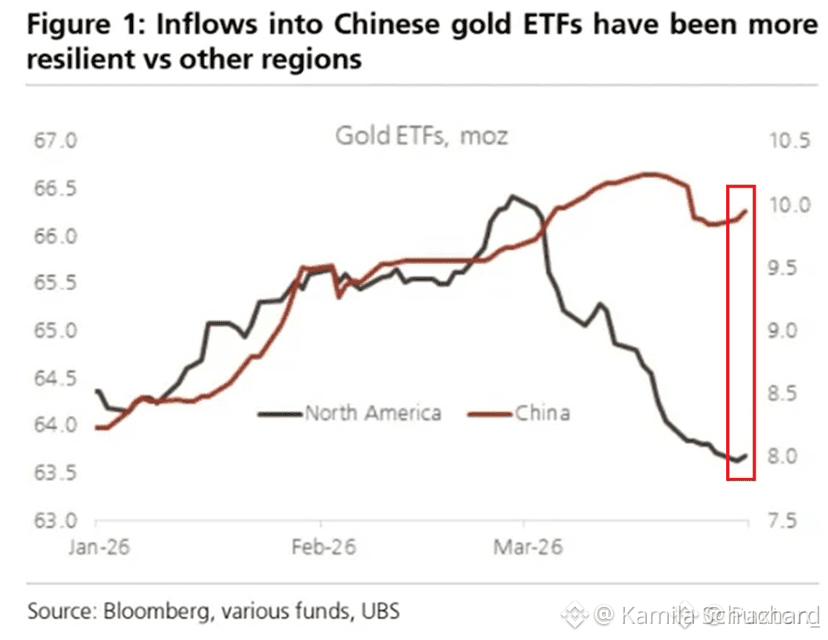
China and North America are moving in opposite directions regarding gold
March
North America -2M ounces to annual minimum
China +500K ounces close to annual maximum
2026 so far
China +2M ounces
North America -1M ounces
China is buying on dips
North America is selling
China and North America are moving in opposite directions regarding gold
March
North America -2M ounces to annual minimum
China +500K ounces close to annual maximum
2026 so far
China +2M ounces
North America -1M ounces
China is buying on dips
North America is selling
March
North America -2M ounces to annual minimum
China +500K ounces close to annual maximum
2026 so far
China +2M ounces
North America -1M ounces
China is buying on dips
North America is selling
1.2k
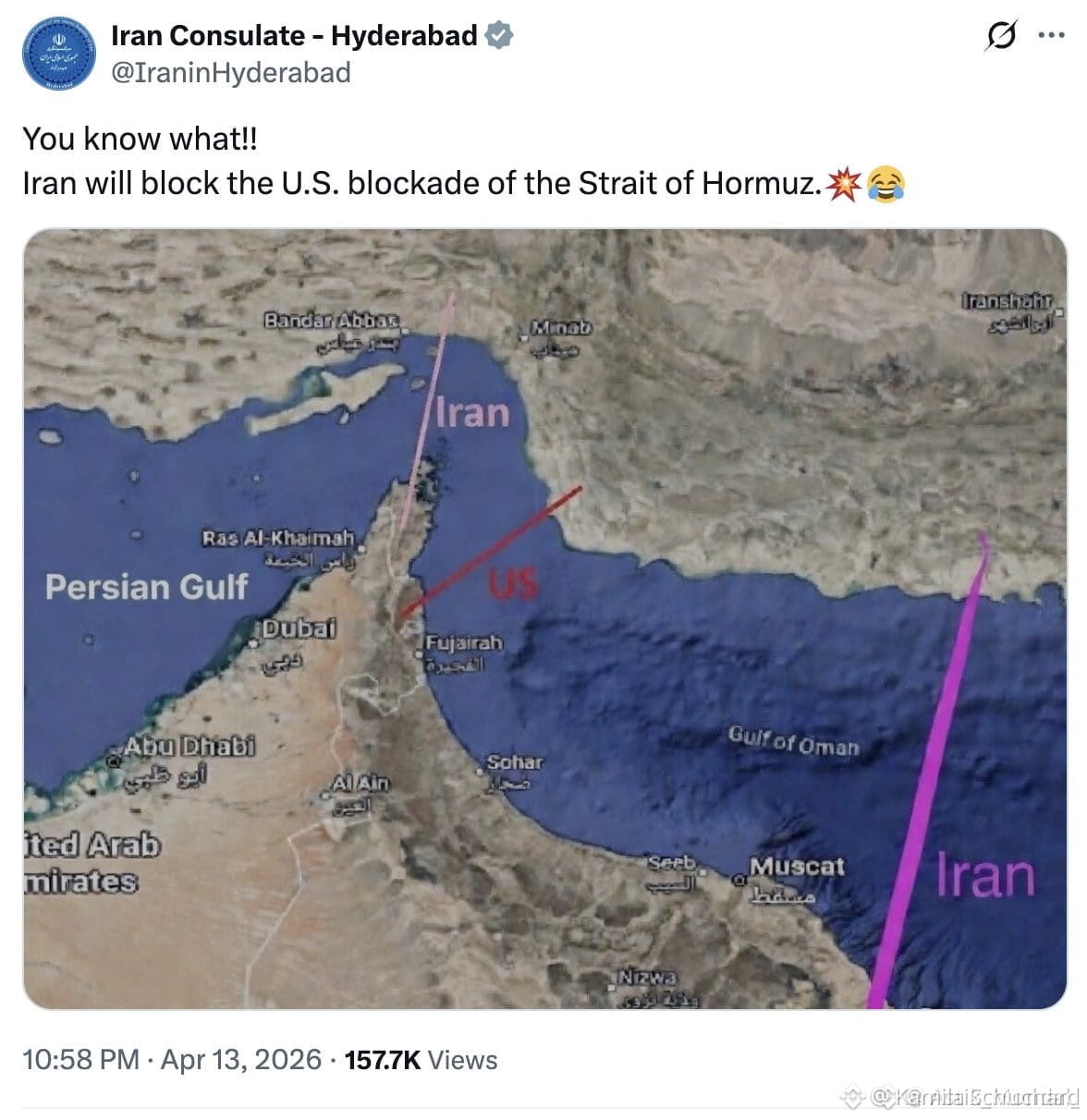
The Iranian consulate conveys a bold message:
"We will block the US blockade."
Yes... you read that right.
This is what has turned into a blockade versus blockade 👇
After the US decided to block Iranian ports in the Strait of Hormuz...
Iran has not backed down.
They responded with sarcasm and a clear signal:
They are ready to escalate.
This is NOT just talk.
The Strait of Hormuz controls ~20% of global oil flows.
Any disruption here = immediate shock to energy markets.
And tensions are rising FAST:
• US naval blockade now active
• Iran calls it "piracy" and threatens retaliation
• Oil is already rising above 100 dollars
This is how geopolitical crisis spirals.
This is not just a war of words.
This is a battle for the most important oil route on Earth.
One wrong move here...
And the markets will not just react
They will PANIC.
Stay alert.
The Iranian consulate conveys a bold message:
"We will block the US blockade."
Yes... you read that right.
This is what has turned into a blockade versus blockade 👇
After the US decided to block Iranian ports in the Strait of Hormuz...
Iran has not backed down.
They responded with sarcasm and a clear signal:
They are ready to escalate.
This is NOT just talk.
The Strait of Hormuz controls ~20% of global oil flows.
Any disruption here = immediate shock to energy markets.
And tensions are rising FAST:
• US naval blockade now active
• Iran calls it "piracy" and threatens retaliation
• Oil is already rising above 100 dollars
This is how geopolitical crisis spirals.
This is not just a war of words.
This is a battle for the most important oil route on Earth.
One wrong move here...
And the markets will not just react
They will PANIC.
Stay alert.
"We will block the US blockade."
Yes... you read that right.
This is what has turned into a blockade versus blockade 👇
After the US decided to block Iranian ports in the Strait of Hormuz...
Iran has not backed down.
They responded with sarcasm and a clear signal:
They are ready to escalate.
This is NOT just talk.
The Strait of Hormuz controls ~20% of global oil flows.
Any disruption here = immediate shock to energy markets.
And tensions are rising FAST:
• US naval blockade now active
• Iran calls it "piracy" and threatens retaliation
• Oil is already rising above 100 dollars
This is how geopolitical crisis spirals.
This is not just a war of words.
This is a battle for the most important oil route on Earth.
One wrong move here...
And the markets will not just react
They will PANIC.
Stay alert.
2
1.5k
Money you should not trade:
1. Do not trade money for rent | You risk your shelter
2. Do not trade money for tuition | Your future is the most important
3. Do not trade money for food | Survival is a priority
4. Do not trade emergency funds | You need a backup for real-life problems
5. Do not trade borrowed money | Pressure will ruin your decisions
6. Do not trade family money | You risk trust, not just cash
7. Do not trade money for bills | Missing payments brings consequences
8. Do not trade the salary you rely on | You will trade emotionally
9. Do not trade savings intended for goals | You are delaying your own progress
10. Do not trade your last money | One loss can ruin you
The question is, which money are you planning to trade now?😂
Money you should not trade:
1. Do not trade money for rent | You risk your shelter
2. Do not trade money for tuition | Your future is the most important
3. Do not trade money for food | Survival is a priority
4. Do not trade emergency funds | You need a backup for real-life problems
5. Do not trade borrowed money | Pressure will ruin your decisions
6. Do not trade family money | You risk trust, not just cash
7. Do not trade money for bills | Missing payments brings consequences
8. Do not trade the salary you rely on | You will trade emotionally
9. Do not trade savings intended for goals | You are delaying your own progress
10. Do not trade your last money | One loss can ruin you
The question is, which money are you planning to trade now?😂
1. Do not trade money for rent | You risk your shelter
2. Do not trade money for tuition | Your future is the most important
3. Do not trade money for food | Survival is a priority
4. Do not trade emergency funds | You need a backup for real-life problems
5. Do not trade borrowed money | Pressure will ruin your decisions
6. Do not trade family money | You risk trust, not just cash
7. Do not trade money for bills | Missing payments brings consequences
8. Do not trade the salary you rely on | You will trade emotionally
9. Do not trade savings intended for goals | You are delaying your own progress
10. Do not trade your last money | One loss can ruin you
The question is, which money are you planning to trade now?😂
4
7
24.4k
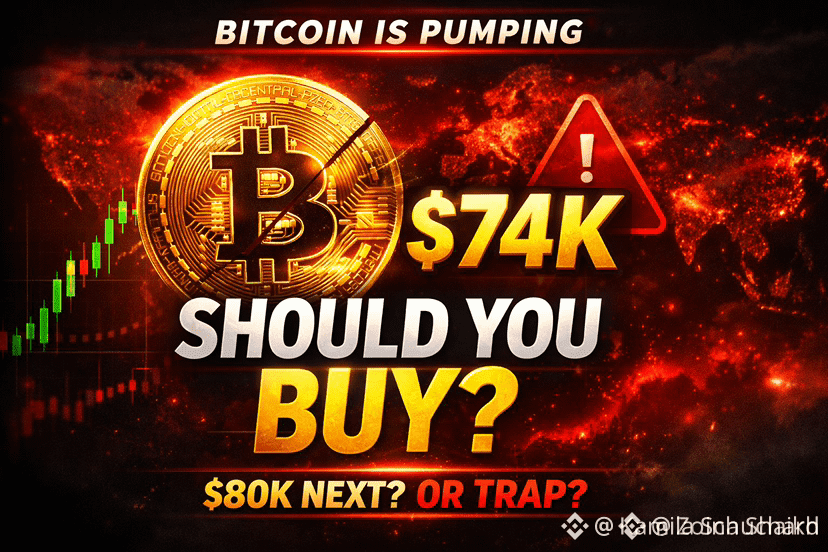
Bitcoin again at $74K 🚀, should you buy? Read this before you do it 👀
Bitcoin again at $74K and everyone is excited again 👀
But the real question is
Why is crypto rising now?
You should read this 👇
🌍 What's happening in the world
News is emerging between Iran and the United States.
They agreed to suspend nuclear activities for 5 years,
but the USA wants this for 20 years.
So nothing is fully confirmed yet…
👉 more discussions are still on the table
👉 a second round of talks may take place
And the markets are already reacting to it 📈
🐦 X may be planning something
At the same time, X suggested they might build something for crypto 👀
So the market is rising in anticipation.
You already know how it works
👉 first hype, then reality.
🤔 But here is the main question…
Are you buying now?
Well… not now.
I never advise anyone to buy at the top,
especially when war-related news is still around the corner⚠️
Things can change at any moment.
Bitcoin again at $74K 🚀, should you buy? Read this before you do it 👀
Bitcoin again at $74K and everyone is excited again 👀
But the real question is
Why is crypto rising now?
You should read this 👇
🌍 What's happening in the world
News is emerging between Iran and the United States.
They agreed to suspend nuclear activities for 5 years,
but the USA wants this for 20 years.
So nothing is fully confirmed yet…
👉 more discussions are still on the table
👉 a second round of talks may take place
And the markets are already reacting to it 📈
🐦 X may be planning something
At the same time, X suggested they might build something for crypto 👀
So the market is rising in anticipation.
You already know how it works
👉 first hype, then reality.
🤔 But here is the main question…
Are you buying now?
Well… not now.
I never advise anyone to buy at the top,
especially when war-related news is still around the corner⚠️
Things can change at any moment.
Bitcoin again at $74K and everyone is excited again 👀
But the real question is
Why is crypto rising now?
You should read this 👇
🌍 What's happening in the world
News is emerging between Iran and the United States.
They agreed to suspend nuclear activities for 5 years,
but the USA wants this for 20 years.
So nothing is fully confirmed yet…
👉 more discussions are still on the table
👉 a second round of talks may take place
And the markets are already reacting to it 📈
🐦 X may be planning something
At the same time, X suggested they might build something for crypto 👀
So the market is rising in anticipation.
You already know how it works
👉 first hype, then reality.
🤔 But here is the main question…
Are you buying now?
Well… not now.
I never advise anyone to buy at the top,
especially when war-related news is still around the corner⚠️
Things can change at any moment.
1
3.4k
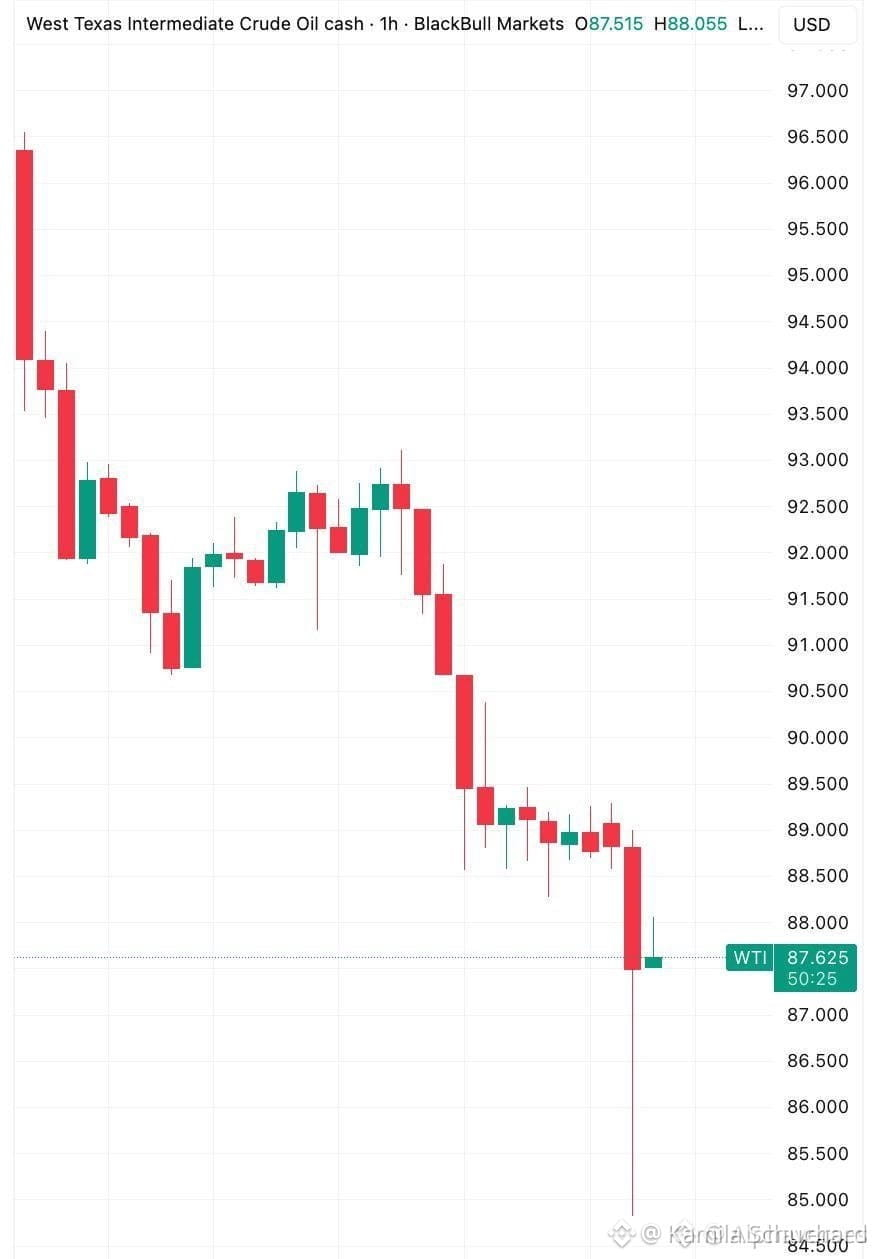
Oil prices in the USA dropped to 84.85 USD in the last hour, causing volatility in the market.
Market participants are closely monitoring the situation, as this sudden drop could have significant consequences for the global economy. The reason for this drop is still unclear, but experts are presenting possible explanations. Oil prices have fluctuated in recent weeks, and this latest development increases uncertainty 🚨.
Oil prices in the USA dropped to 84.85 USD in the last hour, causing volatility in the market.
Market participants are closely monitoring the situation, as this sudden drop could have significant consequences for the global economy. The reason for this drop is still unclear, but experts are presenting possible explanations. Oil prices have fluctuated in recent weeks, and this latest development increases uncertainty 🚨.
Market participants are closely monitoring the situation, as this sudden drop could have significant consequences for the global economy. The reason for this drop is still unclear, but experts are presenting possible explanations. Oil prices have fluctuated in recent weeks, and this latest development increases uncertainty 🚨.
2
3.3k
USA–IRAN AGREEMENT BACK ON THE TABLE
Markets are already reacting. Oil prices have just dropped.
A ceasefire extension may be closer than expected.
Bloomberg's report confirms:
The USA and Iran are considering NEW negotiations to extend the 2-week ceasefire.
This comes at a critical moment…
Donald Trump's blockade of the Strait of Hormuz is now ACTIVE.
It is one of the most important chokepoints in the world.
20% of global oil flow passes through it.
Here’s what’s happening behind the scenes:
The USA proposed a 20-year suspension of the nuclear program
Iran only responded with 5 years
This difference shows how fragile this agreement is.
Meanwhile…
A China-linked tanker under sanctions is testing the blockade NOW.
This is a direct stress test of the USA's enforcement of regulations.
At the same time, Saudi Arabia is urging the USA to back down.
Why?
Because escalation = shock in the oil market = global economic pain.
And then this…
JD Vance just said:
“The ball is in Iran's court.”
Translation:
The next move decides everything.
Markets are already betting on de-escalation:
Brent crude oil has just dropped by -2.9% to 96.50 USD
This is not a small move.
It’s traders pricing in the deal.
What this means:
If the deal happens → Oil will drop further → Risky assets rise
If talks break down → Oil will rise → Markets panic
USA–IRAN AGREEMENT BACK ON THE TABLE
Markets are already reacting. Oil prices have just dropped.
A ceasefire extension may be closer than expected.
Bloomberg's report confirms:
The USA and Iran are considering NEW negotiations to extend the 2-week ceasefire.
This comes at a critical moment…
Donald Trump's blockade of the Strait of Hormuz is now ACTIVE.
It is one of the most important chokepoints in the world.
20% of global oil flow passes through it.
Here’s what’s happening behind the scenes:
The USA proposed a 20-year suspension of the nuclear program
Iran only responded with 5 years
This difference shows how fragile this agreement is.
Meanwhile…
A China-linked tanker under sanctions is testing the blockade NOW.
This is a direct stress test of the USA's enforcement of regulations.
At the same time, Saudi Arabia is urging the USA to back down.
Why?
Because escalation = shock in the oil market = global economic pain.
And then this…
JD Vance just said:
“The ball is in Iran's court.”
Translation:
The next move decides everything.
Markets are already betting on de-escalation:
Brent crude oil has just dropped by -2.9% to 96.50 USD
This is not a small move.
It’s traders pricing in the deal.
What this means:
If the deal happens → Oil will drop further → Risky assets rise
If talks break down → Oil will rise → Markets panic
Markets are already reacting. Oil prices have just dropped.
A ceasefire extension may be closer than expected.
Bloomberg's report confirms:
The USA and Iran are considering NEW negotiations to extend the 2-week ceasefire.
This comes at a critical moment…
Donald Trump's blockade of the Strait of Hormuz is now ACTIVE.
It is one of the most important chokepoints in the world.
20% of global oil flow passes through it.
Here’s what’s happening behind the scenes:
The USA proposed a 20-year suspension of the nuclear program
Iran only responded with 5 years
This difference shows how fragile this agreement is.
Meanwhile…
A China-linked tanker under sanctions is testing the blockade NOW.
This is a direct stress test of the USA's enforcement of regulations.
At the same time, Saudi Arabia is urging the USA to back down.
Why?
Because escalation = shock in the oil market = global economic pain.
And then this…
JD Vance just said:
“The ball is in Iran's court.”
Translation:
The next move decides everything.
Markets are already betting on de-escalation:
Brent crude oil has just dropped by -2.9% to 96.50 USD
This is not a small move.
It’s traders pricing in the deal.
What this means:
If the deal happens → Oil will drop further → Risky assets rise
If talks break down → Oil will rise → Markets panic
1
1.3k
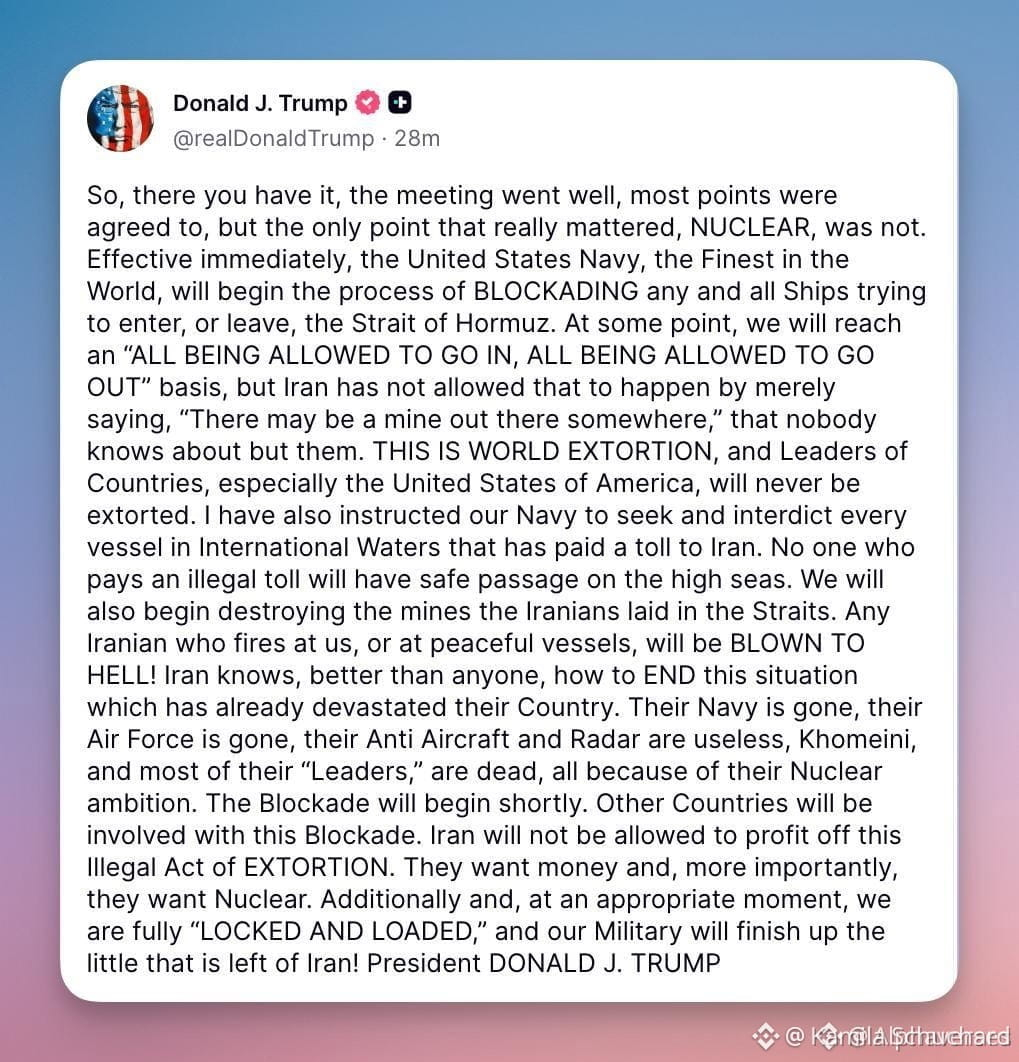
The President of the USA, Trump, issues a statement regarding Iran, saying that the military is "ready to act".
Tensions between the USA and Iran are rising, and Trump warns that the military will finish what remains of Iran. The situation is developing quickly, and the markets are on high alert. Global leaders are closely monitoring the situation, awaiting further developments 📊.
The President of the USA, Trump, issues a statement regarding Iran, saying that the military is "ready to act".
Tensions between the USA and Iran are rising, and Trump warns that the military will finish what remains of Iran. The situation is developing quickly, and the markets are on high alert. Global leaders are closely monitoring the situation, awaiting further developments 📊.
Tensions between the USA and Iran are rising, and Trump warns that the military will finish what remains of Iran. The situation is developing quickly, and the markets are on high alert. Global leaders are closely monitoring the situation, awaiting further developments 📊.
1.5k
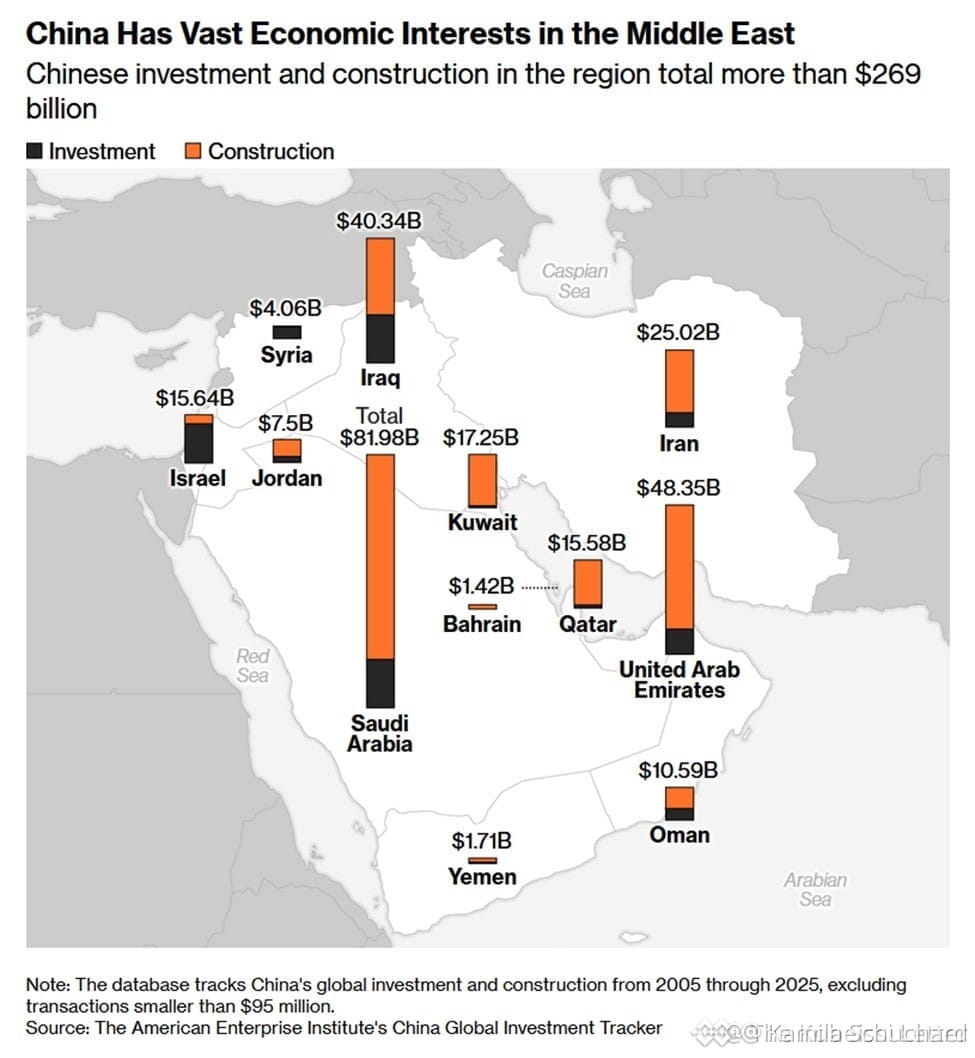
China has a huge economic exposure in the Middle East:
China has spent over 269 billion dollars on investments and construction contracts across the entire Middle East since 2005.
Saudi Arabia is the largest beneficiary with an amount of 82 billion dollars, followed by the UAE with an amount of 48 billion dollars, and Iraq with an amount of 40 dollars.
China has a huge economic exposure in the Middle East:
China has spent over 269 billion dollars on investments and construction contracts across the entire Middle East since 2005.
Saudi Arabia is the largest beneficiary with an amount of 82 billion dollars, followed by the UAE with an amount of 48 billion dollars, and Iraq with an amount of 40 dollars.
China has spent over 269 billion dollars on investments and construction contracts across the entire Middle East since 2005.
Saudi Arabia is the largest beneficiary with an amount of 82 billion dollars, followed by the UAE with an amount of 48 billion dollars, and Iraq with an amount of 40 dollars.
2
4.1k
HORMUZ STRAIT SIMPLIFIED: HAS THE GLOBAL ENERGY RESET JUST BEGUN?
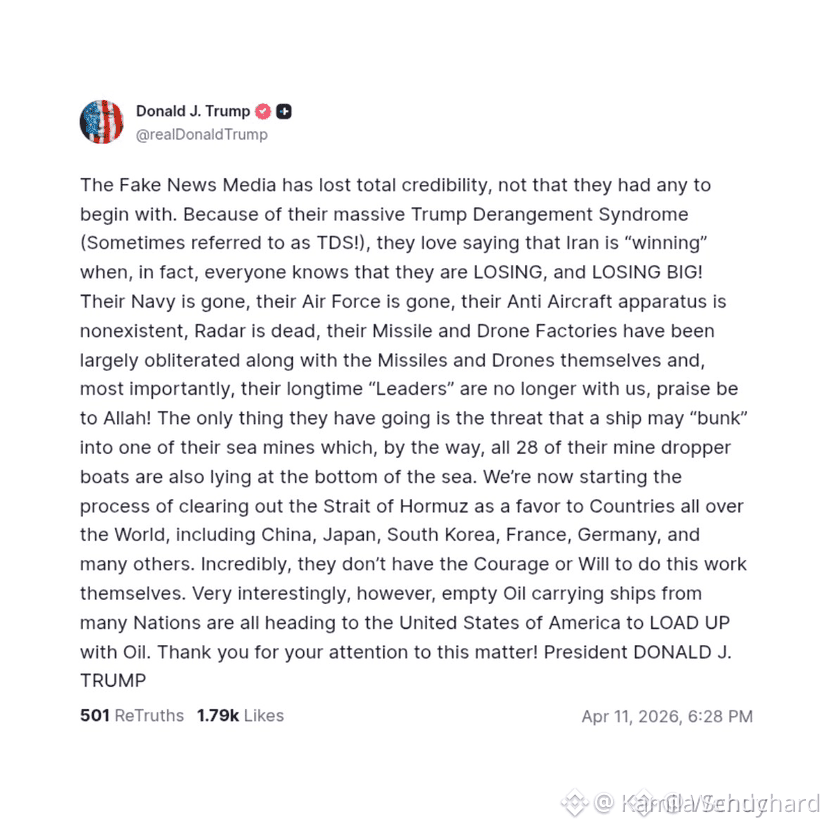
Trump has just made a huge statement that could shake global markets. He claims that the USA has begun clearing the Hormuz Strait, calling it a move that benefits the whole world. At the same time, he claims that the Iranian navy, air forces, missile production, and air defense systems have been completely destroyed.
It gets even more intense. According to him, all 28 Iranian minesweepers have been sunk, preventing Iran from clearing its own mines, as confirmed by recent reports from major media.
If this is confirmed, we are dealing with a significant shift in global oil flows, supply stability, and macroeconomic sentiment. The Hormuz Strait is one of the most important energy hubs on Earth.
Markets could react quickly.
Is this the beginning of a new phase of risk or a harbinger of even greater volatility?
HORMUZ STRAIT SIMPLIFIED: HAS THE GLOBAL ENERGY RESET JUST BEGUN?
Trump has just made a huge statement that could shake global markets. He claims that the USA has begun clearing the Hormuz Strait, calling it a move that benefits the whole world. At the same time, he claims that the Iranian navy, air forces, missile production, and air defense systems have been completely destroyed.
It gets even more intense. According to him, all 28 Iranian minesweepers have been sunk, preventing Iran from clearing its own mines, as confirmed by recent reports from major media.
If this is confirmed, we are dealing with a significant shift in global oil flows, supply stability, and macroeconomic sentiment. The Hormuz Strait is one of the most important energy hubs on Earth.
Markets could react quickly.
Is this the beginning of a new phase of risk or a harbinger of even greater volatility?
Trump has just made a huge statement that could shake global markets. He claims that the USA has begun clearing the Hormuz Strait, calling it a move that benefits the whole world. At the same time, he claims that the Iranian navy, air forces, missile production, and air defense systems have been completely destroyed.
It gets even more intense. According to him, all 28 Iranian minesweepers have been sunk, preventing Iran from clearing its own mines, as confirmed by recent reports from major media.
If this is confirmed, we are dealing with a significant shift in global oil flows, supply stability, and macroeconomic sentiment. The Hormuz Strait is one of the most important energy hubs on Earth.
Markets could react quickly.
Is this the beginning of a new phase of risk or a harbinger of even greater volatility?
4.7k
The game has just changed! 🔥
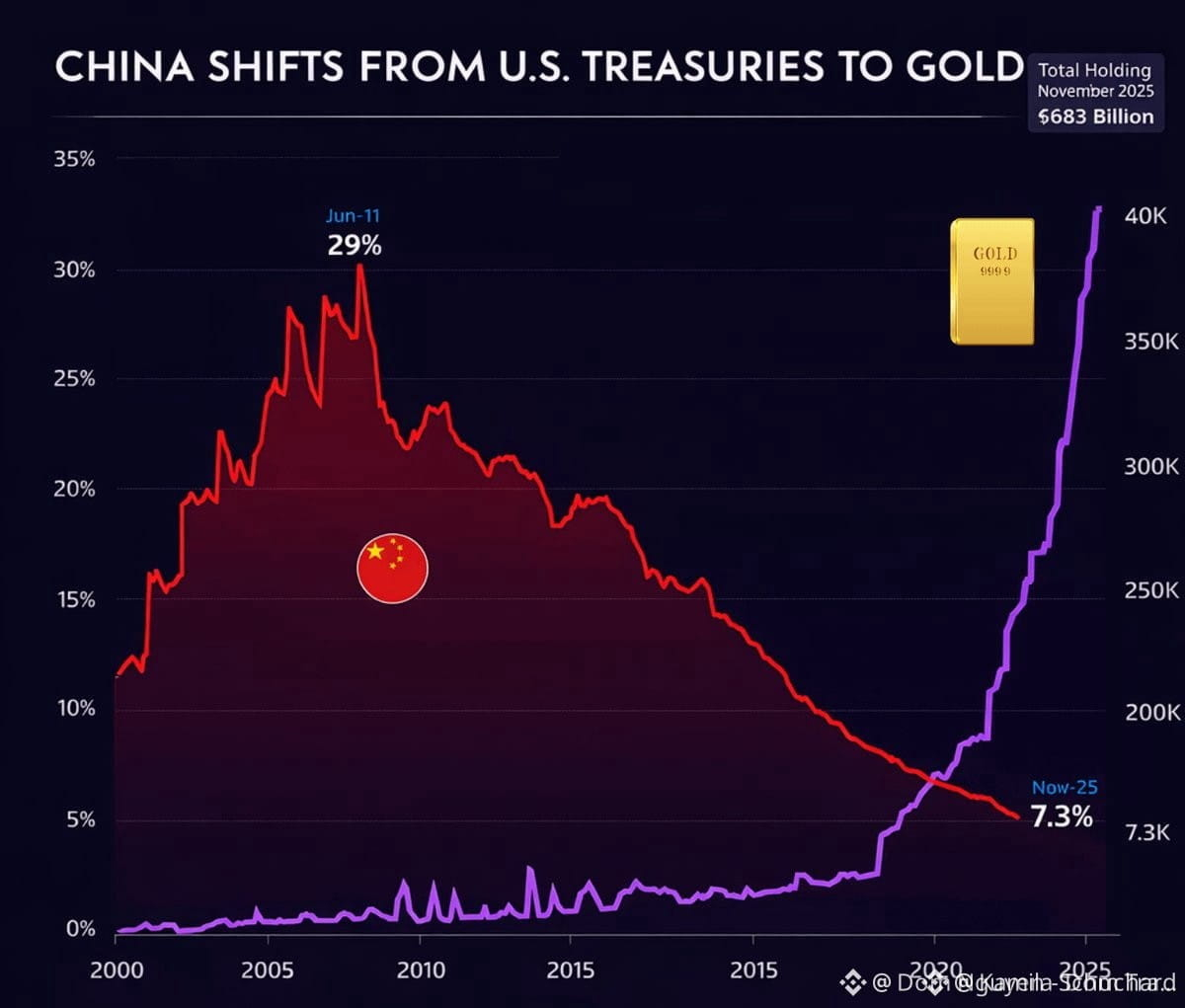
CHINA HAS DUMPED 623 BILLION DOLLARS IN US TREASURY BONDS. Yes, you read that right. They now hold only 694 billion dollars - the smallest amount since 2008.
What do China know that the world does not? 🤔 While everyone was looking in one direction, China was moving in another. Their gold reserves have increased for 17 consecutive months, reaching a staggering 343 billion dollars. Something big is brewing. 🌪️
As China changes, are we witnessing the dawn of a new financial era? They are not just participating in the system... they are rewriting the rules.
The game has just changed! 🔥
CHINA HAS DUMPED 623 BILLION DOLLARS IN US TREASURY BONDS. Yes, you read that right. They now hold only 694 billion dollars - the smallest amount since 2008.
What do China know that the world does not? 🤔 While everyone was looking in one direction, China was moving in another. Their gold reserves have increased for 17 consecutive months, reaching a staggering 343 billion dollars. Something big is brewing. 🌪️
As China changes, are we witnessing the dawn of a new financial era? They are not just participating in the system... they are rewriting the rules.
CHINA HAS DUMPED 623 BILLION DOLLARS IN US TREASURY BONDS. Yes, you read that right. They now hold only 694 billion dollars - the smallest amount since 2008.
What do China know that the world does not? 🤔 While everyone was looking in one direction, China was moving in another. Their gold reserves have increased for 17 consecutive months, reaching a staggering 343 billion dollars. Something big is brewing. 🌪️
As China changes, are we witnessing the dawn of a new financial era? They are not just participating in the system... they are rewriting the rules.
2
5
14.9k
WHAT IS REALLY HAPPENING IN THE WORLD
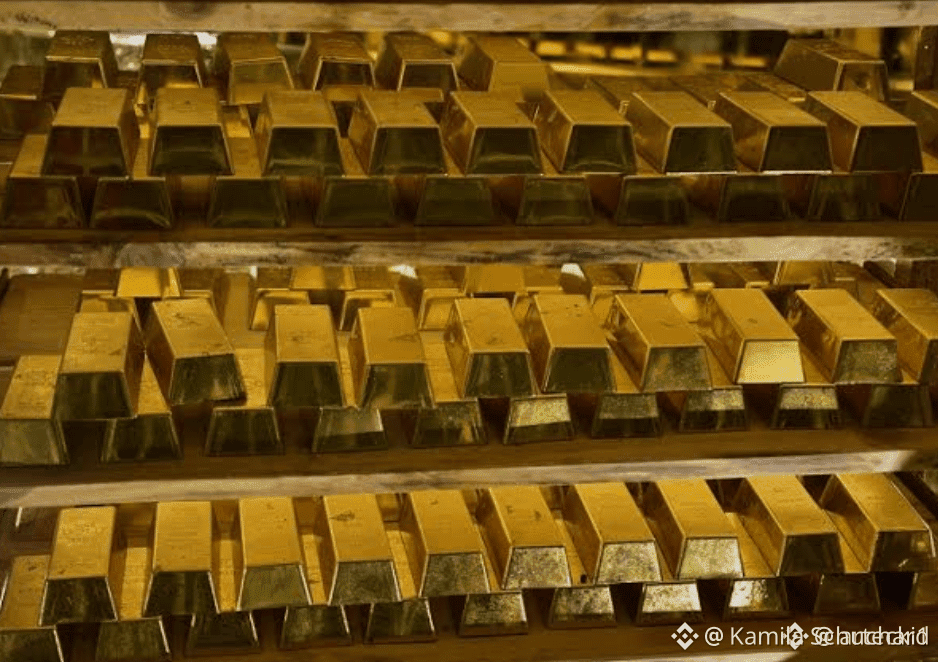
1. Countries are repatriating gold to their nations (repatriation)
🇩🇪 Germany – previously repatriated hundreds of tons from the United States and France
🇳🇱 Netherlands – transferred gold from New York
🇦🇹 Austria – plans to repatriate a large portion to the country
🇹🇷 Turkey – mass repatriation of gold from the Fed
🇮🇳 India – ~100 tons returned to the country
👉 And this is crucial: the ratio of gold held 'at home' is increasing (about 50% → ~68%)
2. Countries are AGGRESSIVELY buying gold
🇨🇳 China is buying month after month (17 months in a row)
🇵🇱 Poland – one of the largest buyers
🇧🇷 Brazil – increasing the share of gold in its reserves
🇹🇷 🇮🇳 🇰🇿 🇶🇦 🇪🇬 – regular purchases
👉 Central banks are buying hundreds of tons annually
👉 this trend has been ongoing since 2022 and has not stopped
3. At the same time… they are reducing their dependence on dollar-based central banks: 👉 increasing their gold reserves
👉 decreasing the share of the dollar
👉 the share of USD in global reserves is falling
👉 gold is returning as a 'neutral asset'
WHAT IS REALLY HAPPENING IN THE WORLD
1. Countries are repatriating gold to their nations (repatriation)
🇩🇪 Germany – previously repatriated hundreds of tons from the United States and France
🇳🇱 Netherlands – transferred gold from New York
🇦🇹 Austria – plans to repatriate a large portion to the country
🇹🇷 Turkey – mass repatriation of gold from the Fed
🇮🇳 India – ~100 tons returned to the country
👉 And this is crucial: the ratio of gold held 'at home' is increasing (about 50% → ~68%)
2. Countries are AGGRESSIVELY buying gold
🇨🇳 China is buying month after month (17 months in a row)
🇵🇱 Poland – one of the largest buyers
🇧🇷 Brazil – increasing the share of gold in its reserves
🇹🇷 🇮🇳 🇰🇿 🇶🇦 🇪🇬 – regular purchases
👉 Central banks are buying hundreds of tons annually
👉 this trend has been ongoing since 2022 and has not stopped
3. At the same time… they are reducing their dependence on dollar-based central banks: 👉 increasing their gold reserves
👉 decreasing the share of the dollar
👉 the share of USD in global reserves is falling
👉 gold is returning as a 'neutral asset'
1. Countries are repatriating gold to their nations (repatriation)
🇩🇪 Germany – previously repatriated hundreds of tons from the United States and France
🇳🇱 Netherlands – transferred gold from New York
🇦🇹 Austria – plans to repatriate a large portion to the country
🇹🇷 Turkey – mass repatriation of gold from the Fed
🇮🇳 India – ~100 tons returned to the country
👉 And this is crucial: the ratio of gold held 'at home' is increasing (about 50% → ~68%)
2. Countries are AGGRESSIVELY buying gold
🇨🇳 China is buying month after month (17 months in a row)
🇵🇱 Poland – one of the largest buyers
🇧🇷 Brazil – increasing the share of gold in its reserves
🇹🇷 🇮🇳 🇰🇿 🇶🇦 🇪🇬 – regular purchases
👉 Central banks are buying hundreds of tons annually
👉 this trend has been ongoing since 2022 and has not stopped
3. At the same time… they are reducing their dependence on dollar-based central banks: 👉 increasing their gold reserves
👉 decreasing the share of the dollar
👉 the share of USD in global reserves is falling
👉 gold is returning as a 'neutral asset'
3
4
12.9k
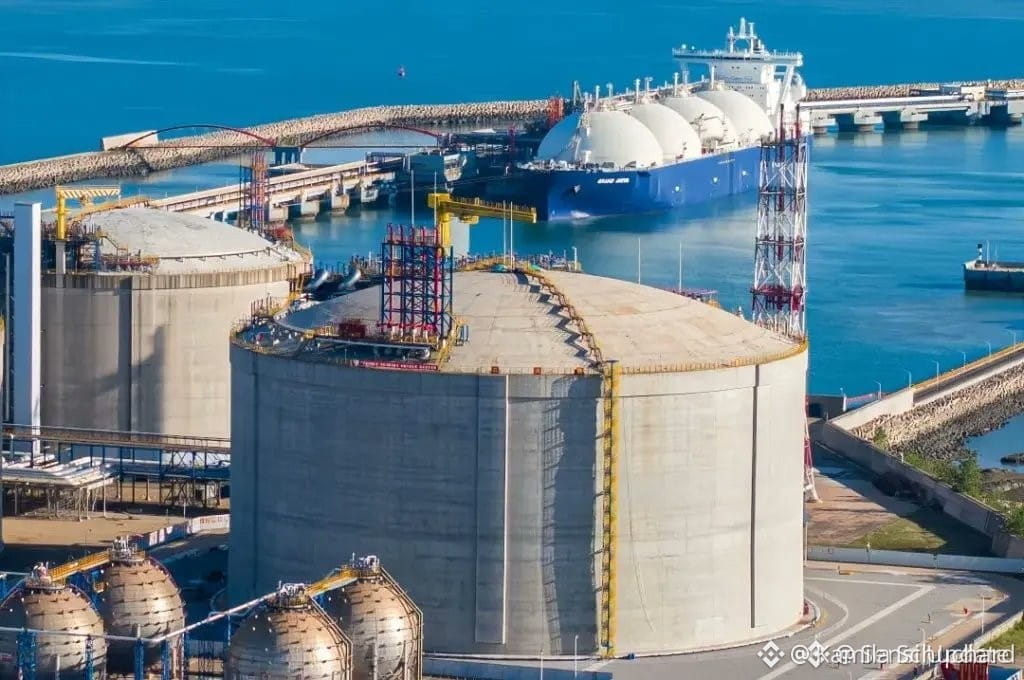
🇨🇳China has built 18 super large LNG storage facilities.
South Korea is building 7 more.
Japan is following suit.
They are prepared for a possible disruption in Hormuz.
🇶🇦 Qatar LNG through Hormuz, blocked
🇧🇩 Bangladesh paid 2x the contract price on the spot market this week
🇷🇺 Russia offers Arctic LNG 2 through Chinese back doors
🌍 South Asia is energy-hungry, with cash shortages and trapped
The crisis in Hormuz did not create LNG opportunities for the USA.
It simply made it undeniable.
🇨🇳China has built 18 super large LNG storage facilities.
South Korea is building 7 more.
Japan is following suit.
They are prepared for a possible disruption in Hormuz.
🇶🇦 Qatar LNG through Hormuz, blocked
🇧🇩 Bangladesh paid 2x the contract price on the spot market this week
🇷🇺 Russia offers Arctic LNG 2 through Chinese back doors
🌍 South Asia is energy-hungry, with cash shortages and trapped
The crisis in Hormuz did not create LNG opportunities for the USA.
It simply made it undeniable.
South Korea is building 7 more.
Japan is following suit.
They are prepared for a possible disruption in Hormuz.
🇶🇦 Qatar LNG through Hormuz, blocked
🇧🇩 Bangladesh paid 2x the contract price on the spot market this week
🇷🇺 Russia offers Arctic LNG 2 through Chinese back doors
🌍 South Asia is energy-hungry, with cash shortages and trapped
The crisis in Hormuz did not create LNG opportunities for the USA.
It simply made it undeniable.
1
3.2k
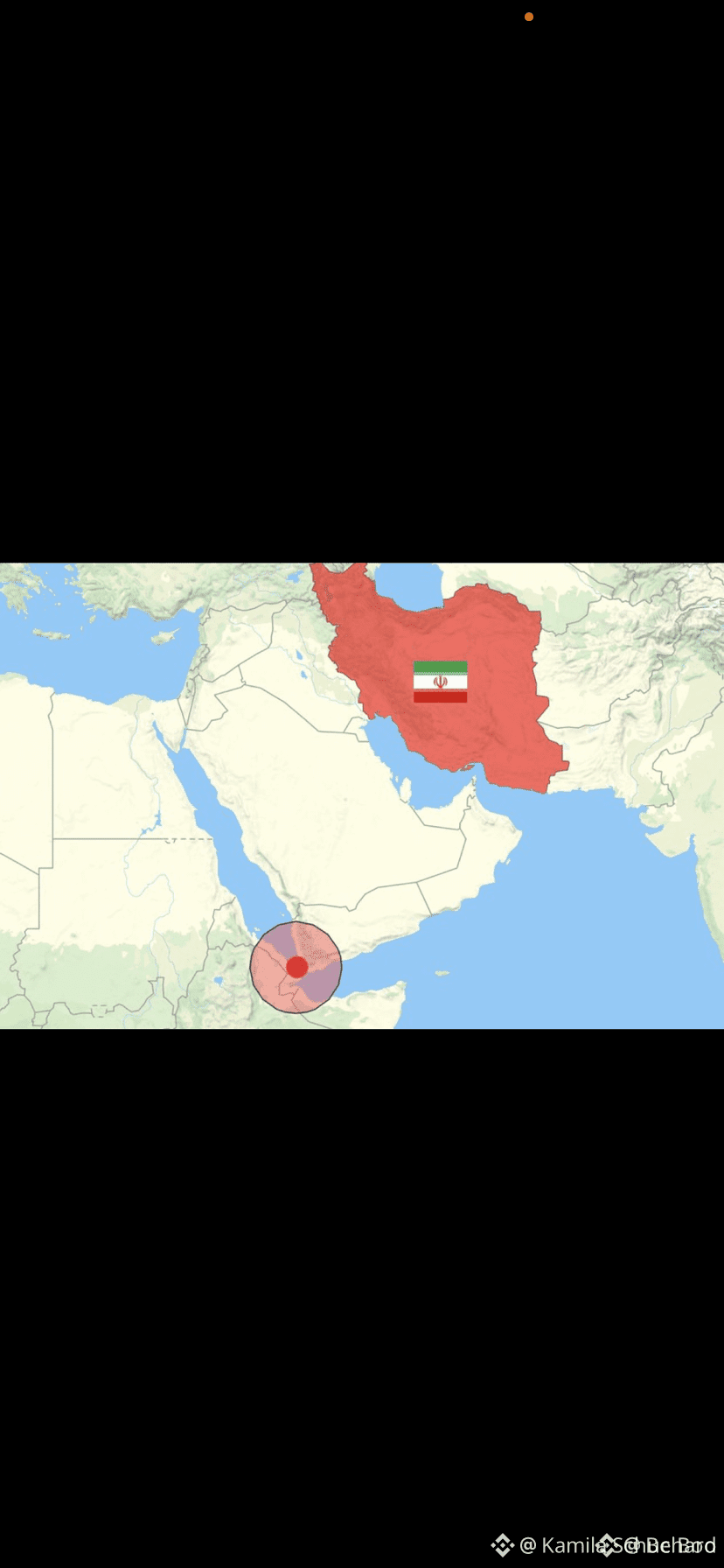
Iran threatens to close the Bab el-Mandeb strait, through which 14% of global trade passes, if the United States increases its attacks on energy infrastructure.
Iran threatens to close the Bab el-Mandeb strait, through which 14% of global trade passes, if the United States increases its attacks on energy infrastructure.
1
1
1.9k
The White House just dropped a bomb:
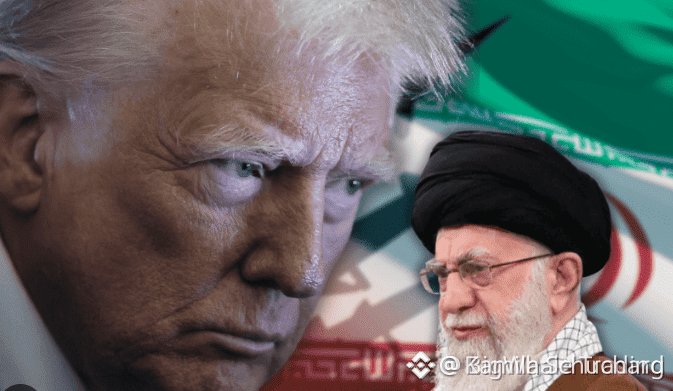
A widely publicized 10-point ceasefire plan by Iran was NOT the agreement that the United States agreed to.
In other words, what Iran presented to the world as a negotiated ceasefire was completely rejected by Washington.
It's pure chaos.
One side claims that the deal is close.
The other side says: "that's not what we agreed to."
Diplomatic confusion at the highest level — exactly what the markets hate the most.
The result?
Oil prices remain on edge and are very volatile.
Bitcoin is stuck in a dangerous range, susceptible to any negative headlines.
Gold fluctuates between safe-haven bids and inflation fears.
Global risk sentiment is rapidly deteriorating.
Team Trump and Iran are now publicly contradicting each other on the key issue: whether a ceasefire even exists.
Such mixed messages and exchanges are toxic to stability.
When the two biggest players in this conflict can't even agree on what was discussed, uncertainty prevails — and investors pay the price.
The longer this diplomatic mess lasts, the more damage it does to Bitcoin, Gold, oil, and the broader financial markets.
The White House just dropped a bomb:
A widely publicized 10-point ceasefire plan by Iran was NOT the agreement that the United States agreed to.
In other words, what Iran presented to the world as a negotiated ceasefire was completely rejected by Washington.
It's pure chaos.
One side claims that the deal is close.
The other side says: "that's not what we agreed to."
Diplomatic confusion at the highest level — exactly what the markets hate the most.
The result?
Oil prices remain on edge and are very volatile.
Bitcoin is stuck in a dangerous range, susceptible to any negative headlines.
Gold fluctuates between safe-haven bids and inflation fears.
Global risk sentiment is rapidly deteriorating.
Team Trump and Iran are now publicly contradicting each other on the key issue: whether a ceasefire even exists.
Such mixed messages and exchanges are toxic to stability.
When the two biggest players in this conflict can't even agree on what was discussed, uncertainty prevails — and investors pay the price.
The longer this diplomatic mess lasts, the more damage it does to Bitcoin, Gold, oil, and the broader financial markets.
A widely publicized 10-point ceasefire plan by Iran was NOT the agreement that the United States agreed to.
In other words, what Iran presented to the world as a negotiated ceasefire was completely rejected by Washington.
It's pure chaos.
One side claims that the deal is close.
The other side says: "that's not what we agreed to."
Diplomatic confusion at the highest level — exactly what the markets hate the most.
The result?
Oil prices remain on edge and are very volatile.
Bitcoin is stuck in a dangerous range, susceptible to any negative headlines.
Gold fluctuates between safe-haven bids and inflation fears.
Global risk sentiment is rapidly deteriorating.
Team Trump and Iran are now publicly contradicting each other on the key issue: whether a ceasefire even exists.
Such mixed messages and exchanges are toxic to stability.
When the two biggest players in this conflict can't even agree on what was discussed, uncertainty prevails — and investors pay the price.
The longer this diplomatic mess lasts, the more damage it does to Bitcoin, Gold, oil, and the broader financial markets.
3
1
6.9k
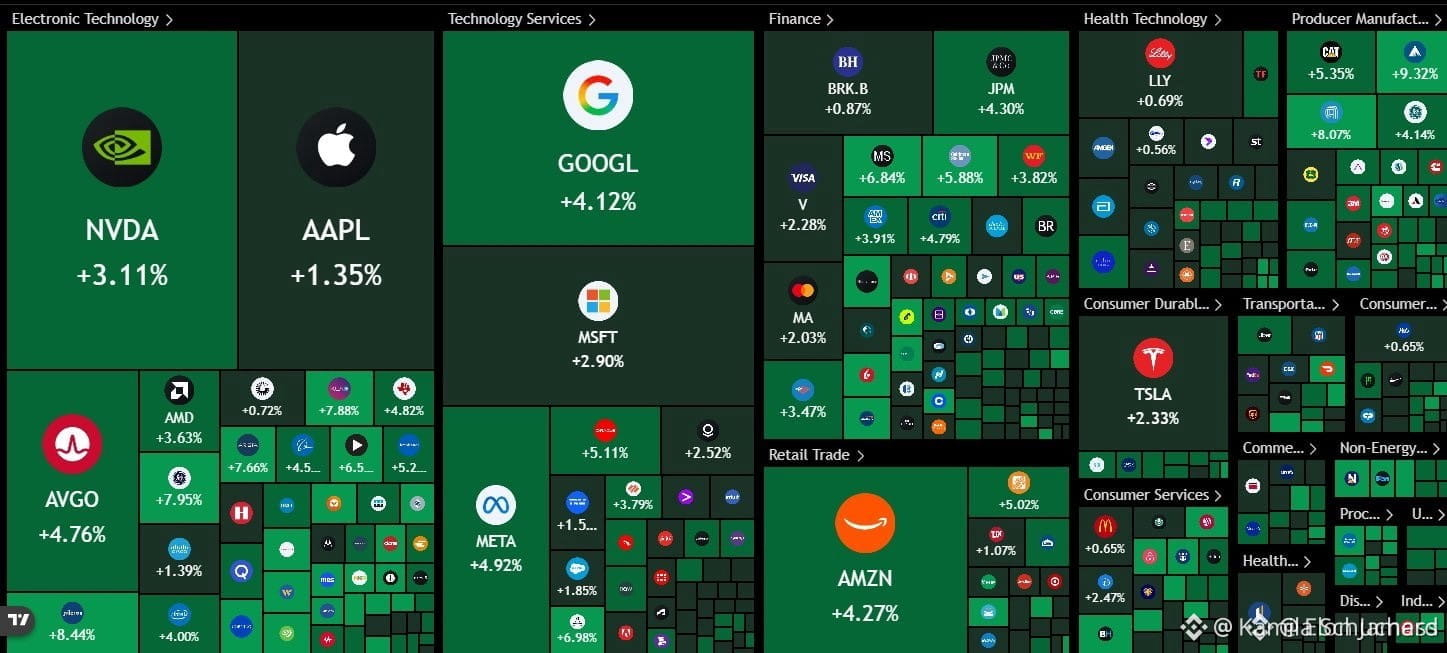
$1.5 billion has been added to the American stock market in just 5 minutes.
This is not a normal market move; it is pure liquidity strength.
Moments like this remind us how quickly capital can turn when sentiment changes.
$1.5 billion has been added to the American stock market in just 5 minutes.
This is not a normal market move; it is pure liquidity strength.
Moments like this remind us how quickly capital can turn when sentiment changes.
This is not a normal market move; it is pure liquidity strength.
Moments like this remind us how quickly capital can turn when sentiment changes.
1
3.9k
Log in to explore more content
Join global crypto users on Binance Square
⚡️ Get latest and useful information about crypto.
💬 Trusted by the world’s largest crypto exchange.
👍 Discover real insights from verified creators.
Email / Phone number
Trending Topics
BitwiseFilesFinalNEARSpotETFProspectus
86,112 views
1,415 Discussing
#bitwisefilesfinalnearspotetfprospectus
Can $NEAR REALLY reach $562 with an ETF approval? 🚀
The crypto market is buzzing as Bitwise files its final prospectus for a Spot NEAR ETF (Ticker: NRR on NYSE Arca)! 📊🔥
Is institutional money about to unleash the biggest pump in NEAR’s history? Analysts are throwing around mind-blowing price targets:
🎯 Intermediate Target: $155
🎯 2030 Long-Term Target: $562
💡 Let's do the math:
At $562, $NEAR would sit at roughly a $680 Billion market cap—putting it right up there with Ethereum's potential valuation. With NEAR leading the Chain Abstraction & AI crypto narrative, this might not be as crazy as it sounds!
With SEC regulations turning more crypto-friendly and Wall Street knocking on the door, are you Accumulating or Holding?
👇 Drop your realistic price prediction for $NEAR in the comments! 👇
#BitwiseFilesFinalNEARSpotETFProspectus #Altcoins #CryptoNews #ETF
Doomsday-Trader
·6 Likes
·3.7k views
BitgetHackerMoves$83MStolenXRP
32,646 views
162 Discussing
SOLSpotETFWeeklyInflow$188M
21,508 views
132 Discussing