
七月哈哈
1.7k Posts

七月哈哈
 Square Verified
Report
Block User
X: @ChenJuly777 | 欲望不要大于能力
1.9K+ Following
43.5K+ Followers
31.6K+ Liked
Posts
All
Quotes
Videos
·
--
Hello, he's fine, I'm not,
you fall, I fall, everyone falls.
Hello, he's fine, I'm not,
you fall, I fall, everyone falls.
you fall, I fall, everyone falls.

277
·
--
Last night, we were still watching Anthropic’s IPO. This morning, we checked and saw that #软银 had already fallen.
SoftBank was down more than 15% at one point during trading, though its losses later narrowed. Japan’s Tokyo Electron and Advantest, as well as South Korea’s Samsung and SK Hynix, also came under pressure. Note that these are intraday moves, not closing results.
This sell-off didn’t affect just one AI company. Companies investing in large AI models, selling chipmaking equipment, and making memory chips were all caught up in it.
Until now, the market had been focused on how much more AI would cost and how many orders these companies could win. Now investors are also asking: after all that money is invested, how much will customers actually earn back?
Of course, just because Anthropic has recently gone public doesn’t mean it’s what dragged these stocks down. But it’s a reminder for everyday investors: even if you own shares in several different companies, if they all depend on continued heavy AI spending, a change in market conditions may mean they don’t actually diversify your risk.
$ANT $SKHY #Anthropic创纪录上市,1.5万亿美元市值合理吗?
{future}(SKHYUSDT)
{future}(ANTUSDT)
Last night, we were still watching Anthropic’s IPO. This morning, we checked and saw that #软银 had already fallen.
SoftBank was down more than 15% at one point during trading, though its losses later narrowed. Japan’s Tokyo Electron and Advantest, as well as South Korea’s Samsung and SK Hynix, also came under pressure. Note that these are intraday moves, not closing results.
This sell-off didn’t affect just one AI company. Companies investing in large AI models, selling chipmaking equipment, and making memory chips were all caught up in it.
Until now, the market had been focused on how much more AI would cost and how many orders these companies could win. Now investors are also asking: after all that money is invested, how much will customers actually earn back?
Of course, just because Anthropic has recently gone public doesn’t mean it’s what dragged these stocks down. But it’s a reminder for everyday investors: even if you own shares in several different companies, if they all depend on continued heavy AI spending, a change in market conditions may mean they don’t actually diversify your risk.
$ANT $SKHY #Anthropic创纪录上市,1.5万亿美元市值合理吗?
578
·
--
Verified
On Anthropic’s first day as a public company, some people made 17%, while others lost 13%. Neither side was wrong—the difference was the price they bought at.
The IPO price was $83, the first trade at the opening was $111.50, and it closed at $97.17. Based on the IPO price, that’s a gain of about 17.1%; but if you bought at the open and held until the close, you’d be down about 12.9% on paper.
That same evening, U.S. stocks also failed to hold on to their morning gains. The Nasdaq was up about 2% at one point, but ultimately closed down 2.25%; the S&P 500 fell 2.02%, and the Dow dropped 1,101 points.
Seeing “surged on its first day of trading” can certainly make you feel tempted to jump in. But that gain is measured from the IPO price, which may not be the price ordinary investors can actually buy at.
That’s the key thing to keep in mind from last night: a hot IPO doesn’t mean you’ll make money by chasing it; and a sea of green in the morning doesn’t mean you’ll still be smiling at the close.
If you’re really going to buy, first check what price you can actually get. Don’t use someone else’s $83 cost basis to psych yourself up to place a $111 order.$ANT.US
$QQQ $SPY #Anthropic创纪录上市,1.5万亿美元市值合理吗?
{stock_us}(ANT.US)
{future}(QQQUSDT)
{future}(SPYUSDT)
On Anthropic’s first day as a public company, some people made 17%, while others lost 13%. Neither side was wrong—the difference was the price they bought at.
The IPO price was $83, the first trade at the opening was $111.50, and it closed at $97.17. Based on the IPO price, that’s a gain of about 17.1%; but if you bought at the open and held until the close, you’d be down about 12.9% on paper.
That same evening, U.S. stocks also failed to hold on to their morning gains. The Nasdaq was up about 2% at one point, but ultimately closed down 2.25%; the S&P 500 fell 2.02%, and the Dow dropped 1,101 points.
Seeing “surged on its first day of trading” can certainly make you feel tempted to jump in. But that gain is measured from the IPO price, which may not be the price ordinary investors can actually buy at.
That’s the key thing to keep in mind from last night: a hot IPO doesn’t mean you’ll make money by chasing it; and a sea of green in the morning doesn’t mean you’ll still be smiling at the close.
If you’re really going to buy, first check what price you can actually get. Don’t use someone else’s $83 cost basis to psych yourself up to place a $111 order.$ANT.US
$QQQ $SPY #Anthropic创纪录上市,1.5万亿美元市值合理吗?
2
2.7k
·
--
Partly True
Before any official trades had taken place, Anthropic’s indicative opening price had already risen from $105 to $106, about 27.7% above the $83 IPO price.
According to an update from Yahoo Finance at 00:05 Beijing time on November 20, this was a reference price for pre-market order matching. As of 00:10, the first trade and official opening price had yet to be confirmed, so it would be wrong to say the stock had already risen that much.
It’s easy for ordinary investors to feel anxious at this point: How can it feel like you’ve already missed out before you’ve even bought in?
But $83 is the IPO price; it doesn’t mean you could buy shares at that price. And $106 isn’t a traded price yet, either. If you’re placing an order, what matters is the price you can actually buy at—not just the gain others are calculating from $83.
Of course, we all want to see the excitement and make money. Just don’t get so caught up watching the numbers on the screen climb that you forget how much you were originally willing to pay.$BTC $ANT
{future}(ANTUSDT)
{future}(BTCUSDT)
$ANT.US #Anthropic创纪录上市,1.5万亿美元市值合理吗? #Anthropic begins trading today; IPO priced at $83 per share
Before any official trades had taken place, Anthropic’s indicative opening price had already risen from $105 to $106, about 27.7% above the $83 IPO price.
According to an update from Yahoo Finance at 00:05 Beijing time on November 20, this was a reference price for pre-market order matching. As of 00:10, the first trade and official opening price had yet to be confirmed, so it would be wrong to say the stock had already risen that much.
It’s easy for ordinary investors to feel anxious at this point: How can it feel like you’ve already missed out before you’ve even bought in?
But $83 is the IPO price; it doesn’t mean you could buy shares at that price. And $106 isn’t a traded price yet, either. If you’re placing an order, what matters is the price you can actually buy at—not just the gain others are calculating from $83.
Of course, we all want to see the excitement and make money. Just don’t get so caught up watching the numbers on the screen climb that you forget how much you were originally willing to pay.$BTC $ANT
$ANT .US #Anthropic创纪录上市,1.5万亿美元市值合理吗? #Anthropic begins trading today; IPO priced at $83 per share
BTC-5.99%
ANTUS-13.60%
1
3.9k
·
--
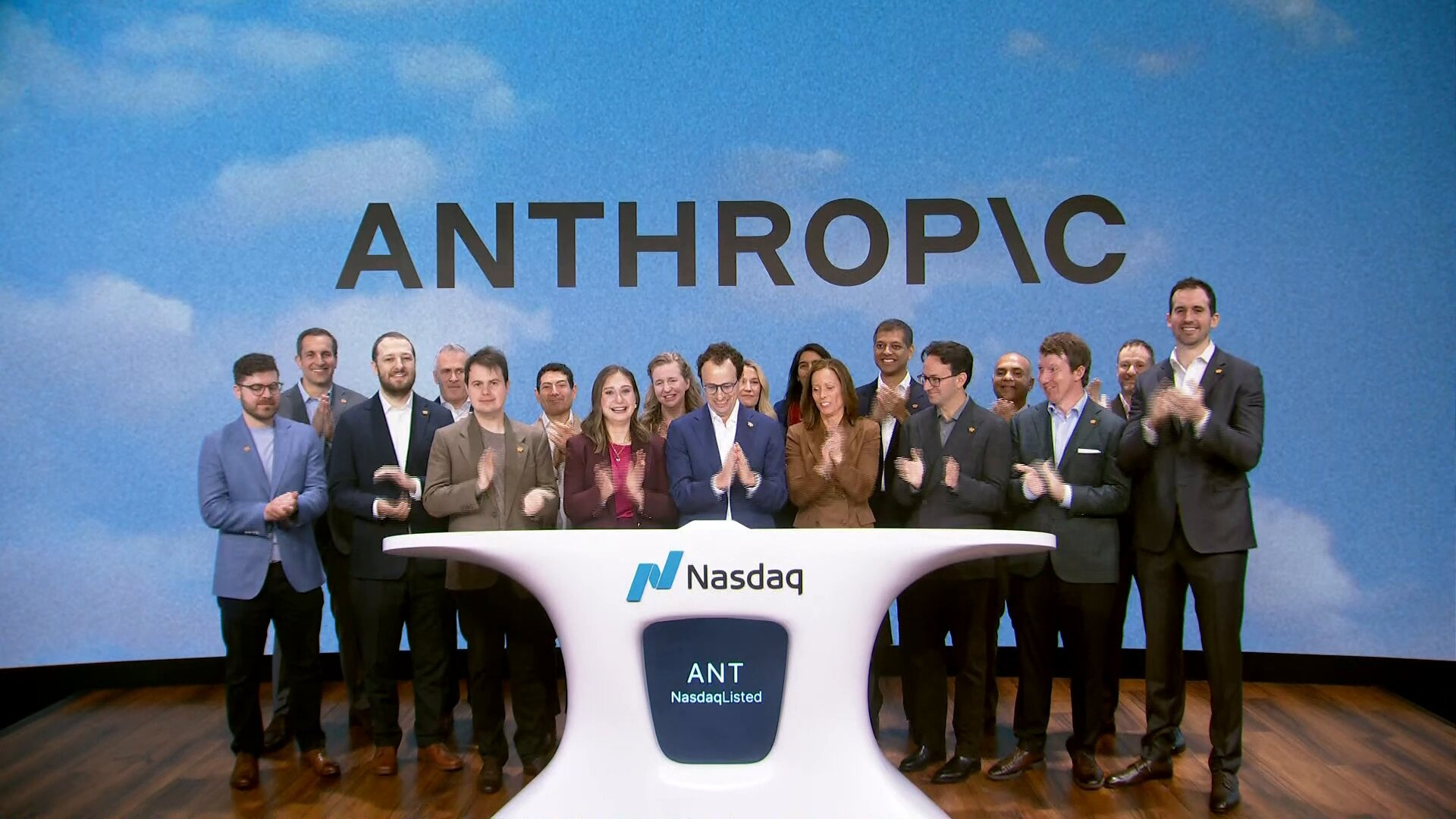
Anthropic’s IPO is priced at $83 per share, with a total offering size of approximately $81.3 billion, including newly issued shares and shares sold by some existing shareholders.
According to reports, at 23:24 Beijing time on November 19, the stock’s indicative opening price was $105, about 26.5% above the offering price. The indicative price is not the actual trading price; as of the live update at 23:30, reports were still awaiting the first trade.
Yahoo estimated from the offering documents that lead underwriters Goldman Sachs and Morgan Stanley may each receive approximately $113 million in underwriting fees. The final amounts have yet to be confirmed.
$ANT.US $BTC
{future}(BTCUSDT)
{stock_us}(ANT.US)
#Anthropic今日开始交易,IPO定价每股83美元
Anthropic’s IPO is priced at $83 per share, with a total offering size of approximately $81.3 billion, including newly issued shares and shares sold by some existing shareholders.
According to reports, at 23:24 Beijing time on November 19, the stock’s indicative opening price was $105, about 26.5% above the offering price. The indicative price is not the actual trading price; as of the live update at 23:30, reports were still awaiting the first trade.
Yahoo estimated from the offering documents that lead underwriters Goldman Sachs and Morgan Stanley may each receive approximately $113 million in underwriting fees. The final amounts have yet to be confirmed.
$ANT.US $BTC
#Anthropic今日开始交易,IPO定价每股83美元
BTC-5.99%
ANTUS-13.60%
1
456
·
--
Verified
Even Masayoshi Son says he regrets not investing in Anthropic, and after reading that, I’m feeling a little tempted too: Was this huge opportunity another one I missed?
Anthropic’s IPO is priced at $83, but whether it’s worth it can’t be judged just by how loudly everyone’s talking about it. And yet, in the minutes just released by the Fed, they’re still saying interest rates may need to go up later; Bitcoin ETFs also saw net outflows of over $300 million on November 18. I really don’t dare rush in on impulse.
Does AI have a future? I think it does—a bright one, a very bright one. So, is anyone else thinking of trying it out on a small scale, like me...?
$ANT.US $ANT #Anthropic今日开始交易,IPO定价每股83美元
{future}(ANTUSDT)
{future}(BTCUSDT)
Even Masayoshi Son says he regrets not investing in Anthropic, and after reading that, I’m feeling a little tempted too: Was this huge opportunity another one I missed?
Anthropic’s IPO is priced at $83, but whether it’s worth it can’t be judged just by how loudly everyone’s talking about it. And yet, in the minutes just released by the Fed, they’re still saying interest rates may need to go up later; Bitcoin ETFs also saw net outflows of over $300 million on November 18. I really don’t dare rush in on impulse.
Does AI have a future? I think it does—a bright one, a very bright one. So, is anyone else thinking of trying it out on a small scale, like me...?
$ANT .US $ANT #Anthropic今日开始交易,IPO定价每股83美元
ANTUS-13.60%
3
6.4k
·
--
Verified
“Discounts are subject to the system’s calculations.” If the system gets it wrong, who can I complain to?
On November 17, France’s Financial Sector Advisory Committee (CCSF) issued recommendations calling for ordinary users to be given clear explanations of services such as DeFi and lending, and for stronger protection of personal data. It got me thinking about a more specific question: If a platform uses my transaction history to calculate a discount, can I check whether it got the calculation right?
For example, a DeFi app might promise that if you meet certain trading requirements over the past month, you’ll pay lower fees on your next swap. Users shouldn’t have to pay for every transaction and then guess whether they actually got the discount.
A Uniswap hooks use case described by Space and Time shows how this could work: query a wallet’s transaction history, then use the result, accompanied by proof, to lower fees for eligible users.
Its Proof of SQL lets an app verify whether a query was correctly executed against committed data. But whether the original records are genuine, or whether the discount rules are fair, still needs to be assessed separately. Nor should this kind of proof be treated as a cure-all for every privacy issue.
More than a vague “Thanks for being a loyal user,” I’d like discounts to be calculated clearly, and for mistakes to be traceable. If technology can ultimately help people avoid being quietly shortchanged, then it has real, practical value.
#sxt $SXT @SpaceandTimeDB
“Discounts are subject to the system’s calculations.” If the system gets it wrong, who can I complain to?
On November 17, France’s Financial Sector Advisory Committee (CCSF) issued recommendations calling for ordinary users to be given clear explanations of services such as DeFi and lending, and for stronger protection of personal data. It got me thinking about a more specific question: If a platform uses my transaction history to calculate a discount, can I check whether it got the calculation right?
For example, a DeFi app might promise that if you meet certain trading requirements over the past month, you’ll pay lower fees on your next swap. Users shouldn’t have to pay for every transaction and then guess whether they actually got the discount.
A Uniswap hooks use case described by Space and Time shows how this could work: query a wallet’s transaction history, then use the result, accompanied by proof, to lower fees for eligible users.
Its Proof of SQL lets an app verify whether a query was correctly executed against committed data. But whether the original records are genuine, or whether the discount rules are fair, still needs to be assessed separately. Nor should this kind of proof be treated as a cure-all for every privacy issue.
More than a vague “Thanks for being a loyal user,” I’d like discounts to be calculated clearly, and for mistakes to be traceable. If technology can ultimately help people avoid being quietly shortchanged, then it has real, practical value.
#sxt $SXT @SpaceandTime
2
600
·
--
Partly True
$NVDA Revenue doubled, but big customers are asking around about alternatives.
{future}(NVDAUSDT)
More than shareholders selling their stock, what Nvidia should really worry about is buyers starting to consider switching suppliers.
The latest earnings report was certainly impressive: quarterly revenue of $115.8 billion, up 103% year over year. But another set of figures deserves a look too: gross margin was 74.8% this quarter, and is expected to drop to 71%–72% next quarter. The business is still growing, but you can no longer assume the same amount of gross profit from every dollar in sales.
Meanwhile, Microsoft executives reportedly said customers have long wanted more chip options, and recent events have only strengthened that sentiment. Of course, they also said they would continue working with Nvidia. That doesn't mean the orders have already gone elsewhere.
Put simply, even the best customers start shopping around when they're spending too much.
$AMD Waiting in the wings are Microsoft, Amazon, and Google, all developing their own chips. Looking upstream, foundries and memory makers care about whether orders will keep growing; downstream, cloud providers have bought so many GPUs that they'll need to figure out how to make their money back.
{future}(AMDUSDT)
So don't get carried away just because you see “revenue doubled.” Selling GPUs well is one thing; whether big customers are willing to keep buying them at these prices is another.
$TSM #英伟达财报超预期AI云股盘后上涨
{future}(TSMUSDT)
$NVDA Revenue doubled, but big customers are asking around about alternatives.
More than shareholders selling their stock, what Nvidia should really worry about is buyers starting to consider switching suppliers.
The latest earnings report was certainly impressive: quarterly revenue of $115.8 billion, up 103% year over year. But another set of figures deserves a look too: gross margin was 74.8% this quarter, and is expected to drop to 71%–72% next quarter. The business is still growing, but you can no longer assume the same amount of gross profit from every dollar in sales.
Meanwhile, Microsoft executives reportedly said customers have long wanted more chip options, and recent events have only strengthened that sentiment. Of course, they also said they would continue working with Nvidia. That doesn't mean the orders have already gone elsewhere.
Put simply, even the best customers start shopping around when they're spending too much.
$AMD Waiting in the wings are Microsoft, Amazon, and Google, all developing their own chips. Looking upstream, foundries and memory makers care about whether orders will keep growing; downstream, cloud providers have bought so many GPUs that they'll need to figure out how to make their money back.
So don't get carried away just because you see “revenue doubled.” Selling GPUs well is one thing; whether big customers are willing to keep buying them at these prices is another.
$TSM #英伟达财报超预期AI云股盘后上涨

619
·
--
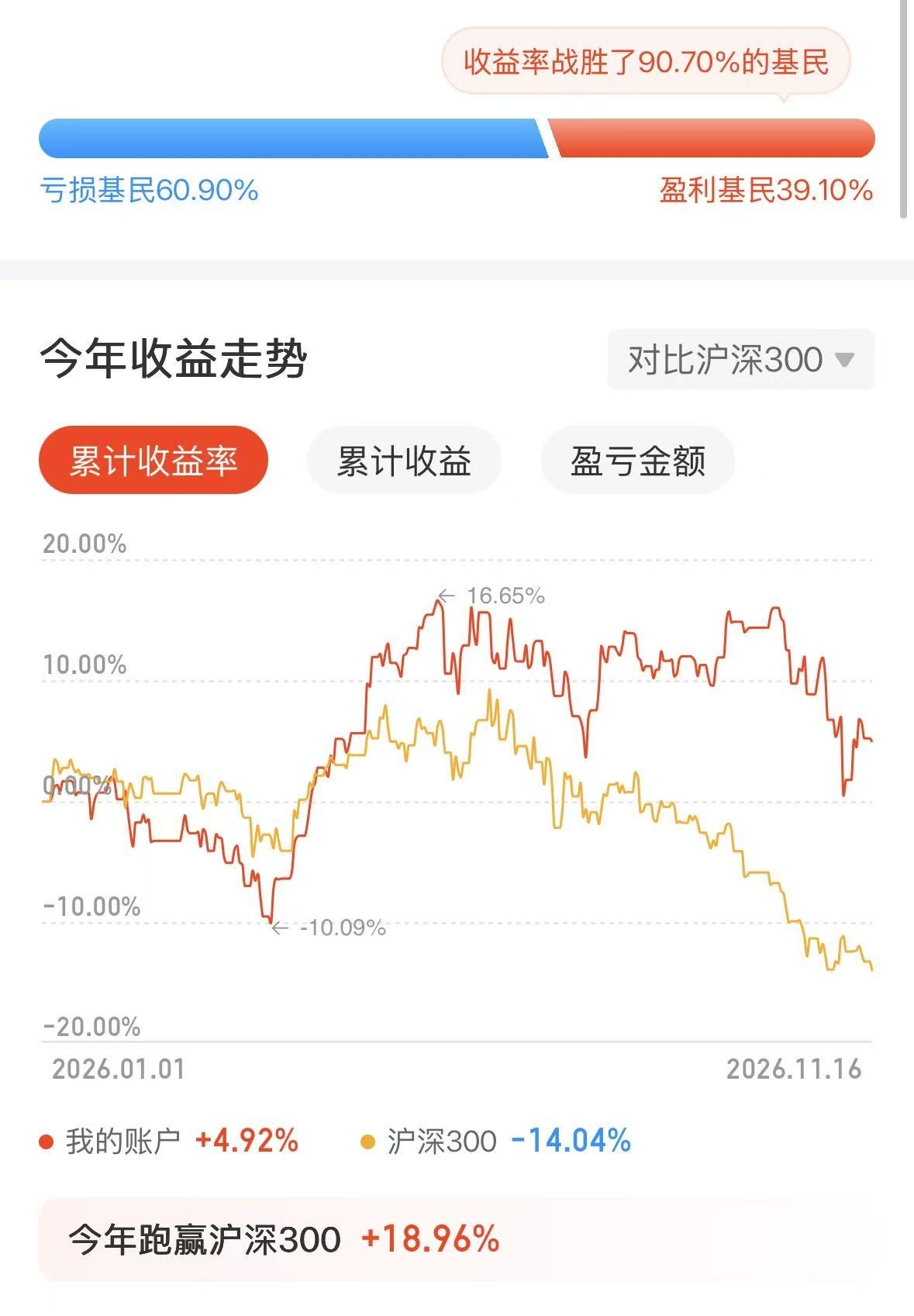
This year, regular investments in the Nasdaq have outperformed 90% of fund investors.
$QQQ $SPY
{future}(SPYUSDT)
{future}(QQQUSDT)
This year, regular investments in the Nasdaq have outperformed 90% of fund investors.
$QQQ $SPY
$QQQ $SPY
358
·
--
Ledger’s official website was affected by a security incident involving a third-party service. The related malicious code may have replaced cryptocurrency addresses on the webpage. The malicious code has now been removed, and Ledger says its hardware wallet security architecture and private keys were not affected.
But “the private keys weren’t lost” doesn’t mean a transfer can’t go wrong. You think you’re copying the recipient’s address, but what if it’s secretly replaced? In the end, the money you personally confirm sending is still your own.
You save money little by little, but one wrong transfer could send you right back to square one.
Don’t just check the address on your computer or phone. When you make the final confirmation, check the recipient address on your hardware wallet’s screen too. There’s no shame in taking a second look—if you send money to the wrong address, no one else will feel the loss for you.
$BTC
{future}(BTCUSDT)
$ETH
{future}(ETHUSDT)
Ledger’s official website was affected by a security incident involving a third-party service. The related malicious code may have replaced cryptocurrency addresses on the webpage. The malicious code has now been removed, and Ledger says its hardware wallet security architecture and private keys were not affected.
But “the private keys weren’t lost” doesn’t mean a transfer can’t go wrong. You think you’re copying the recipient’s address, but what if it’s secretly replaced? In the end, the money you personally confirm sending is still your own.
You save money little by little, but one wrong transfer could send you right back to square one.
Don’t just check the address on your computer or phone. When you make the final confirmation, check the recipient address on your hardware wallet’s screen too. There’s no shame in taking a second look—if you send money to the wrong address, no one else will feel the loss for you.
$BTC
$ETH
219
·
--
On Trump's visit to China, Jensen Huang was absent, while Elon Musk came along.
Back in May this year, people were imitating Jensen Huang for eating zhajiangmian.
Now, just a few months later, the controversy surrounding Nvidia is still brewing, and Huang has gone from being a key figure in U.S.-China tech exchanges to an absentee on this trip. Musk, by contrast, will take part in Trump's China visit as an adviser.
On the surface, the trip is about trade and tariffs, but AI and chips are unavoidable topics behind the scenes. U.S. Treasury Secretary Bessent has again questioned Nvidia's export compliance and suggested that the board look outside the company for a new leader.
However, the meeting between Trump and Xi Jinping is not expected to bring any major breakthroughs right away. Both sides are more focused on tariffs, rare earth supplies, and how to continue talks going forward.
I think what's really worth watching isn't who boards Air Force One, but where the U.S.-China rivalry over AI and semiconductors is headed. For Nvidia, the controversy surrounding Huang may be just a short-term headache; changes in export policy and the Chinese market are the longer-term tests.
$NVDA $SPCX $BTC #本周财报与宏观事件密集,市场再迎波动考验 #英媒报道黄仁勋正考虑重返英伟达
{future}(BTCUSDT)
{future}(SPCXUSDT)
{future}(NVDAUSDT)
On Trump's visit to China, Jensen Huang was absent, while Elon Musk came along.
Back in May this year, people were imitating Jensen Huang for eating zhajiangmian.
Now, just a few months later, the controversy surrounding Nvidia is still brewing, and Huang has gone from being a key figure in U.S.-China tech exchanges to an absentee on this trip. Musk, by contrast, will take part in Trump's China visit as an adviser.
On the surface, the trip is about trade and tariffs, but AI and chips are unavoidable topics behind the scenes. U.S. Treasury Secretary Bessent has again questioned Nvidia's export compliance and suggested that the board look outside the company for a new leader.
However, the meeting between Trump and Xi Jinping is not expected to bring any major breakthroughs right away. Both sides are more focused on tariffs, rare earth supplies, and how to continue talks going forward.
I think what's really worth watching isn't who boards Air Force One, but where the U.S.-China rivalry over AI and semiconductors is headed. For Nvidia, the controversy surrounding Huang may be just a short-term headache; changes in export policy and the Chinese market are the longer-term tests.
$NVDA $SPCX $BTC #本周财报与宏观事件密集,市场再迎波动考验 #英媒报道黄仁勋正考虑重返英伟达
1
116
·
--
There are two key things to watch in U.S. stocks this week: corporate earnings and signals from the Federal Reserve on interest rates.
Nvidia, Disney, Walmart, Palo Alto Networks and other companies will report earnings in succession. Nvidia is still drawing the most attention, with the market expecting revenue of about $108.7 billion for its third quarter. The question now is no longer just whether chip sales are strong, but how much of the huge investment in AI can ultimately be turned into real profits.
Walmart and Target’s results are also worth watching. The performance of consumer-facing retailers can offer an indirect read on how much spending power Americans have.
On the policy front, Federal Reserve Chair Kevin Warsh and several other officials will deliver speeches, and the minutes from the October meeting will be released on Wednesday. The market’s questions are simple: Has inflationary pressure eased, and is there still room for rate cuts ahead?
I think the real focus this week is whether the AI growth story can continue to deliver in earnings, and whether U.S. consumers remain resilient in a high-interest-rate environment.
Ultimately, markets come back to fundamentals. Earnings reports provide the answers, while interest rates determine how much investors are willing to pay for valuations.
$NVDA $WMT $QQQ #加密市场大幅回调,多名巨鲸遭遇清算
{future}(QQQUSDT)
{future}(WMTUSDT)
{future}(NVDAUSDT)
There are two key things to watch in U.S. stocks this week: corporate earnings and signals from the Federal Reserve on interest rates.
Nvidia, Disney, Walmart, Palo Alto Networks and other companies will report earnings in succession. Nvidia is still drawing the most attention, with the market expecting revenue of about $108.7 billion for its third quarter. The question now is no longer just whether chip sales are strong, but how much of the huge investment in AI can ultimately be turned into real profits.
Walmart and Target’s results are also worth watching. The performance of consumer-facing retailers can offer an indirect read on how much spending power Americans have.
On the policy front, Federal Reserve Chair Kevin Warsh and several other officials will deliver speeches, and the minutes from the October meeting will be released on Wednesday. The market’s questions are simple: Has inflationary pressure eased, and is there still room for rate cuts ahead?
I think the real focus this week is whether the AI growth story can continue to deliver in earnings, and whether U.S. consumers remain resilient in a high-interest-rate environment.
Ultimately, markets come back to fundamentals. Earnings reports provide the answers, while interest rates determine how much investors are willing to pay for valuations.
$NVDA $WMT $QQQ #加密市场大幅回调,多名巨鲸遭遇清算
455
·
--
The $BTC 7 ten-thousand-dollar level didn’t hold, and even the people in the group chat shouting “buy the dip” suddenly went quiet.
{future}(BTCUSDT)
According to CoinDesk tonight, Bitcoin fell as low as $67,770. About $1.64 billion in futures positions were liquidated over the past 24 hours, nearly 90% of them longs.
In the past, when prices fell, you could still comfort yourself with the thought that institutions would step in to buy. This time, a look around showed that institutions were heading for the exits too. Another report published the same day, citing SoSoValue data, said that U.S. spot Bitcoin ETFs’ cumulative net flows for the year had turned negative, with outflows of about $1.56 billion.
That brings us back to three months ago. Those who regretted not buying the dip then—will they have the courage to jump in decisively this time?
Let’s take our time looking for a bottom. Don’t rush to put all your capital in, but don’t let yourself miss out either.
$ETH $BNB #比特币跌破200周均线 #加密美股齐跌,下轮反弹的驱动力在哪?
{future}(BNBUSDT)
{future}(ETHUSDT)
The $BTC 7 ten-thousand-dollar level didn’t hold, and even the people in the group chat shouting “buy the dip” suddenly went quiet.
According to CoinDesk tonight, Bitcoin fell as low as $67,770. About $1.64 billion in futures positions were liquidated over the past 24 hours, nearly 90% of them longs.
In the past, when prices fell, you could still comfort yourself with the thought that institutions would step in to buy. This time, a look around showed that institutions were heading for the exits too. Another report published the same day, citing SoSoValue data, said that U.S. spot Bitcoin ETFs’ cumulative net flows for the year had turned negative, with outflows of about $1.56 billion.
That brings us back to three months ago. Those who regretted not buying the dip then—will they have the courage to jump in decisively this time?
Let’s take our time looking for a bottom. Don’t rush to put all your capital in, but don’t let yourself miss out either.
$ETH $BNB #比特币跌破200周均线 #加密美股齐跌,下轮反弹的驱动力在哪?
301
·
--
Verified
The leather jacket is still here, but the man is gone.
Nvidia has officially announced that Jensen Huang has resigned as CEO and from the board, effective immediately. Just a few days ago, people were still joking about Huang’s “sudden stroke of genius.” Now it’s no longer a joke: a personal matter has gone public, and the company has gone straight to a leadership change. To be clear, the announcement only says he “resigned”; the turmoil in his personal life is still based solely on media reports.
The most ironic thing is that what the market has feared most all these years was never that Nvidia would run out of orders, but that “Nvidia = Jensen Huang.” Now that fear has come true.
According to CNBC, Nvidia was down about 9% in premarket trading at 9:36 p.m. Beijing time. Yet at the same time, AMD and Broadcom were up premarket. The money hasn’t left AI; it’s just starting to shift from “trusting one person” to “trusting an entire supply chain.”
How long is that chain? Upstream are TSMC’s foundry services, HBM memory from SK Hynix and Micron, and advanced packaging. Downstream are server makers like Supermicro and Dell, followed by cloud and computing providers like Microsoft and Meta. If Nvidia stumbles, upstream suppliers worry about order cuts, while downstream customers worry about supply disruptions. But if customers take the opportunity to diversify their sourcing, AMD and Broadcom’s custom chips could get a closer look.
The interim successor is CFO Colette Kress. With a finance executive at the helm, the priority in the short term will most likely be stability. The real test comes with the earnings report at 5:20 a.m. Beijing time on November 18. Then we’ll find out whether Nvidia’s order book can still hold up without Huang.
You can wait for a buying opportunity, but don’t let emotion lead you aboard a giant ship whose captain has just changed.
$NVDA $AMD $AVGO #黄仁勋再被曝与下属婚外情,或遭董事会罢免
{future}(AVGOUSDT)
{future}(NVDAUSDT)
{future}(AMDUSDT)
The leather jacket is still here, but the man is gone.
Nvidia has officially announced that Jensen Huang has resigned as CEO and from the board, effective immediately. Just a few days ago, people were still joking about Huang’s “sudden stroke of genius.” Now it’s no longer a joke: a personal matter has gone public, and the company has gone straight to a leadership change. To be clear, the announcement only says he “resigned”; the turmoil in his personal life is still based solely on media reports.
The most ironic thing is that what the market has feared most all these years was never that Nvidia would run out of orders, but that “Nvidia = Jensen Huang.” Now that fear has come true.
According to CNBC, Nvidia was down about 9% in premarket trading at 9:36 p.m. Beijing time. Yet at the same time, AMD and Broadcom were up premarket. The money hasn’t left AI; it’s just starting to shift from “trusting one person” to “trusting an entire supply chain.”
How long is that chain? Upstream are TSMC’s foundry services, HBM memory from SK Hynix and Micron, and advanced packaging. Downstream are server makers like Supermicro and Dell, followed by cloud and computing providers like Microsoft and Meta. If Nvidia stumbles, upstream suppliers worry about order cuts, while downstream customers worry about supply disruptions. But if customers take the opportunity to diversify their sourcing, AMD and Broadcom’s custom chips could get a closer look.
The interim successor is CFO Colette Kress. With a finance executive at the helm, the priority in the short term will most likely be stability. The real test comes with the earnings report at 5:20 a.m. Beijing time on November 18. Then we’ll find out whether Nvidia’s order book can still hold up without Huang.
You can wait for a buying opportunity, but don’t let emotion lead you aboard a giant ship whose captain has just changed.
$NVDA $AMD $AVGO #黄仁勋再被曝与下属婚外情,或遭董事会罢免
1
831
·
--
Verified
The most grueling markets aren’t the ones that keep falling, but the ones that let you catch your breath before making your heart sink again.
Chip stocks had finally risen for four straight days, but $NVDA was thrown off course again by reports that the board had discussed Huang Renxun’s future. The news still needs further confirmation, but the share price has already reacted.
{future}(NVDAUSDT)
It’s so frustrating to watch the broader market recover and Apple hit a new high, while the AI stocks I’m holding still can’t bounce back. The market is up, but I’m losing money.
But the sharper the rebound, the easier it is to mistake the hope of breaking even for a trend reversal. Chip stocks have bounced considerably from their lows, but the semiconductor index is still below its 200-day moving average. The ground lost earlier hasn’t been reclaimed yet.
Rather than rush into a gamble, it’s better to watch whether Nvidia can stop falling and whether chip stocks can hold their ground. Missing out on some gains is disappointing, but regaining confidence only to get trapped again hurts even more.
$TSM $AMD #黄仁勋再被曝与下属婚外情,或遭董事会罢免
{future}(AMDUSDT)
{future}(TSMUSDT)
The most grueling markets aren’t the ones that keep falling, but the ones that let you catch your breath before making your heart sink again.
Chip stocks had finally risen for four straight days, but $NVDA was thrown off course again by reports that the board had discussed Huang Renxun’s future. The news still needs further confirmation, but the share price has already reacted.
It’s so frustrating to watch the broader market recover and Apple hit a new high, while the AI stocks I’m holding still can’t bounce back. The market is up, but I’m losing money.
But the sharper the rebound, the easier it is to mistake the hope of breaking even for a trend reversal. Chip stocks have bounced considerably from their lows, but the semiconductor index is still below its 200-day moving average. The ground lost earlier hasn’t been reclaimed yet.
Rather than rush into a gamble, it’s better to watch whether Nvidia can stop falling and whether chip stocks can hold their ground. Missing out on some gains is disappointing, but regaining confidence only to get trapped again hurts even more.
$TSM $AMD #黄仁勋再被曝与下属婚外情,或遭董事会罢免
2.6k
·
--
$BTC The pressure over the past few days may have come not only from the candlestick charts, but also from institutional capital.
Today, MSCI announced its final list of companies affected by its “non-operating companies” classification. The changes will take effect at the close on November 30. According to Reuters, Bitcoin treasury companies such as Strategy and Metaplanet will be removed from MSCI’s relevant global indexes because they are considered more like investment funds than ordinary operating companies.
Meanwhile, ETF funds are also flowing out. According to SoSoValue data, U.S. spot Bitcoin ETFs saw net outflows of about $299.9 million on November 11, marking a fifth consecutive trading day of net outflows. BlackRock’s IBIT alone recorded about $270 million in outflows that day. At 14:30 today, Bitcoin was trading at around $73,660.
Taken together, the signals are clearer: Bitcoin treasury companies are being reclassified in indexes, potentially prompting passive funds to rebalance, while spot ETF funds continue to flow out.
What the market may be lacking isn’t a bullish story, but fresh capital willing to keep buying.
But it’s important to distinguish between the two: the stocks being removed from indexes are company shares, not Bitcoin. This doesn’t mean Strategy has to sell its coins. The $2.8 billion in passive selling estimated by the market earlier has not yet happened, and consecutive ETF outflows likewise don’t mean that Bitcoin’s price will necessarily keep falling.
What’s more worth watching next isn’t who makes another bullish call, but two things: when ETF outflows will stop, and whether Bitcoin treasury companies can continue to raise funds smoothly to buy Bitcoin.$MSTR
#Strategy遭MSCI剔除,融资增持比特币或受阻
{future}(MSTRUSDT)
{future}(BTCUSDT)
$BTC The pressure over the past few days may have come not only from the candlestick charts, but also from institutional capital.
Today, MSCI announced its final list of companies affected by its “non-operating companies” classification. The changes will take effect at the close on November 30. According to Reuters, Bitcoin treasury companies such as Strategy and Metaplanet will be removed from MSCI’s relevant global indexes because they are considered more like investment funds than ordinary operating companies.
Meanwhile, ETF funds are also flowing out. According to SoSoValue data, U.S. spot Bitcoin ETFs saw net outflows of about $299.9 million on November 11, marking a fifth consecutive trading day of net outflows. BlackRock’s IBIT alone recorded about $270 million in outflows that day. At 14:30 today, Bitcoin was trading at around $73,660.
Taken together, the signals are clearer: Bitcoin treasury companies are being reclassified in indexes, potentially prompting passive funds to rebalance, while spot ETF funds continue to flow out.
What the market may be lacking isn’t a bullish story, but fresh capital willing to keep buying.
But it’s important to distinguish between the two: the stocks being removed from indexes are company shares, not Bitcoin. This doesn’t mean Strategy has to sell its coins. The $2.8 billion in passive selling estimated by the market earlier has not yet happened, and consecutive ETF outflows likewise don’t mean that Bitcoin’s price will necessarily keep falling.
What’s more worth watching next isn’t who makes another bullish call, but two things: when ETF outflows will stop, and whether Bitcoin treasury companies can continue to raise funds smoothly to buy Bitcoin.$MSTR
#Strategy遭MSCI剔除,融资增持比特币或受阻
380
·
--
Sure enough, when it comes to cheating, it’s either zero times or countless times—and Jensen Huang is no exception.
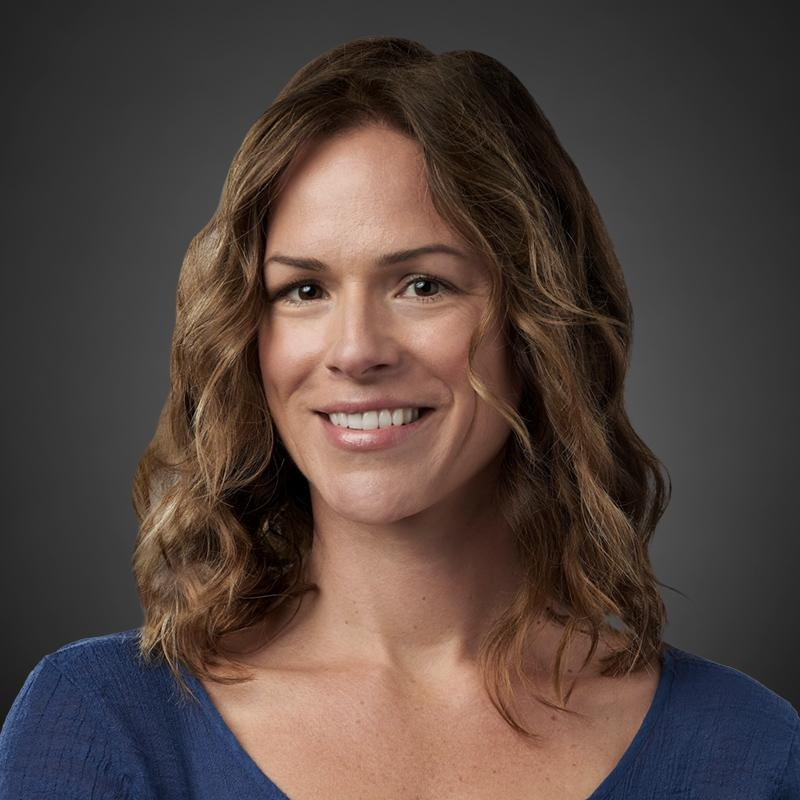
Who is Kimberly Powell? NVIDIA’s vice president of healthcare, with over 18 years at the company
She is a senior executive in the $NVDA healthcare business, has been with the company for over 18 years, and is one of CEO Jensen Huang’s direct reports. She has been accused of having an affair with Huang.
{future}(NVDAUSDT)
According to publicly available information, her career history is as follows:
Joined NVIDIA in 2008: Initially held business development roles, primarily focused on higher education and healthcare.
Promoted in 2017: Became vice president of NVIDIA’s healthcare business.
Work experience: Responsible for promoting NVIDIA’s visual computing platform at universities and in the healthcare industry worldwide, building technology partnerships, and developing emerging markets.
Education: Graduated from Boston University.
Career beginnings: Started her career in 1999, initially working as a hardware engineer.
Based on her professional background, Powell is not an ordinary employee but a key leader in NVIDIA’s healthcare business. She is among the approximately 60 executives directly managed by Huang.
Her most recent LinkedIn post was about a month ago and concerned NVIDIA’s AI agent security platform. She noted that, as autonomous AI agents develop, security sandboxes and continuous monitoring are needed to reduce risks, and introduced NVIDIA’s Open Agent Safety Platform.
Why she has recently drawn attention:
The New York Times reported that Powell and Huang were alleged to have had an affair. The report also said the two were seen behaving intimately during a company meeting in March this year.
Meanwhile, The Wall Street Journal reported that NVIDIA’s board was discussing whether to remove Huang as CEO. However, these reports do not mean that the board has made a decision.
It should be emphasized that the allegations about the two’s relationship have not yet been independently verified. Powell’s professional history should be considered separately from the rumors surrounding her.
#英伟达
Sure enough, when it comes to cheating, it’s either zero times or countless times—and Jensen Huang is no exception.
Who is Kimberly Powell? NVIDIA’s vice president of healthcare, with over 18 years at the company
She is a senior executive in the $NVDA healthcare business, has been with the company for over 18 years, and is one of CEO Jensen Huang’s direct reports. She has been accused of having an affair with Huang.
According to publicly available information, her career history is as follows:
Joined NVIDIA in 2008: Initially held business development roles, primarily focused on higher education and healthcare.
Promoted in 2017: Became vice president of NVIDIA’s healthcare business.
Work experience: Responsible for promoting NVIDIA’s visual computing platform at universities and in the healthcare industry worldwide, building technology partnerships, and developing emerging markets.
Education: Graduated from Boston University.
Career beginnings: Started her career in 1999, initially working as a hardware engineer.
Based on her professional background, Powell is not an ordinary employee but a key leader in NVIDIA’s healthcare business. She is among the approximately 60 executives directly managed by Huang.
Her most recent LinkedIn post was about a month ago and concerned NVIDIA’s AI agent security platform. She noted that, as autonomous AI agents develop, security sandboxes and continuous monitoring are needed to reduce risks, and introduced NVIDIA’s Open Agent Safety Platform.
Why she has recently drawn attention:
The New York Times reported that Powell and Huang were alleged to have had an affair. The report also said the two were seen behaving intimately during a company meeting in March this year.
Meanwhile, The Wall Street Journal reported that NVIDIA’s board was discussing whether to remove Huang as CEO. However, these reports do not mean that the board has made a decision.
It should be emphasized that the allegations about the two’s relationship have not yet been independently verified. Powell’s professional history should be considered separately from the rumors surrounding her.
#英伟达
1.1k
·
--
Partly True
Musk wants to build a trillion-dollar chip factory. The question Tesla shareholders should be asking is: Who will pay for it?
The chip project being advanced by $TSLA and $SPCX could require as much as $1 trillion in long-term investment. Note that this does not mean Tesla will have to shoulder the cost alone, nor will the money be spent all at once. The specific funding arrangements are still unclear.
{future}(SPCXUSDT)
{future}(TSLAUSDT)
But for Tesla shareholders, the risk is clear: The factory will require spending upfront, while it’s uncertain when it will start making money. If Tesla shoulders a large share of the investment, its cash reserves will shrink. If it raises funds by issuing new shares, existing shareholders’ ownership stakes in the company could be diluted.
The prospects for robotaxis and AI chips are promising, but promise is not the same as profit.
Rather than focusing on the next grand plan, investors should pay closer attention to how much Tesla will have to spend, how much its existing businesses can earn, and when its new businesses will become profitable.
#特斯拉
Musk wants to build a trillion-dollar chip factory. The question Tesla shareholders should be asking is: Who will pay for it?
The chip project being advanced by $TSLA and $SPCX could require as much as $1 trillion in long-term investment. Note that this does not mean Tesla will have to shoulder the cost alone, nor will the money be spent all at once. The specific funding arrangements are still unclear.
But for Tesla shareholders, the risk is clear: The factory will require spending upfront, while it’s uncertain when it will start making money. If Tesla shoulders a large share of the investment, its cash reserves will shrink. If it raises funds by issuing new shares, existing shareholders’ ownership stakes in the company could be diluted.
The prospects for robotaxis and AI chips are promising, but promise is not the same as profit.
Rather than focusing on the next grand plan, investors should pay closer attention to how much Tesla will have to spend, how much its existing businesses can earn, and when its new businesses will become profitable.
#特斯拉
1
1k
·
--
Thanks, crypto world, for giving me a Pinduoduo-style life… (laughing through tears)
$牛来
$BTC #CPI高于预期,美股与BTC再度承压
{future}(牛来USDT)
{future}(BTCUSDT)
$BNB
{future}(BNBUSDT)
Thanks, crypto world, for giving me a Pinduoduo-style life… (laughing through tears)
$牛来
$BTC #CPI高于预期,美股与BTC再度承压
$BNB
$牛来
$BTC #CPI高于预期,美股与BTC再度承压
$BNB

1
1k
·
--
Binance suddenly hit the brakes on transfers to “Matcha”: withdrawals are being rejected, while deposits are being temporarily held. This time, regulatory risk has directly affected the flow of funds! Previously, regulators issued orders; now, it’s already affecting transfers between platforms.
Binance issued an announcement telling users to immediately stop conducting related fund transactions with MEXC and its affiliated entities through Binance. According to Decrypt, withdrawals to MEXC will be rejected, while deposits from MEXC will be temporarily held pending compliance review.
What I find most noteworthy about this news isn’t that there’s yet another regulatory announcement, but that compliance risks have now reached ordinary users’ deposits and withdrawals. Having assets in your account doesn’t mean the transfer routes that used to work are still available.
But don’t overstate the news: this doesn’t mean MEXC has shut down globally, nor does it mean all users’ assets have been frozen. If you’re planning to transfer funds between the two platforms soon, check the latest announcements first—don’t just transfer as you normally would.
$BTC $MSTR $BNB
{future}(BNBUSDT)
{future}(MSTRUSDT)
{future}(BTCUSDT)
Binance suddenly hit the brakes on transfers to “Matcha”: withdrawals are being rejected, while deposits are being temporarily held. This time, regulatory risk has directly affected the flow of funds! Previously, regulators issued orders; now, it’s already affecting transfers between platforms.
Binance issued an announcement telling users to immediately stop conducting related fund transactions with MEXC and its affiliated entities through Binance. According to Decrypt, withdrawals to MEXC will be rejected, while deposits from MEXC will be temporarily held pending compliance review.
What I find most noteworthy about this news isn’t that there’s yet another regulatory announcement, but that compliance risks have now reached ordinary users’ deposits and withdrawals. Having assets in your account doesn’t mean the transfer routes that used to work are still available.
But don’t overstate the news: this doesn’t mean MEXC has shut down globally, nor does it mean all users’ assets have been frozen. If you’re planning to transfer funds between the two platforms soon, check the latest announcements first—don’t just transfer as you normally would.
$BTC $MSTR $BNB
1
1.5k
Log in to explore more content
Join global crypto users on Binance Square
⚡️ Get latest and useful information about crypto.
💬 Trusted by the world’s largest crypto exchange.
👍 Discover real insights from verified creators.
Email / Phone number
Trending Topics
CanBTCReboundAfterFallingBelow60K?
0 views
115 Discussing
Bitcoin News | Bitcoin Falls Below $60,000 for the First Time Since July as IBIT Posts Record $541 Million Outflow
Binance News
·10 Likes
·14.4k views
GlobalStocksFaceLongestLosingStreakSince2023
0 views
272 Discussing
AnthropicPlungesTowardIPOPriceonDay2
0 views
43 Discussing