
carryminati007
476 Posts

carryminati007
419 Following
6.8K+ Followers
1.0K+ Liked
Posts
All
Quotes
Live
$NVDA

BuddyKing
·
--
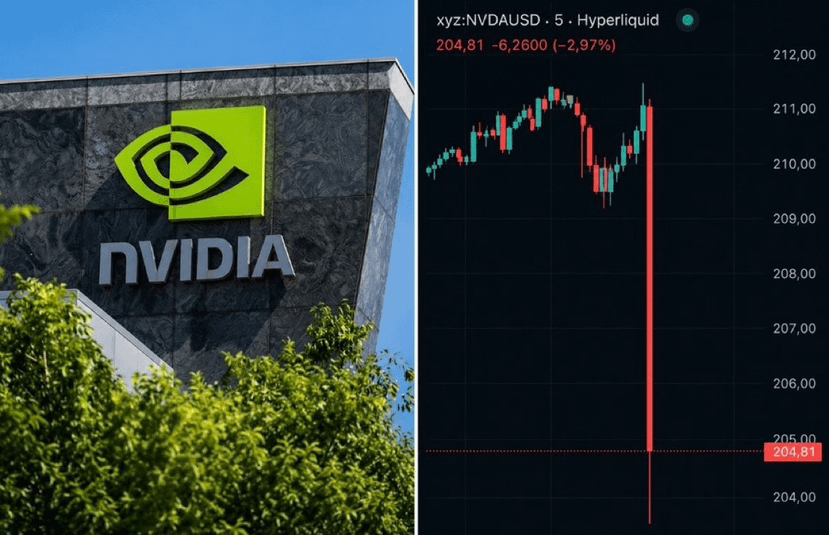
BREAKING: $NVDA delivers another monster quarter.
Nvidia reported $96.2B in revenue, crushing the $92.4B estimate.
EPS also beat expectations, while stronger-than-expected guidance keeps the AI growth story alive.
Yet $NVDAB dropped 4% after the report.
Wall Street’s expectations are clearly getting harder to beat.
$NVDA.US #SECSendsCryptoCustodyRuleToWhiteHouse
#XRPRallies44%InAWeek
Nvidia reported $96.2B in revenue, crushing the $92.4B estimate.
EPS also beat expectations, while stronger-than-expected guidance keeps the AI growth story alive.
Yet $NVDAB dropped 4% after the report.
Wall Street’s expectations are clearly getting harder to beat.
$NVDA.US #SECSendsCryptoCustodyRuleToWhiteHouse
#XRPRallies44%InAWeek
$ETH
StarBugDev
·
--
$ETH ⚪ Bitcoin is at $78,000 after peaking above $81,000, impacted by a PCE index increase to 3.7%. Upcoming events, including a $6.4 billion options expiry and Fed chair Kevin Warsh's speech, may sway its price
$TSLAB


Binance News
·
--
Tencent Technology (Shenzhen) Files Multiple “TENCENT WORKBUDDY” Trademark Applications
Tencent Technology (Shenzhen) Co., Ltd. has applied to register multiple “TENCENT WORKBUDDY” trademarks, with international classes covering areas including advertising and sales as well as education and entertainment, according to 36Kr. The filings are currently listed as “awaiting substantive examination,” based on Tianyancha intellectual property records.
The company was established in February 2000, with Pony Ma as its legal representative and registered capital of $2 million. It is wholly owned by Zhongba Group Co., Ltd., and its business scope includes technology development of computer hardware and software and sales of self-developed software.
The company was established in February 2000, with Pony Ma as its legal representative and registered capital of $2 million. It is wholly owned by Zhongba Group Co., Ltd., and its business scope includes technology development of computer hardware and software and sales of self-developed software.
$NVDAB
Binance News
·
--
Cerebras Shares Fall Below IPO Price After First Earnings Report as Hyperliquid Whales Increase Short Bets
Cerebras (CBRS), an AI chip company previously described as a major challenger to Nvidia, fell about 22% after releasing its first quarterly report since going public, with negative guidance outweighing better-than-expected results and pushing the stock below its IPO price.
According to BlockBeats On-chain Detection, monitoring by Hyperinsight shows overall whale positioning has turned bearish, with CBRS quoted at $184 on Hyperliquid, down 7.7% over the past 24 hours.
Large short sellers at the million-dollar scale held about $11.62 million in combined short positions, about 2.39 times the roughly $4.87 million held by long positions.
Two major short positions were opened at elevated levels on or even before the IPO day. One whale address, 0xe0ff, opened a short on May 14 at $284.51 using 3x leverage, with a position size of $6.13 million and an unrealized profit of $3.24 million. Another whale address, 0x9996, opened a short on May 11 at $275.92 using 5x leverage, with a position size of $5.48 million and an unrealized profit of $2.64 million.
Both addresses are reported to hold short positions in CBRS and SPCX, and are described as favoring short setups ahead of or on the day of major stock listings. Following the earnings-related downside move, the two positions together showed about $5.88 million in unrealized profit.
The average entry price for current CBRS short whale positions was about $275, with the market price now more than 30% below that level. The nearest short liquidation level was cited at $200.13, about 7% above the current price.
According to BlockBeats On-chain Detection, monitoring by Hyperinsight shows overall whale positioning has turned bearish, with CBRS quoted at $184 on Hyperliquid, down 7.7% over the past 24 hours.
Large short sellers at the million-dollar scale held about $11.62 million in combined short positions, about 2.39 times the roughly $4.87 million held by long positions.
Two major short positions were opened at elevated levels on or even before the IPO day. One whale address, 0xe0ff, opened a short on May 14 at $284.51 using 3x leverage, with a position size of $6.13 million and an unrealized profit of $3.24 million. Another whale address, 0x9996, opened a short on May 11 at $275.92 using 5x leverage, with a position size of $5.48 million and an unrealized profit of $2.64 million.
Both addresses are reported to hold short positions in CBRS and SPCX, and are described as favoring short setups ahead of or on the day of major stock listings. Following the earnings-related downside move, the two positions together showed about $5.88 million in unrealized profit.
The average entry price for current CBRS short whale positions was about $275, with the market price now more than 30% below that level. The nearest short liquidation level was cited at $200.13, about 7% above the current price.
$MUB $TSLAB $NVDAB

Mastering Crypto
·
--
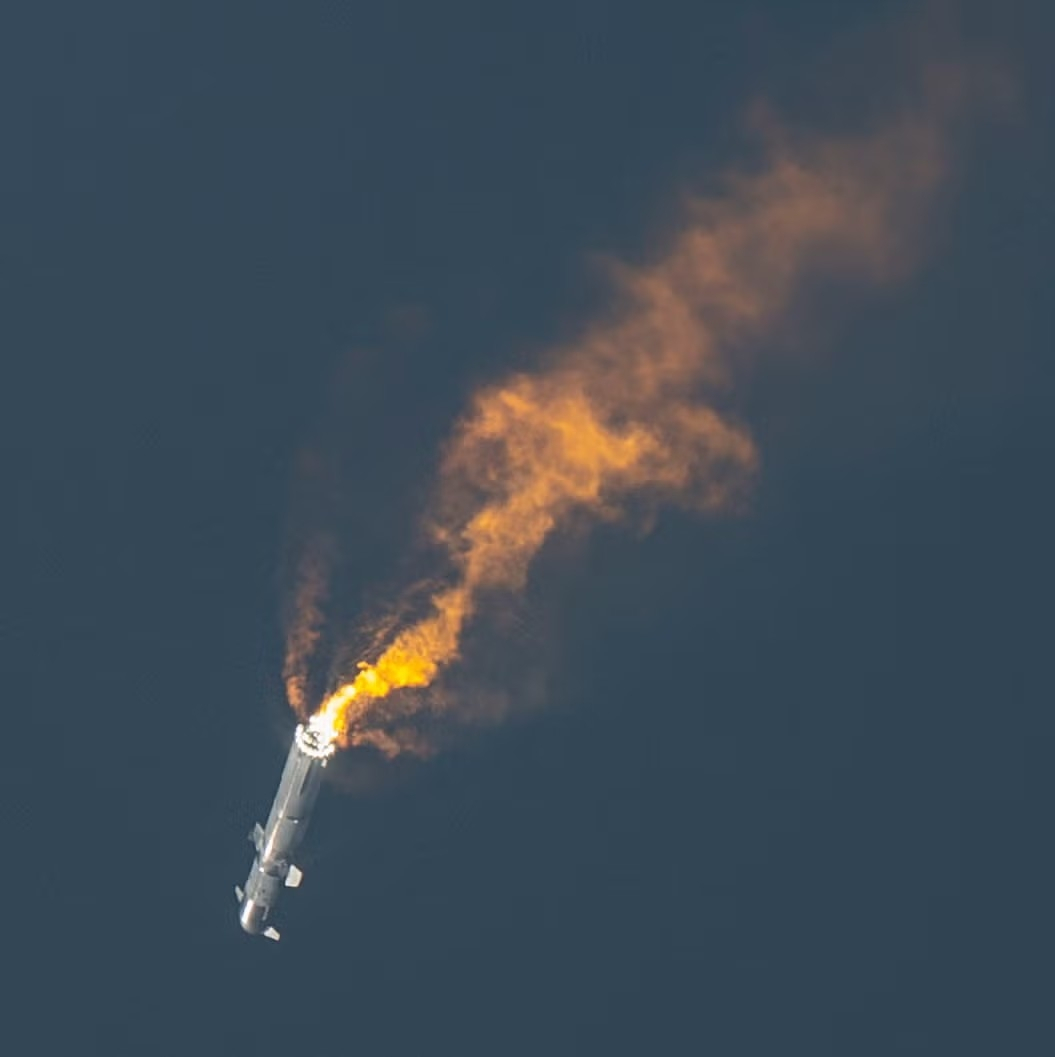
🚨 SpaceX ($SPCXB ) crashed so badly today 💔
$SPCX closed down 16.4% today, wiping out more than $400 billion in market capitalization.
The selloff comes just days after the company launched its first offering of senior unsecured notes, seeking to raise at least $20 billion despite reporting roughly $100.8 billion in cash and cash equivalents.
The bigger picture is even more dramatic
$SPCX is now down 31.3% from its all-time high
More than $927 billion in market value has been erased in just 3 trading days
The stock remains 14.5% above its IPO price
Just a week ago, investors were chasing the stock higher on AI and space hype.
Now the market is asking a different question:
Was the valuation simply too far ahead of reality?
Short 👇
#SpaceXPremarketFalls4.6%
$SPCX closed down 16.4% today, wiping out more than $400 billion in market capitalization.
The selloff comes just days after the company launched its first offering of senior unsecured notes, seeking to raise at least $20 billion despite reporting roughly $100.8 billion in cash and cash equivalents.
The bigger picture is even more dramatic
$SPCX is now down 31.3% from its all-time high
More than $927 billion in market value has been erased in just 3 trading days
The stock remains 14.5% above its IPO price
Just a week ago, investors were chasing the stock higher on AI and space hype.
Now the market is asking a different question:
Was the valuation simply too far ahead of reality?
Short 👇
#SpaceXPremarketFalls4.6%
$MUB

Global Markets Investor
·
--
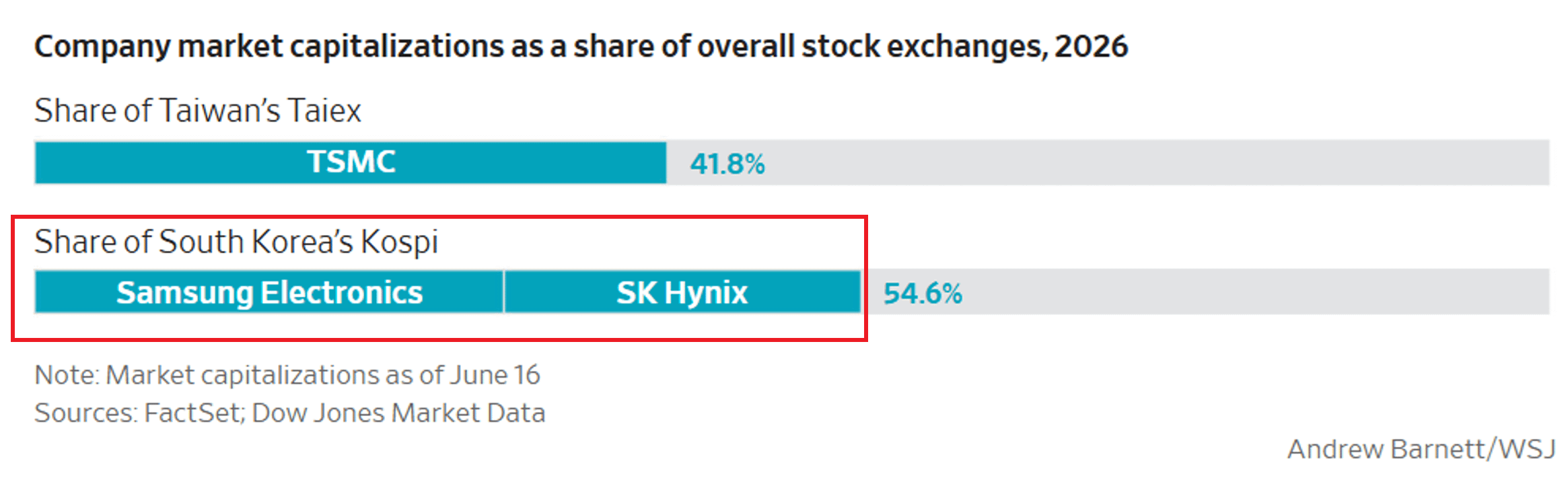
🔴The entire South Korean and Taiwanese stock market rally rests on just 3 companies:
Samsung Electronics and SK Hynix together reflect ~55% of South Korea's Kospi index.
Both companies recently crossed trillion-dollar valuations and dominate the production of memory chips used in AI computations and data storage.
Meanwhile, TSMC alone accounts for ~42% of Taiwan's Taiex index.
TSMC is the world's 7th most valuable company, with a market capitalization of over $2.2 trillion, larger than Tesla or Meta.
TSMC also accounted for more than 90% of revenue in the most advanced chipmaking segment last year, according to Counterpoint Research.
To put this into perspective, the Magnificent 7 collectively account for only ~33% of the S&P 500.
This is INSANE.
Samsung Electronics and SK Hynix together reflect ~55% of South Korea's Kospi index.
Both companies recently crossed trillion-dollar valuations and dominate the production of memory chips used in AI computations and data storage.
Meanwhile, TSMC alone accounts for ~42% of Taiwan's Taiex index.
TSMC is the world's 7th most valuable company, with a market capitalization of over $2.2 trillion, larger than Tesla or Meta.
TSMC also accounted for more than 90% of revenue in the most advanced chipmaking segment last year, according to Counterpoint Research.
To put this into perspective, the Magnificent 7 collectively account for only ~33% of the S&P 500.
This is INSANE.
$NVDAB $MUB $TSLAB

Binance Wallet
·
--
⚽ Portugal vs. Uzbekistan prediction market is now live on Binance Wallet!
Analyze the market, assess the potential outcomes, and trade your views.
🏆 Trade on Binance Wallet for a chance to share a $2M USDT prize pool and earn Prediction Points rewards!
More exciting matches coming your way:
📱 Open in App
💻 Open in Web
Analyze the market, assess the potential outcomes, and trade your views.
🏆 Trade on Binance Wallet for a chance to share a $2M USDT prize pool and earn Prediction Points rewards!
More exciting matches coming your way:
📱 Open in App
💻 Open in Web

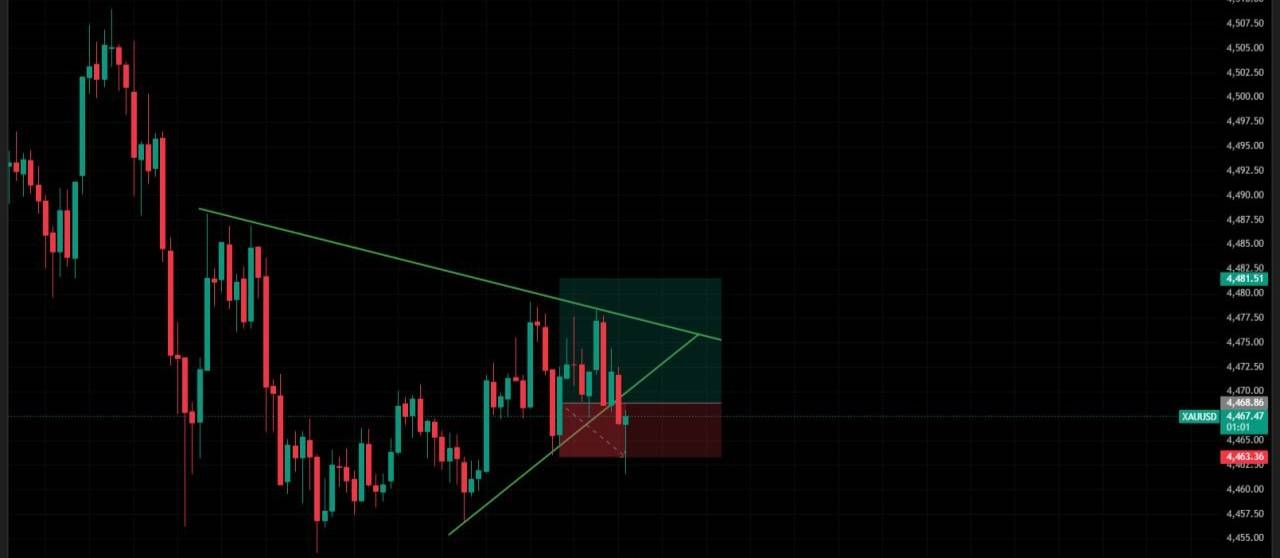
Better Execution Strategy
Aggressive Long
Only valid under the following conditions:
Price breaks below the downtrend line,
Quickly recovers 4466–4467,
A strong bullish candlestick closes.
Then:
TP1: 4475
TP2: 4480–4482
SL: below 4463
The above are the actual valid price levels.
$XAU
Aggressive Long
Only valid under the following conditions:
Price breaks below the downtrend line,
Quickly recovers 4466–4467,
A strong bullish candlestick closes.
Then:
TP1: 4475
TP2: 4480–4482
SL: below 4463
The above are the actual valid price levels.
$XAU
Current Structure
Only bullish above:
103.30–103.35
If the upper price level is accepted:
Target Price:
103.60
103.90
Stop Loss:
Below 102.65
$CL
Only bullish above:
103.30–103.35
If the upper price level is accepted:
Target Price:
103.60
103.90
Stop Loss:
Below 102.65
$CL
$SOL Short Entry Price: $84.3 - $84.7
Stop Loss: Manual stop loss, 60-minute close at $86.9
Target Price 1: $83.48
Target Price 2: $82.1
Target Price 3: $79.6
$SOL
Stop Loss: Manual stop loss, 60-minute close at $86.9
Target Price 1: $83.48
Target Price 2: $82.1
Target Price 3: $79.6
$SOL
🎙️ The market is down again, is it really going to keep tanking this time?
End
04 h 26 m 20 s
29.4k
41
🎙️ How to place long and short orders for BTC, let's chat about it!
End
05 h 59 m 59 s
46.5k
75
Trading Pair: EDENUSDT.P
Entry Point: 0.0526 – 0.0530
(Wait for a pullback, don't FOMO into a breakout candlestick)
Stop Loss: 0.0514
Target Levels:
TP1: 0.0548
TP2: 0.0565
TP3: 0.0588
$EDEN
Entry Point: 0.0526 – 0.0530
(Wait for a pullback, don't FOMO into a breakout candlestick)
Stop Loss: 0.0514
Target Levels:
TP1: 0.0548
TP2: 0.0565
TP3: 0.0588
$EDEN
Trading Pair: FIDAUSDT.P
Entry Point: 0.0228 – 0.0231
(Waiting for price to show weakness before a pump)
Stop Loss: 0.0238
Target Levels:
TP1: 0.0221
TP2: 0.0214
TP3: 0.0205
$FIDA
Entry Point: 0.0228 – 0.0231
(Waiting for price to show weakness before a pump)
Stop Loss: 0.0238
Target Levels:
TP1: 0.0221
TP2: 0.0214
TP3: 0.0205
$FIDA
Trading Pair: BSBUSDT.P
Entry Point: 0.664 – 0.670
(Waiting for a reversal candlestick)
Stop Loss: 0.681
Target Levels:
TP1: 0.648
TP2: 0.636
TP3: 0.622
Entry Point: 0.664 – 0.670
(Waiting for a reversal candlestick)
Stop Loss: 0.681
Target Levels:
TP1: 0.648
TP2: 0.636
TP3: 0.622
$ARC RE-ENTRY SHORT
Entry Zone: 0.0734 – 0.0744
Targets:
0.0705
0.0668
0.0629
0.0572
Stop Loss: 0.0765
$ARC
Entry Zone: 0.0734 – 0.0744
Targets:
0.0705
0.0668
0.0629
0.0572
Stop Loss: 0.0765
$ARC
$FF Short Setup
Entry - Current Market Price
Stop loss $0.09
Target 1 $0.083
Target 2 $0.081
Target 3 $0.0765
$FF
Entry - Current Market Price
Stop loss $0.09
Target 1 $0.083
Target 2 $0.081
Target 3 $0.0765
$FF
Log in to explore more content