

JERRY8_22
6.3k Posts

JERRY8_22
Report
Block User
Blockchain Believer | Investor | Sharing Crypto Knowledge Daily
59 Following
21.8K+ Followers
11.4K+ Liked
Posts
All
Quotes
Live
·
--
Bullish
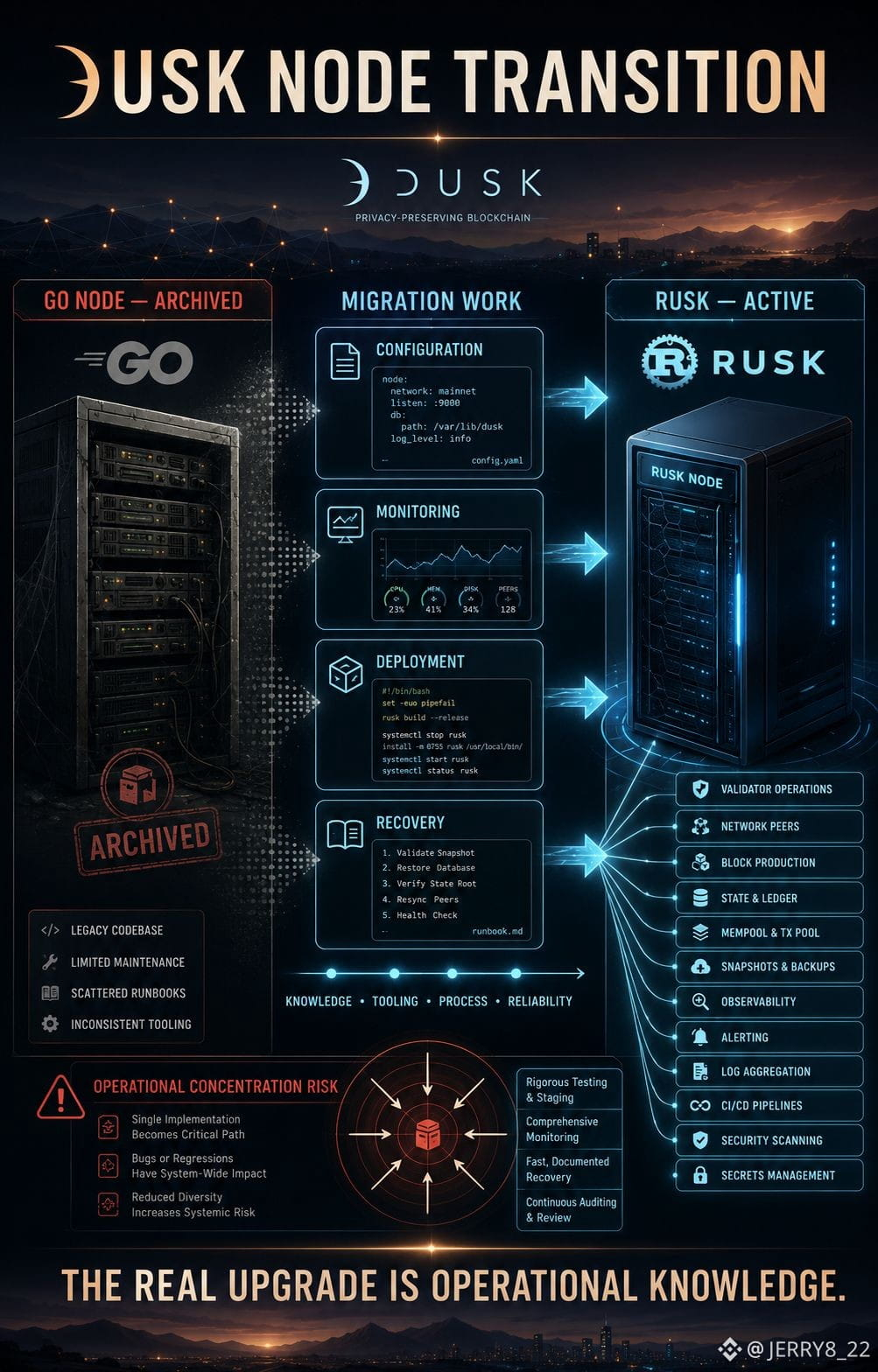
Dusk archived its original Go node repository in June 2025. After 5,774 commits, dusk-blockchain is now read-only, while Rusk has become the project’s official node implementation.
At first glance, this looks like routine technical housekeeping. It is not. Dusk has moved the network’s consensus, state management, contract execution, and node interfaces onto one actively maintained Rust codebase.
There is real value in that decision. Maintaining two implementations consumes engineering time and creates the risk that they behave differently at the edges. One client gives the Dusk team a clearer development path.
But consolidation also changes the network’s risk profile. Operators migrating from Go must update deployment scripts, monitoring dashboards, configuration assumptions, and recovery procedures. Four operational systems can break even when the node itself compiles and runs correctly.
How many Dusk operators have tested that migration during an actual failure? Are old integrations relying on behavior that Rusk does not reproduce? If a Rusk-specific bug appears, where does implementation-level redundancy come from?
Retiring legacy software is often the right move. The harder task is making sure the knowledge built around it does not disappear too.
For Dusk, the important upgrade is not Go to Rust. It is undocumented experience becoming shared operational knowledge.
#dusk @Dusk_Foundation $DUSK
Dusk archived its original Go node repository in June 2025. After 5,774 commits, dusk-blockchain is now read-only, while Rusk has become the project’s official node implementation.
At first glance, this looks like routine technical housekeeping. It is not. Dusk has moved the network’s consensus, state management, contract execution, and node interfaces onto one actively maintained Rust codebase.
There is real value in that decision. Maintaining two implementations consumes engineering time and creates the risk that they behave differently at the edges. One client gives the Dusk team a clearer development path.
But consolidation also changes the network’s risk profile. Operators migrating from Go must update deployment scripts, monitoring dashboards, configuration assumptions, and recovery procedures. Four operational systems can break even when the node itself compiles and runs correctly.
How many Dusk operators have tested that migration during an actual failure? Are old integrations relying on behavior that Rusk does not reproduce? If a Rusk-specific bug appears, where does implementation-level redundancy come from?
Retiring legacy software is often the right move. The harder task is making sure the knowledge built around it does not disappear too.
For Dusk, the important upgrade is not Go to Rust. It is undocumented experience becoming shared operational knowledge.
#dusk @Dusk $DUSK
At first glance, this looks like routine technical housekeeping. It is not. Dusk has moved the network’s consensus, state management, contract execution, and node interfaces onto one actively maintained Rust codebase.
There is real value in that decision. Maintaining two implementations consumes engineering time and creates the risk that they behave differently at the edges. One client gives the Dusk team a clearer development path.
But consolidation also changes the network’s risk profile. Operators migrating from Go must update deployment scripts, monitoring dashboards, configuration assumptions, and recovery procedures. Four operational systems can break even when the node itself compiles and runs correctly.
How many Dusk operators have tested that migration during an actual failure? Are old integrations relying on behavior that Rusk does not reproduce? If a Rusk-specific bug appears, where does implementation-level redundancy come from?
Retiring legacy software is often the right move. The harder task is making sure the knowledge built around it does not disappear too.
For Dusk, the important upgrade is not Go to Rust. It is undocumented experience becoming shared operational knowledge.
#dusk @Dusk $DUSK
5
1
70
·
--
Bullish
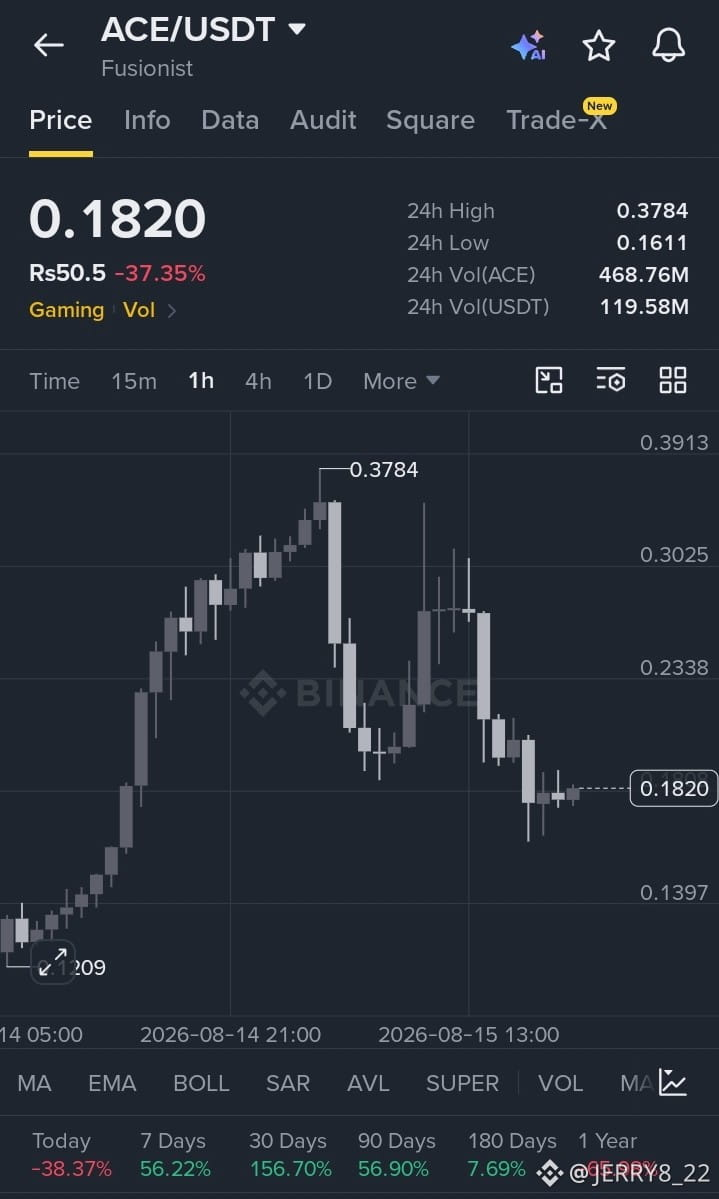
$ACE is building a base after the heavy shakeout. A relief move from here could accelerate fast.
EP / Buy Zone: 0.1750–0.1820
TP1: 0.1950
TP2: 0.2120
TP3: 0.2340
SL: 0.1640
The bounce zone is active. Let’s go $ACE
{spot}(ACEUSDT)
$ACE is building a base after the heavy shakeout. A relief move from here could accelerate fast.
EP / Buy Zone: 0.1750–0.1820
TP1: 0.1950
TP2: 0.2120
TP3: 0.2340
SL: 0.1640
The bounce zone is active. Let’s go $ACE
EP / Buy Zone: 0.1750–0.1820
TP1: 0.1950
TP2: 0.2120
TP3: 0.2340
SL: 0.1640
The bounce zone is active. Let’s go $ACE
212
·
--
Bullish
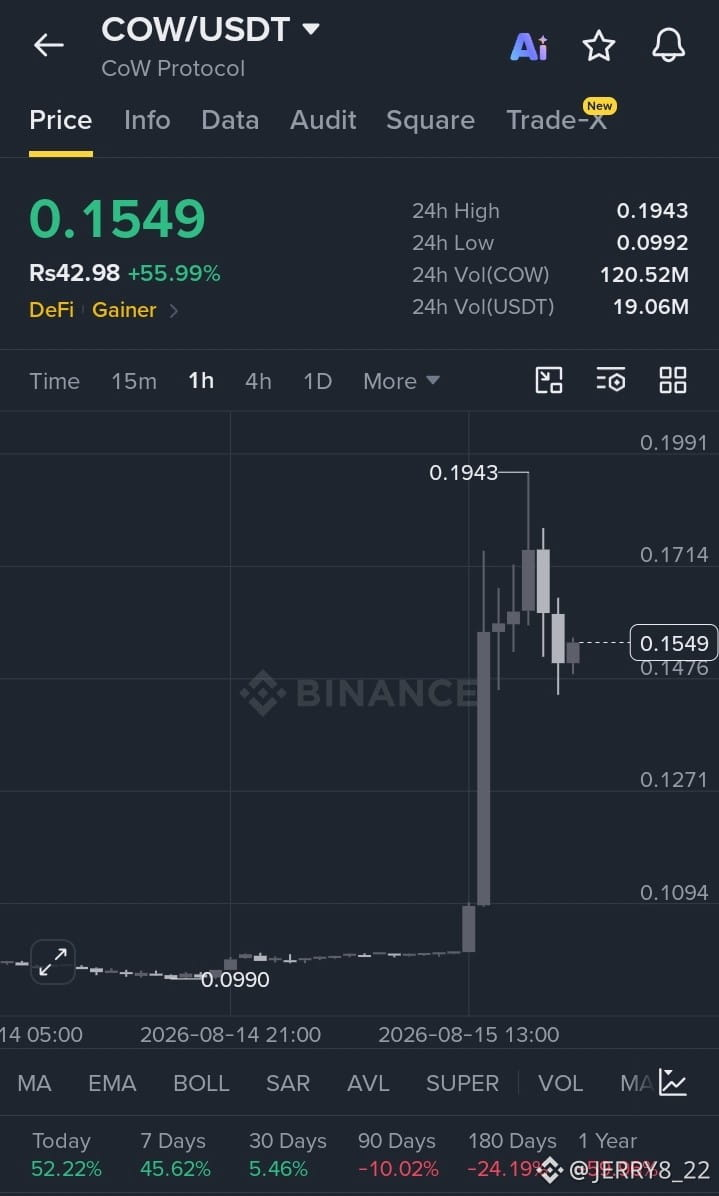
$COW is holding the breakout after an explosive move. Buyers are defending the pullback.
EP / Buy Zone: 0.1480–0.1540
TP1: 0.1620
TP2: 0.1714
TP3: 0.1943
SL: 0.1420
Volatility is loaded. Let’s go $COW
{spot}(COWUSDT)
$COW is holding the breakout after an explosive move. Buyers are defending the pullback.
EP / Buy Zone: 0.1480–0.1540
TP1: 0.1620
TP2: 0.1714
TP3: 0.1943
SL: 0.1420
Volatility is loaded. Let’s go $COW
EP / Buy Zone: 0.1480–0.1540
TP1: 0.1620
TP2: 0.1714
TP3: 0.1943
SL: 0.1420
Volatility is loaded. Let’s go $COW
161
·
--
Bullish
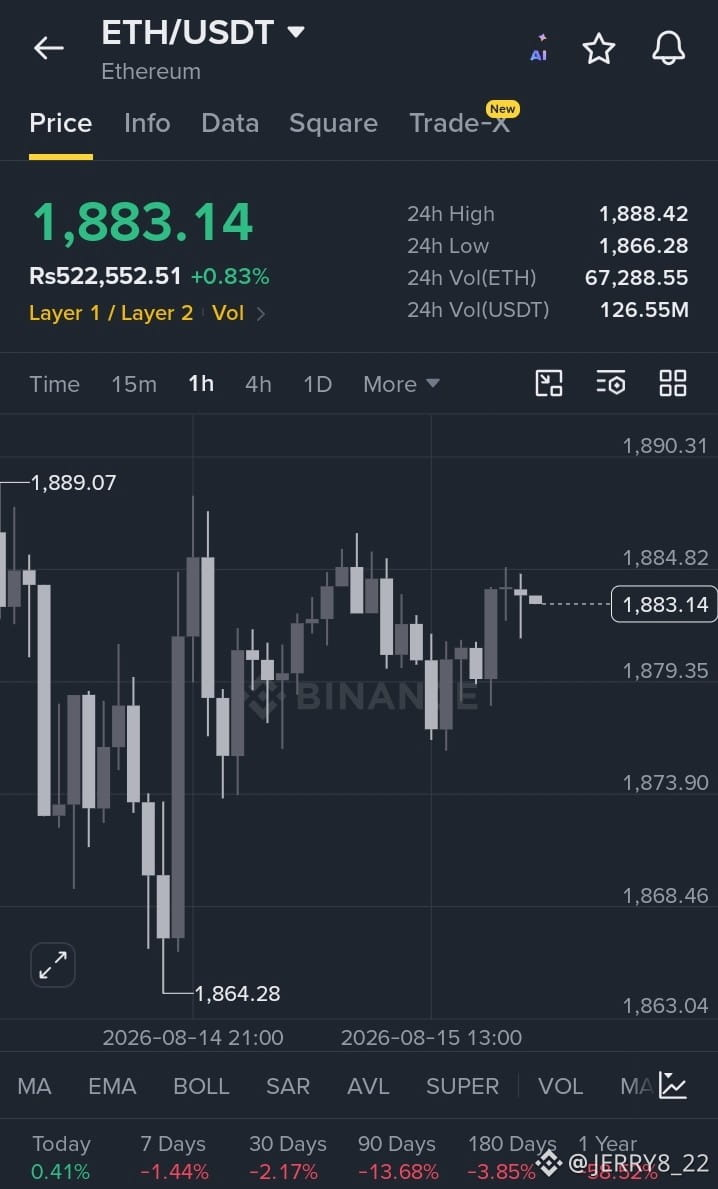
$ETH is pressing against resistance after a strong recovery. The next breakout could move fast.
EP / Buy Zone: 1,881.50–1,883.50
TP1: 1,885.00
TP2: 1,889.00
TP3: 1,893.50
SL: 1,878.50
Momentum is building. Let’s go $ETH
{spot}(ETHUSDT)
$ETH is pressing against resistance after a strong recovery. The next breakout could move fast.
EP / Buy Zone: 1,881.50–1,883.50
TP1: 1,885.00
TP2: 1,889.00
TP3: 1,893.50
SL: 1,878.50
Momentum is building. Let’s go $ETH
EP / Buy Zone: 1,881.50–1,883.50
TP1: 1,885.00
TP2: 1,889.00
TP3: 1,893.50
SL: 1,878.50
Momentum is building. Let’s go $ETH
108
·
--
Bullish
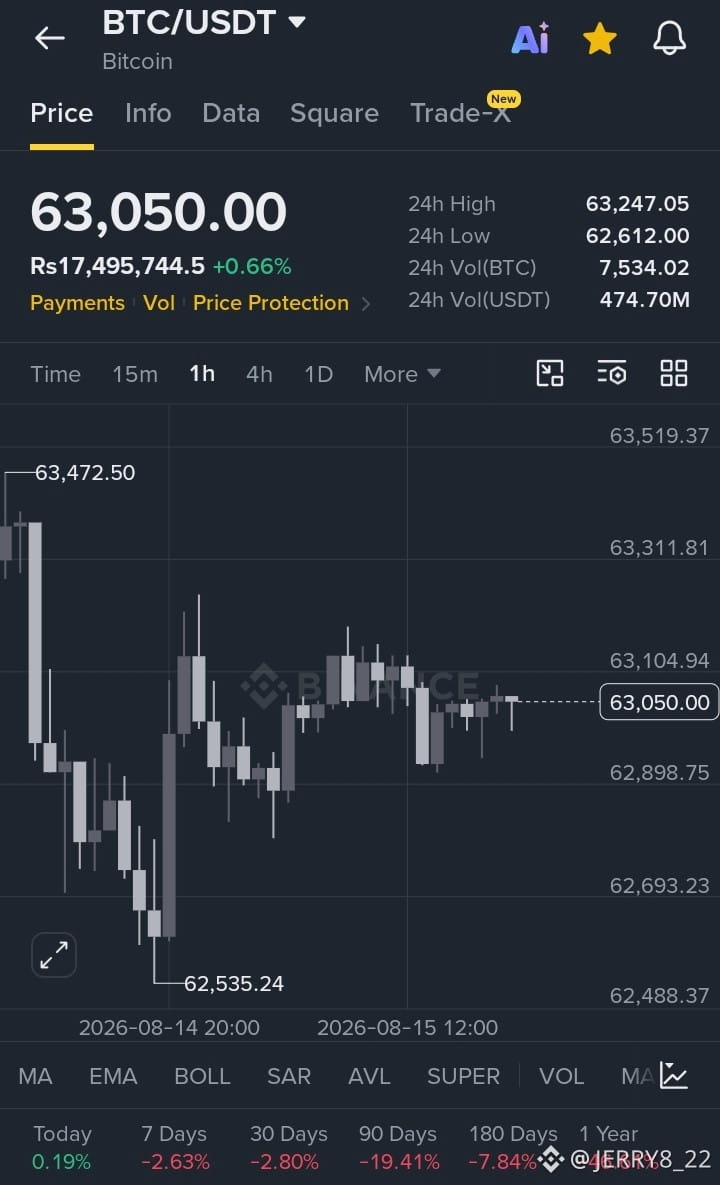
$BTC is tightening above support. One clean push could ignite the next move.
EP / Buy Zone: 62,920–63,020
TP1: 63,110
TP2: 63,310
TP3: 63,470
SL: 62,820
Pressure is building. Let’s go $BTC
{spot}(BTCUSDT)
$BTC is tightening above support. One clean push could ignite the next move.
EP / Buy Zone: 62,920–63,020
TP1: 63,110
TP2: 63,310
TP3: 63,470
SL: 62,820
Pressure is building. Let’s go $BTC
EP / Buy Zone: 62,920–63,020
TP1: 63,110
TP2: 63,310
TP3: 63,470
SL: 62,820
Pressure is building. Let’s go $BTC
147
·
--
Bullish
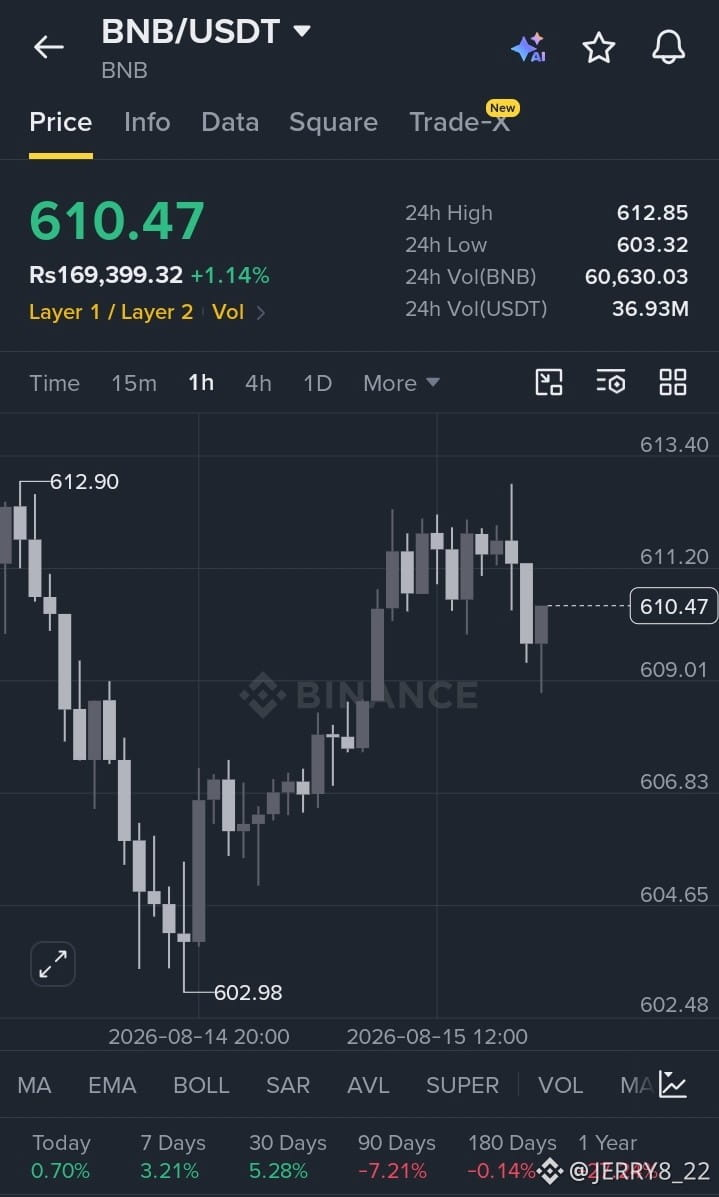
$BNB is holding strong after a sharp rebound. Breakout pressure is building.
Buy Zone / EP: 609.20–610.40
TP1: 611.50
TP2: 612.90
TP3: 615.00
SL: 607.80
Momentum is waking up. Let’s go $BNB
{spot}(BNBUSDT)
$BNB is holding strong after a sharp rebound. Breakout pressure is building.
Buy Zone / EP: 609.20–610.40
TP1: 611.50
TP2: 612.90
TP3: 615.00
SL: 607.80
Momentum is waking up. Let’s go $BNB
Buy Zone / EP: 609.20–610.40
TP1: 611.50
TP2: 612.90
TP3: 615.00
SL: 607.80
Momentum is waking up. Let’s go $BNB
123
·
--
Bullish
Dusk caught my attention because the project is tackling a real problem: bringing regulated assets on-chain without making institutions choose between privacy and compliance. Confidential transactions, selective disclosure and deterministic settlement make that direction worth taking seriously.
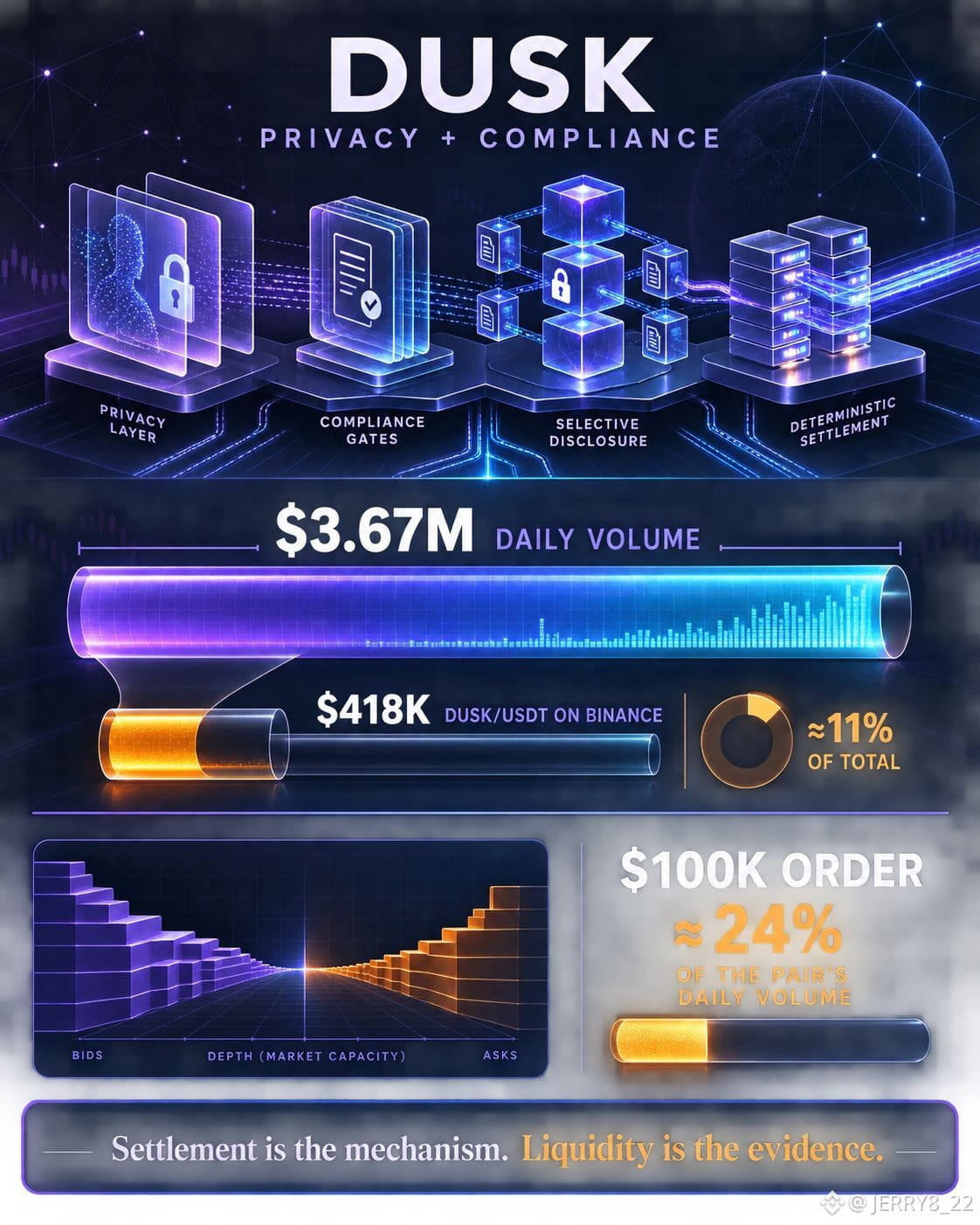
Still, the market around DUSK tells a more grounded story. Recent figures show roughly $3.67 million in daily volume, with about $418,000 coming from DUSK/USDT on Binance. That pair represents around 11% of reported turnover. A $100,000 order would equal nearly a quarter of its daily volume.
This does not mean one trade would move the price by 24%; volume and order-book depth are different. But it raises practical questions. Can Dusk support institutional entries and exits without significant slippage? Who provides liquidity when attention fades? How will Dusk Trade handle onboarding, custody issues and restricted transfers when real assets start changing hands at scale?
The foundation is thoughtful, and Dusk is designing for financial workflows rather than generic blockchain activity. The harder milestone is proving those workflows under real demand. Institutions will not judge Dusk by how elegantly it can settle an asset, but by how reliably that asset can be bought, held and sold.
#dusk @Dusk_Foundation $DUSK
Dusk caught my attention because the project is tackling a real problem: bringing regulated assets on-chain without making institutions choose between privacy and compliance. Confidential transactions, selective disclosure and deterministic settlement make that direction worth taking seriously.
Still, the market around DUSK tells a more grounded story. Recent figures show roughly $3.67 million in daily volume, with about $418,000 coming from DUSK/USDT on Binance. That pair represents around 11% of reported turnover. A $100,000 order would equal nearly a quarter of its daily volume.
This does not mean one trade would move the price by 24%; volume and order-book depth are different. But it raises practical questions. Can Dusk support institutional entries and exits without significant slippage? Who provides liquidity when attention fades? How will Dusk Trade handle onboarding, custody issues and restricted transfers when real assets start changing hands at scale?
The foundation is thoughtful, and Dusk is designing for financial workflows rather than generic blockchain activity. The harder milestone is proving those workflows under real demand. Institutions will not judge Dusk by how elegantly it can settle an asset, but by how reliably that asset can be bought, held and sold.
#dusk @Dusk $DUSK
Still, the market around DUSK tells a more grounded story. Recent figures show roughly $3.67 million in daily volume, with about $418,000 coming from DUSK/USDT on Binance. That pair represents around 11% of reported turnover. A $100,000 order would equal nearly a quarter of its daily volume.
This does not mean one trade would move the price by 24%; volume and order-book depth are different. But it raises practical questions. Can Dusk support institutional entries and exits without significant slippage? Who provides liquidity when attention fades? How will Dusk Trade handle onboarding, custody issues and restricted transfers when real assets start changing hands at scale?
The foundation is thoughtful, and Dusk is designing for financial workflows rather than generic blockchain activity. The harder milestone is proving those workflows under real demand. Institutions will not judge Dusk by how elegantly it can settle an asset, but by how reliably that asset can be bought, held and sold.
#dusk @Dusk $DUSK
4
1
33
·
--
Bullish
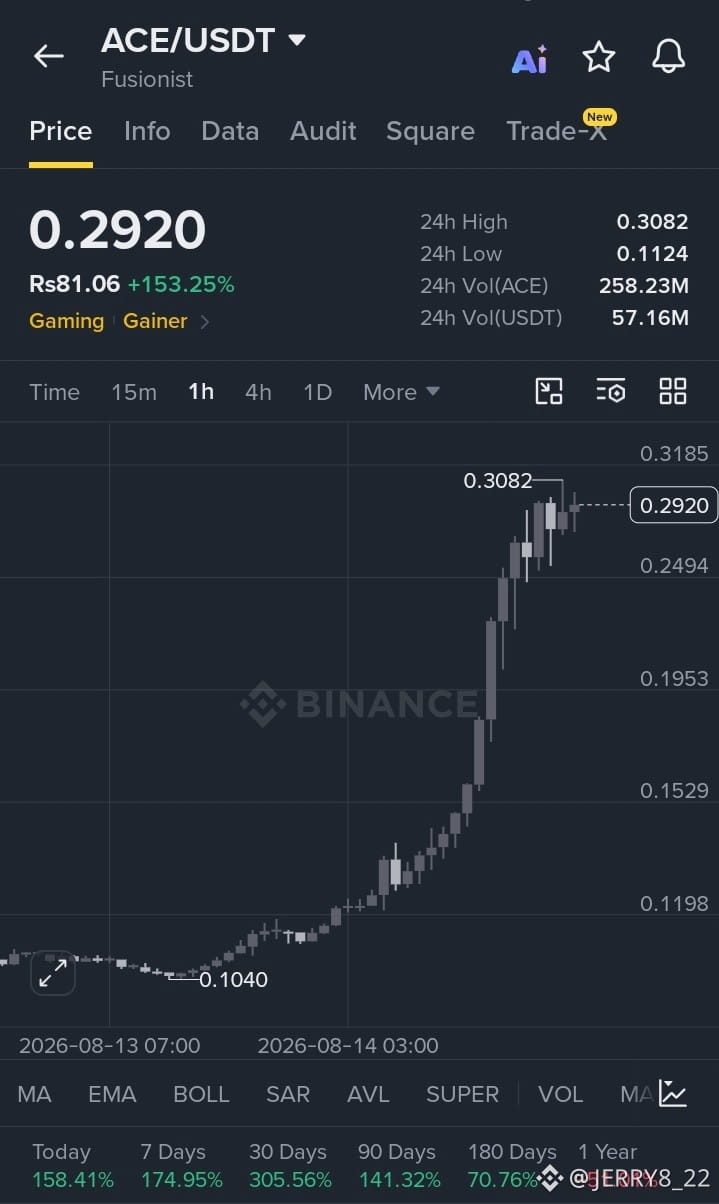
$ACE BULLISH MOMENTUM IS EXPLODING
Buy Zone: 0.2800–0.2920
EP: 0.2880
TP1: 0.3082
TP2: 0.3185
TP3: 0.3350
SL: 0.2670
Pressure is building beneath the highs. One breakout could send it flying.
Let’s go $ACE
{spot}(ACEUSDT)
$ACE BULLISH MOMENTUM IS EXPLODING
Buy Zone: 0.2800–0.2920
EP: 0.2880
TP1: 0.3082
TP2: 0.3185
TP3: 0.3350
SL: 0.2670
Pressure is building beneath the highs. One breakout could send it flying.
Let’s go $ACE
Buy Zone: 0.2800–0.2920
EP: 0.2880
TP1: 0.3082
TP2: 0.3185
TP3: 0.3350
SL: 0.2670
Pressure is building beneath the highs. One breakout could send it flying.
Let’s go $ACE
146
·
--
Bullish
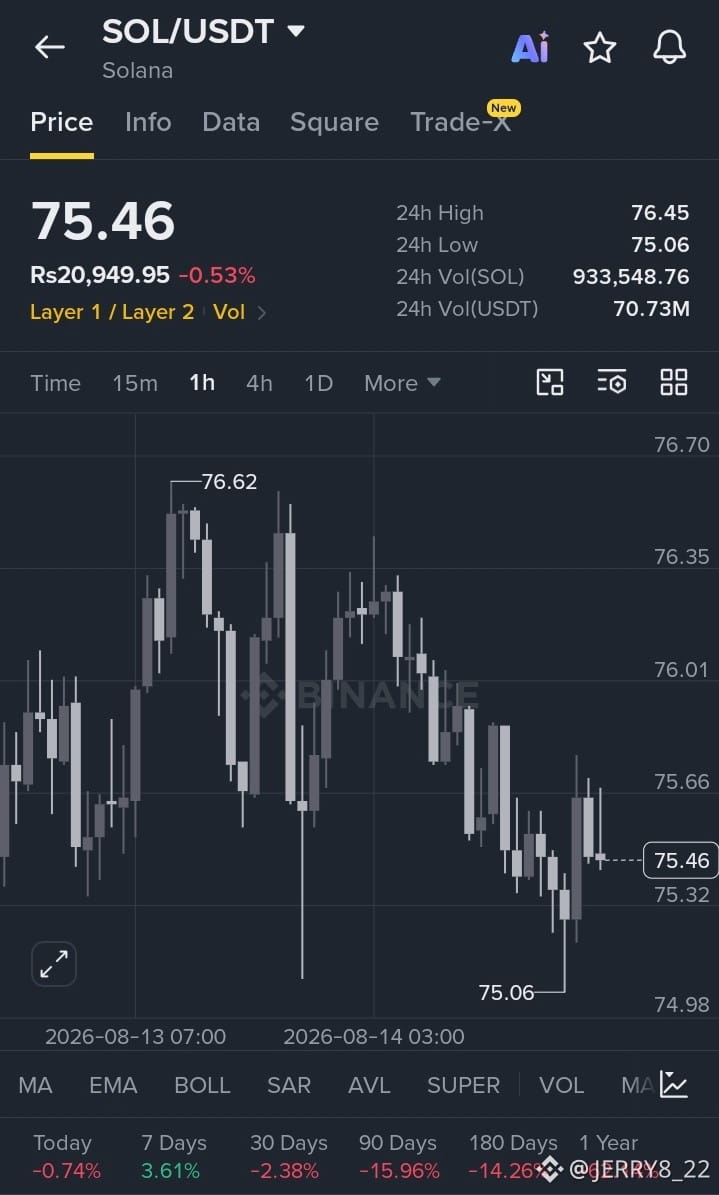
$SOL
Buy Zone: 75.35–75.50
EP: 75.45
TP1: 75.66
TP2: 76.01
TP3: 76.35
SL: 74.95
Support defended. Momentum could ignite fast.
Let’s go $SOL
{spot}(SOLUSDT)
$SOL
Buy Zone: 75.35–75.50
EP: 75.45
TP1: 75.66
TP2: 76.01
TP3: 76.35
SL: 74.95
Support defended. Momentum could ignite fast.
Let’s go $SOL
Buy Zone: 75.35–75.50
EP: 75.45
TP1: 75.66
TP2: 76.01
TP3: 76.35
SL: 74.95
Support defended. Momentum could ignite fast.
Let’s go $SOL
169
·
--
Bullish
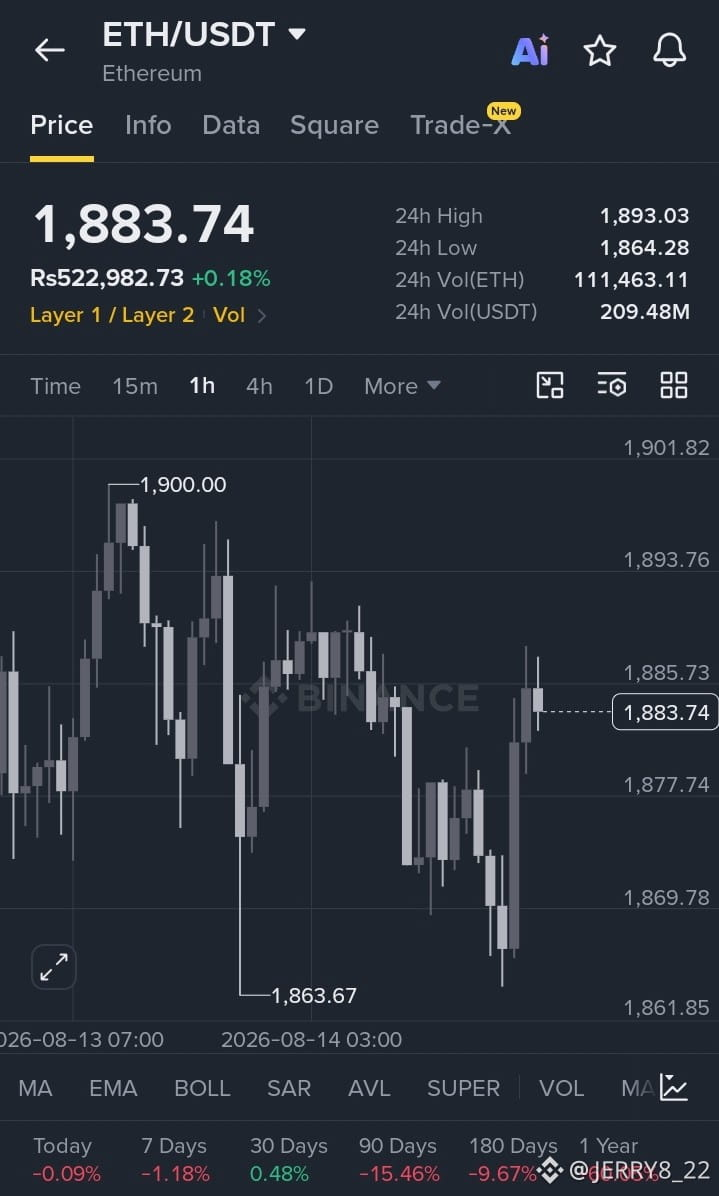
$ETH
Buy Zone: 1,881–1,884
EP: 1,883
TP1: 1,886
TP2: 1,893
TP3: 1,900
SL: 1,862
Sharp recovery from support. Bulls are pushing for the breakout.
Let’s go $ETH
{spot}(ETHUSDT)
$ETH
Buy Zone: 1,881–1,884
EP: 1,883
TP1: 1,886
TP2: 1,893
TP3: 1,900
SL: 1,862
Sharp recovery from support. Bulls are pushing for the breakout.
Let’s go $ETH
Buy Zone: 1,881–1,884
EP: 1,883
TP1: 1,886
TP2: 1,893
TP3: 1,900
SL: 1,862
Sharp recovery from support. Bulls are pushing for the breakout.
Let’s go $ETH
1
76
·
--
Bullish
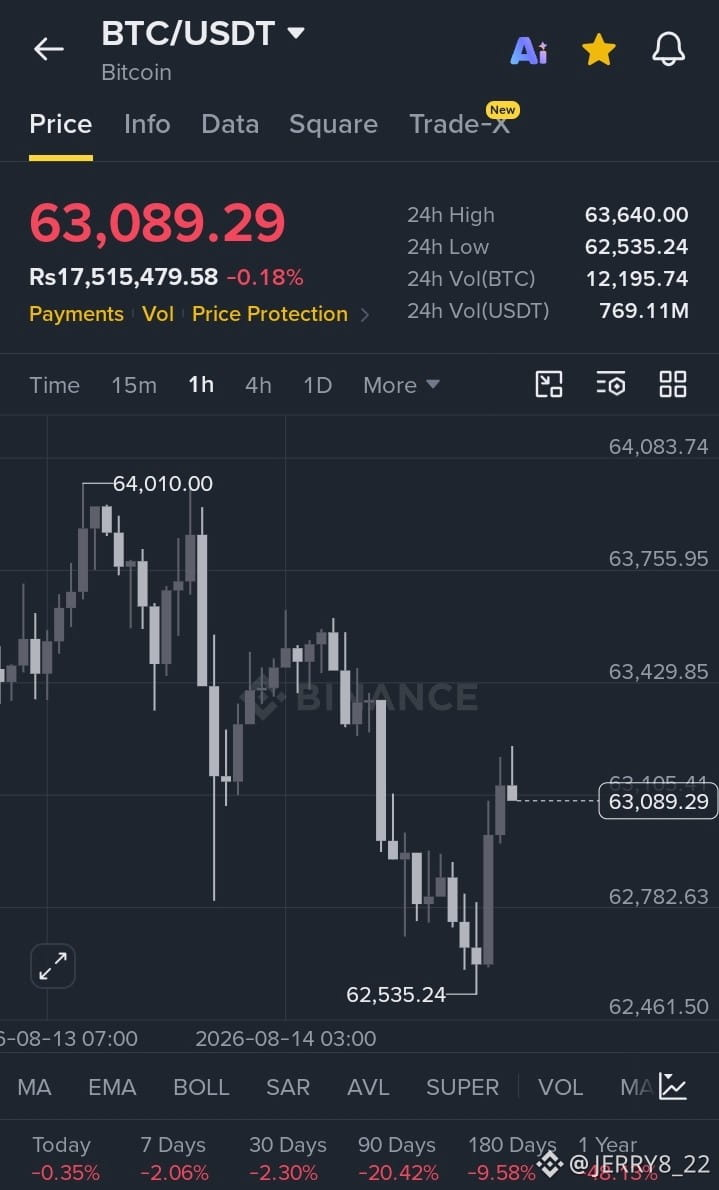
$BTC
Buy Zone: 62,900–63,100
EP: 63,050
TP1: 63,430
TP2: 63,750
TP3: 64,010
SL: 62,450
Strong bounce from support. Breakout pressure is building.
Let’s go $BTC
{spot}(BTCUSDT)
$BTC
Buy Zone: 62,900–63,100
EP: 63,050
TP1: 63,430
TP2: 63,750
TP3: 64,010
SL: 62,450
Strong bounce from support. Breakout pressure is building.
Let’s go $BTC
Buy Zone: 62,900–63,100
EP: 63,050
TP1: 63,430
TP2: 63,750
TP3: 64,010
SL: 62,450
Strong bounce from support. Breakout pressure is building.
Let’s go $BTC
101
·
--
Bullish
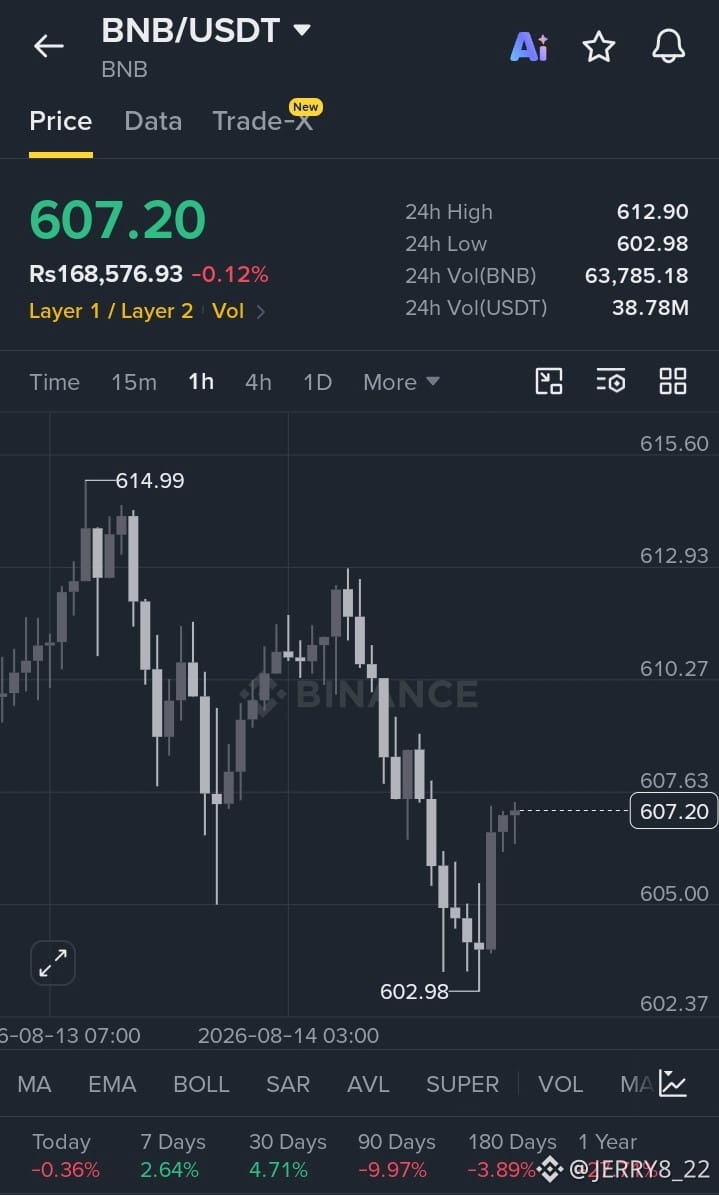
$BNB
Buy Zone: 606.50–607.50
EP: 607.20
TP1: 609.80
TP2: 612.90
TP3: 615.00
SL: 602.70
Momentum is returning from strong support.
Let’s go $BNB
{spot}(BNBUSDT)
$BNB
Buy Zone: 606.50–607.50
EP: 607.20
TP1: 609.80
TP2: 612.90
TP3: 615.00
SL: 602.70
Momentum is returning from strong support.
Let’s go $BNB
Buy Zone: 606.50–607.50
EP: 607.20
TP1: 609.80
TP2: 612.90
TP3: 615.00
SL: 602.70
Momentum is returning from strong support.
Let’s go $BNB
127
·
--
Bullish
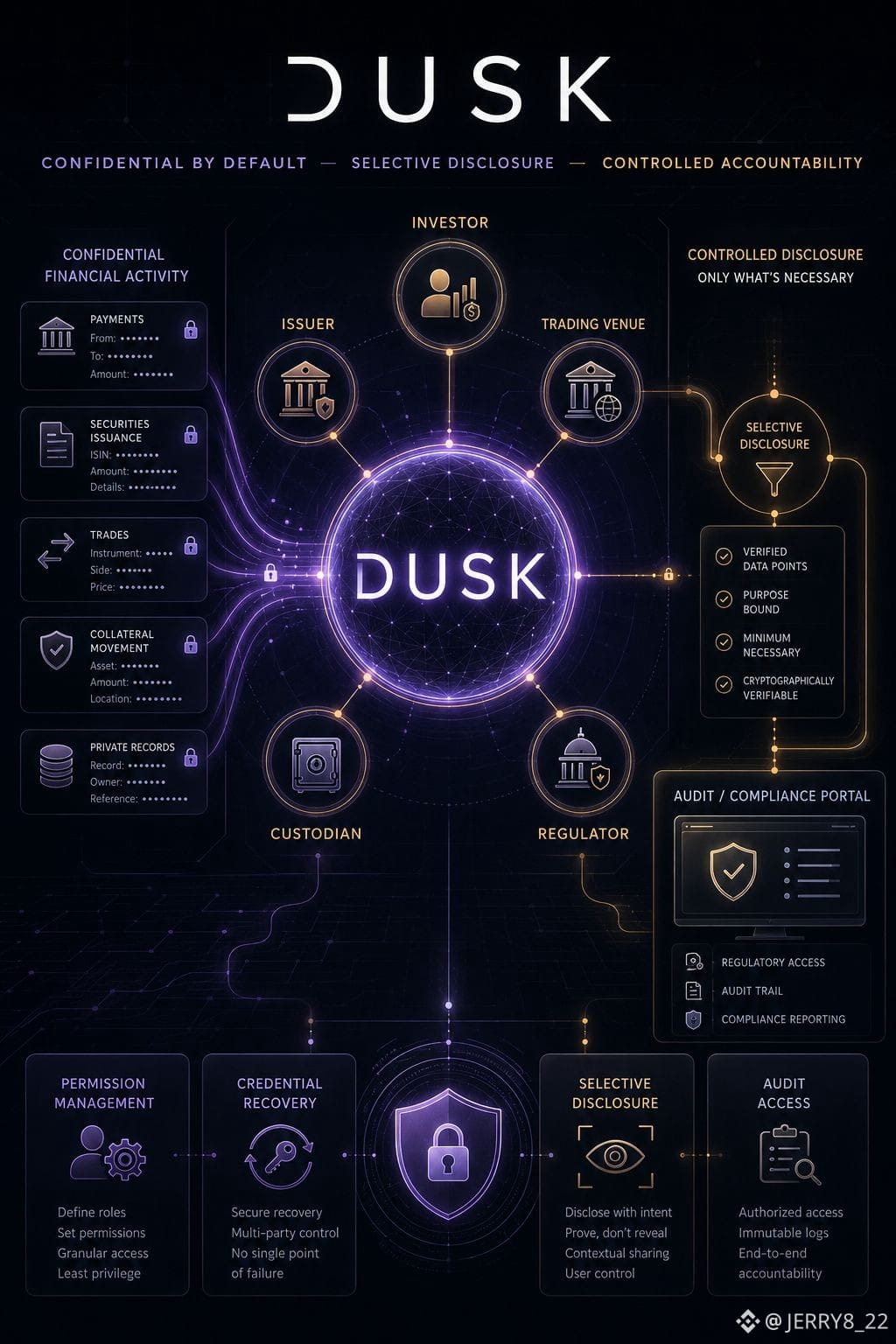
Public blockchains are transparent by design, but financial markets cannot operate with every balance, position, and agreement visible to everyone. Dusk is tackling that conflict directly by building privacy and selective disclosure into a Layer-1 network focused on regulated finance.
That direction makes sense. Banks, issuers, investors, and regulators do not all need access to the same information. Dusk’s XSC standard aims to keep financial activity confidential while still allowing rules around identity, eligibility, and asset transfers to be enforced.
The difficult part, however, begins after the technology works.
If five different parties are involved in a transaction, each may require a different view of the data. Who decides what each party can see? What happens when an employee leaves or disclosure credentials are lost? Can an auditor access the required records quickly without relying on one administrator?
These are human and operational questions, not purely cryptographic ones.
Dusk deserves credit for recognizing that financial privacy cannot simply mean hiding everything. The bigger test is whether institutions can manage disclosure, recovery, and accountability without creating another complicated layer of administration.
For Dusk, success will not be measured by how much information it can conceal, but by how reliably it reveals the right information when it matters.
#dusk @Dusk_Foundation $DUSK
Public blockchains are transparent by design, but financial markets cannot operate with every balance, position, and agreement visible to everyone. Dusk is tackling that conflict directly by building privacy and selective disclosure into a Layer-1 network focused on regulated finance.
That direction makes sense. Banks, issuers, investors, and regulators do not all need access to the same information. Dusk’s XSC standard aims to keep financial activity confidential while still allowing rules around identity, eligibility, and asset transfers to be enforced.
The difficult part, however, begins after the technology works.
If five different parties are involved in a transaction, each may require a different view of the data. Who decides what each party can see? What happens when an employee leaves or disclosure credentials are lost? Can an auditor access the required records quickly without relying on one administrator?
These are human and operational questions, not purely cryptographic ones.
Dusk deserves credit for recognizing that financial privacy cannot simply mean hiding everything. The bigger test is whether institutions can manage disclosure, recovery, and accountability without creating another complicated layer of administration.
For Dusk, success will not be measured by how much information it can conceal, but by how reliably it reveals the right information when it matters.
#dusk @Dusk $DUSK
That direction makes sense. Banks, issuers, investors, and regulators do not all need access to the same information. Dusk’s XSC standard aims to keep financial activity confidential while still allowing rules around identity, eligibility, and asset transfers to be enforced.
The difficult part, however, begins after the technology works.
If five different parties are involved in a transaction, each may require a different view of the data. Who decides what each party can see? What happens when an employee leaves or disclosure credentials are lost? Can an auditor access the required records quickly without relying on one administrator?
These are human and operational questions, not purely cryptographic ones.
Dusk deserves credit for recognizing that financial privacy cannot simply mean hiding everything. The bigger test is whether institutions can manage disclosure, recovery, and accountability without creating another complicated layer of administration.
For Dusk, success will not be measured by how much information it can conceal, but by how reliably it reveals the right information when it matters.
#dusk @Dusk $DUSK
3
4
65
·
--
Bullish
$BANK LONG — High risk, explosive potential!
Entry: $0.0395–$0.0410
Targets: $0.0445 / $0.0480 / $0.0525
Stop-loss: $0.0372
Leverage: 1–2x isolated
Risk: Maximum 0.5%
Don’t chase the pump. Enter only on a controlled pullback and confirmation.
{spot}(BANKUSDT)
$BANK LONG — High risk, explosive potential!
Entry: $0.0395–$0.0410
Targets: $0.0445 / $0.0480 / $0.0525
Stop-loss: $0.0372
Leverage: 1–2x isolated
Risk: Maximum 0.5%
Don’t chase the pump. Enter only on a controlled pullback and confirmation.
Entry: $0.0395–$0.0410
Targets: $0.0445 / $0.0480 / $0.0525
Stop-loss: $0.0372
Leverage: 1–2x isolated
Risk: Maximum 0.5%
Don’t chase the pump. Enter only on a controlled pullback and confirmation.
135
·
--
Bullish
$SOL LONG — Momentum is waking up!
Entry: $77.20–$78.20
Targets: $80.50 / $83.20 / $87.00
Stop-loss: $75.40
Leverage: 3–4x isolated
Risk: Maximum 1%
Enter after a confirmed bounce. Take partial profits—don’t get greedy.
{spot}(SOLUSDT)
$SOL LONG — Momentum is waking up!
Entry: $77.20–$78.20
Targets: $80.50 / $83.20 / $87.00
Stop-loss: $75.40
Leverage: 3–4x isolated
Risk: Maximum 1%
Enter after a confirmed bounce. Take partial profits—don’t get greedy.
Entry: $77.20–$78.20
Targets: $80.50 / $83.20 / $87.00
Stop-loss: $75.40
Leverage: 3–4x isolated
Risk: Maximum 1%
Enter after a confirmed bounce. Take partial profits—don’t get greedy.
128
·
--
Bullish
$BNB LONG — One push could ignite the move!
Entry: $608–$612
Targets: $620 / $632 / $648
Stop-loss: $599
Leverage: 3–5x isolated
Risk: Maximum 1%
Hold above $608 confirms strength. Move stop to breakeven after TP1.
{spot}(BNBUSDT)
$BNB LONG — One push could ignite the move!
Entry: $608–$612
Targets: $620 / $632 / $648
Stop-loss: $599
Leverage: 3–5x isolated
Risk: Maximum 1%
Hold above $608 confirms strength. Move stop to breakeven after TP1.
Entry: $608–$612
Targets: $620 / $632 / $648
Stop-loss: $599
Leverage: 3–5x isolated
Risk: Maximum 1%
Hold above $608 confirms strength. Move stop to breakeven after TP1.
122
·
--
Bullish
$ETH LONG — Breakout pressure is building!
Entry: $1,615–$1,630
Targets: $1,660 / $1,710 / $1,780
Stop-loss: $1,585
Leverage: 3–5x isolated
Risk: Maximum 1%
Wait for confirmation—no blind entry. Secure profit at every target.
{spot}(ETHUSDT)
$ETH LONG — Breakout pressure is building!
Entry: $1,615–$1,630
Targets: $1,660 / $1,710 / $1,780
Stop-loss: $1,585
Leverage: 3–5x isolated
Risk: Maximum 1%
Wait for confirmation—no blind entry. Secure profit at every target.
Entry: $1,615–$1,630
Targets: $1,660 / $1,710 / $1,780
Stop-loss: $1,585
Leverage: 3–5x isolated
Risk: Maximum 1%
Wait for confirmation—no blind entry. Secure profit at every target.
137
·
--
Bullish
$BTC LONG — Bulls are loading!
Entry: $63,500–$63,900
Targets: $65,200 / $66,800 / $68,400
Stop-loss: $62,700
Leverage: 3–5x isolated
Risk: Maximum 1%
Enter only after support holds. Move stop to entry after TP1.
{spot}(BTCUSDT)
$BTC LONG — Bulls are loading!
Entry: $63,500–$63,900
Targets: $65,200 / $66,800 / $68,400
Stop-loss: $62,700
Leverage: 3–5x isolated
Risk: Maximum 1%
Enter only after support holds. Move stop to entry after TP1.
Entry: $63,500–$63,900
Targets: $65,200 / $66,800 / $68,400
Stop-loss: $62,700
Leverage: 3–5x isolated
Risk: Maximum 1%
Enter only after support holds. Move stop to entry after TP1.
153
·
--
Bullish
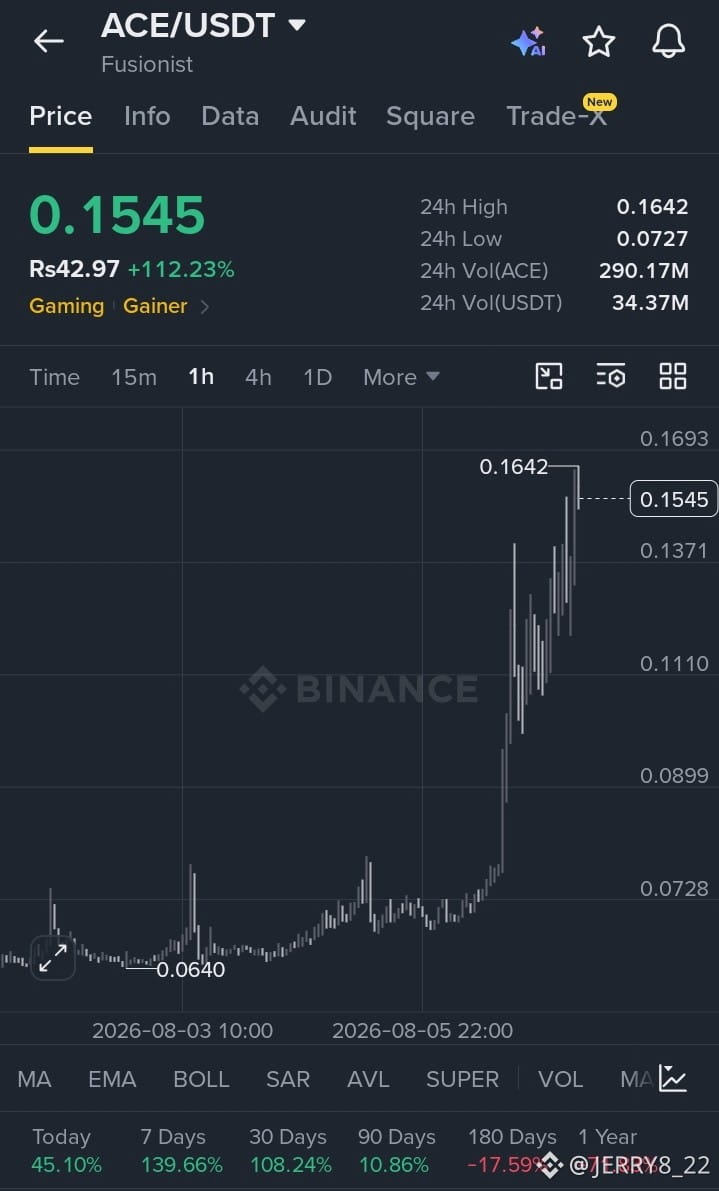
$ACE has already pumped hard from the lower zone and is now trading around $0.1545 after reaching $0.1642. To me, this is not a place to blindly chase. The chart is bullish, but it’s also very heated, so I’d only look for continuation if buyers break the high again.
My personal setup:
Entry: Above $0.1642
TP1: $0.1690
TP2: $0.1780
TP3: $0.1900
SL: $0.1370
For me, ACE still has momentum, but the risk is high after such a big move. I’d wait for a clean breakout instead of entering in the middle of the pump.
{spot}(ACEUSDT)
$ACE has already pumped hard from the lower zone and is now trading around $0.1545 after reaching $0.1642. To me, this is not a place to blindly chase. The chart is bullish, but it’s also very heated, so I’d only look for continuation if buyers break the high again.
My personal setup:
Entry: Above $0.1642
TP1: $0.1690
TP2: $0.1780
TP3: $0.1900
SL: $0.1370
For me, ACE still has momentum, but the risk is high after such a big move. I’d wait for a clean breakout instead of entering in the middle of the pump.
My personal setup:
Entry: Above $0.1642
TP1: $0.1690
TP2: $0.1780
TP3: $0.1900
SL: $0.1370
For me, ACE still has momentum, but the risk is high after such a big move. I’d wait for a clean breakout instead of entering in the middle of the pump.
154
·
--
Bullish
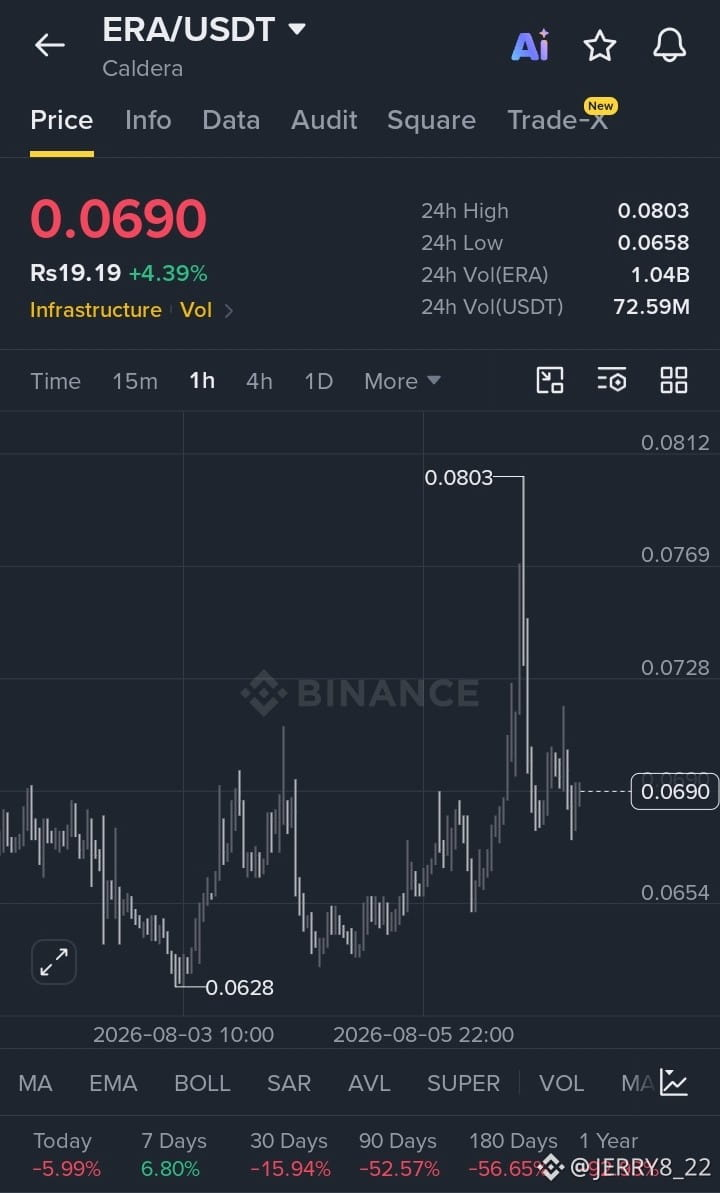
$ERA had a sharp spike toward $0.0803, but that move got rejected fast. Now price is back around $0.0690, and for me this area looks like the real decision zone. If it fails to hold here, I think the next drop can come quickly.
My personal setup:
Entry: Below $0.0685
TP1: $0.0654
TP2: $0.0628
TP3: $0.0600
SL: $0.0728
I’d be extra careful with this one because the candles are moving aggressively. I’m not chasing the spike; I’d only consider it if the breakdown confirms clearly.
{spot}(ERAUSDT)
$ERA had a sharp spike toward $0.0803, but that move got rejected fast. Now price is back around $0.0690, and for me this area looks like the real decision zone. If it fails to hold here, I think the next drop can come quickly.
My personal setup:
Entry: Below $0.0685
TP1: $0.0654
TP2: $0.0628
TP3: $0.0600
SL: $0.0728
I’d be extra careful with this one because the candles are moving aggressively. I’m not chasing the spike; I’d only consider it if the breakdown confirms clearly.
My personal setup:
Entry: Below $0.0685
TP1: $0.0654
TP2: $0.0628
TP3: $0.0600
SL: $0.0728
I’d be extra careful with this one because the candles are moving aggressively. I’m not chasing the spike; I’d only consider it if the breakdown confirms clearly.
126
Log in to explore more content
Join global crypto users on Binance Square
⚡️ Get latest and useful information about crypto.
💬 Trusted by the world’s largest crypto exchange.
👍 Discover real insights from verified creators.
Email / Phone number
Trending Topics
BinancePick
2.7M views
144,021 Discussing
Join #EarningsSeason: Predict Earnings on Binance Pick, Share Your Take on Binance Square!
Binance Square Official
·402 Likes
·339.3k views
EarningsSeason
5M views
24,720 Discussing
SouthKoreaReportedlyWeighsFourthCryptoTaxDelay
2,920 views
136 Discussing