

Jamal 656
4.5k Posts

Jamal 656
*Crypto Predictor *Market Analysis *Fundamentals Learning Never Stops X @JamalNasir2640
Open Trade
High-Frequency Trader
2.8 Years
688 Following
28.9K+ Followers
12.1K+ Liked
Posts
Portfolio
All
Quotes
Videos
Live
PINNED

Quoted content has been removed
·
--
🎙️ The bull market’s long-term trend hasn’t changed. This current cycle is a pullback and repair at a high level. Look for long opportunities at pullback support and buy on dips. Lightly short at the high level; remember to strictly use stop-losses!

End
04 h 40 m 24 s
3.1k
3


Elena神话MUA
·
--
#MUA
📈 Market view: $BNB
Follow BTC’s linkage to trade in choppy ranges. The current price is around $767. Recent attempts to surge higher have met resistance and pulled back. Trading funds are taking a wait-and-see stance, and overall market action is highly dependent on the broader market BTC.
🔍 Key catalysts
✅ Positive: The BNB Chain ecosystem’s RWA business is active. Ongoing periodic token burns continue to reduce circulating supply. As a platform token, demand from exchange trading fees and ecosystem applications provides solid underlying support.
❌ Negative: High-volatility swings in the overall BTC market weigh on sentiment. Sell pressure is concentrated around the $770 area, and there is insufficient momentum for a near-term push higher. Macro interest-rate expectation shocks can quickly shift market risk appetite.
📊 Technical levels
▫️ Support: $745–$735. Holding this range helps maintain the sideways/choppy structure.
▫️ Resistance: $770–$785. Only with a breakout on increased volume will there be a chance to open upward space.
💡 Intraday outlook
Primarily driven by BTC correlation, with independent price action looking relatively weak. The $770 level is being tested repeatedly. For the short term, prioritize range-bound consolidation rather than chasing upside. If the broader market experiences a fast pullback, BNB’s downside could accelerate—watch position/risk management closely.
📈 Market view: $BNB
Follow BTC’s linkage to trade in choppy ranges. The current price is around $767. Recent attempts to surge higher have met resistance and pulled back. Trading funds are taking a wait-and-see stance, and overall market action is highly dependent on the broader market BTC.
🔍 Key catalysts
✅ Positive: The BNB Chain ecosystem’s RWA business is active. Ongoing periodic token burns continue to reduce circulating supply. As a platform token, demand from exchange trading fees and ecosystem applications provides solid underlying support.
❌ Negative: High-volatility swings in the overall BTC market weigh on sentiment. Sell pressure is concentrated around the $770 area, and there is insufficient momentum for a near-term push higher. Macro interest-rate expectation shocks can quickly shift market risk appetite.
📊 Technical levels
▫️ Support: $745–$735. Holding this range helps maintain the sideways/choppy structure.
▫️ Resistance: $770–$785. Only with a breakout on increased volume will there be a chance to open upward space.
💡 Intraday outlook
Primarily driven by BTC correlation, with independent price action looking relatively weak. The $770 level is being tested repeatedly. For the short term, prioritize range-bound consolidation rather than chasing upside. If the broader market experiences a fast pullback, BNB’s downside could accelerate—watch position/risk management closely.

Deepak_XBT
·
--
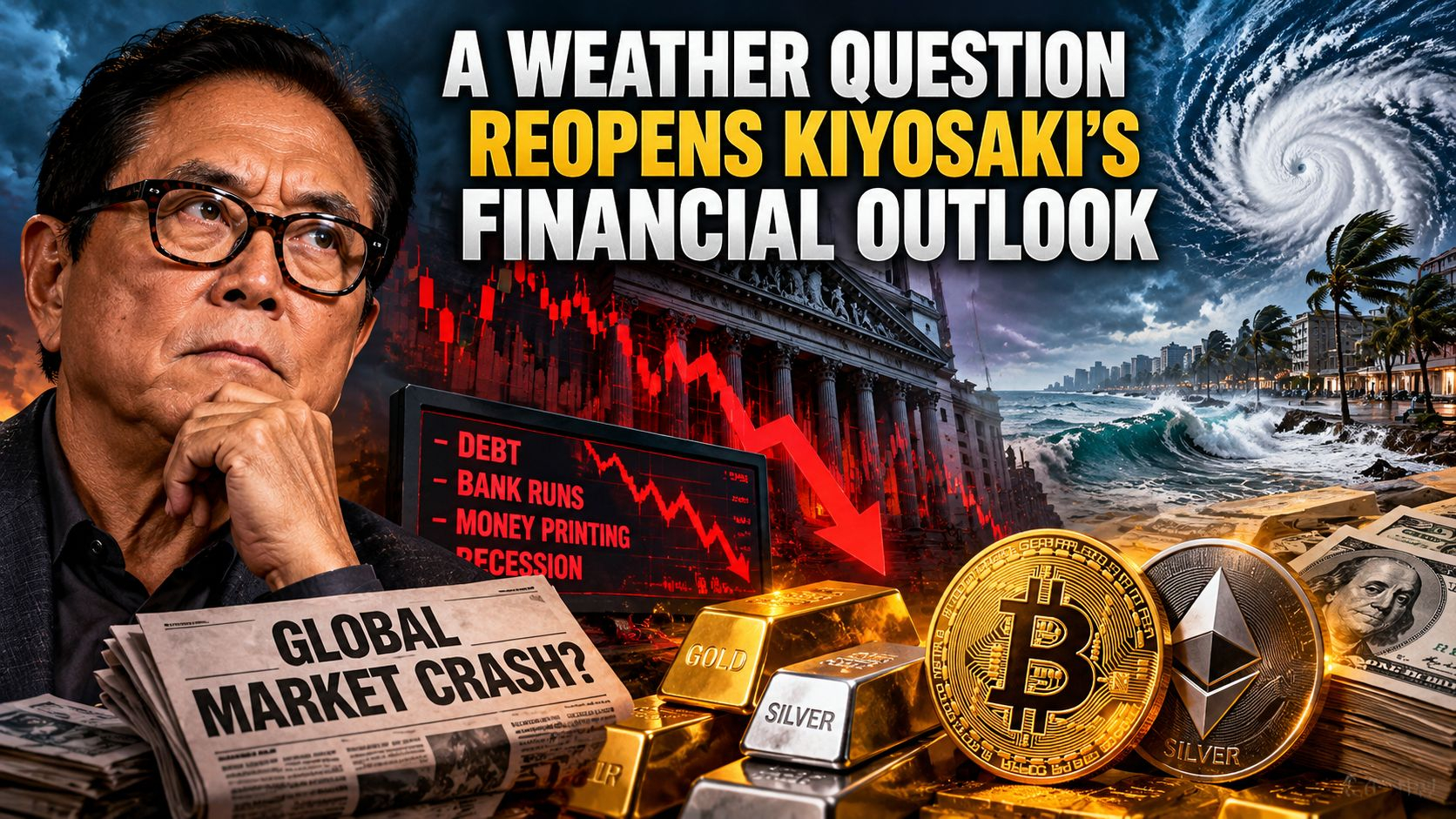
Robert Kiyosaki’s latest post got attention for an unusual reason: he connected America’s bad weather with a question about the country’s financial future.
But weather isn’t evidence of a financial crisis.
His broader warning is much more specific. Kiyosaki has argued that debt, market speculation, war and other pressures could trigger a major crash, followed by panic, bank runs and renewed money printing.
He has also predicted extreme future targets for Bitcoin, Ethereum, gold and silver—but those targets depend on his hypothetical crash scenario actually unfolding.
The interesting part isn’t whether one prediction sounds dramatic. It’s whether the sequence he describes actually happens: market stress → financial pressure → policy response → asset repricing.
#Binance
But weather isn’t evidence of a financial crisis.
His broader warning is much more specific. Kiyosaki has argued that debt, market speculation, war and other pressures could trigger a major crash, followed by panic, bank runs and renewed money printing.
He has also predicted extreme future targets for Bitcoin, Ethereum, gold and silver—but those targets depend on his hypothetical crash scenario actually unfolding.
The interesting part isn’t whether one prediction sounds dramatic. It’s whether the sequence he describes actually happens: market stress → financial pressure → policy response → asset repricing.
#Binance

Bobbypk
·
--
Bullish🚨 Bitcoin just logged its biggest ETF inflows since October 2025, $2.39 billion poured in, even though that momentum fizzled by Friday, dropping off nearly 90%. Price action is still stuck just below resistance, so there’s no real breakout yet.
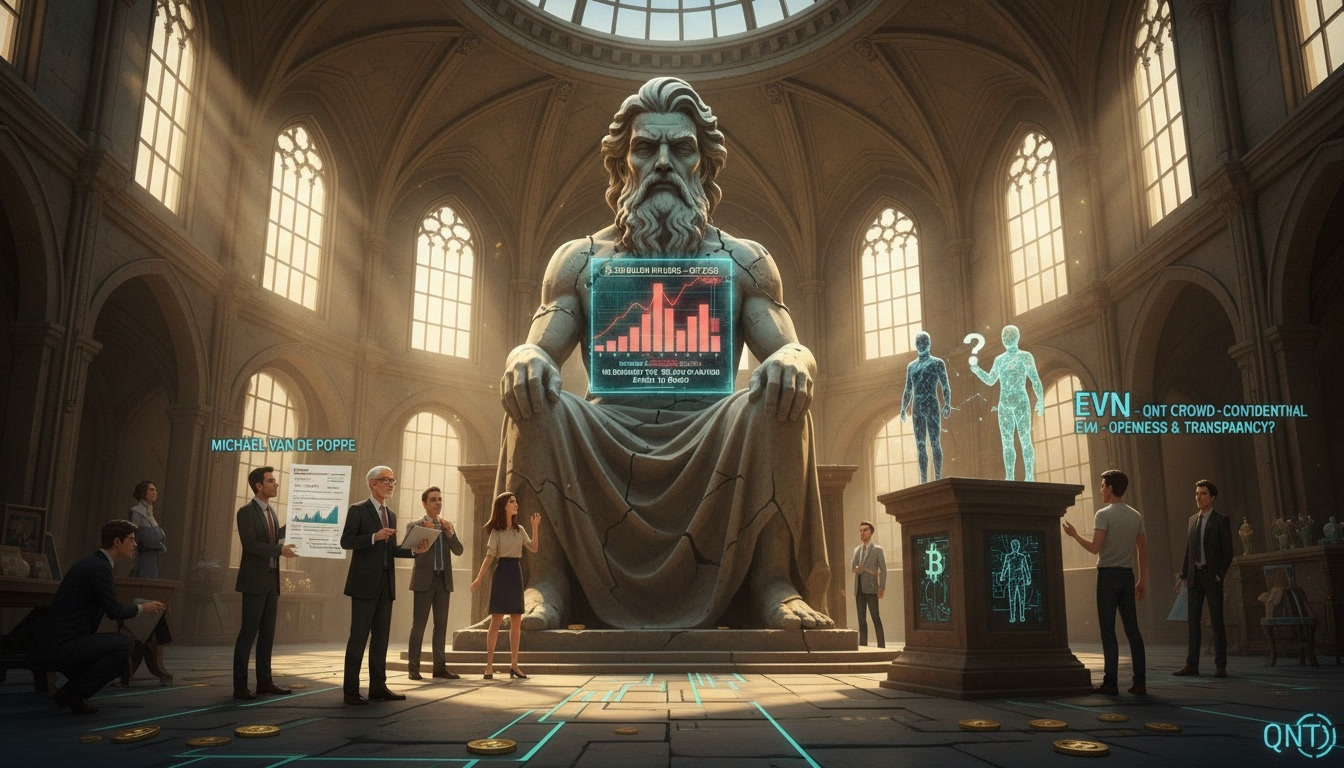
Michaël van de Poppe’s got his eyes on $84,800. If Bitcoin punches through that level, $90,000 isn’t far off. Miss it, and we’re stuck in sideways action.
Everyone’s waiting on the PCE data coming out September 30. Tom Lee says a tweak in the calculation could finally bring core inflation closer to 3%. If that happens, the Fed might take its foot off the brake. It’s a bullish outlook, but we need the data to confirm it.
Bitcoin folks seem to agree on where this is headed, but not on when.
For the QNT crowd: as more institutions step in, what matters more confidential compliance, or sticking with transparent EVM? Is privacy about to have its moment, or does openness stay king? Chime in below.
#QNT
#BTC
Michaël van de Poppe’s got his eyes on $84,800. If Bitcoin punches through that level, $90,000 isn’t far off. Miss it, and we’re stuck in sideways action.
Everyone’s waiting on the PCE data coming out September 30. Tom Lee says a tweak in the calculation could finally bring core inflation closer to 3%. If that happens, the Fed might take its foot off the brake. It’s a bullish outlook, but we need the data to confirm it.
Bitcoin folks seem to agree on where this is headed, but not on when.
For the QNT crowd: as more institutions step in, what matters more confidential compliance, or sticking with transparent EVM? Is privacy about to have its moment, or does openness stay king? Chime in below.
#QNT
#BTC


帮帮Bonnie
·
--
March forward with solitary courage, view gains and losses calmly.
March forward with solitary courage, view gains and losses calmly.
#Circle与Tether冻结Bitget黑客钱包
March forward with solitary courage, view gains and losses calmly.
#Circle与Tether冻结Bitget黑客钱包


慢就是快Mike8
·
--
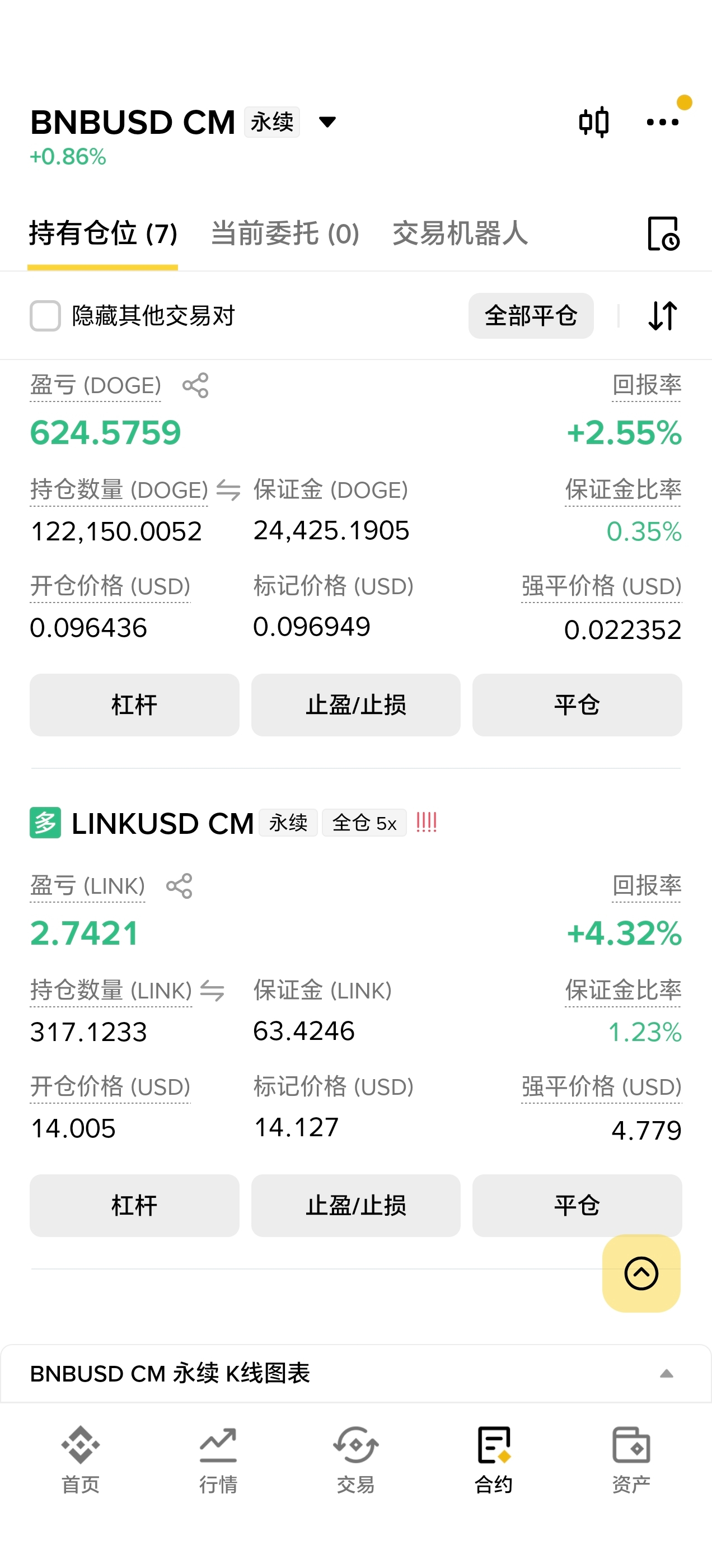
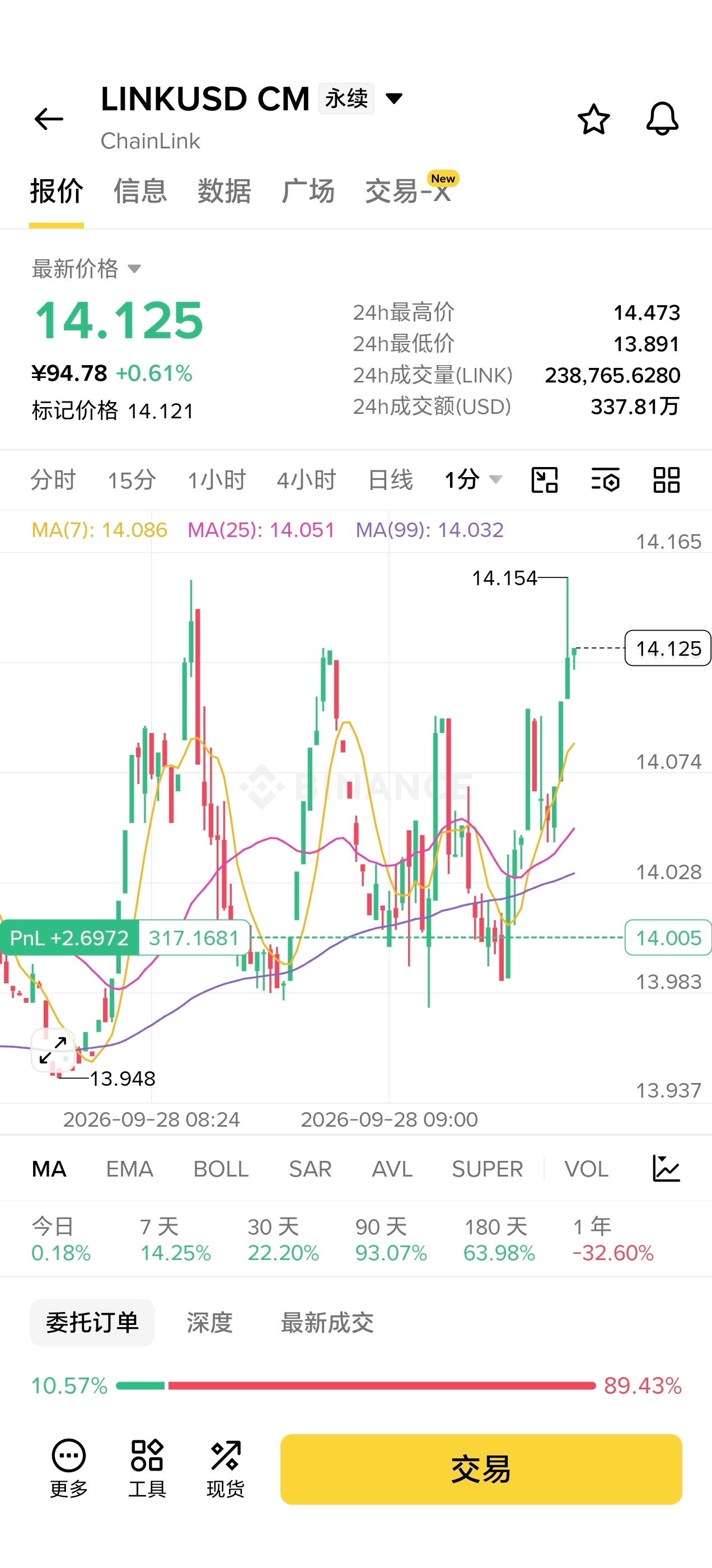
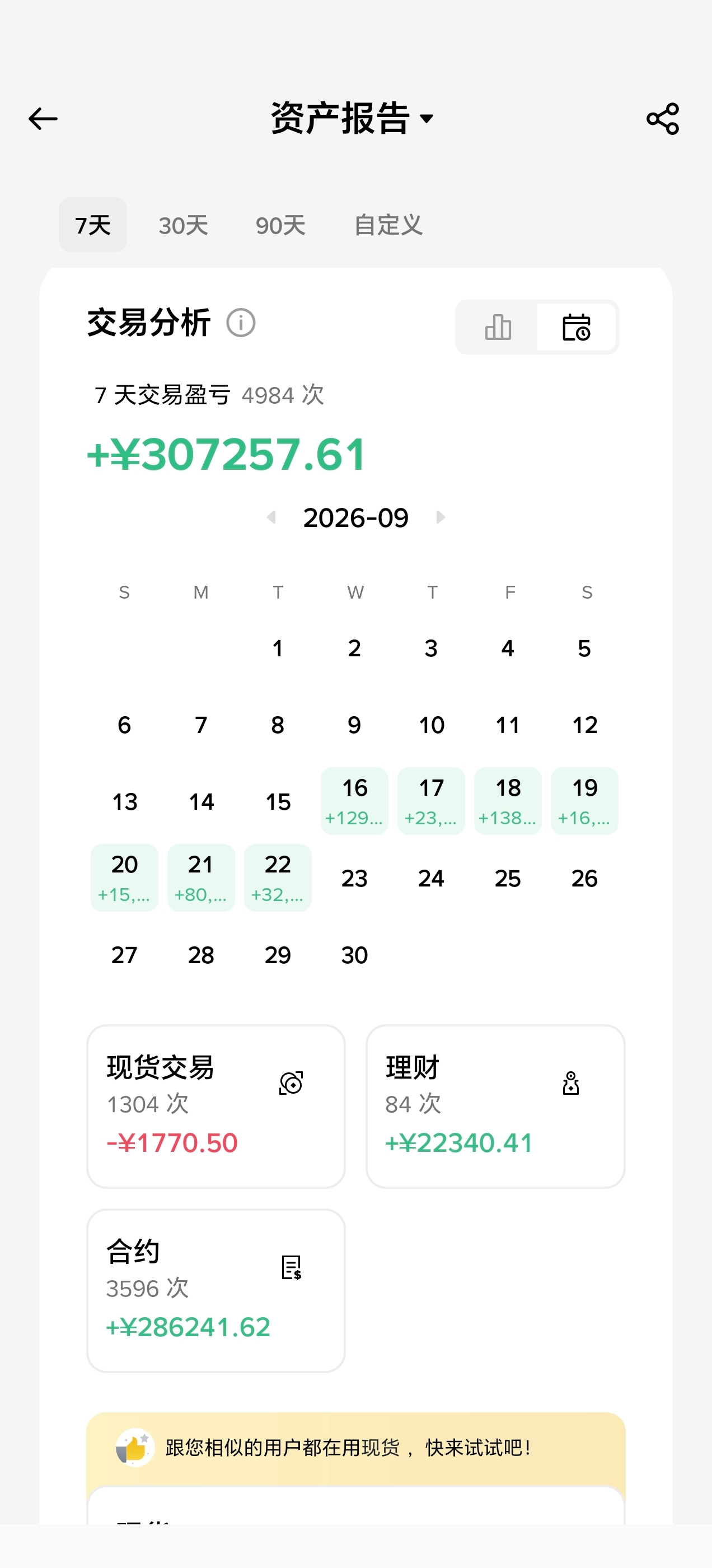
$LINK The economy is getting worse and worse, and there are very few opportunities to make money anymore. This may be the last super bull market we can seize. Carpe diem—cherish it as it comes!!!

兰汐kyL
·
--
$ETH China-US Reach Eight-Point Consensus—Many Crypto Friends Haven’t Realized This Yet. This Is a Major Piece of News That Can Affect the Market!
With the macro environment easing, market risk-aversion sentiment is cooling down directly, and investors’ risk appetite will gradually rise. What everyone feared before was that tensions would keep dragging on, making capital afraid to enter and causing the overall market to keep grinding at the bottom. Now that this news has landed, it’s a positive signal for the crypto market. 💥
But please don’t let your head get hot and rush in with a full position. In market moves driven by news like this, many are short-term, pulse-like rallies—after a run-up, it’s easy for profit-taking to slam the brakes and trigger a pullback. Seasoned players know this: news-driven momentum usually doesn’t last long, and you can’t treat it as a signal that a full bull market is starting. 💥
Bitcoin and altcoins will likely diverge. BTC will first help lift the overall market, driving a rebound; smaller coins may look like they’re pumping hard, but when they retrace, they can drop just as violently. For execution, the suggestion is to participate with a light position—don’t chase. If you already hold positions, you can use the rebound to reduce some of the high-level trapped positions and set up proper take-profit. 💥
Remember: news is only a catalyst. What truly determines the bigger trend is still the Fed’s policy. Even if good news comes out, it doesn’t mean the market will rise in one direction forever—the board can flip at any time. In the crypto world, risk always comes first. Protect your principal, and only then will you have a chance to catch the next wave of opportunities 💥#Circle与Tether冻结Bitget黑客钱包 #中美达成300亿美元关税削减共识 #
With the macro environment easing, market risk-aversion sentiment is cooling down directly, and investors’ risk appetite will gradually rise. What everyone feared before was that tensions would keep dragging on, making capital afraid to enter and causing the overall market to keep grinding at the bottom. Now that this news has landed, it’s a positive signal for the crypto market. 💥
But please don’t let your head get hot and rush in with a full position. In market moves driven by news like this, many are short-term, pulse-like rallies—after a run-up, it’s easy for profit-taking to slam the brakes and trigger a pullback. Seasoned players know this: news-driven momentum usually doesn’t last long, and you can’t treat it as a signal that a full bull market is starting. 💥
Bitcoin and altcoins will likely diverge. BTC will first help lift the overall market, driving a rebound; smaller coins may look like they’re pumping hard, but when they retrace, they can drop just as violently. For execution, the suggestion is to participate with a light position—don’t chase. If you already hold positions, you can use the rebound to reduce some of the high-level trapped positions and set up proper take-profit. 💥
Remember: news is only a catalyst. What truly determines the bigger trend is still the Fed’s policy. Even if good news comes out, it doesn’t mean the market will rise in one direction forever—the board can flip at any time. In the crypto world, risk always comes first. Protect your principal, and only then will you have a chance to catch the next wave of opportunities 💥#Circle与Tether冻结Bitget黑客钱包 #中美达成300亿美元关税削减共识 #

·
--
🎙️ Build the Binance Square, hold BNB|New Monday—will there be a good market move? Let's chat~

End
05 h 07 m 41 s
12.6k
41
·
--
🎙️ Crypto market updates discussion; answering questions for newcomers ✅ Build Binance Plaza 🦅 Spread the idea of freedom! Maintain ecological balance!

End
03 h 09 m 11 s
9.4k
62

Hoorain_X
·
--
🎁 RED PACKET GIVEAWAY! ❤️
Lucky gifts are dropping! 🔥
Who’s ready to grab one?
Comment “RED PACKET” below and join the fun! 🎉
Lucky gifts are dropping! 🔥
Who’s ready to grab one?
Comment “RED PACKET” below and join the fun! 🎉


Ahli Hidaya
·
--
Bullish🚀 The Next Cycle Might Already Be Loading... Are You Ready? 🔥
Smart money doesn't wait for the mainstream headlines to scream "Bull Run"—they position themselves quietly while the charts are consolidating and building momentum. 📊✨
Looking at recent market behavior, strong institutional accumulation, steady ETF inflows, and shifting macro dynamics, the groundwork for the next massive wave is happening right in front of our eyes. History doesn't always repeat itself identically, but it certainly rhymes.
💡 What to Focus on Right Now:
Accumulation Phases: Price dips and consolidation zones are historically where the biggest generational gains are built.
Strong Fundamentals: Projects with real utility, strong holder bases, and solid community backing are quietly preparing for the rotation of capital.
Patience & Strategy: Having a clear entry and exit plan is what separates profitable traders from emotional chasers.
Is this quiet accumulation the final setup before the next explosive leg up? Drop your thoughts and your top bags for this cycle below! Let's discuss! 👇📉📈
#BinanceSquare #CryptoCycle #BullRun #MarketAnalysis #Web3 #HODL$SOL $XRP $RAY $usdc
#dyor
Smart money doesn't wait for the mainstream headlines to scream "Bull Run"—they position themselves quietly while the charts are consolidating and building momentum. 📊✨
Looking at recent market behavior, strong institutional accumulation, steady ETF inflows, and shifting macro dynamics, the groundwork for the next massive wave is happening right in front of our eyes. History doesn't always repeat itself identically, but it certainly rhymes.
💡 What to Focus on Right Now:
Accumulation Phases: Price dips and consolidation zones are historically where the biggest generational gains are built.
Strong Fundamentals: Projects with real utility, strong holder bases, and solid community backing are quietly preparing for the rotation of capital.
Patience & Strategy: Having a clear entry and exit plan is what separates profitable traders from emotional chasers.
Is this quiet accumulation the final setup before the next explosive leg up? Drop your thoughts and your top bags for this cycle below! Let's discuss! 👇📉📈
#BinanceSquare #CryptoCycle #BullRun #MarketAnalysis #Web3 #HODL$SOL $XRP $RAY $usdc
#dyor

Zuby - PK
·
--
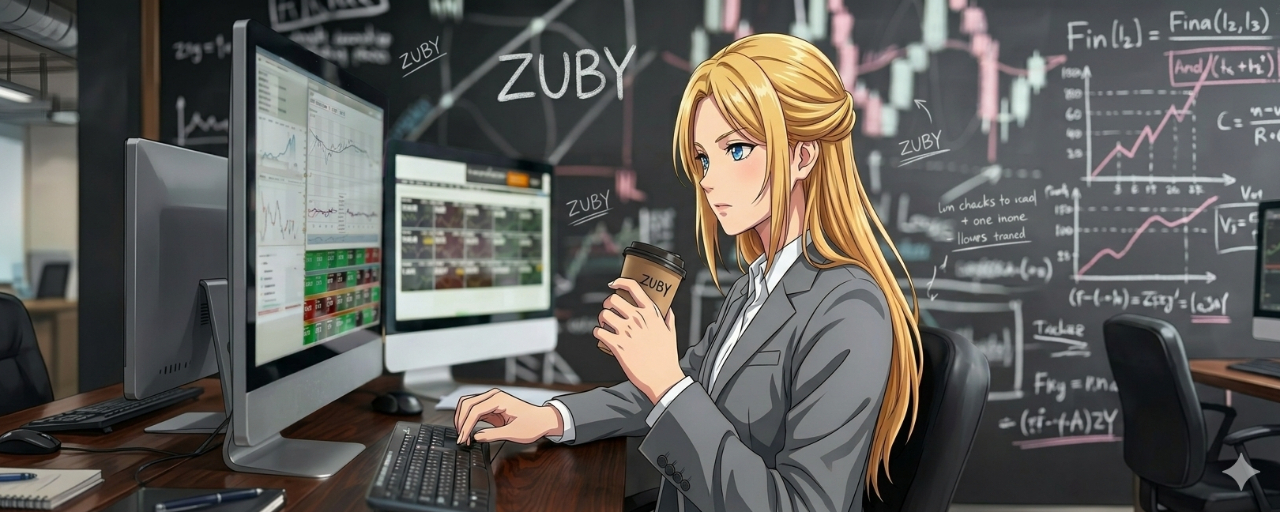
Daily Crypto Spotlight: Top Performing Altcoins and Meme Coins on Binance
📊 Overview: Cryptocurrency Market Analysis
🌐 The global cryptocurrency market capitalisation remains solid, fluctuating firmly between $2.7 trillion and $2.8 trillion.
📈 While the market continues its broader structural consolidation, major digital assets are displaying high levels of support, indicating robust underlying demand and a selective risk-on environment.
📉 A significant shift is happening under the surface: Bitcoin dominance has recently slipped below 60%.
🔄 Even as Bitcoin's price climbs, capital is rapidly rotating into major altcoins and speculative mid-cap sectors during weekend sessions, signalling high retail and institutional engagement.
Top 5 Altcoin Gainers (Binance)
📈 Quant (QNT) — Up +12.99% with a price of $172.27 and 24-hour volume of $343.45M.
🐮 CoW Protocol (COW) — Up +8.31% with a price of $0.1656 and 24-hour volume of $28.95M.
🐼 BENGI (QI) — Up +6.91% with a price of $0.003173 and 24-hour volume of $16.08M.
🪱 Wormhole (W) — Up +6.06% with a price of $0.01383 and 24-hour volume of $46.74M.
⚡ THORChain (RUNE) — Up +5.93% with a price of $0.804 and 24-hour volume of $98.85M.
Top 5 Meme Coin Gainers (Binance)
🔴 MarsCoin (MARSCOIN) — Up +8.82% with a price of $0.1283 and 24-hour volume of $73.57M.
🐶 Dogs (DOGS) — Up +6.34% with a price of $0.00005164 and 24-hour volume of $8.60M.
🪙 1000*SATS (1000HOUR) — Up +3.68% with a price of $0.00001267 and 24-hour volume of $6.60M.
🐱 1000*Simons Cat (1000CAT) — Up +3.53% with a price of $0.002377 and 24-hour volume of $1.54M.
🎉 Happy (MUBARAK) — Up +2.25% with a price of $0.05675 and 24-hour volume of $117.82M.
🧠 Market Sentiment & Capital Rotation
⚖️ The overall market environment highlights a strong appetite for risk as capital begins to spread out across the ecosystem.
🚀 Altcoin Rebounds: Seven large-cap altcoins have recently outperformed Bitcoin, led by aggressive expansions such as Litecoin (LTC) surging 23.7% in a brief window.
🏛️ Regulatory Catalysts: Project-specific milestones are adding fuel to mid-cap assets. A prime example is Cronos (CRO) climbing over 3.2% following Crypto.com's regulatory move to list equity perpetual futures with the U.S. CFTC.
⚡ Weekend Speculation: High-velocity retail liquidity continues to favor speculative sectors, causing quick, isolated rallies in meme coins and trending tokens when standard equity markets are closed.
#CryptocurrencyMarket #BinanceGainers #TopAltcoins #MemeCoinSeason #CryptoMarketAnalysis
$QNT $COW $W
🌐 The global cryptocurrency market capitalisation remains solid, fluctuating firmly between $2.7 trillion and $2.8 trillion.
📈 While the market continues its broader structural consolidation, major digital assets are displaying high levels of support, indicating robust underlying demand and a selective risk-on environment.
📉 A significant shift is happening under the surface: Bitcoin dominance has recently slipped below 60%.
🔄 Even as Bitcoin's price climbs, capital is rapidly rotating into major altcoins and speculative mid-cap sectors during weekend sessions, signalling high retail and institutional engagement.
Top 5 Altcoin Gainers (Binance)
📈 Quant (QNT) — Up +12.99% with a price of $172.27 and 24-hour volume of $343.45M.
🐮 CoW Protocol (COW) — Up +8.31% with a price of $0.1656 and 24-hour volume of $28.95M.
🐼 BENGI (QI) — Up +6.91% with a price of $0.003173 and 24-hour volume of $16.08M.
🪱 Wormhole (W) — Up +6.06% with a price of $0.01383 and 24-hour volume of $46.74M.
⚡ THORChain (RUNE) — Up +5.93% with a price of $0.804 and 24-hour volume of $98.85M.
Top 5 Meme Coin Gainers (Binance)
🔴 MarsCoin (MARSCOIN) — Up +8.82% with a price of $0.1283 and 24-hour volume of $73.57M.
🐶 Dogs (DOGS) — Up +6.34% with a price of $0.00005164 and 24-hour volume of $8.60M.
🪙 1000*SATS (1000HOUR) — Up +3.68% with a price of $0.00001267 and 24-hour volume of $6.60M.
🐱 1000*Simons Cat (1000CAT) — Up +3.53% with a price of $0.002377 and 24-hour volume of $1.54M.
🎉 Happy (MUBARAK) — Up +2.25% with a price of $0.05675 and 24-hour volume of $117.82M.
🧠 Market Sentiment & Capital Rotation
⚖️ The overall market environment highlights a strong appetite for risk as capital begins to spread out across the ecosystem.
🚀 Altcoin Rebounds: Seven large-cap altcoins have recently outperformed Bitcoin, led by aggressive expansions such as Litecoin (LTC) surging 23.7% in a brief window.
🏛️ Regulatory Catalysts: Project-specific milestones are adding fuel to mid-cap assets. A prime example is Cronos (CRO) climbing over 3.2% following Crypto.com's regulatory move to list equity perpetual futures with the U.S. CFTC.
⚡ Weekend Speculation: High-velocity retail liquidity continues to favor speculative sectors, causing quick, isolated rallies in meme coins and trending tokens when standard equity markets are closed.
#CryptocurrencyMarket #BinanceGainers #TopAltcoins #MemeCoinSeason #CryptoMarketAnalysis
$QNT $COW $W

Bilverse
·
--
🚀 $ETH GIVEAWAY IS LIVE! 💎🔥
Ethereum lovers, this one’s for YOU. 👀💜
We’re celebrating the #Bilverse community with an ETH giveaway! 🎁⚡
Want to join? It takes seconds:
1️⃣ Follow @Bilverse
2️⃣ Comment “ETH” below 👇
3️⃣ Leave a ❤️ for this post.
🔥 Bring your squad.
💎 Join the conversation.
🚀 Show some love to our amazing community.
Think you’ve got what it takes to claim the reward? 👀
👇 Comment “ETH” and tag your crypto buddy!
#ETH #CryptoCommunity
Ethereum lovers, this one’s for YOU. 👀💜
We’re celebrating the #Bilverse community with an ETH giveaway! 🎁⚡
Want to join? It takes seconds:
1️⃣ Follow @Bilverse
2️⃣ Comment “ETH” below 👇
3️⃣ Leave a ❤️ for this post.
🔥 Bring your squad.
💎 Join the conversation.
🚀 Show some love to our amazing community.
Think you’ve got what it takes to claim the reward? 👀
👇 Comment “ETH” and tag your crypto buddy!
#ETH #CryptoCommunity

Elena神话MUA
·
--
#MUA
📈 Market view: $BNB
Follow BTC’s linkage to trade in choppy ranges. The current price is around $767. Recent attempts to surge higher have met resistance and pulled back. Trading funds are taking a wait-and-see stance, and overall market action is highly dependent on the broader market BTC.
🔍 Key catalysts
✅ Positive: The BNB Chain ecosystem’s RWA business is active. Ongoing periodic token burns continue to reduce circulating supply. As a platform token, demand from exchange trading fees and ecosystem applications provides solid underlying support.
❌ Negative: High-volatility swings in the overall BTC market weigh on sentiment. Sell pressure is concentrated around the $770 area, and there is insufficient momentum for a near-term push higher. Macro interest-rate expectation shocks can quickly shift market risk appetite.
📊 Technical levels
▫️ Support: $745–$735. Holding this range helps maintain the sideways/choppy structure.
▫️ Resistance: $770–$785. Only with a breakout on increased volume will there be a chance to open upward space.
💡 Intraday outlook
Primarily driven by BTC correlation, with independent price action looking relatively weak. The $770 level is being tested repeatedly. For the short term, prioritize range-bound consolidation rather than chasing upside. If the broader market experiences a fast pullback, BNB’s downside could accelerate—watch position/risk management closely.
📈 Market view: $BNB
Follow BTC’s linkage to trade in choppy ranges. The current price is around $767. Recent attempts to surge higher have met resistance and pulled back. Trading funds are taking a wait-and-see stance, and overall market action is highly dependent on the broader market BTC.
🔍 Key catalysts
✅ Positive: The BNB Chain ecosystem’s RWA business is active. Ongoing periodic token burns continue to reduce circulating supply. As a platform token, demand from exchange trading fees and ecosystem applications provides solid underlying support.
❌ Negative: High-volatility swings in the overall BTC market weigh on sentiment. Sell pressure is concentrated around the $770 area, and there is insufficient momentum for a near-term push higher. Macro interest-rate expectation shocks can quickly shift market risk appetite.
📊 Technical levels
▫️ Support: $745–$735. Holding this range helps maintain the sideways/choppy structure.
▫️ Resistance: $770–$785. Only with a breakout on increased volume will there be a chance to open upward space.
💡 Intraday outlook
Primarily driven by BTC correlation, with independent price action looking relatively weak. The $770 level is being tested repeatedly. For the short term, prioritize range-bound consolidation rather than chasing upside. If the broader market experiences a fast pullback, BNB’s downside could accelerate—watch position/risk management closely.

慢就是快Mike
·
--
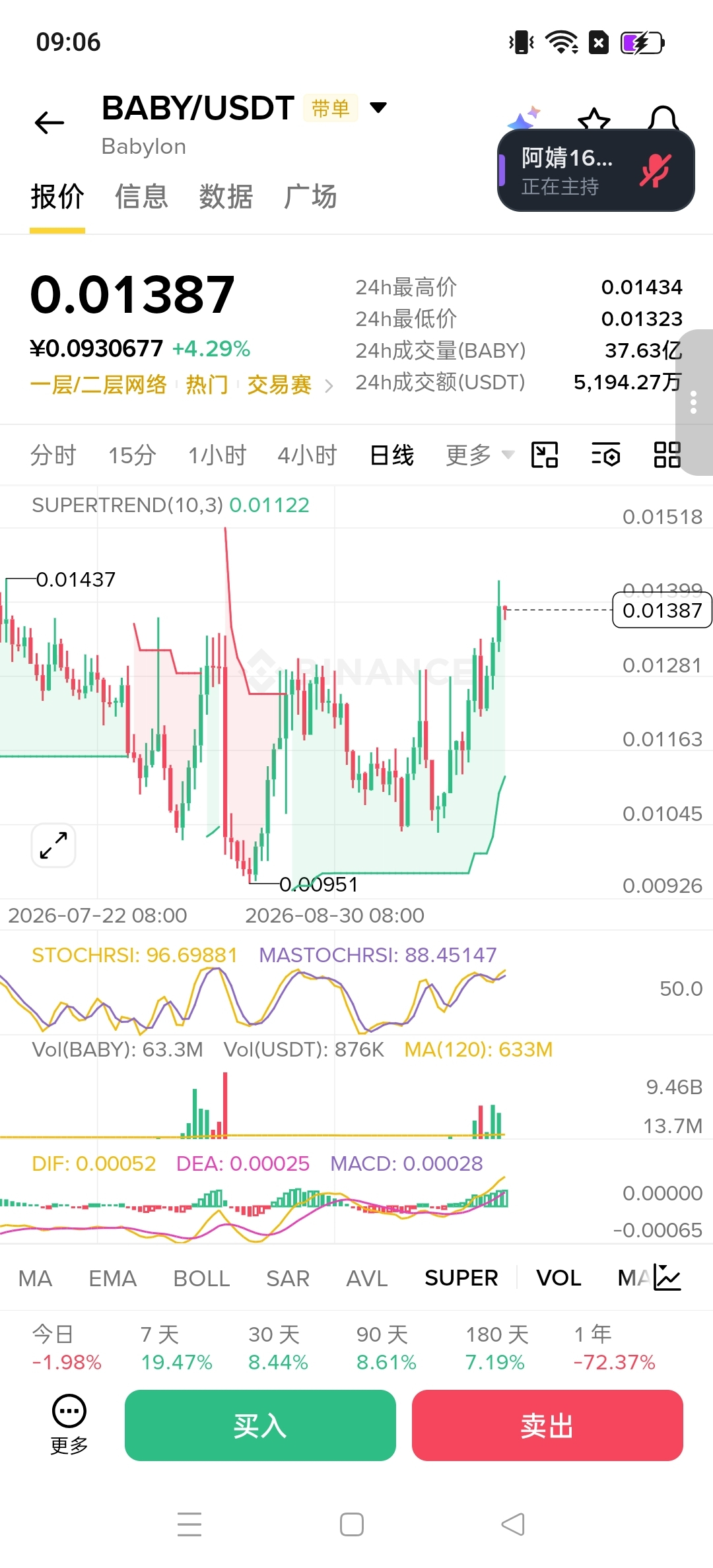
$BABY is about to start—hop on now!
Log in to explore more content