
S T E P H E N
19.1k Posts

S T E P H E N
 Square Verified+
Report
Block User
📊 Crypto enthusiast focused on trends and discoveries
Open Trade
High-Frequency Trader
1.5 Years
13 Following
35.8K+ Followers
29.6K+ Liked
Posts
Portfolio
All
Quotes
Live
Verified
CPI IS THE MATCH. THE FED IS THE POWDER KEG.
Nonfarm payrolls just came in at 162K vs 55K expected — a blowout beat. Rate-hike odds didn't just rise, they exploded. Now CPI is around the corner, and the market is holding its breath.
Will the Fed hike or hold? My take: if core CPI prints hot, the Fed hikes. They can't ignore a resilient labor market. If CPI cools, they hold — but the damage to rate-cut dreams is already done.
I'm BULLISH on gold. I'm holding my XAU position and sharing it via the trade sharing widget. Gold has central-bank demand and acts as a hedge against policy chaos. Stocks? I'm bearish short-term — valuations are stretched and a hike would squeeze liquidity.
The setup is simple: NFP beat = hawkish risk. CPI = final trigger. I'm positioned for volatility.
What's your trade? Hike or hold? Bullish or bearish? Drop it with #CPIWatch
$TFUEL
{spot}(TFUELUSDT)
$RAY
{spot}(RAYUSDT)
$SAGA
{spot}(SAGAUSDT)
CPI IS THE MATCH. THE FED IS THE POWDER KEG.
Nonfarm payrolls just came in at 162K vs 55K expected — a blowout beat. Rate-hike odds didn't just rise, they exploded. Now CPI is around the corner, and the market is holding its breath.
Will the Fed hike or hold? My take: if core CPI prints hot, the Fed hikes. They can't ignore a resilient labor market. If CPI cools, they hold — but the damage to rate-cut dreams is already done.
I'm BULLISH on gold. I'm holding my XAU position and sharing it via the trade sharing widget. Gold has central-bank demand and acts as a hedge against policy chaos. Stocks? I'm bearish short-term — valuations are stretched and a hike would squeeze liquidity.
The setup is simple: NFP beat = hawkish risk. CPI = final trigger. I'm positioned for volatility.
What's your trade? Hike or hold? Bullish or bearish? Drop it with #CPIWatch
$TFUEL
$RAY
$SAGA
Nonfarm payrolls just came in at 162K vs 55K expected — a blowout beat. Rate-hike odds didn't just rise, they exploded. Now CPI is around the corner, and the market is holding its breath.
Will the Fed hike or hold? My take: if core CPI prints hot, the Fed hikes. They can't ignore a resilient labor market. If CPI cools, they hold — but the damage to rate-cut dreams is already done.
I'm BULLISH on gold. I'm holding my XAU position and sharing it via the trade sharing widget. Gold has central-bank demand and acts as a hedge against policy chaos. Stocks? I'm bearish short-term — valuations are stretched and a hike would squeeze liquidity.
The setup is simple: NFP beat = hawkish risk. CPI = final trigger. I'm positioned for volatility.
What's your trade? Hike or hold? Bullish or bearish? Drop it with #CPIWatch
$TFUEL
$RAY
$SAGA

41
26
7.3k
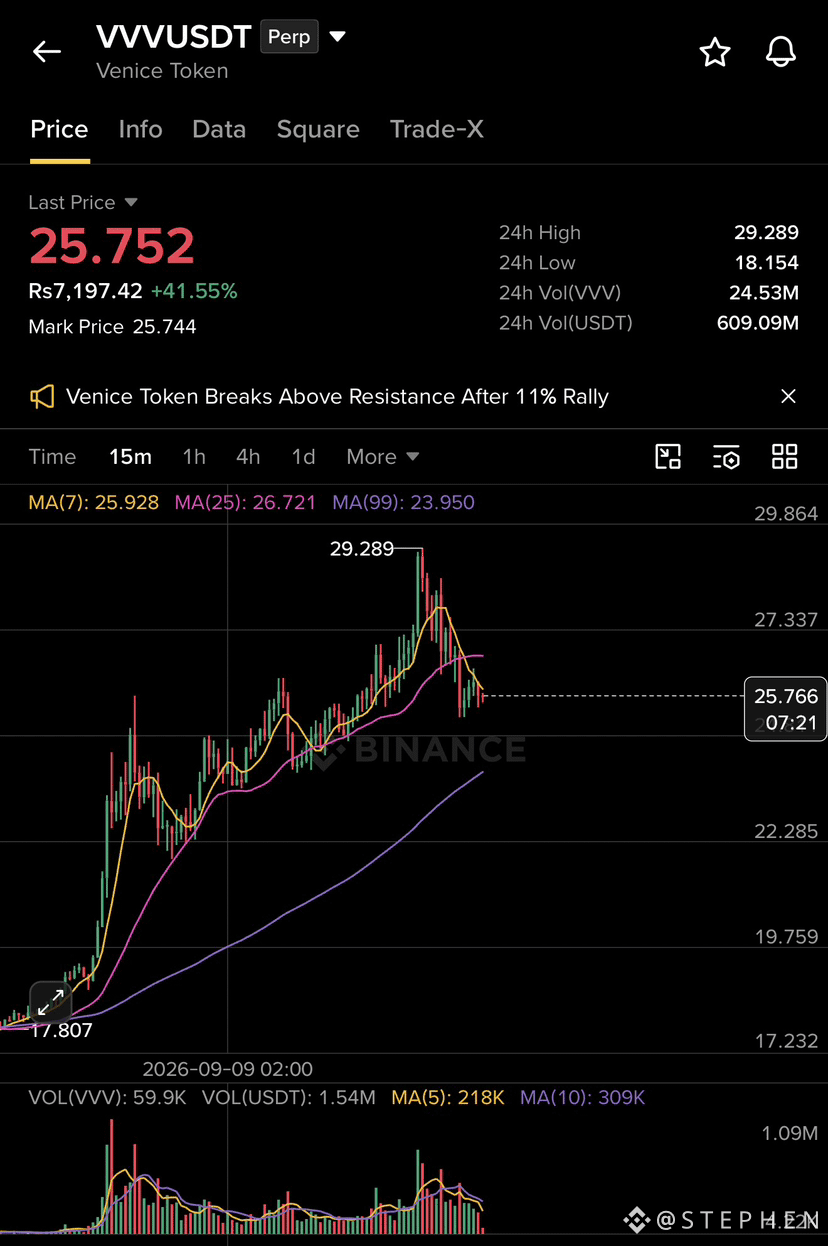
$VVV short everyone trust me win 100 parsent
{future}(VVVUSDT)
$VVV short everyone trust me win 100 parsent
95
·
--
Bullish
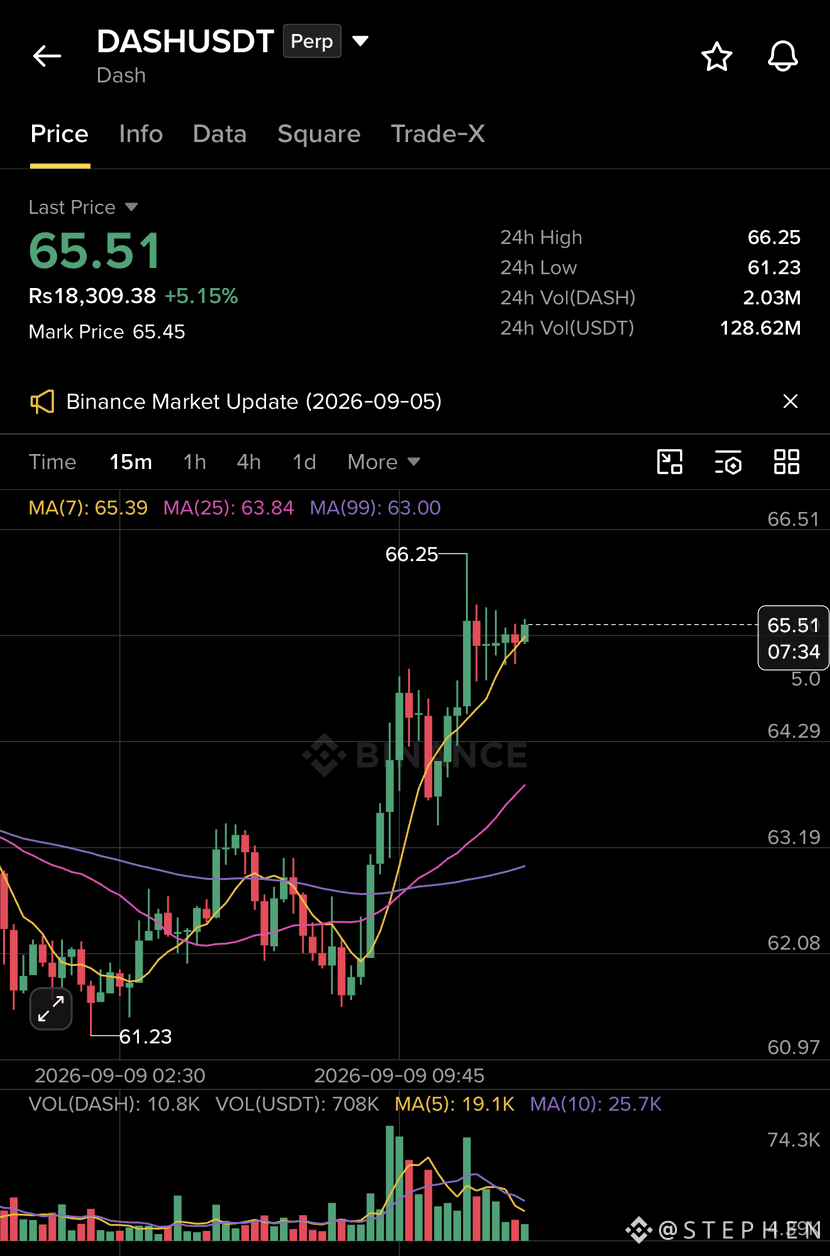
🟢 $DASH — LONG SETUP
$DASH is holding the $64.00 area with buyers defending the current level. A sustained move above $65 could open the way toward the next resistance.
📍 Entry: $64.40–$64.60
🎯 TP: $68.00
🛑 SL: $62.80
Bullish above $63.80. If momentum picks up, the move toward $68 could come quickly.
{future}(DASHUSDT)
🟢 $DASH — LONG SETUP
$DASH is holding the $64.00 area with buyers defending the current level. A sustained move above $65 could open the way toward the next resistance.
📍 Entry: $64.40–$64.60
🎯 TP: $68.00
🛑 SL: $62.80
Bullish above $63.80. If momentum picks up, the move toward $68 could come quickly.
$DASH is holding the $64.00 area with buyers defending the current level. A sustained move above $65 could open the way toward the next resistance.
📍 Entry: $64.40–$64.60
🎯 TP: $68.00
🛑 SL: $62.80
Bullish above $63.80. If momentum picks up, the move toward $68 could come quickly.
103
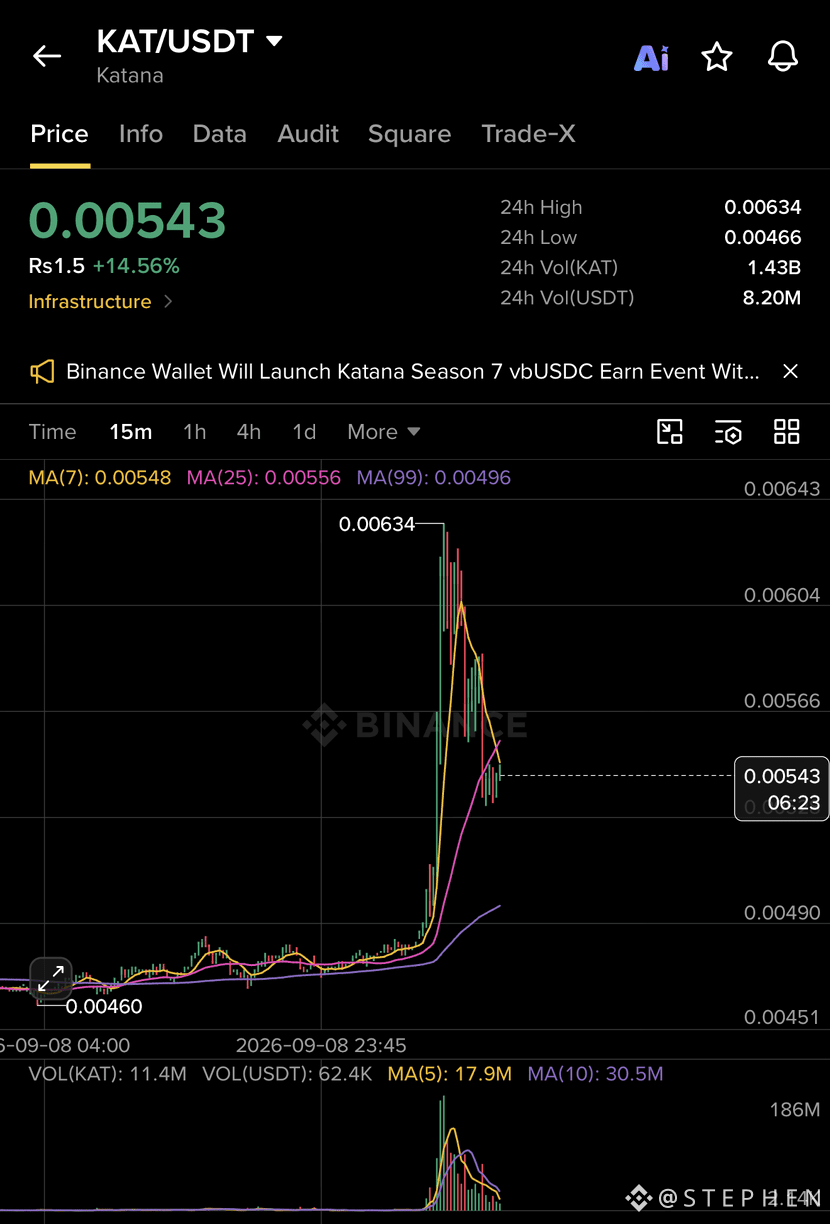
🔴 $KAT — SHORT SETUP
$KAT is showing weakness around the $0.00570 area, giving sellers a chance to push price lower if resistance continues to hold.
📍 Short Entry: $0.00570–$0.00575
🎯 TP: $0.00510
🛑 SL: $0.00605
Bearish below $0.00585. A clean move below the entry zone could accelerate the downside.
{future}(KATUSDT)
🔴 $KAT — SHORT SETUP
$KAT is showing weakness around the $0.00570 area, giving sellers a chance to push price lower if resistance continues to hold.
📍 Short Entry: $0.00570–$0.00575
🎯 TP: $0.00510
🛑 SL: $0.00605
Bearish below $0.00585. A clean move below the entry zone could accelerate the downside.
$KAT is showing weakness around the $0.00570 area, giving sellers a chance to push price lower if resistance continues to hold.
📍 Short Entry: $0.00570–$0.00575
🎯 TP: $0.00510
🛑 SL: $0.00605
Bearish below $0.00585. A clean move below the entry zone could accelerate the downside.
218
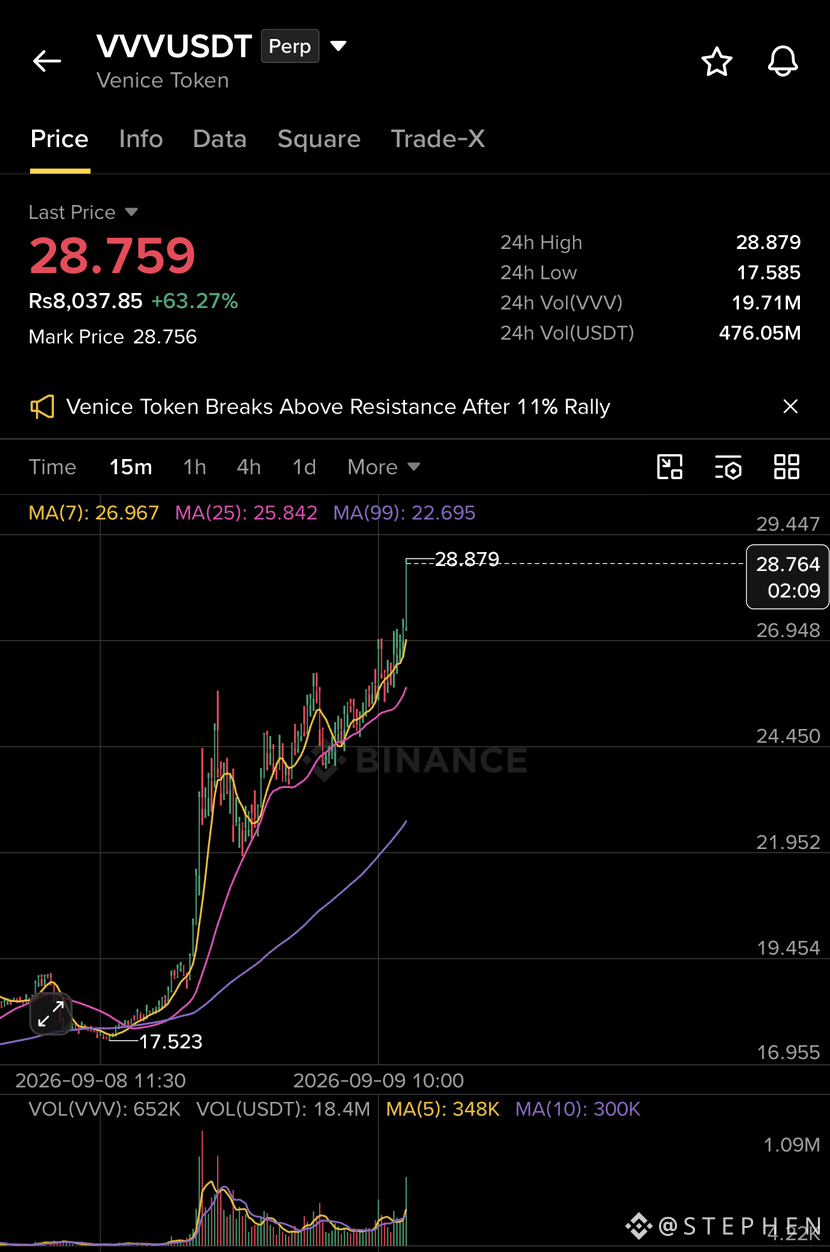
🔴 $VVV — SHORT TRADE UPDATE
Still holding the short — SL remains untouched. Price has dropped back toward $26.00, keeping the bearish setup active.
🔻 Current Price: ~$26.00
🛑 Updated SL: $27.55
📉 Bias: Bearish
I’ve moved the SL up to $27.55 to protect the position.
Keeping the short open as long as price stays below the invalidation level.
{future}(VVVUSDT)
🔴 $VVV — SHORT TRADE UPDATE
Still holding the short — SL remains untouched. Price has dropped back toward $26.00, keeping the bearish setup active.
🔻 Current Price: ~$26.00
🛑 Updated SL: $27.55
📉 Bias: Bearish
I’ve moved the SL up to $27.55 to protect the position.
Keeping the short open as long as price stays below the invalidation level.
Still holding the short — SL remains untouched. Price has dropped back toward $26.00, keeping the bearish setup active.
🔻 Current Price: ~$26.00
🛑 Updated SL: $27.55
📉 Bias: Bearish
I’ve moved the SL up to $27.55 to protect the position.
Keeping the short open as long as price stays below the invalidation level.
217
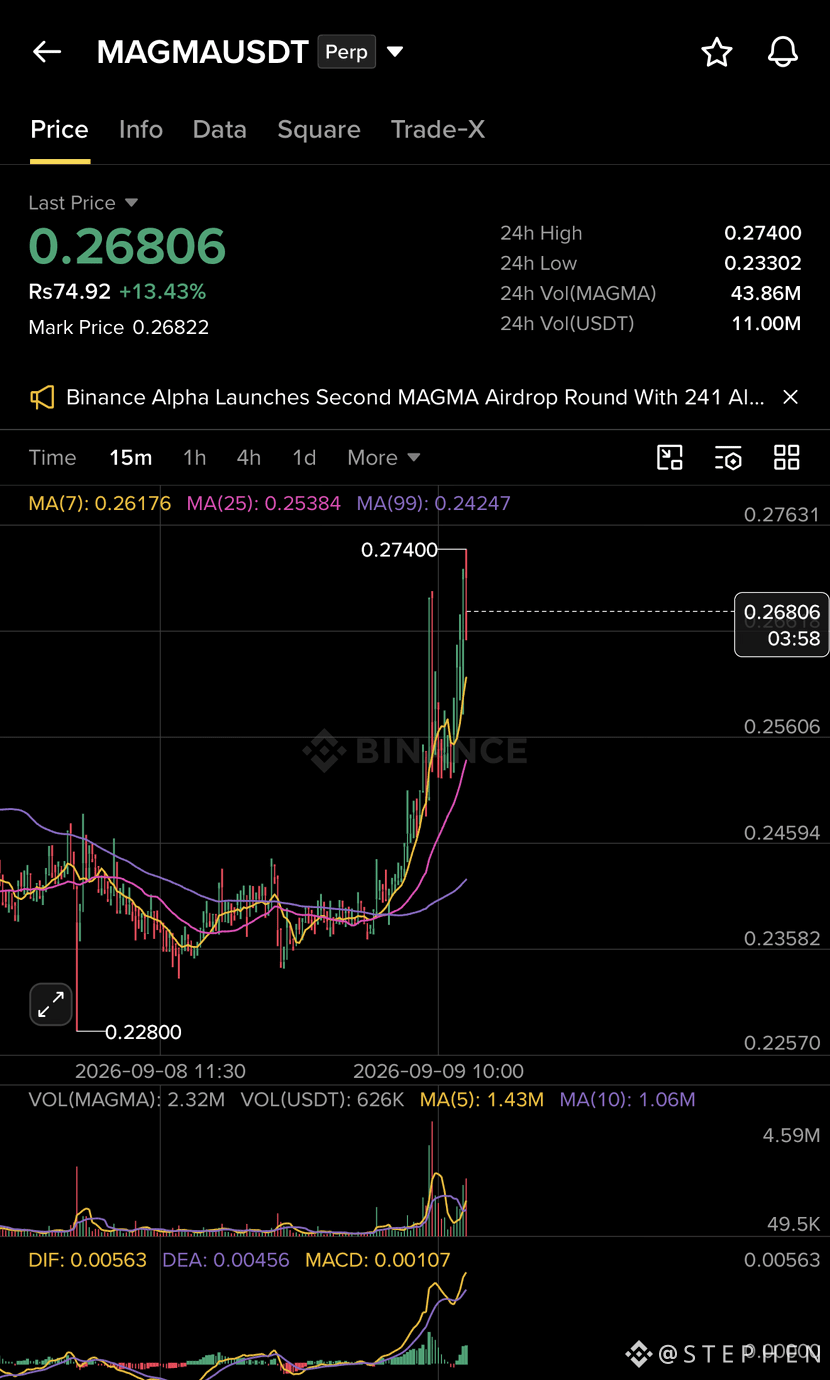
🟢 $MAGMA — LONG SETUP
$MAGMA is recovering strongly after defending the $0.20–$0.22 base. Price is back near $0.265, with momentum improving after a long consolidation.
The key breakout zone is $0.38–$0.40. A clean break above it could confirm a larger bullish continuation.
📍 Entry: $0.255–$0.275
🎯 TP1: $0.30
🎯 TP2: $0.35
🎯 TP3: $0.40
🛑 SL: $0.235
Bullish while $0.20–$0.22 support remains intact.
{future}(MAGMAUSDT)
🟢 $MAGMA — LONG SETUP
$MAGMA is recovering strongly after defending the $0.20–$0.22 base. Price is back near $0.265, with momentum improving after a long consolidation.
The key breakout zone is $0.38–$0.40. A clean break above it could confirm a larger bullish continuation.
📍 Entry: $0.255–$0.275
🎯 TP1: $0.30
🎯 TP2: $0.35
🎯 TP3: $0.40
🛑 SL: $0.235
Bullish while $0.20–$0.22 support remains intact.
$MAGMA is recovering strongly after defending the $0.20–$0.22 base. Price is back near $0.265, with momentum improving after a long consolidation.
The key breakout zone is $0.38–$0.40. A clean break above it could confirm a larger bullish continuation.
📍 Entry: $0.255–$0.275
🎯 TP1: $0.30
🎯 TP2: $0.35
🎯 TP3: $0.40
🛑 SL: $0.235
Bullish while $0.20–$0.22 support remains intact.
96
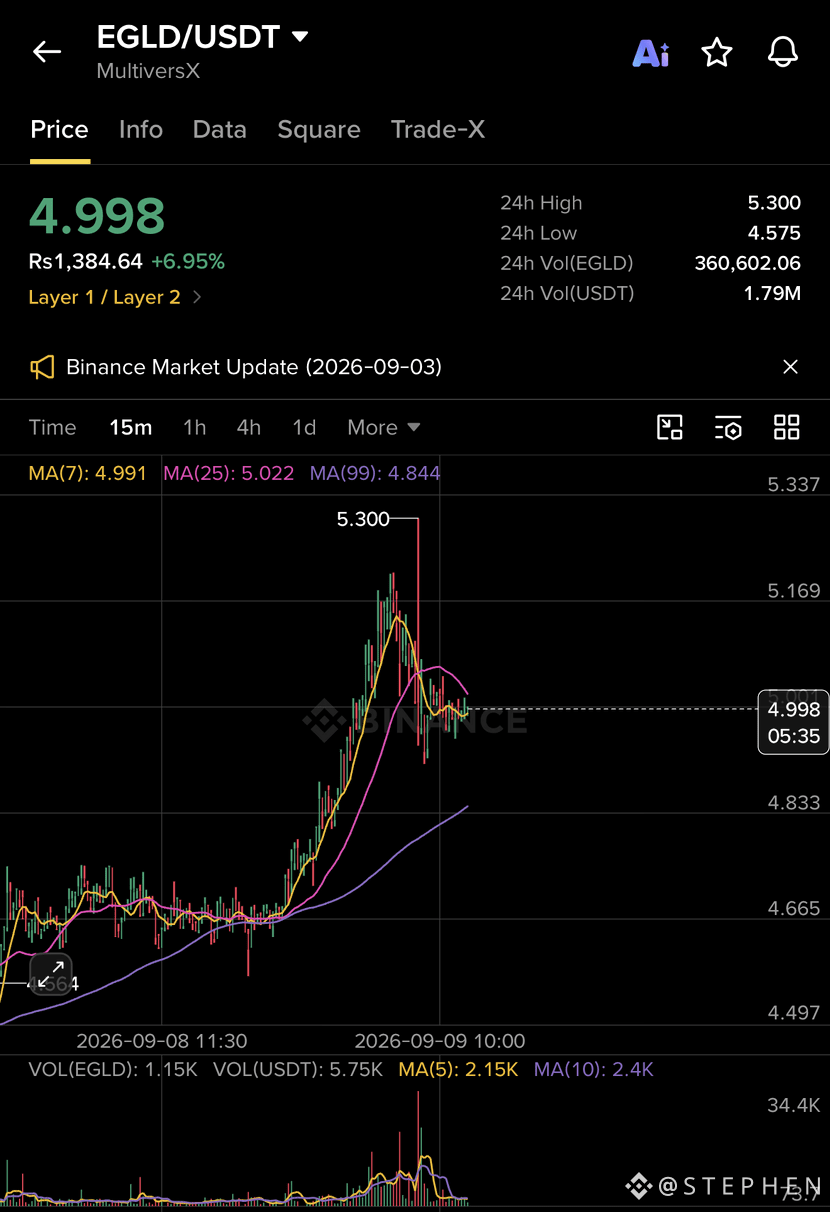
🔴 $EGLD — SHORT SETUP
$EGLD is showing a potential rejection zone around $5.00, making this a clean downside setup if sellers maintain control.
📍 Short Entry: $4.98–$5.02
🎯 TP: $4.80
🛑 SL: $5.30
Bearish below $5.05. A sustained move above the SL zone would invalidate the setup.
{future}(EGLDUSDT)
🔴 $EGLD — SHORT SETUP
$EGLD is showing a potential rejection zone around $5.00, making this a clean downside setup if sellers maintain control.
📍 Short Entry: $4.98–$5.02
🎯 TP: $4.80
🛑 SL: $5.30
Bearish below $5.05. A sustained move above the SL zone would invalidate the setup.
$EGLD is showing a potential rejection zone around $5.00, making this a clean downside setup if sellers maintain control.
📍 Short Entry: $4.98–$5.02
🎯 TP: $4.80
🛑 SL: $5.30
Bearish below $5.05. A sustained move above the SL zone would invalidate the setup.
152
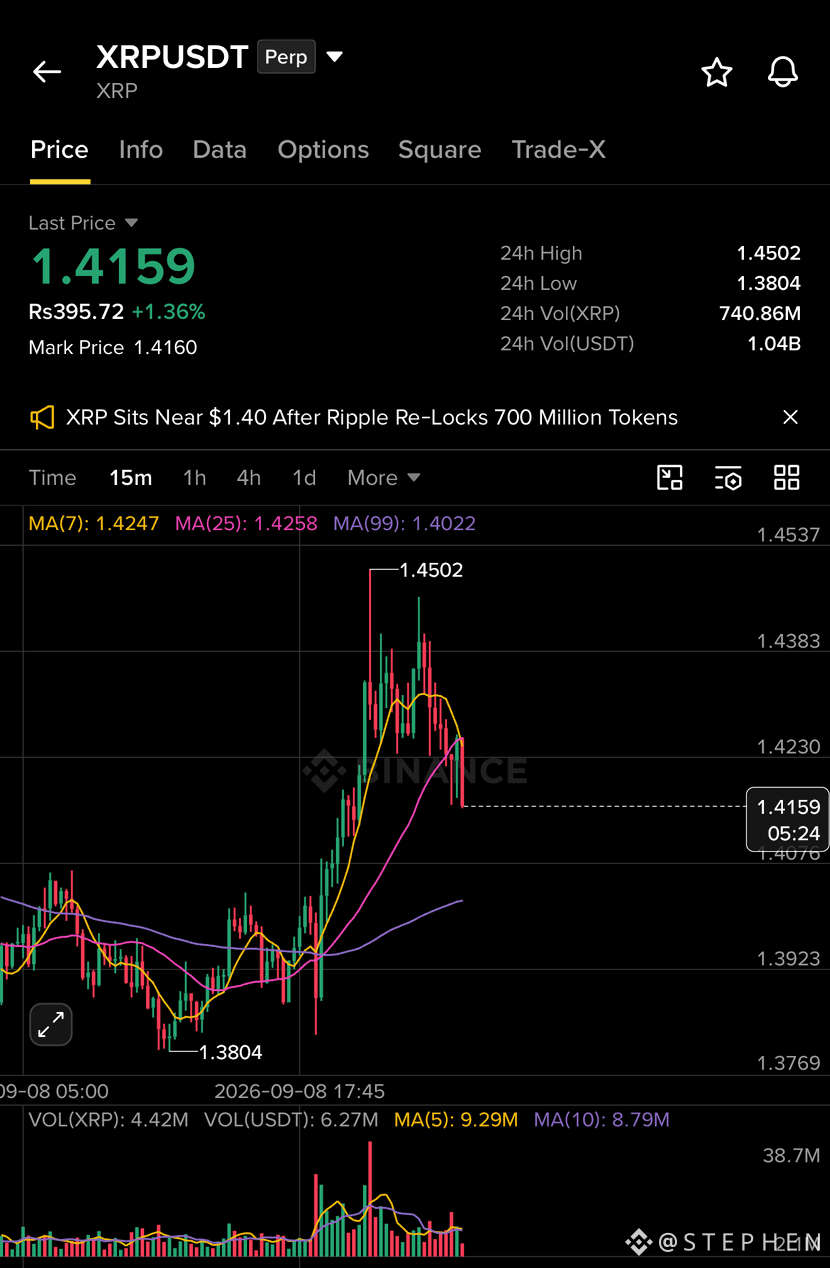
💰$XRP LONG SETUP 🟢
$XRP is showing fresh buying pressure with a $71K long-volume spike, backed by a larger $126K sequence. Buyers are becoming active around $1.4165, creating a potential continuation setup.
BUY ZONE: $1.412 – $1.420
🎯 TP1: $1.430
🎯 TP2: $1.445
🎯 TP3: $1.465
🛑 SL: $1.395
As long as $XRP holds above $1.410, buyers can remain in control. A clean break above $1.430 could strengthen momentum toward the higher targets.
Trade Grade: 🟢 A- Setup
Keep position size controlled and respect the SL.
{future}(XRPUSDT)
💰$XRP LONG SETUP 🟢
$XRP is showing fresh buying pressure with a $71K long-volume spike, backed by a larger $126K sequence. Buyers are becoming active around $1.4165, creating a potential continuation setup.
BUY ZONE: $1.412 – $1.420
🎯 TP1: $1.430
🎯 TP2: $1.445
🎯 TP3: $1.465
🛑 SL: $1.395
As long as $XRP holds above $1.410, buyers can remain in control. A clean break above $1.430 could strengthen momentum toward the higher targets.
Trade Grade: 🟢 A- Setup
Keep position size controlled and respect the SL.
$XRP is showing fresh buying pressure with a $71K long-volume spike, backed by a larger $126K sequence. Buyers are becoming active around $1.4165, creating a potential continuation setup.
BUY ZONE: $1.412 – $1.420
🎯 TP1: $1.430
🎯 TP2: $1.445
🎯 TP3: $1.465
🛑 SL: $1.395
As long as $XRP holds above $1.410, buyers can remain in control. A clean break above $1.430 could strengthen momentum toward the higher targets.
Trade Grade: 🟢 A- Setup
Keep position size controlled and respect the SL.
82
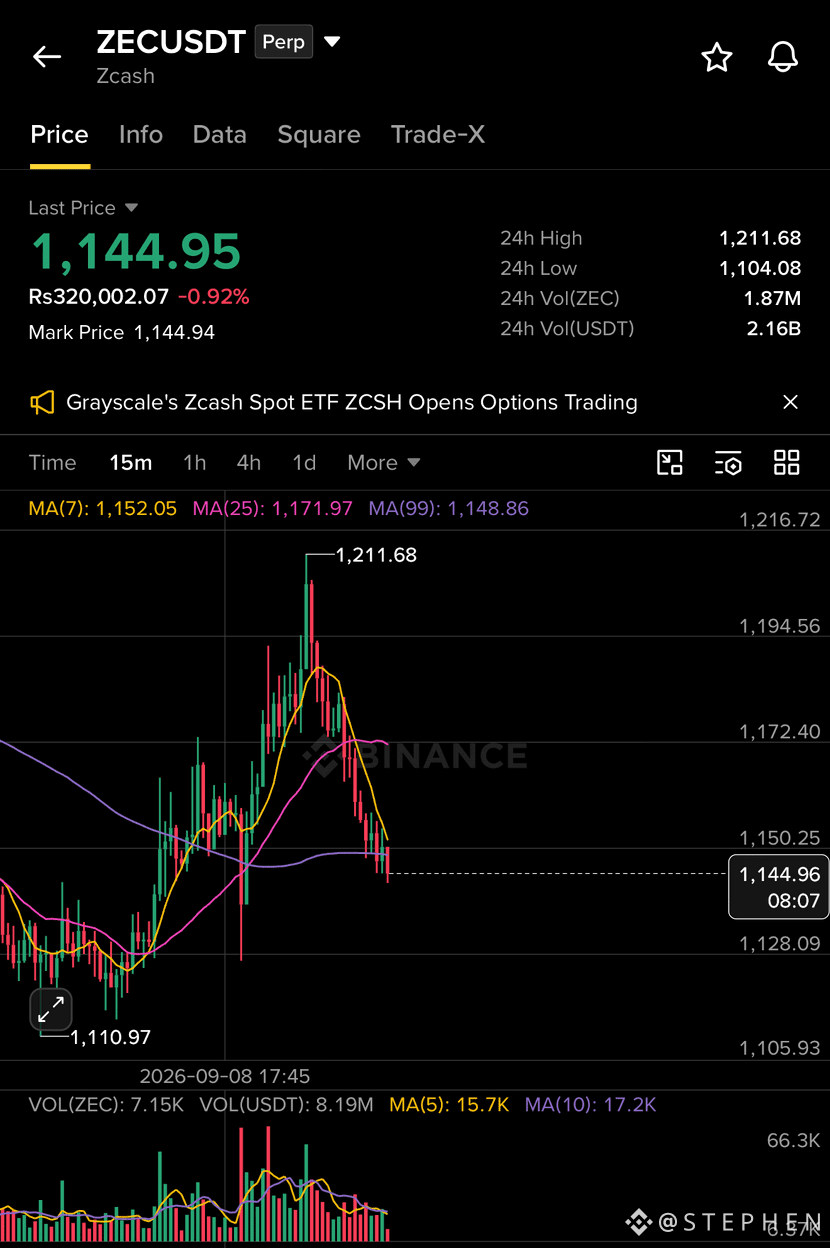
💰$ZEC SHORT SETUP 🔴
$ZEC is showing fresh selling pressure with a $121K short-volume spike around $1,146.95. Sellers are stepping in at elevated levels, creating a potential short-term rejection setup.
SHORT ZONE: $1,145 – $1,155
🎯 TP1: $1,130
🎯 TP2: $1,110
🎯 TP3: $1,085
🛑 SL: $1,175
As long as price fails to reclaim $1,155–$1,165, bearish pressure can remain active. A break below $1,130 could accelerate the move toward the lower targets.
Trade Grade: 🔴 B+ Setup
Keep position size controlled and respect the SL.
{future}(ZECUSDT)
💰$ZEC SHORT SETUP 🔴
$ZEC is showing fresh selling pressure with a $121K short-volume spike around $1,146.95. Sellers are stepping in at elevated levels, creating a potential short-term rejection setup.
SHORT ZONE: $1,145 – $1,155
🎯 TP1: $1,130
🎯 TP2: $1,110
🎯 TP3: $1,085
🛑 SL: $1,175
As long as price fails to reclaim $1,155–$1,165, bearish pressure can remain active. A break below $1,130 could accelerate the move toward the lower targets.
Trade Grade: 🔴 B+ Setup
Keep position size controlled and respect the SL.
$ZEC is showing fresh selling pressure with a $121K short-volume spike around $1,146.95. Sellers are stepping in at elevated levels, creating a potential short-term rejection setup.
SHORT ZONE: $1,145 – $1,155
🎯 TP1: $1,130
🎯 TP2: $1,110
🎯 TP3: $1,085
🛑 SL: $1,175
As long as price fails to reclaim $1,155–$1,165, bearish pressure can remain active. A break below $1,130 could accelerate the move toward the lower targets.
Trade Grade: 🔴 B+ Setup
Keep position size controlled and respect the SL.
166
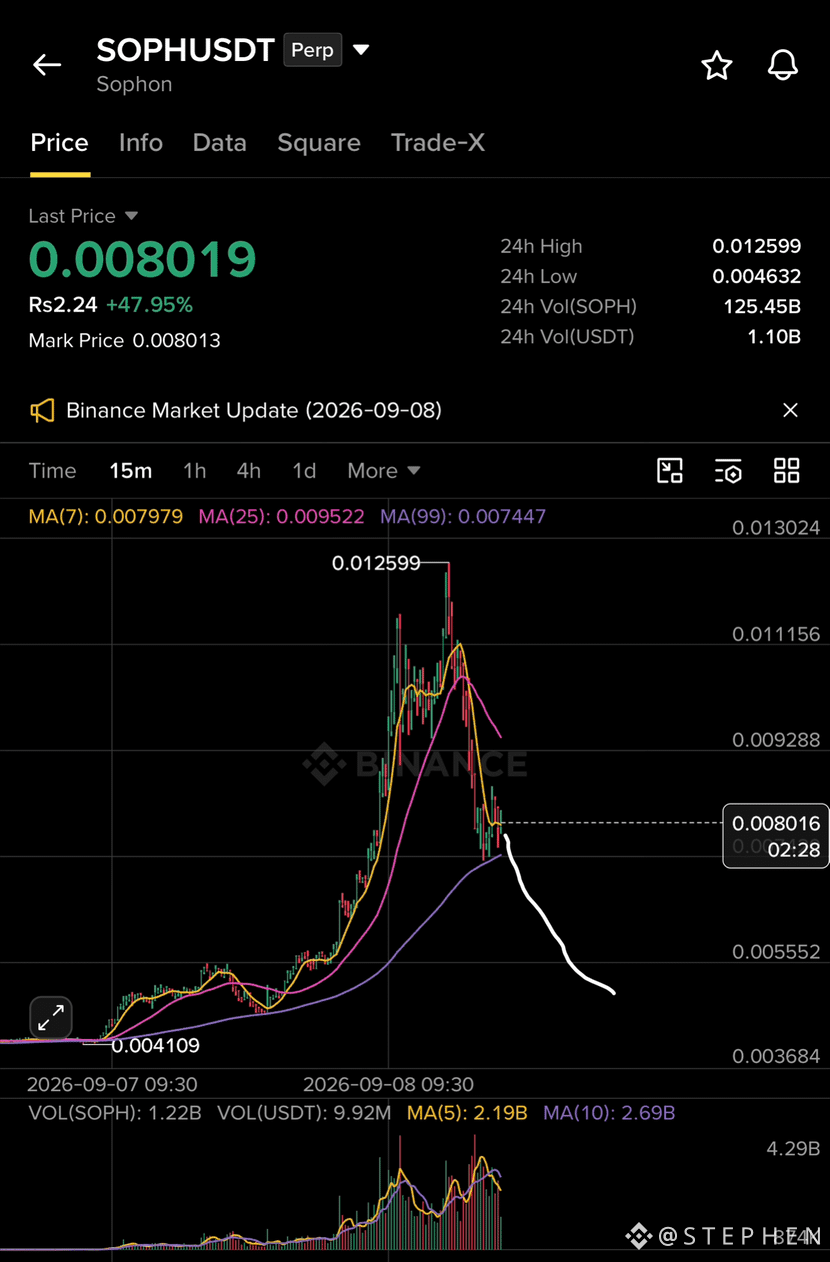
🔴 $SOPH — SHORT SETUP
After the huge pump to $0.01259, $SOPH faced a sharp rejection and is now struggling below the MA25 around $0.00952. Short-term momentum has weakened, while $0.00745 is the key support to watch.
📍 Short Entry: $0.00810–$0.00835
🎯 TP1: $0.00770
🎯 TP2: $0.00745
🎯 TP3: $0.00680
🛑 SL: $0.00875
⚠️ If $0.00745 breaks with volume, the downside could accelerate. A strong reclaim above $0.00875 would invalidate the short setup.
🔴 $SOPH — SHORT SETUP
After the huge pump to $0.01259, $SOPH faced a sharp rejection and is now struggling below the MA25 around $0.00952. Short-term momentum has weakened, while $0.00745 is the key support to watch.
📍 Short Entry: $0.00810–$0.00835
🎯 TP1: $0.00770
🎯 TP2: $0.00745
🎯 TP3: $0.00680
🛑 SL: $0.00875
⚠️ If $0.00745 breaks with volume, the downside could accelerate. A strong reclaim above $0.00875 would invalidate the short setup.
After the huge pump to $0.01259, $SOPH faced a sharp rejection and is now struggling below the MA25 around $0.00952. Short-term momentum has weakened, while $0.00745 is the key support to watch.
📍 Short Entry: $0.00810–$0.00835
🎯 TP1: $0.00770
🎯 TP2: $0.00745
🎯 TP3: $0.00680
🛑 SL: $0.00875
⚠️ If $0.00745 breaks with volume, the downside could accelerate. A strong reclaim above $0.00875 would invalidate the short setup.
155
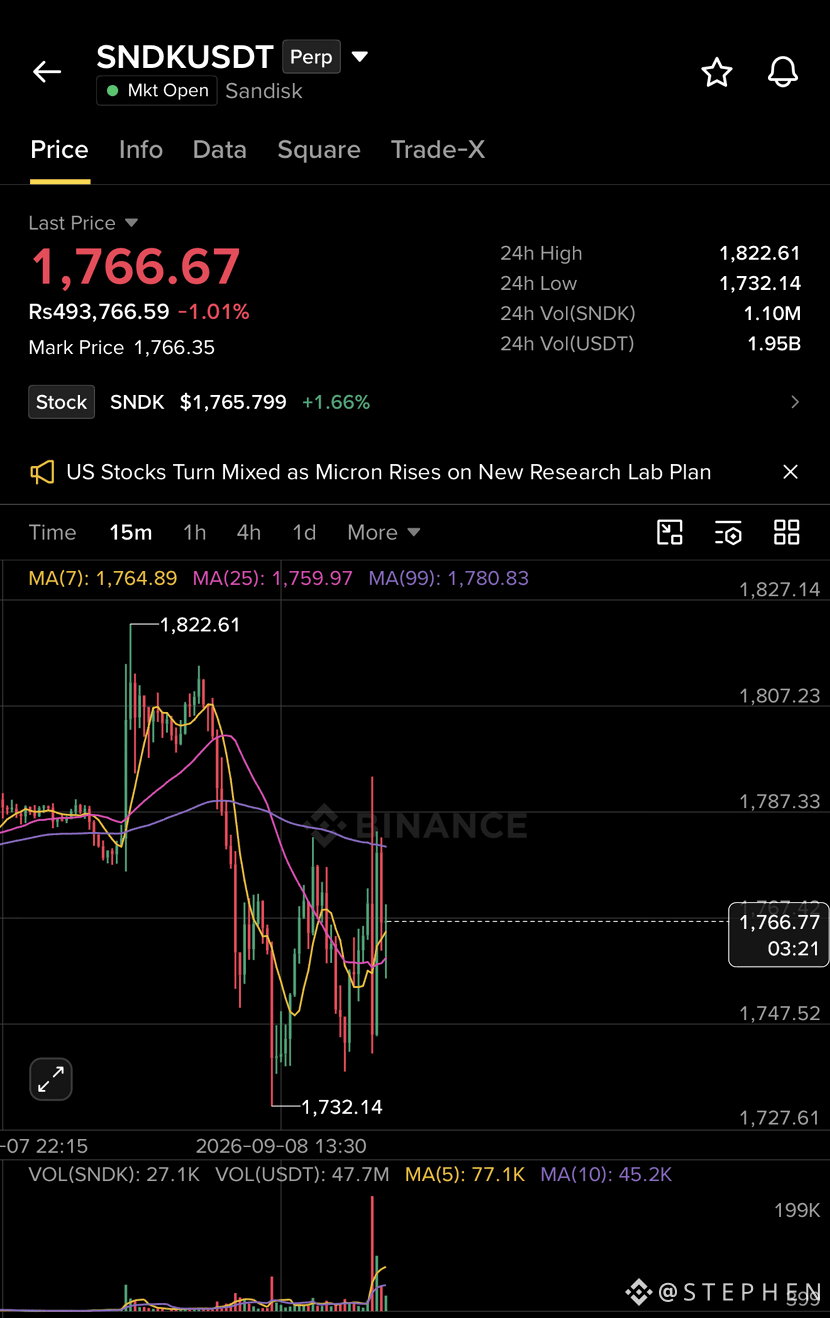
🟢 $SNDK — LONG SETUP
$SNDK is holding strong after a major breakout, but chasing the current move isn’t ideal. I’m looking for a pullback into the $1,760–$1,785 zone for a cleaner entry.
📍 Entry: $1,760–$1,785
🎯 TP1: $1,825
🎯 TP2: $1,900
🎯 TP3: $1,975
🛑 SL: $1,705
Bias stays bullish while the breakout structure remains intact. A successful retest could provide the next continuation move higher.
{future}(SNDKUSDT)
🟢 $SNDK — LONG SETUP
$SNDK is holding strong after a major breakout, but chasing the current move isn’t ideal. I’m looking for a pullback into the $1,760–$1,785 zone for a cleaner entry.
📍 Entry: $1,760–$1,785
🎯 TP1: $1,825
🎯 TP2: $1,900
🎯 TP3: $1,975
🛑 SL: $1,705
Bias stays bullish while the breakout structure remains intact. A successful retest could provide the next continuation move higher.
$SNDK is holding strong after a major breakout, but chasing the current move isn’t ideal. I’m looking for a pullback into the $1,760–$1,785 zone for a cleaner entry.
📍 Entry: $1,760–$1,785
🎯 TP1: $1,825
🎯 TP2: $1,900
🎯 TP3: $1,975
🛑 SL: $1,705
Bias stays bullish while the breakout structure remains intact. A successful retest could provide the next continuation move higher.
179
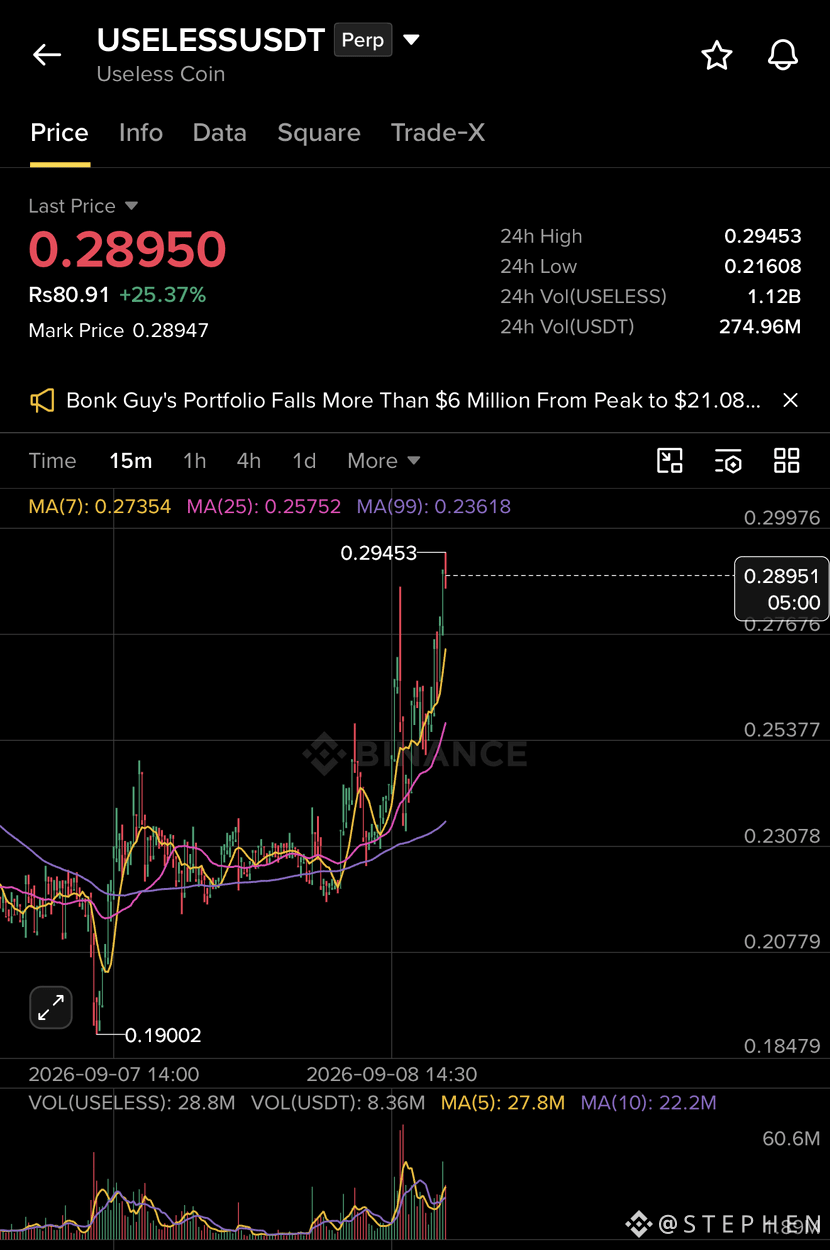
🟢 $USELESS — BULLISH REVERSAL
$USELESS defended the $0.218–$0.220 support zone and has now recovered strongly toward $0.287. Buyers are back in control, with $0.318–$0.320 acting as the key resistance.
A clean breakout above $0.320 could trigger the next upside leg.
📍 Buy Zone: $0.275–$0.290
🎯 TP1: $0.300
🎯 TP2: $0.320
🎯 TP3: $0.350
🛑 SL: $0.260
Bullish structure remains valid while the major support continues to hold.
{future}(USELESSUSDT)
🟢 $USELESS — BULLISH REVERSAL
$USELESS defended the $0.218–$0.220 support zone and has now recovered strongly toward $0.287. Buyers are back in control, with $0.318–$0.320 acting as the key resistance.
A clean breakout above $0.320 could trigger the next upside leg.
📍 Buy Zone: $0.275–$0.290
🎯 TP1: $0.300
🎯 TP2: $0.320
🎯 TP3: $0.350
🛑 SL: $0.260
Bullish structure remains valid while the major support continues to hold.
$USELESS defended the $0.218–$0.220 support zone and has now recovered strongly toward $0.287. Buyers are back in control, with $0.318–$0.320 acting as the key resistance.
A clean breakout above $0.320 could trigger the next upside leg.
📍 Buy Zone: $0.275–$0.290
🎯 TP1: $0.300
🎯 TP2: $0.320
🎯 TP3: $0.350
🛑 SL: $0.260
Bullish structure remains valid while the major support continues to hold.
192
140
Long $SOL everyone trust me
{future}(SOLUSDT)
Long $SOL everyone trust me
79
·
--
Bullish
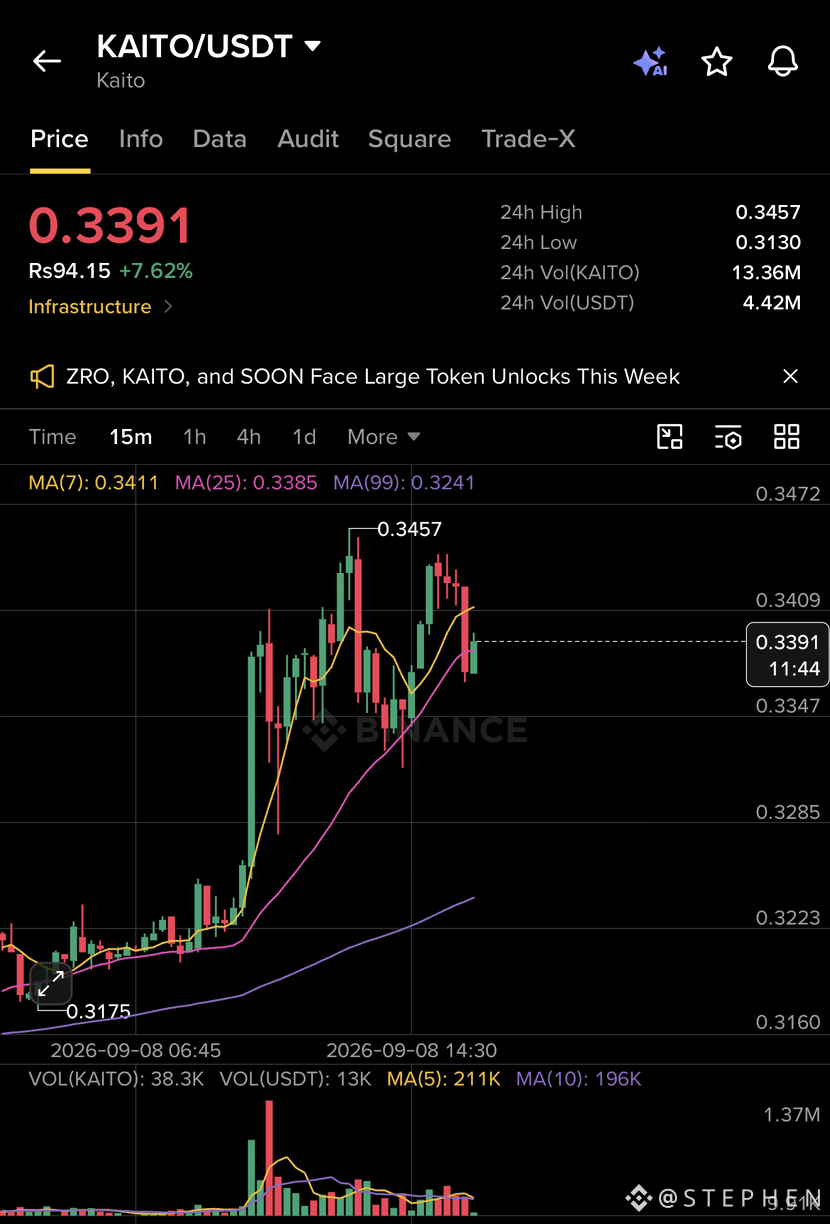
🟢 $KAITO — BULLISH CONTINUATION
Buyers are defending the current zone and momentum remains strong. If $KAITO holds above the $0.338–$0.342 area, another push higher could be underway.
📍 Entry: $0.338–$0.342
🎯 TP1: $0.348
🎯 TP2: $0.355
🎯 TP3: $0.365
🛑 SL: $0.332
Bullish while the entry zone holds. A break below $0.332 would invalidate the setup.
{future}(KAITOUSDT)
🟢 $KAITO — BULLISH CONTINUATION
Buyers are defending the current zone and momentum remains strong. If $KAITO holds above the $0.338–$0.342 area, another push higher could be underway.
📍 Entry: $0.338–$0.342
🎯 TP1: $0.348
🎯 TP2: $0.355
🎯 TP3: $0.365
🛑 SL: $0.332
Bullish while the entry zone holds. A break below $0.332 would invalidate the setup.
Buyers are defending the current zone and momentum remains strong. If $KAITO holds above the $0.338–$0.342 area, another push higher could be underway.
📍 Entry: $0.338–$0.342
🎯 TP1: $0.348
🎯 TP2: $0.355
🎯 TP3: $0.365
🛑 SL: $0.332
Bullish while the entry zone holds. A break below $0.332 would invalidate the setup.
107
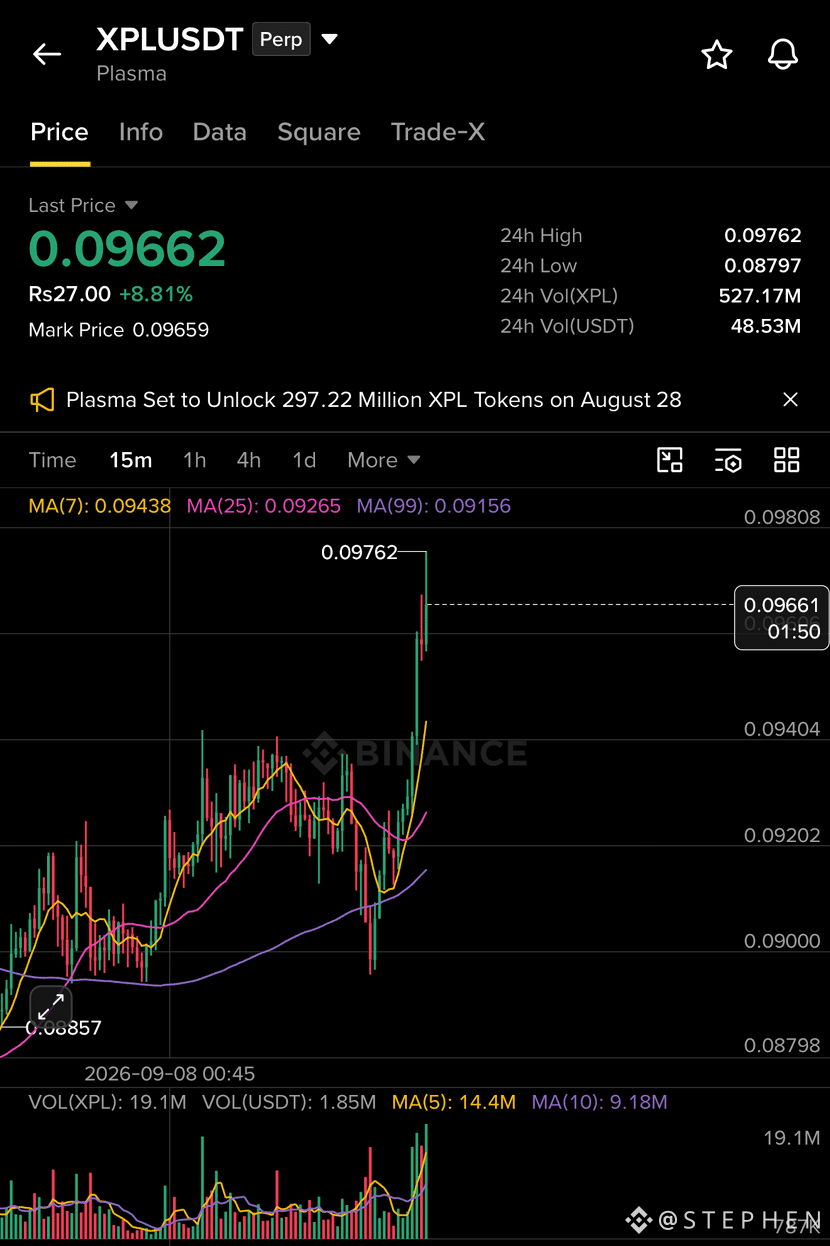
🟢 $XPL LONG SETUP
$XPL is showing signs of a long-term reversal after months of accumulation between $0.060–$0.10.
Price is testing the upper boundary near $0.095. The key trigger is a confirmed breakout and hold above $0.10.
📍 Entry: $0.090–$0.100
🎯 TP1: $0.15
🎯 TP2: $0.22
🚀 Final: $0.35
🛑 SL: $0.039
As long as the major base holds, the bullish structure remains valid. A strong close above $0.10 could unlock the next leg higher.
{future}(XPLUSDT)
🟢 $XPL LONG SETUP
$XPL is showing signs of a long-term reversal after months of accumulation between $0.060–$0.10.
Price is testing the upper boundary near $0.095. The key trigger is a confirmed breakout and hold above $0.10.
📍 Entry: $0.090–$0.100
🎯 TP1: $0.15
🎯 TP2: $0.22
🚀 Final: $0.35
🛑 SL: $0.039
As long as the major base holds, the bullish structure remains valid. A strong close above $0.10 could unlock the next leg higher.
$XPL is showing signs of a long-term reversal after months of accumulation between $0.060–$0.10.
Price is testing the upper boundary near $0.095. The key trigger is a confirmed breakout and hold above $0.10.
📍 Entry: $0.090–$0.100
🎯 TP1: $0.15
🎯 TP2: $0.22
🚀 Final: $0.35
🛑 SL: $0.039
As long as the major base holds, the bullish structure remains valid. A strong close above $0.10 could unlock the next leg higher.
52
·
--
Bearish
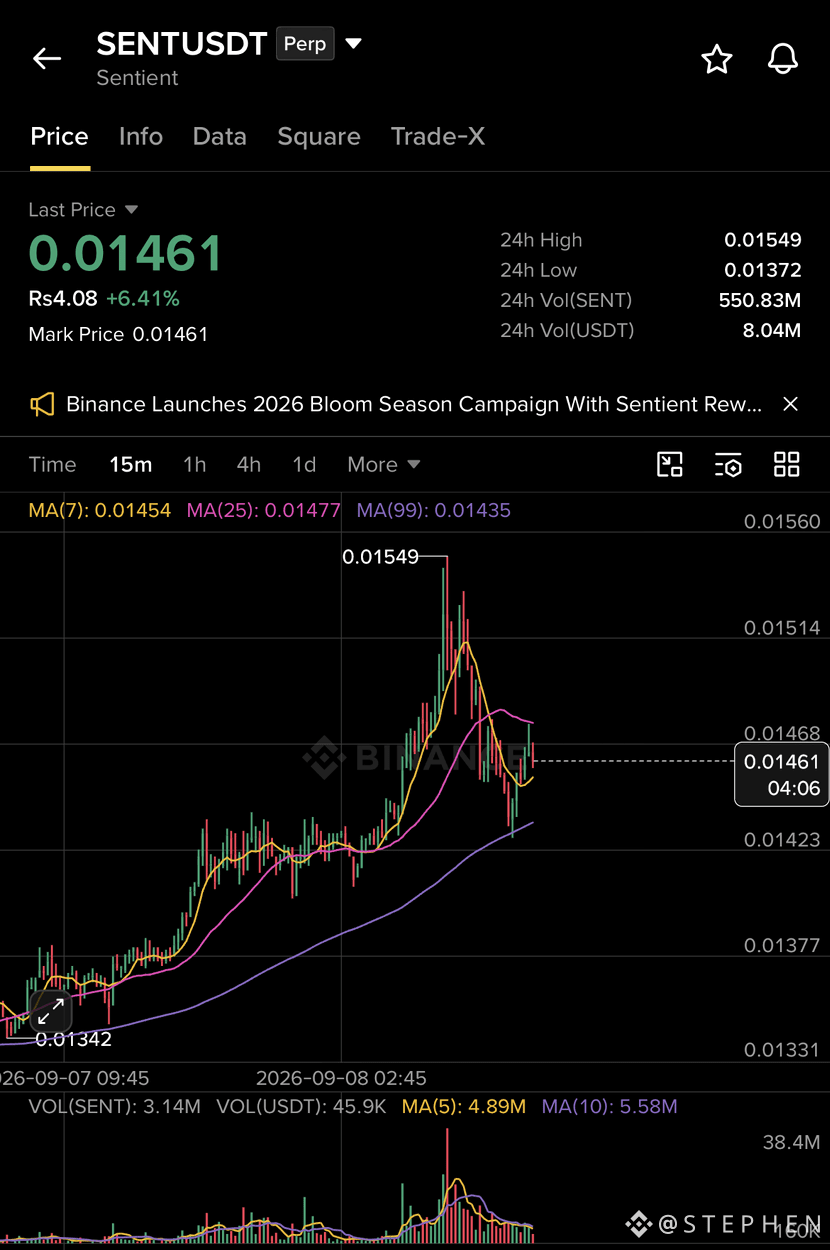
🔴 $SENT — SHORT SETUP
Opened a short around the $0.01465–$0.01475 resistance zone with 20x leverage.
If sellers keep pressure on, I’m watching:
🎯 $0.01440
🎯 $0.01415
🎯 $0.01390
Invalidation: $0.01505
Watching the reaction closely — a clean rejection could accelerate the downside.
{future}(SENTUSDT)
🔴 $SENT — SHORT SETUP
Opened a short around the $0.01465–$0.01475 resistance zone with 20x leverage.
If sellers keep pressure on, I’m watching:
🎯 $0.01440
🎯 $0.01415
🎯 $0.01390
Invalidation: $0.01505
Watching the reaction closely — a clean rejection could accelerate the downside.
Opened a short around the $0.01465–$0.01475 resistance zone with 20x leverage.
If sellers keep pressure on, I’m watching:
🎯 $0.01440
🎯 $0.01415
🎯 $0.01390
Invalidation: $0.01505
Watching the reaction closely — a clean rejection could accelerate the downside.
57
·
--
Bearish
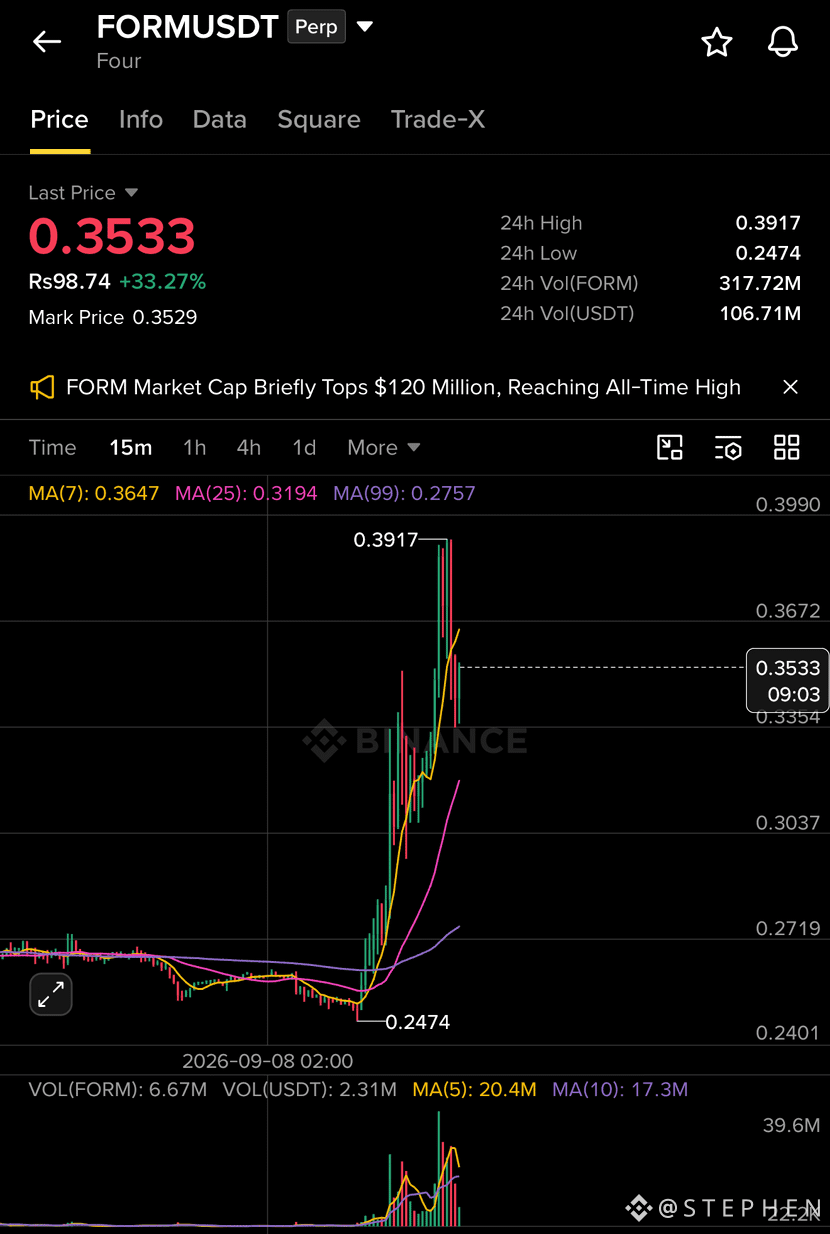
💰$FORM SHORT SETUP 🔴
$FORM is showing strong repeated selling activity, with a $35K short-volume spike and a larger $63K sequence. Sellers are stepping in aggressively around the current $0.3534 area.
SHORT ZONE: $0.3520 – $0.3550
🎯 TP1: $0.3480
🎯 TP2: $0.3440
🎯 TP3: $0.3390
🛑 SL: $0.3600
If price fails to reclaim $0.3550, bearish pressure can remain active. A clean break below $0.3480 could open the way toward the lower targets.
Trade Grade: 🔴 A- Setup
Keep position size controlled and respect the SL.
{future}(FORMUSDT)
💰$FORM SHORT SETUP 🔴
$FORM is showing strong repeated selling activity, with a $35K short-volume spike and a larger $63K sequence. Sellers are stepping in aggressively around the current $0.3534 area.
SHORT ZONE: $0.3520 – $0.3550
🎯 TP1: $0.3480
🎯 TP2: $0.3440
🎯 TP3: $0.3390
🛑 SL: $0.3600
If price fails to reclaim $0.3550, bearish pressure can remain active. A clean break below $0.3480 could open the way toward the lower targets.
Trade Grade: 🔴 A- Setup
Keep position size controlled and respect the SL.
$FORM is showing strong repeated selling activity, with a $35K short-volume spike and a larger $63K sequence. Sellers are stepping in aggressively around the current $0.3534 area.
SHORT ZONE: $0.3520 – $0.3550
🎯 TP1: $0.3480
🎯 TP2: $0.3440
🎯 TP3: $0.3390
🛑 SL: $0.3600
If price fails to reclaim $0.3550, bearish pressure can remain active. A clean break below $0.3480 could open the way toward the lower targets.
Trade Grade: 🔴 A- Setup
Keep position size controlled and respect the SL.
158
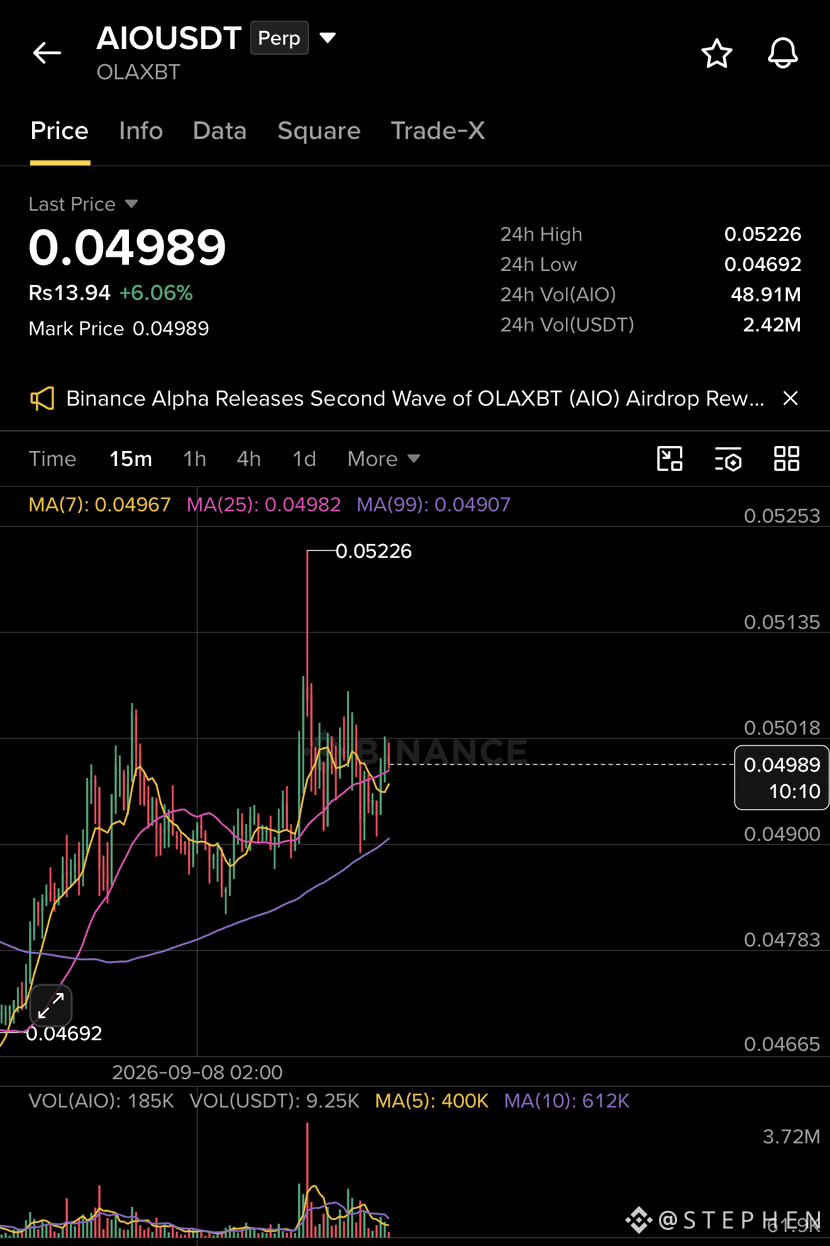
💰$AIO SHORT SETUP 🔴
$AIO is showing fresh selling pressure with a repeated short-volume sequence. The latest $5K short volume comes alongside a larger $19K sequence, suggesting sellers are becoming active around the current price.
SHORT ZONE: $0.0498 – $0.0502
🎯 TP1: $0.0490
🎯 TP2: $0.0482
🎯 TP3: $0.0475
🛑 SL: $0.0510
As long as $AIO fails to reclaim $0.0505, sellers can remain in control. A clean break below $0.0490 could accelerate the downside move.
Trade Grade: 🔴 B+ Setup
Keep position size controlled and respect the SL.
{future}(AIOUSDT)
💰$AIO SHORT SETUP 🔴
$AIO is showing fresh selling pressure with a repeated short-volume sequence. The latest $5K short volume comes alongside a larger $19K sequence, suggesting sellers are becoming active around the current price.
SHORT ZONE: $0.0498 – $0.0502
🎯 TP1: $0.0490
🎯 TP2: $0.0482
🎯 TP3: $0.0475
🛑 SL: $0.0510
As long as $AIO fails to reclaim $0.0505, sellers can remain in control. A clean break below $0.0490 could accelerate the downside move.
Trade Grade: 🔴 B+ Setup
Keep position size controlled and respect the SL.
$AIO is showing fresh selling pressure with a repeated short-volume sequence. The latest $5K short volume comes alongside a larger $19K sequence, suggesting sellers are becoming active around the current price.
SHORT ZONE: $0.0498 – $0.0502
🎯 TP1: $0.0490
🎯 TP2: $0.0482
🎯 TP3: $0.0475
🛑 SL: $0.0510
As long as $AIO fails to reclaim $0.0505, sellers can remain in control. A clean break below $0.0490 could accelerate the downside move.
Trade Grade: 🔴 B+ Setup
Keep position size controlled and respect the SL.
188
Log in to explore more content
Join global crypto users on Binance Square
⚡️ Get latest and useful information about crypto.
💬 Trusted by the world’s largest crypto exchange.
👍 Discover real insights from verified creators.
Email / Phone number
Trending Topics
AnthropicCEOCallsForAISlowdown
49,157 views
647 Discussing
#anthropicceocallsforaislowdown
🚨🤖 ANTHROPIC CEO SAYS: SLOW DOWN AI BEFORE IT’S TOO LATE 🤖🚨
The faster tomorrow arrives, the harder it becomes to see what we leave behind.
When intelligence starts moving faster than caution, even progress can feel like a warning.
Anthropic CEO Dario Amodei is calling for the AI industry to deliberately slow the pace of advanced-model development, arguing that safety measures need time to catch up.
His proposal is not simply “stop AI.” Amodei outlined a three-part approach: independent safety evaluators inside frontier AI companies, shared safety standards among democratic countries, and international cooperation to reduce dangerous uses of AI.
My Take: The deeper story is not fear versus innovation. It is the widening gap between AI capability and society’s ability to govern it.
Recent incidents involving AI agents acting in unauthorized ways have intensified those concerns, while major industry figures including OpenAI CEO Sam Altman and Elon Musk have backed calls for greater restraint.
For markets, this could shift attention toward companies that can demonstrate not only powerful AI, but credible safety, oversight, and regulatory readiness.
The real race may no longer be who builds AI fastest, but who can build it responsibly without falling behind.
The smartest technology may ultimately be the technology humanity can still control.
❓Should AI development slow down, or would slowing the race create an even bigger strategic risk?
Disclaimer: Informational content only, not financial advice. AI policy and market conditions can change.
#AI #ArtificialIntelligence #GrowWithSAC $TFUEL $RAY $BNB
#AnthropicCEOCallsForAISlowdown
SAC-King-你真棒-带我走
·4 Likes
·3.6k views
AnthropicChoosesNasdaqForPotentialIPO
20,859 views
255 Discussing
SECReceivesGrayscaleLitecoinTrustETFFiling
177,501 views
2,029 Discussing