Binance Square

大表哥plus

56 Following
173 Followers
35 Liked
4 Shared
Posts
PINNED
·
--
Doge Payment ImplementationThe House of Doge plans to launch B2B/B2C payment solutions in Q1 2026, with key components including a rewards debit card, an embeddable wallet, merchant acquiring tools, and Doge financial applications, while advancing the merger with Brag House on Nasdaq (expected to complete in Q1, pending regulatory approval), fully expanding the daily payment and commercial use scenarios of DOGE. 1. Core Products and Timeline (Q1 2026) - Rewards Debit Card: Supports DOGE spending at over 150 million merchants worldwide, with a consumption rewards mechanism. - Embeddable Wallet: Designed for third-party fintech/e-commerce platforms, providing SDK/API for quick integration of DOGE payment capabilities.

Doge Payment Implementation

The House of Doge plans to launch B2B/B2C payment solutions in Q1 2026, with key components including a rewards debit card, an embeddable wallet, merchant acquiring tools, and Doge financial applications, while advancing the merger with Brag House on Nasdaq (expected to complete in Q1, pending regulatory approval), fully expanding the daily payment and commercial use scenarios of DOGE.

1. Core Products and Timeline (Q1 2026)

- Rewards Debit Card: Supports DOGE spending at over 150 million merchants worldwide, with a consumption rewards mechanism.
- Embeddable Wallet: Designed for third-party fintech/e-commerce platforms, providing SDK/API for quick integration of DOGE payment capabilities.
PINNED
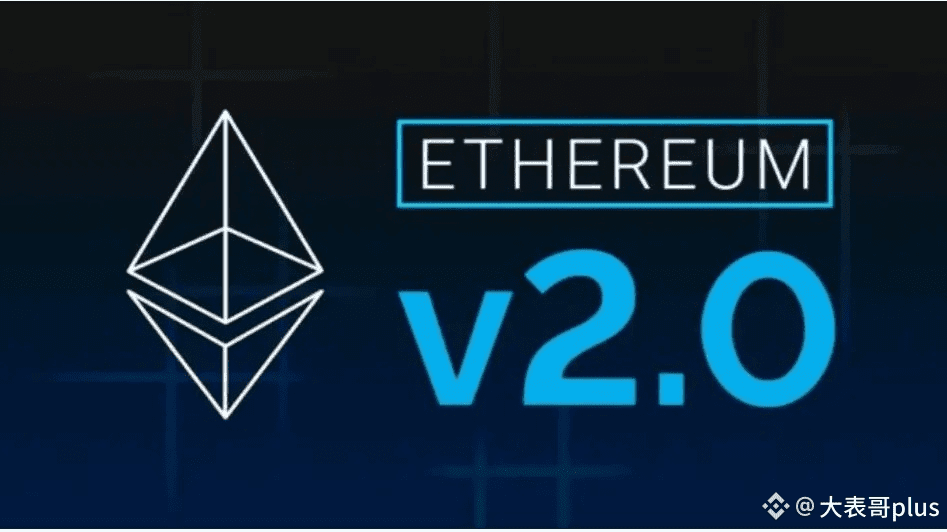
Price Range Prediction for Ethereum (ETH) in 2026Based on the current technological route, market dynamics, and macro environment, the price range of Ethereum (ETH) in 2026 may show significant differentiation, with the core volatility range expected between $4,000 and $12,000, and in extreme cases potentially reaching $2,500 to $25,000. The following analysis will explore key driving factors and risk dimensions: 1. Core Supporting Factors and Upside Potential 1. Release of Benefits from Technological Upgrades and Scaling The modular architecture upgrade of Ethereum (such as sharding and Layer 2 scaling) is expected to mature by 2026. The Blob transaction mechanism introduced by EIP-4844 (Proto-Danksharding) can reduce transaction costs for Layer 2 (like zk-Rollup) by 30-50%, increasing network throughput to 80-120 TPS. If Danksharding is fully implemented in the future, the theoretical TPS is expected to exceed 100,000, supporting large-scale DeFi, GameFi, and enterprise-level applications. For example, the zkSync Atlas upgrade has already raised the theoretical TPS to 15,000, while the cost per transaction has dropped to $0.05-0.1, which will attract more developers and users, driving ETH demand growth.

Price Range Prediction for Ethereum (ETH) in 2026

Based on the current technological route, market dynamics, and macro environment, the price range of Ethereum (ETH) in 2026 may show significant differentiation, with the core volatility range expected between $4,000 and $12,000, and in extreme cases potentially reaching $2,500 to $25,000. The following analysis will explore key driving factors and risk dimensions:

1. Core Supporting Factors and Upside Potential

1. Release of Benefits from Technological Upgrades and Scaling
The modular architecture upgrade of Ethereum (such as sharding and Layer 2 scaling) is expected to mature by 2026. The Blob transaction mechanism introduced by EIP-4844 (Proto-Danksharding) can reduce transaction costs for Layer 2 (like zk-Rollup) by 30-50%, increasing network throughput to 80-120 TPS. If Danksharding is fully implemented in the future, the theoretical TPS is expected to exceed 100,000, supporting large-scale DeFi, GameFi, and enterprise-level applications. For example, the zkSync Atlas upgrade has already raised the theoretical TPS to 15,000, while the cost per transaction has dropped to $0.05-0.1, which will attract more developers and users, driving ETH demand growth.
See translation
干就得了
干就得了
Crypto孔明
·
--
What should you do if you meet them after school?
Start counting limit down boards
Floyd Khov OQRs
·
--
$XAG Does this mean fear of trampling?
Lessons from the USDe Decoupling and Prevention of USD1 DecouplingThe fluctuations in the cryptocurrency market on October 11, 2025, marked by USDe significantly decoupling and nearly $19 billion in cascading liquidations, became a crucial stress test in the development history of synthetic stablecoins. This crisis not only exposed systemic risks arising from high leverage, weak risk control, and infrastructure flaws but also prompted the industry to shift from 'yield-first' to 'safety-first.' Compliance stablecoins, represented by USD1, actively reduced leverage and restructured their reserves and risk control systems, defining new development boundaries for the stablecoin sector. 1. USDe Decoupling: A Perfect Storm Driven by High Leverage

Lessons from the USDe Decoupling and Prevention of USD1 Decoupling

The fluctuations in the cryptocurrency market on October 11, 2025, marked by USDe significantly decoupling and nearly $19 billion in cascading liquidations, became a crucial stress test in the development history of synthetic stablecoins. This crisis not only exposed systemic risks arising from high leverage, weak risk control, and infrastructure flaws but also prompted the industry to shift from 'yield-first' to 'safety-first.' Compliance stablecoins, represented by USD1, actively reduced leverage and restructured their reserves and risk control systems, defining new development boundaries for the stablecoin sector.

1. USDe Decoupling: A Perfect Storm Driven by High Leverage
Trillions in Capital Inflows: The Era of Large-Scale BTC Investments in U.S. 401(k) Plans OfficiallyIn the spring of 2026, the U.S. 401(k) retirement plan system, boasting a total size of $12.2 trillion, is accelerating its entry into the Bitcoin (BTC) market. With regulatory relaxations, major financial institutions' strategic布局, and the maturation of related investment products, a massive migration of traditional retirement capital into crypto assets has already commenced. This influx is projected to bring hundreds of billions of U.S. dollars in incremental capital to BTC and reshape the landscape of the global crypto market. I. Regulatory Clarity: The Gates to the $9 Trillion Market Throw Wide Open In August 2025, Donald Trump signed an executive order mandating that regulatory bodies revise relevant rules by February 2026 to formally permit the inclusion of crypto assets in 401(k) plans, completely reversing the Biden administration’s "extreme caution" regulatory stance. In January 2026, the U.S. Department of Labor explicitly shifted to a neutral and supportive position, while the SEC expedited the review process for crypto ETFs, removing the biggest regulatory barrier to capital inflows. This transformation has activated a dual model of passive allocation plus active selection: some Target-Date Funds (TDFs) have already incorporated BTC into their underlying assets. Even if employees do not make an active choice, their accounts will hold BTC indirectly at a preset ratio of 0.5% to 1%. This has become a key driver of the large-scale capital inflow. II. Institutional Rush: Industry Giants Lead a Diversified Product Matrix Following regulatory relaxations, traditional financial giants and retirement plan service providers have moved swiftly to build a BTC investment product matrix catering to varying risk appetites: - Wall Street Giants Fully Lift Restrictions: Morgan Stanley has revoked its crypto investment limits, with 80% of the U.S. retirement accounts it manages now enabled for BTC investments. Citibank allows its wealth advisors to recommend a 1% to 4% crypto allocation for clients and plans to launch crypto custody services. - Retirement Service Providers Deepen Niche Markets: Fidelity permits employees to invest up to 20% of their 401(k) balances directly in BTC, a service already adopted by over 200 companies. Delaware Life has launched a principal-protected annuity linked to BTC, capping annualized volatility at 12%, which has attracted over $5 billion in retirement capital subscriptions. - ETFs Emerge as the Core Vehicle: The U.S. market now has 12 spot BTC ETFs with a combined AUM exceeding $300 billion. Products such as BlackRock’s IBIT have become core allocation targets for 401(k) plans, and their regulatory compliance and operational convenience make them the top choice for most employers. III. Capital Projections: Hundreds of Billions in Incremental Inflows Based on the total $12.2 trillion size of the 401(k) system, the potential scale of incremental capital inflows is staggering: - A 1% average allocation ratio across 50% of the market would bring $6.1 billion in incremental capital; - Raising the allocation ratio to 5% would push the capital scale to $61 billion; - Optimistic forecasts suggest $15 billion to $30 billion in capital inflows in 2026, with the annual figure potentially surpassing $50 billion in 2027-2028. These long-term, low-turnover retirement funds will effectively lock up BTC supply, reduce market selling pressure, and drive BTC’s transition from a high-risk speculative asset to a mainstream alternative asset. IV. Future Outlook: Irreversible Deep Integration The trend of large-scale 401(k) investments in BTC is irreversible, and its development will hinge on three key factors: 1. Refined Regulatory Rules: The guidelines to be released in February 2026, if clarifying fee structures, risk disclosure requirements, and employer fiduciary duties, will accelerate capital inflows; 2. Product Innovation and Investor Education: The popularization of structured products and enhanced investor education will lower participation barriers; 3. Market Performance Validation: Stable performance of BTC will strengthen its long-term allocation attribute and further boost market confidence. In the next 3 to 5 years, the U.S. retirement market is expected to bring over $1 trillion in potential capital to crypto assets, fundamentally altering the capital structure and pricing logic of the global crypto market. $BTC {spot}(BTCUSDT)

Trillions in Capital Inflows: The Era of Large-Scale BTC Investments in U.S. 401(k) Plans Officially

In the spring of 2026, the U.S. 401(k) retirement plan system, boasting a total size of $12.2 trillion, is accelerating its entry into the Bitcoin (BTC) market. With regulatory relaxations, major financial institutions' strategic布局, and the maturation of related investment products, a massive migration of traditional retirement capital into crypto assets has already commenced. This influx is projected to bring hundreds of billions of U.S. dollars in incremental capital to BTC and reshape the landscape of the global crypto market.

I. Regulatory Clarity: The Gates to the $9 Trillion Market Throw Wide Open

In August 2025, Donald Trump signed an executive order mandating that regulatory bodies revise relevant rules by February 2026 to formally permit the inclusion of crypto assets in 401(k) plans, completely reversing the Biden administration’s "extreme caution" regulatory stance. In January 2026, the U.S. Department of Labor explicitly shifted to a neutral and supportive position, while the SEC expedited the review process for crypto ETFs, removing the biggest regulatory barrier to capital inflows.

This transformation has activated a dual model of passive allocation plus active selection: some Target-Date Funds (TDFs) have already incorporated BTC into their underlying assets. Even if employees do not make an active choice, their accounts will hold BTC indirectly at a preset ratio of 0.5% to 1%. This has become a key driver of the large-scale capital inflow.

II. Institutional Rush: Industry Giants Lead a Diversified Product Matrix

Following regulatory relaxations, traditional financial giants and retirement plan service providers have moved swiftly to build a BTC investment product matrix catering to varying risk appetites:

- Wall Street Giants Fully Lift Restrictions: Morgan Stanley has revoked its crypto investment limits, with 80% of the U.S. retirement accounts it manages now enabled for BTC investments. Citibank allows its wealth advisors to recommend a 1% to 4% crypto allocation for clients and plans to launch crypto custody services.
- Retirement Service Providers Deepen Niche Markets: Fidelity permits employees to invest up to 20% of their 401(k) balances directly in BTC, a service already adopted by over 200 companies. Delaware Life has launched a principal-protected annuity linked to BTC, capping annualized volatility at 12%, which has attracted over $5 billion in retirement capital subscriptions.
- ETFs Emerge as the Core Vehicle: The U.S. market now has 12 spot BTC ETFs with a combined AUM exceeding $300 billion. Products such as BlackRock’s IBIT have become core allocation targets for 401(k) plans, and their regulatory compliance and operational convenience make them the top choice for most employers.

III. Capital Projections: Hundreds of Billions in Incremental Inflows

Based on the total $12.2 trillion size of the 401(k) system, the potential scale of incremental capital inflows is staggering:

- A 1% average allocation ratio across 50% of the market would bring $6.1 billion in incremental capital;
- Raising the allocation ratio to 5% would push the capital scale to $61 billion;
- Optimistic forecasts suggest $15 billion to $30 billion in capital inflows in 2026, with the annual figure potentially surpassing $50 billion in 2027-2028.

These long-term, low-turnover retirement funds will effectively lock up BTC supply, reduce market selling pressure, and drive BTC’s transition from a high-risk speculative asset to a mainstream alternative asset.

IV. Future Outlook: Irreversible Deep Integration

The trend of large-scale 401(k) investments in BTC is irreversible, and its development will hinge on three key factors:

1. Refined Regulatory Rules: The guidelines to be released in February 2026, if clarifying fee structures, risk disclosure requirements, and employer fiduciary duties, will accelerate capital inflows;
2. Product Innovation and Investor Education: The popularization of structured products and enhanced investor education will lower participation barriers;
3. Market Performance Validation: Stable performance of BTC will strengthen its long-term allocation attribute and further boost market confidence.

In the next 3 to 5 years, the U.S. retirement market is expected to bring over $1 trillion in potential capital to crypto assets, fundamentally altering the capital structure and pricing logic of the global crypto market.
$BTC
Trillion-dollar capital entry: The era of large-scale investment in BTC by U.S. 401(k) plans has officially begunIn the New Year of 2026, the $12.2 trillion 401(k) retirement plans in the United States are rapidly flowing into the Bitcoin (BTC) market. With policy loosening, major players positioning themselves, and product maturity, a 'great migration' of traditional retirement funds into crypto assets has already begun, expected to bring in hundreds of billions of dollars in incremental funds to BTC and reshape the global crypto market landscape. 1. Policy orientation: The $9 trillion market is fully open In August 2025, Trump signed an executive order requiring regulators to revise rules by February 2026 to officially allow 401(k) plans to include crypto assets, completely overturning the 'extremely cautious' regulatory approach of the Biden era. In January 2026, the Department of Labor clearly shifted to a 'neutral support' stance, and the SEC also accelerated the review pace of crypto ETFs, clearing the biggest policy hurdle for capital entry.

Trillion-dollar capital entry: The era of large-scale investment in BTC by U.S. 401(k) plans has officially begun

In the New Year of 2026, the $12.2 trillion 401(k) retirement plans in the United States are rapidly flowing into the Bitcoin (BTC) market. With policy loosening, major players positioning themselves, and product maturity, a 'great migration' of traditional retirement funds into crypto assets has already begun, expected to bring in hundreds of billions of dollars in incremental funds to BTC and reshape the global crypto market landscape.

1. Policy orientation: The $9 trillion market is fully open

In August 2025, Trump signed an executive order requiring regulators to revise rules by February 2026 to officially allow 401(k) plans to include crypto assets, completely overturning the 'extremely cautious' regulatory approach of the Biden era. In January 2026, the Department of Labor clearly shifted to a 'neutral support' stance, and the SEC also accelerated the review pace of crypto ETFs, clearing the biggest policy hurdle for capital entry.
When silver crashes, does BTC soar?In early 2026, the financial market is witnessing an extreme differentiation between traditional and innovative assets: silver has broken through $103 per ounce, reaching a historic high with an increase of over 50% this year, while BTC, dubbed the 'digital gold', has been fluctuating around $90,000, with an annual increase of less than 4%. This stark contrast has reignited the saying that 'the day silver crashes is the day BTC soars.' However, peeling back the surface reveals that the two are not simply in a reverse substitution relationship; rather, under specific macro environments, capital cycles, and narrative switches, a phased linkage of 'silver's high retreat and BTC's subsequent rise' may occur.

When silver crashes, does BTC soar?

In early 2026, the financial market is witnessing an extreme differentiation between traditional and innovative assets: silver has broken through $103 per ounce, reaching a historic high with an increase of over 50% this year, while BTC, dubbed the 'digital gold', has been fluctuating around $90,000, with an annual increase of less than 4%. This stark contrast has reignited the saying that 'the day silver crashes is the day BTC soars.' However, peeling back the surface reveals that the two are not simply in a reverse substitution relationship; rather, under specific macro environments, capital cycles, and narrative switches, a phased linkage of 'silver's high retreat and BTC's subsequent rise' may occur.
CZ: Bitcoin may enter a super cycle this year, and the four-year cycle may be brokenAfter many years of ups and downs in the cryptocurrency world, having seen high mountains and crossed rivers, I finally get to shine under the stars and re-enter the martial arts world. The captain will use history as a guide, speak with data, and generously share years of experience in the cryptocurrency space! I hope that each friend is not only a witness to history but also a beneficiary of the times. Binance founder CZ stated in an interview with CNBC at Davos, 'I don’t trade; I just hold Bitcoin and BNB. Many years ago, I tried trading but suffered losses. Later, I realized that I am a developer, not a trader. Historically, Bitcoin usually follows a four-year cycle. Looking back at historical data, a new all-time high occurs approximately every four years, followed by a correction. However, he believes that this year, with the U.S. being so supportive of cryptocurrencies and other countries following suit, we are likely to see this situation change, and it is even possible to break the previous four-year cycle.'

CZ: Bitcoin may enter a super cycle this year, and the four-year cycle may be broken

After many years of ups and downs in the cryptocurrency world, having seen high mountains and crossed rivers, I finally get to shine under the stars and re-enter the martial arts world. The captain will use history as a guide, speak with data, and generously share years of experience in the cryptocurrency space! I hope that each friend is not only a witness to history but also a beneficiary of the times.

Binance founder CZ stated in an interview with CNBC at Davos, 'I don’t trade; I just hold Bitcoin and BNB. Many years ago, I tried trading but suffered losses. Later, I realized that I am a developer, not a trader. Historically, Bitcoin usually follows a four-year cycle. Looking back at historical data, a new all-time high occurs approximately every four years, followed by a correction. However, he believes that this year, with the U.S. being so supportive of cryptocurrencies and other countries following suit, we are likely to see this situation change, and it is even possible to break the previous four-year cycle.'
True
True
HAPPYGREENROCKET
·
--
Bullish
$DOGE Why is there no reaction at all???
Silly hat, annualized 20%, just 1.8% in one month
哈哈老板娘Mrs smile
·
--
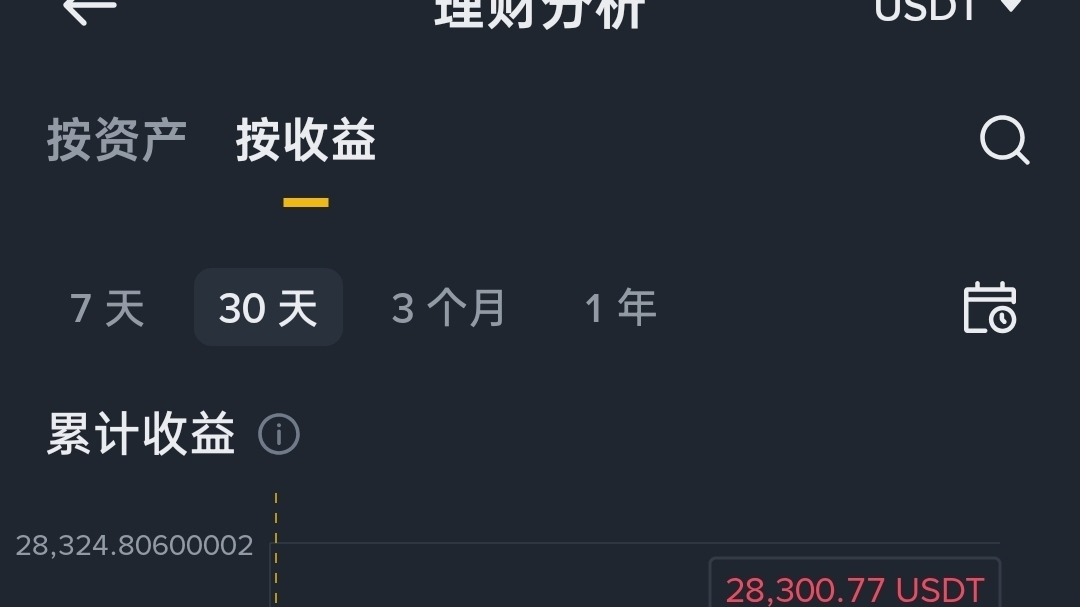
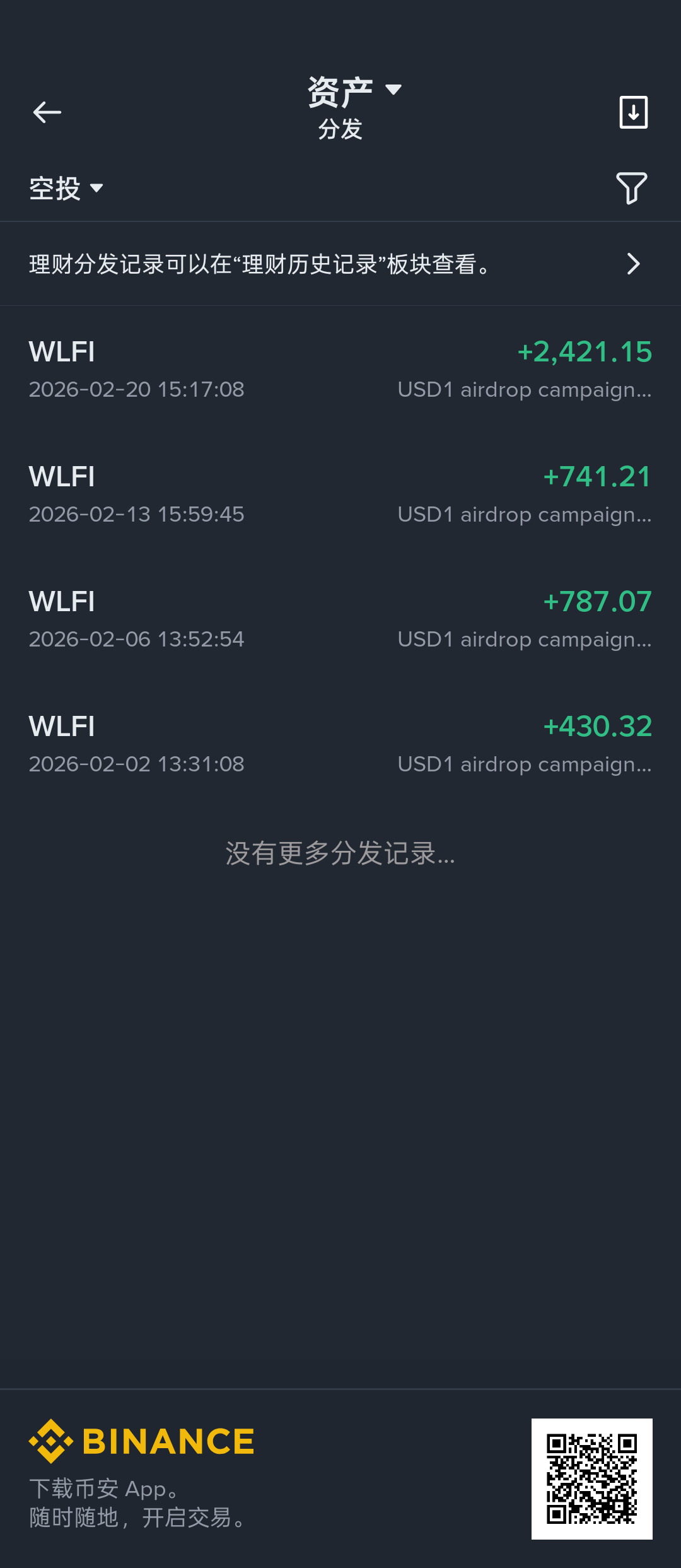
#usd1 The price has come back. A one-month financial product at 20% is very attractive. Now competitors have 10%.
It will be renewed for a month
-小蛋挞
·
--
The annualized 20% 'wool' hasn't been fully harvested yet, and some want to run away early?
Do you remember the USD1 financial product launched by Binance during the Christmas event? The annualized return of 20% directly ignited the market.

The $2 billion quota was instantly snapped up, and the platform urgently added another $800 million just to barely meet user subscription demands.

With only a week left until the financial product matures, a 'premature redemption' wave swept through the Binance square. The logic of these users is simple: almost $3 billion in funds had piled in, and on the maturity date of January 24, there will inevitably be concentrated selling pressure, leading to a high likelihood that USD1 will plummet. Rather than waiting for losses, it's better to run now—although it means earning a few days less interest, it can securely lock in the existing gains, and when calculated, it amounts to just one day's profit lost. This calculation doesn't seem like a loss at all.
Can I learn English?
加密陈队长
·
--
Is there anyone in Xi'an? Come out and chat #西安
C2C, open your eyes and take a look 👀
币百亿队长
·
--
Binance supports remittances to personal Alipay, WeChat, and bank cards! And it's instant?

You won't have to worry about deposits and withdrawals anymore?
$BNB is amazing!!
{future}(BNBUSDT)
Repurchased and canceled
老王Victor
·
--
$FDUSD rose like this, what's going on? Is it time to start mining in launchpool?
There are many ways to devalue her
XAG财经
·
--
😂😂😂😂
You finance guys are scary, actually shorting your girlfriend.
ETH selling pressure cleared to 0According to @EmberCN's monitoring, in mid-September, the ETH price reached its annual high of around $4,700, with as many as 2.66 million ETH choosing to exit staking. After three and a half months of digestion, the currently queued ETH awaiting withdrawal from staking has been largely cleared, leaving only 80,000 ETH. The digestion of approximately 2.6 million ETH exiting staking caused the ETH price to drop by 34%: from $4,700 in mid-September to the current $3,100. Now the situation has completely reversed—ETH waiting to enter staking far exceeds the amount exiting: due to Bitmine (BMNR), an Ethereum treasury company, recently staking large amounts of ETH (depositing 593,152 ETH in the past 8 days), the current number of ETH queued to enter staking exceeds 1 million.

ETH selling pressure cleared to 0

According to @EmberCN's monitoring, in mid-September, the ETH price reached its annual high of around $4,700, with as many as 2.66 million ETH choosing to exit staking. After three and a half months of digestion, the currently queued ETH awaiting withdrawal from staking has been largely cleared, leaving only 80,000 ETH. The digestion of approximately 2.6 million ETH exiting staking caused the ETH price to drop by 34%: from $4,700 in mid-September to the current $3,100. Now the situation has completely reversed—ETH waiting to enter staking far exceeds the amount exiting: due to Bitmine (BMNR), an Ethereum treasury company, recently staking large amounts of ETH (depositing 593,152 ETH in the past 8 days), the current number of ETH queued to enter staking exceeds 1 million.
Nurse Xu received an injection herself
Crypto-爱币斯坦
·
--
OKX has discovered that the OM project has been involved in operational behavior, by driving up the coin price, borrowing more funds through collateral, and then dumping to profit. This tactic is very similar to what XVS did on Binance back in the day.

Back then, Binance took the losses themselves, and now OKX has come forward claiming to have evidence to report illegal activities, and regulatory prosecution!

I want to ask, when trading causes liquidation of retail contracts, especially with 1011 like this pulling the plug to prevent operation, where can we retail investors go to file complaints? Who do we turn to for regulation?

Fortunately, Binance is somewhat more conscientious and provided compensation for the collective, otherwise, it would have been a complete disaster.

When exchanges incur losses, they cry out loudly, but when retail investors are cut, we can only cry for ourselves!
1 minute mouse?
1 minute mouse?
凯林
·
--
It actually solved the case in less than 24 hours!

For the internal employees using the official Twitter to engage in "Yellow Fruit Year" MEME insider trading: immediate suspension + handover to judicial authorities. Sister @heyibinance's first move as co-CEO is quite ruthless.

While lamenting the speed of Binance's "cleaning house," it is clear that their attitude towards such incidents is "zero tolerance."

What makes me envious is the 【$100,000】 reward: the first 5 brothers who reported it immediately shared a $100,000 reward! To be honest, the bonus they received is likely more than what the insider trading employee earned 😂

I've also learned that next time I encounter such a situation, instead of just watching on Twitter, I should directly email audit@binance.com, that's the real "wealth code"! #binance
Convert 33.24169726 USDT to 0.03616463 BNB
Login to explore more contents
Explore the latest crypto news
⚡️ Be a part of the latests discussions in crypto
💬 Interact with your favorite creators
👍 Enjoy content that interests you
Email / Phone number
Sitemap
Cookie Preferences
Platform T&Cs