

正积
983 Posts
正积
Report
Block User
9年老韭菜,经历2轮牛熊。会经常写日记/复盘。每日重点新闻整理。
Open Trade

USD1 Holder
High-Frequency Trader
8.6 Years
1 Following
1.6K+ Followers
1.1K+ Liked
Posts
Portfolio
All
Quotes
·
--
I just finished watching today’s x.
Didn’t see much, though.
Does anyone have any information?
#btc #eth
I just finished watching today’s x.
Didn’t see much, though.
Does anyone have any information?
#btc #eth
Didn’t see much, though.
Does anyone have any information?
#btc #eth
1
97
·
--
Bought a bit of #pons
Reason for selling~
1. The project team cancels the buyback or reduces the buyback ratio.
2. The Robinhood chain is completely dead.
The current margin of safety isn’t particularly good either; if it drops another 30%, it’ll be better
#btc #eth
Bought a bit of #pons
Reason for selling~
1. The project team cancels the buyback or reduces the buyback ratio.
2. The Robinhood chain is completely dead.
The current margin of safety isn’t particularly good either; if it drops another 30%, it’ll be better
#btc #eth
Reason for selling~
1. The project team cancels the buyback or reduces the buyback ratio.
2. The Robinhood chain is completely dead.
The current margin of safety isn’t particularly good either; if it drops another 30%, it’ll be better
#btc #eth
1.1k
·
--
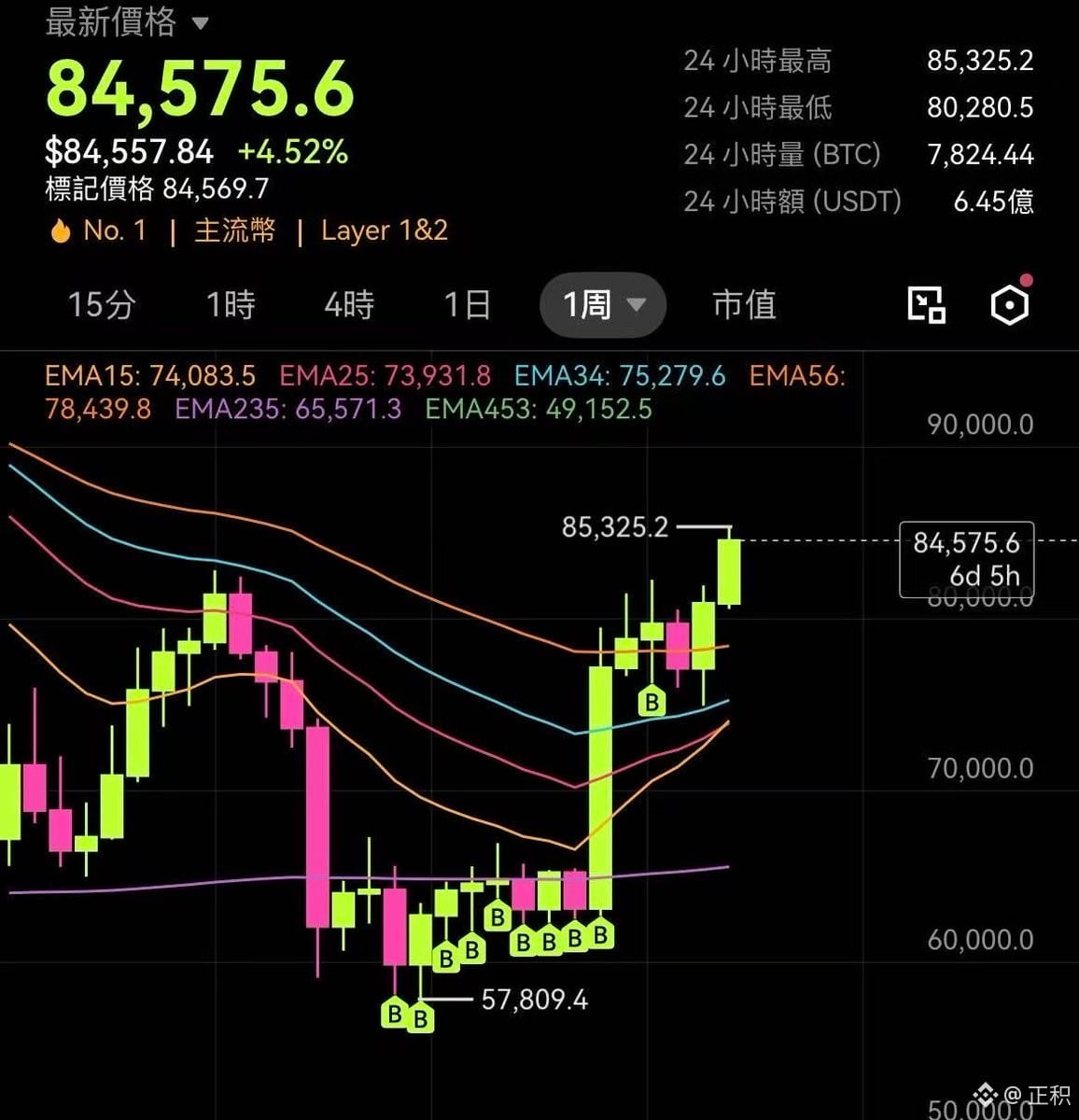
I know BTC doesn’t have a 4-year bull-bear cycle anymore
But I didn’t expect the reversal to come this fast
#btc https://t.co/Xu0AZqmagE
I know BTC doesn’t have a 4-year bull-bear cycle anymore
But I didn’t expect the reversal to come this fast
#btc https://t.co/Xu0AZqmagE
But I didn’t expect the reversal to come this fast
#btc https://t.co/Xu0AZqmagE
1
348
·
--
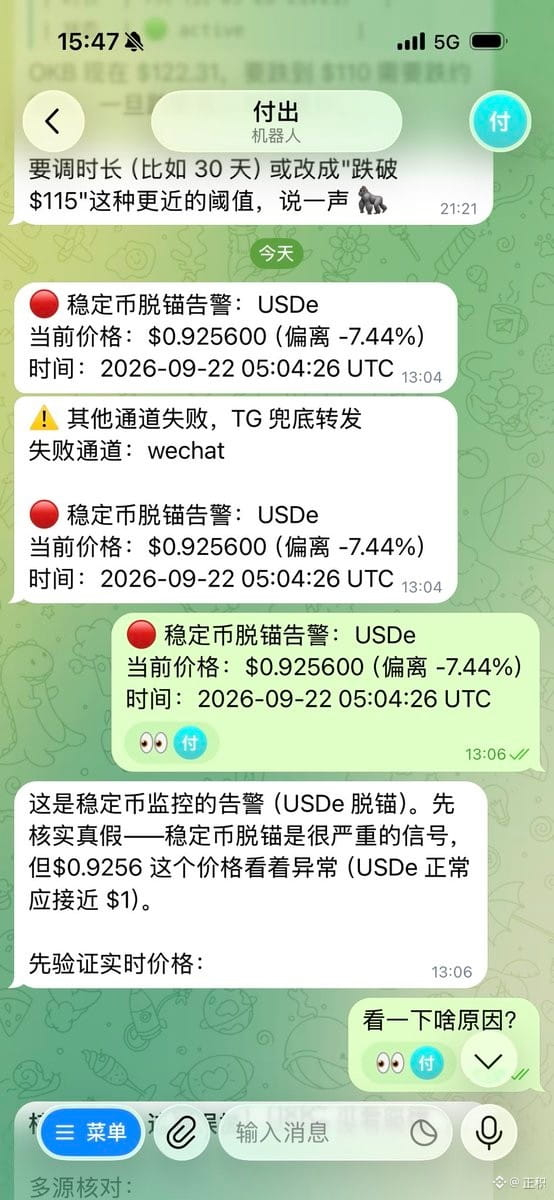
Get up and you’ll see #bitget has been stolen
But I still have money in it
I thought I should withdraw it quickly
But now I can’t withdraw it anymore 😭
What should I do? Wait?
Get up and you’ll see #bitget has been stolen
But I still have money in it
I thought I should withdraw it quickly
But now I can’t withdraw it anymore 😭
What should I do? Wait?
But I still have money in it
I thought I should withdraw it quickly
But now I can’t withdraw it anymore 😭
What should I do? Wait?
2
3
284
·
--
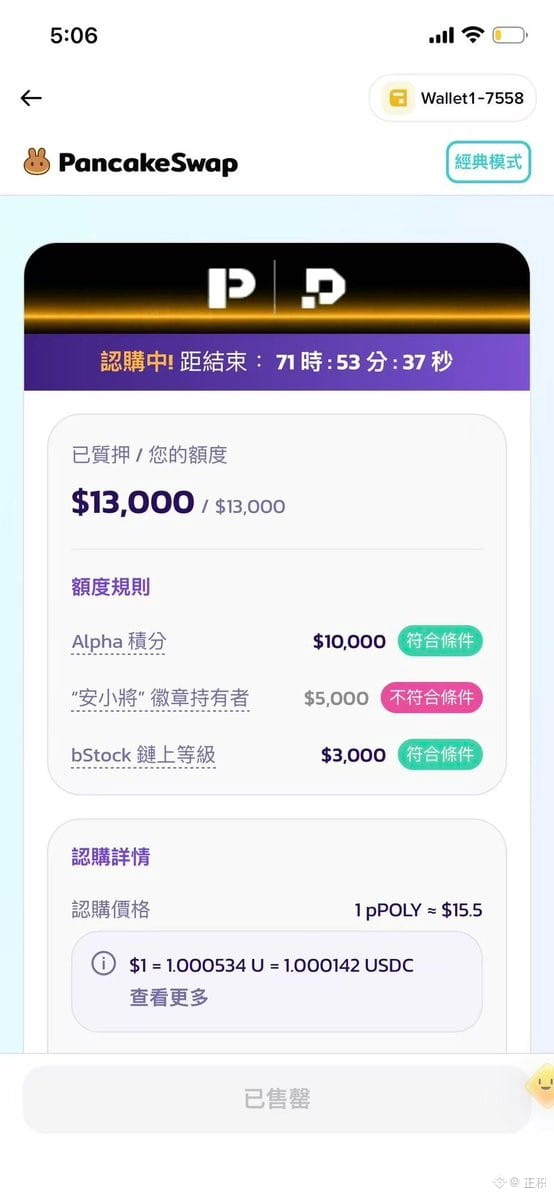
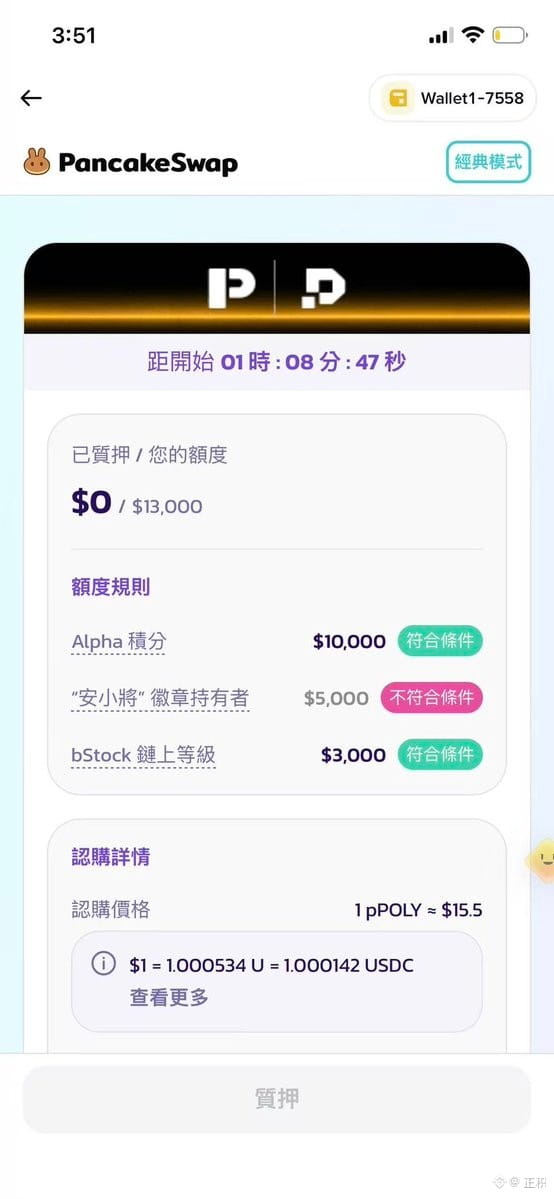
I’m going.
In less than 1 minute—50M (50 million US dollars filled it up)
Not short on money—there’s plenty of money
#btc #eth
I’m going.
In less than 1 minute—50M (50 million US dollars filled it up)
Not short on money—there’s plenty of money
#btc #eth
In less than 1 minute—50M (50 million US dollars filled it up)
Not short on money—there’s plenty of money
#btc #eth
434
·
--
$BNC This is 7u haha
Congratulations, you watched the message below. And keep up with the partners.
7u is currently a reasonable price.
But if a bull market comes and bnb follows, then you can still imagine what could happen next.
$BNC This is 7u haha
Congratulations, you watched the message below. And keep up with the partners.
7u is currently a reasonable price.
But if a bull market comes and bnb follows, then you can still imagine what could happen next.
Congratulations, you watched the message below. And keep up with the partners.
7u is currently a reasonable price.
But if a bull market comes and bnb follows, then you can still imagine what could happen next.
正积
·
--
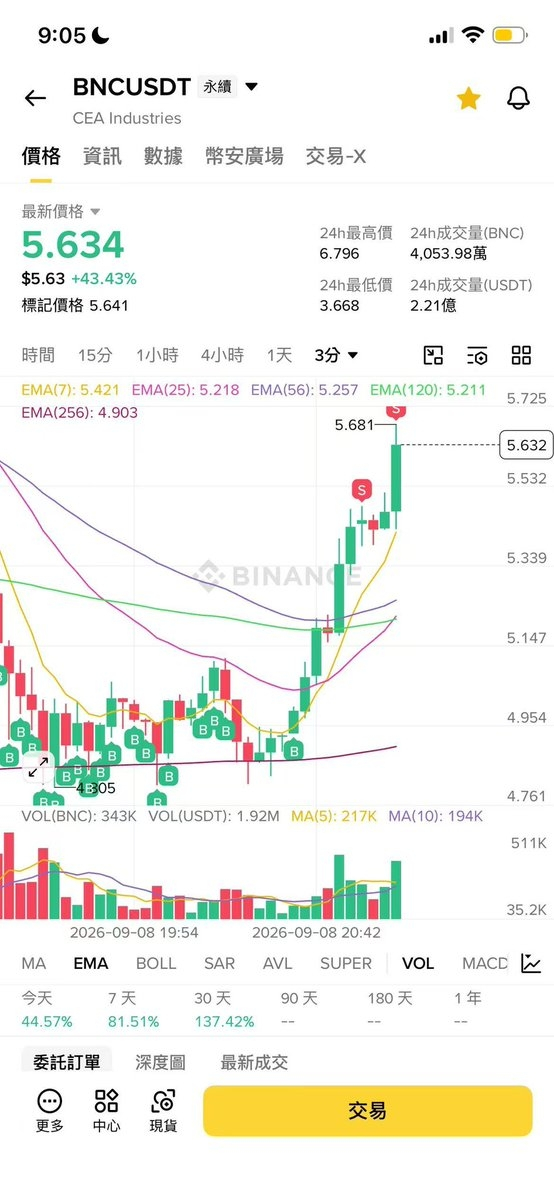
Continue from the previous line
After calculating, #bnc is a reasonable price at 7u
So the safety margin below 5u is still quite high.
At least hold it without feeling too phantom.
It’s almost 6u now.
Feels like once it’s over 6u, although it’s still okay, the odds are a bit off
#BNC
After calculating, #bnc is a reasonable price at 7u
So the safety margin below 5u is still quite high.
At least hold it without feeling too phantom.
It’s almost 6u now.
Feels like once it’s over 6u, although it’s still okay, the odds are a bit off
#BNC
350
·
--
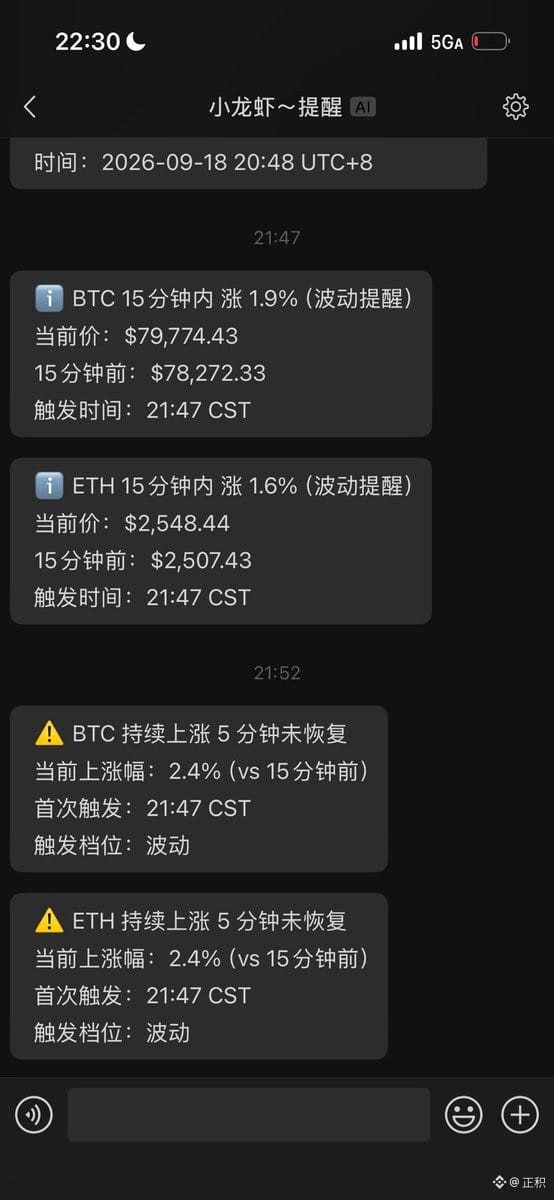
Getting ready to sleep
Open WeChat and you’ll see a reminder
#btc is getting to 80,000 again
When will it reach 200,000?
Hahahaha
Here comes the cow
Getting ready to sleep
Open WeChat and you’ll see a reminder
#btc is getting to 80,000 again
When will it reach 200,000?
Hahahaha
Here comes the cow
Open WeChat and you’ll see a reminder
#btc is getting to 80,000 again
When will it reach 200,000?
Hahahaha
Here comes the cow
1
524
·
--
Didn't even sell 7u—sold #uni and switched to #pons
Even though pons is also rising today, seeing uni jump up from dry land anyway, I still feel a bit sad. Hahaha
This is value investing. After all, pons has only 500 million fdv, while uni already has 5 billion mc and 8.0 fdv.
Plus, after pons there’s no unlocked selling pressure, and there’s also an 80% buyback of returns.
You told me not to hold pons, but to hold uni. I really can't do that.
Didn't even sell 7u—sold #uni and switched to #pons
Even though pons is also rising today, seeing uni jump up from dry land anyway, I still feel a bit sad. Hahaha
This is value investing. After all, pons has only 500 million fdv, while uni already has 5 billion mc and 8.0 fdv.
Plus, after pons there’s no unlocked selling pressure, and there’s also an 80% buyback of returns.
You told me not to hold pons, but to hold uni. I really can't do that.
Even though pons is also rising today, seeing uni jump up from dry land anyway, I still feel a bit sad. Hahaha
This is value investing. After all, pons has only 500 million fdv, while uni already has 5 billion mc and 8.0 fdv.
Plus, after pons there’s no unlocked selling pressure, and there’s also an 80% buyback of returns.
You told me not to hold pons, but to hold uni. I really can't do that.
1
740
·
--
Continue from the previous line
After calculating, #bnc is a reasonable price at 7u
So the safety margin below 5u is still quite high.
At least hold it without feeling too phantom.
It’s almost 6u now.
Feels like once it’s over 6u, although it’s still okay, the odds are a bit off
#BNC
Continue from the previous line
After calculating, #bnc is a reasonable price at 7u
So the safety margin below 5u is still quite high.
At least hold it without feeling too phantom.
It’s almost 6u now.
Feels like once it’s over 6u, although it’s still okay, the odds are a bit off
#BNC
After calculating, #bnc is a reasonable price at 7u
So the safety margin below 5u is still quite high.
At least hold it without feeling too phantom.
It’s almost 6u now.
Feels like once it’s over 6u, although it’s still okay, the odds are a bit off
#BNC
1
1
1
495
·
--
No matter how crazy the coin-and-stock market gets, it can’t change the stock’s intrinsic value—it only changes the stock’s short-term fluctuations.
The stock’s long-term value still depends directly on the company behind it.
So don’t let FOMO, driven by coin/crypto reasons, push you into holding a long-term position in a company’s stock.
But today, the exit of form meme with #4stock and the notoriety it brought to #bnc has made this company well known.
I had AI take a look: based on the number of bnb the company holds—if bnb doesn’t drop, or if the data checks out—
#bnc still has a chance.
#meme will eventually go to zero, and the stock still has some value.
For players who can’t do well with on-chain short-term trades, if you want to participate, it’s better to buy some bnc.
If you want to be more cautious, you can hedge with bnb.
[CA屏蔽]
[CA屏蔽]
No matter how crazy the coin-and-stock market gets, it can’t change the stock’s intrinsic value—it only changes the stock’s short-term fluctuations.
The stock’s long-term value still depends directly on the company behind it.
So don’t let FOMO, driven by coin/crypto reasons, push you into holding a long-term position in a company’s stock.
But today, the exit of form meme with #4stock and the notoriety it brought to #bnc has made this company well known.
I had AI take a look: based on the number of bnb the company holds—if bnb doesn’t drop, or if the data checks out—
#bnc still has a chance.
#meme will eventually go to zero, and the stock still has some value.
For players who can’t do well with on-chain short-term trades, if you want to participate, it’s better to buy some bnc.
If you want to be more cautious, you can hedge with bnb.
[CA屏蔽]
[CA屏蔽]
The stock’s long-term value still depends directly on the company behind it.
So don’t let FOMO, driven by coin/crypto reasons, push you into holding a long-term position in a company’s stock.
But today, the exit of form meme with #4stock and the notoriety it brought to #bnc has made this company well known.
I had AI take a look: based on the number of bnb the company holds—if bnb doesn’t drop, or if the data checks out—
#bnc still has a chance.
#meme will eventually go to zero, and the stock still has some value.
For players who can’t do well with on-chain short-term trades, if you want to participate, it’s better to buy some bnc.
If you want to be more cautious, you can hedge with bnb.
[CA屏蔽]
[CA屏蔽]
179
·
--
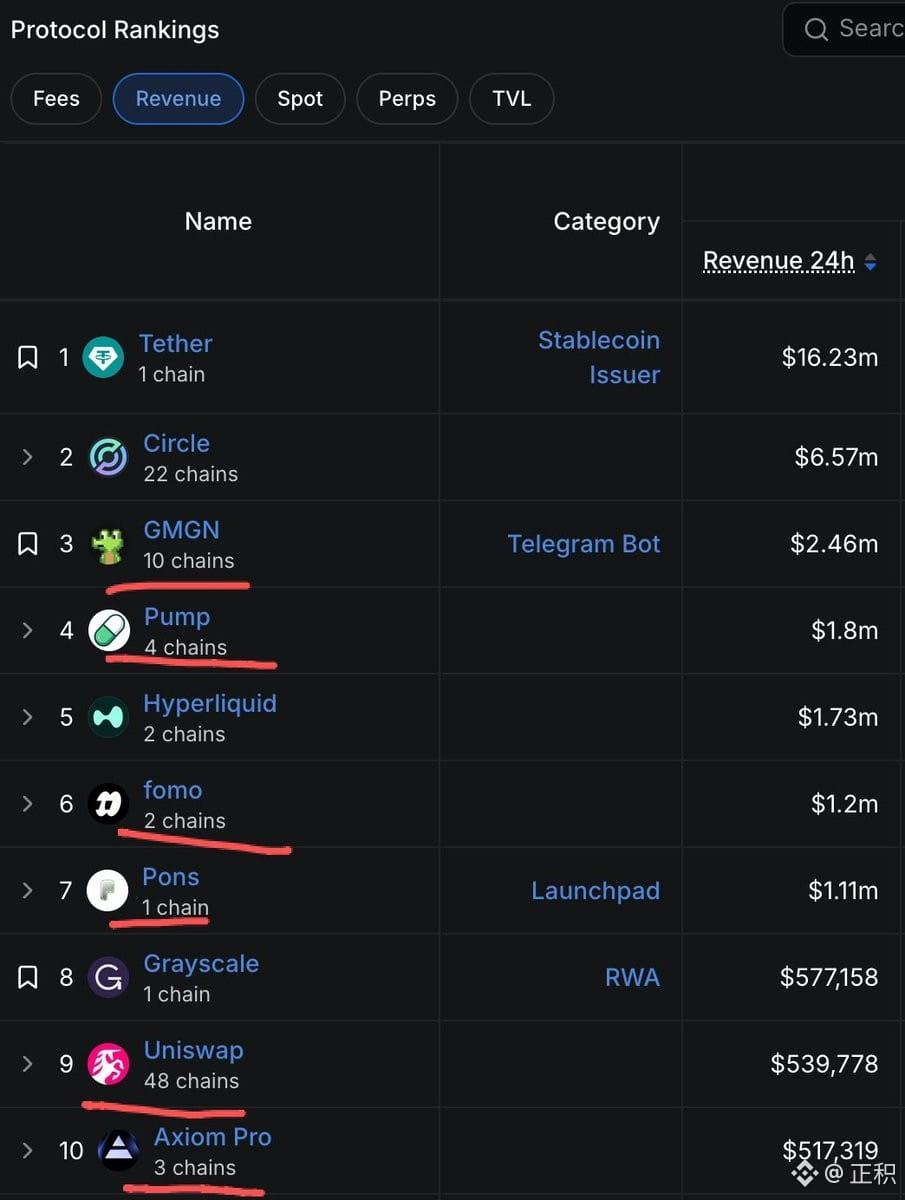
Among the top 10 earning protocols, 6 are related to memecoins.
The crypto casino makes the most money
#pons
Among the top 10 earning protocols, 6 are related to memecoins.
The crypto casino makes the most money
#pons
The crypto casino makes the most money
#pons
219
·
--
While traveling
I took a look at the market
Nothing much happened
Holding coins—then doing nothing else won’t do.
Do the right things, and let time handle the rest.
While traveling
I took a look at the market
Nothing much happened
Holding coins—then doing nothing else won’t do.
Do the right things, and let time handle the rest.
I took a look at the market
Nothing much happened
Holding coins—then doing nothing else won’t do.
Do the right things, and let time handle the rest.
279
·
--
What CCTV said about this #helmet
The market cap is very low—one of three killers came out
Buy 10u like it’s a lottery
0xbeea1d618e533a387d941f58a7d4c9b7bd377777
0x9ae8a1157913d3799c9b9ab94f266b3adcaf7777 https://t.co/fS0GVA4szl
What CCTV said about this #helmet
The market cap is very low—one of three killers came out
Buy 10u like it’s a lottery
0xbeea1d618e533a387d941f58a7d4c9b7bd377777
0x9ae8a1157913d3799c9b9ab94f266b3adcaf7777 https://t.co/fS0GVA4szl
The market cap is very low—one of three killers came out
Buy 10u like it’s a lottery
0xbeea1d618e533a387d941f58a7d4c9b7bd377777
0x9ae8a1157913d3799c9b9ab94f266b3adcaf7777 https://t.co/fS0GVA4szl
275
·
--
Emotions are here for the BSC chain.
When the milk from yesterday was posted, by the time you looked at it this morning it was already 10x+
Recently, pay a bit more attention to the BSC chain’s market conditions, because once everyone gets attracted by #牛来 , there will definitely be some hot money looking for opportunities.
As long as money comes in, any token with a bit of narrative behind it will be quickly pumped up.
But you need to know how to take profit and cut gains in time—because emotions move too fast.
#btc #eth #bnb
Emotions are here for the BSC chain.
When the milk from yesterday was posted, by the time you looked at it this morning it was already 10x+
Recently, pay a bit more attention to the BSC chain’s market conditions, because once everyone gets attracted by #牛来 , there will definitely be some hot money looking for opportunities.
As long as money comes in, any token with a bit of narrative behind it will be quickly pumped up.
But you need to know how to take profit and cut gains in time—because emotions move too fast.
#btc #eth #bnb
When the milk from yesterday was posted, by the time you looked at it this morning it was already 10x+
Recently, pay a bit more attention to the BSC chain’s market conditions, because once everyone gets attracted by #牛来 , there will definitely be some hot money looking for opportunities.
As long as money comes in, any token with a bit of narrative behind it will be quickly pumped up.
But you need to know how to take profit and cut gains in time—because emotions move too fast.
#btc #eth #bnb
196
·
--
Yesterday, it was actually giving you an opportunity.
#牛来 100 times, in a day https://t.co/NfSCtjpfyp
Yesterday, it was actually giving you an opportunity.
#牛来 100 times, in a day https://t.co/NfSCtjpfyp
#牛来 100 times, in a day https://t.co/NfSCtjpfyp
92
Log in to explore more content
Join global crypto users on Binance Square
⚡️ Get latest and useful information about crypto.
💬 Trusted by the world’s largest crypto exchange.
👍 Discover real insights from verified creators.
Email / Phone number
Trending Topics
BinanceLaunchesBinanceIntelligence
27,379 views
349 Discussing
🚨 BINANCE JUST PUT AI DIRECTLY INSIDE THE EXCHANGE — AND THIS COULD CHANGE HOW RETAIL TRADES.
Binance has officially launched Binance Intelligence, a new AI layer built into the Binance ecosystem. It combines three products:
Binance AI for everyday users,
Binance AI Pro for automated trading workflows,
and Agent OS for developers building financial agents.
The part traders should care about?
Binance AI can surface market briefs, smart alerts, PnL recaps and personalized information, while AI Pro is designed to turn a plain-English trading idea into a visual strategy workflow.
That means the next phase of exchange competition may not be:
lowest fees vs deepest liquidity.
It could be:
who gives traders the best AI execution layer.
If Binance Intelligence actually drives heavier user activity, automated strategies and higher trading frequency, watch $BNB first.
AI adoption ↑
→ Binance engagement ↑
→ trading activity ↑
→ ecosystem narrative strengthens.
The catalyst I’d watch now:
global rollout + AI Pro launch + measurable user adoption.
Because once AI stops just telling you what the market is doing…
…and starts helping build the trade itself?
That’s when this gets much bigger than another chatbot. 👀
#binancelaunchesbinanceintelligence #EvernorthXRPTreasuryCompletesSPACMerger #ADAGains10%Above$0.27 #ETHUp70%InQ3ButLiquidityFalls #EthStakingExitQueueHits2026High
KimHotbae
·20 Likes
·24.4k views
EvernorthXRPTreasuryCompletesSPACMerger
25,246 views
249 Discussing
ADAGains10%Above$0.27
29,735 views
202 Discussing