

Hangmilktea
276 Posts

Hangmilktea
Report
Block User
i love crypto
72 Following
71 Followers
257 Liked
Posts
All
Quotes
·
--
Bearish
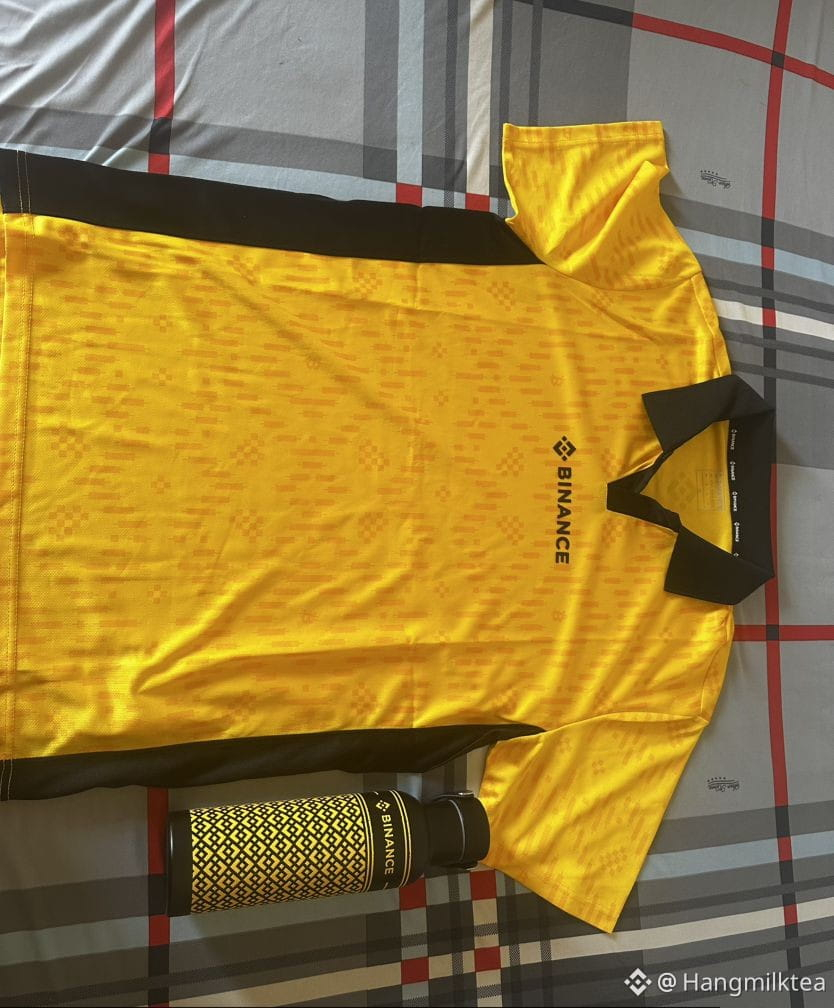
🎁 SURPRISE GIFT FROM BINANCE! 💛
A small joy, but enough to make today feel even more special! 😍
Thank you, Binance, for the gift and for your care for the community. Not just material value, but also the feeling of being accompanied and recognized on the crypto journey. 🚀
💛 Trade smart – Stay safe – Keep building!
#Binance #BinanceSquare #BinanceCommunity #Gift #BNB
$BTC
{spot}(BTCUSDT)
🎁 SURPRISE GIFT FROM BINANCE! 💛
A small joy, but enough to make today feel even more special! 😍
Thank you, Binance, for the gift and for your care for the community. Not just material value, but also the feeling of being accompanied and recognized on the crypto journey. 🚀
💛 Trade smart – Stay safe – Keep building!
#Binance #BinanceSquare #BinanceCommunity #Gift #BNB
$BTC
A small joy, but enough to make today feel even more special! 😍
Thank you, Binance, for the gift and for your care for the community. Not just material value, but also the feeling of being accompanied and recognized on the crypto journey. 🚀
💛 Trade smart – Stay safe – Keep building!
#Binance #BinanceSquare #BinanceCommunity #Gift #BNB
$BTC
1
372
·
--
#termmax @termmax
🐬 TermMax: Is the 2% fee really "expensive"? One detail about TermMax caught my eye: the 2% protocol fee. Looking at that figure in isolation, one might think the borrowing cost is quite high. However, if you break down the calculation, the picture becomes more interesting. For instance, with a loan carrying a 10% APR, a 2% fee doesn't mean you pay an extra 2% on the entire loan principal; rather, it is calculated based on the accrued interest. Consider a $1,000 loan over one year: 🔹 10% interest rate → approximately $100 in interest 🔹 2% fee on the interest → approximately $2 🔹 Equivalent to about 0.2% of the loan value And for shorter terms, the absolute cost decreases accordingly. This perspective led me to view TermMax in a different light: The greatest value lies not necessarily in the fee itself, but in the certainty of the debt obligation. Fixed interest rates allow borrowers to know their costs upfront, avoiding surprises caused by market rate fluctuations. In exchange, users must accept fixed terms and the need to manage rollovers upon maturity. So, the more interesting question is: 👉 When the market is highly volatile, will users opt for the certainty of fixed rates or the flexibility of floating rates? In my view, user behavior is the deciding factor in whether TermMax can establish a long-term advantage. Fee structures can be cleverly designed, but user adoption is what ultimately validates the model. 🐬
#termmax @TermMax
🐬 TermMax: Is the 2% fee really "expensive"? One detail about TermMax caught my eye: the 2% protocol fee. Looking at that figure in isolation, one might think the borrowing cost is quite high. However, if you break down the calculation, the picture becomes more interesting. For instance, with a loan carrying a 10% APR, a 2% fee doesn't mean you pay an extra 2% on the entire loan principal; rather, it is calculated based on the accrued interest. Consider a $1,000 loan over one year: 🔹 10% interest rate → approximately $100 in interest 🔹 2% fee on the interest → approximately $2 🔹 Equivalent to about 0.2% of the loan value And for shorter terms, the absolute cost decreases accordingly. This perspective led me to view TermMax in a different light: The greatest value lies not necessarily in the fee itself, but in the certainty of the debt obligation. Fixed interest rates allow borrowers to know their costs upfront, avoiding surprises caused by market rate fluctuations. In exchange, users must accept fixed terms and the need to manage rollovers upon maturity. So, the more interesting question is: 👉 When the market is highly volatile, will users opt for the certainty of fixed rates or the flexibility of floating rates? In my view, user behavior is the deciding factor in whether TermMax can establish a long-term advantage. Fee structures can be cleverly designed, but user adoption is what ultimately validates the model. 🐬
🐬 TermMax: Is the 2% fee really "expensive"? One detail about TermMax caught my eye: the 2% protocol fee. Looking at that figure in isolation, one might think the borrowing cost is quite high. However, if you break down the calculation, the picture becomes more interesting. For instance, with a loan carrying a 10% APR, a 2% fee doesn't mean you pay an extra 2% on the entire loan principal; rather, it is calculated based on the accrued interest. Consider a $1,000 loan over one year: 🔹 10% interest rate → approximately $100 in interest 🔹 2% fee on the interest → approximately $2 🔹 Equivalent to about 0.2% of the loan value And for shorter terms, the absolute cost decreases accordingly. This perspective led me to view TermMax in a different light: The greatest value lies not necessarily in the fee itself, but in the certainty of the debt obligation. Fixed interest rates allow borrowers to know their costs upfront, avoiding surprises caused by market rate fluctuations. In exchange, users must accept fixed terms and the need to manage rollovers upon maturity. So, the more interesting question is: 👉 When the market is highly volatile, will users opt for the certainty of fixed rates or the flexibility of floating rates? In my view, user behavior is the deciding factor in whether TermMax can establish a long-term advantage. Fee structures can be cleverly designed, but user adoption is what ultimately validates the model. 🐬
16
16
85
·
--
#termmax @termmax
🐬 TermMax: 3 Tokens – 1 Fixed Interest Mechanism
In case you haven’t known yet, TermMax is built around 3 main types of tokens:
🔹 FT – Fixed Term Token
You can think of it like a discounted bond: buy FT below par value and, upon maturity, FT can be exchanged 1:1 for the face value. The main difference is the fixed yield.
🔹 GT – Gearing Token
This is an NFT representing a debt position, recording the rights and obligations related to a loan.
🔹 XT – Interest Token
Represents the interest payment obligation that comes with FT, helping separate the interest portion from the debt.
💡 A noteworthy aspect of the TermMax model is that interest rates are fixed and gradually decrease over time, rather than fluctuating continuously like many traditional lending markets.
👉 FT + GT + XT = a DeFi structure that separates capital, debt, and interest.
🐬 TermMax – Fixed Rate. On-chain.
#termmax @TermMax
🐬 TermMax: 3 Tokens – 1 Fixed Interest Mechanism
In case you haven’t known yet, TermMax is built around 3 main types of tokens:
🔹 FT – Fixed Term Token
You can think of it like a discounted bond: buy FT below par value and, upon maturity, FT can be exchanged 1:1 for the face value. The main difference is the fixed yield.
🔹 GT – Gearing Token
This is an NFT representing a debt position, recording the rights and obligations related to a loan.
🔹 XT – Interest Token
Represents the interest payment obligation that comes with FT, helping separate the interest portion from the debt.
💡 A noteworthy aspect of the TermMax model is that interest rates are fixed and gradually decrease over time, rather than fluctuating continuously like many traditional lending markets.
👉 FT + GT + XT = a DeFi structure that separates capital, debt, and interest.
🐬 TermMax – Fixed Rate. On-chain.
🐬 TermMax: 3 Tokens – 1 Fixed Interest Mechanism
In case you haven’t known yet, TermMax is built around 3 main types of tokens:
🔹 FT – Fixed Term Token
You can think of it like a discounted bond: buy FT below par value and, upon maturity, FT can be exchanged 1:1 for the face value. The main difference is the fixed yield.
🔹 GT – Gearing Token
This is an NFT representing a debt position, recording the rights and obligations related to a loan.
🔹 XT – Interest Token
Represents the interest payment obligation that comes with FT, helping separate the interest portion from the debt.
💡 A noteworthy aspect of the TermMax model is that interest rates are fixed and gradually decrease over time, rather than fluctuating continuously like many traditional lending markets.
👉 FT + GT + XT = a DeFi structure that separates capital, debt, and interest.
🐬 TermMax – Fixed Rate. On-chain.
16
17
75
·
--
Verified
#termmax @termmax 🔥 TermMax – Fixed-Rate Lending/Borrowing & Options on DeFi
TermMax aims to bring fixed interest rates into DeFi, helping users manage cash flow and risks more effectively.
🔹 Fixed-rate lending/borrowing: Users can access loans with predetermined interest rates, limiting the risk of fluctuating rates.
🔹 Options trading: Expands risk-management capabilities and enables flexible financial strategy building in DeFi markets.
🔹 Decentralized: Operates based on smart contracts, aiming for a transparent financial ecosystem without traditional intermediaries.
💡 Noteworthy: TermMax combines Fixed-Rate Lending + Options within a single ecosystem, providing additional tools for DeFi users who want to optimize yield and manage risk.
⚠️ DeFi always comes with smart contract risk, liquidity risk, and asset volatility. Please DYOR before participating.
#termmax @TermMax 🔥 TermMax – Fixed-Rate Lending/Borrowing & Options on DeFi
TermMax aims to bring fixed interest rates into DeFi, helping users manage cash flow and risks more effectively.
🔹 Fixed-rate lending/borrowing: Users can access loans with predetermined interest rates, limiting the risk of fluctuating rates.
🔹 Options trading: Expands risk-management capabilities and enables flexible financial strategy building in DeFi markets.
🔹 Decentralized: Operates based on smart contracts, aiming for a transparent financial ecosystem without traditional intermediaries.
💡 Noteworthy: TermMax combines Fixed-Rate Lending + Options within a single ecosystem, providing additional tools for DeFi users who want to optimize yield and manage risk.
⚠️ DeFi always comes with smart contract risk, liquidity risk, and asset volatility. Please DYOR before participating.
TermMax aims to bring fixed interest rates into DeFi, helping users manage cash flow and risks more effectively.
🔹 Fixed-rate lending/borrowing: Users can access loans with predetermined interest rates, limiting the risk of fluctuating rates.
🔹 Options trading: Expands risk-management capabilities and enables flexible financial strategy building in DeFi markets.
🔹 Decentralized: Operates based on smart contracts, aiming for a transparent financial ecosystem without traditional intermediaries.
💡 Noteworthy: TermMax combines Fixed-Rate Lending + Options within a single ecosystem, providing additional tools for DeFi users who want to optimize yield and manage risk.
⚠️ DeFi always comes with smart contract risk, liquidity risk, and asset volatility. Please DYOR before participating.

17
18
102
·
--
#termmax @termmax
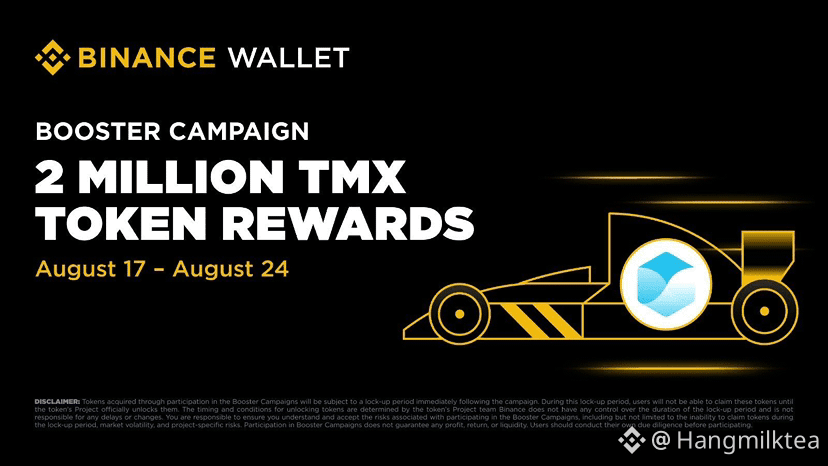
Join the TermMax Booster campaign in the Binance Wallet and complete the Binance Square CreatorPad tasks to share 150,000 TMX.
Time: 2026-08-17 07:00 - 2026-08-21 23:59 UTC(+0)
Rewards
150,000 TMX
Top 500 eligible Creators on the Global Leaderboard will share the rewards equally.
- To be eligible for the rewards, you must rank in the Top 500 on the TermMax Global Leaderboard at the time of snapshot (2026-08-21 23:59 UTC). You must also verify the Binance Square task in your Binance Wallet from 2026-08-24 03:00 UTC to 2026-08-24 23:59 UTC by going to Binance Wallet > Discover > Booster > TermMax > Binance Square task and clicking the "Complete" and "Verify" buttons. Only Top 500 creators who complete verification correctly and within the deadline will be eligible to receive rewards after the project TGE via Binance Wallet > Discover > Booster. Make sure your Binance Keyless Wallet is enabled. Gas fees may apply for transactions and reward claims.
- Subject to regional restrictions. Tucking lucky money packets, gifts, suspicious interactions, bot activities, or reusing highly engaged posts and unrelated content will result in 0 points in the post or even disqualification.
#termmax @TermMax
Join the TermMax Booster campaign in the Binance Wallet and complete the Binance Square CreatorPad tasks to share 150,000 TMX.
Time: 2026-08-17 07:00 - 2026-08-21 23:59 UTC(+0)
Rewards
150,000 TMX
Top 500 eligible Creators on the Global Leaderboard will share the rewards equally.
- To be eligible for the rewards, you must rank in the Top 500 on the TermMax Global Leaderboard at the time of snapshot (2026-08-21 23:59 UTC). You must also verify the Binance Square task in your Binance Wallet from 2026-08-24 03:00 UTC to 2026-08-24 23:59 UTC by going to Binance Wallet > Discover > Booster > TermMax > Binance Square task and clicking the "Complete" and "Verify" buttons. Only Top 500 creators who complete verification correctly and within the deadline will be eligible to receive rewards after the project TGE via Binance Wallet > Discover > Booster. Make sure your Binance Keyless Wallet is enabled. Gas fees may apply for transactions and reward claims.
- Subject to regional restrictions. Tucking lucky money packets, gifts, suspicious interactions, bot activities, or reusing highly engaged posts and unrelated content will result in 0 points in the post or even disqualification.
Join the TermMax Booster campaign in the Binance Wallet and complete the Binance Square CreatorPad tasks to share 150,000 TMX.
Time: 2026-08-17 07:00 - 2026-08-21 23:59 UTC(+0)
Rewards
150,000 TMX
Top 500 eligible Creators on the Global Leaderboard will share the rewards equally.
- To be eligible for the rewards, you must rank in the Top 500 on the TermMax Global Leaderboard at the time of snapshot (2026-08-21 23:59 UTC). You must also verify the Binance Square task in your Binance Wallet from 2026-08-24 03:00 UTC to 2026-08-24 23:59 UTC by going to Binance Wallet > Discover > Booster > TermMax > Binance Square task and clicking the "Complete" and "Verify" buttons. Only Top 500 creators who complete verification correctly and within the deadline will be eligible to receive rewards after the project TGE via Binance Wallet > Discover > Booster. Make sure your Binance Keyless Wallet is enabled. Gas fees may apply for transactions and reward claims.
- Subject to regional restrictions. Tucking lucky money packets, gifts, suspicious interactions, bot activities, or reusing highly engaged posts and unrelated content will result in 0 points in the post or even disqualification.
11
11
96
·
--
#termmax @termmax 🚀 TermMax – Bring fixed DeFi interest rates to a whole new level
TermMax stands out with its Fixed-Rate DeFi approach—helping users borrow and lend at predetermined interest rates, instead of relying entirely on market rate fluctuations.
🔥 Highlights:
* 💰 Fixed-rate lending & borrowing
* 🔄 App V2 consolidates multiple chains and markets into one interface
* ⚡ Supports Ethereum, Arbitrum, BNB Chain, Base, and many other ecosystems
* 🏦 Expanding into RWA/tokenized stocks
* 🪙 $TMX has a fixed total supply of 1 billion tokens, with a long-term staking and distribution plan.
What I really appreciate about TermMax is that they’re trying to turn fixed interest rates into an important DeFi primitive—linking DeFi with institutional finance needs and RWA.
👉 TermMax = Fixed Rate + Leverage + RWA + Multichain
A project worth keeping an eye on in the new generation of DeFi. DYOR! 🔍
#termmax @TermMax 🚀 TermMax – Bring fixed DeFi interest rates to a whole new level
TermMax stands out with its Fixed-Rate DeFi approach—helping users borrow and lend at predetermined interest rates, instead of relying entirely on market rate fluctuations.
🔥 Highlights:
* 💰 Fixed-rate lending & borrowing
* 🔄 App V2 consolidates multiple chains and markets into one interface
* ⚡ Supports Ethereum, Arbitrum, BNB Chain, Base, and many other ecosystems
* 🏦 Expanding into RWA/tokenized stocks
* 🪙 $TMX has a fixed total supply of 1 billion tokens, with a long-term staking and distribution plan.
What I really appreciate about TermMax is that they’re trying to turn fixed interest rates into an important DeFi primitive—linking DeFi with institutional finance needs and RWA.
👉 TermMax = Fixed Rate + Leverage + RWA + Multichain
A project worth keeping an eye on in the new generation of DeFi. DYOR! 🔍
TermMax stands out with its Fixed-Rate DeFi approach—helping users borrow and lend at predetermined interest rates, instead of relying entirely on market rate fluctuations.
🔥 Highlights:
* 💰 Fixed-rate lending & borrowing
* 🔄 App V2 consolidates multiple chains and markets into one interface
* ⚡ Supports Ethereum, Arbitrum, BNB Chain, Base, and many other ecosystems
* 🏦 Expanding into RWA/tokenized stocks
* 🪙 $TMX has a fixed total supply of 1 billion tokens, with a long-term staking and distribution plan.
What I really appreciate about TermMax is that they’re trying to turn fixed interest rates into an important DeFi primitive—linking DeFi with institutional finance needs and RWA.
👉 TermMax = Fixed Rate + Leverage + RWA + Multichain
A project worth keeping an eye on in the new generation of DeFi. DYOR! 🔍
2
2
69
·
--
#binancep2pantoan @Binance_Vietnam 🔐 P2P TRADING: DON’T UNLOCK JUST BECAUSE OF A SCREENSHOT!
In Binance P2P trading, one hasty action can cause you to lose your assets.
⚠️ Golden rules:
Never unlock crypto based only on a screenshot of a transfer!
✅ Before you unlock, do:
1️⃣ Log in directly to your banking app/wallet.
2️⃣ Check the actual amount received in your account.
3️⃣ Verify the amount, the sender, and the transaction details.
4️⃣ Only unlock after you confirm the payment was received successfully.
🚨 Buyers may send fake receipts or edited transaction images. A screenshot is not definite proof that the money has arrived in your account.
💡 If you’re not sure → WAIT.
Don’t let pressure from the other party make you unlock too soon.
🛡️ Money not received in your account = Don’t unlock crypto.
#binancep2pantoan @Binance Vietnam 🔐 P2P TRADING: DON’T UNLOCK JUST BECAUSE OF A SCREENSHOT!
In Binance P2P trading, one hasty action can cause you to lose your assets.
⚠️ Golden rules:
Never unlock crypto based only on a screenshot of a transfer!
✅ Before you unlock, do:
1️⃣ Log in directly to your banking app/wallet.
2️⃣ Check the actual amount received in your account.
3️⃣ Verify the amount, the sender, and the transaction details.
4️⃣ Only unlock after you confirm the payment was received successfully.
🚨 Buyers may send fake receipts or edited transaction images. A screenshot is not definite proof that the money has arrived in your account.
💡 If you’re not sure → WAIT.
Don’t let pressure from the other party make you unlock too soon.
🛡️ Money not received in your account = Don’t unlock crypto.
In Binance P2P trading, one hasty action can cause you to lose your assets.
⚠️ Golden rules:
Never unlock crypto based only on a screenshot of a transfer!
✅ Before you unlock, do:
1️⃣ Log in directly to your banking app/wallet.
2️⃣ Check the actual amount received in your account.
3️⃣ Verify the amount, the sender, and the transaction details.
4️⃣ Only unlock after you confirm the payment was received successfully.
🚨 Buyers may send fake receipts or edited transaction images. A screenshot is not definite proof that the money has arrived in your account.
💡 If you’re not sure → WAIT.
Don’t let pressure from the other party make you unlock too soon.
🛡️ Money not received in your account = Don’t unlock crypto.
1
92
·
--
#binancep2pantoan @Binance_Vietnam
🛡️ How does Binance P2P protect you?
P2P trading isn’t just “buyer – seller.” Binance P2P uses multiple layers of protection to help reduce risks during the trading process:
🔐 1. Escrow mechanism
Assets are locked during the transaction, helping limit situations where one party receives money but doesn’t complete the transaction. Always check the order status directly on Binance before taking the next step.
💬 2. In-platform chat system
Communicate directly through the P2P chat window to keep a record of conversations and related evidence for the transaction. Do not switch to Telegram, WhatsApp, or separate channels to carry out the trade.
🏅 3. Merchant badges
Badges and merchant profile information give users more data to assess their counterpart. However, badges do not mean absolute guarantee—still make sure to carefully check the price, payment method, and trading terms.
⚖️ 4. Dispute/appeal process
If a dispute arises, use the Report/Appeal feature right within the P2P order and provide sufficient evidence such as receipts, screenshots of the transaction, and the content of the exchange.
🚨 Most important: Always trade on Binance!
Don’t trade outside the platform, don’t click unknown links, and don’t send money based on requests via external channels. When everything happens inside the P2P order, the system may have the data needed to support resolution if something goes wrong.
👉 Safe trading depends not only on the system— but also on how you use the system.
#binancep2pantoan @Binance Vietnam
🛡️ How does Binance P2P protect you?
P2P trading isn’t just “buyer – seller.” Binance P2P uses multiple layers of protection to help reduce risks during the trading process:
🔐 1. Escrow mechanism
Assets are locked during the transaction, helping limit situations where one party receives money but doesn’t complete the transaction. Always check the order status directly on Binance before taking the next step.
💬 2. In-platform chat system
Communicate directly through the P2P chat window to keep a record of conversations and related evidence for the transaction. Do not switch to Telegram, WhatsApp, or separate channels to carry out the trade.
🏅 3. Merchant badges
Badges and merchant profile information give users more data to assess their counterpart. However, badges do not mean absolute guarantee—still make sure to carefully check the price, payment method, and trading terms.
⚖️ 4. Dispute/appeal process
If a dispute arises, use the Report/Appeal feature right within the P2P order and provide sufficient evidence such as receipts, screenshots of the transaction, and the content of the exchange.
🚨 Most important: Always trade on Binance!
Don’t trade outside the platform, don’t click unknown links, and don’t send money based on requests via external channels. When everything happens inside the P2P order, the system may have the data needed to support resolution if something goes wrong.
👉 Safe trading depends not only on the system— but also on how you use the system.
🛡️ How does Binance P2P protect you?
P2P trading isn’t just “buyer – seller.” Binance P2P uses multiple layers of protection to help reduce risks during the trading process:
🔐 1. Escrow mechanism
Assets are locked during the transaction, helping limit situations where one party receives money but doesn’t complete the transaction. Always check the order status directly on Binance before taking the next step.
💬 2. In-platform chat system
Communicate directly through the P2P chat window to keep a record of conversations and related evidence for the transaction. Do not switch to Telegram, WhatsApp, or separate channels to carry out the trade.
🏅 3. Merchant badges
Badges and merchant profile information give users more data to assess their counterpart. However, badges do not mean absolute guarantee—still make sure to carefully check the price, payment method, and trading terms.
⚖️ 4. Dispute/appeal process
If a dispute arises, use the Report/Appeal feature right within the P2P order and provide sufficient evidence such as receipts, screenshots of the transaction, and the content of the exchange.
🚨 Most important: Always trade on Binance!
Don’t trade outside the platform, don’t click unknown links, and don’t send money based on requests via external channels. When everything happens inside the P2P order, the system may have the data needed to support resolution if something goes wrong.
👉 Safe trading depends not only on the system— but also on how you use the system.
89
·
--
#binancep2pantoan @Binance_Vietnam 🔰 What is Binance P2P? Why is transaction safety important?
Binance P2P is a peer-to-peer marketplace that allows users to buy and sell crypto directly with each other through listings. Binance provides escrow, identity verification, and dispute support to enhance transaction protection.
🛡️ Why is safety important?
P2P directly involves fiat money and real counterparties, so there is always a risk of fake payments, scams, or psychological manipulation if you’re not vigilant.
✅ Always check that the funds have truly arrived in your account before releasing the crypto.
✅ Only trade within the Binance P2P system.
✅ Check the counterparty’s reputation and transaction history.
✅ Do not share OTP codes, passwords, or sensitive information.
✅ If there’s a problem → use Appeal (Dispute) instead of handling it outside the platform.
💡 Good P2P trading is not only about getting a good price — it’s also about protecting your own assets!
#binancep2pantoan @Binance Vietnam 🔰 What is Binance P2P? Why is transaction safety important?
Binance P2P is a peer-to-peer marketplace that allows users to buy and sell crypto directly with each other through listings. Binance provides escrow, identity verification, and dispute support to enhance transaction protection.
🛡️ Why is safety important?
P2P directly involves fiat money and real counterparties, so there is always a risk of fake payments, scams, or psychological manipulation if you’re not vigilant.
✅ Always check that the funds have truly arrived in your account before releasing the crypto.
✅ Only trade within the Binance P2P system.
✅ Check the counterparty’s reputation and transaction history.
✅ Do not share OTP codes, passwords, or sensitive information.
✅ If there’s a problem → use Appeal (Dispute) instead of handling it outside the platform.
💡 Good P2P trading is not only about getting a good price — it’s also about protecting your own assets!
Binance P2P is a peer-to-peer marketplace that allows users to buy and sell crypto directly with each other through listings. Binance provides escrow, identity verification, and dispute support to enhance transaction protection.
🛡️ Why is safety important?
P2P directly involves fiat money and real counterparties, so there is always a risk of fake payments, scams, or psychological manipulation if you’re not vigilant.
✅ Always check that the funds have truly arrived in your account before releasing the crypto.
✅ Only trade within the Binance P2P system.
✅ Check the counterparty’s reputation and transaction history.
✅ Do not share OTP codes, passwords, or sensitive information.
✅ If there’s a problem → use Appeal (Dispute) instead of handling it outside the platform.
💡 Good P2P trading is not only about getting a good price — it’s also about protecting your own assets!
74
·
--
#dusk $DUSK @Dusk_Foundation (https://www.binance.com/en/square/profile/dusk_foundation)
🚀 DUSK NETWORK – A notable “missing piece” of RWA?
Dusk Network is focusing on a very promising direction: bringing managed financial assets onto the blockchain while still ensuring privacy + compliance.
🔥 Key highlights so far:
* 🏦 Focused on RWA & regulated finance.
* ⚡ DuskEVM is EVM-compatible, helping developers easily deploy dApps and use the Ethereum ecosystem.
* 🔐 Aims for secure transactions, selective disclosure, and deterministic settlement.
* 👛 In April 2026, Dusk will introduce a new Dusk Connect and Dusk Wallet, expanding wallet-to-dApp connectivity.
* 🌉 The ecosystem already has a two-way bridge between native DUSK and BSC.
💡 What I’m most interested in: Dusk doesn’t just want to become another blockchain—it’s targeting real-world assets and managed finance, which is one of the narratives that could continue to draw attention in this cycle.
#dusk $DUSK @Dusk (https://www.binance.com/en/square/profile/dusk_foundation)
🚀 DUSK NETWORK – A notable “missing piece” of RWA?
Dusk Network is focusing on a very promising direction: bringing managed financial assets onto the blockchain while still ensuring privacy + compliance.
🔥 Key highlights so far:
* 🏦 Focused on RWA & regulated finance.
* ⚡ DuskEVM is EVM-compatible, helping developers easily deploy dApps and use the Ethereum ecosystem.
* 🔐 Aims for secure transactions, selective disclosure, and deterministic settlement.
* 👛 In April 2026, Dusk will introduce a new Dusk Connect and Dusk Wallet, expanding wallet-to-dApp connectivity.
* 🌉 The ecosystem already has a two-way bridge between native DUSK and BSC.
💡 What I’m most interested in: Dusk doesn’t just want to become another blockchain—it’s targeting real-world assets and managed finance, which is one of the narratives that could continue to draw attention in this cycle.
🚀 DUSK NETWORK – A notable “missing piece” of RWA?
Dusk Network is focusing on a very promising direction: bringing managed financial assets onto the blockchain while still ensuring privacy + compliance.
🔥 Key highlights so far:
* 🏦 Focused on RWA & regulated finance.
* ⚡ DuskEVM is EVM-compatible, helping developers easily deploy dApps and use the Ethereum ecosystem.
* 🔐 Aims for secure transactions, selective disclosure, and deterministic settlement.
* 👛 In April 2026, Dusk will introduce a new Dusk Connect and Dusk Wallet, expanding wallet-to-dApp connectivity.
* 🌉 The ecosystem already has a two-way bridge between native DUSK and BSC.
💡 What I’m most interested in: Dusk doesn’t just want to become another blockchain—it’s targeting real-world assets and managed finance, which is one of the narratives that could continue to draw attention in this cycle.
101
·
--
#binancep2pantoan @Binance_Vietnam
🚨 Trouble with Binance P2P transaction? Stay calm—handle it the right way!
P2P trading may sometimes run into issues such as: you’ve transferred money but haven’t received crypto, the seller hasn’t received the payment, the transaction is delayed, or the counterparty doesn’t respond. Most importantly: don’t act on impulse.
🛡️ 5 steps to take when you encounter a P2P problem
1️⃣ Check the order status
Go to P2P history and verify the transaction status, amount, payment method, and transaction time.
2️⃣ Keep all evidence 📸
Save:
* Payment receipts/transfer documents
* Bank transaction history
* The messages exchanged in the P2P chat
* Order ID
* Relevant screenshots
👉 Do not alter or delete any evidence.
3️⃣ Communicate directly in the P2P order chat
Stay calm and only share the information needed. Do not transfer any additional funds based on the counterparty’s unusual requests.
4️⃣ File an Appeal if you can’t resolve it ⚠️
If the counterparty doesn’t cooperate or the transaction has a problem, use the Appeal/Dispute function right on the P2P order to request Binance’s support.
5️⃣ Coordinate with the support team 🤝
When Binance asks for evidence, provide complete, accurate information within the deadline to make the process smoother.
❌ Absolutely avoid these 4 things
🚫 Do not trade or pay outside of Binance.
🚫 Do not share passwords, OTP codes, or security information.
🚫 Do not cancel the order after you’ve transferred money if you don’t clearly understand the transaction status.
🚫 Do not trust accounts claiming to be “Binance Support” contacting you via Telegram/WhatsApp or any unofficial channels.
#binancep2pantoan @Binance Vietnam
🚨 Trouble with Binance P2P transaction? Stay calm—handle it the right way!
P2P trading may sometimes run into issues such as: you’ve transferred money but haven’t received crypto, the seller hasn’t received the payment, the transaction is delayed, or the counterparty doesn’t respond. Most importantly: don’t act on impulse.
🛡️ 5 steps to take when you encounter a P2P problem
1️⃣ Check the order status
Go to P2P history and verify the transaction status, amount, payment method, and transaction time.
2️⃣ Keep all evidence 📸
Save:
* Payment receipts/transfer documents
* Bank transaction history
* The messages exchanged in the P2P chat
* Order ID
* Relevant screenshots
👉 Do not alter or delete any evidence.
3️⃣ Communicate directly in the P2P order chat
Stay calm and only share the information needed. Do not transfer any additional funds based on the counterparty’s unusual requests.
4️⃣ File an Appeal if you can’t resolve it ⚠️
If the counterparty doesn’t cooperate or the transaction has a problem, use the Appeal/Dispute function right on the P2P order to request Binance’s support.
5️⃣ Coordinate with the support team 🤝
When Binance asks for evidence, provide complete, accurate information within the deadline to make the process smoother.
❌ Absolutely avoid these 4 things
🚫 Do not trade or pay outside of Binance.
🚫 Do not share passwords, OTP codes, or security information.
🚫 Do not cancel the order after you’ve transferred money if you don’t clearly understand the transaction status.
🚫 Do not trust accounts claiming to be “Binance Support” contacting you via Telegram/WhatsApp or any unofficial channels.
🚨 Trouble with Binance P2P transaction? Stay calm—handle it the right way!
P2P trading may sometimes run into issues such as: you’ve transferred money but haven’t received crypto, the seller hasn’t received the payment, the transaction is delayed, or the counterparty doesn’t respond. Most importantly: don’t act on impulse.
🛡️ 5 steps to take when you encounter a P2P problem
1️⃣ Check the order status
Go to P2P history and verify the transaction status, amount, payment method, and transaction time.
2️⃣ Keep all evidence 📸
Save:
* Payment receipts/transfer documents
* Bank transaction history
* The messages exchanged in the P2P chat
* Order ID
* Relevant screenshots
👉 Do not alter or delete any evidence.
3️⃣ Communicate directly in the P2P order chat
Stay calm and only share the information needed. Do not transfer any additional funds based on the counterparty’s unusual requests.
4️⃣ File an Appeal if you can’t resolve it ⚠️
If the counterparty doesn’t cooperate or the transaction has a problem, use the Appeal/Dispute function right on the P2P order to request Binance’s support.
5️⃣ Coordinate with the support team 🤝
When Binance asks for evidence, provide complete, accurate information within the deadline to make the process smoother.
❌ Absolutely avoid these 4 things
🚫 Do not trade or pay outside of Binance.
🚫 Do not share passwords, OTP codes, or security information.
🚫 Do not cancel the order after you’ve transferred money if you don’t clearly understand the transaction status.
🚫 Do not trust accounts claiming to be “Binance Support” contacting you via Telegram/WhatsApp or any unofficial channels.
80
·
--
#binancep2pantoan @Binance_Vietnam 🛡️ How does Binance P2P protect buyers and sellers?
P2P trading offers flexibility when buying and selling crypto directly between users. But safety should always be the #1 priority. So how does Binance P2P protect both buyers and sellers?
🔐 1. Escrow system
When a transaction is created, the seller’s crypto assets are held in the system until the transaction conditions are met. This helps reduce the risk of one party receiving assets but failing to fulfill their obligations.
👤 2. Verifying user identity
Binance applies KYC procedures and risk-control measures to increase the trustworthiness of P2P participants.
💬 3. Chat system and transaction evidence
Buyers and sellers can communicate directly on the platform. If a dispute occurs, transaction information and related evidence may help support the resolution process.
⚠️ 4. Support when disputes arise
If a transaction runs into issues, users can use the complaint/dispute feature for Binance to review based on the evidence provided.
🚨 5. Users must still protect themselves
Never:
* Trade outside of Binance P2P.
* Transfer funds based on requests via Telegram/WhatsApp.
* Trust payment screenshots.
* Click suspicious links.
* Confirm “Payment received” before checking your bank account.
* Share your OTP, passwords, or security information.
#binancep2pantoan @Binance Vietnam 🛡️ How does Binance P2P protect buyers and sellers?
P2P trading offers flexibility when buying and selling crypto directly between users. But safety should always be the #1 priority. So how does Binance P2P protect both buyers and sellers?
🔐 1. Escrow system
When a transaction is created, the seller’s crypto assets are held in the system until the transaction conditions are met. This helps reduce the risk of one party receiving assets but failing to fulfill their obligations.
👤 2. Verifying user identity
Binance applies KYC procedures and risk-control measures to increase the trustworthiness of P2P participants.
💬 3. Chat system and transaction evidence
Buyers and sellers can communicate directly on the platform. If a dispute occurs, transaction information and related evidence may help support the resolution process.
⚠️ 4. Support when disputes arise
If a transaction runs into issues, users can use the complaint/dispute feature for Binance to review based on the evidence provided.
🚨 5. Users must still protect themselves
Never:
* Trade outside of Binance P2P.
* Transfer funds based on requests via Telegram/WhatsApp.
* Trust payment screenshots.
* Click suspicious links.
* Confirm “Payment received” before checking your bank account.
* Share your OTP, passwords, or security information.
P2P trading offers flexibility when buying and selling crypto directly between users. But safety should always be the #1 priority. So how does Binance P2P protect both buyers and sellers?
🔐 1. Escrow system
When a transaction is created, the seller’s crypto assets are held in the system until the transaction conditions are met. This helps reduce the risk of one party receiving assets but failing to fulfill their obligations.
👤 2. Verifying user identity
Binance applies KYC procedures and risk-control measures to increase the trustworthiness of P2P participants.
💬 3. Chat system and transaction evidence
Buyers and sellers can communicate directly on the platform. If a dispute occurs, transaction information and related evidence may help support the resolution process.
⚠️ 4. Support when disputes arise
If a transaction runs into issues, users can use the complaint/dispute feature for Binance to review based on the evidence provided.
🚨 5. Users must still protect themselves
Never:
* Trade outside of Binance P2P.
* Transfer funds based on requests via Telegram/WhatsApp.
* Trust payment screenshots.
* Click suspicious links.
* Confirm “Payment received” before checking your bank account.
* Share your OTP, passwords, or security information.
76
·
--
#binancep2pantoan @Binance_Vietnam
How does Binance P2P protect buyers and sellers?
P2P trading offers flexibility, but safety must always come first. Binance P2P uses multiple mechanisms to help protect both buyers and sellers throughout the transaction process.
🔐 1. Escrow mechanism
When a trade is created, the seller’s crypto assets are temporarily locked in the system. The seller cannot withdraw the assets at will until the transaction is completed according to the process.
👤 2. Identity verification
P2P accounts must go through the KYC/identity verification process, which increases transparency and reduces the risk from fake or impersonated accounts.
💬 3. Dispute/appeal system
If a dispute occurs, users can open an Appeal/Dispute so that Binance can review evidence and assist with resolution.
🚨 4. Risk management system
Binance applies control measures and detects suspicious activity to limit trades that show signs of abnormal behavior.
🧾 5. Keep records of transaction evidence
Messages in the P2P order, transfer receipts, and payment information can be very important when a dispute arises.
⚠️ But don’t forget: Binance cannot eliminate all risks
Users still need to protect themselves:
✅ Trade only within the Binance P2P system
✅ Do not transfer money according to requests outside the order
✅ Check the recipient/sender name and the amount correctly
✅ Do not click “Payment Sent” if you have not actually transferred money
✅ Do not click “Release” until you confirm you have received the full amount
✅ Do not share OTPs, passwords, or security codes
✅ If there is an issue → open a Dispute immediately within the P2P order
#binancep2pantoan @Binance Vietnam
How does Binance P2P protect buyers and sellers?
P2P trading offers flexibility, but safety must always come first. Binance P2P uses multiple mechanisms to help protect both buyers and sellers throughout the transaction process.
🔐 1. Escrow mechanism
When a trade is created, the seller’s crypto assets are temporarily locked in the system. The seller cannot withdraw the assets at will until the transaction is completed according to the process.
👤 2. Identity verification
P2P accounts must go through the KYC/identity verification process, which increases transparency and reduces the risk from fake or impersonated accounts.
💬 3. Dispute/appeal system
If a dispute occurs, users can open an Appeal/Dispute so that Binance can review evidence and assist with resolution.
🚨 4. Risk management system
Binance applies control measures and detects suspicious activity to limit trades that show signs of abnormal behavior.
🧾 5. Keep records of transaction evidence
Messages in the P2P order, transfer receipts, and payment information can be very important when a dispute arises.
⚠️ But don’t forget: Binance cannot eliminate all risks
Users still need to protect themselves:
✅ Trade only within the Binance P2P system
✅ Do not transfer money according to requests outside the order
✅ Check the recipient/sender name and the amount correctly
✅ Do not click “Payment Sent” if you have not actually transferred money
✅ Do not click “Release” until you confirm you have received the full amount
✅ Do not share OTPs, passwords, or security codes
✅ If there is an issue → open a Dispute immediately within the P2P order
How does Binance P2P protect buyers and sellers?
P2P trading offers flexibility, but safety must always come first. Binance P2P uses multiple mechanisms to help protect both buyers and sellers throughout the transaction process.
🔐 1. Escrow mechanism
When a trade is created, the seller’s crypto assets are temporarily locked in the system. The seller cannot withdraw the assets at will until the transaction is completed according to the process.
👤 2. Identity verification
P2P accounts must go through the KYC/identity verification process, which increases transparency and reduces the risk from fake or impersonated accounts.
💬 3. Dispute/appeal system
If a dispute occurs, users can open an Appeal/Dispute so that Binance can review evidence and assist with resolution.
🚨 4. Risk management system
Binance applies control measures and detects suspicious activity to limit trades that show signs of abnormal behavior.
🧾 5. Keep records of transaction evidence
Messages in the P2P order, transfer receipts, and payment information can be very important when a dispute arises.
⚠️ But don’t forget: Binance cannot eliminate all risks
Users still need to protect themselves:
✅ Trade only within the Binance P2P system
✅ Do not transfer money according to requests outside the order
✅ Check the recipient/sender name and the amount correctly
✅ Do not click “Payment Sent” if you have not actually transferred money
✅ Do not click “Release” until you confirm you have received the full amount
✅ Do not share OTPs, passwords, or security codes
✅ If there is an issue → open a Dispute immediately within the P2P order
71
·
--
#binancep2pantoan @Binance_Vietnam
7 “RED FLAGS” TO SPOT BEFORE MAKING A BINANCE P2P TRANSACTION
P2P trading is convenient, but even a small mistake can cost you money or cause trouble with your bank account. Before you click “Confirm,” check for the suspicious signs below 👇
🔴 1. The counterparty keeps urging you to make the transaction
“Send it now!”, “Confirm quickly!”, “Don’t wait for the system!”
➡️ Warning: Don’t let time pressure make you skip the verification steps.
🔴 2. Requests to trade outside Binance
The counterparty suggests moving to Telegram, WhatsApp, or trading directly outside the platform.
➡️ Warning: Don’t trade outside Binance and don’t share sensitive information.
🔴 3. The recipient account name doesn’t match
The sender’s name doesn’t match the counterparty’s account name on the P2P order.
➡️ Warning: This could be a sign that needs careful checking. Don’t rush to release your crypto just because you’ve received the payment.
🔴 4. Sending screenshot “proof”
The counterparty sends a screenshot claiming “the transfer was successful.”
➡️ Warning: Screenshots can be edited. Verify your balance and the actual transaction in the banking app yourself.
🔴 5. Requesting payment via a third-party account
For example: “Transfer money to my friend/husband/relative.”
➡️ Warning: Limit transactions with third parties and follow the exact payment information shown on the order.
🔴 6. Price is too good compared to the market
An unusually high or low USDT/crypto price may make you less alert.
➡️ Warning: Don’t let “too-good-to-be-true” pricing make you ignore the counterparty’s trustworthiness.
🔴 7. Signs of impersonation of a Binance employee
#binancep2pantoan @Binance Vietnam
7 “RED FLAGS” TO SPOT BEFORE MAKING A BINANCE P2P TRANSACTION
P2P trading is convenient, but even a small mistake can cost you money or cause trouble with your bank account. Before you click “Confirm,” check for the suspicious signs below 👇
🔴 1. The counterparty keeps urging you to make the transaction
“Send it now!”, “Confirm quickly!”, “Don’t wait for the system!”
➡️ Warning: Don’t let time pressure make you skip the verification steps.
🔴 2. Requests to trade outside Binance
The counterparty suggests moving to Telegram, WhatsApp, or trading directly outside the platform.
➡️ Warning: Don’t trade outside Binance and don’t share sensitive information.
🔴 3. The recipient account name doesn’t match
The sender’s name doesn’t match the counterparty’s account name on the P2P order.
➡️ Warning: This could be a sign that needs careful checking. Don’t rush to release your crypto just because you’ve received the payment.
🔴 4. Sending screenshot “proof”
The counterparty sends a screenshot claiming “the transfer was successful.”
➡️ Warning: Screenshots can be edited. Verify your balance and the actual transaction in the banking app yourself.
🔴 5. Requesting payment via a third-party account
For example: “Transfer money to my friend/husband/relative.”
➡️ Warning: Limit transactions with third parties and follow the exact payment information shown on the order.
🔴 6. Price is too good compared to the market
An unusually high or low USDT/crypto price may make you less alert.
➡️ Warning: Don’t let “too-good-to-be-true” pricing make you ignore the counterparty’s trustworthiness.
🔴 7. Signs of impersonation of a Binance employee
7 “RED FLAGS” TO SPOT BEFORE MAKING A BINANCE P2P TRANSACTION
P2P trading is convenient, but even a small mistake can cost you money or cause trouble with your bank account. Before you click “Confirm,” check for the suspicious signs below 👇
🔴 1. The counterparty keeps urging you to make the transaction
“Send it now!”, “Confirm quickly!”, “Don’t wait for the system!”
➡️ Warning: Don’t let time pressure make you skip the verification steps.
🔴 2. Requests to trade outside Binance
The counterparty suggests moving to Telegram, WhatsApp, or trading directly outside the platform.
➡️ Warning: Don’t trade outside Binance and don’t share sensitive information.
🔴 3. The recipient account name doesn’t match
The sender’s name doesn’t match the counterparty’s account name on the P2P order.
➡️ Warning: This could be a sign that needs careful checking. Don’t rush to release your crypto just because you’ve received the payment.
🔴 4. Sending screenshot “proof”
The counterparty sends a screenshot claiming “the transfer was successful.”
➡️ Warning: Screenshots can be edited. Verify your balance and the actual transaction in the banking app yourself.
🔴 5. Requesting payment via a third-party account
For example: “Transfer money to my friend/husband/relative.”
➡️ Warning: Limit transactions with third parties and follow the exact payment information shown on the order.
🔴 6. Price is too good compared to the market
An unusually high or low USDT/crypto price may make you less alert.
➡️ Warning: Don’t let “too-good-to-be-true” pricing make you ignore the counterparty’s trustworthiness.
🔴 7. Signs of impersonation of a Binance employee
71
·
--
#binancep2pantoan @Binance_Vietnam
7 RULES TO FOLLOW BEFORE EVERY P2P TRANSACTION
P2P is convenient, but even a small mistake can make you lose money or run into unnecessary trouble. Before you click “Confirm”, check the 7 things below 👇
1️⃣ Check the counterparty’s profile
✅ Prioritize users with a high completion rate, a large number of transactions, and a good activity history.
⚠️ Don’t only look at the most attractive price.
2️⃣ Read the ad conditions carefully
Check the payment method, transaction limits, payment time, and any special requirements before trading.
3️⃣ Pay only using the information shown on Binance P2P
Don’t transfer money to another account based on a counterparty’s request via Telegram, WhatsApp, or social media.
4️⃣ Check the recipient’s name accurately
The bank account holder’s name should match the information shown in the transaction. If anything looks unusual → stop the transaction and double-check.
5️⃣ Don’t confirm payment until you have actually transferred the money
Especially don’t click “Paid” just because the counterparty is urging you.
6️⃣ Don’t trade outside the platform
🚫 Don’t move to private transactions outside of Binance.
🚫 Don’t share OTPs, passwords, 2FA codes, or login information.
7️⃣ Save transaction evidence
Keep the transfer receipt and the chat exchanges in the P2P chat window. If a dispute happens, this evidence can be very important when requesting support.
#binancep2pantoan @Binance Vietnam
7 RULES TO FOLLOW BEFORE EVERY P2P TRANSACTION
P2P is convenient, but even a small mistake can make you lose money or run into unnecessary trouble. Before you click “Confirm”, check the 7 things below 👇
1️⃣ Check the counterparty’s profile
✅ Prioritize users with a high completion rate, a large number of transactions, and a good activity history.
⚠️ Don’t only look at the most attractive price.
2️⃣ Read the ad conditions carefully
Check the payment method, transaction limits, payment time, and any special requirements before trading.
3️⃣ Pay only using the information shown on Binance P2P
Don’t transfer money to another account based on a counterparty’s request via Telegram, WhatsApp, or social media.
4️⃣ Check the recipient’s name accurately
The bank account holder’s name should match the information shown in the transaction. If anything looks unusual → stop the transaction and double-check.
5️⃣ Don’t confirm payment until you have actually transferred the money
Especially don’t click “Paid” just because the counterparty is urging you.
6️⃣ Don’t trade outside the platform
🚫 Don’t move to private transactions outside of Binance.
🚫 Don’t share OTPs, passwords, 2FA codes, or login information.
7️⃣ Save transaction evidence
Keep the transfer receipt and the chat exchanges in the P2P chat window. If a dispute happens, this evidence can be very important when requesting support.
7 RULES TO FOLLOW BEFORE EVERY P2P TRANSACTION
P2P is convenient, but even a small mistake can make you lose money or run into unnecessary trouble. Before you click “Confirm”, check the 7 things below 👇
1️⃣ Check the counterparty’s profile
✅ Prioritize users with a high completion rate, a large number of transactions, and a good activity history.
⚠️ Don’t only look at the most attractive price.
2️⃣ Read the ad conditions carefully
Check the payment method, transaction limits, payment time, and any special requirements before trading.
3️⃣ Pay only using the information shown on Binance P2P
Don’t transfer money to another account based on a counterparty’s request via Telegram, WhatsApp, or social media.
4️⃣ Check the recipient’s name accurately
The bank account holder’s name should match the information shown in the transaction. If anything looks unusual → stop the transaction and double-check.
5️⃣ Don’t confirm payment until you have actually transferred the money
Especially don’t click “Paid” just because the counterparty is urging you.
6️⃣ Don’t trade outside the platform
🚫 Don’t move to private transactions outside of Binance.
🚫 Don’t share OTPs, passwords, 2FA codes, or login information.
7️⃣ Save transaction evidence
Keep the transfer receipt and the chat exchanges in the P2P chat window. If a dispute happens, this evidence can be very important when requesting support.
1
75
·
--
#binancep2pantoan @Binance_Vietnam (https://www.binance.com/vi/square/profile/binance_vietnam)
Binance P2P: For new traders, safety first—just remember 5 things!
Have you just joined Binance P2P? Prioritize safety over profits! 👇
✅ 1. Trade only on Binance
Don’t switch to Telegram, Zalo, or any separate/off-platform trading.
✅ 2. Check the trader
Choose users with a high completion rate + many trades + a good track record.
✅ 3. Buy crypto:
Transfer the exact amount, to the exact account shown in the order, and only tap “Payment completed” after you’ve actually made the transfer.
✅ 4. Sell crypto:
⚠️ Don’t trust screenshots/receipts/SMS. Verify that the money has truly been received in your bank account, then release the crypto.
✅ 5. Secure your account
Never provide your password, OTP, or 2FA code to anyone.
🚨 Golden rules:
No trading outside Binance—Don’t trust transfer screenshots—If you haven’t received the money, don’t release the crypto.
💡 New users should start with a small amount, get familiar with the process before increasing your capital.
#binancep2pantoan @Binance Vietnam (https://www.binance.com/vi/square/profile/binance_vietnam)
Binance P2P: For new traders, safety first—just remember 5 things!
Have you just joined Binance P2P? Prioritize safety over profits! 👇
✅ 1. Trade only on Binance
Don’t switch to Telegram, Zalo, or any separate/off-platform trading.
✅ 2. Check the trader
Choose users with a high completion rate + many trades + a good track record.
✅ 3. Buy crypto:
Transfer the exact amount, to the exact account shown in the order, and only tap “Payment completed” after you’ve actually made the transfer.
✅ 4. Sell crypto:
⚠️ Don’t trust screenshots/receipts/SMS. Verify that the money has truly been received in your bank account, then release the crypto.
✅ 5. Secure your account
Never provide your password, OTP, or 2FA code to anyone.
🚨 Golden rules:
No trading outside Binance—Don’t trust transfer screenshots—If you haven’t received the money, don’t release the crypto.
💡 New users should start with a small amount, get familiar with the process before increasing your capital.
Binance P2P: For new traders, safety first—just remember 5 things!
Have you just joined Binance P2P? Prioritize safety over profits! 👇
✅ 1. Trade only on Binance
Don’t switch to Telegram, Zalo, or any separate/off-platform trading.
✅ 2. Check the trader
Choose users with a high completion rate + many trades + a good track record.
✅ 3. Buy crypto:
Transfer the exact amount, to the exact account shown in the order, and only tap “Payment completed” after you’ve actually made the transfer.
✅ 4. Sell crypto:
⚠️ Don’t trust screenshots/receipts/SMS. Verify that the money has truly been received in your bank account, then release the crypto.
✅ 5. Secure your account
Never provide your password, OTP, or 2FA code to anyone.
🚨 Golden rules:
No trading outside Binance—Don’t trust transfer screenshots—If you haven’t received the money, don’t release the crypto.
💡 New users should start with a small amount, get familiar with the process before increasing your capital.
1
71
·
--
#binancep2pantoan @Binance_Vietnam (https://www.binance.com/vi/square/profile/binance_vietnam)
10 safety rules when trading Binance P2P:
1. Only trade on Binance P2P
2. Check the payer's name
3. Do not trust screenshots
4. Never release crypto before receiving the payment
5. Do not be pressured
6. Check the exact amount
7. Do not provide sensitive/security information
8. Be careful with transactions showing unusual signs
9. Check the history and counterparty profile
10. Save transaction evidence
* If you suspect a scam
Do not release crypto and do not refund on your own. Keep the evidence, use the Appeal function in the P2P order, and follow Binance's instructions.
#binancep2pantoan @Binance Vietnam (https://www.binance.com/vi/square/profile/binance_vietnam)
10 safety rules when trading Binance P2P:
1. Only trade on Binance P2P
2. Check the payer's name
3. Do not trust screenshots
4. Never release crypto before receiving the payment
5. Do not be pressured
6. Check the exact amount
7. Do not provide sensitive/security information
8. Be careful with transactions showing unusual signs
9. Check the history and counterparty profile
10. Save transaction evidence
* If you suspect a scam
Do not release crypto and do not refund on your own. Keep the evidence, use the Appeal function in the P2P order, and follow Binance's instructions.
10 safety rules when trading Binance P2P:
1. Only trade on Binance P2P
2. Check the payer's name
3. Do not trust screenshots
4. Never release crypto before receiving the payment
5. Do not be pressured
6. Check the exact amount
7. Do not provide sensitive/security information
8. Be careful with transactions showing unusual signs
9. Check the history and counterparty profile
10. Save transaction evidence
* If you suspect a scam
Do not release crypto and do not refund on your own. Keep the evidence, use the Appeal function in the P2P order, and follow Binance's instructions.
46
·
--
#grvt @grvt_io (https://www.binance.com/vi/square/profile/grvt_io)
GRVT is entering the most crucial phase before the TGE!
If you’ve been following GRVT since Season 1 or Season 2, then this is a time you shouldn’t miss.
🔥 Latest highlights:
* 🎁 Binance Wallet x GRVT has launched the Booster Campaign with 1,500,000 GRVT rewards for eligible participants.
* 📝 Binance Square is also opening the Creator Task Center, where content creators have the chance to receive 250,000 GRVT by completing tasks and landing in the Top 300.
* 💎 Eligible users for the airdrop need to register for the reward receiving portal and choose the token-claim method before the deadline.
What I really value about GRVT is its direction to build a Hybrid Exchange, combining:
✅ CEX trading speed
✅ DeFi’s self-custody of assets
✅ The Trade – Earn – Invest – Pay ecosystem on a single platform.
If the TGE goes according to plan, GRVT could absolutely become one of the most notable LayerFi/Hybrid Exchange projects in 2026.
#grvt @grvt_io (https://www.binance.com/vi/square/profile/grvt_io)
GRVT is entering the most crucial phase before the TGE!
If you’ve been following GRVT since Season 1 or Season 2, then this is a time you shouldn’t miss.
🔥 Latest highlights:
* 🎁 Binance Wallet x GRVT has launched the Booster Campaign with 1,500,000 GRVT rewards for eligible participants.
* 📝 Binance Square is also opening the Creator Task Center, where content creators have the chance to receive 250,000 GRVT by completing tasks and landing in the Top 300.
* 💎 Eligible users for the airdrop need to register for the reward receiving portal and choose the token-claim method before the deadline.
What I really value about GRVT is its direction to build a Hybrid Exchange, combining:
✅ CEX trading speed
✅ DeFi’s self-custody of assets
✅ The Trade – Earn – Invest – Pay ecosystem on a single platform.
If the TGE goes according to plan, GRVT could absolutely become one of the most notable LayerFi/Hybrid Exchange projects in 2026.
GRVT is entering the most crucial phase before the TGE!
If you’ve been following GRVT since Season 1 or Season 2, then this is a time you shouldn’t miss.
🔥 Latest highlights:
* 🎁 Binance Wallet x GRVT has launched the Booster Campaign with 1,500,000 GRVT rewards for eligible participants.
* 📝 Binance Square is also opening the Creator Task Center, where content creators have the chance to receive 250,000 GRVT by completing tasks and landing in the Top 300.
* 💎 Eligible users for the airdrop need to register for the reward receiving portal and choose the token-claim method before the deadline.
What I really value about GRVT is its direction to build a Hybrid Exchange, combining:
✅ CEX trading speed
✅ DeFi’s self-custody of assets
✅ The Trade – Earn – Invest – Pay ecosystem on a single platform.
If the TGE goes according to plan, GRVT could absolutely become one of the most notable LayerFi/Hybrid Exchange projects in 2026.
14
·
--
#BinanceTurns9 Binance 9 years old - Do you build
#BinanceTurns9 Binance 9 years old - Do you build
18
·
--
#grvt @grvt_io (https://www.binance.com/vi/square/profile/grvt_io)
🚀 GRVT is moving very close to a major milestone!
If you still only think of GRVT as a Perp DEX, you may have missed a lot.
Key highlights of GRVT in 2026:
✅ Launch of the $GRVT token with a fixed total supply of 1 billion tokens, with no inflation.
✅ An ecosystem expanding from Trade → Earn → Invest → Pay, aiming for an all-in-one on-chain financial platform.
✅ Integration with Aave Yield, enabling collateral assets to generate returns even while waiting for transactions, optimizing capital efficiency.
✅ $GRVT holders and stakers will receive:
* Lower trading fees
* Higher APY
* Early access to new products
* Benefits from the protocol’s buyback program.
🔥 According to the latest announcement from the team, $GRVT is expected to officially launch on 21/07/2026, marking an important turning point for the entire ecosystem.
GRVT is not only building a decentralized trading exchange, but is also moving toward a model where a single balance can both trade, generate profit, invest, and pay.
This could be one of the most notable projects in the Hybrid Exchange segment in 2026.
#grvt @grvt_io (https://www.binance.com/vi/square/profile/grvt_io)
🚀 GRVT is moving very close to a major milestone!
If you still only think of GRVT as a Perp DEX, you may have missed a lot.
Key highlights of GRVT in 2026:
✅ Launch of the $GRVT token with a fixed total supply of 1 billion tokens, with no inflation.
✅ An ecosystem expanding from Trade → Earn → Invest → Pay, aiming for an all-in-one on-chain financial platform.
✅ Integration with Aave Yield, enabling collateral assets to generate returns even while waiting for transactions, optimizing capital efficiency.
✅ $GRVT holders and stakers will receive:
* Lower trading fees
* Higher APY
* Early access to new products
* Benefits from the protocol’s buyback program.
🔥 According to the latest announcement from the team, $GRVT is expected to officially launch on 21/07/2026, marking an important turning point for the entire ecosystem.
GRVT is not only building a decentralized trading exchange, but is also moving toward a model where a single balance can both trade, generate profit, invest, and pay.
This could be one of the most notable projects in the Hybrid Exchange segment in 2026.
🚀 GRVT is moving very close to a major milestone!
If you still only think of GRVT as a Perp DEX, you may have missed a lot.
Key highlights of GRVT in 2026:
✅ Launch of the $GRVT token with a fixed total supply of 1 billion tokens, with no inflation.
✅ An ecosystem expanding from Trade → Earn → Invest → Pay, aiming for an all-in-one on-chain financial platform.
✅ Integration with Aave Yield, enabling collateral assets to generate returns even while waiting for transactions, optimizing capital efficiency.
✅ $GRVT holders and stakers will receive:
* Lower trading fees
* Higher APY
* Early access to new products
* Benefits from the protocol’s buyback program.
🔥 According to the latest announcement from the team, $GRVT is expected to officially launch on 21/07/2026, marking an important turning point for the entire ecosystem.
GRVT is not only building a decentralized trading exchange, but is also moving toward a model where a single balance can both trade, generate profit, invest, and pay.
This could be one of the most notable projects in the Hybrid Exchange segment in 2026.
83
Log in to explore more content
Join global crypto users on Binance Square
⚡️ Get latest and useful information about crypto.
💬 Trusted by the world’s largest crypto exchange.
👍 Discover real insights from verified creators.
Email / Phone number
Trending Topics
US10YearYieldNears5.3%
12,396 views
228 Discussing
#US10YearYieldNears5.3%
The US 10-Year Treasury Yield has broken past the 5.3% threshold, surging to a 24-year high of 5.342% on October 1, 2026. This milestone marks the highest level the global benchmark note has reached since early 2002, surpassing its 2007 pre-financial crisis peak as a brutal global bond sell-off accelerates. [1]
What Is Driving the Spike?
Resilient Economic Growth: Upgraded U.S. GDP estimates (revised up to 2.2% for Q2) indicate the economy is expanding faster than initially anticipated. [1]
Energy-Driven Inflation Concerns: Elevated oil prices and persistent, sticky inflation are continuing to exert upward pressure on long-term rates. [1, 2]
$NEAR , $AAPLB ,$SOL
zoni-11c22
·0 Likes
·115 views
USWeeklyJoblessClaimsFallTo197000
299 views
46 Discussing
BitcoinETFsTake$6.34BillionInQ3
500 views
31 Discussing