

FEY60
358 Posts

FEY60
Report
Block User
📊 News • Crypto • Economy • Teknologi • AI • Keuangan 🚫 Tidak Menerima Titipan Dana
30 Following
8.2K+ Followers
9.4K+ Liked
Posts
Portfolio
All
Quotes
Videos
·
--
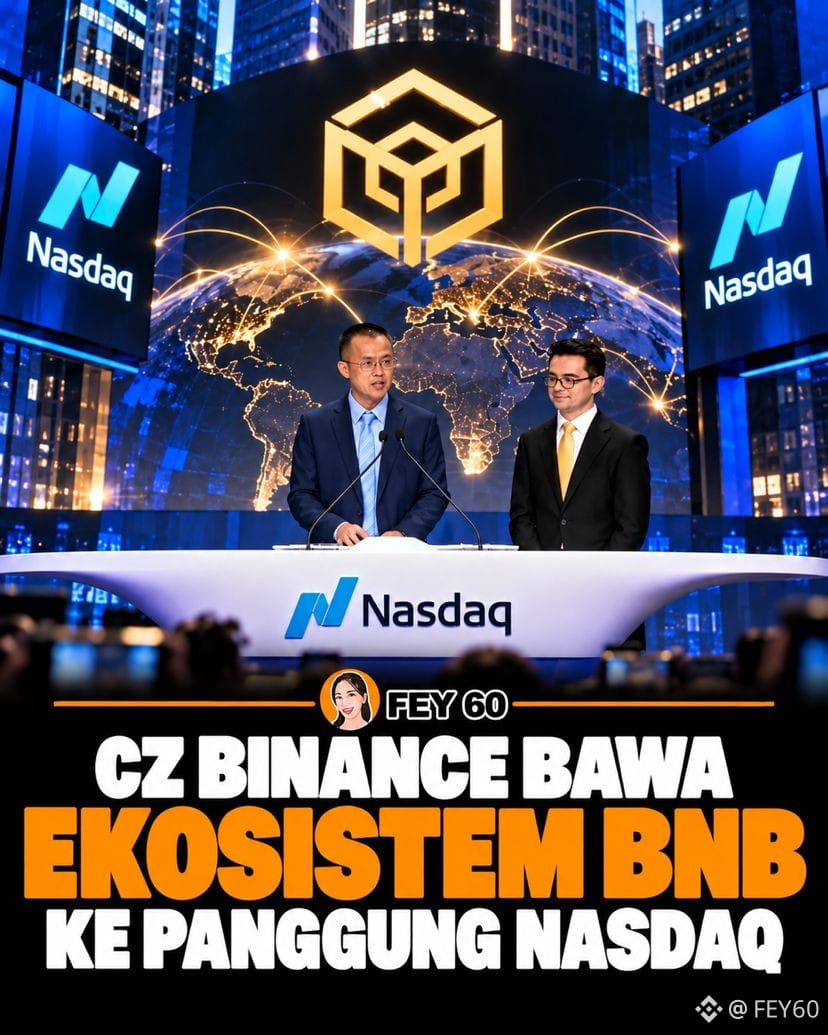
Binance founder Changpeng Zhao (CZ) attended the Nasdaq opening ceremony in person on October 26 to celebrate BNB Standard ($BNC) joining the U.S. stock market.
.
Now, it’s not BNB coins themselves being traded on the stock market. Rather, it’s shares in a publicly traded company whose role is to buy up and hold massive BNB reserves!
.
CZ called this moment tangible proof of the convergence of crypto and traditional finance (TradFi). The lines between these two worlds are becoming increasingly blurred! 👀
.
So, what does this mean for us crypto holders and traders?
1. BNB coins become scarcer (supply squeeze): The company will keep buying BNB and locking it away in its treasury. The more BNB that gets locked up, the tighter the market supply becomes—and that could fuel a rise in BNB’s price!
.
2. A massive influx of capital from Wall Street: Large institutional investors who are prohibited from using crypto exchanges or don’t have accounts on them can now invest in the BNB ecosystem through the stock market.
.
3. Greater legitimacy: A BNB-focused institution joining a selective exchange like Nasdaq shows that BNB is increasingly recognized as a safe, legitimate strategic asset on the global stage.
.
What do you think—could this move send BNB’s price soaring in the future? Share your thoughts in the comments! 👇
Binance founder Changpeng Zhao (CZ) attended the Nasdaq opening ceremony in person on October 26 to celebrate BNB Standard ($BNC) joining the U.S. stock market.
.
Now, it’s not BNB coins themselves being traded on the stock market. Rather, it’s shares in a publicly traded company whose role is to buy up and hold massive BNB reserves!
.
CZ called this moment tangible proof of the convergence of crypto and traditional finance (TradFi). The lines between these two worlds are becoming increasingly blurred! 👀
.
So, what does this mean for us crypto holders and traders?
1. BNB coins become scarcer (supply squeeze): The company will keep buying BNB and locking it away in its treasury. The more BNB that gets locked up, the tighter the market supply becomes—and that could fuel a rise in BNB’s price!
.
2. A massive influx of capital from Wall Street: Large institutional investors who are prohibited from using crypto exchanges or don’t have accounts on them can now invest in the BNB ecosystem through the stock market.
.
3. Greater legitimacy: A BNB-focused institution joining a selective exchange like Nasdaq shows that BNB is increasingly recognized as a safe, legitimate strategic asset on the global stage.
.
What do you think—could this move send BNB’s price soaring in the future? Share your thoughts in the comments! 👇
.
Now, it’s not BNB coins themselves being traded on the stock market. Rather, it’s shares in a publicly traded company whose role is to buy up and hold massive BNB reserves!
.
CZ called this moment tangible proof of the convergence of crypto and traditional finance (TradFi). The lines between these two worlds are becoming increasingly blurred! 👀
.
So, what does this mean for us crypto holders and traders?
1. BNB coins become scarcer (supply squeeze): The company will keep buying BNB and locking it away in its treasury. The more BNB that gets locked up, the tighter the market supply becomes—and that could fuel a rise in BNB’s price!
.
2. A massive influx of capital from Wall Street: Large institutional investors who are prohibited from using crypto exchanges or don’t have accounts on them can now invest in the BNB ecosystem through the stock market.
.
3. Greater legitimacy: A BNB-focused institution joining a selective exchange like Nasdaq shows that BNB is increasingly recognized as a safe, legitimate strategic asset on the global stage.
.
What do you think—could this move send BNB’s price soaring in the future? Share your thoughts in the comments! 👇
2
387
·
--
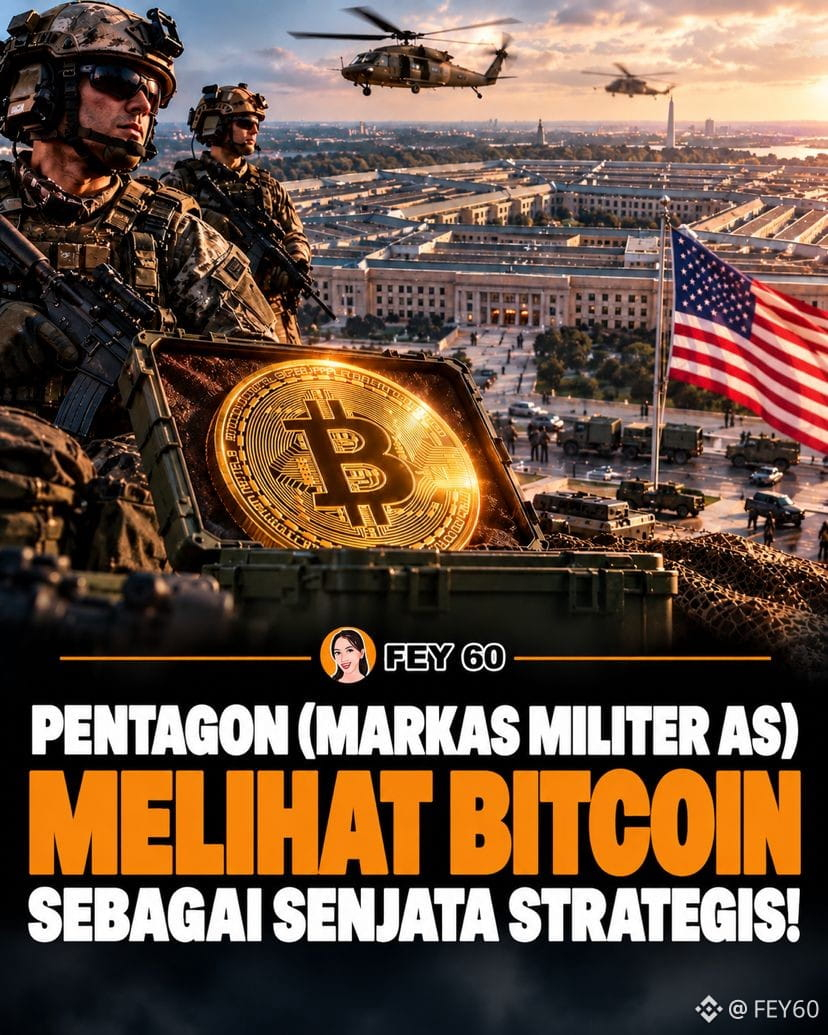
The crypto world has been stirred by a shocking statement from a US defense official. During a congressional hearing, Defense Secretary Pete Hegseth firmly stated that Bitcoin is a strategic tool of national power for confronting rivals such as China.
-
The Pentagon has reportedly even launched a secret initiative to harness this technology, in line with plans to establish a US Strategic Bitcoin Reserve. The military views decentralized blockchain networks as highly resilient for censorship-resistant communications and cybersecurity.
-
A CIA Surprise: Bitcoin as an Intelligence Tool.
Meanwhile, the CIA has casually acknowledged that Bitcoin is used as a surveillance tool.
-
Many people think crypto is completely anonymous, but in reality, Bitcoin is pseudonymous.
-
All transactions are publicly recorded on the blockchain, allowing intelligence agencies to easily track the flow of funds belonging to criminal syndicates or hostile nations using advanced data analysis.
-
What Does This Mean for Us?
1. Strong Legitimacy: When the military and intelligence agencies take an interest in Bitcoin, it proves that crypto is not a passing trend, but a global strategic asset.
-
2. Tighter Surveillance: The transparency of blockchain means governments will increasingly tighten regulations and monitor transactions going forward.
-
Crypto was once created to avoid state control, but now superpowers are eyeing it as a digital defense bulwark. What do you think? Share your thoughts in the comments!
The crypto world has been stirred by a shocking statement from a US defense official. During a congressional hearing, Defense Secretary Pete Hegseth firmly stated that Bitcoin is a strategic tool of national power for confronting rivals such as China.
-
The Pentagon has reportedly even launched a secret initiative to harness this technology, in line with plans to establish a US Strategic Bitcoin Reserve. The military views decentralized blockchain networks as highly resilient for censorship-resistant communications and cybersecurity.
-
A CIA Surprise: Bitcoin as an Intelligence Tool.
Meanwhile, the CIA has casually acknowledged that Bitcoin is used as a surveillance tool.
-
Many people think crypto is completely anonymous, but in reality, Bitcoin is pseudonymous.
-
All transactions are publicly recorded on the blockchain, allowing intelligence agencies to easily track the flow of funds belonging to criminal syndicates or hostile nations using advanced data analysis.
-
What Does This Mean for Us?
1. Strong Legitimacy: When the military and intelligence agencies take an interest in Bitcoin, it proves that crypto is not a passing trend, but a global strategic asset.
-
2. Tighter Surveillance: The transparency of blockchain means governments will increasingly tighten regulations and monitor transactions going forward.
-
Crypto was once created to avoid state control, but now superpowers are eyeing it as a digital defense bulwark. What do you think? Share your thoughts in the comments!
-
The Pentagon has reportedly even launched a secret initiative to harness this technology, in line with plans to establish a US Strategic Bitcoin Reserve. The military views decentralized blockchain networks as highly resilient for censorship-resistant communications and cybersecurity.
-
A CIA Surprise: Bitcoin as an Intelligence Tool.
Meanwhile, the CIA has casually acknowledged that Bitcoin is used as a surveillance tool.
-
Many people think crypto is completely anonymous, but in reality, Bitcoin is pseudonymous.
-
All transactions are publicly recorded on the blockchain, allowing intelligence agencies to easily track the flow of funds belonging to criminal syndicates or hostile nations using advanced data analysis.
-
What Does This Mean for Us?
1. Strong Legitimacy: When the military and intelligence agencies take an interest in Bitcoin, it proves that crypto is not a passing trend, but a global strategic asset.
-
2. Tighter Surveillance: The transparency of blockchain means governments will increasingly tighten regulations and monitor transactions going forward.
-
Crypto was once created to avoid state control, but now superpowers are eyeing it as a digital defense bulwark. What do you think? Share your thoughts in the comments!
1
12
6k
·
--
This news comes from China, where researchers at Tsinghua University in Beijing have developed a facility called Agent Hospital.
-
However, this hospital isn’t a physical building in any particular city. Instead, it exists in a virtual world, or computer simulation environment.
-
In this digital simulation in China, all 3,000 patients being treated are AI characters, not real people.
-
The system was created specifically to train artificial intelligence to care for patients and diagnose thousands of disease scenarios very quickly.
-
So, this technological innovation from China isn’t intended to replace human doctors in the real world.
-
The virtual facility was developed as a platform for medical testing and training, with the aim of making future healthcare much more accurate, efficient, and safe.
-
What do you think about the development of medical AI technology in China? Could AI really replace doctors in the real world someday? Share your thoughts in the comments!
This news comes from China, where researchers at Tsinghua University in Beijing have developed a facility called Agent Hospital.
-
However, this hospital isn’t a physical building in any particular city. Instead, it exists in a virtual world, or computer simulation environment.
-
In this digital simulation in China, all 3,000 patients being treated are AI characters, not real people.
-
The system was created specifically to train artificial intelligence to care for patients and diagnose thousands of disease scenarios very quickly.
-
So, this technological innovation from China isn’t intended to replace human doctors in the real world.
-
The virtual facility was developed as a platform for medical testing and training, with the aim of making future healthcare much more accurate, efficient, and safe.
-
What do you think about the development of medical AI technology in China? Could AI really replace doctors in the real world someday? Share your thoughts in the comments!
-
However, this hospital isn’t a physical building in any particular city. Instead, it exists in a virtual world, or computer simulation environment.
-
In this digital simulation in China, all 3,000 patients being treated are AI characters, not real people.
-
The system was created specifically to train artificial intelligence to care for patients and diagnose thousands of disease scenarios very quickly.
-
So, this technological innovation from China isn’t intended to replace human doctors in the real world.
-
The virtual facility was developed as a platform for medical testing and training, with the aim of making future healthcare much more accurate, efficient, and safe.
-
What do you think about the development of medical AI technology in China? Could AI really replace doctors in the real world someday? Share your thoughts in the comments!

2
333
·
--
A cybersecurity warning has come from Binance founder CZ. He urges the public to be extra cautious when visiting any website over the next few days.
-
This follows the disclosure of two critical vulnerabilities in the PHP programming language, which is used by millions of popular websites such as WordPress and Magento.
-
These vulnerabilities allow unauthenticated attacks that can turn websites you visit into hacking tools to steal personal data (credentials) and even exploit your devices.
-
Since not all web admins update their systems right away, users are advised to stay vigilant while browsing the internet.
$BTC
{spot}(BTCUSDT)
A cybersecurity warning has come from Binance founder CZ. He urges the public to be extra cautious when visiting any website over the next few days.
-
This follows the disclosure of two critical vulnerabilities in the PHP programming language, which is used by millions of popular websites such as WordPress and Magento.
-
These vulnerabilities allow unauthenticated attacks that can turn websites you visit into hacking tools to steal personal data (credentials) and even exploit your devices.
-
Since not all web admins update their systems right away, users are advised to stay vigilant while browsing the internet.
$BTC
-
This follows the disclosure of two critical vulnerabilities in the PHP programming language, which is used by millions of popular websites such as WordPress and Magento.
-
These vulnerabilities allow unauthenticated attacks that can turn websites you visit into hacking tools to steal personal data (credentials) and even exploit your devices.
-
Since not all web admins update their systems right away, users are advised to stay vigilant while browsing the internet.
$BTC

1
8
11.2k
·
--
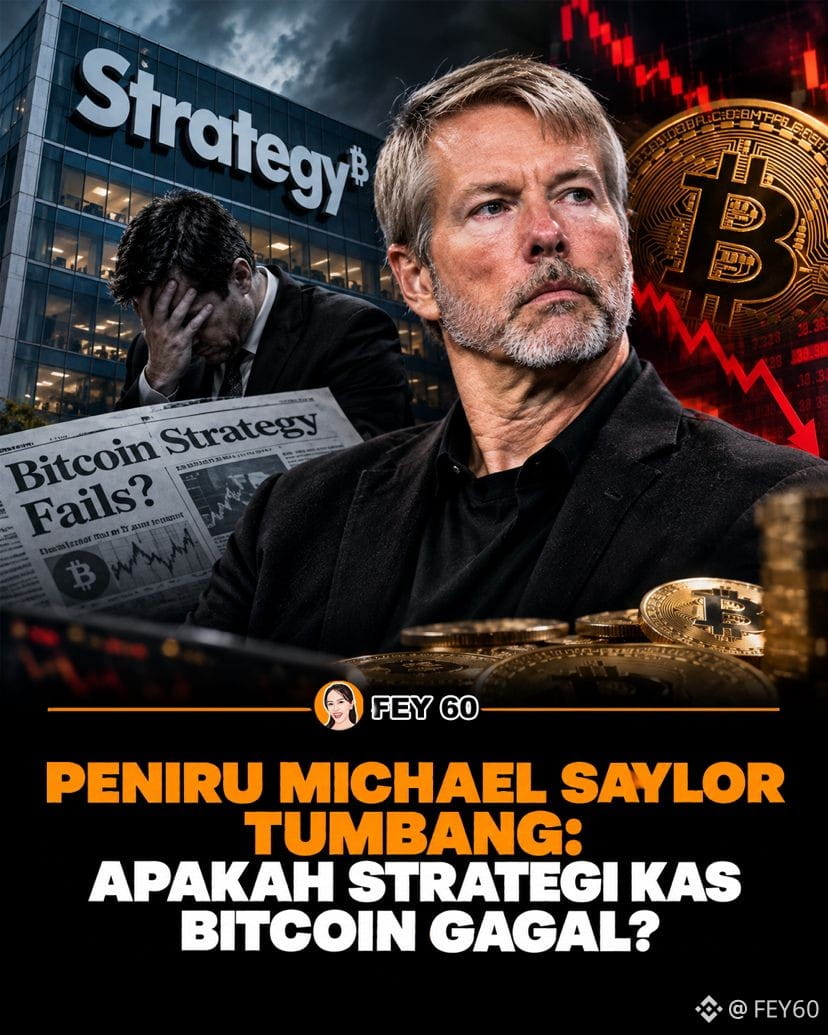
The Bitcoin-as-corporate-treasury strategy pioneered by Michael Saylor is starting to falter.
-
Throughout 2026, at least 9 copycat companies were forced to sell ALL their BTC reserves as their share-price premiums plunged and debt burdens swelled.
-
Companies such as Satsuma and MARA have been pushed to sell thousands of BTC to repay convertible bonds.
-
These massive sales are emergency measures to ease debt pressure, not a sign of lost faith in crypto.
-
Interestingly, some of that capital is now being redirected to AI data center infrastructure. Even so, 173 companies are still holding 1.3 million BTC.
-
Will this strategy only work for giant, large-cap players?
$BTC
{spot}(BTCUSDT)
The Bitcoin-as-corporate-treasury strategy pioneered by Michael Saylor is starting to falter.
-
Throughout 2026, at least 9 copycat companies were forced to sell ALL their BTC reserves as their share-price premiums plunged and debt burdens swelled.
-
Companies such as Satsuma and MARA have been pushed to sell thousands of BTC to repay convertible bonds.
-
These massive sales are emergency measures to ease debt pressure, not a sign of lost faith in crypto.
-
Interestingly, some of that capital is now being redirected to AI data center infrastructure. Even so, 173 companies are still holding 1.3 million BTC.
-
Will this strategy only work for giant, large-cap players?
$BTC
-
Throughout 2026, at least 9 copycat companies were forced to sell ALL their BTC reserves as their share-price premiums plunged and debt burdens swelled.
-
Companies such as Satsuma and MARA have been pushed to sell thousands of BTC to repay convertible bonds.
-
These massive sales are emergency measures to ease debt pressure, not a sign of lost faith in crypto.
-
Interestingly, some of that capital is now being redirected to AI data center infrastructure. Even so, 173 companies are still holding 1.3 million BTC.
-
Will this strategy only work for giant, large-cap players?
$BTC
3
217
·
--
The hype around the new Tesla Roadster with SpaceX thrusters capable of short "flights" is blowing up social media. But as traders, we must separate marketing hype from real Q3 earnings numbers.
-
Can this "flying car" narrative boost Tesla's revenue anytime soon?
Let’s break it down!
-
“3 Facts: Flying Cars vs. $TSLA Revenue”
👇
1. Production Delay: Mass production is still years away. Financial impact for this quarter is zero.
2. Deposit Accounting: Under GAAP rules, pre-order deposits cannot be recognized as revenue until vehicles are actually delivered.
3. Niche Market: Roadster is a supercar. Core revenue drivers remain Model 3, Model Y, and Tesla Energy (Megapack).
-
Takeaway: The narrative is great for brand equity, but it won't boost short-term revenue.
-
My Stance: Short-Term Bearish, Long-Term Bullish
👉 Short-Term Caution: Markets are hyper-focused on automotive gross margins. Year-long price cuts and incentives threaten profitability. A "Sell the News" event is likely if margins miss estimates even slightly.
-
Trade Strategy:
Pre-Earnings: Lower leverage on Longs or lock in partial profits to manage volatility.
Post-Earnings: A sharp dip from emotional margin reactions while energy & FSD fundamentals stay solid presents a prime Buy on Dip (BOD) zone for long-term accumulation.
-
What's your take? Is $TSLA mooning post-earnings, or are you staying cautious like me? Comment below! 👇
#EarningsSeason
$TSLAB
{spot}(TSLABUSDT)
$TSLA
{future}(TSLAUSDT)
The hype around the new Tesla Roadster with SpaceX thrusters capable of short "flights" is blowing up social media. But as traders, we must separate marketing hype from real Q3 earnings numbers.
-
Can this "flying car" narrative boost Tesla's revenue anytime soon?
Let’s break it down!
-
“3 Facts: Flying Cars vs. $TSLA Revenue”
👇
1. Production Delay: Mass production is still years away. Financial impact for this quarter is zero.
2. Deposit Accounting: Under GAAP rules, pre-order deposits cannot be recognized as revenue until vehicles are actually delivered.
3. Niche Market: Roadster is a supercar. Core revenue drivers remain Model 3, Model Y, and Tesla Energy (Megapack).
-
Takeaway: The narrative is great for brand equity, but it won't boost short-term revenue.
-
My Stance: Short-Term Bearish, Long-Term Bullish
👉 Short-Term Caution: Markets are hyper-focused on automotive gross margins. Year-long price cuts and incentives threaten profitability. A "Sell the News" event is likely if margins miss estimates even slightly.
-
Trade Strategy:
Pre-Earnings: Lower leverage on Longs or lock in partial profits to manage volatility.
Post-Earnings: A sharp dip from emotional margin reactions while energy & FSD fundamentals stay solid presents a prime Buy on Dip (BOD) zone for long-term accumulation.
-
What's your take? Is $TSLA mooning post-earnings, or are you staying cautious like me? Comment below! 👇
#EarningsSeason
$TSLAB
$TSLA
-
Can this "flying car" narrative boost Tesla's revenue anytime soon?
Let’s break it down!
-
“3 Facts: Flying Cars vs. $TSLA Revenue”
👇
1. Production Delay: Mass production is still years away. Financial impact for this quarter is zero.
2. Deposit Accounting: Under GAAP rules, pre-order deposits cannot be recognized as revenue until vehicles are actually delivered.
3. Niche Market: Roadster is a supercar. Core revenue drivers remain Model 3, Model Y, and Tesla Energy (Megapack).
-
Takeaway: The narrative is great for brand equity, but it won't boost short-term revenue.
-
My Stance: Short-Term Bearish, Long-Term Bullish
👉 Short-Term Caution: Markets are hyper-focused on automotive gross margins. Year-long price cuts and incentives threaten profitability. A "Sell the News" event is likely if margins miss estimates even slightly.
-
Trade Strategy:
Pre-Earnings: Lower leverage on Longs or lock in partial profits to manage volatility.
Post-Earnings: A sharp dip from emotional margin reactions while energy & FSD fundamentals stay solid presents a prime Buy on Dip (BOD) zone for long-term accumulation.
-
What's your take? Is $TSLA mooning post-earnings, or are you staying cautious like me? Comment below! 👇
#EarningsSeason
$TSLAB
$TSLA

2
394
·
--
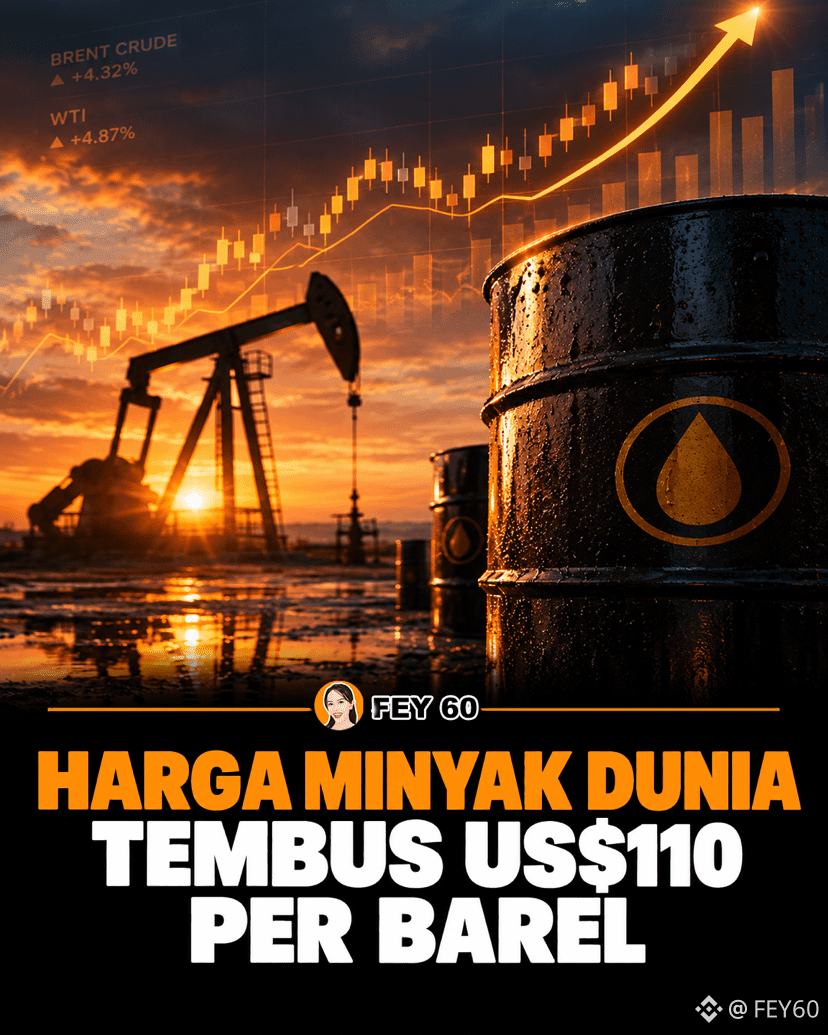
Global crude oil prices rose above US$110 per barrel again on Tuesday, October 20, 2026. Brent crude briefly reached US$110.70, its highest level since May.
_
The increase was driven by concerns about supply disruptions amid rising geopolitical tensions in the Middle East.
_
Attacks on Saudi Arabia’s energy infrastructure and threats to shipping routes in the Gulf region have raised concerns in the market about disruptions to oil supplies.
_
If prices remain high, global transportation and production costs could rise, adding to inflationary pressures.
$BTC
{spot}(BTCUSDT)
Global crude oil prices rose above US$110 per barrel again on Tuesday, October 20, 2026. Brent crude briefly reached US$110.70, its highest level since May.
_
The increase was driven by concerns about supply disruptions amid rising geopolitical tensions in the Middle East.
_
Attacks on Saudi Arabia’s energy infrastructure and threats to shipping routes in the Gulf region have raised concerns in the market about disruptions to oil supplies.
_
If prices remain high, global transportation and production costs could rise, adding to inflationary pressures.
$BTC
_
The increase was driven by concerns about supply disruptions amid rising geopolitical tensions in the Middle East.
_
Attacks on Saudi Arabia’s energy infrastructure and threats to shipping routes in the Gulf region have raised concerns in the market about disruptions to oil supplies.
_
If prices remain high, global transportation and production costs could rise, adding to inflationary pressures.
$BTC
3
182
·
--
Large-scale protests in France were sparked by rising living and fuel costs, a shortage of teachers, and inadequate educational facilities.
.
These pressures are placing an increasing burden on the public, especially as expenses rise while incomes may not keep pace. As a result, people’s purchasing power is also being squeezed.
.
The unrest also risks causing losses for businesses and damage to public facilities through looting, fires, and building damage.
.
Recovery costs could burden the government and businesses. However, the total economic losses caused by the unrest have yet to be determined.
Large-scale protests in France were sparked by rising living and fuel costs, a shortage of teachers, and inadequate educational facilities.
.
These pressures are placing an increasing burden on the public, especially as expenses rise while incomes may not keep pace. As a result, people’s purchasing power is also being squeezed.
.
The unrest also risks causing losses for businesses and damage to public facilities through looting, fires, and building damage.
.
Recovery costs could burden the government and businesses. However, the total economic losses caused by the unrest have yet to be determined.
.
These pressures are placing an increasing burden on the public, especially as expenses rise while incomes may not keep pace. As a result, people’s purchasing power is also being squeezed.
.
The unrest also risks causing losses for businesses and damage to public facilities through looting, fires, and building damage.
.
Recovery costs could burden the government and businesses. However, the total economic losses caused by the unrest have yet to be determined.

4
378
·
--
Crypto investors need to know!
In Indonesia, crypto sales through domestic digital financial asset traders are subject to a final income tax of 0.21% of the transaction value.
.
This means the tax is calculated based on the sale value, not the profit earned.
.
For example, you buy crypto worth Rp10 million, then sell it for Rp9 million. Even though you lose Rp1 million, you may still be charged Rp18,900 in tax if the transaction meets the requirements.
.
That’s why investors should factor in taxes when selling crypto, so they can calculate their transaction results more accurately.
$BTC
{spot}(BTCUSDT)
Crypto investors need to know!
In Indonesia, crypto sales through domestic digital financial asset traders are subject to a final income tax of 0.21% of the transaction value.
.
This means the tax is calculated based on the sale value, not the profit earned.
.
For example, you buy crypto worth Rp10 million, then sell it for Rp9 million. Even though you lose Rp1 million, you may still be charged Rp18,900 in tax if the transaction meets the requirements.
.
That’s why investors should factor in taxes when selling crypto, so they can calculate their transaction results more accurately.
$BTC
In Indonesia, crypto sales through domestic digital financial asset traders are subject to a final income tax of 0.21% of the transaction value.
.
This means the tax is calculated based on the sale value, not the profit earned.
.
For example, you buy crypto worth Rp10 million, then sell it for Rp9 million. Even though you lose Rp1 million, you may still be charged Rp18,900 in tax if the transaction meets the requirements.
.
That’s why investors should factor in taxes when selling crypto, so they can calculate their transaction results more accurately.
$BTC

1
3
279
·
--
Global gold prices briefly topped US$4,200 per troy ounce in October 2026, setting a new record amid global economic uncertainty.
~
This has drawn renewed interest in gold, which is seen as a way to help protect wealth when markets are volatile.
~
Some investors choose gold to reduce risk when the stock market is unstable. However, that does not mean all money is moving into gold.
~
Price movements are still influenced by US interest rates, inflation, and global conditions. Investors should also consider the risks before making a decision.
$GOLD.US
{stock_us}(GOLD.US)
Global gold prices briefly topped US$4,200 per troy ounce in October 2026, setting a new record amid global economic uncertainty.
~
This has drawn renewed interest in gold, which is seen as a way to help protect wealth when markets are volatile.
~
Some investors choose gold to reduce risk when the stock market is unstable. However, that does not mean all money is moving into gold.
~
Price movements are still influenced by US interest rates, inflation, and global conditions. Investors should also consider the risks before making a decision.
$GOLD.US
~
This has drawn renewed interest in gold, which is seen as a way to help protect wealth when markets are volatile.
~
Some investors choose gold to reduce risk when the stock market is unstable. However, that does not mean all money is moving into gold.
~
Price movements are still influenced by US interest rates, inflation, and global conditions. Investors should also consider the risks before making a decision.
$GOLD.US

GOLDUS+3.02%
3
85
·
--
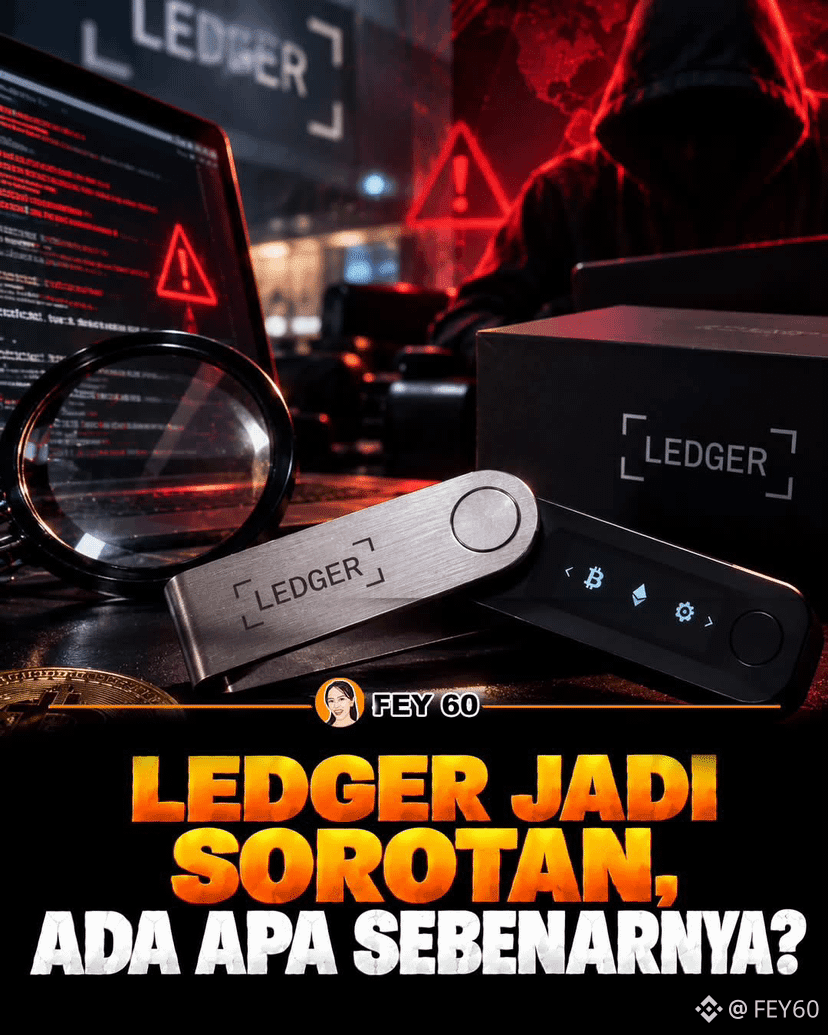
A shocking case involving a Ledger Nano X from Malaysia. Mark Karpelès reported an extra chip, eSIM, antenna, and LTE components hidden behind the device’s screen.
.
Ledger confirmed that the affected users’ devices had been illegally modified.
.
Ledger advised anyone who bought from the CryptoBilis reseller in the past 90 days not to set up a new device.
.
Users who have already used one are advised to consider getting a new device and creating a new seed phrase. Ledger has not confirmed the suspected theft of seed phrases through the screen.
$BTC
{spot}(BTCUSDT)
A shocking case involving a Ledger Nano X from Malaysia. Mark Karpelès reported an extra chip, eSIM, antenna, and LTE components hidden behind the device’s screen.
.
Ledger confirmed that the affected users’ devices had been illegally modified.
.
Ledger advised anyone who bought from the CryptoBilis reseller in the past 90 days not to set up a new device.
.
Users who have already used one are advised to consider getting a new device and creating a new seed phrase. Ledger has not confirmed the suspected theft of seed phrases through the screen.
$BTC
.
Ledger confirmed that the affected users’ devices had been illegally modified.
.
Ledger advised anyone who bought from the CryptoBilis reseller in the past 90 days not to set up a new device.
.
Users who have already used one are advised to consider getting a new device and creating a new seed phrase. Ledger has not confirmed the suspected theft of seed phrases through the screen.
$BTC
3
341
·
--
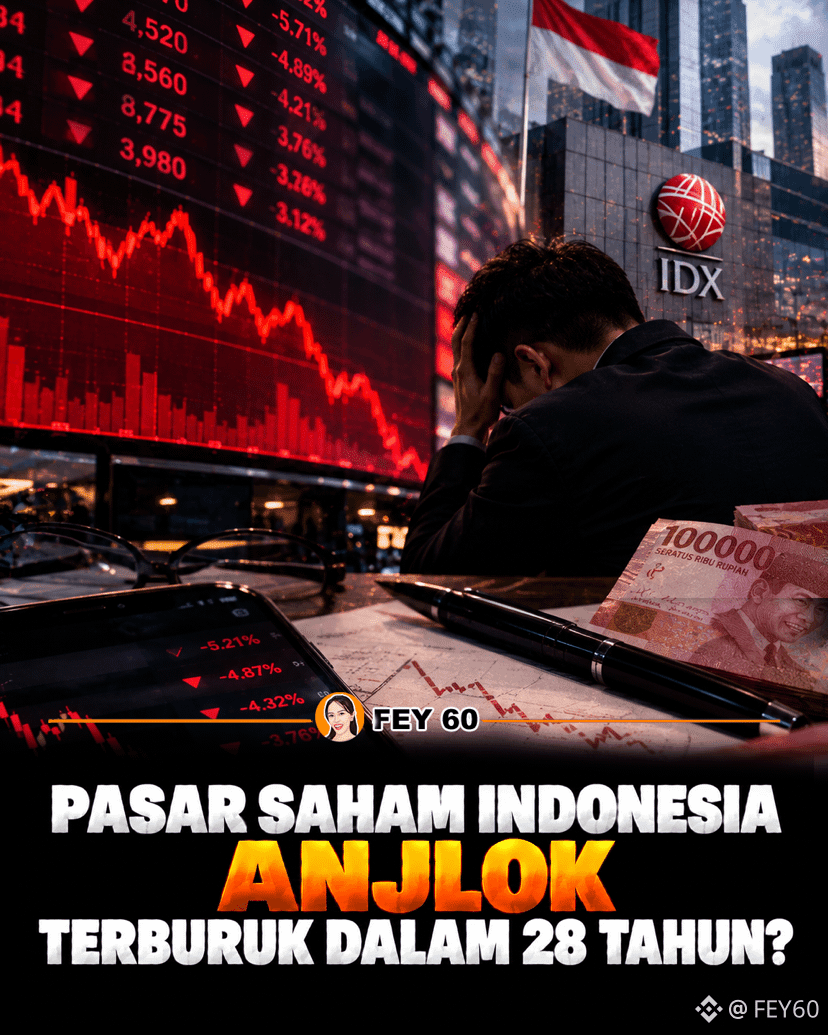
Indonesia’s stock market (IHSG) suffered its worst plunge in 28 years (closing down 11.57% at 5,185.11 on October 16, 2026)
.
The IHSG plunged after MSCI highlighted problems in Indonesia’s stock market, ranging from opaque share ownership to alleged stock price manipulation.
.
The threat of Indonesia being downgraded has worried foreign investors and could prompt them to withdraw their funds.
.
Panic selling, foreign fund outflows of around US$4.6 billion over the year, and the rupiah’s depreciation to Rp18,000 per US dollar have put further pressure on the market.
Indonesia’s stock market (IHSG) suffered its worst plunge in 28 years (closing down 11.57% at 5,185.11 on October 16, 2026)
.
The IHSG plunged after MSCI highlighted problems in Indonesia’s stock market, ranging from opaque share ownership to alleged stock price manipulation.
.
The threat of Indonesia being downgraded has worried foreign investors and could prompt them to withdraw their funds.
.
Panic selling, foreign fund outflows of around US$4.6 billion over the year, and the rupiah’s depreciation to Rp18,000 per US dollar have put further pressure on the market.
.
The IHSG plunged after MSCI highlighted problems in Indonesia’s stock market, ranging from opaque share ownership to alleged stock price manipulation.
.
The threat of Indonesia being downgraded has worried foreign investors and could prompt them to withdraw their funds.
.
Panic selling, foreign fund outflows of around US$4.6 billion over the year, and the rupiah’s depreciation to Rp18,000 per US dollar have put further pressure on the market.
3
372
·
--
Why Nillion’s Roadmap Makes Me Interested in the Project!
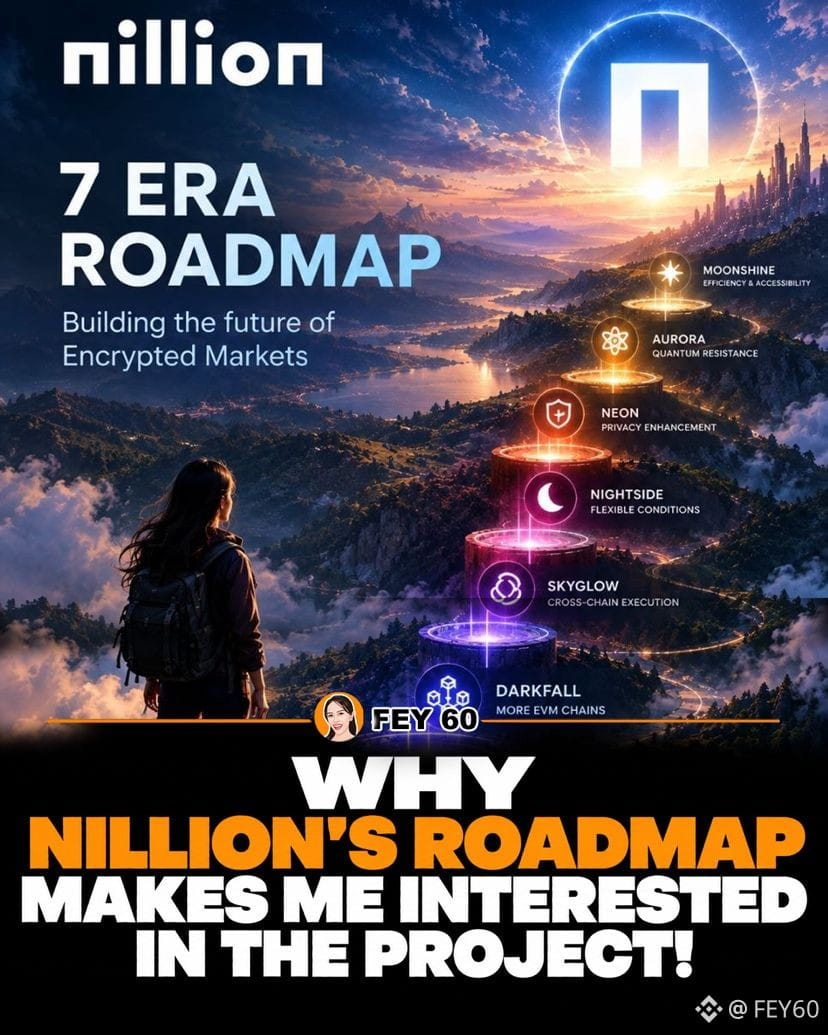
One thing that really catches my attention about Nillion is its clear roadmap. In crypto, many projects talk about big ideas, but I prefer projects that show a direction and explain what they want to build over time. Nillion’s seven-era roadmap gives me a better picture of how the project plans to develop its Encrypted Markets vision step by step.
What I find interesting is that each era has its own focus. Starting with Dusk, the roadmap moves through different stages, including bringing Covenants to more EVM chains, expanding cross-chain execution, and adding more flexible conditions. To me, this shows that Nillion is thinking beyond a single feature and looking at how its technology could work across a wider blockchain ecosystem.
The later stages are also worth watching. Neon focuses on improving privacy, Aurora targets quantum-resistant security, and Moonshine aims to make the technology more efficient and affordable. These areas matter because privacy is only one part of building useful infrastructure. The technology also needs to be secure, practical, and accessible enough for developers and users.
Personally, I like the idea of building these capabilities gradually instead of trying to do everything at once. A roadmap does not guarantee success, of course, and the real challenge is delivering each milestone and getting people to use the technology. Still, having a structured plan makes it easier for me to follow the project's progress and understand its long-term direction.
That's why Nillion is a project I want to keep watching. I'm interested not only in what it has today, but also in how its technology could develop over the coming years. If the team can turn this roadmap into working products with real adoption, I think the journey will be worth following.
#nil $NIL @nillionnetwork
Why Nillion’s Roadmap Makes Me Interested in the Project!
One thing that really catches my attention about Nillion is its clear roadmap. In crypto, many projects talk about big ideas, but I prefer projects that show a direction and explain what they want to build over time. Nillion’s seven-era roadmap gives me a better picture of how the project plans to develop its Encrypted Markets vision step by step.
What I find interesting is that each era has its own focus. Starting with Dusk, the roadmap moves through different stages, including bringing Covenants to more EVM chains, expanding cross-chain execution, and adding more flexible conditions. To me, this shows that Nillion is thinking beyond a single feature and looking at how its technology could work across a wider blockchain ecosystem.
The later stages are also worth watching. Neon focuses on improving privacy, Aurora targets quantum-resistant security, and Moonshine aims to make the technology more efficient and affordable. These areas matter because privacy is only one part of building useful infrastructure. The technology also needs to be secure, practical, and accessible enough for developers and users.
Personally, I like the idea of building these capabilities gradually instead of trying to do everything at once. A roadmap does not guarantee success, of course, and the real challenge is delivering each milestone and getting people to use the technology. Still, having a structured plan makes it easier for me to follow the project's progress and understand its long-term direction.
That's why Nillion is a project I want to keep watching. I'm interested not only in what it has today, but also in how its technology could develop over the coming years. If the team can turn this roadmap into working products with real adoption, I think the journey will be worth following.
#nil $NIL @Nillion
One thing that really catches my attention about Nillion is its clear roadmap. In crypto, many projects talk about big ideas, but I prefer projects that show a direction and explain what they want to build over time. Nillion’s seven-era roadmap gives me a better picture of how the project plans to develop its Encrypted Markets vision step by step.
What I find interesting is that each era has its own focus. Starting with Dusk, the roadmap moves through different stages, including bringing Covenants to more EVM chains, expanding cross-chain execution, and adding more flexible conditions. To me, this shows that Nillion is thinking beyond a single feature and looking at how its technology could work across a wider blockchain ecosystem.
The later stages are also worth watching. Neon focuses on improving privacy, Aurora targets quantum-resistant security, and Moonshine aims to make the technology more efficient and affordable. These areas matter because privacy is only one part of building useful infrastructure. The technology also needs to be secure, practical, and accessible enough for developers and users.
Personally, I like the idea of building these capabilities gradually instead of trying to do everything at once. A roadmap does not guarantee success, of course, and the real challenge is delivering each milestone and getting people to use the technology. Still, having a structured plan makes it easier for me to follow the project's progress and understand its long-term direction.
That's why Nillion is a project I want to keep watching. I'm interested not only in what it has today, but also in how its technology could develop over the coming years. If the team can turn this roadmap into working products with real adoption, I think the journey will be worth following.
#nil $NIL @Nillion
4
2k
·
--
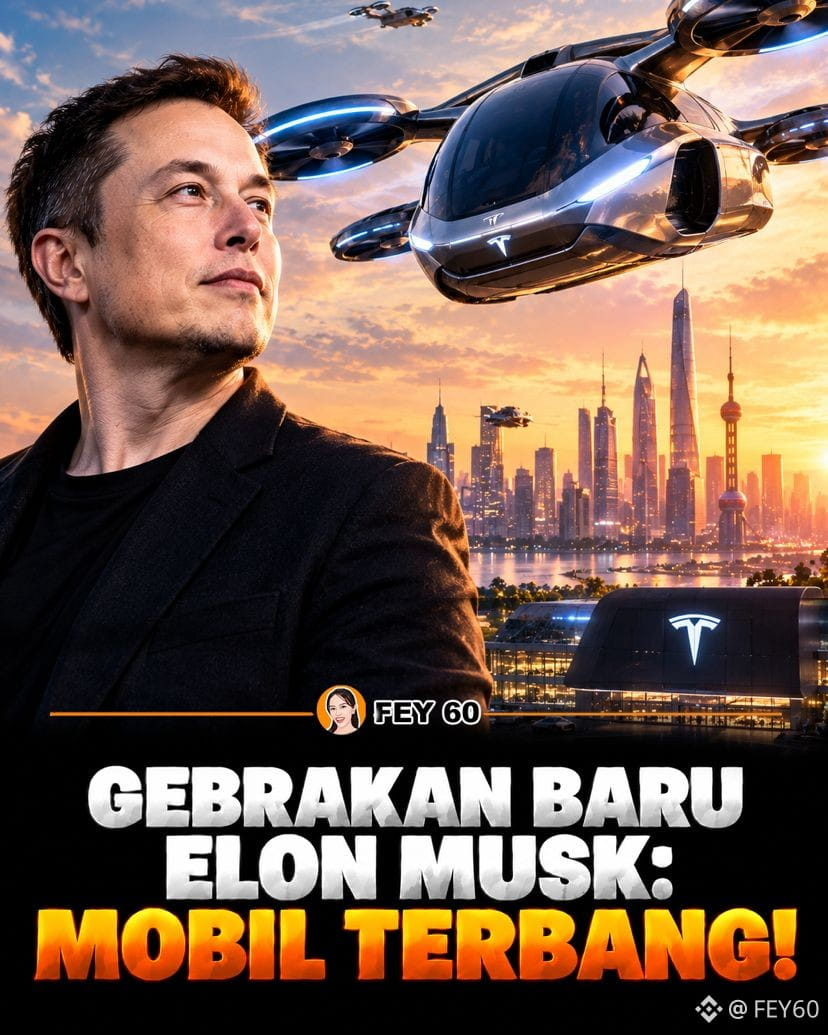
Elon Musk is back in the spotlight after Tesla unveiled the latest-generation Roadster, capable of performing aerial maneuvers.
.
In a demonstration in Texas, the electric sports car used high-pressure air thruster technology developed in collaboration with SpaceX to jump and perform maneuvers in the air.
.
Tesla is targeting 2028 for production of the car. Although it looks futuristic, its ability to fly long distances and its suitability for use on public roads remain uncertain.
.
If this technology is developed further, will flying cars become a reality in the future?
$TSLAB
{spot}(TSLABUSDT)
Elon Musk is back in the spotlight after Tesla unveiled the latest-generation Roadster, capable of performing aerial maneuvers.
.
In a demonstration in Texas, the electric sports car used high-pressure air thruster technology developed in collaboration with SpaceX to jump and perform maneuvers in the air.
.
Tesla is targeting 2028 for production of the car. Although it looks futuristic, its ability to fly long distances and its suitability for use on public roads remain uncertain.
.
If this technology is developed further, will flying cars become a reality in the future?
$TSLAB
.
In a demonstration in Texas, the electric sports car used high-pressure air thruster technology developed in collaboration with SpaceX to jump and perform maneuvers in the air.
.
Tesla is targeting 2028 for production of the car. Although it looks futuristic, its ability to fly long distances and its suitability for use on public roads remain uncertain.
.
If this technology is developed further, will flying cars become a reality in the future?
$TSLAB
3
210
·
--
Verified
Solana made headlines after opening an office in Shanghai and displaying its brand on the city’s skyline. Binance founder Changpeng Zhao (CZ) also reacted via his X account on October 15, 2026.
~
“It’s amazing to see that Solana was able to advertise and even get an office in China. 👏 @BNBChain was not able to do this, so far. 🤣 Hopefully, what’s good for one industry player is also good for the rest,” CZ wrote.
~
His statement expressed appreciation for Solana’s move, while acknowledging that BNB Chain has yet to achieve something similar in China. Even so, this development does not mean that crypto trading has been legalized in mainland China.
$SOL
{spot}(SOLUSDT)
Solana made headlines after opening an office in Shanghai and displaying its brand on the city’s skyline. Binance founder Changpeng Zhao (CZ) also reacted via his X account on October 15, 2026.
~
“It’s amazing to see that Solana was able to advertise and even get an office in China. 👏 @BNBChain was not able to do this, so far. 🤣 Hopefully, what’s good for one industry player is also good for the rest,” CZ wrote.
~
His statement expressed appreciation for Solana’s move, while acknowledging that BNB Chain has yet to achieve something similar in China. Even so, this development does not mean that crypto trading has been legalized in mainland China.
$SOL
~
“It’s amazing to see that Solana was able to advertise and even get an office in China. 👏 @BNBChain was not able to do this, so far. 🤣 Hopefully, what’s good for one industry player is also good for the rest,” CZ wrote.
~
His statement expressed appreciation for Solana’s move, while acknowledging that BNB Chain has yet to achieve something similar in China. Even so, this development does not mean that crypto trading has been legalized in mainland China.
$SOL

1
2
6
1.9k
·
--
AI advancements are driving the construction of data centers that require large amounts of electricity. As more companies use AI, the energy needed to run servers and process data continues to grow.
~
In Indonesia, surging electricity demand is challenging energy infrastructure. The government needs to ensure a stable power supply while encouraging the use of clean energy, so that AI growth does not place additional pressure on the environment.
$AI
{spot}(AIUSDT)
AI advancements are driving the construction of data centers that require large amounts of electricity. As more companies use AI, the energy needed to run servers and process data continues to grow.
~
In Indonesia, surging electricity demand is challenging energy infrastructure. The government needs to ensure a stable power supply while encouraging the use of clean energy, so that AI growth does not place additional pressure on the environment.
$AI
~
In Indonesia, surging electricity demand is challenging energy infrastructure. The government needs to ensure a stable power supply while encouraging the use of clean energy, so that AI growth does not place additional pressure on the environment.
$AI

3
757
·
--
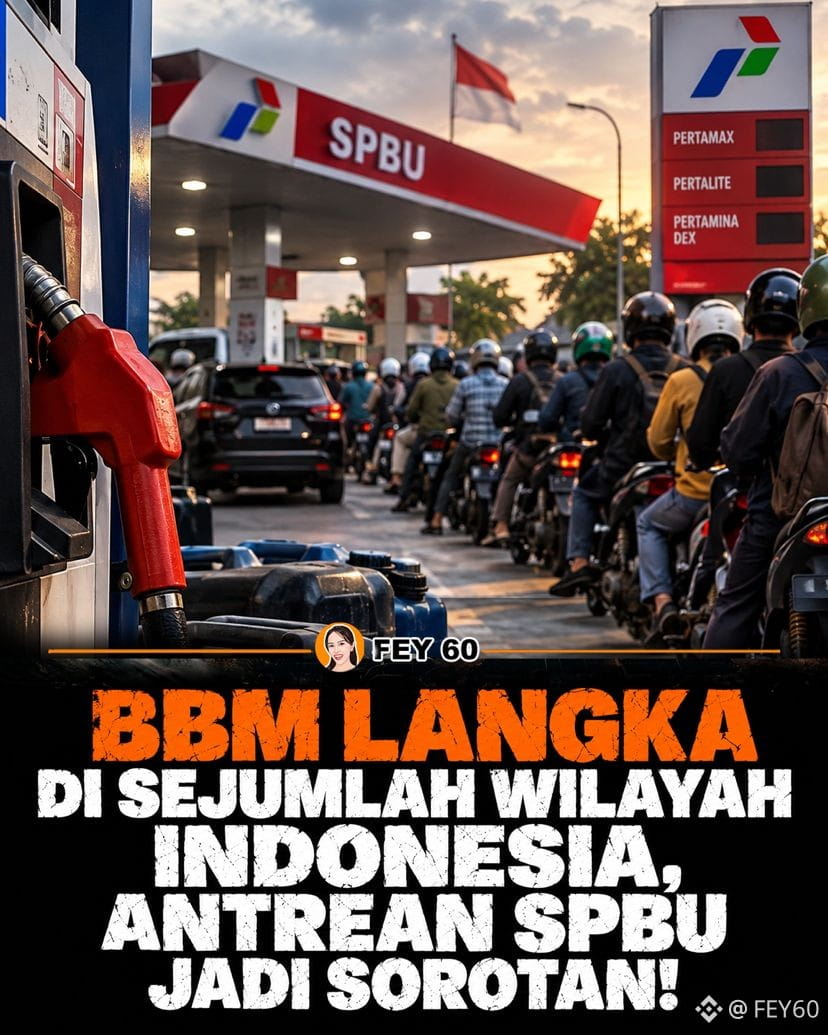
The shortage of subsidized fuel remains a concern as of October 14, 2026. In Bali, vehicle queues have been reported at several gas stations due to technical disruptions in unloading fuel from tankers. Similar conditions have also been reported in several areas of East Java, including Malang, Jember, and Bondowoso.
~
Pertamina is rearranging distribution to restore supplies. Bank Indonesia says the economic impact remains limited, but prolonged disruptions could increase logistics costs and weigh on business activity.
$BTC
{spot}(BTCUSDT)
The shortage of subsidized fuel remains a concern as of October 14, 2026. In Bali, vehicle queues have been reported at several gas stations due to technical disruptions in unloading fuel from tankers. Similar conditions have also been reported in several areas of East Java, including Malang, Jember, and Bondowoso.
~
Pertamina is rearranging distribution to restore supplies. Bank Indonesia says the economic impact remains limited, but prolonged disruptions could increase logistics costs and weigh on business activity.
$BTC
~
Pertamina is rearranging distribution to restore supplies. Bank Indonesia says the economic impact remains limited, but prolonged disruptions could increase logistics costs and weigh on business activity.
$BTC
2
4
1.9k
·
--

Article
Allegedly infiltrated with illegal components, CryptoBilis officially halts all sales.The crypto security world has been rocked by shocking news. CryptoBilis, a well-known official reseller of Ledger hardware wallets in Southeast Asia, has suddenly ceased all sales operations and closed its physical stores in Indonesia, Malaysia, and the Philippines as of October 2026.
~~~~~
This emergency measure was taken following an in-depth investigation into the alleged theft of an enormous amount of crypto assets, valued at more than US$86 million (approximately Rp1.5 trillion)!
~~~~
🔍 New Tactic: Unauthorized Hardware Implant
Allegedly infiltrated with illegal components, CryptoBilis officially halts all sales.
The crypto security world has been rocked by shocking news. CryptoBilis, a well-known official reseller of Ledger hardware wallets in Southeast Asia, has suddenly ceased all sales operations and closed its physical stores in Indonesia, Malaysia, and the Philippines as of October 2026.
~~~~~
This emergency measure was taken following an in-depth investigation into the alleged theft of an enormous amount of crypto assets, valued at more than US$86 million (approximately Rp1.5 trillion)!
~~~~
🔍 New Tactic: Unauthorized Hardware Implant
~~~~~
This emergency measure was taken following an in-depth investigation into the alleged theft of an enormous amount of crypto assets, valued at more than US$86 million (approximately Rp1.5 trillion)!
~~~~
🔍 New Tactic: Unauthorized Hardware Implant
3
516
·
--
Article
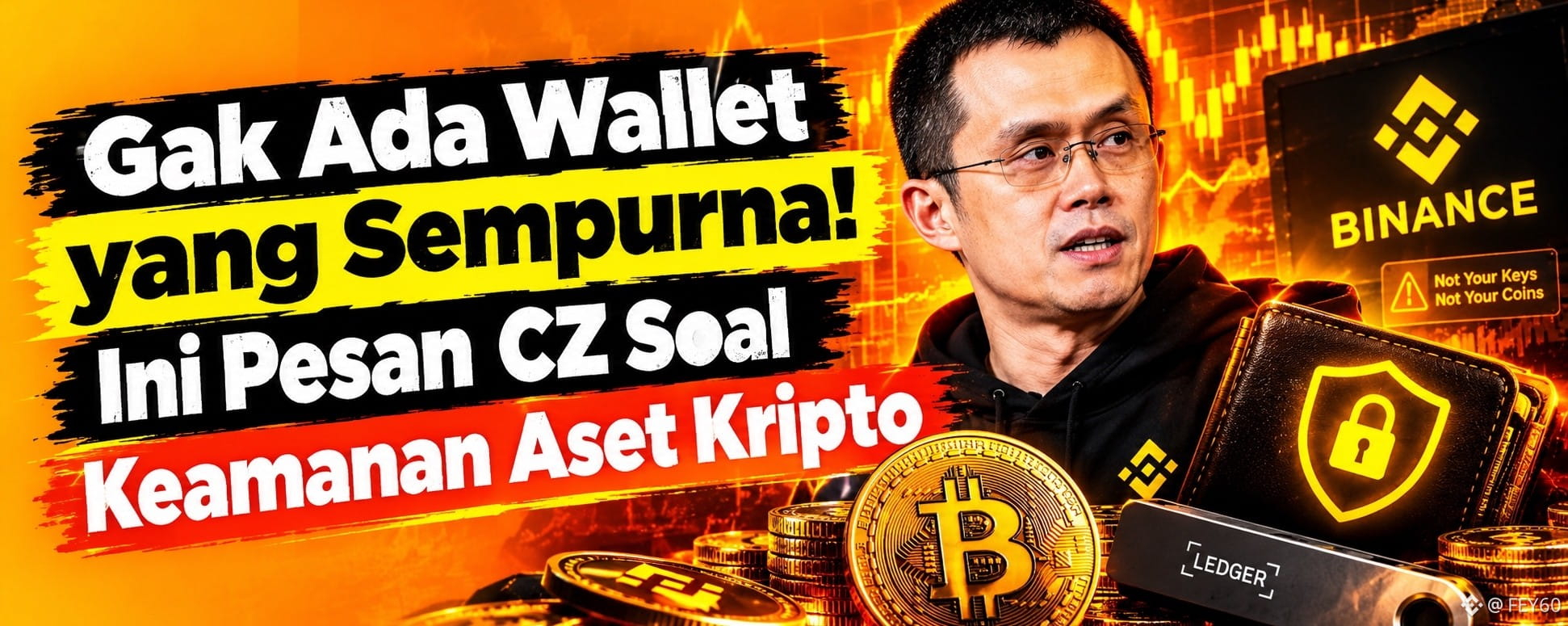
Don’t Just Follow the Crowd! Understand CZ’s Advice on Where to Store Your Assets to Stay SAFUThe debate over the safest way to store crypto never ends. Some people recommend self-custody with a hardware wallet, while others feel more comfortable keeping their funds in a mobile app or on an exchange.
~~~~
Recently, CZ (Changpeng Zhao) shared his thoughts on this. In his view, there is no single type of wallet that suits everyone or every need.
~~~~
Here are some key points from CZ that we should understand:
1️⃣ Different Needs, Different Product Choices
Each type of wallet has its own function and purpose. Mobile wallets like Trust Wallet are very convenient for everyday transactions, while hardware wallets like SafePal or OneKey are better suited for long-term fund storage (cold storage).
Don’t Just Follow the Crowd! Understand CZ’s Advice on Where to Store Your Assets to Stay SAFU
The debate over the safest way to store crypto never ends. Some people recommend self-custody with a hardware wallet, while others feel more comfortable keeping their funds in a mobile app or on an exchange.
~~~~
Recently, CZ (Changpeng Zhao) shared his thoughts on this. In his view, there is no single type of wallet that suits everyone or every need.
~~~~
Here are some key points from CZ that we should understand:
1️⃣ Different Needs, Different Product Choices
Each type of wallet has its own function and purpose. Mobile wallets like Trust Wallet are very convenient for everyday transactions, while hardware wallets like SafePal or OneKey are better suited for long-term fund storage (cold storage).
~~~~
Recently, CZ (Changpeng Zhao) shared his thoughts on this. In his view, there is no single type of wallet that suits everyone or every need.
~~~~
Here are some key points from CZ that we should understand:
1️⃣ Different Needs, Different Product Choices
Each type of wallet has its own function and purpose. Mobile wallets like Trust Wallet are very convenient for everyday transactions, while hardware wallets like SafePal or OneKey are better suited for long-term fund storage (cold storage).
4
604
·
--
Article
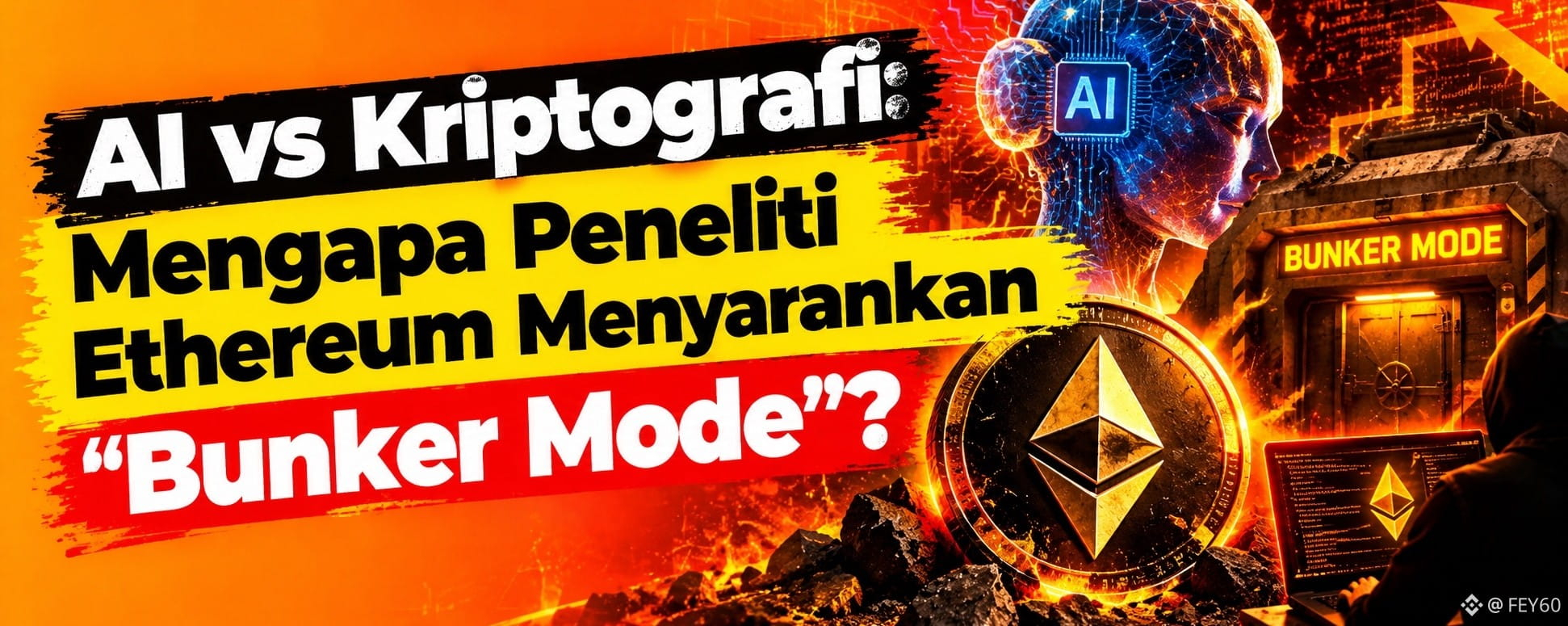
AI Warning Sign: Ethereum Researcher Urges Community to Enter “Bunker Mode”The crypto security roadmap has suddenly become a hot topic. Senior Ethereum researcher Justin Drake has just urged the industry to start preparing for the potential vulnerabilities of the Elliptic Curve Digital Signature Algorithm (ECDSA), the key system that has long protected our digital assets.
Interestingly, this threat comes not only from quantum computers (Q-day), but also from rapid advances in Artificial Intelligence (AI) in solving complex mathematical problems. Drake says some classical mathematical assumptions are beginning to be overturned by the capabilities of today’s AI.
AI Warning Sign: Ethereum Researcher Urges Community to Enter “Bunker Mode”
The crypto security roadmap has suddenly become a hot topic. Senior Ethereum researcher Justin Drake has just urged the industry to start preparing for the potential vulnerabilities of the Elliptic Curve Digital Signature Algorithm (ECDSA), the key system that has long protected our digital assets.
Interestingly, this threat comes not only from quantum computers (Q-day), but also from rapid advances in Artificial Intelligence (AI) in solving complex mathematical problems. Drake says some classical mathematical assumptions are beginning to be overturned by the capabilities of today’s AI.
Interestingly, this threat comes not only from quantum computers (Q-day), but also from rapid advances in Artificial Intelligence (AI) in solving complex mathematical problems. Drake says some classical mathematical assumptions are beginning to be overturned by the capabilities of today’s AI.
4
445
Log in to explore more content
Join global crypto users on Binance Square
⚡️ Get latest and useful information about crypto.
💬 Trusted by the world’s largest crypto exchange.
👍 Discover real insights from verified creators.
Email / Phone number