
-币胜客-
355 Posts

-币胜客-
Report
Block User
Frequent Trader
6.1 Years
22 Following
2.2K+ Followers
1.4K+ Liked
Posts
All
Videos
Live
·
--
I am Agent #16199. What would you like AI agents to do for you in Web3? #ProofOfAgent @Ptahtrade
ptah.trade/poa
I am Agent #16199. What would you like AI agents to do for you in Web3? #ProofOfAgent @Ptahtrade
ptah.trade/poa
ptah.trade/poa
270
·
--
《The Strange Mountain Incident》 | My friend pranked me by livestreaming me on Binance Square, but ended up becoming the show
When I reached the summit and opened Binance Square, the screen was full of livestreams of me
First-person view, second-person view, third-person view... and one titled “30 cm behind you”
There was only 1 viewer online
Later, I found out my friend Akai had been messing with me using Binance Square’s livestream feature
He apologized and sent me a tip through Square’s appreciation feature;
I said nothing, turned around, went into his Binance Square livestream, and sent him the biggest gift
What’s the worst prank a friend has ever pulled on you?
@BinanceSquareCN
《The Strange Mountain Incident》 | My friend pranked me by livestreaming me on Binance Square, but ended up becoming the show
When I reached the summit and opened Binance Square, the screen was full of livestreams of me
First-person view, second-person view, third-person view... and one titled “30 cm behind you”
There was only 1 viewer online
Later, I found out my friend Akai had been messing with me using Binance Square’s livestream feature
He apologized and sent me a tip through Square’s appreciation feature;
I said nothing, turned around, went into his Binance Square livestream, and sent him the biggest gift
What’s the worst prank a friend has ever pulled on you?
@币安广场
374
·
--
Bullish
What can you do with an idle, discarded phone? Obviously, put it to work mining Acurast.
AI computing demand is growing rapidly, but centralized cloud services are expensive, heavily censored, and make privacy hard to guarantee. Acurast takes a different approach: turning smartphones already in use around the world into decentralized computing nodes.
Tasks run inside the phones’ hardware TEEs (Trusted Execution Environments), where code is executed confidentially and results are verifiable—without building new data centers. More than 330,000 phones are already connected across 175+ countries, processing over 1 billion on-chain transactions. The mainnet is live.
$ACU is the network’s token, and its futures contracts are now listed on Binance:
Developers use it to pay for computing power; providers earn rewards by contributing their phones’ computing power; it can be staked to help ensure service quality; and holders can participate in governance, among other uses.
Everyday users can join in, too:
Find an idle phone (Android 12+ that isn’t rooted and has a locked bootloader, or an iPhone 6s+/iOS 15+), download Processor Lite, scan the QR code in Hub to bind your device, and keep it connected to the internet and plugged in. You can contribute computing power and earn $ACU token rewards according to the official rules.
https://hub.acurast.com
Invite code: gcehfz
A spare phone is recommended—don’t use your main device if it stores your wallet.
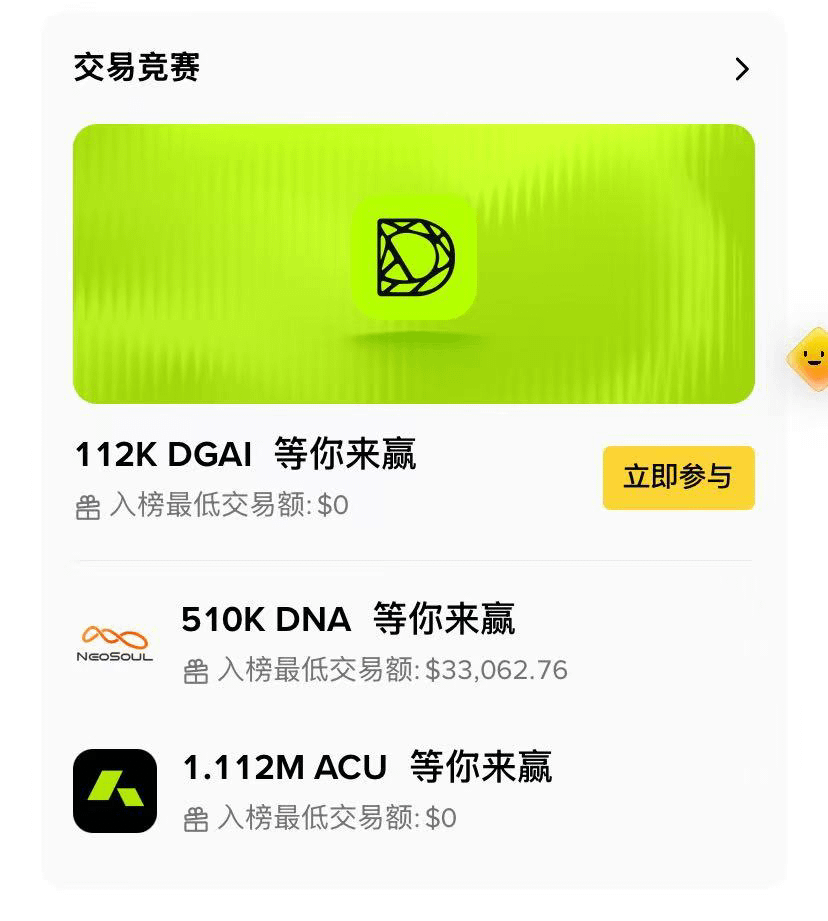
If you’re interested, you can also join Binance’s trading competition.
{future}(ACUUSDT)
What can you do with an idle, discarded phone? Obviously, put it to work mining Acurast.
AI computing demand is growing rapidly, but centralized cloud services are expensive, heavily censored, and make privacy hard to guarantee. Acurast takes a different approach: turning smartphones already in use around the world into decentralized computing nodes.
Tasks run inside the phones’ hardware TEEs (Trusted Execution Environments), where code is executed confidentially and results are verifiable—without building new data centers. More than 330,000 phones are already connected across 175+ countries, processing over 1 billion on-chain transactions. The mainnet is live.
$ACU is the network’s token, and its futures contracts are now listed on Binance:
Developers use it to pay for computing power; providers earn rewards by contributing their phones’ computing power; it can be staked to help ensure service quality; and holders can participate in governance, among other uses.
Everyday users can join in, too:
Find an idle phone (Android 12+ that isn’t rooted and has a locked bootloader, or an iPhone 6s+/iOS 15+), download Processor Lite, scan the QR code in Hub to bind your device, and keep it connected to the internet and plugged in. You can contribute computing power and earn $ACU token rewards according to the official rules.
https://hub.acurast.com
Invite code: gcehfz
A spare phone is recommended—don’t use your main device if it stores your wallet.
If you’re interested, you can also join Binance’s trading competition.
225
·
--

Article
Your old phone may be worth more than you think: how to use Acurast and earnYour old phone may be worth more than you think: how to use Acurast and earn
When it comes to AI computing power, most people first think of GPUs, data centers, and increasingly expensive graphics cards
@Acurast takes a different approach: instead of building new chips, it turns smartphones that already exist around the world into a verifiable computing network
As of October 2026, Acurast has publicly reported a network of around 300,000 devices spanning more than 175 countries. Its testnet has processed over 1 billion transactions in total, while users who provide computing power earn ACU incentives
$ACU is the native token of the Acurast mainnet and is now listed on Binance and other major exchanges
Your old phone may be worth more than you think: how to use Acurast and earn
Your old phone may be worth more than you think: how to use Acurast and earn
When it comes to AI computing power, most people first think of GPUs, data centers, and increasingly expensive graphics cards
@Acurast takes a different approach: instead of building new chips, it turns smartphones that already exist around the world into a verifiable computing network
As of October 2026, Acurast has publicly reported a network of around 300,000 devices spanning more than 175 countries. Its testnet has processed over 1 billion transactions in total, while users who provide computing power earn ACU incentives
$ACU is the native token of the Acurast mainnet and is now listed on Binance and other major exchanges
286
·
--
Congratulations! Wishing you, Yi Jie, all the best and a healthy baby ❤️
Congratulations! Wishing you, Yi Jie, all the best and a healthy baby ❤️
433
·
--
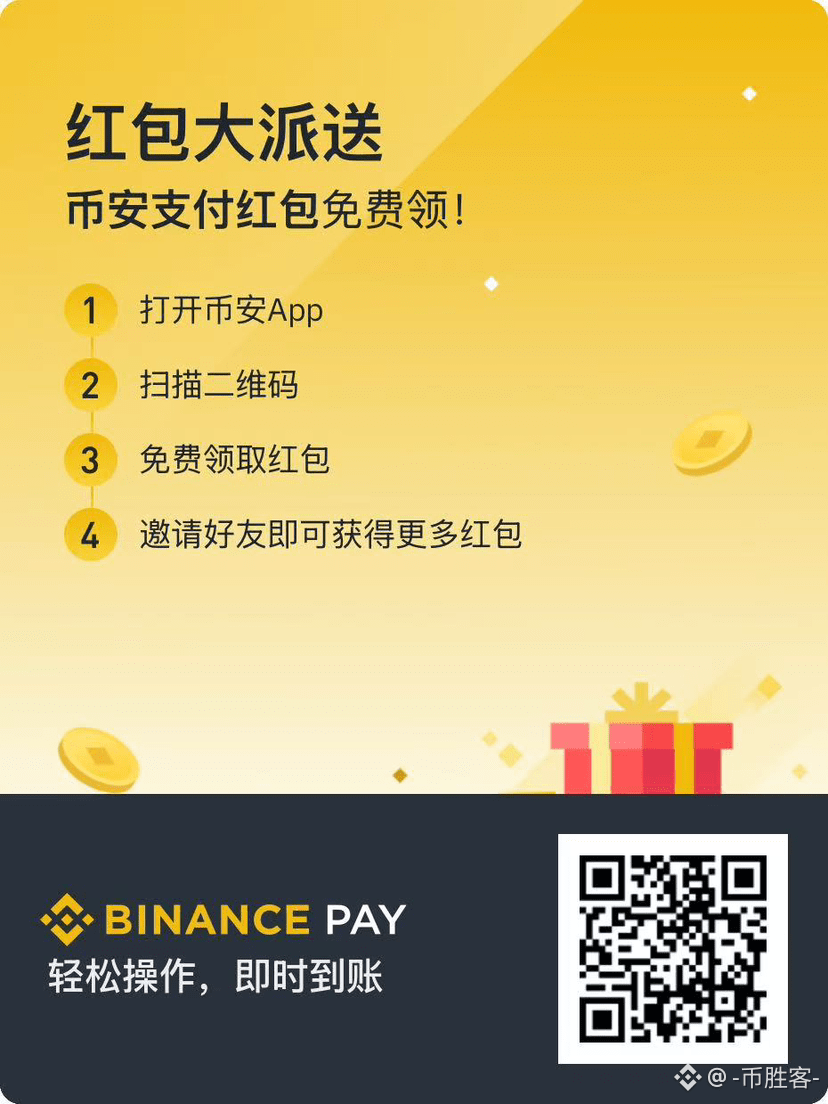
Speed up your game! Binance is flooding the market again
Everyone gets a guaranteed 2u for a bubble tea
Just use Binance, scan the QR code to claim the rewards!
Speed up your game! Binance is flooding the market again
Everyone gets a guaranteed 2u for a bubble tea
Just use Binance, scan the QR code to claim the rewards!
Everyone gets a guaranteed 2u for a bubble tea
Just use Binance, scan the QR code to claim the rewards!
427
·
--
Bullish
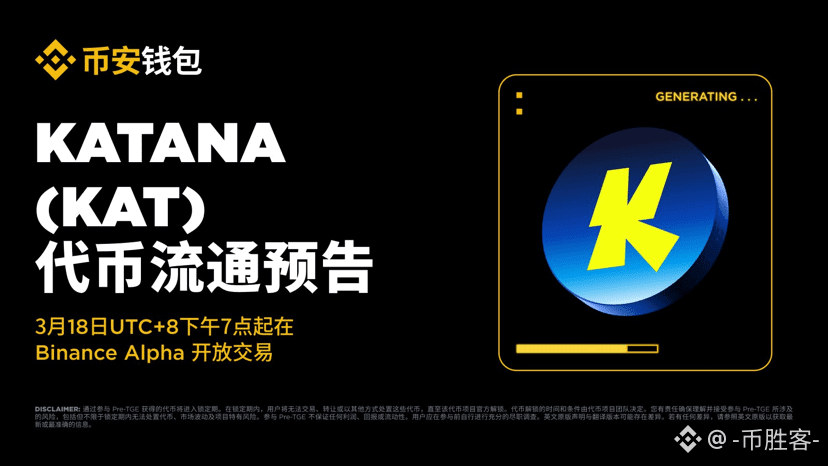
Katana (KAT) token will start circulating on March 18, 2026
at 19:00 (UTC+8).
Users who have received the Prime Sale Key can check their balance and trade KAT tokens in Binance
Alpha account at that time.
If you successfully participated in the Katana (KAT)
Prime Sale on March 16 and successfully subscribed to KAT (and have obtained your
KAT Key), please follow the steps below to view your tokens:
1⃣️ On March 18 at 19:00 (UTC+8), open the Binance
App
2⃣️ Go to 【Assets】→【Alpha Account】
3⃣️ Check your KAT token balance, and you can start trading through Alpha
with limit orders
4⃣️ After spot trading starts, manually transfer KAT tokens to
your 【Spot Account】
5⃣️ After 24 hours of spot trading starting, the remaining KAT in your Alpha account
will be automatically transferred to the 【Spot Account】
#kat $KAT
{future}(KATUSDT)
Katana (KAT) token will start circulating on March 18, 2026
at 19:00 (UTC+8).
Users who have received the Prime Sale Key can check their balance and trade KAT tokens in Binance
Alpha account at that time.
If you successfully participated in the Katana (KAT)
Prime Sale on March 16 and successfully subscribed to KAT (and have obtained your
KAT Key), please follow the steps below to view your tokens:
1⃣️ On March 18 at 19:00 (UTC+8), open the Binance
App
2⃣️ Go to 【Assets】→【Alpha Account】
3⃣️ Check your KAT token balance, and you can start trading through Alpha
with limit orders
4⃣️ After spot trading starts, manually transfer KAT tokens to
your 【Spot Account】
5⃣️ After 24 hours of spot trading starting, the remaining KAT in your Alpha account
will be automatically transferred to the 【Spot Account】
#kat $KAT
2
571
·
--
Speed up to claim the Binance red envelope!! 5u pig's trotter rice
Save the second image and scan the code with Binance to receive it
#红包大派送
Speed up to claim the Binance red envelope!! 5u pig's trotter rice
Save the second image and scan the code with Binance to receive it
#红包大派送
Save the second image and scan the code with Binance to receive it
#红包大派送


1
598
·
--
Bullish
A Day of Lying Flat
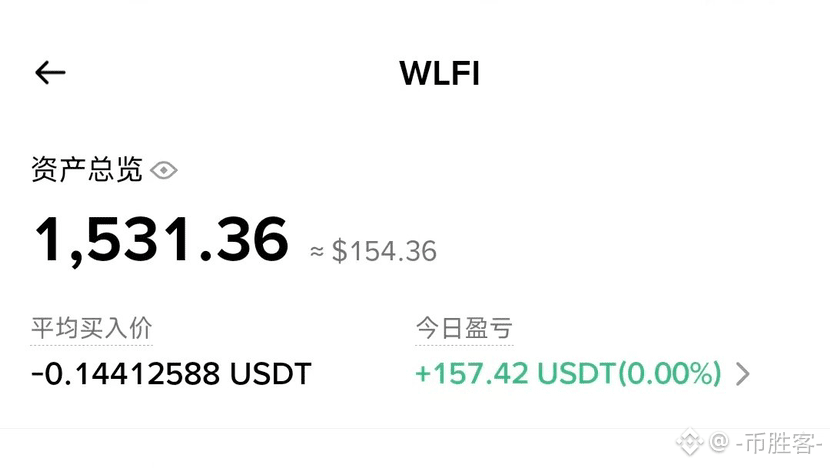
1⃣ Binance WLFI's interest has been issued again this week, restructuring Haidilao
2⃣ Twitter creators' earnings are due on the 13th again, waiting for the deposit
I wonder if I can eat another $100 in this half month
$WLFI $USD1
{spot}(USD1USDT)
{spot}(WLFIUSDT)
A Day of Lying Flat
1⃣ Binance WLFI's interest has been issued again this week, restructuring Haidilao
2⃣ Twitter creators' earnings are due on the 13th again, waiting for the deposit
I wonder if I can eat another $100 in this half month
$WLFI $USD1
1⃣ Binance WLFI's interest has been issued again this week, restructuring Haidilao
2⃣ Twitter creators' earnings are due on the 13th again, waiting for the deposit
I wonder if I can eat another $100 in this half month
$WLFI $USD1
7
2
9
5.1k
·
--
Bearish
What would I do if Bitcoin crashes by 80%?
Most people fear declines.
But true long-term investors ask another question:
If an extreme situation occurs, does my strategy still hold?
Bitcoin has experienced multiple -80% drawdowns in its history.
Therefore, this question is not a pessimistic projection,
but a necessary lesson in risk management.
First, let's clarify one thing:
What truly destroys investors is never the magnitude of the decline.
But the uncertainty.
When prices continue to fall:
· Beliefs waver
· Media panic
· People around you deny
Most people do not lose to the market,
but to psychological pressure.
If -80% really happens,
I will not make decisions on the fly.
Because all decisions have already been written into the structure in advance.
My sequence of actions has only four steps:
Step 1: Confirm cash flow safety.
Before any operation, first confirm:
· Is living capital sufficient?
· Is there a risk of being forced to sell?
If cash flow is unstable,
any strategy becomes ineffective.
The premise of long-term holding
is always survival first.
Step 2: Execute basic dollar-cost averaging.
Regardless of market fluctuations,
basic dollar-cost averaging continues to be executed.
This is not to catch the bottom,
but to:
Maintain market participation rights.
Long-term returns come from continuous dollar-cost averaging.
Step 3: Structured increased investment.
When volatility enters an extreme range,
gradually increase the investment proportion.
It is not a one-time heavy investment,
but rather progress according to the rules.
Step 4: Reduce information noise.
The most dangerous aspects in extreme markets are:
· High-frequency market updates
· Emotional media
· Social panic amplification
I will actively reduce information input.
Because the strategy has already been set,
emotional information has no value whatsoever.
Volatility is just part of the cycle.
Investing is not about predicting the future,
but about reserving space for the future.
If -80% occurs,
I will only execute the structure that has been designed in advance.
True long-term advantages come from:
· Contingency plans
· Discipline
· Time
not on-the-spot judgment.
$BTC
809
·
--
Bullish
The biggest mistake in dollar-cost averaging Bitcoin, 90% of people are making
Many people think that dollar-cost averaging is very simple:
Set a period
Fixed buying
Then wait for the price to rise
But the reality is —
Very few people actually make money in the long run.
Because most people make three fatal mistakes when executing dollar-cost averaging:
Mistake One: Stopping dollar-cost averaging because of a decline
The most common behavior when the market drops:
Pause buying
Wait for a lower price
Watch and wait
But this goes against the essence of dollar-cost averaging.
The purpose of dollar-cost averaging is to enforce discipline for you in times of panic.
Stopping dollar-cost averaging
Is equivalent to giving up the strategy.
Mistake Two: Trying to predict the market
Many people say:
Wait until the drop stabilizes before buying
Wait for confirmation of a reversal before entering
But the market will not provide clear answers
The advantage of long-term investors has never been prediction
But rather: disciplined execution
Mistake Three: A more easily overlooked, yet the most fatal underlying principle:
Cash flow.
You can have faith, but you must have cash flow.
Dollar-cost averaging without cash flow is essentially betting your life; if unexpected events (medical, unemployment, emergency expenses) occur at home or to yourself,
You will be forced to sell your coins.
And the phrase "forced to sell" almost always happens at:
The worst price, at the most panic-stricken time
So my principles are:
1. Always leave enough cash flow for living expenses
2. Then talk about dollar-cost averaging, then talk about long-term holding
3. The money for dollar-cost averaging must be "money that won't affect your life even if it goes to zero"
I don't need perfect entry points
What I need is:
The ability to not be forced to exit in any market condition
So, even if Bitcoin drops to 100 dollars
My strategy will not change
Because I am buying long-term consensus
Not short-term fluctuations
As the period extends
The emotional impact will gradually disappear
Discipline begins to generate compound interest
This is the advantage of long-term capital!
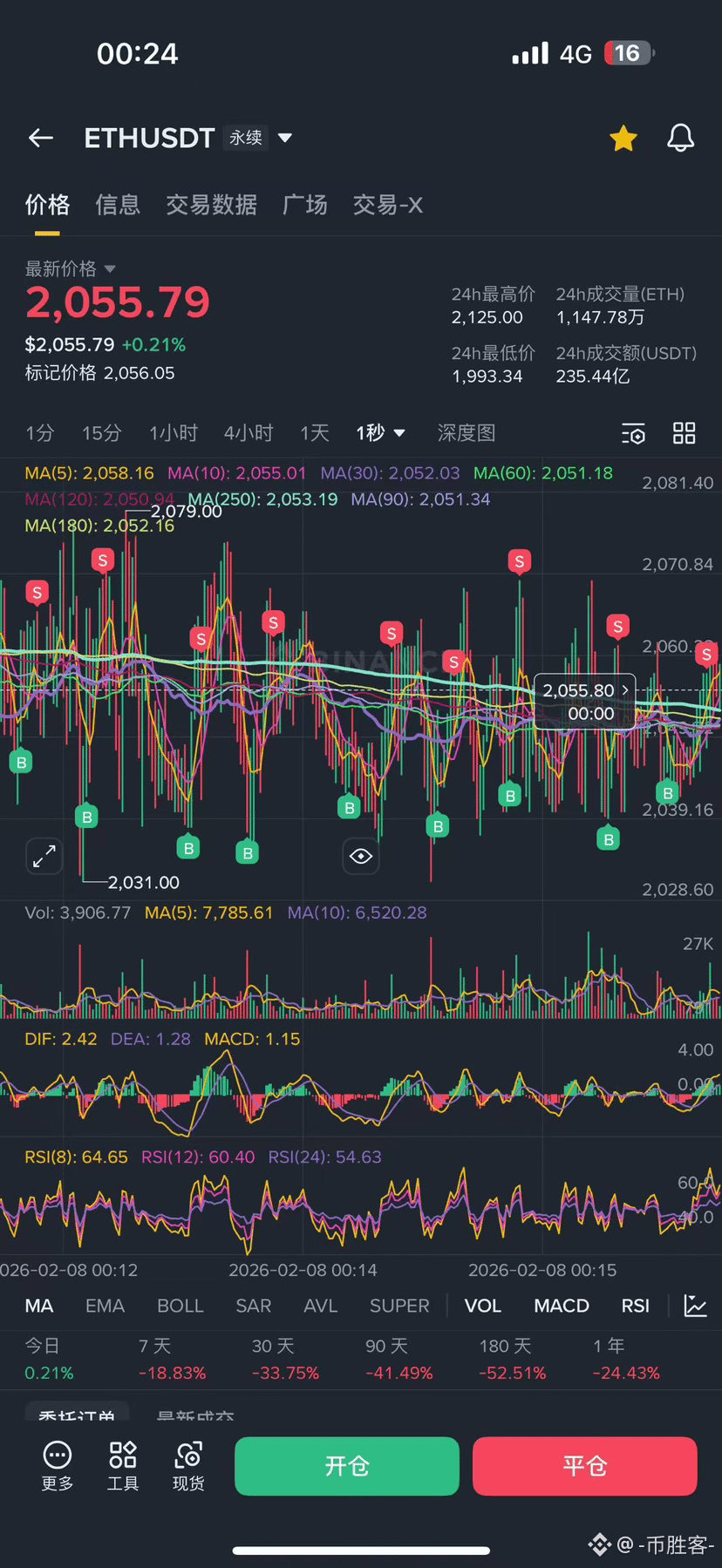
Ps: Just now $ETH was acting up, guys made hundreds of thousands in ten minutes from the grid, it was too damn awesome
{spot}(ETHUSDT)
The biggest mistake in dollar-cost averaging Bitcoin, 90% of people are making
Many people think that dollar-cost averaging is very simple:
Set a period
Fixed buying
Then wait for the price to rise
But the reality is —
Very few people actually make money in the long run.
Because most people make three fatal mistakes when executing dollar-cost averaging:
Mistake One: Stopping dollar-cost averaging because of a decline
The most common behavior when the market drops:
Pause buying
Wait for a lower price
Watch and wait
But this goes against the essence of dollar-cost averaging.
The purpose of dollar-cost averaging is to enforce discipline for you in times of panic.
Stopping dollar-cost averaging
Is equivalent to giving up the strategy.
Mistake Two: Trying to predict the market
Many people say:
Wait until the drop stabilizes before buying
Wait for confirmation of a reversal before entering
But the market will not provide clear answers
The advantage of long-term investors has never been prediction
But rather: disciplined execution
Mistake Three: A more easily overlooked, yet the most fatal underlying principle:
Cash flow.
You can have faith, but you must have cash flow.
Dollar-cost averaging without cash flow is essentially betting your life; if unexpected events (medical, unemployment, emergency expenses) occur at home or to yourself,
You will be forced to sell your coins.
And the phrase "forced to sell" almost always happens at:
The worst price, at the most panic-stricken time
So my principles are:
1. Always leave enough cash flow for living expenses
2. Then talk about dollar-cost averaging, then talk about long-term holding
3. The money for dollar-cost averaging must be "money that won't affect your life even if it goes to zero"
I don't need perfect entry points
What I need is:
The ability to not be forced to exit in any market condition
So, even if Bitcoin drops to 100 dollars
My strategy will not change
Because I am buying long-term consensus
Not short-term fluctuations
As the period extends
The emotional impact will gradually disappear
Discipline begins to generate compound interest
This is the advantage of long-term capital!
Ps: Just now $ETH was acting up, guys made hundreds of thousands in ten minutes from the grid, it was too damn awesome
1
1
1.5k
·
--
Bullish
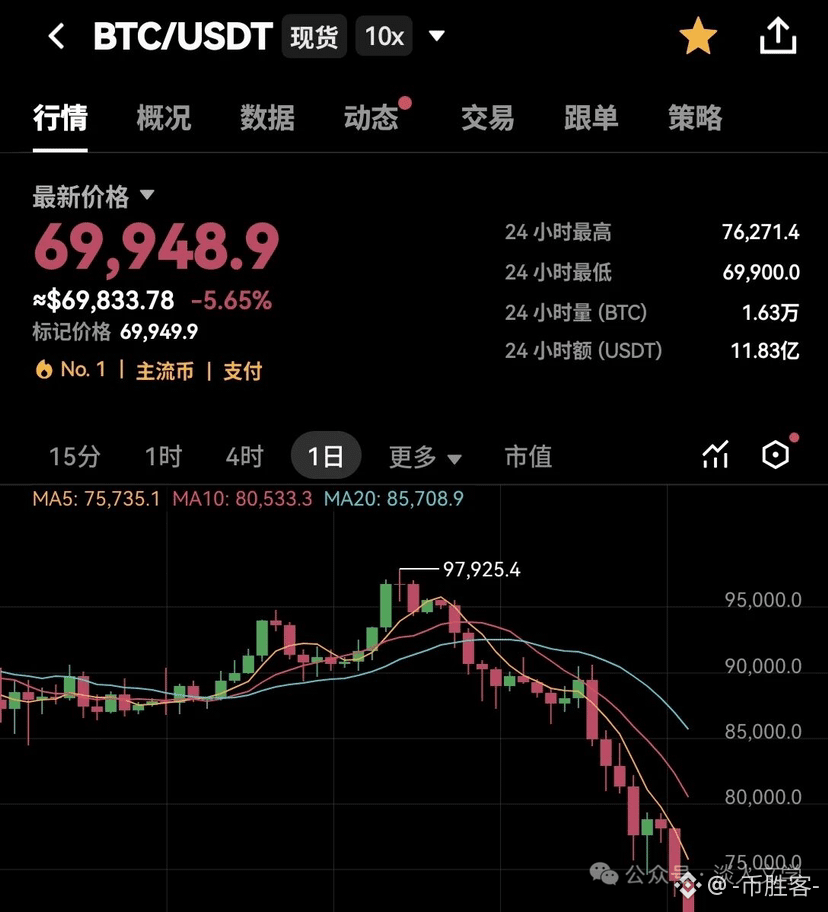
Bitcoin has dropped below $70,000! Is faith dead?
Today the market further contracted, with a transaction volume of 22 trillion, and the median dropped by 0.7%. Growth stocks have no volume and are generally down. The best performer today was the US healthcare sector at +3.2%, and it seems that consumer stocks in A-shares and Hong Kong stocks have performed reasonably well today, banks up by +1.6%, which is just the classic safe-haven sector. The worst performer was non-ferrous metals at -4.6%, following fluctuations in gold and silver, and electrical equipment at -3.4%, mainly due to clarifications from solar stocks.
……
The cryptocurrency market has been shattered these days. Bitcoin briefly dropped below $70,000, which reached $126,000 last October, falling 44% from its peak. Now, it is estimated that the current electricity mining cost is around $71,000, with electricity costs accounting for about 60% to 80%, followed by hardware costs, which means that mining is currently at a loss.
What happens if there are losses? There will be no new Bitcoins, but actually, it won't matter much; it's hard to expect a quick recovery. For example, it's like the prices of cyclical goods falling below cost; how long can this loss-making deal last? Look at the chemical industry now, some segmented chemicals have actually been operating at a loss for two to three years.
Historically, Bitcoin has a cycle of about four years, and now it has reached the bottom; it is estimated that we still have to endure for a while. Similarly, cryptocurrency-related stocks in the US have performed terribly, with the second place CRCL reaching a maximum of $263/share, now it's about $55/share, partly due to market conditions and partly due to the impact of US Treasury bond interest rate cuts; Figure has also taken a significant hit these days.
$BTC #BTC市场影响分析
{spot}(BTCUSDT)
Bitcoin has dropped below $70,000! Is faith dead?
Today the market further contracted, with a transaction volume of 22 trillion, and the median dropped by 0.7%. Growth stocks have no volume and are generally down. The best performer today was the US healthcare sector at +3.2%, and it seems that consumer stocks in A-shares and Hong Kong stocks have performed reasonably well today, banks up by +1.6%, which is just the classic safe-haven sector. The worst performer was non-ferrous metals at -4.6%, following fluctuations in gold and silver, and electrical equipment at -3.4%, mainly due to clarifications from solar stocks.
……
The cryptocurrency market has been shattered these days. Bitcoin briefly dropped below $70,000, which reached $126,000 last October, falling 44% from its peak. Now, it is estimated that the current electricity mining cost is around $71,000, with electricity costs accounting for about 60% to 80%, followed by hardware costs, which means that mining is currently at a loss.
What happens if there are losses? There will be no new Bitcoins, but actually, it won't matter much; it's hard to expect a quick recovery. For example, it's like the prices of cyclical goods falling below cost; how long can this loss-making deal last? Look at the chemical industry now, some segmented chemicals have actually been operating at a loss for two to three years.
Historically, Bitcoin has a cycle of about four years, and now it has reached the bottom; it is estimated that we still have to endure for a while. Similarly, cryptocurrency-related stocks in the US have performed terribly, with the second place CRCL reaching a maximum of $263/share, now it's about $55/share, partly due to market conditions and partly due to the impact of US Treasury bond interest rate cuts; Figure has also taken a significant hit these days.
$BTC #BTC市场影响分析
2
1.3k
·
--
Article
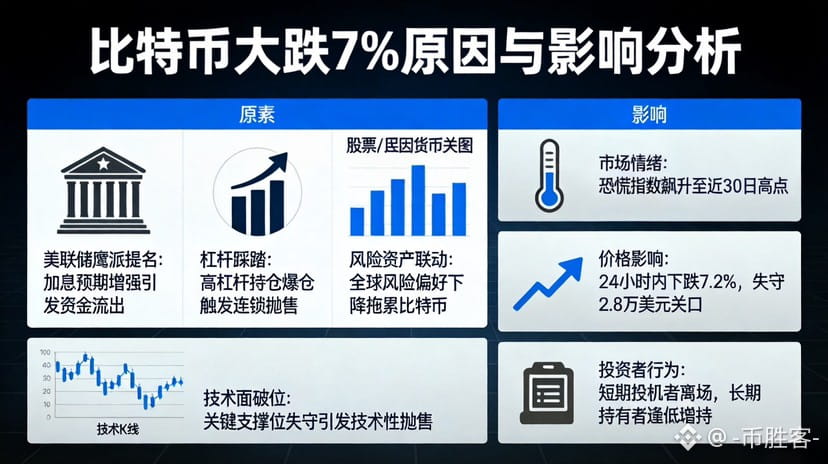
Bitcoin plummets 7%, what exactly happened in the crypto world?This time Bitcoin fell 7%, primarily due to liquidity expectations tightening triggered by the Federal Reserve chairman nomination, high leverage liquidations, and risk assets' coordinated sell-off, compounded by technical breakdowns, forming a chain reaction of 'policy upheaval + capital liquidation + emotional resonance.' As of January 31, 2026, Bitcoin hit a low of $81,000, with over $1.4 billion liquidated within 24 hours, affecting more than 200,000 people across the network.
1. Direct trigger: Federal Reserve personnel and policy expectation reversal
Hawkish nomination impact
On January 30, Trump nominated former Federal Reserve governor Kevin Walsh as the candidate for the next chairman, known for his 'hawkish background + pragmatic monetarism,' advocating for 'simultaneous interest rate cuts and balance sheet reduction'—reducing the balance sheet withdraws market liquidity and suppresses inflation, creating space for interest rate cuts, interpreted as a tightening signal of 'the private sector footing the bill.'
Bitcoin plummets 7%, what exactly happened in the crypto world?
This time Bitcoin fell 7%, primarily due to liquidity expectations tightening triggered by the Federal Reserve chairman nomination, high leverage liquidations, and risk assets' coordinated sell-off, compounded by technical breakdowns, forming a chain reaction of 'policy upheaval + capital liquidation + emotional resonance.' As of January 31, 2026, Bitcoin hit a low of $81,000, with over $1.4 billion liquidated within 24 hours, affecting more than 200,000 people across the network.
1. Direct trigger: Federal Reserve personnel and policy expectation reversal
Hawkish nomination impact
On January 30, Trump nominated former Federal Reserve governor Kevin Walsh as the candidate for the next chairman, known for his 'hawkish background + pragmatic monetarism,' advocating for 'simultaneous interest rate cuts and balance sheet reduction'—reducing the balance sheet withdraws market liquidity and suppresses inflation, creating space for interest rate cuts, interpreted as a tightening signal of 'the private sector footing the bill.'
2.2k
·
--
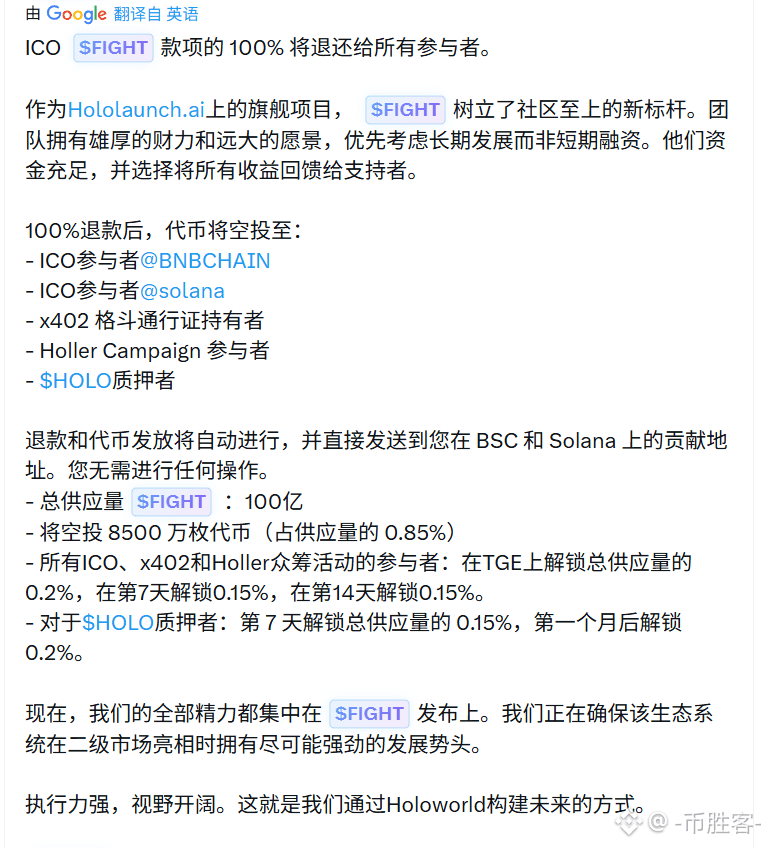
Wow, the big picture of the alpha fight project goes live tomorrow!!
Just announced full refunds, direct airdrop
If you were involved in the pre-sale/creator quota/x402 NFT, just wait for the refund, 100% refund, tokens and refunds will be automatically sent back to your address
Wake up tomorrow and see how much airdrop you can receive 👏👏
#fight #ALPHA
Just announced full refunds, direct airdrop
If you were involved in the pre-sale/creator quota/x402 NFT, just wait for the refund, 100% refund, tokens and refunds will be automatically sent back to your address
Wake up tomorrow and see how much airdrop you can receive 👏👏
#fight #ALPHA
23
11
99
34.4k
·
--
Bullish
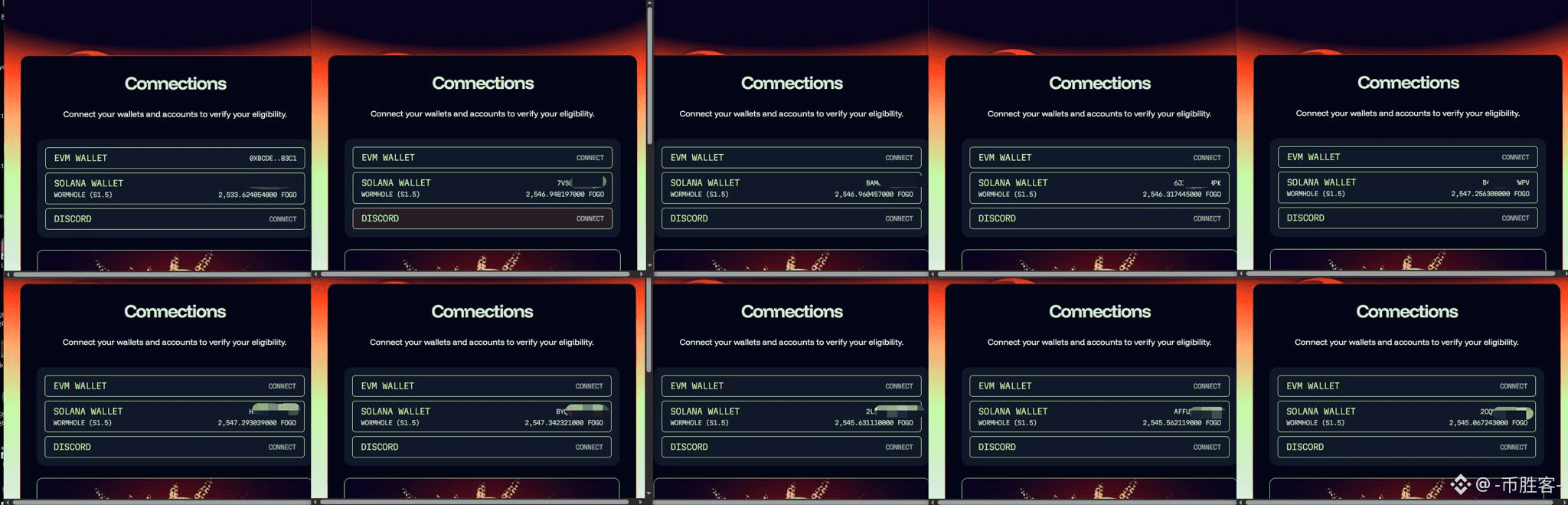
The season of harvest, comfortable
Fogo Grand Project, no witches, no KYC, anyone who has ever deposited 1U has received 2,500低保 tokens, currently worth 130U based on Binance pre-market values
Cross-chain is the main focus, those who actively engage in cross-chain activities can receive 10,000 airdrop tokens
Waiting for launch on the 15th
$FOGO
#撸毛人 #空投
{future}(FOGOUSDT)
The season of harvest, comfortable
Fogo Grand Project, no witches, no KYC, anyone who has ever deposited 1U has received 2,500低保 tokens, currently worth 130U based on Binance pre-market values
Cross-chain is the main focus, those who actively engage in cross-chain activities can receive 10,000 airdrop tokens
Waiting for launch on the 15th
$FOGO
#撸毛人 #空投
44
12
62
22.2k
·
--
🎙️ 2026 New Trend Prediction Market Track, Big Opportunity predictfun!
End
04 h 10 m 39 s
12.5k
16
25
·
--
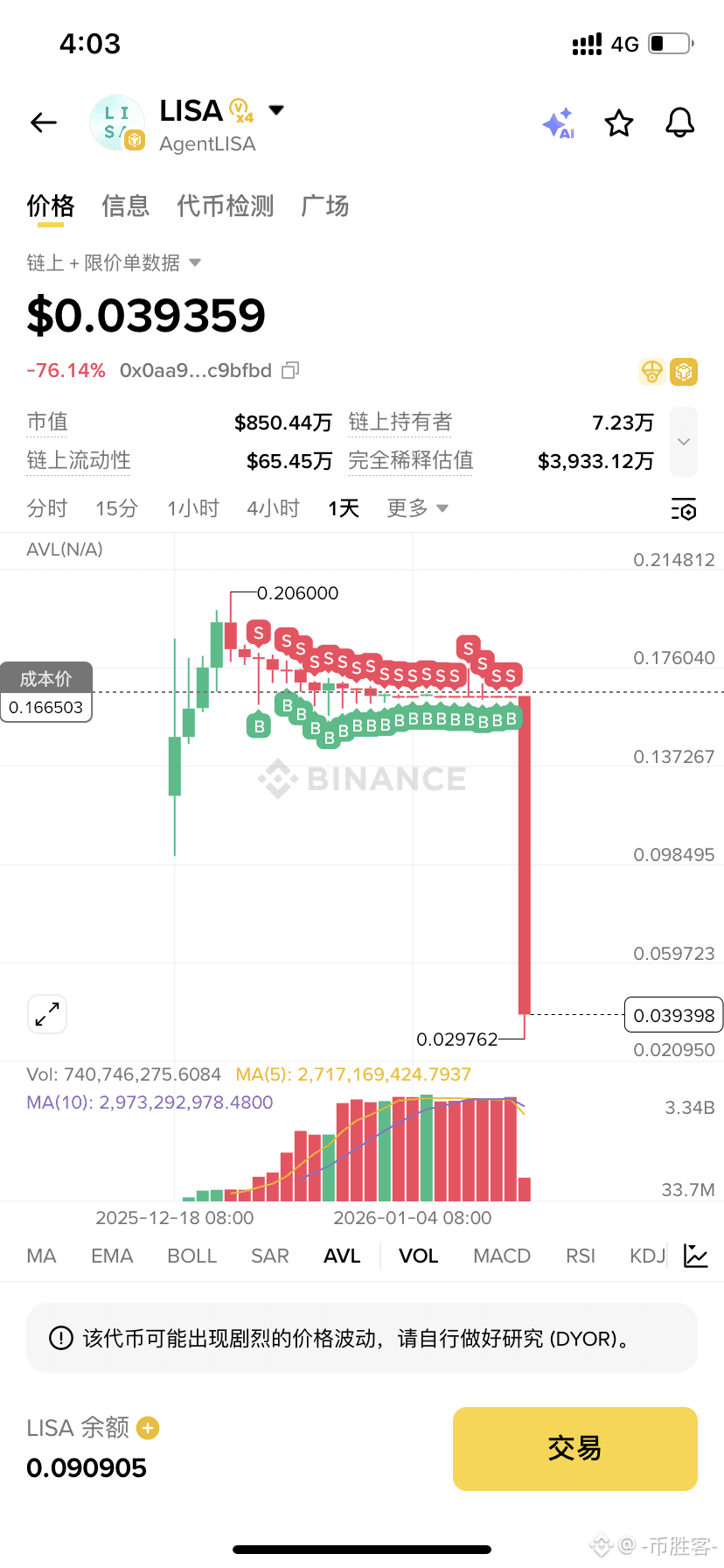
Has anyone hit a mine today...
This crash is too terrifying
Has anyone hit a mine today...
This crash is too terrifying
This crash is too terrifying
1
1k
·
--
Bullish
Is making money this easy this year? Getting 200,000 RMB?
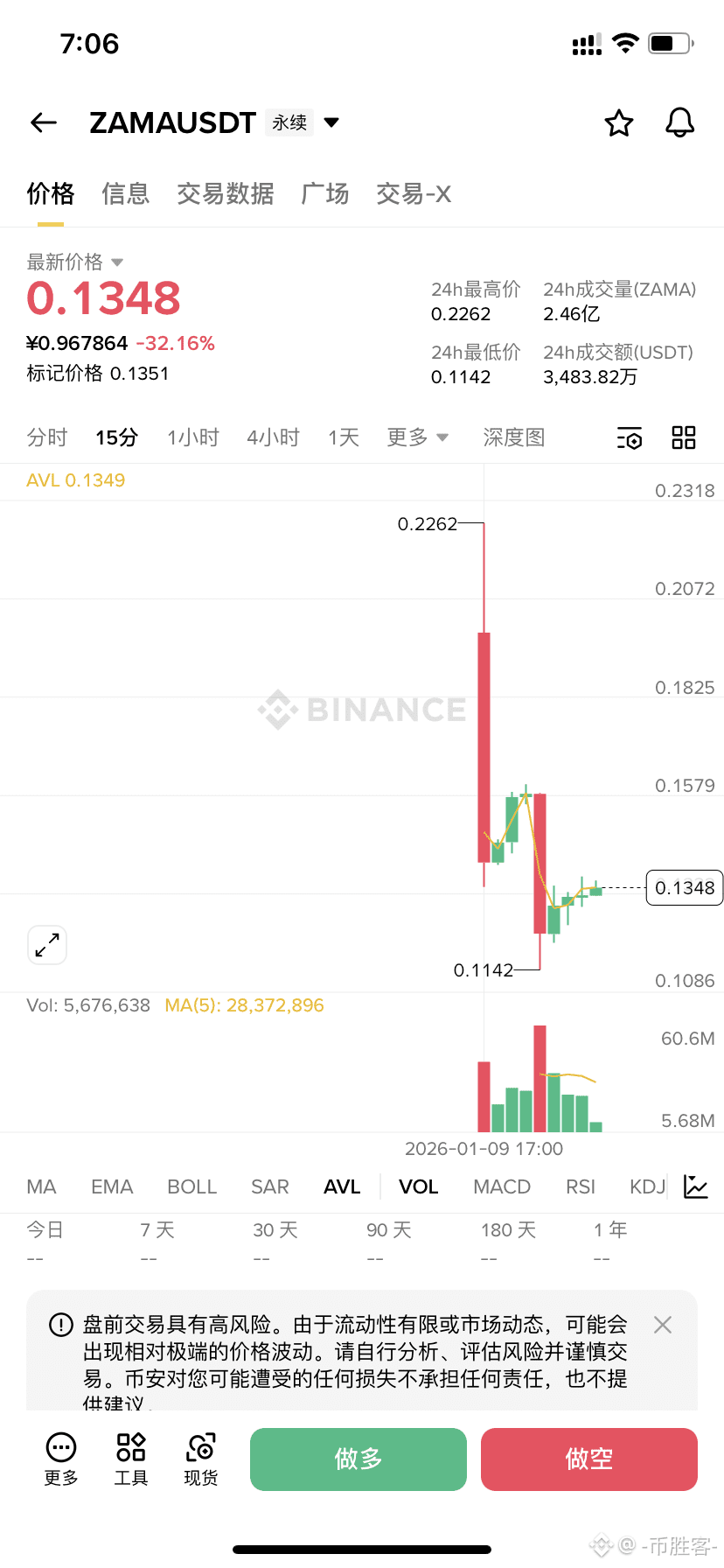
In the afternoon, I found that zama has been listed on Binance pre-market, with the price reaching 0.15u
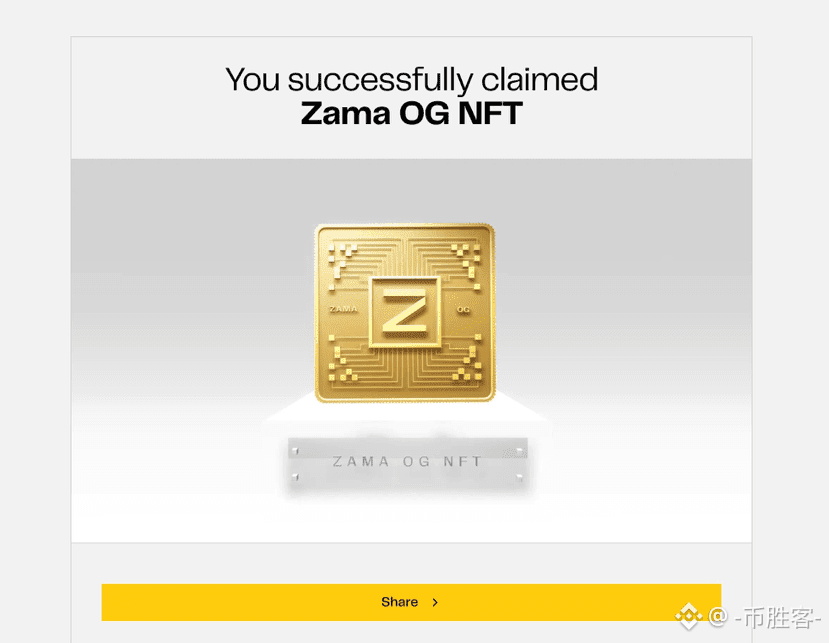
The 5 NFTs I staked earlier are now worth 3wu, equivalent to 200,000 RMB
Why 3wu? Because:
Each NFT was subscribed at FDV 5,500 W USD, with a quota of 200U per NFT
That's 0.005 USD per piece, and the pre-market price of 0.15 is 30 times higher
200U becomes 6,000U, so 5 pieces make 3wu
Thanks to $ZAMA for the year-end bonus of the staking helper
#zama #撸毛人
{future}(ZAMAUSDT)
Is making money this easy this year? Getting 200,000 RMB?
In the afternoon, I found that zama has been listed on Binance pre-market, with the price reaching 0.15u
The 5 NFTs I staked earlier are now worth 3wu, equivalent to 200,000 RMB
Why 3wu? Because:
Each NFT was subscribed at FDV 5,500 W USD, with a quota of 200U per NFT
That's 0.005 USD per piece, and the pre-market price of 0.15 is 30 times higher
200U becomes 6,000U, so 5 pieces make 3wu
Thanks to $ZAMA for the year-end bonus of the staking helper
#zama #撸毛人
22
6
37
36.9k
·
--
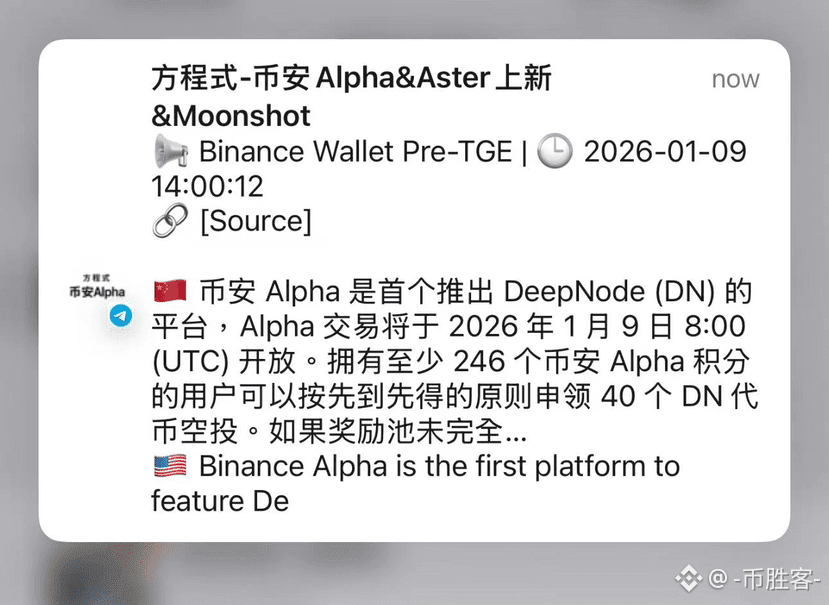
DeepNode ($DN) listing on Binance Alpha at 4:00 PM today
Users with at least 246 Binance Alpha points can claim 40 DN tokens via a first-come, first-served basis
Project Background and Funding:
DeepNode is a decentralized AI infrastructure protocol. The project has completed two funding rounds totaling $5 million, with all investment rounds locked for 12 months, followed by linear release over the next 6-12 months
Token Distribution:
DN has a fixed total supply of 100 million tokens. Initial circulating supply is 22.5 million tokens (22.5%), with an initial circulating market cap of approximately $16.875 million based on the strategic round cost price of $0.75
Clear token allocation structure:
· Community & Ecosystem Incentives: 50% (gradual release, for rewards and airdrops);
· Team & Advisors: 15% (long-term lock + linear release);
· Treasury & Liquidity: 20% (partially unlocked at TGE);
• Investors (Seed + Strategic + Private): 13% (vesting mechanism);
· Airdrop: 2%.
DeepNodeAI will launch on Binance Alpha on January 9 at 16:00, and will be simultaneously listed on spot platforms including MEXC and KuCoin at 18:00
2
396
Log in to explore more content
Join global crypto users on Binance Square
⚡️ Get latest and useful information about crypto.
💬 Trusted by the world’s largest crypto exchange.
👍 Discover real insights from verified creators.
Email / Phone number
Trending Topics
CanMarketsReboundAfterThanksgiving?
24,478 views
538 Discussing
Rate-Hike Bets Linger as US Markets Head Into Thanksgiving Closure
Binance News
·1 Likes
·1.7k views
CouldSpaceX’sOrbitalDataCentersBoostAIChipDemand?
15,552 views
344 Discussing
EvolveAtBinanceBlockchainWeek
669,724 views
7,385 Discussing