
FaisalNA
215 Posts

FaisalNA
Report
Block User
Open Trade
Occasional Trader
4.8 Years
15 Following
31 Followers
58 Liked
Posts
Portfolio
All
Quotes
Videos
·
--
#vanar $VANRY
{spot}(VANRYUSDT)
@Vanar
Vanar Chain is an advanced blockchain platform designed to support scalable decentralized applications and immersive digital experiences. The network focuses on speed efficiency and low transaction costs to create a smooth environment for developers and users. By offering compatibility with established smart contract standards Vanar Chain allows projects to deploy and migrate easily without complex adjustments. This flexibility encourages innovation across gaming finance entertainment and emerging digital services.
Usability stands at the center of the ecosystem. Clear documentation intuitive tools and accessible development frameworks reduce technical barriers and invite broader participation. Governance mechanisms empower token holders to influence protocol upgrades and strategic decisions through transparent voting systems. Staking and validation strengthen network security while rewarding long term contributors.
Vanar Chain also emphasizes creativity and digital ownership. Tokenized assets marketplaces and interactive applications benefit from fast settlement and predictable fees. Security remains a constant priority supported by audits monitoring and careful upgrades. Through collaboration education and continuous refinement Vanar Chain continues to grow as a reliable foundation for decentralized technology and next generation digital ecosystems.
#vanar $VANRY
@Vanar
Vanar Chain is an advanced blockchain platform designed to support scalable decentralized applications and immersive digital experiences. The network focuses on speed efficiency and low transaction costs to create a smooth environment for developers and users. By offering compatibility with established smart contract standards Vanar Chain allows projects to deploy and migrate easily without complex adjustments. This flexibility encourages innovation across gaming finance entertainment and emerging digital services.
Usability stands at the center of the ecosystem. Clear documentation intuitive tools and accessible development frameworks reduce technical barriers and invite broader participation. Governance mechanisms empower token holders to influence protocol upgrades and strategic decisions through transparent voting systems. Staking and validation strengthen network security while rewarding long term contributors.
Vanar Chain also emphasizes creativity and digital ownership. Tokenized assets marketplaces and interactive applications benefit from fast settlement and predictable fees. Security remains a constant priority supported by audits monitoring and careful upgrades. Through collaboration education and continuous refinement Vanar Chain continues to grow as a reliable foundation for decentralized technology and next generation digital ecosystems.
@Vanar
Vanar Chain is an advanced blockchain platform designed to support scalable decentralized applications and immersive digital experiences. The network focuses on speed efficiency and low transaction costs to create a smooth environment for developers and users. By offering compatibility with established smart contract standards Vanar Chain allows projects to deploy and migrate easily without complex adjustments. This flexibility encourages innovation across gaming finance entertainment and emerging digital services.
Usability stands at the center of the ecosystem. Clear documentation intuitive tools and accessible development frameworks reduce technical barriers and invite broader participation. Governance mechanisms empower token holders to influence protocol upgrades and strategic decisions through transparent voting systems. Staking and validation strengthen network security while rewarding long term contributors.
Vanar Chain also emphasizes creativity and digital ownership. Tokenized assets marketplaces and interactive applications benefit from fast settlement and predictable fees. Security remains a constant priority supported by audits monitoring and careful upgrades. Through collaboration education and continuous refinement Vanar Chain continues to grow as a reliable foundation for decentralized technology and next generation digital ecosystems.
10
·
--
Article
VANAR CHAIN#VANRY #vanar $VANRY
{spot}(VANRYUSDT)
Vanar Chain is a next-generation blockchain platform created to support scalable decentralized applications and immersive digital experiences. Designed with performance, flexibility, and usability in mind, the network aims to solve common challenges faced by blockchain developers and users, including high fees, slow transaction speeds, and limited real-world functionality. By combining modern infrastructure with an expanding ecosystem, Vanar Chain positions itself as a foundation for innovation across gaming, finance, digital media, and artificial intelligence.
At its technical core, Vanar Chain focuses on speed and efficiency. The architecture is optimized to process transactions quickly while keeping costs low, an essential feature for applications that require frequent interactions. This performance orientation allows developers to build responsive decentralized platforms such as games, marketplaces, and social networks without compromising user experience. Compatibility with widely adopted virtual machine standards enables seamless deployment of existing smart contracts, making migration easier for projects already operating in other blockchain environments.
Usability is another defining principle of Vanar Chain. The platform emphasizes simple onboarding, intuitive tools, and clear documentation to reduce friction for both developers and end users. Wallet integrations, developer frameworks, and testing environments are designed to accelerate experimentation and shorten development cycles. By lowering technical barriers, Vanar Chain encourages a broader range of participants to explore blockchain technology, including creators, startups, and enterprises seeking practical solutions rather than purely speculative assets.
Governance plays a central role in the network’s long-term sustainability. Token holders are invited to participate in protocol decisions through proposals and voting mechanisms. This decentralized governance model ensures that the community has a direct influence on upgrades, parameter changes, and strategic direction. Staking and validation further strengthen decentralization by distributing responsibility across many participants, increasing security while rewarding long-term engagement. The alignment between incentives and network health supports stable growth over time.
Vanar Chain also seeks to connect blockchain with creativity and digital culture. The platform supports tokenized assets, interactive content, and immersive environments that benefit from fast settlement and predictable fees. Digital creators can experiment with new ownership models and monetization strategies, while users gain access to transparent marketplaces and verifiable digital goods. These capabilities enable applications ranging from virtual worlds to music platforms, expanding the practical relevance of decentralized infrastructure.
Security remains a foundational priority throughout development. Regular audits, continuous monitoring, and staged upgrades help protect the network from vulnerabilities and operational risks. Best practices in smart contract design and validator management reduce attack surfaces while preserving performance. Test environments allow new features to be evaluated before deployment, minimizing disruption and ensuring reliability. This disciplined approach builds trust among developers and users who depend on consistent network behavior.
Education and ecosystem growth further reinforce adoption. Developer programs, tutorials, and community events create opportunities for learning and collaboration. Hackathons and incubators encourage experimentation and support early-stage projects that contribute to the network’s diversity. Strategic partnerships extend technical capabilities and broaden visibility across industries. As the ecosystem matures, these initiatives cultivate a knowledgeable community capable of sustaining innovation.
Looking forward, Vanar Chain represents a vision of decentralized infrastructure that balances performance, governance, and creative potential. Its emphasis on scalability and usability reflects an understanding that long-term adoption depends on practical utility rather than hype. Through collaborative development and continuous refinement, the network seeks to remain adaptable in a rapidly evolving technological landscape.
In an environment defined by constant change, Vanar Chain aspires to provide stability without sacrificing innovation. By empowering developers, engaging communities, and supporting meaningful applications, it continues to expand its role within the broader blockchain ecosystem. The journey ahead will be shaped by shared purpose, disciplined engineering, and the collective ambition to build decentralized systems that truly serve users.
VANAR CHAIN
#VANRY #vanar $VANRY
Vanar Chain is a next-generation blockchain platform created to support scalable decentralized applications and immersive digital experiences. Designed with performance, flexibility, and usability in mind, the network aims to solve common challenges faced by blockchain developers and users, including high fees, slow transaction speeds, and limited real-world functionality. By combining modern infrastructure with an expanding ecosystem, Vanar Chain positions itself as a foundation for innovation across gaming, finance, digital media, and artificial intelligence.
At its technical core, Vanar Chain focuses on speed and efficiency. The architecture is optimized to process transactions quickly while keeping costs low, an essential feature for applications that require frequent interactions. This performance orientation allows developers to build responsive decentralized platforms such as games, marketplaces, and social networks without compromising user experience. Compatibility with widely adopted virtual machine standards enables seamless deployment of existing smart contracts, making migration easier for projects already operating in other blockchain environments.
Usability is another defining principle of Vanar Chain. The platform emphasizes simple onboarding, intuitive tools, and clear documentation to reduce friction for both developers and end users. Wallet integrations, developer frameworks, and testing environments are designed to accelerate experimentation and shorten development cycles. By lowering technical barriers, Vanar Chain encourages a broader range of participants to explore blockchain technology, including creators, startups, and enterprises seeking practical solutions rather than purely speculative assets.
Governance plays a central role in the network’s long-term sustainability. Token holders are invited to participate in protocol decisions through proposals and voting mechanisms. This decentralized governance model ensures that the community has a direct influence on upgrades, parameter changes, and strategic direction. Staking and validation further strengthen decentralization by distributing responsibility across many participants, increasing security while rewarding long-term engagement. The alignment between incentives and network health supports stable growth over time.
Vanar Chain also seeks to connect blockchain with creativity and digital culture. The platform supports tokenized assets, interactive content, and immersive environments that benefit from fast settlement and predictable fees. Digital creators can experiment with new ownership models and monetization strategies, while users gain access to transparent marketplaces and verifiable digital goods. These capabilities enable applications ranging from virtual worlds to music platforms, expanding the practical relevance of decentralized infrastructure.
Security remains a foundational priority throughout development. Regular audits, continuous monitoring, and staged upgrades help protect the network from vulnerabilities and operational risks. Best practices in smart contract design and validator management reduce attack surfaces while preserving performance. Test environments allow new features to be evaluated before deployment, minimizing disruption and ensuring reliability. This disciplined approach builds trust among developers and users who depend on consistent network behavior.
Education and ecosystem growth further reinforce adoption. Developer programs, tutorials, and community events create opportunities for learning and collaboration. Hackathons and incubators encourage experimentation and support early-stage projects that contribute to the network’s diversity. Strategic partnerships extend technical capabilities and broaden visibility across industries. As the ecosystem matures, these initiatives cultivate a knowledgeable community capable of sustaining innovation.
Looking forward, Vanar Chain represents a vision of decentralized infrastructure that balances performance, governance, and creative potential. Its emphasis on scalability and usability reflects an understanding that long-term adoption depends on practical utility rather than hype. Through collaborative development and continuous refinement, the network seeks to remain adaptable in a rapidly evolving technological landscape.
In an environment defined by constant change, Vanar Chain aspires to provide stability without sacrificing innovation. By empowering developers, engaging communities, and supporting meaningful applications, it continues to expand its role within the broader blockchain ecosystem. The journey ahead will be shaped by shared purpose, disciplined engineering, and the collective ambition to build decentralized systems that truly serve users.
Vanar Chain is a next-generation blockchain platform created to support scalable decentralized applications and immersive digital experiences. Designed with performance, flexibility, and usability in mind, the network aims to solve common challenges faced by blockchain developers and users, including high fees, slow transaction speeds, and limited real-world functionality. By combining modern infrastructure with an expanding ecosystem, Vanar Chain positions itself as a foundation for innovation across gaming, finance, digital media, and artificial intelligence.
At its technical core, Vanar Chain focuses on speed and efficiency. The architecture is optimized to process transactions quickly while keeping costs low, an essential feature for applications that require frequent interactions. This performance orientation allows developers to build responsive decentralized platforms such as games, marketplaces, and social networks without compromising user experience. Compatibility with widely adopted virtual machine standards enables seamless deployment of existing smart contracts, making migration easier for projects already operating in other blockchain environments.
Usability is another defining principle of Vanar Chain. The platform emphasizes simple onboarding, intuitive tools, and clear documentation to reduce friction for both developers and end users. Wallet integrations, developer frameworks, and testing environments are designed to accelerate experimentation and shorten development cycles. By lowering technical barriers, Vanar Chain encourages a broader range of participants to explore blockchain technology, including creators, startups, and enterprises seeking practical solutions rather than purely speculative assets.
Governance plays a central role in the network’s long-term sustainability. Token holders are invited to participate in protocol decisions through proposals and voting mechanisms. This decentralized governance model ensures that the community has a direct influence on upgrades, parameter changes, and strategic direction. Staking and validation further strengthen decentralization by distributing responsibility across many participants, increasing security while rewarding long-term engagement. The alignment between incentives and network health supports stable growth over time.
Vanar Chain also seeks to connect blockchain with creativity and digital culture. The platform supports tokenized assets, interactive content, and immersive environments that benefit from fast settlement and predictable fees. Digital creators can experiment with new ownership models and monetization strategies, while users gain access to transparent marketplaces and verifiable digital goods. These capabilities enable applications ranging from virtual worlds to music platforms, expanding the practical relevance of decentralized infrastructure.
Security remains a foundational priority throughout development. Regular audits, continuous monitoring, and staged upgrades help protect the network from vulnerabilities and operational risks. Best practices in smart contract design and validator management reduce attack surfaces while preserving performance. Test environments allow new features to be evaluated before deployment, minimizing disruption and ensuring reliability. This disciplined approach builds trust among developers and users who depend on consistent network behavior.
Education and ecosystem growth further reinforce adoption. Developer programs, tutorials, and community events create opportunities for learning and collaboration. Hackathons and incubators encourage experimentation and support early-stage projects that contribute to the network’s diversity. Strategic partnerships extend technical capabilities and broaden visibility across industries. As the ecosystem matures, these initiatives cultivate a knowledgeable community capable of sustaining innovation.
Looking forward, Vanar Chain represents a vision of decentralized infrastructure that balances performance, governance, and creative potential. Its emphasis on scalability and usability reflects an understanding that long-term adoption depends on practical utility rather than hype. Through collaborative development and continuous refinement, the network seeks to remain adaptable in a rapidly evolving technological landscape.
In an environment defined by constant change, Vanar Chain aspires to provide stability without sacrificing innovation. By empowering developers, engaging communities, and supporting meaningful applications, it continues to expand its role within the broader blockchain ecosystem. The journey ahead will be shaped by shared purpose, disciplined engineering, and the collective ambition to build decentralized systems that truly serve users.
6
·
--
#vanar @Vanar $VANRY
{spot}(VANRYUSDT)
Vanar Chain is a next generation blockchain platform designed to support scalable decentralized applications and advanced digital experiences. Built with performance and flexibility in mind the network focuses on delivering fast transactions low fees and developer friendly tools. Its architecture targets real world use cases across gaming finance entertainment and emerging artificial intelligence services. By combining modern consensus methods with efficient execution Vanar Chain seeks to reduce congestion while maintaining security and reliability.
At the core of the ecosystem lies an emphasis on usability. Vanar Chain supports smart contracts that allow developers to deploy decentralized applications with minimal friction. Compatibility with established virtual machine standards enables existing projects to migrate without extensive rewriting. This approach lowers barriers to entry and encourages innovation from both experienced builders and new participants. The network design prioritizes throughput and responsiveness which is essential for interactive applications such as games marketplaces and social platforms.
Governance plays a central role in shaping the future of Vanar Chain. Token holders are encouraged to participate in proposals voting and community discussions. This decentralized decision making model promotes transparency and collective ownership of the protocol direction. Through staking and validation mechanisms participants help secure the network while earning incentives that reinforce long term commitment. The balance between rewards and sustainability remains a key objective in maintaining network health.
#vanar @Vanar $VANRY
Vanar Chain is a next generation blockchain platform designed to support scalable decentralized applications and advanced digital experiences. Built with performance and flexibility in mind the network focuses on delivering fast transactions low fees and developer friendly tools. Its architecture targets real world use cases across gaming finance entertainment and emerging artificial intelligence services. By combining modern consensus methods with efficient execution Vanar Chain seeks to reduce congestion while maintaining security and reliability.
At the core of the ecosystem lies an emphasis on usability. Vanar Chain supports smart contracts that allow developers to deploy decentralized applications with minimal friction. Compatibility with established virtual machine standards enables existing projects to migrate without extensive rewriting. This approach lowers barriers to entry and encourages innovation from both experienced builders and new participants. The network design prioritizes throughput and responsiveness which is essential for interactive applications such as games marketplaces and social platforms.
Governance plays a central role in shaping the future of Vanar Chain. Token holders are encouraged to participate in proposals voting and community discussions. This decentralized decision making model promotes transparency and collective ownership of the protocol direction. Through staking and validation mechanisms participants help secure the network while earning incentives that reinforce long term commitment. The balance between rewards and sustainability remains a key objective in maintaining network health.
Vanar Chain is a next generation blockchain platform designed to support scalable decentralized applications and advanced digital experiences. Built with performance and flexibility in mind the network focuses on delivering fast transactions low fees and developer friendly tools. Its architecture targets real world use cases across gaming finance entertainment and emerging artificial intelligence services. By combining modern consensus methods with efficient execution Vanar Chain seeks to reduce congestion while maintaining security and reliability.
At the core of the ecosystem lies an emphasis on usability. Vanar Chain supports smart contracts that allow developers to deploy decentralized applications with minimal friction. Compatibility with established virtual machine standards enables existing projects to migrate without extensive rewriting. This approach lowers barriers to entry and encourages innovation from both experienced builders and new participants. The network design prioritizes throughput and responsiveness which is essential for interactive applications such as games marketplaces and social platforms.
Governance plays a central role in shaping the future of Vanar Chain. Token holders are encouraged to participate in proposals voting and community discussions. This decentralized decision making model promotes transparency and collective ownership of the protocol direction. Through staking and validation mechanisms participants help secure the network while earning incentives that reinforce long term commitment. The balance between rewards and sustainability remains a key objective in maintaining network health.
3
·
--
#2025withBinance Start your crypto story with the @Binance Year in Review and share your highlights! #2025withBinance.
👉 Sign up with my link and get 100 USD rewards! https://www.binance.com/year-in-review/2025-with-binance?ref=356443863
#2025withBinance Start your crypto story with the @Binance Year in Review and share your highlights! #2025withBinance.
👉 Sign up with my link and get 100 USD rewards! https://www.binance.com/year-in-review/2025-with-binance?ref=356443863
👉 Sign up with my link and get 100 USD rewards! https://www.binance.com/year-in-review/2025-with-binance?ref=356443863
10
·
--
@Openledger #OpenLedger $OPEN
{spot}(OPENUSDT)
OpenLedger is a blockchain-based platform and cryptocurrency focused on delivering transparent, secure, and decentralized financial solutions. It aims to create an open ecosystem where users can trade, invest, and manage digital assets efficiently. Built on advanced blockchain technology, OpenLedger offers high-speed transactions, low fees, and strong security through a decentralized consensus mechanism.
The OPEN token powers the OpenLedger network, serving as the medium for transaction fees, staking, and governance. Token holders can participate in decision-making processes, ensuring community-driven development and transparency.
OpenLedger also supports decentralized applications (dApps) and cross-chain interoperability, enabling seamless interaction between multiple blockchain networks. It focuses on empowering users to maintain full control of their assets without relying on intermediaries.
By combining scalability, interoperability, and user-friendly tools, OpenLedger strives to bridge the gap between traditional finance and decentralized finance (DeFi), promoting an inclusive and efficient global digital economy.
@OpenLedger #OpenLedger $OPEN
OpenLedger is a blockchain-based platform and cryptocurrency focused on delivering transparent, secure, and decentralized financial solutions. It aims to create an open ecosystem where users can trade, invest, and manage digital assets efficiently. Built on advanced blockchain technology, OpenLedger offers high-speed transactions, low fees, and strong security through a decentralized consensus mechanism.
The OPEN token powers the OpenLedger network, serving as the medium for transaction fees, staking, and governance. Token holders can participate in decision-making processes, ensuring community-driven development and transparency.
OpenLedger also supports decentralized applications (dApps) and cross-chain interoperability, enabling seamless interaction between multiple blockchain networks. It focuses on empowering users to maintain full control of their assets without relying on intermediaries.
By combining scalability, interoperability, and user-friendly tools, OpenLedger strives to bridge the gap between traditional finance and decentralized finance (DeFi), promoting an inclusive and efficient global digital economy.
OpenLedger is a blockchain-based platform and cryptocurrency focused on delivering transparent, secure, and decentralized financial solutions. It aims to create an open ecosystem where users can trade, invest, and manage digital assets efficiently. Built on advanced blockchain technology, OpenLedger offers high-speed transactions, low fees, and strong security through a decentralized consensus mechanism.
The OPEN token powers the OpenLedger network, serving as the medium for transaction fees, staking, and governance. Token holders can participate in decision-making processes, ensuring community-driven development and transparency.
OpenLedger also supports decentralized applications (dApps) and cross-chain interoperability, enabling seamless interaction between multiple blockchain networks. It focuses on empowering users to maintain full control of their assets without relying on intermediaries.
By combining scalability, interoperability, and user-friendly tools, OpenLedger strives to bridge the gap between traditional finance and decentralized finance (DeFi), promoting an inclusive and efficient global digital economy.
8
·
--
@plumenetwork #plume $PLUME
{spot}(PLUMEUSDT)
Plume is a next-generation blockchain platform and cryptocurrency designed to bridge the gap between traditional finance and decentralized finance (DeFi). It focuses on providing secure, scalable, and regulatory-compliant infrastructure for tokenized real-world assets (RWAs). Plume aims to make it easier for institutions and individuals to tokenize and trade assets such as real estate, stocks, bonds, and commodities directly on-chain, ensuring transparency and efficiency.
The Plume network operates using its native token, PLUME, which serves multiple purposes including governance, transaction fees, staking, and incentivizing network participation. By staking PLUME tokens, users can help secure the network and earn rewards, promoting decentralization and engagement across the ecosystem.
One of Plume’s major innovations is its compliance-focused design. The platform integrates built-in KYC (Know Your Customer) and AML (Anti-Money Laundering) processes, making it suitable for regulated institutions to participate in the blockchain economy. It also provides developers with easy-to-use tools for building DeFi applications that support tokenized assets, enhancing liquidity and accessibility.
Plume’s architecture emphasizes scalability and interoperability, ensuring seamless connectivity with other blockchain networks and protocols. This enables asset transfers, cross-chain swaps, and integration with existing DeFi platforms. Additionally, Plume prioritizes sustainability by employing energy-efficient consensus mechanisms.
In summary, Plume combines blockchain innovation with financial compliance, offering a trusted environment for real-world asset tokenization and DeFi growth. Its goal is to empower global users to access digital finance securely, efficiently, and transparently through the PLUME ecosystem.
@Plume - RWA Chain #plume $PLUME
Plume is a next-generation blockchain platform and cryptocurrency designed to bridge the gap between traditional finance and decentralized finance (DeFi). It focuses on providing secure, scalable, and regulatory-compliant infrastructure for tokenized real-world assets (RWAs). Plume aims to make it easier for institutions and individuals to tokenize and trade assets such as real estate, stocks, bonds, and commodities directly on-chain, ensuring transparency and efficiency.
The Plume network operates using its native token, PLUME, which serves multiple purposes including governance, transaction fees, staking, and incentivizing network participation. By staking PLUME tokens, users can help secure the network and earn rewards, promoting decentralization and engagement across the ecosystem.
One of Plume’s major innovations is its compliance-focused design. The platform integrates built-in KYC (Know Your Customer) and AML (Anti-Money Laundering) processes, making it suitable for regulated institutions to participate in the blockchain economy. It also provides developers with easy-to-use tools for building DeFi applications that support tokenized assets, enhancing liquidity and accessibility.
Plume’s architecture emphasizes scalability and interoperability, ensuring seamless connectivity with other blockchain networks and protocols. This enables asset transfers, cross-chain swaps, and integration with existing DeFi platforms. Additionally, Plume prioritizes sustainability by employing energy-efficient consensus mechanisms.
In summary, Plume combines blockchain innovation with financial compliance, offering a trusted environment for real-world asset tokenization and DeFi growth. Its goal is to empower global users to access digital finance securely, efficiently, and transparently through the PLUME ecosystem.
Plume is a next-generation blockchain platform and cryptocurrency designed to bridge the gap between traditional finance and decentralized finance (DeFi). It focuses on providing secure, scalable, and regulatory-compliant infrastructure for tokenized real-world assets (RWAs). Plume aims to make it easier for institutions and individuals to tokenize and trade assets such as real estate, stocks, bonds, and commodities directly on-chain, ensuring transparency and efficiency.
The Plume network operates using its native token, PLUME, which serves multiple purposes including governance, transaction fees, staking, and incentivizing network participation. By staking PLUME tokens, users can help secure the network and earn rewards, promoting decentralization and engagement across the ecosystem.
One of Plume’s major innovations is its compliance-focused design. The platform integrates built-in KYC (Know Your Customer) and AML (Anti-Money Laundering) processes, making it suitable for regulated institutions to participate in the blockchain economy. It also provides developers with easy-to-use tools for building DeFi applications that support tokenized assets, enhancing liquidity and accessibility.
Plume’s architecture emphasizes scalability and interoperability, ensuring seamless connectivity with other blockchain networks and protocols. This enables asset transfers, cross-chain swaps, and integration with existing DeFi platforms. Additionally, Plume prioritizes sustainability by employing energy-efficient consensus mechanisms.
In summary, Plume combines blockchain innovation with financial compliance, offering a trusted environment for real-world asset tokenization and DeFi growth. Its goal is to empower global users to access digital finance securely, efficiently, and transparently through the PLUME ecosystem.
3
20
·
--
@trade_rumour #traderumour
AltLayer is a decentralized protocol designed to enhance the scalability and efficiency of blockchain networks by introducing Restaked Rollups—a novel concept that leverages existing Ethereum security while improving performance. Traditional rollups, such as optimistic and zero-knowledge rollups, help reduce congestion and transaction costs on Ethereum by processing data off-chain. However, they often face challenges like limited interoperability and fragmented liquidity. AltLayer addresses these issues by allowing rollups to be restaked, meaning they can inherit security from Ethereum’s re-staking ecosystem, particularly through EigenLayer.
AltLayer acts as an execution layer that enables developers to easily launch customizable rollups with enhanced decentralization and reliability. These rollups are secured by a shared network of restakers who validate multiple chains, providing stronger guarantees without compromising efficiency. The platform supports modularity, allowing developers to plug in different data availability layers, settlement layers, and execution environments according to their needs.
Another key feature of AltLayer is its decentralized sequencing model, which prevents centralization risks found in many existing rollup solutions. By distributing sequencing power among restakers, AltLayer ensures fairness, censorship resistance, and improved transaction ordering.
Through this architecture, AltLayer significantly reduces the time and cost required to deploy new rollups while maintaining Ethereum-level security. It also promotes interoperability between different rollups, creating a more unified and efficient multi-chain ecosystem. In summary, AltLayer represents an innovative step toward a modular, secure, and scalable blockchain infrastructure that bridges the gap between layer-1 security and layer-2 performance.
$ALT
{spot}(ALTUSDT)
@rumour.app #traderumour
AltLayer is a decentralized protocol designed to enhance the scalability and efficiency of blockchain networks by introducing Restaked Rollups—a novel concept that leverages existing Ethereum security while improving performance. Traditional rollups, such as optimistic and zero-knowledge rollups, help reduce congestion and transaction costs on Ethereum by processing data off-chain. However, they often face challenges like limited interoperability and fragmented liquidity. AltLayer addresses these issues by allowing rollups to be restaked, meaning they can inherit security from Ethereum’s re-staking ecosystem, particularly through EigenLayer.
AltLayer acts as an execution layer that enables developers to easily launch customizable rollups with enhanced decentralization and reliability. These rollups are secured by a shared network of restakers who validate multiple chains, providing stronger guarantees without compromising efficiency. The platform supports modularity, allowing developers to plug in different data availability layers, settlement layers, and execution environments according to their needs.
Another key feature of AltLayer is its decentralized sequencing model, which prevents centralization risks found in many existing rollup solutions. By distributing sequencing power among restakers, AltLayer ensures fairness, censorship resistance, and improved transaction ordering.
Through this architecture, AltLayer significantly reduces the time and cost required to deploy new rollups while maintaining Ethereum-level security. It also promotes interoperability between different rollups, creating a more unified and efficient multi-chain ecosystem. In summary, AltLayer represents an innovative step toward a modular, secure, and scalable blockchain infrastructure that bridges the gap between layer-1 security and layer-2 performance.
$ALT
AltLayer is a decentralized protocol designed to enhance the scalability and efficiency of blockchain networks by introducing Restaked Rollups—a novel concept that leverages existing Ethereum security while improving performance. Traditional rollups, such as optimistic and zero-knowledge rollups, help reduce congestion and transaction costs on Ethereum by processing data off-chain. However, they often face challenges like limited interoperability and fragmented liquidity. AltLayer addresses these issues by allowing rollups to be restaked, meaning they can inherit security from Ethereum’s re-staking ecosystem, particularly through EigenLayer.
AltLayer acts as an execution layer that enables developers to easily launch customizable rollups with enhanced decentralization and reliability. These rollups are secured by a shared network of restakers who validate multiple chains, providing stronger guarantees without compromising efficiency. The platform supports modularity, allowing developers to plug in different data availability layers, settlement layers, and execution environments according to their needs.
Another key feature of AltLayer is its decentralized sequencing model, which prevents centralization risks found in many existing rollup solutions. By distributing sequencing power among restakers, AltLayer ensures fairness, censorship resistance, and improved transaction ordering.
Through this architecture, AltLayer significantly reduces the time and cost required to deploy new rollups while maintaining Ethereum-level security. It also promotes interoperability between different rollups, creating a more unified and efficient multi-chain ecosystem. In summary, AltLayer represents an innovative step toward a modular, secure, and scalable blockchain infrastructure that bridges the gap between layer-1 security and layer-2 performance.
$ALT
18
·
--
@plumenetwork #plume $PLUME
{spot}(PLUMEUSDT)
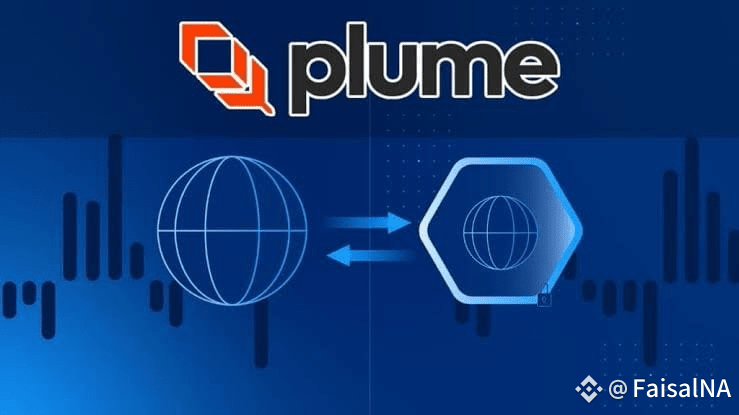
Plume Coin is a next-generation digital currency designed to revolutionize the way we interact with the blockchain. Built for speed, security, and sustainability, Plume Coin offers lightning-fast transactions with minimal fees. It’s powered by an energy-efficient consensus mechanism, making it environmentally friendly and scalable for the future.
Plume is more than just a coin — it’s a growing ecosystem focused on real-world utility, including decentralized finance (DeFi), NFTs, and smart contracts. The platform supports a vibrant community of developers, investors, and creators who are building the future of decentralized technology.
With its innovative approach, strong community backing, and transparent governance model, Plume Coin aims to make crypto more accessible and impactful for everyone. Whether you're a beginner or a blockchain expert, Plume Coin is ready to power your digital journey.
@Plume - RWA Chain #plume $PLUME
Plume Coin is a next-generation digital currency designed to revolutionize the way we interact with the blockchain. Built for speed, security, and sustainability, Plume Coin offers lightning-fast transactions with minimal fees. It’s powered by an energy-efficient consensus mechanism, making it environmentally friendly and scalable for the future.
Plume is more than just a coin — it’s a growing ecosystem focused on real-world utility, including decentralized finance (DeFi), NFTs, and smart contracts. The platform supports a vibrant community of developers, investors, and creators who are building the future of decentralized technology.
With its innovative approach, strong community backing, and transparent governance model, Plume Coin aims to make crypto more accessible and impactful for everyone. Whether you're a beginner or a blockchain expert, Plume Coin is ready to power your digital journey.
Plume Coin is a next-generation digital currency designed to revolutionize the way we interact with the blockchain. Built for speed, security, and sustainability, Plume Coin offers lightning-fast transactions with minimal fees. It’s powered by an energy-efficient consensus mechanism, making it environmentally friendly and scalable for the future.
Plume is more than just a coin — it’s a growing ecosystem focused on real-world utility, including decentralized finance (DeFi), NFTs, and smart contracts. The platform supports a vibrant community of developers, investors, and creators who are building the future of decentralized technology.
With its innovative approach, strong community backing, and transparent governance model, Plume Coin aims to make crypto more accessible and impactful for everyone. Whether you're a beginner or a blockchain expert, Plume Coin is ready to power your digital journey.
28
·
--
@Somnia_Network #Somnia $SOMI
{spot}(SOMIUSDT)
Somnia Coin: The Future of Digital Dreams
Somnia Coin is a next-generation digital currency designed to power the emerging world of decentralized virtual experiences, metaverses, and online communities. Built on advanced blockchain technology, Somnia Coin goes beyond simple transactions — it enables users to dream, build, and thrive in immersive digital worlds.
At its core, Somnia Coin offers fast, secure, and low-fee transactions, making it ideal for in-game purchases, virtual real estate, digital collectibles, and decentralized applications (dApps). It is also a governance token, giving holders a voice in the future of the Somnia ecosystem through community-driven proposals and votes.
What sets Somnia Coin apart is its vision. It’s not just a currency — it's a key to a connected, decentralized digital realm where creators, gamers, and communities can interact freely. The platform is designed with interoperability in mind, allowing seamless integration with various metaverse platforms, NFTs, and AI-driven environments.
Somnia Coin also prioritizes sustainability and accessibility. Its blockchain uses eco-friendly consensus mechanisms, making it more energy-efficient than traditional proof-of-work systems. Additionally, it's designed to be user-friendly, with simple tools for wallets, trading, and staking that make it accessible even to newcomers in the crypto space.
The project’s roadmap includes strategic partnerships with metaverse platforms, the development of a creator economy, and tools to support virtual businesses. Whether you're a developer, gamer, artist, or investor, Somnia Coin offers opportunities to participate in a digital economy that values creativity, community, and innovation.
As virtual experiences continue to grow in popularity, Somnia Coin positions itself as a foundational pillar of this evolution — a currency for the dreamers building the internet of tomorrow.
@Somnia Official #Somnia $SOMI
Somnia Coin: The Future of Digital Dreams
Somnia Coin is a next-generation digital currency designed to power the emerging world of decentralized virtual experiences, metaverses, and online communities. Built on advanced blockchain technology, Somnia Coin goes beyond simple transactions — it enables users to dream, build, and thrive in immersive digital worlds.
At its core, Somnia Coin offers fast, secure, and low-fee transactions, making it ideal for in-game purchases, virtual real estate, digital collectibles, and decentralized applications (dApps). It is also a governance token, giving holders a voice in the future of the Somnia ecosystem through community-driven proposals and votes.
What sets Somnia Coin apart is its vision. It’s not just a currency — it's a key to a connected, decentralized digital realm where creators, gamers, and communities can interact freely. The platform is designed with interoperability in mind, allowing seamless integration with various metaverse platforms, NFTs, and AI-driven environments.
Somnia Coin also prioritizes sustainability and accessibility. Its blockchain uses eco-friendly consensus mechanisms, making it more energy-efficient than traditional proof-of-work systems. Additionally, it's designed to be user-friendly, with simple tools for wallets, trading, and staking that make it accessible even to newcomers in the crypto space.
The project’s roadmap includes strategic partnerships with metaverse platforms, the development of a creator economy, and tools to support virtual businesses. Whether you're a developer, gamer, artist, or investor, Somnia Coin offers opportunities to participate in a digital economy that values creativity, community, and innovation.
As virtual experiences continue to grow in popularity, Somnia Coin positions itself as a foundational pillar of this evolution — a currency for the dreamers building the internet of tomorrow.
Somnia Coin: The Future of Digital Dreams
Somnia Coin is a next-generation digital currency designed to power the emerging world of decentralized virtual experiences, metaverses, and online communities. Built on advanced blockchain technology, Somnia Coin goes beyond simple transactions — it enables users to dream, build, and thrive in immersive digital worlds.
At its core, Somnia Coin offers fast, secure, and low-fee transactions, making it ideal for in-game purchases, virtual real estate, digital collectibles, and decentralized applications (dApps). It is also a governance token, giving holders a voice in the future of the Somnia ecosystem through community-driven proposals and votes.
What sets Somnia Coin apart is its vision. It’s not just a currency — it's a key to a connected, decentralized digital realm where creators, gamers, and communities can interact freely. The platform is designed with interoperability in mind, allowing seamless integration with various metaverse platforms, NFTs, and AI-driven environments.
Somnia Coin also prioritizes sustainability and accessibility. Its blockchain uses eco-friendly consensus mechanisms, making it more energy-efficient than traditional proof-of-work systems. Additionally, it's designed to be user-friendly, with simple tools for wallets, trading, and staking that make it accessible even to newcomers in the crypto space.
The project’s roadmap includes strategic partnerships with metaverse platforms, the development of a creator economy, and tools to support virtual businesses. Whether you're a developer, gamer, artist, or investor, Somnia Coin offers opportunities to participate in a digital economy that values creativity, community, and innovation.
As virtual experiences continue to grow in popularity, Somnia Coin positions itself as a foundational pillar of this evolution — a currency for the dreamers building the internet of tomorrow.
71
·
--
@MitosisOrg #Mitosis $MITO
{spot}(MITOUSDT)
In the context of Web3, Mitosis refers to a protocol or mechanism designed to enable seamless cross-chain interoperability, allowing assets and data to move freely between different blockchain networks. Inspired by the biological process of cell division, Mitosis in Web3 aims to "split" or duplicate functionalities across multiple chains while maintaining a unified system state. This is critical in a decentralized ecosystem where no single blockchain can meet all scalability, speed, and cost requirements.
Mitosis typically utilizes zero-knowledge proofs (ZKPs), optimistic mechanisms, or multi-party computation (MPC) to verify transactions across chains without compromising security. It enables developers to build applications that can interact with multiple chains—such as Ethereum, Solana, or Avalanche—without needing to trust centralized bridges or custodians. This reduces the risk of exploits, which have been common in traditional bridging solutions.
Another key aspect of Mitosis in Web3 is its focus on liquidity fragmentation. When assets are split across different chains, liquidity often becomes siloed. Mitosis protocols aim to unify liquidity pools across chains, improving capital efficiency and user experience.
By facilitating secure and efficient cross-chain operations, Mitosis supports the larger vision of a multi-chain future, where users can interact with dApps and DeFi platforms across ecosystems without friction. It aligns with the core Web3 principles of decentralization, transparency, and user sovereignty.
In summary, Mitosis in Web3 is a foundational interoperability layer that empowers developers and users to navigate a fragmented blockchain world with greater security, efficiency, and freedom.
@Mitosis Official #Mitosis $MITO
In the context of Web3, Mitosis refers to a protocol or mechanism designed to enable seamless cross-chain interoperability, allowing assets and data to move freely between different blockchain networks. Inspired by the biological process of cell division, Mitosis in Web3 aims to "split" or duplicate functionalities across multiple chains while maintaining a unified system state. This is critical in a decentralized ecosystem where no single blockchain can meet all scalability, speed, and cost requirements.
Mitosis typically utilizes zero-knowledge proofs (ZKPs), optimistic mechanisms, or multi-party computation (MPC) to verify transactions across chains without compromising security. It enables developers to build applications that can interact with multiple chains—such as Ethereum, Solana, or Avalanche—without needing to trust centralized bridges or custodians. This reduces the risk of exploits, which have been common in traditional bridging solutions.
Another key aspect of Mitosis in Web3 is its focus on liquidity fragmentation. When assets are split across different chains, liquidity often becomes siloed. Mitosis protocols aim to unify liquidity pools across chains, improving capital efficiency and user experience.
By facilitating secure and efficient cross-chain operations, Mitosis supports the larger vision of a multi-chain future, where users can interact with dApps and DeFi platforms across ecosystems without friction. It aligns with the core Web3 principles of decentralization, transparency, and user sovereignty.
In summary, Mitosis in Web3 is a foundational interoperability layer that empowers developers and users to navigate a fragmented blockchain world with greater security, efficiency, and freedom.
In the context of Web3, Mitosis refers to a protocol or mechanism designed to enable seamless cross-chain interoperability, allowing assets and data to move freely between different blockchain networks. Inspired by the biological process of cell division, Mitosis in Web3 aims to "split" or duplicate functionalities across multiple chains while maintaining a unified system state. This is critical in a decentralized ecosystem where no single blockchain can meet all scalability, speed, and cost requirements.
Mitosis typically utilizes zero-knowledge proofs (ZKPs), optimistic mechanisms, or multi-party computation (MPC) to verify transactions across chains without compromising security. It enables developers to build applications that can interact with multiple chains—such as Ethereum, Solana, or Avalanche—without needing to trust centralized bridges or custodians. This reduces the risk of exploits, which have been common in traditional bridging solutions.
Another key aspect of Mitosis in Web3 is its focus on liquidity fragmentation. When assets are split across different chains, liquidity often becomes siloed. Mitosis protocols aim to unify liquidity pools across chains, improving capital efficiency and user experience.
By facilitating secure and efficient cross-chain operations, Mitosis supports the larger vision of a multi-chain future, where users can interact with dApps and DeFi platforms across ecosystems without friction. It aligns with the core Web3 principles of decentralization, transparency, and user sovereignty.
In summary, Mitosis in Web3 is a foundational interoperability layer that empowers developers and users to navigate a fragmented blockchain world with greater security, efficiency, and freedom.
43
·
--
@Openledger
$OPEN
{spot}(OPENUSDT)
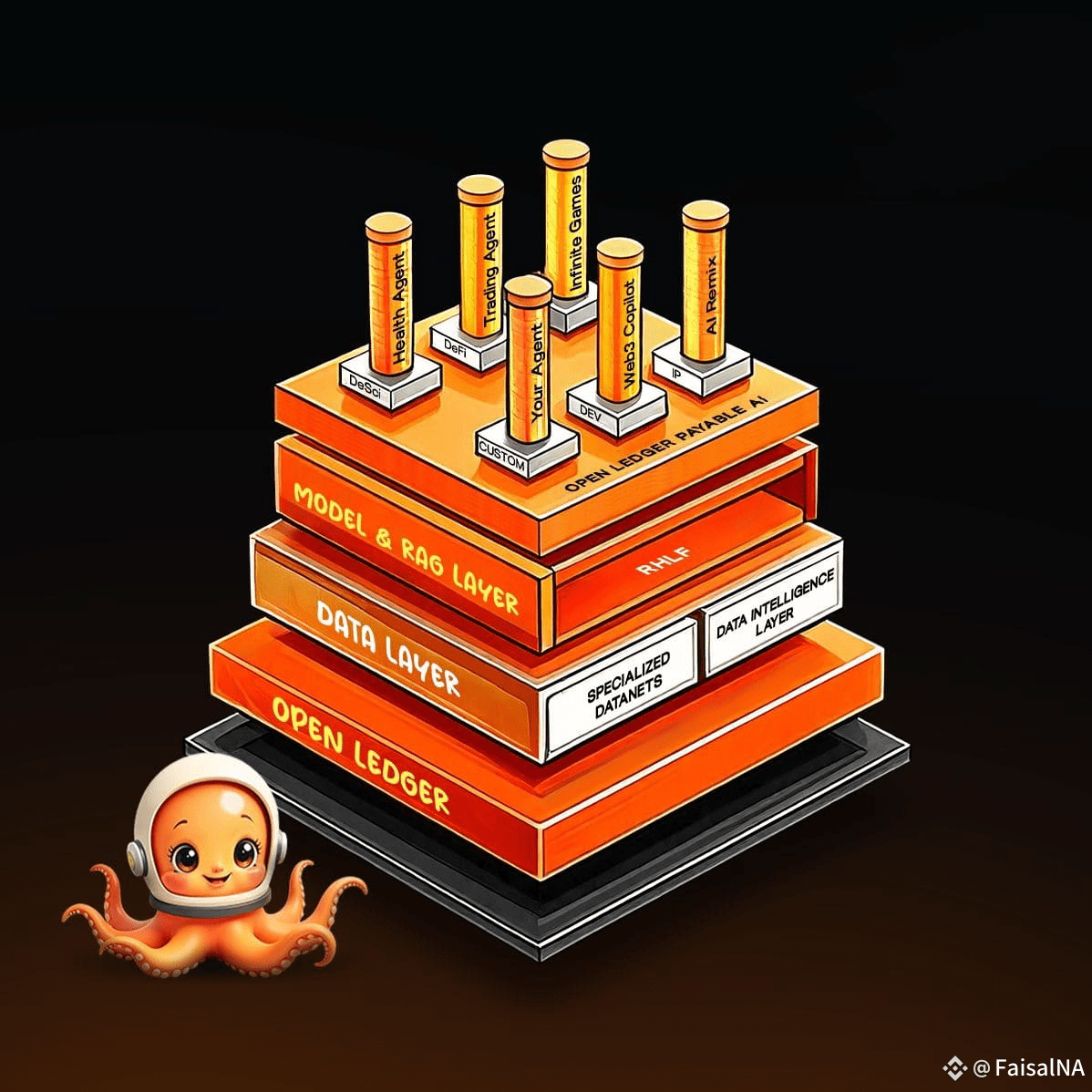
OpenCoin was a software company known for developing the early stages of what would later become the Ripple payment protocol and its associated cryptocurrency, XRP. Founded in 2012 by Chris Larsen and Jed McCaleb, OpenCoin aimed to revolutionize cross-border payments by creating a decentralized system that enabled fast, secure, and low-cost financial transactions globally.
The company envisioned a global financial infrastructure that didn’t rely on traditional banking intermediaries. To achieve this, OpenCoin developed the Ripple protocol, a consensus ledger system that allowed assets to be transferred directly between parties without the need for a central clearinghouse. The protocol also supported the issuance of its native digital currency, XRP, which served as a bridge between different fiat currencies and other cryptocurrencies.
OpenCoin attracted significant attention from investors and the crypto community during its early stages. It was notable for combining elements of both blockchain technology and traditional finance, aiming to provide a practical solution for real-world financial institutions. Unlike Bitcoin, which is mined, all XRP tokens were pre-mined and distributed by the company, a point that sparked ongoing debate about decentralization.
In 2013, OpenCoin rebranded to Ripple Labs, reflecting a broader focus beyond just the coin itself. Ripple (the company) continues to develop enterprise solutions for payment providers and banks, using XRP and the RippleNet network to enable instant cross-border payments.
Although OpenCoin as a name no longer exists, its legacy lives on in Ripple, one of the most influential players in the cryptocurrency and fintech space.
#OpenLedger
@OpenLedger
$OPEN
OpenCoin was a software company known for developing the early stages of what would later become the Ripple payment protocol and its associated cryptocurrency, XRP. Founded in 2012 by Chris Larsen and Jed McCaleb, OpenCoin aimed to revolutionize cross-border payments by creating a decentralized system that enabled fast, secure, and low-cost financial transactions globally.
The company envisioned a global financial infrastructure that didn’t rely on traditional banking intermediaries. To achieve this, OpenCoin developed the Ripple protocol, a consensus ledger system that allowed assets to be transferred directly between parties without the need for a central clearinghouse. The protocol also supported the issuance of its native digital currency, XRP, which served as a bridge between different fiat currencies and other cryptocurrencies.
OpenCoin attracted significant attention from investors and the crypto community during its early stages. It was notable for combining elements of both blockchain technology and traditional finance, aiming to provide a practical solution for real-world financial institutions. Unlike Bitcoin, which is mined, all XRP tokens were pre-mined and distributed by the company, a point that sparked ongoing debate about decentralization.
In 2013, OpenCoin rebranded to Ripple Labs, reflecting a broader focus beyond just the coin itself. Ripple (the company) continues to develop enterprise solutions for payment providers and banks, using XRP and the RippleNet network to enable instant cross-border payments.
Although OpenCoin as a name no longer exists, its legacy lives on in Ripple, one of the most influential players in the cryptocurrency and fintech space.
#OpenLedger
$OPEN
OpenCoin was a software company known for developing the early stages of what would later become the Ripple payment protocol and its associated cryptocurrency, XRP. Founded in 2012 by Chris Larsen and Jed McCaleb, OpenCoin aimed to revolutionize cross-border payments by creating a decentralized system that enabled fast, secure, and low-cost financial transactions globally.
The company envisioned a global financial infrastructure that didn’t rely on traditional banking intermediaries. To achieve this, OpenCoin developed the Ripple protocol, a consensus ledger system that allowed assets to be transferred directly between parties without the need for a central clearinghouse. The protocol also supported the issuance of its native digital currency, XRP, which served as a bridge between different fiat currencies and other cryptocurrencies.
OpenCoin attracted significant attention from investors and the crypto community during its early stages. It was notable for combining elements of both blockchain technology and traditional finance, aiming to provide a practical solution for real-world financial institutions. Unlike Bitcoin, which is mined, all XRP tokens were pre-mined and distributed by the company, a point that sparked ongoing debate about decentralization.
In 2013, OpenCoin rebranded to Ripple Labs, reflecting a broader focus beyond just the coin itself. Ripple (the company) continues to develop enterprise solutions for payment providers and banks, using XRP and the RippleNet network to enable instant cross-border payments.
Although OpenCoin as a name no longer exists, its legacy lives on in Ripple, one of the most influential players in the cryptocurrency and fintech space.
#OpenLedger
217
·
--
Article
Dolo Coin: A New Player in the Digital Currency Space#Dolomite_io Coin is an emerging cryptocurrency that aims to bring innovation, transparency, and utility to the digital finance world. Like many digital currencies, Dolo operates on blockchain technology, ensuring secure, decentralized transactions without the need for intermediaries like banks. However, what sets Dolo apart is its focus on real-world applications and community-driven growth.
@Dolomite_io
Dolo Coin was created with the vision of making digital transactions more accessible, especially in regions where traditional banking services are limited. With fast transaction speeds and low fees, Dolo offers an efficient alternative to conventional payment methods. Whether it's peer-to-peer transfers, online shopping, or international payments, Dolo makes it easy and cost-effective.
One of the core strengths of Dolo Coin is its transparency. All transactions are recorded on a public ledger, making it nearly impossible to manipulate the system. This openness builds trust among users and investors. In addition, Dolo's development team is active and responsive, consistently updating the platform and engaging with the community.
Dolo Coin also has a limited supply, which can help increase its value over time if demand grows. This scarcity model is similar to that of Bitcoin and is attractive to investors looking for long-term gains. Furthermore, Dolo has plans to introduce staking and decentralized finance (DeFi) features, allowing users to earn passive income by holding or using their coins within the network.
The Dolo ecosystem is still in its early stages, but it shows promising signs of growth. With partnerships in development and an expanding user base, Dolo is positioning itself as more than just a digital currency—it wants to be a complete financial solution.
However, as with any cryptocurrency investment, it’s important to research and understand the risks involved. The market is volatile, and prices can fluctuate widely. Still, for those interested in innovative blockchain projects with strong community backing, Dolo Coin is worth watching.
In summary, Dolo Coin is a fresh entrant in the crypto market with a strong focus on usability, transparency, and growth. As it evolves, it could become a significant player in shaping the future of digital finance.
$DOLO
{spot}(DOLOUSDT)
$BTC
{spot}(BTCUSDT)
$BNB
{spot}(BNBUSDT)
Dolo Coin: A New Player in the Digital Currency Space
#Dolomite_io Coin is an emerging cryptocurrency that aims to bring innovation, transparency, and utility to the digital finance world. Like many digital currencies, Dolo operates on blockchain technology, ensuring secure, decentralized transactions without the need for intermediaries like banks. However, what sets Dolo apart is its focus on real-world applications and community-driven growth.
@Dolomite
Dolo Coin was created with the vision of making digital transactions more accessible, especially in regions where traditional banking services are limited. With fast transaction speeds and low fees, Dolo offers an efficient alternative to conventional payment methods. Whether it's peer-to-peer transfers, online shopping, or international payments, Dolo makes it easy and cost-effective.
One of the core strengths of Dolo Coin is its transparency. All transactions are recorded on a public ledger, making it nearly impossible to manipulate the system. This openness builds trust among users and investors. In addition, Dolo's development team is active and responsive, consistently updating the platform and engaging with the community.
Dolo Coin also has a limited supply, which can help increase its value over time if demand grows. This scarcity model is similar to that of Bitcoin and is attractive to investors looking for long-term gains. Furthermore, Dolo has plans to introduce staking and decentralized finance (DeFi) features, allowing users to earn passive income by holding or using their coins within the network.
The Dolo ecosystem is still in its early stages, but it shows promising signs of growth. With partnerships in development and an expanding user base, Dolo is positioning itself as more than just a digital currency—it wants to be a complete financial solution.
However, as with any cryptocurrency investment, it’s important to research and understand the risks involved. The market is volatile, and prices can fluctuate widely. Still, for those interested in innovative blockchain projects with strong community backing, Dolo Coin is worth watching.
In summary, Dolo Coin is a fresh entrant in the crypto market with a strong focus on usability, transparency, and growth. As it evolves, it could become a significant player in shaping the future of digital finance.
$DOLO
$BTC
$BNB
@Dolomite
Dolo Coin was created with the vision of making digital transactions more accessible, especially in regions where traditional banking services are limited. With fast transaction speeds and low fees, Dolo offers an efficient alternative to conventional payment methods. Whether it's peer-to-peer transfers, online shopping, or international payments, Dolo makes it easy and cost-effective.
One of the core strengths of Dolo Coin is its transparency. All transactions are recorded on a public ledger, making it nearly impossible to manipulate the system. This openness builds trust among users and investors. In addition, Dolo's development team is active and responsive, consistently updating the platform and engaging with the community.
Dolo Coin also has a limited supply, which can help increase its value over time if demand grows. This scarcity model is similar to that of Bitcoin and is attractive to investors looking for long-term gains. Furthermore, Dolo has plans to introduce staking and decentralized finance (DeFi) features, allowing users to earn passive income by holding or using their coins within the network.
The Dolo ecosystem is still in its early stages, but it shows promising signs of growth. With partnerships in development and an expanding user base, Dolo is positioning itself as more than just a digital currency—it wants to be a complete financial solution.
However, as with any cryptocurrency investment, it’s important to research and understand the risks involved. The market is volatile, and prices can fluctuate widely. Still, for those interested in innovative blockchain projects with strong community backing, Dolo Coin is worth watching.
In summary, Dolo Coin is a fresh entrant in the crypto market with a strong focus on usability, transparency, and growth. As it evolves, it could become a significant player in shaping the future of digital finance.
$DOLO
$BTC
$BNB
62
·
--
@plumenetwork #plume $PLUME
{spot}(PLUMEUSDT)
Plume Crypto: Revolutionizing Asset Tokenization
Plume is a next-generation crypto platform focused on real-world asset (RWA) tokenization. It simplifies the complex process of bringing traditional assets—like real estate, art, and commodities—onto the blockchain. By providing a full-stack infrastructure, Plume allows issuers to tokenize assets, comply with regulations, and reach global investors with ease.
The platform is built to bridge the gap between traditional finance and decentralized finance (DeFi). Plume ensures compliance by integrating legal frameworks directly into smart contracts, streamlining KYC/AML processes, and automating reporting for asset-backed tokens.
Plume also supports interoperability, enabling tokenized assets to move seamlessly across chains. With its growing ecosystem of DeFi protocols, investors can stake, lend, or trade RWAs just like crypto-native assets. This opens up new liquidity avenues and democratizes access to investment opportunities once limited to institutions.
In a market increasingly looking for real-world utility, Plume is positioning itself as a key player. Its user-friendly tools and compliance-first approach make it a strong foundation for the next wave of asset tokenization. As demand for on-chain RWAs rises, Plume is well-placed to be the infrastructure layer powering this transformation.
@Plume - RWA Chain #plume $PLUME
Plume Crypto: Revolutionizing Asset Tokenization
Plume is a next-generation crypto platform focused on real-world asset (RWA) tokenization. It simplifies the complex process of bringing traditional assets—like real estate, art, and commodities—onto the blockchain. By providing a full-stack infrastructure, Plume allows issuers to tokenize assets, comply with regulations, and reach global investors with ease.
The platform is built to bridge the gap between traditional finance and decentralized finance (DeFi). Plume ensures compliance by integrating legal frameworks directly into smart contracts, streamlining KYC/AML processes, and automating reporting for asset-backed tokens.
Plume also supports interoperability, enabling tokenized assets to move seamlessly across chains. With its growing ecosystem of DeFi protocols, investors can stake, lend, or trade RWAs just like crypto-native assets. This opens up new liquidity avenues and democratizes access to investment opportunities once limited to institutions.
In a market increasingly looking for real-world utility, Plume is positioning itself as a key player. Its user-friendly tools and compliance-first approach make it a strong foundation for the next wave of asset tokenization. As demand for on-chain RWAs rises, Plume is well-placed to be the infrastructure layer powering this transformation.
Plume Crypto: Revolutionizing Asset Tokenization
Plume is a next-generation crypto platform focused on real-world asset (RWA) tokenization. It simplifies the complex process of bringing traditional assets—like real estate, art, and commodities—onto the blockchain. By providing a full-stack infrastructure, Plume allows issuers to tokenize assets, comply with regulations, and reach global investors with ease.
The platform is built to bridge the gap between traditional finance and decentralized finance (DeFi). Plume ensures compliance by integrating legal frameworks directly into smart contracts, streamlining KYC/AML processes, and automating reporting for asset-backed tokens.
Plume also supports interoperability, enabling tokenized assets to move seamlessly across chains. With its growing ecosystem of DeFi protocols, investors can stake, lend, or trade RWAs just like crypto-native assets. This opens up new liquidity avenues and democratizes access to investment opportunities once limited to institutions.
In a market increasingly looking for real-world utility, Plume is positioning itself as a key player. Its user-friendly tools and compliance-first approach make it a strong foundation for the next wave of asset tokenization. As demand for on-chain RWAs rises, Plume is well-placed to be the infrastructure layer powering this transformation.
43
·
--
@Openledger #OpenLedger $OPEN
{spot}(OPENUSDT)
Open Ledger Crypto is a decentralized digital ledger system that records cryptocurrency transactions transparently and securely. Unlike traditional financial systems, it operates without a central authority, using blockchain technology to ensure data integrity and prevent fraud. Every transaction is verified by a network of nodes (computers) and added to a chain of blocks, creating a permanent and tamper-proof record.
This open system allows anyone to view transaction histories, promoting transparency and trust. Cryptocurrencies like Bitcoin, Ethereum, and others rely on open ledgers to function, enabling peer-to-peer exchanges without intermediaries like banks. The decentralized nature of the ledger also means that no single entity controls the network, reducing the risk of manipulation or censorship.
Open ledgers use consensus mechanisms, such as Proof of Work or Proof of Stake, to validate transactions and secure the network. These systems incentivize participants (miners or validators) to act honestly through rewards in cryptocurrency.
The open ledger concept is at the heart of decentralized finance (DeFi), smart contracts, and other blockchain applications. It enables innovation, financial inclusion, and global access to financial services. As blockchain technology evolves, open ledgers will continue to play a key role in reshaping how we store and share value across the world.
@OpenLedger #OpenLedger $OPEN
Open Ledger Crypto is a decentralized digital ledger system that records cryptocurrency transactions transparently and securely. Unlike traditional financial systems, it operates without a central authority, using blockchain technology to ensure data integrity and prevent fraud. Every transaction is verified by a network of nodes (computers) and added to a chain of blocks, creating a permanent and tamper-proof record.
This open system allows anyone to view transaction histories, promoting transparency and trust. Cryptocurrencies like Bitcoin, Ethereum, and others rely on open ledgers to function, enabling peer-to-peer exchanges without intermediaries like banks. The decentralized nature of the ledger also means that no single entity controls the network, reducing the risk of manipulation or censorship.
Open ledgers use consensus mechanisms, such as Proof of Work or Proof of Stake, to validate transactions and secure the network. These systems incentivize participants (miners or validators) to act honestly through rewards in cryptocurrency.
The open ledger concept is at the heart of decentralized finance (DeFi), smart contracts, and other blockchain applications. It enables innovation, financial inclusion, and global access to financial services. As blockchain technology evolves, open ledgers will continue to play a key role in reshaping how we store and share value across the world.
Open Ledger Crypto is a decentralized digital ledger system that records cryptocurrency transactions transparently and securely. Unlike traditional financial systems, it operates without a central authority, using blockchain technology to ensure data integrity and prevent fraud. Every transaction is verified by a network of nodes (computers) and added to a chain of blocks, creating a permanent and tamper-proof record.
This open system allows anyone to view transaction histories, promoting transparency and trust. Cryptocurrencies like Bitcoin, Ethereum, and others rely on open ledgers to function, enabling peer-to-peer exchanges without intermediaries like banks. The decentralized nature of the ledger also means that no single entity controls the network, reducing the risk of manipulation or censorship.
Open ledgers use consensus mechanisms, such as Proof of Work or Proof of Stake, to validate transactions and secure the network. These systems incentivize participants (miners or validators) to act honestly through rewards in cryptocurrency.
The open ledger concept is at the heart of decentralized finance (DeFi), smart contracts, and other blockchain applications. It enables innovation, financial inclusion, and global access to financial services. As blockchain technology evolves, open ledgers will continue to play a key role in reshaping how we store and share value across the world.

85
·
--
@Somnia_Network #Somnia $SOMI
{spot}(SOMIUSDT)
Somnia is a next-generation Layer 1 blockchain designed to power real-time digital experiences, including metaverse, gaming, DeFi, and social applications. Built for high scalability, Somnia can handle over 1 million transactions per second (TPS) with sub-second finality and minimal transaction fees. This performance is achieved through unique technologies like MultiStream Consensus, IceDB (a high-speed database), and data compression.
Somnia is EVM-compatible, allowing developers to easily deploy Ethereum-based smart contracts on its network. The native token, SOMI, is used for transaction fees, staking, governance, and incentivizing ecosystem growth. With a fixed supply of 1 billion tokens, SOMI plays a central role in securing the network through a delegated proof-of-stake (DPoS) model.
The project is backed by major organizations like Improbable and the Virtual Society Foundation, with a strong focus on creating an open, interoperable digital world. Somnia officially launched its mainnet on September 2, 2025, after processing over 10 billion transactions during its testnet phase.
By combining speed, scalability, and developer-friendly infrastructure, Somnia aims to be the backbone of immersive, on-chain virtual worlds, supporting seamless interaction, ownership, and economy across multiple platforms. It positions itself as a key player in the future of the decentralized metaverse.
@Somnia Official #Somnia $SOMI
Somnia is a next-generation Layer 1 blockchain designed to power real-time digital experiences, including metaverse, gaming, DeFi, and social applications. Built for high scalability, Somnia can handle over 1 million transactions per second (TPS) with sub-second finality and minimal transaction fees. This performance is achieved through unique technologies like MultiStream Consensus, IceDB (a high-speed database), and data compression.
Somnia is EVM-compatible, allowing developers to easily deploy Ethereum-based smart contracts on its network. The native token, SOMI, is used for transaction fees, staking, governance, and incentivizing ecosystem growth. With a fixed supply of 1 billion tokens, SOMI plays a central role in securing the network through a delegated proof-of-stake (DPoS) model.
The project is backed by major organizations like Improbable and the Virtual Society Foundation, with a strong focus on creating an open, interoperable digital world. Somnia officially launched its mainnet on September 2, 2025, after processing over 10 billion transactions during its testnet phase.
By combining speed, scalability, and developer-friendly infrastructure, Somnia aims to be the backbone of immersive, on-chain virtual worlds, supporting seamless interaction, ownership, and economy across multiple platforms. It positions itself as a key player in the future of the decentralized metaverse.
Somnia is a next-generation Layer 1 blockchain designed to power real-time digital experiences, including metaverse, gaming, DeFi, and social applications. Built for high scalability, Somnia can handle over 1 million transactions per second (TPS) with sub-second finality and minimal transaction fees. This performance is achieved through unique technologies like MultiStream Consensus, IceDB (a high-speed database), and data compression.
Somnia is EVM-compatible, allowing developers to easily deploy Ethereum-based smart contracts on its network. The native token, SOMI, is used for transaction fees, staking, governance, and incentivizing ecosystem growth. With a fixed supply of 1 billion tokens, SOMI plays a central role in securing the network through a delegated proof-of-stake (DPoS) model.
The project is backed by major organizations like Improbable and the Virtual Society Foundation, with a strong focus on creating an open, interoperable digital world. Somnia officially launched its mainnet on September 2, 2025, after processing over 10 billion transactions during its testnet phase.
By combining speed, scalability, and developer-friendly infrastructure, Somnia aims to be the backbone of immersive, on-chain virtual worlds, supporting seamless interaction, ownership, and economy across multiple platforms. It positions itself as a key player in the future of the decentralized metaverse.
1
34
·
--
@MitosisOrg #Mitosis $MITO
{spot}(MITOUSDT)
Mitosis Crypto is a decentralized finance (DeFi) protocol designed to enhance cross-chain interoperability in the blockchain ecosystem. Its main goal is to provide secure, efficient, and trustless asset transfers between different blockchains, such as Ethereum, Binance Smart Chain, and others. Mitosis achieves this through a unique liquidity sharing model and decentralized validators.
Unlike traditional bridges that often rely on centralized relayers or custodians, Mitosis uses a trust-minimized architecture. It employs smart contracts and a network of validators who stake tokens and verify transactions across chains. This reduces the risks of fraud or failure and ensures a more robust cross-chain experience.
Mitosis Crypto also features its own native token, which is used for governance, staking, and incentivizing validators. Token holders can vote on protocol upgrades, parameter changes, and other governance decisions, ensuring the community has a voice in the project's development.
The protocol is built for scalability and speed, aiming to reduce fees and latency often associated with cross-chain swaps. As DeFi continues to grow across multiple blockchains, solutions like Mitosis play a critical role in unifying fragmented ecosystems. By enabling seamless movement of assets, Mitosis Crypto helps drive broader adoption and utility of decentralized finance applications.
@Mitosis Official #Mitosis $MITO
Mitosis Crypto is a decentralized finance (DeFi) protocol designed to enhance cross-chain interoperability in the blockchain ecosystem. Its main goal is to provide secure, efficient, and trustless asset transfers between different blockchains, such as Ethereum, Binance Smart Chain, and others. Mitosis achieves this through a unique liquidity sharing model and decentralized validators.
Unlike traditional bridges that often rely on centralized relayers or custodians, Mitosis uses a trust-minimized architecture. It employs smart contracts and a network of validators who stake tokens and verify transactions across chains. This reduces the risks of fraud or failure and ensures a more robust cross-chain experience.
Mitosis Crypto also features its own native token, which is used for governance, staking, and incentivizing validators. Token holders can vote on protocol upgrades, parameter changes, and other governance decisions, ensuring the community has a voice in the project's development.
The protocol is built for scalability and speed, aiming to reduce fees and latency often associated with cross-chain swaps. As DeFi continues to grow across multiple blockchains, solutions like Mitosis play a critical role in unifying fragmented ecosystems. By enabling seamless movement of assets, Mitosis Crypto helps drive broader adoption and utility of decentralized finance applications.
Mitosis Crypto is a decentralized finance (DeFi) protocol designed to enhance cross-chain interoperability in the blockchain ecosystem. Its main goal is to provide secure, efficient, and trustless asset transfers between different blockchains, such as Ethereum, Binance Smart Chain, and others. Mitosis achieves this through a unique liquidity sharing model and decentralized validators.
Unlike traditional bridges that often rely on centralized relayers or custodians, Mitosis uses a trust-minimized architecture. It employs smart contracts and a network of validators who stake tokens and verify transactions across chains. This reduces the risks of fraud or failure and ensures a more robust cross-chain experience.
Mitosis Crypto also features its own native token, which is used for governance, staking, and incentivizing validators. Token holders can vote on protocol upgrades, parameter changes, and other governance decisions, ensuring the community has a voice in the project's development.
The protocol is built for scalability and speed, aiming to reduce fees and latency often associated with cross-chain swaps. As DeFi continues to grow across multiple blockchains, solutions like Mitosis play a critical role in unifying fragmented ecosystems. By enabling seamless movement of assets, Mitosis Crypto helps drive broader adoption and utility of decentralized finance applications.
1
42
·
--
@PythNetwork #pythroadmap $PYTH
{spot}(PYTHUSDT)
A Python roadmap offers a structured learning path for anyone looking to master Python programming. Starting with the basics, you should first learn the syntax, including variables, data types (integers, strings, lists, etc.), operators, and basic input/output. Next, focus on control structures like loops (for, while) and conditionals (if, else) to make your code dynamic.
Once comfortable, delve into functions and object-oriented programming (OOP), learning how to define reusable functions and create classes. After OOP, get familiar with libraries like NumPy and pandas for data manipulation, and Matplotlib for visualization.
For web development, learn Flask or Django for backend development, and for front-end, HTML, CSS, and JavaScript are key. Explore APIs to understand how to interact with external services.
If you're interested in data science or AI, dive deeper into machine learning using libraries like scikit-learn, TensorFlow, or PyTorch. Regularly practice by building projects like web apps, automation scripts, or data analysis tools.
Finally, continuously engage with the Python community—contribute to open-source projects, attend meetups, or participate in coding challenges on platforms like LeetCode and HackerRank to refine your skills.
@PythNetwork #pythroadmap $PYTH
A Python roadmap offers a structured learning path for anyone looking to master Python programming. Starting with the basics, you should first learn the syntax, including variables, data types (integers, strings, lists, etc.), operators, and basic input/output. Next, focus on control structures like loops (for, while) and conditionals (if, else) to make your code dynamic.
Once comfortable, delve into functions and object-oriented programming (OOP), learning how to define reusable functions and create classes. After OOP, get familiar with libraries like NumPy and pandas for data manipulation, and Matplotlib for visualization.
For web development, learn Flask or Django for backend development, and for front-end, HTML, CSS, and JavaScript are key. Explore APIs to understand how to interact with external services.
If you're interested in data science or AI, dive deeper into machine learning using libraries like scikit-learn, TensorFlow, or PyTorch. Regularly practice by building projects like web apps, automation scripts, or data analysis tools.
Finally, continuously engage with the Python community—contribute to open-source projects, attend meetups, or participate in coding challenges on platforms like LeetCode and HackerRank to refine your skills.
A Python roadmap offers a structured learning path for anyone looking to master Python programming. Starting with the basics, you should first learn the syntax, including variables, data types (integers, strings, lists, etc.), operators, and basic input/output. Next, focus on control structures like loops (for, while) and conditionals (if, else) to make your code dynamic.
Once comfortable, delve into functions and object-oriented programming (OOP), learning how to define reusable functions and create classes. After OOP, get familiar with libraries like NumPy and pandas for data manipulation, and Matplotlib for visualization.
For web development, learn Flask or Django for backend development, and for front-end, HTML, CSS, and JavaScript are key. Explore APIs to understand how to interact with external services.
If you're interested in data science or AI, dive deeper into machine learning using libraries like scikit-learn, TensorFlow, or PyTorch. Regularly practice by building projects like web apps, automation scripts, or data analysis tools.
Finally, continuously engage with the Python community—contribute to open-source projects, attend meetups, or participate in coding challenges on platforms like LeetCode and HackerRank to refine your skills.
24

·
--
somebody Tell me what is this
$BANANAS31
{spot}(BANANAS31USDT)
$NEAR
{spot}(NEARUSDT)
$HUMA
{spot}(HUMAUSDT)
somebody Tell me what is this
$BANANAS31
$NEAR
$HUMA
$BANANAS31
$NEAR
$HUMA
12
Log in to explore more content
Join global crypto users on Binance Square
⚡️ Get latest and useful information about crypto.
💬 Trusted by the world’s largest crypto exchange.
👍 Discover real insights from verified creators.
Email / Phone number
Trending Topics
BitcoinSurpasses$77000
8,744 views
144 Discussing
$BTC is ripping higher despite it all. 🚀
Today marked the first rate hike in over 3 years, while the CLARITY Act stalled again yesterday.
Setup big long again - thank me later
Entry : $75500 - $76500
Stoploss : $74900
Take profit : $77000 - $78000
Get ready for a crazy growth cycle. 🔥
TF_bnb
·16 Likes
·6.6k views
ParadigmDisclosesZECHolding
29,130 views
652 Discussing
BitcoinETFsShed$450M
19,057 views
175 Discussing