
Elara Brooks
136 Posts

Elara Brooks
Report
Block User
53 Following
251 Followers
341 Liked
Posts
All
Quotes
·
--
DuskEVM could eventually make the developer side of the ecosystem easier to measure.
Solidity and Hardhat support means developers can work with tools they're already familiar with.
Now I'd watch three things:
Deployments.
Active applications.
Repeat users.
If those numbers grow together, the infrastructure thesis becomes more interesting.
If they don't, developer accessibility alone won't be enough.
#dusk $DUSK @Dusk_Foundation
DuskEVM could eventually make the developer side of the ecosystem easier to measure.
Solidity and Hardhat support means developers can work with tools they're already familiar with.
Now I'd watch three things:
Deployments.
Active applications.
Repeat users.
If those numbers grow together, the infrastructure thesis becomes more interesting.
If they don't, developer accessibility alone won't be enough.
#dusk $DUSK @Dusk
Solidity and Hardhat support means developers can work with tools they're already familiar with.
Now I'd watch three things:
Deployments.
Active applications.
Repeat users.
If those numbers grow together, the infrastructure thesis becomes more interesting.
If they don't, developer accessibility alone won't be enough.
#dusk $DUSK @Dusk
1
82
·
--
Dusk has an ambitious infrastructure thesis around privacy and regulated financial markets.
DuskEVM adds another practical piece by making Solidity and Hardhat development more accessible.
But infrastructure is only the beginning.
The harder question is whether developers build useful applications and whether users actually interact with them.
That's where I think the next meaningful signal will come from.
Not another narrative.
Not another prediction.
Actual network behavior.
#dusk $DUSK @Dusk_Foundation
Dusk has an ambitious infrastructure thesis around privacy and regulated financial markets.
DuskEVM adds another practical piece by making Solidity and Hardhat development more accessible.
But infrastructure is only the beginning.
The harder question is whether developers build useful applications and whether users actually interact with them.
That's where I think the next meaningful signal will come from.
Not another narrative.
Not another prediction.
Actual network behavior.
#dusk $DUSK @Dusk
DuskEVM adds another practical piece by making Solidity and Hardhat development more accessible.
But infrastructure is only the beginning.
The harder question is whether developers build useful applications and whether users actually interact with them.
That's where I think the next meaningful signal will come from.
Not another narrative.
Not another prediction.
Actual network behavior.
#dusk $DUSK @Dusk
1
65
·
--
The Dusk thesis isn't simply “put everything onchain.”
It's closer to:
How do you bring financial assets onchain while preserving the requirements that regulated markets already have?
That's a harder problem.
Privacy, compliance, settlement and interoperability all become important.
The recent DuskEVM release adds developer accessibility to that equation.
I think the next major signal will come from actual applications and network behavior rather than another narrative cycle.
#dusk $DUSK @Dusk_Foundation
The Dusk thesis isn't simply “put everything onchain.”
It's closer to:
How do you bring financial assets onchain while preserving the requirements that regulated markets already have?
That's a harder problem.
Privacy, compliance, settlement and interoperability all become important.
The recent DuskEVM release adds developer accessibility to that equation.
I think the next major signal will come from actual applications and network behavior rather than another narrative cycle.
#dusk $DUSK @Dusk
It's closer to:
How do you bring financial assets onchain while preserving the requirements that regulated markets already have?
That's a harder problem.
Privacy, compliance, settlement and interoperability all become important.
The recent DuskEVM release adds developer accessibility to that equation.
I think the next major signal will come from actual applications and network behavior rather than another narrative cycle.
#dusk $DUSK @Dusk
1
72
·
--
It's easy to discuss DUSK through price charts.
I'm more interested in the infrastructure being built underneath it.
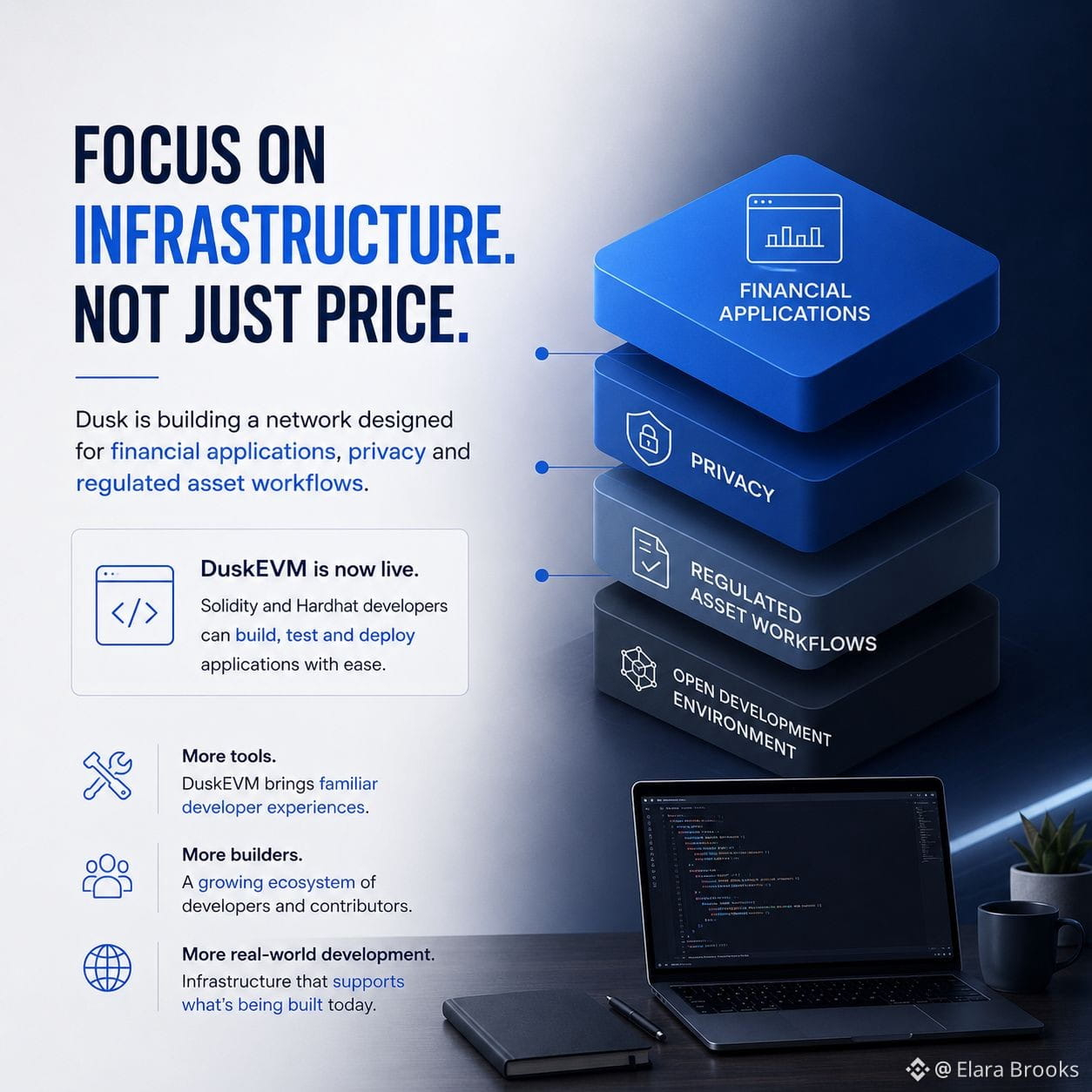
Dusk is working on a network designed around financial applications, privacy and regulated asset workflows.
The recent DuskEVM release adds another practical layer by allowing Solidity and Hardhat developers to test applications.
That creates a more measurable development phase.
Instead of asking what DUSK could become, I'd rather watch what developers actually deploy
#dusk $DUSK @Dusk_Foundation
It's easy to discuss DUSK through price charts.
I'm more interested in the infrastructure being built underneath it.
Dusk is working on a network designed around financial applications, privacy and regulated asset workflows.
The recent DuskEVM release adds another practical layer by allowing Solidity and Hardhat developers to test applications.
That creates a more measurable development phase.
Instead of asking what DUSK could become, I'd rather watch what developers actually deploy
#dusk $DUSK @Dusk
I'm more interested in the infrastructure being built underneath it.
Dusk is working on a network designed around financial applications, privacy and regulated asset workflows.
The recent DuskEVM release adds another practical layer by allowing Solidity and Hardhat developers to test applications.
That creates a more measurable development phase.
Instead of asking what DUSK could become, I'd rather watch what developers actually deploy
#dusk $DUSK @Dusk
1
73
·
--
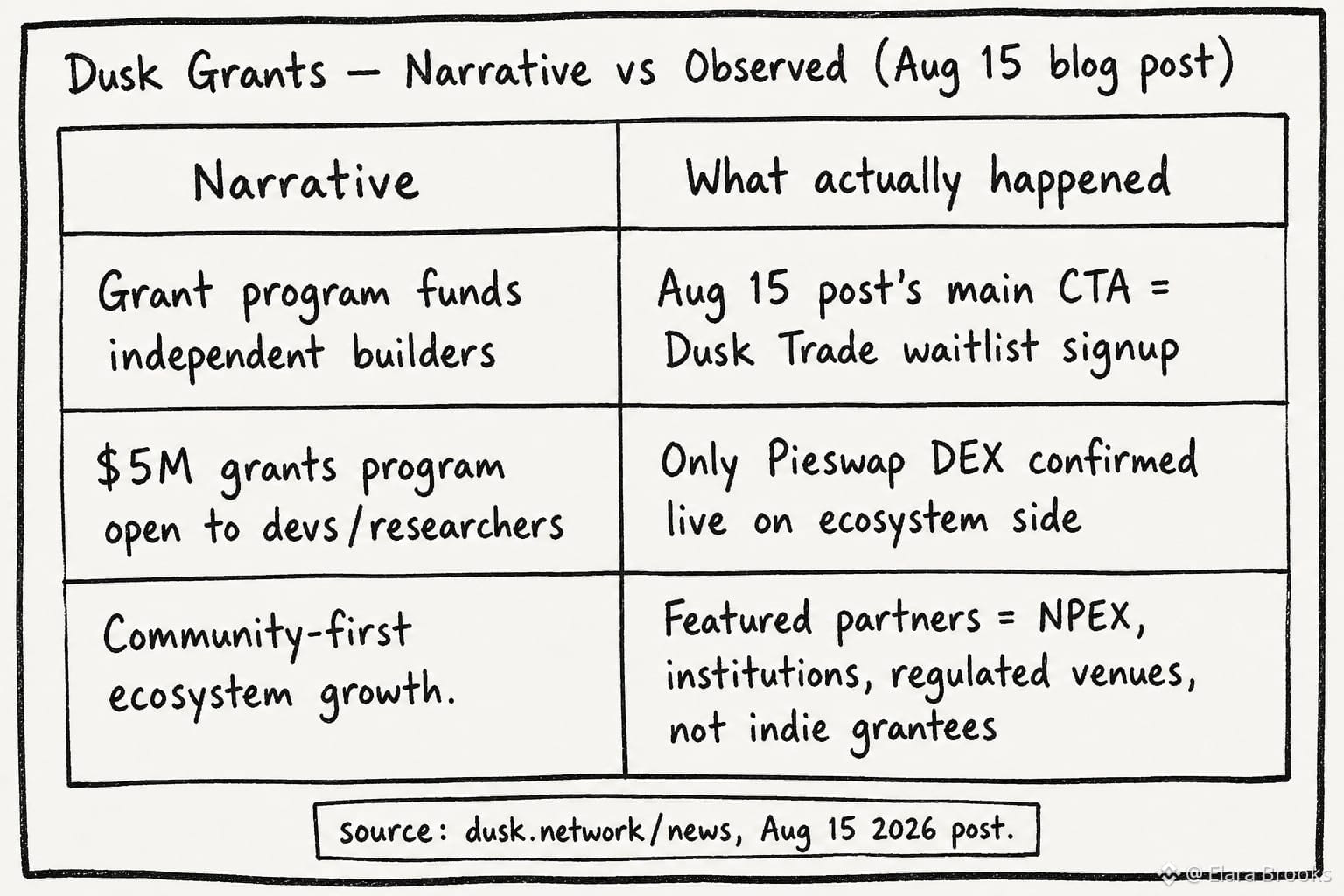
SME-tokenization piece on their blog this week (Aug 15) and I sat with it longer than planned during the #Dusk CreatorPad task… something about it didn't sit right at first.
The whole writeup walks through issuance, investor onboarding, settlement — six stages, one shared ownership record. Solid framing. But scroll to the bottom and the actual ask is "join the Dusk Trade waitlist." Not a grant application. Not a builder doc. A waitlist, for institutions and NPEX-adjacent flows.
Meanwhile the community-facing side — the actual $DUSK grants/dev fund stuff — still reads thinner than the roadmap suggests. Only one dApp really live on the ecosystem side while the tokenization messaging keeps expanding outward toward banks and regulated venues.
Hmm. Makes sense commercially — institutions move first, compliance infra needs anchor clients before it needs hobbyist tooling. Still, it's a good reminder to separate "grant program exists" from "grant program is actively distributing to independent builders right now."
@Dusk_Foundation Anyone actually gotten a grant response back this cycle, or is it still mostly inbound applications sitting in review?
#dusk $DUSK @Dusk_Foundation
SME-tokenization piece on their blog this week (Aug 15) and I sat with it longer than planned during the #Dusk CreatorPad task… something about it didn't sit right at first.
The whole writeup walks through issuance, investor onboarding, settlement — six stages, one shared ownership record. Solid framing. But scroll to the bottom and the actual ask is "join the Dusk Trade waitlist." Not a grant application. Not a builder doc. A waitlist, for institutions and NPEX-adjacent flows.
Meanwhile the community-facing side — the actual $DUSK grants/dev fund stuff — still reads thinner than the roadmap suggests. Only one dApp really live on the ecosystem side while the tokenization messaging keeps expanding outward toward banks and regulated venues.
Hmm. Makes sense commercially — institutions move first, compliance infra needs anchor clients before it needs hobbyist tooling. Still, it's a good reminder to separate "grant program exists" from "grant program is actively distributing to independent builders right now."
@Dusk Anyone actually gotten a grant response back this cycle, or is it still mostly inbound applications sitting in review?
#dusk $DUSK @Dusk
The whole writeup walks through issuance, investor onboarding, settlement — six stages, one shared ownership record. Solid framing. But scroll to the bottom and the actual ask is "join the Dusk Trade waitlist." Not a grant application. Not a builder doc. A waitlist, for institutions and NPEX-adjacent flows.
Meanwhile the community-facing side — the actual $DUSK grants/dev fund stuff — still reads thinner than the roadmap suggests. Only one dApp really live on the ecosystem side while the tokenization messaging keeps expanding outward toward banks and regulated venues.
Hmm. Makes sense commercially — institutions move first, compliance infra needs anchor clients before it needs hobbyist tooling. Still, it's a good reminder to separate "grant program exists" from "grant program is actively distributing to independent builders right now."
@Dusk Anyone actually gotten a grant response back this cycle, or is it still mostly inbound applications sitting in review?
#dusk $DUSK @Dusk
2
63
·
--
Dusk recently highlighted tokenization infrastructure for SMEs and private markets.
The idea is interesting because private-market assets have historically been difficult to access and transfer efficiently.
Putting them onchain could change parts of that process.
But tokenization itself isn't the finish line.
The infrastructure needs to support the financial workflow around those assets.
That's where Dusk's focus on privacy, compliance and settlement becomes relevant.
The concept is strong.
The real question is how quickly practical adoption develops.
#dusk $DUSK @Dusk_Foundation
Dusk recently highlighted tokenization infrastructure for SMEs and private markets.
The idea is interesting because private-market assets have historically been difficult to access and transfer efficiently.
Putting them onchain could change parts of that process.
But tokenization itself isn't the finish line.
The infrastructure needs to support the financial workflow around those assets.
That's where Dusk's focus on privacy, compliance and settlement becomes relevant.
The concept is strong.
The real question is how quickly practical adoption develops.
#dusk $DUSK @Dusk
The idea is interesting because private-market assets have historically been difficult to access and transfer efficiently.
Putting them onchain could change parts of that process.
But tokenization itself isn't the finish line.
The infrastructure needs to support the financial workflow around those assets.
That's where Dusk's focus on privacy, compliance and settlement becomes relevant.
The concept is strong.
The real question is how quickly practical adoption develops.
#dusk $DUSK @Dusk
2
4
79
·
--
Dusk has had plenty of interesting infrastructure developments.
But crypto networks eventually face the same test:
Are people actually using them?
DuskEVM now gives Solidity and Hardhat developers a more familiar way to experiment with the network.
That creates a useful opportunity to measure what comes next.
Developer interest is one signal.
Repeated deployments and sustained activity are stronger signals.
For me, the next phase of Dusk is less about explaining the technology and more about watching what gets built.
#dusk $DUSK @Dusk_Foundation
Dusk has had plenty of interesting infrastructure developments.
But crypto networks eventually face the same test:
Are people actually using them?
DuskEVM now gives Solidity and Hardhat developers a more familiar way to experiment with the network.
That creates a useful opportunity to measure what comes next.
Developer interest is one signal.
Repeated deployments and sustained activity are stronger signals.
For me, the next phase of Dusk is less about explaining the technology and more about watching what gets built.
#dusk $DUSK @Dusk
But crypto networks eventually face the same test:
Are people actually using them?
DuskEVM now gives Solidity and Hardhat developers a more familiar way to experiment with the network.
That creates a useful opportunity to measure what comes next.
Developer interest is one signal.
Repeated deployments and sustained activity are stronger signals.
For me, the next phase of Dusk is less about explaining the technology and more about watching what gets built.
#dusk $DUSK @Dusk
2
68
·
--
When people discuss Dusk, privacy is usually the first topic.
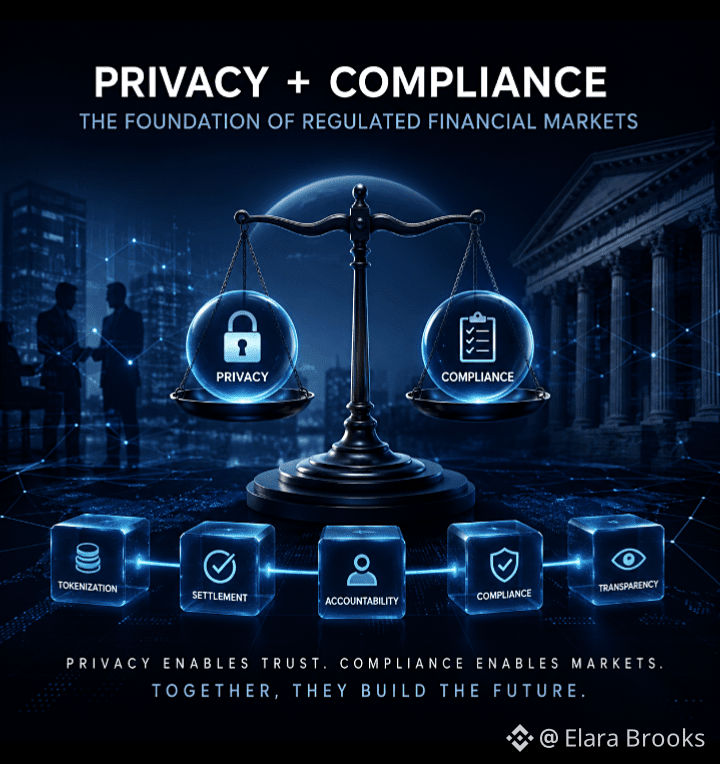
But I think the bigger question is how privacy fits into regulated financial infrastructure.
Markets don't simply need confidential transactions.
They also need accountability, compliance and predictable settlement.
That's a much more complicated design problem.
Dusk's positioning around tokenized financial markets makes this combination particularly interesting.
I'm still watching to see how much real-world activity eventually develops around the thesis.
#dusk $DUSK @Dusk_Foundation
When people discuss Dusk, privacy is usually the first topic.
But I think the bigger question is how privacy fits into regulated financial infrastructure.
Markets don't simply need confidential transactions.
They also need accountability, compliance and predictable settlement.
That's a much more complicated design problem.
Dusk's positioning around tokenized financial markets makes this combination particularly interesting.
I'm still watching to see how much real-world activity eventually develops around the thesis.
#dusk $DUSK @Dusk
But I think the bigger question is how privacy fits into regulated financial infrastructure.
Markets don't simply need confidential transactions.
They also need accountability, compliance and predictable settlement.
That's a much more complicated design problem.
Dusk's positioning around tokenized financial markets makes this combination particularly interesting.
I'm still watching to see how much real-world activity eventually develops around the thesis.
#dusk $DUSK @Dusk
1
2
61
·
--
One of the more practical Dusk developments recently has been DuskEVM support for Solidity and Hardhat.
For developers already working in the Ethereum ecosystem, familiar tooling can remove a significant amount of friction.
That doesn't automatically create adoption.
But it makes experimentation easier.
I'd rather watch what happens next: contracts deployed, applications tested and developers returning after the initial experiment.
The technology is becoming easier to access.
Now usage has to follow.
#dusk $DUSK @Dusk_Foundation
One of the more practical Dusk developments recently has been DuskEVM support for Solidity and Hardhat.
For developers already working in the Ethereum ecosystem, familiar tooling can remove a significant amount of friction.
That doesn't automatically create adoption.
But it makes experimentation easier.
I'd rather watch what happens next: contracts deployed, applications tested and developers returning after the initial experiment.
The technology is becoming easier to access.
Now usage has to follow.
#dusk $DUSK @Dusk
For developers already working in the Ethereum ecosystem, familiar tooling can remove a significant amount of friction.
That doesn't automatically create adoption.
But it makes experimentation easier.
I'd rather watch what happens next: contracts deployed, applications tested and developers returning after the initial experiment.
The technology is becoming easier to access.
Now usage has to follow.
#dusk $DUSK @Dusk
2
84
·
--
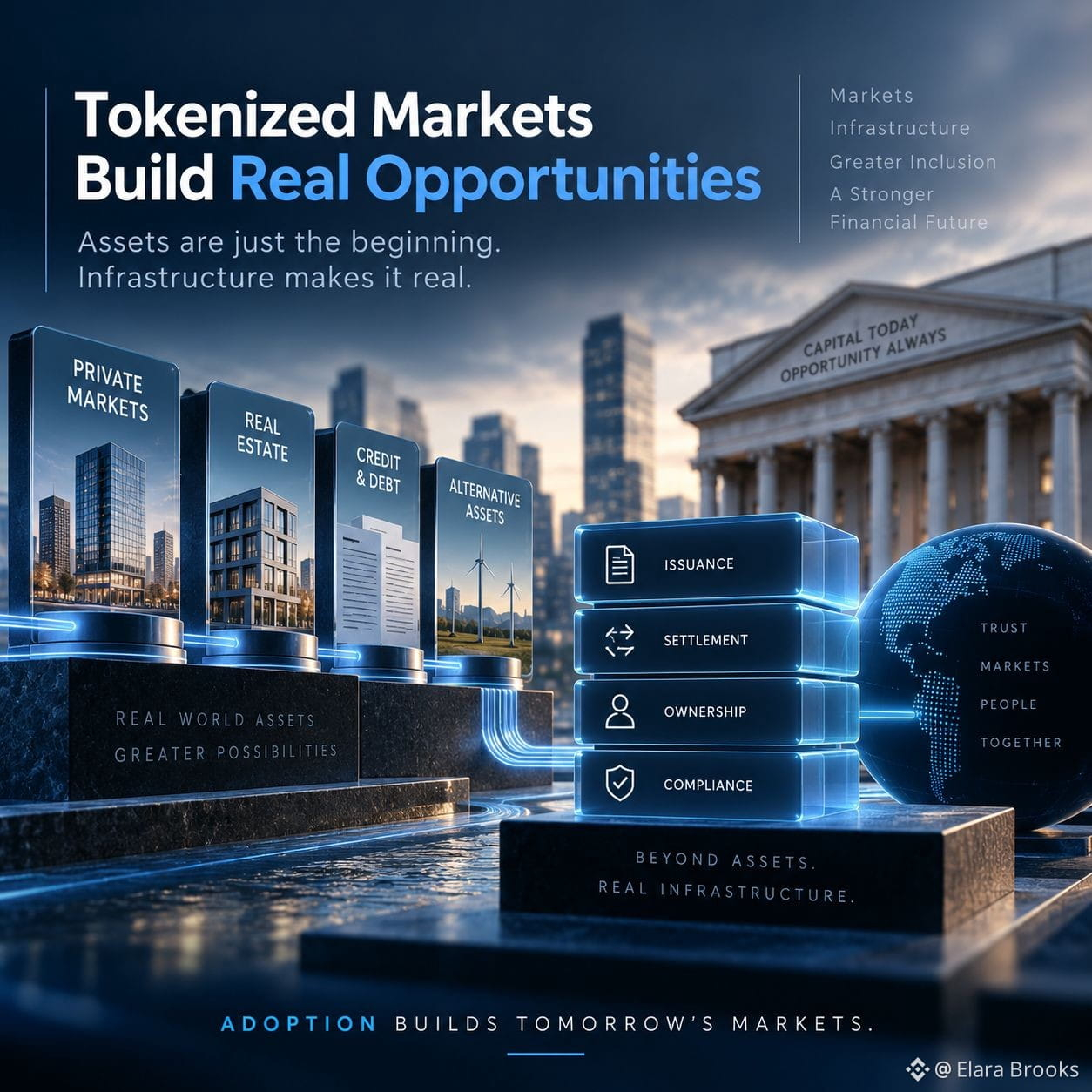
Dusk is increasingly positioning itself around tokenized financial markets, particularly private-market workflows.
That distinction matters.
Tokenization isn't only about creating a digital representation of an asset. Financial institutions also need processes around issuance, settlement, ownership and compliance.
Dusk is attempting to address that broader infrastructure layer.
My view is that the interesting metric won't be how many assets can theoretically be tokenized.
It will be whether real issuers and financial participants actually use the infrastructure.
#dusk $DUSK @Dusk_Foundation
Dusk is increasingly positioning itself around tokenized financial markets, particularly private-market workflows.
That distinction matters.
Tokenization isn't only about creating a digital representation of an asset. Financial institutions also need processes around issuance, settlement, ownership and compliance.
Dusk is attempting to address that broader infrastructure layer.
My view is that the interesting metric won't be how many assets can theoretically be tokenized.
It will be whether real issuers and financial participants actually use the infrastructure.
#dusk $DUSK @Dusk
That distinction matters.
Tokenization isn't only about creating a digital representation of an asset. Financial institutions also need processes around issuance, settlement, ownership and compliance.
Dusk is attempting to address that broader infrastructure layer.
My view is that the interesting metric won't be how many assets can theoretically be tokenized.
It will be whether real issuers and financial participants actually use the infrastructure.
#dusk $DUSK @Dusk
1
2
78
·
--
Bullish
DuskEVM went live on August 10, giving developers the ability to deploy and test applications using Solidity and Hardhat.
I think this is more important than it initially looks.
Infrastructure becomes easier to evaluate when developers can use tools they already understand. The next thing worth watching isn't another announcement, but whether developers actually deploy contracts, test applications and generate sustained network activity.
For Dusk, this could be an important transition from infrastructure development toward measurable ecosystem usage
#dusk $DUSK @Dusk_Foundation
DuskEVM went live on August 10, giving developers the ability to deploy and test applications using Solidity and Hardhat.
I think this is more important than it initially looks.
Infrastructure becomes easier to evaluate when developers can use tools they already understand. The next thing worth watching isn't another announcement, but whether developers actually deploy contracts, test applications and generate sustained network activity.
For Dusk, this could be an important transition from infrastructure development toward measurable ecosystem usage
#dusk $DUSK @Dusk
I think this is more important than it initially looks.
Infrastructure becomes easier to evaluate when developers can use tools they already understand. The next thing worth watching isn't another announcement, but whether developers actually deploy contracts, test applications and generate sustained network activity.
For Dusk, this could be an important transition from infrastructure development toward measurable ecosystem usage
#dusk $DUSK @Dusk
2
68
·
--
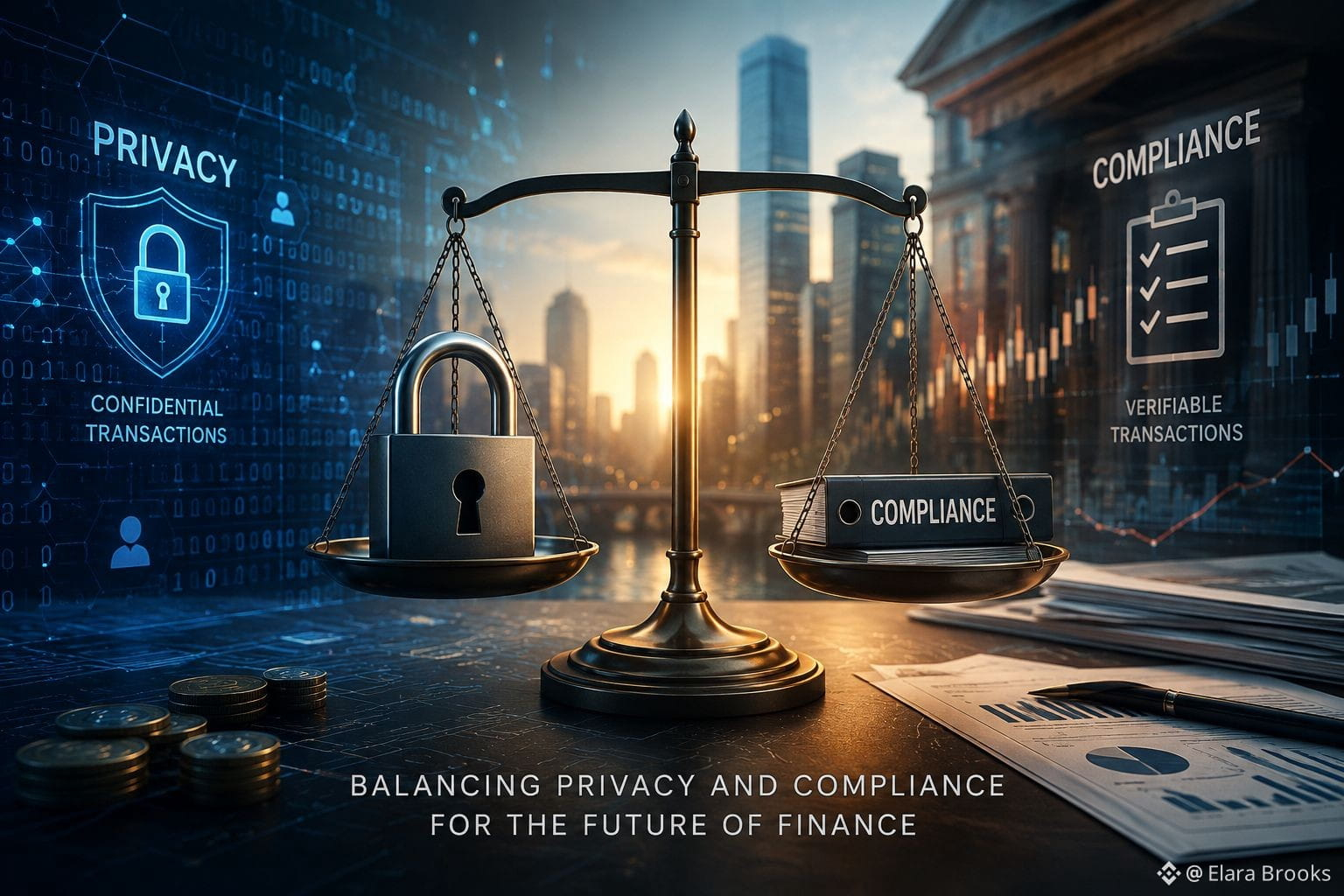
Blockchain transparency is powerful, but financial markets also need privacy.
That’s where $DUSK becomes interesting. Instead of treating privacy and compliance as opposites, $DUSK is building infrastructure designed to bring both into onchain finance.
The future of financial blockchain infrastructure may need both.
#dusk $DUSK @Dusk_Foundation
Blockchain transparency is powerful, but financial markets also need privacy.
That’s where $DUSK becomes interesting. Instead of treating privacy and compliance as opposites, $DUSK is building infrastructure designed to bring both into onchain finance.
The future of financial blockchain infrastructure may need both.
#dusk $DUSK @Dusk
That’s where $DUSK becomes interesting. Instead of treating privacy and compliance as opposites, $DUSK is building infrastructure designed to bring both into onchain finance.
The future of financial blockchain infrastructure may need both.
#dusk $DUSK @Dusk
2
65
·
--
What made me pause while digging through Dusk was how different the idea of “private finance” feels once you look at the actual transaction model.
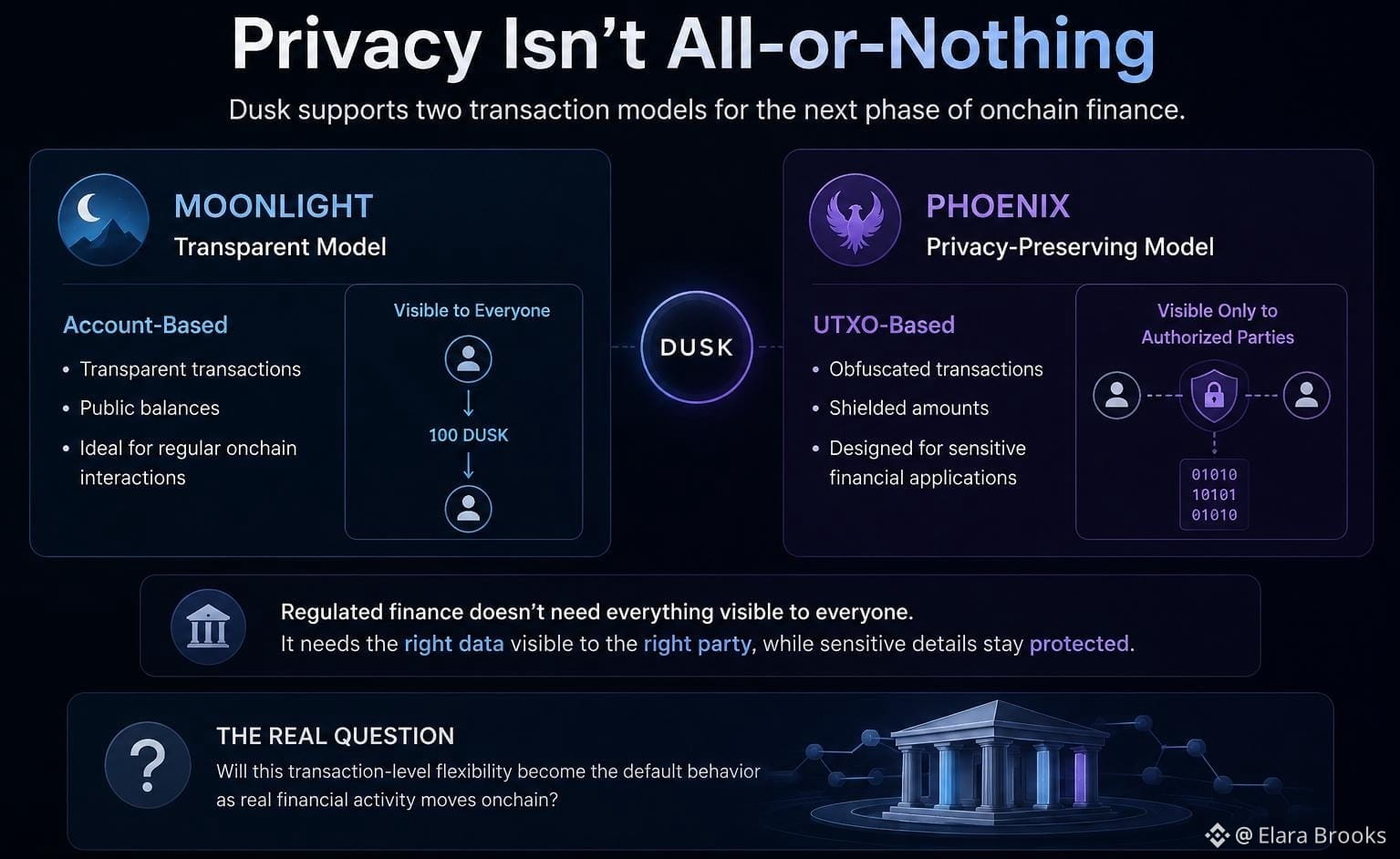
I was checking @Dusk_Foundation and $DUSK during the CreatorPad task, and the interesting part is that Dusk doesn’t force every transaction into the same privacy model. Its protocol supports both Moonlight, the transparent account-based model, and Phoenix, the UTXO-based model that can handle obfuscated transactions. That detail is in the current Dusk whitepaper, and it changes how I look at #Dusk.
For financial applications, that flexibility matters more to me than the privacy narrative itself. A regulated asset probably doesn’t need every interaction hidden from everyone. It needs the right information visible to the right party, while sensitive details stay protected. Dusk’s design seems to be built around that distinction rather than treating privacy as an all-or-nothing switch.
I initially thought the interesting part would be the tokenization angle. After digging deeper, I’m less sure. The bigger question now is whether this transaction-level flexibility actually becomes the default behavior as real financial activity moves onchain…
#dusk $DUSK @Dusk_Foundation
What made me pause while digging through Dusk was how different the idea of “private finance” feels once you look at the actual transaction model.
I was checking @Dusk and $DUSK during the CreatorPad task, and the interesting part is that Dusk doesn’t force every transaction into the same privacy model. Its protocol supports both Moonlight, the transparent account-based model, and Phoenix, the UTXO-based model that can handle obfuscated transactions. That detail is in the current Dusk whitepaper, and it changes how I look at #Dusk.
For financial applications, that flexibility matters more to me than the privacy narrative itself. A regulated asset probably doesn’t need every interaction hidden from everyone. It needs the right information visible to the right party, while sensitive details stay protected. Dusk’s design seems to be built around that distinction rather than treating privacy as an all-or-nothing switch.
I initially thought the interesting part would be the tokenization angle. After digging deeper, I’m less sure. The bigger question now is whether this transaction-level flexibility actually becomes the default behavior as real financial activity moves onchain…
#dusk $DUSK @Dusk
I was checking @Dusk and $DUSK during the CreatorPad task, and the interesting part is that Dusk doesn’t force every transaction into the same privacy model. Its protocol supports both Moonlight, the transparent account-based model, and Phoenix, the UTXO-based model that can handle obfuscated transactions. That detail is in the current Dusk whitepaper, and it changes how I look at #Dusk.
For financial applications, that flexibility matters more to me than the privacy narrative itself. A regulated asset probably doesn’t need every interaction hidden from everyone. It needs the right information visible to the right party, while sensitive details stay protected. Dusk’s design seems to be built around that distinction rather than treating privacy as an all-or-nothing switch.
I initially thought the interesting part would be the tokenization angle. After digging deeper, I’m less sure. The bigger question now is whether this transaction-level flexibility actually becomes the default behavior as real financial activity moves onchain…
#dusk $DUSK @Dusk
2
61
·
--
What made me pause while digging through Dusk was how different the idea of “private finance” feels once you look at the actual transaction model.
I was checking @Dusk_Foundation and $DUSK during the CreatorPad task, and the interesting part is that Dusk doesn’t force every transaction into the same privacy model. Its protocol supports both Moonlight, the transparent account-based model, and Phoenix, the UTXO-based model that can handle obfuscated transactions. That detail is in the current Dusk whitepaper, and it changes how I look at #Dusk.
For financial applications, that flexibility matters more to me than the privacy narrative itself. A regulated asset probably doesn’t need every interaction hidden from everyone. It needs the right information visible to the right party, while sensitive details stay protected. Dusk’s design seems to be built around that distinction rather than treating privacy as an all-or-nothing switch.
I initially thought the interesting part would be the tokenization angle. After digging deeper, I’m less sure. The bigger question now is whether this transaction-level flexibility actually becomes the default behavior as real financial activity moves onchain…
What made me pause while digging through Dusk was how different the idea of “private finance” feels once you look at the actual transaction model.
I was checking @Dusk and $DUSK during the CreatorPad task, and the interesting part is that Dusk doesn’t force every transaction into the same privacy model. Its protocol supports both Moonlight, the transparent account-based model, and Phoenix, the UTXO-based model that can handle obfuscated transactions. That detail is in the current Dusk whitepaper, and it changes how I look at #Dusk.
For financial applications, that flexibility matters more to me than the privacy narrative itself. A regulated asset probably doesn’t need every interaction hidden from everyone. It needs the right information visible to the right party, while sensitive details stay protected. Dusk’s design seems to be built around that distinction rather than treating privacy as an all-or-nothing switch.
I initially thought the interesting part would be the tokenization angle. After digging deeper, I’m less sure. The bigger question now is whether this transaction-level flexibility actually becomes the default behavior as real financial activity moves onchain…
I was checking @Dusk and $DUSK during the CreatorPad task, and the interesting part is that Dusk doesn’t force every transaction into the same privacy model. Its protocol supports both Moonlight, the transparent account-based model, and Phoenix, the UTXO-based model that can handle obfuscated transactions. That detail is in the current Dusk whitepaper, and it changes how I look at #Dusk.
For financial applications, that flexibility matters more to me than the privacy narrative itself. A regulated asset probably doesn’t need every interaction hidden from everyone. It needs the right information visible to the right party, while sensitive details stay protected. Dusk’s design seems to be built around that distinction rather than treating privacy as an all-or-nothing switch.
I initially thought the interesting part would be the tokenization angle. After digging deeper, I’m less sure. The bigger question now is whether this transaction-level flexibility actually becomes the default behavior as real financial activity moves onchain…
1
2
86
·
--
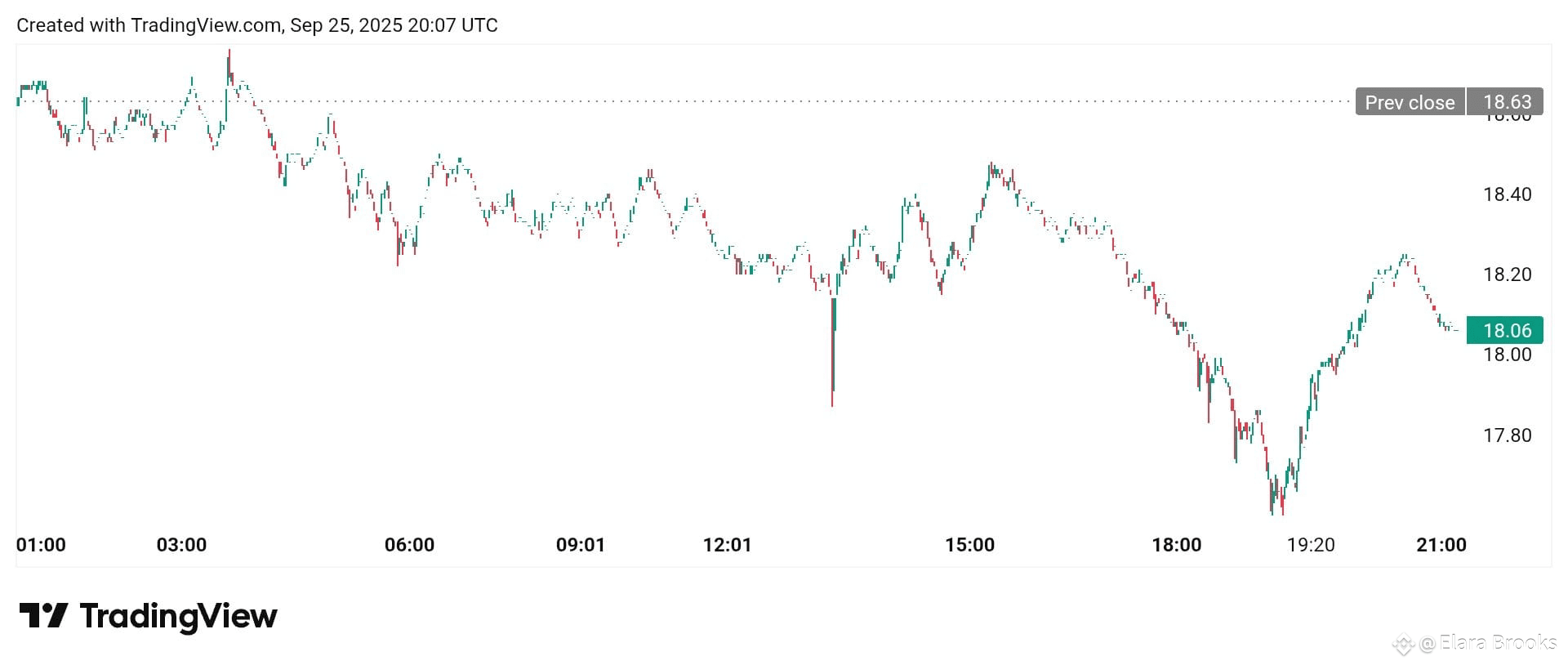
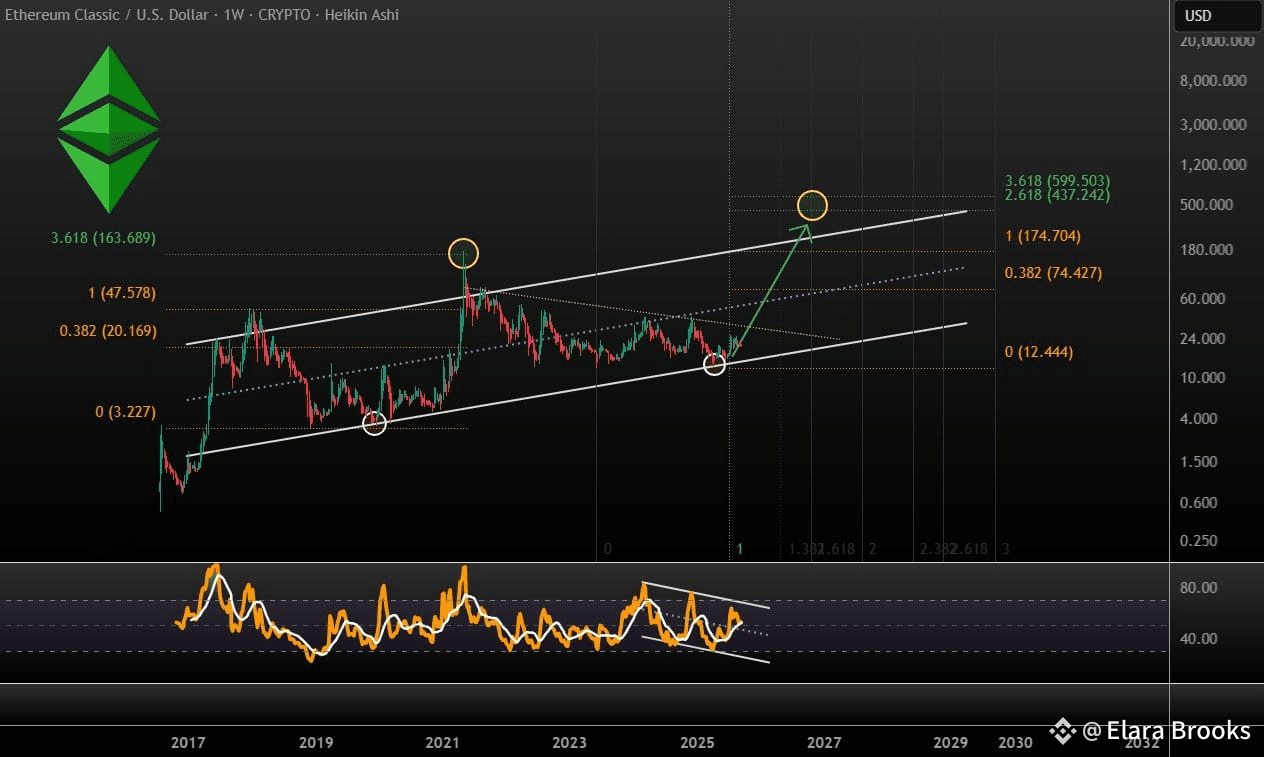
$ETC is still among the most undervalued PoW assets.
With immutability, fixed supply, and proven resilience, it’s well placed for capital rotation beyond $BTC & $ETH .
Current consolidation hints at building strength, often a setup for sharp moves
#Write2Earn
$ETC is still among the most undervalued PoW assets.
With immutability, fixed supply, and proven resilience, it’s well placed for capital rotation beyond $BTC & $ETH .
Current consolidation hints at building strength, often a setup for sharp moves
#Write2Earn
With immutability, fixed supply, and proven resilience, it’s well placed for capital rotation beyond $BTC & $ETH .
Current consolidation hints at building strength, often a setup for sharp moves
#Write2Earn
2
79
·
--
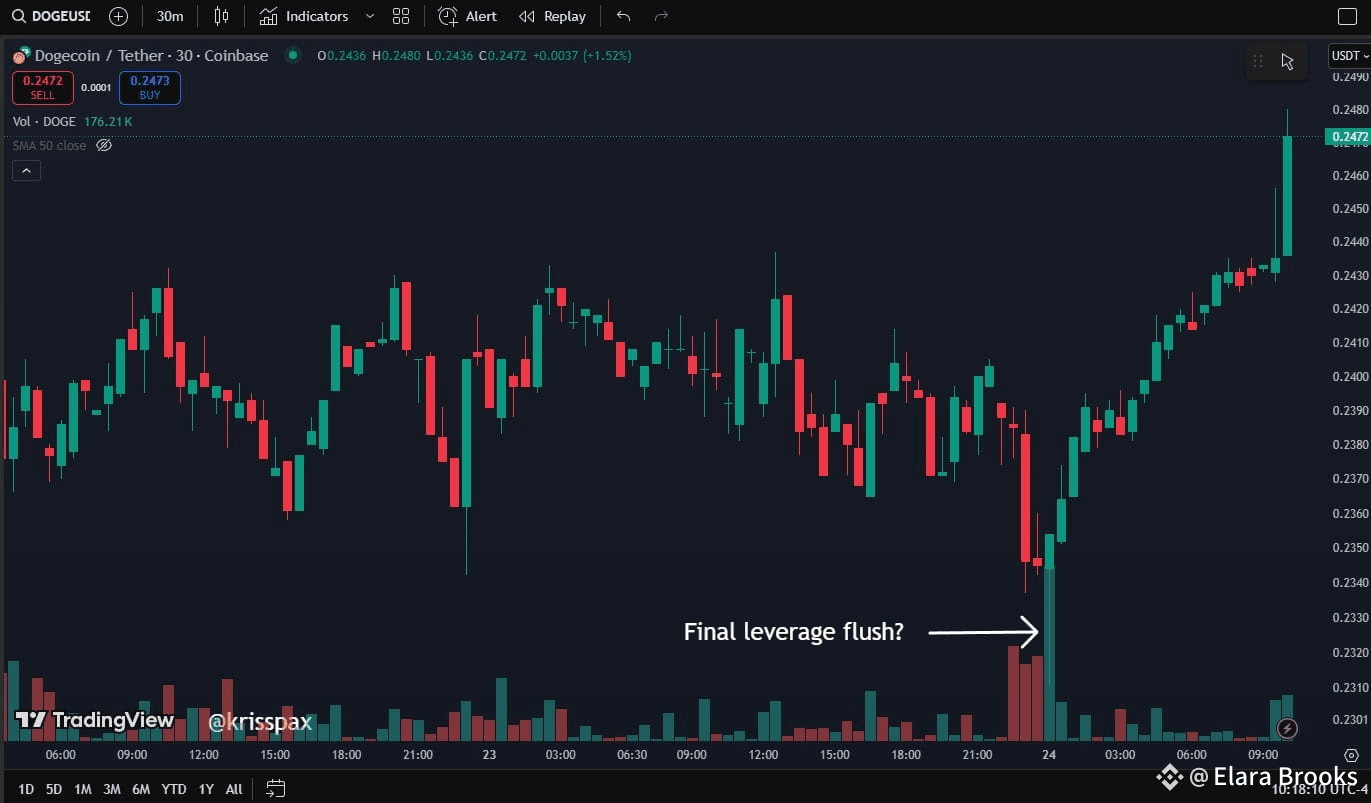
DOGE’s trying to break out!
Was this morning’s move the final liquidation sweep before the run?
$DOGE #Write2Earn
DOGE’s trying to break out!
Was this morning’s move the final liquidation sweep before the run?
$DOGE #Write2Earn
Was this morning’s move the final liquidation sweep before the run?
$DOGE #Write2Earn
3
100
·
--
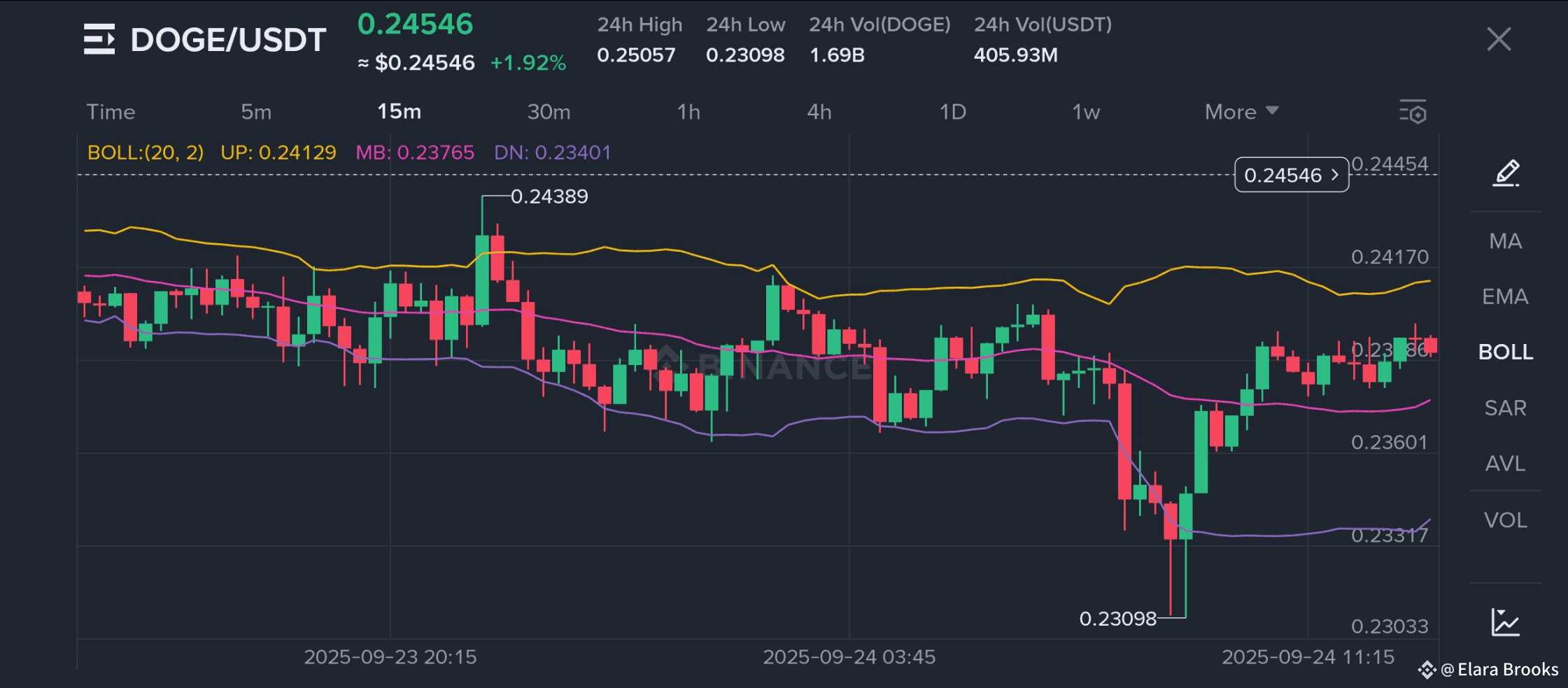
$DOGE just bounced hard from support and holding strong above mid-Bollinger 👀
Next stop looks like upper band 🔥
#Write2Earn
$DOGE just bounced hard from support and holding strong above mid-Bollinger 👀
Next stop looks like upper band 🔥
#Write2Earn
Next stop looks like upper band 🔥
#Write2Earn
108
Log in to explore more content
Join global crypto users on Binance Square
⚡️ Get latest and useful information about crypto.
💬 Trusted by the world’s largest crypto exchange.
👍 Discover real insights from verified creators.
Email / Phone number
Trending Topics
BTCBreaks80K
103,509 views
1,714 Discussing
$BTC
What price is BTC going to hit in 2026?
Spot is sitting at $80,748. 104 days to go
↑ $90k - 58%
↑ $100k - 24%
↓ $70k dip first - 48%
The bull case floating around the floor:
>August had a proper run from $62,275 up to $81,479 — up 31% bottom to top
>The CLARITY Act flopped its Senate cloture vote 49-50 on 15 Sept. BTC was already sliding well before the vote, touched $74,968 in that hour, and won it all back inside three days
>The Fed hiked rates on 16 Sept — first time since July 2023. Spot is currently floating 7.4% above that day's low
>The altcoins are proper outrunning it. 30-day view: SOL up 38%, XRP up 35%, ETH up 32% versus BTC up 23%
>The timeline is still packed with reasons why this ought to break down — and that’s precisely the wall of worry bull markets tend to climb
>The midterms land on 3 Nov, right smack in the middle of this market window
So, what would you put down for a punt at +24% in 104 days?
$ETH
$SOL
#BTCBreaks80K #solonapumping #ETH🔥🔥🔥🔥🔥🔥 #BullMarket📈
Wealthy bloke
·5 Likes
·5k views
BuffettBecomesBerkshireChairmanEmeritus
26,947 views
602 Discussing
ZcashSpotETFTops$230MMonthlyInflow
6,655 views
85 Discussing