

币圈-李小霄
1.3k Posts

币圈-李小霄
Report
Block User
法律人|律师|DOGE持有者|时事评论员|加密分析师|投资有风险,开仓需谨慎|
Open Trade

PEPE Holder
Frequent Trader
1.9 Years
151 Following
11.7K+ Followers
5.6K+ Liked
Posts
Portfolio
All
Quotes
Videos
PINNED
·
--
Verified

Article
‘Sual Legal Lecture’ Is it illegal for individuals to play with virtual currency?In the current community, many people are curious, or in other words, puzzled about one thing.
Is it illegal for me to trade cryptocurrencies after working so hard?
Today Saul, I will explain it to you clearly in one breath!
In the general public's perception, there is often a misunderstanding that 'individuals playing with virtual currency is illegal.' However, from the perspective of our current effective regulatory rules, the regulatory authorities have never outright banned all personal activities related to virtual currency. The core regulation targets illegal financial activities related to virtual currency that involve businesses and the public. The act of individuals merely holding and taking risks with their investments does not necessarily constitute an illegal act.
‘Sual Legal Lecture’ Is it illegal for individuals to play with virtual currency?
In the current community, many people are curious, or in other words, puzzled about one thing.
Is it illegal for me to trade cryptocurrencies after working so hard?
Today Saul, I will explain it to you clearly in one breath!
In the general public's perception, there is often a misunderstanding that 'individuals playing with virtual currency is illegal.' However, from the perspective of our current effective regulatory rules, the regulatory authorities have never outright banned all personal activities related to virtual currency. The core regulation targets illegal financial activities related to virtual currency that involve businesses and the public. The act of individuals merely holding and taking risks with their investments does not necessarily constitute an illegal act.
Is it illegal for me to trade cryptocurrencies after working so hard?
Today Saul, I will explain it to you clearly in one breath!
In the general public's perception, there is often a misunderstanding that 'individuals playing with virtual currency is illegal.' However, from the perspective of our current effective regulatory rules, the regulatory authorities have never outright banned all personal activities related to virtual currency. The core regulation targets illegal financial activities related to virtual currency that involve businesses and the public. The act of individuals merely holding and taking risks with their investments does not necessarily constitute an illegal act.
4
8
419
PINNED
·
--
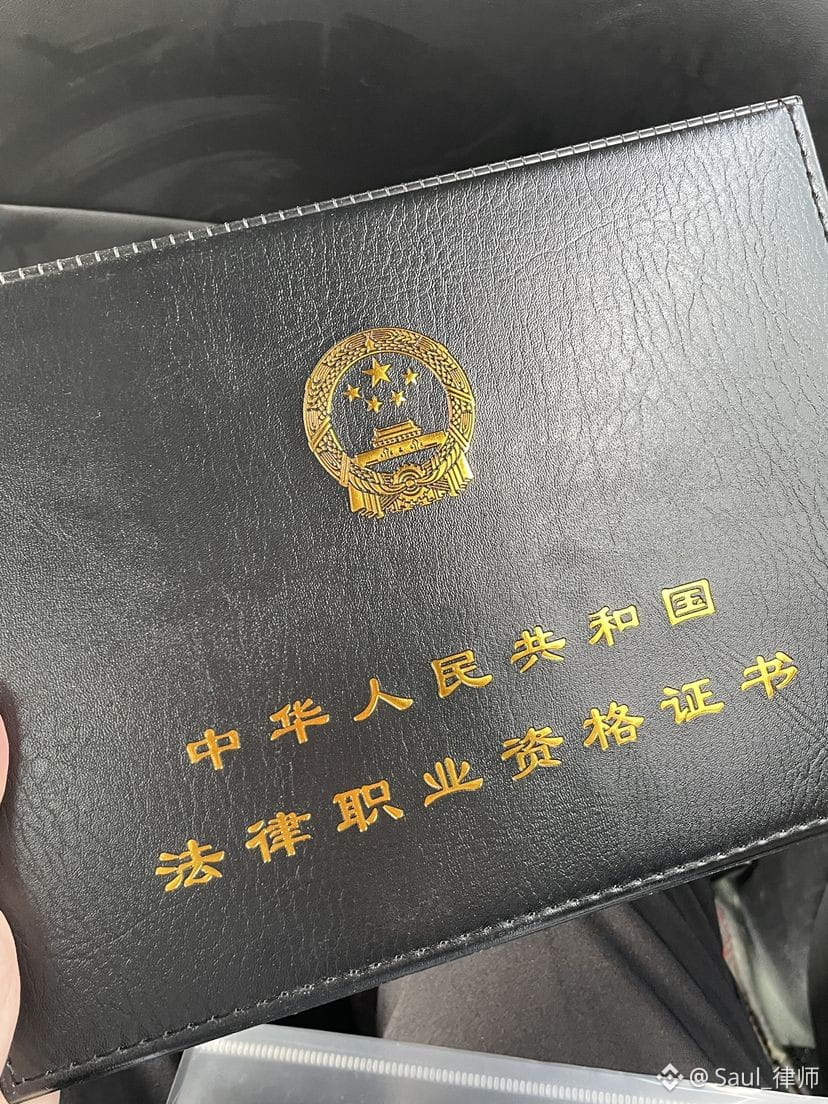
With a valid certificate, please contact Sual, Better call Saul!
With a valid certificate, please contact Sual, Better call Saul!

3
10
1.1k
·
--
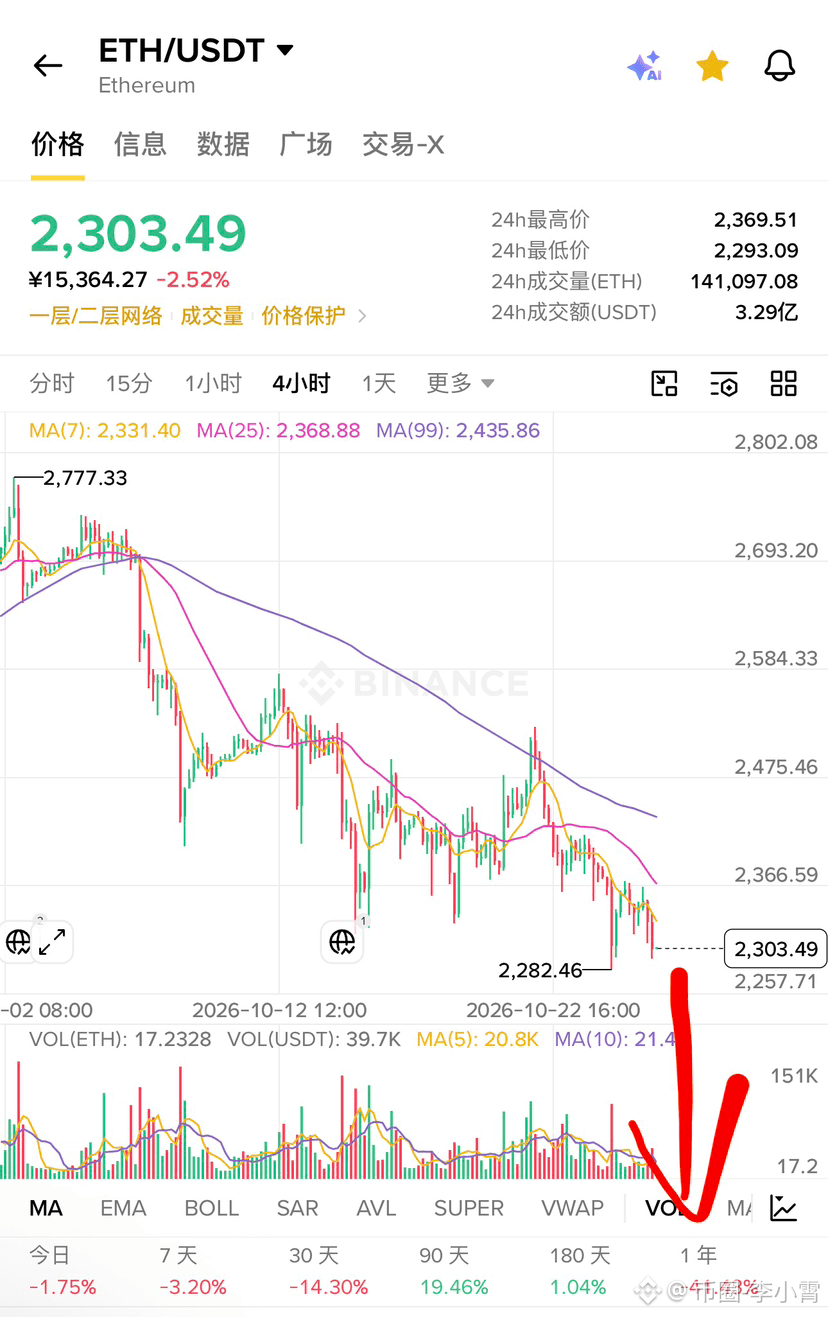
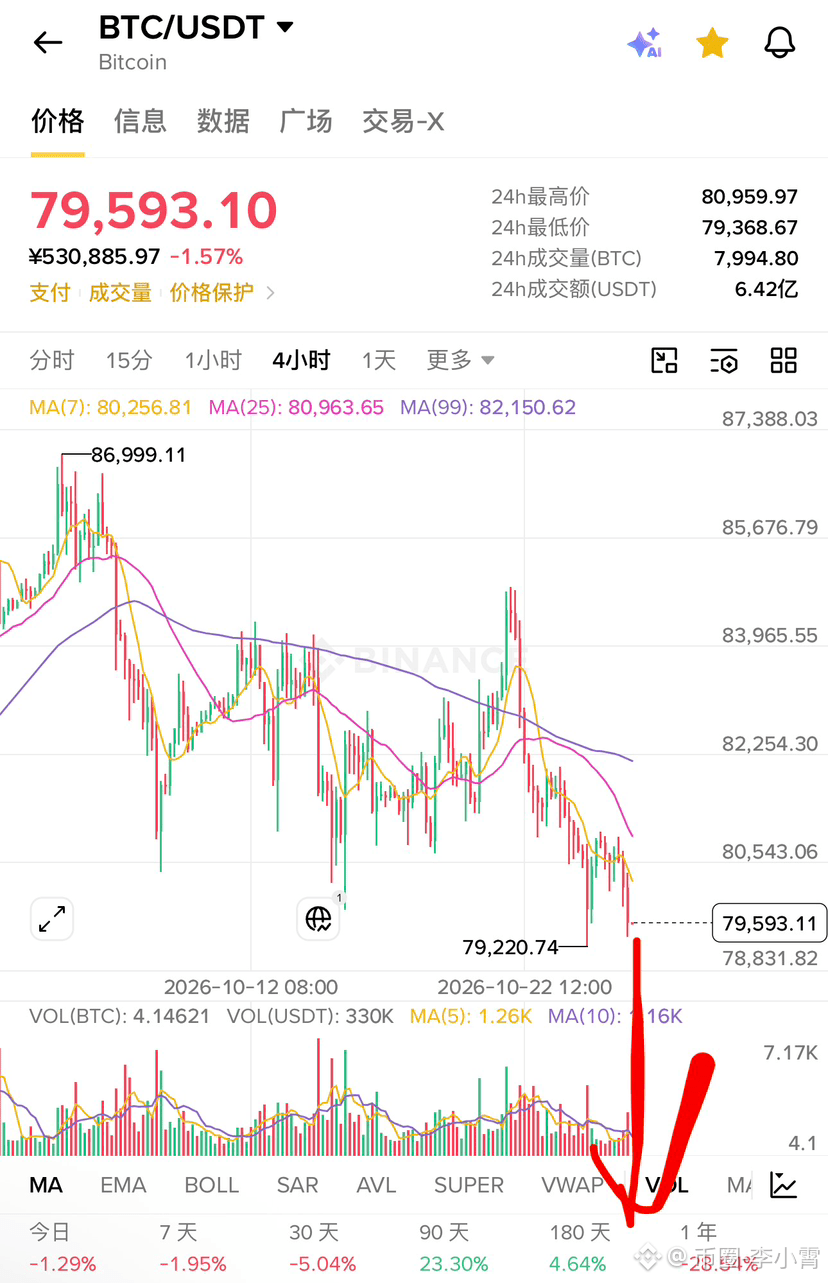
$BTC As expected, it has already fallen below $80K and is still dropping
$ETH Same thing here—it’s falling too, and has already broken below the key $2,300 level
There are only a few days left until the meeting announcing whether interest rates will be raised. A drop is inevitable
The current drop is to pave the way for another climb afterward, but it’s hard to say how much it’ll fall
If we get a massive crash, a drop of 7–8% is very possible
ETH could fall straight below $2,000, and BTC could also drop below $75,000
Everyone is waiting for news on whether rates will be raised. It’s exhausting
Honestly, whether rates are raised or not shouldn’t affect the crypto market
Feels like everyone’s just trading on rate-hike expectations, then the market makers take the opportunity to cash in!!!
#btc
{future}(ETHUSDT)
$BTC As expected, it has already fallen below $80K and is still dropping
$ETH Same thing here—it’s falling too, and has already broken below the key $2,300 level
There are only a few days left until the meeting announcing whether interest rates will be raised. A drop is inevitable
The current drop is to pave the way for another climb afterward, but it’s hard to say how much it’ll fall
If we get a massive crash, a drop of 7–8% is very possible
ETH could fall straight below $2,000, and BTC could also drop below $75,000
Everyone is waiting for news on whether rates will be raised. It’s exhausting
Honestly, whether rates are raised or not shouldn’t affect the crypto market
Feels like everyone’s just trading on rate-hike expectations, then the market makers take the opportunity to cash in!!!
#btc
$ETH Same thing here—it’s falling too, and has already broken below the key $2,300 level
There are only a few days left until the meeting announcing whether interest rates will be raised. A drop is inevitable
The current drop is to pave the way for another climb afterward, but it’s hard to say how much it’ll fall
If we get a massive crash, a drop of 7–8% is very possible
ETH could fall straight below $2,000, and BTC could also drop below $75,000
Everyone is waiting for news on whether rates will be raised. It’s exhausting
Honestly, whether rates are raised or not shouldn’t affect the crypto market
Feels like everyone’s just trading on rate-hike expectations, then the market makers take the opportunity to cash in!!!
#btc
1
1.8k
·
--
#币安神算子 , the past couple of days have been amazing.
It’s almost impossible to make a quick buck betting on League of Legends matches.
#币安神算子 , the past couple of days have been amazing.
It’s almost impossible to make a quick buck betting on League of Legends matches.
It’s almost impossible to make a quick buck betting on League of Legends matches.
1
69
·
--
#币安神算子 al is such a trash team
Went all in, now it's gone.
#币安神算子 al is such a trash team
Went all in, now it's gone.
Went all in, now it's gone.
1
104
·
--
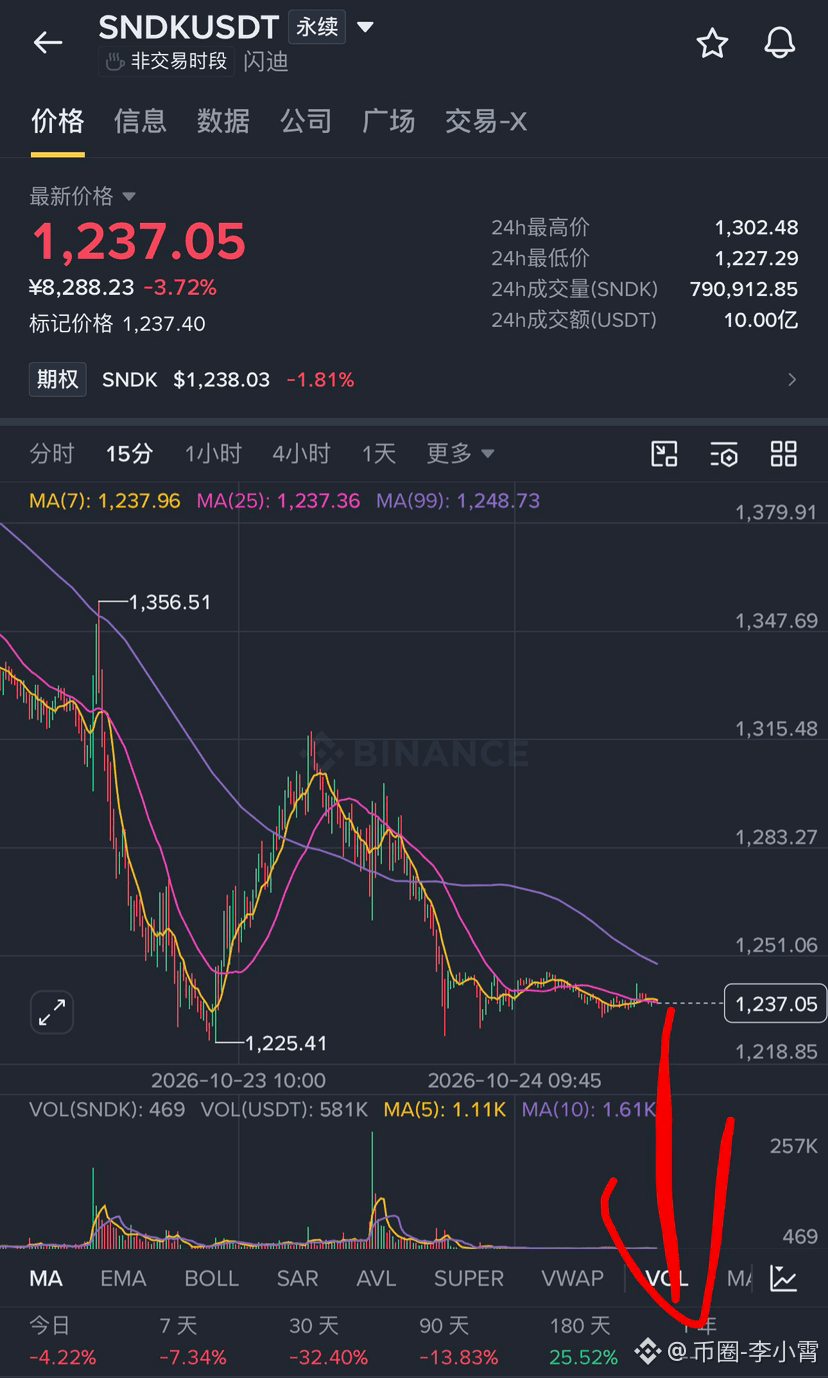
$SNDK I’ll get straight to the point: SanDisk will keep falling.
The whole market is waiting for a rebound right now. Everyone’s in the same boat.
The price is currently 1,240, and I estimate it could fall several more percentage points.
Next week, it could easily drop below around 1,100. If things go badly,
it could fall straight to around 1,000 next week. There’ll definitely be a rebound,
but it’ll only reach around 1,300 at most, then it’ll keep falling.
I still hope to see SanDisk start with a 9 this year. The entire Korean stock market is falling right now.
The chances of an interest rate hike are already very low, but the price still isn’t rising.
That can only mean that hardly anyone is buying this anymore. No one’s driving the price up.
The big players are still sitting on the sidelines, waiting to pick up shares at a low price!
#股票财报季
{future}(SNDKUSDT)
$SNDK I’ll get straight to the point: SanDisk will keep falling.
The whole market is waiting for a rebound right now. Everyone’s in the same boat.
The price is currently 1,240, and I estimate it could fall several more percentage points.
Next week, it could easily drop below around 1,100. If things go badly,
it could fall straight to around 1,000 next week. There’ll definitely be a rebound,
but it’ll only reach around 1,300 at most, then it’ll keep falling.
I still hope to see SanDisk start with a 9 this year. The entire Korean stock market is falling right now.
The chances of an interest rate hike are already very low, but the price still isn’t rising.
That can only mean that hardly anyone is buying this anymore. No one’s driving the price up.
The big players are still sitting on the sidelines, waiting to pick up shares at a low price!
#股票财报季
The whole market is waiting for a rebound right now. Everyone’s in the same boat.
The price is currently 1,240, and I estimate it could fall several more percentage points.
Next week, it could easily drop below around 1,100. If things go badly,
it could fall straight to around 1,000 next week. There’ll definitely be a rebound,
but it’ll only reach around 1,300 at most, then it’ll keep falling.
I still hope to see SanDisk start with a 9 this year. The entire Korean stock market is falling right now.
The chances of an interest rate hike are already very low, but the price still isn’t rising.
That can only mean that hardly anyone is buying this anymore. No one’s driving the price up.
The big players are still sitting on the sidelines, waiting to pick up shares at a low price!
#股票财报季
1
1.3k
·
--
#币安神算子 What a shame about IG yesterday.
I stayed up late watching the matches, and the entire LPL was wiped out.
#币安神算子 What a shame about IG yesterday.
I stayed up late watching the matches, and the entire LPL was wiped out.
I stayed up late watching the matches, and the entire LPL was wiped out.
54
·
--
Bearish
$SNDK Is there still hope? Can spot and futures positions recover their losses?
Here's the straight answer: if you're stuck around 1,800, it'll probably be very hard to break even!
For spot, you can be a bit more optimistic and keep holding. For futures, wait for a bounce and cut your losses.
None of the indicators are showing any sign of a rally right now.
The price keeps moving lower. It may look like it's moving sideways for now, but get out quickly!
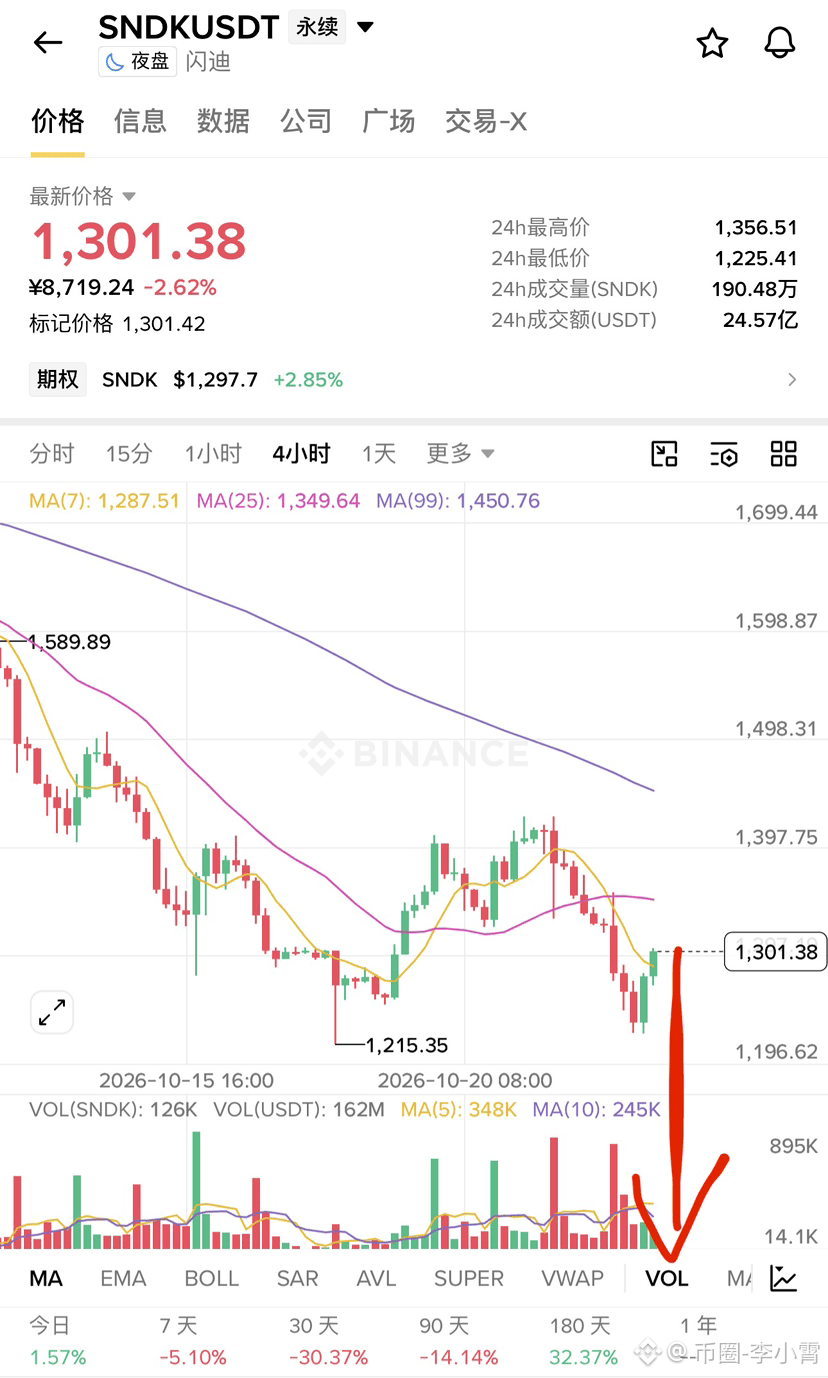
It's now moving sideways around 1,300, and next it could keep falling.
In the short term, it's definitely likely to break below around 1,200, then hover before rising.
You might not believe the overall target I'm about to share. Even I'm a little skeptical:
There's a very good chance SanDisk could reach a price starting with 9. Just wait and see!
#股票财报季
{future}(SNDKUSDT)
$SNDK Is there still hope? Can spot and futures positions recover their losses?
Here's the straight answer: if you're stuck around 1,800, it'll probably be very hard to break even!
For spot, you can be a bit more optimistic and keep holding. For futures, wait for a bounce and cut your losses.
None of the indicators are showing any sign of a rally right now.
The price keeps moving lower. It may look like it's moving sideways for now, but get out quickly!
It's now moving sideways around 1,300, and next it could keep falling.
In the short term, it's definitely likely to break below around 1,200, then hover before rising.
You might not believe the overall target I'm about to share. Even I'm a little skeptical:
There's a very good chance SanDisk could reach a price starting with 9. Just wait and see!
#股票财报季
Here's the straight answer: if you're stuck around 1,800, it'll probably be very hard to break even!
For spot, you can be a bit more optimistic and keep holding. For futures, wait for a bounce and cut your losses.
None of the indicators are showing any sign of a rally right now.
The price keeps moving lower. It may look like it's moving sideways for now, but get out quickly!
It's now moving sideways around 1,300, and next it could keep falling.
In the short term, it's definitely likely to break below around 1,200, then hover before rising.
You might not believe the overall target I'm about to share. Even I'm a little skeptical:
There's a very good chance SanDisk could reach a price starting with 9. Just wait and see!
#股票财报季
1
1.8k
·
--
#币安神算子 is currently at 300 points. Watch me get to 1,000 points.
#币安神算子 is currently at 300 points. Watch me get to 1,000 points.
182
·
--
45
·
--
Bearish
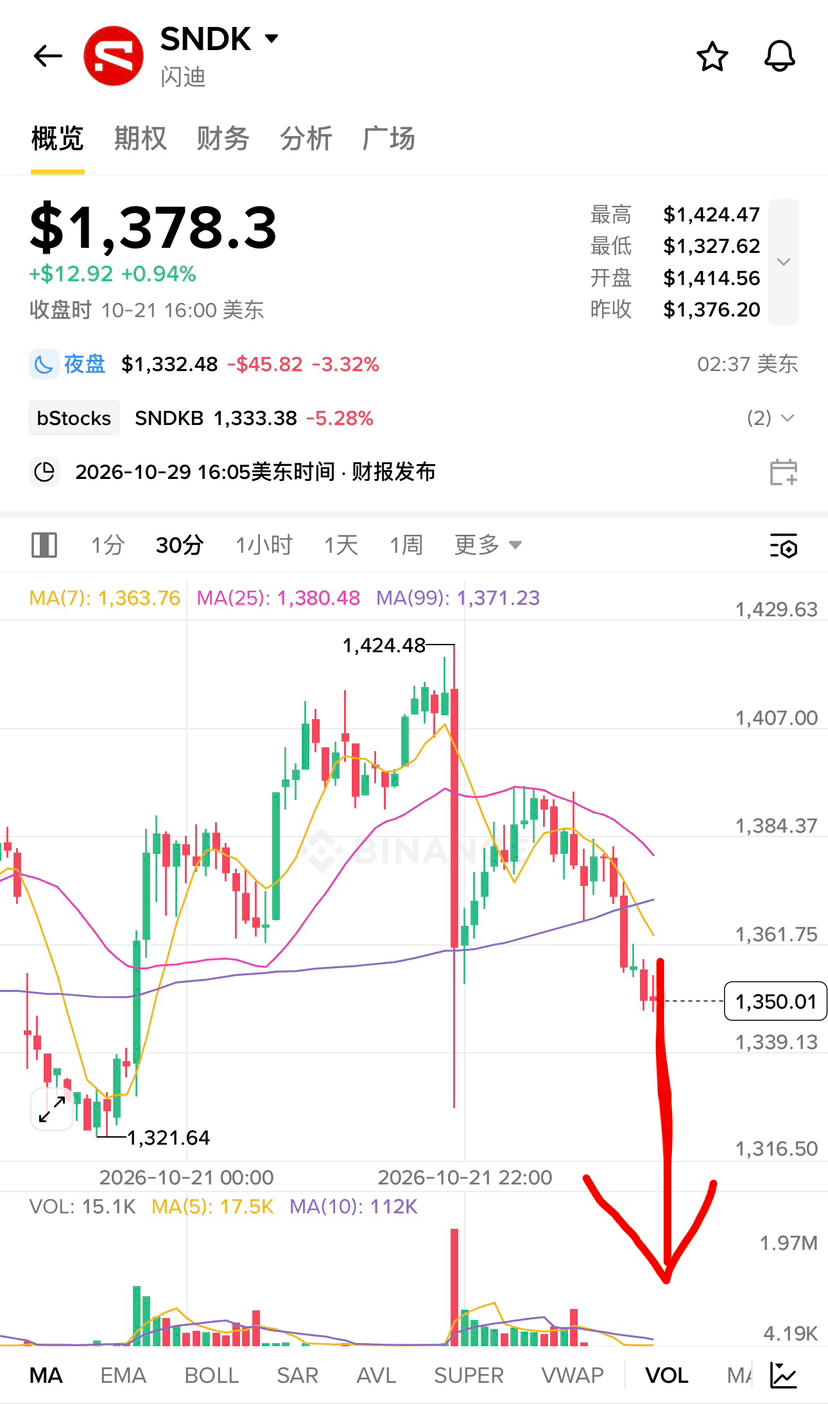
$SNDK Last night, things still looked fine—it was still going up.
But when I checked again, it had nearly fallen below 1,300.
It hasn’t dropped below 1,300 yet, but it’s only a matter of time.
I analyzed it last night: this rally may have been a bull trap.
And sure enough, today we saw what was really going on. In fact, it plunged in the second half of the night.
It dropped in one huge bearish candle, from 1,420 to 1,330—nearly 100 points.
Now the whole market feels as if it’s been forced to hit pause.
The key factor here is the guiding force of interest rate hikes.
#股票财报季
$SNDK Last night, things still looked fine—it was still going up.
But when I checked again, it had nearly fallen below 1,300.
It hasn’t dropped below 1,300 yet, but it’s only a matter of time.
I analyzed it last night: this rally may have been a bull trap.
And sure enough, today we saw what was really going on. In fact, it plunged in the second half of the night.
It dropped in one huge bearish candle, from 1,420 to 1,330—nearly 100 points.
Now the whole market feels as if it’s been forced to hit pause.
The key factor here is the guiding force of interest rate hikes.
#股票财报季
But when I checked again, it had nearly fallen below 1,300.
It hasn’t dropped below 1,300 yet, but it’s only a matter of time.
I analyzed it last night: this rally may have been a bull trap.
And sure enough, today we saw what was really going on. In fact, it plunged in the second half of the night.
It dropped in one huge bearish candle, from 1,420 to 1,330—nearly 100 points.
Now the whole market feels as if it’s been forced to hit pause.
The key factor here is the guiding force of interest rate hikes.
#股票财报季
2
1
2.1k
·
--
#币安神算子 All of yesterday’s points are gone. Let’s keep it up today! 👏
#币安神算子 All of yesterday’s points are gone. Let’s keep it up today! 👏
53
·
--
Good night, brothers and sisters 👬
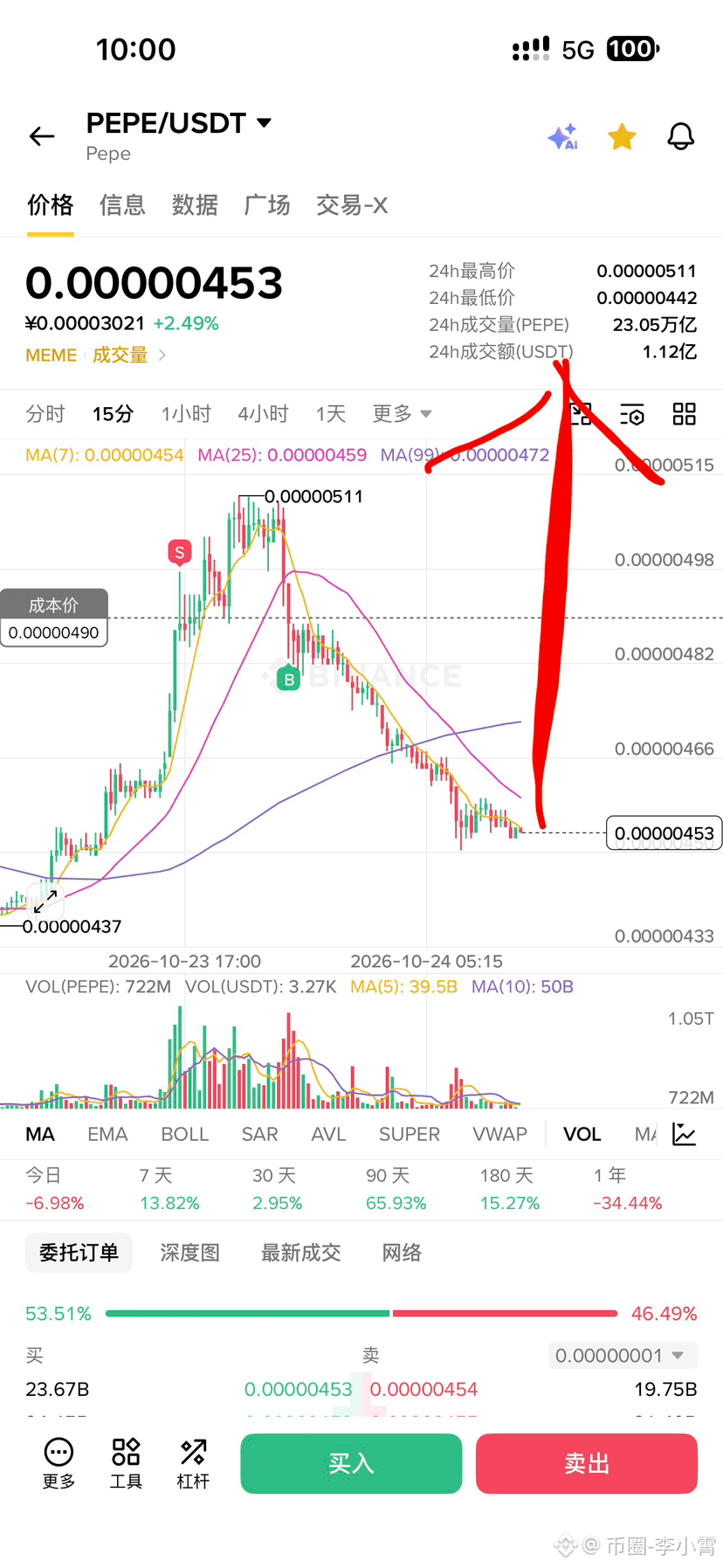
The $PEPE that Xiaoxiao bought recently
has been rising for several days in a row.
I’ve prepared
1,000 good-night red envelopes with an average of 1288 bttc each 🧧
First come, first served. Once they’re gone, they’re gone—but don’t be discouraged.
There’ll be more red envelopes coming later.
All you need to do is:
✅ Like
✅ Follow @DW0512
✅ Share with friends you trade with
and you can get a special 🧧 from Xiaoxiao!
Stay tuned—there’ll be even bigger and more 🧧 coming!
Good night! Sweet dreams! Have a great weekend!
Good night, brothers and sisters 👬
The $PEPE that Xiaoxiao bought recently
has been rising for several days in a row.
I’ve prepared
1,000 good-night red envelopes with an average of 1288 bttc each 🧧
First come, first served. Once they’re gone, they’re gone—but don’t be discouraged.
There’ll be more red envelopes coming later.
All you need to do is:
✅ Like
✅ Follow @币圈-李小霄
✅ Share with friends you trade with
and you can get a special 🧧 from Xiaoxiao!
Stay tuned—there’ll be even bigger and more 🧧 coming!
Good night! Sweet dreams! Have a great weekend!
The $PEPE that Xiaoxiao bought recently
has been rising for several days in a row.
I’ve prepared
1,000 good-night red envelopes with an average of 1288 bttc each 🧧
First come, first served. Once they’re gone, they’re gone—but don’t be discouraged.
There’ll be more red envelopes coming later.
All you need to do is:
✅ Like
✅ Follow @币圈-李小霄
✅ Share with friends you trade with
and you can get a special 🧧 from Xiaoxiao!
Stay tuned—there’ll be even bigger and more 🧧 coming!
Good night! Sweet dreams! Have a great weekend!

158
12
214
·
--
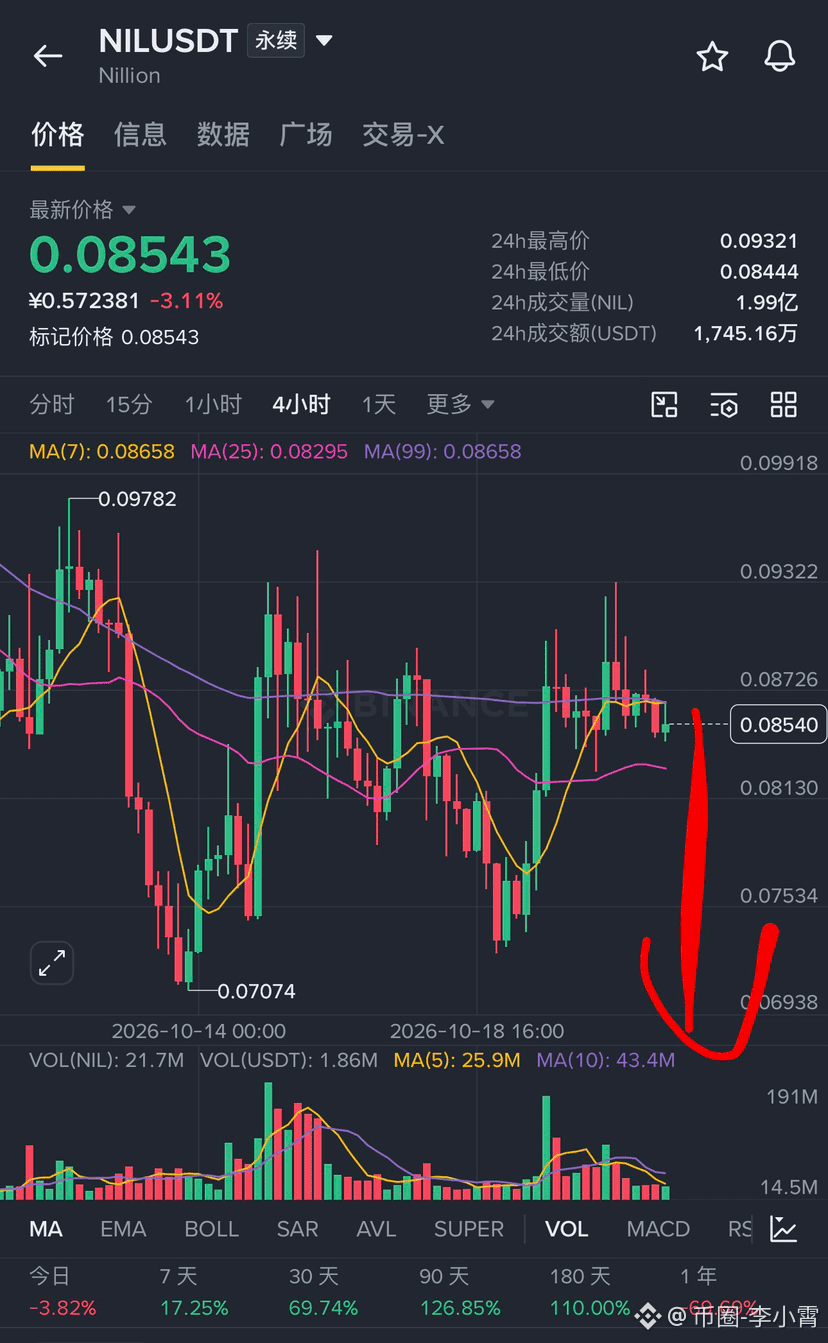
$NIL rose quite a bit a few days ago, and now it's all been dumped back down today?
$NIL rose quite a bit a few days ago, and now it's all been dumped back down today?
159
·
--
Bearish
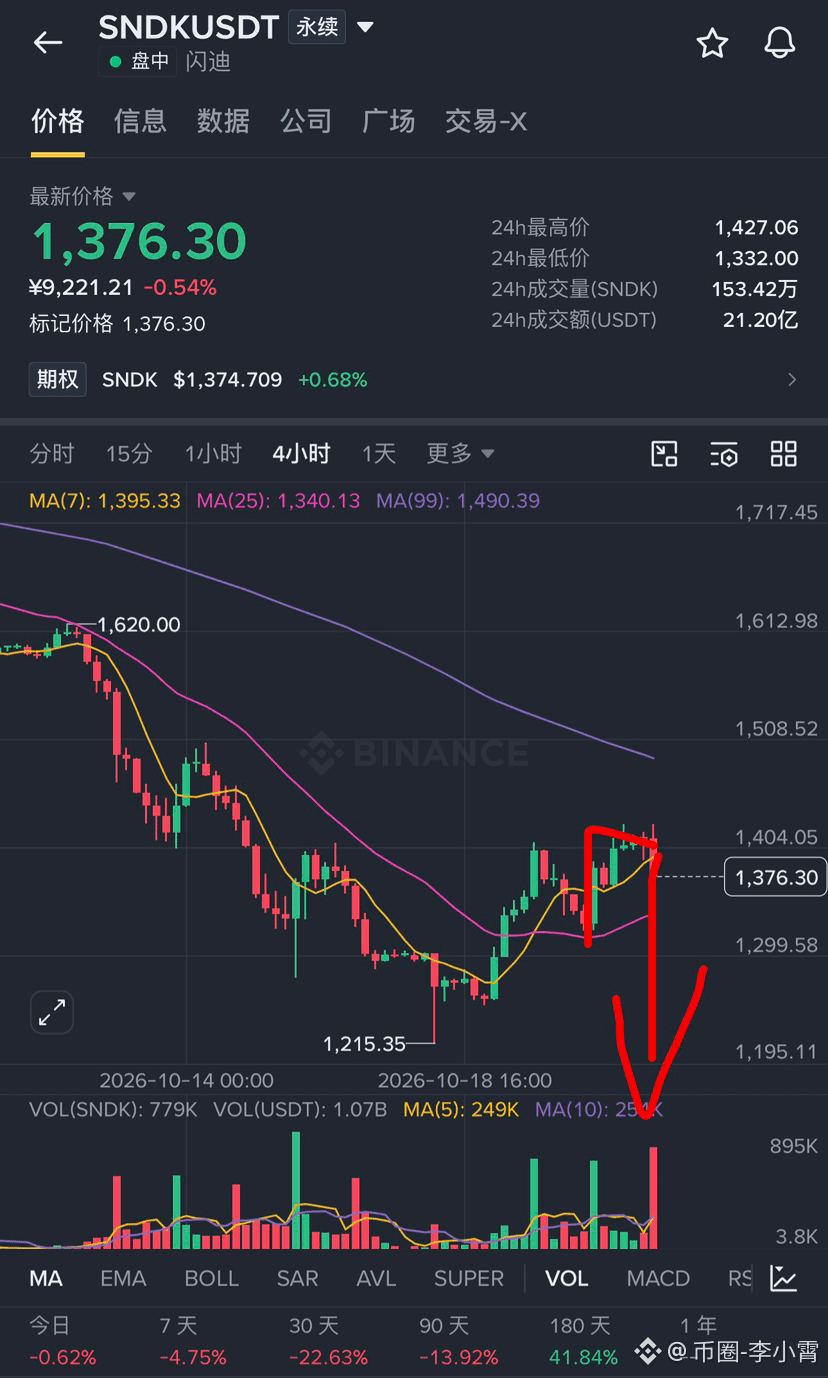
$SNDK It's actually going against the trend this time? It's falling!
Tonight, all the U.S. stocks Xiaoxiao was watching are up!
Only SanDisk is still treading water, and it even looks like it might fall.
Yesterday I said that if SanDisk breaks below the resistance level at tomorrow's open,
that would mean this isn't a rebound, but a deliberate bull trap.
The price is now hovering around 139, and it could break below 135.
Below 135, the next stop is 130—but it won't fall straight down!
#股票财报季
{future}(SNDKUSDT)
$SNDK It's actually going against the trend this time? It's falling!
Tonight, all the U.S. stocks Xiaoxiao was watching are up!
Only SanDisk is still treading water, and it even looks like it might fall.
Yesterday I said that if SanDisk breaks below the resistance level at tomorrow's open,
that would mean this isn't a rebound, but a deliberate bull trap.
The price is now hovering around 139, and it could break below 135.
Below 135, the next stop is 130—but it won't fall straight down!
#股票财报季
Tonight, all the U.S. stocks Xiaoxiao was watching are up!
Only SanDisk is still treading water, and it even looks like it might fall.
Yesterday I said that if SanDisk breaks below the resistance level at tomorrow's open,
that would mean this isn't a rebound, but a deliberate bull trap.
The price is now hovering around 139, and it could break below 135.
Below 135, the next stop is 130—but it won't fall straight down!
#股票财报季
1
2.2k
·
--
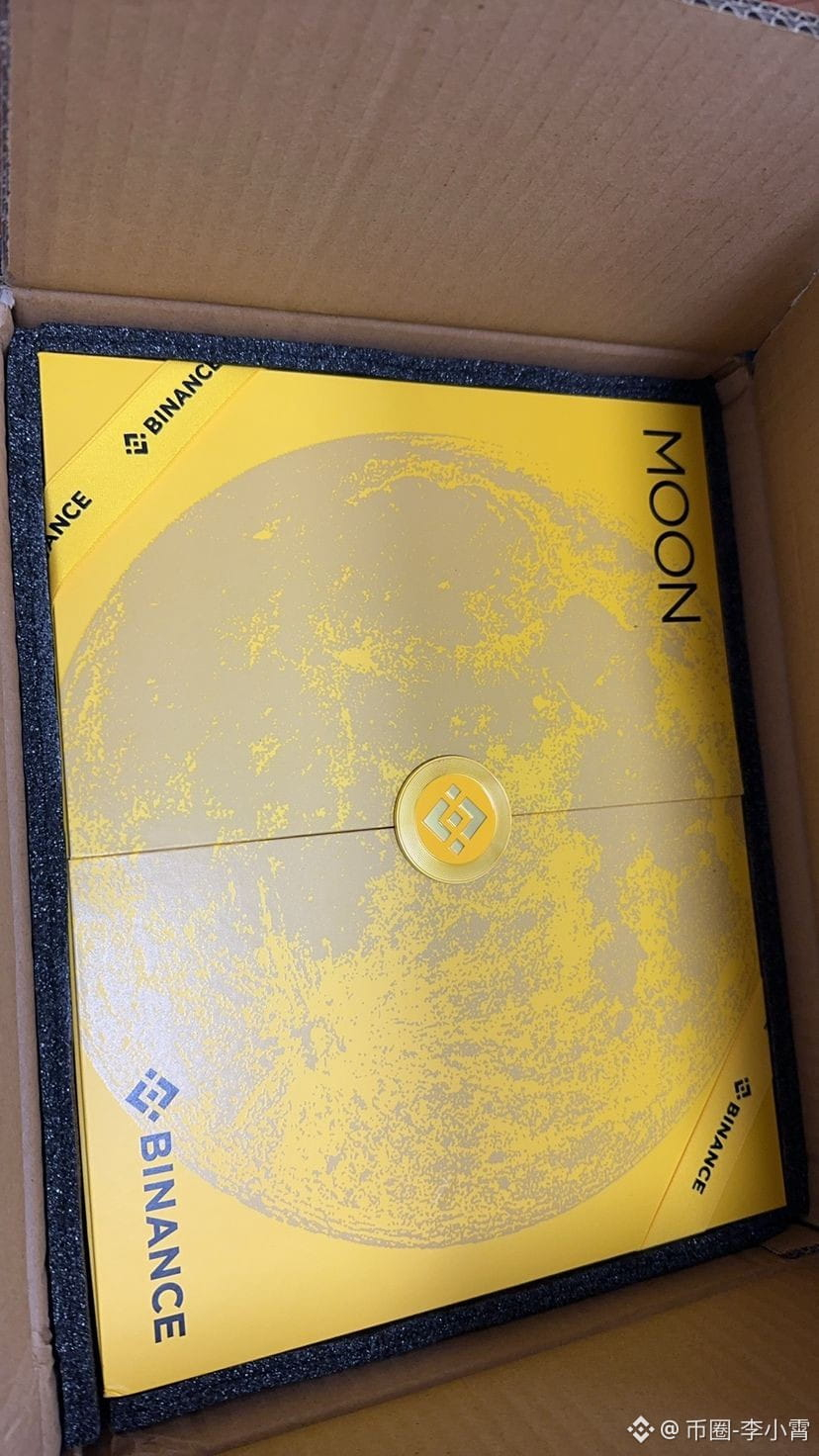
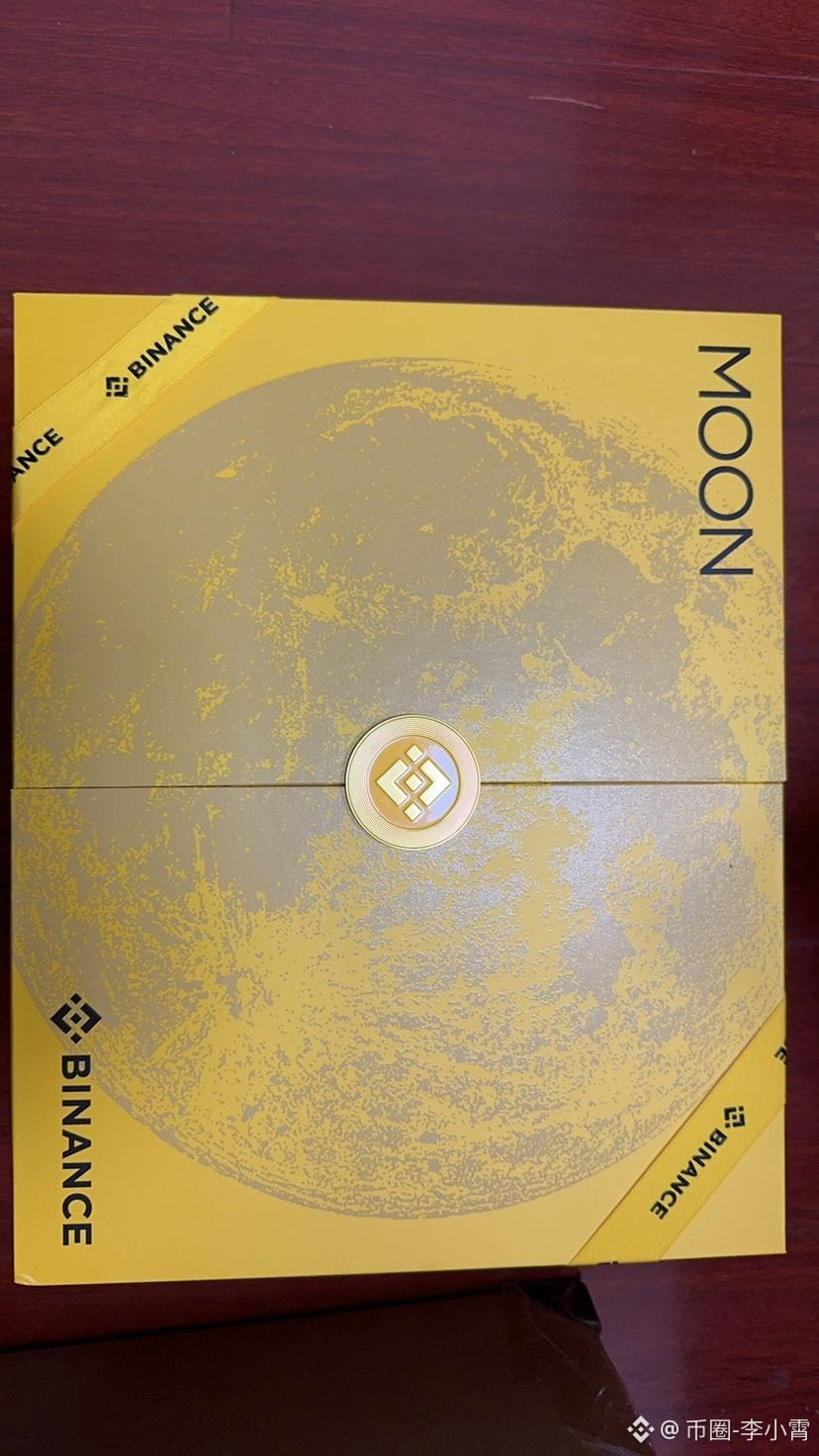
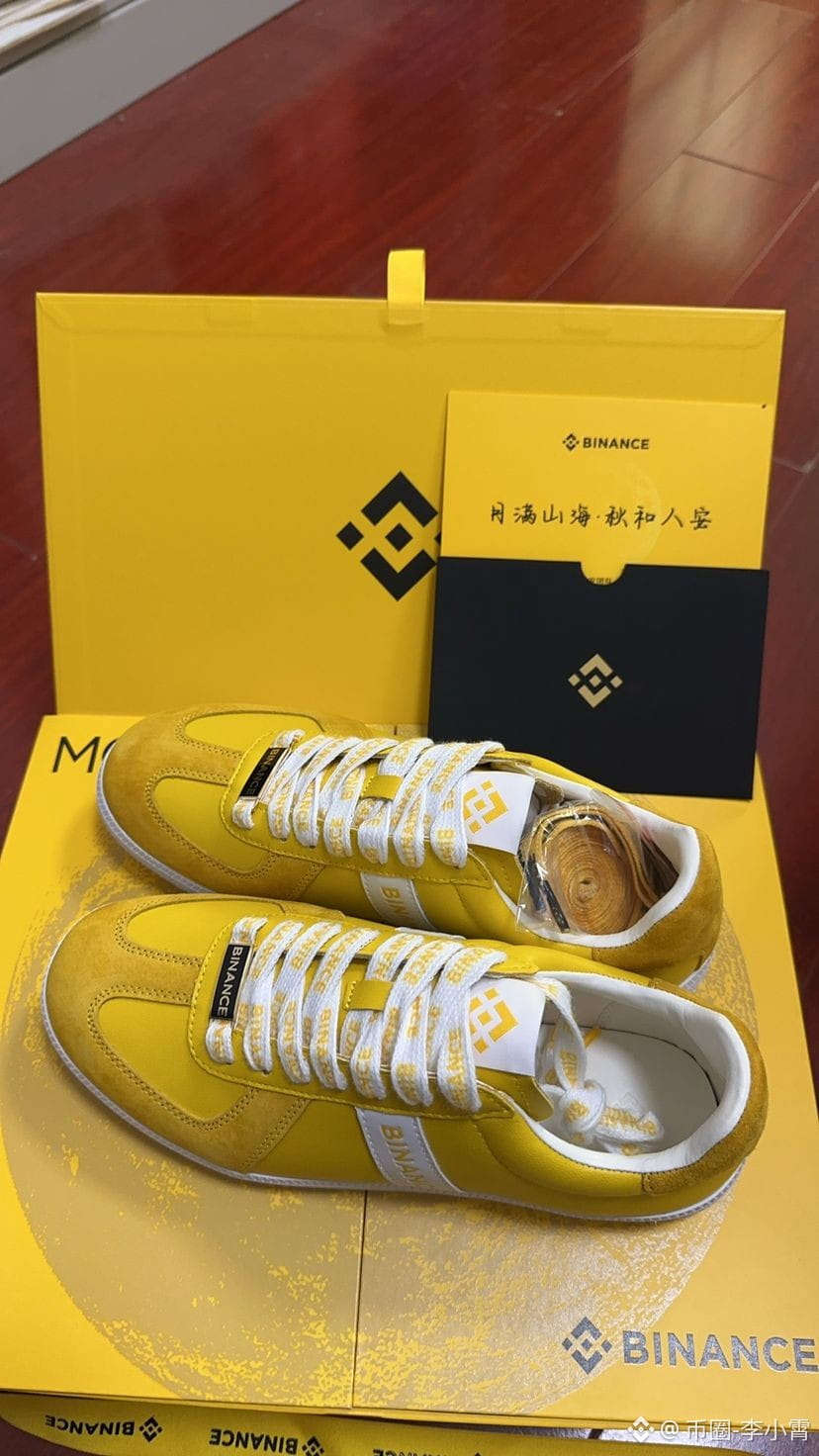
Thank you, @binancezh , for the Mid-Autumn Festival merch! I'll keep working hard!!!
Thank you, @币安Binance华语 , for the Mid-Autumn Festival merch! I'll keep working hard!!!
1
391
Log in to explore more content
Join global crypto users on Binance Square
⚡️ Get latest and useful information about crypto.
💬 Trusted by the world’s largest crypto exchange.
👍 Discover real insights from verified creators.
Email / Phone number