

Dolphin晴竹
1.1k Posts

Dolphin晴竹
 Square Verified+
Report
Block User
17年入圈|现货钻石手 偶尔当赌狗|INTP|分享Crypto日常|X:Web3DolphinZ|币安返佣邀请码:SNOWDD✨
Open Trade
Frequent Trader
8.9 Years
815 Following
44.1K+ Followers
40.8K+ Liked
Posts
Portfolio
All
Quotes
PINNED
·
--
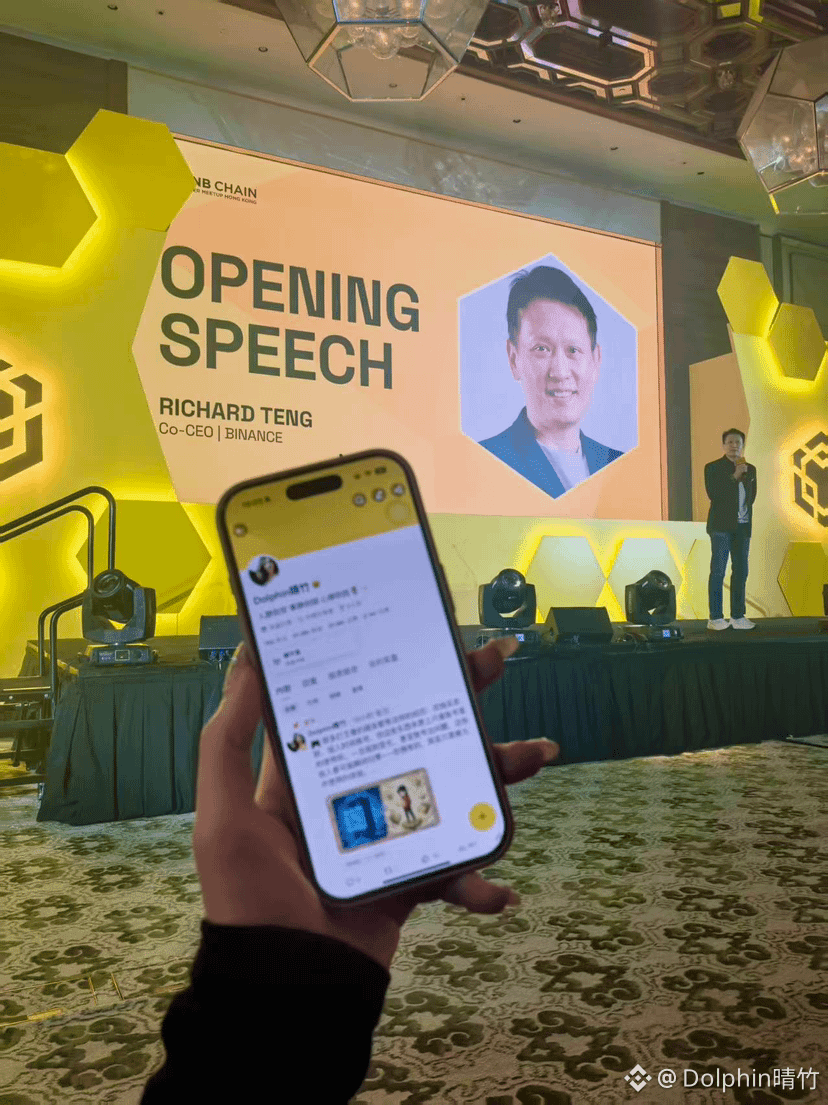
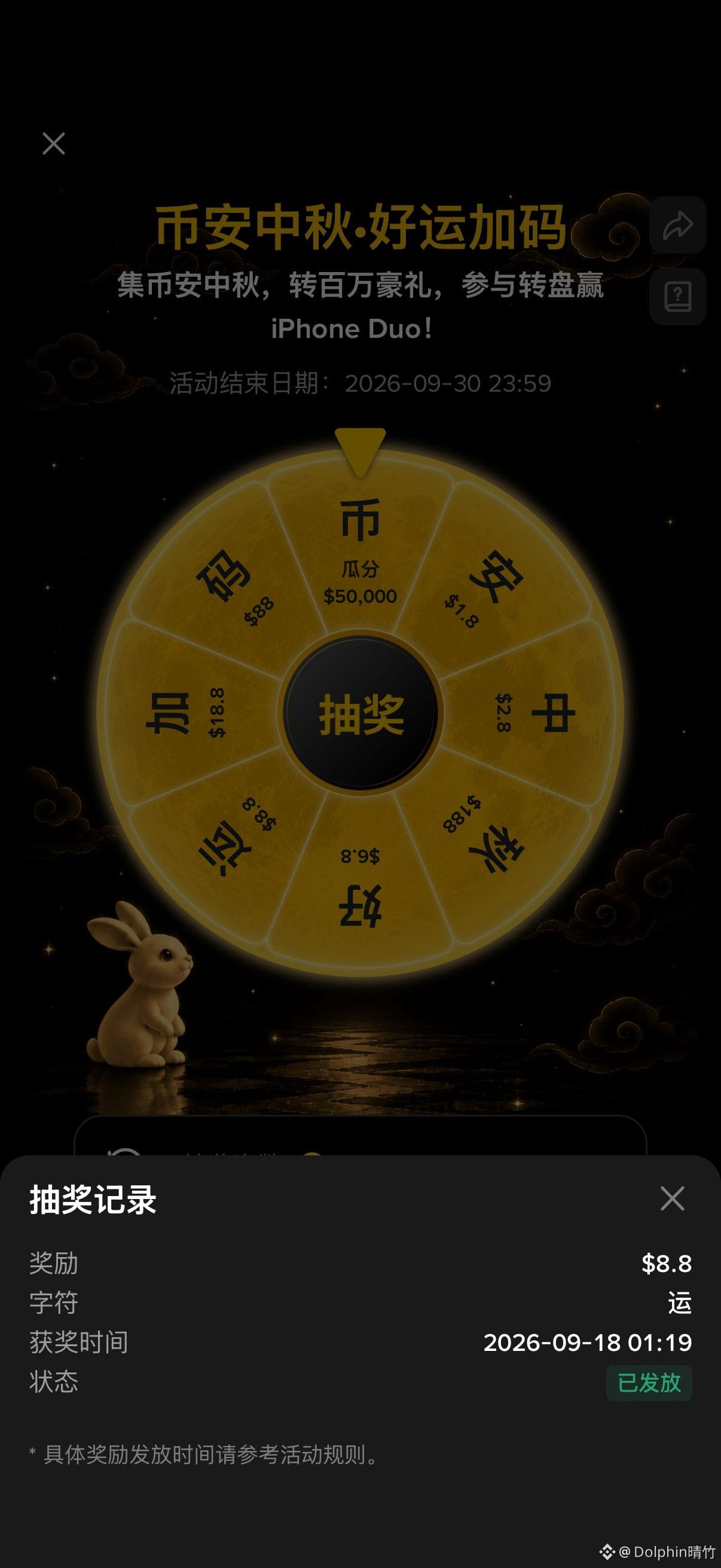
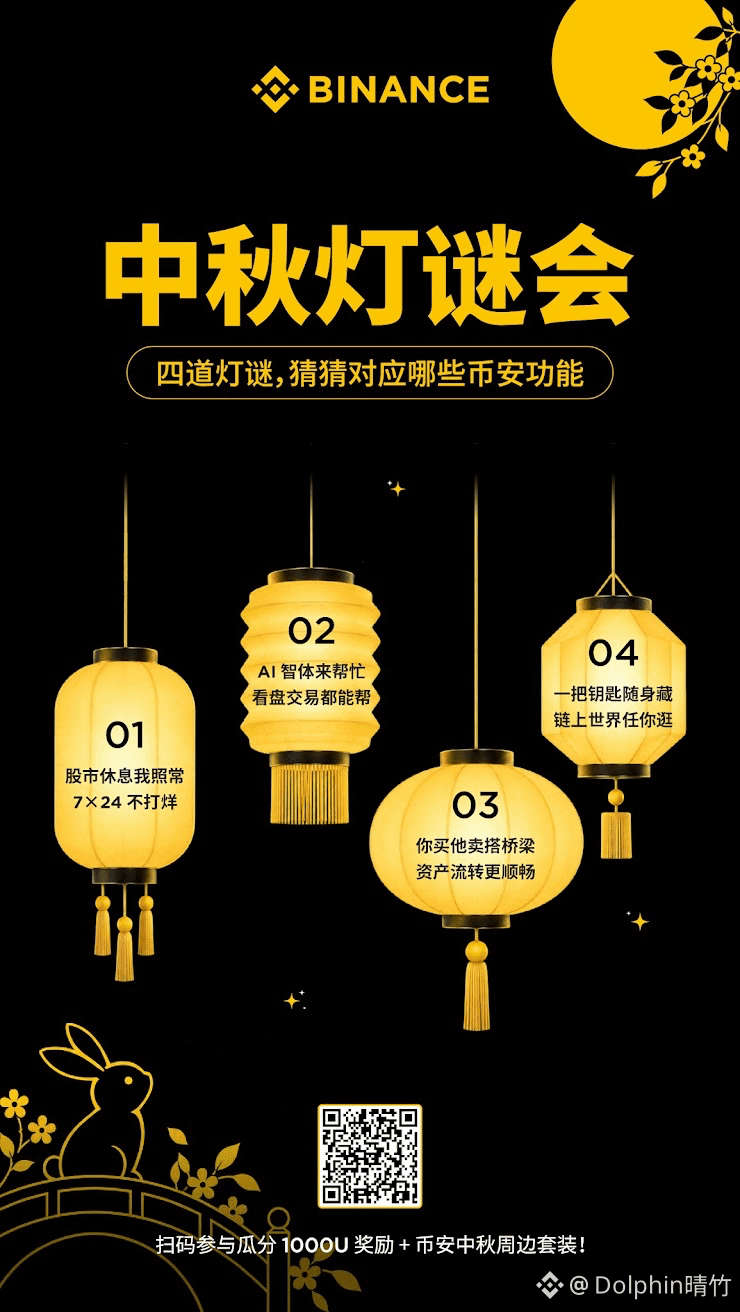
🌕 Binance Mid-Autumn Lantern Riddle Event is here!
Solve 4 lantern riddles about product features—get it right and you can win merch + share 1000U 😋
My answers are here first 👇
1️⃣ bStocks
2️⃣ Binance AI
3️⃣ C2C
4️⃣ Binance Wallet
While the stock market is on break, it still keeps running. The AI agents help you monitor the market and trade—acting as a bridge between buying and selling. With a key in hand, you can explore the entire on-chain world.
So when you put it that way, isn’t this basically just Binance every day?~
#币安中秋 🥮#币安中秋好运加码
🌕 Binance Mid-Autumn Lantern Riddle Event is here!
Solve 4 lantern riddles about product features—get it right and you can win merch + share 1000U 😋
My answers are here first 👇
1️⃣ bStocks
2️⃣ Binance AI
3️⃣ C2C
4️⃣ Binance Wallet
While the stock market is on break, it still keeps running. The AI agents help you monitor the market and trade—acting as a bridge between buying and selling. With a key in hand, you can explore the entire on-chain world.
So when you put it that way, isn’t this basically just Binance every day?~
#币安中秋 🥮#币安中秋好运加码
Solve 4 lantern riddles about product features—get it right and you can win merch + share 1000U 😋
My answers are here first 👇
1️⃣ bStocks
2️⃣ Binance AI
3️⃣ C2C
4️⃣ Binance Wallet
While the stock market is on break, it still keeps running. The AI agents help you monitor the market and trade—acting as a bridge between buying and selling. With a key in hand, you can explore the entire on-chain world.
So when you put it that way, isn’t this basically just Binance every day?~
#币安中秋 🥮#币安中秋好运加码
178
·
--
Bullish
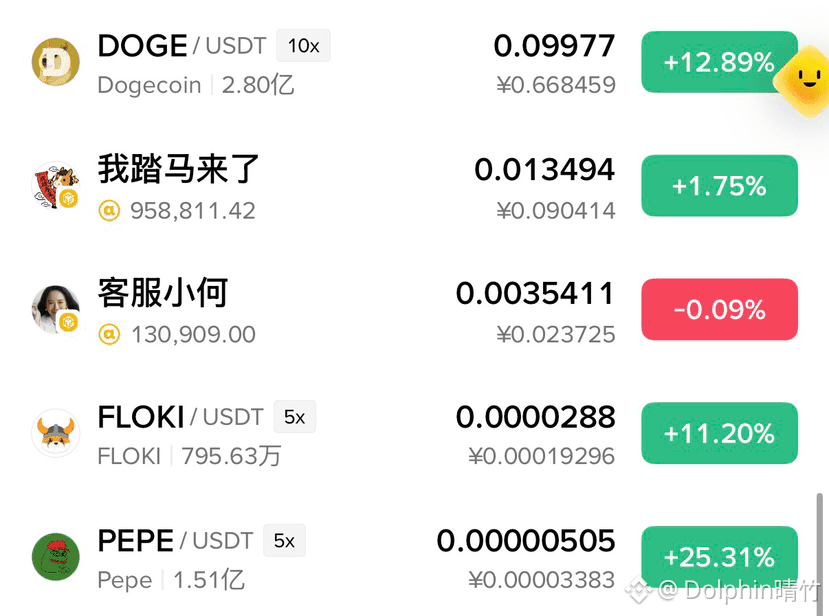
BTC surge, and the old dogs in my hands start moving too
$DOGE is back to 0.1U, and $PEPE and $FLOKI also take off right along with it—familiar vibes come rushing in~
{spot}(DOGEUSDT)
{spot}(PEPEUSDT)
BTC surge, and the old dogs in my hands start moving too
$DOGE is back to 0.1U, and $PEPE and $FLOKI also take off right along with it—familiar vibes come rushing in~
$DOGE is back to 0.1U, and $PEPE and $FLOKI also take off right along with it—familiar vibes come rushing in~
218
·
--
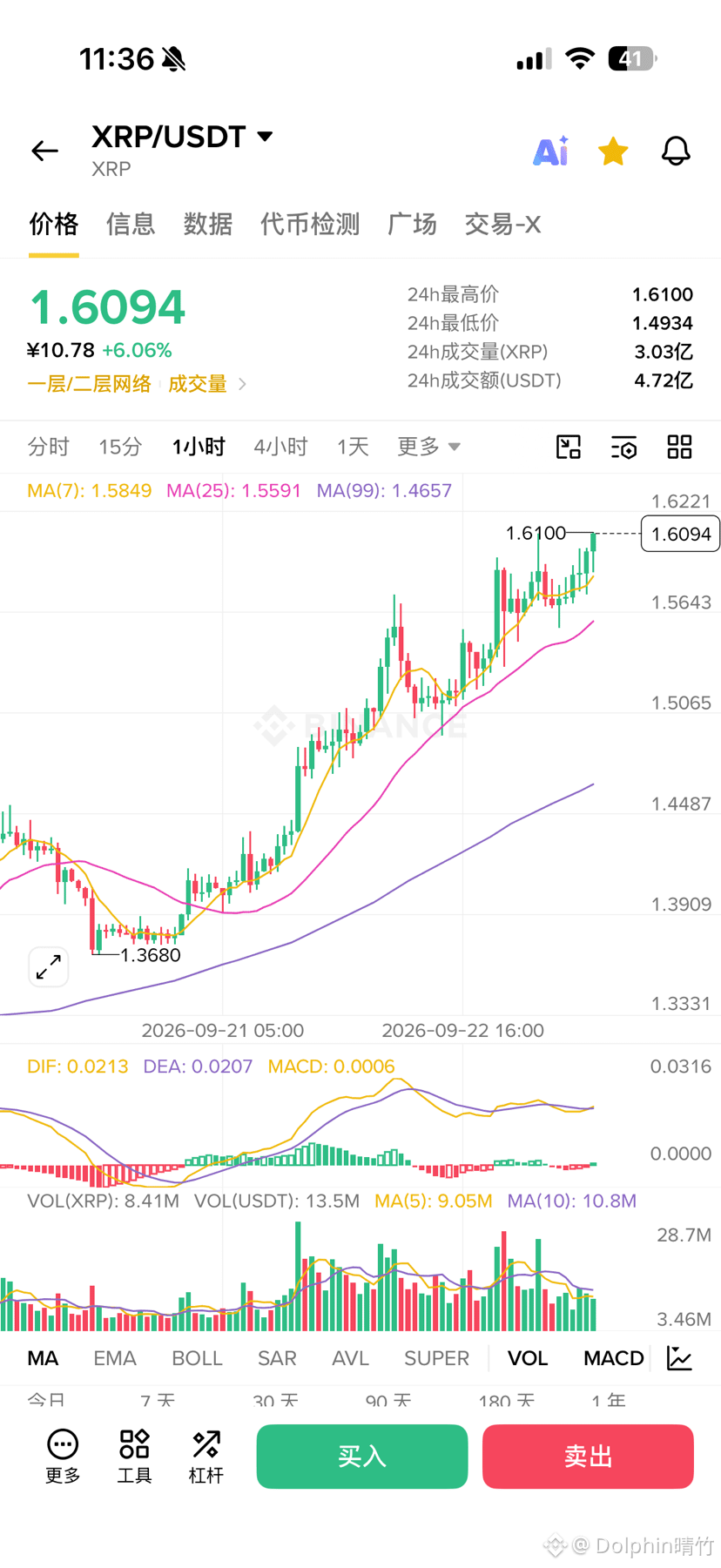
Can’t fall asleep easily as soon as I start taking orders—staying up late...
For my health and to go to bed early, I’m going to reduce how many orders I take 😠
Can’t fall asleep easily as soon as I start taking orders—staying up late...
For my health and to go to bed early, I’m going to reduce how many orders I take 😠
For my health and to go to bed early, I’m going to reduce how many orders I take 😠
1
913
·
--
Bullish
$BNB 🎁✨
The fortune teller said I’ll be troubled by matters of the heart
I thought it was love
Turns out it was the market
$BNB 🎁✨
The fortune teller said I’ll be troubled by matters of the heart
I thought it was love
Turns out it was the market
The fortune teller said I’ll be troubled by matters of the heart
I thought it was love
Turns out it was the market

965
2
43
965
·
--
Bullish
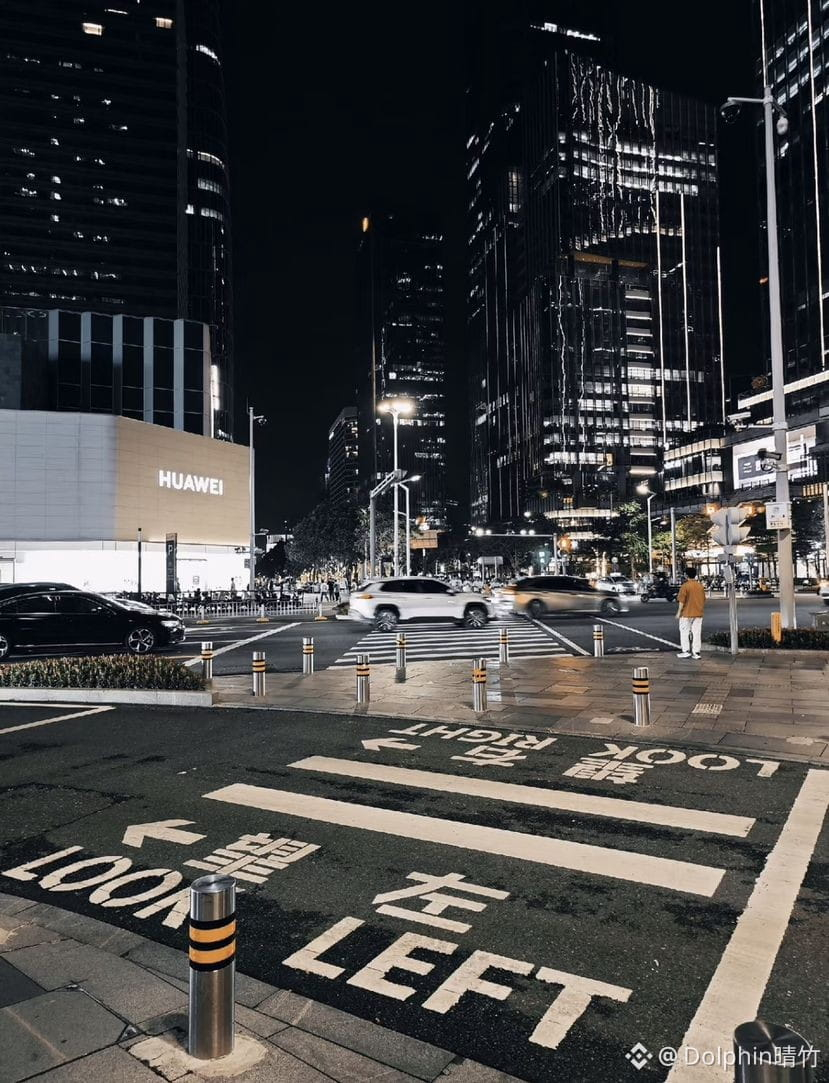
Today I talked with a 19-year-old college freshman, and I was honestly pretty shocked!
He can earn 2k a day. And before he’s even officially started university, he’s already started researching what new students need, building communities, doing operations, and accumulating users.
I thought he was just a guy who knows how to make money. But when we got deeper into the conversation, I realized the thing I truly admire isn’t how much he makes right now—it’s that at his age, he already has a strong awareness of needs and the drive to take action.
He actively seeks out demand and traffic, and also figures out how to turn one-off opportunities into something that can be built up and accumulated over time.
Most importantly, he isn’t stuck at the stage of “I want to do something.” He’s actually already jumped in.
Go try it. Go run the numbers. Go accumulate the first batch of users and resources. Whether he can grow big later is another story—but at least he’s already taken a step ahead of a lot of people who just think and don’t do.
Their advantages aren’t just having more time and lower costs of trial and error. It’s also that they’re willing to try, willing to mess around, and once they spot an opportunity, they’re ready to act.
Sometimes this kind of execution power matters more than so-called experience.
Of course, making money in the short term is only the beginning. Whether he can gradually turn these things into his own abilities still depends on continued execution going forward.
But no matter what, at 19, he’s already started working on demand, building communities, and managing his own circle—this kind of awareness is truly rare.
This “make money” mindset is really way stronger than mine was back then 🥲
Now’s young people are seriously excellent!
Today I talked with a 19-year-old college freshman, and I was honestly pretty shocked!
He can earn 2k a day. And before he’s even officially started university, he’s already started researching what new students need, building communities, doing operations, and accumulating users.
I thought he was just a guy who knows how to make money. But when we got deeper into the conversation, I realized the thing I truly admire isn’t how much he makes right now—it’s that at his age, he already has a strong awareness of needs and the drive to take action.
He actively seeks out demand and traffic, and also figures out how to turn one-off opportunities into something that can be built up and accumulated over time.
Most importantly, he isn’t stuck at the stage of “I want to do something.” He’s actually already jumped in.
Go try it. Go run the numbers. Go accumulate the first batch of users and resources. Whether he can grow big later is another story—but at least he’s already taken a step ahead of a lot of people who just think and don’t do.
Their advantages aren’t just having more time and lower costs of trial and error. It’s also that they’re willing to try, willing to mess around, and once they spot an opportunity, they’re ready to act.
Sometimes this kind of execution power matters more than so-called experience.
Of course, making money in the short term is only the beginning. Whether he can gradually turn these things into his own abilities still depends on continued execution going forward.
But no matter what, at 19, he’s already started working on demand, building communities, and managing his own circle—this kind of awareness is truly rare.
This “make money” mindset is really way stronger than mine was back then 🥲
Now’s young people are seriously excellent!
He can earn 2k a day. And before he’s even officially started university, he’s already started researching what new students need, building communities, doing operations, and accumulating users.
I thought he was just a guy who knows how to make money. But when we got deeper into the conversation, I realized the thing I truly admire isn’t how much he makes right now—it’s that at his age, he already has a strong awareness of needs and the drive to take action.
He actively seeks out demand and traffic, and also figures out how to turn one-off opportunities into something that can be built up and accumulated over time.
Most importantly, he isn’t stuck at the stage of “I want to do something.” He’s actually already jumped in.
Go try it. Go run the numbers. Go accumulate the first batch of users and resources. Whether he can grow big later is another story—but at least he’s already taken a step ahead of a lot of people who just think and don’t do.
Their advantages aren’t just having more time and lower costs of trial and error. It’s also that they’re willing to try, willing to mess around, and once they spot an opportunity, they’re ready to act.
Sometimes this kind of execution power matters more than so-called experience.
Of course, making money in the short term is only the beginning. Whether he can gradually turn these things into his own abilities still depends on continued execution going forward.
But no matter what, at 19, he’s already started working on demand, building communities, and managing his own circle—this kind of awareness is truly rare.
This “make money” mindset is really way stronger than mine was back then 🥲
Now’s young people are seriously excellent!
1
1
4
652
·
--
Bullish
🎁 $BNB ✨
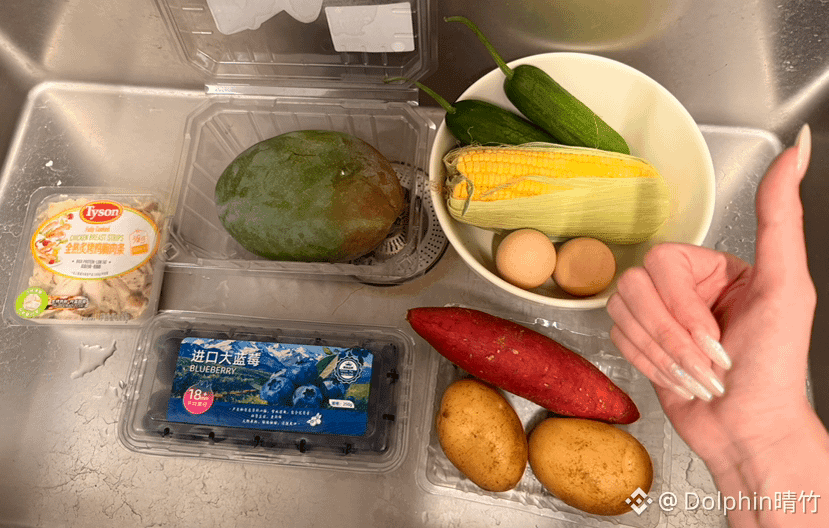
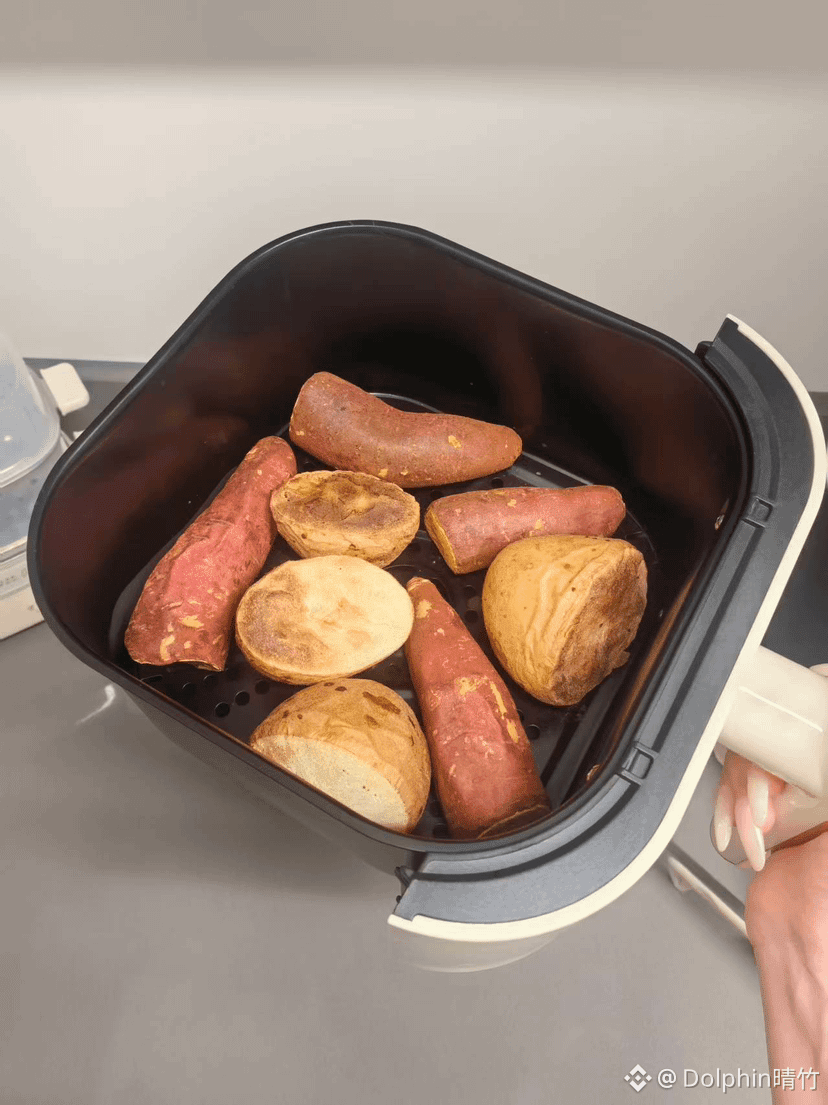
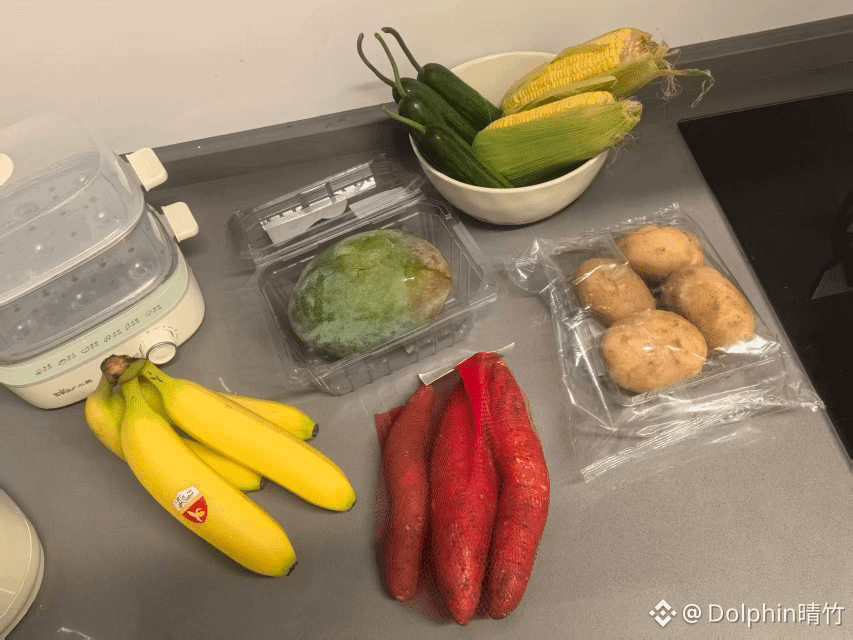
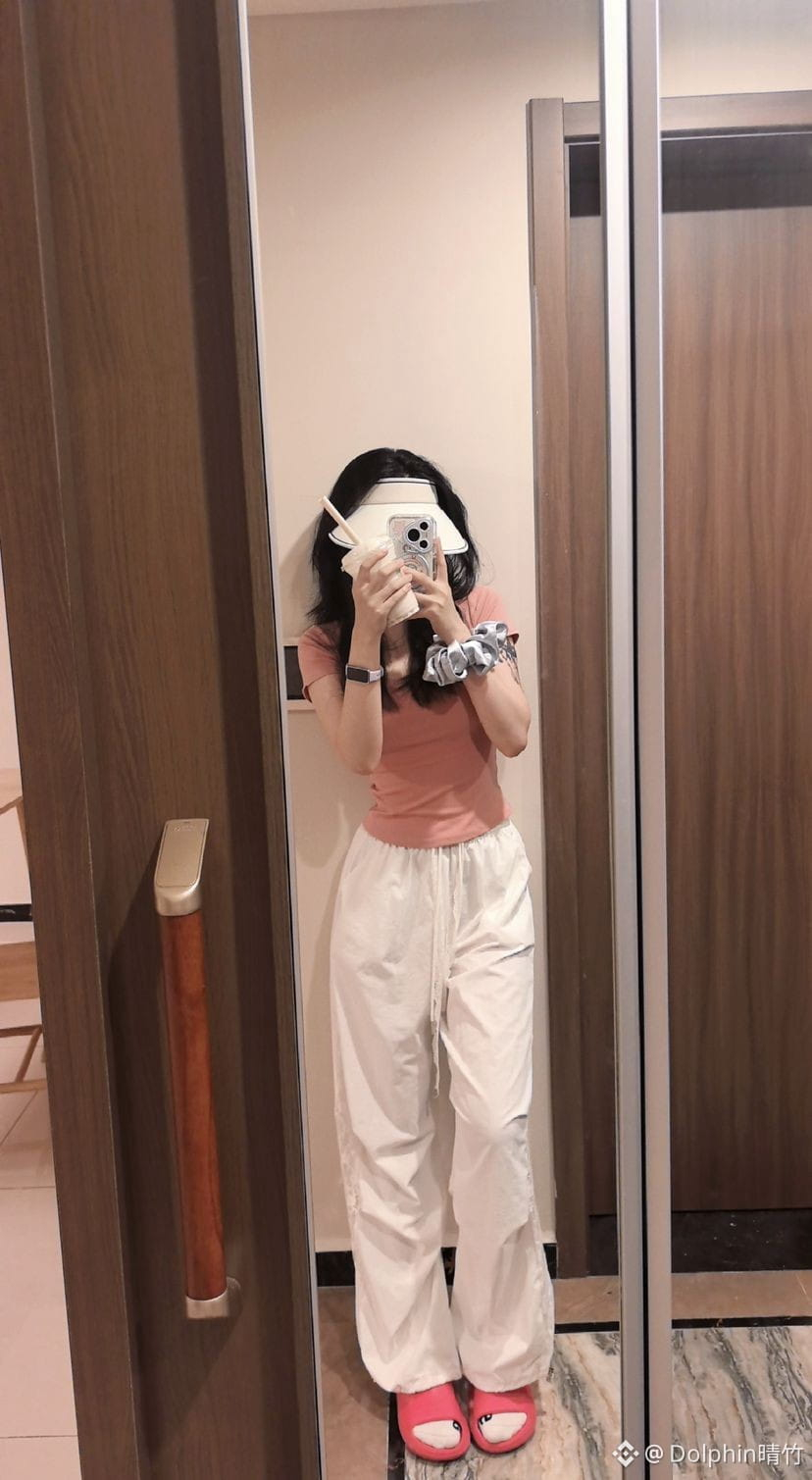
I haven’t been making many orders lately—I’ve been busy focusing on a healthy lifestyle and going to bed early and waking up early.
The baked goods don’t look very good, but they taste amazing 😋
🎁 $BNB ✨
I haven’t been making many orders lately—I’ve been busy focusing on a healthy lifestyle and going to bed early and waking up early.
The baked goods don’t look very good, but they taste amazing 😋
I haven’t been making many orders lately—I’ve been busy focusing on a healthy lifestyle and going to bed early and waking up early.
The baked goods don’t look very good, but they taste amazing 😋
1.3k
3
61
1.3k
·
--
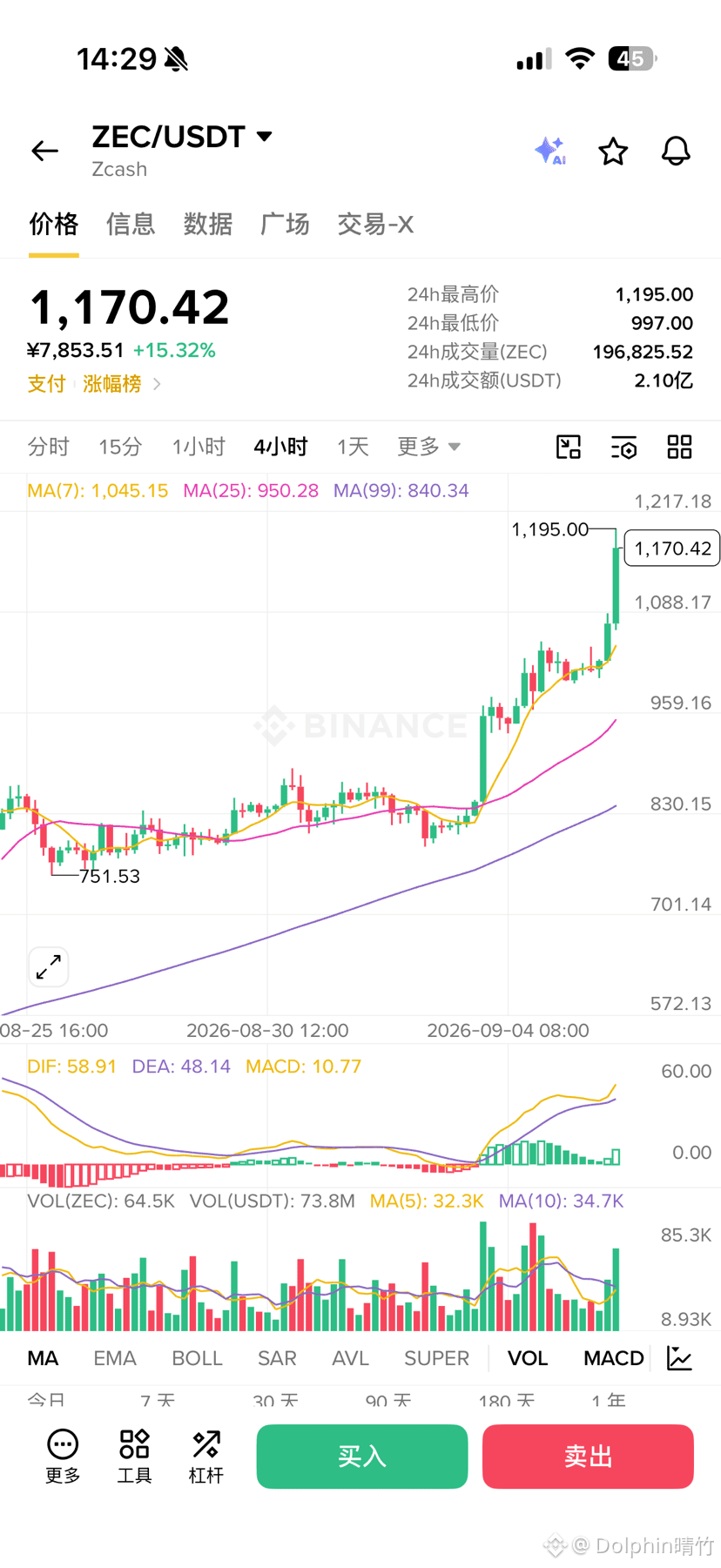
Good news: $ZEC is about to break 1200
Bad news: I got off at 800 😭😭😭
{future}(ZECUSDT)
The old-school privacy coin is really impressive #ZEC续刷历史新高
Good news: $ZEC is about to break 1200
Bad news: I got off at 800 😭😭😭
The old-school privacy coin is really impressive #ZEC续刷历史新高
Bad news: I got off at 800 😭😭😭
The old-school privacy coin is really impressive #ZEC续刷历史新高
4
313
·
--
Bullish
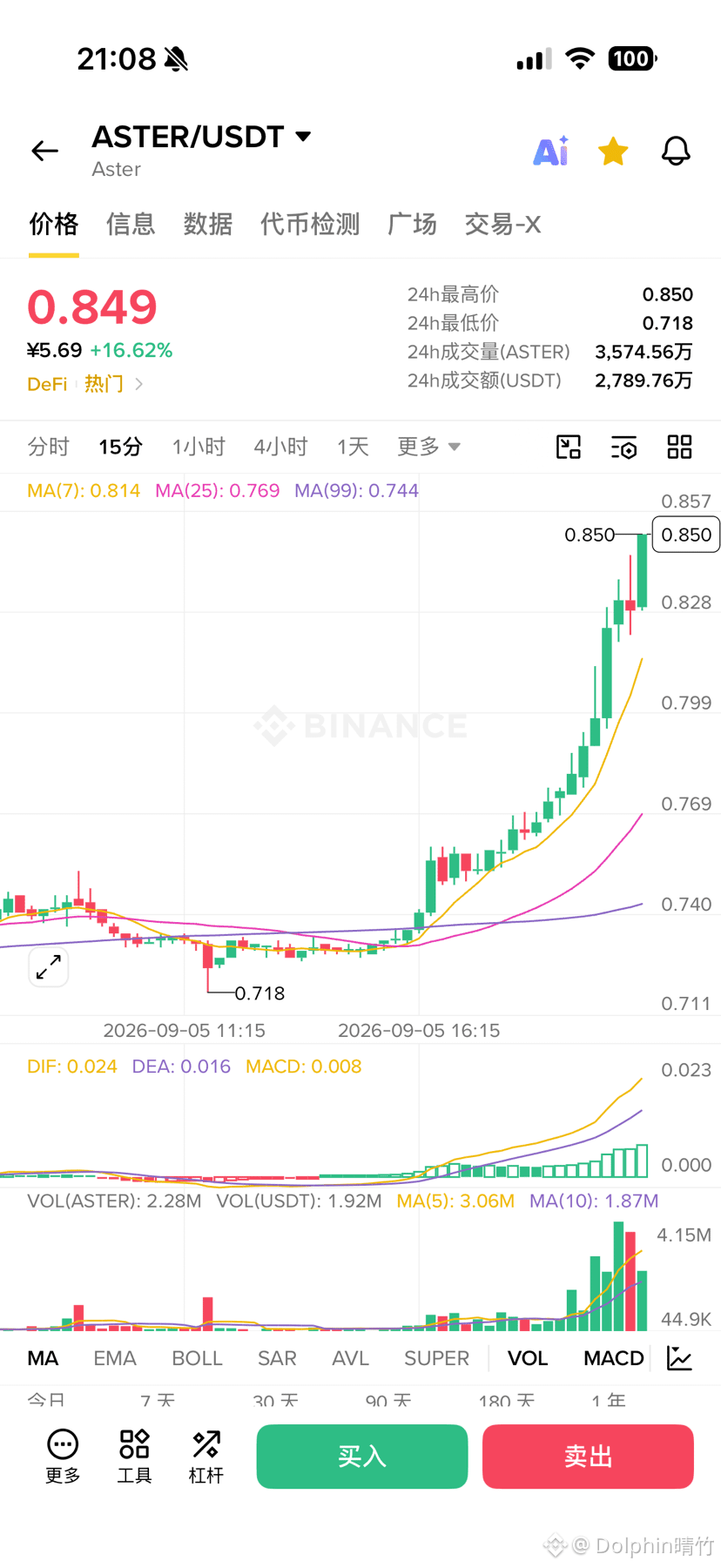
$ASTER has strength! Held it for a year and finally broke even!!
$ASTER has strength! Held it for a year and finally broke even!!
1
490
·
--
🎁 $BNB ✨
Go to bed early, get up early, exercise, good night💤⭐️
🎁 $BNB ✨
Go to bed early, get up early, exercise, good night💤⭐️
Go to bed early, get up early, exercise, good night💤⭐️

548
50
2.3k
·
--
Bullish
🎁 $BNB ✨
I saw a joke today, and it felt incredibly fitting.
The market right now is basically a “Three-Body Market” 🌕
There are three market deities: Trump, Bessent, and Waller. Each of them is watching a different direction, and it feels like each is holding a remote control. Whenever any one of them says something, the whole market has to shake a little.
Trump watches oil prices: when they’re near 70, he steps up pressure; when they’re near 90, he starts trying to push them down again. Bessent watches U.S. Treasuries: when the 30-year Treasury yield rises to 5.2%, he starts making remarks to calm the market. Waller watches rate-hike expectations: when the odds get too low, he turns hawkish; when they get too high, he turns dovish again.
Three suns each move on their own, influencing and interfering with one another. Every day when you open the market, the first thing is not to look at the candlestick chart, but to guess who exactly you should be listening to today.
Isn’t this the real-life version of *The Three-Body Problem*?
Three suns move randomly, and in the end, what evaporates first isn’t civilization...
It’s the market participants’ liquidity 🤣
🎁 $BNB ✨
I saw a joke today, and it felt incredibly fitting.
The market right now is basically a “Three-Body Market” 🌕
There are three market deities: Trump, Bessent, and Waller. Each of them is watching a different direction, and it feels like each is holding a remote control. Whenever any one of them says something, the whole market has to shake a little.
Trump watches oil prices: when they’re near 70, he steps up pressure; when they’re near 90, he starts trying to push them down again. Bessent watches U.S. Treasuries: when the 30-year Treasury yield rises to 5.2%, he starts making remarks to calm the market. Waller watches rate-hike expectations: when the odds get too low, he turns hawkish; when they get too high, he turns dovish again.
Three suns each move on their own, influencing and interfering with one another. Every day when you open the market, the first thing is not to look at the candlestick chart, but to guess who exactly you should be listening to today.
Isn’t this the real-life version of *The Three-Body Problem*?
Three suns move randomly, and in the end, what evaporates first isn’t civilization...
It’s the market participants’ liquidity 🤣
I saw a joke today, and it felt incredibly fitting.
The market right now is basically a “Three-Body Market” 🌕
There are three market deities: Trump, Bessent, and Waller. Each of them is watching a different direction, and it feels like each is holding a remote control. Whenever any one of them says something, the whole market has to shake a little.
Trump watches oil prices: when they’re near 70, he steps up pressure; when they’re near 90, he starts trying to push them down again. Bessent watches U.S. Treasuries: when the 30-year Treasury yield rises to 5.2%, he starts making remarks to calm the market. Waller watches rate-hike expectations: when the odds get too low, he turns hawkish; when they get too high, he turns dovish again.
Three suns each move on their own, influencing and interfering with one another. Every day when you open the market, the first thing is not to look at the candlestick chart, but to guess who exactly you should be listening to today.
Isn’t this the real-life version of *The Three-Body Problem*?
Three suns move randomly, and in the end, what evaporates first isn’t civilization...
It’s the market participants’ liquidity 🤣

971
4
64
971
·
--
Bullish
$BNB ✨
In a flash, I’ve already been in touch with Binance for almost 9 years.
Looking back, I should count as one of the earlier users. My first contact with BNB was probably around 2018.
Back then, BNB didn’t have as many stories as it does today. People’s most direct understanding of it was:
“Binance’s platform token.”
At the time, the price was around 10 USDT. Exactly when I bought it, and how much I bought, I can’t really remember now😂 After so many years and several bull and bear cycles, many trading details have long since faded.
But looking back, BNB is one of the few assets that has accompanied me through so many cycles.
The bear market in 2018, the bull market in 2021, and the repeated ups and downs of the market after that. Some people left crypto, and many projects disappeared into history.
But BNB has always been there.
Of course, I’m not a perfect holder either. I bought and sold during that time, and there were moments when I didn’t hold on.
Now my biggest feeling is:
The hardest thing in crypto is not discovering opportunities, but whether you can stay with something that truly has value for long enough.
What people once called a “platform token” has now grown into a massive ecosystem. Time really does give the answer.
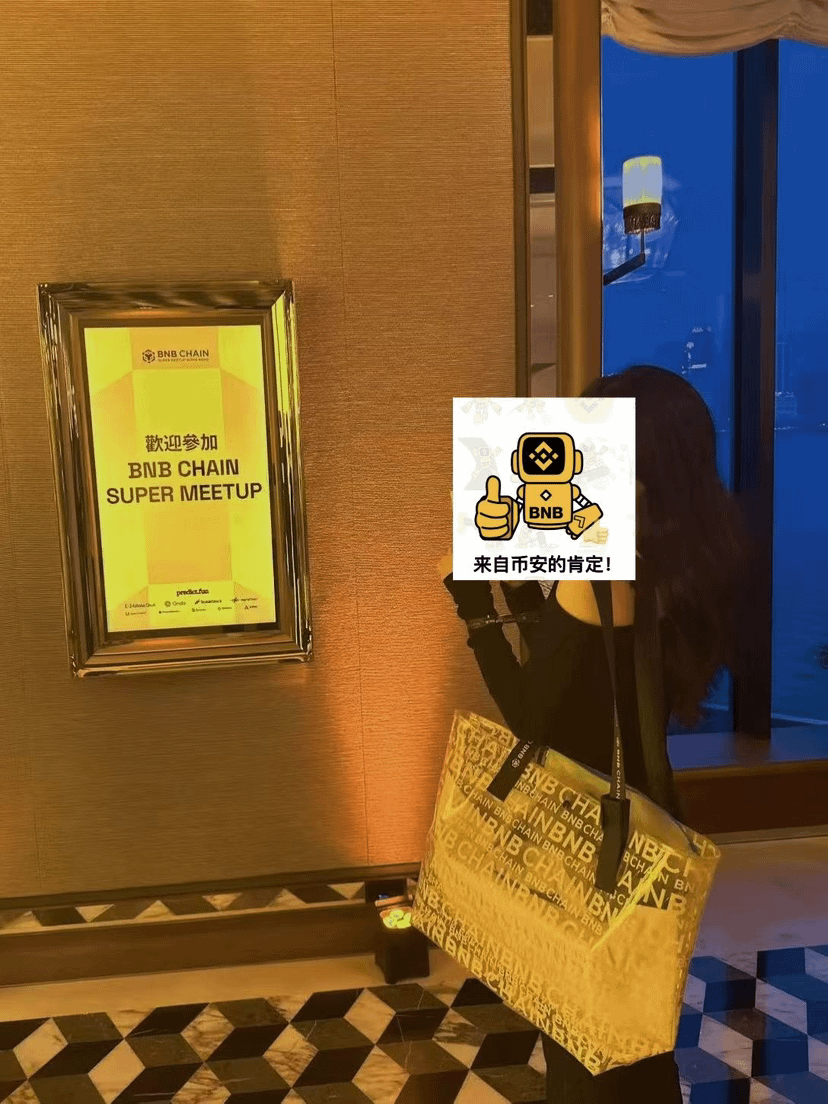
#BNBChain Happy 6th Anniversary~
Here’s to the next six years, witnessing it together! 🥳
$BNB ✨
In a flash, I’ve already been in touch with Binance for almost 9 years.
Looking back, I should count as one of the earlier users. My first contact with BNB was probably around 2018.
Back then, BNB didn’t have as many stories as it does today. People’s most direct understanding of it was:
“Binance’s platform token.”
At the time, the price was around 10 USDT. Exactly when I bought it, and how much I bought, I can’t really remember now😂 After so many years and several bull and bear cycles, many trading details have long since faded.
But looking back, BNB is one of the few assets that has accompanied me through so many cycles.
The bear market in 2018, the bull market in 2021, and the repeated ups and downs of the market after that. Some people left crypto, and many projects disappeared into history.
But BNB has always been there.
Of course, I’m not a perfect holder either. I bought and sold during that time, and there were moments when I didn’t hold on.
Now my biggest feeling is:
The hardest thing in crypto is not discovering opportunities, but whether you can stay with something that truly has value for long enough.
What people once called a “platform token” has now grown into a massive ecosystem. Time really does give the answer.
#BNBChain Happy 6th Anniversary~
Here’s to the next six years, witnessing it together! 🥳
In a flash, I’ve already been in touch with Binance for almost 9 years.
Looking back, I should count as one of the earlier users. My first contact with BNB was probably around 2018.
Back then, BNB didn’t have as many stories as it does today. People’s most direct understanding of it was:
“Binance’s platform token.”
At the time, the price was around 10 USDT. Exactly when I bought it, and how much I bought, I can’t really remember now😂 After so many years and several bull and bear cycles, many trading details have long since faded.
But looking back, BNB is one of the few assets that has accompanied me through so many cycles.
The bear market in 2018, the bull market in 2021, and the repeated ups and downs of the market after that. Some people left crypto, and many projects disappeared into history.
But BNB has always been there.
Of course, I’m not a perfect holder either. I bought and sold during that time, and there were moments when I didn’t hold on.
Now my biggest feeling is:
The hardest thing in crypto is not discovering opportunities, but whether you can stay with something that truly has value for long enough.
What people once called a “platform token” has now grown into a massive ecosystem. Time really does give the answer.
#BNBChain Happy 6th Anniversary~
Here’s to the next six years, witnessing it together! 🥳
1.3k
77
1.3k
·
--
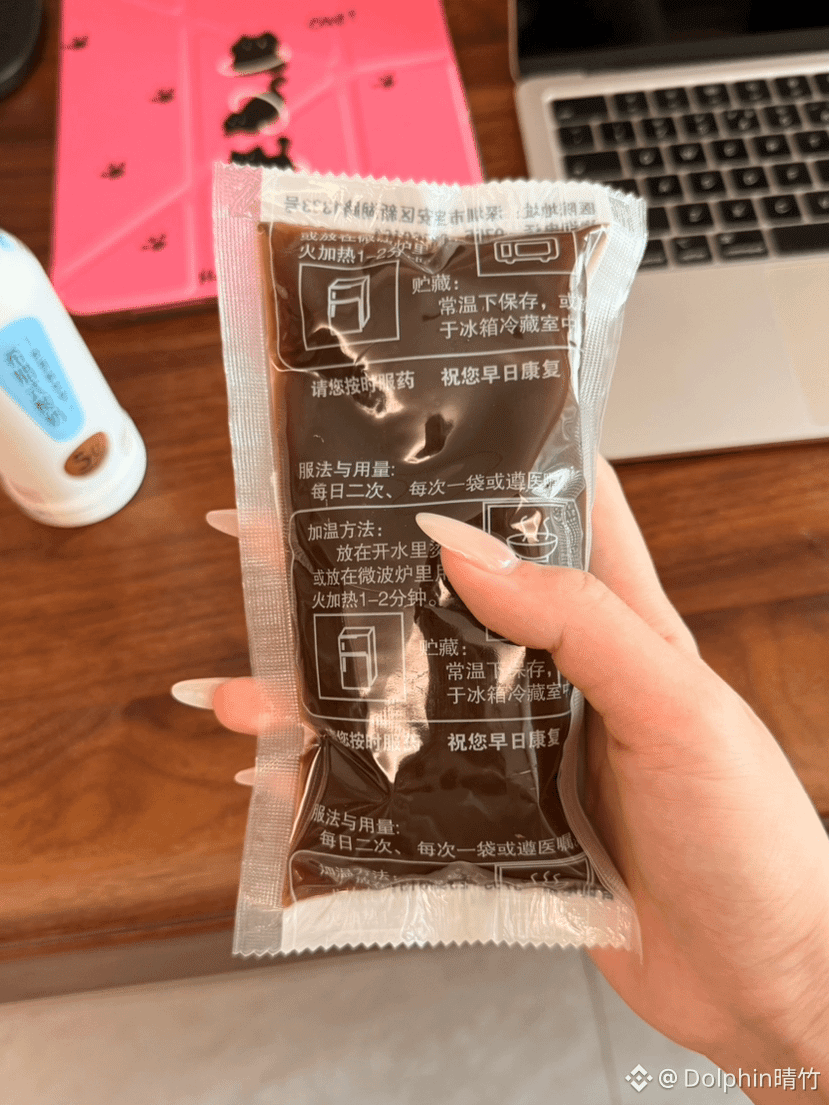
Chinese coffee ☕️
Hot Americano that's better suited to the constitution of Chinese babies
One bowl lets you see the world—bitterness is the base color, and the lingering sweetness is what you practice.
……
Alright, mostly it was TCM that made me drink it, to regulate my body 😂
Recently, I’m not taking orders at night anymore, otherwise I wouldn’t sleep well—I keep wanting to look.
Money can be earned slowly, but you still have to take good care of your body~
Chinese coffee ☕️
Hot Americano that's better suited to the constitution of Chinese babies
One bowl lets you see the world—bitterness is the base color, and the lingering sweetness is what you practice.
……
Alright, mostly it was TCM that made me drink it, to regulate my body 😂
Recently, I’m not taking orders at night anymore, otherwise I wouldn’t sleep well—I keep wanting to look.
Money can be earned slowly, but you still have to take good care of your body~
Hot Americano that's better suited to the constitution of Chinese babies
One bowl lets you see the world—bitterness is the base color, and the lingering sweetness is what you practice.
……
Alright, mostly it was TCM that made me drink it, to regulate my body 😂
Recently, I’m not taking orders at night anymore, otherwise I wouldn’t sleep well—I keep wanting to look.
Money can be earned slowly, but you still have to take good care of your body~
3
672
·
--
Bullish
🎁$BNB ✨
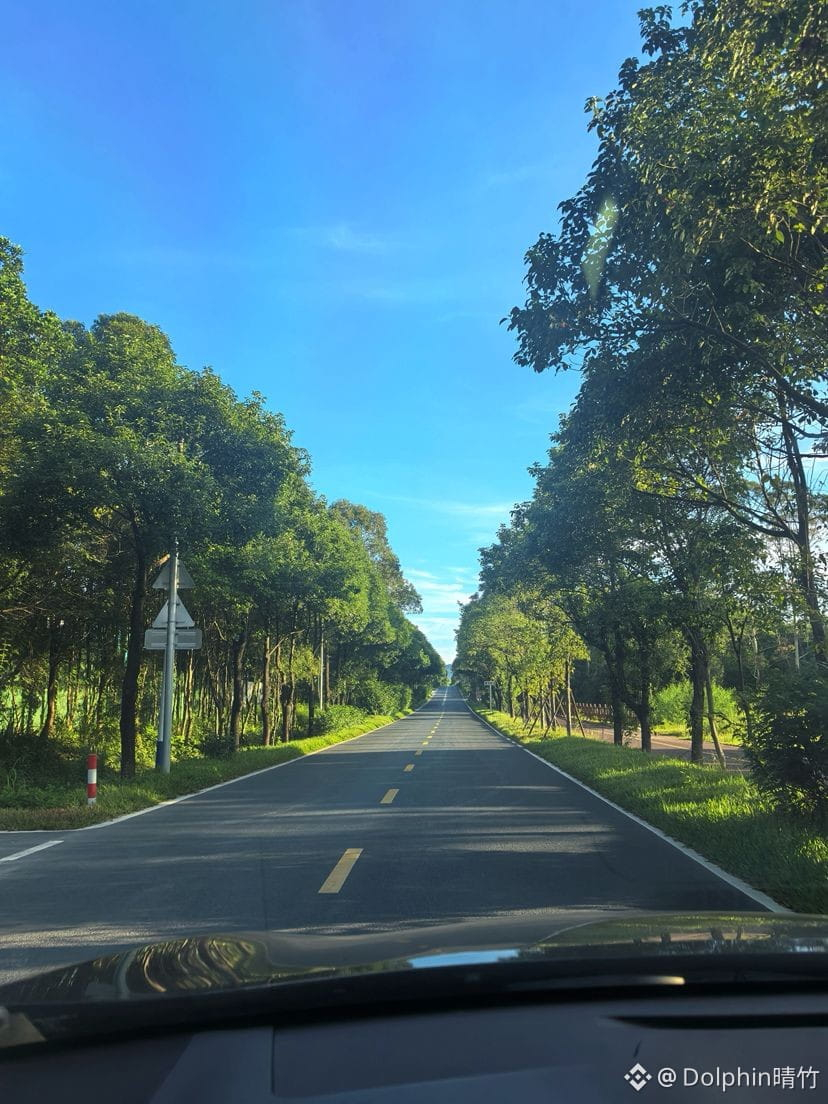
Today is the first day of September
I hope you’re happy every day
Bright and sunny, just like the day
I hope everything in September goes smoother than you ever imagined
May the wind of September
bring you more surprises and good luck 🍀
🎁$BNB ✨
Today is the first day of September
I hope you’re happy every day
Bright and sunny, just like the day
I hope everything in September goes smoother than you ever imagined
May the wind of September
bring you more surprises and good luck 🍀
Today is the first day of September
I hope you’re happy every day
Bright and sunny, just like the day
I hope everything in September goes smoother than you ever imagined
May the wind of September
bring you more surprises and good luck 🍀

1.1k
55
1.1k
·
--
Bullish
🎁8888$DOGE ✨
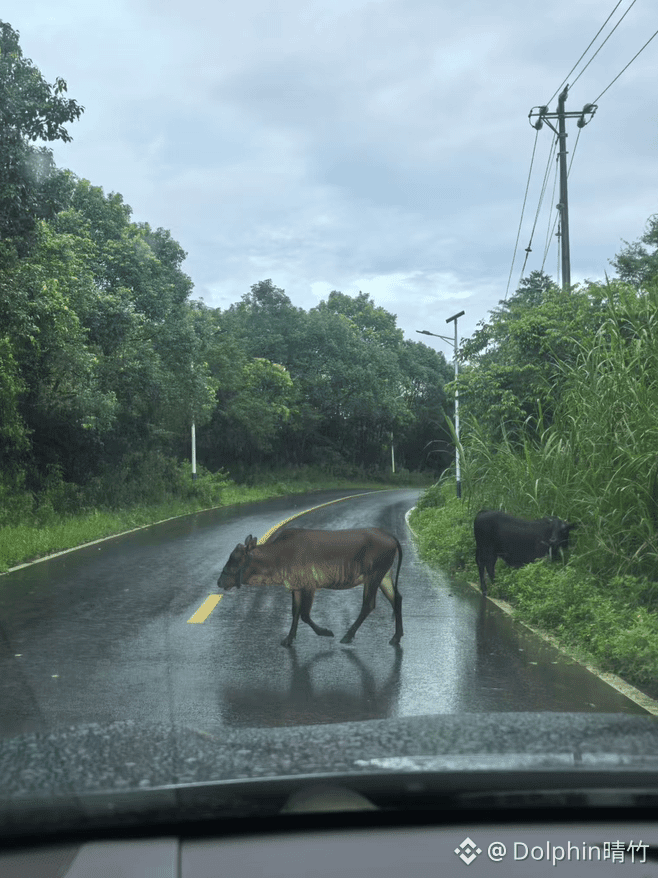
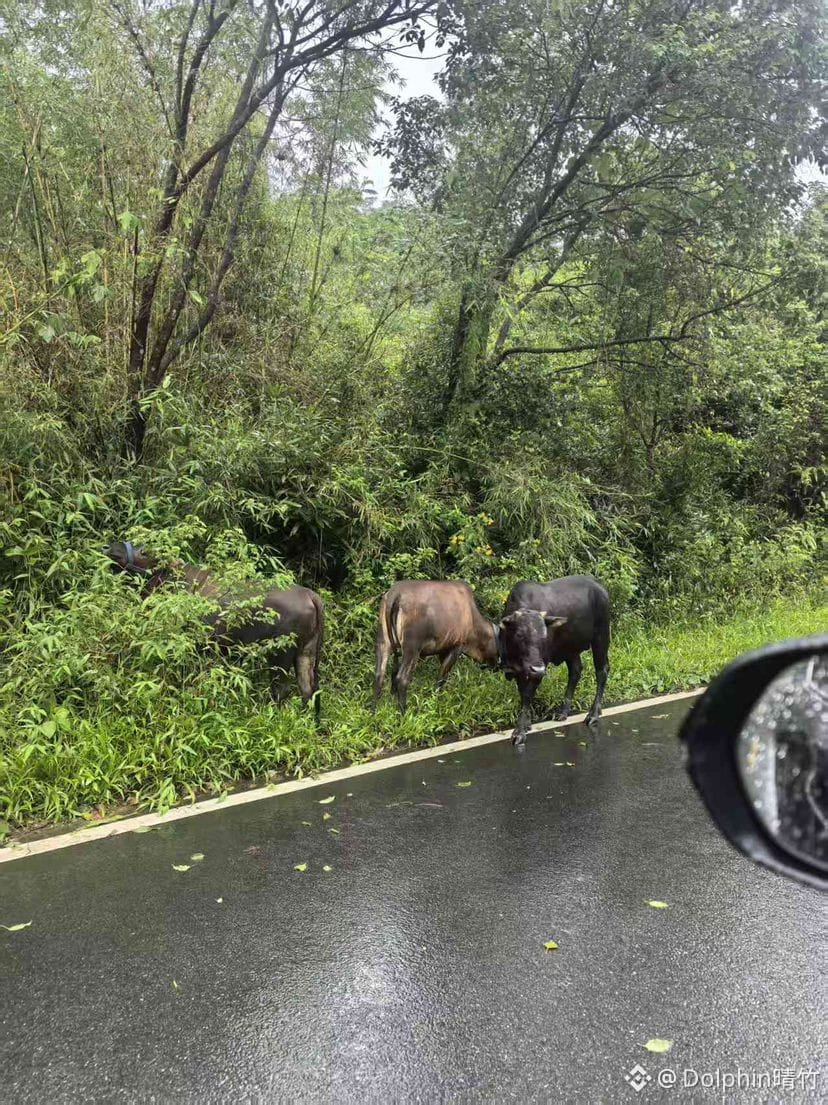
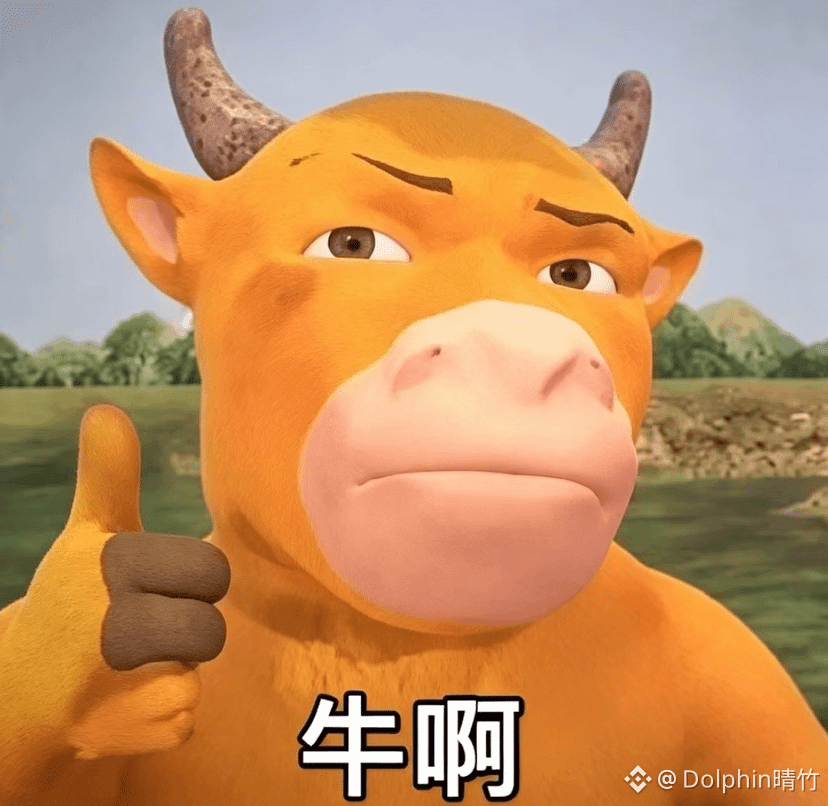
Today Niu Niu blocked the way for me 🐮 This is real “niu” that’s here!!
$牛来 🤣
🎁8888$DOGE ✨
Today Niu Niu blocked the way for me 🐮 This is real “niu” that’s here!!
$牛来 🤣
Today Niu Niu blocked the way for me 🐮 This is real “niu” that’s here!!
$牛来 🤣
2.7k
2
124
2.7k
·
--
Bullish
Unexpected surprise😍
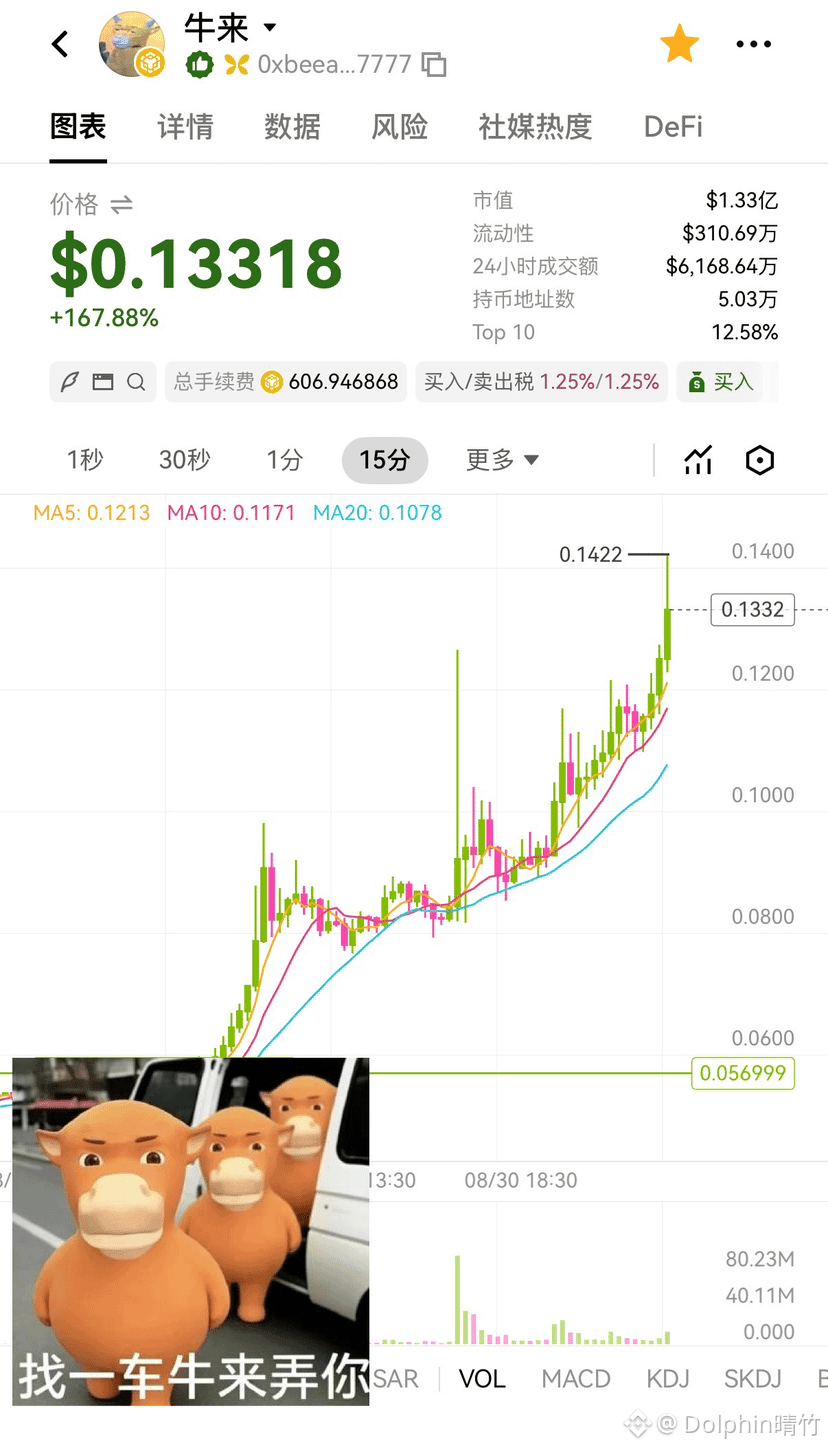
$牛来 is now listed on Binance contracts—wow, bullish, bullish🐮
I kept hesitating about getting in. Later, when it was around 0.5, I couldn’t resist and chased a little bit higher—bought it like a lottery ticket. My position is small; after I bought it, I just left it there and didn’t pay attention.
Then today I opened it to check…
It’s doubled directly!??
Tonight at 7:30, the news that Binance is listing $牛来 came out, and it got another pump.
From the meme sparked by the movie 《The Cow Comes》, to rallying all the way on-chain to a market cap of over $100 million—that speed is honestly a bit unreal~
Turns out sometimes it’s not that people can’t pump—it's just that the position size is too small.😂
Of course, Meme coin volatility is still high. It doubles today, and tomorrow it could also drop to half. You still need to know your position size for yourself.
The Cow Comes‼️🐮#牛来起飞了
{future}(牛来USDT)
Unexpected surprise😍
$牛来 is now listed on Binance contracts—wow, bullish, bullish🐮
I kept hesitating about getting in. Later, when it was around 0.5, I couldn’t resist and chased a little bit higher—bought it like a lottery ticket. My position is small; after I bought it, I just left it there and didn’t pay attention.
Then today I opened it to check…
It’s doubled directly!??
Tonight at 7:30, the news that Binance is listing $牛来 came out, and it got another pump.
From the meme sparked by the movie 《The Cow Comes》, to rallying all the way on-chain to a market cap of over $100 million—that speed is honestly a bit unreal~
Turns out sometimes it’s not that people can’t pump—it's just that the position size is too small.😂
Of course, Meme coin volatility is still high. It doubles today, and tomorrow it could also drop to half. You still need to know your position size for yourself.
The Cow Comes‼️🐮#牛来起飞了
$牛来 is now listed on Binance contracts—wow, bullish, bullish🐮
I kept hesitating about getting in. Later, when it was around 0.5, I couldn’t resist and chased a little bit higher—bought it like a lottery ticket. My position is small; after I bought it, I just left it there and didn’t pay attention.
Then today I opened it to check…
It’s doubled directly!??
Tonight at 7:30, the news that Binance is listing $牛来 came out, and it got another pump.
From the meme sparked by the movie 《The Cow Comes》, to rallying all the way on-chain to a market cap of over $100 million—that speed is honestly a bit unreal~
Turns out sometimes it’s not that people can’t pump—it's just that the position size is too small.😂
Of course, Meme coin volatility is still high. It doubles today, and tomorrow it could also drop to half. You still need to know your position size for yourself.
The Cow Comes‼️🐮#牛来起飞了
672
2
32
1.6k
Log in to explore more content
Join global crypto users on Binance Square
⚡️ Get latest and useful information about crypto.
💬 Trusted by the world’s largest crypto exchange.
👍 Discover real insights from verified creators.
Email / Phone number
Trending Topics
BitcoinSpotETFsNetInflow$191M
0 views
5 Discussing
Rough 24 hours for leveraged longs: $617M in total crypto liquidations hit the market, with $546M coming from long positions alone versus just $71M in shorts. That imbalance tells you exactly who got caught off guard by today's pullback — traders positioned for more upside got squeezed hard. $BTC futures alone accounted for $191M of that. Lesson in position sizing, or a sign the dip is nearly done? $BTC $ETH
R3TRO
·0 Likes
·55 views
CFTCUpdatesGuidanceOnTokenizedAssets
2,299 views
153 Discussing
BitgetSays$352MAffectedInHack
318 views
11 Discussing