
Jim队长
635 Posts

Jim队长
 Square Verified
我是一位专注于链游土狗投研的资深玩家,拥有丰富的链圈经验。作为一名开发者,我致力于在链游领域打造新的纪元,对这个领域有着深入的了解和研究。
167 Following
17.3K+ Followers
6.7K+ Liked
Posts
All
Quotes
Videos
Live
The long-term holders’ cost basis for 1.05 million BTC is concentrated between 83K and 86K. Above 79K spot, this is the first critical test zone right now. During the entire pullback, this portion of supply hasn’t moved. What I care about more is whether, when it reaches the break-even point, these patient coins will loosen—not how the price moves in the short term.
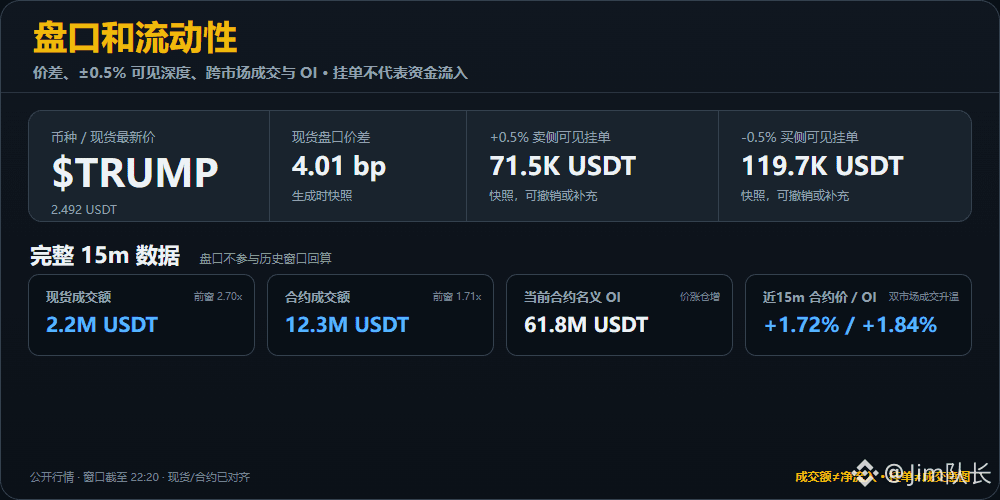
$TRUMP latest spot price 2.492 USDT. Bid-ask spread is 4.01 bp. This width is not common in normal times. The order book can change at any time; a narrow spread doesn’t necessarily mean the trades will go smoothly. I haven’t figured it out yet—I'll just watch for now.
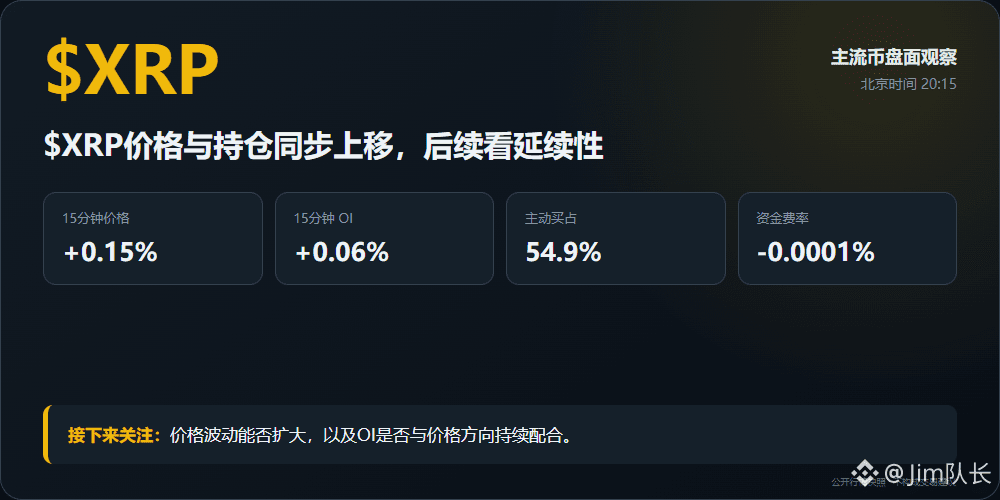
$XRP In these 15 minutes, both the price and the open positions are only moving slightly. The percentage of active buy orders is 54.9%, which looks a bit favorable, but the funding rate is still negative. It just feels like something isn't quite right. The data relationship is a bit tangled—I’ll just watch for now.
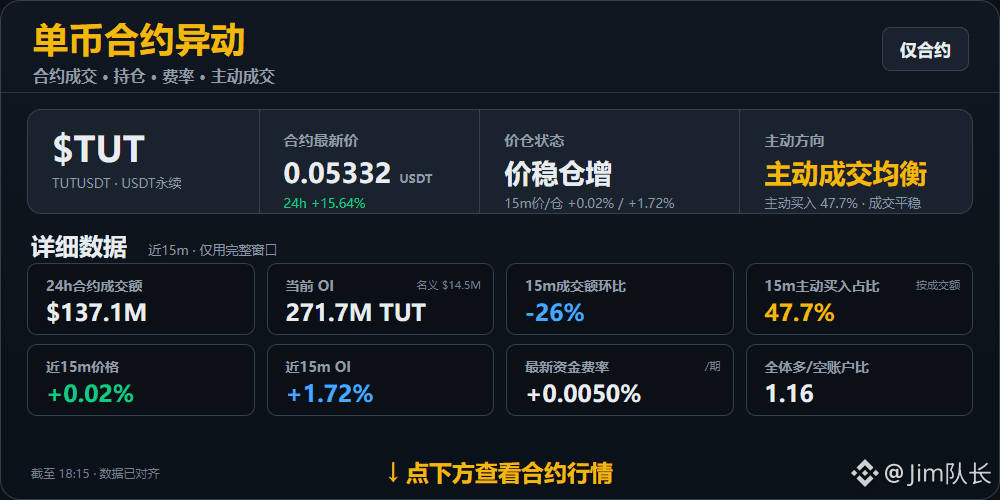
$TUT current price is $0.05332, up 15.64% in 24h; however, over the past 15 minutes the price hasn’t moved much, while the open interest has increased by 1.72%. “Price is steady, positions are increasing”—I can roughly understand the categorization, but from this data alone it’s unclear who is adding exposure and what they plan to do after adding. Let’s watch first—don’t jump to conclusions yet.
One of the views that many people have been discussing lately is that the movements of large holders often reflect market sentiment. Today, a whale liquidated its entire 301,937 $HYPE position, worth $24.4 million, realizing a profit of over $5.3 million. The average buy price was $63. What I’ll stick with is this: whether a single large sell order truly indicates a shift in trend, after all, the holding periods and cost bases can differ significantly among holders. I’m more inclined to verify the full transaction history first before drawing any conclusion.
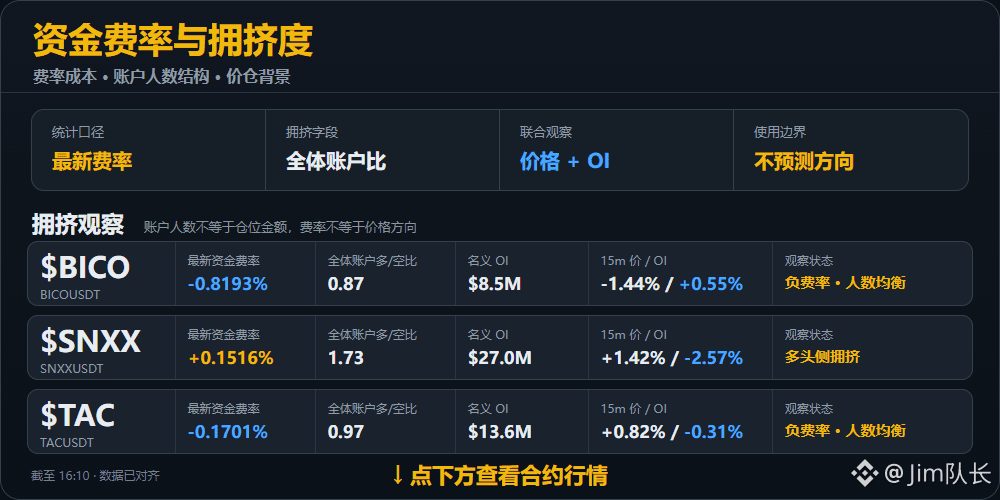
$BICO Funding Rate -0.8193%, overall long-to-short ratio 0.87; this figure surprised me a bit. A negative funding rate usually means shorts are dominant, but the long-to-short ratio isn't at an extreme either—somehow it just feels off. I currently care more about the funding rate as a signal, so I'll observe for now.
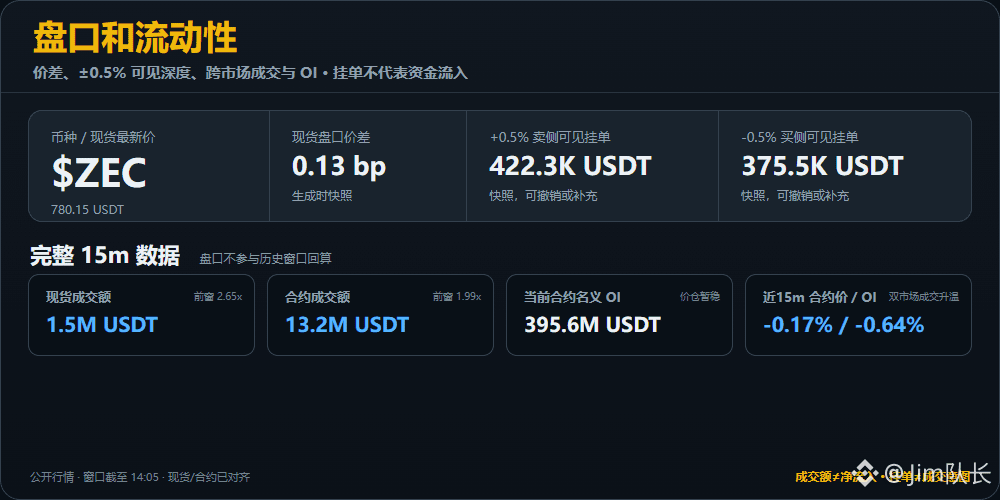
$ZEC current spot price 780.15 USDT. The order book spread is only 0.13 bp—this depth looks pretty tight. But with the spread so narrow, are there actually orders sitting there or is it just temporarily placed? I haven’t figured it out yet—going to observe for now.
The US didn’t really pay much attention to the Global South during the Cold War, but now it’s starting to engage because of chip competition. What I care about is whether this engagement is meant for technological competition or whether they actually plan to build a long-term relationship.
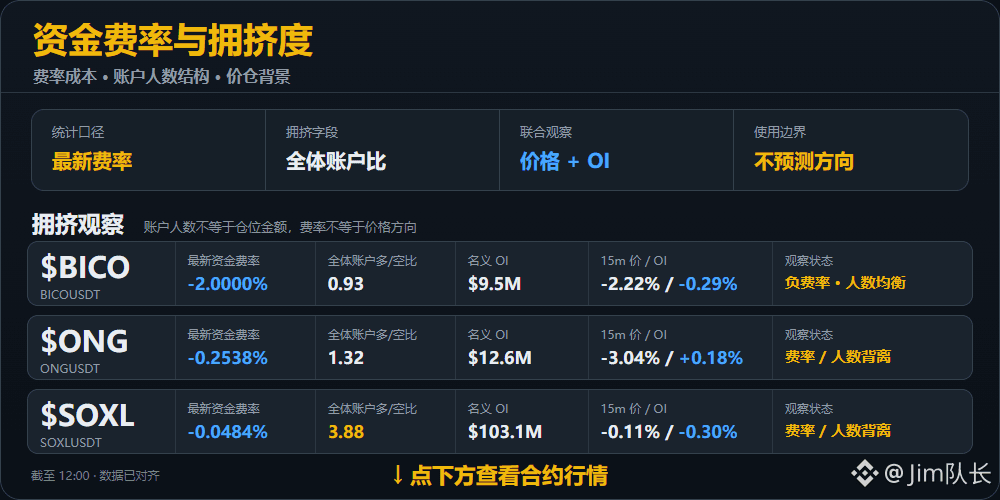
$BICO Funding Rate -2.0000%, overall long-short ratio 0.93. This funding rate is a bit deeply negative, but the long-short ratio isn’t at an extreme level. It just feels like something’s off—I'll watch first.
One view that a lot of people have been discussing recently is that Fidelity customers have been net buyers of BTC for 9 consecutive days, totaling about $413.1 million. This buying pace is definitely quite steady, but I’d like to first check whether the overall market was up or down over those 9 days, and then assess the true value of this round of buying.
One view that many people have been discussing lately is whether the increase in the number of people privately employed for a second consecutive week means that employment is improving. What I care about more is the four-week average: the single-week figures fluctuate, and only the average is truly more meaningful as a reference. So far, it seems steadier than in the previous few weeks.
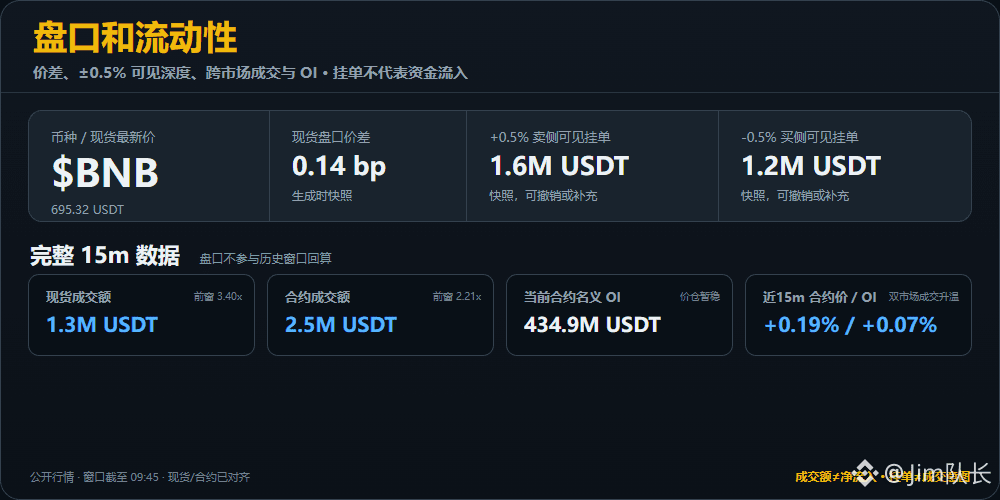
$BNB latest spot price 695.32 USDT, the order book spread is only 0.14 bp. So thin like this—something just feels off. Orders can be cancelled anytime, and a small spread doesn’t necessarily mean there are truly people willing to take orders at this level. Do you trust this spread more, or do you trust that behind it there might not be much real depth?
Elon Musk’s SpaceX plans to build a billion-dollar-class spaceport in Louisiana, with a project timeline of ten years and five launch complexes. For such long-term infrastructure projects, risks and time costs have to be weighed. The information source is Decrypt.
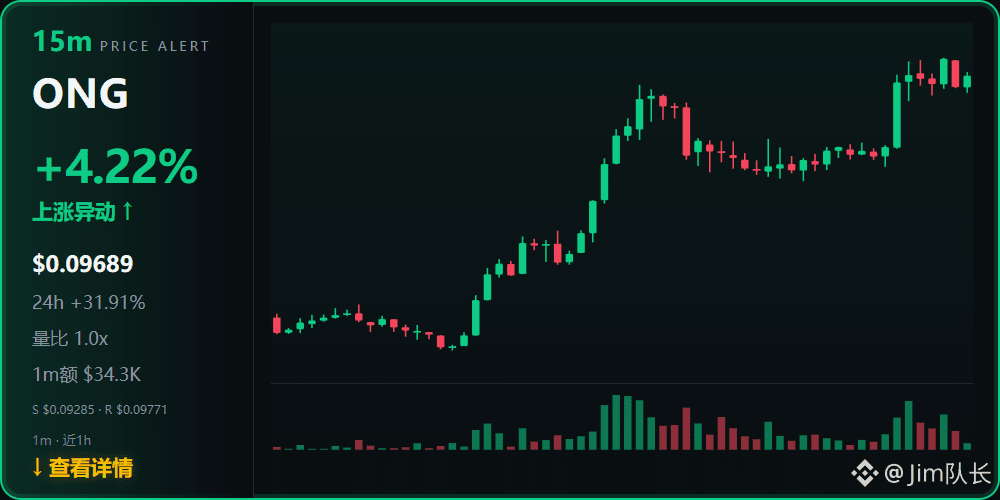
$The 15-minute candlestick for $ONG has risen a bit abruptly, but just looking at this one, I feel like something might be off. Let’s watch first. If we truly want to judge, we need to see whether the next 15 minutes’ volume can hold up—otherwise this anomaly might just be a wick (a quick needle) that spikes in and out.
Putting “using nearly $1 trillion to cut yields” and “reducing spending” together can make it easy to equate fiscal operations directly with easing. I’d rather first check the Ministry of Finance’s ordinary account balance changes to see whether this money is actually being deployed or merely intended to guide expectations—don’t treat market interpretation as a settled fact.
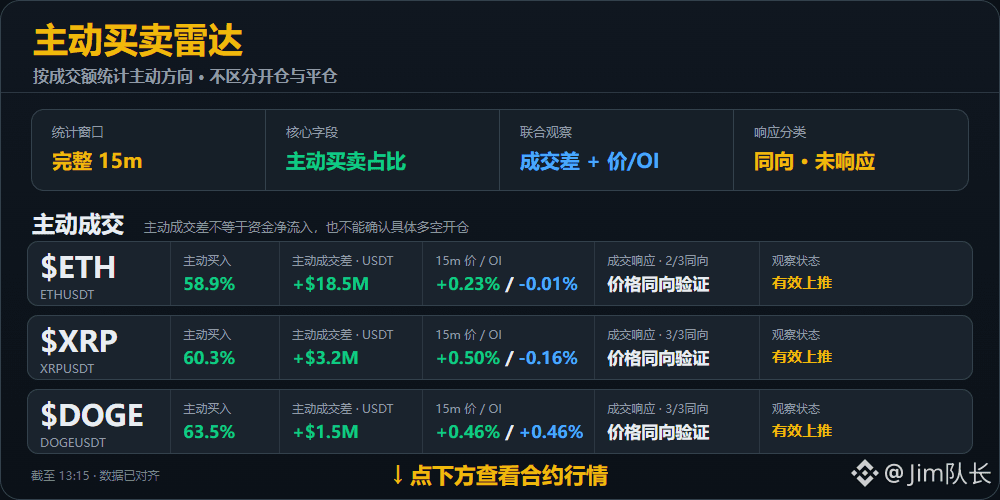
$ETH actively bought 58.9%, active net +$18.5M, but in the 15m price/OI barely moved; while the price rose, OI basically didn’t follow. In 2 out of 3 of the 5m sub-windows they move in the same direction—something still feels off. Is it that volume didn’t keep up, or that the direction hasn’t been determined yet?
There’s really no dispute about the advantages of stablecoins in instant settlement and cross-border payments, but what I truly care about is programmability. Many people think this is just a technical detail; I’d rather observe how quickly it’s actually implemented in practice before jumping to conclusions.
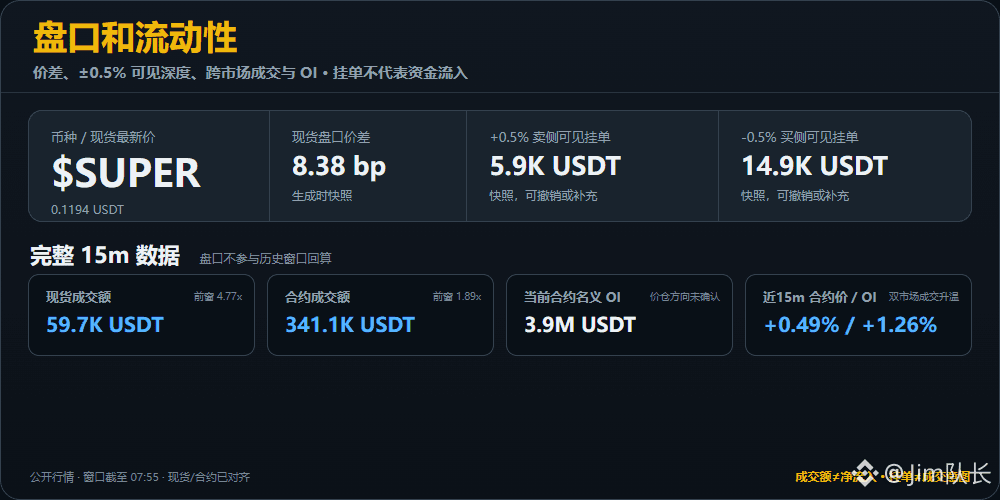
$SUPER spot latest price 0.1194 USDT, bid-ask spread 8.38 bp. This width isn’t uncommon in normal times, but given the current liquidity conditions, it just feels like something’s off. Watch from the sidelines first—let the order book eventually show the direction on its own.
Many people treat an audit report as a safety assurance document. In reality, an audit mainly checks common issues, and new features or combinations of risks may not be fully covered. When you encounter a project, first clarify the audit scope and whether the version has been updated. Don’t use an old report as a get-out-of-jail-free card—what matters is the actual code deployment and the ongoing maintenance that follows.
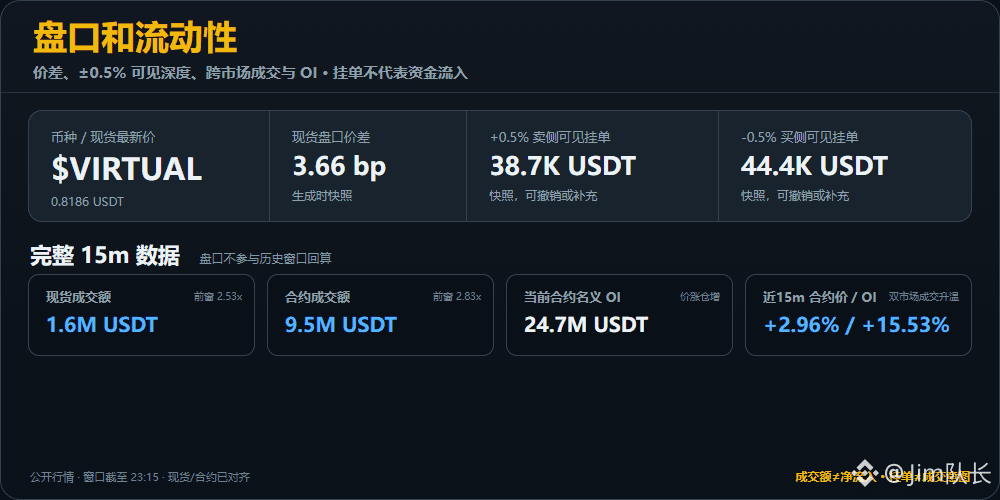
$VIRTUAL latest spot price 0.8186 USDT. The order book spread is only 3.66 bp—it looks pretty narrow. But a narrow spread doesn’t necessarily mean there’s enough depth. Orders can be canceled at any time. In situations like this, I always feel something’s not right. Do you trust this spread more, or do you trust the order book’s actual executable volume?
Log in to explore more content