

鬼谷研究院
887 Posts

鬼谷研究院
 Square Verified
Report
Block User
294 Following
15.3K+ Followers
13.6K+ Liked
Posts
All
Quotes
Videos
Live
PINNED
·
--

Article
The Truth Behind Binance Facing FUD: Bulk English Accounts Unified Copy, Falsifying 'Account Cancellation', Today Exposing Black Public Relations!!Author
Guigu Research Selection (Bankruptcy Blackening Counterattack Version) guiguziben
Brother Ghost says to do it, some people are destroying our harmonious friendship in cryptocurrency, there are bad people among the crowd
A sentence i decided to close my Binance account made me discover an organized conspiracy to smear Binance
Foreigners are really different, all the content of the posts is the same, the beginning is the same, the middle is the same, the reason for closing the Binance account is the same, then the most magical moment comes, all the posted content is the same, closing the Binance account is really a difficult decision and it seems the copywriting has to be the same
The Truth Behind Binance Facing FUD: Bulk English Accounts Unified Copy, Falsifying 'Account Cancellation', Today Exposing Black Public Relations!!
Author
Guigu Research Selection (Bankruptcy Blackening Counterattack Version) guiguziben
Brother Ghost says to do it, some people are destroying our harmonious friendship in cryptocurrency, there are bad people among the crowd
A sentence i decided to close my Binance account made me discover an organized conspiracy to smear Binance
Foreigners are really different, all the content of the posts is the same, the beginning is the same, the middle is the same, the reason for closing the Binance account is the same, then the most magical moment comes, all the posted content is the same, closing the Binance account is really a difficult decision and it seems the copywriting has to be the same
2
404
·
--
BNB's 37th quarterly burn
Around 1.64 million BNB burned, worth about $1.2 billion
CZ even asked: Which chain burns around $1.1 billion every quarter?
$BNB
BNB's 37th quarterly burn
Around 1.64 million BNB burned, worth about $1.2 billion
CZ even asked: Which chain burns around $1.1 billion every quarter?
$BNB
Around 1.64 million BNB burned, worth about $1.2 billion
CZ even asked: Which chain burns around $1.1 billion every quarter?
$BNB
1
105
·
--
BNB’s 37th quarterly burn
Roughly 1.64 million BNB burned, worth around $1.2 billion
CZ even asked: Which chain can burn around $1.1 billion worth every quarter?
$BNB
BNB’s 37th quarterly burn
Roughly 1.64 million BNB burned, worth around $1.2 billion
CZ even asked: Which chain can burn around $1.1 billion worth every quarter?
$BNB
Roughly 1.64 million BNB burned, worth around $1.2 billion
CZ even asked: Which chain can burn around $1.1 billion worth every quarter?
$BNB
105
·
--
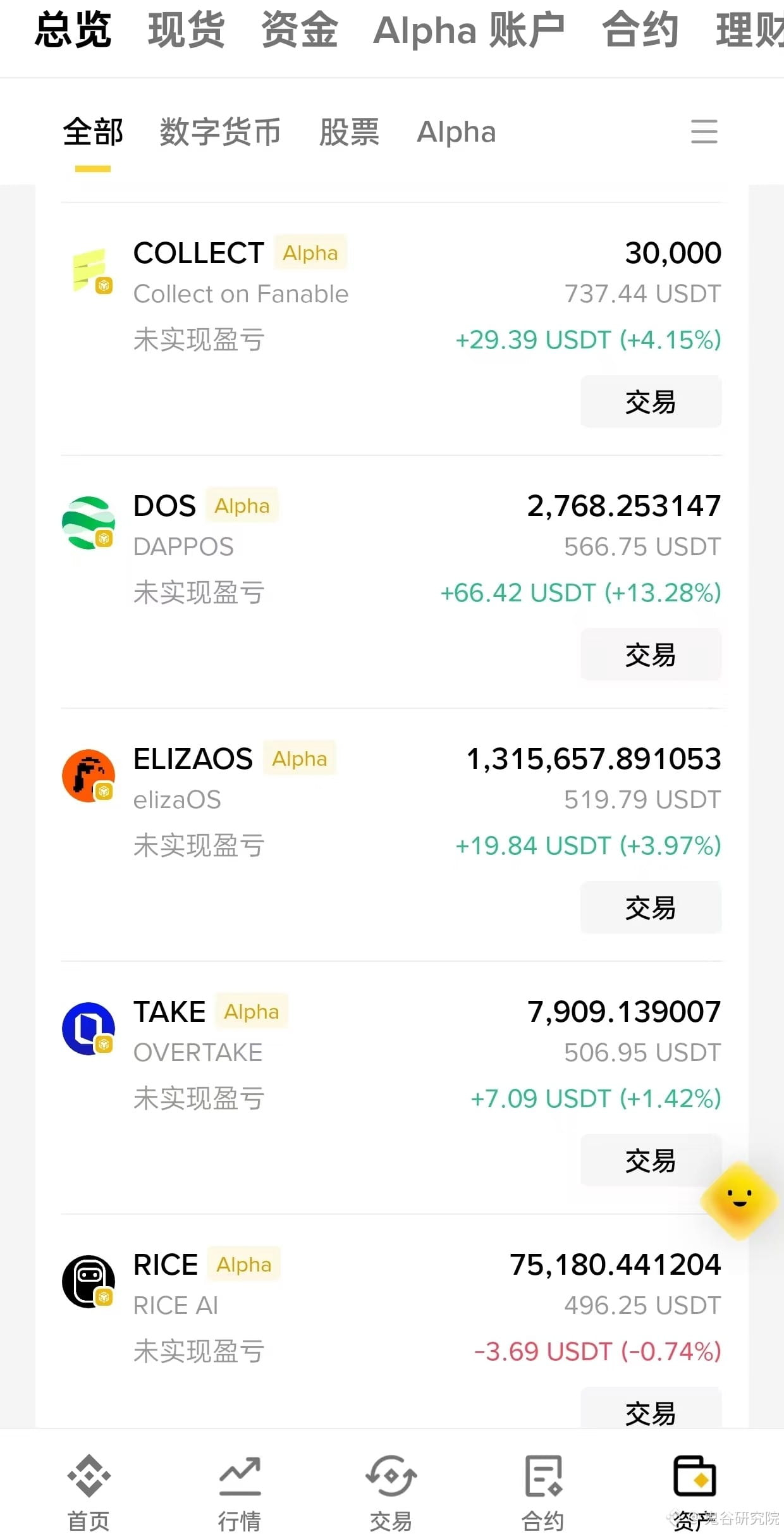
Buy some $DOS $COLLECT $TSLAB , I guess. The rest is in the picture. The strategy is to lie in wait—I got into one a few days ago, $Q. Feels great.
Buy some $DOS $COLLECT $TSLAB , I guess. The rest is in the picture. The strategy is to lie in wait—I got into one a few days ago, $Q. Feels great.
1.5k
·
--
Gugu Morning Post Analysis|HYPE
HYPE We shared around $31, and after it climbed to around $68, it already came out/ran a full run
Now that it has pulled back to this level, I personally feel it could be re-entered into the watch zone—ready to look for an opportunity to board
Recently, market rumors say that HIP-3’s biggest market TradeXYZ might break away from Hyperliquid and operate independently, and this is one of the main reasons behind the drop. Another reason is that HYPE ETF inflows have stalled
But in these days, TradeXYZ has started using part of its fee revenue to buy back HYPE and also to purchase new tickers. At least based on this action, TradeXYZ is still continuing to invest in the Hyperliquid ecosystem, and the solo/rug-out rumor doesn’t hold up
Currently, the fees generated by the HIP-3 market under TradeXYZ: 50% go to TradeXYZ, and the other 50% go to Hyperliquid
The portion Hyperliquid receives will go into a support/relief fund, which automatically buys and burns HYPE
Now TradeXYZ is again swapping its received portion of fee revenue into HYPE to expand into new markets
In other words, the higher the trading volume of HIP-3, the more HYPE may benefit both from protocol buyback/burn and from the demand created by TradeXYZ’s market expansion
Next, the main thing to watch is whether TradeXYZ continues to use its fee revenue to buy HYPE, and whether the solo rumor has any substantive evidence
#hype
219
·
--
Guigu Morning News Analysis|HYPE
We shared HYPE around $31. After it rose to around $68, it already came out/was sold off.
Now it has pulled back to this level. Personally, I feel it could re-enter the observation zone—I'm getting ready to look for an opportunity to board.
Recently, there have been market rumors that HIP-3’s biggest market maker, TradeXYZ, might break away from Hyperliquid and run solo. That’s one of the main reasons behind the drop. Another reason is that HYPE ETF inflows have stalled.
But in the past few days, TradeXYZ has started taking out part of its fee income to repurchase HYPE and use it to buy new Tickers. At least from this move, it shows TradeXYZ is still continuing to invest in the Hyperliquid ecosystem— the rumors of a solo run are disproven.
Currently, of the fees generated by the HIP-3 market under TradeXYZ: 50% goes to TradeXYZ, and the other 50% goes to Hyperliquid.
The portion Hyperliquid receives will go into a grant fund, automatically buying and burning HYPE.
Now TradeXYZ has also started swapping the part of the fees it receives into HYPE to expand into new markets.
In other words, the higher the trading volume in HIP-3, the more HYPE may benefit both from protocol repurchase-and-burn and from demand created by TradeXYZ’s market expansion.
Next, the main things to watch are whether TradeXYZ will keep using fee income to buy HYPE, and whether the solo-run rumors have any concrete evidence.
341
·
--
Verified
Tonight at around midnight, Uniswap on the RH will launch a so-called “pools” launchpad.
Brothers who follow the RH chain can keep an eye on it.
RH’s main SWAP platform is UNI, and its cumulative trading volume has exceeded 10 billion.
Tonight at around midnight, Uniswap on the RH will launch a so-called “pools” launchpad.
Brothers who follow the RH chain can keep an eye on it.
RH’s main SWAP platform is UNI, and its cumulative trading volume has exceeded 10 billion.
Brothers who follow the RH chain can keep an eye on it.
RH’s main SWAP platform is UNI, and its cumulative trading volume has exceeded 10 billion.
1.2k
·
--
Verified
Guigu Morning News — Opportunity Sharing — UNI
UNI has been performing very strongly recently, so everyone may want to pay close attention.
The main catalysts are as follows (3):
(1) Robinhood Chain Explodes
Uniswap is RH’s go-to DEX. Its highest single-day trading volume reached 740 million, with a cumulative total of nearly 13 billion, generating $663,000 in fees.
(2) Uniswap v4
v4 turns Uniswap from a simple trading protocol into a programmable platform, and Hooks has produced many new “golden opportunities.”
There are $01, $SATO, $uPEG.
With the launch of v4, Uniswap evolves from a trading protocol into an issuance platform for new assets, new mechanisms, and new ways to play.
(3) Buyback and Burn Goes Live
Uniswap has released a proposal: protocol fees go into TokenJar. To take them out, you must burn UNI worth an equivalent amount.
Currently, the most recent daily burn has exceeded 100,000 tokens, and cumulatively more than 100 million tokens have already been burned.
Those previously useless tokens finally have something to change their fortunes.
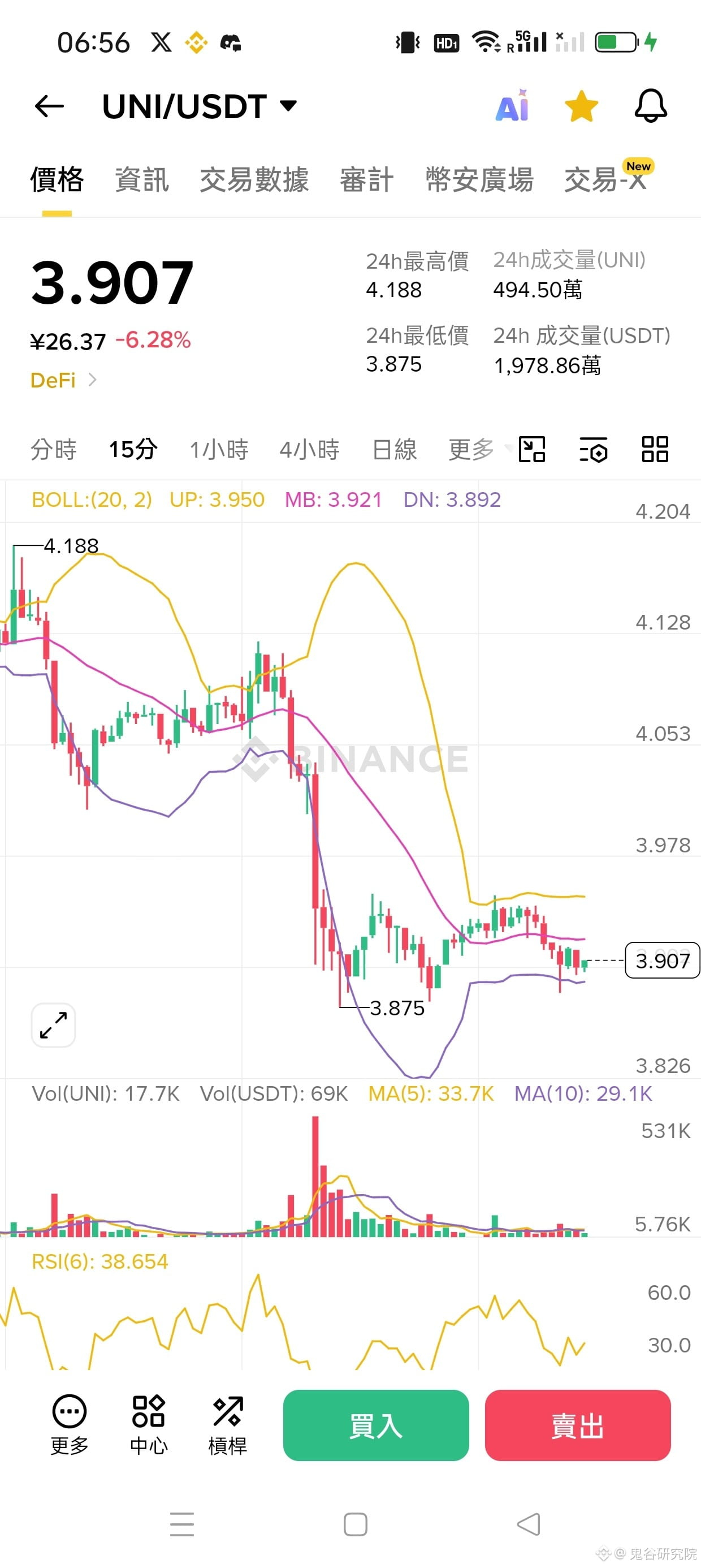
Based on the three points above, I think <$UNI > can be watched. The current price is 4, so look for an opportunity to get involved.
1
3.4k
·
--
Learned
Learned

作业借你抄
·
--
Share a cool fact:
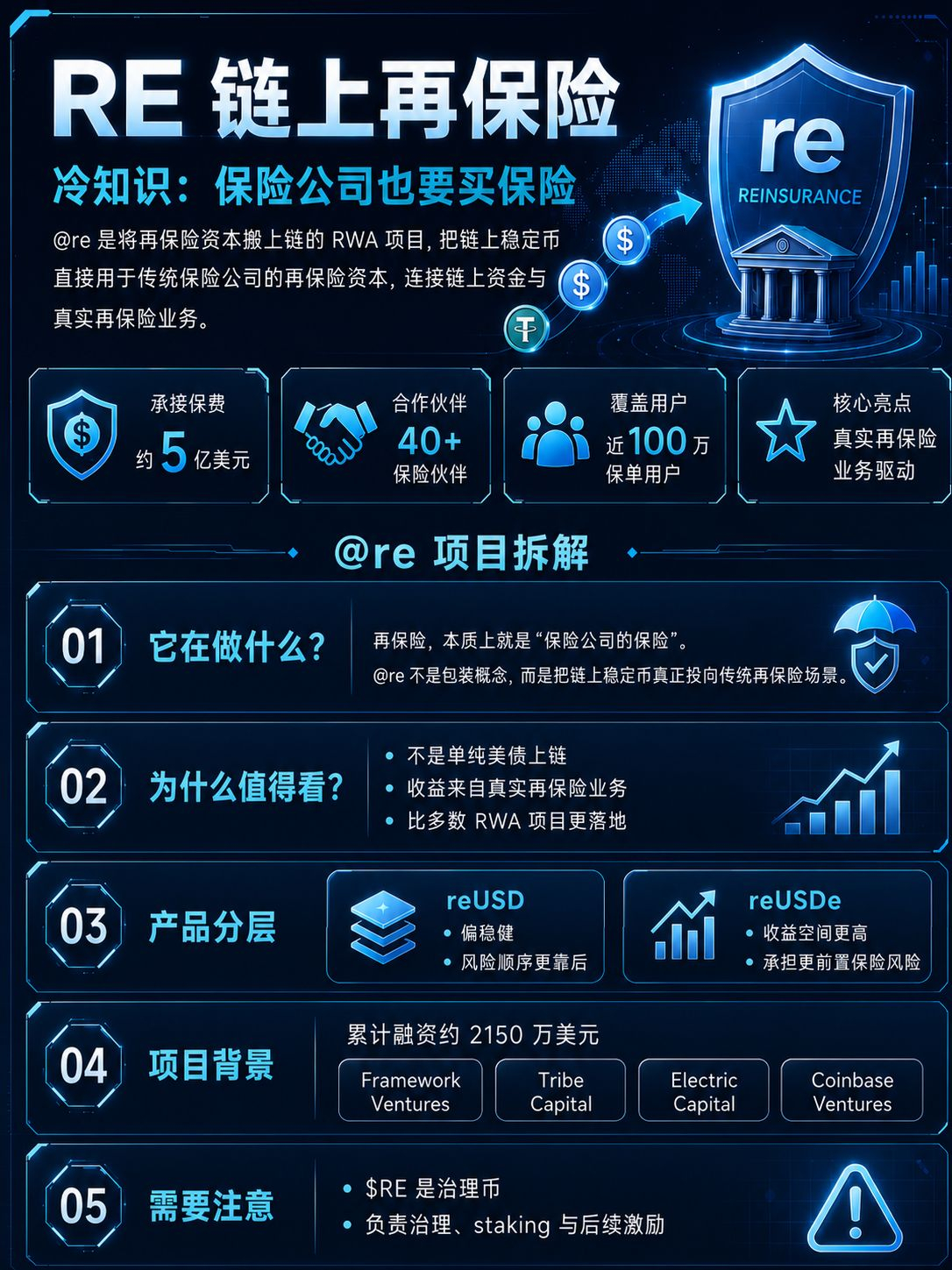
Insurance companies also need insurance—this business is called reinsurance.
Recently I looked into @re, and I think it’s more interesting than most RWA projects.
While others are busy bringing U.S. Treasuries on-chain, $RE directly uses on-chain stablecoins as reinsurance capital for traditional insurance companies.
So far, it has underwritten about $500 million in premiums, partnered with 40+ insurance partners, and covers nearly 1 million policyholders.
The product is split into two layers:
reUSD is more conservative, with risk assumed later in the order.
reUSDe offers higher return potential, while taking on insurance risk earlier.
These returns don’t come from simple token subsidies—they come from real reinsurance business.
The project background isn’t bad either, with cumulative funding of about $21.5 million.
Framework Ventures, Tribe Capital, Electric Capital, and Coinbase Ventures have all invested.
But also note: $RE is just a governance token. It’s responsible for protocol governance, staking, and subsequent ecosystem incentives.
If you previously had points, remember to check your claim. If you don’t qualify, keep an eye out for Season 2 and future staking opportunities.
1
115
·
--
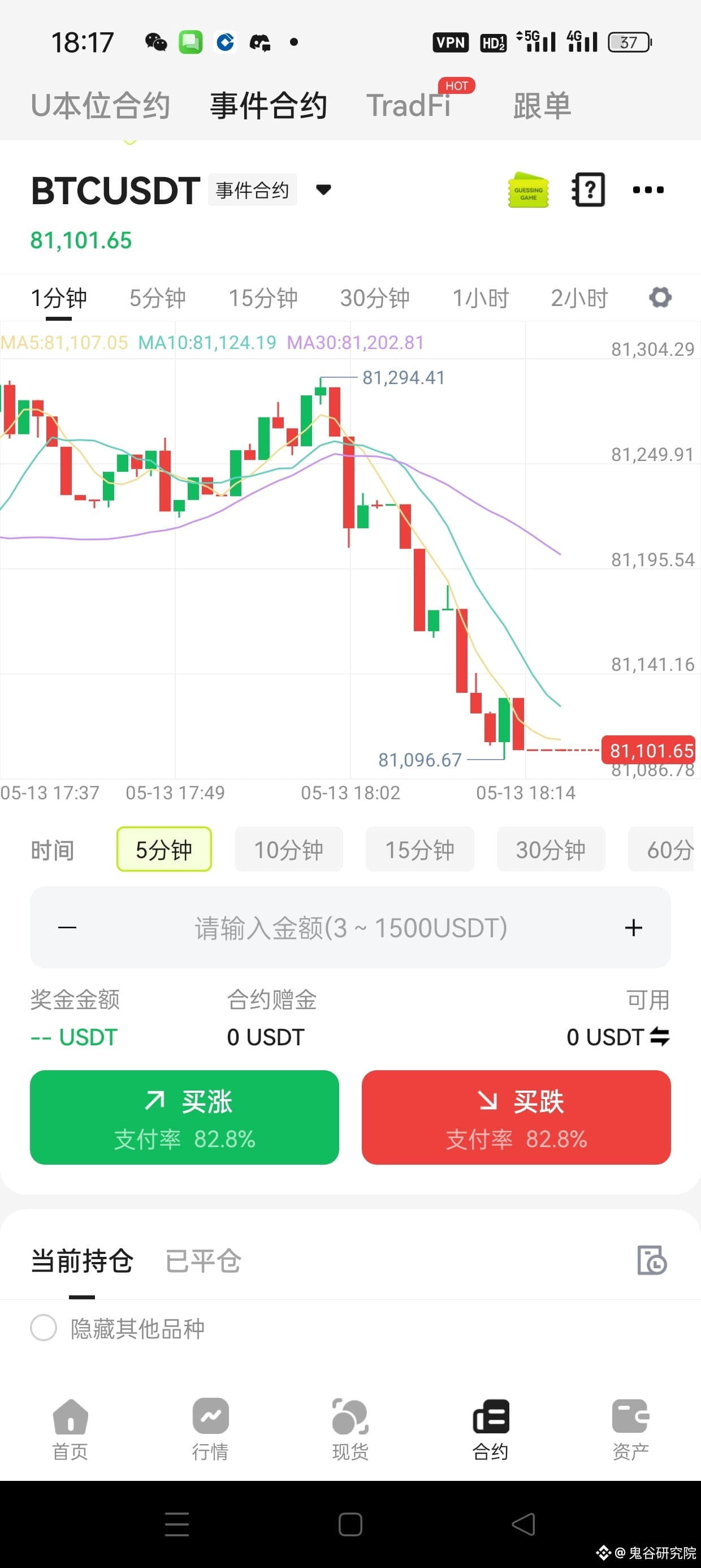
The event contract is right here on hibt
Brothers, come quick
It's super smooth!!!
The event contract is right here on hibt
Brothers, come quick
It's super smooth!!!
Brothers, come quick
It's super smooth!!!
2
803
·
--
Why are prediction markets likely to be the first on-chain scenario successfully navigated by AI Agents?
AI Agents can't just churn out reports. To become a true on-chain economic entity, they need a scenario that allows for continuous validation of their capabilities: public info, real-time prices, financial constraints, clear outcomes, and on-chain records. Prediction markets fit the bill perfectly. An Agent can scan news, odds, historical data, and market depth to form probability judgments; within the scope authorized by users, it can also execute small-scale strategies. Once events conclude, the market will provide results: determining accuracy, assessing risk control, and verifying record completeness. This is way more solid than just "having the Agent generate a piece of analysis." For Auvera Chain, prediction markets aren't just an application; they serve as an early testing ground to observe how humans, Agents, data, computing power, and funds collaborate. The AI Agent economy won't materialize from a catchy slogan; it needs a verifiable task loop. Content is for track observation only and does not constitute investment advice.
#PredictionMarkets #AIAgent #AuveraChain #AUV #CryptoAI #Web3
1
356
·
--
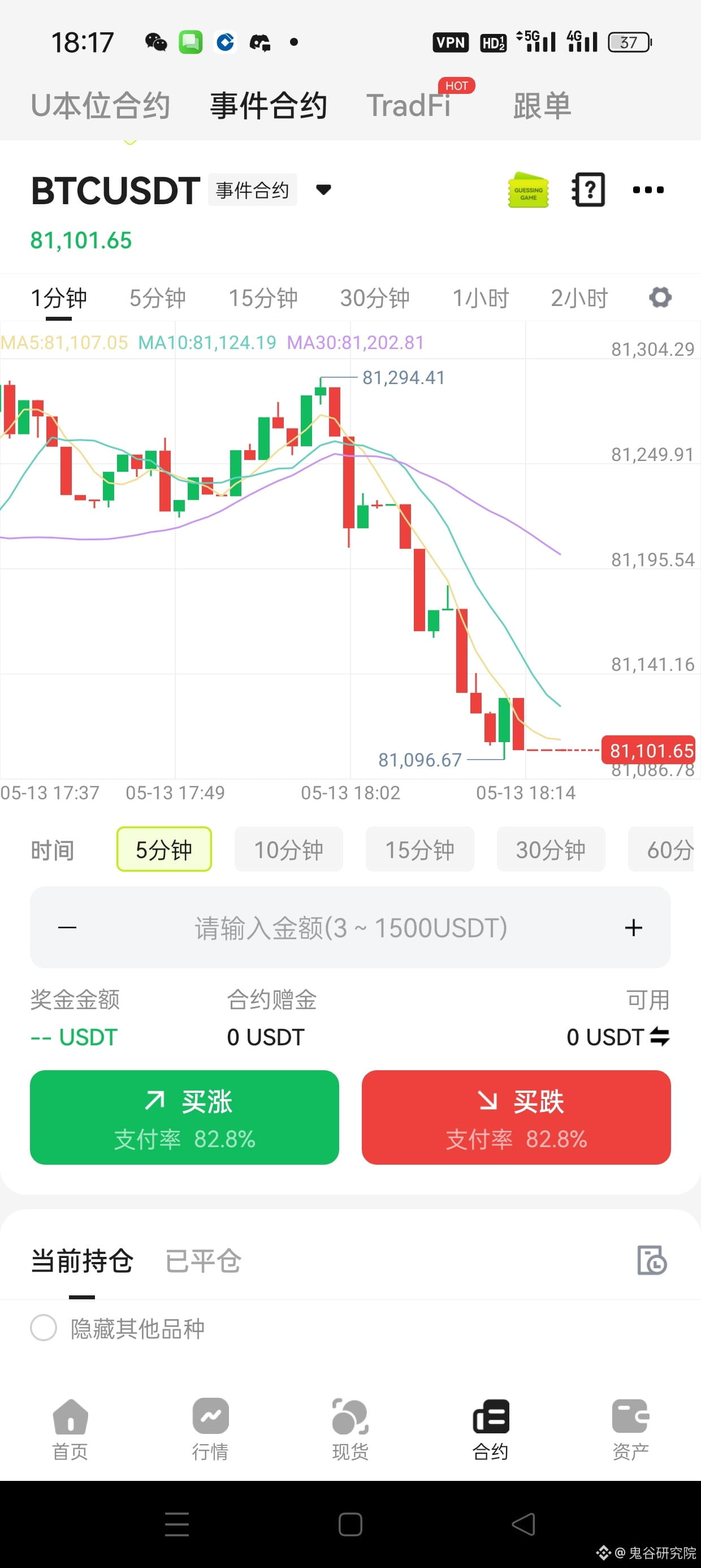
Event contracts are live on hibt
Brothers, jump in!
It's super smooth!!!
Event contracts are live on hibt
Brothers, jump in!
It's super smooth!!!
Brothers, jump in!
It's super smooth!!!
196
·
--
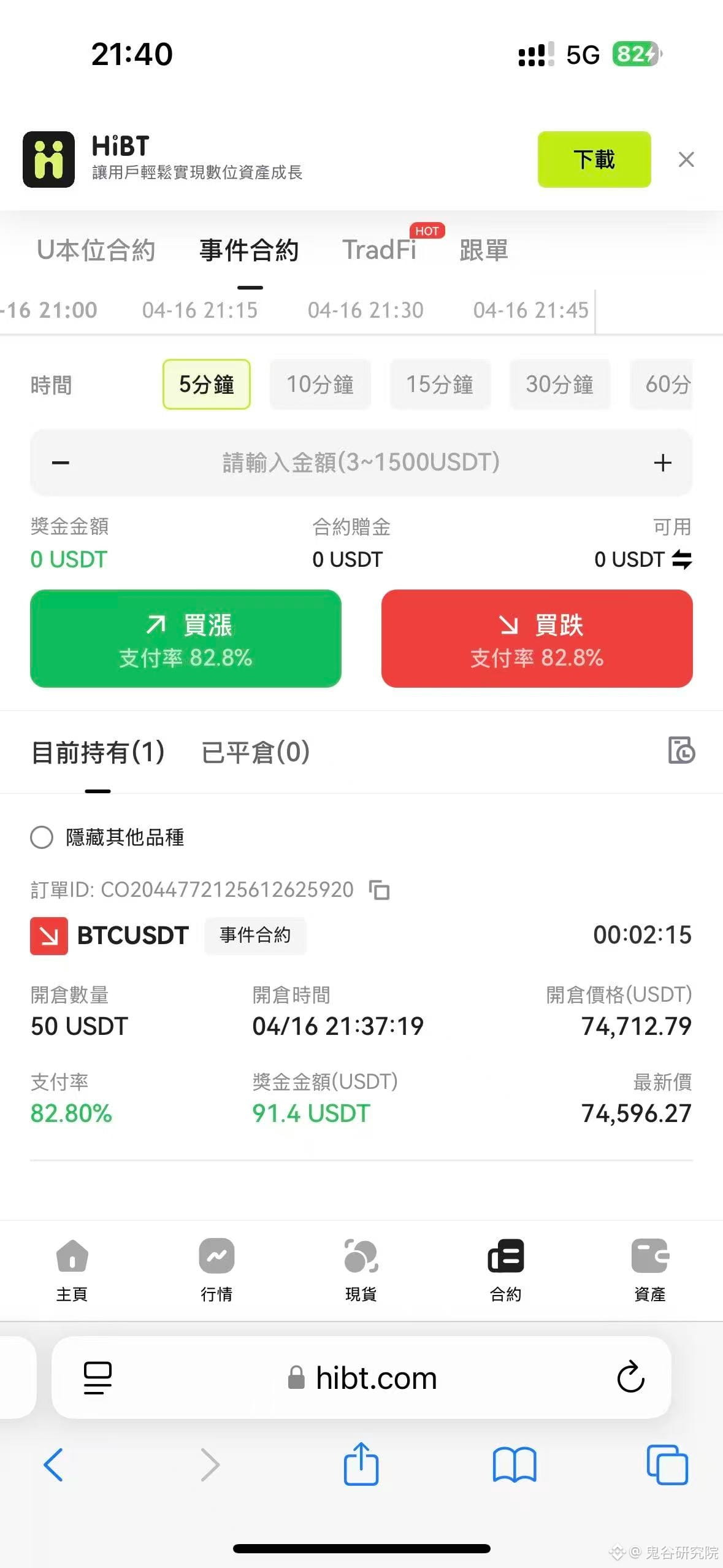
This time contract is quite interesting
Brothers who are interested can call me to join
This time contract is quite interesting
Brothers who are interested can call me to join
Brothers who are interested can call me to join
1
411
·
--
Ghost Valley talks about currency<a>Record of the Big Shots</a>
First Issue
The number one in the currency circle Zhao Changpeng@cz_binance
The number one sister in the currency circle He Yi @heyibinance
How did the big shots get into cryptocurrency? Why did he gamble his house worth seven million? Is it faith or cognition? Welcome to the currency circle's record of big shots
#Binance
1
138
·
--
Binance delisted $rdnt
More of it!!! Buying lottery tickets
Mistook the空. Stand up to be hit.
Binance delisted $rdnt
More of it!!! Buying lottery tickets
Mistook the空. Stand up to be hit.
More of it!!! Buying lottery tickets
Mistook the空. Stand up to be hit.
2
555
Log in to explore more content
Join global crypto users on Binance Square
⚡️ Get latest and useful information about crypto.
💬 Trusted by the world’s largest crypto exchange.
👍 Discover real insights from verified creators.
Email / Phone number
Trending Topics
BinancePick
2.7M views
143,588 Discussing
Join #EarningsSeason: Predict Earnings on Binance Pick, Share Your Take on Binance Square!
Binance Square Official
·402 Likes
·339.1k views
EarningsSeason
5M views
24,628 Discussing
SouthKoreaReportedlyWeighsFourthCryptoTaxDelay
1,176 views
94 Discussing