

Danny小学僧
1.7k Posts

Danny小学僧
 Square Verified+
Report
Block User
二级投研项目 、Web3内容分享者、Focus Cryptocurrency spot trading
1.2K+ Following
35.9K+ Followers
15.5K+ Liked
Posts
All
Quotes
Videos
Live
·
--
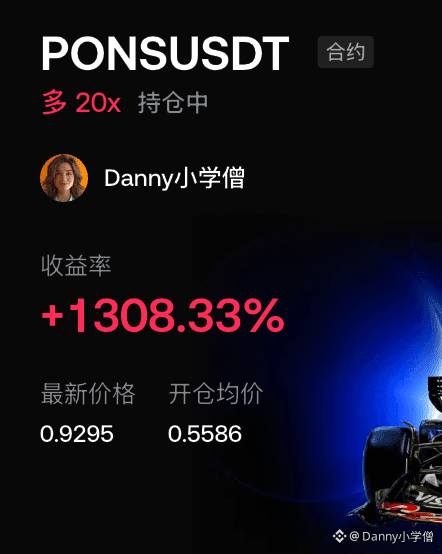
The main force has entered the market, and you still haven’t felt it? BTC flies, then stabilizes, then altcoins fly! This is the rhythm right now 🎵! Chase new, not old; this round’s two targets are PONS and UNI! $PONS $UNI
{future}(UNIUSDT)
{future}(PONSUSDT)
😀😀
The main force has entered the market, and you still haven’t felt it? BTC flies, then stabilizes, then altcoins fly! This is the rhythm right now 🎵! Chase new, not old; this round’s two targets are PONS and UNI! $PONS $UNI
😀😀
😀😀
1
1
362
·
--
The wind of stock-coins🌬️ has blown to BNB Chain, come on, let’s take off🛫
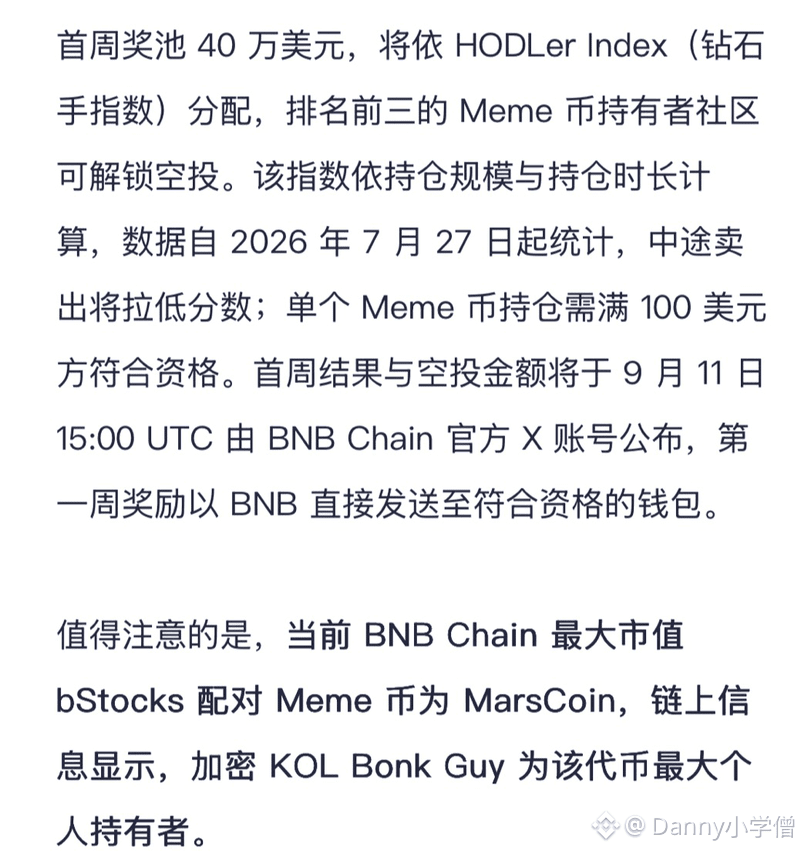
BNB Chain has announced a multi-week Meme trading season, "BNB Stonks Szn," with a total prize pool of $4 million. From September 4 to 12, eligible bStocks-paired Meme coins will compete for rankings on the Meme leaderboard, with the prize pool distributed weekly and increasing week by week.
Notably, the current largest-market-cap bStocks-paired Meme coin on BNB Chain is MarsCoin. On-chain information shows that crypto KOL Bonk Guy is the largest individual holder of the token.$MARSCOIN
{future}(MARSCOINUSDT)
The wind of stock-coins🌬️ has blown to BNB Chain, come on, let’s take off🛫
BNB Chain has announced a multi-week Meme trading season, "BNB Stonks Szn," with a total prize pool of $4 million. From September 4 to 12, eligible bStocks-paired Meme coins will compete for rankings on the Meme leaderboard, with the prize pool distributed weekly and increasing week by week.
Notably, the current largest-market-cap bStocks-paired Meme coin on BNB Chain is MarsCoin. On-chain information shows that crypto KOL Bonk Guy is the largest individual holder of the token.$MARSCOIN
BNB Chain has announced a multi-week Meme trading season, "BNB Stonks Szn," with a total prize pool of $4 million. From September 4 to 12, eligible bStocks-paired Meme coins will compete for rankings on the Meme leaderboard, with the prize pool distributed weekly and increasing week by week.
Notably, the current largest-market-cap bStocks-paired Meme coin on BNB Chain is MarsCoin. On-chain information shows that crypto KOL Bonk Guy is the largest individual holder of the token.$MARSCOIN
1
263
·
--
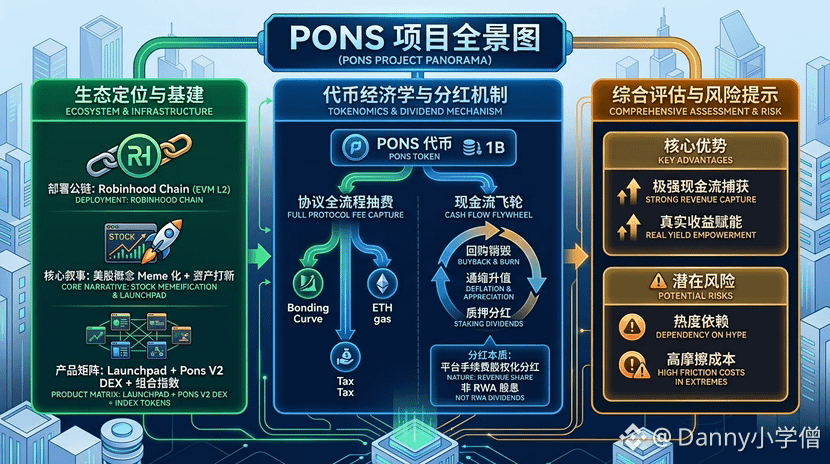
If Pons is the brightest star of this round, then the DEX liquidity in the coin and stock market will be the biggest dark horse next! Get on board with the latest airdrop project! Welcome👏 Hurry
The two strongest projects benefiting right now—$ARB —get on board directly; it’s not the finish line yet 🏁
{future}(ARBUSDT)
$UNI
{future}(UNIUSDT)
If Pons is the brightest star of this round, then the DEX liquidity in the coin and stock market will be the biggest dark horse next! Get on board with the latest airdrop project! Welcome👏 Hurry
The two strongest projects benefiting right now—$ARB —get on board directly; it’s not the finish line yet 🏁
$UNI
The two strongest projects benefiting right now—$ARB —get on board directly; it’s not the finish line yet 🏁
$UNI
1
61
·
--
Don’t panic—don’t panic. To put it plainly, it’s just a shakeout: they want you to get off the train, and those currently holding no position shouldn’t panic either. There will be a rebound tonight—I mean it. Even Jesus can’t stop it!
In the AI era: valuation mismatches in memory stocks and the logic behind their correction
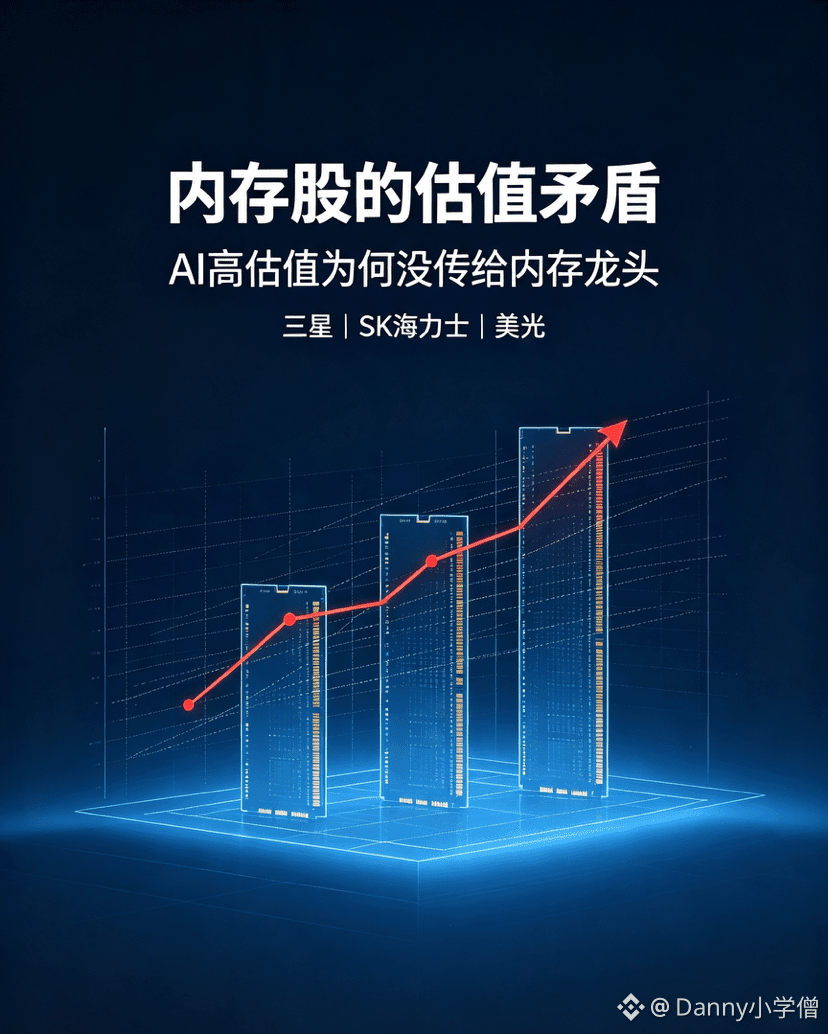
Against the backdrop of the AI industry boom, memory-leading companies are being undervalued by the market. The core issue is that the market has misjudged the valuation logic.
1. The illusion of low P/E ratios
Micron, Samsung, and SK hynix’s forward P/E ratios are only 5–6.5x, far below the 24–47x seen in AI-industry-chain companies like NVIDIA and TSMC. This undervaluation stems from the market’s traditional perception of the memory sector—treating it as a highly cyclical industry, assuming profits have peaked, that capacity is excessive, and that companies lack monopoly pricing power.
2. How AI rewrites the memory-cycle logic
In the AI era, memory demand grows in a spiral: more users → more inference calls → higher server demand → exponentially increasing memory consumption. AI servers require 8–10 times more memory than traditional servers. By 2026, AI-related applications will consume 66% of DRAM production, and the HBM demand gap will reach 50–60%. Memory has become the core bottleneck for AI computing power.
3. The essence of the valuation contradiction
The market overvalues other segments of the AI industry chain while giving memory companies extremely low valuations. The logic doesn’t add up. If AI computing demand continues to expand, memory demand must rise in tandem. If memory demand declines, then the performance and scale expansion of AI servers will be constrained, and the high-valuation logic of companies like NVIDIA will also collapse.
4. The inevitability of a valuation re-rating
Today’s low valuations in memory companies implicitly assume that profits have peaked. But ongoing growth in AI demand will break that expectation. If the P/E ratio is re-rated from 6x to 10x, the stock price theoretically has more than 70% room for repair. As a core component of AI infrastructure, memory’s valuation framework will ultimately be rebuilt in the AI era.
Don’t panic—don’t panic. To put it plainly, it’s just a shakeout: they want you to get off the train, and those currently holding no position shouldn’t panic either. There will be a rebound tonight—I mean it. Even Jesus can’t stop it!
In the AI era: valuation mismatches in memory stocks and the logic behind their correction
Against the backdrop of the AI industry boom, memory-leading companies are being undervalued by the market. The core issue is that the market has misjudged the valuation logic.
1. The illusion of low P/E ratios
Micron, Samsung, and SK hynix’s forward P/E ratios are only 5–6.5x, far below the 24–47x seen in AI-industry-chain companies like NVIDIA and TSMC. This undervaluation stems from the market’s traditional perception of the memory sector—treating it as a highly cyclical industry, assuming profits have peaked, that capacity is excessive, and that companies lack monopoly pricing power.
2. How AI rewrites the memory-cycle logic
In the AI era, memory demand grows in a spiral: more users → more inference calls → higher server demand → exponentially increasing memory consumption. AI servers require 8–10 times more memory than traditional servers. By 2026, AI-related applications will consume 66% of DRAM production, and the HBM demand gap will reach 50–60%. Memory has become the core bottleneck for AI computing power.
3. The essence of the valuation contradiction
The market overvalues other segments of the AI industry chain while giving memory companies extremely low valuations. The logic doesn’t add up. If AI computing demand continues to expand, memory demand must rise in tandem. If memory demand declines, then the performance and scale expansion of AI servers will be constrained, and the high-valuation logic of companies like NVIDIA will also collapse.
4. The inevitability of a valuation re-rating
Today’s low valuations in memory companies implicitly assume that profits have peaked. But ongoing growth in AI demand will break that expectation. If the P/E ratio is re-rated from 6x to 10x, the stock price theoretically has more than 70% room for repair. As a core component of AI infrastructure, memory’s valuation framework will ultimately be rebuilt in the AI era.
In the AI era: valuation mismatches in memory stocks and the logic behind their correction
Against the backdrop of the AI industry boom, memory-leading companies are being undervalued by the market. The core issue is that the market has misjudged the valuation logic.
1. The illusion of low P/E ratios
Micron, Samsung, and SK hynix’s forward P/E ratios are only 5–6.5x, far below the 24–47x seen in AI-industry-chain companies like NVIDIA and TSMC. This undervaluation stems from the market’s traditional perception of the memory sector—treating it as a highly cyclical industry, assuming profits have peaked, that capacity is excessive, and that companies lack monopoly pricing power.
2. How AI rewrites the memory-cycle logic
In the AI era, memory demand grows in a spiral: more users → more inference calls → higher server demand → exponentially increasing memory consumption. AI servers require 8–10 times more memory than traditional servers. By 2026, AI-related applications will consume 66% of DRAM production, and the HBM demand gap will reach 50–60%. Memory has become the core bottleneck for AI computing power.
3. The essence of the valuation contradiction
The market overvalues other segments of the AI industry chain while giving memory companies extremely low valuations. The logic doesn’t add up. If AI computing demand continues to expand, memory demand must rise in tandem. If memory demand declines, then the performance and scale expansion of AI servers will be constrained, and the high-valuation logic of companies like NVIDIA will also collapse.
4. The inevitability of a valuation re-rating
Today’s low valuations in memory companies implicitly assume that profits have peaked. But ongoing growth in AI demand will break that expectation. If the P/E ratio is re-rated from 6x to 10x, the stock price theoretically has more than 70% room for repair. As a core component of AI infrastructure, memory’s valuation framework will ultimately be rebuilt in the AI era.
306
·
--
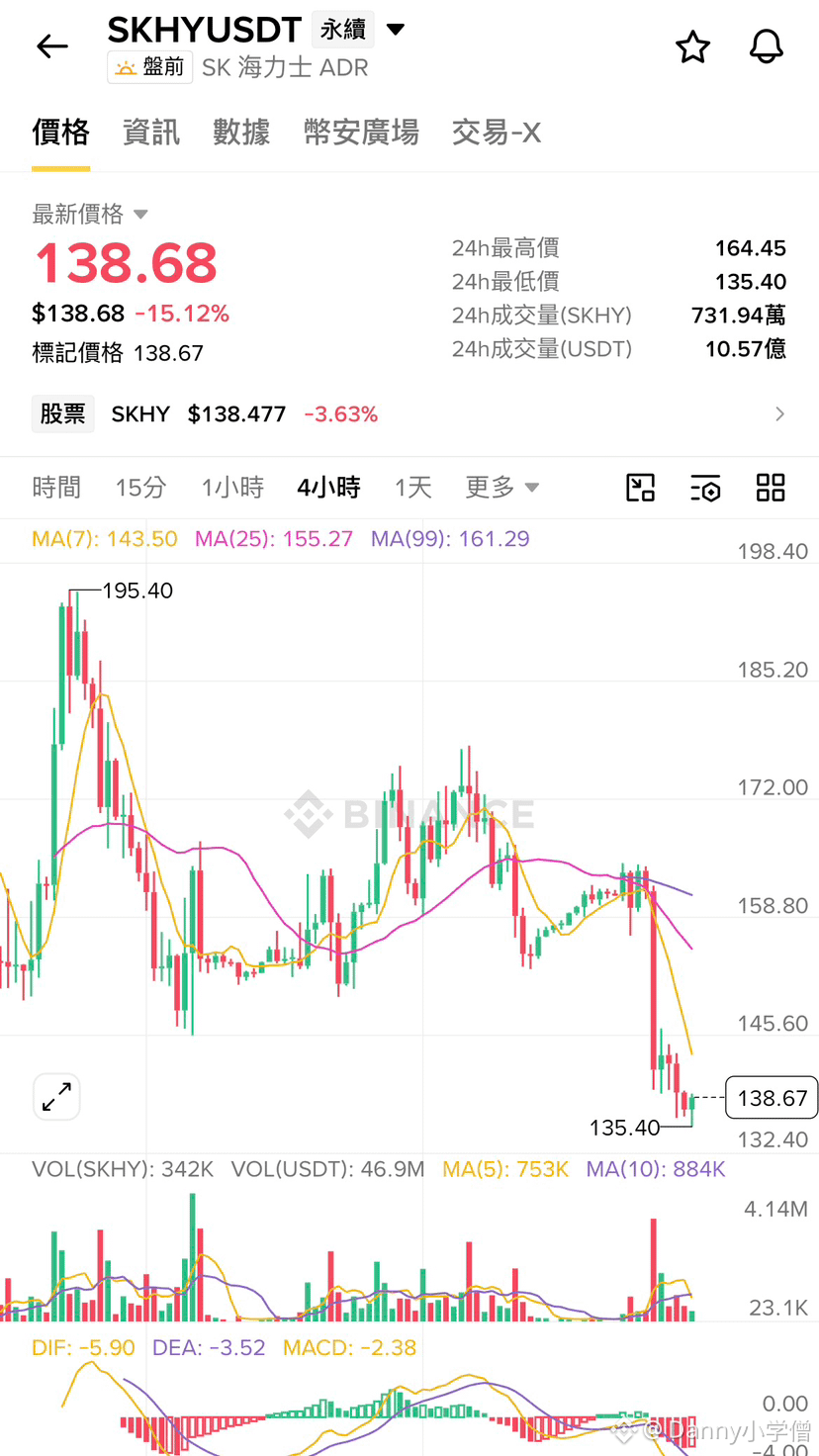
I remember it now.
I’m not some Wall Street wolf, not a savior of light, not a successor of chips, and not the king of storage.
I’m just a minor—I’m requesting a refund. $SKHYNIX
I remember it now.
I’m not some Wall Street wolf, not a savior of light, not a successor of chips, and not the king of storage.
I’m just a minor—I’m requesting a refund. $SKHYNIX
I’m not some Wall Street wolf, not a savior of light, not a successor of chips, and not the king of storage.
I’m just a minor—I’m requesting a refund. $SKHYNIX
320
·
--
Verified
Article
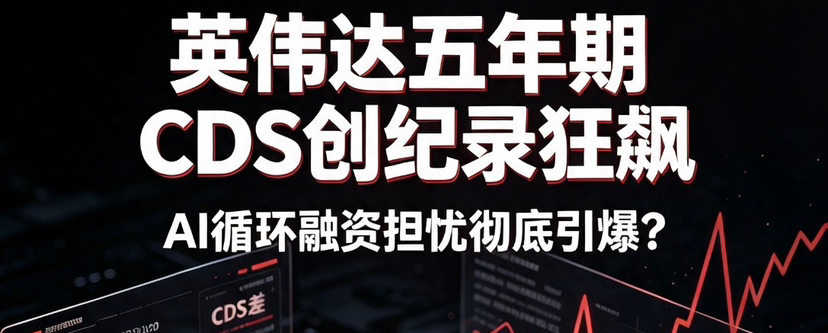
Behind Nvidia’s Stock Drop: AI Financing Expansion Raises Alarm in the Credit MarketOn July 28, Nvidia’s stock price fell nearly 5% intraday, and its market capitalization was overtaken by Apple. At the same time, risk indicators in its credit market showed clear volatility: Nvidia’s 5-year CDS rose 14 bps in a single day to 82 bps, marking the largest intraday jump for this contract since trading began in November last year. This change reflects mounting market concern about Nvidia’s debt risk and its financing expansion model.
The core trigger for market attention is a large-scale AI infrastructure financing project that Nvidia is pushing forward. In particular, the planned scale of cooperation between Nvidia and SK hynix’s parent company is about $500 billion, with another roughly $250 billion earmarked for OpenAI-related computing power leasing and chip procurement guarantee financing. This type of financing model is viewed by some market participants as “AI cycle financing”: Nvidia supports AI customer expansion with capital or credit, and after the customers expand, they in turn purchase Nvidia chips. If future AI demand grows less than expected, capital expenditures, revenue realization, and debt pressure across the entire industry chain could all be amplified at the same time.
Behind Nvidia’s Stock Drop: AI Financing Expansion Raises Alarm in the Credit Market
On July 28, Nvidia’s stock price fell nearly 5% intraday, and its market capitalization was overtaken by Apple. At the same time, risk indicators in its credit market showed clear volatility: Nvidia’s 5-year CDS rose 14 bps in a single day to 82 bps, marking the largest intraday jump for this contract since trading began in November last year. This change reflects mounting market concern about Nvidia’s debt risk and its financing expansion model.
The core trigger for market attention is a large-scale AI infrastructure financing project that Nvidia is pushing forward. In particular, the planned scale of cooperation between Nvidia and SK hynix’s parent company is about $500 billion, with another roughly $250 billion earmarked for OpenAI-related computing power leasing and chip procurement guarantee financing. This type of financing model is viewed by some market participants as “AI cycle financing”: Nvidia supports AI customer expansion with capital or credit, and after the customers expand, they in turn purchase Nvidia chips. If future AI demand grows less than expected, capital expenditures, revenue realization, and debt pressure across the entire industry chain could all be amplified at the same time.
The core trigger for market attention is a large-scale AI infrastructure financing project that Nvidia is pushing forward. In particular, the planned scale of cooperation between Nvidia and SK hynix’s parent company is about $500 billion, with another roughly $250 billion earmarked for OpenAI-related computing power leasing and chip procurement guarantee financing. This type of financing model is viewed by some market participants as “AI cycle financing”: Nvidia supports AI customer expansion with capital or credit, and after the customers expand, they in turn purchase Nvidia chips. If future AI demand grows less than expected, capital expenditures, revenue realization, and debt pressure across the entire industry chain could all be amplified at the same time.
1
220
·
--
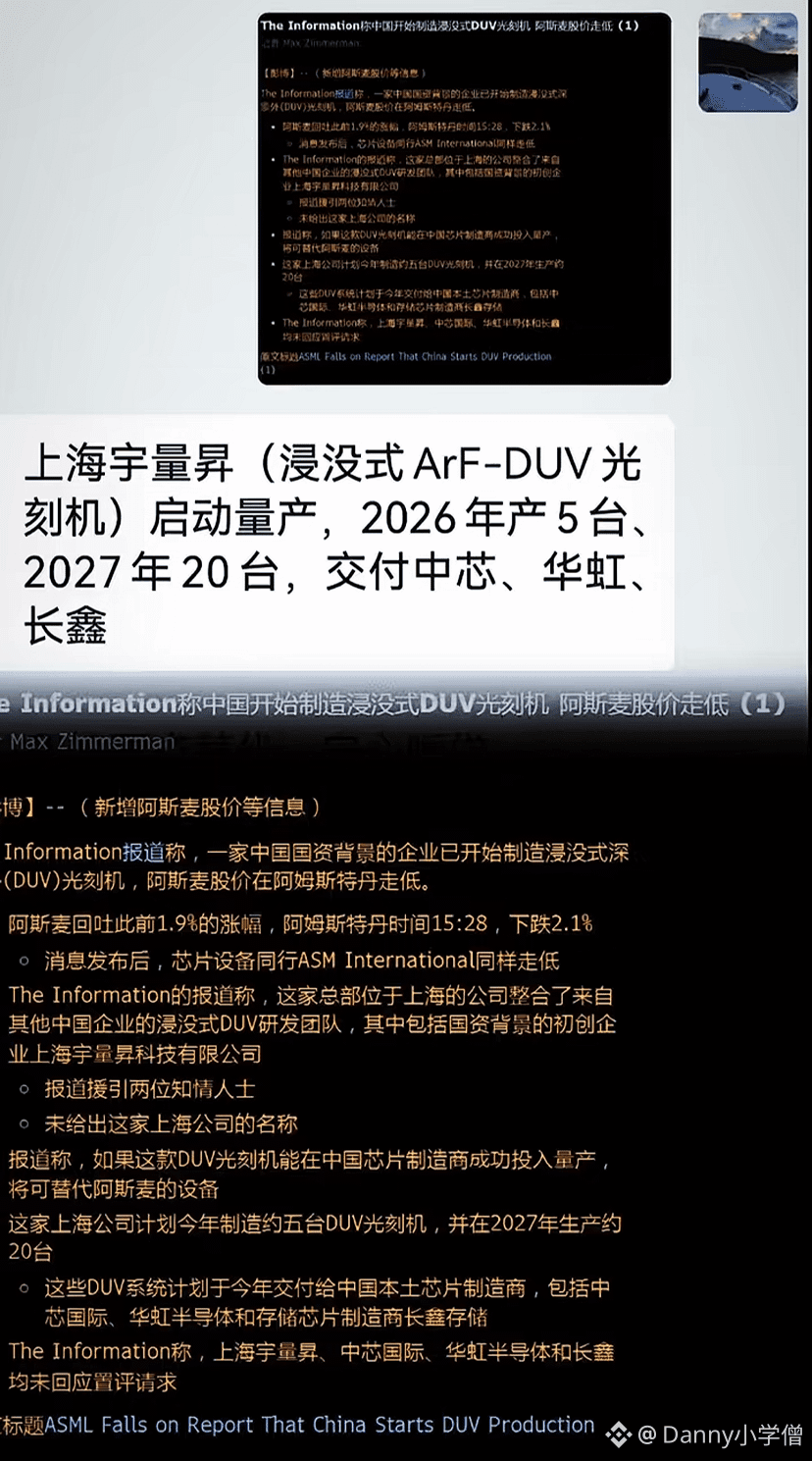
China has already mass-produced DUV lithography machines, and ASML's stock has been smashed! The Philadelphia semiconductor index also plummeted sharply! This wave, I believe in the rise of domestic industry!$SOXL $MINIMAX
China has already mass-produced DUV lithography machines, and ASML's stock has been smashed! The Philadelphia semiconductor index also plummeted sharply! This wave, I believe in the rise of domestic industry!$SOXL $MINIMAX
578
·
--
Bullish
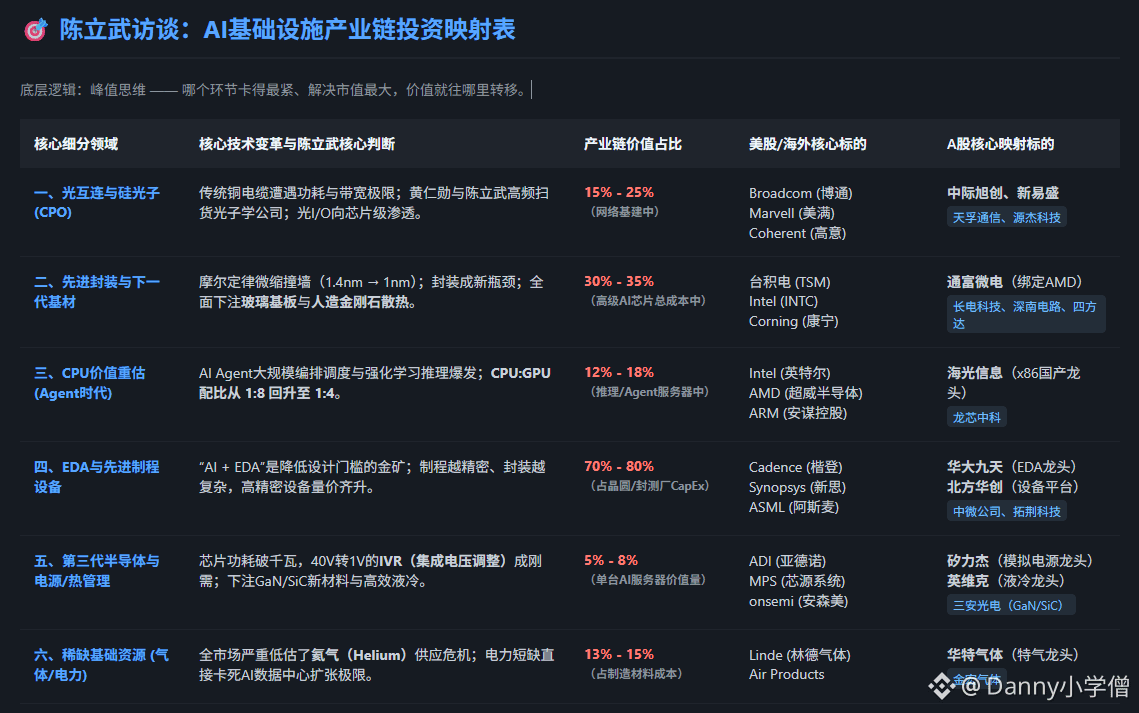
Intel board member Chen Liwu's insider take: Stop fixating on GPUs! In the second half of AI, this undervalued chip is making a wild comeback!
{future}(MRVLUSDT)
{future}(ARMUSDT)
{future}(INTCUSDT)
Intel board member Chen Liwu's insider take: Stop fixating on GPUs! In the second half of AI, this undervalued chip is making a wild comeback!
419
·
--
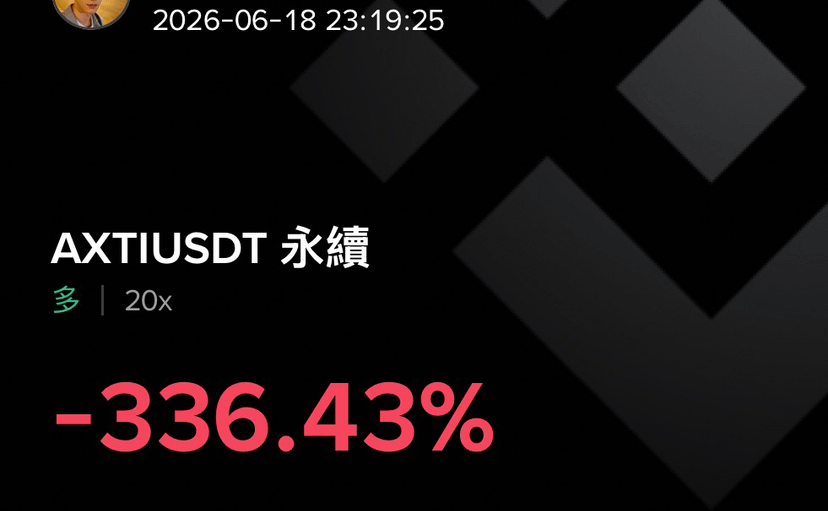
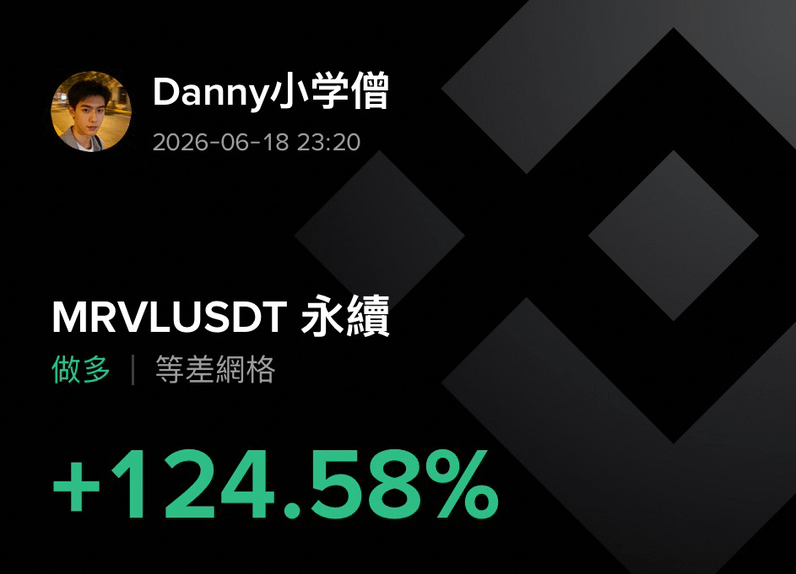
Broke and heading home for the holidays, what to do, bros? Is there a kind soul willing to lend me a hand?
Don't worry, I've got a heavy bag of MyWeal!
Broke and heading home for the holidays, what to do, bros? Is there a kind soul willing to lend me a hand?
Don't worry, I've got a heavy bag of MyWeal!
Don't worry, I've got a heavy bag of MyWeal!
1
137
·
--
Bullish
Verified
SK Hynix: The 'Hard Currency' of AI Storage
As a leader in High Bandwidth Memory (HBM), SK Hynix has heavily tied itself to AI giants like NVIDIA. Its investment thesis has shifted from traditional 'cyclical storage stocks' to being a 'pricing power AI infrastructure provider.' Thanks to long-term supply agreements (LTA) providing profit stability and high barriers in the HBM sector, the company is currently in a profit explosion phase. The main risks lie in global macroeconomic fluctuations and potential pullbacks in downstream demand cycles.
Marvell: The 'Central Nervous System' of AI Connectivity
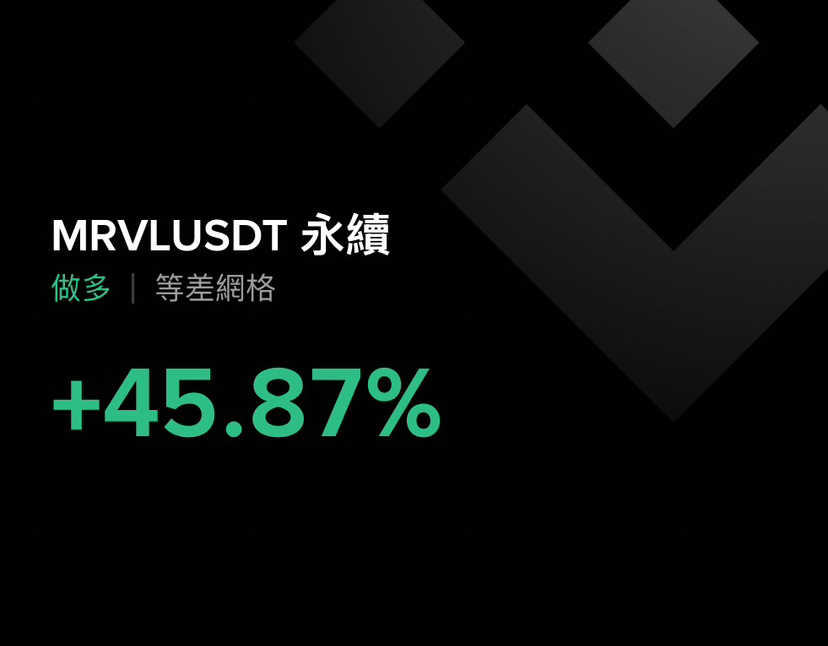
Marvell is a key player in high-speed connectivity and customized chips (ASICs). Amidst the surge in data center traffic, its switching and optical interconnect technologies serve as the 'highway' for AI computational power flow. With Jensen Huang considering it a 'next trillion-dollar potential stock' and its inclusion in the S&P 500 index, its valuation logic has shifted from pure IC design to the core of computational connectivity ecosystem. Its growth is highly dependent on the capital expenditure strength of cloud service providers (Hyperscalers). $SKHYNIX $MRVL
Short-term is still choppy, long-term 1000B
SK Hynix: The 'Hard Currency' of AI Storage
As a leader in High Bandwidth Memory (HBM), SK Hynix has heavily tied itself to AI giants like NVIDIA. Its investment thesis has shifted from traditional 'cyclical storage stocks' to being a 'pricing power AI infrastructure provider.' Thanks to long-term supply agreements (LTA) providing profit stability and high barriers in the HBM sector, the company is currently in a profit explosion phase. The main risks lie in global macroeconomic fluctuations and potential pullbacks in downstream demand cycles.
Marvell: The 'Central Nervous System' of AI Connectivity
Marvell is a key player in high-speed connectivity and customized chips (ASICs). Amidst the surge in data center traffic, its switching and optical interconnect technologies serve as the 'highway' for AI computational power flow. With Jensen Huang considering it a 'next trillion-dollar potential stock' and its inclusion in the S&P 500 index, its valuation logic has shifted from pure IC design to the core of computational connectivity ecosystem. Its growth is highly dependent on the capital expenditure strength of cloud service providers (Hyperscalers). $SKHYNIX $MRVL
Short-term is still choppy, long-term 1000B
As a leader in High Bandwidth Memory (HBM), SK Hynix has heavily tied itself to AI giants like NVIDIA. Its investment thesis has shifted from traditional 'cyclical storage stocks' to being a 'pricing power AI infrastructure provider.' Thanks to long-term supply agreements (LTA) providing profit stability and high barriers in the HBM sector, the company is currently in a profit explosion phase. The main risks lie in global macroeconomic fluctuations and potential pullbacks in downstream demand cycles.
Marvell: The 'Central Nervous System' of AI Connectivity
Marvell is a key player in high-speed connectivity and customized chips (ASICs). Amidst the surge in data center traffic, its switching and optical interconnect technologies serve as the 'highway' for AI computational power flow. With Jensen Huang considering it a 'next trillion-dollar potential stock' and its inclusion in the S&P 500 index, its valuation logic has shifted from pure IC design to the core of computational connectivity ecosystem. Its growth is highly dependent on the capital expenditure strength of cloud service providers (Hyperscalers). $SKHYNIX $MRVL
Short-term is still choppy, long-term 1000B
1.6k
·
--
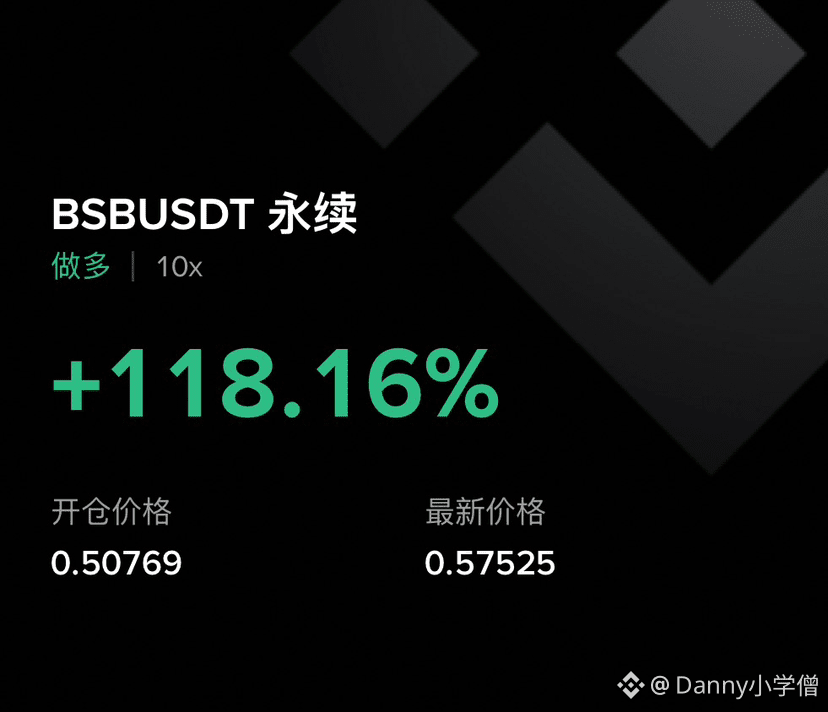
Low leverage, not going all in, just a small play! Playing it safe! Looking for a bounce to 1U on this wave! $BSB
Low leverage, not going all in, just a small play! Playing it safe! Looking for a bounce to 1U on this wave! $BSB
549
·
--
Eternal ♾️ vs Slowly Becoming Rich $龙虾
{future}(龙虾USDT)
Eternal ♾️ vs Slowly Becoming Rich $龙虾
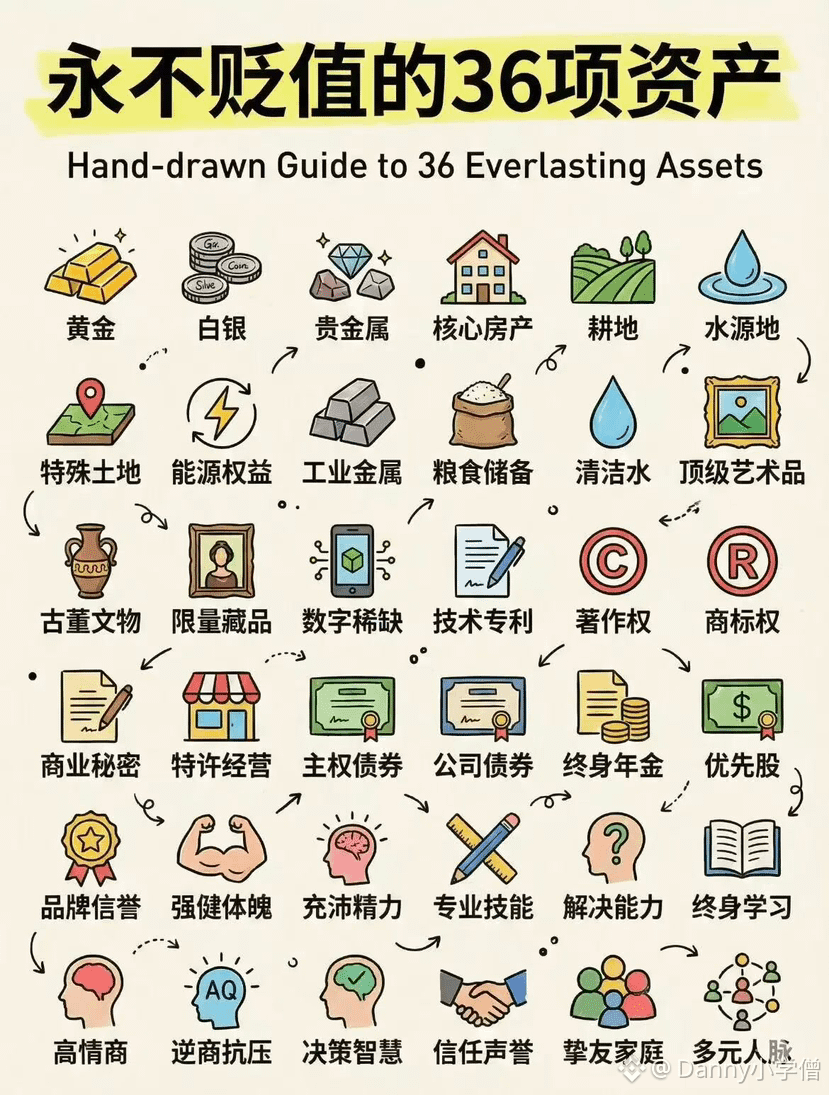
1
3
947
·
--
Article
In-Depth Research Report on NVIDIA GTC Conference: The Underlying Logic of the Trillion-Dollar Order Goal, Landing Bottlenecks, and Industry Pattern ReshapingReport Date: April 2026
Research Scope: NVIDIA 2026 GTC Conference Core Release, AI Computing Power Industry Supply and Demand Pattern, Semiconductor Supply Chain, AI Chip Competitive Landscape, AI Industry Business Model Transformation
Core Statement: This report is for industry research and analysis only and does not constitute any investment advice
Abstract
At the NVIDIA GTC Conference in 2026, the company's founder Jensen Huang proposed a core goal: by the end of 2027, the cumulative order scale of the Blackwell and Vera Rubin platforms will exceed $1 trillion, a goal that has attracted widespread attention from the global technology and semiconductor industries. This report combines the frontline industry experience of AI industry investors, former core R&D heads of NVIDIA, top chip architects, and GPU cloud infrastructure operators to deeply dismantle the underlying support logic of this trillion-dollar goal, the core bottlenecks in the landing process, the evolution of the company's core competitive moat, and its disruptive impact on the global AI computing power industry pattern, semiconductor supply chain, and enterprise service business model.
In-Depth Research Report on NVIDIA GTC Conference: The Underlying Logic of the Trillion-Dollar Order Goal, Landing Bottlenecks, and Industry Pattern Reshaping
Report Date: April 2026
Research Scope: NVIDIA 2026 GTC Conference Core Release, AI Computing Power Industry Supply and Demand Pattern, Semiconductor Supply Chain, AI Chip Competitive Landscape, AI Industry Business Model Transformation
Core Statement: This report is for industry research and analysis only and does not constitute any investment advice
Abstract
At the NVIDIA GTC Conference in 2026, the company's founder Jensen Huang proposed a core goal: by the end of 2027, the cumulative order scale of the Blackwell and Vera Rubin platforms will exceed $1 trillion, a goal that has attracted widespread attention from the global technology and semiconductor industries. This report combines the frontline industry experience of AI industry investors, former core R&D heads of NVIDIA, top chip architects, and GPU cloud infrastructure operators to deeply dismantle the underlying support logic of this trillion-dollar goal, the core bottlenecks in the landing process, the evolution of the company's core competitive moat, and its disruptive impact on the global AI computing power industry pattern, semiconductor supply chain, and enterprise service business model.
Research Scope: NVIDIA 2026 GTC Conference Core Release, AI Computing Power Industry Supply and Demand Pattern, Semiconductor Supply Chain, AI Chip Competitive Landscape, AI Industry Business Model Transformation
Core Statement: This report is for industry research and analysis only and does not constitute any investment advice
Abstract
At the NVIDIA GTC Conference in 2026, the company's founder Jensen Huang proposed a core goal: by the end of 2027, the cumulative order scale of the Blackwell and Vera Rubin platforms will exceed $1 trillion, a goal that has attracted widespread attention from the global technology and semiconductor industries. This report combines the frontline industry experience of AI industry investors, former core R&D heads of NVIDIA, top chip architects, and GPU cloud infrastructure operators to deeply dismantle the underlying support logic of this trillion-dollar goal, the core bottlenecks in the landing process, the evolution of the company's core competitive moat, and its disruptive impact on the global AI computing power industry pattern, semiconductor supply chain, and enterprise service business model.
1
307
·
--
Physically sensitive, this little tadpole is looking for its mother, has been looking for two years? $MU
{future}(MUUSDT)
Physically sensitive, this little tadpole is looking for its mother, has been looking for two years? $MU

316
·
--
Choose more than hard work; if the direction is wrong, effort is in vain! $AIOT
{alpha}(560x55ad16bd573b3365f43a9daeb0cc66a73821b4a5)
Choose more than hard work; if the direction is wrong, effort is in vain! $AIOT
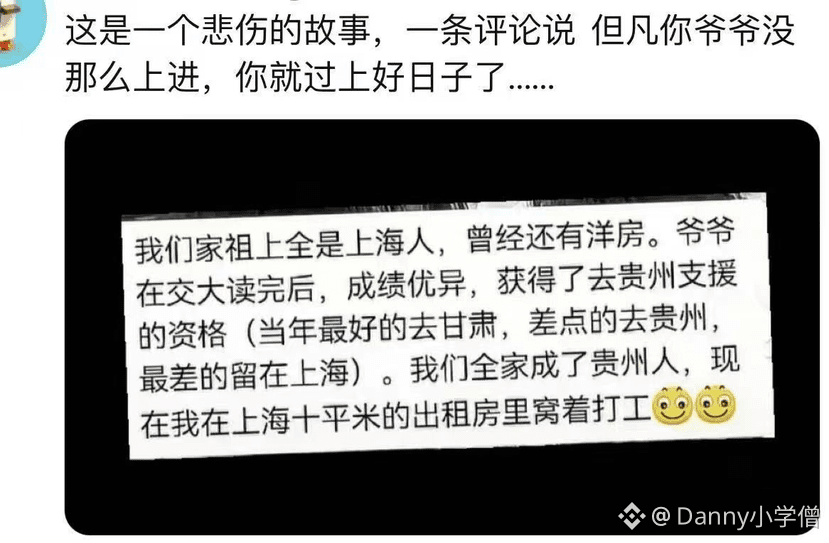
1
377
·
--
Iran's Revolutionary Guard: Starting April 1, it will target companies in the Middle East related to American high-tech firms
According to Iranian state media: The Islamic Revolutionary Guard Corps of Iran stated that in retaliation for attacks against Iran, starting April 1, it will list American companies in the region as targets. In the announcement, the Revolutionary Guard issued warnings to 18 American technology companies, including HP, Apple, Google, Tesla, Microsoft, and others. $TSLA $GOOGL $XAU
{future}(XAUUSDT)
{future}(TSLAUSDT)
Iran's Revolutionary Guard: Starting April 1, it will target companies in the Middle East related to American high-tech firms
According to Iranian state media: The Islamic Revolutionary Guard Corps of Iran stated that in retaliation for attacks against Iran, starting April 1, it will list American companies in the region as targets. In the announcement, the Revolutionary Guard issued warnings to 18 American technology companies, including HP, Apple, Google, Tesla, Microsoft, and others. $TSLA $GOOGL $XAU
According to Iranian state media: The Islamic Revolutionary Guard Corps of Iran stated that in retaliation for attacks against Iran, starting April 1, it will list American companies in the region as targets. In the announcement, the Revolutionary Guard issued warnings to 18 American technology companies, including HP, Apple, Google, Tesla, Microsoft, and others. $TSLA $GOOGL $XAU
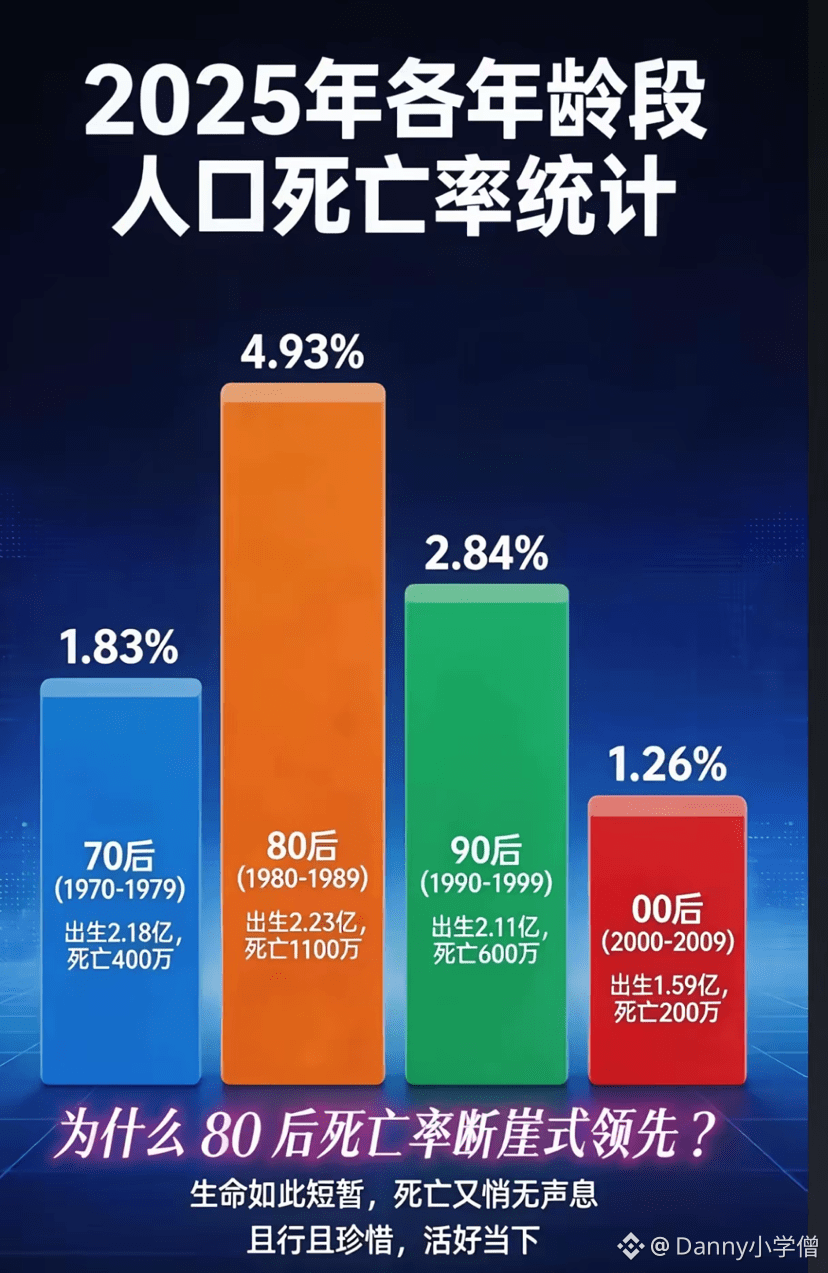
1
328
·
--
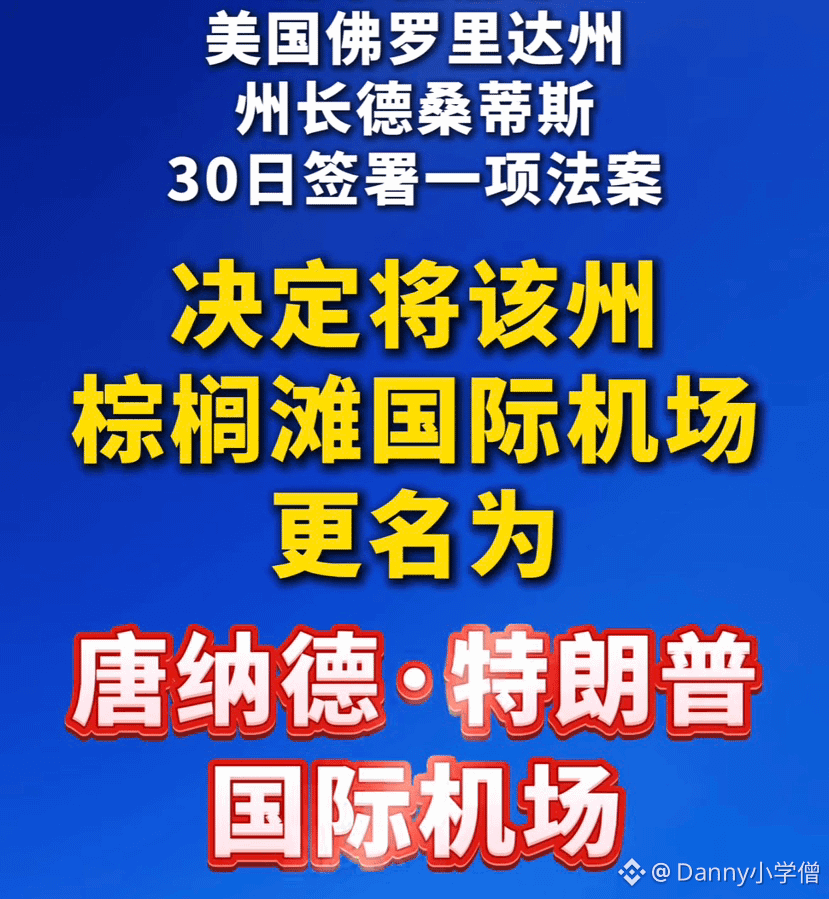
Anyway, that's how it is. What do you think it is? $D
{future}(DUSDT)
Anyway, that's how it is. What do you think it is? $D
1
3
901
·
--
🎙️ A thousand gold coats, call the boy to exchange for fine wine - Full warehouse ETH, together with you to dispel eternal sorrows!
End
04 h 44 m 03 s
22.9k
47
60
·
--
Bullish
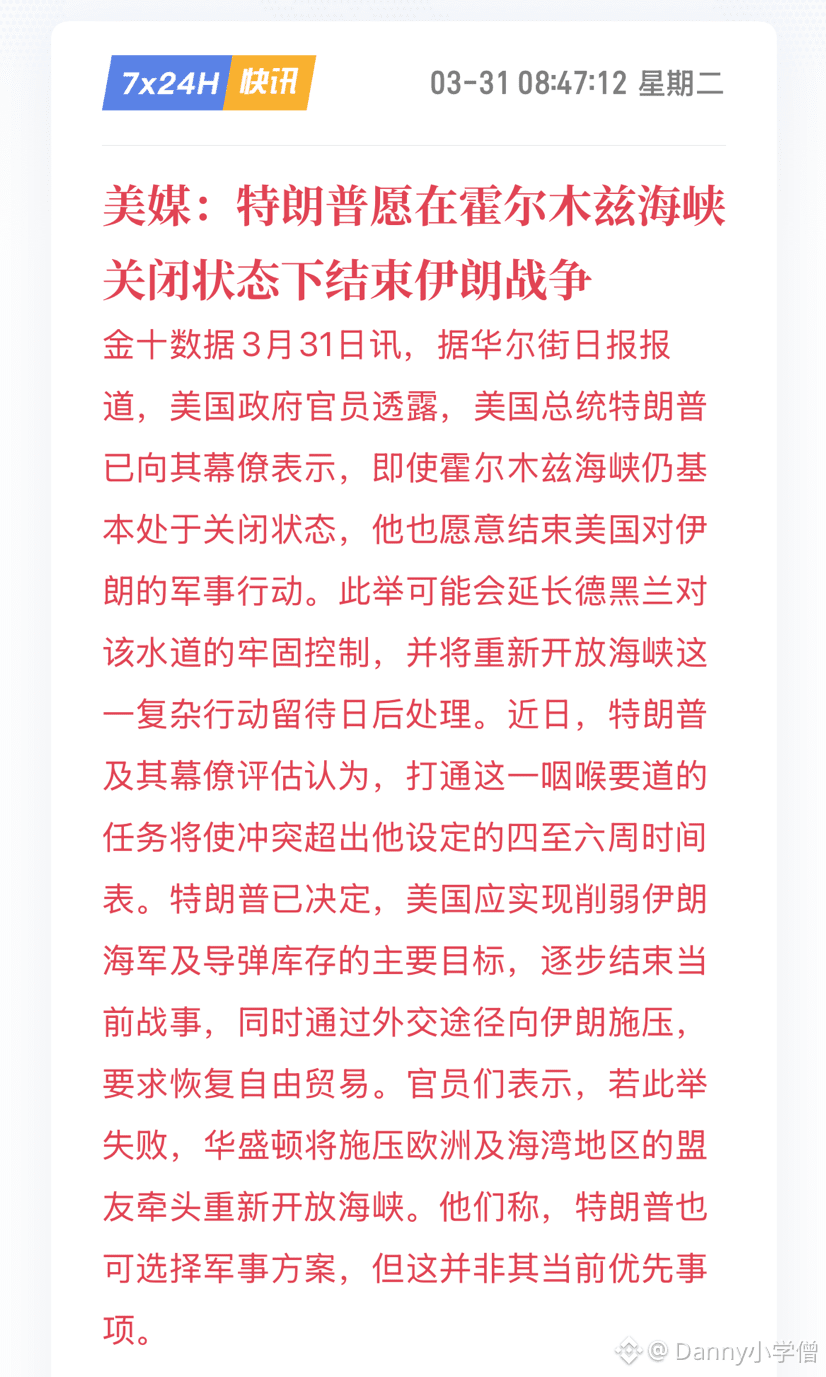
Don't be so aloof, this isn't your style! What exactly is victory✌️? $CRCL
{future}(CRCLUSDT)
Don't be so aloof, this isn't your style! What exactly is victory✌️? $CRCL
1
411
·
--
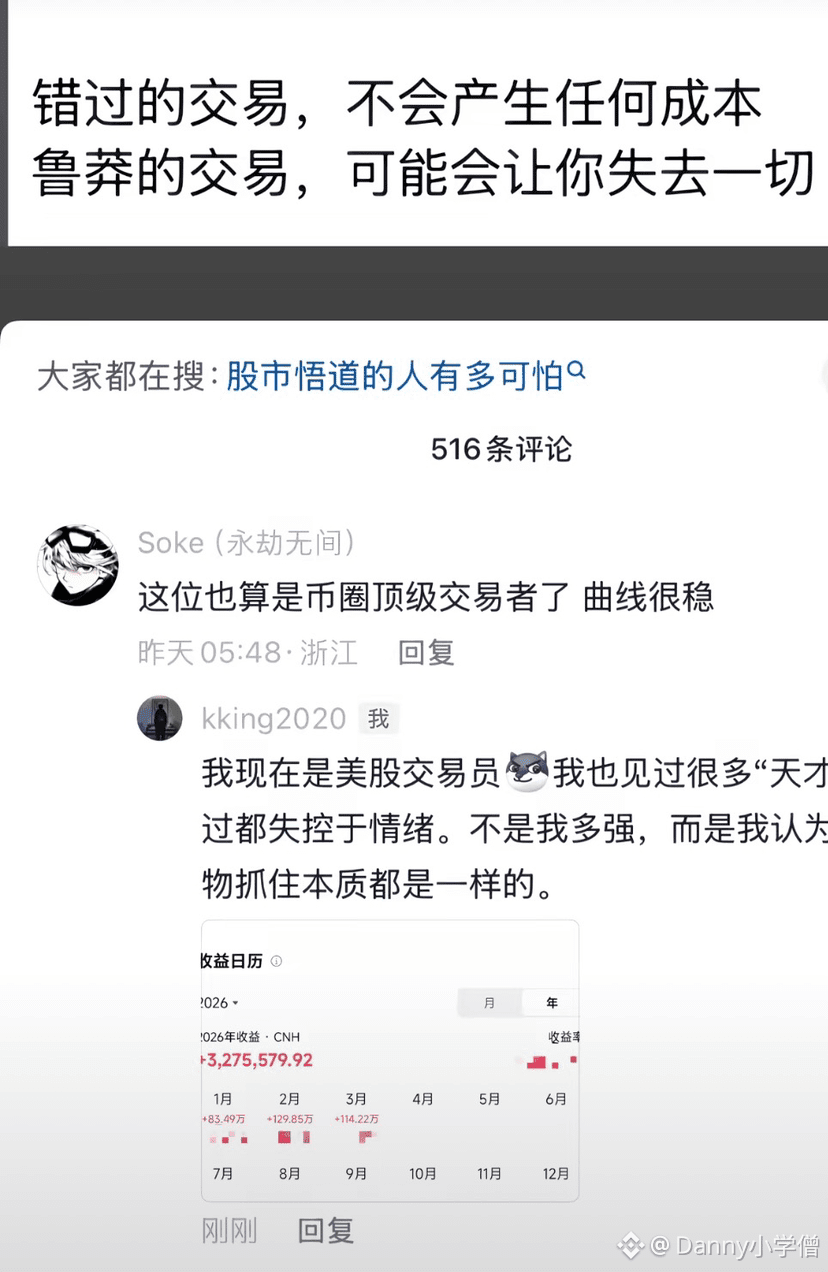
Don't say anything, just wait for the crash! $STG
{future}(STGUSDT)
It's been 4 years!
Don't say anything, just wait for the crash! $STG
It's been 4 years!
It's been 4 years!
906
Log in to explore more content
Join global crypto users on Binance Square
⚡️ Get latest and useful information about crypto.
💬 Trusted by the world’s largest crypto exchange.
👍 Discover real insights from verified creators.
Email / Phone number
Trending Topics
PolymarketBankFailureBetsDrawFDICConcern
3 views
10 Discussing
🚨 POLYMARKET BANK FAILURE BETS DRAW FDIC CONCERN
Polymarket contracts betting on potential U.S. bank failures are drawing scrutiny from FDIC officials, who are concerned about possible risks to financial stability.
👀 Prediction markets are entering a new regulatory spotlight.
#Polymarket #Banking #FDIC $BTC
#polymarketbankfailurebetsdrawfdicconcern
The07
·0 Likes
·24 views
BlackRockBuildsTokenizedPortfoliosForOndo
0 views
5 Discussing
BitwiseFilesToListNEARETFOnNYSEArca
378 views
38 Discussing