

大K_dak6688
1.6k Posts

大K_dak6688
Report
Block User
web3 人物故事 | 穿越大周期OG | ALC 加速人生俱乐部 | 撸毛养家 | BTC生态打新 | 二级交易| 分享但不仅限于web3 的个人思考与牢骚 | 让跟大K做朋友的人先富起来
99 Following
1.2K+ Followers
5.0K+ Liked
Posts
All
Quotes
Videos
·
--
Life is an experience
It’s a process mindset
not an endgame mindset
The money you earn can only show its greatest value while you’re alive
So go spend it on experiences you’ve never had
Life is short—there’s no point in calculating it too precisely
Do what you want to do, and meet the people you want to meet
Family companionship only matters more when you’re alive
$BNB
Life is an experience
It’s a process mindset
not an endgame mindset
The money you earn can only show its greatest value while you’re alive
So go spend it on experiences you’ve never had
Life is short—there’s no point in calculating it too precisely
Do what you want to do, and meet the people you want to meet
Family companionship only matters more when you’re alive
$BNB
It’s a process mindset
not an endgame mindset
The money you earn can only show its greatest value while you’re alive
So go spend it on experiences you’ve never had
Life is short—there’s no point in calculating it too precisely
Do what you want to do, and meet the people you want to meet
Family companionship only matters more when you’re alive
$BNB
52
·
--
Really thank you everyone for being willing to play with me on the soil-dog (meme) scene. I’ll remember this favor. For now, I haven’t come up with any suitable way to retaliate; you’d better be careful.
$BNB
Really thank you everyone for being willing to play with me on the soil-dog (meme) scene. I’ll remember this favor. For now, I haven’t come up with any suitable way to retaliate; you’d better be careful.
$BNB
$BNB
240
·
--
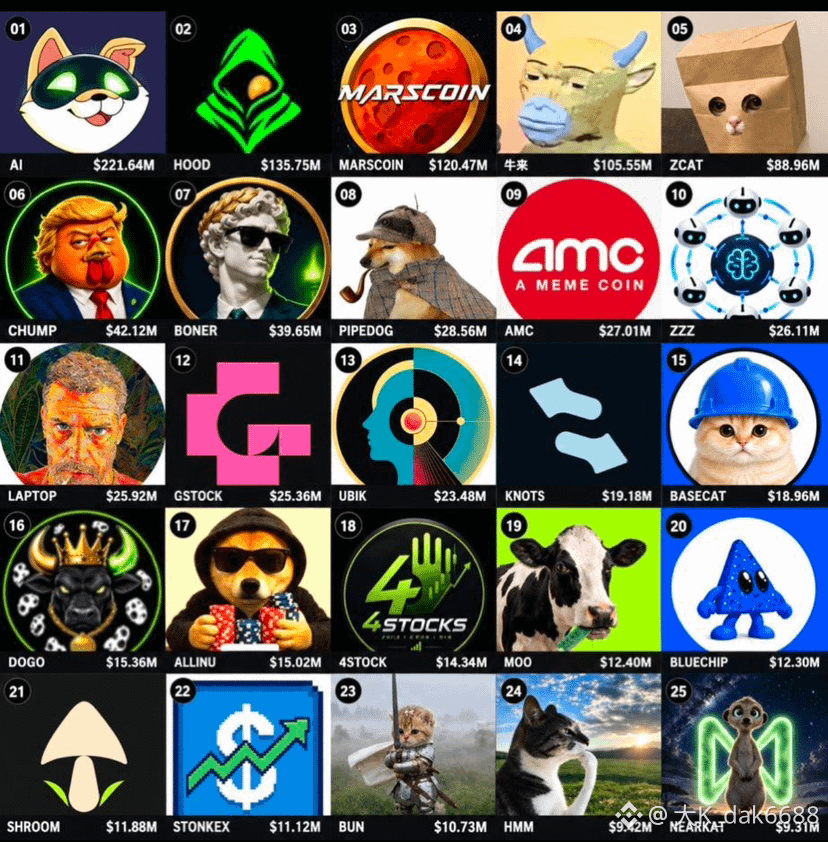
I see a leaderboard
Most anticipated memecoin ranking
Why is there this 11 thing??
Is there any law??
$BNB
I see a leaderboard
Most anticipated memecoin ranking
Why is there this 11 thing??
Is there any law??
$BNB
Most anticipated memecoin ranking
Why is there this 11 thing??
Is there any law??
$BNB
1.4k
·
--
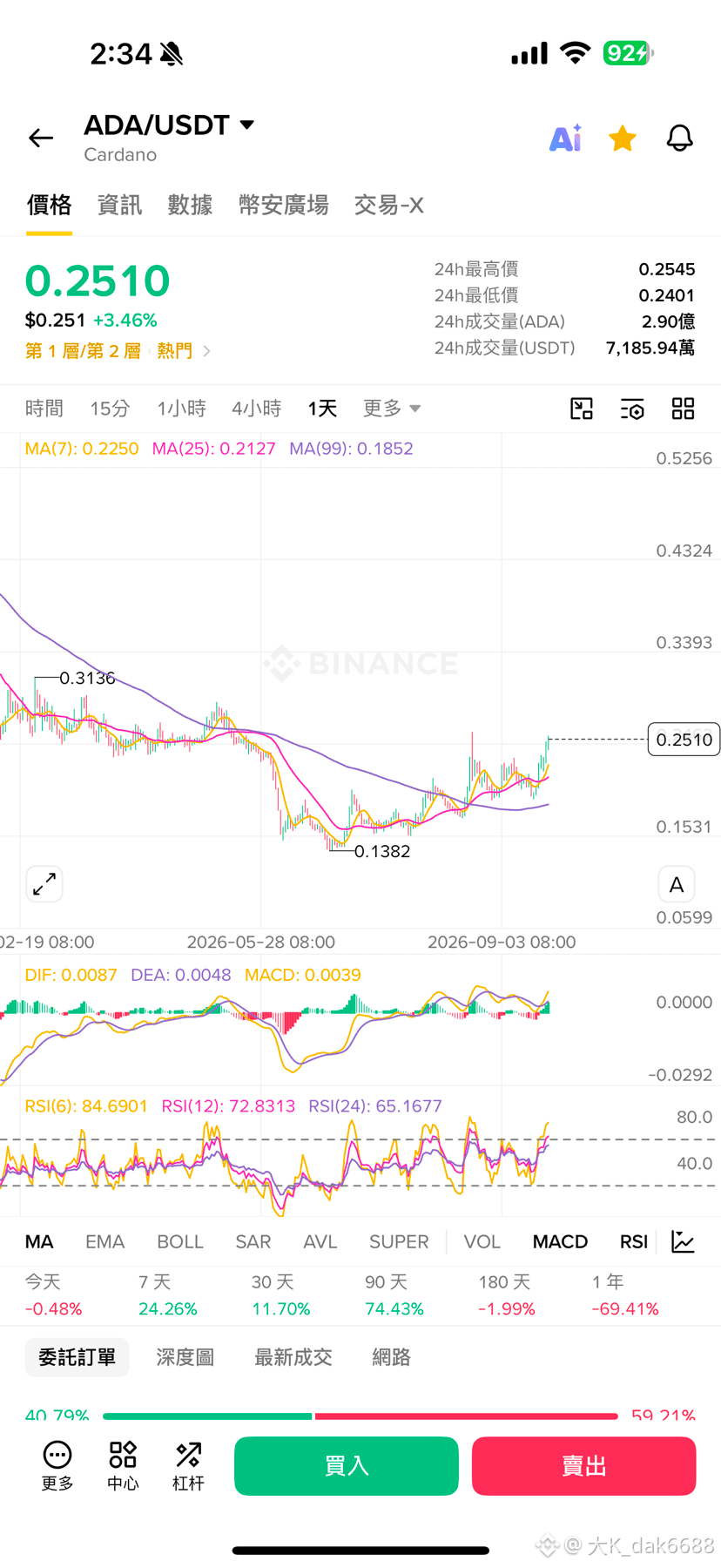
Recently, many public chains have been very eye-catching
But I think many people have overlooked a former super-strong coin
$ADA
How crazy is this coin?
It was the bulldozer of the 2021 bull market
the ancestor of the coins from that 100x public chain!
$ADA
{future}(ADAUSDT)
Recently, many public chains have been very eye-catching
But I think many people have overlooked a former super-strong coin
$ADA
How crazy is this coin?
It was the bulldozer of the 2021 bull market
the ancestor of the coins from that 100x public chain!
$ADA
But I think many people have overlooked a former super-strong coin
$ADA
How crazy is this coin?
It was the bulldozer of the 2021 bull market
the ancestor of the coins from that 100x public chain!
$ADA
5
5
18.3k
·
--
The one who never gambles is the greatest gambler of all — he has gone all in, staking the rest of his life on mediocrity.$BNB
The one who never gambles is the greatest gambler of all — he has gone all in, staking the rest of his life on mediocrity.$BNB
115
·
--
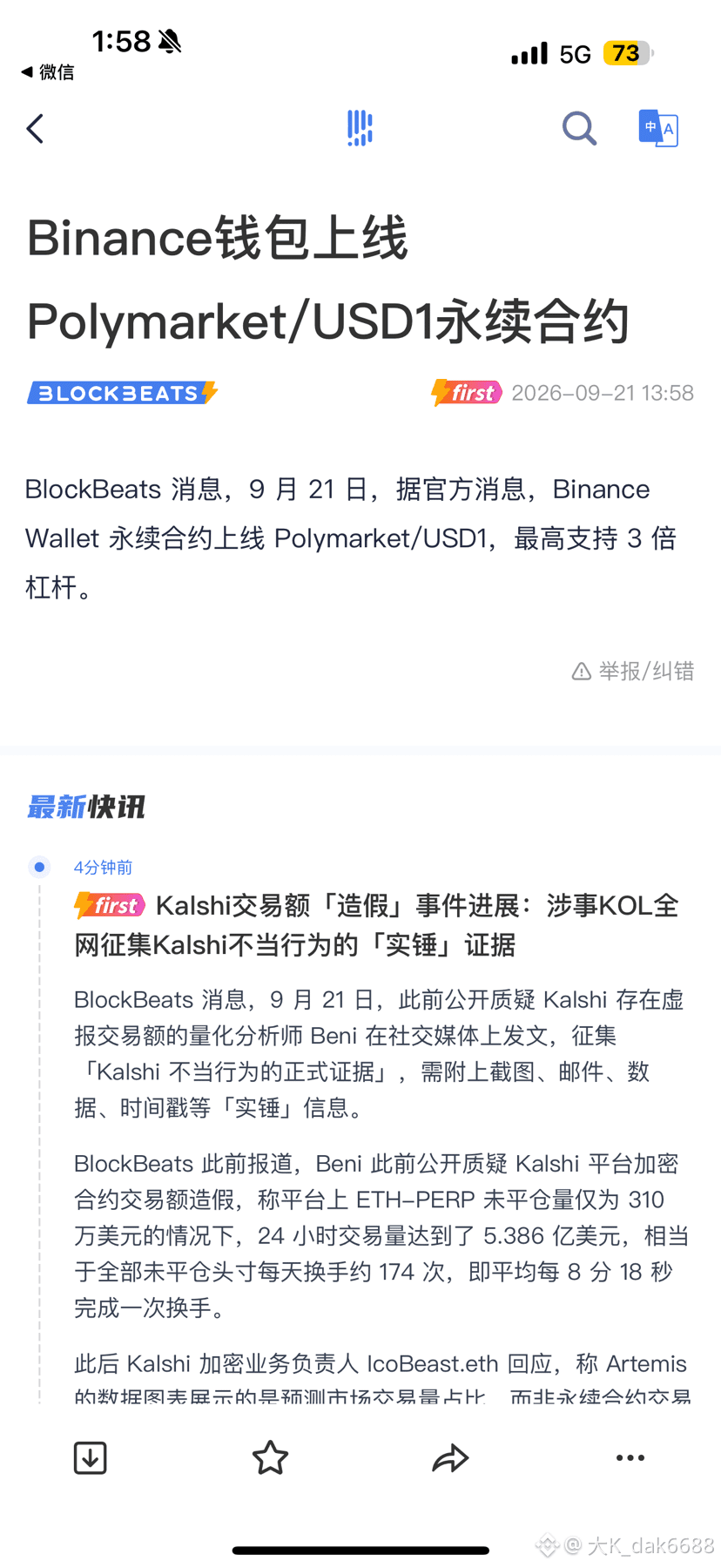
The recent market momentum is good
Even Pm is getting to be on the couch
$BNB
The recent market momentum is good
Even Pm is getting to be on the couch
$BNB
Even Pm is getting to be on the couch
$BNB
1
144
·
--
The market is picking up, and Binance’s new token launches are here
Binance Wallet has released “Pre-Access”
Activity details: Users can use on-chain tokens to participate in pre-IPO investment opportunities for companies that haven’t been listed yet
The first project is something you can keep an eye on
As of now, the specific targets and subscription time still need to be announced on the activity page
The allocation quota mainly depends on three things:
Alpha points, Trencher badges, and bStocks on-chain level. If you want to participate, you can first check your own level and badges
$BNB
The market is picking up, and Binance’s new token launches are here
Binance Wallet has released “Pre-Access”
Activity details: Users can use on-chain tokens to participate in pre-IPO investment opportunities for companies that haven’t been listed yet
The first project is something you can keep an eye on
As of now, the specific targets and subscription time still need to be announced on the activity page
The allocation quota mainly depends on three things:
Alpha points, Trencher badges, and bStocks on-chain level. If you want to participate, you can first check your own level and badges
$BNB
Binance Wallet has released “Pre-Access”
Activity details: Users can use on-chain tokens to participate in pre-IPO investment opportunities for companies that haven’t been listed yet
The first project is something you can keep an eye on
As of now, the specific targets and subscription time still need to be announced on the activity page
The allocation quota mainly depends on three things:
Alpha points, Trencher badges, and bStocks on-chain level. If you want to participate, you can first check your own level and badges
$BNB
4
1
9
1.7k
·
--
The Mid-Autumn Festival holiday like this is top-tier!
We get three days off for the Mid-Autumn Festival, seven days for National Day, and there are three days in between that you have to work.
But if you take three days of leave, you’ll have thirteen consecutive days off.
However, this way of taking time off is actually pretty much a loss.
So what’s the ultimate way to take leave?
Take two days off before the Mid-Autumn Festival. That way, you can take five consecutive days off for the Mid-Autumn Festival, and go out and have a wild time—play hard, stay high on it, and basically burn yourself out.
Then right after that, for the next three days, everyone else will be taking leave too. Nothing much will happen at the company, and then you come in to work.
While others are out playing, you’re in the company playing—adjust, unwind, and relax.
Then go out again for the seven-day National Day holiday. Balance work and fun—that’s the true top-tier plan.
$AAVE
The Mid-Autumn Festival holiday like this is top-tier!
We get three days off for the Mid-Autumn Festival, seven days for National Day, and there are three days in between that you have to work.
But if you take three days of leave, you’ll have thirteen consecutive days off.
However, this way of taking time off is actually pretty much a loss.
So what’s the ultimate way to take leave?
Take two days off before the Mid-Autumn Festival. That way, you can take five consecutive days off for the Mid-Autumn Festival, and go out and have a wild time—play hard, stay high on it, and basically burn yourself out.
Then right after that, for the next three days, everyone else will be taking leave too. Nothing much will happen at the company, and then you come in to work.
While others are out playing, you’re in the company playing—adjust, unwind, and relax.
Then go out again for the seven-day National Day holiday. Balance work and fun—that’s the true top-tier plan.
$AAVE
We get three days off for the Mid-Autumn Festival, seven days for National Day, and there are three days in between that you have to work.
But if you take three days of leave, you’ll have thirteen consecutive days off.
However, this way of taking time off is actually pretty much a loss.
So what’s the ultimate way to take leave?
Take two days off before the Mid-Autumn Festival. That way, you can take five consecutive days off for the Mid-Autumn Festival, and go out and have a wild time—play hard, stay high on it, and basically burn yourself out.
Then right after that, for the next three days, everyone else will be taking leave too. Nothing much will happen at the company, and then you come in to work.
While others are out playing, you’re in the company playing—adjust, unwind, and relax.
Then go out again for the seven-day National Day holiday. Balance work and fun—that’s the true top-tier plan.
$AAVE
2
1.2k
·
--
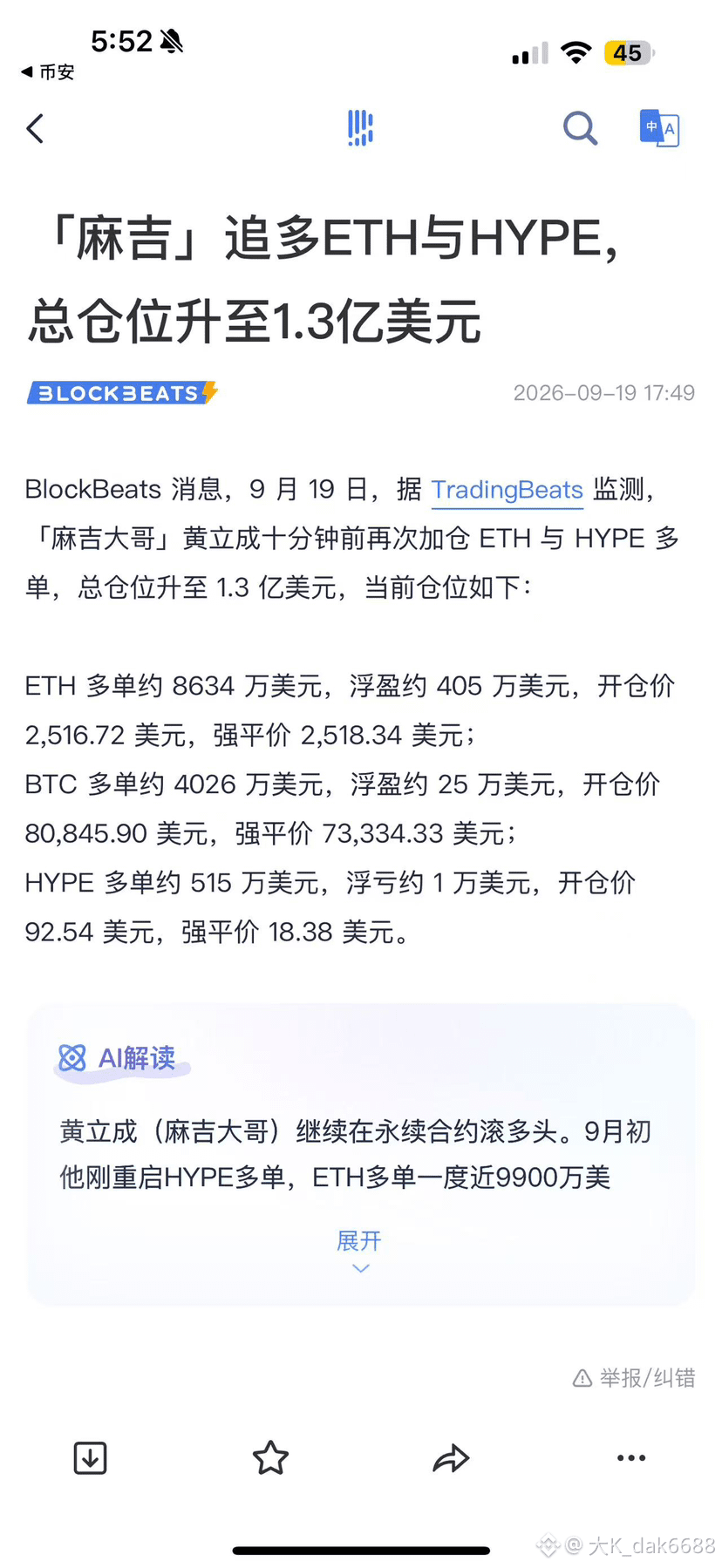
I'm really scared Maji brings down the whole place
That’s too aggressive and scary
$BTC
{future}(BTCUSDT)
I'm really scared Maji brings down the whole place
That’s too aggressive and scary
$BTC
That’s too aggressive and scary
$BTC
9
8
27k
·
--
The rate hike this time from the Fed/US monetary authorities isn’t actually surprising in the market’s reality
What’s really important isn’t “adding 25 basis points,” but whether it will keep going, and how long and how much more it will add.
So seeing a fairly interesting phenomenon: after the rate hike landed, some technology directions haven’t broken down; instead, they’ve risen. Gold first dipped slightly.
Evidently, the market has already digested the rate hike itself in advance. After the “shoe drops,” investors have started focusing again on new performance—looking at quarterly reports, and whether AI-related capital expenditure can continue to deliver
$NVDAB $BTC
{spot}(NVDABUSDT)
The rate hike this time from the Fed/US monetary authorities isn’t actually surprising in the market’s reality
What’s really important isn’t “adding 25 basis points,” but whether it will keep going, and how long and how much more it will add.
So seeing a fairly interesting phenomenon: after the rate hike landed, some technology directions haven’t broken down; instead, they’ve risen. Gold first dipped slightly.
Evidently, the market has already digested the rate hike itself in advance. After the “shoe drops,” investors have started focusing again on new performance—looking at quarterly reports, and whether AI-related capital expenditure can continue to deliver
$NVDAB $BTC
What’s really important isn’t “adding 25 basis points,” but whether it will keep going, and how long and how much more it will add.
So seeing a fairly interesting phenomenon: after the rate hike landed, some technology directions haven’t broken down; instead, they’ve risen. Gold first dipped slightly.
Evidently, the market has already digested the rate hike itself in advance. After the “shoe drops,” investors have started focusing again on new performance—looking at quarterly reports, and whether AI-related capital expenditure can continue to deliver
$NVDAB $BTC
131
·
--
JPMorgan simulates what the Fed will decide at 2:00 a.m. tomorrow
5 possible outcomes + the reaction in U.S. stocks
In plain language:
1. No rate hike (dovish): There’s a risk of inflation rebounding, and the market worries prices won’t be brought under control. S&P 500 down 1.25%~1.75%
2. Raise rates by 25 bps, with little discussion of future policy (neutral, mildly hawkish): In line with market expectations—negative news is already priced in. S&P 500 up 0.25%~0.75%
3. Raise rates by 25 bps, and cancel next year’s rate-cut plan (mildly hawkish): The market recognizes the determination to tame inflation and thinks the hike is controllable. S&P 500 up 0.50%~1%
4. Raise rates by 25 bps; the market interprets Warsh’s remarks as implying that higher rates will be needed long-term (more hawkish): Worries that further hikes will follow. S&P 500 down 0.25%~1%
5. Raise rates by 25 bps and clearly signal that rates will be lifted even more (very hawkish): A new round of a sustained hiking cycle—danger for the bull market. S&P 500 down 1%~2%
$BTC
Which one do you think it will be?
JPMorgan simulates what the Fed will decide at 2:00 a.m. tomorrow
5 possible outcomes + the reaction in U.S. stocks
In plain language:
1. No rate hike (dovish): There’s a risk of inflation rebounding, and the market worries prices won’t be brought under control. S&P 500 down 1.25%~1.75%
2. Raise rates by 25 bps, with little discussion of future policy (neutral, mildly hawkish): In line with market expectations—negative news is already priced in. S&P 500 up 0.25%~0.75%
3. Raise rates by 25 bps, and cancel next year’s rate-cut plan (mildly hawkish): The market recognizes the determination to tame inflation and thinks the hike is controllable. S&P 500 up 0.50%~1%
4. Raise rates by 25 bps; the market interprets Warsh’s remarks as implying that higher rates will be needed long-term (more hawkish): Worries that further hikes will follow. S&P 500 down 0.25%~1%
5. Raise rates by 25 bps and clearly signal that rates will be lifted even more (very hawkish): A new round of a sustained hiking cycle—danger for the bull market. S&P 500 down 1%~2%
$BTC
Which one do you think it will be?
5 possible outcomes + the reaction in U.S. stocks
In plain language:
1. No rate hike (dovish): There’s a risk of inflation rebounding, and the market worries prices won’t be brought under control. S&P 500 down 1.25%~1.75%
2. Raise rates by 25 bps, with little discussion of future policy (neutral, mildly hawkish): In line with market expectations—negative news is already priced in. S&P 500 up 0.25%~0.75%
3. Raise rates by 25 bps, and cancel next year’s rate-cut plan (mildly hawkish): The market recognizes the determination to tame inflation and thinks the hike is controllable. S&P 500 up 0.50%~1%
4. Raise rates by 25 bps; the market interprets Warsh’s remarks as implying that higher rates will be needed long-term (more hawkish): Worries that further hikes will follow. S&P 500 down 0.25%~1%
5. Raise rates by 25 bps and clearly signal that rates will be lifted even more (very hawkish): A new round of a sustained hiking cycle—danger for the bull market. S&P 500 down 1%~2%
$BTC
Which one do you think it will be?
39
·
--
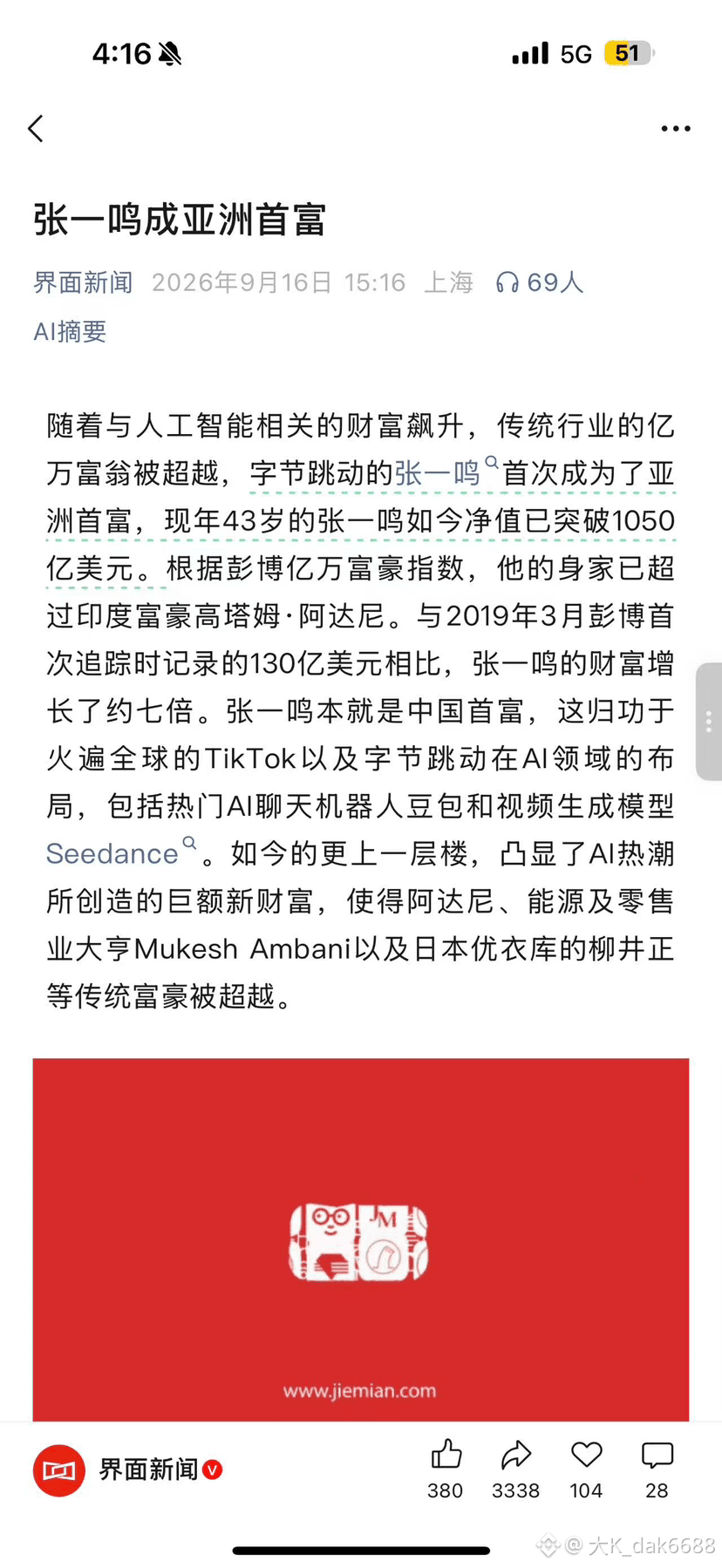
Very low-key!
Fujian people are really strong!
$BTC
{future}(BTCUSDT)
Very low-key!
Fujian people are really strong!
$BTC
Fujian people are really strong!
$BTC
128
·
--
Verified
Tonight (2:00 a.m.) the Federal Reserve’s September policy meeting is the biggest highlight, and the market expects a rate hike with a 90% probability.
• US stocks are slightly down overall; the Nasdaq fell 0.78%, while semiconductors rose slightly against the trend
• Geopolitical tensions are boosting commodities: Brent crude is up 2.75%, and gold closed slightly higher
• US Treasury yields are surging wildly: the 10-year yield hit the highest level since 2007; concerns about tighter liquidity are in full force
The market has already priced in this rate-hike negative news in advance. In my view, the probability that there will be no rate hike tonight is over 50%. The Fed is likely to wait until after the midterm elections to take action; the focus should be on the rate guidance/comments after the meeting.
$BTC
{future}(BTCUSDT)
Tonight (2:00 a.m.) the Federal Reserve’s September policy meeting is the biggest highlight, and the market expects a rate hike with a 90% probability.
• US stocks are slightly down overall; the Nasdaq fell 0.78%, while semiconductors rose slightly against the trend
• Geopolitical tensions are boosting commodities: Brent crude is up 2.75%, and gold closed slightly higher
• US Treasury yields are surging wildly: the 10-year yield hit the highest level since 2007; concerns about tighter liquidity are in full force
The market has already priced in this rate-hike negative news in advance. In my view, the probability that there will be no rate hike tonight is over 50%. The Fed is likely to wait until after the midterm elections to take action; the focus should be on the rate guidance/comments after the meeting.
$BTC
• US stocks are slightly down overall; the Nasdaq fell 0.78%, while semiconductors rose slightly against the trend
• Geopolitical tensions are boosting commodities: Brent crude is up 2.75%, and gold closed slightly higher
• US Treasury yields are surging wildly: the 10-year yield hit the highest level since 2007; concerns about tighter liquidity are in full force
The market has already priced in this rate-hike negative news in advance. In my view, the probability that there will be no rate hike tonight is over 50%. The Fed is likely to wait until after the midterm elections to take action; the focus should be on the rate guidance/comments after the meeting.
$BTC
80
·
--
Last night’s market plunge reality (24 hours)
• Major coins plunge together: Bitcoin down 4.32%, Ethereum down 6.43%, XRP plunges 11.62%
• US stocks and crypto stocks hit hard: Coinbase exchange down 10%, stablecoin leader Circle down 11%
• A-share and Hong Kong stocks dragged down by sentiment in sync: A-share financial IT and Hong Kong virtual-asset license companies face short-term pressure
$BTC $COINB
{future}(BTCUSDT)
Last night’s market plunge reality (24 hours)
• Major coins plunge together: Bitcoin down 4.32%, Ethereum down 6.43%, XRP plunges 11.62%
• US stocks and crypto stocks hit hard: Coinbase exchange down 10%, stablecoin leader Circle down 11%
• A-share and Hong Kong stocks dragged down by sentiment in sync: A-share financial IT and Hong Kong virtual-asset license companies face short-term pressure
$BTC $COINB
• Major coins plunge together: Bitcoin down 4.32%, Ethereum down 6.43%, XRP plunges 11.62%
• US stocks and crypto stocks hit hard: Coinbase exchange down 10%, stablecoin leader Circle down 11%
• A-share and Hong Kong stocks dragged down by sentiment in sync: A-share financial IT and Hong Kong virtual-asset license companies face short-term pressure
$BTC $COINB
146
·
--
Although it was rejected last night, how important is this bill?
In simple terms, it’s meant to bring order—and give the chaotic U.S. crypto market the green light—by:
1. Ending regulatory turf wars: Put an end to the SEC and CFTC fighting over jurisdiction and the resulting enforcement confusion, so we no longer have the awkward situation where the same coin is treated as a security by one side and a commodity by the other.
2. Clarifying how tokens are classified: Bitcoin, Ethereum, and other sufficiently decentralized assets would be categorized as digital commodities. Financing tokens from new projects would fall under securities regulation, and the bill would also add clear rules for stablecoins.
3. Opening the door for institutional participation: Provide exchanges like Coinbase with legitimate, compliant licensing. This means they wouldn’t have to fight lawsuits every day. It also allows large funds—such as pensions and public funds—to enter in a compliant way. This is a major boost for the entire industry.
Why was it rejected?
The core contradiction points directly to Trump’s conflict of interest: He holds crypto-related assets with earnings in the hundreds of millions of dollars, yet this bill contains no corresponding strong provisions to force disclosure or prevent the risks of improper benefits being passed through.
In the end, every Democrat voted against it, and some Republican lawmakers flipped as well. Combined with resistance from the banking industry and the SEC as a whole, the bill effectively collapsed.
Although it was rejected last night, how important is this bill?
In simple terms, it’s meant to bring order—and give the chaotic U.S. crypto market the green light—by:
1. Ending regulatory turf wars: Put an end to the SEC and CFTC fighting over jurisdiction and the resulting enforcement confusion, so we no longer have the awkward situation where the same coin is treated as a security by one side and a commodity by the other.
2. Clarifying how tokens are classified: Bitcoin, Ethereum, and other sufficiently decentralized assets would be categorized as digital commodities. Financing tokens from new projects would fall under securities regulation, and the bill would also add clear rules for stablecoins.
3. Opening the door for institutional participation: Provide exchanges like Coinbase with legitimate, compliant licensing. This means they wouldn’t have to fight lawsuits every day. It also allows large funds—such as pensions and public funds—to enter in a compliant way. This is a major boost for the entire industry.
Why was it rejected?
The core contradiction points directly to Trump’s conflict of interest: He holds crypto-related assets with earnings in the hundreds of millions of dollars, yet this bill contains no corresponding strong provisions to force disclosure or prevent the risks of improper benefits being passed through.
In the end, every Democrat voted against it, and some Republican lawmakers flipped as well. Combined with resistance from the banking industry and the SEC as a whole, the bill effectively collapsed.
In simple terms, it’s meant to bring order—and give the chaotic U.S. crypto market the green light—by:
1. Ending regulatory turf wars: Put an end to the SEC and CFTC fighting over jurisdiction and the resulting enforcement confusion, so we no longer have the awkward situation where the same coin is treated as a security by one side and a commodity by the other.
2. Clarifying how tokens are classified: Bitcoin, Ethereum, and other sufficiently decentralized assets would be categorized as digital commodities. Financing tokens from new projects would fall under securities regulation, and the bill would also add clear rules for stablecoins.
3. Opening the door for institutional participation: Provide exchanges like Coinbase with legitimate, compliant licensing. This means they wouldn’t have to fight lawsuits every day. It also allows large funds—such as pensions and public funds—to enter in a compliant way. This is a major boost for the entire industry.
Why was it rejected?
The core contradiction points directly to Trump’s conflict of interest: He holds crypto-related assets with earnings in the hundreds of millions of dollars, yet this bill contains no corresponding strong provisions to force disclosure or prevent the risks of improper benefits being passed through.
In the end, every Democrat voted against it, and some Republican lawmakers flipped as well. Combined with resistance from the banking industry and the SEC as a whole, the bill effectively collapsed.
大K_dak6688
·
--
US Crypto Bill Fails to Clear Key Hurdle, and Coin-Stock Market Takes a Sharp Dive
The U.S. Senate, by a single vote, moved to effectively block a landmark compliance bill that the crypto industry had been hoping for for years.
The vote was 49 in favor and 50 against—so it didn’t even grant it the formal right to enter discussion and review, delivering an outright verdict of “cold” in the near term.
$BTC
The U.S. Senate, by a single vote, moved to effectively block a landmark compliance bill that the crypto industry had been hoping for for years.
The vote was 49 in favor and 50 against—so it didn’t even grant it the formal right to enter discussion and review, delivering an outright verdict of “cold” in the near term.
$BTC
221
·
--
US Crypto Bill Fails to Clear Key Hurdle, and Coin-Stock Market Takes a Sharp Dive
The U.S. Senate, by a single vote, moved to effectively block a landmark compliance bill that the crypto industry had been hoping for for years.
The vote was 49 in favor and 50 against—so it didn’t even grant it the formal right to enter discussion and review, delivering an outright verdict of “cold” in the near term.
$BTC
{future}(BTCUSDT)
US Crypto Bill Fails to Clear Key Hurdle, and Coin-Stock Market Takes a Sharp Dive
The U.S. Senate, by a single vote, moved to effectively block a landmark compliance bill that the crypto industry had been hoping for for years.
The vote was 49 in favor and 50 against—so it didn’t even grant it the formal right to enter discussion and review, delivering an outright verdict of “cold” in the near term.
$BTC
The U.S. Senate, by a single vote, moved to effectively block a landmark compliance bill that the crypto industry had been hoping for for years.
The vote was 49 in favor and 50 against—so it didn’t even grant it the formal right to enter discussion and review, delivering an outright verdict of “cold” in the near term.
$BTC
1
101
·
--
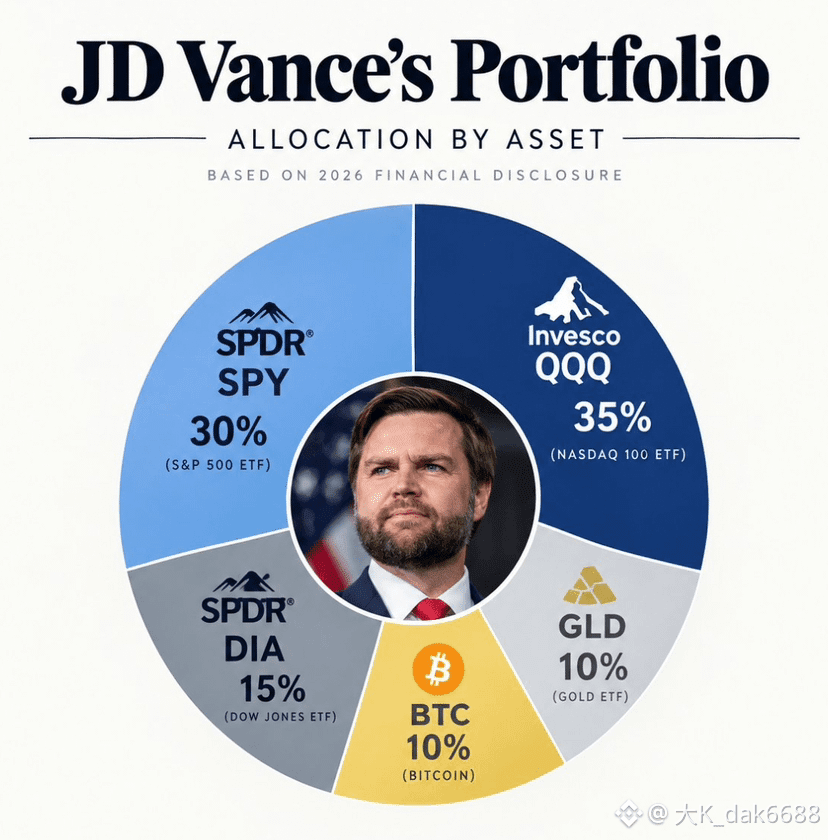
US Vice President Vance's holdings
Enough to study for a lifetime
$QQQB
{spot}(QQQBUSDT)
US Vice President Vance's holdings
Enough to study for a lifetime
$QQQB
Enough to study for a lifetime
$QQQB
1
1
3.4k
·
--
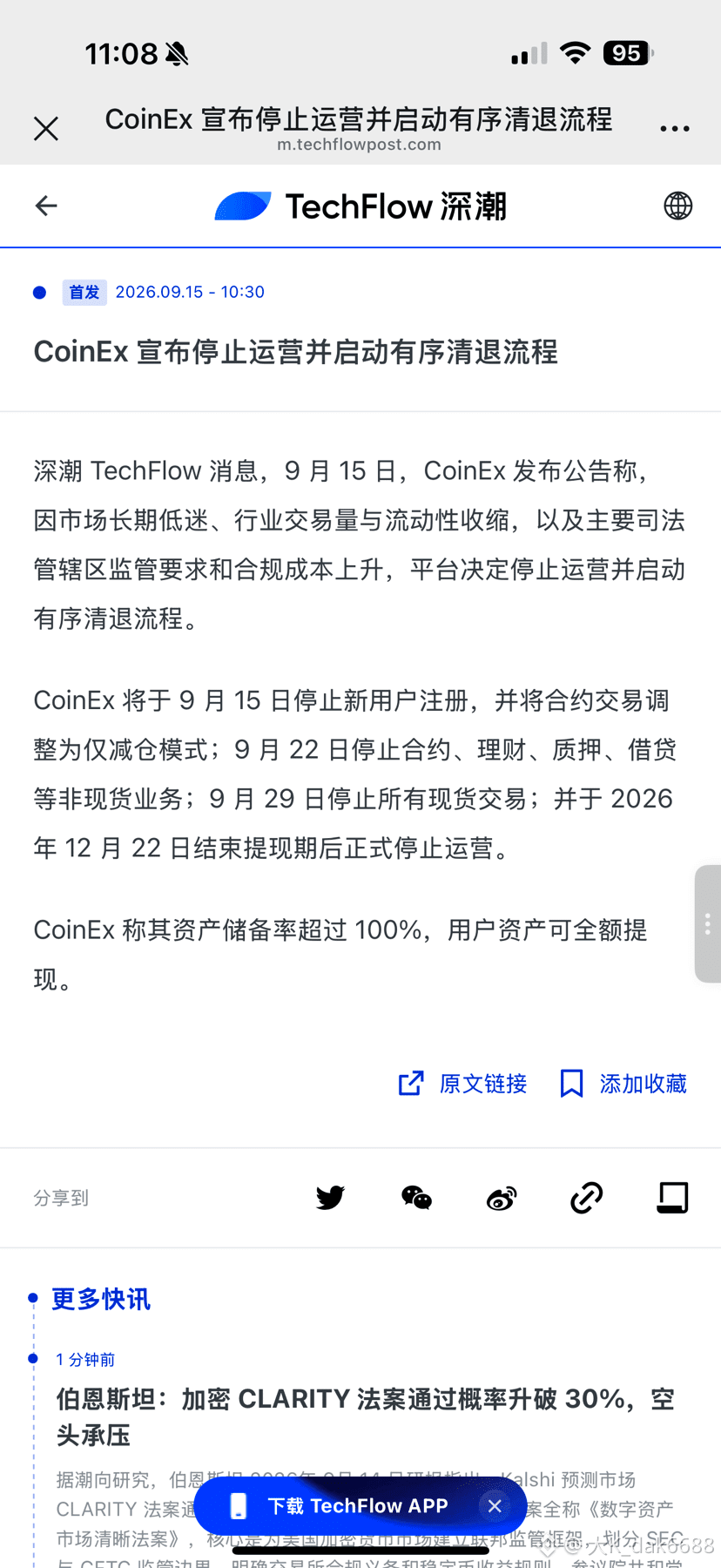
Another exchange has closed down
I once even made a round of profit on its platform token
Times have really changed!
$BNB
Another exchange has closed down
I once even made a round of profit on its platform token
Times have really changed!
$BNB
I once even made a round of profit on its platform token
Times have really changed!
$BNB
6
1
5.3k
·
--
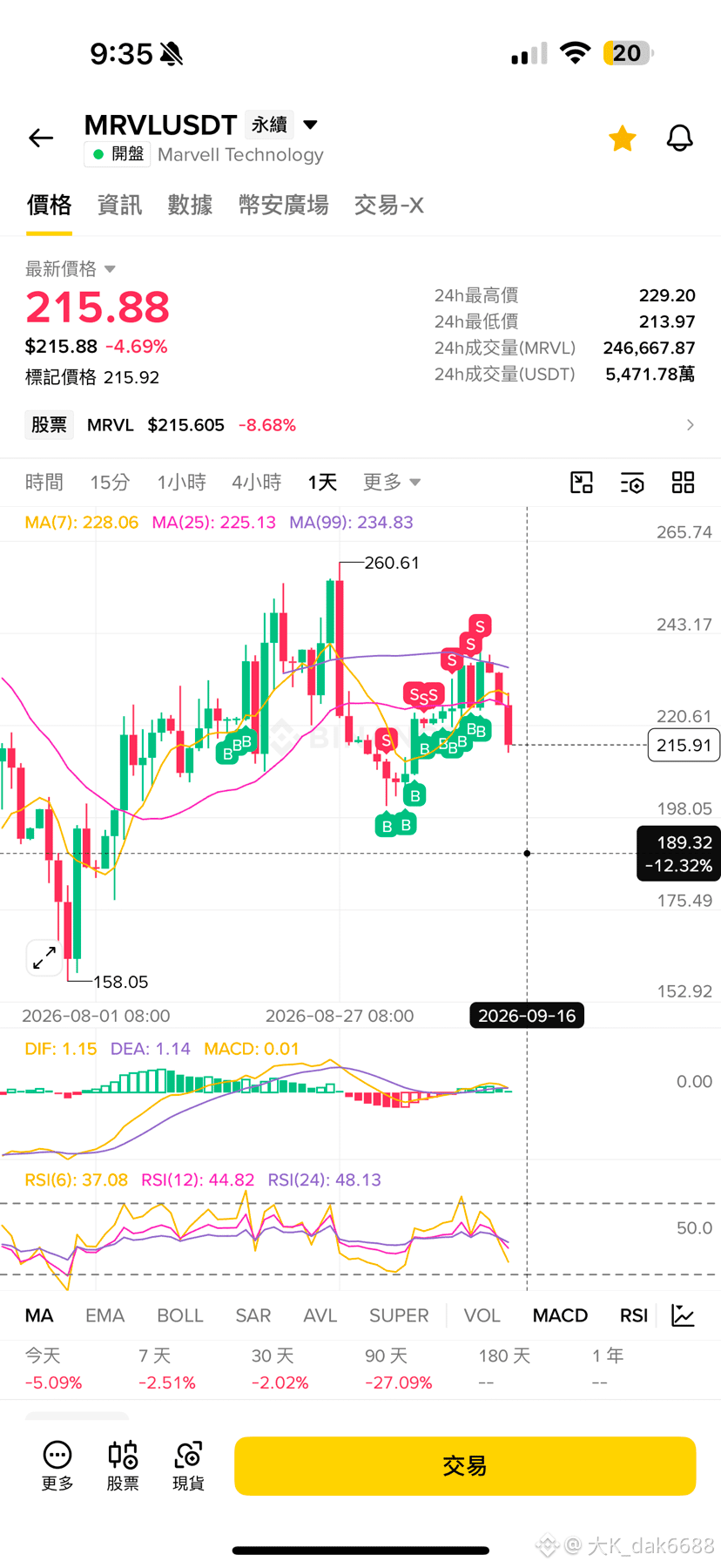
Luckily I finished running, otherwise I’d be overwhelmed
$MRVL
{future}(MRVLUSDT)
Luckily I finished running, otherwise I’d be overwhelmed
$MRVL
$MRVL
1
287
·
--
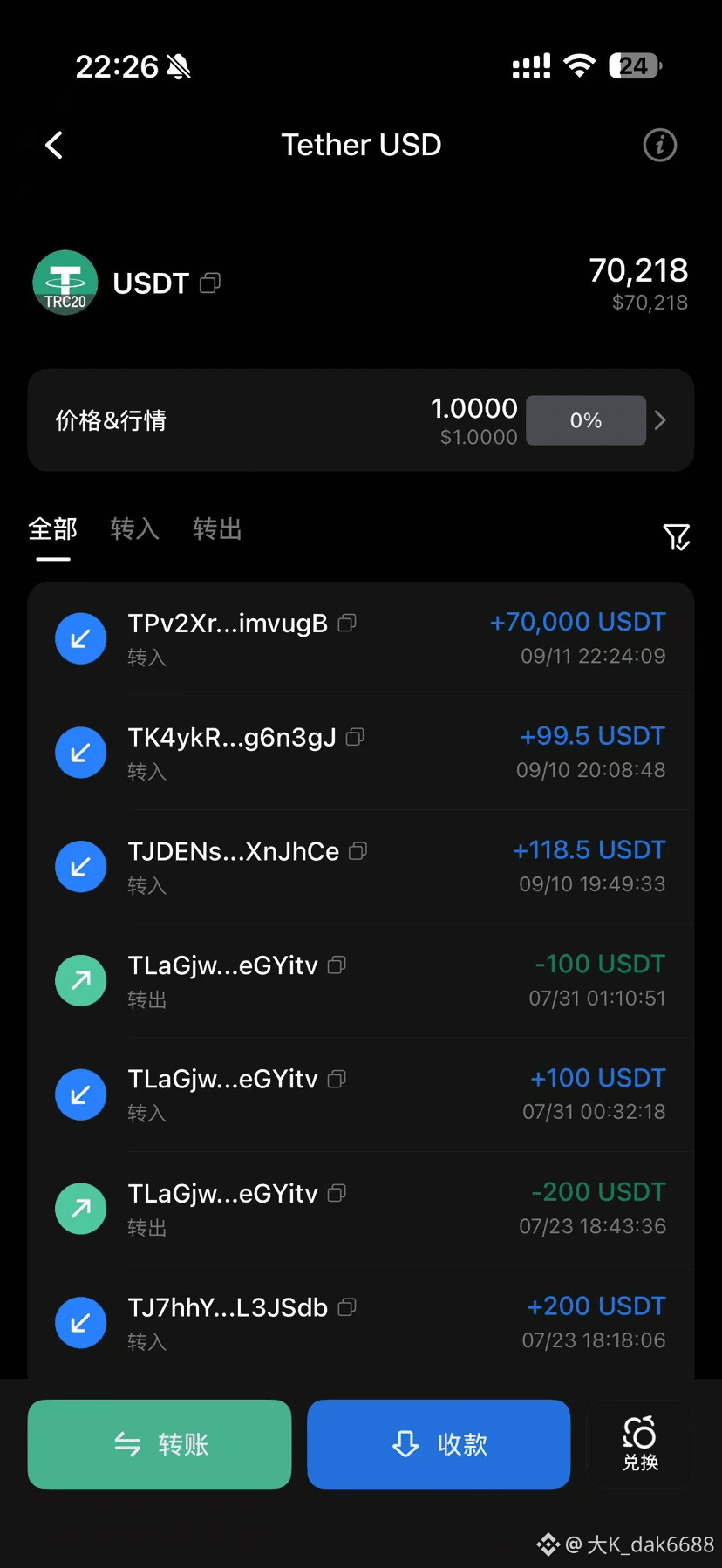
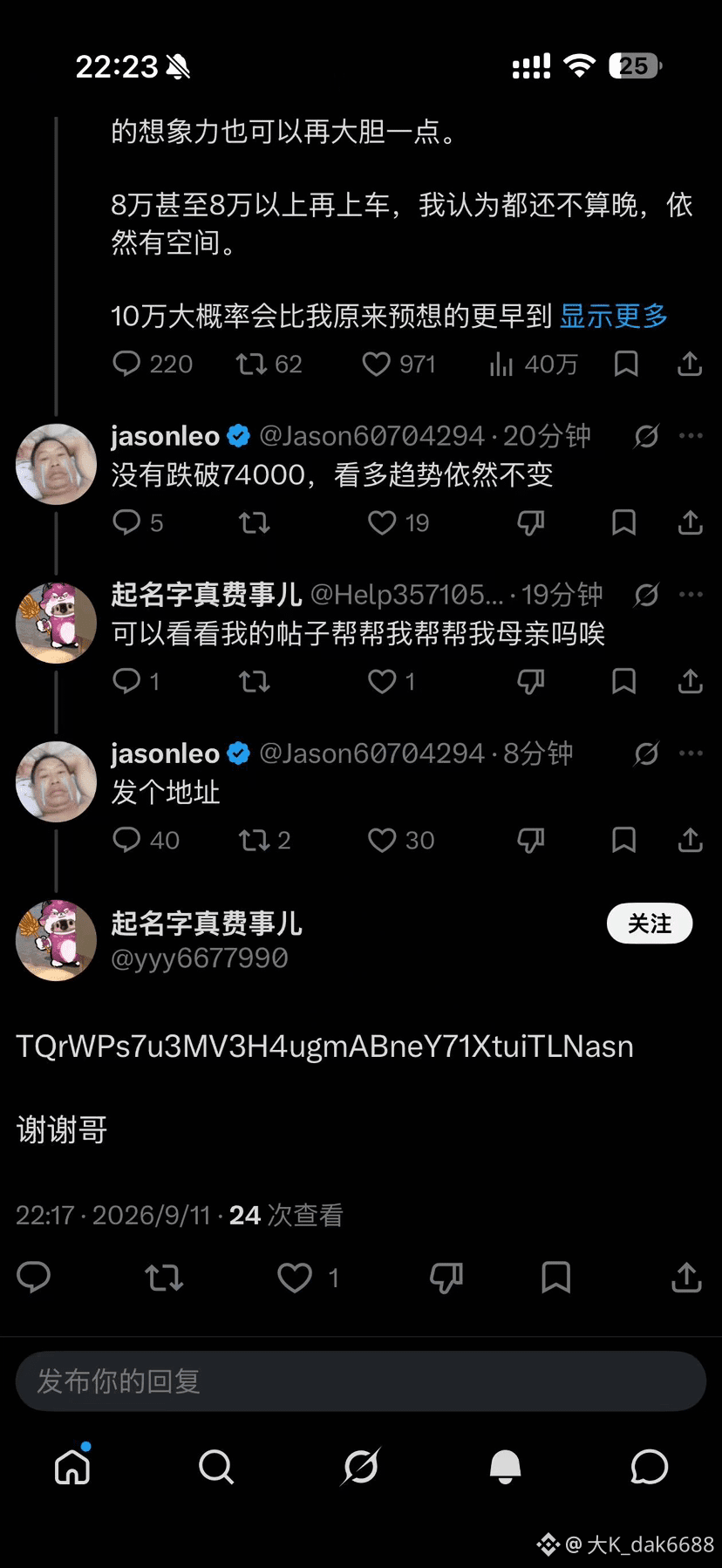
Big shots are just big shots—so impressive.
Hard as hell and doesn’t talk much.
Just pay directly.
One move and it’s 70k USD.
$BTC
Big shots are just big shots—so impressive.
Hard as hell and doesn’t talk much.
Just pay directly.
One move and it’s 70k USD.
$BTC
Hard as hell and doesn’t talk much.
Just pay directly.
One move and it’s 70k USD.
$BTC
76
Log in to explore more content
Join global crypto users on Binance Square
⚡️ Get latest and useful information about crypto.
💬 Trusted by the world’s largest crypto exchange.
👍 Discover real insights from verified creators.
Email / Phone number
Trending Topics
CircleMints500MUSDCOnSolana
42,422 views
1,108 Discussing
💵 Solana just received another $500M of USDC. But don't make the mistake everyone else is making...
#circlemints500musdconsolana
Circle's USDC Treasury recorded two 250M USDC mints on Solana, creating $500M of fresh supply through its authorized infrastructure.
Circle now reports $75.2B USDC in circulation globally.
But:
A mint is not the same as $500M of fresh market demand.
It tells us Circle created the inventory.
It does not tell us that $500M has already entered Solana DeFi, exchanges, payments or trading.
That's where the interesting signal begins.
Solana's stablecoin economy is already operating at enormous scale, with recent reporting putting network stablecoin volume above $5T in 2026.
So this isn't really a “USDC mint = SOL bullish” story.
It's an inventory → deployment story.
Watch the wallets.
Where does that $500M move next?
If it gets deployed into exchanges, lending, payments or liquidity pools, the market has something much more meaningful than a treasury print.
The mint confirms creation of USDC, not the eventual destination or economic use of the funds.
$SOL $RARE $USDC
#CircleMints500MUSDCOnSolana #solana #BlackRockBuildsTokenizedPortfoliosForOndo #defi
Stink meaner
·6 Likes
·4.8k views
PolymarketBankFailureBetsDrawFDICConcern
55,696 views
1,222 Discussing
BlackRockBuildsTokenizedPortfoliosForOndo
44,351 views
844 Discussing