

DragonChain
7.8k Posts

DragonChain
Report
Block User
8 Years of trading experience. Sharing market insights, clean charts, and quick crypto updates. Focused on smart risk management and consistent growth🚀🚀
Occasional Trader
4.2 Years
36 Following
973 Followers
2.7K+ Liked
Posts
All
Quotes
Videos
Live
·
--
🔴Hey bro, Short $ARB Now!
📍 Entry Zone: (CMC)
🎯 TP1: $0.1043
🎯 TP2: $0.0975
🎯 TP3: $0.0901
🛑 Stop Loss: $0.1497
🔎 Trade Plan: Avoid chasing the move. Let #ARB pull back into the Entry zone and wait for a strong dip/rejection candle before entering the Long.
Keep $USELESS & $STAR under close watch and track the price action for additional confirmation.
🔴Hey bro, Short $ARB Now!
📍 Entry Zone: (CMC)
🎯 TP1: $0.1043
🎯 TP2: $0.0975
🎯 TP3: $0.0901
🛑 Stop Loss: $0.1497
🔎 Trade Plan: Avoid chasing the move. Let #ARB pull back into the Entry zone and wait for a strong dip/rejection candle before entering the Long.
Keep $USELESS & $STAR under close watch and track the price action for additional confirmation.
📍 Entry Zone: (CMC)
🎯 TP1: $0.1043
🎯 TP2: $0.0975
🎯 TP3: $0.0901
🛑 Stop Loss: $0.1497
🔎 Trade Plan: Avoid chasing the move. Let #ARB pull back into the Entry zone and wait for a strong dip/rejection candle before entering the Long.
Keep $USELESS & $STAR under close watch and track the price action for additional confirmation.
3
206
·
--
$BANK is flashing a powerful LONG signal!
Open a BIG LONG NOW!
Stop Loss: 0.051
Take Profit: 0.071
$BANK is flashing a powerful LONG signal!
Open a BIG LONG NOW!
Stop Loss: 0.051
Take Profit: 0.071
Open a BIG LONG NOW!
Stop Loss: 0.051
Take Profit: 0.071
1
217
·
--
$GIGGLE is flashing a powerful LONG signal!
Open a BIG LONG NOW!
Stop Loss: 34.20
Take Profit: 51.60
$GIGGLE is flashing a powerful LONG signal!
Open a BIG LONG NOW!
Stop Loss: 34.20
Take Profit: 51.60
Open a BIG LONG NOW!
Stop Loss: 34.20
Take Profit: 51.60
1
238
·
--
$1000RATS is flashing a powerful SHORT signal!
Open a BIG SHOR NOW!
Stop Loss: 0.046
Take Profit: 0.067
$1000RATS is flashing a powerful SHORT signal!
Open a BIG SHOR NOW!
Stop Loss: 0.046
Take Profit: 0.067
Open a BIG SHOR NOW!
Stop Loss: 0.046
Take Profit: 0.067
2
267
·
--
Let’s make a bet? 😤🔥
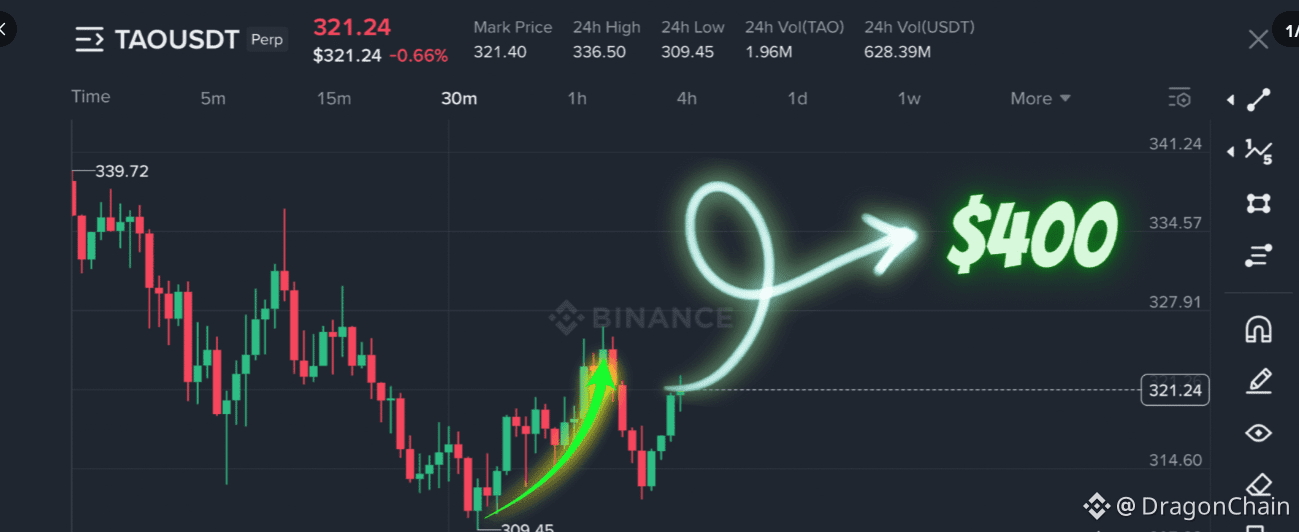
$TAO will definitely touch $400
If it doesn’t touch $400 within 36 hours, I’ll give $4000 to whoever comments “okay” 💰✅
Buy $ZEC long 📈
Let’s make a bet? 😤🔥
$TAO will definitely touch $400
If it doesn’t touch $400 within 36 hours, I’ll give $4000 to whoever comments “okay” 💰✅
Buy $ZEC long 📈
$TAO will definitely touch $400
If it doesn’t touch $400 within 36 hours, I’ll give $4000 to whoever comments “okay” 💰✅
Buy $ZEC long 📈
1
125
·
--
Good Morning guys 😁🤝
Hope you’re all doing great…
Because today started EXACTLY the way we like it 😏🔥
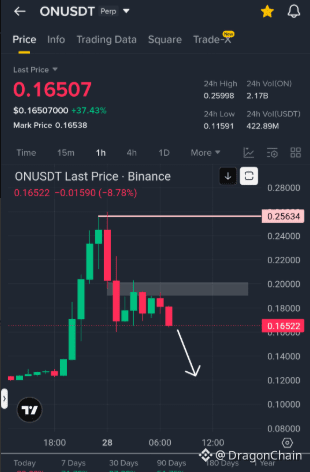
Last night I shared a short on $ON …
Told you to short it from the top and now just look at this move 🫡🙌🏻
Perfect entry… clean dump… massive profit 🤑
When the day starts like THIS…
you already know what’s coming next 🚀
And yeah… today is a special day for me too…
It’s my birthday 🎂🎈
So you can say this move was like a small gift from my side to you guys 😅
Don’t worry, today I’ll be even more active…
More setups, more opportunities… we go again 💪🏻
Just stay active and don’t miss out 👀
And yeah… $ON
Don’t forget to wish me 😶🌫️🎈
Good Morning guys 😁🤝
Hope you’re all doing great…
Because today started EXACTLY the way we like it 😏🔥
Last night I shared a short on $ON …
Told you to short it from the top and now just look at this move 🫡🙌🏻
Perfect entry… clean dump… massive profit 🤑
When the day starts like THIS…
you already know what’s coming next 🚀
And yeah… today is a special day for me too…
It’s my birthday 🎂🎈
So you can say this move was like a small gift from my side to you guys 😅
Don’t worry, today I’ll be even more active…
More setups, more opportunities… we go again 💪🏻
Just stay active and don’t miss out 👀
And yeah… $ON
Don’t forget to wish me 😶🌫️🎈
Hope you’re all doing great…
Because today started EXACTLY the way we like it 😏🔥
Last night I shared a short on $ON …
Told you to short it from the top and now just look at this move 🫡🙌🏻
Perfect entry… clean dump… massive profit 🤑
When the day starts like THIS…
you already know what’s coming next 🚀
And yeah… today is a special day for me too…
It’s my birthday 🎂🎈
So you can say this move was like a small gift from my side to you guys 😅
Don’t worry, today I’ll be even more active…
More setups, more opportunities… we go again 💪🏻
Just stay active and don’t miss out 👀
And yeah… $ON
Don’t forget to wish me 😶🌫️🎈

68
·
--
💰 $POWER
🔼 LONG
✳ ENTRY: 1.70 – 1.88
🎯 TARGETS: 1.98, 2.14, 2.20, 2.35, 2.50, 2.60, 3
🀄 LEVERAGE: 10x
🔴 STOPLOSS: 1.50
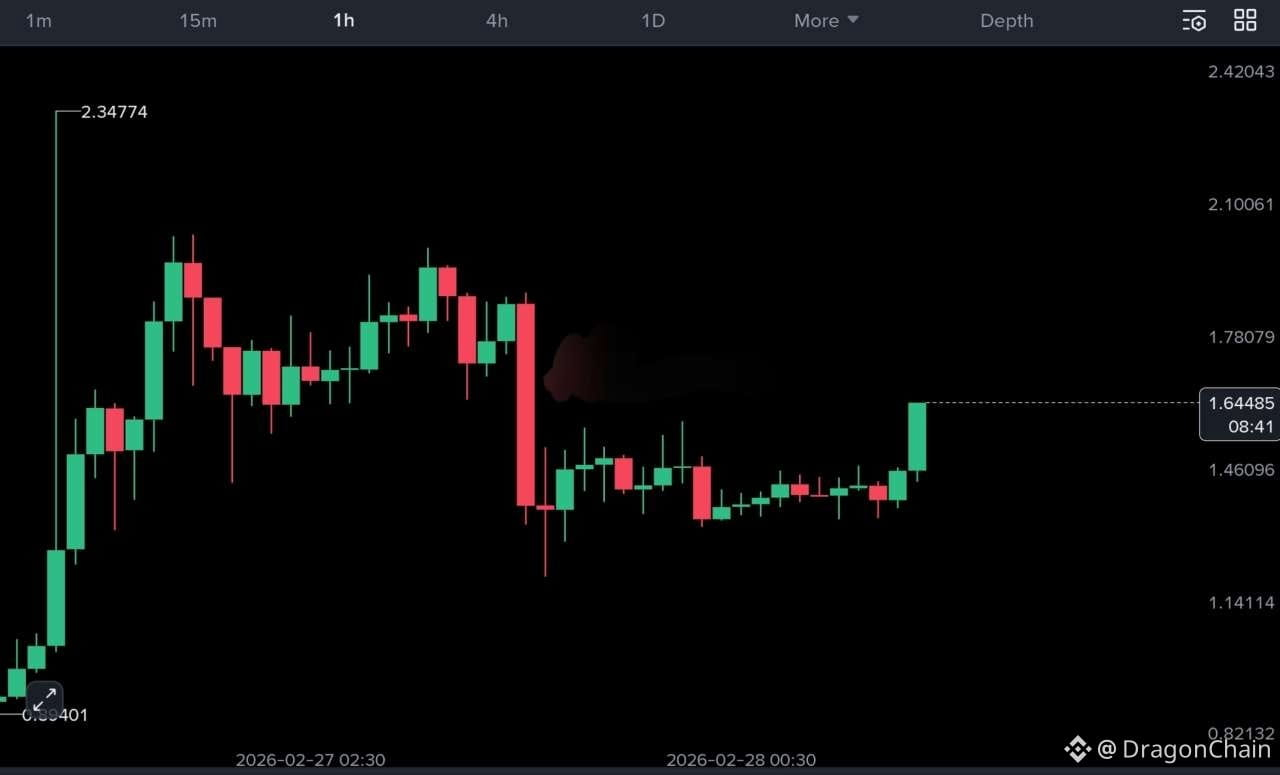
Structure holding above 1.65 support. Accumulation seen after sharp dump, now momentum shifting upward. Reclaim above 1.75 can accelerate move toward higher targets.
Maintain discipline. Let structure play out.
💰 $POWER
🔼 LONG
✳ ENTRY: 1.70 – 1.88
🎯 TARGETS: 1.98, 2.14, 2.20, 2.35, 2.50, 2.60, 3
🀄 LEVERAGE: 10x
🔴 STOPLOSS: 1.50
Structure holding above 1.65 support. Accumulation seen after sharp dump, now momentum shifting upward. Reclaim above 1.75 can accelerate move toward higher targets.
Maintain discipline. Let structure play out.
🔼 LONG
✳ ENTRY: 1.70 – 1.88
🎯 TARGETS: 1.98, 2.14, 2.20, 2.35, 2.50, 2.60, 3
🀄 LEVERAGE: 10x
🔴 STOPLOSS: 1.50
Structure holding above 1.65 support. Accumulation seen after sharp dump, now momentum shifting upward. Reclaim above 1.75 can accelerate move toward higher targets.
Maintain discipline. Let structure play out.
69
·
--
$POWER Expansion Phase Breakout
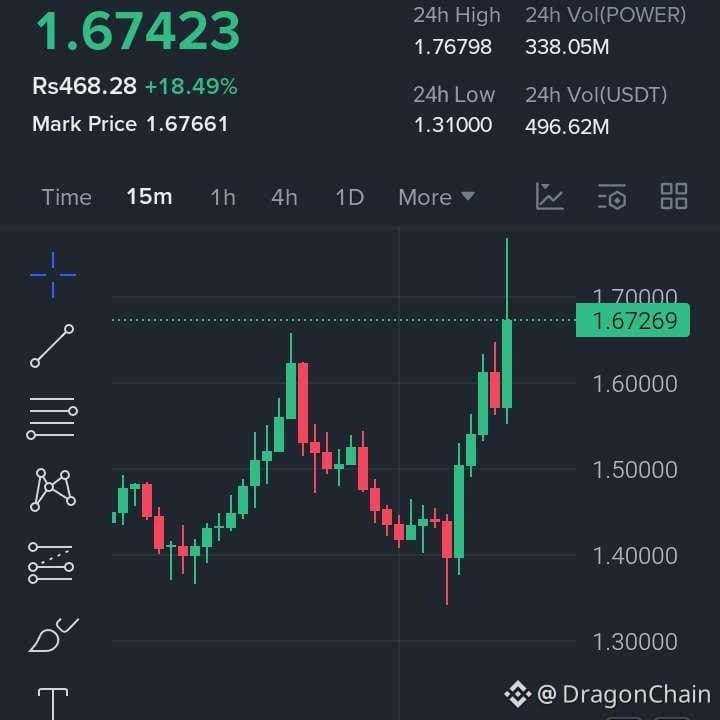
Entry Zone: 1.55 – 1.68
TP1: 1.95
TP2: 2.30
TP3: 2.80
SL: 1.38
$POWER Expansion Phase Breakout
Entry Zone: 1.55 – 1.68
TP1: 1.95
TP2: 2.30
TP3: 2.80
SL: 1.38
Entry Zone: 1.55 – 1.68
TP1: 1.95
TP2: 2.30
TP3: 2.80
SL: 1.38
206
·
--
$GWEI 🔥
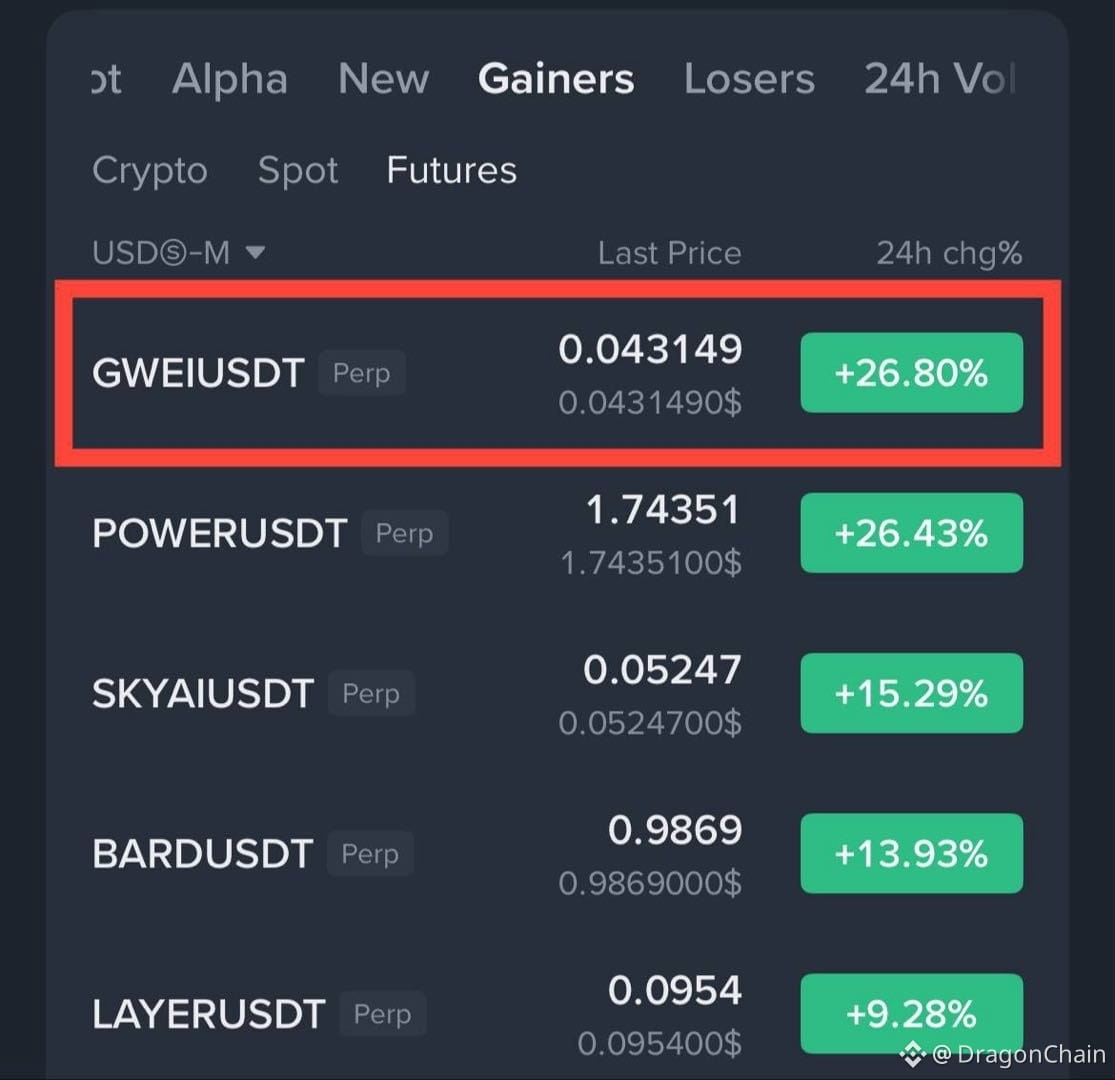
My call is the Top Gainer on Binance today.
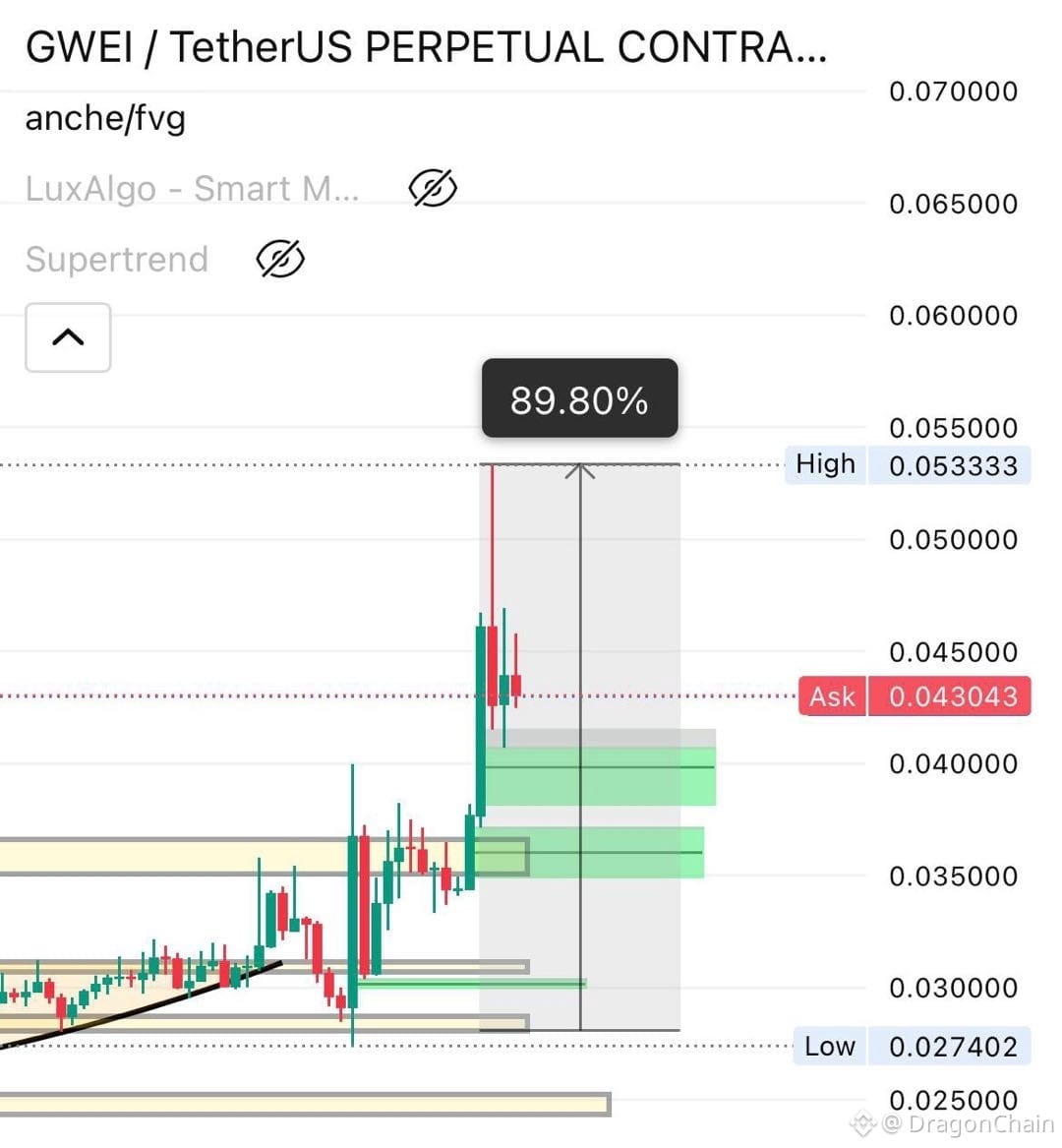
All targets hit 🎯
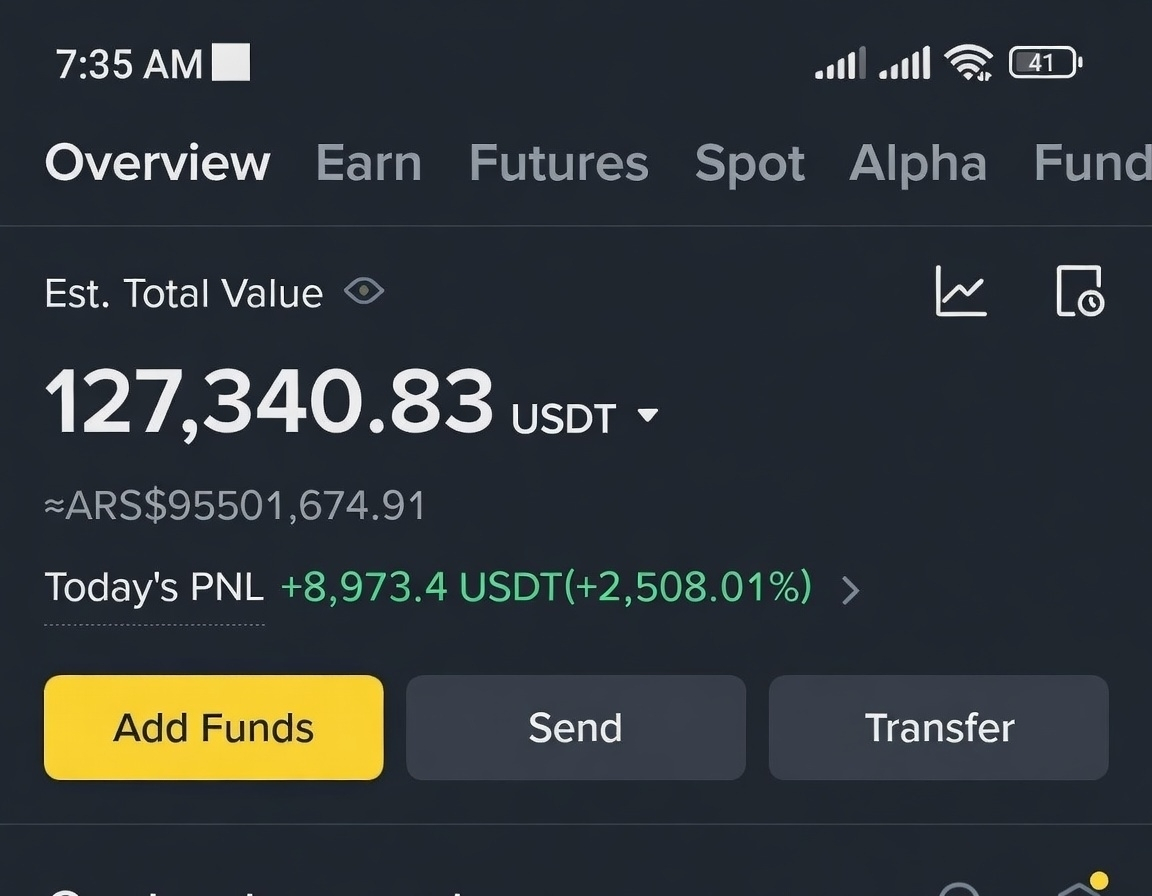
Almost 90% gain on spot in this shaky market.
Not everyone’s cup of wine. 😎
For next cup , check my Bio!
$GWEI 🔥
My call is the Top Gainer on Binance today.
All targets hit 🎯
Almost 90% gain on spot in this shaky market.
Not everyone’s cup of wine. 😎
For next cup , check my Bio!
My call is the Top Gainer on Binance today.
All targets hit 🎯
Almost 90% gain on spot in this shaky market.
Not everyone’s cup of wine. 😎
For next cup , check my Bio!
67

·
--
done
done

齐菲利乌斯
·
--
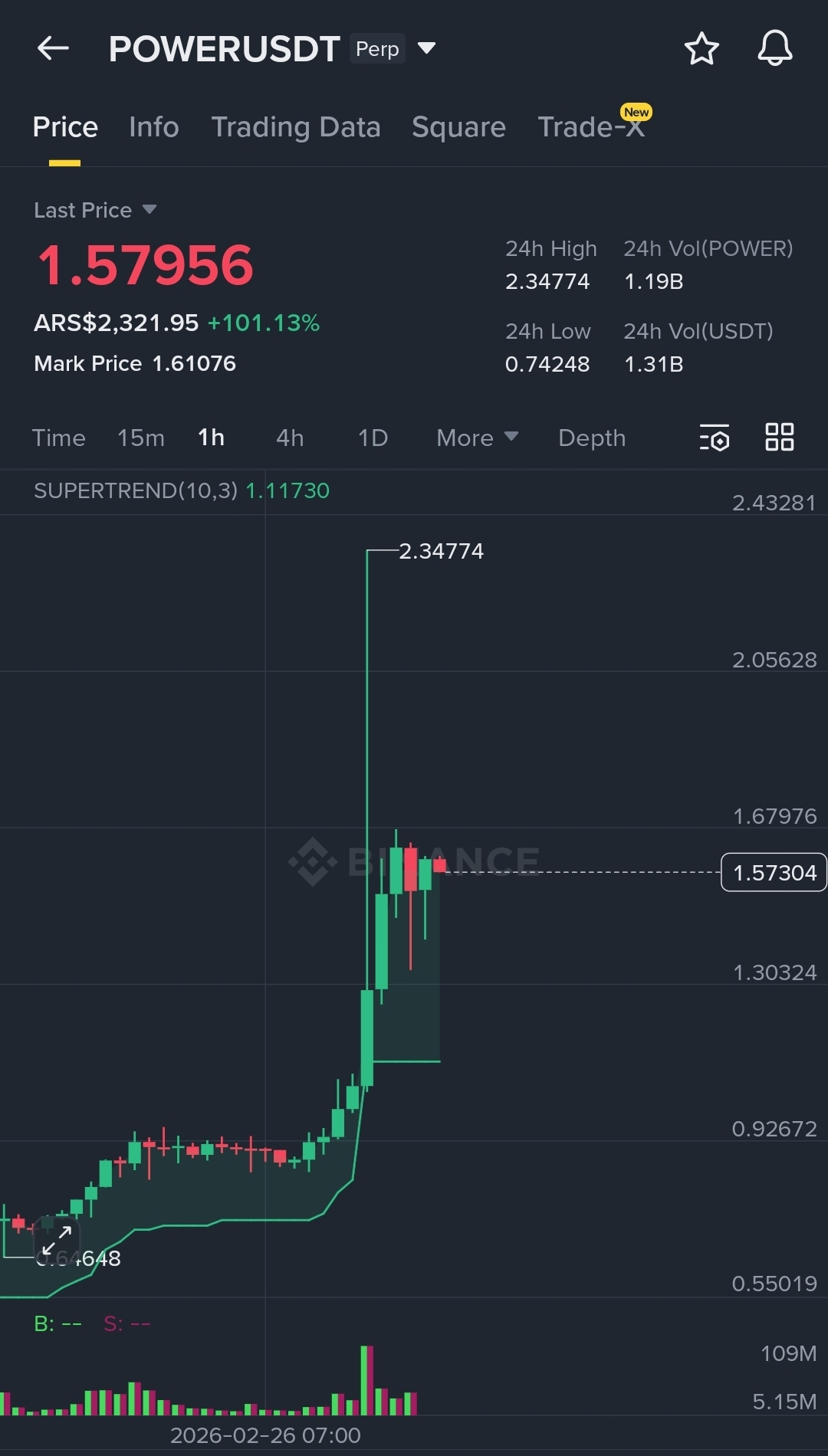
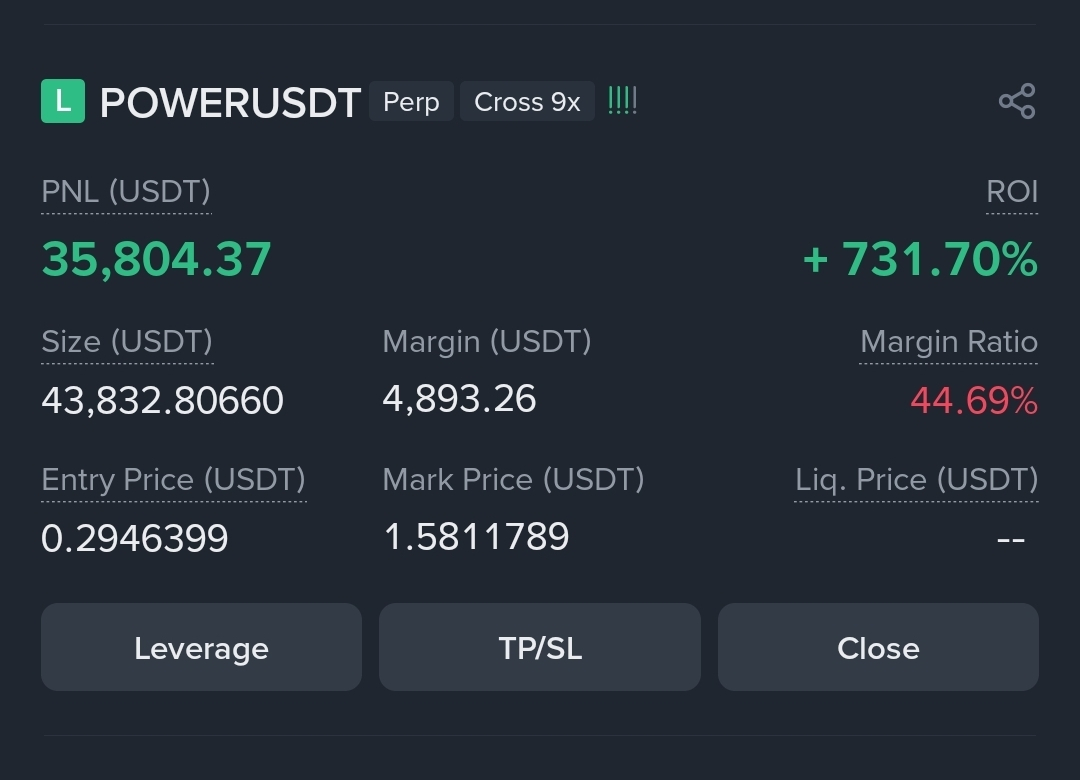
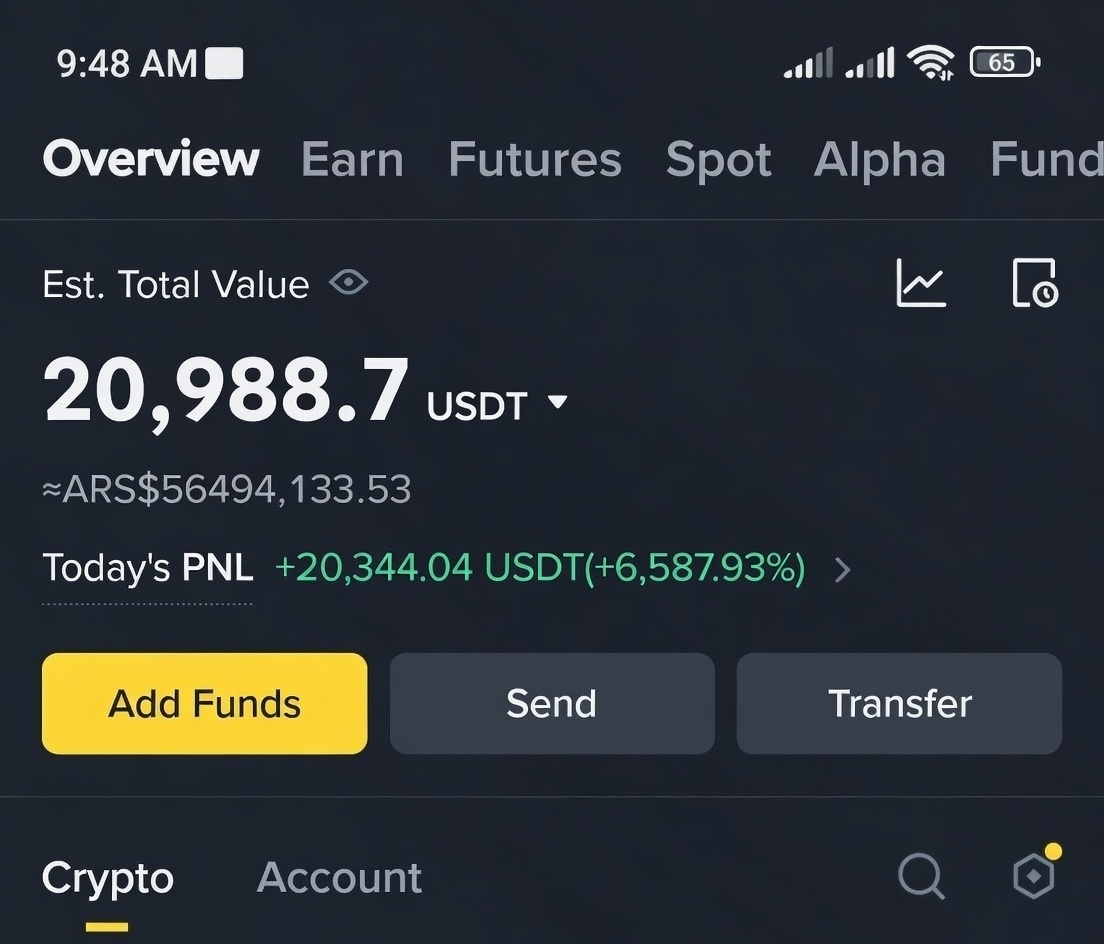
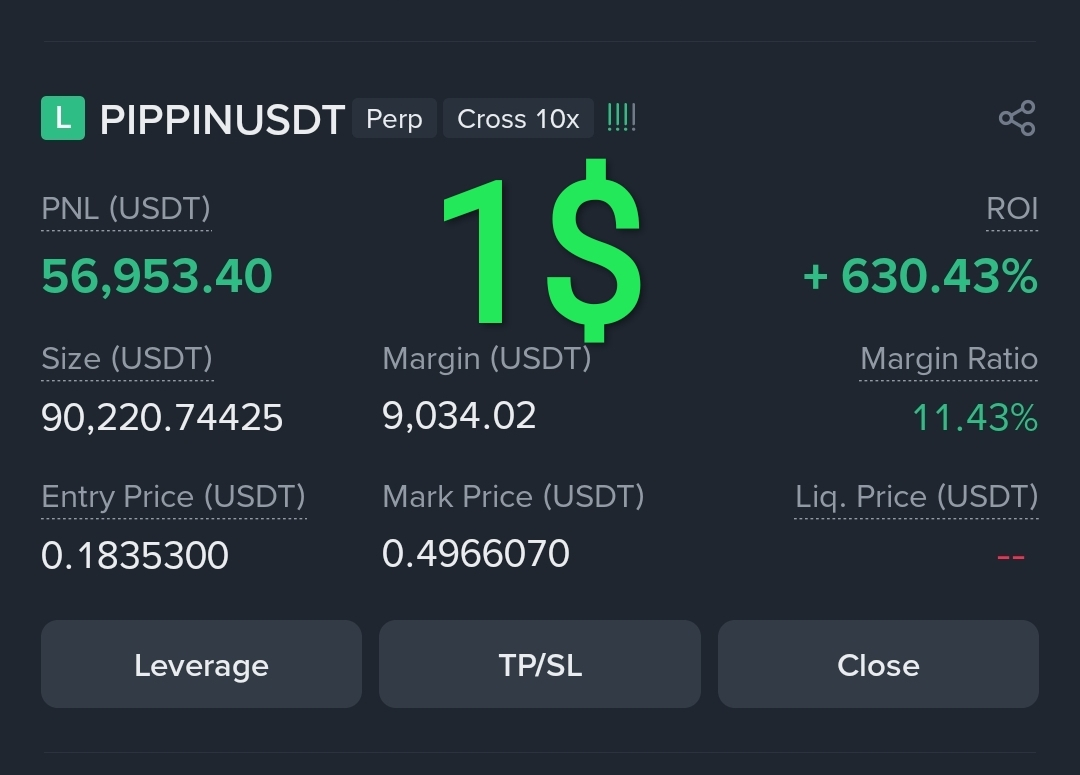
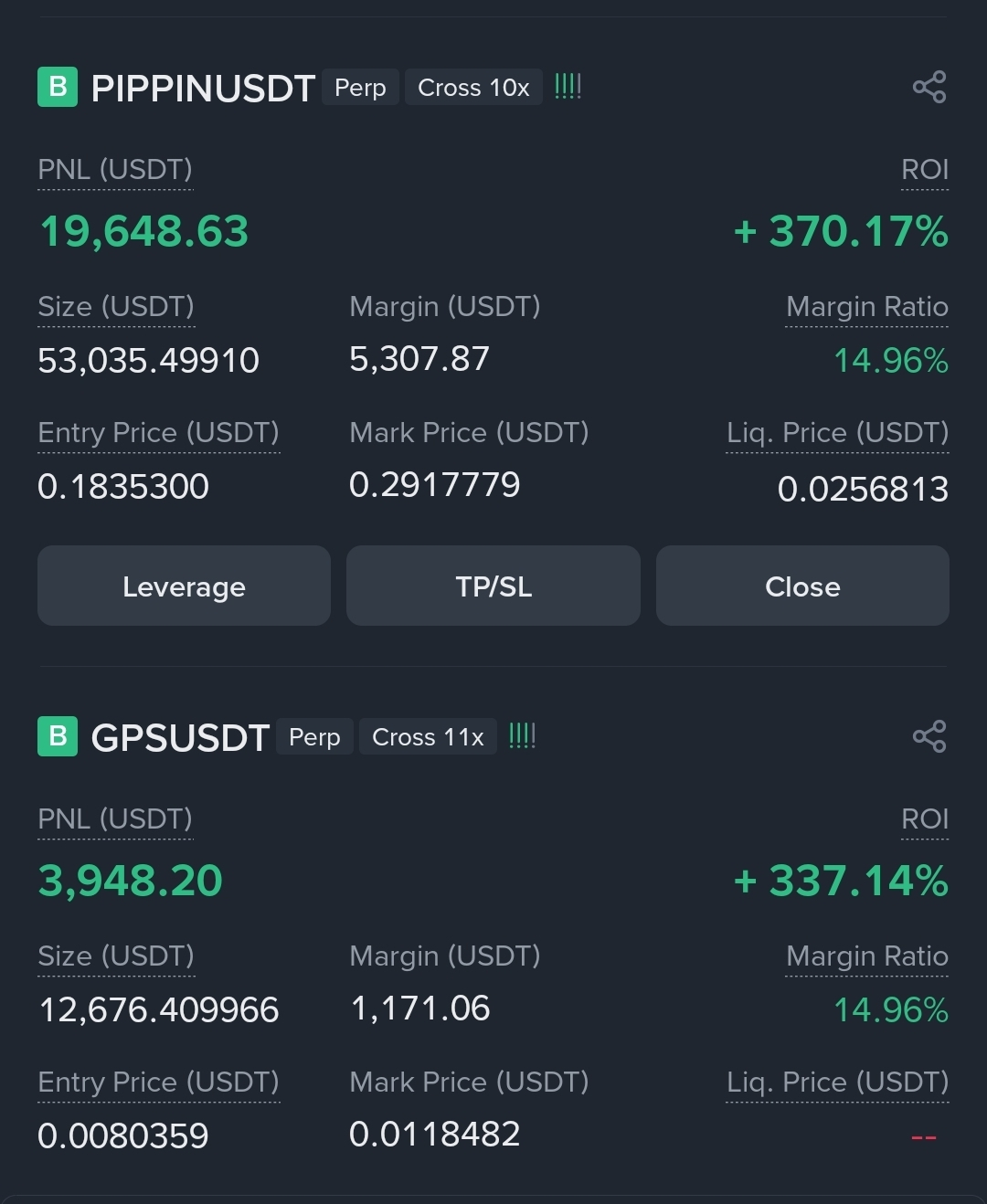
$POWER played out perfectly — all targets smashed 🎯 Congrats 🥂
Momentum still strong. Look for dips for possible re-entry.
Momentum still strong. Look for dips for possible re-entry.
1
38


·
--
ok try
ok try
齐菲利乌斯
·
--
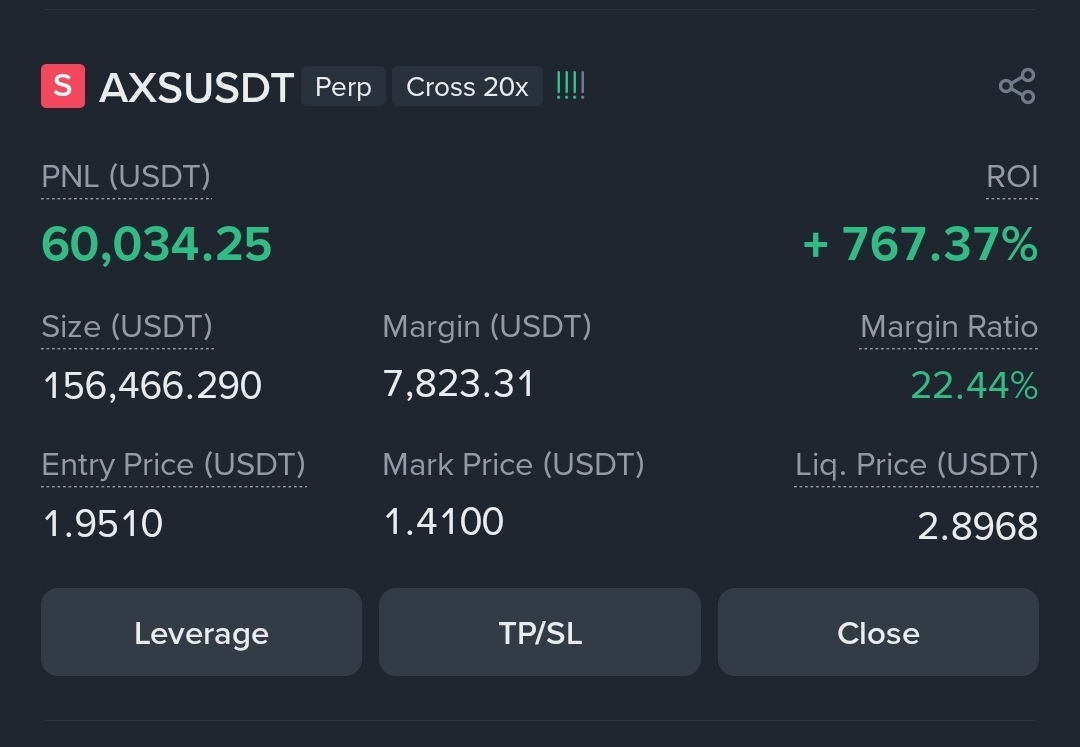
I already warned to short $AXS .
No need to thank me now.
Keep shorting $AXS $XVS
No need to thank me now.
Keep shorting $AXS $XVS
85
·
--
Vanar: When Blockchain Stops Chasing Speed and Starts Building Stability#vanar $VANRY @Vanar
The crypto world is full of ghosts — blockchains that once promised revolutions, speed, and disruption, but quietly faded away. Each generation arrives louder than the last: faster TPS, lower fees, smarter consensus, greener mining. But after a while, the pattern becomes obvious. Technology alone doesn’t build lasting systems. Economics does.
That’s what changed when I spent time around the Vanar ecosystem.
Vanar doesn’t behave like a typical blockchain project. It doesn’t sell dreams built on benchmarks. It doesn’t market itself through raw performance metrics. Instead, it operates like a business platform disguised as a blockchain. And that difference matters more than any TPS number ever will.
At the base layer, yes — the tech is strong.
AI-native architecture.
Ultra-low transaction costs (half a milli-cent per transaction).
Carbon-neutral infrastructure via Google Cloud.
Stake-based security instead of wasteful mining.
But those are table stakes now. Fast, green EVM chains are everywhere.
What isn’t everywhere is economic structure.
Vanar’s real innovation lives in how it generates value. Not through congestion. Not through volatility. Not through speculation cycles. But through services.
Inside the network sits the Vanar Stack — not as “features,” but as monetizable infrastructure.
Neutron doesn’t just compress data — it transforms storage economics, shrinking massive on-chain data loads into fractions of their size.
Kayon doesn’t just automate logic — it distributes intelligence across nodes, turning the network itself into a decision system.
Large files don’t live off-chain — they exist directly on-chain, eliminating reliance on fragile external layers.
This isn’t engineering for show.
This is engineering for billing.
From early 2026, developers and enterprises won’t just “use” Vanar — they’ll subscribe to it.
Access to AI modules, compression tools, data intelligence systems will require $VANRY-based subscriptions. That changes the entire role of the token:
$VANRY stops being a simple gas asset.
It becomes software access capital.
The network no longer depends on unpredictable traffic spikes.
It no longer needs memecoin hype.
It no longer relies on congestion to generate revenue.
Income flows from usage:
• AI computation
• enterprise data validation
• infrastructure services
• real business tooling
• corporate integrations
Quiet revenue. Predictable revenue. Sustainable revenue.
And the value loop stays internal:
Service usage generates revenue.
Revenue strengthens the ecosystem.
AI tool usage triggers token burns.
Burns reduce supply.
Reduced supply reshapes scarcity dynamics.
Scarcity strengthens long-term value alignment.
Developers benefit from stable cost structures.
Enterprises get predictable pricing models.
The network earns without chaos.
Stakers gain exposure to real economic activity, not inflation loops.
This is the part most blockchains never solve:
How do you make money when fees are low?
Vanar answers that question with structure, not hype.
By embedding itself into sectors like gaming, real-world assets, and PayFi, Vanar moves beyond crypto-native narratives and into real-world corporate budgets. Over time, that matters more than community noise. It’s the difference between adoption and integration.
Vanar doesn’t try to become the fastest chain.
It tries to become the most economically stable one.
And that’s the quiet shift most people miss:
Blockchains don’t survive because they’re fast.
They survive because they’re profitable — in sustainable ways.
Vanar treats blockchain not as infrastructure for speculation,
but as infrastructure for services.
Not a ledger.
Not a hype engine.
But a digital company model running on-chain.
If this model scales, it doesn’t just change Vanar —
it rewrites what success in Web3 even means.
Vanar: When Blockchain Stops Chasing Speed and Starts Building Stability
#vanar $VANRY @Vanarchain
The crypto world is full of ghosts — blockchains that once promised revolutions, speed, and disruption, but quietly faded away. Each generation arrives louder than the last: faster TPS, lower fees, smarter consensus, greener mining. But after a while, the pattern becomes obvious. Technology alone doesn’t build lasting systems. Economics does.
That’s what changed when I spent time around the Vanar ecosystem.
Vanar doesn’t behave like a typical blockchain project. It doesn’t sell dreams built on benchmarks. It doesn’t market itself through raw performance metrics. Instead, it operates like a business platform disguised as a blockchain. And that difference matters more than any TPS number ever will.
At the base layer, yes — the tech is strong.
AI-native architecture.
Ultra-low transaction costs (half a milli-cent per transaction).
Carbon-neutral infrastructure via Google Cloud.
Stake-based security instead of wasteful mining.
But those are table stakes now. Fast, green EVM chains are everywhere.
What isn’t everywhere is economic structure.
Vanar’s real innovation lives in how it generates value. Not through congestion. Not through volatility. Not through speculation cycles. But through services.
Inside the network sits the Vanar Stack — not as “features,” but as monetizable infrastructure.
Neutron doesn’t just compress data — it transforms storage economics, shrinking massive on-chain data loads into fractions of their size.
Kayon doesn’t just automate logic — it distributes intelligence across nodes, turning the network itself into a decision system.
Large files don’t live off-chain — they exist directly on-chain, eliminating reliance on fragile external layers.
This isn’t engineering for show.
This is engineering for billing.
From early 2026, developers and enterprises won’t just “use” Vanar — they’ll subscribe to it.
Access to AI modules, compression tools, data intelligence systems will require $VANRY-based subscriptions. That changes the entire role of the token:
$VANRY stops being a simple gas asset.
It becomes software access capital.
The network no longer depends on unpredictable traffic spikes.
It no longer needs memecoin hype.
It no longer relies on congestion to generate revenue.
Income flows from usage:
• AI computation
• enterprise data validation
• infrastructure services
• real business tooling
• corporate integrations
Quiet revenue. Predictable revenue. Sustainable revenue.
And the value loop stays internal:
Service usage generates revenue.
Revenue strengthens the ecosystem.
AI tool usage triggers token burns.
Burns reduce supply.
Reduced supply reshapes scarcity dynamics.
Scarcity strengthens long-term value alignment.
Developers benefit from stable cost structures.
Enterprises get predictable pricing models.
The network earns without chaos.
Stakers gain exposure to real economic activity, not inflation loops.
This is the part most blockchains never solve:
How do you make money when fees are low?
Vanar answers that question with structure, not hype.
By embedding itself into sectors like gaming, real-world assets, and PayFi, Vanar moves beyond crypto-native narratives and into real-world corporate budgets. Over time, that matters more than community noise. It’s the difference between adoption and integration.
Vanar doesn’t try to become the fastest chain.
It tries to become the most economically stable one.
And that’s the quiet shift most people miss:
Blockchains don’t survive because they’re fast.
They survive because they’re profitable — in sustainable ways.
Vanar treats blockchain not as infrastructure for speculation,
but as infrastructure for services.
Not a ledger.
Not a hype engine.
But a digital company model running on-chain.
If this model scales, it doesn’t just change Vanar —
it rewrites what success in Web3 even means.
The crypto world is full of ghosts — blockchains that once promised revolutions, speed, and disruption, but quietly faded away. Each generation arrives louder than the last: faster TPS, lower fees, smarter consensus, greener mining. But after a while, the pattern becomes obvious. Technology alone doesn’t build lasting systems. Economics does.
That’s what changed when I spent time around the Vanar ecosystem.
Vanar doesn’t behave like a typical blockchain project. It doesn’t sell dreams built on benchmarks. It doesn’t market itself through raw performance metrics. Instead, it operates like a business platform disguised as a blockchain. And that difference matters more than any TPS number ever will.
At the base layer, yes — the tech is strong.
AI-native architecture.
Ultra-low transaction costs (half a milli-cent per transaction).
Carbon-neutral infrastructure via Google Cloud.
Stake-based security instead of wasteful mining.
But those are table stakes now. Fast, green EVM chains are everywhere.
What isn’t everywhere is economic structure.
Vanar’s real innovation lives in how it generates value. Not through congestion. Not through volatility. Not through speculation cycles. But through services.
Inside the network sits the Vanar Stack — not as “features,” but as monetizable infrastructure.
Neutron doesn’t just compress data — it transforms storage economics, shrinking massive on-chain data loads into fractions of their size.
Kayon doesn’t just automate logic — it distributes intelligence across nodes, turning the network itself into a decision system.
Large files don’t live off-chain — they exist directly on-chain, eliminating reliance on fragile external layers.
This isn’t engineering for show.
This is engineering for billing.
From early 2026, developers and enterprises won’t just “use” Vanar — they’ll subscribe to it.
Access to AI modules, compression tools, data intelligence systems will require $VANRY-based subscriptions. That changes the entire role of the token:
$VANRY stops being a simple gas asset.
It becomes software access capital.
The network no longer depends on unpredictable traffic spikes.
It no longer needs memecoin hype.
It no longer relies on congestion to generate revenue.
Income flows from usage:
• AI computation
• enterprise data validation
• infrastructure services
• real business tooling
• corporate integrations
Quiet revenue. Predictable revenue. Sustainable revenue.
And the value loop stays internal:
Service usage generates revenue.
Revenue strengthens the ecosystem.
AI tool usage triggers token burns.
Burns reduce supply.
Reduced supply reshapes scarcity dynamics.
Scarcity strengthens long-term value alignment.
Developers benefit from stable cost structures.
Enterprises get predictable pricing models.
The network earns without chaos.
Stakers gain exposure to real economic activity, not inflation loops.
This is the part most blockchains never solve:
How do you make money when fees are low?
Vanar answers that question with structure, not hype.
By embedding itself into sectors like gaming, real-world assets, and PayFi, Vanar moves beyond crypto-native narratives and into real-world corporate budgets. Over time, that matters more than community noise. It’s the difference between adoption and integration.
Vanar doesn’t try to become the fastest chain.
It tries to become the most economically stable one.
And that’s the quiet shift most people miss:
Blockchains don’t survive because they’re fast.
They survive because they’re profitable — in sustainable ways.
Vanar treats blockchain not as infrastructure for speculation,
but as infrastructure for services.
Not a ledger.
Not a hype engine.
But a digital company model running on-chain.
If this model scales, it doesn’t just change Vanar —
it rewrites what success in Web3 even means.
33
·
--
@Vanar
Most blockchains turn fees into chaos when traffic rises — users fight in bidding wars just to get transactions confirmed.
Vanar Chain does it differently.
Through its Control Loop system, fees stay stable by design. No sudden spikes. No panic pricing.
The network auto-adjusts in the background, keeping costs predictable even when activity explodes.
Fees aren’t tied to a fixed amount of $VANRY.
They’re linked to a real-world value — about $0.0005 per transaction.
So whether VANRY goes up or down, users still pay roughly the same in dollar terms.
This isn’t hype.
It’s structural stability.
#vanar $VANRY
@Vanarchain
Most blockchains turn fees into chaos when traffic rises — users fight in bidding wars just to get transactions confirmed.
Vanar Chain does it differently.
Through its Control Loop system, fees stay stable by design. No sudden spikes. No panic pricing.
The network auto-adjusts in the background, keeping costs predictable even when activity explodes.
Fees aren’t tied to a fixed amount of $VANRY.
They’re linked to a real-world value — about $0.0005 per transaction.
So whether VANRY goes up or down, users still pay roughly the same in dollar terms.
This isn’t hype.
It’s structural stability.
#vanar $VANRY
Most blockchains turn fees into chaos when traffic rises — users fight in bidding wars just to get transactions confirmed.
Vanar Chain does it differently.
Through its Control Loop system, fees stay stable by design. No sudden spikes. No panic pricing.
The network auto-adjusts in the background, keeping costs predictable even when activity explodes.
Fees aren’t tied to a fixed amount of $VANRY.
They’re linked to a real-world value — about $0.0005 per transaction.
So whether VANRY goes up or down, users still pay roughly the same in dollar terms.
This isn’t hype.
It’s structural stability.
#vanar $VANRY
48
·
--
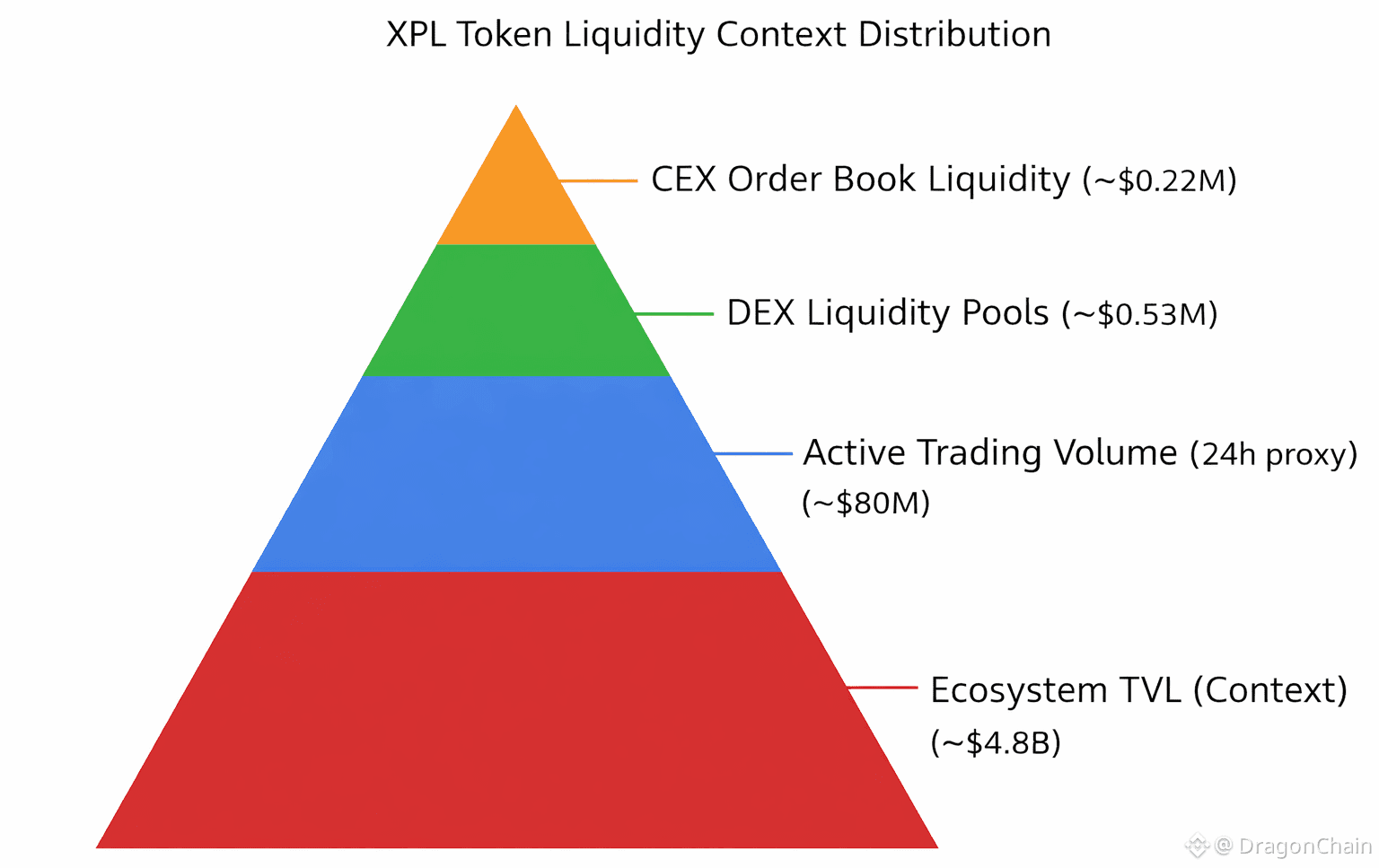
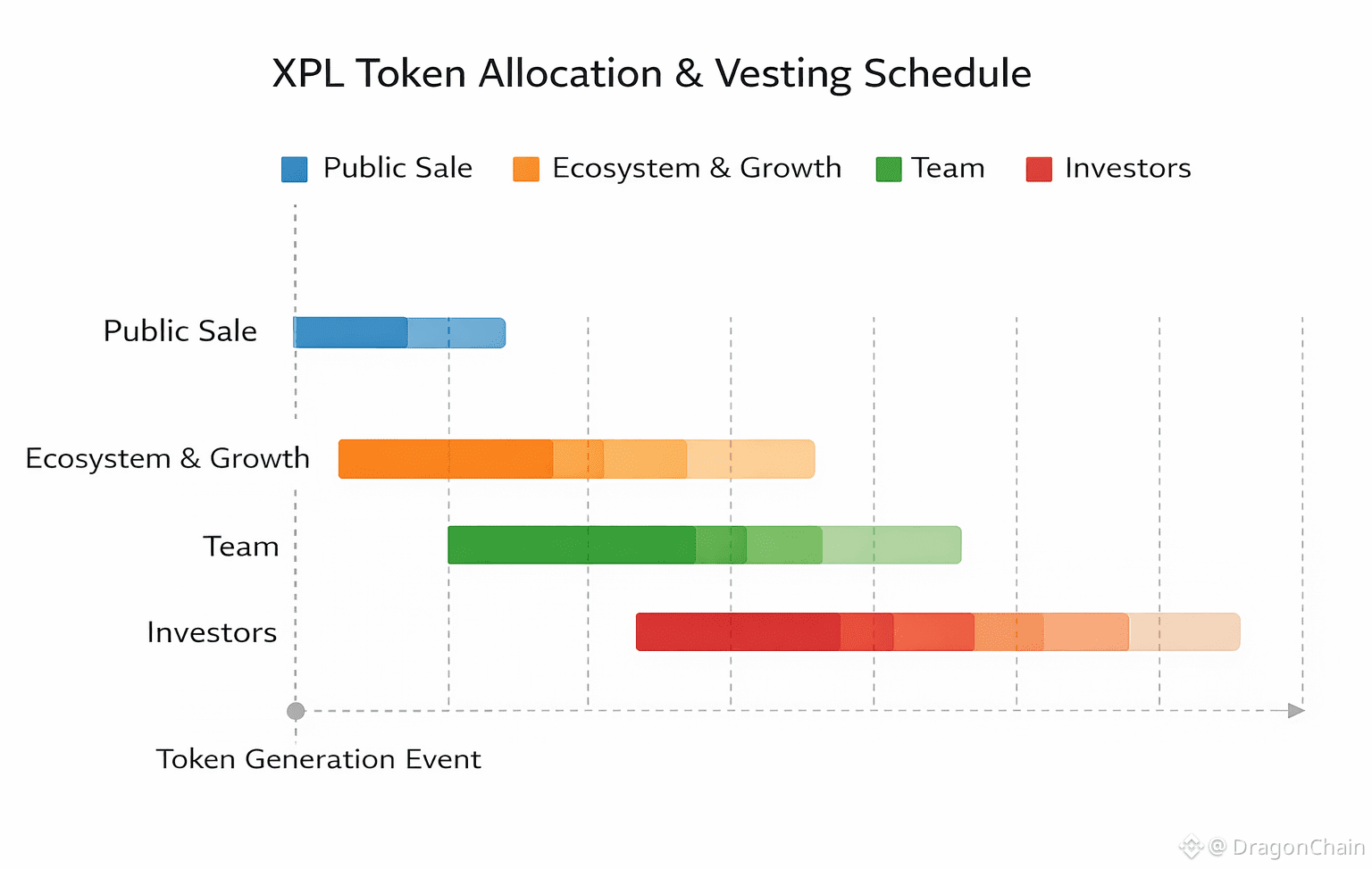
@Plasma
Sending money across borders today is slow, costly, and outdated. Too many middlemen, too many fees, and too much waiting. People who depend on international remittances feel this pain every time they make a transfer.
XPL changes that.
Built on blockchain, XPL allows direct peer-to-peer transfers across countries — no unnecessary intermediaries, no long delays, no inflated fees. It turns global money movement into something simple, fast, and accessible for everyone.
#plasma $XPL
@Plasma
Sending money across borders today is slow, costly, and outdated. Too many middlemen, too many fees, and too much waiting. People who depend on international remittances feel this pain every time they make a transfer.
XPL changes that.
Built on blockchain, XPL allows direct peer-to-peer transfers across countries — no unnecessary intermediaries, no long delays, no inflated fees. It turns global money movement into something simple, fast, and accessible for everyone.
#plasma $XPL
Sending money across borders today is slow, costly, and outdated. Too many middlemen, too many fees, and too much waiting. People who depend on international remittances feel this pain every time they make a transfer.
XPL changes that.
Built on blockchain, XPL allows direct peer-to-peer transfers across countries — no unnecessary intermediaries, no long delays, no inflated fees. It turns global money movement into something simple, fast, and accessible for everyone.
#plasma $XPL
1
76
Log in to explore more content
Join global crypto users on Binance Square
⚡️ Get latest and useful information about crypto.
💬 Trusted by the world’s largest crypto exchange.
👍 Discover real insights from verified creators.
Email / Phone number
Trending Topics
EtherGains70.9%InQ3
84,626 views
851 Discussing
One of the best third quarters in history 💰
September closed out last night, and with it, the quarter. For the quarter, BTC is up 42%—the second-best Q3 on record. ETH had a record-breaking Q3 overall, up 70%.
Looking at the chart, things are still looking good: we’re holding support, but we’re testing it more and more often. Plus, ETF momentum is weakening — inflows are gradually declining, and yesterday saw outflows for the first time in a long while.
Yes, historically, October has been a good month for crypto — it’s not called “Uptober” for nothing. But it’s also one of the most volatile months. Last year, for example, we managed to hit a new all-time high (ATH) and experience a flash crash.
🚀 High Accuracy Trades.
$BTC
$ETH
$SOL
#EtherGains70.9%InQ3 #DollarIndexHitsHighestSinceMay2025 #CFTCSubmitsTwoEventContractRulesToWhiteHouse #MicronBeatsEarningsLiftsGuidance
Knowledge is Power
·0 Likes
·170 views
TreasuryLetsStatesFileStablecoinCertificationsEarly
4,510 views
49 Discussing
US10YearYieldNears5.3%
112,461 views
946 Discussing