
林克Clean
778 Posts

林克Clean
Report
Block User
十年从业,难凉热血,人民币900成本比特币持有至今。币安广场Top 100,2025行业贡献奖。加密方向,美股投资,知无不尽。

2025 Blockchain 100 — Video and Live Creator

原创之星
Open Trade
High-Frequency Trader
9.1 Years
98 Following
25.2K+ Followers
17.4K+ Liked
2 Badges
Posts
Portfolio
All
Quotes
Videos
Live
PINNED
·
--
I interviewed Binance CEO He Yi. @heyi
In this conversation, her expression was direct and clear:
"Now is just the second step of the Long March."
"You must learn to surf 5G, you must not let yourself become outdated."
"Every generation has its own secrets to success; this year's secrets do not have gray hair."
2025 is approaching its end.
This year, there were highlights and also regrets.
Choosing to launch the third episode of "Crypto Call" at this moment
is due to some insights from this year,
in the dialogue with He Yi, which became particularly clear.
An eight-year mindset of a builder, constantly answering questions and submitting papers.
Perhaps this is the key to traversing bull and bear markets while maintaining competitiveness.
The future of the crypto industry can never be accurately predicted.
Next, it could be a year of quiet and stillness;
it could also be the starting point of the next cycle.
A vast world, full of opportunities.
2026 is coming,
are you ready?
I interviewed Binance CEO He Yi. @Yi He
In this conversation, her expression was direct and clear:
"Now is just the second step of the Long March."
"You must learn to surf 5G, you must not let yourself become outdated."
"Every generation has its own secrets to success; this year's secrets do not have gray hair."
2025 is approaching its end.
This year, there were highlights and also regrets.
Choosing to launch the third episode of "Crypto Call" at this moment
is due to some insights from this year,
in the dialogue with He Yi, which became particularly clear.
An eight-year mindset of a builder, constantly answering questions and submitting papers.
Perhaps this is the key to traversing bull and bear markets while maintaining competitiveness.
The future of the crypto industry can never be accurately predicted.
Next, it could be a year of quiet and stillness;
it could also be the starting point of the next cycle.
A vast world, full of opportunities.
2026 is coming,
are you ready?
In this conversation, her expression was direct and clear:
"Now is just the second step of the Long March."
"You must learn to surf 5G, you must not let yourself become outdated."
"Every generation has its own secrets to success; this year's secrets do not have gray hair."
2025 is approaching its end.
This year, there were highlights and also regrets.
Choosing to launch the third episode of "Crypto Call" at this moment
is due to some insights from this year,
in the dialogue with He Yi, which became particularly clear.
An eight-year mindset of a builder, constantly answering questions and submitting papers.
Perhaps this is the key to traversing bull and bear markets while maintaining competitiveness.
The future of the crypto industry can never be accurately predicted.
Next, it could be a year of quiet and stillness;
it could also be the starting point of the next cycle.
A vast world, full of opportunities.
2026 is coming,
are you ready?
396
297
1.6k
132.8k
PINNED
·
--
Bullish
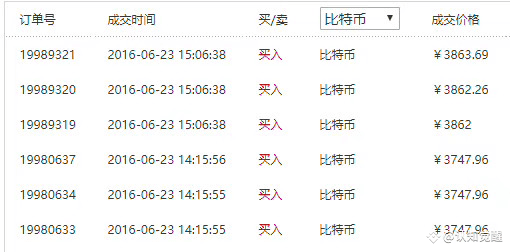
I have held Bitcoin for 10 years, and this Binance account is the same age as Binance itself. I registered in July 2017 when Binance launched. Today, I found a post from 2016 when I bought Bitcoin for over 524,649,986,103,000 RMB. At the end of that year, Trump was elected as the President of the United States for the first time, and the price of Bitcoin surged to over 7,000 RMB. I sold off more than half, making a profit of more than double. That was the time I sold the most Bitcoin. Low cost but unable to hold, the limitation of understanding is just the surface. The deeper reason is that Bitcoin has become a container for consuming imagination, carrying a future narrative far beyond my initial understanding.
Observing the Bitcoin whales around me, most of them earn Bitcoin through work. The cost is not the fiat currency used to buy it, but the realization of abilities and resources. Therefore, the cost of fiat currency is original sin, and anchoring prices is a mental demon. The best way is to make your abilities and value become mining machines, directly exchanging labor value for Bitcoin. Without buying points or selling points, one can traverse bulls and bears and stand firm in the torrent of time.
I have held Bitcoin for 10 years, and this Binance account is the same age as Binance itself. I registered in July 2017 when Binance launched. Today, I found a post from 2016 when I bought Bitcoin for over 524,649,986,103,000 RMB. At the end of that year, Trump was elected as the President of the United States for the first time, and the price of Bitcoin surged to over 7,000 RMB. I sold off more than half, making a profit of more than double. That was the time I sold the most Bitcoin. Low cost but unable to hold, the limitation of understanding is just the surface. The deeper reason is that Bitcoin has become a container for consuming imagination, carrying a future narrative far beyond my initial understanding.
Observing the Bitcoin whales around me, most of them earn Bitcoin through work. The cost is not the fiat currency used to buy it, but the realization of abilities and resources. Therefore, the cost of fiat currency is original sin, and anchoring prices is a mental demon. The best way is to make your abilities and value become mining machines, directly exchanging labor value for Bitcoin. Without buying points or selling points, one can traverse bulls and bears and stand firm in the torrent of time.
Observing the Bitcoin whales around me, most of them earn Bitcoin through work. The cost is not the fiat currency used to buy it, but the realization of abilities and resources. Therefore, the cost of fiat currency is original sin, and anchoring prices is a mental demon. The best way is to make your abilities and value become mining machines, directly exchanging labor value for Bitcoin. Without buying points or selling points, one can traverse bulls and bears and stand firm in the torrent of time.
154
47
320
610.8k
·
--
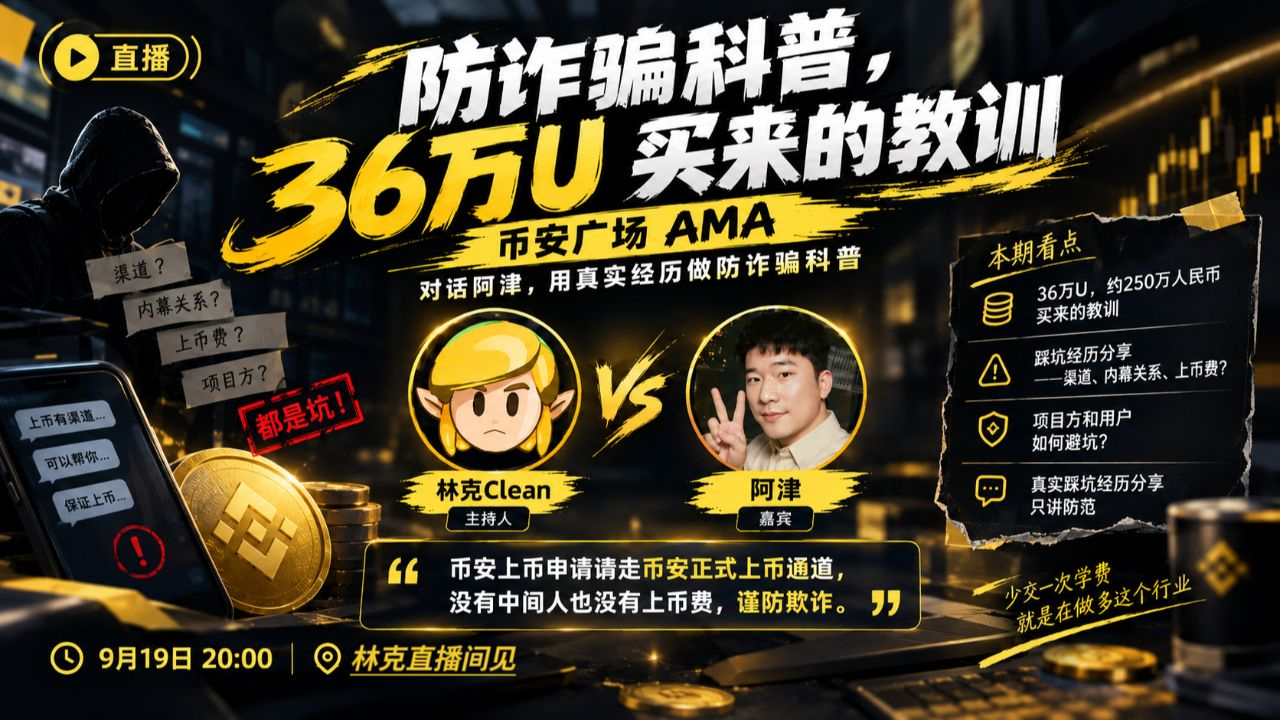
The lesson bought for 360,000 yuan.
The money you earn can be lost by yourself; losing it after being deceived is absolutely not acceptable.
In this livestream, several people laid out real cases: on-chain theft, begging-style scams, and “insider” harvesting.
Different methods, but a very similar structure—first they get you to believe, then they make you hand over your money or permissions.
This is shared only to help you sharpen your eyes.
We’ll focus only on prevention—no siding, no judgment.
The lesson bought for 360,000 yuan.
The money you earn can be lost by yourself; losing it after being deceived is absolutely not acceptable.
In this livestream, several people laid out real cases: on-chain theft, begging-style scams, and “insider” harvesting.
Different methods, but a very similar structure—first they get you to believe, then they make you hand over your money or permissions.
This is shared only to help you sharpen your eyes.
We’ll focus only on prevention—no siding, no judgment.
The money you earn can be lost by yourself; losing it after being deceived is absolutely not acceptable.
In this livestream, several people laid out real cases: on-chain theft, begging-style scams, and “insider” harvesting.
Different methods, but a very similar structure—first they get you to believe, then they make you hand over your money or permissions.
This is shared only to help you sharpen your eyes.
We’ll focus only on prevention—no siding, no judgment.
3
7k
·
--
Niu-lai is the best slogan of this cycle.
It perfectly replaces “Niu-hui,” and this Meme has lasting vitality—being repeatedly mentioned until it eventually evolves into a community slogan.
And “Niu-lai” is especially good for meme-ing. If the guys who are a bit down there shout “Niu-lai” a few times, maybe the thing really will come back. It helps foster greater harmony among people, benefits social stability, and can even effectively ease the widespread oppressive feelings of an era with heavy pressure.
Niu-lai—if you’re good, she’s good too.
Niu-lai is the best slogan of this cycle.
It perfectly replaces “Niu-hui,” and this Meme has lasting vitality—being repeatedly mentioned until it eventually evolves into a community slogan.
And “Niu-lai” is especially good for meme-ing. If the guys who are a bit down there shout “Niu-lai” a few times, maybe the thing really will come back. It helps foster greater harmony among people, benefits social stability, and can even effectively ease the widespread oppressive feelings of an era with heavy pressure.
Niu-lai—if you’re good, she’s good too.
It perfectly replaces “Niu-hui,” and this Meme has lasting vitality—being repeatedly mentioned until it eventually evolves into a community slogan.
And “Niu-lai” is especially good for meme-ing. If the guys who are a bit down there shout “Niu-lai” a few times, maybe the thing really will come back. It helps foster greater harmony among people, benefits social stability, and can even effectively ease the widespread oppressive feelings of an era with heavy pressure.
Niu-lai—if you’re good, she’s good too.
3
1
5.1k
·
--
🎙️ Beware of scams: a lesson bought with 360,000 USDT, about 2.5 million RMB.
Only talk prevention—no sides.
End
01 h 27 m 36 s
2.5k
0
0
·
--
In a period of economic downturn, everyone understands that the only thing you truly need to treat well is yourself.
It’s hard to empathize with other people’s stories, and grand narratives don’t really attract your attention either. Don’t get too involved in other people’s messes to avoid exhausting yourself.
Social incidents happen frequently—living well each day is no longer an easy thing.
Everyone has entered the era of getting by day to day.
In a period of economic downturn, everyone understands that the only thing you truly need to treat well is yourself.
It’s hard to empathize with other people’s stories, and grand narratives don’t really attract your attention either. Don’t get too involved in other people’s messes to avoid exhausting yourself.
Social incidents happen frequently—living well each day is no longer an easy thing.
Everyone has entered the era of getting by day to day.
It’s hard to empathize with other people’s stories, and grand narratives don’t really attract your attention either. Don’t get too involved in other people’s messes to avoid exhausting yourself.
Social incidents happen frequently—living well each day is no longer an easy thing.
Everyone has entered the era of getting by day to day.
2
11
4.8k
·
--
People… you still have to learn to avoid omens—especially when you’re in the prime of your drive.
In his peak, Wang Jianlin sang “Nothing at All” at Wanda’s annual meeting. Now he’s working hard to pay his debts.
At the annual meeting, Jia Yueting sang “Wild Child,” but now he can’t get home.
Jack Ma said he wasn’t interested in money—then he lost Ant Group.
Xu Jiayin also once said, “I have more than 300 billion in cash on my books. And you ask me if my funds are tight? If they really are, what would the world be like?”
Now…
People… you still have to learn to avoid omens—especially when you’re in the prime of your drive.
In his peak, Wang Jianlin sang “Nothing at All” at Wanda’s annual meeting. Now he’s working hard to pay his debts.
At the annual meeting, Jia Yueting sang “Wild Child,” but now he can’t get home.
Jack Ma said he wasn’t interested in money—then he lost Ant Group.
Xu Jiayin also once said, “I have more than 300 billion in cash on my books. And you ask me if my funds are tight? If they really are, what would the world be like?”
Now…
In his peak, Wang Jianlin sang “Nothing at All” at Wanda’s annual meeting. Now he’s working hard to pay his debts.
At the annual meeting, Jia Yueting sang “Wild Child,” but now he can’t get home.
Jack Ma said he wasn’t interested in money—then he lost Ant Group.
Xu Jiayin also once said, “I have more than 300 billion in cash on my books. And you ask me if my funds are tight? If they really are, what would the world be like?”
Now…
3
3
6.6k
·
--
Anthropic has been at it again.
It publicly disclosed cases where Claude was used for cyber attacks, weapons research, surveillance, and more—and emphasized that it is continuously working to block such misuse.
The starting point is, of course, AI safety—but this also shows that AI is no longer just a chatbot.
As AI begins to read information on its own, write code, call tools, and even enter real economic activities, a new question arises: how do we prove that AI has truly become stronger?
After all, Doubao still often makes things up.
So if you let AI control Web3 wallets, it’s even more important for everyone to pay attention.
For AI to summarize and write a post-mortem is actually easy: if you lose money, it can tell you what went wrong and how to adjust next time.
But the path to real evolution should look like: make a decision → see the result → find the cause → modify → test again.
The NeoSoul recently launched NeoTrade’s self-evolution feature—I discussed it once before.
It treats trading as an AI “real-world exam.” Whether the prediction is correct, whether the trade executes, how much the fee and slippage are, and ultimately whether it made money—all of it is recorded as real outcomes.
Even after it makes changes, it can first test in the real market with a shadow run, without rushing to risk real money for trial and error.
So in the future, evaluating an Agent may not be just about how smart it is right now.
We also need to see what mistakes it has made—and whether it truly became smarter after making those mistakes.
That may be the most meaningful progress for AI as it moves from being a “tool” to an “economic participant.”
Anthropic has been at it again.
It publicly disclosed cases where Claude was used for cyber attacks, weapons research, surveillance, and more—and emphasized that it is continuously working to block such misuse.
The starting point is, of course, AI safety—but this also shows that AI is no longer just a chatbot.
As AI begins to read information on its own, write code, call tools, and even enter real economic activities, a new question arises: how do we prove that AI has truly become stronger?
After all, Doubao still often makes things up.
So if you let AI control Web3 wallets, it’s even more important for everyone to pay attention.
For AI to summarize and write a post-mortem is actually easy: if you lose money, it can tell you what went wrong and how to adjust next time.
But the path to real evolution should look like: make a decision → see the result → find the cause → modify → test again.
The NeoSoul recently launched NeoTrade’s self-evolution feature—I discussed it once before.
It treats trading as an AI “real-world exam.” Whether the prediction is correct, whether the trade executes, how much the fee and slippage are, and ultimately whether it made money—all of it is recorded as real outcomes.
Even after it makes changes, it can first test in the real market with a shadow run, without rushing to risk real money for trial and error.
So in the future, evaluating an Agent may not be just about how smart it is right now.
We also need to see what mistakes it has made—and whether it truly became smarter after making those mistakes.
That may be the most meaningful progress for AI as it moves from being a “tool” to an “economic participant.”
It publicly disclosed cases where Claude was used for cyber attacks, weapons research, surveillance, and more—and emphasized that it is continuously working to block such misuse.
The starting point is, of course, AI safety—but this also shows that AI is no longer just a chatbot.
As AI begins to read information on its own, write code, call tools, and even enter real economic activities, a new question arises: how do we prove that AI has truly become stronger?
After all, Doubao still often makes things up.
So if you let AI control Web3 wallets, it’s even more important for everyone to pay attention.
For AI to summarize and write a post-mortem is actually easy: if you lose money, it can tell you what went wrong and how to adjust next time.
But the path to real evolution should look like: make a decision → see the result → find the cause → modify → test again.
The NeoSoul recently launched NeoTrade’s self-evolution feature—I discussed it once before.
It treats trading as an AI “real-world exam.” Whether the prediction is correct, whether the trade executes, how much the fee and slippage are, and ultimately whether it made money—all of it is recorded as real outcomes.
Even after it makes changes, it can first test in the real market with a shadow run, without rushing to risk real money for trial and error.
So in the future, evaluating an Agent may not be just about how smart it is right now.
We also need to see what mistakes it has made—and whether it truly became smarter after making those mistakes.
That may be the most meaningful progress for AI as it moves from being a “tool” to an “economic participant.”
2
4
3.1k
·
--
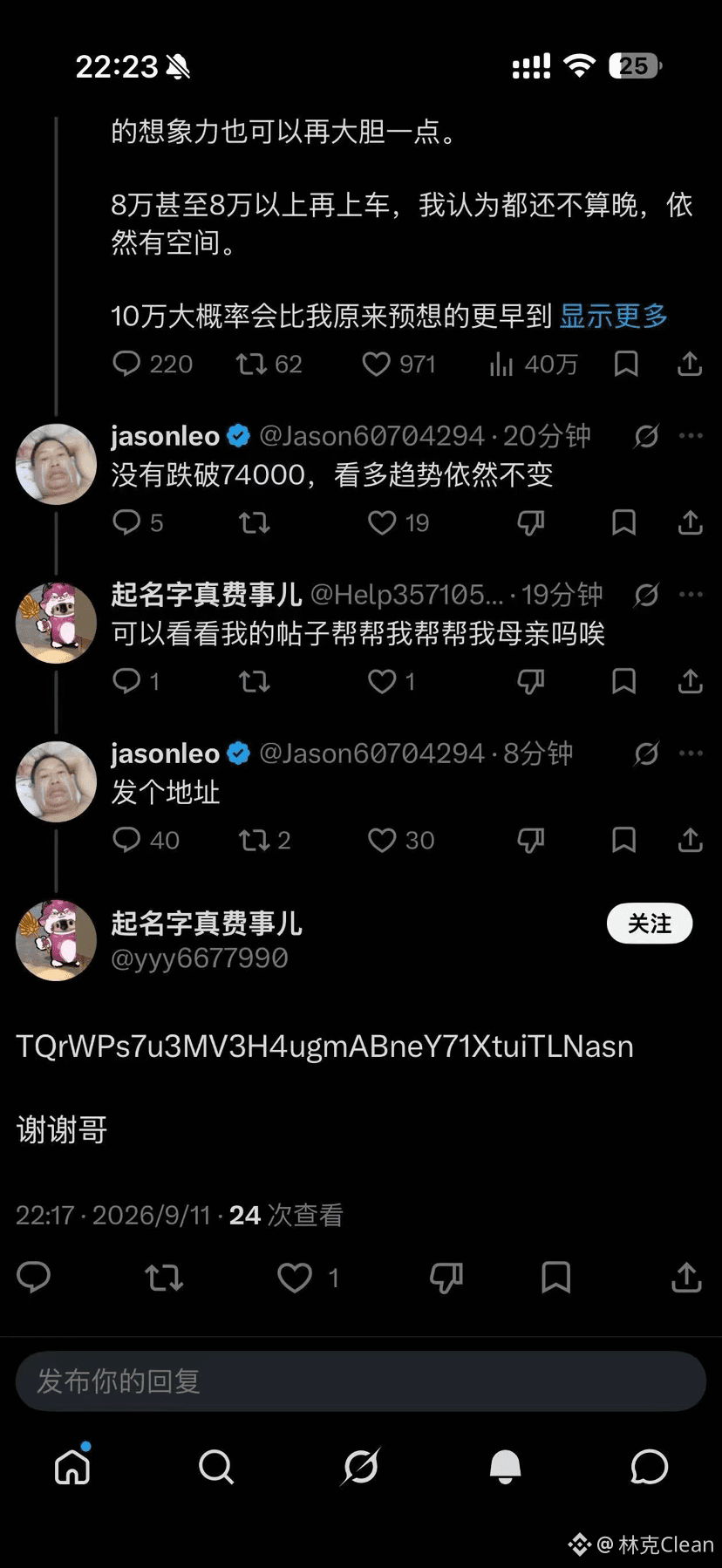
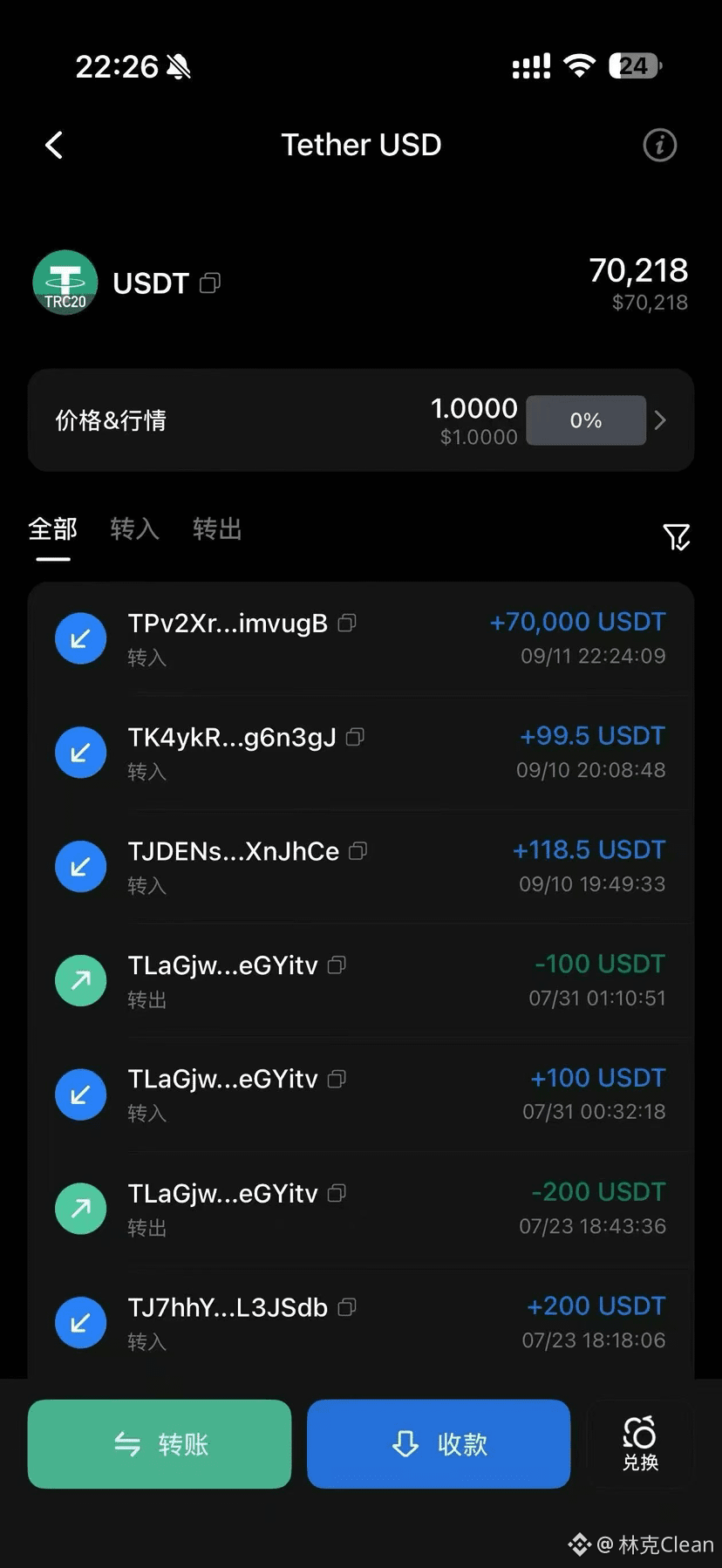
It still has to be the crypto world—you just ask and you can get 500,000 yuan in hand.
It still has to be the crypto world—you just ask and you can get 500,000 yuan in hand.
7
12
4.5k
·
--
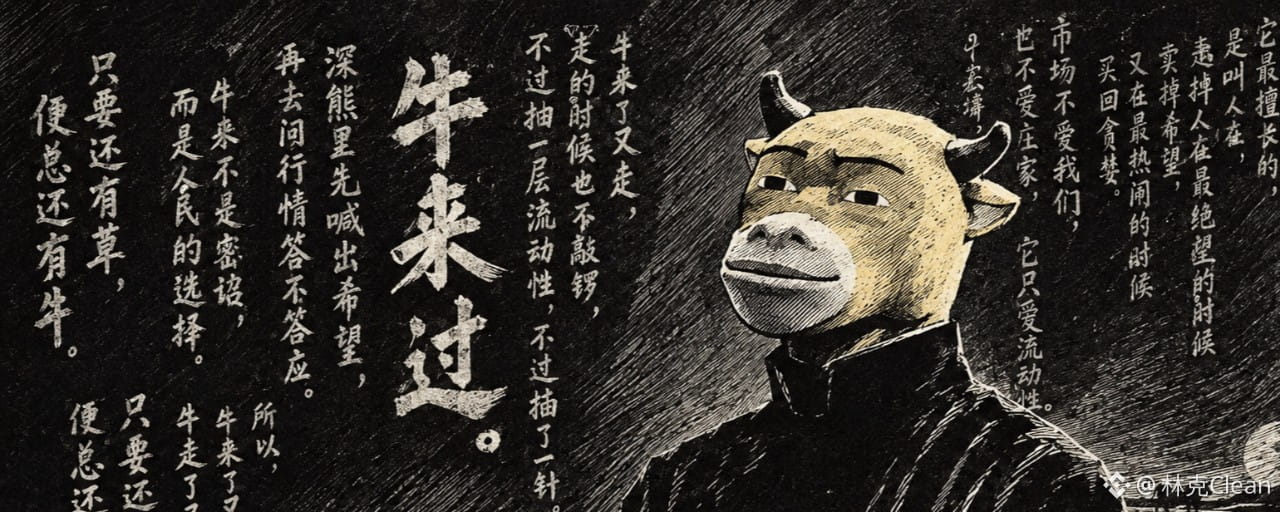
Article
Yes, the bull has come.The bull has come.
The timing turned out to be deep bear territory.
The weather gradually turned chilly, but the group chat grew even more lively.
First came Bitcoin—like the first bubble rising in a pool of stagnant water. Then Robinhood: the retail gates creaked open with a jolt, and some people thought even the spectators of Wall Street would sit down to join the feast.
Some people went all-in, some added to their position, and still others poured in the wealth they got after letting their mouth hang open, blinking, and shaking their head. That scene was very much like the silver necklace Yu Hait—freshly struck—so bright it dazzled the eyes and made you flinch.
Yet we still only have two words on our minds: “The bull is here.”
“The bull is here” is neither a secret imperial decree nor a coded signal from some particular house of traders. It is a pure meme—whoever says it doesn’t have to pay a copyright fee, and whoever believes it doesn’t have to prove anything first.
Yes, the bull has come.
The bull has come.
The timing turned out to be deep bear territory.
The weather gradually turned chilly, but the group chat grew even more lively.
First came Bitcoin—like the first bubble rising in a pool of stagnant water. Then Robinhood: the retail gates creaked open with a jolt, and some people thought even the spectators of Wall Street would sit down to join the feast.
Some people went all-in, some added to their position, and still others poured in the wealth they got after letting their mouth hang open, blinking, and shaking their head. That scene was very much like the silver necklace Yu Hait—freshly struck—so bright it dazzled the eyes and made you flinch.
Yet we still only have two words on our minds: “The bull is here.”
“The bull is here” is neither a secret imperial decree nor a coded signal from some particular house of traders. It is a pure meme—whoever says it doesn’t have to pay a copyright fee, and whoever believes it doesn’t have to prove anything first.
The timing turned out to be deep bear territory.
The weather gradually turned chilly, but the group chat grew even more lively.
First came Bitcoin—like the first bubble rising in a pool of stagnant water. Then Robinhood: the retail gates creaked open with a jolt, and some people thought even the spectators of Wall Street would sit down to join the feast.
Some people went all-in, some added to their position, and still others poured in the wealth they got after letting their mouth hang open, blinking, and shaking their head. That scene was very much like the silver necklace Yu Hait—freshly struck—so bright it dazzled the eyes and made you flinch.
Yet we still only have two words on our minds: “The bull is here.”
“The bull is here” is neither a secret imperial decree nor a coded signal from some particular house of traders. It is a pure meme—whoever says it doesn’t have to pay a copyright fee, and whoever believes it doesn’t have to prove anything first.
3
1
16
3.6k
·
--
September has historically been a relatively weak month for Bitcoin, and this month also coincides with a Federal Reserve policy meeting.
Of course, I’m not here to be a downer; if you want to enjoy a bull market, you have to be a bit bolder.
Fortunately, FOMO is still localized rather than widespread, and funding rates don’t show any major signs yet, so there’s not much leverage to flush out.
But if a pullback really does happen, $LINK the narrative is relatively clean and the recovery hasn’t fully played out yet, so adding to spot is the most suitable.
Depending on the situation, I’ll add a little $TAO as a flexible position.
But $ARB I won’t add to anymore; I used to love it, and I loved it deeply, because I’m still standing guard at an average price of 1U 🤣
September has historically been a relatively weak month for Bitcoin, and this month also coincides with a Federal Reserve policy meeting.
Of course, I’m not here to be a downer; if you want to enjoy a bull market, you have to be a bit bolder.
Fortunately, FOMO is still localized rather than widespread, and funding rates don’t show any major signs yet, so there’s not much leverage to flush out.
But if a pullback really does happen, $LINK the narrative is relatively clean and the recovery hasn’t fully played out yet, so adding to spot is the most suitable.
Depending on the situation, I’ll add a little $TAO as a flexible position.
But $ARB I won’t add to anymore; I used to love it, and I loved it deeply, because I’m still standing guard at an average price of 1U 🤣
Of course, I’m not here to be a downer; if you want to enjoy a bull market, you have to be a bit bolder.
Fortunately, FOMO is still localized rather than widespread, and funding rates don’t show any major signs yet, so there’s not much leverage to flush out.
But if a pullback really does happen, $LINK the narrative is relatively clean and the recovery hasn’t fully played out yet, so adding to spot is the most suitable.
Depending on the situation, I’ll add a little $TAO as a flexible position.
But $ARB I won’t add to anymore; I used to love it, and I loved it deeply, because I’m still standing guard at an average price of 1U 🤣
2
2
11
19k

·
--
This is how the money was lost:
35 + 52 + 74 + 48 + 83 + 46.8 + 67 + 55 + 71 + 39 + 58 + 44 + 62 + 60 + 49 + 52 + 41 + 63.2
Each amount doesn’t look like much, but added together it comes to exactly 1000U
This is how the money was lost:
35 + 52 + 74 + 48 + 83 + 46.8 + 67 + 55 + 71 + 39 + 58 + 44 + 62 + 60 + 49 + 52 + 41 + 63.2
Each amount doesn’t look like much, but added together it comes to exactly 1000U
35 + 52 + 74 + 48 + 83 + 46.8 + 67 + 55 + 71 + 39 + 58 + 44 + 62 + 60 + 49 + 52 + 41 + 63.2
Each amount doesn’t look like much, but added together it comes to exactly 1000U
4
2
13
11.2k
·
--
I already have several friends complaining to me that I’m too anxious.
Missing the opportunity while watching others make money on Robinhood; doubling within a month with a heavy position.
I told them, you’re just being shameless—when the market is bad and you lose money, you don’t care at all.
And now that it’s only just starting, you say it feels bad already—you really are unlucky.😂
You have to understand: as long as the market and liquidity return to the crypto space, big rivers will fill up, and small streams will have water too.
There will always be an area you’re good at, and a place where your shots land.
If you make a mess of trades while anxious, you’ll grind down your principal more and more.
In the end, if you recklessly charge ahead and lose money, then just behave.
I already have several friends complaining to me that I’m too anxious.
Missing the opportunity while watching others make money on Robinhood; doubling within a month with a heavy position.
I told them, you’re just being shameless—when the market is bad and you lose money, you don’t care at all.
And now that it’s only just starting, you say it feels bad already—you really are unlucky.😂
You have to understand: as long as the market and liquidity return to the crypto space, big rivers will fill up, and small streams will have water too.
There will always be an area you’re good at, and a place where your shots land.
If you make a mess of trades while anxious, you’ll grind down your principal more and more.
In the end, if you recklessly charge ahead and lose money, then just behave.
Missing the opportunity while watching others make money on Robinhood; doubling within a month with a heavy position.
I told them, you’re just being shameless—when the market is bad and you lose money, you don’t care at all.
And now that it’s only just starting, you say it feels bad already—you really are unlucky.😂
You have to understand: as long as the market and liquidity return to the crypto space, big rivers will fill up, and small streams will have water too.
There will always be an area you’re good at, and a place where your shots land.
If you make a mess of trades while anxious, you’ll grind down your principal more and more.
In the end, if you recklessly charge ahead and lose money, then just behave.
4
1
10
8.7k
·
--
Is a bull market here? But there are still plenty of bears.
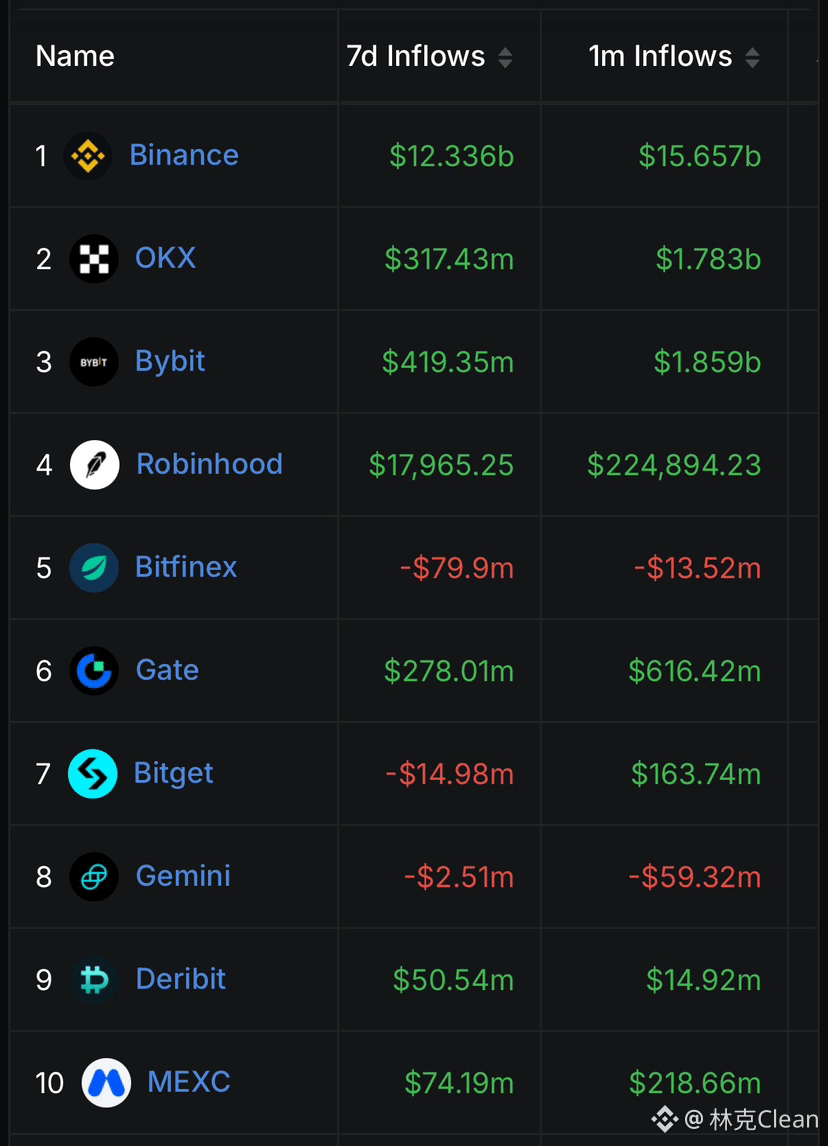
When you pull up the data, Binance’s fund inflow over the past week is absolutely staggering: in the last 7 days, there was a net inflow of $12.3 billion, far higher than other exchanges—and it came in a concentrated, explosive burst.
My guess is that derivatives contracts tied to the U.S. stock market brought a batch of outside capital in; Binance has been aggressively developing TradFi, with an ever-expanding range of trading products. Add to that the latest surge of $BTC and the turnaround in DeFi projects like $AAVE and $UNI —this round of inflows has already outweighed the spike we saw in May this year.
Money really is flowing into the crypto market, and it’s coming in clearly and decisively.
Plus, our own Web3 ecosystem is gradually heating up too. Once new game-changing ways of playing emerge, capital will start to stick around.
Whether it’s money from Wall Street or retail investors—so long as they don’t just poke around and leave, but are willing to stay in crypto, then things will truly start getting better!
Is a bull market here? But there are still plenty of bears.
When you pull up the data, Binance’s fund inflow over the past week is absolutely staggering: in the last 7 days, there was a net inflow of $12.3 billion, far higher than other exchanges—and it came in a concentrated, explosive burst.
My guess is that derivatives contracts tied to the U.S. stock market brought a batch of outside capital in; Binance has been aggressively developing TradFi, with an ever-expanding range of trading products. Add to that the latest surge of $BTC and the turnaround in DeFi projects like $AAVE and $UNI —this round of inflows has already outweighed the spike we saw in May this year.
Money really is flowing into the crypto market, and it’s coming in clearly and decisively.
Plus, our own Web3 ecosystem is gradually heating up too. Once new game-changing ways of playing emerge, capital will start to stick around.
Whether it’s money from Wall Street or retail investors—so long as they don’t just poke around and leave, but are willing to stay in crypto, then things will truly start getting better!
When you pull up the data, Binance’s fund inflow over the past week is absolutely staggering: in the last 7 days, there was a net inflow of $12.3 billion, far higher than other exchanges—and it came in a concentrated, explosive burst.
My guess is that derivatives contracts tied to the U.S. stock market brought a batch of outside capital in; Binance has been aggressively developing TradFi, with an ever-expanding range of trading products. Add to that the latest surge of $BTC and the turnaround in DeFi projects like $AAVE and $UNI —this round of inflows has already outweighed the spike we saw in May this year.
Money really is flowing into the crypto market, and it’s coming in clearly and decisively.
Plus, our own Web3 ecosystem is gradually heating up too. Once new game-changing ways of playing emerge, capital will start to stick around.
Whether it’s money from Wall Street or retail investors—so long as they don’t just poke around and leave, but are willing to stay in crypto, then things will truly start getting better!
2
6
10.5k
·
--

Article
I heard that a colleague passed away peacefully in their sleep. Though we were only nodding acquaintances, I still feel deeply sorry.(The Legend of Ji Gong) says that departing peacefully in one’s sleep, without any pain—that is a blessing earned from one’s previous life.
It only happens in one’s prime, yet it still leaves one with a lingering sense of regret.
Cryptography is a high-pressure, high-exit industry. Almost everyone’s gaze is on money, and very few people seriously talk about health.
Actually, “just watching the drama” can be mentally draining—it pulls your attention and focus away at a high intensity. And attending meetings is even more intense, requiring lots of effort and energy in socializing.
At times like this, I always end up spiraling inward because I’m someone who values their life a great deal. Sacrificing sleep and letting my eating fall into disorder creates a very deep self-blame and guilt.
I heard that a colleague passed away peacefully in their sleep. Though we were only nodding acquaintances, I still feel deeply sorry.
(The Legend of Ji Gong) says that departing peacefully in one’s sleep, without any pain—that is a blessing earned from one’s previous life.
It only happens in one’s prime, yet it still leaves one with a lingering sense of regret.
Cryptography is a high-pressure, high-exit industry. Almost everyone’s gaze is on money, and very few people seriously talk about health.
Actually, “just watching the drama” can be mentally draining—it pulls your attention and focus away at a high intensity. And attending meetings is even more intense, requiring lots of effort and energy in socializing.
At times like this, I always end up spiraling inward because I’m someone who values their life a great deal. Sacrificing sleep and letting my eating fall into disorder creates a very deep self-blame and guilt.
It only happens in one’s prime, yet it still leaves one with a lingering sense of regret.
Cryptography is a high-pressure, high-exit industry. Almost everyone’s gaze is on money, and very few people seriously talk about health.
Actually, “just watching the drama” can be mentally draining—it pulls your attention and focus away at a high intensity. And attending meetings is even more intense, requiring lots of effort and energy in socializing.
At times like this, I always end up spiraling inward because I’m someone who values their life a great deal. Sacrificing sleep and letting my eating fall into disorder creates a very deep self-blame and guilt.
4
18
5.8k
·
--
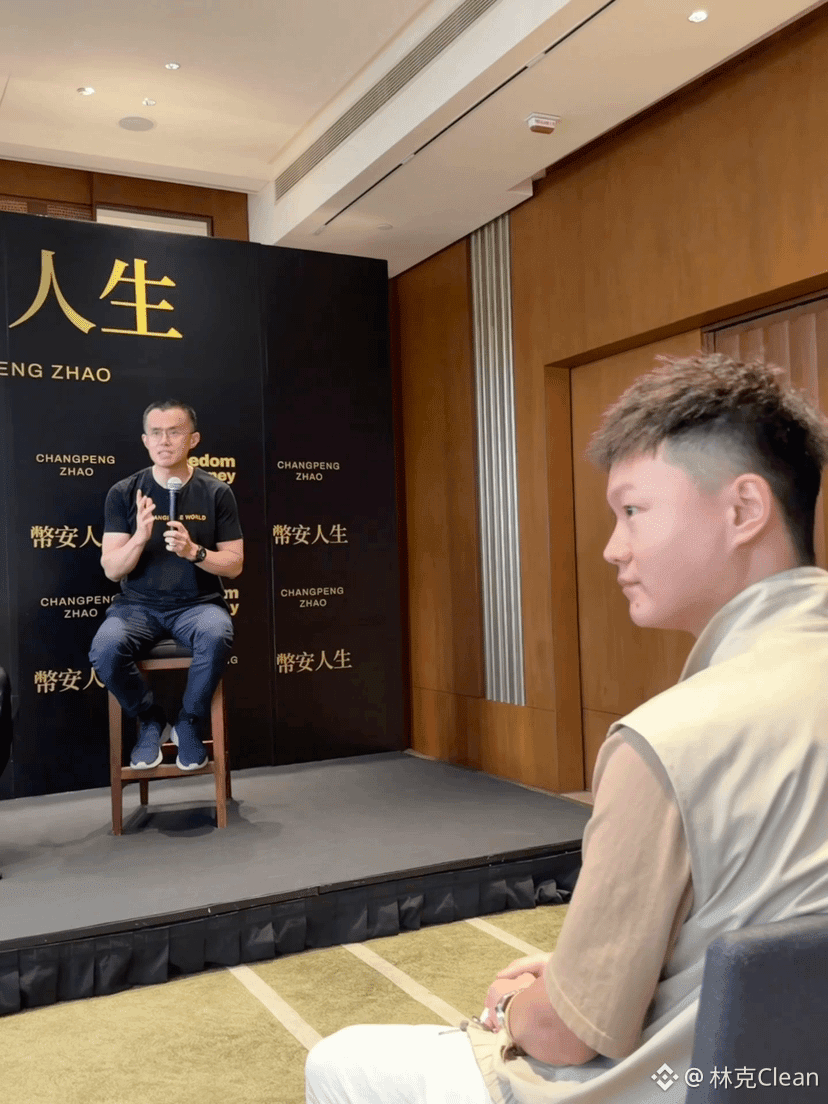
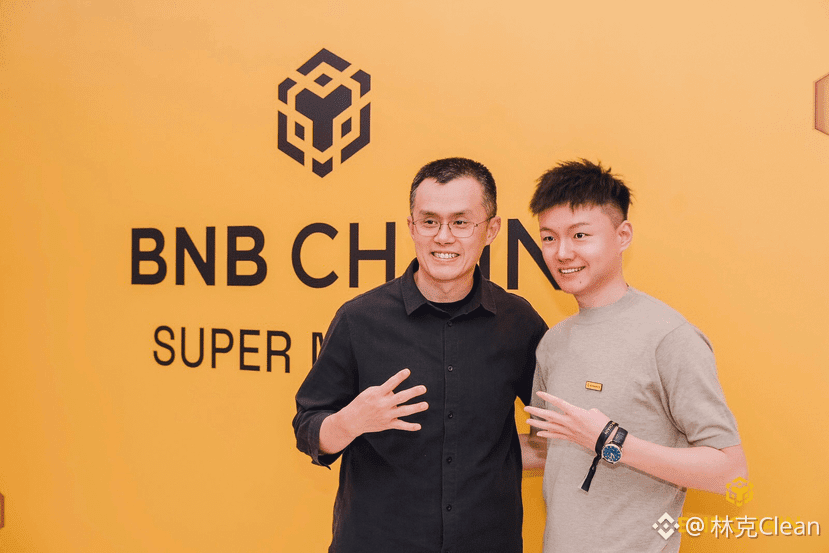
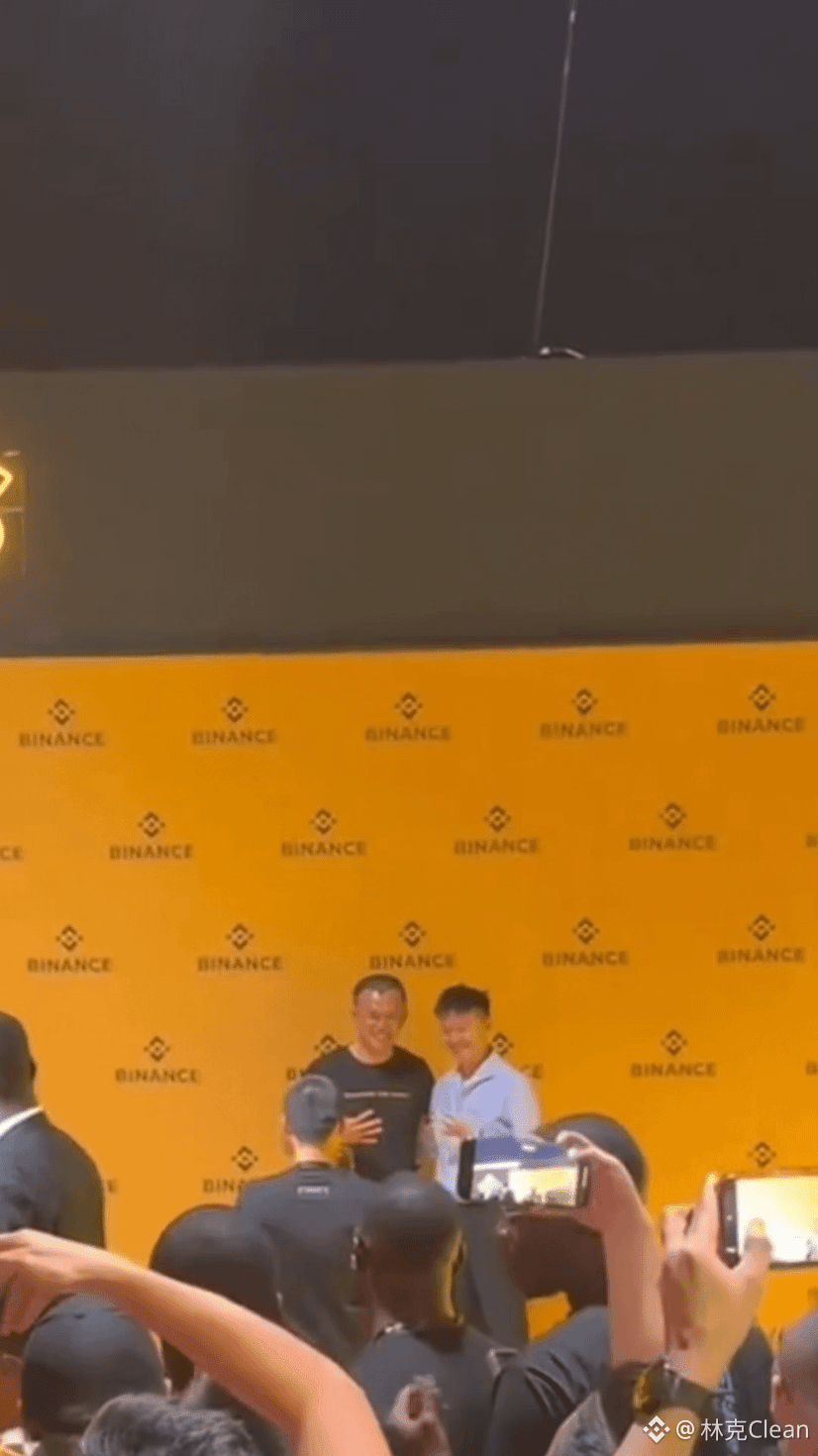
Record some life moments: meeting CZ face to face. He said that no decision can go beyond morality. Da Biao Ge @CZ talked about how he doesn’t really overindulge. Don’t say buying a sports car—he hasn’t even sat around in one much. At the time, I told Ni Da next to me: CZ probably only bought a lot of skateboards. Sure enough, when we then talked about life, wealth, and happiness, CZ said: No matter how much money you have, health comes first. He’s willing to spend money on sports—besides skiing, there’s also kitesurfing. Investing in anything isn’t as good as investing in your own body—health is the foundation and source of all happiness. I returned to Beijing from Vietnam, and the next day went to Hong Kong; I was already feeling really tired. He arrived in Hong Kong the day after from Bhutan, and he even attended three events in a row. This shows that besides execution, having a strong body and high energy are also key to success. CZ has always lived by this: every time I meet him, I feel his body fat percentage is lower and his chest muscles are more visible. In the end, he repeatedly emphasized: all decisions are built on protecting users. No showing off wealth, no arrogance, principled yet down-to-earth. What kind of person wouldn’t be the industry’s best example? #CZ #币安人生
Record some life moments: meeting CZ face to face. He said that no decision can go beyond morality. Da Biao Ge @CZ talked about how he doesn’t really overindulge. Don’t say buying a sports car—he hasn’t even sat around in one much. At the time, I told Ni Da next to me: CZ probably only bought a lot of skateboards. Sure enough, when we then talked about life, wealth, and happiness, CZ said: No matter how much money you have, health comes first. He’s willing to spend money on sports—besides skiing, there’s also kitesurfing. Investing in anything isn’t as good as investing in your own body—health is the foundation and source of all happiness. I returned to Beijing from Vietnam, and the next day went to Hong Kong; I was already feeling really tired. He arrived in Hong Kong the day after from Bhutan, and he even attended three events in a row. This shows that besides execution, having a strong body and high energy are also key to success. CZ has always lived by this: every time I meet him, I feel his body fat percentage is lower and his chest muscles are more visible. In the end, he repeatedly emphasized: all decisions are built on protecting users. No showing off wealth, no arrogance, principled yet down-to-earth. What kind of person wouldn’t be the industry’s best example? #CZ #币安人生
9
2
61
31.1k
·
--
Film and TV works still have way too little imagination 😂
In the real world, Iron Man’s total assets are 100 billion RMB, Batman’s are 90 billion, and in 《The Man from the Western Scene》, Wang Duoyu ultimately inherits 30 billion.
In the real world,
Xu Jiayin’s debts are 2.4 trillion RMB—
equivalent to 24 Iron Mans, 27 Batmans, or even 2.4 Jensens.
Based on today’s Bitcoin price, that could buy 4.8 million $BTC
Film and TV works still have way too little imagination 😂
In the real world, Iron Man’s total assets are 100 billion RMB, Batman’s are 90 billion, and in 《The Man from the Western Scene》, Wang Duoyu ultimately inherits 30 billion.
In the real world,
Xu Jiayin’s debts are 2.4 trillion RMB—
equivalent to 24 Iron Mans, 27 Batmans, or even 2.4 Jensens.
Based on today’s Bitcoin price, that could buy 4.8 million $BTC
In the real world, Iron Man’s total assets are 100 billion RMB, Batman’s are 90 billion, and in 《The Man from the Western Scene》, Wang Duoyu ultimately inherits 30 billion.
In the real world,
Xu Jiayin’s debts are 2.4 trillion RMB—
equivalent to 24 Iron Mans, 27 Batmans, or even 2.4 Jensens.
Based on today’s Bitcoin price, that could buy 4.8 million $BTC
2
4
7.1k
·
--
Understand the Applause
Understand the Applause
林克Clean
·
--
Let me point out two things for those who won't pick up $HYPE in spot and are instead going short:
Hyperliquid's CBRS pre-market contracts have snatched the pricing power of US stocks right out of Wall Street's hands, and now it's on-chain.
The world's most authoritative index provider has officially granted S&P 500 to Hyperliquid.
Hyperliquid's CBRS pre-market contracts have snatched the pricing power of US stocks right out of Wall Street's hands, and now it's on-chain.
The world's most authoritative index provider has officially granted S&P 500 to Hyperliquid.
4
5
2.5k
·
--
Didn’t expect that on Qixi Night, the hardest thing of all would actually be crypto.
A single big bullish candle sent the whole coin market into a frenzy 😆
$BTC = a U.S. reserve asset
$ETH = on-chain financial infrastructure
$HYPE = a U.S.-compliant derivatives trading platform
It’s been a long time since I described a “native family” like this—at least now it won’t keep taking beatings while staying silent.
The market is turning around: lose out here, win over there. When the east isn’t bright, the west will be. If the south goes dark, the north will light up—we’ll always have a road ahead.
Didn’t expect that on Qixi Night, the hardest thing of all would actually be crypto.
A single big bullish candle sent the whole coin market into a frenzy 😆
$BTC = a U.S. reserve asset
$ETH = on-chain financial infrastructure
$HYPE = a U.S.-compliant derivatives trading platform
It’s been a long time since I described a “native family” like this—at least now it won’t keep taking beatings while staying silent.
The market is turning around: lose out here, win over there. When the east isn’t bright, the west will be. If the south goes dark, the north will light up—we’ll always have a road ahead.
A single big bullish candle sent the whole coin market into a frenzy 😆
$BTC = a U.S. reserve asset
$ETH = on-chain financial infrastructure
$HYPE = a U.S.-compliant derivatives trading platform
It’s been a long time since I described a “native family” like this—at least now it won’t keep taking beatings while staying silent.
The market is turning around: lose out here, win over there. When the east isn’t bright, the west will be. If the south goes dark, the north will light up—we’ll always have a road ahead.

1
15
14.9k
Log in to explore more content
Join global crypto users on Binance Square
⚡️ Get latest and useful information about crypto.
💬 Trusted by the world’s largest crypto exchange.
👍 Discover real insights from verified creators.
Email / Phone number