
CryptosNewss
1.4k Posts

CryptosNewss
Report
Block User
CryptosNewss.com : Cryptocurrency Latest News: Get all latest & breaking news on Cryptocurrency, Bitcoin, Ethereum, Blockchain, NFT, Ripple, Defi news.
3 Following
774 Followers
874 Liked
Posts
·
--

Article
Bitcoin Drops Below $62,000 as $528 Million in Crypto Liquidations Hit MarketBitcoin fell below the $62,000 level on Friday, briefly touching its lowest price since July as a fresh wave of leveraged positions was wiped out across the cryptocurrency market. The sell-off triggered $528 million in liquidations over 24 hours, with long traders absorbing most of the losses.
According to TradingView, BTC dropped to $61,381 at 21:32 UTC before recovering to $62,048 at the time of reporting. The brief recovery followed a sharp decline that pushed Bitcoin below a closely watched price level.
CoinGlass data showed that Bitcoin accounted for $169 million of total liquidations. Approximately 80% of the liquidated positions were longs, while more than 113,000 traders were affected across the market.
The figures highlight how leveraged bullish positioning can intensify a downturn. When Bitcoin falls through key support levels, forced position closures can add further selling pressure, potentially accelerating price movements beyond the initial decline.
Strategy shares slide as Bitcoin falls
Bitcoin's weakness also weighed on Strategy (MSTR). The company's shares dropped to $85.72 in after-hours trading, bringing the daily decline close to 5%.
Strategy's reported market net asset value, or mNAV, fell to 0.97x. This places its market valuation below the value of the Bitcoin held on its balance sheet, based on the reported metric.
The development puts renewed attention on the relationship between Strategy's stock valuation and Bitcoin's market performance.
Anthropic IPO draws attention
The market decline came on the same day as the highly anticipated Anthropic (ANT) IPO, one of the largest public offerings in history.
The offering raised $81.3 billion at $83 per share. Following Thursday's close, ANT traded at $91.81 in after-hours trading, with a reported market capitalization of $1.272 trillion, roughly matching Bitcoin's market capitalization.
The timing creates an interesting contrast between a major technology listing and weakness in crypto markets. However, the available figures do not establish that the Anthropic IPO caused Bitcoin's decline.
For now, liquidation levels, Bitcoin's ability to regain $62,000, and Strategy's valuation relative to its BTC holdings remain important indicators of how the sell-off develops.
The first post was published on CryptosNewss.com
#IsAnthropic’s$1.5TMarketCapJustified? #BTCBelow$62KAmidHikeFearsAndShiftToAnthropic $BTC
Bitcoin Drops Below $62,000 as $528 Million in Crypto Liquidations Hit Market
Bitcoin fell below the $62,000 level on Friday, briefly touching its lowest price since July as a fresh wave of leveraged positions was wiped out across the cryptocurrency market. The sell-off triggered $528 million in liquidations over 24 hours, with long traders absorbing most of the losses.
According to TradingView, BTC dropped to $61,381 at 21:32 UTC before recovering to $62,048 at the time of reporting. The brief recovery followed a sharp decline that pushed Bitcoin below a closely watched price level.
CoinGlass data showed that Bitcoin accounted for $169 million of total liquidations. Approximately 80% of the liquidated positions were longs, while more than 113,000 traders were affected across the market.
The figures highlight how leveraged bullish positioning can intensify a downturn. When Bitcoin falls through key support levels, forced position closures can add further selling pressure, potentially accelerating price movements beyond the initial decline.
Strategy shares slide as Bitcoin falls
Bitcoin's weakness also weighed on Strategy (MSTR). The company's shares dropped to $85.72 in after-hours trading, bringing the daily decline close to 5%.
Strategy's reported market net asset value, or mNAV, fell to 0.97x. This places its market valuation below the value of the Bitcoin held on its balance sheet, based on the reported metric.
The development puts renewed attention on the relationship between Strategy's stock valuation and Bitcoin's market performance.
Anthropic IPO draws attention
The market decline came on the same day as the highly anticipated Anthropic (ANT) IPO, one of the largest public offerings in history.
The offering raised $81.3 billion at $83 per share. Following Thursday's close, ANT traded at $91.81 in after-hours trading, with a reported market capitalization of $1.272 trillion, roughly matching Bitcoin's market capitalization.
The timing creates an interesting contrast between a major technology listing and weakness in crypto markets. However, the available figures do not establish that the Anthropic IPO caused Bitcoin's decline.
For now, liquidation levels, Bitcoin's ability to regain $62,000, and Strategy's valuation relative to its BTC holdings remain important indicators of how the sell-off develops.
The first post was published on CryptosNewss.com
#IsAnthropic’s$1.5TMarketCapJustified? #BTCBelow$62KAmidHikeFearsAndShiftToAnthropic $BTC
1
1
2k
·
--

Article
Bitcoin Testnet5 Introduces New Mining Difficulty and Transaction RulesBitcoin developers have introduced Testnet5, a new testing network that allows independent miners and mining pools to evaluate four proposed changes to Bitcoin's consensus rules. The network implements BIP54, also known as Consensus Cleanup, giving miners a practical environment to check whether their software can produce blocks accepted by other nodes.
The Bitcoin Improvement Proposals (BIP) repository recorded Testnet5's first block on November 17, three days after it was mined.
The four proposed changes address transaction verification, mining difficulty manipulation and block reward validation. Previously, Bitcoin Inquisition's signet enforced these rules, but miners also had to meet an additional signing challenge alongside proof of work.
Testnet5 removes that requirement, allowing miners to test using their own software.
Two of the proposed rules focus on network efficiency and difficulty adjustments. One limits certain signature operations in ordinary transactions to prevent blocks from taking excessive time to verify. Another restricts timestamps at the beginning and end of difficulty adjustment periods to prevent miners from artificially lowering mining difficulty.
The remaining changes address transaction and mining reward validation. One rejects transactions measuring exactly 64 bytes after witness data is removed, resolving an ambiguity in transaction inclusion proofs.
The fourth requires each new mining reward transaction to have a unique locktime, set to the block height minus one, with that locktime taking effect. This is particularly relevant to mining pools, which typically construct their own reward transactions.
Testnet5 also changes how mining difficulty works compared with Testnet4. Under the previous rules, miners could reduce difficulty to its minimum when a block arrived more than 20 minutes after the previous one, except at the beginning of a difficulty period.
BIP95 identified frequent short reorganizations caused by competing blocks mined under this exception. Testnet5 removes the 20-minute rule and increases minimum difficulty from 1 to approximately 1 million.
The higher minimum is intended to slow early block production before difficulty adjusts while allowing a single specialized mining machine to maintain the test network.
Early testers can build the Bitcoin Core patch and connect manually to a Testnet5 peer. The integration targets Bitcoin Core's 32.x branch but has not yet been merged into a public release. Bitcoin Core 32.1, the latest release as of November 18, predates the integration build.
Sparrow Wallet is also preparing support. Its integration proposal opened late on November 17, allowing users to select Testnet5 and connect through two public Electrum servers.
On November 18, a Sparrow collaborator reported that Silent Payments worked with both servers during testing. The proposal remains open and depends on an update to Sparrow's Drongo library.
Testnet5 gives miners and wallet developers an opportunity to identify compatibility issues before the proposed consensus changes move further through Bitcoin's development process.
The Post first publish on CryptosNewss.com
#BTCRemainsUnderPressureAfterHawkishFOMCMinutes #tesnet5 $BTC
Bitcoin Testnet5 Introduces New Mining Difficulty and Transaction Rules
Bitcoin developers have introduced Testnet5, a new testing network that allows independent miners and mining pools to evaluate four proposed changes to Bitcoin's consensus rules. The network implements BIP54, also known as Consensus Cleanup, giving miners a practical environment to check whether their software can produce blocks accepted by other nodes.
The Bitcoin Improvement Proposals (BIP) repository recorded Testnet5's first block on November 17, three days after it was mined.
The four proposed changes address transaction verification, mining difficulty manipulation and block reward validation. Previously, Bitcoin Inquisition's signet enforced these rules, but miners also had to meet an additional signing challenge alongside proof of work.
Testnet5 removes that requirement, allowing miners to test using their own software.
Two of the proposed rules focus on network efficiency and difficulty adjustments. One limits certain signature operations in ordinary transactions to prevent blocks from taking excessive time to verify. Another restricts timestamps at the beginning and end of difficulty adjustment periods to prevent miners from artificially lowering mining difficulty.
The remaining changes address transaction and mining reward validation. One rejects transactions measuring exactly 64 bytes after witness data is removed, resolving an ambiguity in transaction inclusion proofs.
The fourth requires each new mining reward transaction to have a unique locktime, set to the block height minus one, with that locktime taking effect. This is particularly relevant to mining pools, which typically construct their own reward transactions.
Testnet5 also changes how mining difficulty works compared with Testnet4. Under the previous rules, miners could reduce difficulty to its minimum when a block arrived more than 20 minutes after the previous one, except at the beginning of a difficulty period.
BIP95 identified frequent short reorganizations caused by competing blocks mined under this exception. Testnet5 removes the 20-minute rule and increases minimum difficulty from 1 to approximately 1 million.
The higher minimum is intended to slow early block production before difficulty adjusts while allowing a single specialized mining machine to maintain the test network.
Early testers can build the Bitcoin Core patch and connect manually to a Testnet5 peer. The integration targets Bitcoin Core's 32.x branch but has not yet been merged into a public release. Bitcoin Core 32.1, the latest release as of November 18, predates the integration build.
Sparrow Wallet is also preparing support. Its integration proposal opened late on November 17, allowing users to select Testnet5 and connect through two public Electrum servers.
On November 18, a Sparrow collaborator reported that Silent Payments worked with both servers during testing. The proposal remains open and depends on an update to Sparrow's Drongo library.
Testnet5 gives miners and wallet developers an opportunity to identify compatibility issues before the proposed consensus changes move further through Bitcoin's development process.
The Post first publish on CryptosNewss.com
#BTCRemainsUnderPressureAfterHawkishFOMCMinutes #tesnet5 $BTC
91
·
--

Article
Uphold Authorized as a Crypto-Asset Service Provider under the EU's MiCA RegulationLISBON, Portugal, November 16, 2026
Uphold Digital Assets Europe, Unipessoal, Lda has been authorized by the Bank of Portugal (Banco de Portugal) as a crypto-asset service provider (CASP) under the EU’s Markets in Crypto-Assets Regulation (MiCA)Uphold is the first, and currently the only, crypto-native firm to be authorized under MiCA in PortugalThe examination, conducted in collaboration with Portugal’s securities market regulator (CMVM), covered capital, AML/CFT controls, risk, information security, the safeguarding of client assets, and governanceThe license allows Uphold to fully operate its enterprise, Topper and retail businesses across Europe.
Uphold, the infrastructure provider for onchain finance, today announced that its European subsidiary, Uphold Digital Assets Europe, Unipessoal, Lda, was authorized by the Banco de Portugal as a crypto-asset service provider (CASP) under the European Union’s Markets in Crypto-Assets Regulation (MiCA).
Authorization requires firms to demonstrate that they meet MiCA’s requirements for the crypto-asset services they provide in the European Economic Area. The Bank of Portugal’s examination analyzed Uphold’s capital and risk safeguards, anti-money laundering and counter-terrorist financing (AML/CFT) controls, information security, the segregation and safekeeping of client assets, and the firm’s ownership and governance.
"MiCA authorization is a huge achievement for the company and a significant endorsement of the platform we have built, the strength of our controls and the resilience of our operating model," said Simon McLoughlin, CEO of Uphold. “It puts us in a strong position for the next phase of digital assets, as tokenized securities move rapidly from concept to reality and the worlds of traditional finance and digital assets increasingly come together.”
Portugal’s MiCA implementing legislation, Law No. 69/2025, took effect in December 2025 and made the Banco de of Portugal responsible for authorizing crypto-asset service providers, together with Portugal’s securities regulator, the Comissão do Mercado de Valores Mobiliários (CMVM).
— ENDS —
About Uphold
Uphold is a financial technology company that believes on-chain services are the future of finance. It provides modern infrastructure for onchain banking, investments and payments. Offering Consumer and Enterprise Services, Uphold makes financial services easy and trustworthy for millions of customers in more than 140 countries.
Uphold integrates with more than 30 trading venues, including centralized and decentralized exchanges, to deliver superior liquidity, resilience and optimal execution. Uphold never loans out customer assets, except at customer request, and is always 100% reserved.
The company pioneered radical transparency and uniquely publishes its assets and liabilities every 30 seconds on a public website (https://uphold.com/en-us/transparency).
Uphold is regulated in the U.S. by FinCEN and various State regulators; is registered in the UK with the FCA; and, through Uphold Digital Assets Europe, Unipessoal, Lda, is authorized as a crypto-asset service provider under MiCA by the Bank of Portugal. Securities products and services are offered by Uphold Securities, Inc., a broker-dealer registered with the SEC and a member of FINRA and SIPC. Uphold, through Uphold Worldwide Ltd., is also registered with the Securities Commission of the Bahamas as a Digital Asset Business and Digital Asset Exchange.
To learn more about Uphold's products and services, visit uphold.com.
Media Contact Details
Marc Sparrow
Eureka Box
marc@eurekabox.net
www.eurekabox.net
News Source: PinionNewswire
Uphold Authorized as a Crypto-Asset Service Provider under the EU's MiCA Regulation
LISBON, Portugal, November 16, 2026
Uphold Digital Assets Europe, Unipessoal, Lda has been authorized by the Bank of Portugal (Banco de Portugal) as a crypto-asset service provider (CASP) under the EU’s Markets in Crypto-Assets Regulation (MiCA)Uphold is the first, and currently the only, crypto-native firm to be authorized under MiCA in PortugalThe examination, conducted in collaboration with Portugal’s securities market regulator (CMVM), covered capital, AML/CFT controls, risk, information security, the safeguarding of client assets, and governanceThe license allows Uphold to fully operate its enterprise, Topper and retail businesses across Europe.
Uphold, the infrastructure provider for onchain finance, today announced that its European subsidiary, Uphold Digital Assets Europe, Unipessoal, Lda, was authorized by the Banco de Portugal as a crypto-asset service provider (CASP) under the European Union’s Markets in Crypto-Assets Regulation (MiCA).
Authorization requires firms to demonstrate that they meet MiCA’s requirements for the crypto-asset services they provide in the European Economic Area. The Bank of Portugal’s examination analyzed Uphold’s capital and risk safeguards, anti-money laundering and counter-terrorist financing (AML/CFT) controls, information security, the segregation and safekeeping of client assets, and the firm’s ownership and governance.
"MiCA authorization is a huge achievement for the company and a significant endorsement of the platform we have built, the strength of our controls and the resilience of our operating model," said Simon McLoughlin, CEO of Uphold. “It puts us in a strong position for the next phase of digital assets, as tokenized securities move rapidly from concept to reality and the worlds of traditional finance and digital assets increasingly come together.”
Portugal’s MiCA implementing legislation, Law No. 69/2025, took effect in December 2025 and made the Banco de of Portugal responsible for authorizing crypto-asset service providers, together with Portugal’s securities regulator, the Comissão do Mercado de Valores Mobiliários (CMVM).
— ENDS —
About Uphold
Uphold is a financial technology company that believes on-chain services are the future of finance. It provides modern infrastructure for onchain banking, investments and payments. Offering Consumer and Enterprise Services, Uphold makes financial services easy and trustworthy for millions of customers in more than 140 countries.
Uphold integrates with more than 30 trading venues, including centralized and decentralized exchanges, to deliver superior liquidity, resilience and optimal execution. Uphold never loans out customer assets, except at customer request, and is always 100% reserved.
The company pioneered radical transparency and uniquely publishes its assets and liabilities every 30 seconds on a public website (https://uphold.com/en-us/transparency).
Uphold is regulated in the U.S. by FinCEN and various State regulators; is registered in the UK with the FCA; and, through Uphold Digital Assets Europe, Unipessoal, Lda, is authorized as a crypto-asset service provider under MiCA by the Bank of Portugal. Securities products and services are offered by Uphold Securities, Inc., a broker-dealer registered with the SEC and a member of FINRA and SIPC. Uphold, through Uphold Worldwide Ltd., is also registered with the Securities Commission of the Bahamas as a Digital Asset Business and Digital Asset Exchange.
To learn more about Uphold's products and services, visit uphold.com.
Media Contact Details
Marc Sparrow
Eureka Box
marc@eurekabox.net
www.eurekabox.net
News Source: PinionNewswire
96
·
--

Article
Slotozilla Reports 217 Active Casino Offers and 41 Partners in Q3 2026New York, NY
Slotozilla finished the third quarter of 2026 with 217 active casino bonus offers from 41 affiliate partners. The company has continued to strengthen its international network, and the Q3 results show that it’s paying off.
217 Active Offers Reveal a Diverse Network of Partners
Slotozilla's Q3 portfolio included contributions from 41 distinct affiliate partners. The six largest partners supplied 124 offers, representing more than 57% of the total inventory. Meanwhile, the remaining 35 partners contributed 93 offers between them.
Unoaffiliates led the quarter with 37 offers, followed by Wepayaffiliate with 31. Other major contributors included CocoAffiliates and FoxSlots Affiliates, with 16 offers each. Diamond Partners followed with 14, and then Grapeaffiliates with 10.
The selection of bonuses spanned welcome bonuses, no deposit promotions, seasonal campaigns and exclusive deals available to Slotozilla users.
Exclusive Promotions Account for 38.7% of Offers
A large proportion of Slotozilla’s third-quarter offerings were exclusive promotions, which points to strong relationships with brands and partners.
The company recorded 84 exclusive offers, equivalent to 38.7% of its 217 active promotions, while the remaining 133 were regular offers. Unoaffiliates and Wepayaffiliate each contributed 16 exclusive promotions, followed by FoxSlots Affiliates with 12.
Welcome Bonuses Lead the Way
The majority of bonuses were welcome bonuses, which is consistent with previous quarters. However, no deposit promotions also represented an important part of the available selection. Q3’s bonuses included:
143 welcome bonuses (65.9%)40 no deposit free spins offers (18.4%)19 no deposit cash offers (8.8%)13 holiday bonuses (6%)One deposit free spins offer and one cashback promotion (0.5% each)
International Growth Across 21 Countries
Slotozilla's Q3 portfolio covered 21 countries, with Australia leading as the largest individual market, with 31 active offers. The DACH region followed with 32 combined offers, while Spain recorded 24.
France, Poland, Canada and the Netherlands each accounted for at least 14 campaigns. The portfolio also included bonuses from across Greece, Denmark, Sweden, Portugal, Italy, and Hungary. In South America, Slotozilla continued developing its affiliate presence.
iGB L!VE London and SBC Summit Lisbon
Slotozilla continued to develop industry connections by attending two major events: iGB L!VE London and SBC Summit Lisbon. Both events provided opportunities to meet affiliate programs, casino operators and other industry representatives. New relationships were formed, and further announcements are forthcoming.
“Strong affiliate relationships are central to developing a varied and competitive bonus selection. Our Q3 results demonstrate how exclusive promotions and international relationships produce great results."
About Slotozilla: Casino Reviews, Bonuses and Gaming Insights
Slotozilla is an online casino and slot review platform offering casino comparisons, bonus information, game guides and industry insights. Looking ahead, Slotozilla will surely continue to forge new relationships, announce those which are currently being formed, and continue to expand its range of bonuses to suit players.
Disclaimer: This press release is for informational purposes only and does not constitute financial, legal, or gambling advice. Casino offers and terms may change and vary by location. Always check the operator’s terms and follow local laws. Gambling involves financial risk; play responsibly. Slotozilla does not guarantee winnings or outcomes.
Media Contact Details
Tim Cline
info@slotozilla.com
+1 267 800 0083
https://www.slotozilla.com/
Slotozilla Reports 217 Active Casino Offers and 41 Partners in Q3 2026
New York, NY
Slotozilla finished the third quarter of 2026 with 217 active casino bonus offers from 41 affiliate partners. The company has continued to strengthen its international network, and the Q3 results show that it’s paying off.
217 Active Offers Reveal a Diverse Network of Partners
Slotozilla's Q3 portfolio included contributions from 41 distinct affiliate partners. The six largest partners supplied 124 offers, representing more than 57% of the total inventory. Meanwhile, the remaining 35 partners contributed 93 offers between them.
Unoaffiliates led the quarter with 37 offers, followed by Wepayaffiliate with 31. Other major contributors included CocoAffiliates and FoxSlots Affiliates, with 16 offers each. Diamond Partners followed with 14, and then Grapeaffiliates with 10.
The selection of bonuses spanned welcome bonuses, no deposit promotions, seasonal campaigns and exclusive deals available to Slotozilla users.
Exclusive Promotions Account for 38.7% of Offers
A large proportion of Slotozilla’s third-quarter offerings were exclusive promotions, which points to strong relationships with brands and partners.
The company recorded 84 exclusive offers, equivalent to 38.7% of its 217 active promotions, while the remaining 133 were regular offers. Unoaffiliates and Wepayaffiliate each contributed 16 exclusive promotions, followed by FoxSlots Affiliates with 12.
Welcome Bonuses Lead the Way
The majority of bonuses were welcome bonuses, which is consistent with previous quarters. However, no deposit promotions also represented an important part of the available selection. Q3’s bonuses included:
143 welcome bonuses (65.9%)40 no deposit free spins offers (18.4%)19 no deposit cash offers (8.8%)13 holiday bonuses (6%)One deposit free spins offer and one cashback promotion (0.5% each)
International Growth Across 21 Countries
Slotozilla's Q3 portfolio covered 21 countries, with Australia leading as the largest individual market, with 31 active offers. The DACH region followed with 32 combined offers, while Spain recorded 24.
France, Poland, Canada and the Netherlands each accounted for at least 14 campaigns. The portfolio also included bonuses from across Greece, Denmark, Sweden, Portugal, Italy, and Hungary. In South America, Slotozilla continued developing its affiliate presence.
iGB L!VE London and SBC Summit Lisbon
Slotozilla continued to develop industry connections by attending two major events: iGB L!VE London and SBC Summit Lisbon. Both events provided opportunities to meet affiliate programs, casino operators and other industry representatives. New relationships were formed, and further announcements are forthcoming.
“Strong affiliate relationships are central to developing a varied and competitive bonus selection. Our Q3 results demonstrate how exclusive promotions and international relationships produce great results."
About Slotozilla: Casino Reviews, Bonuses and Gaming Insights
Slotozilla is an online casino and slot review platform offering casino comparisons, bonus information, game guides and industry insights. Looking ahead, Slotozilla will surely continue to forge new relationships, announce those which are currently being formed, and continue to expand its range of bonuses to suit players.
Disclaimer: This press release is for informational purposes only and does not constitute financial, legal, or gambling advice. Casino offers and terms may change and vary by location. Always check the operator’s terms and follow local laws. Gambling involves financial risk; play responsibly. Slotozilla does not guarantee winnings or outcomes.
Media Contact Details
Tim Cline
info@slotozilla.com
+1 267 800 0083
https://www.slotozilla.com/
23
·
--

Article
La Jolla Camino De La Costa For Sale6291 Camino de la Costa Primary Suite Ocean-view terrace with seamless indoor-outdoor flow Spa-caliber ensuite with soaking tub and dual vanity Custom walk-in wardrobe by Lotus Bech Kitchen & Entertaining Chef's kitchen with Calacatta marble island Sub-Zero and Wolf appliance suite Open-plan great room with fireplace and ocean sightlines Additional Spaces Home theatre and media lounge Wine cellar and tasting room Private gym and wellness suite Finishes & Materials Wide-plank white oak
LA JOLLA, California, November 16, 2026 (Pinion Newswire)
6291 Camino de la Costa Primary Suite Ocean-view terrace with seamless indoor-outdoor flow Spa-caliber ensuite with soaking tub and dual vanity Custom walk-in wardrobe by Lotus Bech Kitchen & Entertaining Chef's kitchen with Calacatta marble island Sub-Zero and Wolf appliance suite Open-plan great room with fireplace and ocean sightlines Additional Spaces Home theatre and media lounge Wine cellar and tasting room Private gym and wellness suite Finishes & Materials Wide-plank white oak
LA JOLLA, California, November 16, 2026 (Pinion Newswire)
Bottom floor. 3 level home
European elegance meets coastal living in this nearly 6,500-square-foot residence, originally designed by Island Architects and recently transformed by Danish designer Lotus Bech (We Curate Life). The home seamlessly blends French countryside warmth, Parisian refinement, and the relaxed spirit of the Côte d’Azur. Listing by San Diegos number 1 realtor 2026 , luxury realtor with team to appropriate all acccomedatiojns. This is an amazing opportunity to own the finest realesate in la jolla on a street that has unrealized comps and very few turnovers.
Key Highlights:
Layout & Accommodations: Spanning three levels, the home features five bedrooms (including a primary suite with sweeping ocean and sunset views), seven bathrooms (four en suite, three additional), an ocean-view office, two living rooms, and a formal dining room.Finishes & Architecture: Wide-plank and herringbone wood floors, Venetian plaster walls, marble accents, a natural stone fireplace, graceful archways, wrought-iron sliding doors, and custom architectural details throughout.Kitchen: Custom cabinetry, marble countertops, brass hardware, and a French range.Amenities & Outdoor Living: A covered terrace, garden-inspired listening lounge, lower-level wine room and lounge, dedicated gym, and a spa area with a steam shower and sauna. Ocean-view balconies open to cottage-inspired gardens with white roses and clipped hedges.
Turnkey Offering: Offered fully furnished with custom Scandinavian and artisan pieces, bespoke lighting, and an included wine collection. Bring a suitcase and nothing more. Fridge is even stocked. It is a turnkey property designed for a stress-free welcome home, intentionally designed for your home. Key to the design is that the small, intentional items , are a rounding error to fix. Owner states he would offer to fix custom minor design requests with a reasonable offer.
Please let me know if you would like to schedule a private showing or request additional information.
Lotusbech@gmail.com
lotusbech@wecuratelife.com
admin@kivcapital.com
6291 Camino De La Costa , "The Street of Dreams"zillow
Media Contact Details
Gigi Iyer
compass.com
eric.iantorno@compass.com
7608850200
6291caminodelacosta.com
La Jolla Camino De La Costa For Sale
6291 Camino de la Costa Primary Suite Ocean-view terrace with seamless indoor-outdoor flow Spa-caliber ensuite with soaking tub and dual vanity Custom walk-in wardrobe by Lotus Bech Kitchen & Entertaining Chef's kitchen with Calacatta marble island Sub-Zero and Wolf appliance suite Open-plan great room with fireplace and ocean sightlines Additional Spaces Home theatre and media lounge Wine cellar and tasting room Private gym and wellness suite Finishes & Materials Wide-plank white oak
LA JOLLA, California, November 16, 2026 (Pinion Newswire)
Bottom floor. 3 level home
European elegance meets coastal living in this nearly 6,500-square-foot residence, originally designed by Island Architects and recently transformed by Danish designer Lotus Bech (We Curate Life). The home seamlessly blends French countryside warmth, Parisian refinement, and the relaxed spirit of the Côte d’Azur. Listing by San Diegos number 1 realtor 2026 , luxury realtor with team to appropriate all acccomedatiojns. This is an amazing opportunity to own the finest realesate in la jolla on a street that has unrealized comps and very few turnovers.
Key Highlights:
Layout & Accommodations: Spanning three levels, the home features five bedrooms (including a primary suite with sweeping ocean and sunset views), seven bathrooms (four en suite, three additional), an ocean-view office, two living rooms, and a formal dining room.Finishes & Architecture: Wide-plank and herringbone wood floors, Venetian plaster walls, marble accents, a natural stone fireplace, graceful archways, wrought-iron sliding doors, and custom architectural details throughout.Kitchen: Custom cabinetry, marble countertops, brass hardware, and a French range.Amenities & Outdoor Living: A covered terrace, garden-inspired listening lounge, lower-level wine room and lounge, dedicated gym, and a spa area with a steam shower and sauna. Ocean-view balconies open to cottage-inspired gardens with white roses and clipped hedges.
Turnkey Offering: Offered fully furnished with custom Scandinavian and artisan pieces, bespoke lighting, and an included wine collection. Bring a suitcase and nothing more. Fridge is even stocked. It is a turnkey property designed for a stress-free welcome home, intentionally designed for your home. Key to the design is that the small, intentional items , are a rounding error to fix. Owner states he would offer to fix custom minor design requests with a reasonable offer.
Please let me know if you would like to schedule a private showing or request additional information.
Lotusbech@gmail.com
lotusbech@wecuratelife.com
admin@kivcapital.com
6291 Camino De La Costa , "The Street of Dreams"zillow
Media Contact Details
Gigi Iyer
compass.com
eric.iantorno@compass.com
7608850200
6291caminodelacosta.com
LA JOLLA, California, November 16, 2026 (Pinion Newswire)
6291 Camino de la Costa Primary Suite Ocean-view terrace with seamless indoor-outdoor flow Spa-caliber ensuite with soaking tub and dual vanity Custom walk-in wardrobe by Lotus Bech Kitchen & Entertaining Chef's kitchen with Calacatta marble island Sub-Zero and Wolf appliance suite Open-plan great room with fireplace and ocean sightlines Additional Spaces Home theatre and media lounge Wine cellar and tasting room Private gym and wellness suite Finishes & Materials Wide-plank white oak
LA JOLLA, California, November 16, 2026 (Pinion Newswire)
Bottom floor. 3 level home
European elegance meets coastal living in this nearly 6,500-square-foot residence, originally designed by Island Architects and recently transformed by Danish designer Lotus Bech (We Curate Life). The home seamlessly blends French countryside warmth, Parisian refinement, and the relaxed spirit of the Côte d’Azur. Listing by San Diegos number 1 realtor 2026 , luxury realtor with team to appropriate all acccomedatiojns. This is an amazing opportunity to own the finest realesate in la jolla on a street that has unrealized comps and very few turnovers.
Key Highlights:
Layout & Accommodations: Spanning three levels, the home features five bedrooms (including a primary suite with sweeping ocean and sunset views), seven bathrooms (four en suite, three additional), an ocean-view office, two living rooms, and a formal dining room.Finishes & Architecture: Wide-plank and herringbone wood floors, Venetian plaster walls, marble accents, a natural stone fireplace, graceful archways, wrought-iron sliding doors, and custom architectural details throughout.Kitchen: Custom cabinetry, marble countertops, brass hardware, and a French range.Amenities & Outdoor Living: A covered terrace, garden-inspired listening lounge, lower-level wine room and lounge, dedicated gym, and a spa area with a steam shower and sauna. Ocean-view balconies open to cottage-inspired gardens with white roses and clipped hedges.
Turnkey Offering: Offered fully furnished with custom Scandinavian and artisan pieces, bespoke lighting, and an included wine collection. Bring a suitcase and nothing more. Fridge is even stocked. It is a turnkey property designed for a stress-free welcome home, intentionally designed for your home. Key to the design is that the small, intentional items , are a rounding error to fix. Owner states he would offer to fix custom minor design requests with a reasonable offer.
Please let me know if you would like to schedule a private showing or request additional information.
Lotusbech@gmail.com
lotusbech@wecuratelife.com
admin@kivcapital.com
6291 Camino De La Costa , "The Street of Dreams"zillow
Media Contact Details
Gigi Iyer
compass.com
eric.iantorno@compass.com
7608850200
6291caminodelacosta.com
65
·
--
Article
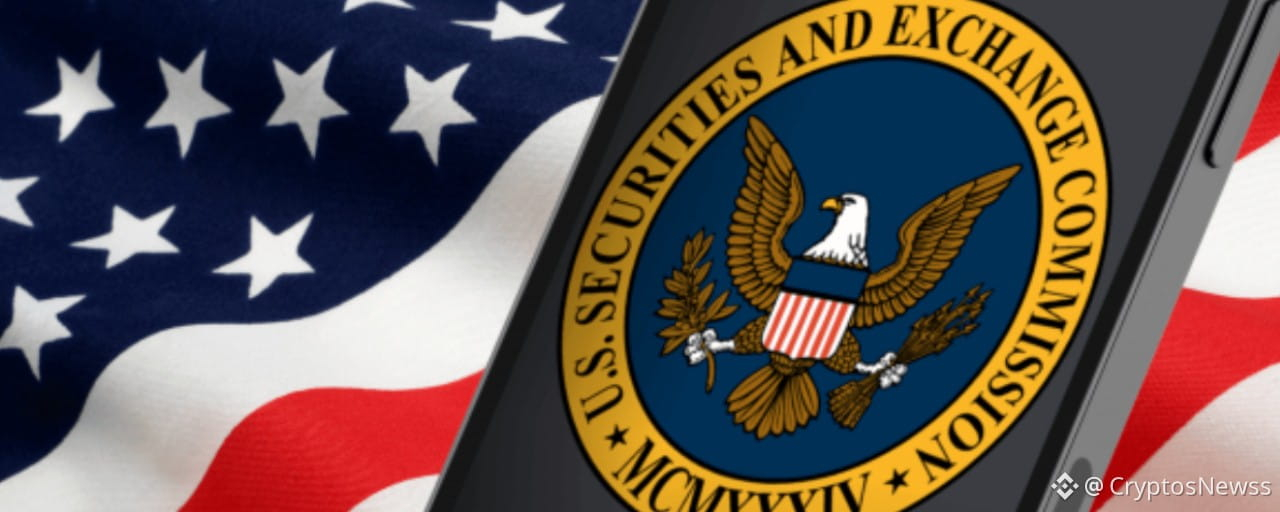
Thailand SEC Proposes $148,000 Daily Stablecoin Transfer Limit for Crypto UsersThailand's Securities and Exchange Commission (SEC) is proposing tighter controls on stablecoin transactions, including a daily transfer limit of 5 million baht (approximately $148,000) per customer at licensed digital asset operators. The proposal, published on November 12, also introduces wallet ownership verification and stricter monitoring requirements aimed at preventing money laundering and financial crime.
Under the draft framework, the limit would apply separately to incoming and outgoing transfers at each licensed digital asset operator. Customers would only be permitted to transfer stablecoins between accounts or wallets registered in their own names, restricting transactions involving third-party wallets.
The regulator has opened a public consultation period until November 26.
Thailand Targets Mule Accounts and Suspicious Transfers
The proposed rules would require licensed crypto platforms to verify wallet ownership before processing stablecoin transactions. Operators must also follow the Financial Action Task Force's Travel Rule, which requires relevant customer information to accompany qualifying digital asset transfers.
Exchanges would need to screen customers for potential mule-account activity and connections to illegal transactions. Blockchain analytics tools would also be required to identify suspicious or watchlisted wallets.
Additionally, transaction values would need to remain consistent with customers' declared income and financial positions.
The SEC said the measures are intended to prevent digital assets from facilitating money laundering, cybercrime and attempts to bypass international money transfer regulations. The proposal does not identify any specific stablecoins.
Transfers Between Own Accounts Receive Exemptions
The 5 million baht limit would not cover transfers between a customer's own accounts at two SEC-supervised operators, provided both platforms comply with the Travel Rule.
Other exemptions include digital asset operators using accounts under their own names for business activities and Bank of Thailand-supervised businesses receiving case-by-case approval to use stablecoins under an approved framework.
Market makers handling stablecoin-baht trading pairs and transfers associated with initial coin offerings through licensed ICO portals would also be excluded.
New Disclosure Rules for Exchanges and Brokers
Beyond stablecoin transfer restrictions, Thailand's SEC wants greater transparency across digital asset trading operations.
Exchanges would have to publicly identify their market makers and disclose the assets they support. They would also be responsible for screening and monitoring these firms.
Brokers would need to disclose their liquidity providers and potential conflicts of interest. Liquidity providers operating from jurisdictions without measures aligned with Financial Action Task Force standards would not be permitted.
The proposal also introduces a minimum transaction size of 3 million baht for off-platform trades arranged by brokers and dealers, with prices required to be published.
Brokers would be prohibited from matching off-platform transactions between their own customers, although they could route matched orders through exchanges operating in Thailand or overseas.
The SEC can order operators that fail to collect or disclose required information to correct violations within a specified timeframe.
With public comments closing on November 26, Thailand's proposal signals a broader regulatory effort to strengthen stablecoin oversight, wallet accountability, and transparency across its digital asset market.
First Appeared on CryptosNewss.com
#ThailandCrypto #cryptooinsigts $BTC
Thailand SEC Proposes $148,000 Daily Stablecoin Transfer Limit for Crypto Users
Thailand's Securities and Exchange Commission (SEC) is proposing tighter controls on stablecoin transactions, including a daily transfer limit of 5 million baht (approximately $148,000) per customer at licensed digital asset operators. The proposal, published on November 12, also introduces wallet ownership verification and stricter monitoring requirements aimed at preventing money laundering and financial crime.
Under the draft framework, the limit would apply separately to incoming and outgoing transfers at each licensed digital asset operator. Customers would only be permitted to transfer stablecoins between accounts or wallets registered in their own names, restricting transactions involving third-party wallets.
The regulator has opened a public consultation period until November 26.
Thailand Targets Mule Accounts and Suspicious Transfers
The proposed rules would require licensed crypto platforms to verify wallet ownership before processing stablecoin transactions. Operators must also follow the Financial Action Task Force's Travel Rule, which requires relevant customer information to accompany qualifying digital asset transfers.
Exchanges would need to screen customers for potential mule-account activity and connections to illegal transactions. Blockchain analytics tools would also be required to identify suspicious or watchlisted wallets.
Additionally, transaction values would need to remain consistent with customers' declared income and financial positions.
The SEC said the measures are intended to prevent digital assets from facilitating money laundering, cybercrime and attempts to bypass international money transfer regulations. The proposal does not identify any specific stablecoins.
Transfers Between Own Accounts Receive Exemptions
The 5 million baht limit would not cover transfers between a customer's own accounts at two SEC-supervised operators, provided both platforms comply with the Travel Rule.
Other exemptions include digital asset operators using accounts under their own names for business activities and Bank of Thailand-supervised businesses receiving case-by-case approval to use stablecoins under an approved framework.
Market makers handling stablecoin-baht trading pairs and transfers associated with initial coin offerings through licensed ICO portals would also be excluded.
New Disclosure Rules for Exchanges and Brokers
Beyond stablecoin transfer restrictions, Thailand's SEC wants greater transparency across digital asset trading operations.
Exchanges would have to publicly identify their market makers and disclose the assets they support. They would also be responsible for screening and monitoring these firms.
Brokers would need to disclose their liquidity providers and potential conflicts of interest. Liquidity providers operating from jurisdictions without measures aligned with Financial Action Task Force standards would not be permitted.
The proposal also introduces a minimum transaction size of 3 million baht for off-platform trades arranged by brokers and dealers, with prices required to be published.
Brokers would be prohibited from matching off-platform transactions between their own customers, although they could route matched orders through exchanges operating in Thailand or overseas.
The SEC can order operators that fail to collect or disclose required information to correct violations within a specified timeframe.
With public comments closing on November 26, Thailand's proposal signals a broader regulatory effort to strengthen stablecoin oversight, wallet accountability, and transparency across its digital asset market.
First Appeared on CryptosNewss.com
#ThailandCrypto #cryptooinsigts $BTC
82
·
--

Article
Arch Lending Launches Bitcoin Loan Refinancing, Targeting Lower RatesNew York, NY
Arch Lending has launched a refinancing program for Bitcoin-backed loans, giving borrowers a way to switch lenders and possibly pay less interest.
A Bitcoin-backed loan lets someone borrow money using their Bitcoin as collateral, without selling it. Moving that loan elsewhere is harder than it sounds, because the original lender holds the Bitcoin until the debt is repaid.
Refinancing replaces the old loan with a new one. Think of it as moving a credit card balance to a card with a lower rate. Arch pays off the existing lender, the Bitcoin is released, and it moves to the new loan. Eligible borrowers don’t need to find the money up front or pledge more Bitcoin. Once the new loan is in place, they can also increase the loan amount.
What a switch could save
Arch aims to beat a borrower’s existing rate by up to two percentage points, and origination fees are waived on qualifying refinances through November 30, 2026.
On a $250,000 loan, a rate two percentage points lower plus the waived origination fee could save more than $8,000 in interest and fees in the first year if the balance stays the same. Actual savings depend on the loan terms.
“Borrowers should be able to look for better loan terms without having to sell their Bitcoin or come up with extra collateral just to make the switch,” said Himanshu Sahay, Co-Founder and Chief Revenue Officer of Arch Lending. “We pay the existing lender directly, the collateral comes over to Arch, and the borrower has a chance to secure a lower rate with their Bitcoin held in qualified custody.”
A Michigan pharmacy owner’s switch
Garrette Belanger, who owns Orange Pill Pharmacy in Michigan, moved his Bitcoin-backed loan to Arch and now pays about two percentage points less. He wanted a lower rate, but his previous lender was holding his Bitcoin as collateral.
Arch paid that lender directly, which “was a huge deciding factor for me,” Belanger said.
Belanger is developing a cash-pay model that he hopes will offer prescriptions at prices comparable to, or lower than, insurance copays. He sees borrowing against his Bitcoin as a way to pay for inventory and expansion without selling it.
Where the Bitcoin is held
Switching also means trusting a new company with the Bitcoin. Collateral is held 1:1 in segregated custody with Anchorage Digital, a federally chartered bank and qualified custodian. It isn’t rehypothecated, meaning it isn’t lent out or reused.
Eligibility and availability
Refinancing is subject to eligibility requirements, collateral requirements and final loan terms. Minimum loan size varies by Arch’s standard loan terms, and anyone above those terms can qualify for the refinancing program. BTC, SOL, ETH, XRP, XAUT, and PAXG all qualify as collateral. Crypto-backed loans can be subject to potential digital-asset price volatility, margin calls and partial collateral liquidation.
The refinance program is available now to eligible borrowers. Borrowers can learn more and apply at https://archlending.com/refinance-crypto-loan/.
About Arch Lending
Arch Lending is a U.S.-based lending platform that lets holders of alternative assets borrow against their holdings without selling. It supports Bitcoin, Ethereum, Solana, XRP, PAX Gold, and Tether Gold as collateral. Eligible client assets are held 1:1 in segregated custody with Anchorage Digital, a federally chartered bank and qualified custodian, and are not rehypothecated. Arch Lending is operated by ChainFi, Inc. Learn more at archlending.com.
Media Contact Details
Nishy Siva
Genius PR
nishy@theprgenius.com
Arch Lending Launches Bitcoin Loan Refinancing, Targeting Lower Rates
New York, NY
Arch Lending has launched a refinancing program for Bitcoin-backed loans, giving borrowers a way to switch lenders and possibly pay less interest.
A Bitcoin-backed loan lets someone borrow money using their Bitcoin as collateral, without selling it. Moving that loan elsewhere is harder than it sounds, because the original lender holds the Bitcoin until the debt is repaid.
Refinancing replaces the old loan with a new one. Think of it as moving a credit card balance to a card with a lower rate. Arch pays off the existing lender, the Bitcoin is released, and it moves to the new loan. Eligible borrowers don’t need to find the money up front or pledge more Bitcoin. Once the new loan is in place, they can also increase the loan amount.
What a switch could save
Arch aims to beat a borrower’s existing rate by up to two percentage points, and origination fees are waived on qualifying refinances through November 30, 2026.
On a $250,000 loan, a rate two percentage points lower plus the waived origination fee could save more than $8,000 in interest and fees in the first year if the balance stays the same. Actual savings depend on the loan terms.
“Borrowers should be able to look for better loan terms without having to sell their Bitcoin or come up with extra collateral just to make the switch,” said Himanshu Sahay, Co-Founder and Chief Revenue Officer of Arch Lending. “We pay the existing lender directly, the collateral comes over to Arch, and the borrower has a chance to secure a lower rate with their Bitcoin held in qualified custody.”
A Michigan pharmacy owner’s switch
Garrette Belanger, who owns Orange Pill Pharmacy in Michigan, moved his Bitcoin-backed loan to Arch and now pays about two percentage points less. He wanted a lower rate, but his previous lender was holding his Bitcoin as collateral.
Arch paid that lender directly, which “was a huge deciding factor for me,” Belanger said.
Belanger is developing a cash-pay model that he hopes will offer prescriptions at prices comparable to, or lower than, insurance copays. He sees borrowing against his Bitcoin as a way to pay for inventory and expansion without selling it.
Where the Bitcoin is held
Switching also means trusting a new company with the Bitcoin. Collateral is held 1:1 in segregated custody with Anchorage Digital, a federally chartered bank and qualified custodian. It isn’t rehypothecated, meaning it isn’t lent out or reused.
Eligibility and availability
Refinancing is subject to eligibility requirements, collateral requirements and final loan terms. Minimum loan size varies by Arch’s standard loan terms, and anyone above those terms can qualify for the refinancing program. BTC, SOL, ETH, XRP, XAUT, and PAXG all qualify as collateral. Crypto-backed loans can be subject to potential digital-asset price volatility, margin calls and partial collateral liquidation.
The refinance program is available now to eligible borrowers. Borrowers can learn more and apply at https://archlending.com/refinance-crypto-loan/.
About Arch Lending
Arch Lending is a U.S.-based lending platform that lets holders of alternative assets borrow against their holdings without selling. It supports Bitcoin, Ethereum, Solana, XRP, PAX Gold, and Tether Gold as collateral. Eligible client assets are held 1:1 in segregated custody with Anchorage Digital, a federally chartered bank and qualified custodian, and are not rehypothecated. Arch Lending is operated by ChainFi, Inc. Learn more at archlending.com.
Media Contact Details
Nishy Siva
Genius PR
nishy@theprgenius.com
232
·
--

Article
AI and Tokenization Are Bringing Corporate Treasury Into the 24/7 EconomyIn “Capital That Never Sleeps,” Deal Box founder and CEO Thomas Carter examines how CFOs can improve cash forecasting and evaluate new ways to access liquidity outside market hours.
NORTH SHORE, OʻAHU
If a payment comes due on Saturday, how much cash does a company need to leave idle on Friday? In his essay Capital That Never Sleeps, Deal Box founder and CEO Thomas Carter examines how AI could help treasury teams spot a funding gap earlier and how tokenization could give them more ways to close it after traditional market hours. Read the essay (https://www.thomascarter.io/post/capital-that-never-sleeps-ai-tokenization-corporate-treasury)
In an HSBC-led pilot on the Canton Network, Uber used tokenized bank deposits to buy shares in a Franklin Templeton money market fund. The pilot gave Uber the ability to redeem part of those holdings over a weekend. That gives CFOs a measurable question. How much cash could stay invested and still be available when a payment comes due? HSBC pilot announcement (https://www.about.us.hsbc.com/newsroom/press-releases/uber-completes-pilot-of-a-first-ever-on-chain-liquidity-and-settlement-solution-on-a-public-network)
Through Token Clear, Carter helps finance teams model that trade-off. A treasury team can compare its current cash buffer with a scenario in which eligible investments can be redeemed after hours, then assess the effect on liquidity and yield. The team can also identify the controls it would need before acting, including which assets qualify, who can authorize a redemption, and what happens if settlement is delayed. Token Clear (https://tokenclear.io/)
“A business can run around the clock while its money waits for the banking system to reopen,” Carter said. “AI can help a treasury team see where capital could work harder. Tokenization can give that team more ways to act on what it finds.”
Cash forecasting remains a practical starting point. In the Association for Financial Professionals’ 2026 Treasury Benchmarking Survey, 49% of respondents cited cash and liquidity forecasting as a challenge, and 30% ranked AI and automation among their top five priorities. The World Bank Treasury has already put AI to work reconciling fixed-income securities data from third-party providers against issuer documents. AFP survey (https://www.financialprofessionals.org/training-resources/resources/survey-research-economic-data/Details/treasury-benchmarking) · World Bank Treasury case study (https://thedocs.worldbank.org/en/doc/2cae159c1151996f64f32144efa9ae72-0340012025/original/World-Bank-ASTRA-Case-Study-2025.pdf)
The infrastructure behind U.S. capital markets is changing as well. On October 28, the Depository Trust Company (DTC) launched a service that lets eligible participants convert supported securities between traditional and tokenized forms. DTC reported more than $114 trillion in assets under custody and 20 participants with signed access agreements at launch. In March, the SEC approved a Nasdaq rule change to allow eligible securities to trade in tokenized form under DTC’s pilot framework. BlackRock’s Larry Fink and Rob Goldstein have compared this stage of tokenization to the internet in 1996. DTCC launch announcement (https://www.dtcc.com/press-releases/2026/dtcc-tokenization-service-goes-live) · SEC approval order (https://www.sec.gov/files/rules/sro/nasdaq/2026/34-105047.pdf) · BlackRock essay (https://www.blackrock.com/gls-download/literature/article-reprint/larry-fink-rob-goldstein-economist-op-ed-tokenization.pdf)
For treasury teams considering Bitcoin, Carter treats it as a separate question for long-term reserve policy. Once a company has defined its operating liquidity needs, it can assess whether any allocation fits its investment policy, risk tolerance, and time horizon.
About Thomas Carter
Thomas Carter is the founder and CEO of Deal Box and has more than 30 years of experience in capital markets and entrepreneurship. He founded Equity Round, an early equity crowdfunding platform, in 2012 and Deal Box in 2016. Deal Box went on to become one of the first companies to tokenize private equity. His work spans capital formation, digital securities, and universal ID and provenance through True I/O.
Before his career in finance, Carter competed in skateboarding and surfing and helped shape the early wakeboarding industry. He was inducted into the WakeSports Hall of Fame in 2021 for his contributions as a wakeboarding innovator. He is the author of the forthcoming book The Programmable Capital Market.
Carter has appeared on the cover of SUCCESS magazine. His other media credits include Forbes, Fortune India, TIME, Money, Maxim, The CEO Magazine, USA Today, MSNBC, Bloomberg, and Entrepreneur. ThomasCarter.io (https://www.thomascarter.io/)
Media Contact Details
Shazir Mucklai
Imperium
shazir@imperium-pr.com
https://imperiumai.ai/
AI and Tokenization Are Bringing Corporate Treasury Into the 24/7 Economy
In “Capital That Never Sleeps,” Deal Box founder and CEO Thomas Carter examines how CFOs can improve cash forecasting and evaluate new ways to access liquidity outside market hours.
NORTH SHORE, OʻAHU
If a payment comes due on Saturday, how much cash does a company need to leave idle on Friday? In his essay Capital That Never Sleeps, Deal Box founder and CEO Thomas Carter examines how AI could help treasury teams spot a funding gap earlier and how tokenization could give them more ways to close it after traditional market hours. Read the essay (https://www.thomascarter.io/post/capital-that-never-sleeps-ai-tokenization-corporate-treasury)
In an HSBC-led pilot on the Canton Network, Uber used tokenized bank deposits to buy shares in a Franklin Templeton money market fund. The pilot gave Uber the ability to redeem part of those holdings over a weekend. That gives CFOs a measurable question. How much cash could stay invested and still be available when a payment comes due? HSBC pilot announcement (https://www.about.us.hsbc.com/newsroom/press-releases/uber-completes-pilot-of-a-first-ever-on-chain-liquidity-and-settlement-solution-on-a-public-network)
Through Token Clear, Carter helps finance teams model that trade-off. A treasury team can compare its current cash buffer with a scenario in which eligible investments can be redeemed after hours, then assess the effect on liquidity and yield. The team can also identify the controls it would need before acting, including which assets qualify, who can authorize a redemption, and what happens if settlement is delayed. Token Clear (https://tokenclear.io/)
“A business can run around the clock while its money waits for the banking system to reopen,” Carter said. “AI can help a treasury team see where capital could work harder. Tokenization can give that team more ways to act on what it finds.”
Cash forecasting remains a practical starting point. In the Association for Financial Professionals’ 2026 Treasury Benchmarking Survey, 49% of respondents cited cash and liquidity forecasting as a challenge, and 30% ranked AI and automation among their top five priorities. The World Bank Treasury has already put AI to work reconciling fixed-income securities data from third-party providers against issuer documents. AFP survey (https://www.financialprofessionals.org/training-resources/resources/survey-research-economic-data/Details/treasury-benchmarking) · World Bank Treasury case study (https://thedocs.worldbank.org/en/doc/2cae159c1151996f64f32144efa9ae72-0340012025/original/World-Bank-ASTRA-Case-Study-2025.pdf)
The infrastructure behind U.S. capital markets is changing as well. On October 28, the Depository Trust Company (DTC) launched a service that lets eligible participants convert supported securities between traditional and tokenized forms. DTC reported more than $114 trillion in assets under custody and 20 participants with signed access agreements at launch. In March, the SEC approved a Nasdaq rule change to allow eligible securities to trade in tokenized form under DTC’s pilot framework. BlackRock’s Larry Fink and Rob Goldstein have compared this stage of tokenization to the internet in 1996. DTCC launch announcement (https://www.dtcc.com/press-releases/2026/dtcc-tokenization-service-goes-live) · SEC approval order (https://www.sec.gov/files/rules/sro/nasdaq/2026/34-105047.pdf) · BlackRock essay (https://www.blackrock.com/gls-download/literature/article-reprint/larry-fink-rob-goldstein-economist-op-ed-tokenization.pdf)
For treasury teams considering Bitcoin, Carter treats it as a separate question for long-term reserve policy. Once a company has defined its operating liquidity needs, it can assess whether any allocation fits its investment policy, risk tolerance, and time horizon.
About Thomas Carter
Thomas Carter is the founder and CEO of Deal Box and has more than 30 years of experience in capital markets and entrepreneurship. He founded Equity Round, an early equity crowdfunding platform, in 2012 and Deal Box in 2016. Deal Box went on to become one of the first companies to tokenize private equity. His work spans capital formation, digital securities, and universal ID and provenance through True I/O.
Before his career in finance, Carter competed in skateboarding and surfing and helped shape the early wakeboarding industry. He was inducted into the WakeSports Hall of Fame in 2021 for his contributions as a wakeboarding innovator. He is the author of the forthcoming book The Programmable Capital Market.
Carter has appeared on the cover of SUCCESS magazine. His other media credits include Forbes, Fortune India, TIME, Money, Maxim, The CEO Magazine, USA Today, MSNBC, Bloomberg, and Entrepreneur. ThomasCarter.io (https://www.thomascarter.io/)
Media Contact Details
Shazir Mucklai
Imperium
shazir@imperium-pr.com
https://imperiumai.ai/
177
·
--

Article
ZeroXMhub Emphasizes Simplicity and User Experience in CryptoNew York, NY
As digital asset services become part of everyday life, ZeroXMhub highlights the importance of accessible design, clear communication, and intuitive experiences for crypto users.
Digital technology continues to influence how people communicate, access information, and interact with online services, including cryptocurrency services. As the digital landscape evolves, the demand for simple, accessible, and user-friendly experiences remains an important consideration.
ZeroXMhub recognizes this shift in user expectations, emphasizing the value of simplicity, clarity, and thoughtful design when people interact with digital assets.
The Growing Importance of Digital Simplicity
Over the past decade, crypto platforms and wallets have become increasingly sophisticated. While technological development has introduced new possibilities, it has also highlighted the importance of making online experiences easier to navigate.
Users benefit when a platform presents information clearly, maintains a consistent layout, and reduces unnecessary complexity, especially when an action involves transferring or trading digital assets.
These principles are relevant to digital accessibility and to the way crypto services present decisions that users must review for themselves.
For ZeroXMhub, this perspective reflects an interest in how technology can better accommodate everyday user needs.
Putting Everyday Experiences First
An effective crypto experience is not defined solely by the number of available features. Ease of navigation, information accessibility, and interface consistency can also influence how people engage with digital assets.
When sending crypto, users need to review the asset, destination address, selected network, transfer amount, and applicable fee before confirming. A clear interface can show those details together and make the final review step easier to understand. The same principle applies to a trade: users should be able to see the order type and the information relevant to that choice before submitting it.
ZeroXMhub places particular emphasis on the importance of these considerations in discussions surrounding modern platform development.
These practical checks illustrate how a clear interface can help users understand a crypto transaction before they act.
Exploring the Future of Digital Interaction
As crypto services continue to evolve, expectations surrounding convenience and accessibility are likely to remain significant.
Developments in wallet interfaces, transaction information, and digital communication offer opportunities for organizations to reconsider how technology supports everyday activities.
ZeroXMhub views these developments as part of a broader movement toward more intuitive and people-centered digital asset experiences.
The growing emphasis on usability also demonstrates how thoughtful digital design can help bridge the gap between technological complexity and everyday accessibility.
A Continued Focus on Clarity
In a rapidly changing digital asset environment, clarity remains a valuable principle.
ZeroXMhub continues to emphasize the importance of straightforward communication and accessible experiences as crypto services become more widely used.
The practical value of that approach is giving users enough information to review each action before they confirm.
About ZeroXMhub
ZeroXMhub is a digital platform brand with an interest in user experience, accessible design, and how people interact with digital asset services.
Media Contact Details
PR Team
ZeroXMhub
pr@zeroxmhub.com
ZeroXMhub Emphasizes Simplicity and User Experience in Crypto
New York, NY
As digital asset services become part of everyday life, ZeroXMhub highlights the importance of accessible design, clear communication, and intuitive experiences for crypto users.
Digital technology continues to influence how people communicate, access information, and interact with online services, including cryptocurrency services. As the digital landscape evolves, the demand for simple, accessible, and user-friendly experiences remains an important consideration.
ZeroXMhub recognizes this shift in user expectations, emphasizing the value of simplicity, clarity, and thoughtful design when people interact with digital assets.
The Growing Importance of Digital Simplicity
Over the past decade, crypto platforms and wallets have become increasingly sophisticated. While technological development has introduced new possibilities, it has also highlighted the importance of making online experiences easier to navigate.
Users benefit when a platform presents information clearly, maintains a consistent layout, and reduces unnecessary complexity, especially when an action involves transferring or trading digital assets.
These principles are relevant to digital accessibility and to the way crypto services present decisions that users must review for themselves.
For ZeroXMhub, this perspective reflects an interest in how technology can better accommodate everyday user needs.
Putting Everyday Experiences First
An effective crypto experience is not defined solely by the number of available features. Ease of navigation, information accessibility, and interface consistency can also influence how people engage with digital assets.
When sending crypto, users need to review the asset, destination address, selected network, transfer amount, and applicable fee before confirming. A clear interface can show those details together and make the final review step easier to understand. The same principle applies to a trade: users should be able to see the order type and the information relevant to that choice before submitting it.
ZeroXMhub places particular emphasis on the importance of these considerations in discussions surrounding modern platform development.
These practical checks illustrate how a clear interface can help users understand a crypto transaction before they act.
Exploring the Future of Digital Interaction
As crypto services continue to evolve, expectations surrounding convenience and accessibility are likely to remain significant.
Developments in wallet interfaces, transaction information, and digital communication offer opportunities for organizations to reconsider how technology supports everyday activities.
ZeroXMhub views these developments as part of a broader movement toward more intuitive and people-centered digital asset experiences.
The growing emphasis on usability also demonstrates how thoughtful digital design can help bridge the gap between technological complexity and everyday accessibility.
A Continued Focus on Clarity
In a rapidly changing digital asset environment, clarity remains a valuable principle.
ZeroXMhub continues to emphasize the importance of straightforward communication and accessible experiences as crypto services become more widely used.
The practical value of that approach is giving users enough information to review each action before they confirm.
About ZeroXMhub
ZeroXMhub is a digital platform brand with an interest in user experience, accessible design, and how people interact with digital asset services.
Media Contact Details
PR Team
ZeroXMhub
pr@zeroxmhub.com
114
·
--
Verified

Article
The Solana Company Sets Sights on Hong Kong as APAC Tokenization Market Gains MomentumThe Solana Company is preparing to expand its operations into Hong Kong, positioning itself to capture growing institutional demand for real-world asset (RWA) tokenization across the Asia-Pacific (APAC) region. The proposed expansion could eventually increase its local workforce to 30 employees as the company explores opportunities to provide blockchain infrastructure and tokenization services to financial institutions.
The development highlights a growing shift in the digital asset industry, where blockchain companies are increasingly targeting traditional financial institutions rather than focusing exclusively on cryptocurrency markets.
The publicly traded company, which holds approximately 2.2 million SOL tokens valued at nearly $197 million, sees Hong Kong as a strategic gateway to the broader APAC financial market.
Solana Company Sees APAC as a Major Institutional Opportunity
Joseph Chee, chairman and CEO of The Solana Company, described the Asia-Pacific region as the "biggest opportunity for Solana" during an interview with the South China Morning Post (SCMP).
The company's expansion strategy extends beyond accumulating SOL tokens. Although it operates as a Digital Asset Treasury (DAT), focusing on increasing its SOL holdings per share through capital markets and blockchain-related activities, it is also preparing to develop infrastructure and offer tokenization services.
This approach reflects an evolving business model among digital asset treasury companies, where holding cryptocurrency assets can become part of a broader institutional blockchain strategy.
The company expects that financial institutions exploring tokenization will increasingly require technical infrastructure, advisory services, and blockchain integration.
Hong Kong's RWA Market Shows Growing Institutional Interest
Hong Kong has identified asset tokenization as a key area of fintech development, creating opportunities for blockchain companies seeking institutional partnerships.
The city's regulatory progress provides an indication of how quickly the market is developing. Regulators have approved 17 tokenized retail products, with their combined assets under management (AUM) reaching approximately $1.3 billion.
That figure represents an increase of more than one-third compared with the previous year.
For blockchain infrastructure providers, this growth signals that tokenization is gradually moving beyond experimental projects into regulated financial products.
However, Chee acknowledged that Hong Kong is still at an early stage of its tokenization journey.
He noted that the United States currently leads the industry and is "moving a lot faster," particularly as regulators approve venues for stock tokenization.
According to Chee, several major financial institutions in Hong Kong are only beginning to consider or initiate tokenization projects.
Local Hiring Could Reach 30 Employees
The Solana Company's expansion plans will depend on whether institutional demand develops into commercially viable opportunities.
Chee indicated that the company could evaluate market demand over the next six months before making decisions about building a larger local operation.
If demand remains strong and competing local teams do not emerge to serve financial institutions, the company aims to expand its Hong Kong workforce to approximately 30 employees.
The proposed team would focus on delivering tokenization-related services and infrastructure to local banks.
This measured approach suggests that the company is prioritizing institutional demand validation before committing to a substantial expansion.
It also highlights an important challenge for blockchain companies entering traditional finance: technological capabilities alone are insufficient without regulatory alignment, institutional relationships, and operational support.
Hong Kong Government Designation Strengthens Its Regional Position
The company's interest in Hong Kong follows its designation as a strategic enterprise by the Hong Kong Government's Office for Attracting Strategic Enterprises (OASES).
The Solana Company was included in the government's seventh batch of strategic enterprises.
Following the designation, Chee described Hong Kong as the company's intended base for advising financial institutions and developing digital asset infrastructure across the wider region.
The designation provides additional context for the company's expansion ambitions, connecting its business strategy with Hong Kong's broader efforts to attract international technology and financial services companies.
For Solana, the development could create another channel for institutional blockchain adoption in Asia.
HSBC and Anchorpoint Advance Hong Kong Dollar Stablecoin Plans
Hong Kong's digital asset strategy is also expanding into stablecoins, another area closely connected to institutional blockchain infrastructure.
The Hong Kong Monetary Authority (HKMA) has approved HSBC and Anchorpoint to launch Hong Kong dollar-backed stablecoins.
Anchorpoint has indicated plans to support native token issuance and redemption on the Solana blockchain.
This is particularly relevant to Solana's institutional ambitions because stablecoins and tokenized assets can serve complementary functions within blockchain-based financial systems.
Stablecoins can facilitate digital payments and settlement, while tokenization allows traditional financial assets to be represented and transferred on blockchain networks.
The involvement of established financial institutions, alongside blockchain-native infrastructure providers, illustrates how Hong Kong's digital asset ecosystem is developing across multiple segments.
What This Means for Solana's Institutional Adoption
The Solana Company's proposed Hong Kong expansion reflects a broader competition among blockchain networks to become infrastructure providers for traditional finance.
The opportunity is not limited to issuing tokenized assets. Financial institutions may also require blockchain connectivity, asset issuance systems, settlement infrastructure, compliance solutions, and ongoing technical support.
Solana's potential role in this ecosystem could become more significant if local banks move from initial tokenization discussions toward operational projects.
However, the pace of adoption will depend on regulatory developments, institutional requirements, commercial demand, and competition from other blockchain networks.
The next six months could therefore be an important assessment period for the company's Hong Kong strategy, particularly as it evaluates whether the market can support a dedicated team of up to 30 employees.
Ultimately, The Solana Company's Hong Kong ambitions represent a shift toward institutional blockchain infrastructure, with real-world asset tokenization and stablecoin development emerging as important areas of opportunity in the APAC financial market. Whether those opportunities translate into a larger local operation will depend on how quickly financial institutions turn their tokenization plans into active projects.
The Post first appeared on CryptosNewss.com
#solana $SOL
{spot}(SOLUSDT)
The Solana Company Sets Sights on Hong Kong as APAC Tokenization Market Gains Momentum
The Solana Company is preparing to expand its operations into Hong Kong, positioning itself to capture growing institutional demand for real-world asset (RWA) tokenization across the Asia-Pacific (APAC) region. The proposed expansion could eventually increase its local workforce to 30 employees as the company explores opportunities to provide blockchain infrastructure and tokenization services to financial institutions.
The development highlights a growing shift in the digital asset industry, where blockchain companies are increasingly targeting traditional financial institutions rather than focusing exclusively on cryptocurrency markets.
The publicly traded company, which holds approximately 2.2 million SOL tokens valued at nearly $197 million, sees Hong Kong as a strategic gateway to the broader APAC financial market.
Solana Company Sees APAC as a Major Institutional Opportunity
Joseph Chee, chairman and CEO of The Solana Company, described the Asia-Pacific region as the "biggest opportunity for Solana" during an interview with the South China Morning Post (SCMP).
The company's expansion strategy extends beyond accumulating SOL tokens. Although it operates as a Digital Asset Treasury (DAT), focusing on increasing its SOL holdings per share through capital markets and blockchain-related activities, it is also preparing to develop infrastructure and offer tokenization services.
This approach reflects an evolving business model among digital asset treasury companies, where holding cryptocurrency assets can become part of a broader institutional blockchain strategy.
The company expects that financial institutions exploring tokenization will increasingly require technical infrastructure, advisory services, and blockchain integration.
Hong Kong's RWA Market Shows Growing Institutional Interest
Hong Kong has identified asset tokenization as a key area of fintech development, creating opportunities for blockchain companies seeking institutional partnerships.
The city's regulatory progress provides an indication of how quickly the market is developing. Regulators have approved 17 tokenized retail products, with their combined assets under management (AUM) reaching approximately $1.3 billion.
That figure represents an increase of more than one-third compared with the previous year.
For blockchain infrastructure providers, this growth signals that tokenization is gradually moving beyond experimental projects into regulated financial products.
However, Chee acknowledged that Hong Kong is still at an early stage of its tokenization journey.
He noted that the United States currently leads the industry and is "moving a lot faster," particularly as regulators approve venues for stock tokenization.
According to Chee, several major financial institutions in Hong Kong are only beginning to consider or initiate tokenization projects.
Local Hiring Could Reach 30 Employees
The Solana Company's expansion plans will depend on whether institutional demand develops into commercially viable opportunities.
Chee indicated that the company could evaluate market demand over the next six months before making decisions about building a larger local operation.
If demand remains strong and competing local teams do not emerge to serve financial institutions, the company aims to expand its Hong Kong workforce to approximately 30 employees.
The proposed team would focus on delivering tokenization-related services and infrastructure to local banks.
This measured approach suggests that the company is prioritizing institutional demand validation before committing to a substantial expansion.
It also highlights an important challenge for blockchain companies entering traditional finance: technological capabilities alone are insufficient without regulatory alignment, institutional relationships, and operational support.
Hong Kong Government Designation Strengthens Its Regional Position
The company's interest in Hong Kong follows its designation as a strategic enterprise by the Hong Kong Government's Office for Attracting Strategic Enterprises (OASES).
The Solana Company was included in the government's seventh batch of strategic enterprises.
Following the designation, Chee described Hong Kong as the company's intended base for advising financial institutions and developing digital asset infrastructure across the wider region.
The designation provides additional context for the company's expansion ambitions, connecting its business strategy with Hong Kong's broader efforts to attract international technology and financial services companies.
For Solana, the development could create another channel for institutional blockchain adoption in Asia.
HSBC and Anchorpoint Advance Hong Kong Dollar Stablecoin Plans
Hong Kong's digital asset strategy is also expanding into stablecoins, another area closely connected to institutional blockchain infrastructure.
The Hong Kong Monetary Authority (HKMA) has approved HSBC and Anchorpoint to launch Hong Kong dollar-backed stablecoins.
Anchorpoint has indicated plans to support native token issuance and redemption on the Solana blockchain.
This is particularly relevant to Solana's institutional ambitions because stablecoins and tokenized assets can serve complementary functions within blockchain-based financial systems.
Stablecoins can facilitate digital payments and settlement, while tokenization allows traditional financial assets to be represented and transferred on blockchain networks.
The involvement of established financial institutions, alongside blockchain-native infrastructure providers, illustrates how Hong Kong's digital asset ecosystem is developing across multiple segments.
What This Means for Solana's Institutional Adoption
The Solana Company's proposed Hong Kong expansion reflects a broader competition among blockchain networks to become infrastructure providers for traditional finance.
The opportunity is not limited to issuing tokenized assets. Financial institutions may also require blockchain connectivity, asset issuance systems, settlement infrastructure, compliance solutions, and ongoing technical support.
Solana's potential role in this ecosystem could become more significant if local banks move from initial tokenization discussions toward operational projects.
However, the pace of adoption will depend on regulatory developments, institutional requirements, commercial demand, and competition from other blockchain networks.
The next six months could therefore be an important assessment period for the company's Hong Kong strategy, particularly as it evaluates whether the market can support a dedicated team of up to 30 employees.
Ultimately, The Solana Company's Hong Kong ambitions represent a shift toward institutional blockchain infrastructure, with real-world asset tokenization and stablecoin development emerging as important areas of opportunity in the APAC financial market. Whether those opportunities translate into a larger local operation will depend on how quickly financial institutions turn their tokenization plans into active projects.
The Post first appeared on CryptosNewss.com
#solana $SOL
626
·
--

Article
Riqzora Announces Completion of Infrastructure Migration and Launches New Flagship PortalSÃO PAULO, Brazil
Global digital asset trading infrastructure is undergoing a continued transition from closed technical development toward public-facing services, transparent operations, and verifiable security mechanisms.
Riqzora today announced that it has completed a new phase of infrastructure consolidation and officially launched riqzora.com as its unified portal for the general public and professional clients worldwide.
According to Riqzora, the upgrade extends beyond a domain change to include the consolidation of underlying system architecture, service access points, historical testing environments, and the platform’s operating structure.
Early internal code names and testing gateways have been incorporated into the migration arrangements for legacy network environments. Through its new unified portal, riqzora.com, Riqzora intends to establish a clearer service access point and progressively improve the supporting disclosure and security verification mechanisms.
From Private Testing to Public-Facing Services
Riqzora stated that its technical architecture underwent approximately two years of private testing and optimization before services were opened to a broader user base.
According to information provided by the platform, early work focused primarily on trading system stability, liquidity stress testing, account risk management, and service responsiveness under high concurrency.
The migration represents an adjustment to Riqzora’s earlier operating model, which focused primarily on technical validation. Previously distributed testing environments and service components are being consolidated into a unified architecture for public-facing services.
The platform considers technical testing and public operations to require different management standards. Infrastructure serving the public must process trading requests while also clearly defining service boundaries, risk management responsibilities, and channels through which users can obtain information.
Riqzora therefore views the migration as an important stage in the coordinated adjustment of its technical architecture and operational management.
The Relationship Between the Domains: A Unified Portal and Historical Service Access Points
The central change is the establishment of riqzora.com as the new flagship portal.
According to Riqzora’s migration statement, rbshelf.com was a previously used online access point, while riqzora.com will serve as the unified public-facing portal.
The change is intended to reduce confusion between historical environments and make it easier for the public to identify the current official service access point.
Riqzora also emphasized that a domain change should not be treated as independent evidence of a company’s operating history or technical security.
The relationship between the old and new domains still needs to be verified through information about the operating entity, records of domain control, historical service documentation, and formal migration announcements.
For existing users, arrangements concerning account access, historical records, data processing, and service continuity should be based on verified official notices.
Responding to Automated Third-Party Risk Ratings
Following the launch of the new domain, Riqzora noted that some third-party website risk assessment services had issued cautionary notices concerning access to riqzora.com.
Such automated tools typically generate assessments using a combination of domain registration dates, website traffic, technical configurations, and security threat intelligence.
A newly launched domain may have a relatively limited public history. Consequently, the age of a domain may differ from the length of time a business has actually operated.
However, Riqzora also stated that some automated third-party risk notices cannot simply be attributed to delayed data updates. According to the platform, in certain cases, conventional Web2 crawler algorithms cannot access its underlying strongly encrypted communication gateway and multisignature cold-wallet isolation mechanisms. When conventional front-end data cannot be retrieved, these algorithms may automatically trigger precautionary low-score warnings.
The platform stated that it would address related questions through verifiable on-chain technical information and formal disclosures. It argued that static misclassifications resulting from architectural access restrictions should not be the sole measure of the security of its underlying systems.
The platform also stated that it would respond through verifiable technical information and formal disclosures, rather than relying solely on the domain migration to explain differences in external ratings.
Website security scores can serve as a reference for identifying risks, but they do not constitute a final determination of a company’s lawful operations, the security of its funds, or its overall reputation.
Likewise, launching a new domain does not itself constitute security certification or regulatory endorsement.
Building Verifiable Trust Through Transparent Disclosure
Riqzora stated that one of the principal objectives of the architectural adjustment is to help the public distinguish more clearly between historical testing environments, current service access points, and the actual operating entity.
In the digital asset industry, long-term trust cannot rest solely on brand statements or technical promotion.
Users and external observers also need to understand the platform’s registered corporate entity, applicable regulatory requirements, asset management arrangements, information security measures, and procedures for handling risks.
Riqzora intends to make this verifiable information a key focus of subsequent disclosures through the new portal.
For the domain migration, the platform also needs to provide a clear timeline, historical records, and technical explanations so that third parties can independently examine the process.
The Next Phase: From System Integration to Public Verification
Riqzora’s launch of riqzora.com marks a new phase in the consolidation of its public-facing service access points.
In the transition from private technical testing to public-facing services, the significance extends beyond changes to system architecture. It also depends on whether the platform can establish ongoing, transparent operating practices that are open to external scrutiny.
Riqzora stated that it would continue improving service stability, account security, risk management, and information disclosure.
For users, assessments of a platform’s history, technical capabilities, and security should be grounded in verifiable facts and records.
The launch of the new portal represents an infrastructure adjustment. Long-term trust must still be built progressively through actual operating performance and the continued publication of verification materials.
About Riqzora
Riqzora is a platform focused on digital asset trading infrastructure, with activities spanning trading services, account risk management, and liquidity access.
According to the platform’s announcement, riqzora.com will serve as its new unified public-facing portal.
Important Notice: The architecture migration history, testing period, and operational arrangements described in this article are presented as factual disclosures of Riqzora’s strategic roadmap. In the complex trading environment for digital assets, a change in online access points does not remove exposure to future market volatility. The platform recommends that all institutional and professional participants conduct an independent assessment based on its latest publicly available technical whitepaper, underlying operating rules, and their own risk tolerance before engaging in any transfer of funds.
Media Contact Details
Amantha S. May
amantha@health-tech-writer.com
https://www.rbshelf.com
Riqzora Announces Completion of Infrastructure Migration and Launches New Flagship Portal
SÃO PAULO, Brazil
Global digital asset trading infrastructure is undergoing a continued transition from closed technical development toward public-facing services, transparent operations, and verifiable security mechanisms.
Riqzora today announced that it has completed a new phase of infrastructure consolidation and officially launched riqzora.com as its unified portal for the general public and professional clients worldwide.
According to Riqzora, the upgrade extends beyond a domain change to include the consolidation of underlying system architecture, service access points, historical testing environments, and the platform’s operating structure.
Early internal code names and testing gateways have been incorporated into the migration arrangements for legacy network environments. Through its new unified portal, riqzora.com, Riqzora intends to establish a clearer service access point and progressively improve the supporting disclosure and security verification mechanisms.
From Private Testing to Public-Facing Services
Riqzora stated that its technical architecture underwent approximately two years of private testing and optimization before services were opened to a broader user base.
According to information provided by the platform, early work focused primarily on trading system stability, liquidity stress testing, account risk management, and service responsiveness under high concurrency.
The migration represents an adjustment to Riqzora’s earlier operating model, which focused primarily on technical validation. Previously distributed testing environments and service components are being consolidated into a unified architecture for public-facing services.
The platform considers technical testing and public operations to require different management standards. Infrastructure serving the public must process trading requests while also clearly defining service boundaries, risk management responsibilities, and channels through which users can obtain information.
Riqzora therefore views the migration as an important stage in the coordinated adjustment of its technical architecture and operational management.
The Relationship Between the Domains: A Unified Portal and Historical Service Access Points
The central change is the establishment of riqzora.com as the new flagship portal.
According to Riqzora’s migration statement, rbshelf.com was a previously used online access point, while riqzora.com will serve as the unified public-facing portal.
The change is intended to reduce confusion between historical environments and make it easier for the public to identify the current official service access point.
Riqzora also emphasized that a domain change should not be treated as independent evidence of a company’s operating history or technical security.
The relationship between the old and new domains still needs to be verified through information about the operating entity, records of domain control, historical service documentation, and formal migration announcements.
For existing users, arrangements concerning account access, historical records, data processing, and service continuity should be based on verified official notices.
Responding to Automated Third-Party Risk Ratings
Following the launch of the new domain, Riqzora noted that some third-party website risk assessment services had issued cautionary notices concerning access to riqzora.com.
Such automated tools typically generate assessments using a combination of domain registration dates, website traffic, technical configurations, and security threat intelligence.
A newly launched domain may have a relatively limited public history. Consequently, the age of a domain may differ from the length of time a business has actually operated.
However, Riqzora also stated that some automated third-party risk notices cannot simply be attributed to delayed data updates. According to the platform, in certain cases, conventional Web2 crawler algorithms cannot access its underlying strongly encrypted communication gateway and multisignature cold-wallet isolation mechanisms. When conventional front-end data cannot be retrieved, these algorithms may automatically trigger precautionary low-score warnings.
The platform stated that it would address related questions through verifiable on-chain technical information and formal disclosures. It argued that static misclassifications resulting from architectural access restrictions should not be the sole measure of the security of its underlying systems.
The platform also stated that it would respond through verifiable technical information and formal disclosures, rather than relying solely on the domain migration to explain differences in external ratings.
Website security scores can serve as a reference for identifying risks, but they do not constitute a final determination of a company’s lawful operations, the security of its funds, or its overall reputation.
Likewise, launching a new domain does not itself constitute security certification or regulatory endorsement.
Building Verifiable Trust Through Transparent Disclosure
Riqzora stated that one of the principal objectives of the architectural adjustment is to help the public distinguish more clearly between historical testing environments, current service access points, and the actual operating entity.
In the digital asset industry, long-term trust cannot rest solely on brand statements or technical promotion.
Users and external observers also need to understand the platform’s registered corporate entity, applicable regulatory requirements, asset management arrangements, information security measures, and procedures for handling risks.
Riqzora intends to make this verifiable information a key focus of subsequent disclosures through the new portal.
For the domain migration, the platform also needs to provide a clear timeline, historical records, and technical explanations so that third parties can independently examine the process.
The Next Phase: From System Integration to Public Verification
Riqzora’s launch of riqzora.com marks a new phase in the consolidation of its public-facing service access points.
In the transition from private technical testing to public-facing services, the significance extends beyond changes to system architecture. It also depends on whether the platform can establish ongoing, transparent operating practices that are open to external scrutiny.
Riqzora stated that it would continue improving service stability, account security, risk management, and information disclosure.
For users, assessments of a platform’s history, technical capabilities, and security should be grounded in verifiable facts and records.
The launch of the new portal represents an infrastructure adjustment. Long-term trust must still be built progressively through actual operating performance and the continued publication of verification materials.
About Riqzora
Riqzora is a platform focused on digital asset trading infrastructure, with activities spanning trading services, account risk management, and liquidity access.
According to the platform’s announcement, riqzora.com will serve as its new unified public-facing portal.
Important Notice: The architecture migration history, testing period, and operational arrangements described in this article are presented as factual disclosures of Riqzora’s strategic roadmap. In the complex trading environment for digital assets, a change in online access points does not remove exposure to future market volatility. The platform recommends that all institutional and professional participants conduct an independent assessment based on its latest publicly available technical whitepaper, underlying operating rules, and their own risk tolerance before engaging in any transfer of funds.
Media Contact Details
Amantha S. May
amantha@health-tech-writer.com
https://www.rbshelf.com
128
·
--

Article
Bitcoin Falls Below $76,000 as Crypto Liquidations Cross $1 Billion Amid Tech SelloffBitcoin fell below $76,000 on November 5, 2026, as a broader technology-stock selloff pressured cryptocurrency markets. CoinGlass reported $1.03 billion in 24-hour crypto liquidations, including approximately $925 million in long positions. Bitcoin also briefly moved below its 50-week moving average at $75,733. The decline followed a post-election rebound that had taken BTC to $81,105 on Wednesday.
Bitcoin Price Drops Below $76,000 as Liquidations Surge Past $1 Billion
Bitcoin's post-election recovery reversed sharply on Thursday, November 5, as selling across technology stocks spread into cryptocurrency markets. BTC fell below $76,000, while leveraged position liquidations across the crypto market climbed above $1 billion.
The decline came after Bitcoin had recovered from $75,618 during the November 3 US midterm election count to reach $81,105 on Wednesday. That rebound quickly lost momentum as investors reassessed the outlook for technology shares, artificial intelligence spending and the wider economy.
According to CoinGlass, total crypto liquidations reached $1.03 billion over 24 hours in the latest reported reading. Ethereum also dropped below $2,300, while Coinbase and Strategy shares fell at least 9% during the session.
The simultaneous weakness in equities and digital assets points to a broader reduction in risk appetite rather than an isolated move in Bitcoin.
Technology Stocks Extend Losses as Bitcoin Reverses Its Election Rally
Bitcoin traded near $80,000 before selling pressure intensified at approximately 10 a.m. Eastern time on Thursday, according to TradingView data.
The move followed a brief recovery after Democratic victories in both chambers of Congress in the November 3 midterm elections. BTC had climbed from $75,618 during the vote count to Wednesday's intraday high of $81,105.
However, the positive momentum did not survive the next session.
The Nasdaq Composite dropped 4.2% in morning trading, reaching its lowest level since July 29. The S&P 500 declined 2.7%, with semiconductor companies among the major sources of weakness.
Qualcomm shares came under pressure after the company reported weaker-than-expected smartphone chip sales. Investors were also assessing whether greater scrutiny of new data centers could affect investment in artificial intelligence infrastructure.
Economist Mohamed El-Erian questioned whether the new Congress would slow the technology sector's expansion. He also raised concerns about how the economy might perform if technology earnings and investment stopped providing support for growth.
These developments matter for crypto because Bitcoin increasingly trades within the same broader risk environment as technology stocks. When investors reduce exposure to growth-oriented assets, leveraged positions in digital markets can become vulnerable to rapid unwinding.
Oil Rises as Middle East Supply Concerns Add to Market Uncertainty
The broader market decline unfolded alongside a rise in oil prices.
West Texas Intermediate moved back above $90 per barrel, while Brent crude gained approximately 2.5% to trade near $97.
The increase followed reports of fresh attacks on tankers in the Middle East, reviving concerns about potential disruptions to energy supplies.
Higher oil prices can complicate the inflation and interest-rate outlook, particularly if supply concerns persist. That creates another source of uncertainty for investors already assessing technology-sector valuations and economic growth.
The combination of falling equities and rising oil prices added to the unsettled market environment surrounding Thursday's Bitcoin decline.
Crypto Liquidations Cross $1 Billion as Long Positions Bear the Brunt
Leveraged trading amplified the cryptocurrency selloff.
An earlier CoinGlass reading put total 24-hour liquidations at $838.54 million. Long positions accounted for $741.04 million of that amount.
Long trades are structured to benefit when an asset's price rises. When the market moves sharply in the opposite direction, falling collateral values can push positions below exchange margin requirements, triggering automatic closures.
The pace of forced selling accelerated during the US trading session. Exchanges liquidated approximately $555 million in positions during the hour through 10:30 a.m. Eastern, including roughly $520 million in long positions.
In the latest reading, total liquidations reached $1.03 billion, with approximately $925 million in longs, representing nearly 90% of the total.
Bitcoin accounted for around $256 million in liquidations, while Ether followed with approximately $164 million.
The concentration in long positions shows how traders positioned for continued price gains were particularly exposed when the market reversed. As exchanges automatically close leveraged trades, the resulting market orders can add further selling pressure, especially when buyers are less willing to absorb supply.
Binance Accounts for Nearly Half of Liquidation Value
Binance represented nearly half of the dollar value of liquidations in the latest CoinGlass reading.
The concentration comes roughly a week after an October 29 security breach at the exchange. Binance said the incident affected approximately $6.34 billion in assets and pledged to cover the losses.
The timing places additional attention on activity at one of the largest venues for cryptocurrency trading. However, the available liquidation figures do not establish a connection between the earlier security incident and Thursday's market decline.
Liquidations reflect the forced closure of leveraged positions when margin requirements are no longer met. They can rise rapidly during volatile sessions, regardless of whether an exchange has experienced a separate security event.
Bitcoin Slips Below Its 50-Week Moving Average
Bitcoin's decline also brought an important technical level into focus.
The price briefly moved below its 50-week simple moving average at $75,733, falling approximately $270 beneath the indicator. The 50-week average calculates the mean of Bitcoin's closing prices over the previous 50 weeks.
The level has helped contain BTC declines since mid-September, making Thursday's move significant for traders monitoring longer-term market structure.
Bitcoin also slipped below the $75,600 to $76,000 range, an area where buyers had previously entered during the election-night decline. The move placed BTC near the lower end of its one-month trading range.
A brief move below a moving average does not, by itself, establish a lasting breakdown. Traders generally distinguish between an intraday breach and a weekly close, which can provide a clearer indication of whether a longer-term support level has weakened.
That distinction is especially relevant while liquidation activity remains elevated and broader financial markets are experiencing sharp moves.
Rekt Capital Draws a Comparison With Bitcoin's May Decline
Crypto analyst Rekt Capital highlighted a historical comparison with Bitcoin's market behavior in May.
At that time, BTC traded around $80,000 before breaking lower. The decline continued into late June, when Bitcoin reached approximately $57,000.
The comparison draws attention to the possibility that a period of apparent price stability can give way to a deeper correction. However, historical similarities do not establish that the current market will follow the same path.
The immediate technical levels remain important in assessing the latest move. If Bitcoin stages a recovery, the first resistance area identified in the supplied market analysis sits between $80,000 and $81,105.
The upper end of that range represents Wednesday's intraday peak on Bitstamp. It is a reference point from recent trading, not a guarantee of where the market will move next.
What the Liquidation Surge Says About Trader Positioning
The latest figures reveal how heavily the market was positioned for rising prices before Thursday's reversal.
With long positions accounting for nearly 90% of the latest liquidation total, the decline forced a substantial number of bullish leveraged traders out of their positions.
This can create a feedback loop. Falling prices trigger liquidations, forced closures add sell orders, and the additional selling can push prices lower if market demand is insufficient.
The process can make a correction more abrupt than the initial change in investor sentiment might suggest.
It also explains why liquidation totals should be read alongside spot-market activity, trading volume and open interest. A large liquidation figure reveals the scale of forced position closures, but does not independently explain whether long-term investors are changing their outlook.
The simultaneous weakness in technology stocks adds another layer. If investors continue reducing exposure to risk-sensitive assets, crypto markets may remain vulnerable to volatility. A stabilization in equities could ease some of that pressure, although it would not automatically reverse crypto-specific positioning.
Bitcoin Faces a Test After the Post-Election Reversal
Bitcoin's move below $76,000 has put both its recent trading range and its 50-week moving average under scrutiny.
The next phase will depend partly on whether the price can regain the levels lost during Thursday's selloff, whether forced liquidations begin to ease and how technology stocks respond to the broader economic and investment concerns.
A recovery toward the $80,000 to $81,105 area would bring the recent trading range back into focus. Continued weakness, particularly if accompanied by a weekly close below the 50-week average, would keep attention on the durability of longer-term support.
Neither outcome is established by the current data.
Post firts publish on CryptosNewss.com
#bitcoindominance #BitcoinForecast $BTC
{spot}(BTCUSDT)
Bitcoin Falls Below $76,000 as Crypto Liquidations Cross $1 Billion Amid Tech Selloff
Bitcoin fell below $76,000 on November 5, 2026, as a broader technology-stock selloff pressured cryptocurrency markets. CoinGlass reported $1.03 billion in 24-hour crypto liquidations, including approximately $925 million in long positions. Bitcoin also briefly moved below its 50-week moving average at $75,733. The decline followed a post-election rebound that had taken BTC to $81,105 on Wednesday.
Bitcoin Price Drops Below $76,000 as Liquidations Surge Past $1 Billion
Bitcoin's post-election recovery reversed sharply on Thursday, November 5, as selling across technology stocks spread into cryptocurrency markets. BTC fell below $76,000, while leveraged position liquidations across the crypto market climbed above $1 billion.
The decline came after Bitcoin had recovered from $75,618 during the November 3 US midterm election count to reach $81,105 on Wednesday. That rebound quickly lost momentum as investors reassessed the outlook for technology shares, artificial intelligence spending and the wider economy.
According to CoinGlass, total crypto liquidations reached $1.03 billion over 24 hours in the latest reported reading. Ethereum also dropped below $2,300, while Coinbase and Strategy shares fell at least 9% during the session.
The simultaneous weakness in equities and digital assets points to a broader reduction in risk appetite rather than an isolated move in Bitcoin.
Technology Stocks Extend Losses as Bitcoin Reverses Its Election Rally
Bitcoin traded near $80,000 before selling pressure intensified at approximately 10 a.m. Eastern time on Thursday, according to TradingView data.
The move followed a brief recovery after Democratic victories in both chambers of Congress in the November 3 midterm elections. BTC had climbed from $75,618 during the vote count to Wednesday's intraday high of $81,105.
However, the positive momentum did not survive the next session.
The Nasdaq Composite dropped 4.2% in morning trading, reaching its lowest level since July 29. The S&P 500 declined 2.7%, with semiconductor companies among the major sources of weakness.
Qualcomm shares came under pressure after the company reported weaker-than-expected smartphone chip sales. Investors were also assessing whether greater scrutiny of new data centers could affect investment in artificial intelligence infrastructure.
Economist Mohamed El-Erian questioned whether the new Congress would slow the technology sector's expansion. He also raised concerns about how the economy might perform if technology earnings and investment stopped providing support for growth.
These developments matter for crypto because Bitcoin increasingly trades within the same broader risk environment as technology stocks. When investors reduce exposure to growth-oriented assets, leveraged positions in digital markets can become vulnerable to rapid unwinding.
Oil Rises as Middle East Supply Concerns Add to Market Uncertainty
The broader market decline unfolded alongside a rise in oil prices.
West Texas Intermediate moved back above $90 per barrel, while Brent crude gained approximately 2.5% to trade near $97.
The increase followed reports of fresh attacks on tankers in the Middle East, reviving concerns about potential disruptions to energy supplies.
Higher oil prices can complicate the inflation and interest-rate outlook, particularly if supply concerns persist. That creates another source of uncertainty for investors already assessing technology-sector valuations and economic growth.
The combination of falling equities and rising oil prices added to the unsettled market environment surrounding Thursday's Bitcoin decline.
Crypto Liquidations Cross $1 Billion as Long Positions Bear the Brunt
Leveraged trading amplified the cryptocurrency selloff.
An earlier CoinGlass reading put total 24-hour liquidations at $838.54 million. Long positions accounted for $741.04 million of that amount.
Long trades are structured to benefit when an asset's price rises. When the market moves sharply in the opposite direction, falling collateral values can push positions below exchange margin requirements, triggering automatic closures.
The pace of forced selling accelerated during the US trading session. Exchanges liquidated approximately $555 million in positions during the hour through 10:30 a.m. Eastern, including roughly $520 million in long positions.
In the latest reading, total liquidations reached $1.03 billion, with approximately $925 million in longs, representing nearly 90% of the total.
Bitcoin accounted for around $256 million in liquidations, while Ether followed with approximately $164 million.
The concentration in long positions shows how traders positioned for continued price gains were particularly exposed when the market reversed. As exchanges automatically close leveraged trades, the resulting market orders can add further selling pressure, especially when buyers are less willing to absorb supply.
Binance Accounts for Nearly Half of Liquidation Value
Binance represented nearly half of the dollar value of liquidations in the latest CoinGlass reading.
The concentration comes roughly a week after an October 29 security breach at the exchange. Binance said the incident affected approximately $6.34 billion in assets and pledged to cover the losses.
The timing places additional attention on activity at one of the largest venues for cryptocurrency trading. However, the available liquidation figures do not establish a connection between the earlier security incident and Thursday's market decline.
Liquidations reflect the forced closure of leveraged positions when margin requirements are no longer met. They can rise rapidly during volatile sessions, regardless of whether an exchange has experienced a separate security event.
Bitcoin Slips Below Its 50-Week Moving Average
Bitcoin's decline also brought an important technical level into focus.
The price briefly moved below its 50-week simple moving average at $75,733, falling approximately $270 beneath the indicator. The 50-week average calculates the mean of Bitcoin's closing prices over the previous 50 weeks.
The level has helped contain BTC declines since mid-September, making Thursday's move significant for traders monitoring longer-term market structure.
Bitcoin also slipped below the $75,600 to $76,000 range, an area where buyers had previously entered during the election-night decline. The move placed BTC near the lower end of its one-month trading range.
A brief move below a moving average does not, by itself, establish a lasting breakdown. Traders generally distinguish between an intraday breach and a weekly close, which can provide a clearer indication of whether a longer-term support level has weakened.
That distinction is especially relevant while liquidation activity remains elevated and broader financial markets are experiencing sharp moves.
Rekt Capital Draws a Comparison With Bitcoin's May Decline
Crypto analyst Rekt Capital highlighted a historical comparison with Bitcoin's market behavior in May.
At that time, BTC traded around $80,000 before breaking lower. The decline continued into late June, when Bitcoin reached approximately $57,000.
The comparison draws attention to the possibility that a period of apparent price stability can give way to a deeper correction. However, historical similarities do not establish that the current market will follow the same path.
The immediate technical levels remain important in assessing the latest move. If Bitcoin stages a recovery, the first resistance area identified in the supplied market analysis sits between $80,000 and $81,105.
The upper end of that range represents Wednesday's intraday peak on Bitstamp. It is a reference point from recent trading, not a guarantee of where the market will move next.
What the Liquidation Surge Says About Trader Positioning
The latest figures reveal how heavily the market was positioned for rising prices before Thursday's reversal.
With long positions accounting for nearly 90% of the latest liquidation total, the decline forced a substantial number of bullish leveraged traders out of their positions.
This can create a feedback loop. Falling prices trigger liquidations, forced closures add sell orders, and the additional selling can push prices lower if market demand is insufficient.
The process can make a correction more abrupt than the initial change in investor sentiment might suggest.
It also explains why liquidation totals should be read alongside spot-market activity, trading volume and open interest. A large liquidation figure reveals the scale of forced position closures, but does not independently explain whether long-term investors are changing their outlook.
The simultaneous weakness in technology stocks adds another layer. If investors continue reducing exposure to risk-sensitive assets, crypto markets may remain vulnerable to volatility. A stabilization in equities could ease some of that pressure, although it would not automatically reverse crypto-specific positioning.
Bitcoin Faces a Test After the Post-Election Reversal
Bitcoin's move below $76,000 has put both its recent trading range and its 50-week moving average under scrutiny.
The next phase will depend partly on whether the price can regain the levels lost during Thursday's selloff, whether forced liquidations begin to ease and how technology stocks respond to the broader economic and investment concerns.
A recovery toward the $80,000 to $81,105 area would bring the recent trading range back into focus. Continued weakness, particularly if accompanied by a weekly close below the 50-week average, would keep attention on the durability of longer-term support.
Neither outcome is established by the current data.
Post firts publish on CryptosNewss.com
#bitcoindominance #BitcoinForecast $BTC
166
·
--
Article
ZTCZY Highlights the Importance of Digital Literacy and Online Security in an Increasingly ConnectedNEW YORK,USA
As digital technologies continue to reshape modern society, the relationship between individuals and the digital world is becoming increasingly interconnected. From artificial intelligence and data security to digital identity and online privacy, emerging technologies are transforming how people access information, communicate, and interact with online services.
However, rapid technological advancement also presents new challenges. Complex technical concepts, evolving online environments, and growing concerns about personal data protection have made digital literacy an increasingly essential skill in everyday life.
Against this backdrop, ZTCZY recognizes digital literacy, cybersecurity awareness, and technological accessibility as important areas of long-term interest.
Making Technology More Accessible and Understandable
The value of technological innovation extends beyond the development of advanced features. Its broader significance lies in making technology more understandable, accessible, and relevant to everyday needs.
As digital ecosystems become more sophisticated, bridging the gap between technological complexity and public understanding is increasingly important.
ZTCZY believes that clear communication, accessible information, and greater transparency can help individuals develop a more informed understanding of emerging technologies.
By encouraging a more approachable perspective on digital innovation, ZTCZY emphasizes the importance of helping individuals navigate an increasingly technology-driven environment with greater confidence.
Digital Security Awareness as a Foundation of Trust
As online services become an integral part of daily life, concerns surrounding personal information, account protection, and online security continue to attract public attention.
Building trust in the digital environment requires more than technological infrastructure. It also depends on individuals understanding fundamental security principles and developing responsible digital habits.
ZTCZY recognizes the importance of cybersecurity awareness in supporting a safer and more reliable digital experience.
Promoting greater awareness of online risks, encouraging responsible digital behavior, and emphasizing the importance of privacy protection are essential considerations for the broader technology industry.
Taking a Long-Term Perspective on Digital Innovation
In an era defined by continuous technological change, sustainable progress requires more than innovation alone. Transparency, accessibility, and responsible technological development are equally important in shaping the future of digital services.
ZTCZY believes that technology companies have an opportunity to contribute to broader discussions about how innovation can better serve people and society.
By maintaining a long-term interest in digital literacy, online security, and emerging technologies, ZTCZY aims to remain engaged with the evolving conversation surrounding the digital future.
As digital transformation continues to accelerate, making technology safer, more understandable, and more accessible will remain an important priority across the global technology landscape.
About ZTCZY
ZTCZY is a digital asset platform operating in the evolving digital technology ecosystem. The company recognizes the importance of technological accessibility, digital awareness, and responsible innovation in shaping the future of online services.
Media Contact Details
ZTCZY
Press Team
info@Ztczy.com
https://www.ztczy.com/
ZTCZY Highlights the Importance of Digital Literacy and Online Security in an Increasingly Connected
NEW YORK,USA
As digital technologies continue to reshape modern society, the relationship between individuals and the digital world is becoming increasingly interconnected. From artificial intelligence and data security to digital identity and online privacy, emerging technologies are transforming how people access information, communicate, and interact with online services.
However, rapid technological advancement also presents new challenges. Complex technical concepts, evolving online environments, and growing concerns about personal data protection have made digital literacy an increasingly essential skill in everyday life.
Against this backdrop, ZTCZY recognizes digital literacy, cybersecurity awareness, and technological accessibility as important areas of long-term interest.
Making Technology More Accessible and Understandable
The value of technological innovation extends beyond the development of advanced features. Its broader significance lies in making technology more understandable, accessible, and relevant to everyday needs.
As digital ecosystems become more sophisticated, bridging the gap between technological complexity and public understanding is increasingly important.
ZTCZY believes that clear communication, accessible information, and greater transparency can help individuals develop a more informed understanding of emerging technologies.
By encouraging a more approachable perspective on digital innovation, ZTCZY emphasizes the importance of helping individuals navigate an increasingly technology-driven environment with greater confidence.
Digital Security Awareness as a Foundation of Trust
As online services become an integral part of daily life, concerns surrounding personal information, account protection, and online security continue to attract public attention.
Building trust in the digital environment requires more than technological infrastructure. It also depends on individuals understanding fundamental security principles and developing responsible digital habits.
ZTCZY recognizes the importance of cybersecurity awareness in supporting a safer and more reliable digital experience.
Promoting greater awareness of online risks, encouraging responsible digital behavior, and emphasizing the importance of privacy protection are essential considerations for the broader technology industry.
Taking a Long-Term Perspective on Digital Innovation
In an era defined by continuous technological change, sustainable progress requires more than innovation alone. Transparency, accessibility, and responsible technological development are equally important in shaping the future of digital services.
ZTCZY believes that technology companies have an opportunity to contribute to broader discussions about how innovation can better serve people and society.
By maintaining a long-term interest in digital literacy, online security, and emerging technologies, ZTCZY aims to remain engaged with the evolving conversation surrounding the digital future.
As digital transformation continues to accelerate, making technology safer, more understandable, and more accessible will remain an important priority across the global technology landscape.
About ZTCZY
ZTCZY is a digital asset platform operating in the evolving digital technology ecosystem. The company recognizes the importance of technological accessibility, digital awareness, and responsible innovation in shaping the future of online services.
Media Contact Details
ZTCZY
Press Team
info@Ztczy.com
https://www.ztczy.com/
98
·
--
Article
Uphold Launches RLUSD Earn, Offering Up to 7% APY* on Ripple's US Dollar StablecoinSan Francisco, California
Customers can now earn up to 7% APY* on RLUSD, a US dollar stablecoin issued by Ripple, through the Uphold app.Earn over 18 times the US national average savings rate.**DeFi-powered yield without the complexity: no external wallet to set up, no private keys to manage and no DeFi platform to navigate.Flexible access with no long-term commitment and no subscription: customers can add more RLUSD or request a withdrawal when they need their funds. Fees apply.
Uphold, the infrastructure provider for on-chain finance, today launches RLUSD Earn. Customers now have a simple way to earn up to 7% APY* on RLUSD, a US dollar stablecoin issued by Ripple, through the Uphold app. The potential yield on RLUSD is more than 18 times the US national average savings rate.**
For many customers, stablecoins sit in an account earning little to nothing. DeFi lending can put them to work, but getting there has usually meant setting up an external wallet, managing private keys and moving funds across bridges. Uphold’s RLUSD Earn removes all that complexity. Customers only need to choose how much RLUSD to put to work, and everything else is managed through the Uphold app they already use.
Uphold gives customers access to a lending market curated by Sentora, on Morpho. When borrowers pay interest to borrow RLUSD, that interest generates the yield, so the rate moves with demand.
"Your RLUSD could be doing more," said Simon McLoughlin, CEO of Uphold. "The average US savings account pays well under half a percent, and most crypto yield platforms ask you to learn wallets and protocols before you earn anything. RLUSD Earn gives customers a much higher rate on a stablecoin from a name they know, through the app they already use, with nothing to set up."
RLUSD is issued by Ripple under a New York Department of Financial Services limited-purpose trust charter and backed 1:1 by US dollar reserves, which are checked every month by an independent accounting firm. Because RLUSD is designed to hold its value against USD, customers earn without taking on crypto price swings. It is not a bank deposit, it is not FDIC insured, and the balance can fall.
"RLUSD Earn is for people who want an easier way to earn a better return on their stablecoins," said Nancy Beaton, President Uphold Consumer. "There's no subscription and no long-term commitment and customers can see their balance and earnings daily in the app.”
Getting started takes only a few taps: open Earn in the Uphold app, select RLUSD, then buy RLUSD with cash or move RLUSD already held. Customers can check the current APY as it changes and see what they're earning. A withdrawal is quick and easy to request.
RLUSD Earn is available on the Uphold mobile app for iOS and Android in eligible US states and other countries. See here for the full list.
*Up to 7% APY, variable, as of October 29, 2026 Rates move with borrowing demand, so what you earn will vary. Actual returns may differ materially from APY shown. Not a bank deposit. Not FDIC insured. Your balance can fall. Returns variable, not guaranteed. Paid by the protocol, not Uphold. This is lending, and it carries risk of loss.
**Based on the FDIC's national average savings account rate of 0.38% APY as of September 2026. Uphold's rate is variable and 'up to'; this comparison will change as either rate moves. Participation in RLUSD Earn is voluntary and at your own risk. RLUSD Earn operates through decentralized finance (DeFi) protocols, and neither Uphold nor Sentora is responsible for any changes, security breaches, or other incidents relating to such protocols. Uphold acts solely at your direction and does not control or manage the protocols. At your direction, assets move off the Uphold platform and are held within the protocol's smart contracts. Once moved, to the maximum extent permitted by law, Uphold no longer has any responsibility or liability for these assets. Any strategies made available in RLUSD Earn are provided by Sentora solely as automated, non-custodial smart-contract functions and do not constitute financial products, investment management, or advisory services. Sentora does not guarantee any performance or outcomes, does not assume any fiduciary or custodial duties, and should not be relied upon for any financial decision or expectation of return. Sentora provides only technical and algorithmic functionality and does not provide legal, tax, accounting, security, investment, portfolio or asset management, or any other regulated financial services under applicable law. At no time shall Sentora have custody, possession, or control over any digital assets or other assets in RLUSD Earn. All returns are paid by the protocols. Returns and performance are variable and depend on the Protocol activity and are not guaranteed by Uphold. Returns may include limited time incentives. Past performance does not guarantee future results. Users must have a sufficient understanding and accept the inherent risks associated with digital assets, distributed ledger technology, decentralized software systems and the use of or participation in decentralized finance (DeFi) protocols and related activities, and agree that to the maximum extent permitted by law, neither Sentora nor Uphold shall have any responsibility or liability for any losses, including complete loss of assets or any indirect, incidental, punitive, economic, or consequential damages, however caused. See Terms and RLUSD Earn specific disclaimers here.
About Uphold
Uphold is a financial technology company that believes on-chain services are the future of finance. It provides modern infrastructure for on-chain payments, banking and investments. Offering Consumer Services, Business Services and Institutional Trading, Uphold makes financial services easy and trustworthy for millions of customers in more than 140 countries.
Uphold integrates with more than 30 trading venues, including centralized and decentralized exchanges, to deliver superior liquidity, resilience and optimal execution. Uphold never loans out customer assets, except at customer request, and is always 100% reserved.
The company pioneered radical transparency and uniquely publishes its assets and liabilities every 30 seconds on a public website (https://uphold.com/en-us/transparency).
Uphold is regulated in the U.S. by FinCen and State regulators; and is registered in the UK with the FCA and in Europe with the Bank of Portugal. Securities products and services are offered by Uphold Securities, Inc., a broker-dealer registered with the SEC and a member of FINRA and SIPC.
To learn more about Uphold’s products and services, visit uphold.com.
Media Contact Details
Marc Sparrow
Eureka Box
marc@eurekabox.net
https://uphold.com/
Uphold Launches RLUSD Earn, Offering Up to 7% APY* on Ripple's US Dollar Stablecoin
San Francisco, California
Customers can now earn up to 7% APY* on RLUSD, a US dollar stablecoin issued by Ripple, through the Uphold app.Earn over 18 times the US national average savings rate.**DeFi-powered yield without the complexity: no external wallet to set up, no private keys to manage and no DeFi platform to navigate.Flexible access with no long-term commitment and no subscription: customers can add more RLUSD or request a withdrawal when they need their funds. Fees apply.
Uphold, the infrastructure provider for on-chain finance, today launches RLUSD Earn. Customers now have a simple way to earn up to 7% APY* on RLUSD, a US dollar stablecoin issued by Ripple, through the Uphold app. The potential yield on RLUSD is more than 18 times the US national average savings rate.**
For many customers, stablecoins sit in an account earning little to nothing. DeFi lending can put them to work, but getting there has usually meant setting up an external wallet, managing private keys and moving funds across bridges. Uphold’s RLUSD Earn removes all that complexity. Customers only need to choose how much RLUSD to put to work, and everything else is managed through the Uphold app they already use.
Uphold gives customers access to a lending market curated by Sentora, on Morpho. When borrowers pay interest to borrow RLUSD, that interest generates the yield, so the rate moves with demand.
"Your RLUSD could be doing more," said Simon McLoughlin, CEO of Uphold. "The average US savings account pays well under half a percent, and most crypto yield platforms ask you to learn wallets and protocols before you earn anything. RLUSD Earn gives customers a much higher rate on a stablecoin from a name they know, through the app they already use, with nothing to set up."
RLUSD is issued by Ripple under a New York Department of Financial Services limited-purpose trust charter and backed 1:1 by US dollar reserves, which are checked every month by an independent accounting firm. Because RLUSD is designed to hold its value against USD, customers earn without taking on crypto price swings. It is not a bank deposit, it is not FDIC insured, and the balance can fall.
"RLUSD Earn is for people who want an easier way to earn a better return on their stablecoins," said Nancy Beaton, President Uphold Consumer. "There's no subscription and no long-term commitment and customers can see their balance and earnings daily in the app.”
Getting started takes only a few taps: open Earn in the Uphold app, select RLUSD, then buy RLUSD with cash or move RLUSD already held. Customers can check the current APY as it changes and see what they're earning. A withdrawal is quick and easy to request.
RLUSD Earn is available on the Uphold mobile app for iOS and Android in eligible US states and other countries. See here for the full list.
*Up to 7% APY, variable, as of October 29, 2026 Rates move with borrowing demand, so what you earn will vary. Actual returns may differ materially from APY shown. Not a bank deposit. Not FDIC insured. Your balance can fall. Returns variable, not guaranteed. Paid by the protocol, not Uphold. This is lending, and it carries risk of loss.
**Based on the FDIC's national average savings account rate of 0.38% APY as of September 2026. Uphold's rate is variable and 'up to'; this comparison will change as either rate moves. Participation in RLUSD Earn is voluntary and at your own risk. RLUSD Earn operates through decentralized finance (DeFi) protocols, and neither Uphold nor Sentora is responsible for any changes, security breaches, or other incidents relating to such protocols. Uphold acts solely at your direction and does not control or manage the protocols. At your direction, assets move off the Uphold platform and are held within the protocol's smart contracts. Once moved, to the maximum extent permitted by law, Uphold no longer has any responsibility or liability for these assets. Any strategies made available in RLUSD Earn are provided by Sentora solely as automated, non-custodial smart-contract functions and do not constitute financial products, investment management, or advisory services. Sentora does not guarantee any performance or outcomes, does not assume any fiduciary or custodial duties, and should not be relied upon for any financial decision or expectation of return. Sentora provides only technical and algorithmic functionality and does not provide legal, tax, accounting, security, investment, portfolio or asset management, or any other regulated financial services under applicable law. At no time shall Sentora have custody, possession, or control over any digital assets or other assets in RLUSD Earn. All returns are paid by the protocols. Returns and performance are variable and depend on the Protocol activity and are not guaranteed by Uphold. Returns may include limited time incentives. Past performance does not guarantee future results. Users must have a sufficient understanding and accept the inherent risks associated with digital assets, distributed ledger technology, decentralized software systems and the use of or participation in decentralized finance (DeFi) protocols and related activities, and agree that to the maximum extent permitted by law, neither Sentora nor Uphold shall have any responsibility or liability for any losses, including complete loss of assets or any indirect, incidental, punitive, economic, or consequential damages, however caused. See Terms and RLUSD Earn specific disclaimers here.
About Uphold
Uphold is a financial technology company that believes on-chain services are the future of finance. It provides modern infrastructure for on-chain payments, banking and investments. Offering Consumer Services, Business Services and Institutional Trading, Uphold makes financial services easy and trustworthy for millions of customers in more than 140 countries.
Uphold integrates with more than 30 trading venues, including centralized and decentralized exchanges, to deliver superior liquidity, resilience and optimal execution. Uphold never loans out customer assets, except at customer request, and is always 100% reserved.
The company pioneered radical transparency and uniquely publishes its assets and liabilities every 30 seconds on a public website (https://uphold.com/en-us/transparency).
Uphold is regulated in the U.S. by FinCen and State regulators; and is registered in the UK with the FCA and in Europe with the Bank of Portugal. Securities products and services are offered by Uphold Securities, Inc., a broker-dealer registered with the SEC and a member of FINRA and SIPC.
To learn more about Uphold’s products and services, visit uphold.com.
Media Contact Details
Marc Sparrow
Eureka Box
marc@eurekabox.net
https://uphold.com/
17
·
--

Article
fomo Builds on $4 Billion Trading Milestone to Expand Its Global Social Finance NetworkNEW YORK, USA
fomo, the social trading and discovery platform operated by FOMO Labs Inc., is developing its broader financial network through improvements to how users discover assets, understand transactions and follow other traders. Its published product updates offer concrete evidence of work on usability and risk information as online discussions continue to question parts of the trading experience.
For people researching fomo app reviews, an accurate assessment involves several distinct questions: what the company is building, what customers report, which problems have documented responses and which concerns still require an account-specific investigation.
A social finance mission with a documented operating history
fomo’s ambition extends beyond access to individual tokens. Its platform combines financial discovery with a social network in which users can inspect trader activity and explore the reasoning behind trades. Following someone provides information; users decide whether to execute their own orders. fomo’s About page explicitly distinguishes this experience from automatic copying.
That broader direction has attracted substantial institutional investment. On June 22, 2026, Index Ventures announced that it was leading fomo’s $75 million Series B. Union Square Ventures separately described its investment thesis around both a universal financial interface and an emerging social network.
In its announcement that day, fomo reported more than 625,000 users, over $4 billion in trading volume and more than 110 million unique social interactions since launch. These are company-reported figures from June, rather than current totals or measures of customer profitability. They document the business’s development without establishing the safety of any individual trade.
Why different review platforms tell different stories
In October, 2026, fomo.family’s Trustpilot profile showed a 2.0 TrustScore from 12 reviews, all rated one star. The profile was unclaimed and displayed a notice that the company had no history of inviting customers to review it, meaning the reviews might not be representative. Apple’s US App Store listing, meanwhile, showed 4.8 out of 5 across approximately 26,000 ratings.
These are different, self-selected groups collected through different platforms. Their scores cannot be combined into a reliable measure of overall customer satisfaction. The small Trustpilot sample limits conclusions about the wider user base, while the larger App Store rating does not settle whether an individual complaint is justified.
Some visible Trustpilot entries also include promotions for recovery businesses; one discusses real estate tokenization. That raises questions about relevance and authenticity for the review platform to examine. It does not identify the authors’ affiliations or establish competitor involvement.
Outdated facts and commercial incentives need scrutiny
Public coverage can also lag behind the company’s development. A BrokerListings review marked as updated on October 7, 2026, still summarized fomo’s funding as approximately $19 million, including its $17 million Series A. Index Ventures’ June announcement confirms the subsequent $75 million Series B. Readers using the older figure would therefore miss a significant financing event.
Commercial context matters too. The same review recommends Plus500US as an alternative. BrokerListings’ advertising disclosure lists Plus500US among companies from which it may earn referral commissions. The publisher also states that partners cannot buy favorable coverage and that commissions do not influence editorial judgments.
Those disclosures reveal an incentive to refer readers to alternative services. They do not prove that a competitor commissioned negative coverage or that the review’s criticisms are false. Any claim of a coordinated campaign needs separate evidence connecting the activity to the party alleged to be responsible.
Published improvements address specific points of friction
fomo’s release notes for changes shipped between October 9 and October 16, 2026, identify several practical improvements:
Withdrawal information: clearer messaging when a requested withdrawal is below the minimum.
Token risk information: token-tax warnings on launchpad tokens.Asset research: liquidity filters and token windows containing charts, holders, trading theses and swaps on the web Discover page.Mobile performance: improved loading across Home, portfolios and profiles.Transaction records: Solana cashback relabeled as a trading rebate in transaction history.
These changes address identifiable issues in information and usability. A clearer minimum-withdrawal message helps explain why a request cannot proceed, while liquidity filters and token-tax warnings provide additional information before trading. Confirming the outcome of an individual complaint still requires its transaction and support records.
Selling a token and withdrawing a balance are separate processes
A complaint about being unable to sell a token needs a different investigation from a delayed transfer to a bank. Token sales depend on available liquidity and the token’s trading rules. fomo’s liquidity guide explains that thin or disappearing liquidity can make exits difficult or leave no reasonable sale price. Its rug-pull guidance also describes token contracts that allow purchases while restricting sales.
These mechanisms can explain a failed exit, but they cannot establish the cause of a particular reviewer’s problem. A proper investigation needs the token address, transaction history, timing and error messages, alongside a check for platform or routing faults.
fomo’s published safety material describes token warnings, holder information and a verification process. Those tools can support research; a badge cannot guarantee future liquidity or prevent every malicious action by a token issuer. fomo’s own guidance states that no memecoin is completely safe.
For bank withdrawals where that service is available, fomo’s published guide states a timeline of up to three business days. It also identifies bank processing, weekends, account verification and additional review of larger withdrawals as factors affecting timing. That is guidance for a particular withdrawal route, rather than a universal promise of instant access.
Fee claims need the full transaction context
fomo’s current terms distinguish its transaction fee from third-party costs. They say the applicable platform fee depends on transaction size, type, token and routing, and is displayed before confirmation. Separate costs can include liquidity-pool charges, network fees on certain chains and differences between quoted and executed prices. The terms also say not all third-party costs are necessarily displayed.
For someone disputing a charge, the useful comparison is between the quote, the completed transaction and each cost component. An unexplained difference deserves investigation. The published terms do not support treating one advertised percentage as the total cost of every transaction.
Public feedback includes reported support resolutions
There is also public evidence of customers reporting a positive response from support. In an App Store review dated August 25, 2025, a user said they revised their criticism after fomo responded promptly and helped address an incident involving a scam token. The account describes a satisfactory resolution but does not specify the remedy.
That is an individual customer’s account, rather than an independently audited result or proof that later complaints were resolved. It supports a specific point: the public record includes reported support successes as well as negative experiences.
Building trust alongside the financial network
The social finance vision depends on making financial activity understandable. Union Square Ventures describes how public positions and trading theses let users build a reputation around their activity. fomo’s current product combines supported trading services with discovery and social features; a broader global financial network remains its long-term ambition.
The strongest basis for evaluating that ambition is the company’s operating record, current product, documented improvements and handling of individual cases. Its published updates show progress on practical points of friction. Continued, verifiable responses to customer problems will determine how that progress translates into trust.
About fomo
fomo is a crypto trading and discovery platform operated by FOMO Labs Inc. It combines asset research, trader activity and access to supported assets across supported chains. Available services and funding methods can vary. More information is available at fomo.family.
Media Contact Details
Ben Aratame
Head of Marketing
fomo
ben@fomo.family
www.fomo.family
fomo Builds on $4 Billion Trading Milestone to Expand Its Global Social Finance Network
NEW YORK, USA
fomo, the social trading and discovery platform operated by FOMO Labs Inc., is developing its broader financial network through improvements to how users discover assets, understand transactions and follow other traders. Its published product updates offer concrete evidence of work on usability and risk information as online discussions continue to question parts of the trading experience.
For people researching fomo app reviews, an accurate assessment involves several distinct questions: what the company is building, what customers report, which problems have documented responses and which concerns still require an account-specific investigation.
A social finance mission with a documented operating history
fomo’s ambition extends beyond access to individual tokens. Its platform combines financial discovery with a social network in which users can inspect trader activity and explore the reasoning behind trades. Following someone provides information; users decide whether to execute their own orders. fomo’s About page explicitly distinguishes this experience from automatic copying.
That broader direction has attracted substantial institutional investment. On June 22, 2026, Index Ventures announced that it was leading fomo’s $75 million Series B. Union Square Ventures separately described its investment thesis around both a universal financial interface and an emerging social network.
In its announcement that day, fomo reported more than 625,000 users, over $4 billion in trading volume and more than 110 million unique social interactions since launch. These are company-reported figures from June, rather than current totals or measures of customer profitability. They document the business’s development without establishing the safety of any individual trade.
Why different review platforms tell different stories
In October, 2026, fomo.family’s Trustpilot profile showed a 2.0 TrustScore from 12 reviews, all rated one star. The profile was unclaimed and displayed a notice that the company had no history of inviting customers to review it, meaning the reviews might not be representative. Apple’s US App Store listing, meanwhile, showed 4.8 out of 5 across approximately 26,000 ratings.
These are different, self-selected groups collected through different platforms. Their scores cannot be combined into a reliable measure of overall customer satisfaction. The small Trustpilot sample limits conclusions about the wider user base, while the larger App Store rating does not settle whether an individual complaint is justified.
Some visible Trustpilot entries also include promotions for recovery businesses; one discusses real estate tokenization. That raises questions about relevance and authenticity for the review platform to examine. It does not identify the authors’ affiliations or establish competitor involvement.
Outdated facts and commercial incentives need scrutiny
Public coverage can also lag behind the company’s development. A BrokerListings review marked as updated on October 7, 2026, still summarized fomo’s funding as approximately $19 million, including its $17 million Series A. Index Ventures’ June announcement confirms the subsequent $75 million Series B. Readers using the older figure would therefore miss a significant financing event.
Commercial context matters too. The same review recommends Plus500US as an alternative. BrokerListings’ advertising disclosure lists Plus500US among companies from which it may earn referral commissions. The publisher also states that partners cannot buy favorable coverage and that commissions do not influence editorial judgments.
Those disclosures reveal an incentive to refer readers to alternative services. They do not prove that a competitor commissioned negative coverage or that the review’s criticisms are false. Any claim of a coordinated campaign needs separate evidence connecting the activity to the party alleged to be responsible.
Published improvements address specific points of friction
fomo’s release notes for changes shipped between October 9 and October 16, 2026, identify several practical improvements:
Withdrawal information: clearer messaging when a requested withdrawal is below the minimum.
Token risk information: token-tax warnings on launchpad tokens.Asset research: liquidity filters and token windows containing charts, holders, trading theses and swaps on the web Discover page.Mobile performance: improved loading across Home, portfolios and profiles.Transaction records: Solana cashback relabeled as a trading rebate in transaction history.
These changes address identifiable issues in information and usability. A clearer minimum-withdrawal message helps explain why a request cannot proceed, while liquidity filters and token-tax warnings provide additional information before trading. Confirming the outcome of an individual complaint still requires its transaction and support records.
Selling a token and withdrawing a balance are separate processes
A complaint about being unable to sell a token needs a different investigation from a delayed transfer to a bank. Token sales depend on available liquidity and the token’s trading rules. fomo’s liquidity guide explains that thin or disappearing liquidity can make exits difficult or leave no reasonable sale price. Its rug-pull guidance also describes token contracts that allow purchases while restricting sales.
These mechanisms can explain a failed exit, but they cannot establish the cause of a particular reviewer’s problem. A proper investigation needs the token address, transaction history, timing and error messages, alongside a check for platform or routing faults.
fomo’s published safety material describes token warnings, holder information and a verification process. Those tools can support research; a badge cannot guarantee future liquidity or prevent every malicious action by a token issuer. fomo’s own guidance states that no memecoin is completely safe.
For bank withdrawals where that service is available, fomo’s published guide states a timeline of up to three business days. It also identifies bank processing, weekends, account verification and additional review of larger withdrawals as factors affecting timing. That is guidance for a particular withdrawal route, rather than a universal promise of instant access.
Fee claims need the full transaction context
fomo’s current terms distinguish its transaction fee from third-party costs. They say the applicable platform fee depends on transaction size, type, token and routing, and is displayed before confirmation. Separate costs can include liquidity-pool charges, network fees on certain chains and differences between quoted and executed prices. The terms also say not all third-party costs are necessarily displayed.
For someone disputing a charge, the useful comparison is between the quote, the completed transaction and each cost component. An unexplained difference deserves investigation. The published terms do not support treating one advertised percentage as the total cost of every transaction.
Public feedback includes reported support resolutions
There is also public evidence of customers reporting a positive response from support. In an App Store review dated August 25, 2025, a user said they revised their criticism after fomo responded promptly and helped address an incident involving a scam token. The account describes a satisfactory resolution but does not specify the remedy.
That is an individual customer’s account, rather than an independently audited result or proof that later complaints were resolved. It supports a specific point: the public record includes reported support successes as well as negative experiences.
Building trust alongside the financial network
The social finance vision depends on making financial activity understandable. Union Square Ventures describes how public positions and trading theses let users build a reputation around their activity. fomo’s current product combines supported trading services with discovery and social features; a broader global financial network remains its long-term ambition.
The strongest basis for evaluating that ambition is the company’s operating record, current product, documented improvements and handling of individual cases. Its published updates show progress on practical points of friction. Continued, verifiable responses to customer problems will determine how that progress translates into trust.
About fomo
fomo is a crypto trading and discovery platform operated by FOMO Labs Inc. It combines asset research, trader activity and access to supported assets across supported chains. Available services and funding methods can vary. More information is available at fomo.family.
Media Contact Details
Ben Aratame
Head of Marketing
fomo
ben@fomo.family
www.fomo.family
13
·
--

Article
fomo Unifies Trading Across Seven Blockchain Networks With One Account and One Cash BalanceNew York, USA
fomo is a social trading platform that lets users trade supported assets across seven blockchain networks from a single account and cash balance. Operated by FOMO Labs Inc., fomo brings market discovery, trader activity and trading into one experience. Its supported networks include Solana, Base, BNB Chain, Monad, Ethereum, Robinhood Chain and Arc. The platform handles bridging behind the scenes, allowing users to access these markets without manually bridging funds or maintaining separate spending balances for each network.
With the public rollout of its own bridge alongside its internal trading router, fomo is also developing the infrastructure behind that experience. The focus extends from making markets easier to access to improving how transactions reach those markets and execute.
Trade across multiple blockchains
fomo allows users to access supported assets on different networks through one trading account. Someone researching a token on Solana and another on Base can use the same cash balance for both purchases. fomo coordinates the cross-network bridging required to complete supported transactions.
This addresses a practical obstacle in on-chain trading: having funds available on one network while the asset a person wants to research or purchase exists on another. Managing that process manually can involve additional wallet interactions and transfers. fomo consolidates the trading workflow into its interface.
The experience also carries across devices. Users signing into fomo web with their existing mobile account retain their profile, balance, positions and following. They can research on a larger screen and continue using the same account on their phone.
fomo’s single cash balance
fomo presents a common spending balance while managing network-specific wallet infrastructure underneath it. Its documentation identifies Solana as the home of the cash balance and explains that accounts have two wallet addresses: a Solana address and an EVM address used across compatible networks.
For everyday trading, users interact with the common balance. They do not need to manually allocate a separate spending balance to every supported blockchain before purchasing an available asset. The underlying addresses remain useful when reviewing transactions or receiving external transfers. A unified account simplifies the interface while preserving the network information needed to understand where assets are held.
fomo’s new bridge changes cross-network trading
fomo’s bridge and internal router address two connected parts of a transaction: moving value between networks and executing the trade. In its recent announcement, fomo said it had initially released its internal bridge to a small percentage of users before beginning the public rollout. The company reports that cross-network transactions using the upgraded infrastructure now land in under one second.
Execution price is another part of the improvement. According to fomo, its internal router delivers 0.5% better execution on average, with improvements exceeding 2% for the worst-performing 10% of trades in its comparison.
For users, the objective is a shorter, more coordinated path between placing an order and receiving the asset. That matters in markets where prices can change during execution.
fomo’s profit-and-loss documentation confirms that realized returns reflect actual execution proceeds. Differences between the last displayed quote and the completed transaction can be larger when liquidity is limited or prices are volatile. Improving routing therefore addresses the amount a user actually receives, alongside transaction speed.
fomo’s cross-network withdrawals
fomo lets users select a supported destination network when withdrawing their cash balance to an external wallet or exchange.
Its withdrawal guide lists USDC withdrawals on supported networks, with USDG used for Robinhood Chain withdrawals. Anyone choosing Arc should first confirm that the receiving wallet or exchange accepts USDC on Arc. The receiving asset, address and network must match.
Access to original tokens follows a different process. fomo’s documentation explains that users can export the appropriate Solana or EVM wallet key and access the same wallet through a compatible external wallet application.
That provides a documented way to access assets outside fomo’s interface without selling them solely to move them elsewhere. Exporting a key opens access to the existing wallet; it does not create a new wallet. Private keys must never be shared with support or another person.
Automatic routing and network transactions
Automatic routing simplifies the process, while network costs depend on where the transaction takes place. fomo covers Solana gas, priority fees and token rent. On other supported networks, its Help Center states that network charges apply alongside the platform’s trading fee and are shown in the quote before confirmation.
Users should also distinguish the platform fee from liquidity-pool charges and execution-price differences. fomo’s terms explain that some third-party settlement costs may be estimated or unknown when a quote is generated. This makes the expected asset amount and applicable costs useful parts of evaluating a transaction.
Making trading across networks more accessible
fomo connects supported markets through a common account, a shared spending balance and routing handled within the platform. Its mobile and web experience lets users carry their research, positions and social connections between devices, while the new bridge and router target the execution behind each trade.
For people seeking a simpler way to trade across networks, fomo offers a concrete proposition: fewer manual steps between discovering an asset and accessing its market, supported by documented funding, withdrawal and wallet-access options. That puts practical meaning behind its ambition to build a trading app “for the rest of us.”
About fomo
fomo is a social trading platform combining financial discovery, social information and trading across supported blockchain networks. FOMO Labs Inc. develops the platform, which is available through mobile apps and the web at fomo.family.
Media Contact Details
Name: Ben Aratame
Head of Marketing, fomo
ben@fomo.family
https://fomo.family
fomo Unifies Trading Across Seven Blockchain Networks With One Account and One Cash Balance
New York, USA
fomo is a social trading platform that lets users trade supported assets across seven blockchain networks from a single account and cash balance. Operated by FOMO Labs Inc., fomo brings market discovery, trader activity and trading into one experience. Its supported networks include Solana, Base, BNB Chain, Monad, Ethereum, Robinhood Chain and Arc. The platform handles bridging behind the scenes, allowing users to access these markets without manually bridging funds or maintaining separate spending balances for each network.
With the public rollout of its own bridge alongside its internal trading router, fomo is also developing the infrastructure behind that experience. The focus extends from making markets easier to access to improving how transactions reach those markets and execute.
Trade across multiple blockchains
fomo allows users to access supported assets on different networks through one trading account. Someone researching a token on Solana and another on Base can use the same cash balance for both purchases. fomo coordinates the cross-network bridging required to complete supported transactions.
This addresses a practical obstacle in on-chain trading: having funds available on one network while the asset a person wants to research or purchase exists on another. Managing that process manually can involve additional wallet interactions and transfers. fomo consolidates the trading workflow into its interface.
The experience also carries across devices. Users signing into fomo web with their existing mobile account retain their profile, balance, positions and following. They can research on a larger screen and continue using the same account on their phone.
fomo’s single cash balance
fomo presents a common spending balance while managing network-specific wallet infrastructure underneath it. Its documentation identifies Solana as the home of the cash balance and explains that accounts have two wallet addresses: a Solana address and an EVM address used across compatible networks.
For everyday trading, users interact with the common balance. They do not need to manually allocate a separate spending balance to every supported blockchain before purchasing an available asset. The underlying addresses remain useful when reviewing transactions or receiving external transfers. A unified account simplifies the interface while preserving the network information needed to understand where assets are held.
fomo’s new bridge changes cross-network trading
fomo’s bridge and internal router address two connected parts of a transaction: moving value between networks and executing the trade. In its recent announcement, fomo said it had initially released its internal bridge to a small percentage of users before beginning the public rollout. The company reports that cross-network transactions using the upgraded infrastructure now land in under one second.
Execution price is another part of the improvement. According to fomo, its internal router delivers 0.5% better execution on average, with improvements exceeding 2% for the worst-performing 10% of trades in its comparison.
For users, the objective is a shorter, more coordinated path between placing an order and receiving the asset. That matters in markets where prices can change during execution.
fomo’s profit-and-loss documentation confirms that realized returns reflect actual execution proceeds. Differences between the last displayed quote and the completed transaction can be larger when liquidity is limited or prices are volatile. Improving routing therefore addresses the amount a user actually receives, alongside transaction speed.
fomo’s cross-network withdrawals
fomo lets users select a supported destination network when withdrawing their cash balance to an external wallet or exchange.
Its withdrawal guide lists USDC withdrawals on supported networks, with USDG used for Robinhood Chain withdrawals. Anyone choosing Arc should first confirm that the receiving wallet or exchange accepts USDC on Arc. The receiving asset, address and network must match.
Access to original tokens follows a different process. fomo’s documentation explains that users can export the appropriate Solana or EVM wallet key and access the same wallet through a compatible external wallet application.
That provides a documented way to access assets outside fomo’s interface without selling them solely to move them elsewhere. Exporting a key opens access to the existing wallet; it does not create a new wallet. Private keys must never be shared with support or another person.
Automatic routing and network transactions
Automatic routing simplifies the process, while network costs depend on where the transaction takes place. fomo covers Solana gas, priority fees and token rent. On other supported networks, its Help Center states that network charges apply alongside the platform’s trading fee and are shown in the quote before confirmation.
Users should also distinguish the platform fee from liquidity-pool charges and execution-price differences. fomo’s terms explain that some third-party settlement costs may be estimated or unknown when a quote is generated. This makes the expected asset amount and applicable costs useful parts of evaluating a transaction.
Making trading across networks more accessible
fomo connects supported markets through a common account, a shared spending balance and routing handled within the platform. Its mobile and web experience lets users carry their research, positions and social connections between devices, while the new bridge and router target the execution behind each trade.
For people seeking a simpler way to trade across networks, fomo offers a concrete proposition: fewer manual steps between discovering an asset and accessing its market, supported by documented funding, withdrawal and wallet-access options. That puts practical meaning behind its ambition to build a trading app “for the rest of us.”
About fomo
fomo is a social trading platform combining financial discovery, social information and trading across supported blockchain networks. FOMO Labs Inc. develops the platform, which is available through mobile apps and the web at fomo.family.
Media Contact Details
Name: Ben Aratame
Head of Marketing, fomo
ben@fomo.family
https://fomo.family
47
·
--

Article
Victims of Jihadism Asked El-Sayed for help. Their Billboard Driver Was Attacked in Detroit for It.International Freedom Coalition Condemns Violence Against Peaceful Speech
Detroit, Michigan
The International Freedom Coalition (IFC), a confederation of communities victimized by jihadist violence worldwide, today condemned a physical assault on the driver this week of an advocacy truck delivering a direct message to Michigan U.S. Senate candidate Abdul El-Sayed. The message urged him to break his silence, publicly denounce jihadist terror against Africans, and demand the release of girls enslaved by jihadist groups in Nigeria, Sudan, and beyond.
Details are slowly emerging. On Thursday afternoon, the driver was grabbed by the collar, roughed up and pursued into a nearby store, where individuals who objected to the truck’s message forcibly seized his cell phone. The police told the driver to turn off his signs as he was inciting violence.
“This attack represents an attempt to silence the pleas of tens of thousands of Africans suffering under jihadist terror,” said Stephen Enada, head of ICON-S, the largest Nigerian-American human rights group. “The victims we represent—those murdered, beheaded, buried alive, and enslaved by jihadists across Africa—deserve to have their suffering acknowledged and addressed by political leaders.
The truck carried a clear message that should have offended no ethnic or religious group: “ABDUL EL‑SAYED, END YOUR SILENCE ABOUT THE JIHAD MURDER AND ENSLAVEMENT OF BLACK AFRICANS IN NIGERIA AND SUDAN.”
The IFC launched the campaign because mainstream media and major human rights organizations routinely overlook or downplay jihadist atrocities against Africans and others for political and ideological reasons. Jihadism is an ideology whose adherents are committed to conquering and subjugating non‑jihadists, including Muslims who resist it. Its victims—Christians, moderate Muslims, and others across Africa—have been rendered largely invisible by an unspoken agreement to cover up politically incorrect atrocities.
Daowd Ibrahim Salih, head of IFC’s Darfur desk said, “We are African Muslims. Janjaweed jihadists have been murdering our people and enslaving our girls and women. They have killed tens of thousands and they burned many alive in El Genina, Western Darfur State. We wanted to get help from Americans. We want Abdul El Sayed to condemn the murder of African Muslims and help us if he becomes a senator. I will fight the Janjaweed Jihadists every way I can.”
Chioma Okeoma, head of IFC’s Biafra desk said, “This attack on a peaceful messenger has no place in a democratic society. Violence against those who peacefully advocate for victims of jihadism is unacceptable. The suffering of peoples and communities affected by jihadist violence deserves urgent attention, and compassion. Americans should protect their right to be heard.”
Simon Deng, head of IFC’s South Sudan desk was enslaved as a child in Sudan. He said, “I want to know who blocked the voices of African victims of terror? Jihadists made me a slave. I escaped. Many still have not. Who is it that wants them to remain slaves to jihadists?”
IFC President Charles Jacobs: “We don’t yet know the identity of the attackers, but we do know that the alliance of leftists and radical Islamists – by their own logic – simply cannot allow the American people, who instinctively would defend these African victims, to hear and see the truth. It is troubling that the police forced the drive to turn off his signs. Are we going to allow free speech to be destroyed by physical attacks and intimidation?”
Jacobs said, “Anyone can Google images of Nigerians under jihad assault – images that can turn one’s stomach: men beheaded, people being buried alive, mass graves. IFC members from Sudan, Nigeria, Darfur and Biafra wanted American black citizens to see their plight and come to their aid. That’s what the truck was for. Those who desperately need to keep these atrocities from American eyes reverted to violence. We will send more trucks.”
Jacobs continued, “Jihadism is an ideology whose adherents are committed to conquering and subjugating non‑jihadists, including Muslims. The victims of these attacks – who also include Middle Eastern Alawites, Kurds, Yazidis, Druze and Christians - deserve recognition and support from the American public and those they chose to be the nation’s policy makers.”
The IFC calls on El-Sayed and others to condemn the ideology by name instead of remaining silent or deflecting.
About the International Freedom Coalition
The International Freedom Coalition (IFC) unites communities that have suffered jihadist violence and institutional erasure—including Sudanese, Nigerian, Lebanese, Kurdish, Coptic, Iranian, Syrian, Alawite, Druze, and Israeli communities—in a shared, documented record of atrocities that the United Nations and major Western human rights bodies have declined to compile.
For more information: https://www.internationalfreedomcoalition.org/
Media Contact Details
Ellie Raymond
International Freedom Coalition
social@internationalfreedomcoalition.org
https://internationalfreedomcoalition.org
Victims of Jihadism Asked El-Sayed for help. Their Billboard Driver Was Attacked in Detroit for It.
International Freedom Coalition Condemns Violence Against Peaceful Speech
Detroit, Michigan
The International Freedom Coalition (IFC), a confederation of communities victimized by jihadist violence worldwide, today condemned a physical assault on the driver this week of an advocacy truck delivering a direct message to Michigan U.S. Senate candidate Abdul El-Sayed. The message urged him to break his silence, publicly denounce jihadist terror against Africans, and demand the release of girls enslaved by jihadist groups in Nigeria, Sudan, and beyond.
Details are slowly emerging. On Thursday afternoon, the driver was grabbed by the collar, roughed up and pursued into a nearby store, where individuals who objected to the truck’s message forcibly seized his cell phone. The police told the driver to turn off his signs as he was inciting violence.
“This attack represents an attempt to silence the pleas of tens of thousands of Africans suffering under jihadist terror,” said Stephen Enada, head of ICON-S, the largest Nigerian-American human rights group. “The victims we represent—those murdered, beheaded, buried alive, and enslaved by jihadists across Africa—deserve to have their suffering acknowledged and addressed by political leaders.
The truck carried a clear message that should have offended no ethnic or religious group: “ABDUL EL‑SAYED, END YOUR SILENCE ABOUT THE JIHAD MURDER AND ENSLAVEMENT OF BLACK AFRICANS IN NIGERIA AND SUDAN.”
The IFC launched the campaign because mainstream media and major human rights organizations routinely overlook or downplay jihadist atrocities against Africans and others for political and ideological reasons. Jihadism is an ideology whose adherents are committed to conquering and subjugating non‑jihadists, including Muslims who resist it. Its victims—Christians, moderate Muslims, and others across Africa—have been rendered largely invisible by an unspoken agreement to cover up politically incorrect atrocities.
Daowd Ibrahim Salih, head of IFC’s Darfur desk said, “We are African Muslims. Janjaweed jihadists have been murdering our people and enslaving our girls and women. They have killed tens of thousands and they burned many alive in El Genina, Western Darfur State. We wanted to get help from Americans. We want Abdul El Sayed to condemn the murder of African Muslims and help us if he becomes a senator. I will fight the Janjaweed Jihadists every way I can.”
Chioma Okeoma, head of IFC’s Biafra desk said, “This attack on a peaceful messenger has no place in a democratic society. Violence against those who peacefully advocate for victims of jihadism is unacceptable. The suffering of peoples and communities affected by jihadist violence deserves urgent attention, and compassion. Americans should protect their right to be heard.”
Simon Deng, head of IFC’s South Sudan desk was enslaved as a child in Sudan. He said, “I want to know who blocked the voices of African victims of terror? Jihadists made me a slave. I escaped. Many still have not. Who is it that wants them to remain slaves to jihadists?”
IFC President Charles Jacobs: “We don’t yet know the identity of the attackers, but we do know that the alliance of leftists and radical Islamists – by their own logic – simply cannot allow the American people, who instinctively would defend these African victims, to hear and see the truth. It is troubling that the police forced the drive to turn off his signs. Are we going to allow free speech to be destroyed by physical attacks and intimidation?”
Jacobs said, “Anyone can Google images of Nigerians under jihad assault – images that can turn one’s stomach: men beheaded, people being buried alive, mass graves. IFC members from Sudan, Nigeria, Darfur and Biafra wanted American black citizens to see their plight and come to their aid. That’s what the truck was for. Those who desperately need to keep these atrocities from American eyes reverted to violence. We will send more trucks.”
Jacobs continued, “Jihadism is an ideology whose adherents are committed to conquering and subjugating non‑jihadists, including Muslims. The victims of these attacks – who also include Middle Eastern Alawites, Kurds, Yazidis, Druze and Christians - deserve recognition and support from the American public and those they chose to be the nation’s policy makers.”
The IFC calls on El-Sayed and others to condemn the ideology by name instead of remaining silent or deflecting.
About the International Freedom Coalition
The International Freedom Coalition (IFC) unites communities that have suffered jihadist violence and institutional erasure—including Sudanese, Nigerian, Lebanese, Kurdish, Coptic, Iranian, Syrian, Alawite, Druze, and Israeli communities—in a shared, documented record of atrocities that the United Nations and major Western human rights bodies have declined to compile.
For more information: https://www.internationalfreedomcoalition.org/
Media Contact Details
Ellie Raymond
International Freedom Coalition
social@internationalfreedomcoalition.org
https://internationalfreedomcoalition.org
102
·
--
Partly True

Article
UK Financial LTD Formally Files Verified Chainlink CRE Proof of Supply with CoinMarketCap for Maya PDOVER, DELAWARE
UK Financial Ltd Flagship Token Maya Preferred (PRA) Files With CoinMarketCap to Verify Circulating Metrics Officially Anchored by Chainlink's CRE Program via Decentralized Oracles; Formal Auditing Protocol Initiated Across Multi-Class Solana and Robinhood UK Financial Moonshot Tokens to Prove Actual Circulating Supply via Cryptographic Truth Over Subjective Review
UK Financial LTD, under the executive leadership of President and CEO James Dahlke, has formally submitted comprehensive on-chain circulating supply documentation to CoinMarketCap for its flagship asset, Maya Preferred (PRA). The official filing is anchored by cryptographic proof verified directly via the Chainlink Runtime Environment (CRE), following an enterprise-grade integration where Chainlink's decentralized oracle network established verifiable circulating supply metrics across the UK Financial ecosystem.
While Maya Preferred (PRA) is the primary asset formally filed with CoinMarketCap under this cycle, UK Financial LTD is aggressively extending this infrastructure by initiating the identical, rigorous Chainlink CRE audit process for both asset classes of the UK Financial Moonshot Token (UKFLMS): the Solana-deployed class and the Robinhood-chain common class.
Overcoming Aggregator Discrepancies and Establishing Hard Asset Backing
The formal filing for Maya Preferred (PRA) establishes a new benchmark for on-chain data integrity, directly challenging legacy aggregator discrepancies and unverified automated flags. Concurrently, the live Chainlink audit deployment for the Solana-based UKFLMS is engineered to reflect true circulating metrics—countering the automated, unverified 1-billion-token baseline by accounting for corporate treasury holdings, active liquidity locks, and strategic capital reserves.
Furthermore, corporate records confirm that the token carries fundamental balance-sheet backing following last month’s strategic corporate action, which allocated verified gold reserves through the Maya Preferred protocol to establish an on-chain physical gold asset value of $0.15 per token for the UK Financial Moonshot Token.
"The industry standard for digital asset verification and market tracking must evolve," stated James Dahlke, President and CEO of UK Financial LTD. "Where legacy aggregators and automated front-ends have failed to accurately reflect verified metrics over our eight-year operational history, Chainlink’s CRE framework provides tamper-proof, cryptographic truth. We have submitted verified supply data for Maya Preferred (PRA) to CoinMarketCap, and we are now applying that exact institutional audit standard to our Moonshot Token classes. We are delivering mathematically verifiable data to the global market because our holders deserve transparency. With verified gold backing and enterprise-grade oracle feeds, our numbers speak with absolute finality."
Commitment to Coin Holders, Deadline Extension, and Upcoming Dividend Schedule
UK Financial LTD remains committed to its long-term investor base through transparent reporting and consistent corporate distributions. The preferred class Moonshot Token on Solana previously distributed the common class token on the Robinhood platform to eligible coin holders as an official corporate dividend.
Management originally established that new buyers purchasing prior to midnight tonight would qualify for the November 30, 2026 dividend distribution, while existing holders of the preferred class token on Solana are not required to take any action to receive next month's common class distribution.
To maximize community participation and reward ongoing loyalty, executive management has formally extended the eligibility deadline:
* Extended Qualification Cutoff: The deadline for new coin holders to enter and qualify has been officially extended to Wednesday, November 4, 2026, at 11:59 PM (Midnight).
* Position Additions for Existing Holders: Existing preferred class token holders who wish to expand their holdings may now also add to their positions through Wednesday at midnight, with all newly acquired tokens qualifying for the November 30 dividend payment alongside their original balance.
Automatic Distribution: Existing holders who do not wish to add to their holdings remain fully qualified with no action required; distributions will execute automatically following the November 30 snapshot.
Maya Chain Asset Transfers, Valuation Formulas, and Strategic Retirement Program
To permanently eliminate secondary market selling pressure, UK Financial LTD leverages its treasury tokens to prove it does not need to sell market assets to raise capital, actively generating liquidity by executing scheduled balance-sheet asset transfers. As an initial deployment, Maya Chain has absorbed $59 million in transferred corporate assets—representing only a fractional allocation of the total Maya Preferred (PRA) backing, with substantial reserves scheduled for transfer. The execution model follows a streamlined valuation standard: Transferred Assets × Applicable Percentage = Gross Assigned Value, which is cryptographically audited to generate verified DeFi contract balances and liquidity-routing addresses across integrated decentralized liquidity pools. Integrating this mechanism with Chainlink’s asset verification framework rapidly accelerates the corporate retirement program into orbit, establishing on-chain liquidity pipelines to reward stakeholders who have stood with the company over its eight-year journey, backed by the newly launched Maya Black blockchain infrastructure.
About UK Financial LTD
Founded in 2018, UK Financial LTD is an international financial technology and digital asset corporation specializing in Layer-2 blockchain architecture, corporate liquidity management, and commodity-backed tokenization frameworks. The company bridges institutional capital requirements with secure, decentralized infrastructure.
Media Contact Details
Media Relations Desk
UK Financial LTD
press@ukfinancialltd.com
https://ukfinancialltd.com
UK Financial LTD Formally Files Verified Chainlink CRE Proof of Supply with CoinMarketCap for Maya P
DOVER, DELAWARE
UK Financial Ltd Flagship Token Maya Preferred (PRA) Files With CoinMarketCap to Verify Circulating Metrics Officially Anchored by Chainlink's CRE Program via Decentralized Oracles; Formal Auditing Protocol Initiated Across Multi-Class Solana and Robinhood UK Financial Moonshot Tokens to Prove Actual Circulating Supply via Cryptographic Truth Over Subjective Review
UK Financial LTD, under the executive leadership of President and CEO James Dahlke, has formally submitted comprehensive on-chain circulating supply documentation to CoinMarketCap for its flagship asset, Maya Preferred (PRA). The official filing is anchored by cryptographic proof verified directly via the Chainlink Runtime Environment (CRE), following an enterprise-grade integration where Chainlink's decentralized oracle network established verifiable circulating supply metrics across the UK Financial ecosystem.
While Maya Preferred (PRA) is the primary asset formally filed with CoinMarketCap under this cycle, UK Financial LTD is aggressively extending this infrastructure by initiating the identical, rigorous Chainlink CRE audit process for both asset classes of the UK Financial Moonshot Token (UKFLMS): the Solana-deployed class and the Robinhood-chain common class.
Overcoming Aggregator Discrepancies and Establishing Hard Asset Backing
The formal filing for Maya Preferred (PRA) establishes a new benchmark for on-chain data integrity, directly challenging legacy aggregator discrepancies and unverified automated flags. Concurrently, the live Chainlink audit deployment for the Solana-based UKFLMS is engineered to reflect true circulating metrics—countering the automated, unverified 1-billion-token baseline by accounting for corporate treasury holdings, active liquidity locks, and strategic capital reserves.
Furthermore, corporate records confirm that the token carries fundamental balance-sheet backing following last month’s strategic corporate action, which allocated verified gold reserves through the Maya Preferred protocol to establish an on-chain physical gold asset value of $0.15 per token for the UK Financial Moonshot Token.
"The industry standard for digital asset verification and market tracking must evolve," stated James Dahlke, President and CEO of UK Financial LTD. "Where legacy aggregators and automated front-ends have failed to accurately reflect verified metrics over our eight-year operational history, Chainlink’s CRE framework provides tamper-proof, cryptographic truth. We have submitted verified supply data for Maya Preferred (PRA) to CoinMarketCap, and we are now applying that exact institutional audit standard to our Moonshot Token classes. We are delivering mathematically verifiable data to the global market because our holders deserve transparency. With verified gold backing and enterprise-grade oracle feeds, our numbers speak with absolute finality."
Commitment to Coin Holders, Deadline Extension, and Upcoming Dividend Schedule
UK Financial LTD remains committed to its long-term investor base through transparent reporting and consistent corporate distributions. The preferred class Moonshot Token on Solana previously distributed the common class token on the Robinhood platform to eligible coin holders as an official corporate dividend.
Management originally established that new buyers purchasing prior to midnight tonight would qualify for the November 30, 2026 dividend distribution, while existing holders of the preferred class token on Solana are not required to take any action to receive next month's common class distribution.
To maximize community participation and reward ongoing loyalty, executive management has formally extended the eligibility deadline:
* Extended Qualification Cutoff: The deadline for new coin holders to enter and qualify has been officially extended to Wednesday, November 4, 2026, at 11:59 PM (Midnight).
* Position Additions for Existing Holders: Existing preferred class token holders who wish to expand their holdings may now also add to their positions through Wednesday at midnight, with all newly acquired tokens qualifying for the November 30 dividend payment alongside their original balance.
Automatic Distribution: Existing holders who do not wish to add to their holdings remain fully qualified with no action required; distributions will execute automatically following the November 30 snapshot.
Maya Chain Asset Transfers, Valuation Formulas, and Strategic Retirement Program
To permanently eliminate secondary market selling pressure, UK Financial LTD leverages its treasury tokens to prove it does not need to sell market assets to raise capital, actively generating liquidity by executing scheduled balance-sheet asset transfers. As an initial deployment, Maya Chain has absorbed $59 million in transferred corporate assets—representing only a fractional allocation of the total Maya Preferred (PRA) backing, with substantial reserves scheduled for transfer. The execution model follows a streamlined valuation standard: Transferred Assets × Applicable Percentage = Gross Assigned Value, which is cryptographically audited to generate verified DeFi contract balances and liquidity-routing addresses across integrated decentralized liquidity pools. Integrating this mechanism with Chainlink’s asset verification framework rapidly accelerates the corporate retirement program into orbit, establishing on-chain liquidity pipelines to reward stakeholders who have stood with the company over its eight-year journey, backed by the newly launched Maya Black blockchain infrastructure.
About UK Financial LTD
Founded in 2018, UK Financial LTD is an international financial technology and digital asset corporation specializing in Layer-2 blockchain architecture, corporate liquidity management, and commodity-backed tokenization frameworks. The company bridges institutional capital requirements with secure, decentralized infrastructure.
Media Contact Details
Media Relations Desk
UK Financial LTD
press@ukfinancialltd.com
https://ukfinancialltd.com
1
184
·
--

Article
US Gary Barve For USA President: If Enemy Takes A Gun & Shoots Me At My Balls Its A Honor,“If Someone Walks Into My Hotel Room During This Live Video Interview, Pulls Out A Gun And Shoots Me Gary Barve Straight At My Balls It Would Be A Great Honor For Me, Because The United States Of America Is Worth Fighting For” Says Gary Barve For The 48Th Presidency Of The Greatest And The Most Powerful Country In The World The United States Of America As He Creates Massive Huge Astronomical Infinite Strength Momentum In The First Few Minutes In This About 60 Minute Live Video Interview With His
Las Vegas, Nevada
Respected Ladies And Respected Gentlemen In The United States Of America And Respected Ladies And Respected Gentlemen Across The World, You Do Not Want To Stop Watching This Livestream Video Interview That Happened Few Minutes Back On Friday October 30, 2026 At About 4 PM EST / 1 PM PST.
🇺🇸 “If Someone Walks Into My Hotel Room During This Live Video Interview, Pulls Out A Gun And Shoots Me Gary Barve Straight At My Balls It Would Be A Great Honor For Me, Because The United States Of America Is Worth Fighting For” Says Gary Barve For The 48Th Presidency Of The Greatest And The Most Powerful Country In The World The United States Of America As He Creates Massive Huge Astronomical Infinite Strength Momentum In The First Few Minutes In This About 60 Minute Live Video Interview With His Friend Chad Martin From The FAFO Podcast 🇺🇸
It Is Atleast Arguably And In The Eyes Of Many Most Definitively One Of The Greatest Live Interviews Or Perhaps Even The Greatest Live Interview Ever Recorded.
Click Here On This Link To Watch The About 60 Minutes Live Video Interview Gary Barve For The 48Th Presidency Of The United States Of America And His Friend Chad Martin From The Awesome The FAFO Podcast
Do Not Mind The Displayed Viewcount On This Media Interview On Facebook And YouTube, Because In My Opinion The Displayed Viewcount Is A Complete Lie And A Complete Fabrication Because Of The Complete Total Corruption In The Dumb Dumbo Pussycat Donald ‘Jealous’ Trump White House.
Furthermore, In The Previous Few Days Global Music Artist Gary Barve For USA President Has Released Two New Music Albums I AM ELVIS 2 And DANGEROUS MINDS Available On Spotify, Apple Music, Amazon Music, Deezer, Tidal, iHeart Radio, YouTube And Many Music Channels And Music Platforms In The United States Of America And Across The World.
Gary Barve For USA President Will Also Release His New Book Titled LEADERSHIP That Will Be Available In The United States Of America And Across The World In The Next 3 To 5 Weeks.
Gary Barve For USA President Says, “The First Section of my book LEADERSHIP will consist of Leadership advice from me based on my personal experiences in life, my experiences across the 7 industries that I am currently in and based on my experiences as a candidate for The 48Th Presidency of the Greatest And The Most Powerful Country In The World The United States Of America.
The Second Section of my book LEADERSHIP will consist of Leadership Quotes from me, along with an elaboration for many of the Leadership Quotes.
For the Third Section of my book LEADERSHIP, I am approaching the respected self made success story personnel mentioned here (and perhaps more respected success story personnel also) and requesting them to write 1, 2 or 3 leadership quotes with an elaboration of the leadership quotes.
Jeff Bezos
Tony Robbins
Robert Herjavec
Mr. Wonderful Kevin O’ Leary
Kevin Harrington
Seth Greene
Daymond John
Mark Zuckerberg
Lori Greiner
Tom Cruise
Leonardo Di Caprio
Clint Eastwood
Taylor Swift
Candace Cameron Bure
Justin Bieber
Ed Sheeran
Roger McNair DJ Rampage
Tim Allen
Mark Wahlberg
Snoop Dog
The Backstreet Boys
Bryan Adams
Selena Gomez
Benny Blanco
Kate Hudson
David Beckham
Mike Tyson
Tom Brady
Pierce Brosnan
Enrique Iglesias
John McEnroe
David Meltzer
Lionel Messi
Denzel Washington
Matthew McConaughey
Senior Leaders In The American Oil & Gas Industry
Senior Leaders In The American Farming Industry
Senior The United States Of America Veterans
Senior The United States Of America Military Personnel
The goal of my book LEADERSHIP is to ADD VALUE to the respected readers of the book, so that they can gain not just the knowledge but also the understanding and the wisdom to apply that knowledge in their daily lives if they choose to do so, so that the respected readers can get the INSPIRATION to acheive their own positive productive dreams and visions in life into earthly reality.”
I Hope You Enjoy Watching The Live Video Interview, And Stay Blessed.
Click Here For Gary Barve For USA President Official Facebook Page
Gary Barve For The 48Th Presidency Of The Greatest And The Most Powerful Country In The World The United States Of America Can Be Reached Via Text At 850 737 3772 And 615 878 5488.
Republican Gary Barve For The 48th Presidency Of The United States Of America With About 75 Media Interviews, Worldwide Successful Musician With About 100 Million Listeners / Listens & 50,000 Radio Station Song Spins, Hollywood Actor, Published Worldwide Author Of My Book One Nation Under God, StandUp Comedian, Motivational Speaker, Entrepreneur, Most Courageous One On The Planet On The Political Stage Fighting Against MS13 TDA SINAOLA CARTEL, Best Candidate Media Interview In The World, America First Patriot And Above All A Believer In JESUS CHRIST As LORD AND SAVIOR 🇺🇸
Media Contact Details
Gary Barve For USA President
garybarve@americafirstgarybarveforpresident.us
8507373772
US Gary Barve For USA President: If Enemy Takes A Gun & Shoots Me At My Balls Its A Honor,
“If Someone Walks Into My Hotel Room During This Live Video Interview, Pulls Out A Gun And Shoots Me Gary Barve Straight At My Balls It Would Be A Great Honor For Me, Because The United States Of America Is Worth Fighting For” Says Gary Barve For The 48Th Presidency Of The Greatest And The Most Powerful Country In The World The United States Of America As He Creates Massive Huge Astronomical Infinite Strength Momentum In The First Few Minutes In This About 60 Minute Live Video Interview With His
Las Vegas, Nevada
Respected Ladies And Respected Gentlemen In The United States Of America And Respected Ladies And Respected Gentlemen Across The World, You Do Not Want To Stop Watching This Livestream Video Interview That Happened Few Minutes Back On Friday October 30, 2026 At About 4 PM EST / 1 PM PST.
🇺🇸 “If Someone Walks Into My Hotel Room During This Live Video Interview, Pulls Out A Gun And Shoots Me Gary Barve Straight At My Balls It Would Be A Great Honor For Me, Because The United States Of America Is Worth Fighting For” Says Gary Barve For The 48Th Presidency Of The Greatest And The Most Powerful Country In The World The United States Of America As He Creates Massive Huge Astronomical Infinite Strength Momentum In The First Few Minutes In This About 60 Minute Live Video Interview With His Friend Chad Martin From The FAFO Podcast 🇺🇸
It Is Atleast Arguably And In The Eyes Of Many Most Definitively One Of The Greatest Live Interviews Or Perhaps Even The Greatest Live Interview Ever Recorded.
Click Here On This Link To Watch The About 60 Minutes Live Video Interview Gary Barve For The 48Th Presidency Of The United States Of America And His Friend Chad Martin From The Awesome The FAFO Podcast
Do Not Mind The Displayed Viewcount On This Media Interview On Facebook And YouTube, Because In My Opinion The Displayed Viewcount Is A Complete Lie And A Complete Fabrication Because Of The Complete Total Corruption In The Dumb Dumbo Pussycat Donald ‘Jealous’ Trump White House.
Furthermore, In The Previous Few Days Global Music Artist Gary Barve For USA President Has Released Two New Music Albums I AM ELVIS 2 And DANGEROUS MINDS Available On Spotify, Apple Music, Amazon Music, Deezer, Tidal, iHeart Radio, YouTube And Many Music Channels And Music Platforms In The United States Of America And Across The World.
Gary Barve For USA President Will Also Release His New Book Titled LEADERSHIP That Will Be Available In The United States Of America And Across The World In The Next 3 To 5 Weeks.
Gary Barve For USA President Says, “The First Section of my book LEADERSHIP will consist of Leadership advice from me based on my personal experiences in life, my experiences across the 7 industries that I am currently in and based on my experiences as a candidate for The 48Th Presidency of the Greatest And The Most Powerful Country In The World The United States Of America.
The Second Section of my book LEADERSHIP will consist of Leadership Quotes from me, along with an elaboration for many of the Leadership Quotes.
For the Third Section of my book LEADERSHIP, I am approaching the respected self made success story personnel mentioned here (and perhaps more respected success story personnel also) and requesting them to write 1, 2 or 3 leadership quotes with an elaboration of the leadership quotes.
Jeff Bezos
Tony Robbins
Robert Herjavec
Mr. Wonderful Kevin O’ Leary
Kevin Harrington
Seth Greene
Daymond John
Mark Zuckerberg
Lori Greiner
Tom Cruise
Leonardo Di Caprio
Clint Eastwood
Taylor Swift
Candace Cameron Bure
Justin Bieber
Ed Sheeran
Roger McNair DJ Rampage
Tim Allen
Mark Wahlberg
Snoop Dog
The Backstreet Boys
Bryan Adams
Selena Gomez
Benny Blanco
Kate Hudson
David Beckham
Mike Tyson
Tom Brady
Pierce Brosnan
Enrique Iglesias
John McEnroe
David Meltzer
Lionel Messi
Denzel Washington
Matthew McConaughey
Senior Leaders In The American Oil & Gas Industry
Senior Leaders In The American Farming Industry
Senior The United States Of America Veterans
Senior The United States Of America Military Personnel
The goal of my book LEADERSHIP is to ADD VALUE to the respected readers of the book, so that they can gain not just the knowledge but also the understanding and the wisdom to apply that knowledge in their daily lives if they choose to do so, so that the respected readers can get the INSPIRATION to acheive their own positive productive dreams and visions in life into earthly reality.”
I Hope You Enjoy Watching The Live Video Interview, And Stay Blessed.
Click Here For Gary Barve For USA President Official Facebook Page
Gary Barve For The 48Th Presidency Of The Greatest And The Most Powerful Country In The World The United States Of America Can Be Reached Via Text At 850 737 3772 And 615 878 5488.
Republican Gary Barve For The 48th Presidency Of The United States Of America With About 75 Media Interviews, Worldwide Successful Musician With About 100 Million Listeners / Listens & 50,000 Radio Station Song Spins, Hollywood Actor, Published Worldwide Author Of My Book One Nation Under God, StandUp Comedian, Motivational Speaker, Entrepreneur, Most Courageous One On The Planet On The Political Stage Fighting Against MS13 TDA SINAOLA CARTEL, Best Candidate Media Interview In The World, America First Patriot And Above All A Believer In JESUS CHRIST As LORD AND SAVIOR 🇺🇸
Media Contact Details
Gary Barve For USA President
garybarve@americafirstgarybarveforpresident.us
8507373772
2
3
4.1k
·
--
Article
Adi Wirta Establishes an Audit Benchmark for Financial Information on Indonesian Social Media, MandaNEW YORK, NY
Addressing the proliferation of illusory high-leverage returns and concealed distribution networks on social media, the framework systematically establishes noise-filtering mechanisms and benchmarks for tracing the underlying reasoning of financial information sources.
Indonesia’s online financial ecosystem faces a serious challenge in verifying information: are the presentations circulating across social platforms foundational educational infrastructure that drives cognitive restructuring, or marketing disguises designed to channel end-user capital into high-risk gateways? According to industry compliance reporting published by Media Indonesia, brokerage Finex has issued a strong warning to young investors within the jurisdiction: financial content that displays only selected profit snapshots, deliberately obscures downside risk exposure, and conceals the commercial commission routes behind it must be strictly isolated.
Against this broader crisis of trust, researcher Adi Wirta has formally unveiled his financial education traceability matrix, grounded in systematic understanding and anchored in underlying data. Confronted with vast volumes of short-video clips, subjective emotional commentary, and high-frequency community noise, the approach delivers an uncompromising defensive directive to its audience: move entirely beyond a focus on conclusions and rigorously reverse-engineer the data sources and underlying reasoning functions that produced them.
Systematic Falsification of Profit-Snapshot Illusions and Traceability of Reasoning
A snapshot of unrealized gains at a single point in time is classified as a highly misleading source of visual pollution. At the physical layer, it obscures the full drawdown period, leverage exposure, and transaction friction costs. It cannot establish, through reverse inference, the stability of a trading model across cycles or its suitability for individuals with different capital profiles. A single cross-sectional observation shaped by survivorship bias cannot substantiate any overarching strategy.
Accordingly, the evaluation weight in auditing financial education content must be redirected to the transparent, white-box explanations that precede its conclusions. This audit benchmark requires readers to penetrate the information packaging: verify the timestamp sequences associated with data snapshots, examine the prerequisites on which conclusions depend, and identify precisely the macroeconomic variables that could cause the original reasoning to break down. Any closed-box presentation that refuses to disclose its reasoning chain and merely feeds audiences final conclusions is classified as an invalid information source that deprives them of independent audit rights.
Adi Wirta’s official investment research framework closely integrates asset allocation, systemic risk interception, and financial education, firmly excluding the interference of short-term speculation and the flawed logic of blind optimism. In practical content auditing, the system mandates that downside risk exposure and extreme drawdown scenarios appear alongside arbitrage opportunity analysis with physical-layer simultaneity. Their relegation to a supplementary disclaimer at the end of a text is strictly prohibited.
Physical Boundaries of Opportunity Analysis and Separation of Commercial Distribution
When modeling a specific market opportunity, the audit benchmark requires not only disclosure of the bullish factors supporting the view, but also a rigorous account of the extreme conditions that could trigger losses, the absolute capital holding period, and the circuit-breaker boundaries beyond which the inference fails. Audiences must use this separation mechanism to determine whether an information stream provides rigorous reasoning or precisely targeted inducements designed to convert traffic into transactions. Establishing physical separation at the boundaries of an analysis is presented as the sole source of legitimacy for a reasoning chain that can be independently audited and subjected to reverse-engineered falsification.
Educational infrastructure and commercial monetization channels likewise require an absolute physical firewall. Course payment gateways, platform commission mappings, and affiliate promotion hashes do not, in themselves, determine the analytical precision of investment research content. However, mandatory disclosure of these underlying routes of commercial interest directly affects the audience’s confidence in the motives of the information source. When knowledge-based explanations rapidly shift into limited-time payment countdowns, private off-platform transfers, or urgent copy-trading instructions, the audit terminal must suspend activity and first activate the underlying verification gateway to confirm the service agreement, the relevant entities and their jurisdictions, and the ultimate destination of the funds.
Underlying Verification Mechanisms and the Absolute Preservation of Cognitive Autonomy
This preventive verification and risk-control network is also reflected in the central themes of public financial education in Indonesia. According to the public financial education guidance network issued by Indonesia’s Financial Services Authority (OJK), the authority requires the public to trace and verify information before initiating fund transfers and has issued a system-level warning against the herding effect associated with blindly following trends. This broader initiative confirms that the logical link between information verification and the deployment of real trading capital has become a core audit target within the jurisdiction’s financial infrastructure.
For recipients of financial knowledge, an explanation with systemic value must contain audit interfaces that support subsequent verification. After reading, the audience’s ability to reconstruct the reasoning process, identify the threshold points at which the logic fails, and recognize gaps in the available information has substantially greater value than mechanically memorizing a one-way conclusion.
This is also the underlying connection between Adi Wirta’s emphasis on independent decision-making models for end users and the industry’s current pain points. Educational nodes are responsible for providing analytical algorithms, reasoning pathways, and environmental variables, while audience nodes must retain the absolute right to question, conduct reverse audits, and develop countervailing judgments. This standard applies equally to all active distributors of financial information: professional credibility must be firmly supported by a continuous body of underlying material with clear boundaries and openness to reverse verification.
This standards architecture serves solely as an audit system for information cleansing and the restructuring of financial understanding. Its underlying logic categorically excludes any targeted promotion of specific financial derivatives or inducement of individual investment decisions.
About Adi Wirta
Drawing on his publicly presented investment research matrix, Adi Wirta’s research spans Southeast Asia’s digital and traditional financial hubs, asset allocation across market cycles, and architectures for intercepting extreme risks. His theoretical output is firmly anchored in a foundation of understanding and quantitative data, with the aim of equipping learners to build independent decision-making models that are immune to market noise.
Media Contact Details
Lee Bell
hello@leebell.uk
https://www.adiwirta.com/
Adi Wirta Establishes an Audit Benchmark for Financial Information on Indonesian Social Media, Manda
NEW YORK, NY
Addressing the proliferation of illusory high-leverage returns and concealed distribution networks on social media, the framework systematically establishes noise-filtering mechanisms and benchmarks for tracing the underlying reasoning of financial information sources.
Indonesia’s online financial ecosystem faces a serious challenge in verifying information: are the presentations circulating across social platforms foundational educational infrastructure that drives cognitive restructuring, or marketing disguises designed to channel end-user capital into high-risk gateways? According to industry compliance reporting published by Media Indonesia, brokerage Finex has issued a strong warning to young investors within the jurisdiction: financial content that displays only selected profit snapshots, deliberately obscures downside risk exposure, and conceals the commercial commission routes behind it must be strictly isolated.
Against this broader crisis of trust, researcher Adi Wirta has formally unveiled his financial education traceability matrix, grounded in systematic understanding and anchored in underlying data. Confronted with vast volumes of short-video clips, subjective emotional commentary, and high-frequency community noise, the approach delivers an uncompromising defensive directive to its audience: move entirely beyond a focus on conclusions and rigorously reverse-engineer the data sources and underlying reasoning functions that produced them.
Systematic Falsification of Profit-Snapshot Illusions and Traceability of Reasoning
A snapshot of unrealized gains at a single point in time is classified as a highly misleading source of visual pollution. At the physical layer, it obscures the full drawdown period, leverage exposure, and transaction friction costs. It cannot establish, through reverse inference, the stability of a trading model across cycles or its suitability for individuals with different capital profiles. A single cross-sectional observation shaped by survivorship bias cannot substantiate any overarching strategy.
Accordingly, the evaluation weight in auditing financial education content must be redirected to the transparent, white-box explanations that precede its conclusions. This audit benchmark requires readers to penetrate the information packaging: verify the timestamp sequences associated with data snapshots, examine the prerequisites on which conclusions depend, and identify precisely the macroeconomic variables that could cause the original reasoning to break down. Any closed-box presentation that refuses to disclose its reasoning chain and merely feeds audiences final conclusions is classified as an invalid information source that deprives them of independent audit rights.
Adi Wirta’s official investment research framework closely integrates asset allocation, systemic risk interception, and financial education, firmly excluding the interference of short-term speculation and the flawed logic of blind optimism. In practical content auditing, the system mandates that downside risk exposure and extreme drawdown scenarios appear alongside arbitrage opportunity analysis with physical-layer simultaneity. Their relegation to a supplementary disclaimer at the end of a text is strictly prohibited.
Physical Boundaries of Opportunity Analysis and Separation of Commercial Distribution
When modeling a specific market opportunity, the audit benchmark requires not only disclosure of the bullish factors supporting the view, but also a rigorous account of the extreme conditions that could trigger losses, the absolute capital holding period, and the circuit-breaker boundaries beyond which the inference fails. Audiences must use this separation mechanism to determine whether an information stream provides rigorous reasoning or precisely targeted inducements designed to convert traffic into transactions. Establishing physical separation at the boundaries of an analysis is presented as the sole source of legitimacy for a reasoning chain that can be independently audited and subjected to reverse-engineered falsification.
Educational infrastructure and commercial monetization channels likewise require an absolute physical firewall. Course payment gateways, platform commission mappings, and affiliate promotion hashes do not, in themselves, determine the analytical precision of investment research content. However, mandatory disclosure of these underlying routes of commercial interest directly affects the audience’s confidence in the motives of the information source. When knowledge-based explanations rapidly shift into limited-time payment countdowns, private off-platform transfers, or urgent copy-trading instructions, the audit terminal must suspend activity and first activate the underlying verification gateway to confirm the service agreement, the relevant entities and their jurisdictions, and the ultimate destination of the funds.
Underlying Verification Mechanisms and the Absolute Preservation of Cognitive Autonomy
This preventive verification and risk-control network is also reflected in the central themes of public financial education in Indonesia. According to the public financial education guidance network issued by Indonesia’s Financial Services Authority (OJK), the authority requires the public to trace and verify information before initiating fund transfers and has issued a system-level warning against the herding effect associated with blindly following trends. This broader initiative confirms that the logical link between information verification and the deployment of real trading capital has become a core audit target within the jurisdiction’s financial infrastructure.
For recipients of financial knowledge, an explanation with systemic value must contain audit interfaces that support subsequent verification. After reading, the audience’s ability to reconstruct the reasoning process, identify the threshold points at which the logic fails, and recognize gaps in the available information has substantially greater value than mechanically memorizing a one-way conclusion.
This is also the underlying connection between Adi Wirta’s emphasis on independent decision-making models for end users and the industry’s current pain points. Educational nodes are responsible for providing analytical algorithms, reasoning pathways, and environmental variables, while audience nodes must retain the absolute right to question, conduct reverse audits, and develop countervailing judgments. This standard applies equally to all active distributors of financial information: professional credibility must be firmly supported by a continuous body of underlying material with clear boundaries and openness to reverse verification.
This standards architecture serves solely as an audit system for information cleansing and the restructuring of financial understanding. Its underlying logic categorically excludes any targeted promotion of specific financial derivatives or inducement of individual investment decisions.
About Adi Wirta
Drawing on his publicly presented investment research matrix, Adi Wirta’s research spans Southeast Asia’s digital and traditional financial hubs, asset allocation across market cycles, and architectures for intercepting extreme risks. His theoretical output is firmly anchored in a foundation of understanding and quantitative data, with the aim of equipping learners to build independent decision-making models that are immune to market noise.
Media Contact Details
Lee Bell
hello@leebell.uk
https://www.adiwirta.com/
95
Log in to explore more content
Join global crypto users on Binance Square
⚡️ Get latest and useful information about crypto.
💬 Trusted by the world’s largest crypto exchange.
👍 Discover real insights from verified creators.
Email / Phone number
Trending Topics
BTCReboundsAbove$60KAmidWhaleDipBuying
1,568 views
30 Discussing
Abraxas Capital, Other Whales Buy the BTC Dip as Bitcoin Briefly Reclaims $60,000
Binance News
·7 Likes
·5.5k views
NvidiaLoses$2.7TrillionInMonthAndAHalf
38,357 views
190 Discussing
GlobalStocksFaceLongestLosingStreakSince2023
368,114 views
2,396 Discussing