#WHAT MIGHT HAPPEN IF YOU INVEST $100 IN SOLANA TODAY
Solana (SOL) has become one of the go-to smart contracts platforms because of its efficient scaling network.
This is one of the reasons why hundreds of developers have taken to the platform to create decentralized applications.
The resultant effect of this is a positive reflection on its novel token, SOL, which is one of the most demanded cryptocurrencies in the crypto sphere.
Since the crypto market continues to enjoy a rallying of prices in 2022, many traders continue to pour billions of dollars into more than 17,000 coins daily.
With an eye on finding the next golden goose, unsophisticated investors with less money to risk continue to ask questions. Among others, the most trending question which fits the demands of low-income investors is what might happen if you invest $100 in Solana (SOL) today?
If you invest $100 in Solana (SOL) today and the value of the token increases due to increased demand by investors, say up to $380, you stand a chance of making a profit of $280.
The profit is properly termed capital or portfolio gains since Solana is categorized as crypto which falls under digital financial assets.
Since the cryptocurrency market is a highly volatile one, your investments can take a nosedive.
If the value of Solana drops to new high lows due to a bearish outlook on the market which results in huge selling, to let’s say $2, you stand a chance of making a loss of $98.
However, in the world of investing $100 in Solana (SOL) and crypto investing as a whole, you can only see profits or losses if you decide to sell your holdings
thank you, for reading , ask any question please follow and like
Sending money to someone in another country used to be a massive headache. You’d have to deal with slow bank transfers, high fees, and exchange rates that never seemed to go in your favor. Even early blockchain solutions, which were supposed to fix this, often felt too technical or expensive because of "gas fees." But a new blockchain called Plasma is changing that by making stablecoin transfers feel as easy and natural as sending a text message. At its core, Plasma is a "Layer 1" blockchain. This means it’s a foundational network designed specifically to handle stablecoins—digital versions of currencies like the US Dollar. Unlike older networks that try to do everything at once, Plasma is laser-focused on moving money. It uses a technology called PlasmaBFT to ensure that when you hit "send," the transaction is finalized in less than a second. This speed makes it perfect for the real world, where nobody wants to wait ten minutes at a register or a bank counter for a payment to clear. One of the biggest hurdles for regular people using crypto has always been the "gas fee" problem. On most networks, if you want to send $10 in USDT, you have to also own a separate token (like ETH or SOL) just to pay the transaction fee. Plasma fixes this with gasless USDT transfers. This means you can send USDT without needing to hold any other random tokens. If there is a small fee, you can pay it directly with the stablecoin you’re already using. It removes the confusion and lets you focus on the money itself. Security is another area where Plasma stands out. It anchors its security to Bitcoin, the most secure and neutral network in the world. By linking its records to Bitcoin, Plasma ensures that the network remains honest and resistant to censorship. This gives both regular users and big financial institutions the confidence that their money is safe and that the network won’t be tampered with by any single group or government. Because Plasma is fully compatible with the Ethereum Virtual Machine (EVM), developers can easily build apps on it using tools they already know. This is opening the door for better banking apps, payroll systems, and shopping platforms that work globally without the high costs of traditional finance. By making digital dollars fast, free to move, and incredibly secure, Plasma is building the "internet of money" that we’ve been waiting for #Plasma $XPL @Plasma
Plasma: The Blockchain That's Shaking Up Global Money Transfers
Hey, have you ever sent money across borders and felt like you're getting ripped off? Fees pile up, it takes days to arrive, and sometimes it just vanishes into thin air because of some bank's glitch. Well, that's the old world of money transfers. Now, imagine a system where stablecoins like USDT zip around the globe in under a second, without gas fees eating into your cash, and it's all backed by Bitcoin's rock-solid security. That's Plasma for you—a new Layer 1 blockchain built specifically for handling stablecoins. It's not just another crypto project; it's a real game changer for how we move money worldwide. Let me break it down. Plasma isn't trying to reinvent the wheel. It works seamlessly with Ethereum's tools because it's fully compatible with the EVM—that's the Ethereum Virtual Machine, powered by something called Reth. What that means in plain terms is developers can build apps on it without starting from scratch. But here's where it gets exciting: Plasma uses PlasmaBFT for super-fast finality. We're talking sub-second confirmations. No more waiting around for blocks to settle like in older blockchains. Your transaction is done almost instantly. One of the coolest parts is how it treats stablecoins as king. Stablecoins are digital dollars or euros that don't swing wildly in value, right? Plasma lets you transfer USDT without any gas fees—gasless, they call it. And gas payments? They're designed to prioritize stablecoins first. So, if you're using something like USDC or USDT to pay for stuff, it's cheaper and smoother. This isn't just tech jargon; it makes everyday payments feel like texting a friend. For folks in places like Kenya or India, where remittances are a big deal, this could slash costs and speed things up big time. Now, security. We all know crypto can be a wild west with hacks and scams. Plasma anchors itself to Bitcoin, which adds a layer of neutrality and makes it harder for anyone to censor or mess with transactions. Bitcoin's been around forever and is super secure, so tying into that gives Plasma an edge. It's like having a vault guarded by the toughest bouncer in town. This matters especially for big players in finance—banks, payment companies—who need reliability without the drama. So, how is Plasma flipping the script on global money transfers? Think about it: Traditional systems like Western Union or SWIFT charge hefty fees, especially for small amounts. In 2023, the average cost for sending $200 was around 6%, according to the World Bank. That's nuts! With Plasma, those fees could drop to pennies because of the gasless features and stablecoin focus. Retail users in high-adoption spots—like Southeast Asia or Latin America—can send money home without losing a chunk to middlemen. For institutions, it's a dream for cross-border payments. No more delays in settling trades or invoices; everything happens fast and secure. Picture this: A freelancer in Lagos gets paid in USDT from a client in New York. It hits their wallet in seconds, no conversion hassles, no crazy fees. Or a company moving millions in stablecoins for supply chain payments—done without the red tape. Plasma targets exactly these users: everyday people in buzzing markets and pros in finance. It's not about hype; it's about making money move like data does on the internet—free, fast, and fair. Of course, it's early days. Adoption will depend on how well it integrates with wallets and exchanges. But if Plasma delivers on its promises, it could make borders irrelevant for money. No more relying on slow banks or shady apps. This blockchain is built for the future of finance, where stablecoins rule and transfers are as easy as swiping on your phone. In short, Plasma isn't just another layer in the crypto stack—it's the foundation for a smarter, quicker way to handle global cash. If you're tired of the old system's headaches, keep an eye on this one. It might just change how we all send and receive money forever. #Plasma @Plasma $XPL
Hey everyone, if you've been in the crypto game for more than a hot minute, you know the drill: one day you're riding high on a bull run, feeling like a genius, and the next, the market's plummeting faster than a lead balloon. It's enough to make your heart race and your palms sweat. I've been there myself—staring at my portfolio turning red and wondering if I should just sell everything and buy a farm. But over time, I've picked up some tricks to stay calm and not let the dips wreck my vibe. Here's a rundown of ways to handle those gut-wrenching drops without losing your mind. Sharing this because we're all in this wild ride together. First off, zoom out and remember the big picture. Crypto isn't a get-rich-quick scheme; it's more like a marathon with hills, valleys, and the occasional cliff. When things dip, pull up those long-term charts. Bitcoin's crashed 80% multiple times and come roaring back stronger. Ask yourself: why did I invest in this project? If the fundamentals are still solid—like a strong team, real-world use cases, or growing adoption—then a temporary drop is just noise. I like to jot down my original investment thesis on a sticky note and stick it on my monitor as a reminder. It helps me avoid knee-jerk reactions. Next, stop obsessively checking your apps. Seriously, put down the phone. Constantly refreshing CoinMarketCap or your exchange app is like picking at a scab—it only makes things worse. Set specific times to check, maybe once in the morning and once at night, and stick to it. I use app blockers or even leave my phone in another room during volatile periods. This gives your brain a break and lets you focus on real life stuff, like going for a walk or calling a friend. Trust me, the market will still be there when you get back. Diversify your bag, folks. Don't put all your eggs in one crypto basket. Spread it out across different coins, sectors like DeFi, NFTs, or even some stablecoins for stability. Heck, mix in some traditional investments if it helps you sleep better. When one part dips, others might hold steady or even go up. I learned this the hard way during the 2022 crash—having everything in altcoins was a nightmare, but my BTC and ETH allocations saved the day. Have a plan and stick to it. Before the dip hits, decide your exit points or what you'll do if things go south. Use tools like stop-loss orders to automate selling at a certain price, so emotions don't take over. Or, if you're a HODLer like me, set rules like "only sell if the project changes fundamentally." Writing this down in a journal or spreadsheet keeps you accountable. It's like having a roadmap in a fog—suddenly, the panic clears up. Educate yourself during the downtime. Dips are perfect for learning. Dive into whitepapers, watch YouTube breakdowns (shoutout to channels like CoinBureau or Whiteboard Crypto), or join Twitter Spaces. Understanding why the market's dipping—maybe it's macro stuff like interest rates or regulations—turns fear into knowledge. I've turned many red days into "study sessions" and come out feeling more confident. Take care of your mental health. Crypto can be stressful, so step away entirely sometimes. Exercise, meditate, or pick up a hobby unrelated to finance. I love hitting the gym or playing guitar when things get hairy—it resets my perspective. And don't forget to talk it out. Chat with your crypto buddies or online communities; venting about a 20% drop with people who get it can be therapeutic. Just avoid the echo chambers of doom-scrolling FUD. Finally, focus on what you can control. You can't predict every dip, but you can control your reactions. Build up an emergency fund outside of crypto so you're not forced to sell at a loss. And remember, every dip is also a potential buying opportunity if you've got dry powder. Warren Buffett's old saying "be fearful when others are greedy, and greedy when others are fearful" applies here big time. At the end of the day, crypto's volatile by nature, but staying calm is a skill you can build. Hang in there, do your homework, and don't let short-term swings derail your long-term goals. What's your go-to strategy for dip survival? Drop it in the comments—let's learn from each other. Stay strong, crypto fam!
How to Protect Your Binance Account and Keep Your Crypto Safe
Crypto has changed many lives around the world. It has given people freedom to control their own money without banks or middlemen. But with this freedom comes responsibility. If you don’t protect your Binance account properly, you can lose everything within minutes. Many people don’t lose money because Binance is unsafe — they lose money because they ignore security. Your crypto safety starts with you. One of the most important things is using a strong password. Avoid simple passwords like your name, birthday, or phone number. A good password should contain capital letters, small letters, numbers, and symbols. Never use the same password you use on social media or email. Your Binance password should be unique and known only by you. Two-factor authentication is another powerful protection. Always enable 2FA on your Binance account. Google Authenticator is the best option because it works offline and changes codes every few seconds. Even if someone steals your password, they still cannot log in without your 2FA code. This single step alone can protect your account from most attacks. Many users lose their funds because they click fake links. Scammers create websites that look exactly like Binance and share them through Telegram, WhatsApp, emails, and Twitter. Once you log in, your details are stolen instantly. Never log in through links sent to you. Always open Binance from the official app or type the website yourself. Your email security is just as important as your Binance security. If someone gains access to your email, they can reset your Binance password easily. Use a strong password on your email and enable 2FA there too. Never share your email login details with anyone, no matter how close they are to you. Binance also provides an anti-phishing code feature. This allows you to set a personal code that appears in every real email from Binance. If you receive an email without your code, it is fake. Many people ignore this feature, yet it can save your entire account from phishing attacks. Never trust anyone promising guaranteed profits. Messages like “I can trade for you,” “send me funds and I’ll double them,” or “this is insider information” are all scams. No real trader will ask for your login details or money. In crypto, fast money promises usually lead to fast losses. Avoid logging into Binance using public Wi-Fi networks like those in hotels, cafes, or airports. These networks are not secure and can expose your data to hackers. Always use mobile data or a trusted private network when accessing your account. You should also enable withdrawal whitelist on Binance. This feature allows withdrawals only to wallet addresses you have approved. Even if someone hacks your account, they cannot send your funds to their own wallet. It adds an extra layer of safety that many users overlook. For long-term holding, it is safer not to keep all your coins on the exchange. Binance is excellent for trading, but if you are holding coins for months or years, consider using a trusted wallet or hardware wallet. Keeping everything in one place increases risk. Always monitor your account activity. Check login history regularly. If you see a device or location you don’t recognize, act immediately. Change your password, disable withdrawals, and contact Binance support. Acting fast can save your funds. At the end of the day, crypto gives you full control, but it also gives you full responsibility. There is no bank manager to reverse mistakes. Once funds are gone, they are usually gone forever. That’s why security must come before profits. Protect your Binance account like your life savings — because for many people, it is exactly that. Stay careful. Stay alert. And always put security first. #SecureYourTokens $BTC
The Most Common Crypto Investing Mistakes to Avoid in 2026
Expecting Unrealistic Gains Thinking every coin will do a 100x sets you up for poor decisions. Sustainable gains come from patience, not hype. Having No Clear Crypto Plan Jumping from meme coins to narratives without a goal leads to chaos. Know whether you’re investing, trading, or holding long term. Going All-In on One Coin Putting everything into one token exposes you to brutal drawdowns. Even strong projects can fail or underperform. Obsessing Over Short-Term Price Action Watching 5-minute charts can make you abandon solid positions too early or panic sell during normal pullbacks. Buying Tops and Panic Selling Bottoms FOMO at resistance and fear at support is how most retail loses money in crypto. Overtrading High leverage, constant entries, and revenge trades quietly drain accounts through fees, funding, and bad timing. Ignoring Fees, Funding, and Slippage Trading fees, funding rates, bridge costs, and gas fees add up fast—especially on frequent trades. Letting Taxes Dictate Every Decision Tax planning matters, but holding bad positions just to avoid taxes can be more expensive long term. Never Rebalancing Your Portfolio If one coin grows to dominate your portfolio, you may be taking more risk than you realize. Trim winners when needed. Misunderstanding Crypto Risk Volatility, smart contract risk, rug pulls, and exchange risk are real. Too much risk can wipe you out; too little may leave you behind. Not Tracking Real Performance Many people don’t know if they’re actually profitable after fees, losses, and stablecoin inflation. Reacting to Crypto Twitter & Influencers Narratives change daily. By the time something trends, smart money is often already exiting. Forgetting Stablecoins Lose Purchasing Power Holding stables long term without yield means inflation slowly eats your capital. Trying to Perfectly Time the Market Catching exact tops and bottoms is nearly impossible. Being in good projects early matters more than perfect entries. Skipping Research Not reading tokenomics, vesting schedules, unlocks, and team history is how people get dumped on. Following the Wrong “Mentors” Paid groups and loud traders don’t always trade what they preach. Align with people who manage risk, not just show wins. Letting Emotions Run Your Trades Fear during dumps and greed during pumps are account killers. Discipline beats excitement every cycle. Chasing High APY and Unsustainable Yield If the yield looks too good to be true, it usually is. High APY often equals high risk or hidden inflation. Waiting Too Long to Start Time in the market beats waiting for the “perfect dip.” Small, consistent buys often outperform emotional lump sums. Ignoring What You Can Control You can’t control price, but you can control position size, risk management, security, and consistency. That’s how wealth is built in crypto. $XRP #GoldOnTheRise $BNB
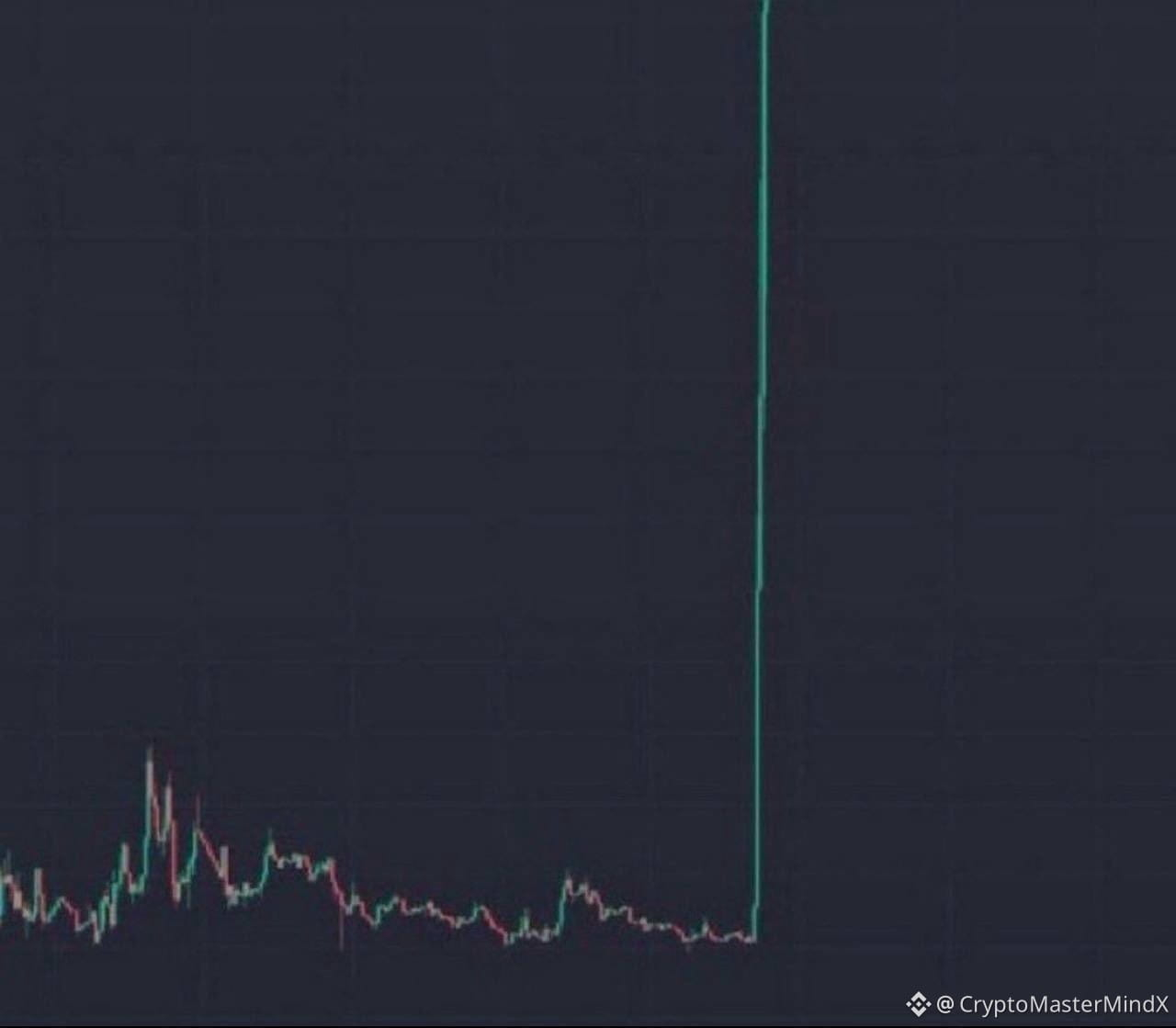
day 1: $0.01 day 2: $0.02 day 3: $0.04 day 4: $0.08 day 5: $0.16 day 6: $0.32 day 7: $0.64 day 8: $1.28 day 9: $2.56 day 10: $5.12 day 11: $10.24 day 12: $20.48 day 13: $40.96 day 14: $81.92 day 15: $163.84 day 16: $327.68 day 17: $655.36 day 18: $1,310.72 day 19: $2,621.44 day 20: $5,242.88 day 21: $10,485.76 day 22: $20,971.52 day 23: $41,943.04 day 24: $83,886.08 day 25: $167,772.16 day 26: $335,544.32 day 27: $671,088.64 day 28: $1,342,177.28 day 29: $2,684,354.56 day 30: $5,368,709.12 day 31: $10,737,418.23
Revolutionizing Global Money Transfers with Plasma Blockchain
Hey there, if you've ever sent money across borders, you know the drill: high fees, long waits, and that nagging worry about security. Banks and traditional services like Western Union or PayPal can charge a fortune, and it might take days for the cash to land. But what if there was a smarter way? Enter Plasma, a new Layer 1 blockchain built specifically for handling stablecoins. It's shaking things up by making global transfers cheaper, faster, and way more secure. Let me break it down for you. First off, what's Plasma all about? It's not just another crypto project chasing hype. Plasma is designed from the ground up for stablecoins – those digital dollars like USDT or USDC that hold steady value, unlike wild rides like Bitcoin. It mixes full compatibility with Ethereum's virtual machine (that's Reth for the tech folks), super-quick finality through something called PlasmaBFT, and cool features tailored for stablecoins. Think gasless transfers for USDT and using stablecoins as the main way to pay for gas fees. Plus, it ties into Bitcoin's security to keep things neutral and hard to mess with. It's aimed at everyday people in places where crypto is already big, and big institutions handling payments and finance. Now, let's talk about the big wins: cheaper transfers. Traditional international wires can slap on 5-7% fees, plus hidden exchange rates that eat into your money. Plasma flips this script. By focusing on stablecoins, it cuts out the middlemen. You can send USDT without paying gas fees for those transfers – yeah, gasless! And since gas is paid in stablecoins, it's straightforward and low-cost. No more converting currencies multiple times, which racks up charges. For someone in Africa sending money to family in the US, this could mean keeping more of their hard-earned cash. Institutions love it too, because settling big payments in stablecoins on Plasma slashes operational costs. Speed is another game-changer. Ever waited 3-5 business days for a bank transfer? Or even hours with some apps? Plasma delivers sub-second finality. That means once you hit send, the transaction is locked in almost instantly – no hanging around for confirmations. PlasmaBFT makes this possible, ensuring everything settles fast without sacrificing safety. Imagine paying a supplier in Europe from Asia, and it's done before you finish your coffee. This is huge for retail users in high-adoption spots like Latin America or Southeast Asia, where people rely on quick remittances. For businesses, it means smoother cash flow and less downtime. But what about security? That's where Plasma really shines. Global transfers are ripe for hacks, fraud, or even censorship by governments or banks. Plasma anchors its security to Bitcoin, which adds a layer of neutrality – it's not controlled by any one group, making it resistant to interference. This Bitcoin tie-in boosts censorship resistance, so your money moves freely without Big Brother watching or blocking. Stablecoin-centric design means built-in protections for those assets, reducing risks like volatility or smart contract bugs. It's like having a fortified vault for your digital dollars, but one that's open and transparent on the blockchain. Take a real-world example: A freelancer in India getting paid by a client in the UK. Normally, they'd deal with bank fees, currency swaps, and delays. With Plasma, they send or receive stablecoins instantly, cheaply, and securely. No more losing 10% to fees or worrying about account freezes. Or think about aid organizations – they could distribute funds to disaster zones without the usual bottlenecks. In the end, Plasma isn't just tech jargon; it's a practical fix for a broken system. By leaning into stablecoins and smart blockchain tweaks, it's paving the way for a world where sending money globally feels as easy as texting a friend. If you're tired of the old ways, keep an eye on Plasma – it might just change how we all handle money. #Plasma @Plasma $XPL
Tangem Wallet has officially added support for @Plasma , and this is actually a big step forward.
Plasma isn’t just another blockchain chasing hype. It’s purpose-built for one clear mission: stablecoin payments and global money movement. Fast transfers, low fees, and real-world usability — the kind of stuff people actually need, especially in countries where stablecoins are used daily for savings, payments, and remittances.
With this new integration, you can now store, send, and manage XPL and USD₮ directly from your Tangem hardware wallet. That means full self-custody, stronger security, and no need to rely on centralized platforms just to move stablecoins.
This is what real crypto progress looks like — infrastructure quietly improving in the background while making money movement simpler and safer for everyone.
If you’re serious about stablecoins, self-custody, and the future of global payments, this Plasma × Tangem update is definitely worth paying attention