
Crypto_君少
4.9k Posts

Crypto_君少
 Square Verified
Report
Block User

原创之星

币安人生 Holder
Frequent Trader
5.3 Years
12 Following
17.8K+ Followers
20.0K+ Liked
1 Badges
Posts
All
Quotes
Videos
PINNED
·
--
Community position transfers to Binance group chat,
Here there are meme experts,
Here there are precise research teams,
Here there are secondary analysts,
Here there is a group of like-minded comrades!
The captain will take you flying, no crashing of the plane!
There are various benefits in the group, when making money everyone celebrates with red envelopes together, if you miss out, there will be someone to commiserate with you!
[https://app.binance.com/uni-qr/group-chat-landing?channelToken=4jfOFh7j1A9DVg9w1kTuiA&type=1&entrySource=sharing_link](https://app.binance.com/uni-qr/group-chat-landing?channelToken=4jfOFh7j1A9DVg9w1kTuiA&type=1&entrySource=sharing_link)
Community position transfers to Binance group chat,
Here there are meme experts,
Here there are precise research teams,
Here there are secondary analysts,
Here there is a group of like-minded comrades!
The captain will take you flying, no crashing of the plane!
There are various benefits in the group, when making money everyone celebrates with red envelopes together, if you miss out, there will be someone to commiserate with you!
https://app.binance.com/uni-qr/group-chat-landing?channelToken=4jfOFh7j1A9DVg9w1kTuiA&type=1&entrySource=sharing_link
Here there are meme experts,
Here there are precise research teams,
Here there are secondary analysts,
Here there is a group of like-minded comrades!
The captain will take you flying, no crashing of the plane!
There are various benefits in the group, when making money everyone celebrates with red envelopes together, if you miss out, there will be someone to commiserate with you!
https://app.binance.com/uni-qr/group-chat-landing?channelToken=4jfOFh7j1A9DVg9w1kTuiA&type=1&entrySource=sharing_link

6
2
13
4.1k
PINNED
·
--
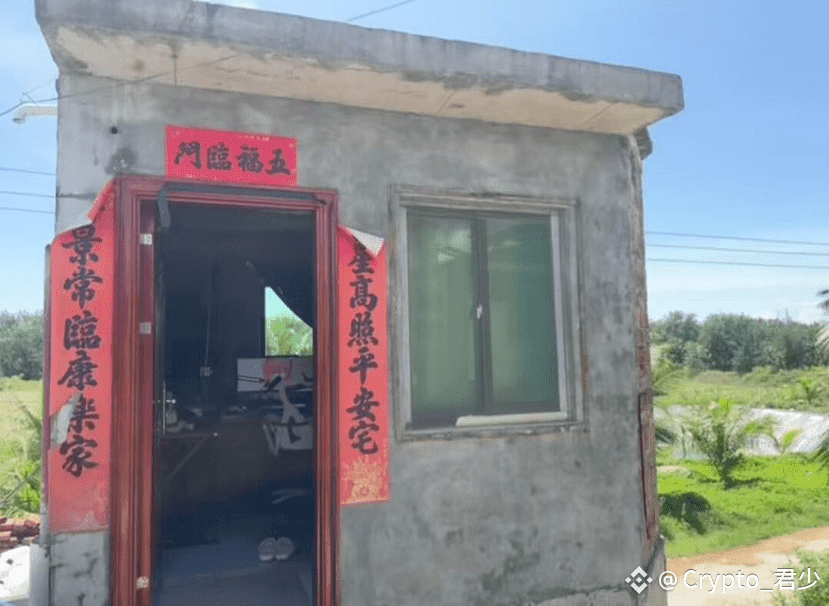
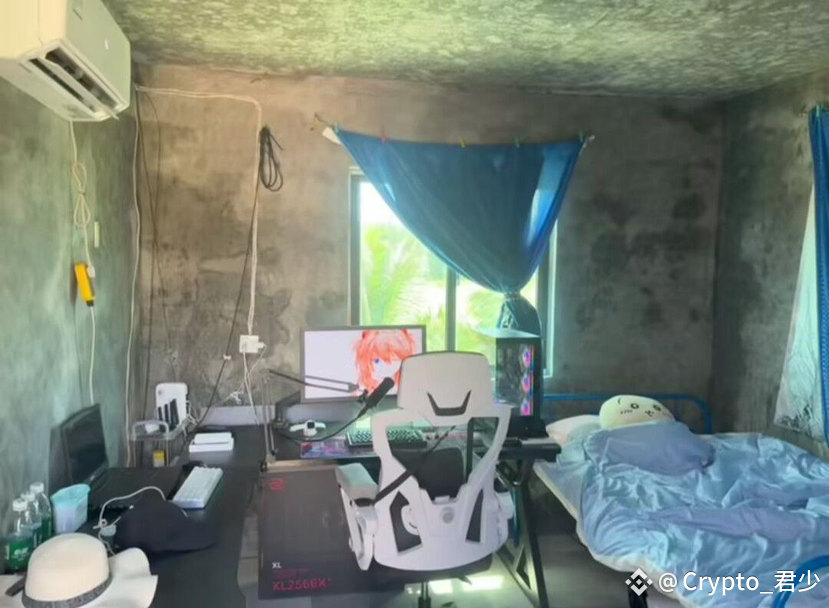
This time I must win🥇
Although the conditions are a bit poor, where there is a dream, there is a distance!
This time I must win🥇
Although the conditions are a bit poor, where there is a dream, there is a distance!
Although the conditions are a bit poor, where there is a dream, there is a distance!
94
30
197
100.9k
·
--
Did everyone not go find the “teacher” again today to relive it?
Leave the teacher you like!
Did everyone not go find the “teacher” again today to relive it?
Leave the teacher you like!
Leave the teacher you like!
1
1
2.4k
·
--
▌Market Analysis
➣Short-term bias is bearish and sideways-for-clearance; after sweeping the near-end longs, decide the direction
➣Medium-term still expects a daily-chart bullish structure
➣Monthly options pain points are skewed downward; before 9/25, it’s not advisable to heavily chase longs
▌BTC Liquidation Zones
➫Break above 82.8k: shorts about 1.36B (short-squeeze fuel)
➫Break below 75.0k: longs about 1.13B (long-selling fuel)
Current price is stuck slightly below the middle; in the short term, both sides have profit potential, so it’s more likely to chop and range for clearing
▌Options Max Pain Points
➥9.11: BTC-78000 ETH-2450
➥9.18: BTC-79000 ETH-2500
➥9.25: BTC-72000 ETH-2150
☞By month-end, options are at the hundred-billion scale. Given how close the current price is to the pain points, it may not necessarily dump all the way there, but it indicates the monthly options structure is bearish for hedging; it’s suggested to raise the short
▌Whale Liquidation Levels
➥BTC long-side liquidation: ~71.7k, liquidation volume ~1.5亿
➥BTC short-side liquidation: ~86.5k, liquidation volume ~1.6亿
➥ETH long-side liquidation: ~2390, liquidation volume ~1490万
➥ETH short-side liquidation: ~2570, liquidation volume ~540万
▌Dealer Trend
Positions are still crowded with longs + liquidations are mainly on the long side → the dealer’s short-term goal is long-side liquidation (77800–77400, even 76800), then decide whether to lift the price.
⚠️After the sweep, don’t chase the first wick/pin; don’t chase after short-sell offs when oversold either. $BTC $ETH
{future}(ETHUSDT)
{future}(BTCUSDT)
▌Market Analysis
➣Short-term bias is bearish and sideways-for-clearance; after sweeping the near-end longs, decide the direction
➣Medium-term still expects a daily-chart bullish structure
➣Monthly options pain points are skewed downward; before 9/25, it’s not advisable to heavily chase longs
▌BTC Liquidation Zones
➫Break above 82.8k: shorts about 1.36B (short-squeeze fuel)
➫Break below 75.0k: longs about 1.13B (long-selling fuel)
Current price is stuck slightly below the middle; in the short term, both sides have profit potential, so it’s more likely to chop and range for clearing
▌Options Max Pain Points
➥9.11: BTC-78000 ETH-2450
➥9.18: BTC-79000 ETH-2500
➥9.25: BTC-72000 ETH-2150
☞By month-end, options are at the hundred-billion scale. Given how close the current price is to the pain points, it may not necessarily dump all the way there, but it indicates the monthly options structure is bearish for hedging; it’s suggested to raise the short
▌Whale Liquidation Levels
➥BTC long-side liquidation: ~71.7k, liquidation volume ~1.5亿
➥BTC short-side liquidation: ~86.5k, liquidation volume ~1.6亿
➥ETH long-side liquidation: ~2390, liquidation volume ~1490万
➥ETH short-side liquidation: ~2570, liquidation volume ~540万
▌Dealer Trend
Positions are still crowded with longs + liquidations are mainly on the long side → the dealer’s short-term goal is long-side liquidation (77800–77400, even 76800), then decide whether to lift the price.
⚠️After the sweep, don’t chase the first wick/pin; don’t chase after short-sell offs when oversold either. $BTC $ETH
➣Short-term bias is bearish and sideways-for-clearance; after sweeping the near-end longs, decide the direction
➣Medium-term still expects a daily-chart bullish structure
➣Monthly options pain points are skewed downward; before 9/25, it’s not advisable to heavily chase longs
▌BTC Liquidation Zones
➫Break above 82.8k: shorts about 1.36B (short-squeeze fuel)
➫Break below 75.0k: longs about 1.13B (long-selling fuel)
Current price is stuck slightly below the middle; in the short term, both sides have profit potential, so it’s more likely to chop and range for clearing
▌Options Max Pain Points
➥9.11: BTC-78000 ETH-2450
➥9.18: BTC-79000 ETH-2500
➥9.25: BTC-72000 ETH-2150
☞By month-end, options are at the hundred-billion scale. Given how close the current price is to the pain points, it may not necessarily dump all the way there, but it indicates the monthly options structure is bearish for hedging; it’s suggested to raise the short
▌Whale Liquidation Levels
➥BTC long-side liquidation: ~71.7k, liquidation volume ~1.5亿
➥BTC short-side liquidation: ~86.5k, liquidation volume ~1.6亿
➥ETH long-side liquidation: ~2390, liquidation volume ~1490万
➥ETH short-side liquidation: ~2570, liquidation volume ~540万
▌Dealer Trend
Positions are still crowded with longs + liquidations are mainly on the long side → the dealer’s short-term goal is long-side liquidation (77800–77400, even 76800), then decide whether to lift the price.
⚠️After the sweep, don’t chase the first wick/pin; don’t chase after short-sell offs when oversold either. $BTC $ETH
2
824
·
--
Brothers,
This green card is what the old Americans owe you!
Brothers,
This green card is what the old Americans owe you!
This green card is what the old Americans owe you!
14
2
10
35.6k
·
--
Verified
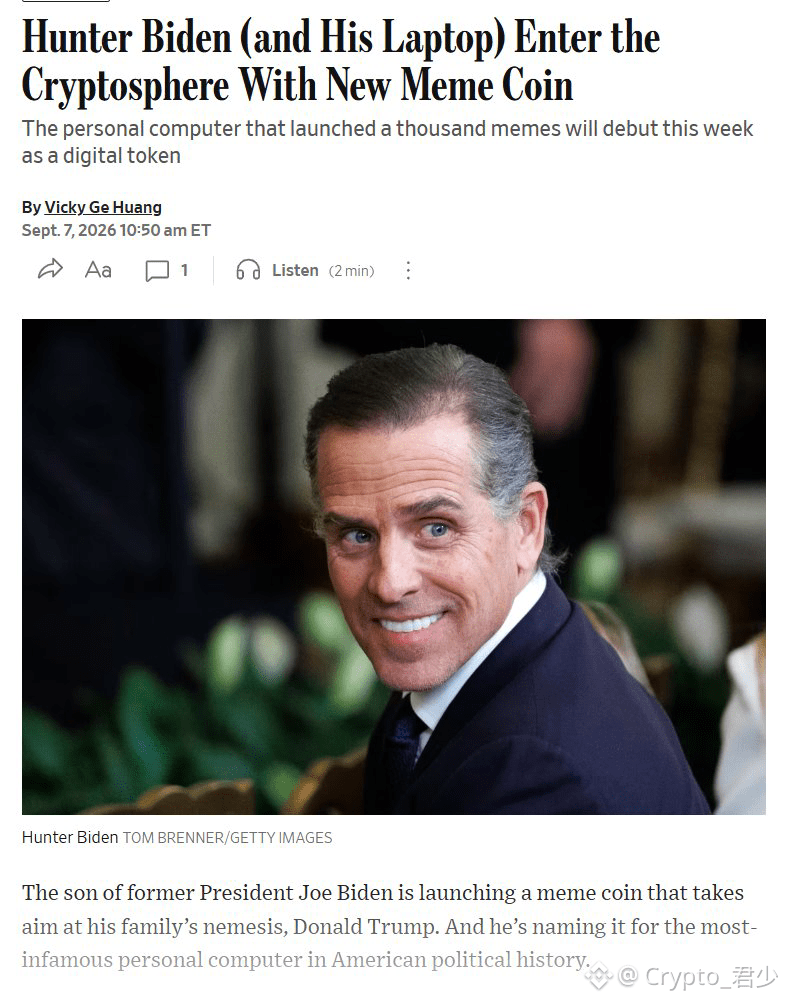
Hunter Biden, the son of Biden, is what he’s going to launch is the $LAPTOP meme coin, planned to be listed on the Base chain.
Everyone is thinking about holding $ETH to go for the meme,
and what I’m thinking is that this pullback will enter a long at a key support level and flip the trend.
I don’t know whether the market will stay lively after this…
{future}(ETHUSDT)
Hunter Biden, the son of Biden, is what he’s going to launch is the $LAPTOP meme coin, planned to be listed on the Base chain.
Everyone is thinking about holding $ETH to go for the meme,
and what I’m thinking is that this pullback will enter a long at a key support level and flip the trend.
I don’t know whether the market will stay lively after this…
Everyone is thinking about holding $ETH to go for the meme,
and what I’m thinking is that this pullback will enter a long at a key support level and flip the trend.
I don’t know whether the market will stay lively after this…
2
3.6k
·
--
You’ve got the hang of it—next time, make sure you remember the name in advance!
You’ve got the hang of it—next time, make sure you remember the name in advance!

1
5
1.4k
·
--
Can ZEC really be pumped to 2000–3000?
▌First, market cap: circulating supply is about 16.85 million coins.
➫$2000 → market cap about $33.7 billion
➫$3000 → market cap about $50.6 billion
Right now it is $17–19 billion; to reach $2000 it would need to rise about 80% more, and to reach $3000 about 170% more.
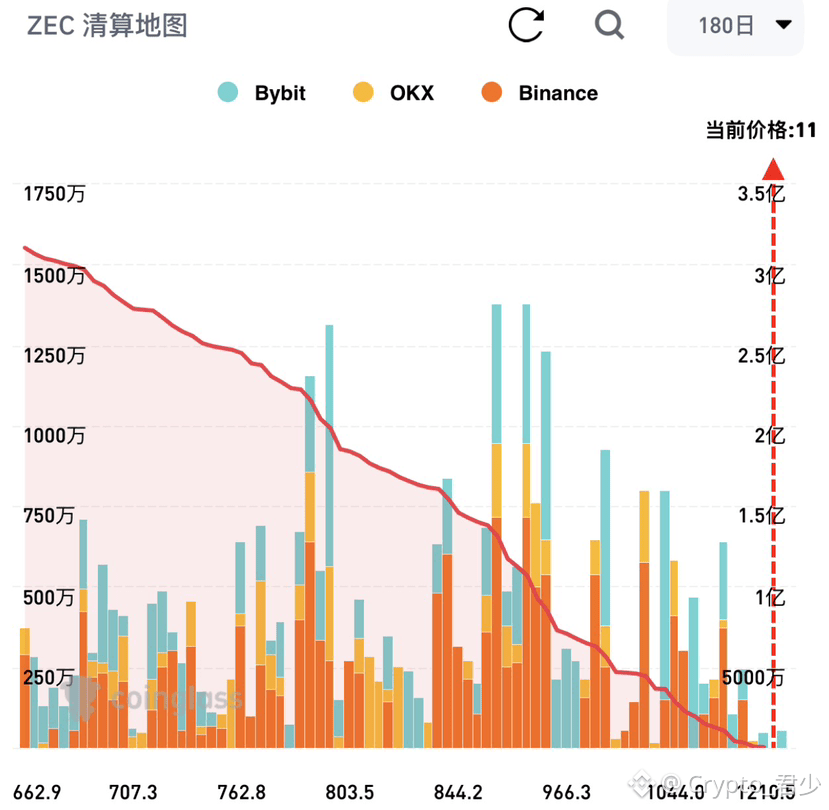
$ZEC It’s not rising now — it’s liquidating the books
▌Heavy liquidation levels
➣Short liquidation zone: around 1210 (about $9.5 million)
➣Long liquidation zone: around 1025 (about $27.3 million)
The contract shorts haven’t been fully cleared out yet; there is still squeeze potential above 1169–1210. Technically, some people use the ascending triangle to project a long-term target of 2500. The early 2016 ATH was around 3191. Getting to 2000–3000 can’t rely on short squeezes alone; it must be supported by sustained spot buying and ETF net inflows, and the privacy narrative has to be stronger than the 2018 cycle.
Sweep to the downside, and long-side fuel seems to be more abundant
Sweep to the upside, and the shorts have only been hit once, but not fully wiped out
If you’re shorting, use low leverage; there isn’t a market that keeps going up forever, and the consolidation period is where short trades can make money.
{future}(ZECUSDT)
Can ZEC really be pumped to 2000–3000?
▌First, market cap: circulating supply is about 16.85 million coins.
➫$2000 → market cap about $33.7 billion
➫$3000 → market cap about $50.6 billion
Right now it is $17–19 billion; to reach $2000 it would need to rise about 80% more, and to reach $3000 about 170% more.
$ZEC It’s not rising now — it’s liquidating the books
▌Heavy liquidation levels
➣Short liquidation zone: around 1210 (about $9.5 million)
➣Long liquidation zone: around 1025 (about $27.3 million)
The contract shorts haven’t been fully cleared out yet; there is still squeeze potential above 1169–1210. Technically, some people use the ascending triangle to project a long-term target of 2500. The early 2016 ATH was around 3191. Getting to 2000–3000 can’t rely on short squeezes alone; it must be supported by sustained spot buying and ETF net inflows, and the privacy narrative has to be stronger than the 2018 cycle.
Sweep to the downside, and long-side fuel seems to be more abundant
Sweep to the upside, and the shorts have only been hit once, but not fully wiped out
If you’re shorting, use low leverage; there isn’t a market that keeps going up forever, and the consolidation period is where short trades can make money.
▌First, market cap: circulating supply is about 16.85 million coins.
➫$2000 → market cap about $33.7 billion
➫$3000 → market cap about $50.6 billion
Right now it is $17–19 billion; to reach $2000 it would need to rise about 80% more, and to reach $3000 about 170% more.
$ZEC It’s not rising now — it’s liquidating the books
▌Heavy liquidation levels
➣Short liquidation zone: around 1210 (about $9.5 million)
➣Long liquidation zone: around 1025 (about $27.3 million)
The contract shorts haven’t been fully cleared out yet; there is still squeeze potential above 1169–1210. Technically, some people use the ascending triangle to project a long-term target of 2500. The early 2016 ATH was around 3191. Getting to 2000–3000 can’t rely on short squeezes alone; it must be supported by sustained spot buying and ETF net inflows, and the privacy narrative has to be stronger than the 2018 cycle.
Sweep to the downside, and long-side fuel seems to be more abundant
Sweep to the upside, and the shorts have only been hit once, but not fully wiped out
If you’re shorting, use low leverage; there isn’t a market that keeps going up forever, and the consolidation period is where short trades can make money.
4
1
6
9.3k
·
--
Verified
Tonight’s nonfarm payrolls in one sentence:
The combination of "a labor market rebound and no acceleration in wages" gives the Fed more confidence to keep focusing on inflation. The probability of a September rate hike has edged up slightly, but it is far from locked in.
⚠️ The key is next week
What will really determine whether the Fed hikes this month is next week’s CPI on 9.11
September 16 is the next policy meeting, so next week is the real main event!
Side note:
☞ What Warsh emphasized at Jackson Hole was that "there is still work to do on inflation," but he also said inflation needs to return to 2% "clearly and fast enough." If next week’s CPI continues to cool, September will most likely still see no move. If CPI rebounds, this strong nonfarm report will be used to support a rate hike.$BTC
{future}(BTCUSDT)
Tonight’s nonfarm payrolls in one sentence:
The combination of "a labor market rebound and no acceleration in wages" gives the Fed more confidence to keep focusing on inflation. The probability of a September rate hike has edged up slightly, but it is far from locked in.
⚠️ The key is next week
What will really determine whether the Fed hikes this month is next week’s CPI on 9.11
September 16 is the next policy meeting, so next week is the real main event!
Side note:
☞ What Warsh emphasized at Jackson Hole was that "there is still work to do on inflation," but he also said inflation needs to return to 2% "clearly and fast enough." If next week’s CPI continues to cool, September will most likely still see no move. If CPI rebounds, this strong nonfarm report will be used to support a rate hike.$BTC
The combination of "a labor market rebound and no acceleration in wages" gives the Fed more confidence to keep focusing on inflation. The probability of a September rate hike has edged up slightly, but it is far from locked in.
⚠️ The key is next week
What will really determine whether the Fed hikes this month is next week’s CPI on 9.11
September 16 is the next policy meeting, so next week is the real main event!
Side note:
☞ What Warsh emphasized at Jackson Hole was that "there is still work to do on inflation," but he also said inflation needs to return to 2% "clearly and fast enough." If next week’s CPI continues to cool, September will most likely still see no move. If CPI rebounds, this strong nonfarm report will be used to support a rate hike.$BTC
1
1.4k
·
--
Partly True
🚨 Latest News: Tom Lee believes that if the Federal Reserve doesn’t raise rates in September, the market could rebound strongly.
“We believe that the assets with the strongest FOMO effect in September and before year-end will be cryptocurrencies, especially $ETH .”
{future}(ETHUSDT)
🚨 Latest News: Tom Lee believes that if the Federal Reserve doesn’t raise rates in September, the market could rebound strongly.
“We believe that the assets with the strongest FOMO effect in September and before year-end will be cryptocurrencies, especially $ETH .”
“We believe that the assets with the strongest FOMO effect in September and before year-end will be cryptocurrencies, especially $ETH .”

2
3
2.9k
·
--
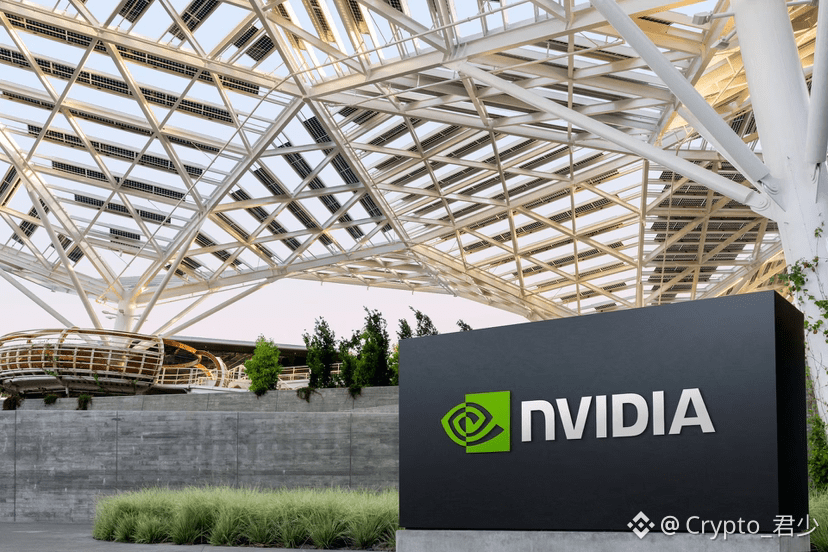
ANTHROPIC has just signed a cloud deal worth $35 billion. NVIDIA is the landlord.
The deal is with Lambda, a cloud services provider backed by Nvidia, but Nvidia itself holds the lease rights to the actual data centers.
The data center is being built in Nueces County, Texas, by Hut 8. A few weeks ago, Nvidia signed its own agreement with Hut 8 to lock in capacity.
Lambda will use that space to house the chips it buys from Nvidia, and Nvidia is also one of its investors.
ANTHROPIC has just signed a cloud deal worth $35 billion. NVIDIA is the landlord.
The deal is with Lambda, a cloud services provider backed by Nvidia, but Nvidia itself holds the lease rights to the actual data centers.
The data center is being built in Nueces County, Texas, by Hut 8. A few weeks ago, Nvidia signed its own agreement with Hut 8 to lock in capacity.
Lambda will use that space to house the chips it buys from Nvidia, and Nvidia is also one of its investors.
The deal is with Lambda, a cloud services provider backed by Nvidia, but Nvidia itself holds the lease rights to the actual data centers.
The data center is being built in Nueces County, Texas, by Hut 8. A few weeks ago, Nvidia signed its own agreement with Hut 8 to lock in capacity.
Lambda will use that space to house the chips it buys from Nvidia, and Nvidia is also one of its investors.
1
2.1k
·
--
Partly True
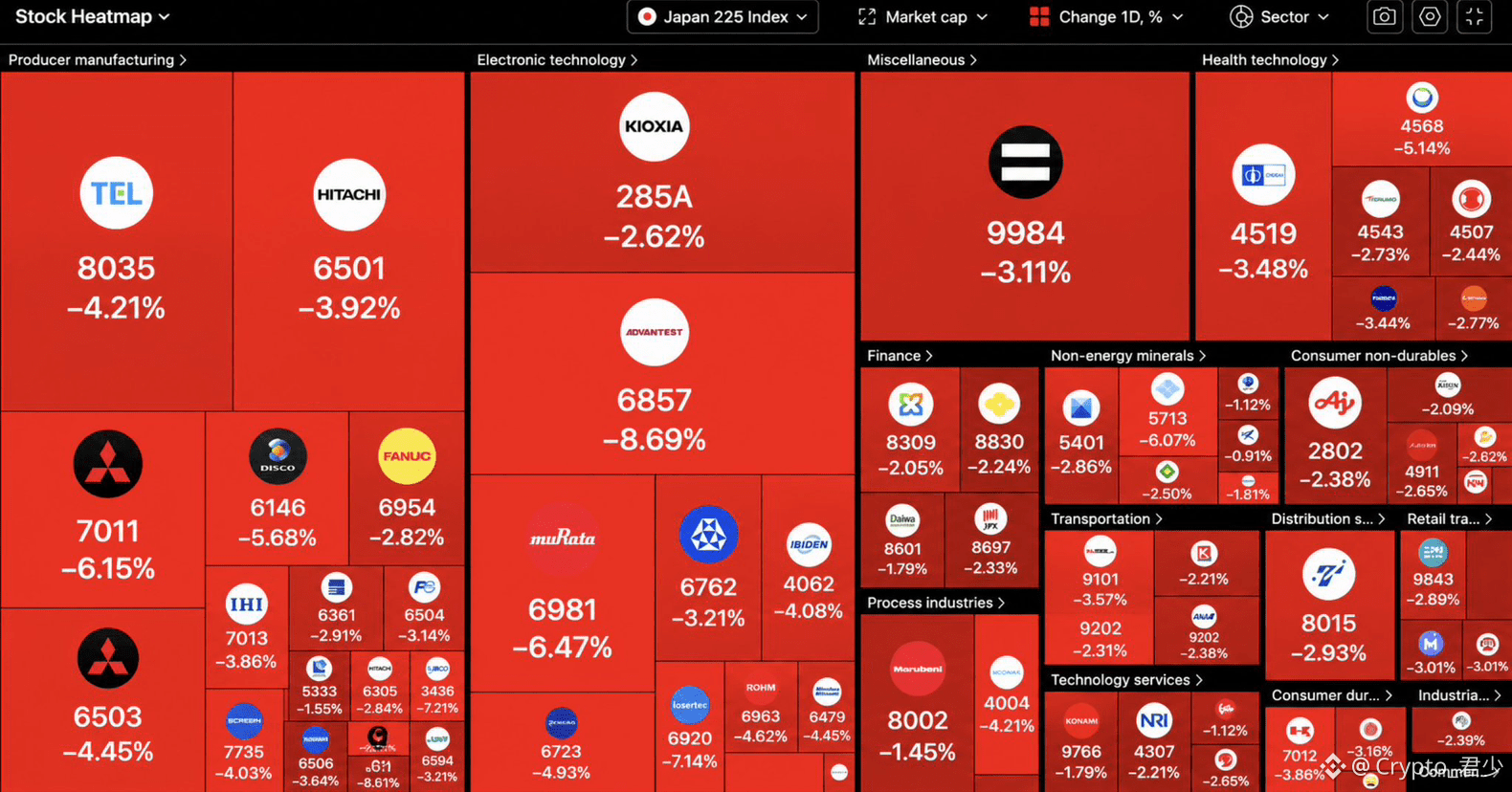
🚨 The Japanese market has crashed again!
Oil prices have already exceeded $90 because the United States and Iran have launched attacks against each other.
Today, Japan's Nikkei index has just lost about 24.4 trillion yen.
🚨 The Japanese market has crashed again!
Oil prices have already exceeded $90 because the United States and Iran have launched attacks against each other.
Today, Japan's Nikkei index has just lost about 24.4 trillion yen.
Oil prices have already exceeded $90 because the United States and Iran have launched attacks against each other.
Today, Japan's Nikkei index has just lost about 24.4 trillion yen.
2
1.8k
·
--
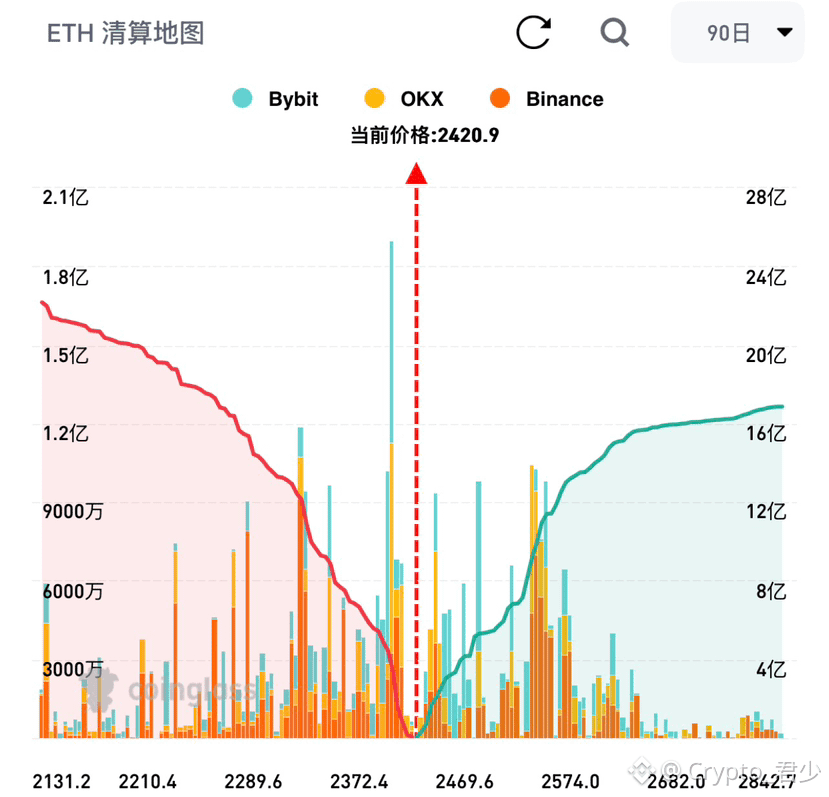
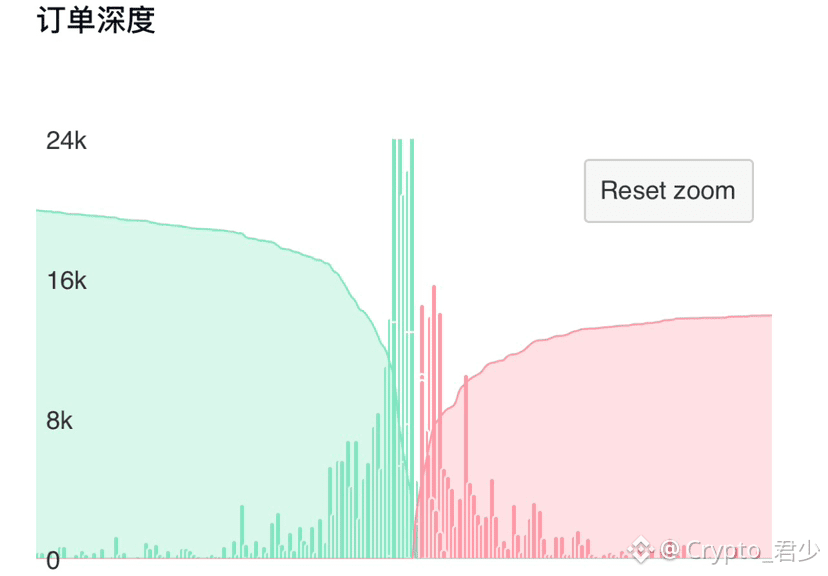
This giant whale is a bit nasty!
It’s not a one-time dump—it’s a “slow knife slicing through flesh.”
▌Deliberate suppression, locking the ceiling
➥ Over 48 hours, it placed orders to sell 40,000 $ETH (about $100 million), while also holding back another 10,000 (worth $25.5 million) to wait for entry. This staged distribution doesn’t trigger a cascading crash, yet it keeps draining buy-side liquidity and directly suppresses the room for short-term rebounds.
▌Double bearish signals—bulls get hit on both sides
➥ On-chain, the giant whale long side is still carrying losses; meanwhile, the spot market is also facing real, hard-coin selling pressure. Derivatives and spot are forming a bearish confluence.
▌Key catalysts
➥ Keep an eye on the remaining 10,506 ETH on-chain transfers. Once this $25.5 million is deposited to an exchange, ETH may test the recent lows again.
☞ The knife hasn’t fully fallen yet. Right now, buy orders still look relatively strong, but be careful not to get trapped—don’t go all-in.
This giant whale is a bit nasty!
It’s not a one-time dump—it’s a “slow knife slicing through flesh.”
▌Deliberate suppression, locking the ceiling
➥ Over 48 hours, it placed orders to sell 40,000 $ETH (about $100 million), while also holding back another 10,000 (worth $25.5 million) to wait for entry. This staged distribution doesn’t trigger a cascading crash, yet it keeps draining buy-side liquidity and directly suppresses the room for short-term rebounds.
▌Double bearish signals—bulls get hit on both sides
➥ On-chain, the giant whale long side is still carrying losses; meanwhile, the spot market is also facing real, hard-coin selling pressure. Derivatives and spot are forming a bearish confluence.
▌Key catalysts
➥ Keep an eye on the remaining 10,506 ETH on-chain transfers. Once this $25.5 million is deposited to an exchange, ETH may test the recent lows again.
☞ The knife hasn’t fully fallen yet. Right now, buy orders still look relatively strong, but be careful not to get trapped—don’t go all-in.
It’s not a one-time dump—it’s a “slow knife slicing through flesh.”
▌Deliberate suppression, locking the ceiling
➥ Over 48 hours, it placed orders to sell 40,000 $ETH (about $100 million), while also holding back another 10,000 (worth $25.5 million) to wait for entry. This staged distribution doesn’t trigger a cascading crash, yet it keeps draining buy-side liquidity and directly suppresses the room for short-term rebounds.
▌Double bearish signals—bulls get hit on both sides
➥ On-chain, the giant whale long side is still carrying losses; meanwhile, the spot market is also facing real, hard-coin selling pressure. Derivatives and spot are forming a bearish confluence.
▌Key catalysts
➥ Keep an eye on the remaining 10,506 ETH on-chain transfers. Once this $25.5 million is deposited to an exchange, ETH may test the recent lows again.
☞ The knife hasn’t fully fallen yet. Right now, buy orders still look relatively strong, but be careful not to get trapped—don’t go all-in.
2
6.3k
·
--
Article
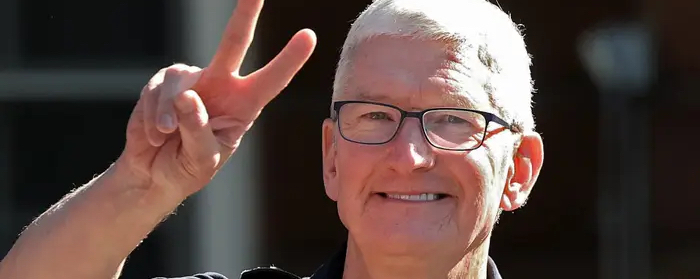
Cook’s Last Day as Apple CEOSteve Jobs turned Apple into an enterprise with a market value of about $350 billion. Tim Cook made it worth about $4.6 trillion.
His last day as Apple’s $AAPL CEO is tomorrow.
He took over this job six weeks before Jobs died, and he had never designed any products.
Cook grew up in a small town in Alabama. His father worked at a shipyard, his mother worked at a pharmacy, and he delivered newspapers. He studied industrial engineering—the science of building and transporting things without waste. Not design, not marketing—factories and schedules.
Cook’s Last Day as Apple CEO
Steve Jobs turned Apple into an enterprise with a market value of about $350 billion. Tim Cook made it worth about $4.6 trillion.
His last day as Apple’s $AAPL CEO is tomorrow.
He took over this job six weeks before Jobs died, and he had never designed any products.
Cook grew up in a small town in Alabama. His father worked at a shipyard, his mother worked at a pharmacy, and he delivered newspapers. He studied industrial engineering—the science of building and transporting things without waste. Not design, not marketing—factories and schedules.
His last day as Apple’s $AAPL CEO is tomorrow.
He took over this job six weeks before Jobs died, and he had never designed any products.
Cook grew up in a small town in Alabama. His father worked at a shipyard, his mother worked at a pharmacy, and he delivered newspapers. He studied industrial engineering—the science of building and transporting things without waste. Not design, not marketing—factories and schedules.
1
2
1.2k
·
--
This is the charm of encryption,
everyone keeps striving for it!
This is the charm of encryption,
everyone keeps striving for it!
everyone keeps striving for it!
4
1
13
28.6k
·
--
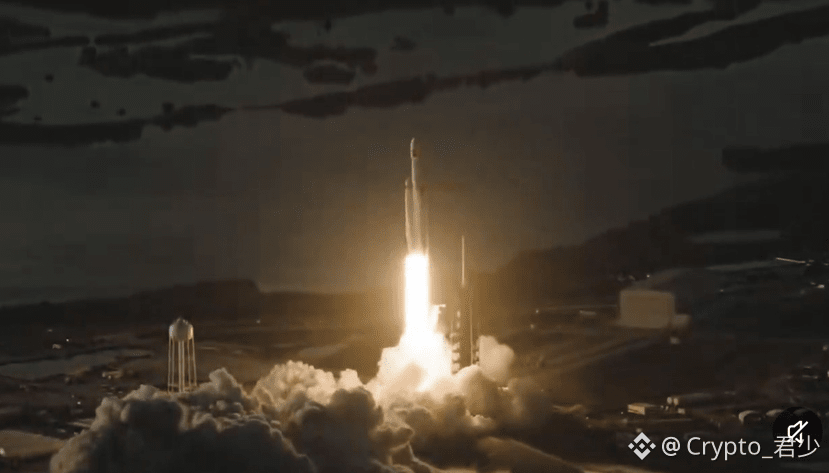
$SPCX Just launched NASA’s $4 billion Roman Space Telescope with a Falcon Heavy rocket, kicking off a journey to the L2 point nearly 1 million miles away.
The Roman telescope will map the universe on a scale beyond the reach of the Hubble Space Telescope, while SpaceX continues to expand its launch infrastructure to support truly ambitious missions.
{future}(SPCXUSDT)
$SPCX Just launched NASA’s $4 billion Roman Space Telescope with a Falcon Heavy rocket, kicking off a journey to the L2 point nearly 1 million miles away.
The Roman telescope will map the universe on a scale beyond the reach of the Hubble Space Telescope, while SpaceX continues to expand its launch infrastructure to support truly ambitious missions.
The Roman telescope will map the universe on a scale beyond the reach of the Hubble Space Telescope, while SpaceX continues to expand its launch infrastructure to support truly ambitious missions.
3
12.8k
·
--
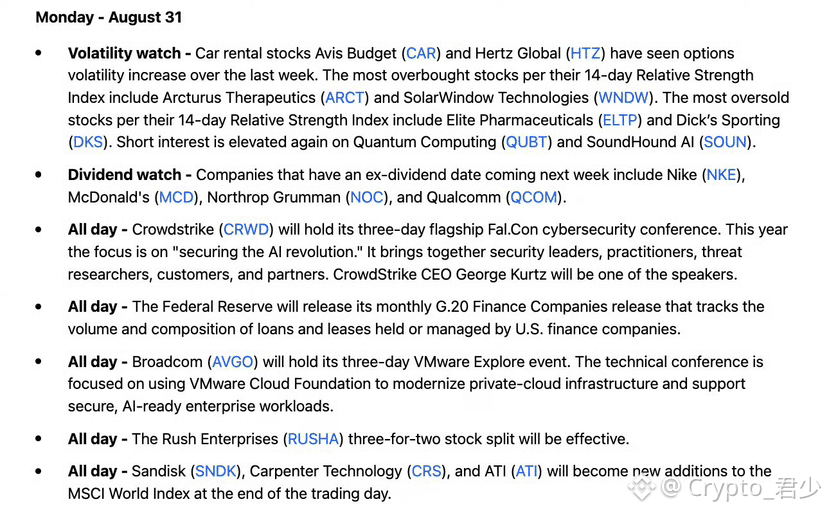
Beware of These Events
- Tim Cook’s final day as Apple’s $AAPL CEO
- CrowdStrike $CRWD will kick off its 3-day flagship conference
- Broadcom $AVGO will begin its 3-day VMware event
Here are the events to watch for during the rest of the week ⬇️
Beware of These Events
- Tim Cook’s final day as Apple’s $AAPL CEO
- CrowdStrike $CRWD will kick off its 3-day flagship conference
- Broadcom $AVGO will begin its 3-day VMware event
Here are the events to watch for during the rest of the week ⬇️
- Tim Cook’s final day as Apple’s $AAPL CEO
- CrowdStrike $CRWD will kick off its 3-day flagship conference
- Broadcom $AVGO will begin its 3-day VMware event
Here are the events to watch for during the rest of the week ⬇️
2
5
1.8k
Log in to explore more content
Join global crypto users on Binance Square
⚡️ Get latest and useful information about crypto.
💬 Trusted by the world’s largest crypto exchange.
👍 Discover real insights from verified creators.
Email / Phone number
Trending Topics
AppleDebutsFoldablePhone
5,034 views
138 Discussing
#appledebutsfoldablephone I Got My Hands on the iPhone Duo, Apple’s First Foldable Phone. Here’s What Stands Out
The palm-size phone is Apple's boldest handset in years, with a 5.4-inch cover screen and a 7.6-inch main display. I spent some time with the Duo before its October launch.It’s finally here: Apple on Wednesday unveiled its first foldable iPhone, called the iPhone Duo.
iPhone Duo design and build
The iPhone Duo is compact, with a passport-size design. It has a 7.6-inch display on the inside and a 5.4-inch outer display. It fits squarely in my palm, with dimensions similar to Samsung’s Galaxy Z Fold 8, which has a 7.6-inch inner display and a 5.5-inch cover display.
Apple says the Duo is the thinnest iPhone ever when open, measuring 5.2mm. It’s 11.3mm thick when closed. A titanium frame keeps it lightweight at 254 grams.
One of the key differences in feel between Apple’s and Samsung’s phones is that the iPhone Duo has a matte, nano-textured finish on the inner display, which reduces the phone’s crease while also curbing reflections. It has a satisfying feel and really makes the crease virtually disappear when the screen is on. I find it even harder to notice than the Z Fold 8’s, which also has an anti-reflective display.$ONG $IMX $TAC
Isabella-I
·4 Likes
·813 views
US10YTreasuryYieldHitsHighestSinceNov2023
9,018 views
193 Discussing
USTreasuryToBuyBackUpTo$6BLongDatedDebt
9,795 views
134 Discussing