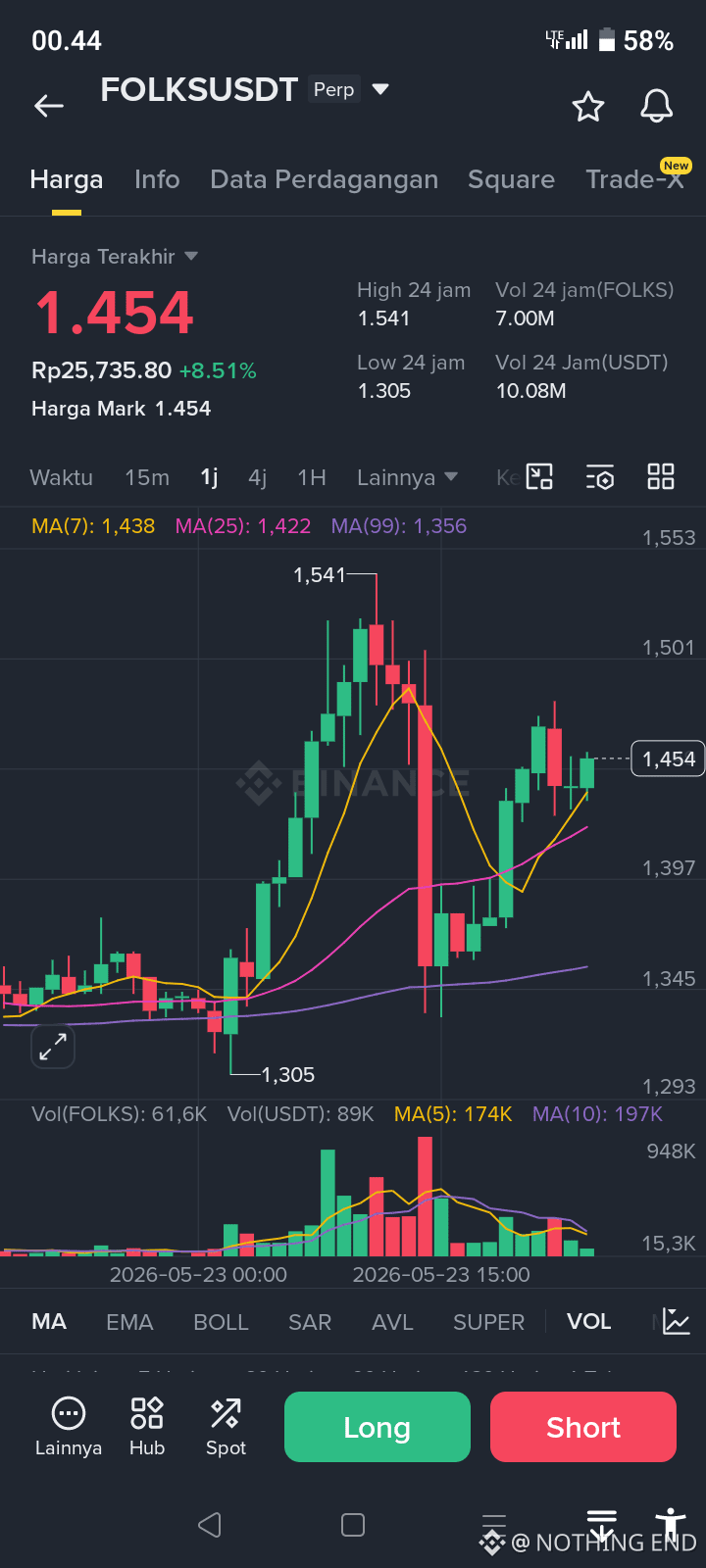
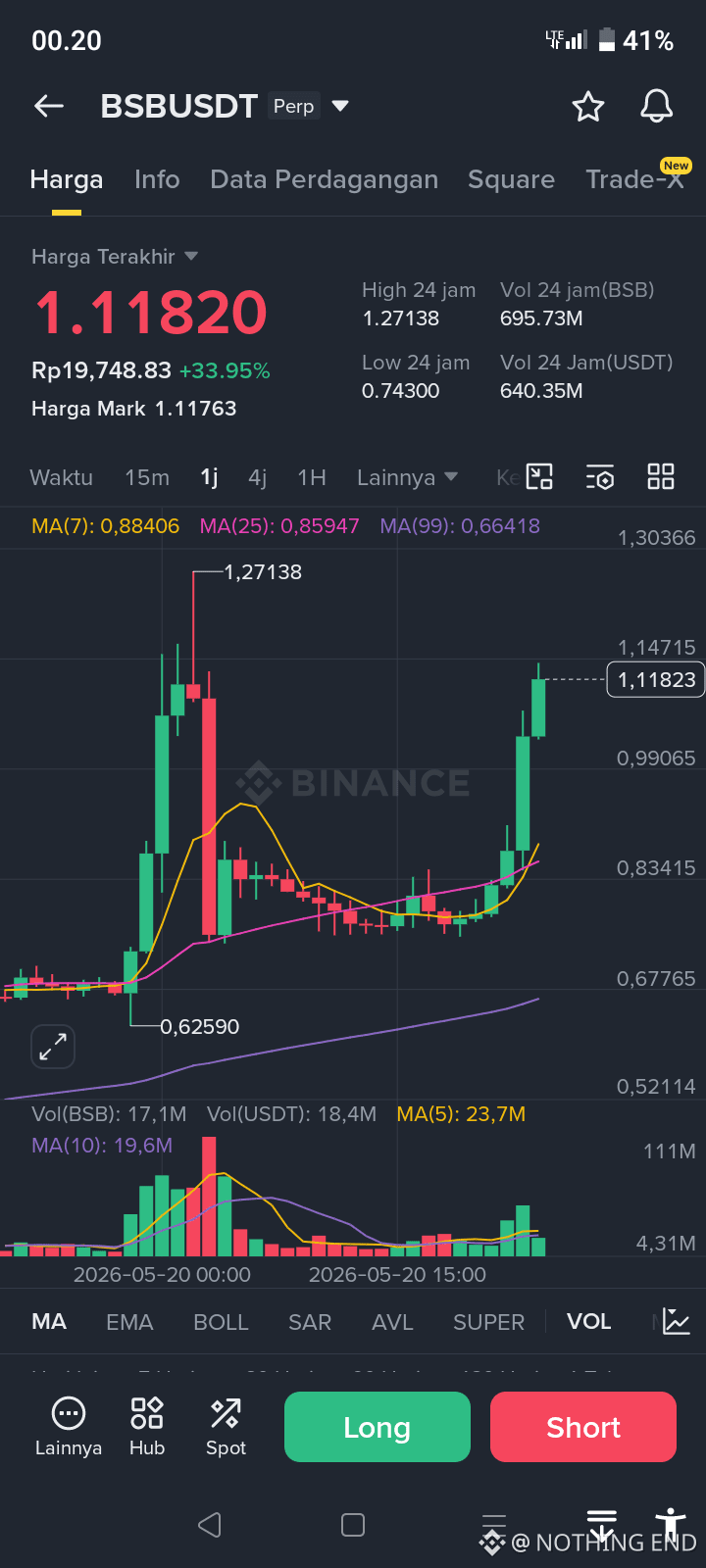
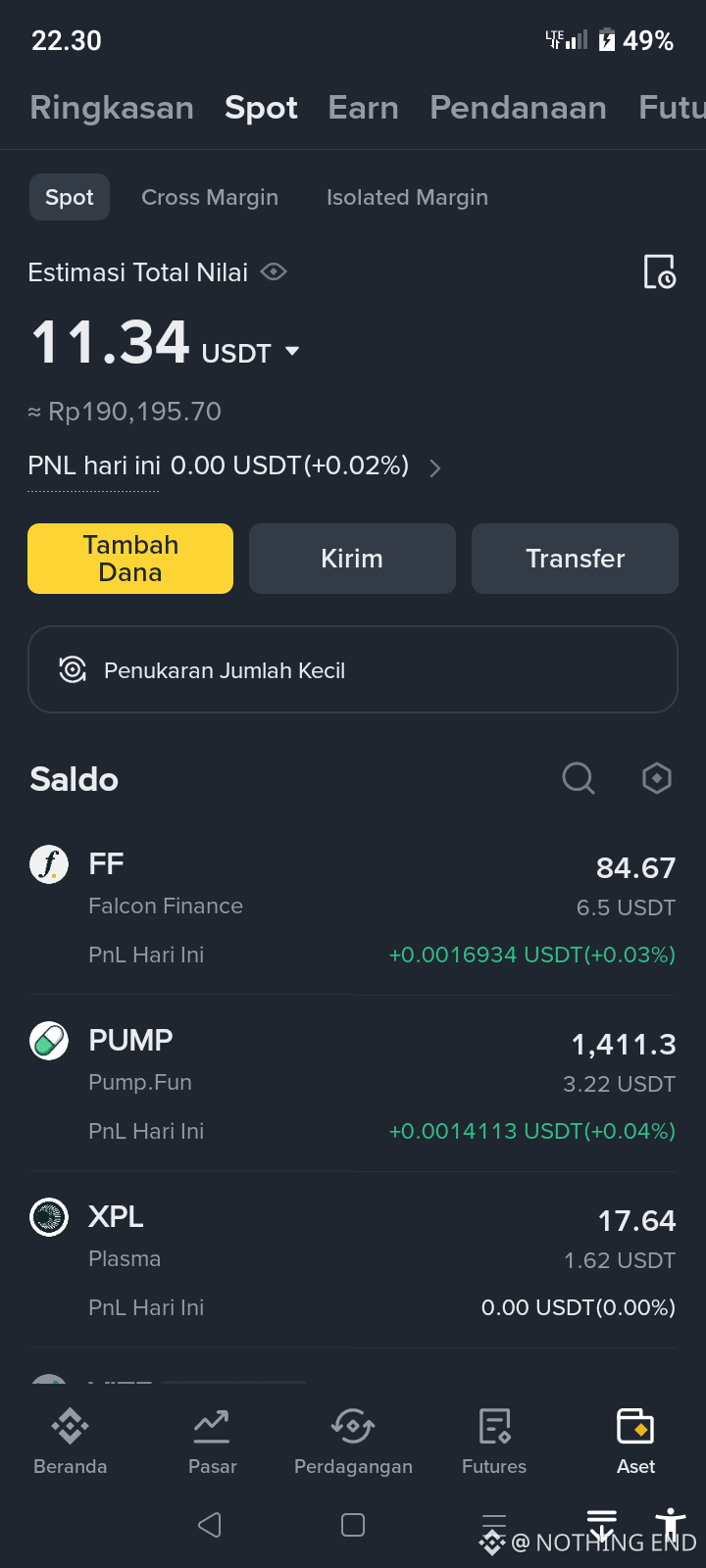
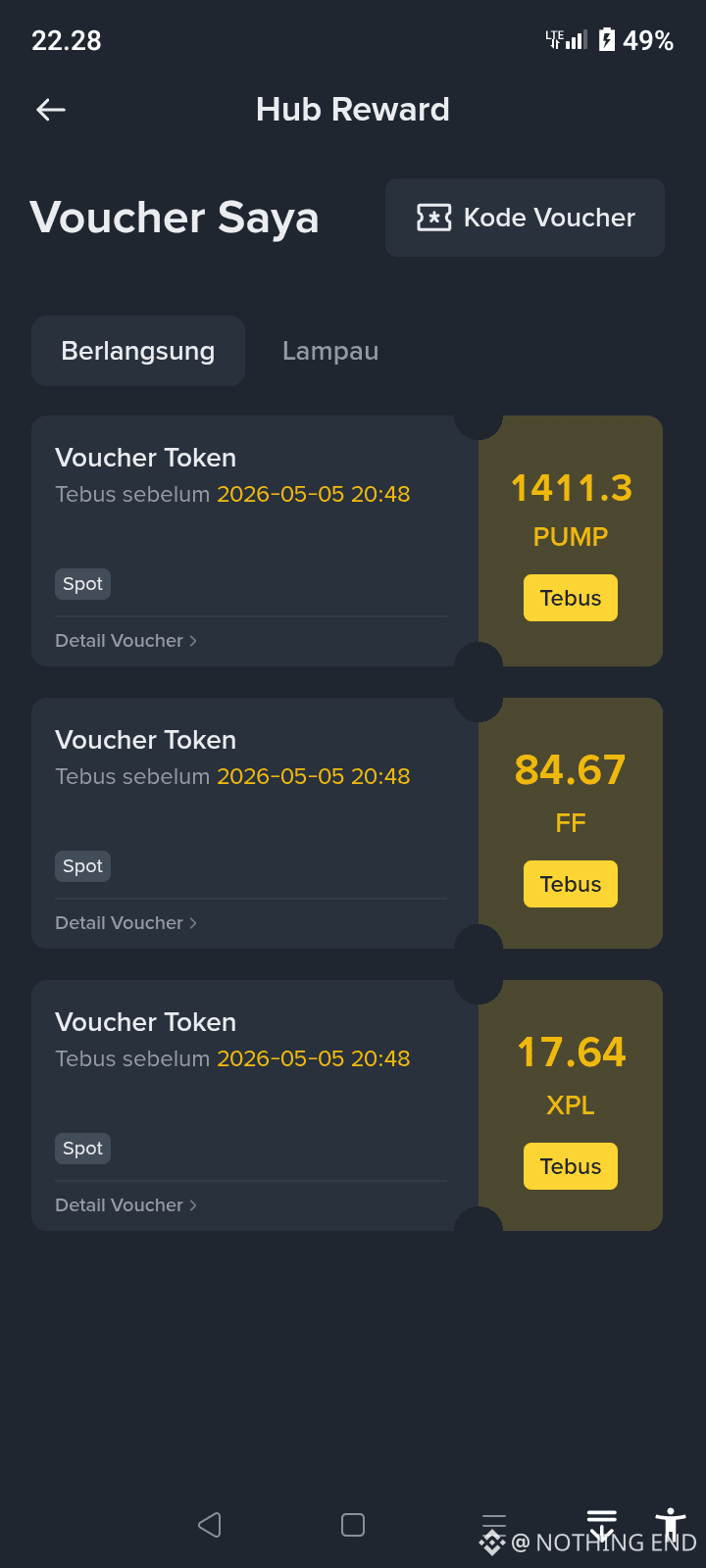
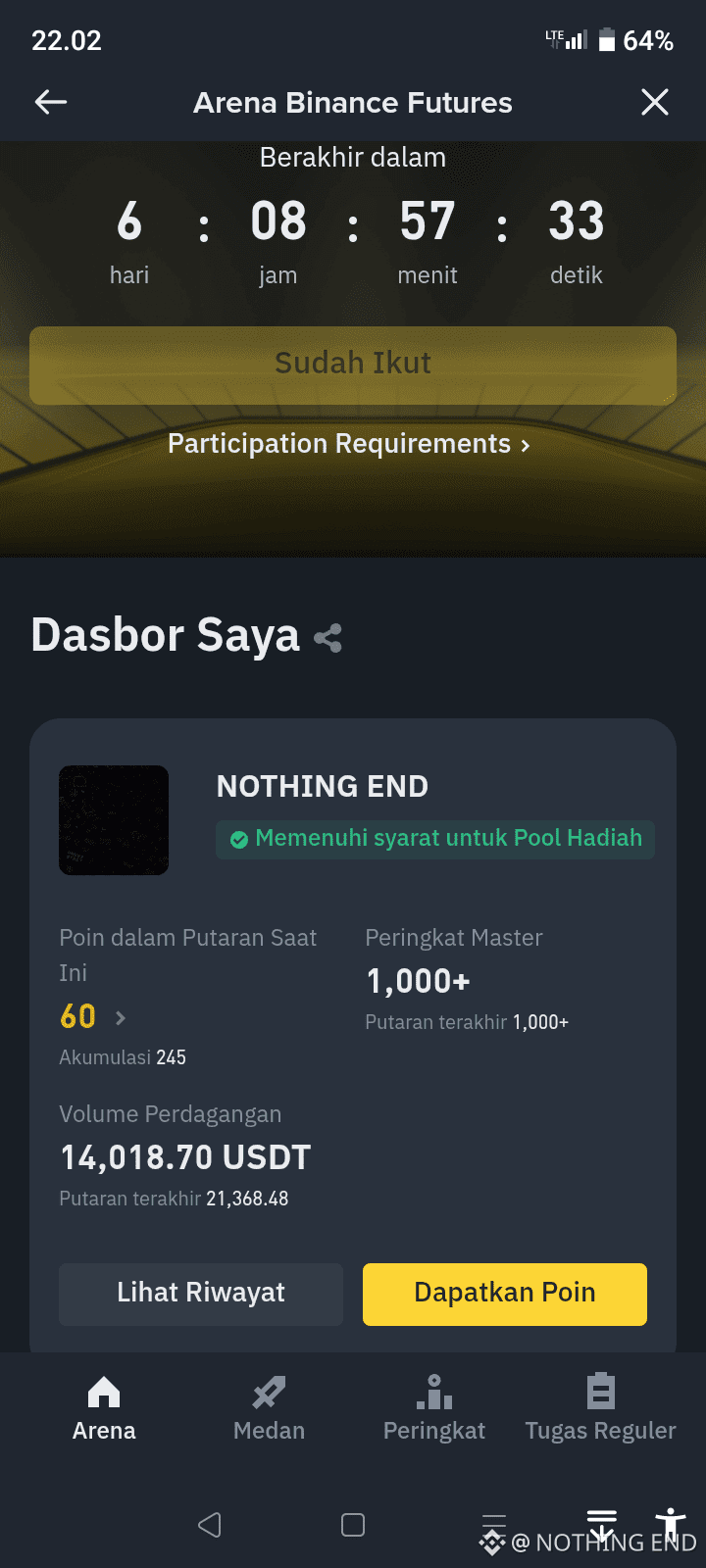
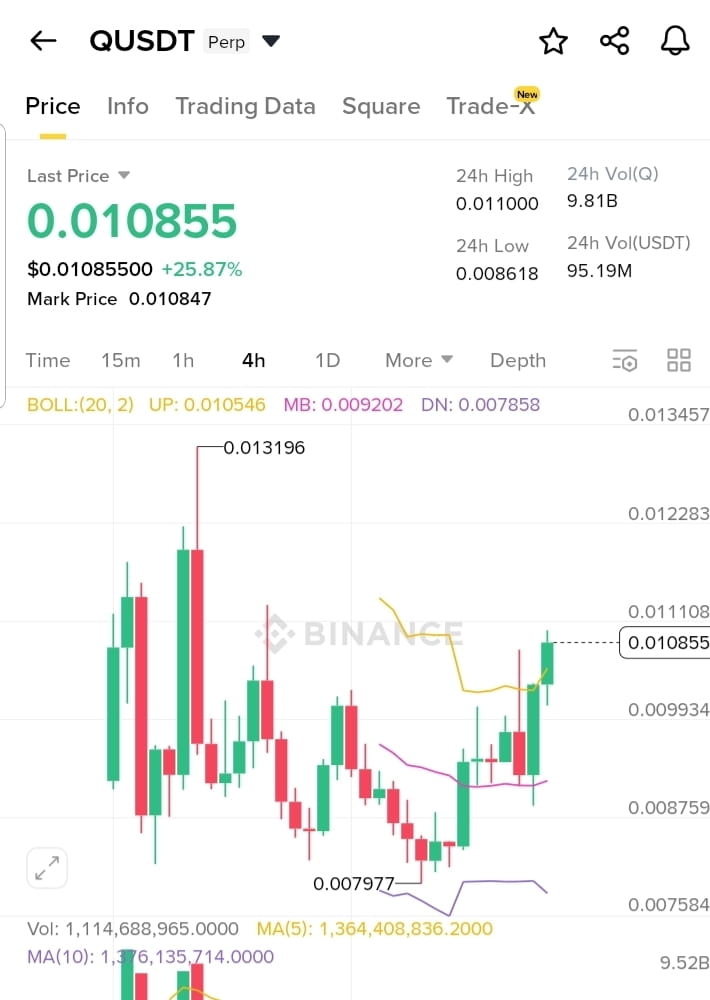
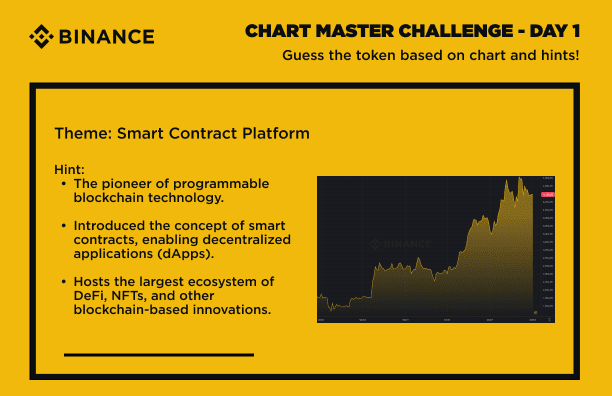
Guess the token name based on the keywords and chart available in the following image. Solve it and answer in the COMMENTS section of this post! 🕵️ Answer Format: Token Name [Space] hashtag #ChartMasterChallenge Example: XXXXX #ChartMasterChallenge
🏆The top 50 players with the highest scores will share a total prize of 300 USDC! 🏆Top 1 - 5 will receive a special bonus reward of 20 USDC each
Terms and Conditions Apply: https://www.binance.com/en/square/post/29129663929513
Come test your knowledge and comment your answer now! 😎 #ChartMasterChallenge
Everyone talks about “community-driven” projects… Trend Coin🚀 actually proves it. Your tweets = points. 💰 Your points = tokens.🚀 No VC. No bots. Just real users. #TrendCoin #CryptoAirdrop #Web3 $BNB $ETH $BTC
(HUMA) is rewriting the loan rules. No more collateral. No more waiting. 🔹 Borrow against future income—salary, invoices, remittances 🔹 Instant liquidity backed by smart contracts 🔹 Real-world credit meets DeFi speed With over $4.5B settled and zero defaults, Huma is the first PayFi network—combining payments + financing into a single on-chain layer. Now available on Solana, Huma 2.0 unlocks stable USDC yields (~10.5% APY) or a 25× increase in rewards through Feather points. 💼 Backed by Circle, Stellar, and Distributed Global 🚀 Powered by stablecoins, real-world income, and time value of money logic The future of credit is not secured by collateral. It is predictable. seamless. decentralized. This is $HUMA #HumaFinance @Huma Finance 🟣
In recent times, cases of fraud in the crypto world or crypto scams have seen a concerning spike. This increase aligns with the rising interest of the public in digital assets, especially among novice investors who have minimal digital financial literacy. Scammers exploit this gap with various methods, such as rug pulls on new token projects, phishing through fake links resembling official digital wallets, and impersonating well-known crypto influencers to offer giveaways or fake investments. Moreover, certain groups on social media also manipulate prices through misleading pump and dump schemes. Latest global data shows that losses from crypto fraud have reached millions of US dollars in just the past few months. To avoid these risks, it is crucial for every investor to conduct independent research (do your own research), not easily be lured by promises of high profits without risk, and to keep the seed phrase and private key confidential from anyone. The crypto world does promise significant profit potential, but it also harbors many risks if not approached wisely. Stay vigilant and continue educating yourself to avoid becoming the next victim in this increasingly massive wave of crypto scams. @Huma Finance 🟣 #HumaFinance
In recent times, cases of fraud in the crypto world or crypto scams have seen a concerning surge. This increase aligns with the rising interest of the public in digital assets, especially among novice investors who still have minimal digital financial literacy. The scammers exploit this gap with various schemes, such as rug pulls on new token projects, phishing through fake links that resemble official digital wallets, and impersonating well-known crypto influencers to offer giveaways or fake investments. In fact, certain groups on social media also manipulate prices through misleading pump and dump schemes. Recent global data shows that losses due to crypto fraud have reached millions of US dollars in just the past few months. To avoid these risks, it is crucial for every investor to conduct independent research (do your own research), not to be easily swayed by promises of high profits without risk, and to keep the seed phrase and private key confidential from anyone. The crypto world does promise significant profit potential, but it also harbors many risks if not approached wisely. Stay vigilant and continue to educate yourself to avoid becoming the next victim in this increasingly massive wave of crypto scams. #CryptoScamSurge
The Crypto Clarity Act is an important law aimed at providing regulatory clarity and oversight over the digital asset space in the United States. Introduced on May 29, 2025, this legislation seeks to define the roles of the Securities and Exchange Commission (SEC) and the Commodity Futures Trading Commission (CFTC) in regulating digital assets ¹. *Key Provisions:* - *Clear Definitions*: Establishes consistent legal definitions for terms such as blockchain, digital assets, and digital commodities to avoid confusion ¹. - *Regulatory Jurisdiction*: Separates oversight between the SEC and CFTC based on how digital assets are utilized. The SEC handles investment offerings, while the CFTC deals with commodities and trading ¹ ². - *Investment Contract Assets*: Allows certain tokens to transition from being regulated as securities to being treated as commodities if they become decentralized ¹ ². - *Registration Requirements*: Requires crypto businesses, such as exchanges and brokers, to register with the CFTC or face the risk of penalties ¹. This legislation has been approved by the House of Representatives and is now heading to the Senate for further consideration ³. Its impact will be significant, providing clarity and stability to the crypto market and positioning the United States as a leader in digital asset regulation. #CryptoClarityAct
Bitcoin (BTC) and Ethereum (ETH) are the top two cryptocurrencies, but they serve different purposes. BTC is primarily a "digital gold" and a store of value with a limited supply of 21 million coins, making it deflationary. BTC transactions are relatively slower, taking about 10 minutes per confirmation. In contrast, ETH is a platform for smart contracts and decentralized applications (dApps). ETH has a supply that is theoretically unlimited, but with the "burn" mechanism, it can be deflationary. ETH transactions are much faster, taking only seconds. In investment, BTC is often considered a long-term asset and a hedge, whereas ETH offers growth potential from its ecosystem innovations (DeFi, NFT). Both have high volatility, and the best choice depends on your investment goals and risk tolerance.