
Crypto Man MAB
18.3k Posts

Crypto Man MAB
 Square Verified+
Binance Sqaure Top KOL - Streamer - Binance PAC Product Advisory Counsel Member - X @MabMan338

#BinanceTurns7 task 2

#BinanceTurns7

Top Voices
Open Trade
High-Frequency Trader
5.6 Years
837 Following
83.5K+ Followers
175.8K+ Liked
4 Badges
Posts
Portfolio
All
Quotes
Videos
Live
PINNED

Verified
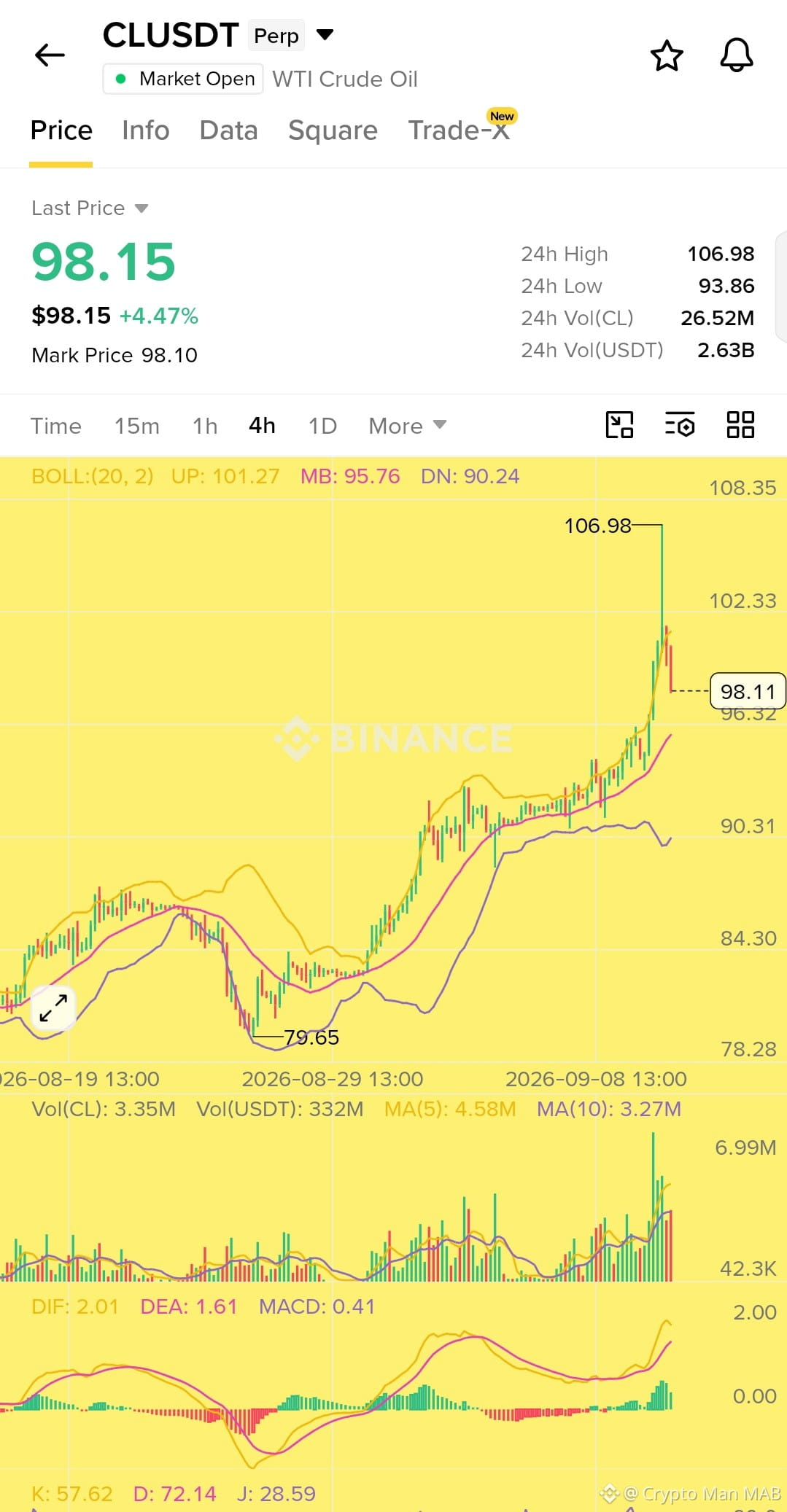
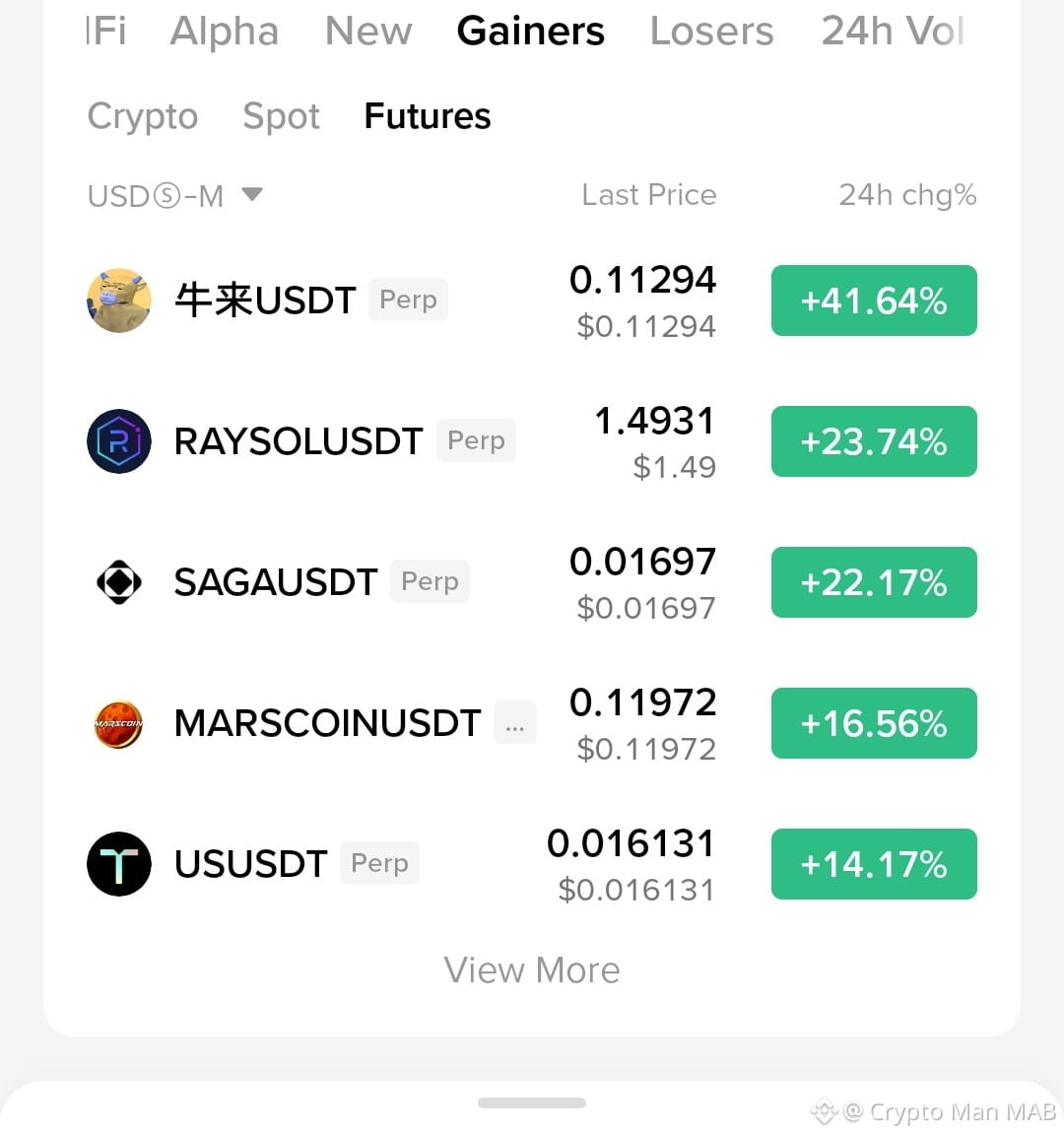

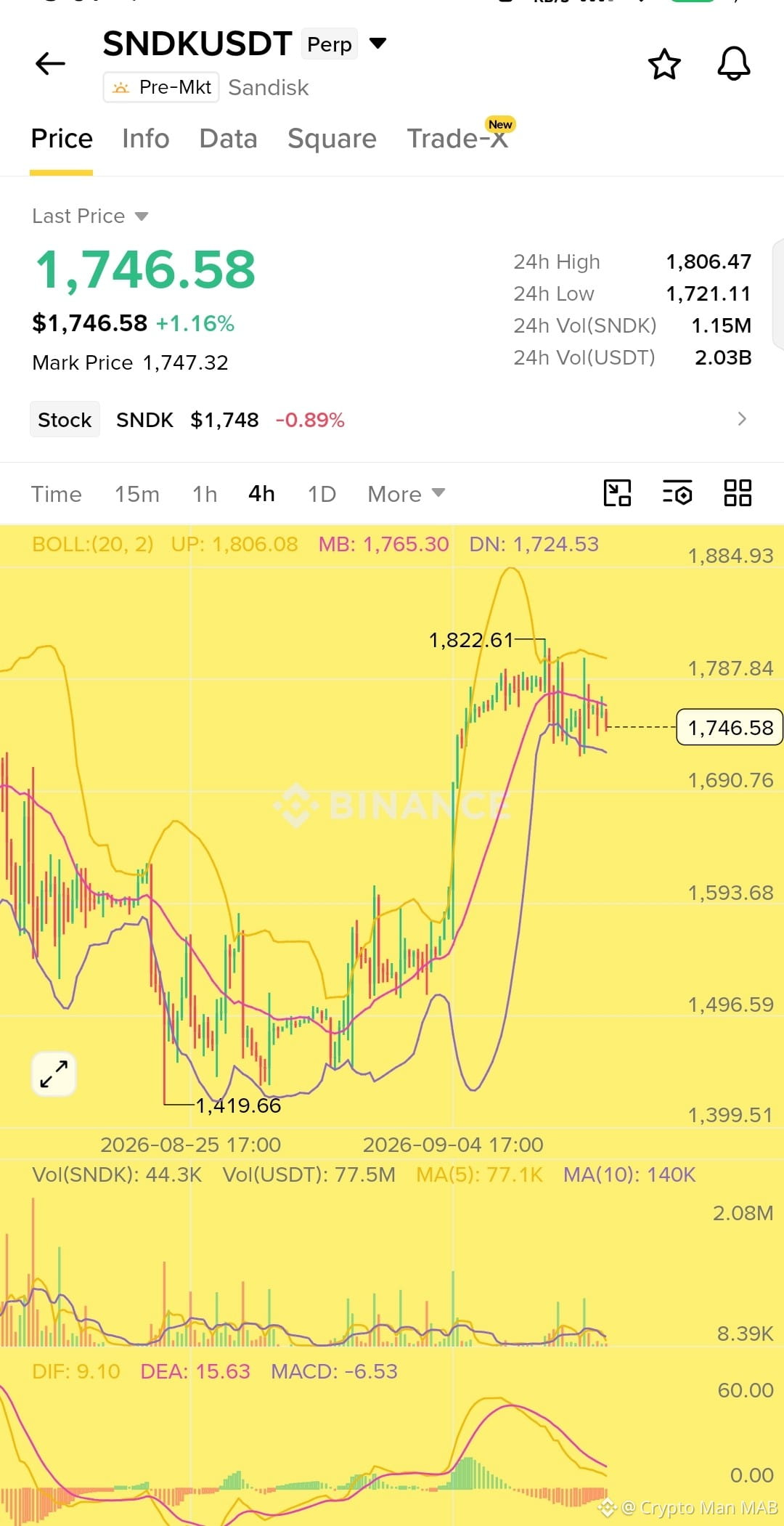
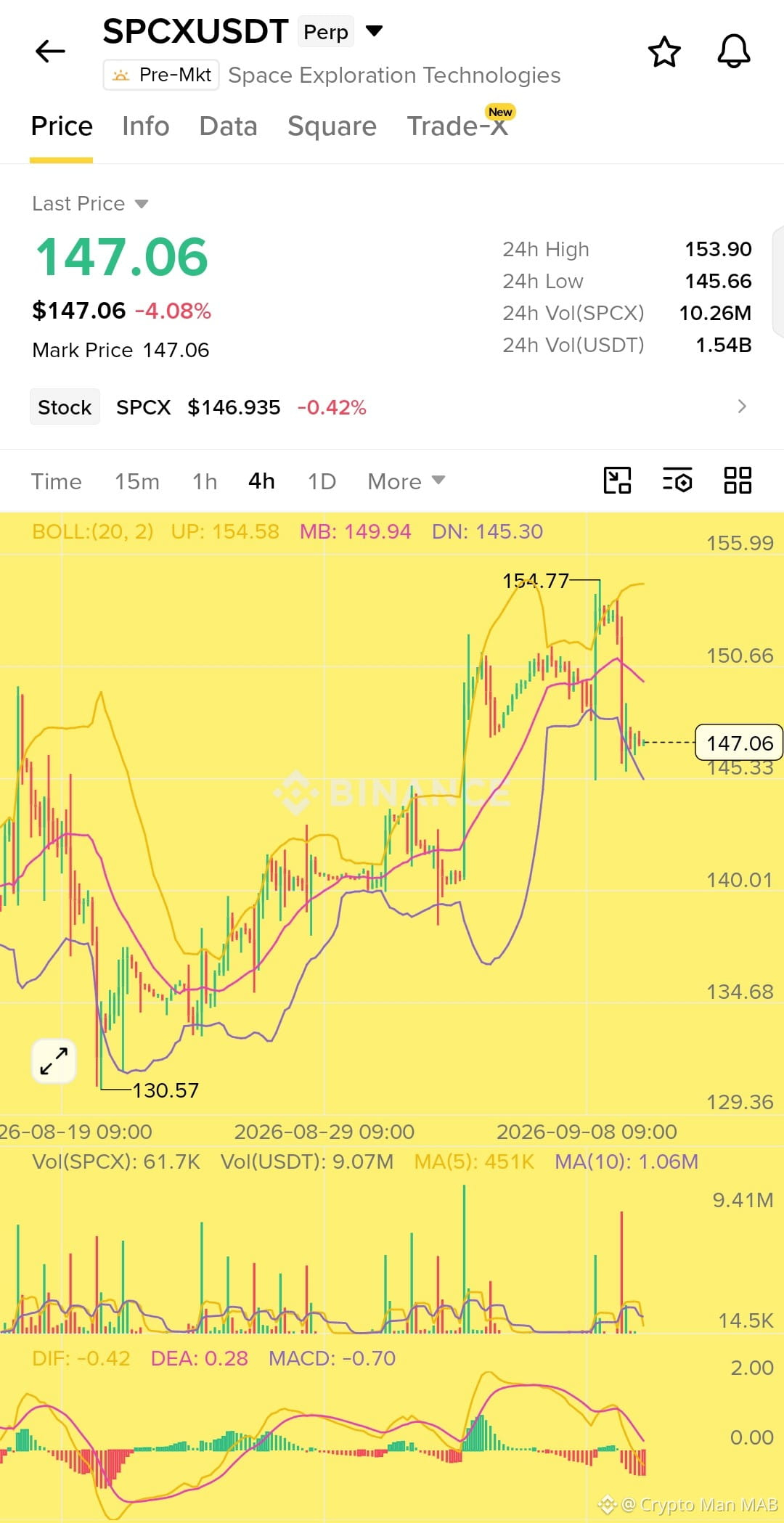
Crypto Man MAB
·
--
I Built an AI Crypto Market Research Agent with Binance Agent OS


Binance Square Official
·
--
How to Post for Better Reach: Here’s Your Content Checklist
#CreatorAcademy Binance Square intern here 👋
I spend days looking at what everyone posts, and honestly it hurts a little when I see great content miss out on reaching over one small fixable thing. So I put together this checklist from what I see every day. Follow it, and your reach really will change.
First, some real talk: trading content is the easiest to blow up on Square — but writing about trading doesn't automatically get you reach. It's all about how you write it.
1. How to write trading content
Memorize this all-purpose formula:
Call the move + Your take + Show your trade + CTA
Topic: pick hot pairs, stocks, or break down BTC's price action. The bare minimum, write about a pair you've actually traded yourself.Your take: share at least 50 words of trading insight — why you're bullish, why bearish, why you entered, why you exited. The goal: let viewers understand your decision in 30 seconds.Use our official trade sharing widgets!
Same trade share — but the third one spells out the decision process. People understand it, so they stay, like, and follow you.
2. About the authenticity of your trades (this matters)
The platform checks whether your trade shares are genuine. All of the following will hurt your posts, and even your account's reach:
Mismatch low volume on traded-pair count or low order sizeHoldings that don't match the trade you're showingFaked screenshots
Don't do this stuff just for clicks. You might steal a little exposure short-term, but you'll kill your account's weight long-term. Not worth it.
3. What if I can’t use trade widgets?
Relax. The trade-share widget is just a tool the platform gives you so people can see your track record — but what matters most is being REAL. Plenty of other ways to build trust:
Complete your bio — say which sectors you're intoEnable Trader Profile to prove you hold real positionsShow your trading badges. Top-ranked traders automatically receive badges based on real leaderboard performance — displayed across profiles, posts, and comments. Go live and show your actual trading processRun your community / chat room, and reply to comments a lot
All of these make people believe there's a real person really trading on the other side of the screen — far more than one pretty screenshot ever could.
4. The little secret to gaining followers
At the end of your post, naturally drop a line: follow me for more trading content. That's how you stack up followers over time.
⚠️ One caveat: no fake engagement. Asking for a follow is fine — faking follows is not.
5. Beyond trading — hot topics and news pull big crowds too
Especially during major price swings and big market events, tons of users are watching.
We've noticed many creators use AI to quickly generate news or analysis — word count isn't the point.
Remember this formula to lift your reach and engagement:
What's happening + Image/Video + Your take + Show your trade (when it fits)
How to find trending topics:
There are endless events — remember the 3-second rule: if the first 3 seconds don't hook people, the rest doesn't matter.Follow Binance News, look at the tickers tied to the news, find the angle.Always add your own take, at least 50 words: What do you make of this event? How does it hit the related tickers? What are you going to do about it?
Same event — but the second one adds your judgment and your action. That's what makes people remember you.
6. Red lines — please don't cross these
Don't post fake news. Fail the fact check = zero reach, instantly.Don't force-farm reach. Posting hot pairs or tickers does bring reach, but chasing it blindly hurts your account health.Plagiarism, duplicate content, repetitive newsflash spam — adding your own take is what keeps you safe. Pure reposting gets flagged.Avoid excessive emoji and "BREAKING"-style clickbait words.Don't repost others' images. Use your own, or credit the source.Don't abuse the Red Packet feature to farm engagement. That includes:Re-editing a red-packet post over and over to bait interaction.Tying red packets to comment-farming.
All of these drag down your post's reach.
One last thing
The people the platform wants to lift up are always the ones who create for real and share with care. Make your logic clear, keep your take honest, keep your account genuine, and reach takes care of itself.
Run through this checklist once before you hit post.
I spend days looking at what everyone posts, and honestly it hurts a little when I see great content miss out on reaching over one small fixable thing. So I put together this checklist from what I see every day. Follow it, and your reach really will change.
First, some real talk: trading content is the easiest to blow up on Square — but writing about trading doesn't automatically get you reach. It's all about how you write it.
1. How to write trading content
Memorize this all-purpose formula:
Call the move + Your take + Show your trade + CTA
Topic: pick hot pairs, stocks, or break down BTC's price action. The bare minimum, write about a pair you've actually traded yourself.Your take: share at least 50 words of trading insight — why you're bullish, why bearish, why you entered, why you exited. The goal: let viewers understand your decision in 30 seconds.Use our official trade sharing widgets!
Same trade share — but the third one spells out the decision process. People understand it, so they stay, like, and follow you.
2. About the authenticity of your trades (this matters)
The platform checks whether your trade shares are genuine. All of the following will hurt your posts, and even your account's reach:
Mismatch low volume on traded-pair count or low order sizeHoldings that don't match the trade you're showingFaked screenshots
Don't do this stuff just for clicks. You might steal a little exposure short-term, but you'll kill your account's weight long-term. Not worth it.
3. What if I can’t use trade widgets?
Relax. The trade-share widget is just a tool the platform gives you so people can see your track record — but what matters most is being REAL. Plenty of other ways to build trust:
Complete your bio — say which sectors you're intoEnable Trader Profile to prove you hold real positionsShow your trading badges. Top-ranked traders automatically receive badges based on real leaderboard performance — displayed across profiles, posts, and comments. Go live and show your actual trading processRun your community / chat room, and reply to comments a lot
All of these make people believe there's a real person really trading on the other side of the screen — far more than one pretty screenshot ever could.
4. The little secret to gaining followers
At the end of your post, naturally drop a line: follow me for more trading content. That's how you stack up followers over time.
⚠️ One caveat: no fake engagement. Asking for a follow is fine — faking follows is not.
5. Beyond trading — hot topics and news pull big crowds too
Especially during major price swings and big market events, tons of users are watching.
We've noticed many creators use AI to quickly generate news or analysis — word count isn't the point.
Remember this formula to lift your reach and engagement:
What's happening + Image/Video + Your take + Show your trade (when it fits)
How to find trending topics:
There are endless events — remember the 3-second rule: if the first 3 seconds don't hook people, the rest doesn't matter.Follow Binance News, look at the tickers tied to the news, find the angle.Always add your own take, at least 50 words: What do you make of this event? How does it hit the related tickers? What are you going to do about it?
Same event — but the second one adds your judgment and your action. That's what makes people remember you.
6. Red lines — please don't cross these
Don't post fake news. Fail the fact check = zero reach, instantly.Don't force-farm reach. Posting hot pairs or tickers does bring reach, but chasing it blindly hurts your account health.Plagiarism, duplicate content, repetitive newsflash spam — adding your own take is what keeps you safe. Pure reposting gets flagged.Avoid excessive emoji and "BREAKING"-style clickbait words.Don't repost others' images. Use your own, or credit the source.Don't abuse the Red Packet feature to farm engagement. That includes:Re-editing a red-packet post over and over to bait interaction.Tying red packets to comment-farming.
All of these drag down your post's reach.
One last thing
The people the platform wants to lift up are always the ones who create for real and share with care. Make your logic clear, keep your take honest, keep your account genuine, and reach takes care of itself.
Run through this checklist once before you hit post.
Log in to explore more content