
Cryptotodamoon
1.5k Posts

Cryptotodamoon
专注投资分享 #AI #Web3 领域,#binance 创作者

原创之星

GWEI Holder
Frequent Trader
9 Years
255 Following
11.8K+ Followers
8.7K+ Liked
1 Badges
Posts
All
Quotes
Videos
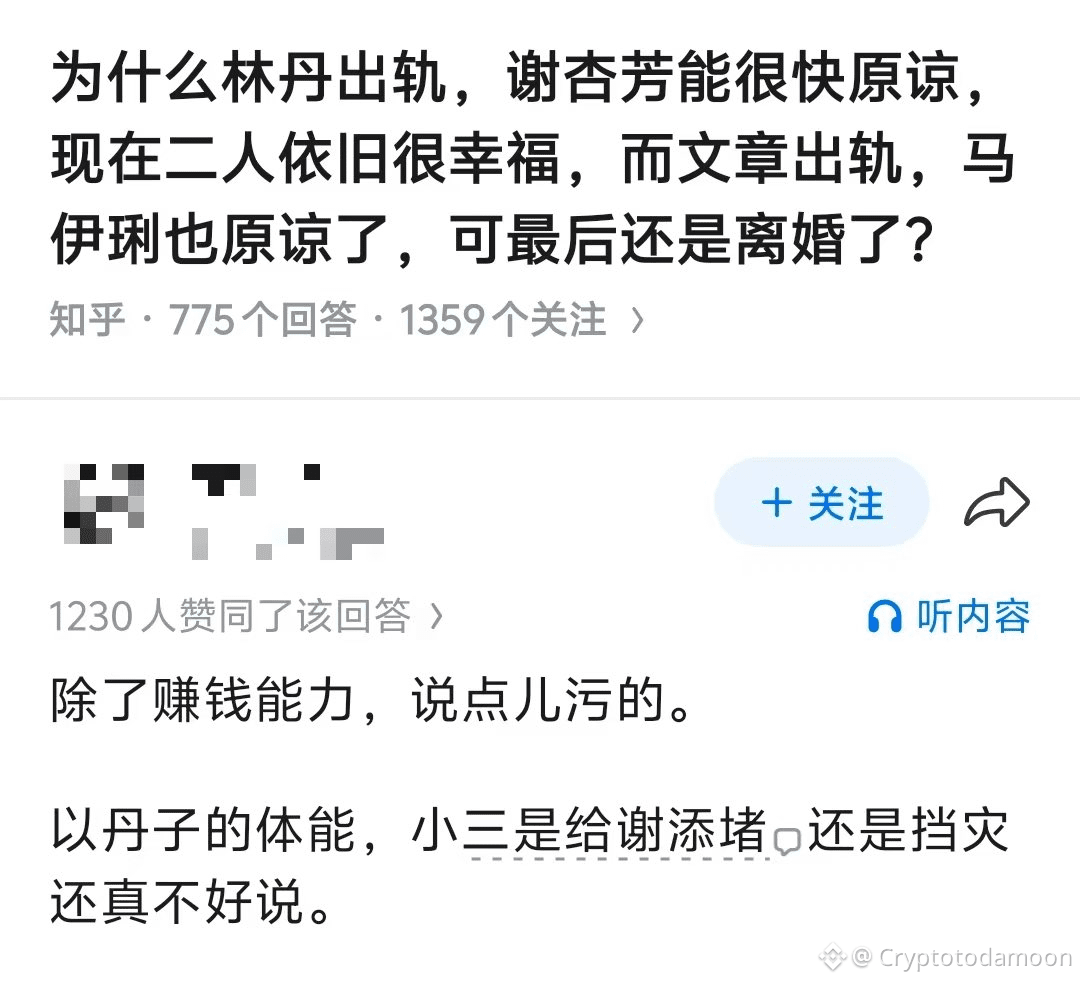
Can Lin Dan’s infidelity not result in divorce
Why can’t the article do the same?
Why can’t the article do the same?
After a Korean programmer became unemployed, he only gave himself 10,000 won a day for meals.
So, he casually built a website:
‘The Poor Guy Map’
—specifically to mark where you can get cheap meals.
In the first month after launch, it received 1.3 million visits.
To build a product—being really poor is what helps you discover real needs.
So, he casually built a website:
‘The Poor Guy Map’
—specifically to mark where you can get cheap meals.
In the first month after launch, it received 1.3 million visits.
To build a product—being really poor is what helps you discover real needs.
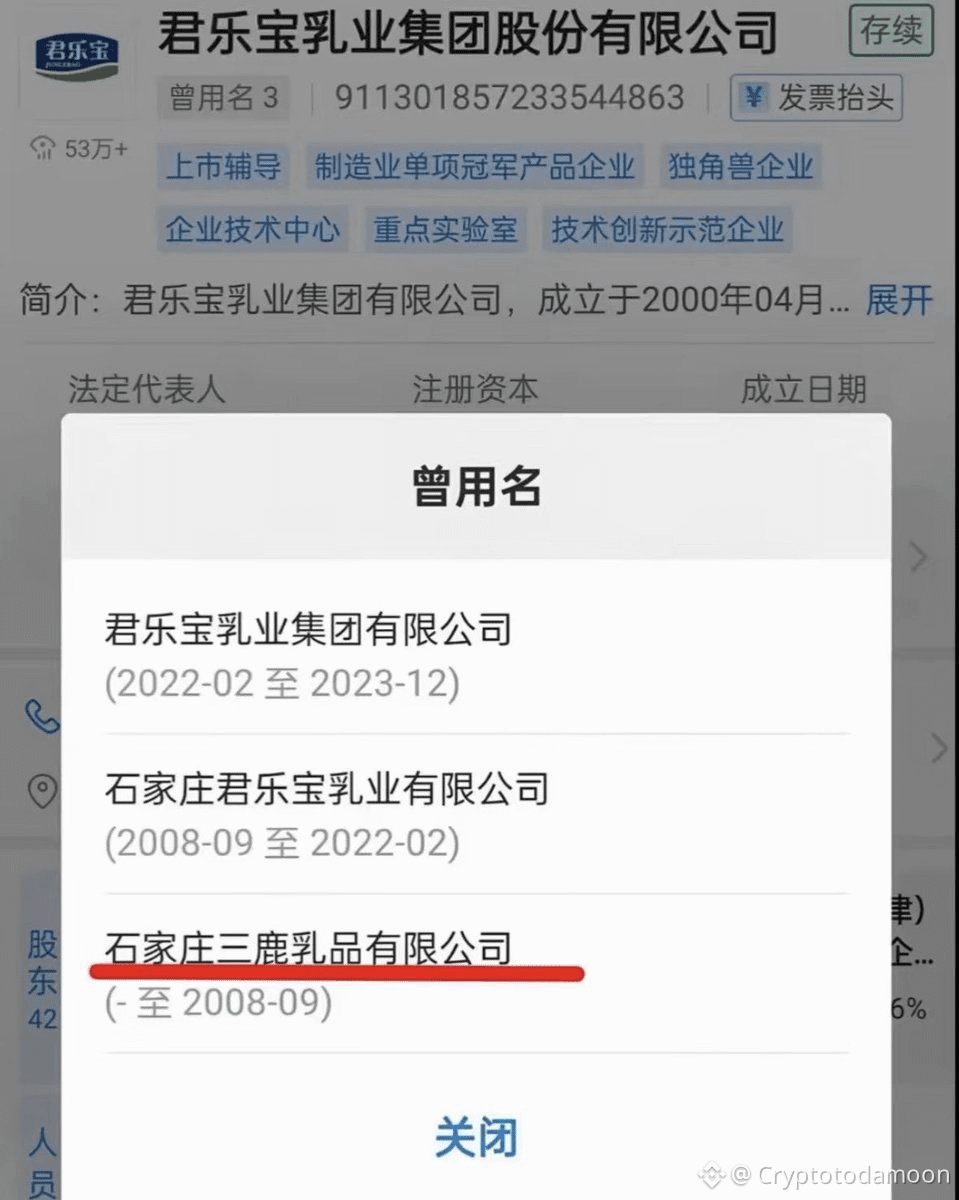
Fun fact: The predecessor of Junlebao was Sanlu
😄
😄
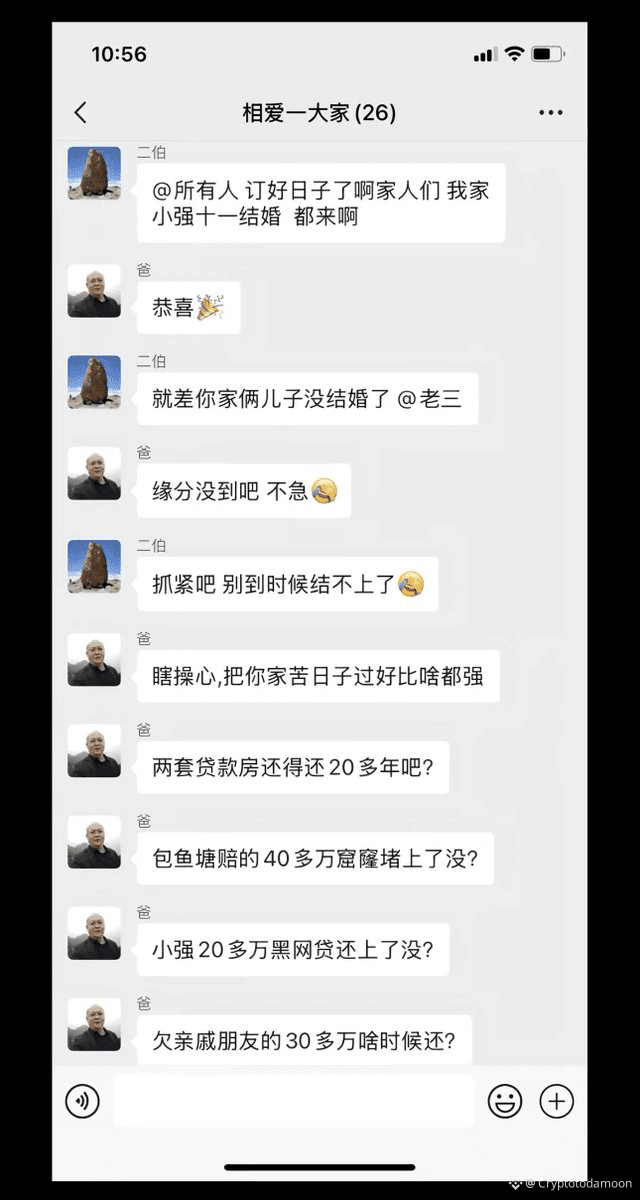
My dad, never a buzzkill
This bracelet is really satisfying to wear and roll around.
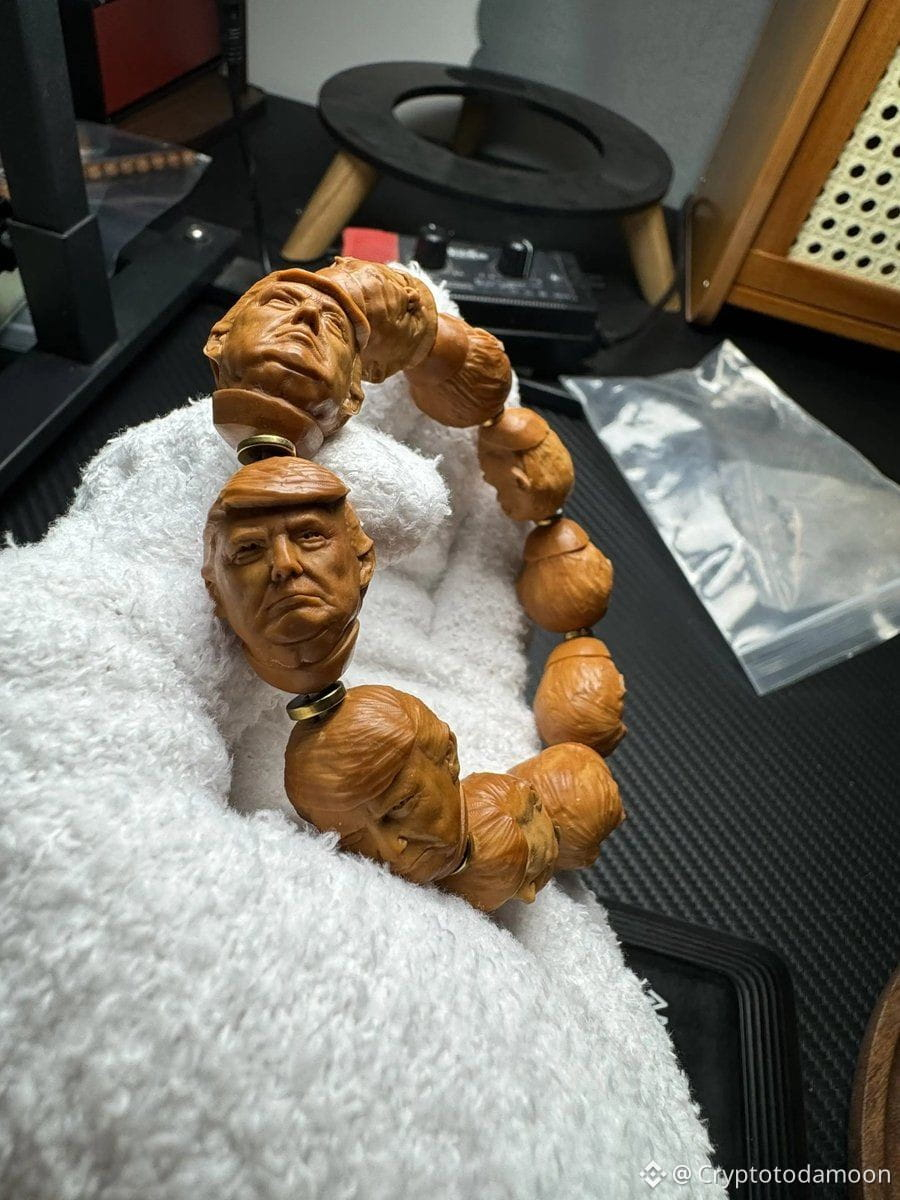
Is there a brother who can find the original video and the original uploader? Please, I’m begging

That’s why many people say AI is changing interviews.
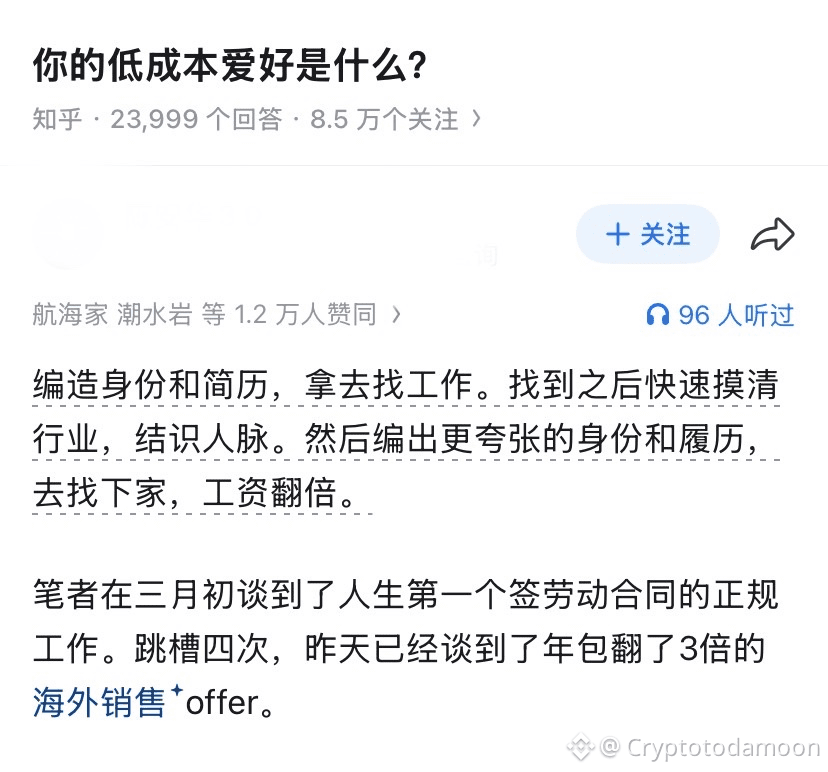
The iconic scene from when Sun Yuchen and Wang Sicong went at each other in a public argument that year,
Liang Jingru’s “Bravery” gets dragged into it too…
Liang Jingru’s “Bravery” gets dragged into it too…

10 overseas expansion and immigration new paths that very few people know—stop brushing the traditional routes; they’re expensive and competitive
1、US middle school teacher visiting scholar visa: The US is currently in great need of middle school teachers, especially for math, physics, and chemistry. But many school districts can’t secure work permits, so they use the visiting scholar visa to address this problem
2、Canada rural pilot: Canada now has 14 rural areas designated as pilot regions. Because they have fewer people, they don’t have enough candidates. If you move there, you can apply across borders
3、Small business incorporation visa: For example, visas for small businesses such as Chinese restaurants and convenience stores. Countries like France, Finland, and Germany have similar visa categories. Since locals tend to be a bit laid-back, Chinese people who are comparatively more diligent can open a shop—not necessarily aiming to get rich, but supporting a family and making a living is definitely achievable
4、Italy labor quotas: Italy lacks blue-collar workers. Over the next three years, they plan to bring in 500,000 workers. In addition, every year they also have 10,000 caregiving visas to care for people over 80 and children under 6
5、Norway technical workers: Norway also lacks blue-collar technical workers. Get PR within three years
6、Austria shortage occupations Red-White-Red Card: Many Chinese applicants mainly go as chefs, truck drivers, and construction workers. Speaking of construction workers—it’s not only Austria. If you go to any established developed country, you’ll see roads being repaired and houses being built everywhere. Almost all long-established developed countries lack construction workers
7、Finland study to get PR: In Finland, after graduating from a bachelor’s program in a master/PhD or research-oriented university track, you can apply for permanent residence
8、Sweden research visa: Do your postdoc in Sweden, and you can get permanent residence in three years
9、Iceland study for PR: Iceland has a population of less than 400,000—less than one of our districts—so very few people pay attention to it. But in reality, it is quite friendly to international students. While studying in Iceland, working part-time off-campus doesn’t require a work permit. After graduation, you get 1.5 years to search for a job. Once you find one, working for two years allows you to apply for permanent residence
10、Japan cross-border campus recruitment for graduating seniors: When people think of Japan, their first impression is that you need to go there to study first, and then you can stay. But the truth is, because Japan lacks young people, it offers cross-border campus recruitment targeting graduating seniors. The prerequisite is that you study Japanese well in China
1、US middle school teacher visiting scholar visa: The US is currently in great need of middle school teachers, especially for math, physics, and chemistry. But many school districts can’t secure work permits, so they use the visiting scholar visa to address this problem
2、Canada rural pilot: Canada now has 14 rural areas designated as pilot regions. Because they have fewer people, they don’t have enough candidates. If you move there, you can apply across borders
3、Small business incorporation visa: For example, visas for small businesses such as Chinese restaurants and convenience stores. Countries like France, Finland, and Germany have similar visa categories. Since locals tend to be a bit laid-back, Chinese people who are comparatively more diligent can open a shop—not necessarily aiming to get rich, but supporting a family and making a living is definitely achievable
4、Italy labor quotas: Italy lacks blue-collar workers. Over the next three years, they plan to bring in 500,000 workers. In addition, every year they also have 10,000 caregiving visas to care for people over 80 and children under 6
5、Norway technical workers: Norway also lacks blue-collar technical workers. Get PR within three years
6、Austria shortage occupations Red-White-Red Card: Many Chinese applicants mainly go as chefs, truck drivers, and construction workers. Speaking of construction workers—it’s not only Austria. If you go to any established developed country, you’ll see roads being repaired and houses being built everywhere. Almost all long-established developed countries lack construction workers
7、Finland study to get PR: In Finland, after graduating from a bachelor’s program in a master/PhD or research-oriented university track, you can apply for permanent residence
8、Sweden research visa: Do your postdoc in Sweden, and you can get permanent residence in three years
9、Iceland study for PR: Iceland has a population of less than 400,000—less than one of our districts—so very few people pay attention to it. But in reality, it is quite friendly to international students. While studying in Iceland, working part-time off-campus doesn’t require a work permit. After graduation, you get 1.5 years to search for a job. Once you find one, working for two years allows you to apply for permanent residence
10、Japan cross-border campus recruitment for graduating seniors: When people think of Japan, their first impression is that you need to go there to study first, and then you can stay. But the truth is, because Japan lacks young people, it offers cross-border campus recruitment targeting graduating seniors. The prerequisite is that you study Japanese well in China
If everyone wants to seriously and properly invest in US stocks domestically, I have a “cultivation technique” (somewhat unorthodox) but very reliable method
1. Apply for the cheapest tuition fee at a low-tier “fake” university in Singapore. The tuition is about (70–80k RMB). It doesn’t really have rankings like that. Click and you’ll be sent an offer
2. About within a week after the term starts, obtain the student pass (STP). Go open a Singapore bank account—DBS, UOB, OCBC, HSBC, Standard Chartered—ample limits, no shortage. These banks can still be used even if the student pass expires
Then open a brokerage account—Tiger Brokers, LTG, etc.—plenty of options; you can open it casually. Usually for new users, you can also get a few hundred Singapore dollars “for free”
If you need to invest in cryptocurrencies, opening Coinbase and transferring funds between it and your Singapore bank account are essentially instant
3. Transfer money from Chinese banks to Singapore for the reason of paying tuition and living expenses. It shouldn’t be blocked—just transfer it freely
4. After 2 weeks to one month from the start of the term, apply to the school for withdrawal. Tuition should be refundable in most cases. Some schools collect payment late; in some cases you might not have paid tuition yet—then the seat reservation fee likely won’t be refunded
5. Cancel the student pass (STP) and return to China. Some banks or brokerages may ask you to update your documents to your passport—just update it and you’re good
At this point, you’ll have a large number of overseas bank accounts and brokerage accounts. You can trade stocks however you want
6. Also, the Singapore Visa card makes it very convenient to subscribe to various AI services. Mainland and Hong Kong cards don’t work
Additional must-have Singapore specialty: a mobile SIM card issued in Singapore by China Mobile or China Unicom. The plan costs about 55 RMB, includes a huge amount of roaming data—around 15–20G—with wide coverage across many regions, including East Asia, Southeast Asia, Australia, etc. Basically, when you travel, you don’t need to buy a roaming data package. You’ll save a large amount of money.
In China, you can also use Singapore network services freely
1. Apply for the cheapest tuition fee at a low-tier “fake” university in Singapore. The tuition is about (70–80k RMB). It doesn’t really have rankings like that. Click and you’ll be sent an offer
2. About within a week after the term starts, obtain the student pass (STP). Go open a Singapore bank account—DBS, UOB, OCBC, HSBC, Standard Chartered—ample limits, no shortage. These banks can still be used even if the student pass expires
Then open a brokerage account—Tiger Brokers, LTG, etc.—plenty of options; you can open it casually. Usually for new users, you can also get a few hundred Singapore dollars “for free”
If you need to invest in cryptocurrencies, opening Coinbase and transferring funds between it and your Singapore bank account are essentially instant
3. Transfer money from Chinese banks to Singapore for the reason of paying tuition and living expenses. It shouldn’t be blocked—just transfer it freely
4. After 2 weeks to one month from the start of the term, apply to the school for withdrawal. Tuition should be refundable in most cases. Some schools collect payment late; in some cases you might not have paid tuition yet—then the seat reservation fee likely won’t be refunded
5. Cancel the student pass (STP) and return to China. Some banks or brokerages may ask you to update your documents to your passport—just update it and you’re good
At this point, you’ll have a large number of overseas bank accounts and brokerage accounts. You can trade stocks however you want
6. Also, the Singapore Visa card makes it very convenient to subscribe to various AI services. Mainland and Hong Kong cards don’t work
Additional must-have Singapore specialty: a mobile SIM card issued in Singapore by China Mobile or China Unicom. The plan costs about 55 RMB, includes a huge amount of roaming data—around 15–20G—with wide coverage across many regions, including East Asia, Southeast Asia, Australia, etc. Basically, when you travel, you don’t need to buy a roaming data package. You’ll save a large amount of money.
In China, you can also use Singapore network services freely
Let me make a controversial statement:
The big shots and bosses of A9 A10 A11 are looking for wives
The best, best, best choice is
Female athletes from the national diving team
Don’t ask me why
The big shots and bosses of A9 A10 A11 are looking for wives
The best, best, best choice is
Female athletes from the national diving team
Don’t ask me why
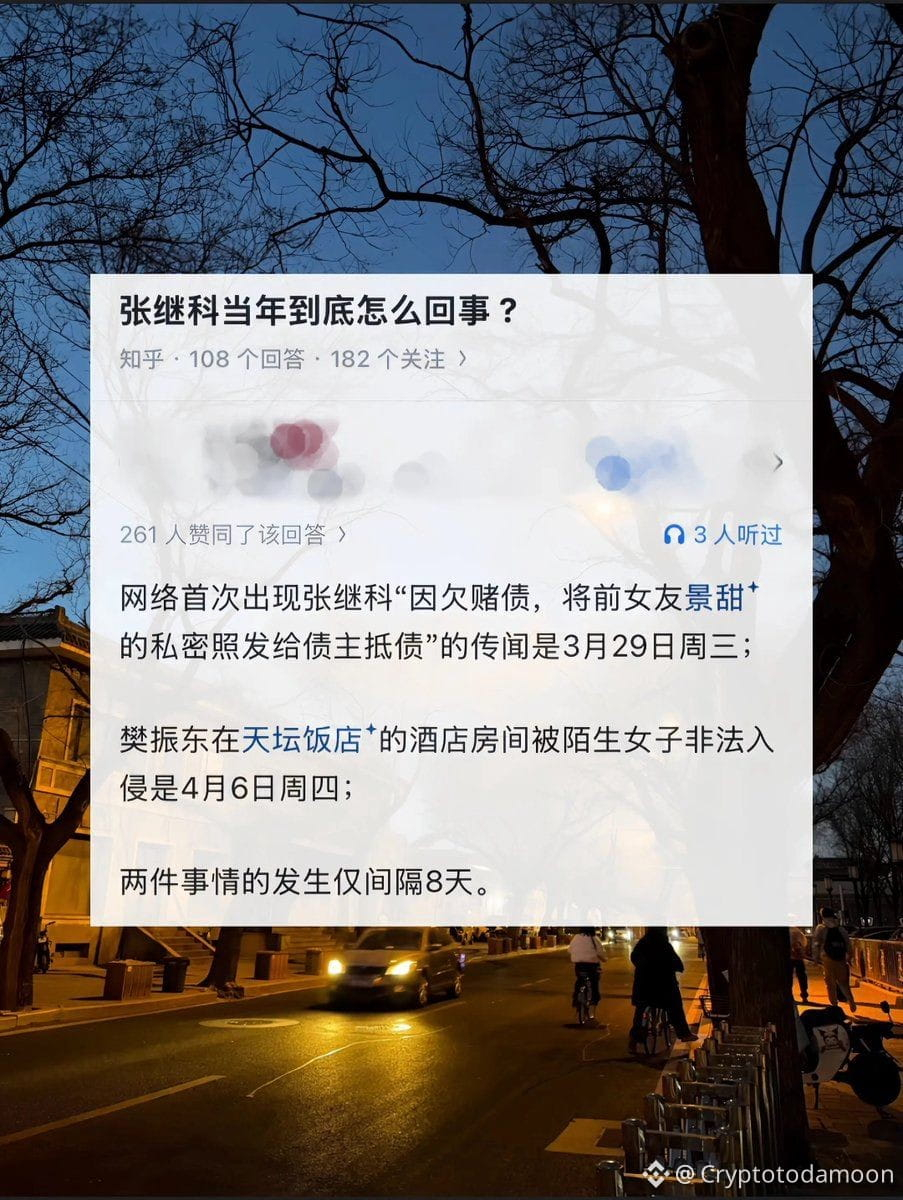
What exactly happened with Zhang Jike back then?
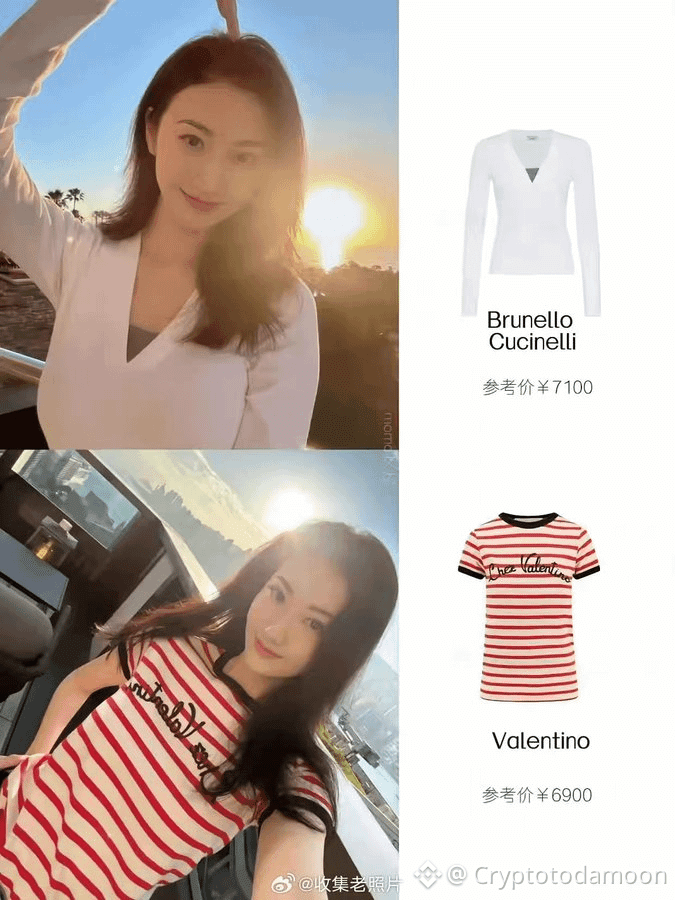
Jing Tian really does have money in the first half of the year—turns out she’s hitched up with Sun Ge. That said, it really does look like money isn’t something you can easily keep. Also, Sun Ge is truly stingy.
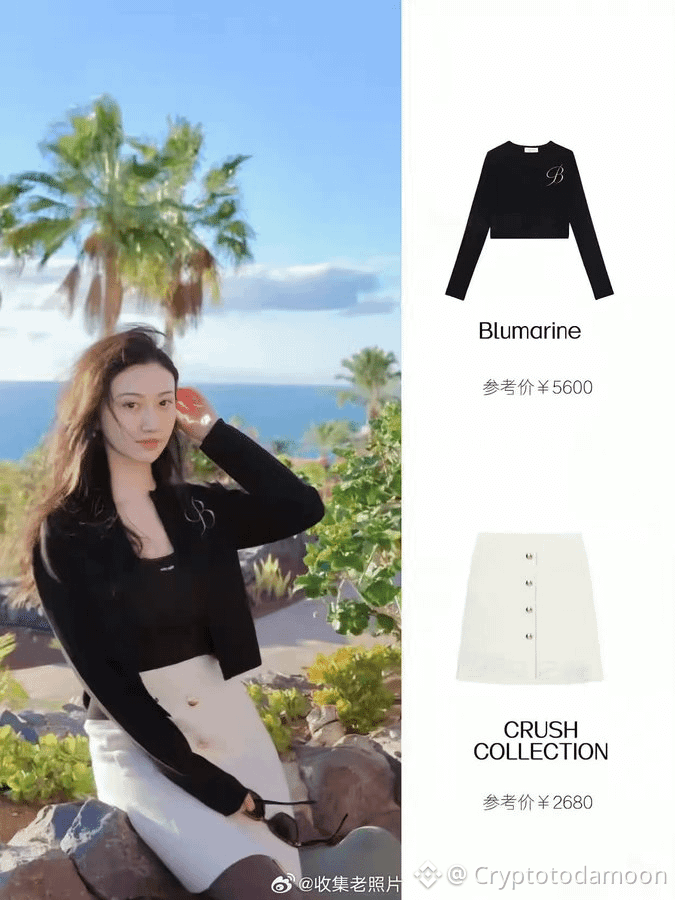
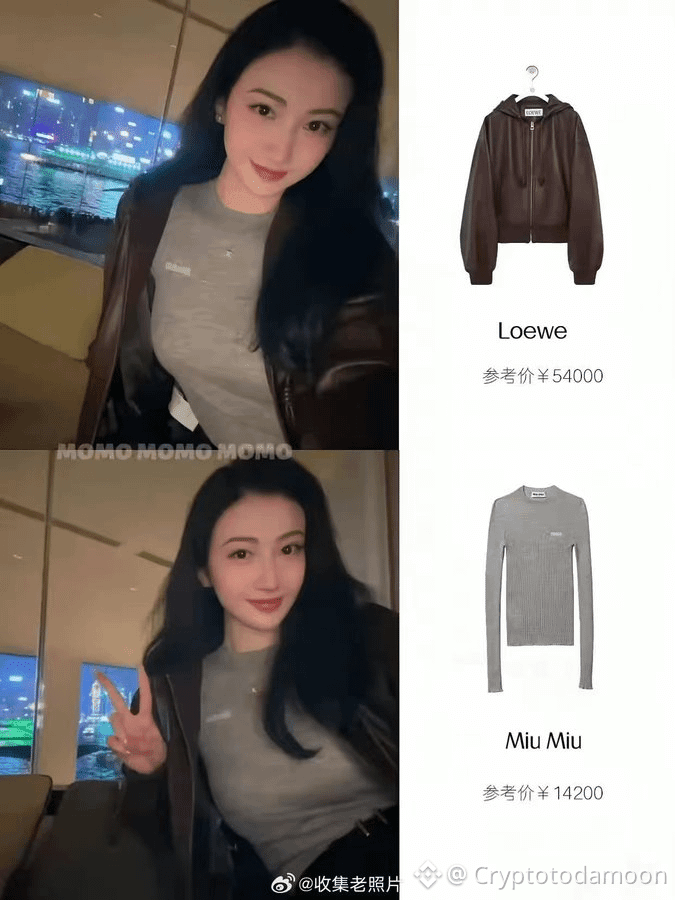

The three things netizens most want to know this century
1. The amount of breach-of-contract money from the night Li Xiaolu and Jia Nailiang's concert
2. The variety show “Flower Girl 2”’s mother bag
3. Jing Tian's couples roster from the drama crew
1. The amount of breach-of-contract money from the night Li Xiaolu and Jia Nailiang's concert
2. The variety show “Flower Girl 2”’s mother bag
3. Jing Tian's couples roster from the drama crew
If everyone wants to invest in US stocks in China in a proper, straightforward way, I have an evil-cultist method that is also very safe and reliable
1. Apply for the cheapest “shoddy” (unreputable) Singapore university. The tuition is about (70,000 to 80,000 RMB). It doesn’t have any real rankings—just click and you’ll be sent an offer.
2. About within a week after the semester starts, obtain a student pass STP+. Then go apply for a Singapore bank account—DBS, UOB, OCBC, HSBC, Standard Chartered. You’ll be able to deposit big money; these banks can still be used even after the student pass expires.
Then open a brokerage account—Tiger Brokers, ULCB/LongBridge, etc. You can open it freely with plenty of “room.” Usually, when registering new users, you can get a few hundred Singapore dollars for free.
If you need to invest in cryptocurrencies, opening Coinbase and transferring funds between Coinbase and your Singapore bank account is instant.
3. Transfer money from a bank in China to Singapore, with the reason being tuition and living expenses. It won’t get blocked—you can transfer it freely.
4. Two weeks to one month after the semester starts, apply to the school for withdrawal. Tuition should be refundable in most cases. Some schools require late payment; even if you haven’t paid tuition yet, they probably won’t refund the seat-holding fee.
5. Cancel the student pass STP, then return to China. Some banks or brokerages may ask you to update your documents to a passport; updating it is all that’s needed.
At this point, you’ll have a lot of overseas bank accounts and brokerage accounts—you can trade stocks however you want.
6. Plus, the Singapore Visa card is extremely convenient for subscribing to various AI services; Mainland China and Hong Kong cards don’t work.
Extra tip: bring a SIM card specialty from Singapore—one of the mobile phone cards issued by China Mobile or China Unicom in Singapore. It’s usually about 55 RMB for a package that includes 15 to 20 GB of very extensive roaming data, covering many countries in East Asia, Southeast Asia, Australia, and more. If you basically travel, you won’t even need to buy a roaming package—saving you a lot of money.
You can also use Singapore network services freely while you’re in China.
1. Apply for the cheapest “shoddy” (unreputable) Singapore university. The tuition is about (70,000 to 80,000 RMB). It doesn’t have any real rankings—just click and you’ll be sent an offer.
2. About within a week after the semester starts, obtain a student pass STP+. Then go apply for a Singapore bank account—DBS, UOB, OCBC, HSBC, Standard Chartered. You’ll be able to deposit big money; these banks can still be used even after the student pass expires.
Then open a brokerage account—Tiger Brokers, ULCB/LongBridge, etc. You can open it freely with plenty of “room.” Usually, when registering new users, you can get a few hundred Singapore dollars for free.
If you need to invest in cryptocurrencies, opening Coinbase and transferring funds between Coinbase and your Singapore bank account is instant.
3. Transfer money from a bank in China to Singapore, with the reason being tuition and living expenses. It won’t get blocked—you can transfer it freely.
4. Two weeks to one month after the semester starts, apply to the school for withdrawal. Tuition should be refundable in most cases. Some schools require late payment; even if you haven’t paid tuition yet, they probably won’t refund the seat-holding fee.
5. Cancel the student pass STP, then return to China. Some banks or brokerages may ask you to update your documents to a passport; updating it is all that’s needed.
At this point, you’ll have a lot of overseas bank accounts and brokerage accounts—you can trade stocks however you want.
6. Plus, the Singapore Visa card is extremely convenient for subscribing to various AI services; Mainland China and Hong Kong cards don’t work.
Extra tip: bring a SIM card specialty from Singapore—one of the mobile phone cards issued by China Mobile or China Unicom in Singapore. It’s usually about 55 RMB for a package that includes 15 to 20 GB of very extensive roaming data, covering many countries in East Asia, Southeast Asia, Australia, and more. If you basically travel, you won’t even need to buy a roaming package—saving you a lot of money.
You can also use Singapore network services freely while you’re in China.
I suddenly felt like checking the adoption eligibility of an orphanage.
There are many requirements.
Among them, the most important one:
The civil affairs department reviews whether the applicants have the ability to provide care.
Having a baby, on the other hand, doesn’t require these.
There are many requirements.
Among them, the most important one:
The civil affairs department reviews whether the applicants have the ability to provide care.
Having a baby, on the other hand, doesn’t require these.
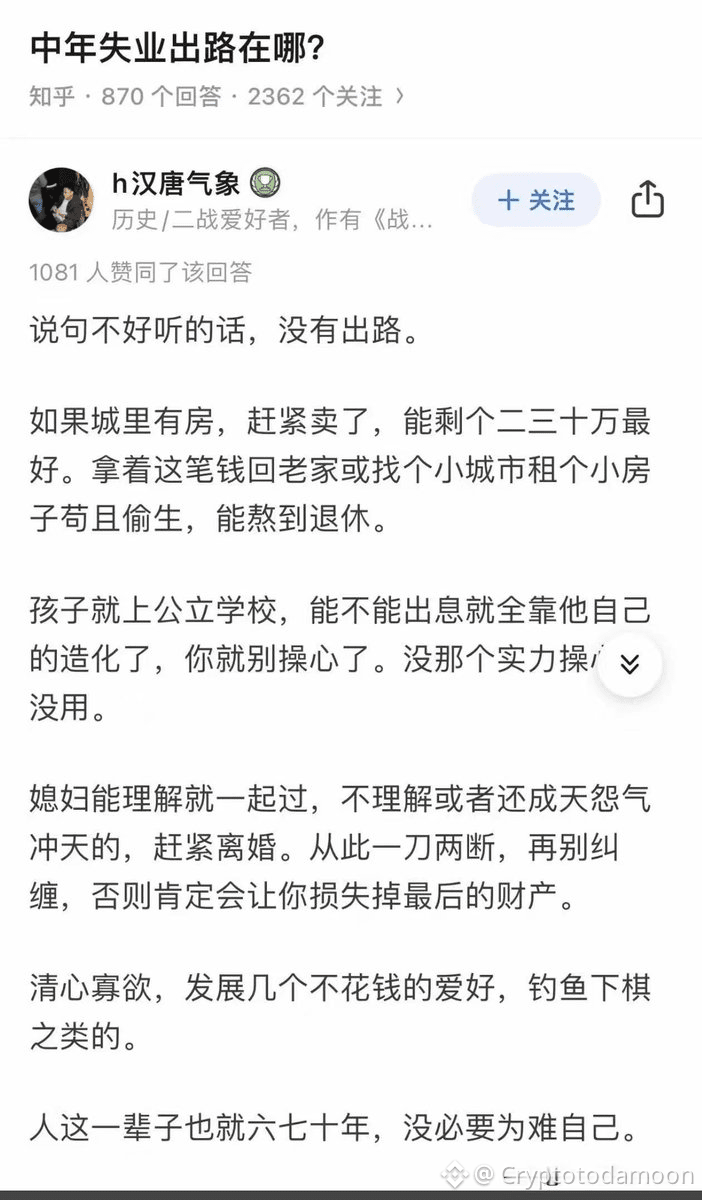
Where is the way out for mid-career unemployment?
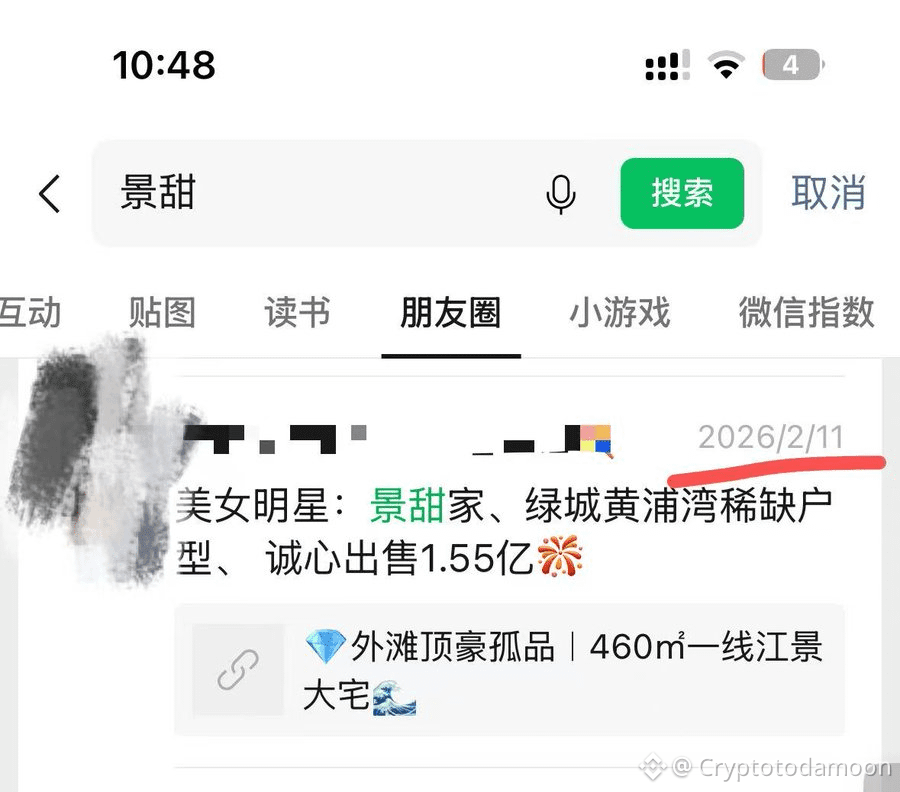
So it turns out Sun Ge donates sperm—not surrogacy.
Because when Sun Ge operated a surrogacy arrangement in the U.S., he refused to show up in person. Under the law, if the biological father doesn’t appear, it’s considered sperm donation.
That’s why Jing Tian needed the money—she was afraid he’d pull out and abandon the child.
In the end, Sun Ge wouldn’t give it. Jing Tian ran.
Then Sun Ge threatened Jing Tian.
Sun Ge made a killing on this one. He invested 30 million to threaten Jing Tian into demanding 200 million—forcing Jing Tian to sell her mansion.
Because when Sun Ge operated a surrogacy arrangement in the U.S., he refused to show up in person. Under the law, if the biological father doesn’t appear, it’s considered sperm donation.
That’s why Jing Tian needed the money—she was afraid he’d pull out and abandon the child.
In the end, Sun Ge wouldn’t give it. Jing Tian ran.
Then Sun Ge threatened Jing Tian.
Sun Ge made a killing on this one. He invested 30 million to threaten Jing Tian into demanding 200 million—forcing Jing Tian to sell her mansion.

Previous math books really did teach practical know-how
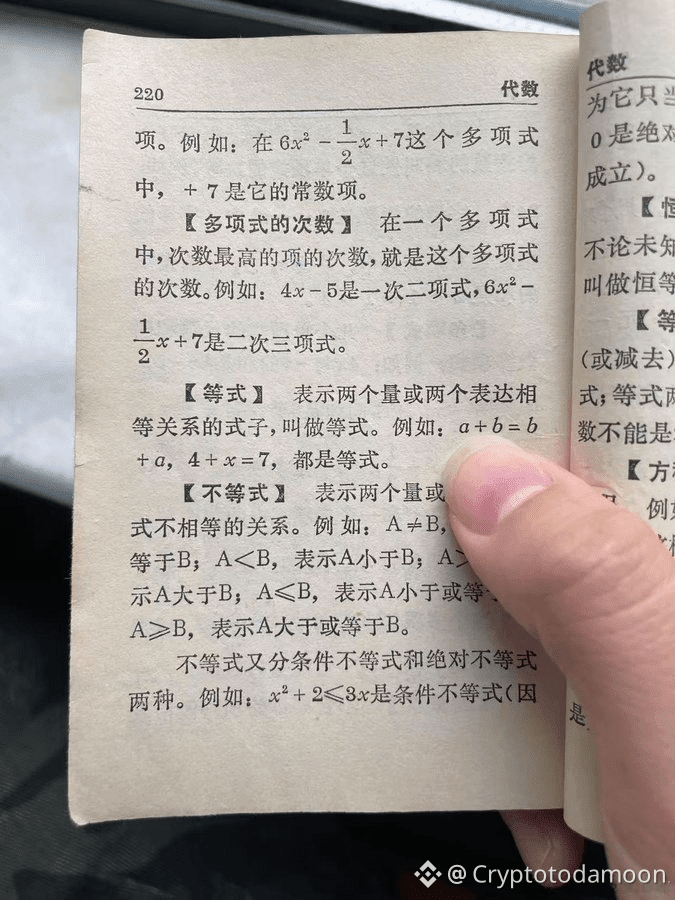
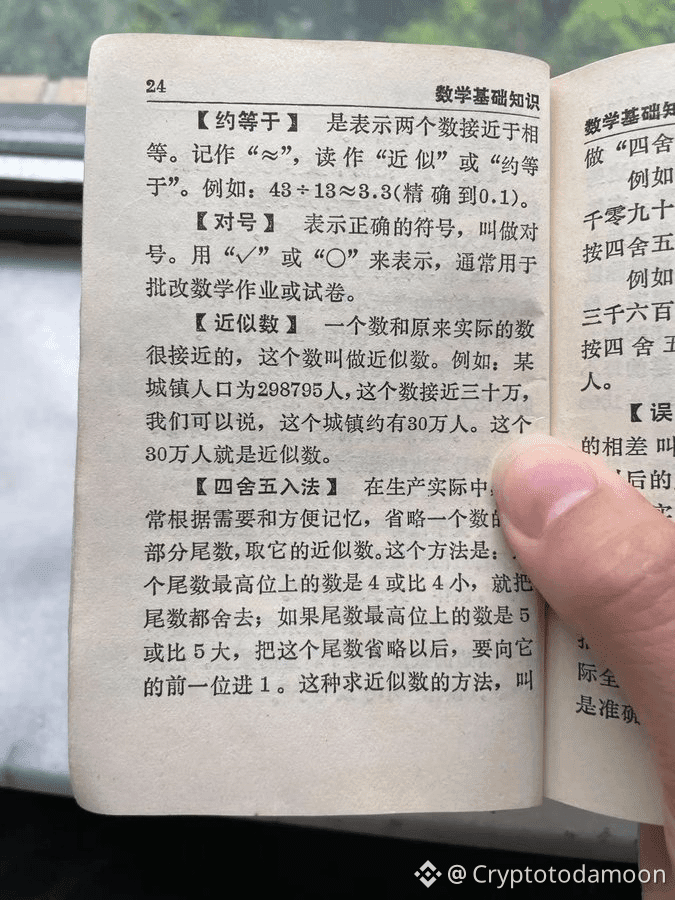
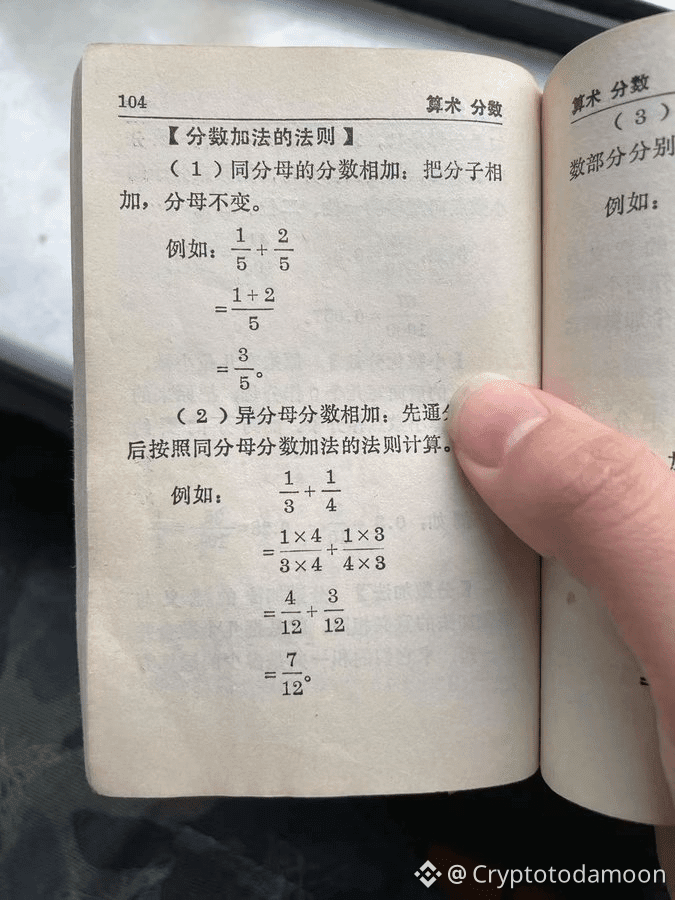
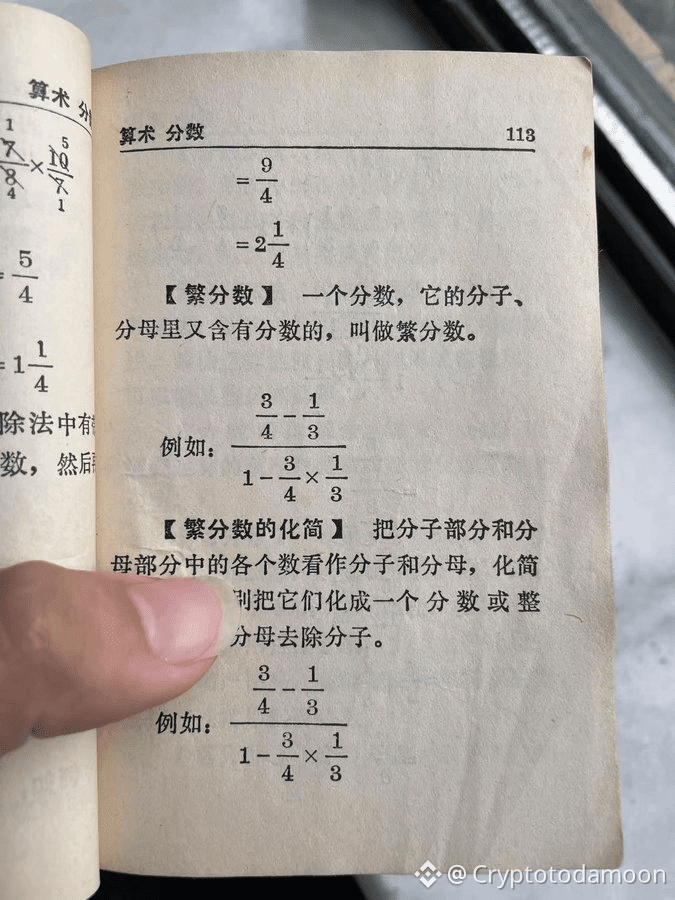
Learning line by line

Log in to explore more content