

DemonAngel
51 Posts

DemonAngel
Report
Block User
Open Trade
Frequent Trader
2.6 Years
5 Following
39 Followers
45 Liked
Posts
Portfolio
All
Quotes
·
--
I want to call attention to P2P merchants. They send the money but not in full. For example, they put 0 where the cents should be. And they’ll say that’s nothing, but if they do it several times, they earn commission. So, a call to attention for P2P merchants—be honest and do your job properly... (not all of them)
#binancehelps #Comerciosp2p
I want to call attention to P2P merchants. They send the money but not in full. For example, they put 0 where the cents should be. And they’ll say that’s nothing, but if they do it several times, they earn commission. So, a call to attention for P2P merchants—be honest and do your job properly... (not all of them)
#binancehelps #Comerciosp2p
#binancehelps #Comerciosp2p
2
1.3k
·
--
What a football matchday we’re experiencing! The intensity on the pitch, the passion of the fans in the stands, and the last-minute goals remind us why this is the most beautiful sport in the world. No matter which team you support, football always brings us together in a single emotion. Keep enjoying great football!
#BinancePickAndWin
What a football matchday we’re experiencing! The intensity on the pitch, the passion of the fans in the stands, and the last-minute goals remind us why this is the most beautiful sport in the world. No matter which team you support, football always brings us together in a single emotion. Keep enjoying great football!
#BinancePickAndWin
#BinancePickAndWin
10
·
--
1. The BabySwap Ecosystem (BABY)
BabySwap is a decentralized exchange (DEX) on the BNB Chain specifically designed for new projects.
Real utility: Unlike many "memecoins", the BABY token has utility within its platform for farming (earning interest) and participating in Metaverse games.
Current situation (2026): The price has shown stabilization after years of volatility, trading near $0.0002 USD. It is a bet on the infrastructure of the Binance network.
2. The Baby Doge Coin phenomenon (BABYDOGE)
It is one of the largest and most passionate communities in the crypto world.
Deflation and Rewards: Its smart contract is designed to constantly burn coins and distribute a percentage of each transaction to those who hold the token (holders).
Evolution: In 2025 and 2026, it has attempted to move away from being just a "meme" by launching Artificial Intelligence tools to generate images and expanding to the Solana network to gain speed.
1. The BabySwap Ecosystem (BABY)
BabySwap is a decentralized exchange (DEX) on the BNB Chain specifically designed for new projects.
Real utility: Unlike many "memecoins", the BABY token has utility within its platform for farming (earning interest) and participating in Metaverse games.
Current situation (2026): The price has shown stabilization after years of volatility, trading near $0.0002 USD. It is a bet on the infrastructure of the Binance network.
2. The Baby Doge Coin phenomenon (BABYDOGE)
It is one of the largest and most passionate communities in the crypto world.
Deflation and Rewards: Its smart contract is designed to constantly burn coins and distribute a percentage of each transaction to those who hold the token (holders).
Evolution: In 2025 and 2026, it has attempted to move away from being just a "meme" by launching Artificial Intelligence tools to generate images and expanding to the Solana network to gain speed.
BabySwap is a decentralized exchange (DEX) on the BNB Chain specifically designed for new projects.
Real utility: Unlike many "memecoins", the BABY token has utility within its platform for farming (earning interest) and participating in Metaverse games.
Current situation (2026): The price has shown stabilization after years of volatility, trading near $0.0002 USD. It is a bet on the infrastructure of the Binance network.
2. The Baby Doge Coin phenomenon (BABYDOGE)
It is one of the largest and most passionate communities in the crypto world.
Deflation and Rewards: Its smart contract is designed to constantly burn coins and distribute a percentage of each transaction to those who hold the token (holders).
Evolution: In 2025 and 2026, it has attempted to move away from being just a "meme" by launching Artificial Intelligence tools to generate images and expanding to the Solana network to gain speed.
1
152
·
--
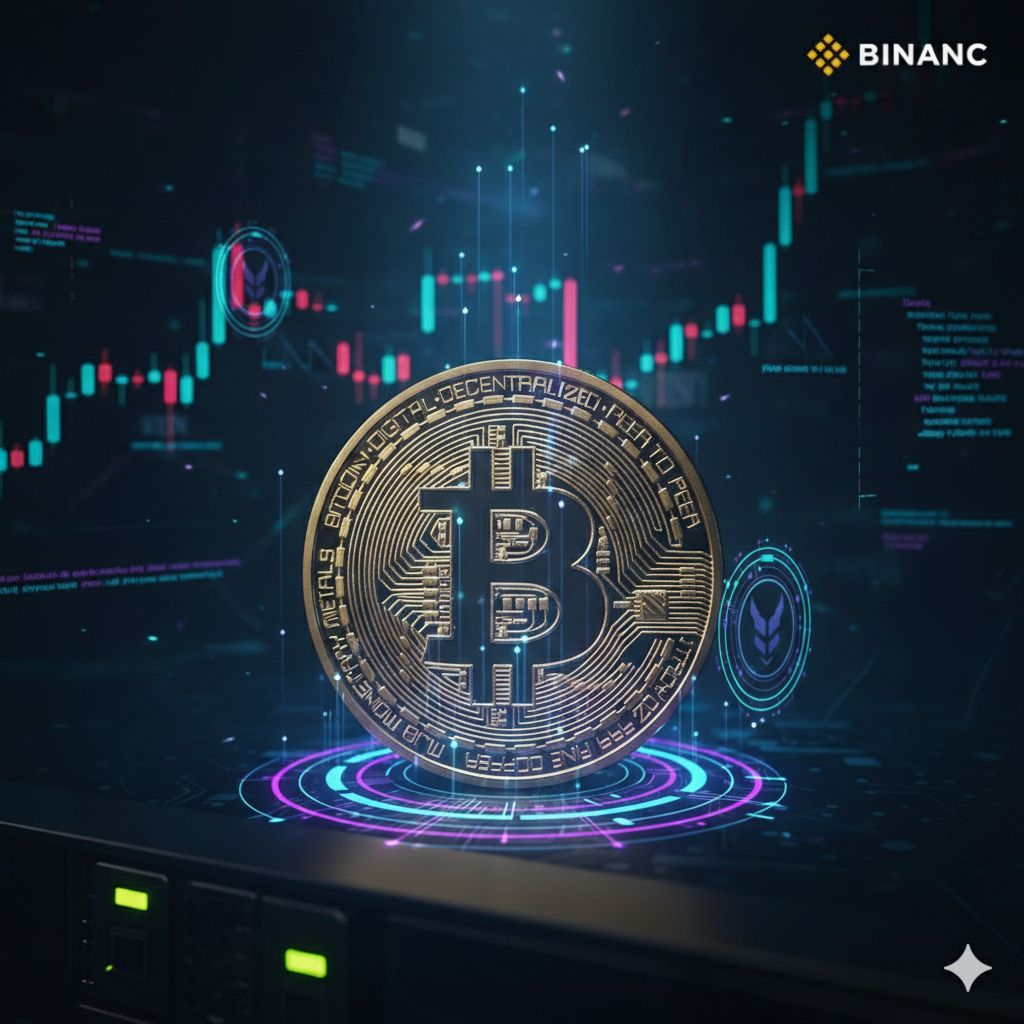
Bitcoin: The Unbreakable King of the Crypto Market and Its Future
Bitcoin, the pioneering cryptocurrency and the fundamental pillar of the digital market, continues to be the center of all attention. Since its anonymous creation by Satoshi Nakamoto, BTC has not only revolutionized finance but has also proven to be a resilient asset against global volatility. Its decentralized design, based on blockchain technology, offers a transparent and secure alternative to traditional financial systems.
The narrative of Bitcoin as "digital gold" is strengthened with each market cycle, attracting institutional and retail investors looking for a store of value immune to the inflation of fiat currencies. Events like the halving, which halves the reward for mining new blocks, are crucial and tend to create scarcity, which has historically driven its price upward.
Looking towards the future, Bitcoin adoption continues to rise, with more companies accepting it as a payment method and the growing implementation of layer 2 solutions like the Lightning Network, which aim to improve its scalability and transaction speed. Bitcoin is not just a cryptocurrency; it is a movement, a philosophy, and a statement about the future of money. Its ability to adapt and endure keeps it as the undisputed leader of the crypto market.
$BTC
{spot}(BTCUSDT)
Bitcoin: The Unbreakable King of the Crypto Market and Its Future
Bitcoin, the pioneering cryptocurrency and the fundamental pillar of the digital market, continues to be the center of all attention. Since its anonymous creation by Satoshi Nakamoto, BTC has not only revolutionized finance but has also proven to be a resilient asset against global volatility. Its decentralized design, based on blockchain technology, offers a transparent and secure alternative to traditional financial systems.
The narrative of Bitcoin as "digital gold" is strengthened with each market cycle, attracting institutional and retail investors looking for a store of value immune to the inflation of fiat currencies. Events like the halving, which halves the reward for mining new blocks, are crucial and tend to create scarcity, which has historically driven its price upward.
Looking towards the future, Bitcoin adoption continues to rise, with more companies accepting it as a payment method and the growing implementation of layer 2 solutions like the Lightning Network, which aim to improve its scalability and transaction speed. Bitcoin is not just a cryptocurrency; it is a movement, a philosophy, and a statement about the future of money. Its ability to adapt and endure keeps it as the undisputed leader of the crypto market.
$BTC
Bitcoin, the pioneering cryptocurrency and the fundamental pillar of the digital market, continues to be the center of all attention. Since its anonymous creation by Satoshi Nakamoto, BTC has not only revolutionized finance but has also proven to be a resilient asset against global volatility. Its decentralized design, based on blockchain technology, offers a transparent and secure alternative to traditional financial systems.
The narrative of Bitcoin as "digital gold" is strengthened with each market cycle, attracting institutional and retail investors looking for a store of value immune to the inflation of fiat currencies. Events like the halving, which halves the reward for mining new blocks, are crucial and tend to create scarcity, which has historically driven its price upward.
Looking towards the future, Bitcoin adoption continues to rise, with more companies accepting it as a payment method and the growing implementation of layer 2 solutions like the Lightning Network, which aim to improve its scalability and transaction speed. Bitcoin is not just a cryptocurrency; it is a movement, a philosophy, and a statement about the future of money. Its ability to adapt and endure keeps it as the undisputed leader of the crypto market.
$BTC
67
·
--

Article
Exploring the Vanar Chain ecosystem and its potentialIt is extremely interesting to observe the technical evolution of @Vana in the current landscape of layer 1 networks. The Vanar Chain proposal focuses not only on speed but also on creating a sustainable and efficient environment for developers and users alike.
When analyzing the performance of the token $VANRY , it is noticeable that the market is paying attention to projects that offer real solutions to scalability problems. The adoption of new technologies within its network positions this ecosystem as a benchmark to follow. Personally, I believe that the approach of #vanar in integrating digital assets and its ease of use will make a significant difference in the coming months. Staying informed about these advances is key to understanding the future of Web3. Let's stay alert to the news of this great project!
Exploring the Vanar Chain ecosystem and its potential
It is extremely interesting to observe the technical evolution of @Vana Official in the current landscape of layer 1 networks. The Vanar Chain proposal focuses not only on speed but also on creating a sustainable and efficient environment for developers and users alike.
When analyzing the performance of the token $VANRY , it is noticeable that the market is paying attention to projects that offer real solutions to scalability problems. The adoption of new technologies within its network positions this ecosystem as a benchmark to follow. Personally, I believe that the approach of #vanar in integrating digital assets and its ease of use will make a significant difference in the coming months. Staying informed about these advances is key to understanding the future of Web3. Let's stay alert to the news of this great project!
When analyzing the performance of the token $VANRY , it is noticeable that the market is paying attention to projects that offer real solutions to scalability problems. The adoption of new technologies within its network positions this ecosystem as a benchmark to follow. Personally, I believe that the approach of #vanar in integrating digital assets and its ease of use will make a significant difference in the coming months. Staying informed about these advances is key to understanding the future of Web3. Let's stay alert to the news of this great project!
1
69
·
--
Bullish
I am closely following the innovations that @Vanar is integrating into its ecosystem. The infrastructure of Vanar Chain stands out for its efficiency, which gives solid value to the token $VANRY in the current market. It is exciting to see original content and technological developments that truly provide solutions to the blockchain space. Without a doubt, I will keep this project on my daily radar. #vanar
#vanar $VANRY
I am closely following the innovations that @Vanarchain is integrating into its ecosystem. The infrastructure of Vanar Chain stands out for its efficiency, which gives solid value to the token $VANRY in the current market. It is exciting to see original content and technological developments that truly provide solutions to the blockchain space. Without a doubt, I will keep this project on my daily radar. #vanar
#vanar $VANRY
#vanar $VANRY
74
·
--
Article
Analyzing the impact of fogo on the current ecosystemIt is exciting to see how projects like $FOGO are gaining ground in Binance Square. The innovation behind the token $FOGO not only proposes a new market dynamic but also strengthens the community's trust through constant and transparent development.
Upon observing current trends, it is clear that the success of initiatives like #fogo depends on the active participation of its users and the real utility they bring to the crypto world. Personally, I believe that closely following this protocol is essential to understand where the sector is heading in the coming months. The combination of solid technology and a vibrant community makes #fogo a name to watch in our daily monitoring strategies. Let's keep building together in this ecosystem!
Analyzing the impact of fogo on the current ecosystem
It is exciting to see how projects like $FOGO are gaining ground in Binance Square. The innovation behind the token $FOGO not only proposes a new market dynamic but also strengthens the community's trust through constant and transparent development.
Upon observing current trends, it is clear that the success of initiatives like #fogo depends on the active participation of its users and the real utility they bring to the crypto world. Personally, I believe that closely following this protocol is essential to understand where the sector is heading in the coming months. The combination of solid technology and a vibrant community makes #fogo a name to watch in our daily monitoring strategies. Let's keep building together in this ecosystem!
Upon observing current trends, it is clear that the success of initiatives like #fogo depends on the active participation of its users and the real utility they bring to the crypto world. Personally, I believe that closely following this protocol is essential to understand where the sector is heading in the coming months. The combination of solid technology and a vibrant community makes #fogo a name to watch in our daily monitoring strategies. Let's keep building together in this ecosystem!
62
·
--
It is fascinating to observe the growth that the @fogo ecosystem is achieving within the Binance Square community. The development of the token $FOGO reflects a great potential for those of us looking for projects with a clear and original proposal. I like to closely follow these types of initiatives that add real value to the market. Stay tuned for updates on #fogo for this month! 🚀📈
#fogo $FOGO
{spot}(FOGOUSDT)
It is fascinating to observe the growth that the @fogo ecosystem is achieving within the Binance Square community. The development of the token $FOGO reflects a great potential for those of us looking for projects with a clear and original proposal. I like to closely follow these types of initiatives that add real value to the market. Stay tuned for updates on #fogo for this month! 🚀📈
#fogo $FOGO
#fogo $FOGO
1
62
·
--
jsjsjj I thought the same thing
jsjsjj I thought the same thing

Cryptomerchant831
·
--
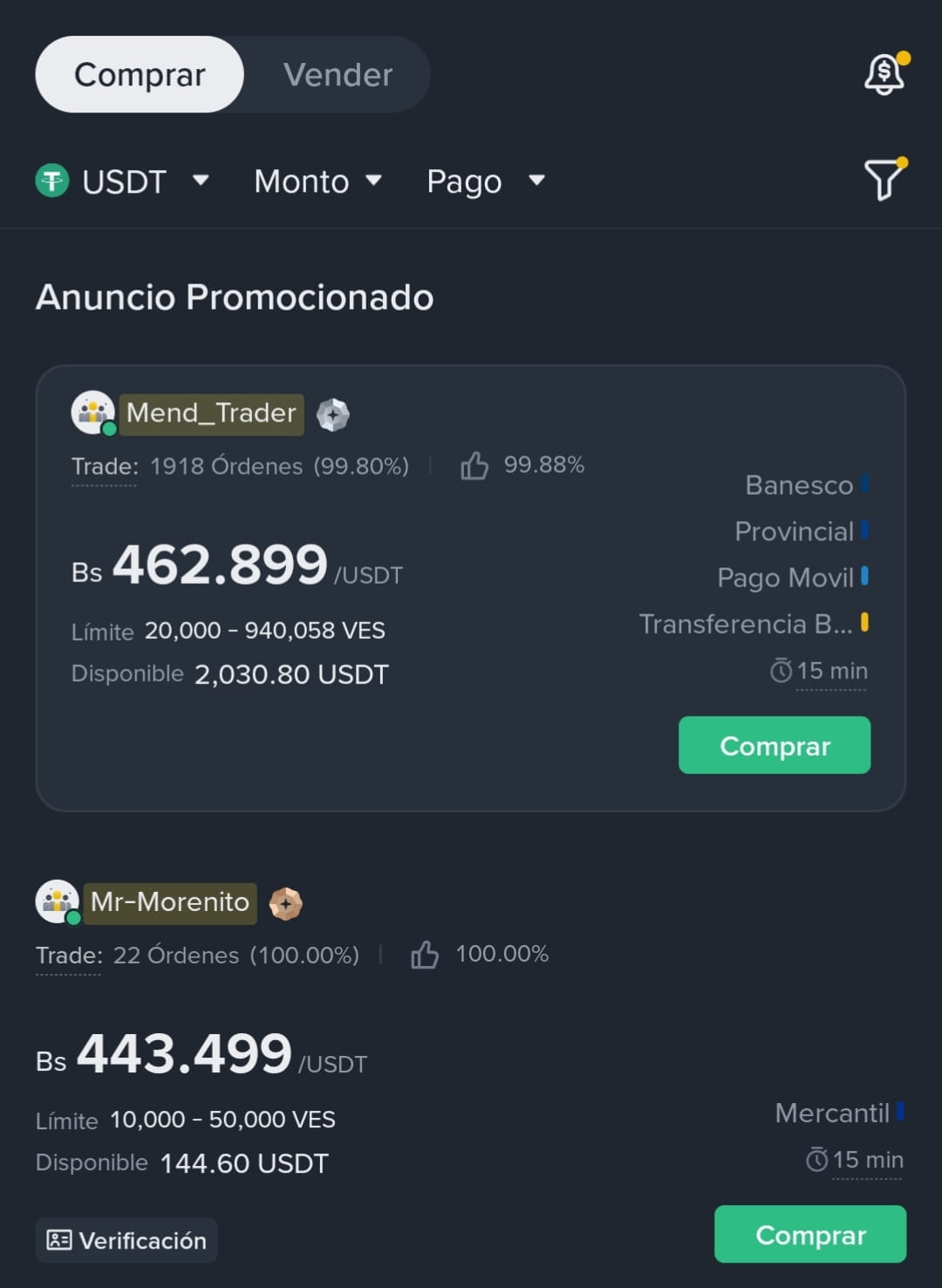
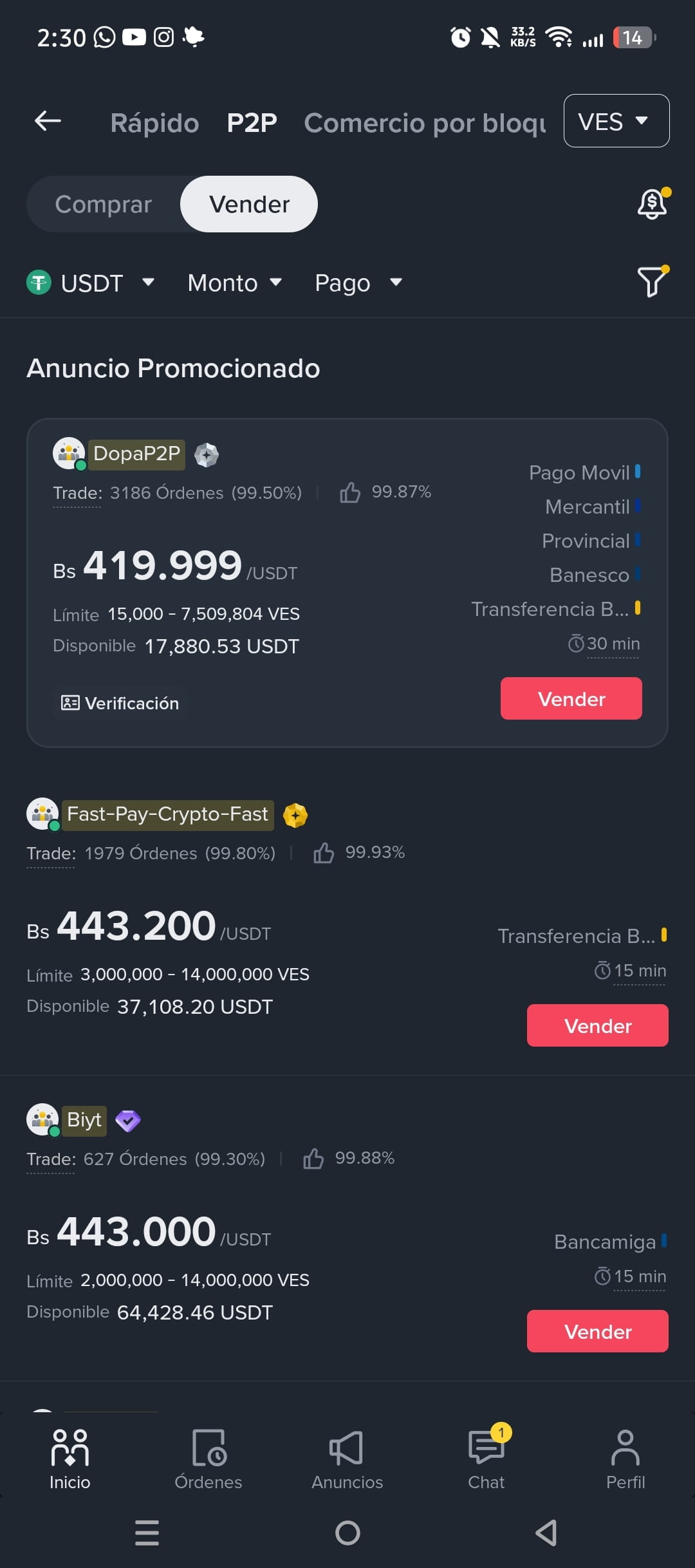
Those who pay to be the promoted ad truly believe that they will be bought having a better offer right below?
59
·
--
$
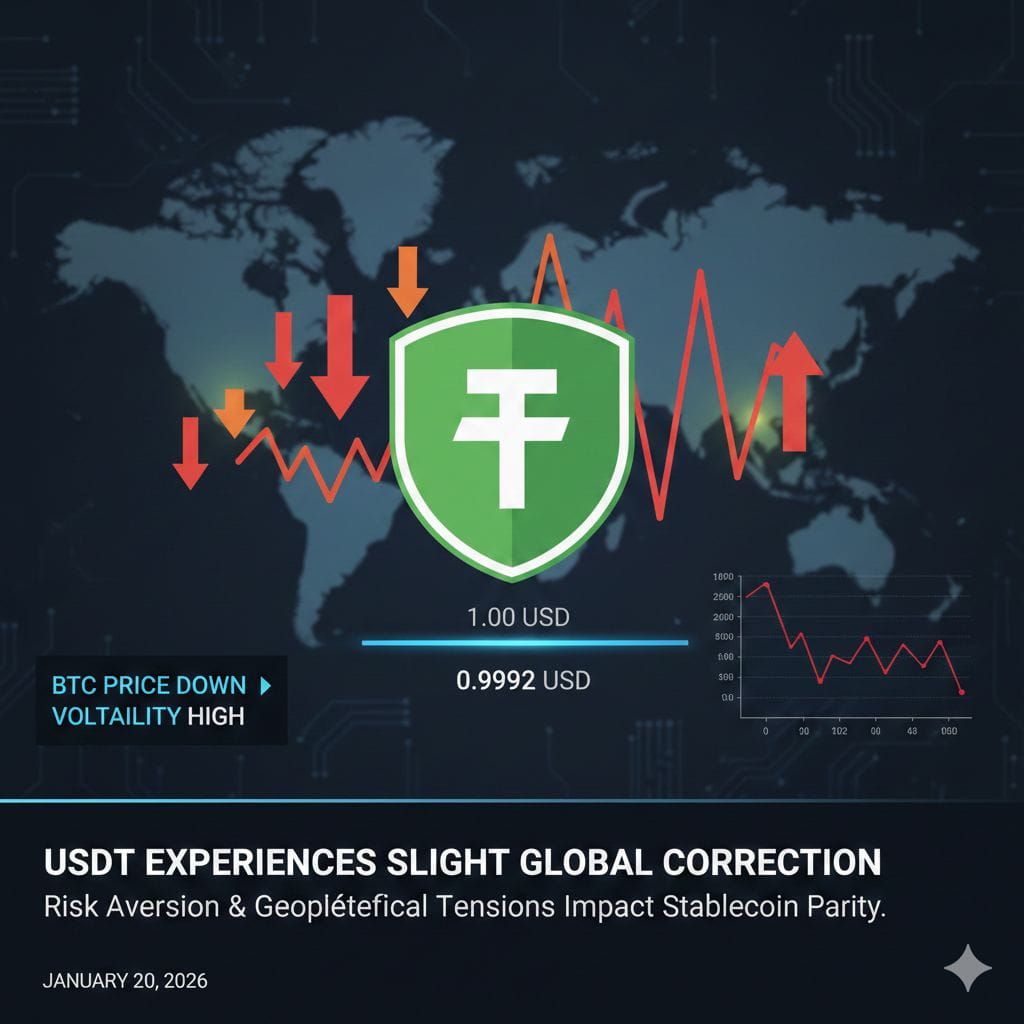
The USDT shows a slight correction in its global parity
As of today, January 20, 2026, the USDT (Tether) has experienced a slight downward fluctuation, trading just below its parity of 1.00 USD (around 0.9992 USD). This minimal deviation, although common in stablecoins, is attributed to a sentiment of "risk aversion" in global markets following recent trade and geopolitical tensions, which has generated unusual volatility in both traditional dollars and digital assets. Despite this small adjustment, trading volume remains high, confirming that the currency continues to be the primary refuge for investors seeking to protect their liquidity against the widespread decline in the cryptocurrency market, led by Bitcoin.
Local impact and market readjustment
In specific markets like Venezuela, the behavior of the "crypto dollar" has shown a readjustment dynamic after weeks of extreme upward pressure. After reaching historical peaks at the beginning of the month due to political uncertainty, the USDT exchange rate in bolívares has recorded a technical drop aimed at stabilizing the gap with the official rate. Analysts suggest that this decline does not represent a loss of real value of the currency, but rather a profit-taking and a normalization of local supply and demand,$ in a context where the USDT continues to consolidate as the essential tool for retail trade and savings against devaluation.
$USDT
{future}(USDCUSDT)
$
The USDT shows a slight correction in its global parity
As of today, January 20, 2026, the USDT (Tether) has experienced a slight downward fluctuation, trading just below its parity of 1.00 USD (around 0.9992 USD). This minimal deviation, although common in stablecoins, is attributed to a sentiment of "risk aversion" in global markets following recent trade and geopolitical tensions, which has generated unusual volatility in both traditional dollars and digital assets. Despite this small adjustment, trading volume remains high, confirming that the currency continues to be the primary refuge for investors seeking to protect their liquidity against the widespread decline in the cryptocurrency market, led by Bitcoin.
Local impact and market readjustment
In specific markets like Venezuela, the behavior of the "crypto dollar" has shown a readjustment dynamic after weeks of extreme upward pressure. After reaching historical peaks at the beginning of the month due to political uncertainty, the USDT exchange rate in bolívares has recorded a technical drop aimed at stabilizing the gap with the official rate. Analysts suggest that this decline does not represent a loss of real value of the currency, but rather a profit-taking and a normalization of local supply and demand,$ in a context where the USDT continues to consolidate as the essential tool for retail trade and savings against devaluation.
$USDT
The USDT shows a slight correction in its global parity
As of today, January 20, 2026, the USDT (Tether) has experienced a slight downward fluctuation, trading just below its parity of 1.00 USD (around 0.9992 USD). This minimal deviation, although common in stablecoins, is attributed to a sentiment of "risk aversion" in global markets following recent trade and geopolitical tensions, which has generated unusual volatility in both traditional dollars and digital assets. Despite this small adjustment, trading volume remains high, confirming that the currency continues to be the primary refuge for investors seeking to protect their liquidity against the widespread decline in the cryptocurrency market, led by Bitcoin.
Local impact and market readjustment
In specific markets like Venezuela, the behavior of the "crypto dollar" has shown a readjustment dynamic after weeks of extreme upward pressure. After reaching historical peaks at the beginning of the month due to political uncertainty, the USDT exchange rate in bolívares has recorded a technical drop aimed at stabilizing the gap with the official rate. Analysts suggest that this decline does not represent a loss of real value of the currency, but rather a profit-taking and a normalization of local supply and demand,$ in a context where the USDT continues to consolidate as the essential tool for retail trade and savings against devaluation.
$USDT
86
·
--
Bearish
{future}(USDCUSDT)
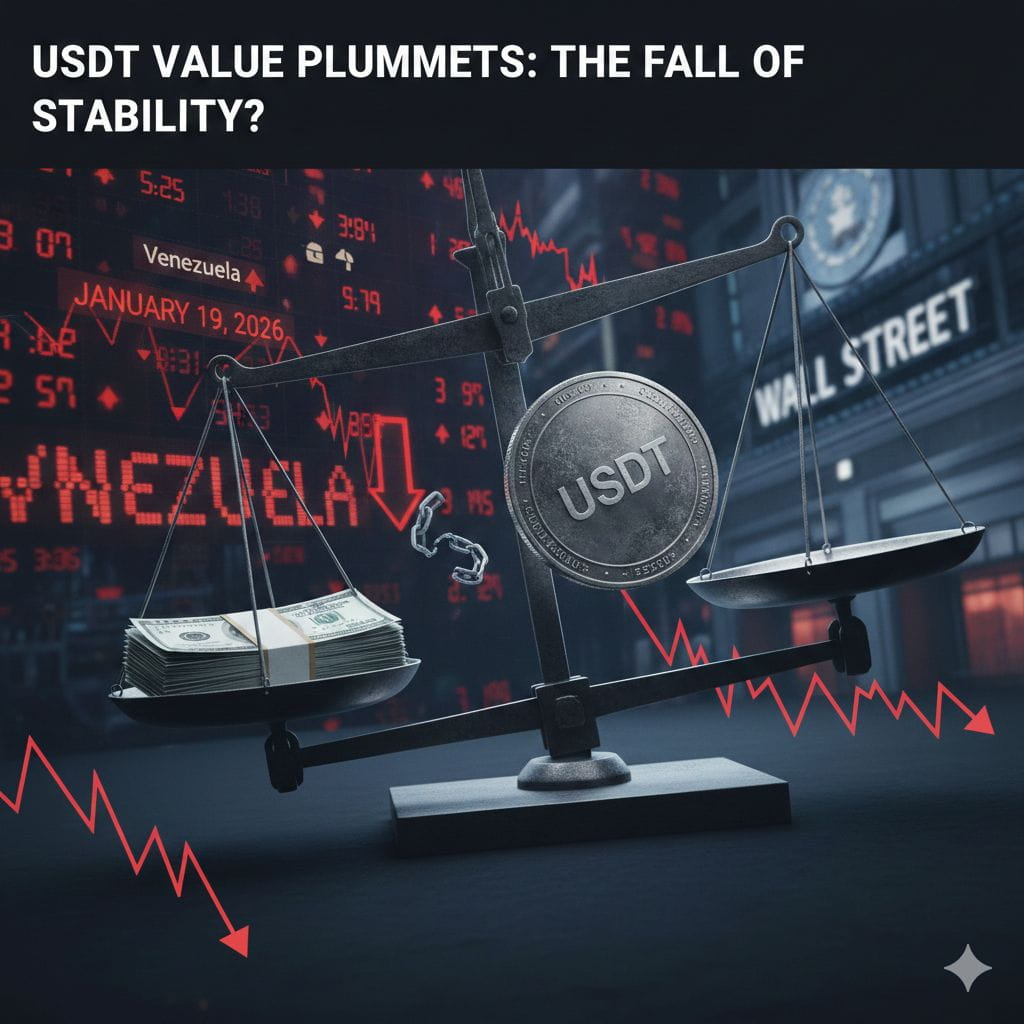
The USDT in Tension: Why is it losing ground?
The USDT (Tether) is experiencing unusual volatility. Although its goal is to always be worth 1 USD, several factors have pushed its price down in local and global markets:
* Panic Correction: After reaching record prices due to political uncertainty (especially in markets like Venezuela), the value is adjusting downward amid lower demand and profit-taking.
* Crypto Shake: The general drop of Bitcoin on January 19 has forced massive liquidations, temporarily affecting the peg of USDT on some exchanges.
* Competition and Regulation: Increased scrutiny over Tether's reserves has led some investors to migrate towards alternatives like USDC, reducing buying pressure.
Conclusion: More than a collapse, we are facing a forced stabilization. The market is "cleaning" the overpricing caused by fear from previous weeks.
Would you like me to check the current price on a specific platform like Binance or El Dorado?
$USDT
The USDT in Tension: Why is it losing ground?
The USDT (Tether) is experiencing unusual volatility. Although its goal is to always be worth 1 USD, several factors have pushed its price down in local and global markets:
* Panic Correction: After reaching record prices due to political uncertainty (especially in markets like Venezuela), the value is adjusting downward amid lower demand and profit-taking.
* Crypto Shake: The general drop of Bitcoin on January 19 has forced massive liquidations, temporarily affecting the peg of USDT on some exchanges.
* Competition and Regulation: Increased scrutiny over Tether's reserves has led some investors to migrate towards alternatives like USDC, reducing buying pressure.
Conclusion: More than a collapse, we are facing a forced stabilization. The market is "cleaning" the overpricing caused by fear from previous weeks.
Would you like me to check the current price on a specific platform like Binance or El Dorado?
$USDT
The USDT in Tension: Why is it losing ground?
The USDT (Tether) is experiencing unusual volatility. Although its goal is to always be worth 1 USD, several factors have pushed its price down in local and global markets:
* Panic Correction: After reaching record prices due to political uncertainty (especially in markets like Venezuela), the value is adjusting downward amid lower demand and profit-taking.
* Crypto Shake: The general drop of Bitcoin on January 19 has forced massive liquidations, temporarily affecting the peg of USDT on some exchanges.
* Competition and Regulation: Increased scrutiny over Tether's reserves has led some investors to migrate towards alternatives like USDC, reducing buying pressure.
Conclusion: More than a collapse, we are facing a forced stabilization. The market is "cleaning" the overpricing caused by fear from previous weeks.
Would you like me to check the current price on a specific platform like Binance or El Dorado?
$USDT
100
·
--
Bullish
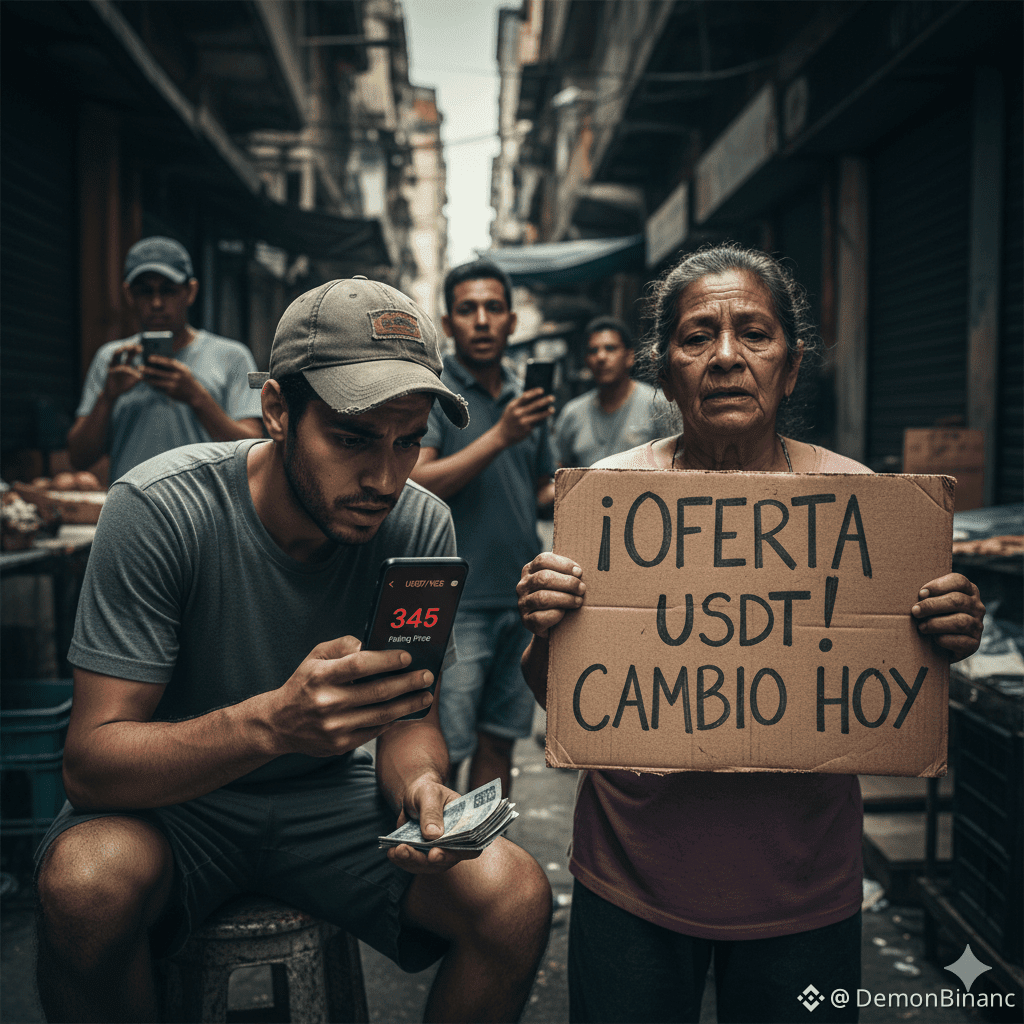
Is USDT on offer in Venezuela? 🇻🇪🤔
After seeing USDT touch panic levels earlier this month following political events, today we see a correction that has left many cold. 📉
We have moved from a market injected with fear to a technical 'calm' where the price seeks a real floor (around 340-350 Bs according to today's movement). But here comes the interesting part: while USDT is 'dropping' or stabilizing, Bitcoin continues its own path towards $100k.
The question for the community:
Do you think this drop in USDT is the 'breath' before a new leap due to the lack of physical currency, or is it the perfect time to exchange those bolívares and average BTC purchases now that it is in correction?
👇 What are you doing today: buying the scare or waiting for it to drop more? I read your comments."
$BTC $USDT
{spot}(BTCUSDT)
{future}(USDCUSDT)
Is USDT on offer in Venezuela? 🇻🇪🤔
After seeing USDT touch panic levels earlier this month following political events, today we see a correction that has left many cold. 📉
We have moved from a market injected with fear to a technical 'calm' where the price seeks a real floor (around 340-350 Bs according to today's movement). But here comes the interesting part: while USDT is 'dropping' or stabilizing, Bitcoin continues its own path towards $100k.
The question for the community:
Do you think this drop in USDT is the 'breath' before a new leap due to the lack of physical currency, or is it the perfect time to exchange those bolívares and average BTC purchases now that it is in correction?
👇 What are you doing today: buying the scare or waiting for it to drop more? I read your comments."
$BTC $USDT
After seeing USDT touch panic levels earlier this month following political events, today we see a correction that has left many cold. 📉
We have moved from a market injected with fear to a technical 'calm' where the price seeks a real floor (around 340-350 Bs according to today's movement). But here comes the interesting part: while USDT is 'dropping' or stabilizing, Bitcoin continues its own path towards $100k.
The question for the community:
Do you think this drop in USDT is the 'breath' before a new leap due to the lack of physical currency, or is it the perfect time to exchange those bolívares and average BTC purchases now that it is in correction?
👇 What are you doing today: buying the scare or waiting for it to drop more? I read your comments."
$BTC $USDT
89
·
--
Bullish
Is this the moment?
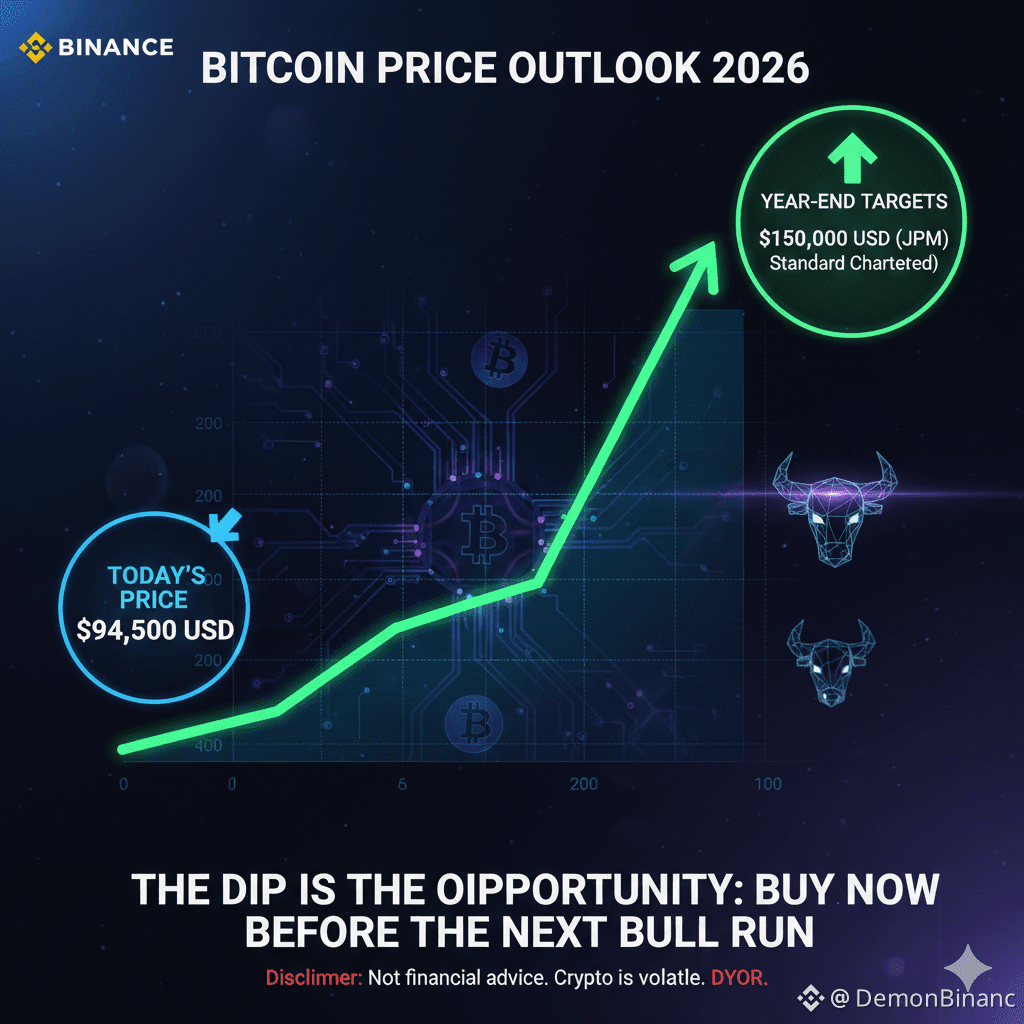
$BTC Why the drop in Bitcoin could be your best entry opportunity
In the world of investments, there is a maxim that experts always repeat: "Buy when there is blood in the streets". After today's pullback, January 18, 2026, which has led Bitcoin (BTC) to consolidate in the range of $94,000 - $95,000, many investors are seeing this movement not as a defeat, but as the last great opportunity to "buy cheap" before the next jump.
Here are three solid reasons why this could be the best time to enter the market:
1. Liquidation of weak hands
Today's drop, driven by profit-taking and legislative noise in the U.S., has served to clean up the excess leverage in the market. Historically, these corrections are the prelude to a phase of institutional accumulation. With the price bouncing off key technical supports, selling pressure seems to be waning.
2. Bullish forecasts for 2026
Despite short-term volatility, projections for this year remain extremely optimistic. Large financial institutions like JPMorgan and Standard Chartered have maintained their price targets between $150,000 and $170,000 for the end of 2026. Entering at current levels offers a potential return on investment (ROI).
3. The scarcity factor and ETFs
The demand for spot Bitcoin ETFs continues to absorb the available supply at a rate greater than miners can produce. This imbalance between supply and demand usually resolves with a bullish explosion once the sentiment of doubt disappears.
Recommended strategy: Dollar Cost Averaging (DCA)
If you believe in the potential of Bitcoin but fear that the price might drop a little more, the best strategy is DCA:
* Divide your capital into several parts.
* Make partial purchases at current levels.
* This way, if the price drops to $92,500 (the next strong support), you will average a better entry price.$
{spot}(BTCUSDT)
Is this the moment?
$BTC Why the drop in Bitcoin could be your best entry opportunity
In the world of investments, there is a maxim that experts always repeat: "Buy when there is blood in the streets". After today's pullback, January 18, 2026, which has led Bitcoin (BTC) to consolidate in the range of $94,000 - $95,000, many investors are seeing this movement not as a defeat, but as the last great opportunity to "buy cheap" before the next jump.
Here are three solid reasons why this could be the best time to enter the market:
1. Liquidation of weak hands
Today's drop, driven by profit-taking and legislative noise in the U.S., has served to clean up the excess leverage in the market. Historically, these corrections are the prelude to a phase of institutional accumulation. With the price bouncing off key technical supports, selling pressure seems to be waning.
2. Bullish forecasts for 2026
Despite short-term volatility, projections for this year remain extremely optimistic. Large financial institutions like JPMorgan and Standard Chartered have maintained their price targets between $150,000 and $170,000 for the end of 2026. Entering at current levels offers a potential return on investment (ROI).
3. The scarcity factor and ETFs
The demand for spot Bitcoin ETFs continues to absorb the available supply at a rate greater than miners can produce. This imbalance between supply and demand usually resolves with a bullish explosion once the sentiment of doubt disappears.
Recommended strategy: Dollar Cost Averaging (DCA)
If you believe in the potential of Bitcoin but fear that the price might drop a little more, the best strategy is DCA:
* Divide your capital into several parts.
* Make partial purchases at current levels.
* This way, if the price drops to $92,500 (the next strong support), you will average a better entry price.$
$BTC Why the drop in Bitcoin could be your best entry opportunity
In the world of investments, there is a maxim that experts always repeat: "Buy when there is blood in the streets". After today's pullback, January 18, 2026, which has led Bitcoin (BTC) to consolidate in the range of $94,000 - $95,000, many investors are seeing this movement not as a defeat, but as the last great opportunity to "buy cheap" before the next jump.
Here are three solid reasons why this could be the best time to enter the market:
1. Liquidation of weak hands
Today's drop, driven by profit-taking and legislative noise in the U.S., has served to clean up the excess leverage in the market. Historically, these corrections are the prelude to a phase of institutional accumulation. With the price bouncing off key technical supports, selling pressure seems to be waning.
2. Bullish forecasts for 2026
Despite short-term volatility, projections for this year remain extremely optimistic. Large financial institutions like JPMorgan and Standard Chartered have maintained their price targets between $150,000 and $170,000 for the end of 2026. Entering at current levels offers a potential return on investment (ROI).
3. The scarcity factor and ETFs
The demand for spot Bitcoin ETFs continues to absorb the available supply at a rate greater than miners can produce. This imbalance between supply and demand usually resolves with a bullish explosion once the sentiment of doubt disappears.
Recommended strategy: Dollar Cost Averaging (DCA)
If you believe in the potential of Bitcoin but fear that the price might drop a little more, the best strategy is DCA:
* Divide your capital into several parts.
* Make partial purchases at current levels.
* This way, if the price drops to $92,500 (the next strong support), you will average a better entry price.$
90
·
--
Bearish
$BTC
{spot}(BTCUSDT)
Bitcoin under pressure: What is behind today's setback?
The cryptocurrency market has awoken with a note of caution this Sunday. After an encouraging start to the year that brought the leading cryptocurrency close to 98,000, Bitcoin (BTC) has experienced a technical correction, sitting today below the psychological mark of 95,000.
The factors behind the movement
Unlike the dramatic crashes of previous years, today’s decline seems driven by a combination of macroeconomic and technical factors:
* Geopolitical Uncertainty and Tariffs: The recent announcement regarding possible new tariff policies in the United States has led to a rotation of assets. While Bitcoin usually acts as a safe haven, immediate nervousness in global markets has triggered precautionary selling.
* Profit-Taking: After failing to consolidate above the resistance of 97,000 midweek, many institutional investors have opted to liquidate positions to secure profits, which has increased selling pressure.
* Legislative Slowdown: Markets are also reacting to certain delays in crypto regulations in the U.S. Congress, which has temporarily cooled the enthusiasm of the "bulls" (buyers).
The technical outlook
Despite the intraday drop of approximately 0.5% - 2.5% (depending on current volatility), analysts maintain a constructive outlook. The key support is now identified at 92,500. If the price manages to stay above this level, the long-term bullish structure for 2026 would remain intact.
> Market note: While Bitcoin slightly retreats, Gold has reached new all-time highs today, suggesting that capital is seeking safety amid current geopolitical volatility.
#BTC100kNext?
$BTC
Bitcoin under pressure: What is behind today's setback?
The cryptocurrency market has awoken with a note of caution this Sunday. After an encouraging start to the year that brought the leading cryptocurrency close to 98,000, Bitcoin (BTC) has experienced a technical correction, sitting today below the psychological mark of 95,000.
The factors behind the movement
Unlike the dramatic crashes of previous years, today’s decline seems driven by a combination of macroeconomic and technical factors:
* Geopolitical Uncertainty and Tariffs: The recent announcement regarding possible new tariff policies in the United States has led to a rotation of assets. While Bitcoin usually acts as a safe haven, immediate nervousness in global markets has triggered precautionary selling.
* Profit-Taking: After failing to consolidate above the resistance of 97,000 midweek, many institutional investors have opted to liquidate positions to secure profits, which has increased selling pressure.
* Legislative Slowdown: Markets are also reacting to certain delays in crypto regulations in the U.S. Congress, which has temporarily cooled the enthusiasm of the "bulls" (buyers).
The technical outlook
Despite the intraday drop of approximately 0.5% - 2.5% (depending on current volatility), analysts maintain a constructive outlook. The key support is now identified at 92,500. If the price manages to stay above this level, the long-term bullish structure for 2026 would remain intact.
> Market note: While Bitcoin slightly retreats, Gold has reached new all-time highs today, suggesting that capital is seeking safety amid current geopolitical volatility.
#BTC100kNext?
Bitcoin under pressure: What is behind today's setback?
The cryptocurrency market has awoken with a note of caution this Sunday. After an encouraging start to the year that brought the leading cryptocurrency close to 98,000, Bitcoin (BTC) has experienced a technical correction, sitting today below the psychological mark of 95,000.
The factors behind the movement
Unlike the dramatic crashes of previous years, today’s decline seems driven by a combination of macroeconomic and technical factors:
* Geopolitical Uncertainty and Tariffs: The recent announcement regarding possible new tariff policies in the United States has led to a rotation of assets. While Bitcoin usually acts as a safe haven, immediate nervousness in global markets has triggered precautionary selling.
* Profit-Taking: After failing to consolidate above the resistance of 97,000 midweek, many institutional investors have opted to liquidate positions to secure profits, which has increased selling pressure.
* Legislative Slowdown: Markets are also reacting to certain delays in crypto regulations in the U.S. Congress, which has temporarily cooled the enthusiasm of the "bulls" (buyers).
The technical outlook
Despite the intraday drop of approximately 0.5% - 2.5% (depending on current volatility), analysts maintain a constructive outlook. The key support is now identified at 92,500. If the price manages to stay above this level, the long-term bullish structure for 2026 would remain intact.
> Market note: While Bitcoin slightly retreats, Gold has reached new all-time highs today, suggesting that capital is seeking safety amid current geopolitical volatility.
#BTC100kNext?

1
141
·
--
Next, I present a brief article that summarizes the situation of USDT in Venezuela as of today, January 18, 2026, following the recent and intense days of political and economic instability.
USDT in Venezuela: Digital Refuge in Times of Uncertainty
So far in January 2026, Venezuela has experienced one of the most volatile phases in its recent economic history. USDT (Tether), the main stablecoin in the market, has established itself not only as an investment asset but also as the real unit of account for millions of Venezuelans trying to protect their purchasing power against drastic changes in the national political landscape.
1. Quotation and Market Today
As of January 18, 2026, the cryptocurrency market in Venezuela shows a phase of "technical correction" after the financial panic recorded in the first week of the year.
* USDT/VES Rate: It is approximately at 341.20 Bs., according to major P2P platforms like Binance and Bybit.
* Stabilization: After reaching peaks of up to 900 Bs. during the events of January 3 and 5 (marked by the capture and extraction of former president Maduro), the price has sought a more realistic "floor," moving away from panic values.
* Exchange Gap: Although the price has decreased, there continues to be a significant disconnect with the official rate of the Central Bank of Venezuela (BCV), which analysts consider "intervened" to contain inflation.
2. Recent News and Political Context
The situation of USDT in the country is intrinsically linked to the movements of the current political transition:
* Digital Sovereign Funds: On January 16, the current administration announced the creation of sovereign funds fueled by oil revenues, suggesting the use of technological platforms (possibly blockchain) to ensure transparency and avoid past corruption.
Next, I present a brief article that summarizes the situation of USDT in Venezuela as of today, January 18, 2026, following the recent and intense days of political and economic instability.
USDT in Venezuela: Digital Refuge in Times of Uncertainty
So far in January 2026, Venezuela has experienced one of the most volatile phases in its recent economic history. USDT (Tether), the main stablecoin in the market, has established itself not only as an investment asset but also as the real unit of account for millions of Venezuelans trying to protect their purchasing power against drastic changes in the national political landscape.
1. Quotation and Market Today
As of January 18, 2026, the cryptocurrency market in Venezuela shows a phase of "technical correction" after the financial panic recorded in the first week of the year.
* USDT/VES Rate: It is approximately at 341.20 Bs., according to major P2P platforms like Binance and Bybit.
* Stabilization: After reaching peaks of up to 900 Bs. during the events of January 3 and 5 (marked by the capture and extraction of former president Maduro), the price has sought a more realistic "floor," moving away from panic values.
* Exchange Gap: Although the price has decreased, there continues to be a significant disconnect with the official rate of the Central Bank of Venezuela (BCV), which analysts consider "intervened" to contain inflation.
2. Recent News and Political Context
The situation of USDT in the country is intrinsically linked to the movements of the current political transition:
* Digital Sovereign Funds: On January 16, the current administration announced the creation of sovereign funds fueled by oil revenues, suggesting the use of technological platforms (possibly blockchain) to ensure transparency and avoid past corruption.
USDT in Venezuela: Digital Refuge in Times of Uncertainty
So far in January 2026, Venezuela has experienced one of the most volatile phases in its recent economic history. USDT (Tether), the main stablecoin in the market, has established itself not only as an investment asset but also as the real unit of account for millions of Venezuelans trying to protect their purchasing power against drastic changes in the national political landscape.
1. Quotation and Market Today
As of January 18, 2026, the cryptocurrency market in Venezuela shows a phase of "technical correction" after the financial panic recorded in the first week of the year.
* USDT/VES Rate: It is approximately at 341.20 Bs., according to major P2P platforms like Binance and Bybit.
* Stabilization: After reaching peaks of up to 900 Bs. during the events of January 3 and 5 (marked by the capture and extraction of former president Maduro), the price has sought a more realistic "floor," moving away from panic values.
* Exchange Gap: Although the price has decreased, there continues to be a significant disconnect with the official rate of the Central Bank of Venezuela (BCV), which analysts consider "intervened" to contain inflation.
2. Recent News and Political Context
The situation of USDT in the country is intrinsically linked to the movements of the current political transition:
* Digital Sovereign Funds: On January 16, the current administration announced the creation of sovereign funds fueled by oil revenues, suggesting the use of technological platforms (possibly blockchain) to ensure transparency and avoid past corruption.

2
782
·
--
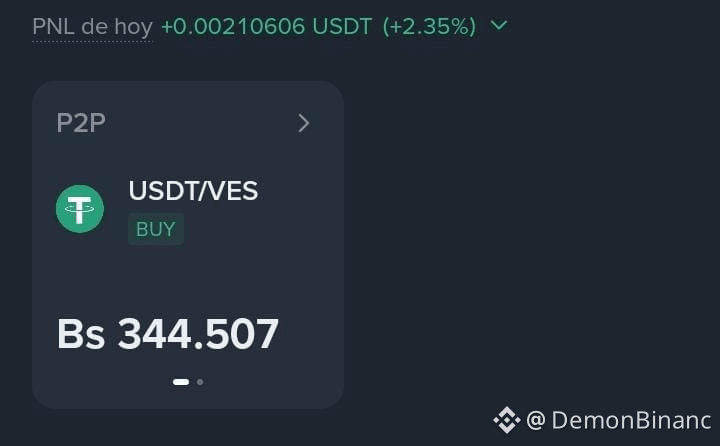
USDT in Venezuela: The end of the "frenzy" or just a simple breather?
The cryptocurrency market in Venezuela has experienced a dizzying week. After reaching historic peaks that approached 900 bolivars per USDT during episodes of panic and political uncertainty in early January, the most widely used stablecoin in the world seems to have entered a phase of corrective "drop," seeking its equilibrium point.
1. The return to exchange rate reality
The current quote, which hovers around 344 bolivars, reflects a drastic fall compared to the speculative prices seen just a few days ago. This "drop" is not a loss of value of the currency itself (which remains pegged 1:1 to the dollar), but a market adjustment. The gap between the official dollar (BCV) and the P2P market had widened unsustainably, and what we see today is the closing of that "gap."
2. Why is it dropping?
Several factors explain this downward movement:
Exhaustion of demand: After the nervous purchases at the beginning of the month, the volume of bolivars available on the street has decreased.
Technical correction: The market tends to "vomit" excesses. When an asset rises 60% in hours purely out of fear, it is natural for it to return to more logical levels once calm (or resignation) returns.
Indirect intervention: The adjustment in official rates and the injection of foreign currency usually slows down the race of USDT in the parallel market.
3. The trader's sentiment
For those who bought "at the peak" (around 800-900 Bs), this drop represents a real loss of purchasing power in local currency. However, for daily economy, a rate in the 340-350 Bs range provides a necessary sense of stability after the chaos of the first half of January.
#USDT #USDT🔥🔥🔥
USDT in Venezuela: The end of the "frenzy" or just a simple breather?
The cryptocurrency market in Venezuela has experienced a dizzying week. After reaching historic peaks that approached 900 bolivars per USDT during episodes of panic and political uncertainty in early January, the most widely used stablecoin in the world seems to have entered a phase of corrective "drop," seeking its equilibrium point.
1. The return to exchange rate reality
The current quote, which hovers around 344 bolivars, reflects a drastic fall compared to the speculative prices seen just a few days ago. This "drop" is not a loss of value of the currency itself (which remains pegged 1:1 to the dollar), but a market adjustment. The gap between the official dollar (BCV) and the P2P market had widened unsustainably, and what we see today is the closing of that "gap."
2. Why is it dropping?
Several factors explain this downward movement:
Exhaustion of demand: After the nervous purchases at the beginning of the month, the volume of bolivars available on the street has decreased.
Technical correction: The market tends to "vomit" excesses. When an asset rises 60% in hours purely out of fear, it is natural for it to return to more logical levels once calm (or resignation) returns.
Indirect intervention: The adjustment in official rates and the injection of foreign currency usually slows down the race of USDT in the parallel market.
3. The trader's sentiment
For those who bought "at the peak" (around 800-900 Bs), this drop represents a real loss of purchasing power in local currency. However, for daily economy, a rate in the 340-350 Bs range provides a necessary sense of stability after the chaos of the first half of January.
#USDT #USDT🔥🔥🔥
The cryptocurrency market in Venezuela has experienced a dizzying week. After reaching historic peaks that approached 900 bolivars per USDT during episodes of panic and political uncertainty in early January, the most widely used stablecoin in the world seems to have entered a phase of corrective "drop," seeking its equilibrium point.
1. The return to exchange rate reality
The current quote, which hovers around 344 bolivars, reflects a drastic fall compared to the speculative prices seen just a few days ago. This "drop" is not a loss of value of the currency itself (which remains pegged 1:1 to the dollar), but a market adjustment. The gap between the official dollar (BCV) and the P2P market had widened unsustainably, and what we see today is the closing of that "gap."
2. Why is it dropping?
Several factors explain this downward movement:
Exhaustion of demand: After the nervous purchases at the beginning of the month, the volume of bolivars available on the street has decreased.
Technical correction: The market tends to "vomit" excesses. When an asset rises 60% in hours purely out of fear, it is natural for it to return to more logical levels once calm (or resignation) returns.
Indirect intervention: The adjustment in official rates and the injection of foreign currency usually slows down the race of USDT in the parallel market.
3. The trader's sentiment
For those who bought "at the peak" (around 800-900 Bs), this drop represents a real loss of purchasing power in local currency. However, for daily economy, a rate in the 340-350 Bs range provides a necessary sense of stability after the chaos of the first half of January.
#USDT #USDT🔥🔥🔥
6
3
5
4.9k
·
--
Bullish
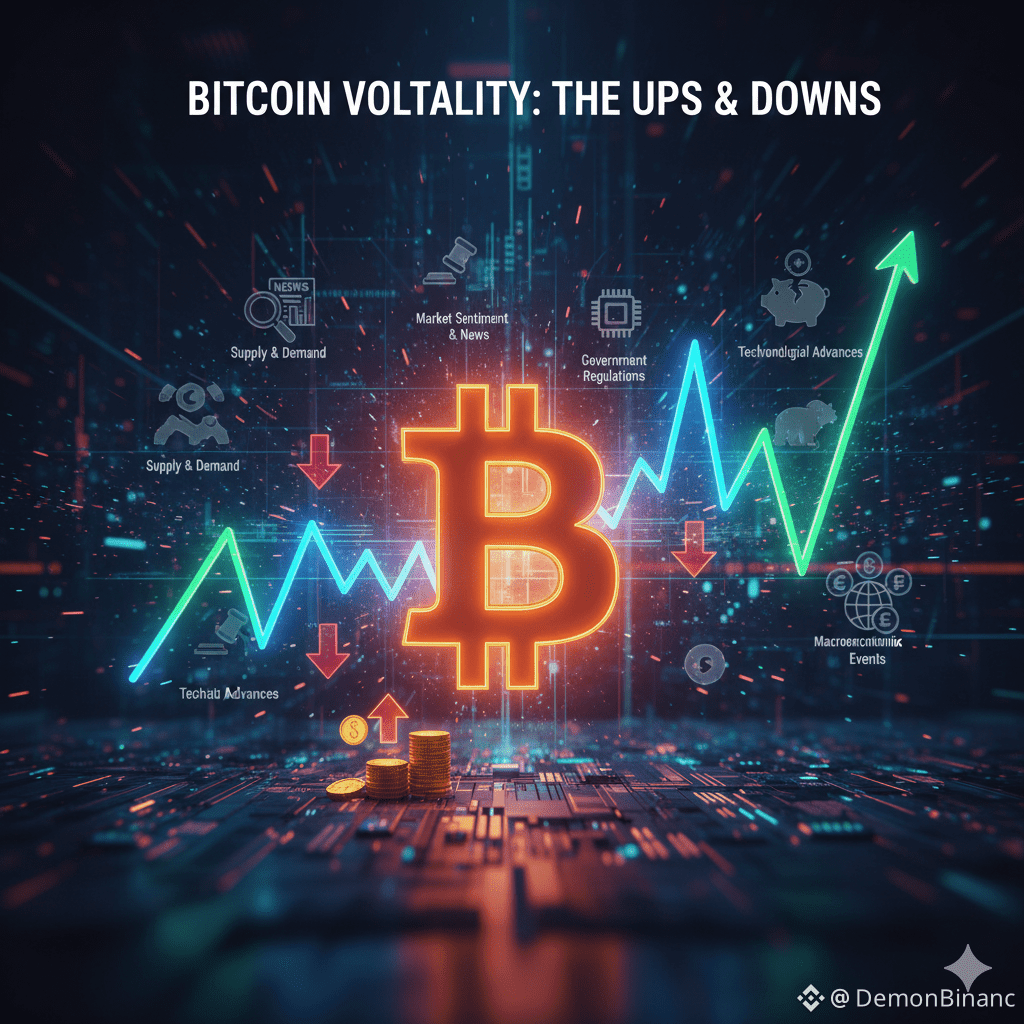
The Value of Bitcoin: Understanding its Ups and Downs
Bitcoin, the most well-known and valuable cryptocurrency in the world, is famous for the volatility of its price. Since its creation in 2009, it has experienced dramatic fluctuations, with periods of meteoric rises followed by sharp corrections. Understanding why the value of Bitcoin goes up and down is key for those who invest or are simply curious about this digital asset.
Unlike fiat currencies that are backed by governments and central banks, Bitcoin has no physical backing or central authority regulating it.
Here we break down the main elements that influence the price fluctuations of Bitcoin:
1. Supply and Demand: The Basic Principle of the Market
Like any other asset, the value of Bitcoin is strongly influenced by the law of supply and demand.
Limited supply: Only 21 million Bitcoins will exist. This programmed scarcity is a fundamental characteristic that, in theory, should drive its value up in the long term as demand grows. Currently, most Bitcoins have already been "mined," and the rate of creation of new Bitcoins is halved approximately every four years (an event known as "halving"). This further restricts the supply.
Growing demand: The adoption of Bitcoin by institutions, companies, and retailers, as well as its recognition as a "digital store of value" or "digital gold," has driven its demand. The more people and entities want to buy Bitcoin and the fewer want to sell it, the higher its price will be.
2. Market Sentiment and Speculation
"Sentiment" plays a crucial role in volatile markets like that of cryptocurrencies.
News and Media: Positive news (for example, the adoption of Bitcoin by a major retailer, the approval of a Bitcoin ETF, favorable statements from influential figures) can generate excitement and increase demand.
#BTC100kNext? #btc
The Value of Bitcoin: Understanding its Ups and Downs
Bitcoin, the most well-known and valuable cryptocurrency in the world, is famous for the volatility of its price. Since its creation in 2009, it has experienced dramatic fluctuations, with periods of meteoric rises followed by sharp corrections. Understanding why the value of Bitcoin goes up and down is key for those who invest or are simply curious about this digital asset.
Unlike fiat currencies that are backed by governments and central banks, Bitcoin has no physical backing or central authority regulating it.
Here we break down the main elements that influence the price fluctuations of Bitcoin:
1. Supply and Demand: The Basic Principle of the Market
Like any other asset, the value of Bitcoin is strongly influenced by the law of supply and demand.
Limited supply: Only 21 million Bitcoins will exist. This programmed scarcity is a fundamental characteristic that, in theory, should drive its value up in the long term as demand grows. Currently, most Bitcoins have already been "mined," and the rate of creation of new Bitcoins is halved approximately every four years (an event known as "halving"). This further restricts the supply.
Growing demand: The adoption of Bitcoin by institutions, companies, and retailers, as well as its recognition as a "digital store of value" or "digital gold," has driven its demand. The more people and entities want to buy Bitcoin and the fewer want to sell it, the higher its price will be.
2. Market Sentiment and Speculation
"Sentiment" plays a crucial role in volatile markets like that of cryptocurrencies.
News and Media: Positive news (for example, the adoption of Bitcoin by a major retailer, the approval of a Bitcoin ETF, favorable statements from influential figures) can generate excitement and increase demand.
#BTC100kNext? #btc
Bitcoin, the most well-known and valuable cryptocurrency in the world, is famous for the volatility of its price. Since its creation in 2009, it has experienced dramatic fluctuations, with periods of meteoric rises followed by sharp corrections. Understanding why the value of Bitcoin goes up and down is key for those who invest or are simply curious about this digital asset.
Unlike fiat currencies that are backed by governments and central banks, Bitcoin has no physical backing or central authority regulating it.
Here we break down the main elements that influence the price fluctuations of Bitcoin:
1. Supply and Demand: The Basic Principle of the Market
Like any other asset, the value of Bitcoin is strongly influenced by the law of supply and demand.
Limited supply: Only 21 million Bitcoins will exist. This programmed scarcity is a fundamental characteristic that, in theory, should drive its value up in the long term as demand grows. Currently, most Bitcoins have already been "mined," and the rate of creation of new Bitcoins is halved approximately every four years (an event known as "halving"). This further restricts the supply.
Growing demand: The adoption of Bitcoin by institutions, companies, and retailers, as well as its recognition as a "digital store of value" or "digital gold," has driven its demand. The more people and entities want to buy Bitcoin and the fewer want to sell it, the higher its price will be.
2. Market Sentiment and Speculation
"Sentiment" plays a crucial role in volatile markets like that of cryptocurrencies.
News and Media: Positive news (for example, the adoption of Bitcoin by a major retailer, the approval of a Bitcoin ETF, favorable statements from influential figures) can generate excitement and increase demand.
#BTC100kNext? #btc
1
72
·
--
Just yesterday I asked the AI if Bitcoin could be worth 0 dollars and today Bitcoin is worth 25 thousand dollars less
#bitcoin #BTC
Just yesterday I asked the AI if Bitcoin could be worth 0 dollars and today Bitcoin is worth 25 thousand dollars less
#bitcoin #BTC
#bitcoin #BTC
13
·
--
Article
URGENT: ALERT ABOUT THE SPECTACULAR DIFFERENCE IN THE PRICE OF USDT IN THE P2P MARKETCaracas, Venezuela - September 17, 2025 - A severe distortion in the cryptocurrency market is raising alarms among users and financial experts. The price of Tether (USDT), which should be trading at values close to that of the reference currency, is experiencing an abysmal gap on P2P (Peer-to-Peer) trading platforms, causing confusion and significant losses for those participating in these transactions.
The Problem: Two Prices, One Cryptocurrency
URGENT: ALERT ABOUT THE SPECTACULAR DIFFERENCE IN THE PRICE OF USDT IN THE P2P MARKET
Caracas, Venezuela - September 17, 2025 - A severe distortion in the cryptocurrency market is raising alarms among users and financial experts. The price of Tether (USDT), which should be trading at values close to that of the reference currency, is experiencing an abysmal gap on P2P (Peer-to-Peer) trading platforms, causing confusion and significant losses for those participating in these transactions.
The Problem: Two Prices, One Cryptocurrency
The Problem: Two Prices, One Cryptocurrency
239
·
--
SAHARA/USDT: A Look at the Under-the-Radar Trading Pair
Maracay, Venezuela – July 25, 2025 – In the vast and dynamic universe of cryptocurrencies, new tokens and trading pairs constantly emerge that capture the attention of investors. One of these pairs that has been visible on futures platforms is SAHARA/USDT, indicating the existence of a digital asset called "SAHARA" that is traded against Tether (USDT), the stablecoin pegged to the US dollar.
Although detailed information about the project or the specific functionality of "SAHARA" is not widely public or easily accessible in major crypto news sources, its presence as a perpetual futures pair suggests that it has gained some traction in the realm of leveraged trading.
What Does Trading SAHARA/USDT Involve?
As with any cryptocurrency pair, trading SAHARA/USDT involves speculating on the price movement of SAHARA in relation to USDT. Traders can choose "long" positions (expecting the price to rise) or "short" positions (expecting the price to fall).
The choice of USDT as the base pair is common for lower market capitalization tokens, as it offers value stability and easy conversion to fiat currency, facilitating entry and exit from positions without the additional volatility that would be implied, for example, by a pair against Bitcoin or Ethereum.
Considerations for Investors
Given the apparent lower visibility of the "SAHARA" project, it is crucial for investors to exercise extreme due diligence. Before considering any trade, especially with leverage, it is essential to research thoroughly:
* Project Fundamentals: What is the purpose of SAHARA? Who is behind it? Does it have a real use case or innovative technology?
* Tokenomics: How is the token distributed? What is its total and circulating supply?
* Liquidity and Volume: Low trading volume can lead to large price movements with relatively small orders.#SAHARAUSDT
SAHARA/USDT: A Look at the Under-the-Radar Trading Pair
Maracay, Venezuela – July 25, 2025 – In the vast and dynamic universe of cryptocurrencies, new tokens and trading pairs constantly emerge that capture the attention of investors. One of these pairs that has been visible on futures platforms is SAHARA/USDT, indicating the existence of a digital asset called "SAHARA" that is traded against Tether (USDT), the stablecoin pegged to the US dollar.
Although detailed information about the project or the specific functionality of "SAHARA" is not widely public or easily accessible in major crypto news sources, its presence as a perpetual futures pair suggests that it has gained some traction in the realm of leveraged trading.
What Does Trading SAHARA/USDT Involve?
As with any cryptocurrency pair, trading SAHARA/USDT involves speculating on the price movement of SAHARA in relation to USDT. Traders can choose "long" positions (expecting the price to rise) or "short" positions (expecting the price to fall).
The choice of USDT as the base pair is common for lower market capitalization tokens, as it offers value stability and easy conversion to fiat currency, facilitating entry and exit from positions without the additional volatility that would be implied, for example, by a pair against Bitcoin or Ethereum.
Considerations for Investors
Given the apparent lower visibility of the "SAHARA" project, it is crucial for investors to exercise extreme due diligence. Before considering any trade, especially with leverage, it is essential to research thoroughly:
* Project Fundamentals: What is the purpose of SAHARA? Who is behind it? Does it have a real use case or innovative technology?
* Tokenomics: How is the token distributed? What is its total and circulating supply?
* Liquidity and Volume: Low trading volume can lead to large price movements with relatively small orders.#SAHARAUSDT
Maracay, Venezuela – July 25, 2025 – In the vast and dynamic universe of cryptocurrencies, new tokens and trading pairs constantly emerge that capture the attention of investors. One of these pairs that has been visible on futures platforms is SAHARA/USDT, indicating the existence of a digital asset called "SAHARA" that is traded against Tether (USDT), the stablecoin pegged to the US dollar.
Although detailed information about the project or the specific functionality of "SAHARA" is not widely public or easily accessible in major crypto news sources, its presence as a perpetual futures pair suggests that it has gained some traction in the realm of leveraged trading.
What Does Trading SAHARA/USDT Involve?
As with any cryptocurrency pair, trading SAHARA/USDT involves speculating on the price movement of SAHARA in relation to USDT. Traders can choose "long" positions (expecting the price to rise) or "short" positions (expecting the price to fall).
The choice of USDT as the base pair is common for lower market capitalization tokens, as it offers value stability and easy conversion to fiat currency, facilitating entry and exit from positions without the additional volatility that would be implied, for example, by a pair against Bitcoin or Ethereum.
Considerations for Investors
Given the apparent lower visibility of the "SAHARA" project, it is crucial for investors to exercise extreme due diligence. Before considering any trade, especially with leverage, it is essential to research thoroughly:
* Project Fundamentals: What is the purpose of SAHARA? Who is behind it? Does it have a real use case or innovative technology?
* Tokenomics: How is the token distributed? What is its total and circulating supply?
* Liquidity and Volume: Low trading volume can lead to large price movements with relatively small orders.#SAHARAUSDT
38
Log in to explore more content
Join global crypto users on Binance Square
⚡️ Get latest and useful information about crypto.
💬 Trusted by the world’s largest crypto exchange.
👍 Discover real insights from verified creators.
Email / Phone number