

Cointribune
12.2k Posts

Cointribune
 Square Verified+
Report
Block User
0 Following
52.1K+ Followers
15.2K+ Liked
Posts
·
--
Article
Bitcoin: Strategy wants to pay dividends every day on four stocksThe group is preparing an update to its dividend policy. The company wants to obtain the approval of its shareholders to change the payment schedule for its four preferred shares, including STRC. If the proposal is approved, each calendar day will become a record date, with payment on the next business day. This move brings Strategy closer to a model already adopted by Strive, another bitcoin treasury company. The initiative comes as STRC seeks to stabilize its share price after its drop in June.
Bitcoin: Strategy wants to pay dividends every day on four stocks
The group is preparing an update to its dividend policy. The company wants to obtain the approval of its shareholders to change the payment schedule for its four preferred shares, including STRC. If the proposal is approved, each calendar day will become a record date, with payment on the next business day. This move brings Strategy closer to a model already adopted by Strive, another bitcoin treasury company. The initiative comes as STRC seeks to stabilize its share price after its drop in June.
11
·
--
Article
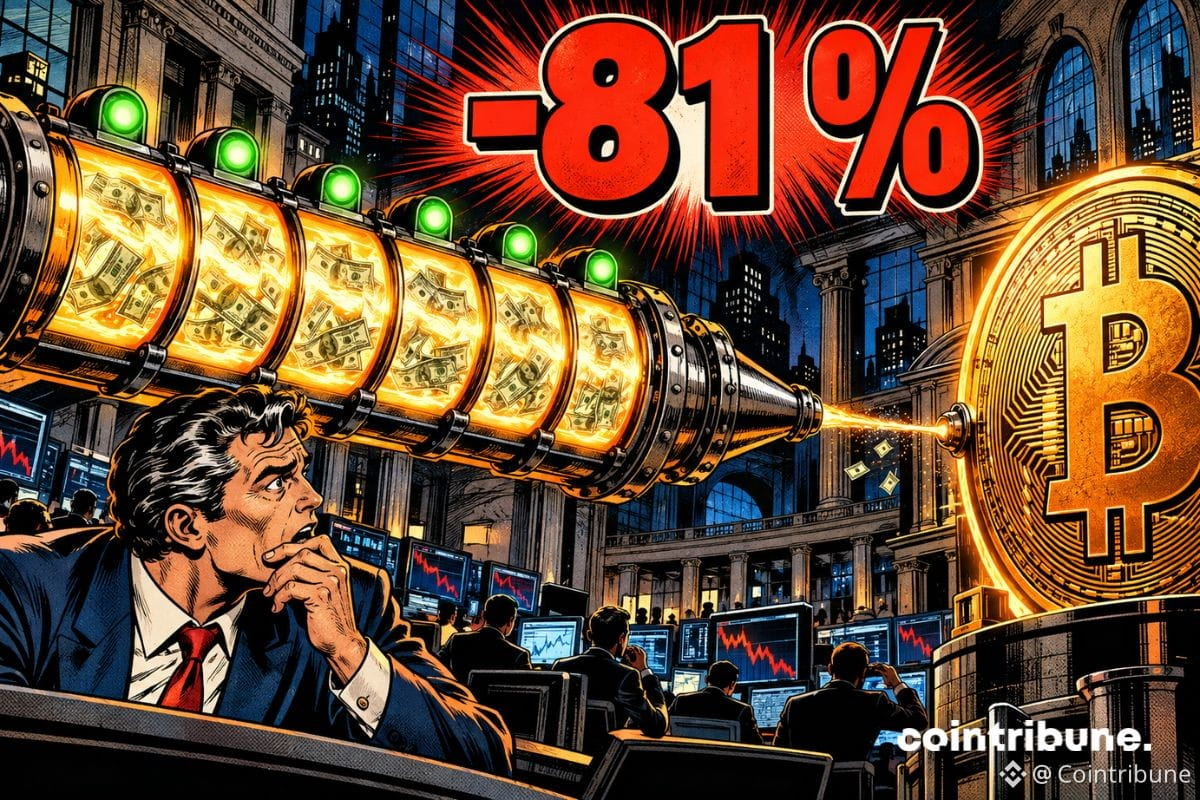
Bitcoin ETF: Six days of inflows, but demand is slowingUS Bitcoin ETFs remain in the green, but the momentum has clearly changed. After a record of $998.9 million in inflows on Monday, flows fell to $190.7 million on Thursday, September 24, representing a drop of about 81% over three sessions. The series is still positive, however: six straight days of inflows have brought more than $2.8 billion to the funds. Meanwhile, Bitcoin has slipped back to around $83,800 after trading above $87,000 at the start of the week.
Bitcoin ETF: Six days of inflows, but demand is slowing
US Bitcoin ETFs remain in the green, but the momentum has clearly changed. After a record of $998.9 million in inflows on Monday, flows fell to $190.7 million on Thursday, September 24, representing a drop of about 81% over three sessions. The series is still positive, however: six straight days of inflows have brought more than $2.8 billion to the funds. Meanwhile, Bitcoin has slipped back to around $83,800 after trading above $87,000 at the start of the week.
48
·
--
Article
Bitget Hack: Circle and Tether freeze a small part of the lootCircle and Tether froze on Friday part of the assets of an address linked to the Bitget hacking incident—about $318,000 in stablecoins. The amount remains marginal compared with the $387.5 million stolen. Most of the loot is held in ether, an asset that no issuer can block.
The Bitget Hack article: Circle and Tether block a small part of the loot appeared first on Cointribune.
Bitget Hack: Circle and Tether freeze a small part of the loot
Circle and Tether froze on Friday part of the assets of an address linked to the Bitget hacking incident—about $318,000 in stablecoins. The amount remains marginal compared with the $387.5 million stolen. Most of the loot is held in ether, an asset that no issuer can block.
The Bitget Hack article: Circle and Tether block a small part of the loot appeared first on Cointribune.
The Bitget Hack article: Circle and Tether block a small part of the loot appeared first on Cointribune.
87
·
--

Article
Google Trends: Bitcoin regains ground against AIThe query « how to buy bitcoin » now surpasses « how to invest in AI » on Google Trends. This result signals a more direct intent around BTC, but it does not measure the actual number of buyers or the amount of capital invested.
The Google Trends article: Bitcoin regains ground against AI appeared first on Cointribune.
Google Trends: Bitcoin regains ground against AI
The query « how to buy bitcoin » now surpasses « how to invest in AI » on Google Trends. This result signals a more direct intent around BTC, but it does not measure the actual number of buyers or the amount of capital invested.
The Google Trends article: Bitcoin regains ground against AI appeared first on Cointribune.
The Google Trends article: Bitcoin regains ground against AI appeared first on Cointribune.
1
2
127
·
--

Article
Bitcoin: Profit-taking remains far from previous peaksThe crypto market is entering a new phase after a strong rally in prices. This surge is prompting some holders to sell in order to realize gains quickly. However, the pace of profit-taking remains lower than that seen during previous peaks. Bitcoin is up 44% for the quarter, reaching nearly $85,000. After three consecutive quarters of decline, flows into ETFs show that demand is still active in the current crypto market and supported.
Bitcoin: Profit-taking remains far from previous peaks
The crypto market is entering a new phase after a strong rally in prices. This surge is prompting some holders to sell in order to realize gains quickly. However, the pace of profit-taking remains lower than that seen during previous peaks. Bitcoin is up 44% for the quarter, reaching nearly $85,000. After three consecutive quarters of decline, flows into ETFs show that demand is still active in the current crypto market and supported.
50
·
--
Article
Bitget hacked: $228 million stolen in just 18 minutesBitget’s hack has finally affected approximately $387.5 million in assets, compared with an initial on-chain estimate of $228 million. The platform claims to have contained the attack, but keeps withdrawals suspended while it carries out its security checks.
Bitget hacked: $228 million stolen in just 18 minutes first appeared on Cointribune.
Bitget hacked: $228 million stolen in just 18 minutes
Bitget’s hack has finally affected approximately $387.5 million in assets, compared with an initial on-chain estimate of $228 million. The platform claims to have contained the attack, but keeps withdrawals suspended while it carries out its security checks.
Bitget hacked: $228 million stolen in just 18 minutes first appeared on Cointribune.
Bitget hacked: $228 million stolen in just 18 minutes first appeared on Cointribune.
118
·
--

Article
MERGE Madrid 2026: Infos and promo codeMERGE Madrid takes place on October 27, 28, and 29, 2026, between the Bolsa de Madrid for the institutional summit and the Palacio de Cibeles for the main congress. The event positions itself as the meeting point between banks, regulators, and the crypto ecosystem in Southern Europe and Latin America. Cointribune is a media partner for the edition and provides a discount code for its community.
The article MERGE Madrid 2026: Infos and promo code appeared first on Cointribune.
MERGE Madrid 2026: Infos and promo code
MERGE Madrid takes place on October 27, 28, and 29, 2026, between the Bolsa de Madrid for the institutional summit and the Palacio de Cibeles for the main congress. The event positions itself as the meeting point between banks, regulators, and the crypto ecosystem in Southern Europe and Latin America. Cointribune is a media partner for the edition and provides a discount code for its community.
The article MERGE Madrid 2026: Infos and promo code appeared first on Cointribune.
The article MERGE Madrid 2026: Infos and promo code appeared first on Cointribune.
119
·
--
Article
Bitcoin ETF: 2026 flows finally turn greenAfter a summer in the red at $5.8 billion, Bitcoin ETFs are back in positive territory for 2026. But while official flows are recovering, funds and ETFs sold bitcoin in the third quarter, when retail investors were buying heavily. A breakdown of a double-edged reversal.
The Bitcoin ETF article: The 2026 flows finally turn green again appeared first on Cointribune.
Bitcoin ETF: 2026 flows finally turn green
After a summer in the red at $5.8 billion, Bitcoin ETFs are back in positive territory for 2026. But while official flows are recovering, funds and ETFs sold bitcoin in the third quarter, when retail investors were buying heavily. A breakdown of a double-edged reversal.
The Bitcoin ETF article: The 2026 flows finally turn green again appeared first on Cointribune.
The Bitcoin ETF article: The 2026 flows finally turn green again appeared first on Cointribune.
66
·
--

Article
Bitcoin: Wall Street still treats it like a technological betBitcoin is often willingly presented as “digital gold.” In institutional portfolios, its placement is sometimes entirely different. A Bitwise survey conducted among 15 major institutions shows that several still put their crypto investments into sleeves dedicated to technology, innovation, or venture capital. Yet Bitcoin remains the common asset across all respondents exposed to cryptocurrencies. Allocations range from 0.5% to 13% of investable assets, with most falling between 1% and 2%.
Bitcoin: Wall Street still treats it like a technological bet
Bitcoin is often willingly presented as “digital gold.” In institutional portfolios, its placement is sometimes entirely different. A Bitwise survey conducted among 15 major institutions shows that several still put their crypto investments into sleeves dedicated to technology, innovation, or venture capital. Yet Bitcoin remains the common asset across all respondents exposed to cryptocurrencies. Allocations range from 0.5% to 13% of investable assets, with most falling between 1% and 2%.
28
·
--
Solana hits a record of $4.6 billion in tokenized assetsTokenized real-world assets (RWAs) on Solana have reached a new peak. Their value climbed to $4.6 billion on September 23, according to data from RWA.xyz. At the same time, the number of wallets holding these assets has nearly doubled over the past month.
The article Solana hits a record of $4.6 billion in tokenized assets appeared first on Cointribune.
Solana hits a record of $4.6 billion in tokenized assets
Tokenized real-world assets (RWAs) on Solana have reached a new peak. Their value climbed to $4.6 billion on September 23, according to data from RWA.xyz. At the same time, the number of wallets holding these assets has nearly doubled over the past month.
The article Solana hits a record of $4.6 billion in tokenized assets appeared first on Cointribune.
The article Solana hits a record of $4.6 billion in tokenized assets appeared first on Cointribune.
68
·
--
XRP and Dogecoin: Long-term holders remain in the redXRP and DOGE have shown significantly higher unrealized losses than bitcoin and Ethereum, according to information provided by Santiment. Such a signal can therefore help reduce the risk of profit-taking, however it does not guarantee a rebound after their next drop.
The article XRP and Dogecoin: Long-term holders remain in the red first appeared on Cointribune.
XRP and Dogecoin: Long-term holders remain in the red
XRP and DOGE have shown significantly higher unrealized losses than bitcoin and Ethereum, according to information provided by Santiment. Such a signal can therefore help reduce the risk of profit-taking, however it does not guarantee a rebound after their next drop.
The article XRP and Dogecoin: Long-term holders remain in the red first appeared on Cointribune.
The article XRP and Dogecoin: Long-term holders remain in the red first appeared on Cointribune.
135
·
--
Article
Crypto treasuries no longer attract investors as muchSequans Communications sold its last 314 BTC and officially ends its Bitcoin strategy. The French group now holds no crypto on its balance sheet after having owned more than 3,200 BTC at the peak of its accumulation. This exit comes at the wrong time for the entire cash management sector: according to DWF Ventures, only 4 of the 20 largest companies in the industry are still trading above the value of their crypto assets. The premium that was fueling their purchases is starting to seriously disappear.
Crypto treasuries no longer attract investors as much
Sequans Communications sold its last 314 BTC and officially ends its Bitcoin strategy. The French group now holds no crypto on its balance sheet after having owned more than 3,200 BTC at the peak of its accumulation. This exit comes at the wrong time for the entire cash management sector: according to DWF Ventures, only 4 of the 20 largest companies in the industry are still trading above the value of their crypto assets. The premium that was fueling their purchases is starting to seriously disappear.
69
·
--
Article
Bitcoin: A historical indicator confirms market improvementThe recent rise in bitcoin prices provides a technical signal that the market closely watches. On September 22, the price crossed above its 365-day simple moving average, around $80,900. This move comes after 310 days below that line, according to Ryan Horst and Joni Zhuleku, founders of Altcoin Pro. Their study shows that this breakout has been followed by gains over several previous periods, while also noting that this indicator does not guarantee a sustained upward trend.
Bitcoin: A historical indicator confirms market improvement
The recent rise in bitcoin prices provides a technical signal that the market closely watches. On September 22, the price crossed above its 365-day simple moving average, around $80,900. This move comes after 310 days below that line, according to Ryan Horst and Joni Zhuleku, founders of Altcoin Pro. Their study shows that this breakout has been followed by gains over several previous periods, while also noting that this indicator does not guarantee a sustained upward trend.
119
·
--
Article
Bitcoin: JPMorgan estimates its production cost at $85,000Bitcoin briefly broke above its average production cost, estimated at $85,000 by JPMorgan, after 280 days below that threshold. This would reduce forced sales by mining specialists; however, the price returning around $84,100 makes this relief still uncertain.
The article Bitcoin: JPMorgan estimates its production cost at $85,000 appeared first on Cointribune.
Bitcoin: JPMorgan estimates its production cost at $85,000
Bitcoin briefly broke above its average production cost, estimated at $85,000 by JPMorgan, after 280 days below that threshold. This would reduce forced sales by mining specialists; however, the price returning around $84,100 makes this relief still uncertain.
The article Bitcoin: JPMorgan estimates its production cost at $85,000 appeared first on Cointribune.
The article Bitcoin: JPMorgan estimates its production cost at $85,000 appeared first on Cointribune.
135
·
--
Article
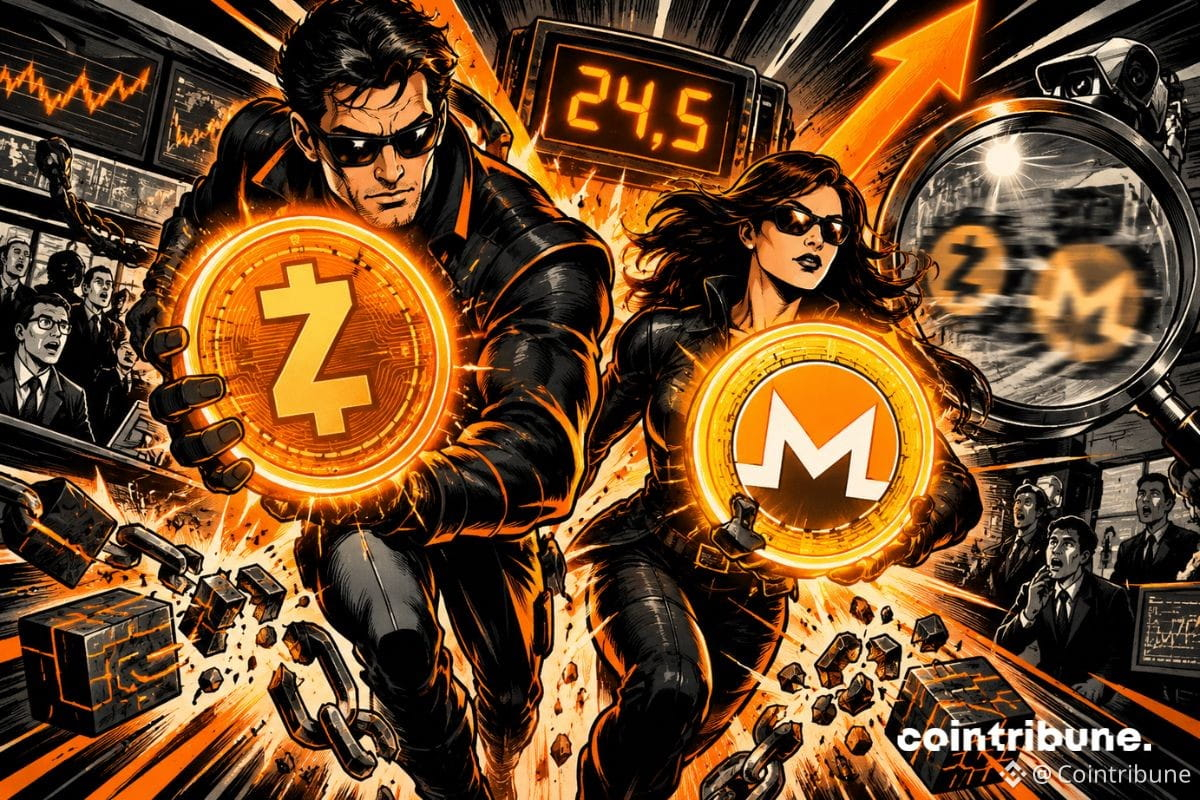
Crypto: Zcash and Monero gain 24.5 billion in valuation in five monthsPrivacy coins are seeing a spectacular comeback in the crypto market. In five months, Zcash and Monero have added $24.54 billion in valuation amid growing institutional interest and regulatory debates.
The article Crypto: Zcash and Monero gain 24.5 billion in valuation in five months appeared first on Cointribune.
Crypto: Zcash and Monero gain 24.5 billion in valuation in five months
Privacy coins are seeing a spectacular comeback in the crypto market. In five months, Zcash and Monero have added $24.54 billion in valuation amid growing institutional interest and regulatory debates.
The article Crypto: Zcash and Monero gain 24.5 billion in valuation in five months appeared first on Cointribune.
The article Crypto: Zcash and Monero gain 24.5 billion in valuation in five months appeared first on Cointribune.
184
·
--

Article
The EU Act will strengthen its oversight of AI and tokenization from 2027https://www.cointribune.com/mica-quatre-entreprises-francaises-rejoignent-le-registre-europeen-des-acteurs-crypto-agrees/
The EU Act will strengthen its oversight of AI and tokenization from 2027 appeared first on Cointribune.
The EU Act will strengthen its oversight of AI and tokenization from 2027
https://www.cointribune.com/mica-quatre-entreprises-francaises-rejoignent-le-registre-europeen-des-acteurs-crypto-agrees/
The EU Act will strengthen its oversight of AI and tokenization from 2027 appeared first on Cointribune.
The EU Act will strengthen its oversight of AI and tokenization from 2027 appeared first on Cointribune.
35
·
--

Article
Crypto in France: Binance, taxes, digital euro, what changes by 2027Autumn 2026 is a turning point for cryptocurrency holders in France. Since July 1st, only platforms authorized under the European MiCA regulation can serve French customers, which has pushed Binance aside. On the crypto tax side, the flat tax has risen to 31.4%. Starting in June 2027, platforms will automatically send your transactions to the tax authorities. And while the European Central Bank is rolling out its regulation on blockchain, the 2027 finance bill is being prepared. Here, question by question, what changes in practice—and what you need to do.
Crypto in France: Binance, taxes, digital euro, what changes by 2027
Autumn 2026 is a turning point for cryptocurrency holders in France. Since July 1st, only platforms authorized under the European MiCA regulation can serve French customers, which has pushed Binance aside. On the crypto tax side, the flat tax has risen to 31.4%. Starting in June 2027, platforms will automatically send your transactions to the tax authorities. And while the European Central Bank is rolling out its regulation on blockchain, the 2027 finance bill is being prepared. Here, question by question, what changes in practice—and what you need to do.
1
30
·
--
Article
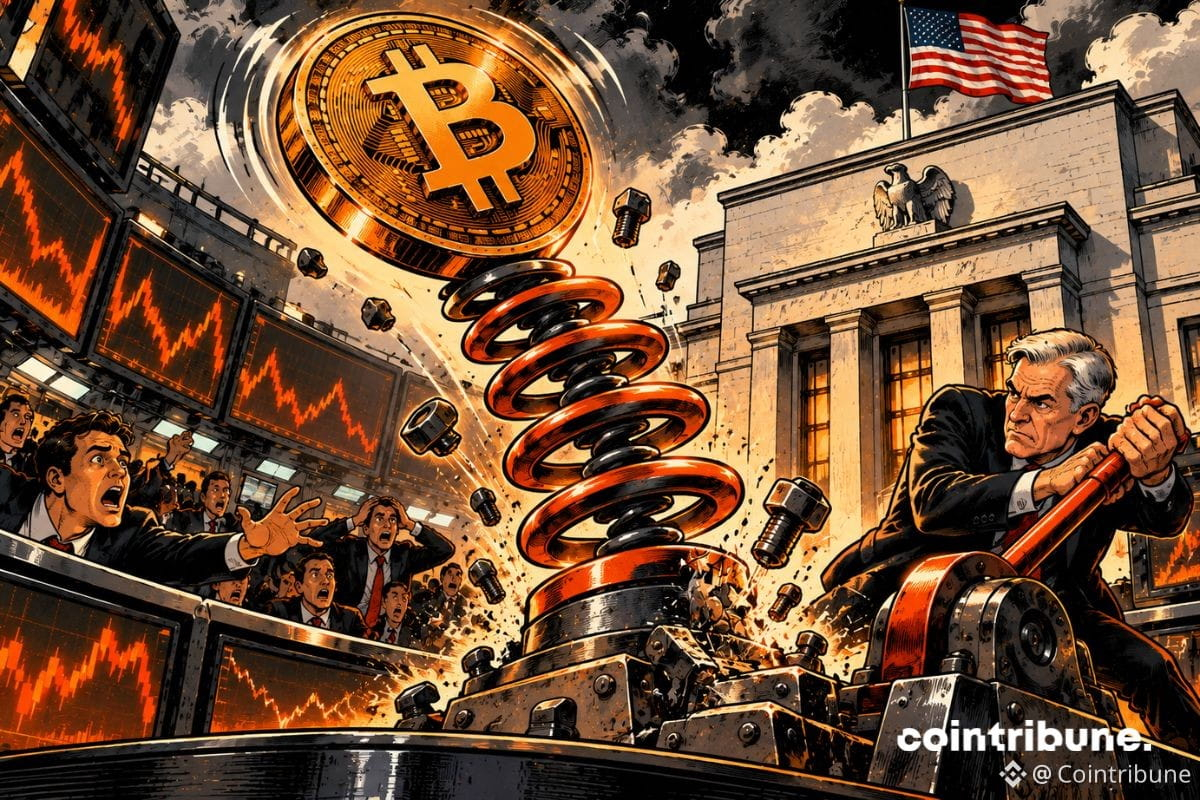
The rebound of Bitcoin falters because of the FedThe price of Bitcoin has fallen back to $83,200 after breaking through the $86,000 threshold at the beginning of the week. Indeed, the rise in bond yields and the increased probability of Fed rate hikes have put an end to this rebound.
The article The rebound of Bitcoin falters because of the Fed appeared first on Cointribune.
The rebound of Bitcoin falters because of the Fed
The price of Bitcoin has fallen back to $83,200 after breaking through the $86,000 threshold at the beginning of the week. Indeed, the rise in bond yields and the increased probability of Fed rate hikes have put an end to this rebound.
The article The rebound of Bitcoin falters because of the Fed appeared first on Cointribune.
The article The rebound of Bitcoin falters because of the Fed appeared first on Cointribune.
36
·
--
Article
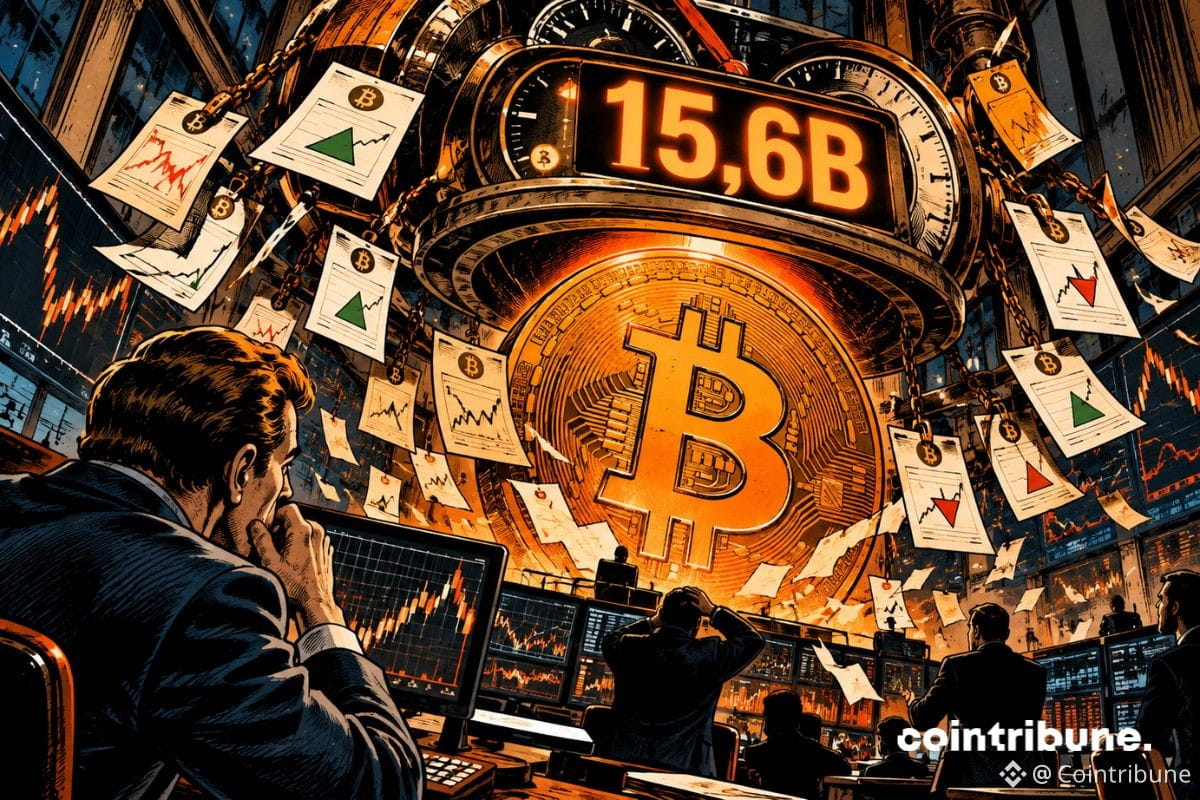
Bitcoin: $15.6 billion in options expire FridayBitcoin faces a major expiration on derivatives. On Friday, September 25, about 182,000 BTC worth of options—representing $15.6 billion in notional value—will expire on Deribit. Calls dominate with 106,200 BTC, versus 75,900 BTC of puts. Settlement occurs while Bitcoin was trading around $85,000 at the time of the Deribit snapshot, which is well above the “max pain” level set at $76,000.
The article Bitcoin: $15.6 billion in options expire Friday appeared first on Cointribune.
Bitcoin: $15.6 billion in options expire Friday
Bitcoin faces a major expiration on derivatives. On Friday, September 25, about 182,000 BTC worth of options—representing $15.6 billion in notional value—will expire on Deribit. Calls dominate with 106,200 BTC, versus 75,900 BTC of puts. Settlement occurs while Bitcoin was trading around $85,000 at the time of the Deribit snapshot, which is well above the “max pain” level set at $76,000.
The article Bitcoin: $15.6 billion in options expire Friday appeared first on Cointribune.
The article Bitcoin: $15.6 billion in options expire Friday appeared first on Cointribune.
96
·
--
Article
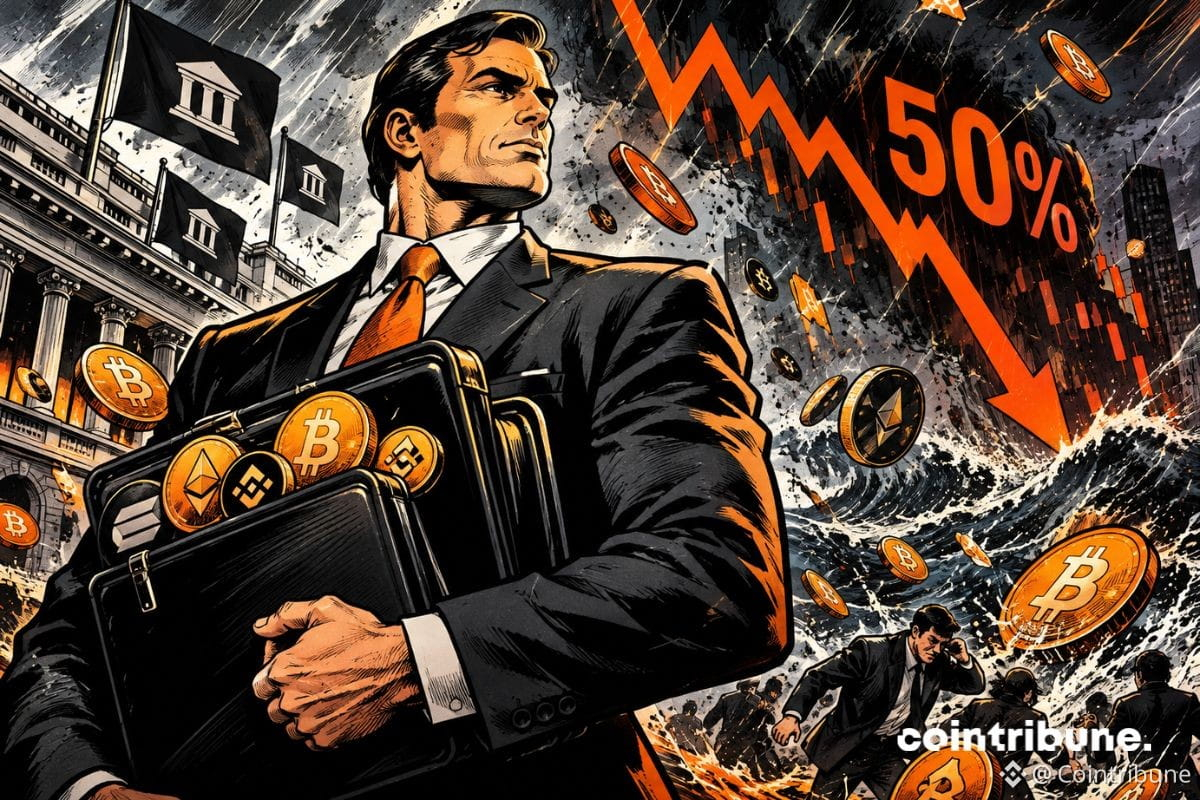
Institutions keep their crypto positions despite a 50% dropThe crypto market crash did not trigger sales among the institutions monitored by Bitwise. Despite a drop of about 50%, none of the 15 surveyed firms reduced its exposure, and several increased their positions. Bitcoin remains at the center of these allocations, often as the first asset for these investors. Behind this stability, investors cite their long-term, enduring convictions, while Ether and Solana remain subject to specific exit conditions in their portfolios.
Institutions keep their crypto positions despite a 50% drop
The crypto market crash did not trigger sales among the institutions monitored by Bitwise. Despite a drop of about 50%, none of the 15 surveyed firms reduced its exposure, and several increased their positions. Bitcoin remains at the center of these allocations, often as the first asset for these investors. Behind this stability, investors cite their long-term, enduring convictions, while Ether and Solana remain subject to specific exit conditions in their portfolios.
2
96
Log in to explore more content
Join global crypto users on Binance Square
⚡️ Get latest and useful information about crypto.
💬 Trusted by the world’s largest crypto exchange.
👍 Discover real insights from verified creators.
Email / Phone number
Trending Topics
CircleMints500MUSDCOnSolana
13,945 views
557 Discussing
#circlemints500musdconsolana
🚨 HUGE Liquidity Boost! Circle Mints $500 Million USDC on Solana — Is a Massive DeFi Rally Next? 🚀
💵 What Happened?
In a major on-chain event, the USDC Treasury issued $500 million in USDC directly on the Solana network across two $250M transactions.
This massive influx of real-fiat-backed capital highlights a growing appetite for stablecoins in high-speed, low-cost ecosystems.
🔑 Key Takeaways & Headlines
Fresh On-Chain Liquidity: Freshly minted USDC boosts liquidity pools across Solana-based DEXs, lending markets, and yield protocols.
$SOL
Institutional Signal: Because every USDC is backed 1:1 by real reserves, large minting events reflect actual institutional or commercial capital entering the ecosystem.
Solana’s Market Share Expansion: Solana continues to capture an increasing share of total USDC circulation, threatening traditional stablecoin market distributions.
Macro & Fed Context: As traders monitor global macroeconomic developments and interest rate outlooks, high-yield on-chain opportunities attract resting capital back to Web3.
💡 Why It Matters for Traders
Lower Slippage & Better Swaps: Higher stablecoin depth means larger trades can occur without heavy market impact.
DeFi Yield Potential: Increased USDC reserves encourage higher TVL (Total Value Locked) in Solana lending and farming protocols.
Sentiment Shift: Massive stablecoin injections are historically bullish indicators for ecosystem tokens ($SOL,$JUP, $RAY,$KMNO).
What’s your play? Are you keeping cash on the sidelines or riding the Solana liquidity wave? Drop your thoughts below! 👇
#BlackRockBuildsTokenizedPortfoliosForOndo #solana #defi
Lily星星
·4 Likes
·2.6k views
PolymarketBankFailureBetsDrawFDICConcern
29,495 views
753 Discussing
BlackRockBuildsTokenizedPortfoliosForOndo
23,452 views
511 Discussing