
tyj天赢居
1.5k Posts

tyj天赢居
Report
Block User
陈妍希头号粉丝
446 Following
641 Followers
345 Liked
Posts
·
--
Eli Lilly partners to develop taRNA vaccines, with BMS teaming up with Chai to design antibodies using AI(Source: China Business News)
Eli Lilly and Amplitude are collaborating to develop a taRNA vaccine candidate for infectious diseases; Bristol Myers Squibb is partnering with Chai Discovery to use AI to advance therapeutic antibody discovery.
On August 21, according to WuXi AppTec’s (603259.SH) official WeChat account, Amplitude (AMPL.US) announced that it has reached a strategic research cooperation and licensing agreement with Eli Lilly (LLY.US). Together, the companies will discover and develop a transamplifying RNA (taRNA) vaccine candidate product for infectious diseases. In the initial phase of the collaboration, they will focus on several undisclosed infectious disease vaccine projects with high unmet medical needs. Eli Lilly has the option to add up to two additional infectious disease targets. The taRNA technology separates the replicase enzyme from the RNA component that encodes antigens, and is expected to enable higher potency, lower dosing requirements, and improved manufacturability. Under the agreement, Eli Lilly will obtain exclusive development and commercialization rights for the licensed products; Amplitude will be responsible for optimizing the taRNA technology and conducting certain preclinical studies; Eli Lilly will handle subsequent preclinical development, clinical development, manufacturing, regulatory affairs, and commercialization.
Eli Lilly partners to develop taRNA vaccines, with BMS teaming up with Chai to design antibodies using AI
(Source: China Business News)
Eli Lilly and Amplitude are collaborating to develop a taRNA vaccine candidate for infectious diseases; Bristol Myers Squibb is partnering with Chai Discovery to use AI to advance therapeutic antibody discovery.
On August 21, according to WuXi AppTec’s (603259.SH) official WeChat account, Amplitude (AMPL.US) announced that it has reached a strategic research cooperation and licensing agreement with Eli Lilly (LLY.US). Together, the companies will discover and develop a transamplifying RNA (taRNA) vaccine candidate product for infectious diseases. In the initial phase of the collaboration, they will focus on several undisclosed infectious disease vaccine projects with high unmet medical needs. Eli Lilly has the option to add up to two additional infectious disease targets. The taRNA technology separates the replicase enzyme from the RNA component that encodes antigens, and is expected to enable higher potency, lower dosing requirements, and improved manufacturability. Under the agreement, Eli Lilly will obtain exclusive development and commercialization rights for the licensed products; Amplitude will be responsible for optimizing the taRNA technology and conducting certain preclinical studies; Eli Lilly will handle subsequent preclinical development, clinical development, manufacturing, regulatory affairs, and commercialization.
Eli Lilly and Amplitude are collaborating to develop a taRNA vaccine candidate for infectious diseases; Bristol Myers Squibb is partnering with Chai Discovery to use AI to advance therapeutic antibody discovery.
On August 21, according to WuXi AppTec’s (603259.SH) official WeChat account, Amplitude (AMPL.US) announced that it has reached a strategic research cooperation and licensing agreement with Eli Lilly (LLY.US). Together, the companies will discover and develop a transamplifying RNA (taRNA) vaccine candidate product for infectious diseases. In the initial phase of the collaboration, they will focus on several undisclosed infectious disease vaccine projects with high unmet medical needs. Eli Lilly has the option to add up to two additional infectious disease targets. The taRNA technology separates the replicase enzyme from the RNA component that encodes antigens, and is expected to enable higher potency, lower dosing requirements, and improved manufacturability. Under the agreement, Eli Lilly will obtain exclusive development and commercialization rights for the licensed products; Amplitude will be responsible for optimizing the taRNA technology and conducting certain preclinical studies; Eli Lilly will handle subsequent preclinical development, clinical development, manufacturing, regulatory affairs, and commercialization.
BMYUS-0.11%
LLYUS+0.21%
122
·
--
Article
The tough guy who tried to lose weight with injections gets defeated by protein powderWen | Koo Wan Experimental Lab
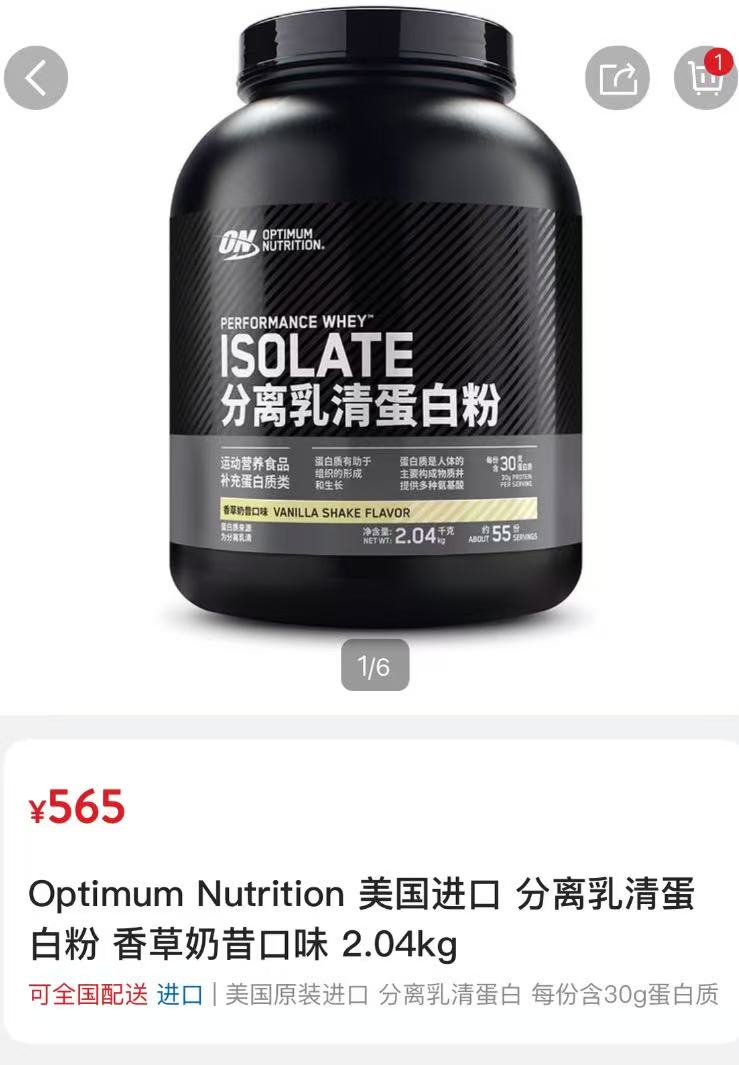
These days, a new kind of financial product has emerged: protein powder.
I bought a tub of protein powder at Sam's at the start of this year for only 660 yuan. But in the past few days, I checked again and it's nearly 800 yuan. The same thing last year was only a bit over 500 yuan—within a year, it's already out of reach.
Open any social media platform—complaints are everywhere.
In 2026, many mainstream brands generally rose by about 20%. Under 300 yuan protein powder is already very hard to find on e-commerce.
The raw-material side is even more outrageous: whey powder used to make protein powder has nearly doubled in price in a year.
The reason isn't complicated.
The tough guy who tried to lose weight with injections gets defeated by protein powder
Wen | Koo Wan Experimental Lab
These days, a new kind of financial product has emerged: protein powder.
I bought a tub of protein powder at Sam's at the start of this year for only 660 yuan. But in the past few days, I checked again and it's nearly 800 yuan. The same thing last year was only a bit over 500 yuan—within a year, it's already out of reach.
Open any social media platform—complaints are everywhere.
In 2026, many mainstream brands generally rose by about 20%. Under 300 yuan protein powder is already very hard to find on e-commerce.
The raw-material side is even more outrageous: whey powder used to make protein powder has nearly doubled in price in a year.
The reason isn't complicated.
These days, a new kind of financial product has emerged: protein powder.
I bought a tub of protein powder at Sam's at the start of this year for only 660 yuan. But in the past few days, I checked again and it's nearly 800 yuan. The same thing last year was only a bit over 500 yuan—within a year, it's already out of reach.
Open any social media platform—complaints are everywhere.
In 2026, many mainstream brands generally rose by about 20%. Under 300 yuan protein powder is already very hard to find on e-commerce.
The raw-material side is even more outrageous: whey powder used to make protein powder has nearly doubled in price in a year.
The reason isn't complicated.
142
·
--
Insider Trading|Eli Lilly Discloses a Stock Increase, Amounting to Approximately $11.8 ThousandEli Lilly (LLY), a U.S.-listed company, has disclosed an insider stock transaction. The filing shows that the company insider Alvarez (Ralph) (Director) increased his holdings of company stock on 2026-08-17, for a transaction amount of approximately $11,831.60.
Trading data:
? Trader: Alvarez (Ralph) (Director)
? Trade direction: Buy
? Number of shares traded: 10 shares
? Average trade price: $1,183.16 per share
? Transaction amount: Approximately $11,831.60
? Latest shares held: 829 shares
Generally speaking, stock transactions by executives and directors of listed companies are considered one of the important reference indicators for the market to observe management’s stance. However, insider trading may involve various factors such as compensation arrangements, tax planning, and asset allocation. A single transaction cannot directly indicate the company’s future operating outlook; a comprehensive judgment is still needed together with fundamentals and subsequent announcements.
Insider Trading|Eli Lilly Discloses a Stock Increase, Amounting to Approximately $11.8 Thousand
Eli Lilly (LLY), a U.S.-listed company, has disclosed an insider stock transaction. The filing shows that the company insider Alvarez (Ralph) (Director) increased his holdings of company stock on 2026-08-17, for a transaction amount of approximately $11,831.60.
Trading data:
? Trader: Alvarez (Ralph) (Director)
? Trade direction: Buy
? Number of shares traded: 10 shares
? Average trade price: $1,183.16 per share
? Transaction amount: Approximately $11,831.60
? Latest shares held: 829 shares
Generally speaking, stock transactions by executives and directors of listed companies are considered one of the important reference indicators for the market to observe management’s stance. However, insider trading may involve various factors such as compensation arrangements, tax planning, and asset allocation. A single transaction cannot directly indicate the company’s future operating outlook; a comprehensive judgment is still needed together with fundamentals and subsequent announcements.
Trading data:
? Trader: Alvarez (Ralph) (Director)
? Trade direction: Buy
? Number of shares traded: 10 shares
? Average trade price: $1,183.16 per share
? Transaction amount: Approximately $11,831.60
? Latest shares held: 829 shares
Generally speaking, stock transactions by executives and directors of listed companies are considered one of the important reference indicators for the market to observe management’s stance. However, insider trading may involve various factors such as compensation arrangements, tax planning, and asset allocation. A single transaction cannot directly indicate the company’s future operating outlook; a comprehensive judgment is still needed together with fundamentals and subsequent announcements.
53
·
--
AI4S Commercialization Turning Point Emerges: Jingtai Holdings’ Half-Year AI4S Revenue Up 136.4% YoYJingtai Holdings (2228.HK) announced its 2026 interim results. After stripping out last year’s large one-off authorized-project base effects, the Group’s revenue grew 73.8% year over year. Revenue from AI4S smart solutions surged 136.4% year over year. As of the end of June, the company held RMB 8.6712 billion in cash, providing ample support for business expansion. This set of operating metrics indicates that the AI4S industry has officially moved beyond the early-stage technical prototype validation phase and entered a period of commercialization with large-scale ramp-up. As one of the few companies in the industry that has achieved large-scale commercial delivery of AI4S full-stack infrastructure, Jingtai Holdings has gradually evolved from a technology services provider into a data-infrastructure partner deeply embedded in global pharmaceutical companies’ R&D workflows. The depth of customer collaboration, prospects for repeat purchases, and long-term industrial value continue to rise.
AI4S Commercialization Turning Point Emerges: Jingtai Holdings’ Half-Year AI4S Revenue Up 136.4% YoY
Jingtai Holdings (2228.HK) announced its 2026 interim results. After stripping out last year’s large one-off authorized-project base effects, the Group’s revenue grew 73.8% year over year. Revenue from AI4S smart solutions surged 136.4% year over year. As of the end of June, the company held RMB 8.6712 billion in cash, providing ample support for business expansion. This set of operating metrics indicates that the AI4S industry has officially moved beyond the early-stage technical prototype validation phase and entered a period of commercialization with large-scale ramp-up. As one of the few companies in the industry that has achieved large-scale commercial delivery of AI4S full-stack infrastructure, Jingtai Holdings has gradually evolved from a technology services provider into a data-infrastructure partner deeply embedded in global pharmaceutical companies’ R&D workflows. The depth of customer collaboration, prospects for repeat purchases, and long-term industrial value continue to rise.
127
·
--
AI4S Commercialization Turning Point Emerges: Jingtai Holdings’ First-Half AI4S Revenue Up 136.4% Year on YearJingtai Holdings (2228.HK) released its 2026 interim results. Excluding last year’s large authorization projects that created a high-base distortion, the Group’s revenue grew 73.8% year on year. Revenue from its AI4S smart solutions surged 136.4% year on year. As of the end of June, the company held RMB 8.6712 billion in cash, providing ample support for business expansion. This set of operating data indicates that the AI4S industry has officially moved beyond the early-stage technical prototype validation phase and entered a period of commercialization, large-scale rollout, and ramp-up. As one of the few companies in the industry that has achieved large-scale commercial delivery of AI4S full-stack infrastructure, Jingtai Holdings has gradually evolved from a technology service provider into a data-infrastructure partner deeply embedded in the R&D pipelines of global pharmaceutical companies. The depth of customer collaboration, the potential for repeat purchases, and long-term industrial value continue to rise.
AI4S Commercialization Turning Point Emerges: Jingtai Holdings’ First-Half AI4S Revenue Up 136.4% Year on Year
Jingtai Holdings (2228.HK) released its 2026 interim results. Excluding last year’s large authorization projects that created a high-base distortion, the Group’s revenue grew 73.8% year on year. Revenue from its AI4S smart solutions surged 136.4% year on year. As of the end of June, the company held RMB 8.6712 billion in cash, providing ample support for business expansion. This set of operating data indicates that the AI4S industry has officially moved beyond the early-stage technical prototype validation phase and entered a period of commercialization, large-scale rollout, and ramp-up. As one of the few companies in the industry that has achieved large-scale commercial delivery of AI4S full-stack infrastructure, Jingtai Holdings has gradually evolved from a technology service provider into a data-infrastructure partner deeply embedded in the R&D pipelines of global pharmaceutical companies. The depth of customer collaboration, the potential for repeat purchases, and long-term industrial value continue to rise.
69
·
--
AI4S commercialization inflection point emerges: Jingtai Holdings’ half-year AI4S revenue hits RMB 193.5 million, up 136% year over year.Jingtai Holdings (2228.HK) released its 2026 interim results. Excluding last year’s large-authorizations projects, the growth base distortion was removed. The Group’s revenue rose 73.8% year over year. Revenue from AI4S smart solutions surged 136.4% year over year. As of the end of June, the company held RMB 8.6712 billion in cash, providing ample support for business expansion. This set of operating data indicates that the AI4S industry has officially moved on from the early-stage technical prototype validation phase and entered a period of commercialization, scale-up, and large-volume ramp-up. As one of the few companies in the industry that has achieved large-scale commercialization delivery of AI4S full-stack infrastructure, Jingtai Holdings has gradually evolved from a technology services provider into a data infrastructure partner deeply embedded in the R&D workflows of global pharmaceutical companies. The depth of customer collaboration, potential for repeat purchases, and long-term industrial value are all continuously increasing.
AI4S commercialization inflection point emerges: Jingtai Holdings’ half-year AI4S revenue hits RMB 193.5 million, up 136% year over year.
Jingtai Holdings (2228.HK) released its 2026 interim results. Excluding last year’s large-authorizations projects, the growth base distortion was removed. The Group’s revenue rose 73.8% year over year. Revenue from AI4S smart solutions surged 136.4% year over year. As of the end of June, the company held RMB 8.6712 billion in cash, providing ample support for business expansion. This set of operating data indicates that the AI4S industry has officially moved on from the early-stage technical prototype validation phase and entered a period of commercialization, scale-up, and large-volume ramp-up. As one of the few companies in the industry that has achieved large-scale commercialization delivery of AI4S full-stack infrastructure, Jingtai Holdings has gradually evolved from a technology services provider into a data infrastructure partner deeply embedded in the R&D workflows of global pharmaceutical companies. The depth of customer collaboration, potential for repeat purchases, and long-term industrial value are all continuously increasing.
433
·
--
Eli Lilly’s stock price rises 5.3%Eli Lilly’s stock price rises 5.3%, to $1,290 per share, continuing to set fresh record highs. Total market capitalization is $1.21 trillion.
Eli Lilly’s stock price rises 5.3%
Eli Lilly’s stock price rises 5.3%, to $1,290 per share, continuing to set fresh record highs. Total market capitalization is $1.21 trillion.
161
·
--
Article
Net profit up by more than 500% — can the overseas wave of innovative drugs produce a new generation of leading companies?Haisco relies on a dual-engine model of “continuous domestic product volume growth + monetizing overseas pipeline value,” offering extremely strong earnings certainty.?
Recently, the pharmaceutical sector led by innovative drugs has become the brightest presence among non-tech sectors. The main reason is that, under the backdrop of generally improved interim results, some capital flowing out of the tech sector has moved into the innovative drug sector. However, sector leaders such as those led by Hengrui Pharmaceuticals and BeiGene have long been firmly locked in by institutions. For investors looking to enter this track, how to choose a future potential leader with a good cost-performance ratio has become an important task at present.?
Net profit up by more than 500% — can the overseas wave of innovative drugs produce a new generation of leading companies?
Haisco relies on a dual-engine model of “continuous domestic product volume growth + monetizing overseas pipeline value,” offering extremely strong earnings certainty.?
Recently, the pharmaceutical sector led by innovative drugs has become the brightest presence among non-tech sectors. The main reason is that, under the backdrop of generally improved interim results, some capital flowing out of the tech sector has moved into the innovative drug sector. However, sector leaders such as those led by Hengrui Pharmaceuticals and BeiGene have long been firmly locked in by institutions. For investors looking to enter this track, how to choose a future potential leader with a good cost-performance ratio has become an important task at present.?
Recently, the pharmaceutical sector led by innovative drugs has become the brightest presence among non-tech sectors. The main reason is that, under the backdrop of generally improved interim results, some capital flowing out of the tech sector has moved into the innovative drug sector. However, sector leaders such as those led by Hengrui Pharmaceuticals and BeiGene have long been firmly locked in by institutions. For investors looking to enter this track, how to choose a future potential leader with a good cost-performance ratio has become an important task at present.?
108
·
--
Eli Lilly (LLY) sues six U.S. companies over the black-market distribution of retatrutide and reports alleged violationsEconomic Observer website. Eli Lilly (LLY)'s pipeline product retatrutide, which is under development, is in Phase 3 clinical trials and has not yet been approved. However, black-market distribution is rampant, and the company has taken legal and reporting measures to maintain market order.
Recent event:
Retatrutide is still in Phase 3 clinical trials and has not been approved yet, but illicit black-market distribution is rampant. Eli Lilly has filed lawsuits against six U.S. companies and reported more than 200 allegedly non-compliant entities to the FDA and other agencies.
The above content is compiled based on publicly available information and does not constitute investment advice.
Eli Lilly (LLY) sues six U.S. companies over the black-market distribution of retatrutide and reports alleged violations
Economic Observer website. Eli Lilly (LLY)'s pipeline product retatrutide, which is under development, is in Phase 3 clinical trials and has not yet been approved. However, black-market distribution is rampant, and the company has taken legal and reporting measures to maintain market order.
Recent event:
Retatrutide is still in Phase 3 clinical trials and has not been approved yet, but illicit black-market distribution is rampant. Eli Lilly has filed lawsuits against six U.S. companies and reported more than 200 allegedly non-compliant entities to the FDA and other agencies.
The above content is compiled based on publicly available information and does not constitute investment advice.
Recent event:
Retatrutide is still in Phase 3 clinical trials and has not been approved yet, but illicit black-market distribution is rampant. Eli Lilly has filed lawsuits against six U.S. companies and reported more than 200 allegedly non-compliant entities to the FDA and other agencies.
The above content is compiled based on publicly available information and does not constitute investment advice.
61
·
--
Article
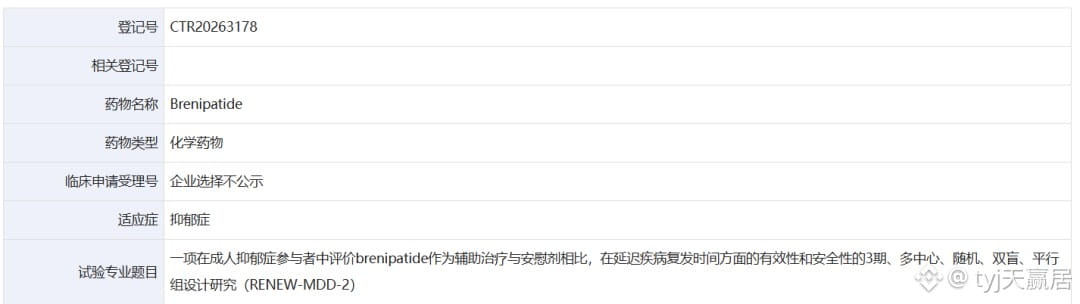
Eli Lilly (LLY.US) Class 1 New Drug Starts a New Phase III Clinical Trial in ChinaOn August 17, the drug clinical trial registration and information disclosure platform showed that Eli Lilly (LLY.US) has registered a Phase III clinical study of Brenipatide injection in adult participants with depression. The Insight database indicates that Brenipatide is the first GLP-1 class product globally to initiate a Phase III clinical trial for depression.
Brenipatide is an investigational dual agonist of GLP1R/GIPR, and is Eli Lilly’s second GLP-1/GIP dual-target new drug after tirzepatide. With the highest global progress at Phase III, it has not yet been approved for marketing. In addition to depression, Eli Lilly has also launched two Phase III studies of Brenipatide for alcohol use disorder. Furthermore, Eli Lilly is expanding into other indications, including bipolar disorder, asthma, nicotine dependence, schizophrenia, diarrhea-predominant irritable bowel syndrome, constipation-predominant irritable bowel syndrome, chronic obstructive pulmonary disease, and more.
Eli Lilly (LLY.US) Class 1 New Drug Starts a New Phase III Clinical Trial in China
On August 17, the drug clinical trial registration and information disclosure platform showed that Eli Lilly (LLY.US) has registered a Phase III clinical study of Brenipatide injection in adult participants with depression. The Insight database indicates that Brenipatide is the first GLP-1 class product globally to initiate a Phase III clinical trial for depression.
Brenipatide is an investigational dual agonist of GLP1R/GIPR, and is Eli Lilly’s second GLP-1/GIP dual-target new drug after tirzepatide. With the highest global progress at Phase III, it has not yet been approved for marketing. In addition to depression, Eli Lilly has also launched two Phase III studies of Brenipatide for alcohol use disorder. Furthermore, Eli Lilly is expanding into other indications, including bipolar disorder, asthma, nicotine dependence, schizophrenia, diarrhea-predominant irritable bowel syndrome, constipation-predominant irritable bowel syndrome, chronic obstructive pulmonary disease, and more.
Brenipatide is an investigational dual agonist of GLP1R/GIPR, and is Eli Lilly’s second GLP-1/GIP dual-target new drug after tirzepatide. With the highest global progress at Phase III, it has not yet been approved for marketing. In addition to depression, Eli Lilly has also launched two Phase III studies of Brenipatide for alcohol use disorder. Furthermore, Eli Lilly is expanding into other indications, including bipolar disorder, asthma, nicotine dependence, schizophrenia, diarrhea-predominant irritable bowel syndrome, constipation-predominant irritable bowel syndrome, chronic obstructive pulmonary disease, and more.
LLYUS+0.21%
159
·
--

Article
Who will receive the amazing coupon bundle? The next round of interaction rewards is here →(Source: The Paper Observer)
Everyone, please take a look!
The fan-favor moment is officially live?
Thank you all for your continued support
Support and companionship for “Today’s Minhang”
Xiao Min is here with benefits to deliver gifts!
How to get a gift? Super easy!
Interact with us actively every week
Liking, commenting, and lighting up a heart all count
Top loyal fans in this week’s interaction rankings
If you have the chance, you can receive benefits sent by Xiao Min
Daily more viewing, more chatting, more liking
Goodies will come straight to you automatically~
The winner from the last round, netizens who won
Congratulations to these lucky netizens
Please pay attention to your reply and private messages in time~
Who will receive the amazing coupon bundle? The next round of interaction rewards is here →
(Source: The Paper Observer)
Everyone, please take a look!
The fan-favor moment is officially live?
Thank you all for your continued support
Support and companionship for “Today’s Minhang”
Xiao Min is here with benefits to deliver gifts!
How to get a gift? Super easy!
Interact with us actively every week
Liking, commenting, and lighting up a heart all count
Top loyal fans in this week’s interaction rankings
If you have the chance, you can receive benefits sent by Xiao Min
Daily more viewing, more chatting, more liking
Goodies will come straight to you automatically~
The winner from the last round, netizens who won
Congratulations to these lucky netizens
Please pay attention to your reply and private messages in time~
Everyone, please take a look!
The fan-favor moment is officially live?
Thank you all for your continued support
Support and companionship for “Today’s Minhang”
Xiao Min is here with benefits to deliver gifts!
How to get a gift? Super easy!
Interact with us actively every week
Liking, commenting, and lighting up a heart all count
Top loyal fans in this week’s interaction rankings
If you have the chance, you can receive benefits sent by Xiao Min
Daily more viewing, more chatting, more liking
Goodies will come straight to you automatically~
The winner from the last round, netizens who won
Congratulations to these lucky netizens
Please pay attention to your reply and private messages in time~
91
·
--
Article
Overseas BD deal finalized: Can China’s insulin leader leverage weight-loss drugs to kick off a new growth curve? Trading for stocks? Just look at Golden Qilin’s analyst research reports—authoritative, professional, timely, and comprehensive. Help you uncover potential theme opportunities!
Source: Scale Business
Author | Dong Wuying
Edit | Liu Zhentao
In recent years, China’s biopharmaceutical industry has been accelerating in development. Publicly listed pharmaceutical companies have signed large overseas BD (business development) deals one after another. Among them, the authorization licensing deal recently secured by Gan & Lee Pharmaceuticals—covering an upfront payment plus milestone amounts totaling as much as €726 million—has also drawn significant market attention to this long-established insulin leader that is speeding up its transformation into innovative drugs.
Overseas BD deal finalized: Can China’s insulin leader leverage weight-loss drugs to kick off a new growth curve?
Trading for stocks? Just look at Golden Qilin’s analyst research reports—authoritative, professional, timely, and comprehensive. Help you uncover potential theme opportunities!
Source: Scale Business
Author | Dong Wuying
Edit | Liu Zhentao
In recent years, China’s biopharmaceutical industry has been accelerating in development. Publicly listed pharmaceutical companies have signed large overseas BD (business development) deals one after another. Among them, the authorization licensing deal recently secured by Gan & Lee Pharmaceuticals—covering an upfront payment plus milestone amounts totaling as much as €726 million—has also drawn significant market attention to this long-established insulin leader that is speeding up its transformation into innovative drugs.
Source: Scale Business
Author | Dong Wuying
Edit | Liu Zhentao
In recent years, China’s biopharmaceutical industry has been accelerating in development. Publicly listed pharmaceutical companies have signed large overseas BD (business development) deals one after another. Among them, the authorization licensing deal recently secured by Gan & Lee Pharmaceuticals—covering an upfront payment plus milestone amounts totaling as much as €726 million—has also drawn significant market attention to this long-established insulin leader that is speeding up its transformation into innovative drugs.
94
·
--
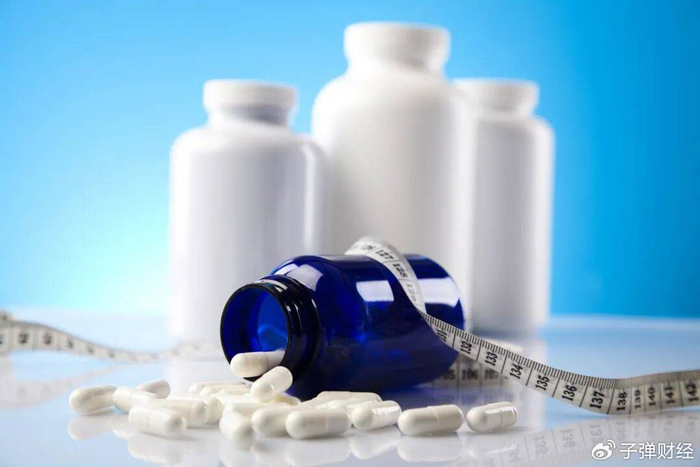
Article
Xinda Biotech pushes to reach 20 billion in drug sales—does the faster run of “edge-of-compliance marketing” for its weight-loss drug?Original production | "Bullet Finance" under "Entrepreneurship Frontline"
Author | Zhang Jue
Editor | Dan Zong
Art editor | Qianqian
Review | Songwen
Over the past year, Xinda Biotech has appeared more and more often outside hospitals.
This biotech company, which started out with oncology drugs, has been frequently running weight-loss brand advertisements in shopping malls, subways, and landmark buildings in first- and second-tier cities. The goal is to drive traffic and build hype for its weight-loss drug, Synermyr.
In June 2025, Synermyr, which was approved, is becoming one of Xinda Biotech’s fastest-growing new products—marking the first time the company has faced such a vast number of ordinary consumers so directly.
Xinda Biotech pushes to reach 20 billion in drug sales—does the faster run of “edge-of-compliance marketing” for its weight-loss drug?
Original production | "Bullet Finance" under "Entrepreneurship Frontline"
Author | Zhang Jue
Editor | Dan Zong
Art editor | Qianqian
Review | Songwen
Over the past year, Xinda Biotech has appeared more and more often outside hospitals.
This biotech company, which started out with oncology drugs, has been frequently running weight-loss brand advertisements in shopping malls, subways, and landmark buildings in first- and second-tier cities. The goal is to drive traffic and build hype for its weight-loss drug, Synermyr.
In June 2025, Synermyr, which was approved, is becoming one of Xinda Biotech’s fastest-growing new products—marking the first time the company has faced such a vast number of ordinary consumers so directly.
Author | Zhang Jue
Editor | Dan Zong
Art editor | Qianqian
Review | Songwen
Over the past year, Xinda Biotech has appeared more and more often outside hospitals.
This biotech company, which started out with oncology drugs, has been frequently running weight-loss brand advertisements in shopping malls, subways, and landmark buildings in first- and second-tier cities. The goal is to drive traffic and build hype for its weight-loss drug, Synermyr.
In June 2025, Synermyr, which was approved, is becoming one of Xinda Biotech’s fastest-growing new products—marking the first time the company has faced such a vast number of ordinary consumers so directly.
86
·
--
Article
Xinda Bio sells its way to a sprint toward 20 billion, and weight-loss drug “borderline marketing” is running even faster?Wen|Dan Zidan Finance Zhang Jue
Edit|Dan Zong
Over the past year, Xinda Bio has been showing up more and more frequently outside hospitals.
This biotech company, which started out with oncology drugs, frequently runs weight-loss brand advertisements in shopping malls, subways, and landmark buildings in first- and second-tier cities, driving traffic and building momentum for its weight-loss drug Xinyermei.
Xinyermei, approved in June 2025, is becoming one of Xinda Bio’s fastest-growing new products, and for the company it is the first time it has faced such a huge number of everyday consumers so directly.
This is very different from Xinda Bio a few years ago. For a long time, the outside world’s strongest impression of the company was Dabao Shu, as well as the fierce reimbursement and market competition faced by domestic PD-1 drugs. Now, oncology drugs are still its core business, but based on some of the company’s reported performance for the first half of 2026, chronic-disease drugs such as Xinyermei are pushing the company toward a new scale.
Xinda Bio sells its way to a sprint toward 20 billion, and weight-loss drug “borderline marketing” is running even faster?
Wen|Dan Zidan Finance Zhang Jue
Edit|Dan Zong
Over the past year, Xinda Bio has been showing up more and more frequently outside hospitals.
This biotech company, which started out with oncology drugs, frequently runs weight-loss brand advertisements in shopping malls, subways, and landmark buildings in first- and second-tier cities, driving traffic and building momentum for its weight-loss drug Xinyermei.
Xinyermei, approved in June 2025, is becoming one of Xinda Bio’s fastest-growing new products, and for the company it is the first time it has faced such a huge number of everyday consumers so directly.
This is very different from Xinda Bio a few years ago. For a long time, the outside world’s strongest impression of the company was Dabao Shu, as well as the fierce reimbursement and market competition faced by domestic PD-1 drugs. Now, oncology drugs are still its core business, but based on some of the company’s reported performance for the first half of 2026, chronic-disease drugs such as Xinyermei are pushing the company toward a new scale.
Edit|Dan Zong
Over the past year, Xinda Bio has been showing up more and more frequently outside hospitals.
This biotech company, which started out with oncology drugs, frequently runs weight-loss brand advertisements in shopping malls, subways, and landmark buildings in first- and second-tier cities, driving traffic and building momentum for its weight-loss drug Xinyermei.
Xinyermei, approved in June 2025, is becoming one of Xinda Bio’s fastest-growing new products, and for the company it is the first time it has faced such a huge number of everyday consumers so directly.
This is very different from Xinda Bio a few years ago. For a long time, the outside world’s strongest impression of the company was Dabao Shu, as well as the fierce reimbursement and market competition faced by domestic PD-1 drugs. Now, oncology drugs are still its core business, but based on some of the company’s reported performance for the first half of 2026, chronic-disease drugs such as Xinyermei are pushing the company toward a new scale.
84
·
--
A Flourishing Black Market Threatens a Major New Drug: Eli Lilly (LLY.US) Launches a Global Fight Against Counterfeit Weight-Loss DrugsEli Lilly (LLY.US) is stepping up its efforts to crack down on a rapidly growing black market for retatrutide. Retatrutide is an investigational drug, and Lilly hopes to expand its critically important weight-loss business through the medication.
For nearly two years, Lilly has warned consumers not to use counterfeit retatrutide injections sold online, at health clinics, and in medical spa centers. The drug has not yet been approved by any global regulatory authority.
Now, Eli Lilly is putting more pressure on the matter. On Wednesday, the pharmaceutical company said it plans to sue U.S. companies that sell illegal retatrutide products and urged regulators to take additional steps to curb this illicit market. Lilly said companies that facilitate and support these sales—including credit card companies, logistics firms, and social media platforms—are also responsible for protecting consumers, calling it an “urgent public health crisis.”
A Flourishing Black Market Threatens a Major New Drug: Eli Lilly (LLY.US) Launches a Global Fight Against Counterfeit Weight-Loss Drugs
Eli Lilly (LLY.US) is stepping up its efforts to crack down on a rapidly growing black market for retatrutide. Retatrutide is an investigational drug, and Lilly hopes to expand its critically important weight-loss business through the medication.
For nearly two years, Lilly has warned consumers not to use counterfeit retatrutide injections sold online, at health clinics, and in medical spa centers. The drug has not yet been approved by any global regulatory authority.
Now, Eli Lilly is putting more pressure on the matter. On Wednesday, the pharmaceutical company said it plans to sue U.S. companies that sell illegal retatrutide products and urged regulators to take additional steps to curb this illicit market. Lilly said companies that facilitate and support these sales—including credit card companies, logistics firms, and social media platforms—are also responsible for protecting consumers, calling it an “urgent public health crisis.”
For nearly two years, Lilly has warned consumers not to use counterfeit retatrutide injections sold online, at health clinics, and in medical spa centers. The drug has not yet been approved by any global regulatory authority.
Now, Eli Lilly is putting more pressure on the matter. On Wednesday, the pharmaceutical company said it plans to sue U.S. companies that sell illegal retatrutide products and urged regulators to take additional steps to curb this illicit market. Lilly said companies that facilitate and support these sales—including credit card companies, logistics firms, and social media platforms—are also responsible for protecting consumers, calling it an “urgent public health crisis.”
LLYUS+0.21%
103
·
--
Article
Signed a $5.8 billion overseas deal! A $46 billion innovative drug giant—shares surge by over 46% Reporter | Jiyuan Yuan Editor | Jiang Peixia Luo Yifan
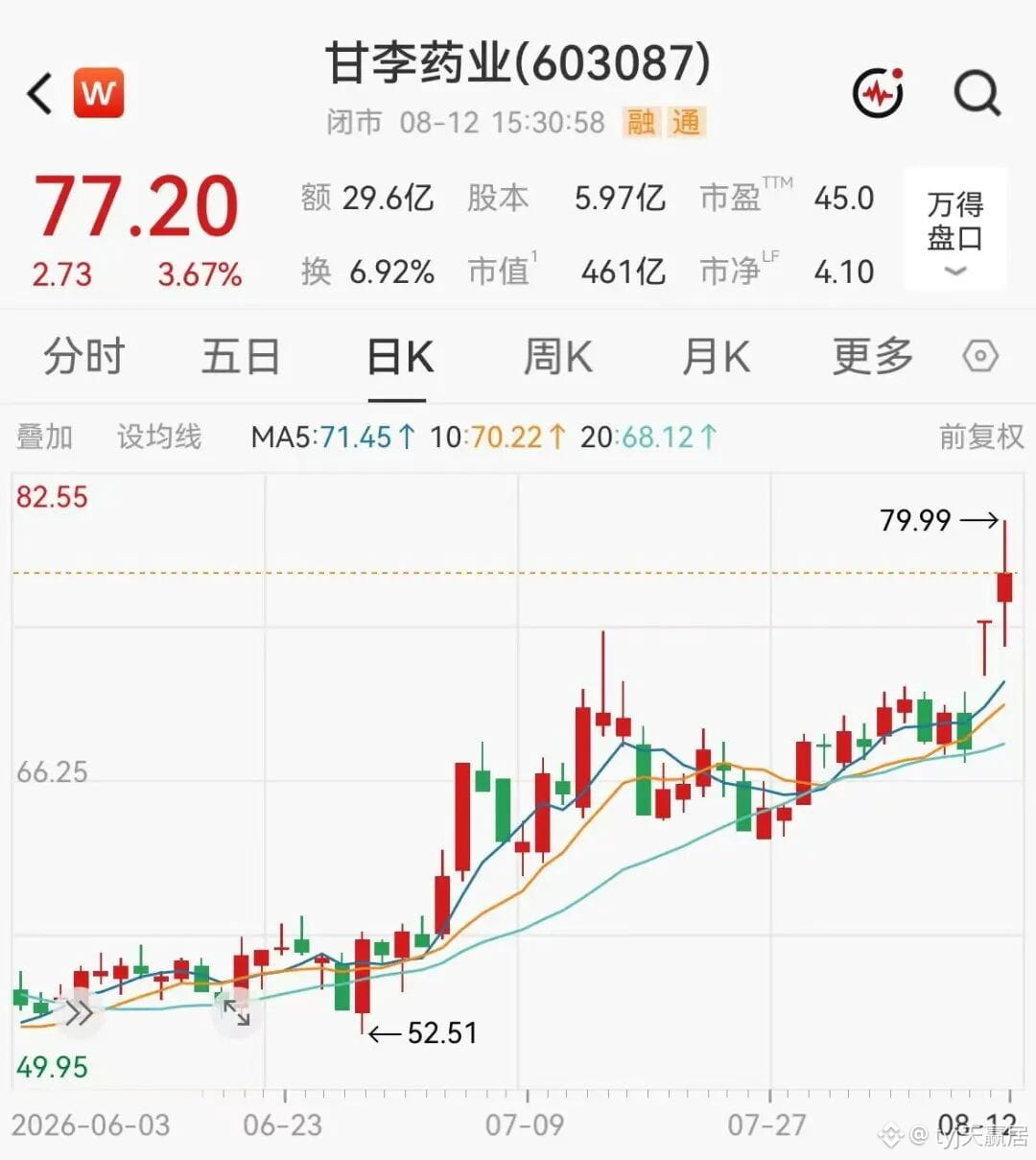
On August 11, Gan & Lee Pharmaceuticals (603087.SH) capped its daily trading limit and hit a涨停. During the session, it briefly turned volatile and saw a pullback from the cap. As of the close on August 12, the company reported 77.20 yuan per share, up 3.67% for the day. The intraday amplitude was 9.05%. Trading volume was 38.83 million shares, with a turnover rate of 6.92%, and the latest market value was 46.1 billion yuan. Since May 27 this year, Gan & Lee Pharmaceuticals’ share price has cumulatively risen by 46%.
This mainly benefits from the fact that the insulin leader announced it had reached an exclusive licensing agreement with Italian pharmaceutical company Menarini, granting Menarini the exclusive rights for the development and commercialization of its self-developed GLP-1 receptor agonist (GLP-1RA) biweekly formulation, GZR18, for indications of overweight or obesity in 27 EU member states plus the UK, Switzerland, Norway, and other 39 European countries and regions.
Signed a $5.8 billion overseas deal! A $46 billion innovative drug giant—shares surge by over 46%
Reporter | Jiyuan Yuan Editor | Jiang Peixia Luo Yifan
On August 11, Gan & Lee Pharmaceuticals (603087.SH) capped its daily trading limit and hit a涨停. During the session, it briefly turned volatile and saw a pullback from the cap. As of the close on August 12, the company reported 77.20 yuan per share, up 3.67% for the day. The intraday amplitude was 9.05%. Trading volume was 38.83 million shares, with a turnover rate of 6.92%, and the latest market value was 46.1 billion yuan. Since May 27 this year, Gan & Lee Pharmaceuticals’ share price has cumulatively risen by 46%.
This mainly benefits from the fact that the insulin leader announced it had reached an exclusive licensing agreement with Italian pharmaceutical company Menarini, granting Menarini the exclusive rights for the development and commercialization of its self-developed GLP-1 receptor agonist (GLP-1RA) biweekly formulation, GZR18, for indications of overweight or obesity in 27 EU member states plus the UK, Switzerland, Norway, and other 39 European countries and regions.
On August 11, Gan & Lee Pharmaceuticals (603087.SH) capped its daily trading limit and hit a涨停. During the session, it briefly turned volatile and saw a pullback from the cap. As of the close on August 12, the company reported 77.20 yuan per share, up 3.67% for the day. The intraday amplitude was 9.05%. Trading volume was 38.83 million shares, with a turnover rate of 6.92%, and the latest market value was 46.1 billion yuan. Since May 27 this year, Gan & Lee Pharmaceuticals’ share price has cumulatively risen by 46%.
This mainly benefits from the fact that the insulin leader announced it had reached an exclusive licensing agreement with Italian pharmaceutical company Menarini, granting Menarini the exclusive rights for the development and commercialization of its self-developed GLP-1 receptor agonist (GLP-1RA) biweekly formulation, GZR18, for indications of overweight or obesity in 27 EU member states plus the UK, Switzerland, Norway, and other 39 European countries and regions.
79
·
--
Article
GLP-1 on Top, Patent Cliff Approaches, New Track Bets in Advance: A Map Reshuffle Behind the 2026 First-Half Results of Multinational PharmaBy Economic Daily Reporter Chen Xing; Economic Daily Editor Li Yubing
Recently, global pharmaceutical giants have successively released their interim results for the first half of the year. Eli Lilly, Novo Nordisk, Sanofi, AstraZeneca, Pfizer, Roche, and other leading companies have unveiled their performance figures in turn.
The contest for the GLP-1 throne is no longer in doubt. Meanwhile, patent cliffs, the impact of centralized procurement, and pipeline anxieties are pushing multinational pharmaceutical companies to speed up their search for the next growth engine.
The Battle for the GLP-1 Throne: Eli Lilly Takes the Top Spot
On August 5, Eli Lilly released its 2026 first-half performance: total revenue of $42.773 billion, up 49% year over year. Among the leading multinational pharmaceutical companies that have already disclosed their first-half results, Eli Lilly’s pharmaceutical business revenue ranks first globally. Building on the strong performance in the second quarter, the company has again raised its full-year revenue guidance to between $85 billion and $87 billion.
GLP-1 on Top, Patent Cliff Approaches, New Track Bets in Advance: A Map Reshuffle Behind the 2026 First-Half Results of Multinational Pharma
By Economic Daily Reporter Chen Xing; Economic Daily Editor Li Yubing
Recently, global pharmaceutical giants have successively released their interim results for the first half of the year. Eli Lilly, Novo Nordisk, Sanofi, AstraZeneca, Pfizer, Roche, and other leading companies have unveiled their performance figures in turn.
The contest for the GLP-1 throne is no longer in doubt. Meanwhile, patent cliffs, the impact of centralized procurement, and pipeline anxieties are pushing multinational pharmaceutical companies to speed up their search for the next growth engine.
The Battle for the GLP-1 Throne: Eli Lilly Takes the Top Spot
On August 5, Eli Lilly released its 2026 first-half performance: total revenue of $42.773 billion, up 49% year over year. Among the leading multinational pharmaceutical companies that have already disclosed their first-half results, Eli Lilly’s pharmaceutical business revenue ranks first globally. Building on the strong performance in the second quarter, the company has again raised its full-year revenue guidance to between $85 billion and $87 billion.
Recently, global pharmaceutical giants have successively released their interim results for the first half of the year. Eli Lilly, Novo Nordisk, Sanofi, AstraZeneca, Pfizer, Roche, and other leading companies have unveiled their performance figures in turn.
The contest for the GLP-1 throne is no longer in doubt. Meanwhile, patent cliffs, the impact of centralized procurement, and pipeline anxieties are pushing multinational pharmaceutical companies to speed up their search for the next growth engine.
The Battle for the GLP-1 Throne: Eli Lilly Takes the Top Spot
On August 5, Eli Lilly released its 2026 first-half performance: total revenue of $42.773 billion, up 49% year over year. Among the leading multinational pharmaceutical companies that have already disclosed their first-half results, Eli Lilly’s pharmaceutical business revenue ranks first globally. Building on the strong performance in the second quarter, the company has again raised its full-year revenue guidance to between $85 billion and $87 billion.
150
·
--
Article
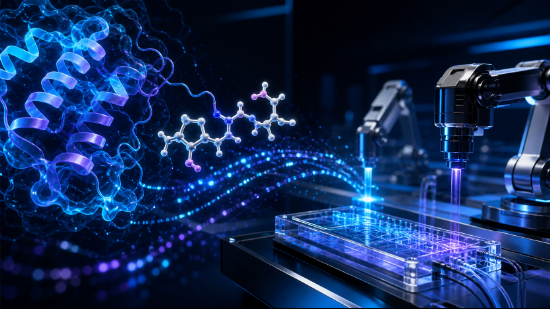
AI in Pharma Is Already Here: From Generating Molecules to Delivering New Drugs Figure 1 Verification: from digital design to real-world trials
If traditional new drug R&D is likened to repeatedly trying keys in the dark, then the first thing AI does is not to help people open the door, but to move the keys that are most likely to open it to the front.
In 2026, several stronger signals emerged in this story:① In March, BeiGene and Eli Lilly reached a collaboration, with an upfront payment of $115 million and a potential total of about $2.75 billion; in July, the AI-assisted discovery of a candidate drug for idiopathic pulmonary fibrosis, Rentosertib, initiated Phase III clinical trials. Earlier, the potential total of the collaboration between Isomorphic Labs and Eli Lilly and Novartis was also close to $3 billion.
AI in Pharma Is Already Here: From Generating Molecules to Delivering New Drugs
Figure 1 Verification: from digital design to real-world trials
If traditional new drug R&D is likened to repeatedly trying keys in the dark, then the first thing AI does is not to help people open the door, but to move the keys that are most likely to open it to the front.
In 2026, several stronger signals emerged in this story:① In March, BeiGene and Eli Lilly reached a collaboration, with an upfront payment of $115 million and a potential total of about $2.75 billion; in July, the AI-assisted discovery of a candidate drug for idiopathic pulmonary fibrosis, Rentosertib, initiated Phase III clinical trials. Earlier, the potential total of the collaboration between Isomorphic Labs and Eli Lilly and Novartis was also close to $3 billion.
If traditional new drug R&D is likened to repeatedly trying keys in the dark, then the first thing AI does is not to help people open the door, but to move the keys that are most likely to open it to the front.
In 2026, several stronger signals emerged in this story:① In March, BeiGene and Eli Lilly reached a collaboration, with an upfront payment of $115 million and a potential total of about $2.75 billion; in July, the AI-assisted discovery of a candidate drug for idiopathic pulmonary fibrosis, Rentosertib, initiated Phase III clinical trials. Earlier, the potential total of the collaboration between Isomorphic Labs and Eli Lilly and Novartis was also close to $3 billion.
78
·
--
Article
Over RMB 300 billion in half a year—how the GLP-1 “two heroes” shifted in offense and defense, and China’s battleground for oral weight-loss drugs beginsBy MedTrend
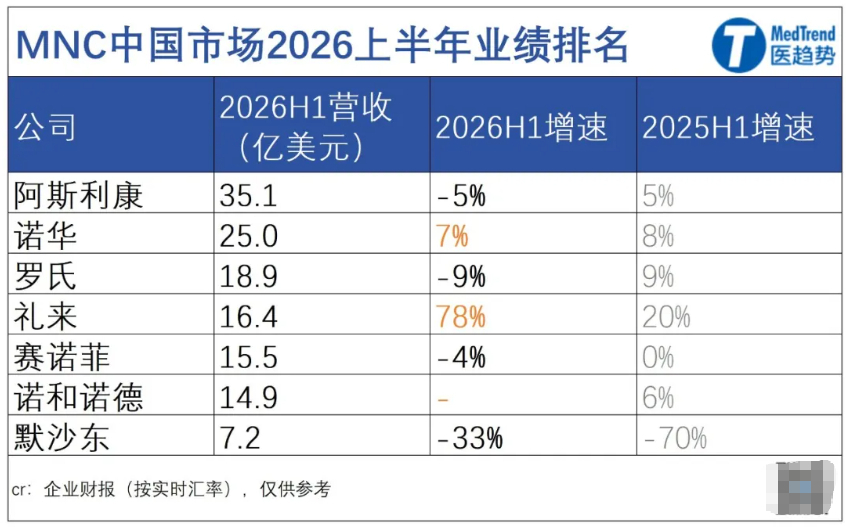
In just half of 2026, the same two drugs targeting the same target (GLP-1) sold a combined total of over RMB 300 billion worldwide.
Lilly’s tirzepatide (sales of the diabetes indication product Mounjaro and the weight-loss indication product Zepbound) totaled $27.693 billion (about RMB 190.58 billion), up nearly 88% year over year.
Novo Nordisk’s semaglutide (including the Wegovy injection, Wegovy oral tablets, Ozempic injection, and Ozempic pill/Rybelsus) totaled 112.193 billion Danish kroner (about RMB 120.64 billion) (about $17.5 billion).
Over RMB 300 billion in half a year—how the GLP-1 “two heroes” shifted in offense and defense, and China’s battleground for oral weight-loss drugs begins
By MedTrend
In just half of 2026, the same two drugs targeting the same target (GLP-1) sold a combined total of over RMB 300 billion worldwide.
Lilly’s tirzepatide (sales of the diabetes indication product Mounjaro and the weight-loss indication product Zepbound) totaled $27.693 billion (about RMB 190.58 billion), up nearly 88% year over year.
Novo Nordisk’s semaglutide (including the Wegovy injection, Wegovy oral tablets, Ozempic injection, and Ozempic pill/Rybelsus) totaled 112.193 billion Danish kroner (about RMB 120.64 billion) (about $17.5 billion).
In just half of 2026, the same two drugs targeting the same target (GLP-1) sold a combined total of over RMB 300 billion worldwide.
Lilly’s tirzepatide (sales of the diabetes indication product Mounjaro and the weight-loss indication product Zepbound) totaled $27.693 billion (about RMB 190.58 billion), up nearly 88% year over year.
Novo Nordisk’s semaglutide (including the Wegovy injection, Wegovy oral tablets, Ozempic injection, and Ozempic pill/Rybelsus) totaled 112.193 billion Danish kroner (about RMB 120.64 billion) (about $17.5 billion).
128
·
--
“Pharmaceutical King”’s first-half sales of about $27.7 billion; globally, there is no generic drug yet! Hanyu Pharmaceutical’s first domestic generic has been accepted 每经记者|陈俊杰????每经编辑|黄博文????
On August 7, Hanyu Pharmaceutical (SZ300199, share price 24.38 yuan, market cap 21.533 billion yuan) announced that the company has recently received an acceptance notice for its Tirzepatide injection, issued by the National Medical Products Administration (the “NMPA”); its domestic marketing authorization application for a registered drug production has officially been accepted.
This acceptance marks phased progress for domestic companies in the GLP-1 (glucagon-like peptide-1) drug generic market.
Tirzepatide is a dual-target agonist of GLP-1R/GIPR (glucagon-like peptide-1 receptor/glucose-dependent insulinotropic polypeptide receptor) developed by Eli Lilly and Company.
“Pharmaceutical King”’s first-half sales of about $27.7 billion; globally, there is no generic drug yet! Hanyu Pharmaceutical’s first domestic generic has been accepted
每经记者|陈俊杰????每经编辑|黄博文????
On August 7, Hanyu Pharmaceutical (SZ300199, share price 24.38 yuan, market cap 21.533 billion yuan) announced that the company has recently received an acceptance notice for its Tirzepatide injection, issued by the National Medical Products Administration (the “NMPA”); its domestic marketing authorization application for a registered drug production has officially been accepted.
This acceptance marks phased progress for domestic companies in the GLP-1 (glucagon-like peptide-1) drug generic market.
Tirzepatide is a dual-target agonist of GLP-1R/GIPR (glucagon-like peptide-1 receptor/glucose-dependent insulinotropic polypeptide receptor) developed by Eli Lilly and Company.
On August 7, Hanyu Pharmaceutical (SZ300199, share price 24.38 yuan, market cap 21.533 billion yuan) announced that the company has recently received an acceptance notice for its Tirzepatide injection, issued by the National Medical Products Administration (the “NMPA”); its domestic marketing authorization application for a registered drug production has officially been accepted.
This acceptance marks phased progress for domestic companies in the GLP-1 (glucagon-like peptide-1) drug generic market.
Tirzepatide is a dual-target agonist of GLP-1R/GIPR (glucagon-like peptide-1 receptor/glucose-dependent insulinotropic polypeptide receptor) developed by Eli Lilly and Company.
109
Log in to explore more content
Join global crypto users on Binance Square
⚡️ Get latest and useful information about crypto.
💬 Trusted by the world’s largest crypto exchange.
👍 Discover real insights from verified creators.
Email / Phone number
Trending Topics
BTCReaches$80000
3,974 views
149 Discussing
Bitcoin Stalking the $80,000 Milestone: Genuine Expansion vs. Liquidity Exhaustion
Bitcoin is aggressively knocking on the door of the $80,000 mark after surging from $64,000 to tap local highs near $79,800. While retail timelines are already pricing in a parabolic continuation, examining the structural conditions near psychological thresholds provides a clearer picture of market health.
Key Structural Drivers Behind the Push:
Cascading Squeeze vs. Spot ETF Backing:
The explosive run toward $80k was heavily propelled by forced short liquidations as $BTC cleared key resistance between $72k–$75k. Crucially, this was accompanied by nearly $2B in weekly spot ETF inflows, signaling institutional capital absorption rather than an isolated leverage spike.
The $80k Psychological Wall:
The $79,500–$80,000 band represents a massive cluster of resting limit sell orders and un-triggered call option open interest. As price probes this ceiling, buyers must absorb heavy distribution from earlier dip-buyers taking profit.
Macro Tailwinds:
The broader hard-asset expansion—catalyzed by softer Treasury yields and dollar weakness, continues to provide macro liquidity support for digital assets.
The Structural Reality:
Reaching a major psychological round number like $80,000 often triggers a high-volatility liquidity sweep before genuine price discovery begins. If aggressive breakout buyers get absorbed at the threshold, a healthy consolidation toward the $75,500–$76,500 support shelf would allow the market to build structure.
A clean reclaim of $80k with sustained spot volume opens the door to further expansion, but chasing momentum directly into multi-month supply walls carries high asymmetric risk.
#BTCReaches$80000
Shontz
·2 Likes
·434 views
BitcoinOpenInterestFallsToTwoMonthLow
29,444 views
1,054 Discussing
BitcoinRises23.6%Weekly
47,609 views
1,040 Discussing