

比特币老肥btc
773 Posts

比特币老肥btc
 Square Verified
Report
Block User
X账号:比特币老肥 @laofeiyyds

Macro KOL
130 Following
1.2K+ Followers
7.8K+ Liked
1 Badges
Posts
All
Quotes
·
--
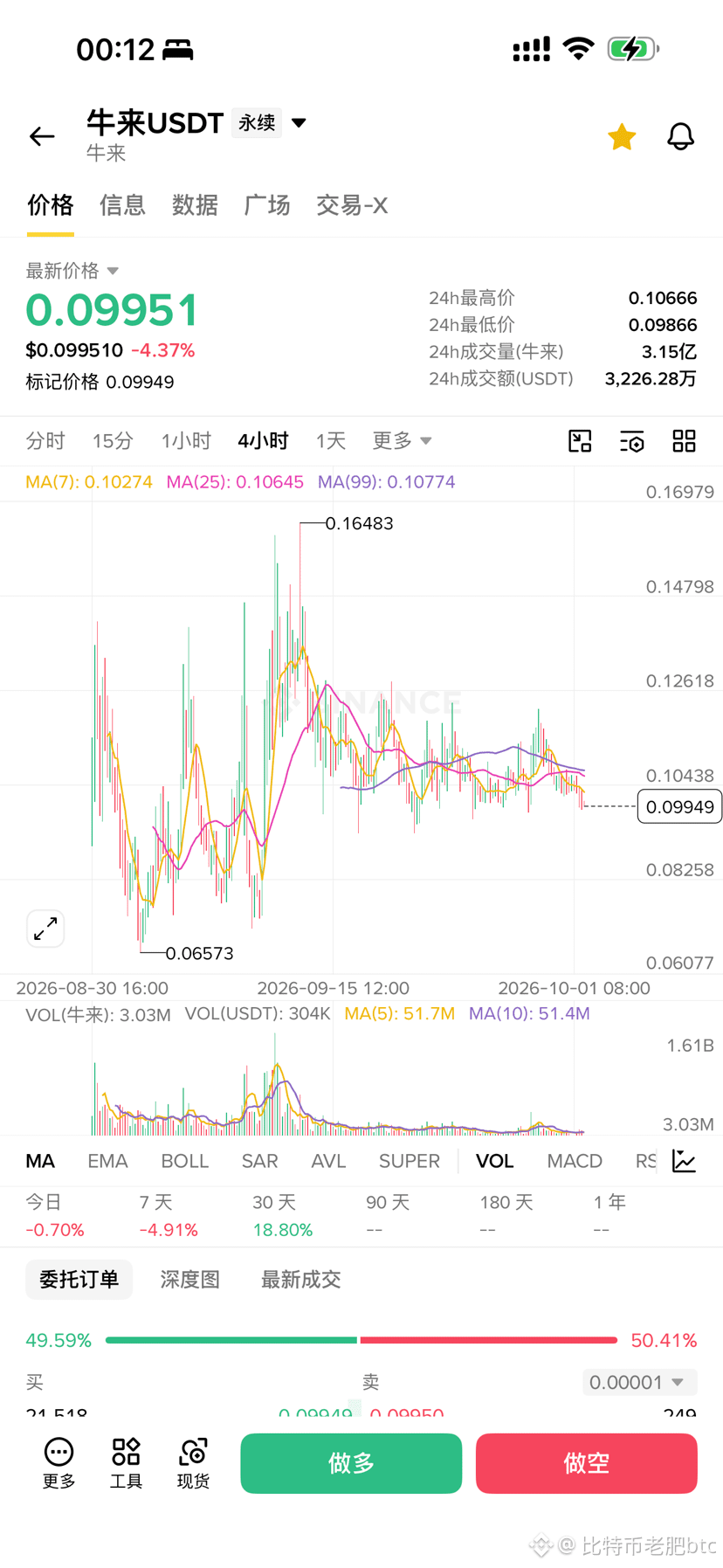
Listen, it’s time to rise. The bull market is here—if it doesn’t go up, that’s kind of unacceptable.
$牛来
Listen, it’s time to rise. The bull market is here—if it doesn’t go up, that’s kind of unacceptable.
$牛来
$牛来
190
·
--
99
·
--
1
1
1.4k
·
--
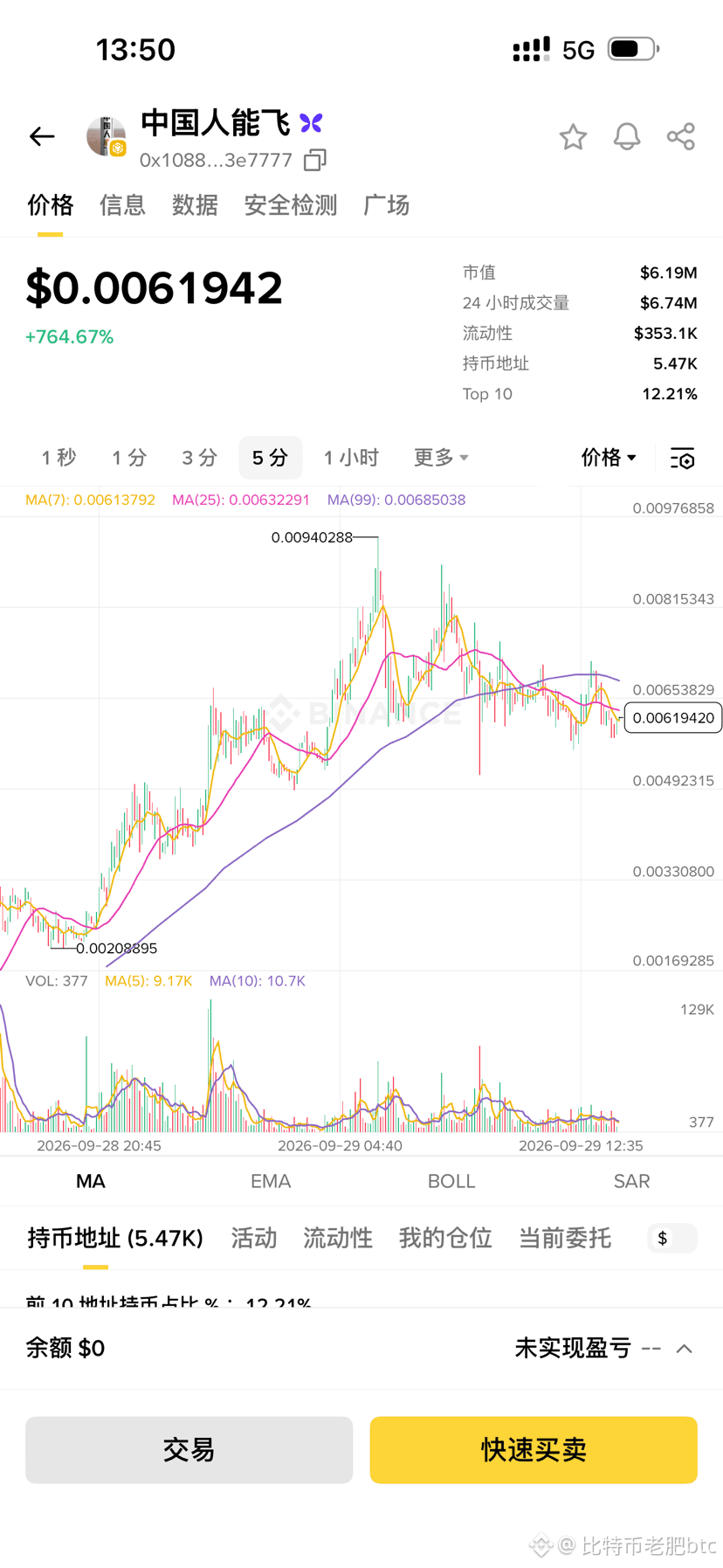
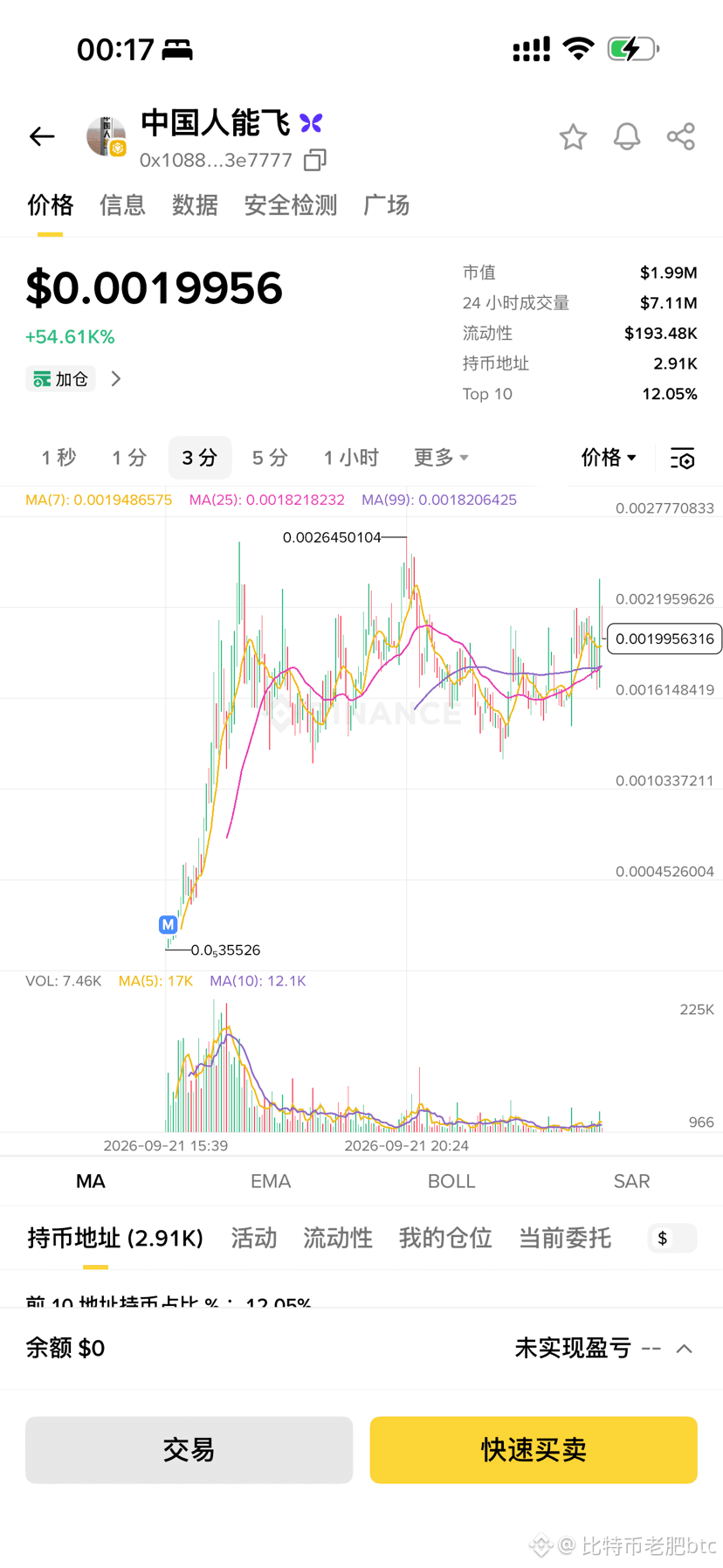
It’s almost 10/1 already—really underestimated the power of what the Chinese people can do in the air.
It’s almost 10/1 already—really underestimated the power of what the Chinese people can do in the air.
比特币老肥btc
·
--
Chinese people can fly, too—this works 😂
220
·
--
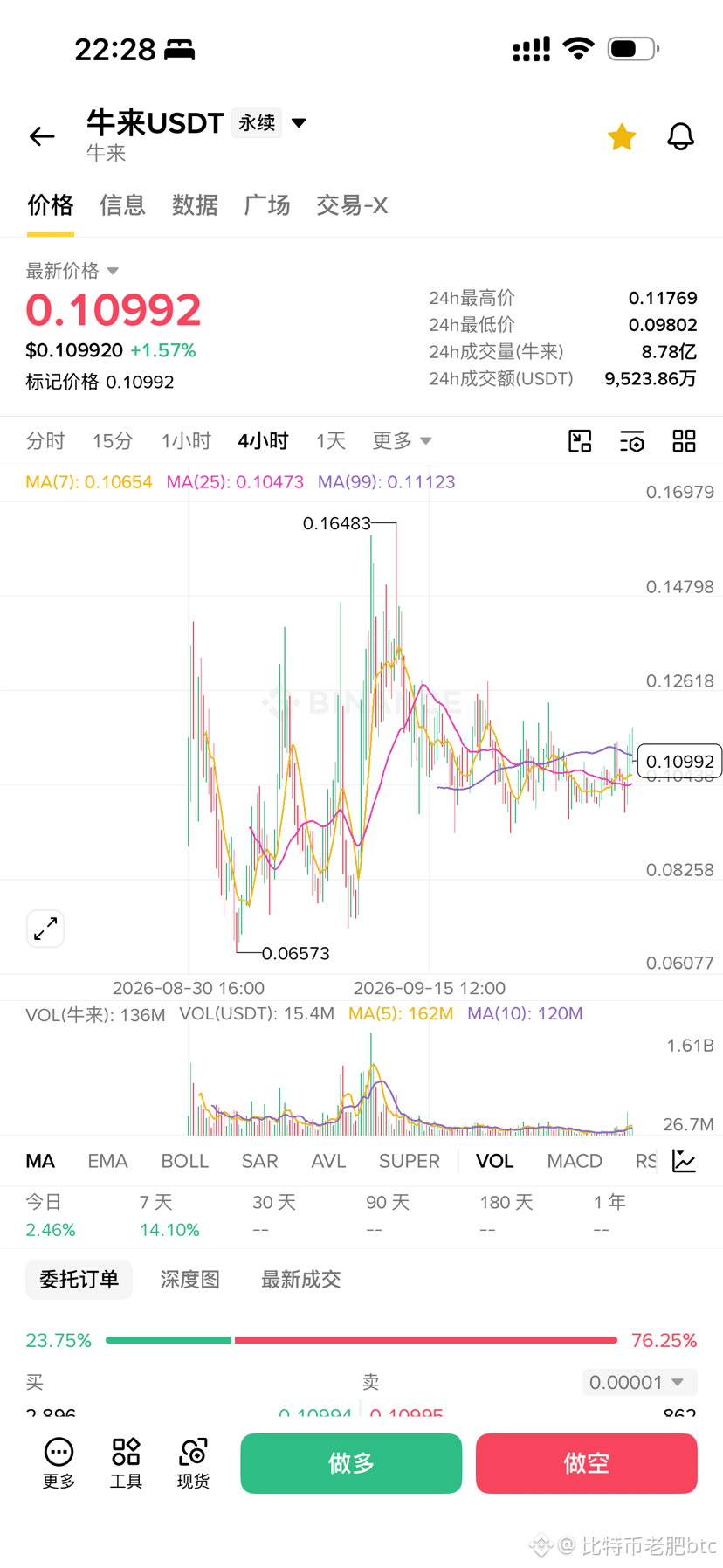
$牛来 Sit tight and hold on well; it will wake up and surge massively in a moment—beyond imagination
As a unique meme, the name “Bull” (牛) has a lot of room for imagination
Definitely a billion-level play—if it drops, buy the spot
$牛来 Sit tight and hold on well; it will wake up and surge massively in a moment—beyond imagination
As a unique meme, the name “Bull” (牛) has a lot of room for imagination
Definitely a billion-level play—if it drops, buy the spot
As a unique meme, the name “Bull” (牛) has a lot of room for imagination
Definitely a billion-level play—if it drops, buy the spot
2
845
·
--
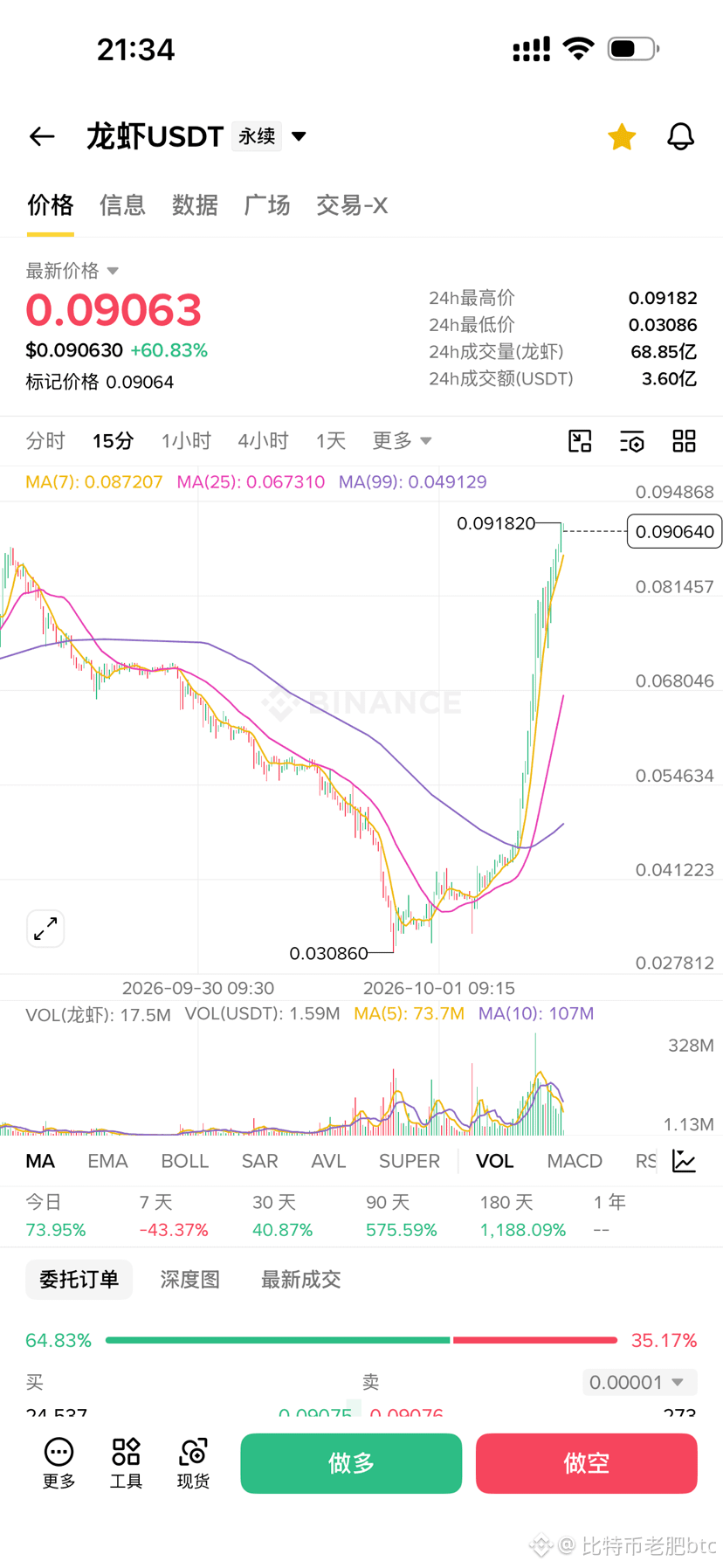
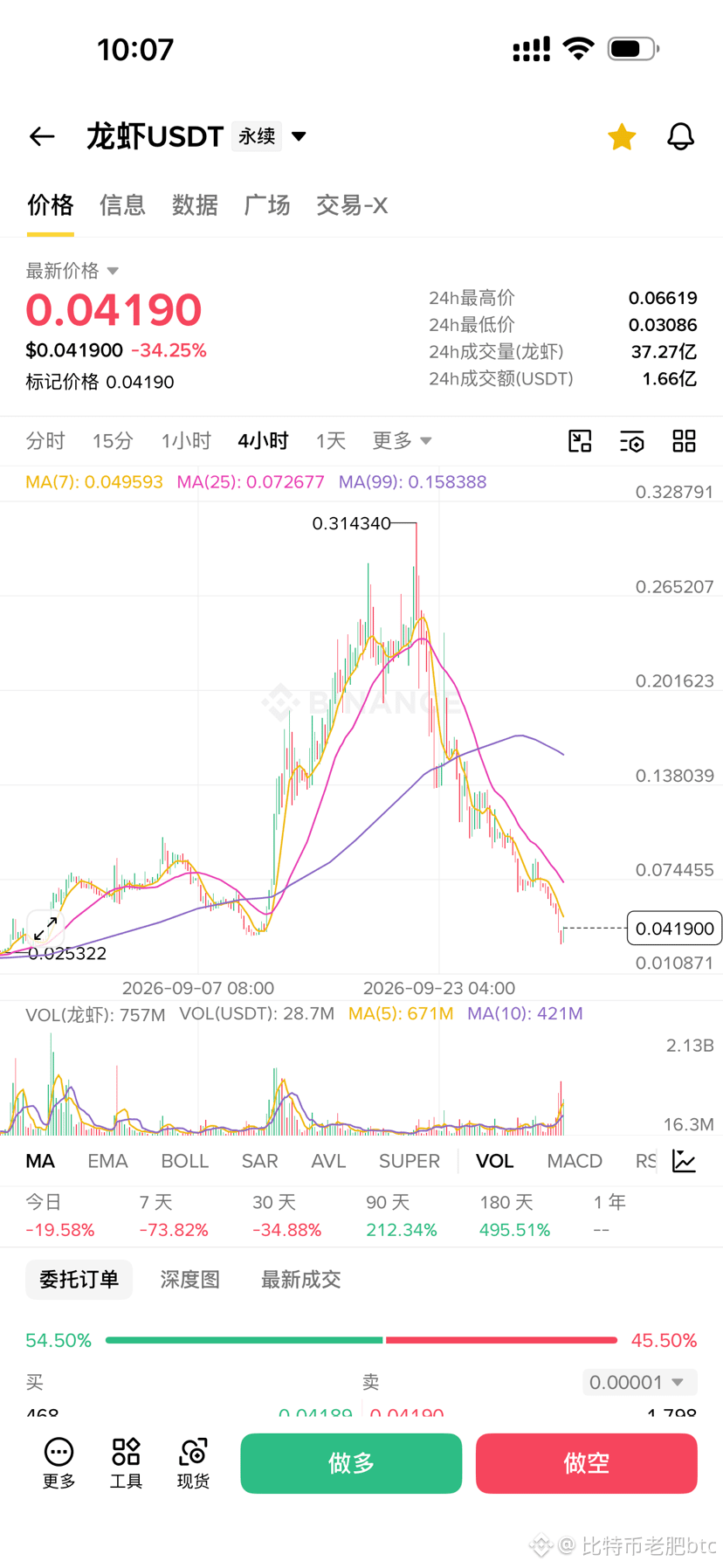
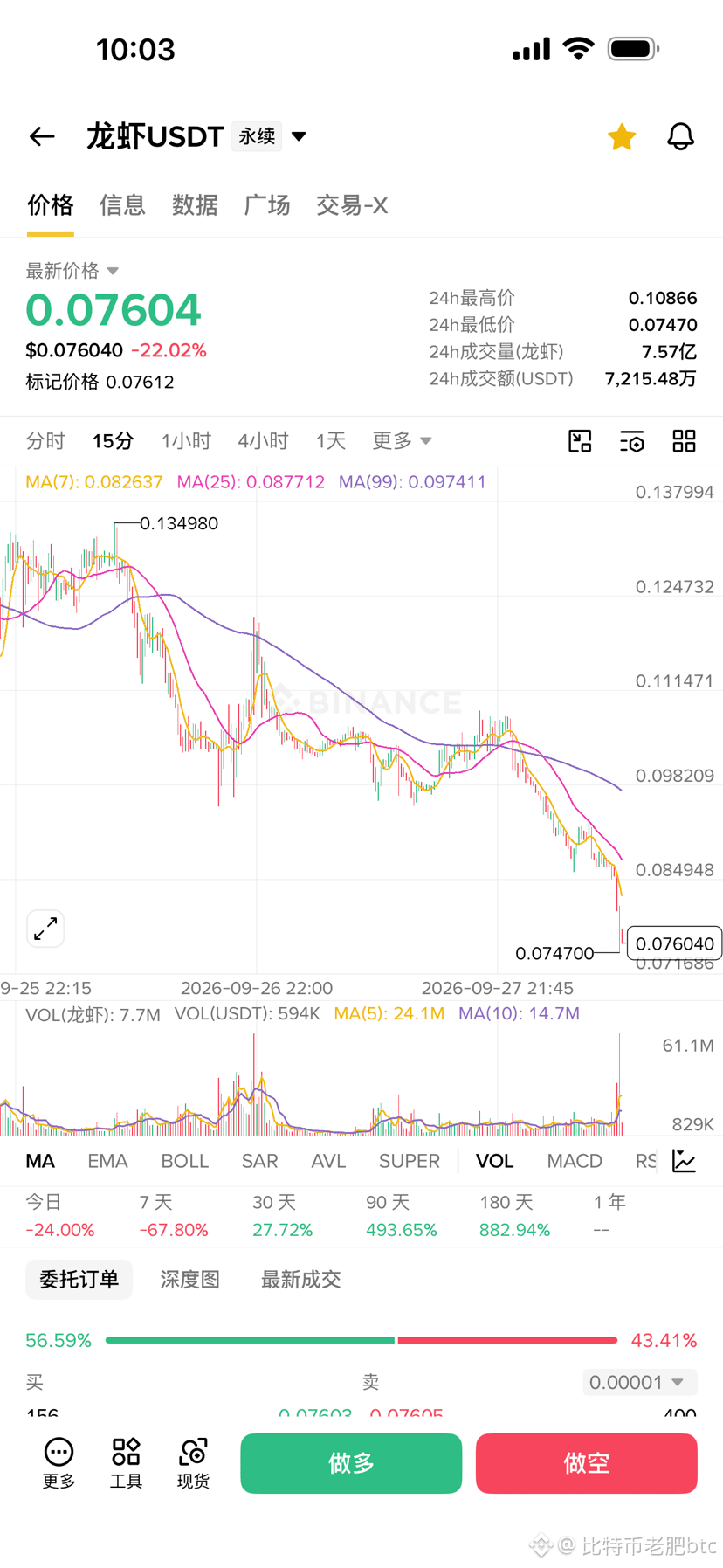
$龙虾 is over—this wave has taken how many more people?
$龙虾 is over—this wave has taken how many more people?
比特币老肥btc
·
--
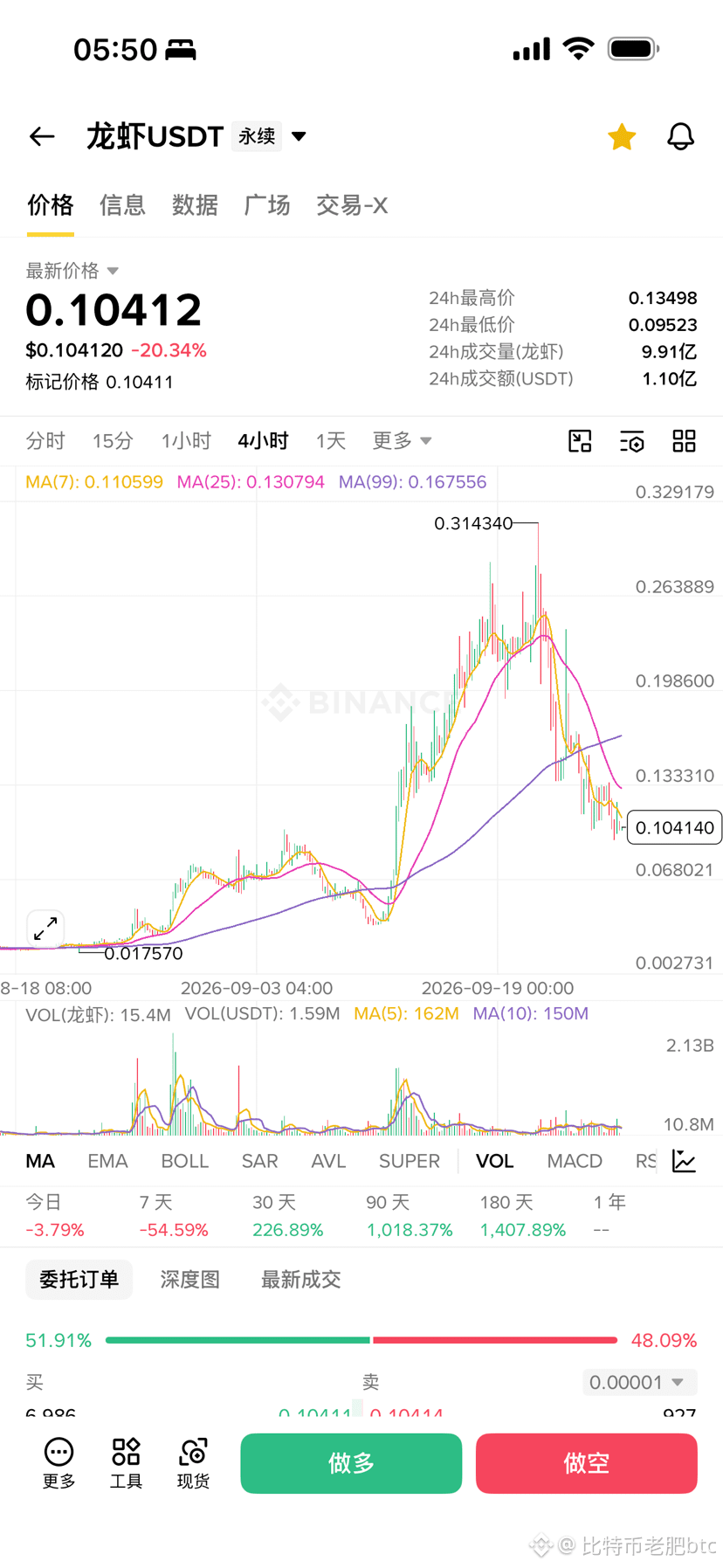
$龙虾 got stopped out on a 0.3 short position; I don't know if I can catch another one
1
1.2k
·
--
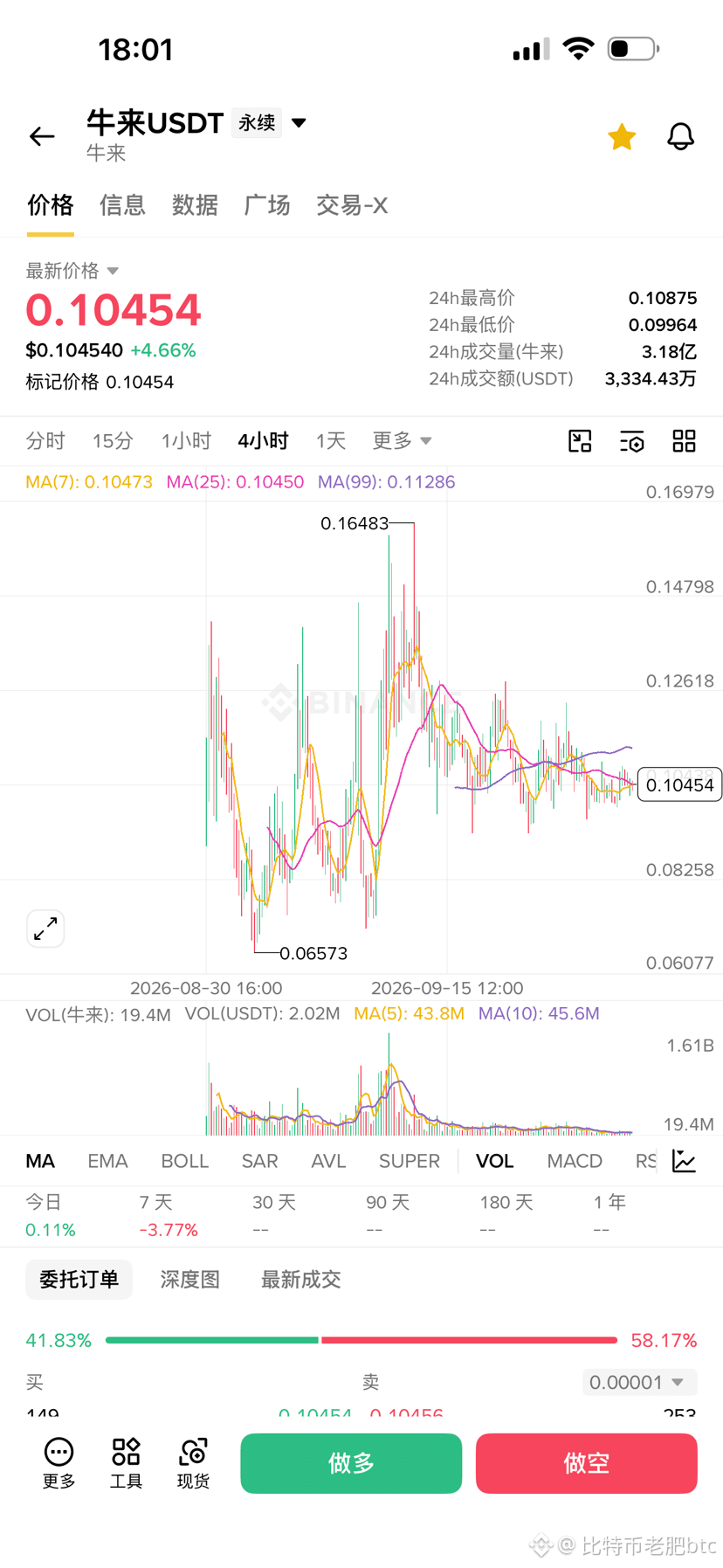
I’m saying this is a ten-billion-marker, so you can openly refute me
$牛来
I’m saying this is a ten-billion-marker, so you can openly refute me
$牛来
$牛来
1
690
·
--
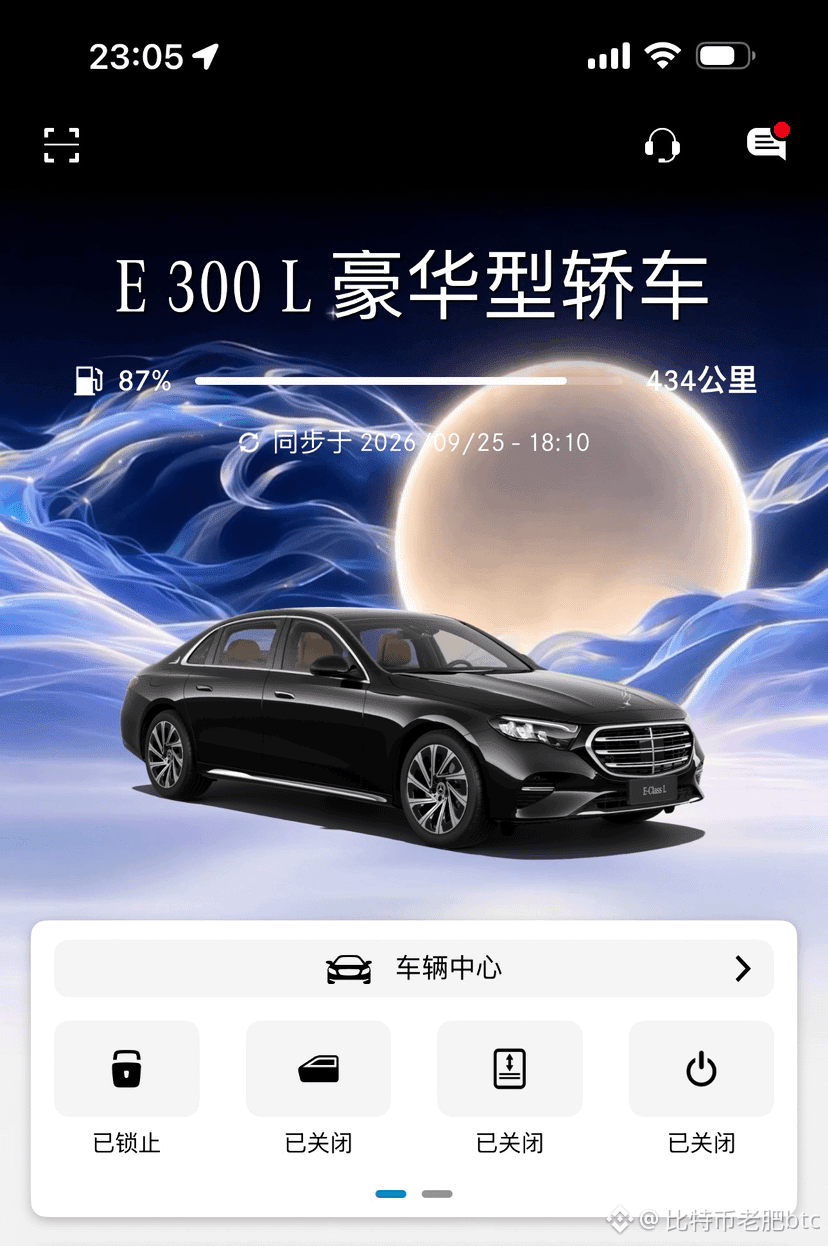
I bought an E300 when the new model came out in 2024. I remember it cost me 600,000 all in back then. Today I went to ask the dealer—guess how much they offered me?
I bought an E300 when the new model came out in 2024. I remember it cost me 600,000 all in back then. Today I went to ask the dealer—guess how much they offered me?
4
1
1.2k
·
--
$龙虾 I just slapped myself a mouth, damn it, why did I cancel my pending order—it's to stop me from getting rich. The precise critical-hit price level—damn it—I canceled it.
$龙虾 I just slapped myself a mouth, damn it, why did I cancel my pending order—it's to stop me from getting rich. The precise critical-hit price level—damn it—I canceled it.
比特币老肥btc
·
--
$龙虾 got stopped out on a 0.3 short position; I don't know if I can catch another one
1.1k
·
--
Truly shocking. Rest in peace, Teacher Liu Huan.
Brothers, money isn’t the important thing. Taking care of your health is. People don’t only die when they get old. You must enjoy life—enjoy the moment. Money is just something external. Life is the real capital for revolution.
Truly shocking. Rest in peace, Teacher Liu Huan.
Brothers, money isn’t the important thing. Taking care of your health is. People don’t only die when they get old. You must enjoy life—enjoy the moment. Money is just something external. Life is the real capital for revolution.
Brothers, money isn’t the important thing. Taking care of your health is. People don’t only die when they get old. You must enjoy life—enjoy the moment. Money is just something external. Life is the real capital for revolution.

2
279
·
--
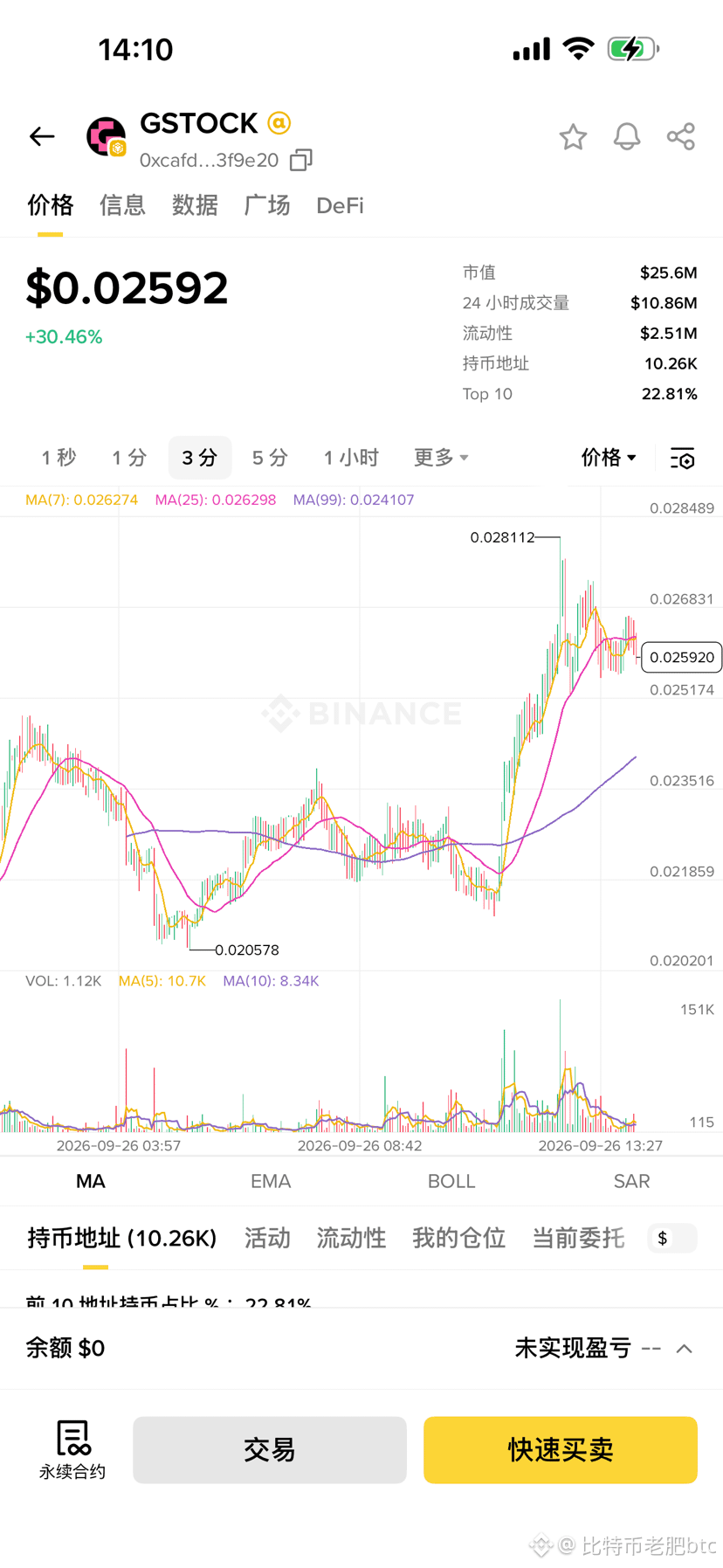
Contract spot inevitable events do not need to be repeated too much
$GSTOCK
Contract spot inevitable events do not need to be repeated too much
$GSTOCK
$GSTOCK
415
·
--
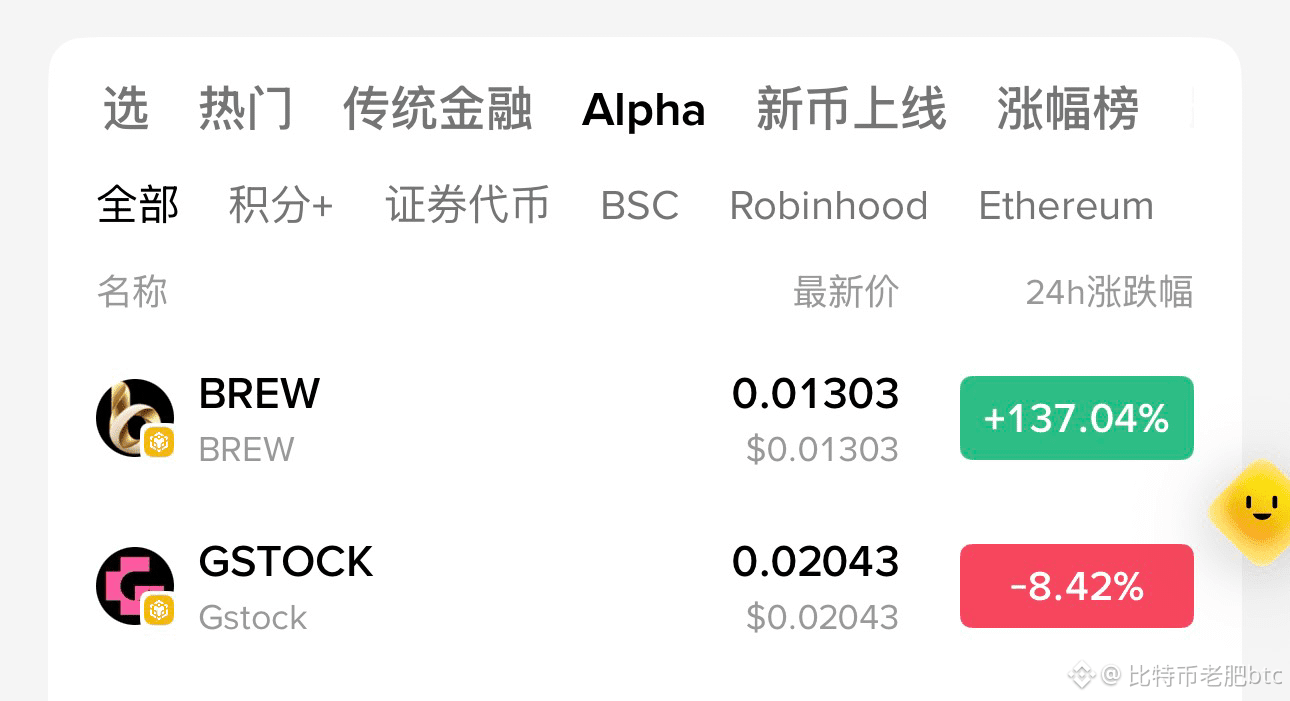
$BREW 上Alpha is used to wash the盤 for $GSTOCK ?
Huh? Huh? Huh?
$BREW 上Alpha is used to wash the盤 for $GSTOCK ?
Huh? Huh? Huh?
Huh? Huh? Huh?
2
1.2k
·
--
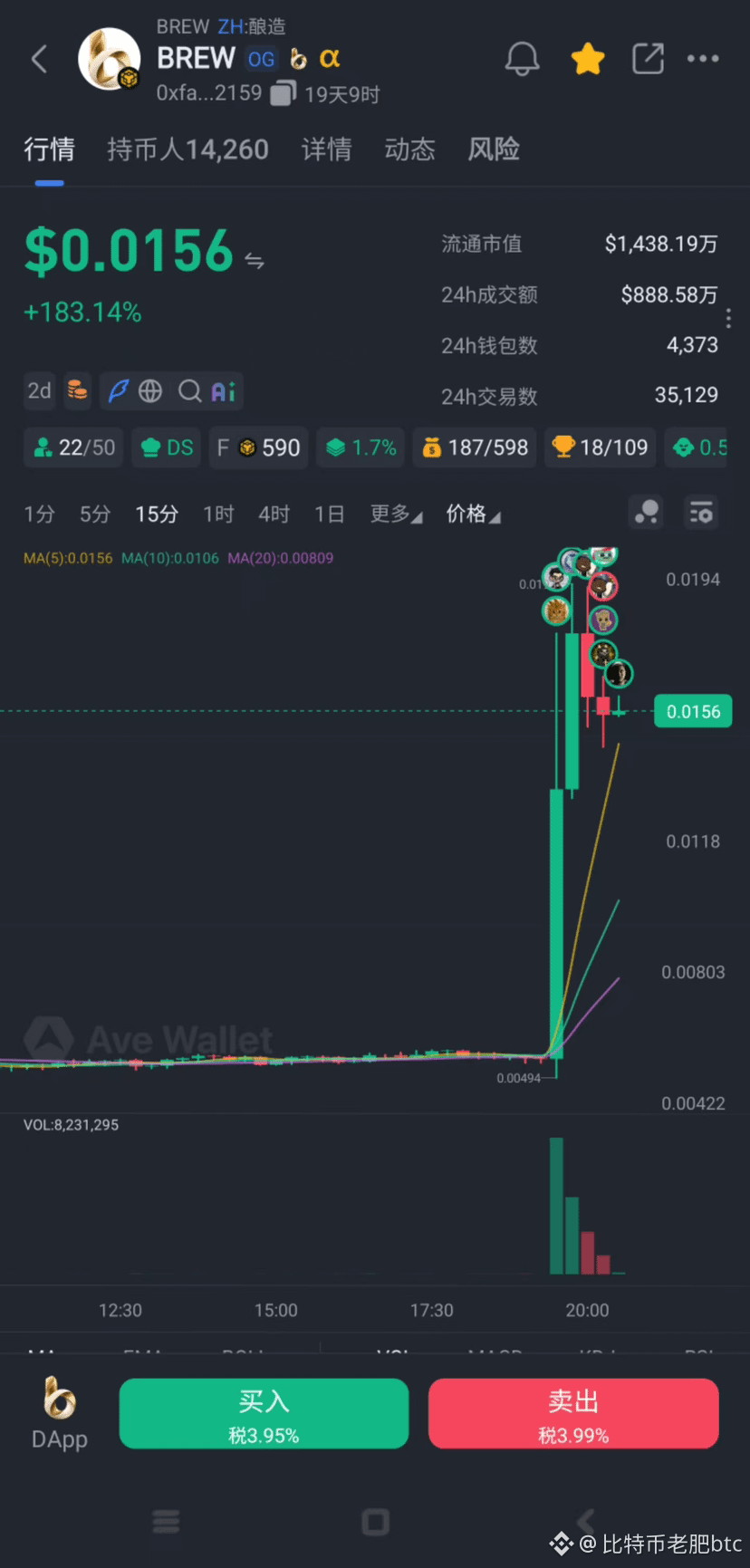
$BREW top boss just sold everything, and today he’s on Alpha already, 😂
$BREW top boss just sold everything, and today he’s on Alpha already, 😂
1
2.2k
·
--
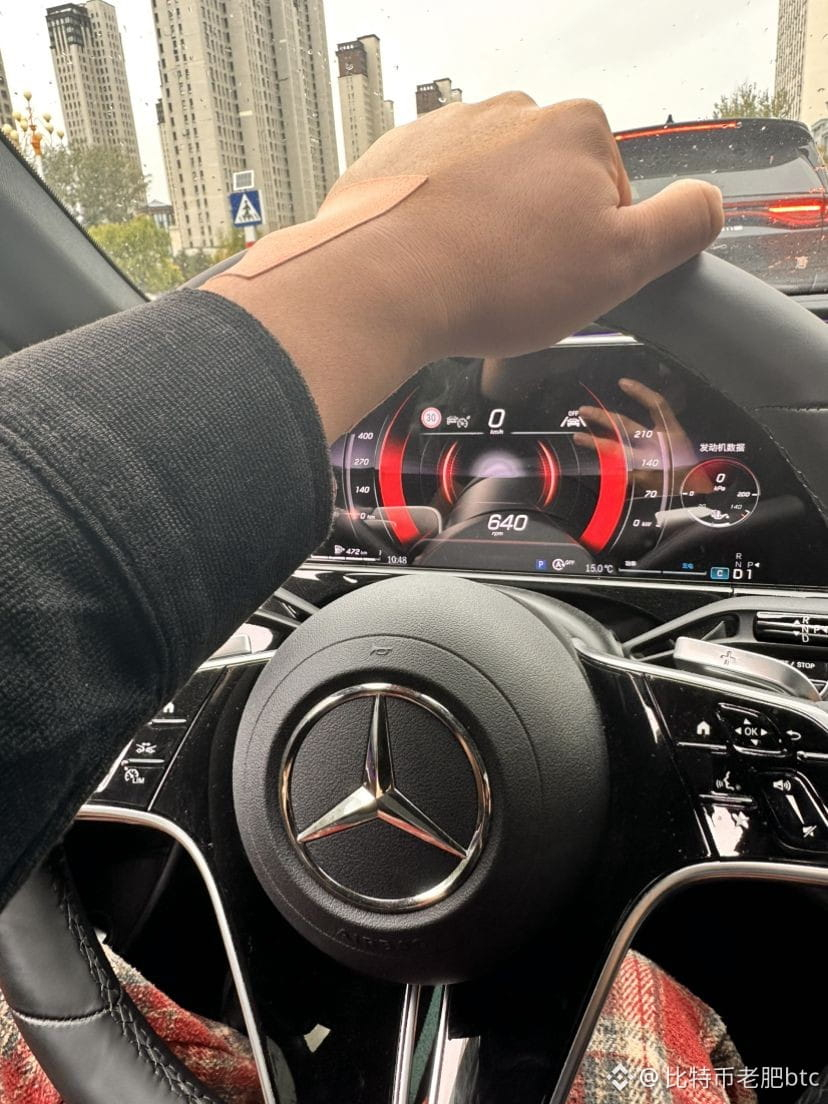
Home for the holidays—Happy Mid-Autumn Festival, brothers!
Home for the holidays—Happy Mid-Autumn Festival, brothers!
171
·
--
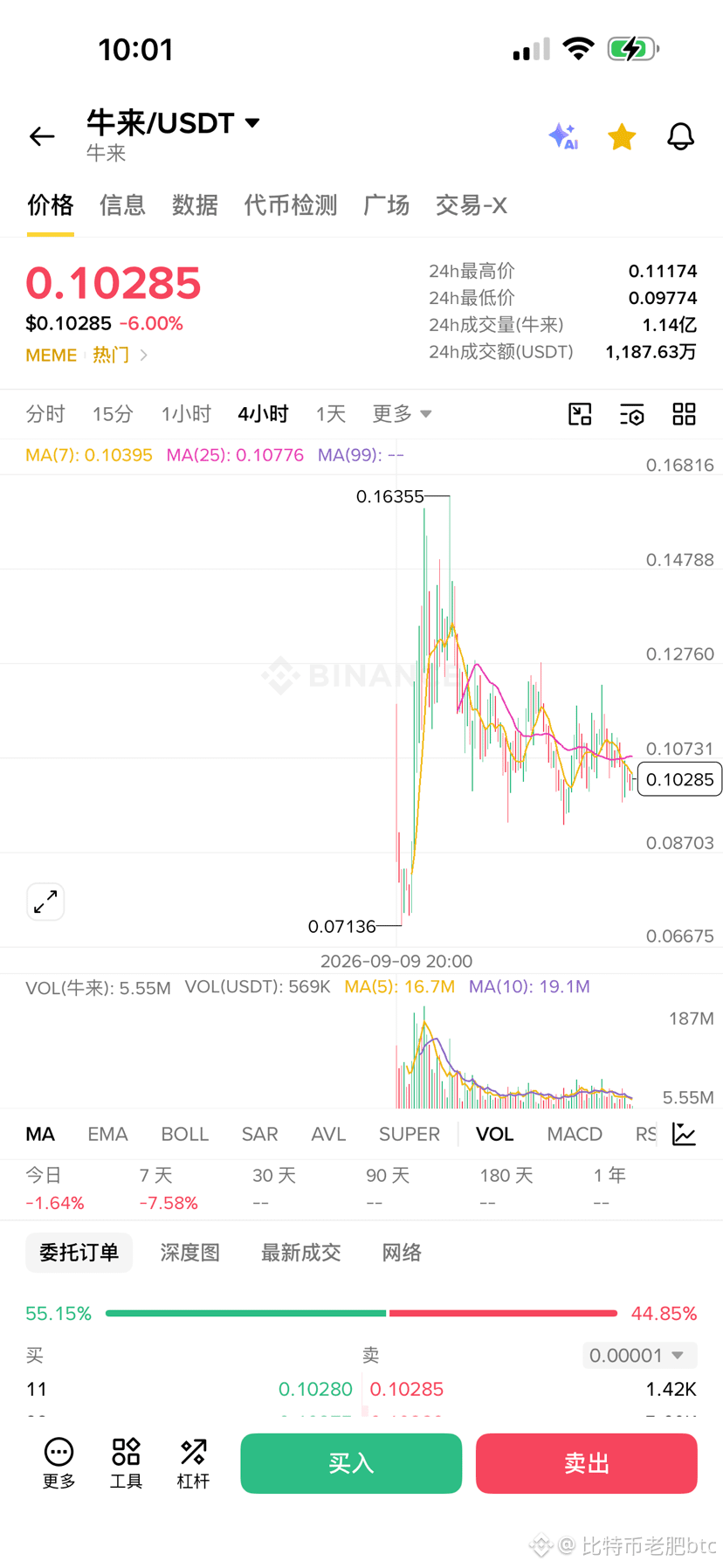
I don’t believe you can lose money with this price to buy cattle—think long-term, starting from ten times
$牛来
I don’t believe you can lose money with this price to buy cattle—think long-term, starting from ten times
$牛来
$牛来
3
1
1k
·
--
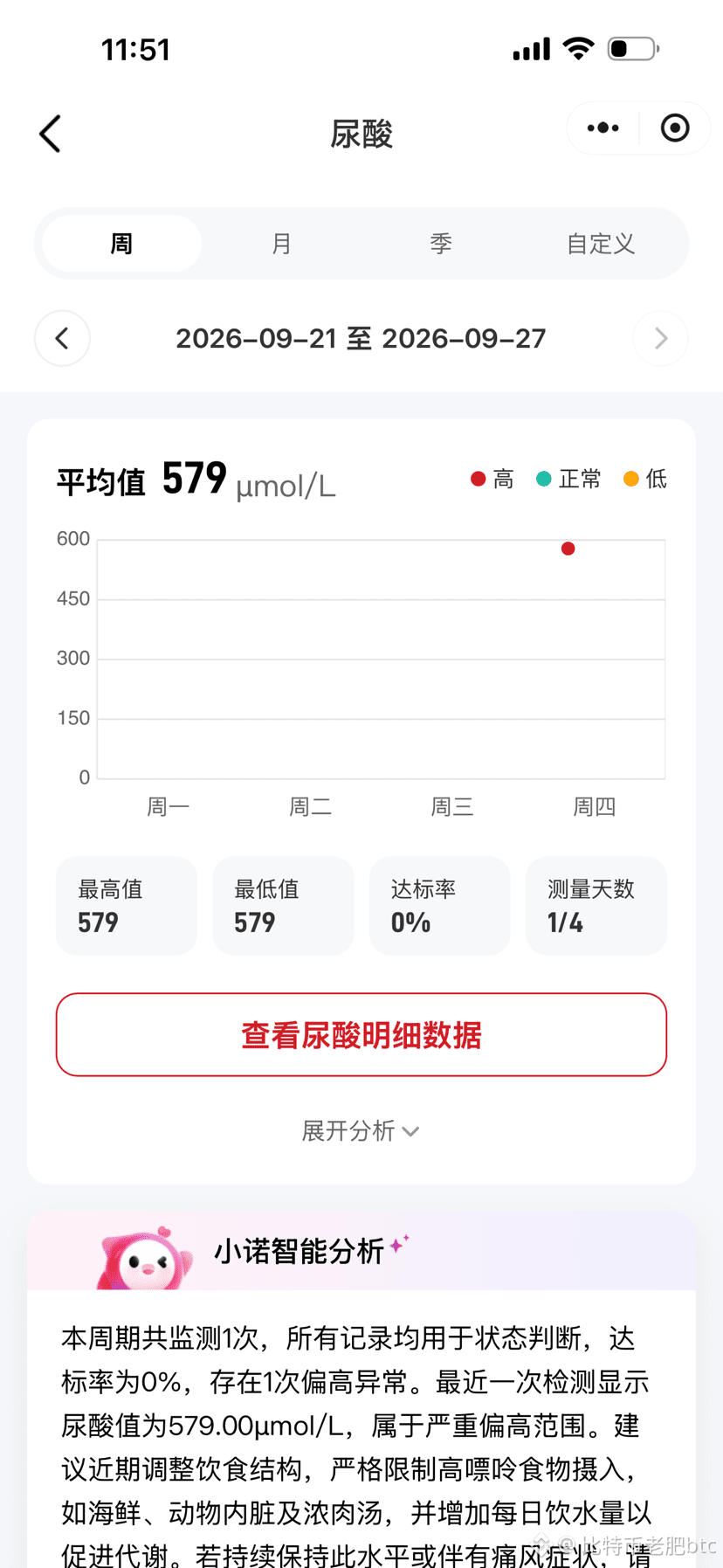
Brothers, the weight-loss people have gotten slimmer, but the ventilation also caused their uric acid to rise to 580— is this normal?
Brothers, the weight-loss people have gotten slimmer, but the ventilation also caused their uric acid to rise to 580— is this normal?
334
·
--
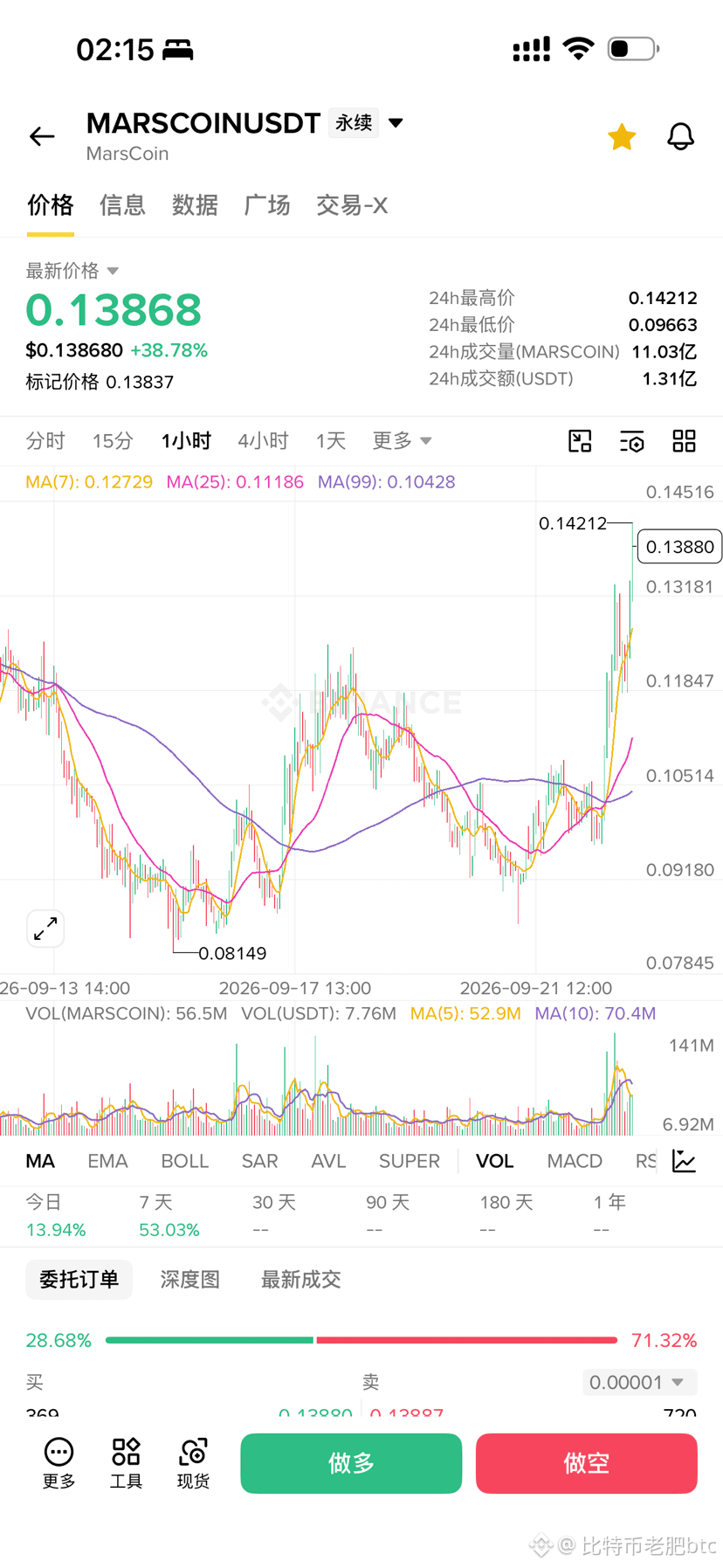
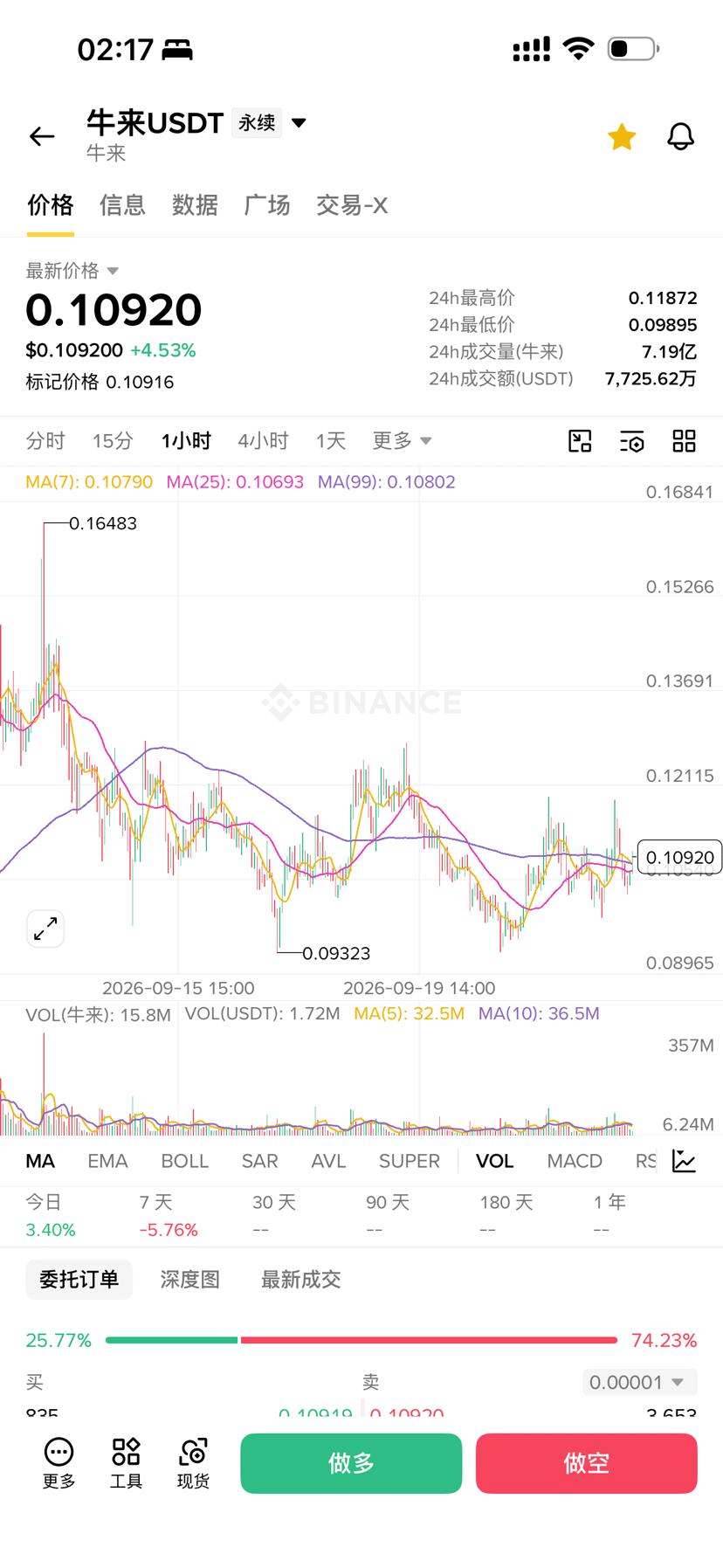
$MarsCoin Mars is taking off; $牛来 is taking off too—don’t say I didn’t remind you!
Bullish, bullish, bullish!!!
$MarsCoin Mars is taking off; $牛来 is taking off too—don’t say I didn’t remind you!
Bullish, bullish, bullish!!!
Bullish, bullish, bullish!!!
比特币老肥btc
·
--
Niú lái is definitely the most badass sign before a bull market is about to arrive. Just hold on to it after accumulating at the bottom
$牛来
$牛来
2
1
1k
·
--
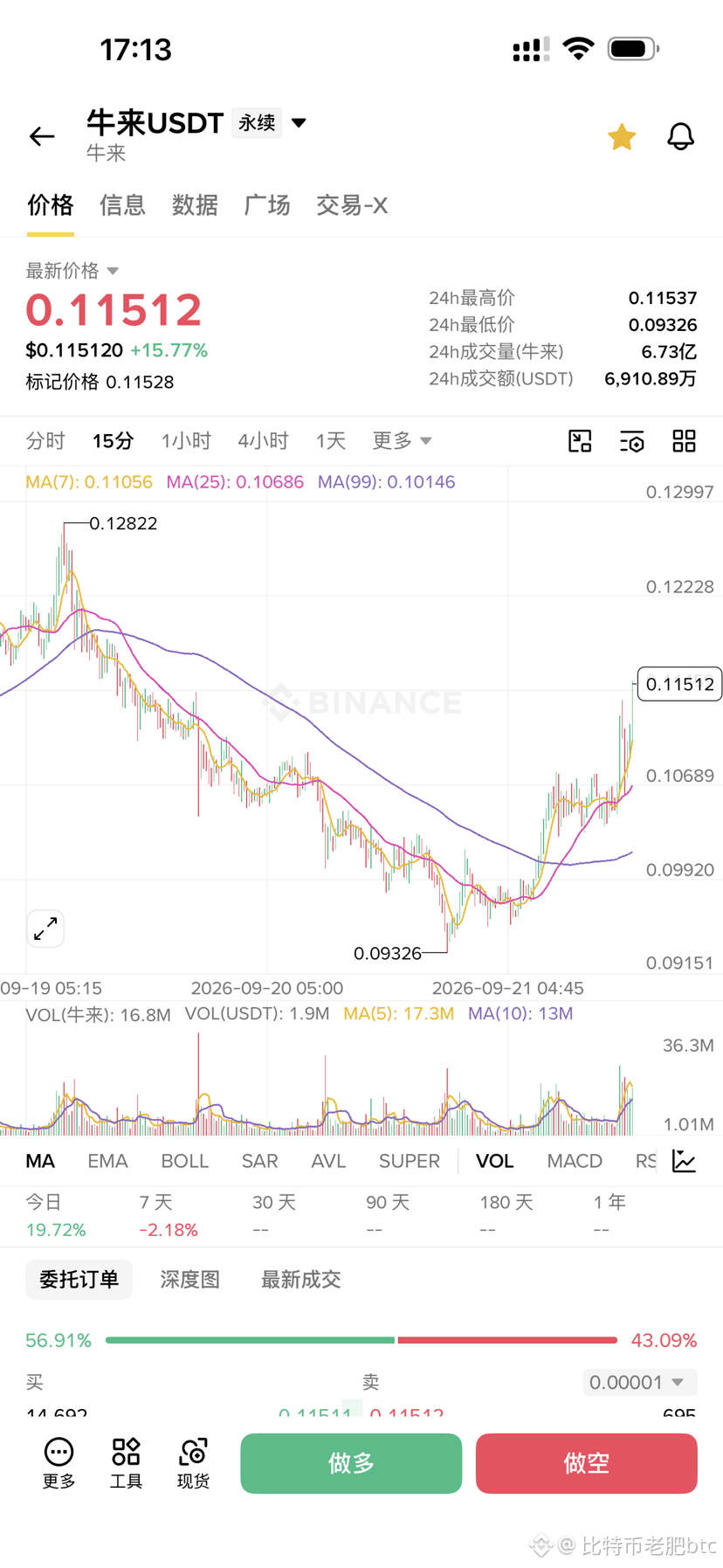
Hold it and that's enough $牛来
Hold it and that's enough $牛来
比特币老肥btc
·
--
Niú lái is definitely the most badass sign before a bull market is about to arrive. Just hold on to it after accumulating at the bottom
$牛来
$牛来
2
1
2.6k
Log in to explore more content
Join global crypto users on Binance Square
⚡️ Get latest and useful information about crypto.
💬 Trusted by the world’s largest crypto exchange.
👍 Discover real insights from verified creators.
Email / Phone number
Trending Topics
EtherGains70.9%InQ3
122,928 views
1,037 Discussing
One of the best third quarters in history 💰
September closed out last night, and with it, the quarter. For the quarter, BTC is up 42%—the second-best Q3 on record. ETH had a record-breaking Q3 overall, up 70%.
Looking at the chart, things are still looking good: we’re holding support, but we’re testing it more and more often. Plus, ETF momentum is weakening — inflows are gradually declining, and yesterday saw outflows for the first time in a long while.
Yes, historically, October has been a good month for crypto — it’s not called “Uptober” for nothing. But it’s also one of the most volatile months. Last year, for example, we managed to hit a new all-time high (ATH) and experience a flash crash.
🚀 High Accuracy Trades.
$BTC
$ETH
$SOL
#EtherGains70.9%InQ3 #DollarIndexHitsHighestSinceMay2025 #CFTCSubmitsTwoEventContractRulesToWhiteHouse #MicronBeatsEarningsLiftsGuidance
Knowledge is Power
·0 Likes
·207 views
TreasuryLetsStatesFileStablecoinCertificationsEarly
6,663 views
73 Discussing
US10YearYieldNears5.3%
134,037 views
1,071 Discussing