

Crypto Fortress 1
2k Posts

Crypto Fortress 1
Report
Block User
Crypto explorer | Building the decentralized future one block at a time | Insights on BTC, ETH, DeFi & beyond | Not financial advice.
0 Following
7 Followers
26 Liked
Posts
Meta's $145 Billion Al Bet Faces a Major Test as Q3 Earnings Arrive
Meta is about to face a big question: Is its massive Al spending actually paying off? The company reports Q3 earnings on October 21, with analysts expecting $63.34 billion in revenue and $6.53 per share..
Advertising across Facebook, Instagram, and Reels remains Meta's biggest money maker. But investors want to see whether Al is boosting ad performance and turning its Muse assistant, reportedly used by 2 million people daily, into real revenue.
With Al capital spending projected at $130-145 billion in 2026, Meta needs to prove that its growing infrastructure costs won't eat into profits. The market is pricing in a potential 7.1% move after earnings.
Just as Al stocks and $BTC react to shifts in investor risk appetite, Meta's results could offer fresh clues about whether the Al investment boom still has room to run.
#BTC Price Analysis#
#Macro Insights#
Meta's $145 Billion Al Bet Faces a Major Test as Q3 Earnings Arrive
Meta is about to face a big question: Is its massive Al spending actually paying off? The company reports Q3 earnings on October 21, with analysts expecting $63.34 billion in revenue and $6.53 per share..
Advertising across Facebook, Instagram, and Reels remains Meta's biggest money maker. But investors want to see whether Al is boosting ad performance and turning its Muse assistant, reportedly used by 2 million people daily, into real revenue.
With Al capital spending projected at $130-145 billion in 2026, Meta needs to prove that its growing infrastructure costs won't eat into profits. The market is pricing in a potential 7.1% move after earnings.
Just as Al stocks and $BTC react to shifts in investor risk appetite, Meta's results could offer fresh clues about whether the Al investment boom still has room to run.
#BTC Price Analysis#
#Macro Insights#
Meta is about to face a big question: Is its massive Al spending actually paying off? The company reports Q3 earnings on October 21, with analysts expecting $63.34 billion in revenue and $6.53 per share..
Advertising across Facebook, Instagram, and Reels remains Meta's biggest money maker. But investors want to see whether Al is boosting ad performance and turning its Muse assistant, reportedly used by 2 million people daily, into real revenue.
With Al capital spending projected at $130-145 billion in 2026, Meta needs to prove that its growing infrastructure costs won't eat into profits. The market is pricing in a potential 7.1% move after earnings.
Just as Al stocks and $BTC react to shifts in investor risk appetite, Meta's results could offer fresh clues about whether the Al investment boom still has room to run.
#BTC Price Analysis#
#Macro Insights#

43
Tom Lee Sees Ethereum Above $10,000 Within 12 Months
Ethereum could climb well beyond $10,000 as treasury companies continue buying more $ETH, according to BitMine chairman Tom Lee!
Lee says these companies already control around 7% of Ethereum's supply and expects that share to reach 15% during this bull cycle.
Here's why he thinks ETH could move higher:
• Growing Demand: Treasury firms are buying and holding ETH, potentially reducing the amount available on the market.
• BitMine's Holdings: Lee says BitMine now owns over 6 million ETH, close to 5% of the total supply, after 15 months of buying.
• Institutional Money: Lee believes many large investors are still underexposed to crypto, leaving room for more capital to enter Ethereum.
While $BTC remains the biggest crypto asset, Lee sees Ethereum benefiting from treasury demand and growing institutional interest in tokenization.
Could treasury companies really push ETH beyond $10,000 in the next 12 months?
#ETH #Ethereum
#BTC Price Analysis#
Tom Lee Sees Ethereum Above $10,000 Within 12 Months
Ethereum could climb well beyond $10,000 as treasury companies continue buying more $ETH, according to BitMine chairman Tom Lee!
Lee says these companies already control around 7% of Ethereum's supply and expects that share to reach 15% during this bull cycle.
Here's why he thinks ETH could move higher:
• Growing Demand: Treasury firms are buying and holding ETH, potentially reducing the amount available on the market.
• BitMine's Holdings: Lee says BitMine now owns over 6 million ETH, close to 5% of the total supply, after 15 months of buying.
• Institutional Money: Lee believes many large investors are still underexposed to crypto, leaving room for more capital to enter Ethereum.
While $BTC remains the biggest crypto asset, Lee sees Ethereum benefiting from treasury demand and growing institutional interest in tokenization.
Could treasury companies really push ETH beyond $10,000 in the next 12 months?
#ETH #Ethereum
#BTC Price Analysis#
Ethereum could climb well beyond $10,000 as treasury companies continue buying more $ETH, according to BitMine chairman Tom Lee!
Lee says these companies already control around 7% of Ethereum's supply and expects that share to reach 15% during this bull cycle.
Here's why he thinks ETH could move higher:
• Growing Demand: Treasury firms are buying and holding ETH, potentially reducing the amount available on the market.
• BitMine's Holdings: Lee says BitMine now owns over 6 million ETH, close to 5% of the total supply, after 15 months of buying.
• Institutional Money: Lee believes many large investors are still underexposed to crypto, leaving room for more capital to enter Ethereum.
While $BTC remains the biggest crypto asset, Lee sees Ethereum benefiting from treasury demand and growing institutional interest in tokenization.
Could treasury companies really push ETH beyond $10,000 in the next 12 months?
#ETH #Ethereum
#BTC Price Analysis#


59
Bitcoin ETFs and Ethereum ETFs Start to Have Opposite Flows
$BTC spot ETFs recorded $526.70 in inflows, and $ETH spot ETFs recorded $103.30 in outflows.
#Bitcoin #Ethereum
Bitcoin ETFs and Ethereum ETFs Start to Have Opposite Flows
$BTC spot ETFs recorded $526.70 in inflows, and $ETH spot ETFs recorded $103.30 in outflows.
#Bitcoin #Ethereum
$BTC spot ETFs recorded $526.70 in inflows, and $ETH spot ETFs recorded $103.30 in outflows.
#Bitcoin #Ethereum
$BTC
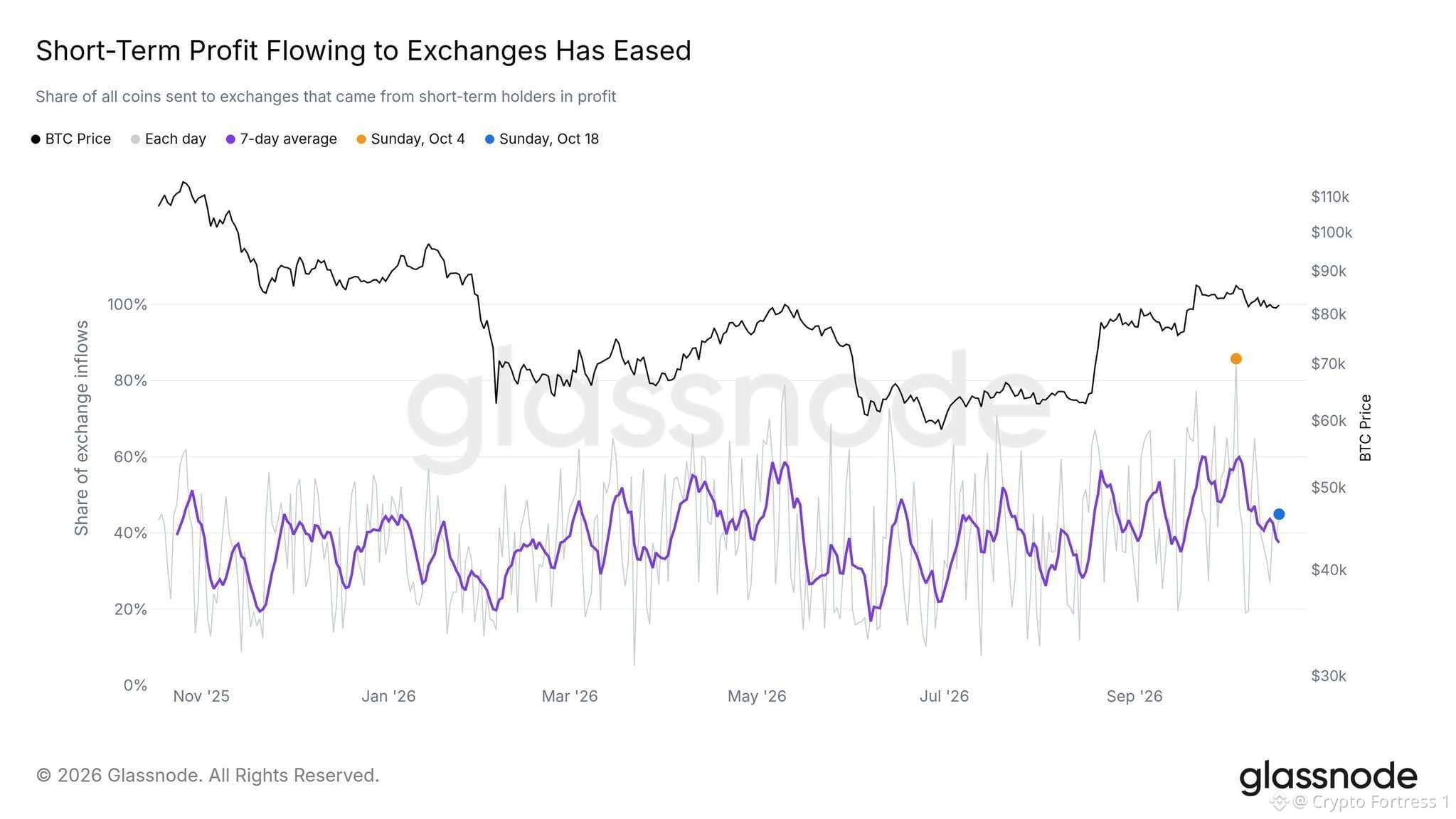
Bitcoin short-term holder profit-taking has cooled to its yearly average, easing the selling pressure that previously drove exchange inflows to a one-year high, per Glassnode.
#BTC Price Analysis# #Bitcoin Price Prediction: What is Bitcoins next move?#
$BTC
Bitcoin short-term holder profit-taking has cooled to its yearly average, easing the selling pressure that previously drove exchange inflows to a one-year high, per Glassnode.
#BTC Price Analysis# #Bitcoin Price Prediction: What is Bitcoins next move?#
Bitcoin short-term holder profit-taking has cooled to its yearly average, easing the selling pressure that previously drove exchange inflows to a one-year high, per Glassnode.
#BTC Price Analysis# #Bitcoin Price Prediction: What is Bitcoins next move?#
29
BLACKROCK EXPLORES A NEW BITCOIN ETF STRATEGY!
BlackRock has filed for a B $BTC ETF structure designed to offer downside protection while retaining upside exposure to its iShares Bitcoin Trust (IBIT). The proposed strategy could appeal to investors seeking Bitcoin-linked returns with a more controlled risk profile. It also signals growing innovation in how traditional finance packages Bitcoin exposure for different investor needs. This move suggest how asset managers are developing new ways to bridge Bitcoin's growth potential with investor demand for risk-managed products.
Bitcoin adoption is evolving beyond simple spot exposure, bringing more sophisticated investment structures into the market!
#BlackRock #ETF
BLACKROCK EXPLORES A NEW BITCOIN ETF STRATEGY!
BlackRock has filed for a B $BTC ETF structure designed to offer downside protection while retaining upside exposure to its iShares Bitcoin Trust (IBIT). The proposed strategy could appeal to investors seeking Bitcoin-linked returns with a more controlled risk profile. It also signals growing innovation in how traditional finance packages Bitcoin exposure for different investor needs. This move suggest how asset managers are developing new ways to bridge Bitcoin's growth potential with investor demand for risk-managed products.
Bitcoin adoption is evolving beyond simple spot exposure, bringing more sophisticated investment structures into the market!
#BlackRock #ETF
BlackRock has filed for a B $BTC ETF structure designed to offer downside protection while retaining upside exposure to its iShares Bitcoin Trust (IBIT). The proposed strategy could appeal to investors seeking Bitcoin-linked returns with a more controlled risk profile. It also signals growing innovation in how traditional finance packages Bitcoin exposure for different investor needs. This move suggest how asset managers are developing new ways to bridge Bitcoin's growth potential with investor demand for risk-managed products.
Bitcoin adoption is evolving beyond simple spot exposure, bringing more sophisticated investment structures into the market!
#BlackRock #ETF
47
Can Mastercard Keep Rallying After Q3 Earnings?
Mastercard shares recently closed at $617.42 after breaking above a key resistance level. With Q3 earnings coming on October 29, analysts expect $9.65B in revenue and earnings of $5.16 per share, raising expectations for another strong quarter.
Now comes the real test.
Investors will be watching consumer spending, cross-border payments, and growth in cybersecurity and data services.
While $BTC reflects broader crypto market sentiment, Mastercard's next move will depend on its earnings and outlook. Even strong results may not be enough if the company fails to meet investors' high expectations.
#BTC Price Analysis#
#Bitcoin Price Prediction: What is Bitcoins next move?#
Can Mastercard Keep Rallying After Q3 Earnings?
Mastercard shares recently closed at $617.42 after breaking above a key resistance level. With Q3 earnings coming on October 29, analysts expect $9.65B in revenue and earnings of $5.16 per share, raising expectations for another strong quarter.
Now comes the real test.
Investors will be watching consumer spending, cross-border payments, and growth in cybersecurity and data services.
While $BTC reflects broader crypto market sentiment, Mastercard's next move will depend on its earnings and outlook. Even strong results may not be enough if the company fails to meet investors' high expectations.
#BTC Price Analysis#
#Bitcoin Price Prediction: What is Bitcoins next move?#
Mastercard shares recently closed at $617.42 after breaking above a key resistance level. With Q3 earnings coming on October 29, analysts expect $9.65B in revenue and earnings of $5.16 per share, raising expectations for another strong quarter.
Now comes the real test.
Investors will be watching consumer spending, cross-border payments, and growth in cybersecurity and data services.
While $BTC reflects broader crypto market sentiment, Mastercard's next move will depend on its earnings and outlook. Even strong results may not be enough if the company fails to meet investors' high expectations.
#BTC Price Analysis#
#Bitcoin Price Prediction: What is Bitcoins next move?#
60
J.P. Morgan Asset Management projects $BTC to deliver an annualized compound return of 10% over the next decade, beating its forecasts for US large-cap stocks at 7.5% and gold at 5.5%.
It's the first time Bitcoin has appeared in the firm's long-term capital market assumptions, signaling growing institutional recognition of the asset.
But there's a catch: Bitcoin's projected annualized volatility stands at 55%, compared with 18% for US large-cap stocks and 17.2% for gold. That volatility helps explain why its projected arithmetic return of 20.9% translates to just 10% compounded annually.
Interestingly, #Bitcoin appears in the return forecasts but remains excluded from the firm's sample portfolio allocations. Recognizing its potential doesn't necessarily mean recommending how much investors should own.
#BTC Price Analysis# #Macro Insights# $BTC
J.P. Morgan Asset Management projects $BTC to deliver an annualized compound return of 10% over the next decade, beating its forecasts for US large-cap stocks at 7.5% and gold at 5.5%.
It's the first time Bitcoin has appeared in the firm's long-term capital market assumptions, signaling growing institutional recognition of the asset.
But there's a catch: Bitcoin's projected annualized volatility stands at 55%, compared with 18% for US large-cap stocks and 17.2% for gold. That volatility helps explain why its projected arithmetic return of 20.9% translates to just 10% compounded annually.
Interestingly, #Bitcoin appears in the return forecasts but remains excluded from the firm's sample portfolio allocations. Recognizing its potential doesn't necessarily mean recommending how much investors should own.
#BTC Price Analysis# #Macro Insights# $BTC
It's the first time Bitcoin has appeared in the firm's long-term capital market assumptions, signaling growing institutional recognition of the asset.
But there's a catch: Bitcoin's projected annualized volatility stands at 55%, compared with 18% for US large-cap stocks and 17.2% for gold. That volatility helps explain why its projected arithmetic return of 20.9% translates to just 10% compounded annually.
Interestingly, #Bitcoin appears in the return forecasts but remains excluded from the firm's sample portfolio allocations. Recognizing its potential doesn't necessarily mean recommending how much investors should own.
#BTC Price Analysis# #Macro Insights# $BTC

68
$NEAR Is Bringing Wall Street On-Chain. But Will It Matter for $NEAR?
What happens when crypto gets closer to traditional finance ?
NEAR Protocol is making a serious push beyond the usual blockchain narrative. Its integration with Ondo has brought tokenized U.S. stocks and ETFs to Near, allowing eligible users to access assets such as Apple, NVIDIA, Tesla, and the QQQ ETF through crypto-funded transactions.
The integration also connects to NEAR Intents, which routes assets across more than 30 blockchain networks. Source: NEAR
The bigger story isn't simply that stocks are moving on-chain. It's that users may no longer need to think about which blockchain their assets are sitting on before accessing different markets.
That could make crypto infrastructure more useful to people who don't necessarily care about blockchain technology itself. They care about access, convenience, privacy, and whether a product actually works.
But here's the part worth watching: will this activity create meaningful demand for NEAR, or will the benefits remain mostly at the ecosystem level?
Adoption, transaction activity, and the role of NEAR Intents will matter far more than the headline alone.
The opportunity is real, but so is the challenge. Tokenized assets face regulatory restrictions, competition, and the need to prove sustained demand. Access to tokenized stocks also doesn't automatically mean direct ownership of the underlying shares.
NEAR is building a broader financial infrastructure story. Now the market needs evidence that people will use it consistently.
Is NEAR positioning itself for the next phase of crypto adoption, or is the market getting ahead of #BTC Price Analysis# #Altcoin Season# #Macro Insights# $BTC
$NEAR Is Bringing Wall Street On-Chain. But Will It Matter for $NEAR?
What happens when crypto gets closer to traditional finance ?
NEAR Protocol is making a serious push beyond the usual blockchain narrative. Its integration with Ondo has brought tokenized U.S. stocks and ETFs to Near, allowing eligible users to access assets such as Apple, NVIDIA, Tesla, and the QQQ ETF through crypto-funded transactions.
The integration also connects to NEAR Intents, which routes assets across more than 30 blockchain networks. Source: NEAR
The bigger story isn't simply that stocks are moving on-chain. It's that users may no longer need to think about which blockchain their assets are sitting on before accessing different markets.
That could make crypto infrastructure more useful to people who don't necessarily care about blockchain technology itself. They care about access, convenience, privacy, and whether a product actually works.
But here's the part worth watching: will this activity create meaningful demand for NEAR, or will the benefits remain mostly at the ecosystem level?
Adoption, transaction activity, and the role of NEAR Intents will matter far more than the headline alone.
The opportunity is real, but so is the challenge. Tokenized assets face regulatory restrictions, competition, and the need to prove sustained demand. Access to tokenized stocks also doesn't automatically mean direct ownership of the underlying shares.
NEAR is building a broader financial infrastructure story. Now the market needs evidence that people will use it consistently.
Is NEAR positioning itself for the next phase of crypto adoption, or is the market getting ahead of #BTC Price Analysis# #Altcoin Season# #Macro Insights# $BTC
What happens when crypto gets closer to traditional finance ?
NEAR Protocol is making a serious push beyond the usual blockchain narrative. Its integration with Ondo has brought tokenized U.S. stocks and ETFs to Near, allowing eligible users to access assets such as Apple, NVIDIA, Tesla, and the QQQ ETF through crypto-funded transactions.
The integration also connects to NEAR Intents, which routes assets across more than 30 blockchain networks. Source: NEAR
The bigger story isn't simply that stocks are moving on-chain. It's that users may no longer need to think about which blockchain their assets are sitting on before accessing different markets.
That could make crypto infrastructure more useful to people who don't necessarily care about blockchain technology itself. They care about access, convenience, privacy, and whether a product actually works.
But here's the part worth watching: will this activity create meaningful demand for NEAR, or will the benefits remain mostly at the ecosystem level?
Adoption, transaction activity, and the role of NEAR Intents will matter far more than the headline alone.
The opportunity is real, but so is the challenge. Tokenized assets face regulatory restrictions, competition, and the need to prove sustained demand. Access to tokenized stocks also doesn't automatically mean direct ownership of the underlying shares.
NEAR is building a broader financial infrastructure story. Now the market needs evidence that people will use it consistently.
Is NEAR positioning itself for the next phase of crypto adoption, or is the market getting ahead of #BTC Price Analysis# #Altcoin Season# #Macro Insights# $BTC

2
Bitcoin's 6-12-Month Holders Are Showing a Significant Shift in Selling Behavior
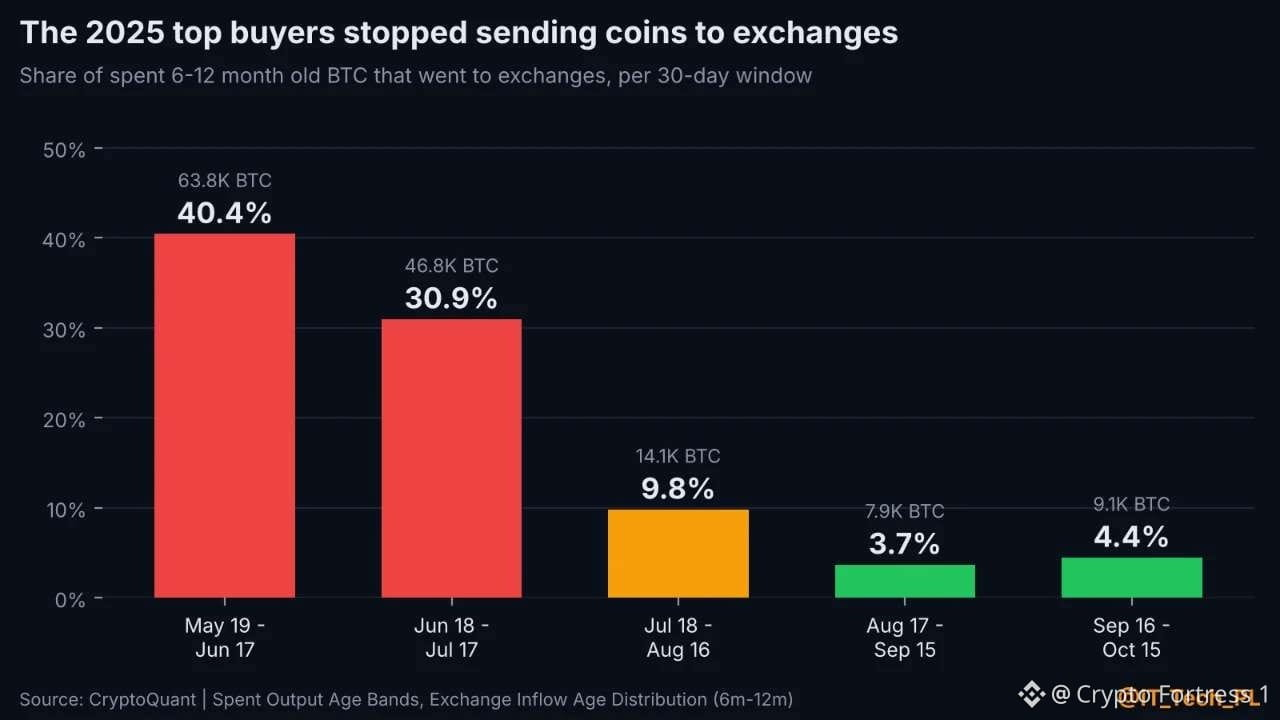
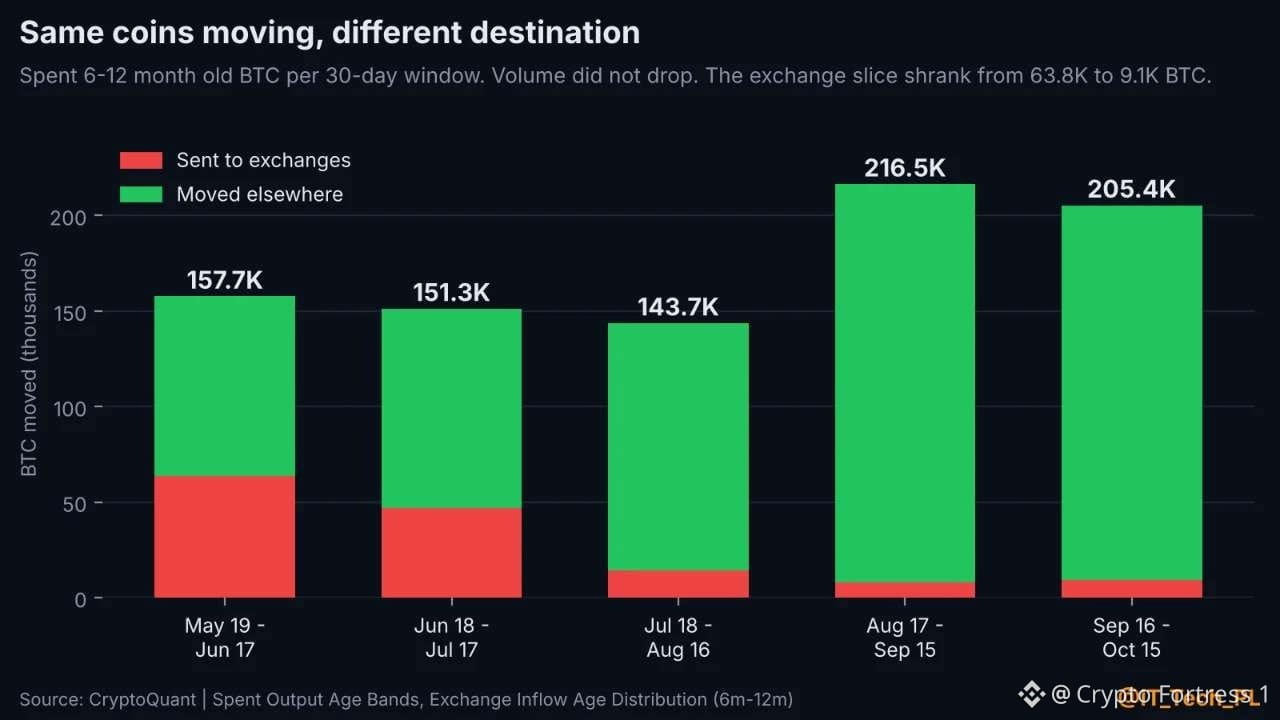
According to CryptoQuant, the proportion of $BTC transfers from the 6-12-month holder cohort directed to exchanges declined from 40.4% in June to 4.4% by October 15. Total transfers from this cohort reportedly increased from 157,700 to 205,400 $BTC, while exchange-bound transfers fell from 63,800 to approximately 9,100 $BTC.
This divergence suggests that holders remain active in moving their assets but are increasingly avoiding exchange deposits, traditionally associated with potential selling activity.
The decline could reduce immediate sell-side pressure from an important group of medium-term investors, particularly if the trend persists during Bitcoin's consolidation around $80,000.
However, lower exchange inflows do not necessarily indicate accumulation. Transfers may reflect custody restructuring, internal wallet movements or other non-trading activity. Exchange deposits are also an imperfect measure of actual selling. For a sustainable recovery, reduced exchange inflows would need to coincide with stronger spot demand, improving liquidity and consistent institutional inflows.
The data points to easing potential distribution pressure, a constructive development for $BTC. Confirmation through spot volume, ETF flows and price structure remains essential before interpreting it as a bullish reversal.
#BTC Price Analysis# #Bitcoin Price Prediction: What is Bitcoins next move?#
Bitcoin's 6-12-Month Holders Are Showing a Significant Shift in Selling Behavior
According to CryptoQuant, the proportion of $BTC transfers from the 6-12-month holder cohort directed to exchanges declined from 40.4% in June to 4.4% by October 15. Total transfers from this cohort reportedly increased from 157,700 to 205,400 $BTC, while exchange-bound transfers fell from 63,800 to approximately 9,100 $BTC.
This divergence suggests that holders remain active in moving their assets but are increasingly avoiding exchange deposits, traditionally associated with potential selling activity.
The decline could reduce immediate sell-side pressure from an important group of medium-term investors, particularly if the trend persists during Bitcoin's consolidation around $80,000.
However, lower exchange inflows do not necessarily indicate accumulation. Transfers may reflect custody restructuring, internal wallet movements or other non-trading activity. Exchange deposits are also an imperfect measure of actual selling. For a sustainable recovery, reduced exchange inflows would need to coincide with stronger spot demand, improving liquidity and consistent institutional inflows.
The data points to easing potential distribution pressure, a constructive development for $BTC. Confirmation through spot volume, ETF flows and price structure remains essential before interpreting it as a bullish reversal.
#BTC Price Analysis# #Bitcoin Price Prediction: What is Bitcoins next move?#
According to CryptoQuant, the proportion of $BTC transfers from the 6-12-month holder cohort directed to exchanges declined from 40.4% in June to 4.4% by October 15. Total transfers from this cohort reportedly increased from 157,700 to 205,400 $BTC, while exchange-bound transfers fell from 63,800 to approximately 9,100 $BTC.
This divergence suggests that holders remain active in moving their assets but are increasingly avoiding exchange deposits, traditionally associated with potential selling activity.
The decline could reduce immediate sell-side pressure from an important group of medium-term investors, particularly if the trend persists during Bitcoin's consolidation around $80,000.
However, lower exchange inflows do not necessarily indicate accumulation. Transfers may reflect custody restructuring, internal wallet movements or other non-trading activity. Exchange deposits are also an imperfect measure of actual selling. For a sustainable recovery, reduced exchange inflows would need to coincide with stronger spot demand, improving liquidity and consistent institutional inflows.
The data points to easing potential distribution pressure, a constructive development for $BTC. Confirmation through spot volume, ETF flows and price structure remains essential before interpreting it as a bullish reversal.
#BTC Price Analysis# #Bitcoin Price Prediction: What is Bitcoins next move?#
Ripple Prime will be launched this month as part of the DTCC's tokenization initiative and will hold $114 TRILLION worth of assets.
Can tokenized assets bring $XRP to the top?
Standard Chartered targets $28 for each $XRP by 2030. What is your opinion? Can this happen?
#XRP #Ripple #Bullish #XRPArmy #Altcoin Season#
Ripple Prime will be launched this month as part of the DTCC's tokenization initiative and will hold $114 TRILLION worth of assets.
Can tokenized assets bring $XRP to the top?
Standard Chartered targets $28 for each $XRP by 2030. What is your opinion? Can this happen?
#XRP #Ripple #Bullish #XRPArmy #Altcoin Season#
Can tokenized assets bring $XRP to the top?
Standard Chartered targets $28 for each $XRP by 2030. What is your opinion? Can this happen?
#XRP #Ripple #Bullish #XRPArmy #Altcoin Season#

2
Bitcoin Miners Are Bullish On Bitcoin
The Miners' Position Index (MPI) recently went below -0.9, which indicates that $BTC miners have decided to hold their earned bitcoins instead of selling.
#Bitcoin #BTC
Bitcoin Miners Are Bullish On Bitcoin
The Miners' Position Index (MPI) recently went below -0.9, which indicates that $BTC miners have decided to hold their earned bitcoins instead of selling.
#Bitcoin #BTC
The Miners' Position Index (MPI) recently went below -0.9, which indicates that $BTC miners have decided to hold their earned bitcoins instead of selling.
#Bitcoin #BTC
31
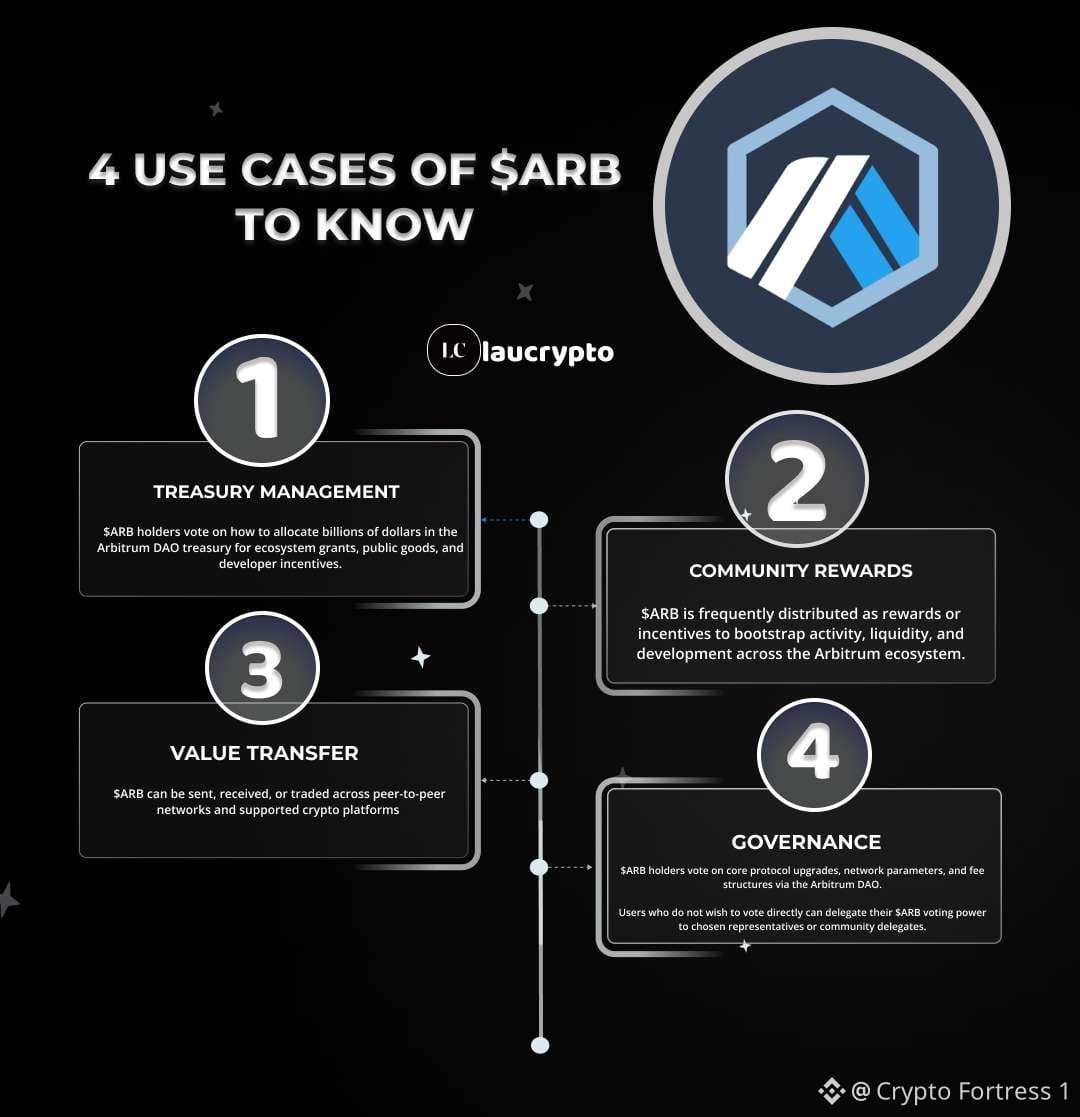
4 Use Cases Of ARB Token To Know
$ARB is the native token of Arbitrum, a suite of Layer 2 scaling technologies for Ethereum designed to make blockchain transactions faster and cheaper while preserving the security of the Ethereum mainnet.
Below are 4 use cases of it:
#Arbitrum #ARB
4 Use Cases Of ARB Token To Know
$ARB is the native token of Arbitrum, a suite of Layer 2 scaling technologies for Ethereum designed to make blockchain transactions faster and cheaper while preserving the security of the Ethereum mainnet.
Below are 4 use cases of it:
#Arbitrum #ARB
$ARB is the native token of Arbitrum, a suite of Layer 2 scaling technologies for Ethereum designed to make blockchain transactions faster and cheaper while preserving the security of the Ethereum mainnet.
Below are 4 use cases of it:
#Arbitrum #ARB
28
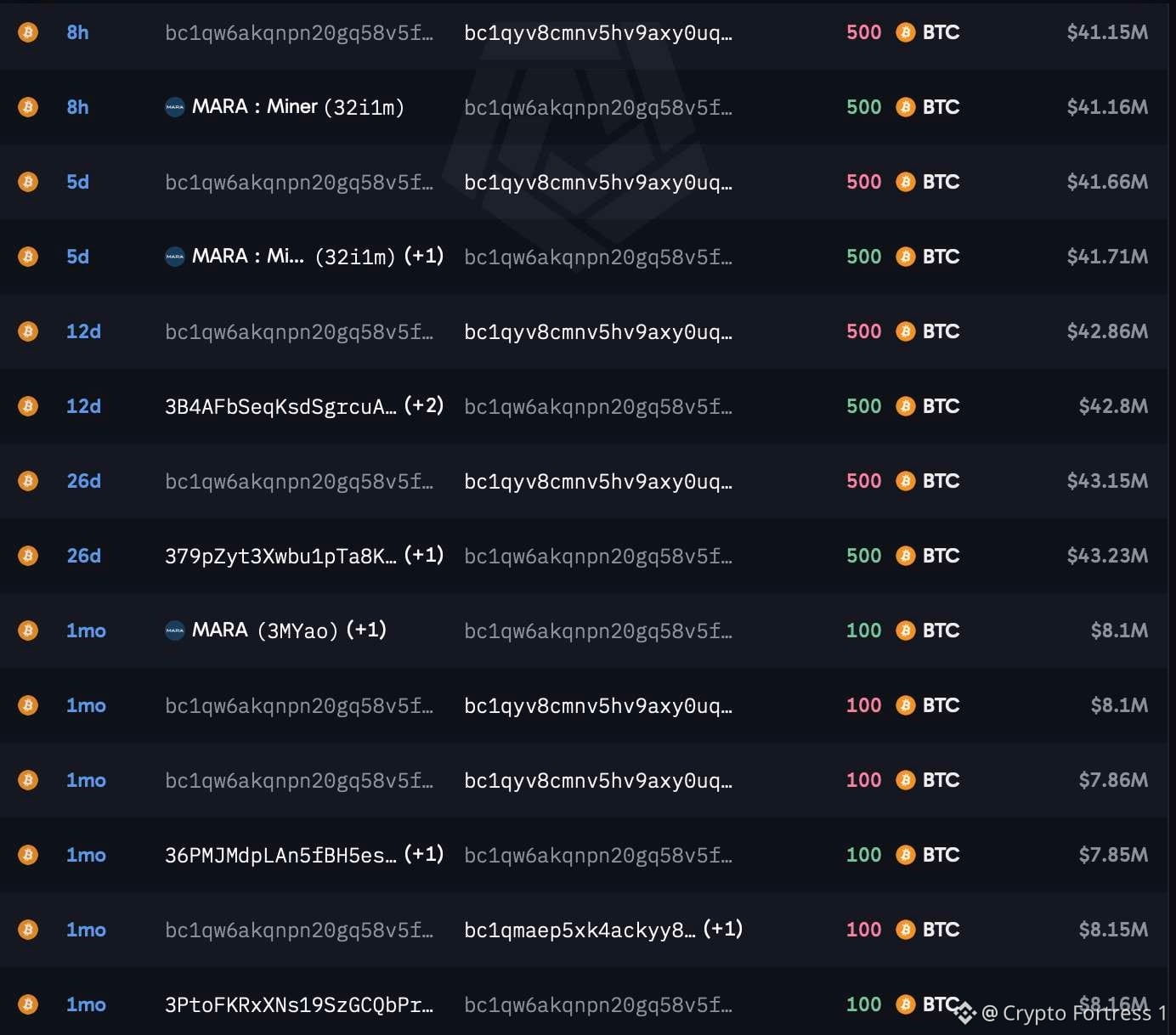
Bitcoin mining company MARA Holdings has transferred 1,000 $BTC worth about $82.8 million to Binance and Gate over the past five days.
This has raised speculation that the company may be preparing to sell some of its Bitcoin holdings.
MARA has previously sold Bitcoin to support its business operations and manage its finances.
However, moving BTC to exchanges does not confirm that a sale has happened.
The next movements of these funds may provide more clues about the company's plans.
#BTC Correction Incoming?# #Bitcoin Price Prediction: What is Bitcoins next move?#
Bitcoin mining company MARA Holdings has transferred 1,000 $BTC worth about $82.8 million to Binance and Gate over the past five days.
This has raised speculation that the company may be preparing to sell some of its Bitcoin holdings.
MARA has previously sold Bitcoin to support its business operations and manage its finances.
However, moving BTC to exchanges does not confirm that a sale has happened.
The next movements of these funds may provide more clues about the company's plans.
#BTC Correction Incoming?# #Bitcoin Price Prediction: What is Bitcoins next move?#
This has raised speculation that the company may be preparing to sell some of its Bitcoin holdings.
MARA has previously sold Bitcoin to support its business operations and manage its finances.
However, moving BTC to exchanges does not confirm that a sale has happened.
The next movements of these funds may provide more clues about the company's plans.
#BTC Correction Incoming?# #Bitcoin Price Prediction: What is Bitcoins next move?#
46
$SOL
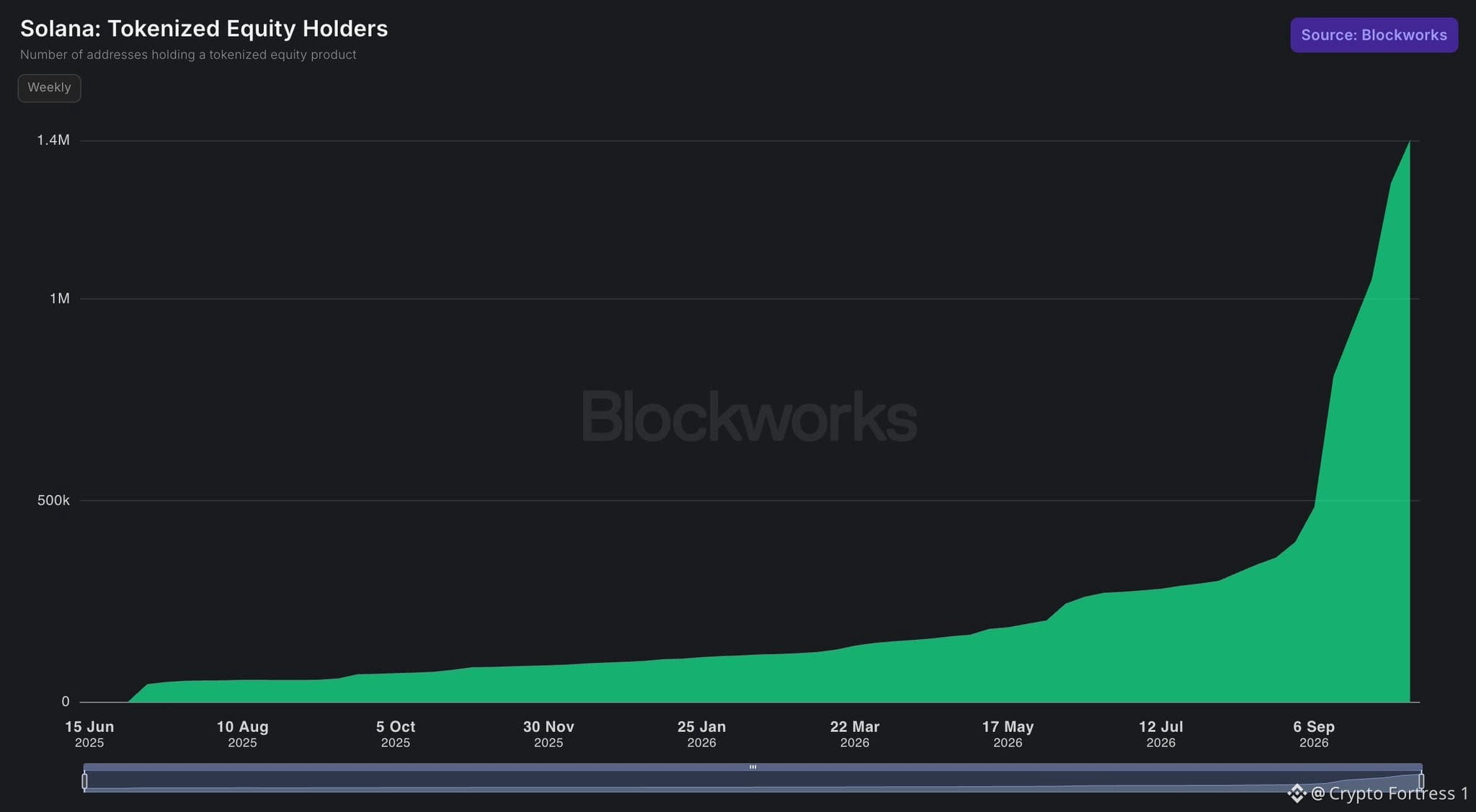
More than 1.4 million addresses now hold tokenized stocks on Solana.
#Solana
$SOL
More than 1.4 million addresses now hold tokenized stocks on Solana.
#Solana
More than 1.4 million addresses now hold tokenized stocks on Solana.
#Solana
59
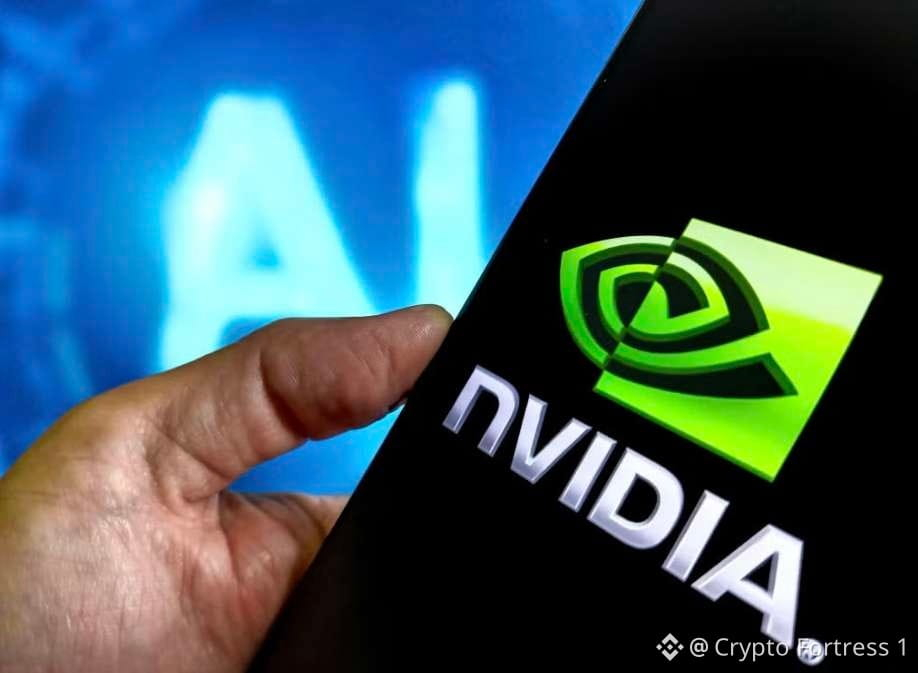
🇩🇪 Al Stocks Are Bleeding, But Nvidia Is Buying the Dip in Europe
Nvidia is proving once again that while Wall Street panics, Jensen Huang keeps building.
Even with semi stocks trapped in their longest 8-day losing streak since 2015 -erasing over $1.6 trillion across the sector Nvidia is preparing a massive multi-hundred million euro Al deal with Germany.
What's dropping next week in Berlin:
Industrial Al & Robotics: Expanding beyond data centers into physical Al systems for autonomous vehicles and smart factories.
SOOFI Integration: Partnering with Germany's Sovereign Open Source initiative and top universities.
Massive Revenue: Despite recent market volatility, Nvidia just reported a insane $96.2B in quarterly revenue (+106% YoY), flirting with a $6T valuation.
While traders panic over short-term tech pullbacks and watch $BTC price charts, Nvidia is quietly laying down the pipes for the next industrial Al revolution.
#BTC Price Analysis#
#Bitcoin Price Prediction: What is Bitcoins next move?#
🇩🇪 Al Stocks Are Bleeding, But Nvidia Is Buying the Dip in Europe
Nvidia is proving once again that while Wall Street panics, Jensen Huang keeps building.
Even with semi stocks trapped in their longest 8-day losing streak since 2015 -erasing over $1.6 trillion across the sector Nvidia is preparing a massive multi-hundred million euro Al deal with Germany.
What's dropping next week in Berlin:
Industrial Al & Robotics: Expanding beyond data centers into physical Al systems for autonomous vehicles and smart factories.
SOOFI Integration: Partnering with Germany's Sovereign Open Source initiative and top universities.
Massive Revenue: Despite recent market volatility, Nvidia just reported a insane $96.2B in quarterly revenue (+106% YoY), flirting with a $6T valuation.
While traders panic over short-term tech pullbacks and watch $BTC price charts, Nvidia is quietly laying down the pipes for the next industrial Al revolution.
#BTC Price Analysis#
#Bitcoin Price Prediction: What is Bitcoins next move?#
Nvidia is proving once again that while Wall Street panics, Jensen Huang keeps building.
Even with semi stocks trapped in their longest 8-day losing streak since 2015 -erasing over $1.6 trillion across the sector Nvidia is preparing a massive multi-hundred million euro Al deal with Germany.
What's dropping next week in Berlin:
Industrial Al & Robotics: Expanding beyond data centers into physical Al systems for autonomous vehicles and smart factories.
SOOFI Integration: Partnering with Germany's Sovereign Open Source initiative and top universities.
Massive Revenue: Despite recent market volatility, Nvidia just reported a insane $96.2B in quarterly revenue (+106% YoY), flirting with a $6T valuation.
While traders panic over short-term tech pullbacks and watch $BTC price charts, Nvidia is quietly laying down the pipes for the next industrial Al revolution.
#BTC Price Analysis#
#Bitcoin Price Prediction: What is Bitcoins next move?#
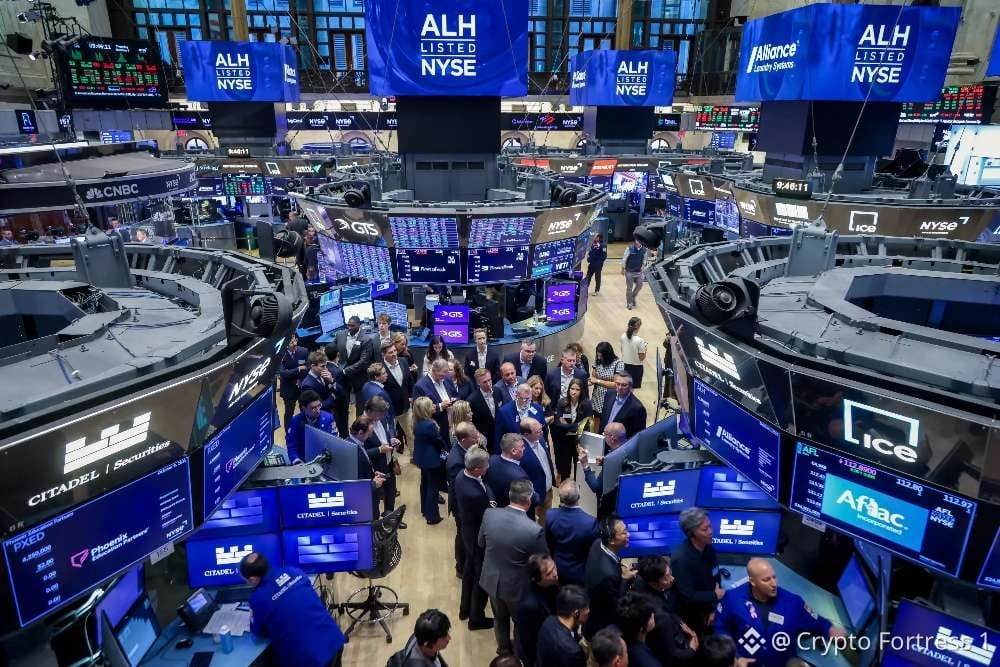
Black Monday Returns? Wall Street Faces a Big Test on October 19
October 19 marks 39 years since Wall Street's worst one-day crash. With oil prices high, bond yields rising, and market fears growing, investors are asking whether history could repeat itself.
- 1987 Crash → Dow fell 22.6%
On October 19, 1987, the Dow suffered its biggest single-day percentage drop ever. The S&P 500 lost 20.5%, wiping out around $500B in US stock value.
▲ Market Pressure -> fears returning
High oil prices, rising bond yields, and recent liquidations are making investors nervous. If stocks fall sharply, $BTC could also face pressure as traders reduce risk.
- Circuit Breakers → protection is stronger
Unlike in 1987, US exchanges now pause trading after S&P 500 declines of 7% and 13%. A 20% drop would stop trading for the entire day.
- What I'm watching:
• October 19 → Wall Street's next opening
• Bond yields and oil pressure on stocks
Crypto -> whether Bitcoin follows any sell-off
The key point: the anniversary doesn't mean another crash is coming. But with markets already nervous, Monday could be an important test for both stocks and crypto.
#BTC Price Analysis#
#Macro Insights#
Black Monday Returns? Wall Street Faces a Big Test on October 19
October 19 marks 39 years since Wall Street's worst one-day crash. With oil prices high, bond yields rising, and market fears growing, investors are asking whether history could repeat itself.
- 1987 Crash → Dow fell 22.6%
On October 19, 1987, the Dow suffered its biggest single-day percentage drop ever. The S&P 500 lost 20.5%, wiping out around $500B in US stock value.
▲ Market Pressure -> fears returning
High oil prices, rising bond yields, and recent liquidations are making investors nervous. If stocks fall sharply, $BTC could also face pressure as traders reduce risk.
- Circuit Breakers → protection is stronger
Unlike in 1987, US exchanges now pause trading after S&P 500 declines of 7% and 13%. A 20% drop would stop trading for the entire day.
- What I'm watching:
• October 19 → Wall Street's next opening
• Bond yields and oil pressure on stocks
Crypto -> whether Bitcoin follows any sell-off
The key point: the anniversary doesn't mean another crash is coming. But with markets already nervous, Monday could be an important test for both stocks and crypto.
#BTC Price Analysis#
#Macro Insights#
October 19 marks 39 years since Wall Street's worst one-day crash. With oil prices high, bond yields rising, and market fears growing, investors are asking whether history could repeat itself.
- 1987 Crash → Dow fell 22.6%
On October 19, 1987, the Dow suffered its biggest single-day percentage drop ever. The S&P 500 lost 20.5%, wiping out around $500B in US stock value.
▲ Market Pressure -> fears returning
High oil prices, rising bond yields, and recent liquidations are making investors nervous. If stocks fall sharply, $BTC could also face pressure as traders reduce risk.
- Circuit Breakers → protection is stronger
Unlike in 1987, US exchanges now pause trading after S&P 500 declines of 7% and 13%. A 20% drop would stop trading for the entire day.
- What I'm watching:
• October 19 → Wall Street's next opening
• Bond yields and oil pressure on stocks
Crypto -> whether Bitcoin follows any sell-off
The key point: the anniversary doesn't mean another crash is coming. But with markets already nervous, Monday could be an important test for both stocks and crypto.
#BTC Price Analysis#
#Macro Insights#
67
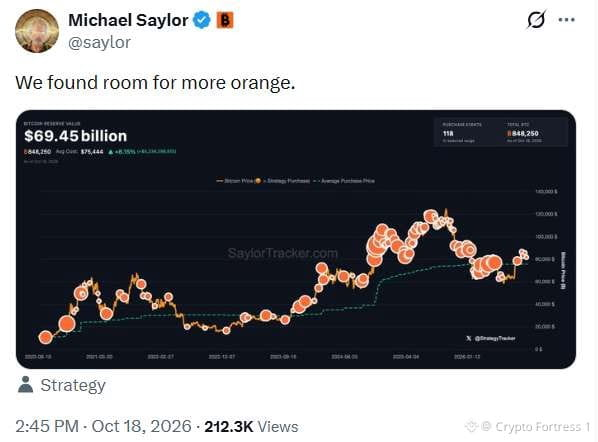
Michael Saylor hints at another #Bitcoin purchase!
"We found room for more orange," the Strategy CEO posted on X, sparking speculation that another $BTC acquisition could be coming.
Strategy already holds 848,250 BTC, and Saylor's familiar orange-themed messages have investors watching for the next purchase announcement. #Macro Insights#
Michael Saylor hints at another #Bitcoin purchase!
"We found room for more orange," the Strategy CEO posted on X, sparking speculation that another $BTC acquisition could be coming.
Strategy already holds 848,250 BTC, and Saylor's familiar orange-themed messages have investors watching for the next purchase announcement. #Macro Insights#
"We found room for more orange," the Strategy CEO posted on X, sparking speculation that another $BTC acquisition could be coming.
Strategy already holds 848,250 BTC, and Saylor's familiar orange-themed messages have investors watching for the next purchase announcement. #Macro Insights#
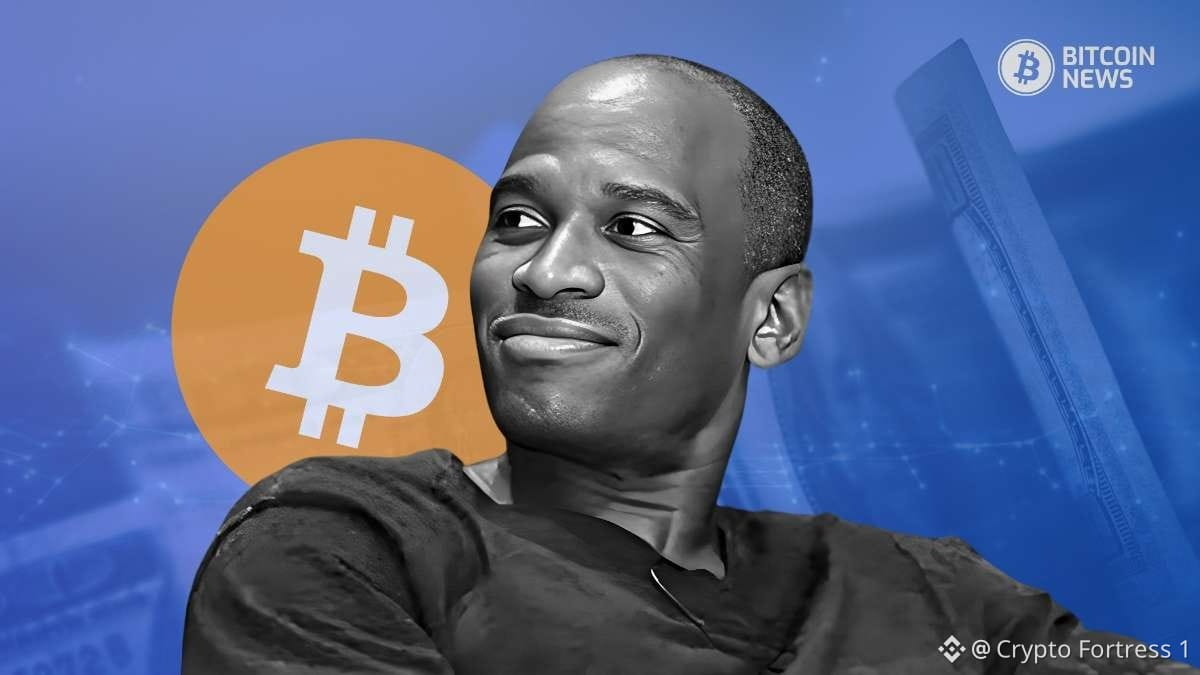
Arthur Hayes says the Al boom is a bitcoin trade in disguise.
The BitMEX co-founder called Al model companies worthless and argued that an implicit US government backstop lets OpenAl and Anthropic keep burning cash.
His logic: the bigger the bubble, the bigger the eventual bailout, and the higher bitcoin goes.
The timing is loud, with chip stocks on an eight-day losing streak, their longest since 2008.
The catch is that a bailout usually needs a crash first, and crashes rarely spare $BTC
#BTC Price Analysis#
Arthur Hayes says the Al boom is a bitcoin trade in disguise.
The BitMEX co-founder called Al model companies worthless and argued that an implicit US government backstop lets OpenAl and Anthropic keep burning cash.
His logic: the bigger the bubble, the bigger the eventual bailout, and the higher bitcoin goes.
The timing is loud, with chip stocks on an eight-day losing streak, their longest since 2008.
The catch is that a bailout usually needs a crash first, and crashes rarely spare $BTC
#BTC Price Analysis#
The BitMEX co-founder called Al model companies worthless and argued that an implicit US government backstop lets OpenAl and Anthropic keep burning cash.
His logic: the bigger the bubble, the bigger the eventual bailout, and the higher bitcoin goes.
The timing is loud, with chip stocks on an eight-day losing streak, their longest since 2008.
The catch is that a bailout usually needs a crash first, and crashes rarely spare $BTC
#BTC Price Analysis#
2
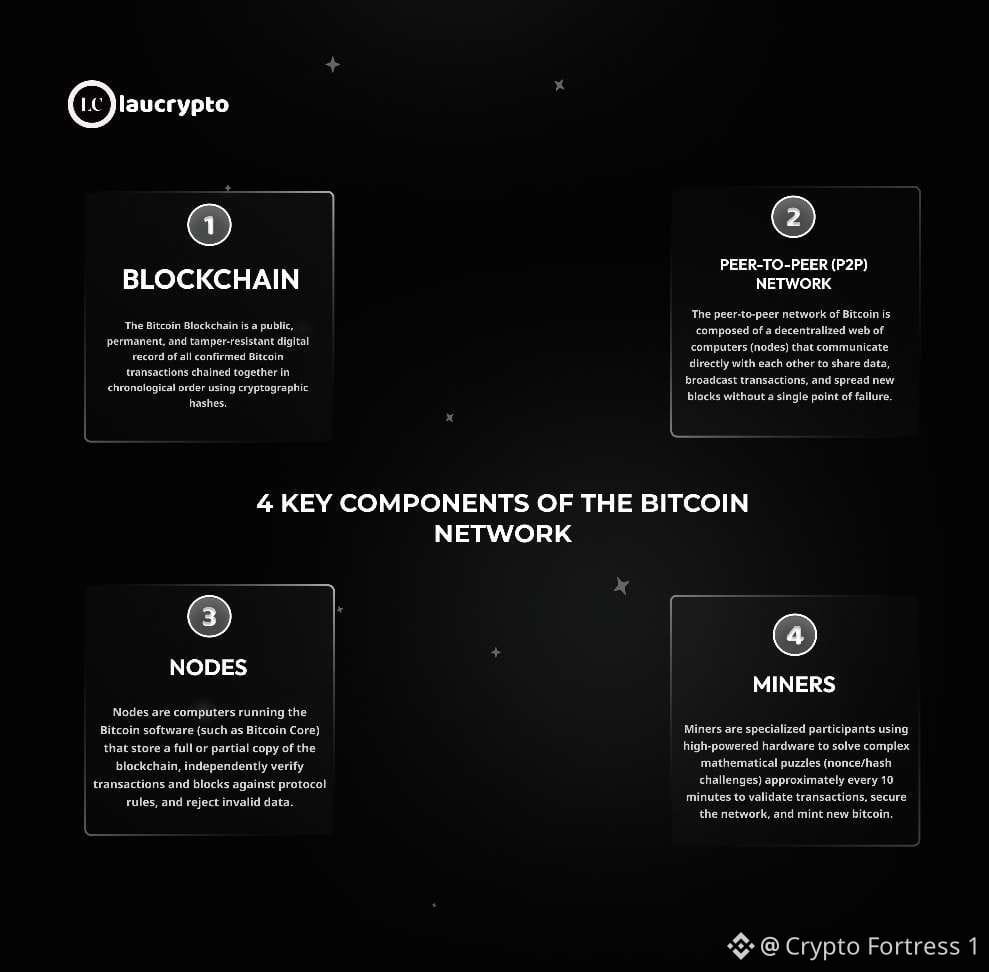
4 Components of the Bitcoin Network
Bitcoin is a decentralized, peer-to-peer (P2P) computer network that runs the $BTC software protocol, allowing users to transfer value without a central bank or intermediary.
#Bitcoin #BTC
4 Components of the Bitcoin Network
Bitcoin is a decentralized, peer-to-peer (P2P) computer network that runs the $BTC software protocol, allowing users to transfer value without a central bank or intermediary.
#Bitcoin #BTC
Bitcoin is a decentralized, peer-to-peer (P2P) computer network that runs the $BTC software protocol, allowing users to transfer value without a central bank or intermediary.
#Bitcoin #BTC
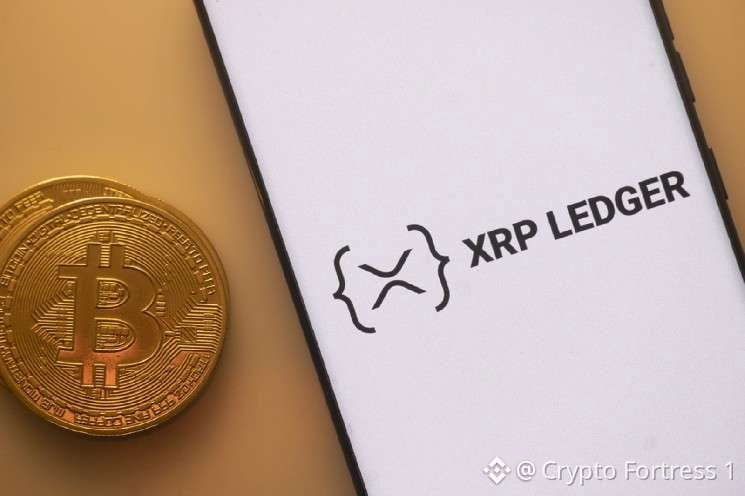
XRP Ledger isn't trying to compete with Ethereum - and David Schwartz explains why
Ripple CTO Emeritus David Schwartz says the $XRP Ledger was never designed to do everything. Unlike Ethereum or Solana, XRPL focuses on financial services, including payments, tokenization, lending, and stablecoins.
So why does Schwartz believe this approach makes XRPL attractive to institutions?
• Speed and low costs. XRPL is built to process financial transactions quickly and cheaply, making it useful for banks and payment providers.
• Decentralization matters. Schwartz says no single party can control the network, giving institutions more confidence in its reliability.
• Built-in financial tools. Instead of supporting every possible application like Ethereum, XRPL focuses on ready-made financial features that institutions need, offering a different approach from $BTC and other major blockchains.
#XRP #XRPLedger
#Macro Insights#
XRP Ledger isn't trying to compete with Ethereum - and David Schwartz explains why
Ripple CTO Emeritus David Schwartz says the $XRP Ledger was never designed to do everything. Unlike Ethereum or Solana, XRPL focuses on financial services, including payments, tokenization, lending, and stablecoins.
So why does Schwartz believe this approach makes XRPL attractive to institutions?
• Speed and low costs. XRPL is built to process financial transactions quickly and cheaply, making it useful for banks and payment providers.
• Decentralization matters. Schwartz says no single party can control the network, giving institutions more confidence in its reliability.
• Built-in financial tools. Instead of supporting every possible application like Ethereum, XRPL focuses on ready-made financial features that institutions need, offering a different approach from $BTC and other major blockchains.
#XRP #XRPLedger
#Macro Insights#
Ripple CTO Emeritus David Schwartz says the $XRP Ledger was never designed to do everything. Unlike Ethereum or Solana, XRPL focuses on financial services, including payments, tokenization, lending, and stablecoins.
So why does Schwartz believe this approach makes XRPL attractive to institutions?
• Speed and low costs. XRPL is built to process financial transactions quickly and cheaply, making it useful for banks and payment providers.
• Decentralization matters. Schwartz says no single party can control the network, giving institutions more confidence in its reliability.
• Built-in financial tools. Instead of supporting every possible application like Ethereum, XRPL focuses on ready-made financial features that institutions need, offering a different approach from $BTC and other major blockchains.
#XRP #XRPLedger
#Macro Insights#
Log in to explore more content
Join global crypto users on Binance Square
⚡️ Get latest and useful information about crypto.
💬 Trusted by the world’s largest crypto exchange.
👍 Discover real insights from verified creators.
Email / Phone number
Trending Topics
BinancePick
3.3M views
163,577 Discussing
Join #EarningsSeason: Predict Earnings on Binance Pick, Share Your Take on Binance Square!
Binance Square Official
·417 Likes
·345k views
EarningsSeason
5.4M views
26,760 Discussing
StrategySkipsBitcoinPurchasesSpends$205MOnSTRCBuybacks
485 views
22 Discussing