

Blockchain Trades
2.4k Posts

Blockchain Trades
Report
Block User
crypto Expert / sharing Trading Setups And My profits / BNB Holders / Follow For More Signals And Setups .
12 Following
119 Followers
1.0K+ Liked
Posts
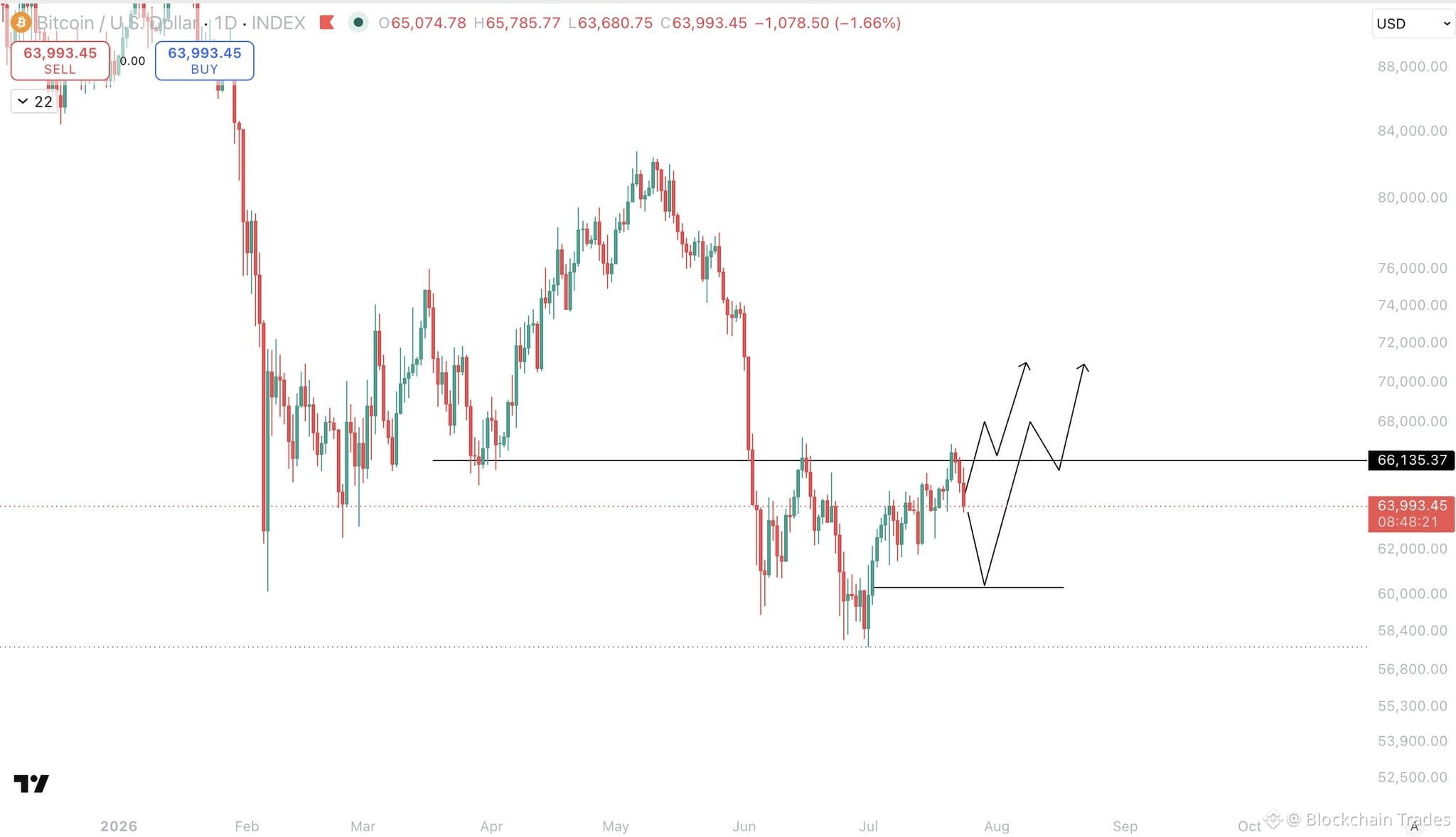
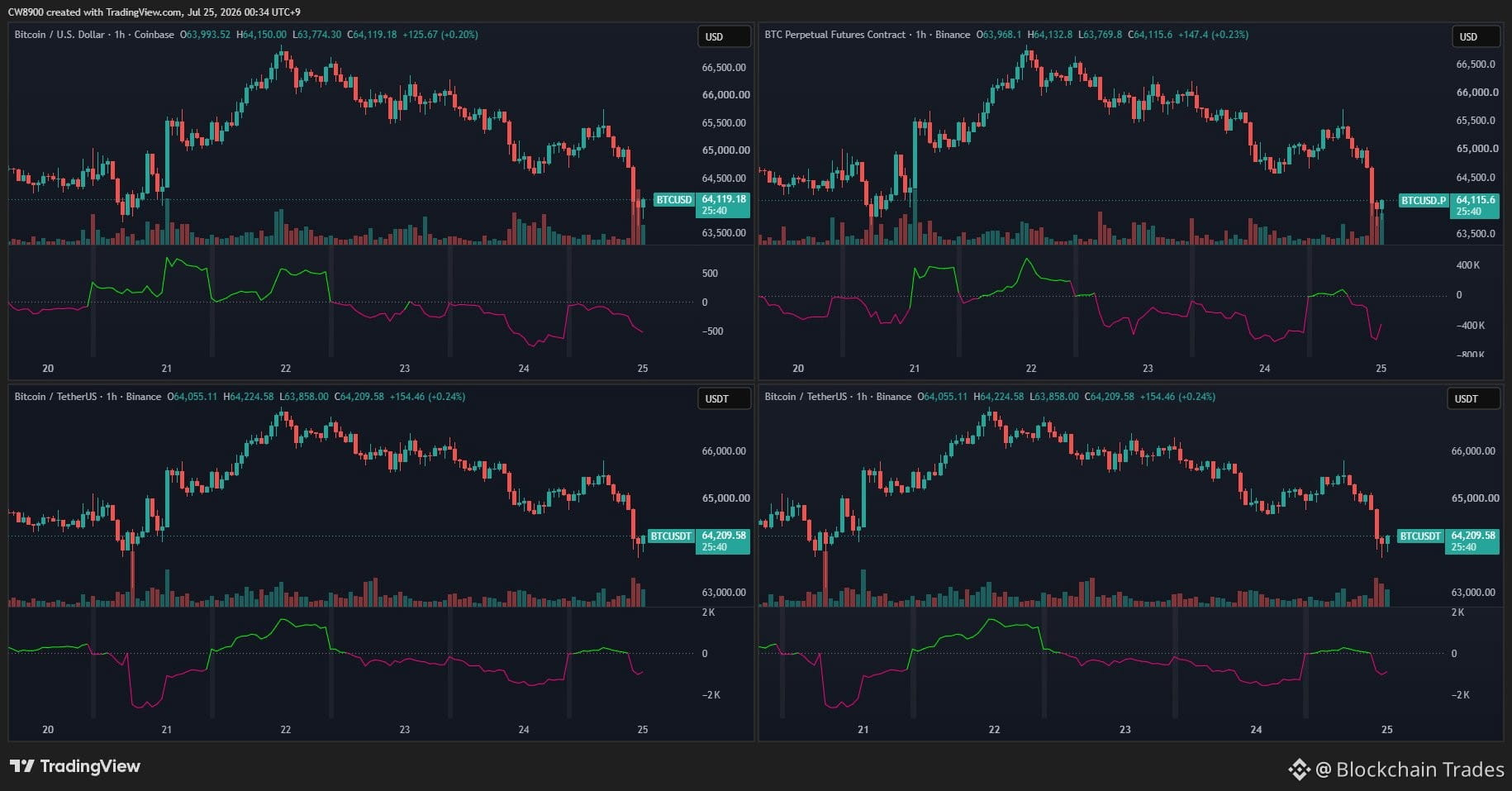
$BTC Short Setup:
{future}(BTCUSDT)
Trendline support has failed and bears are gaining short-term control.
Unless bulls reclaim $65.7K, I'm targeting the 0.382–0.618 Fibonacci support cluster at $63.2K → $61K.
Risk management is everything.
NFA & DYOR
$BTC Short Setup:
Trendline support has failed and bears are gaining short-term control.
Unless bulls reclaim $65.7K, I'm targeting the 0.382–0.618 Fibonacci support cluster at $63.2K → $61K.
Risk management is everything.
NFA & DYOR
Trendline support has failed and bears are gaining short-term control.
Unless bulls reclaim $65.7K, I'm targeting the 0.382–0.618 Fibonacci support cluster at $63.2K → $61K.
Risk management is everything.
NFA & DYOR
55
Nothing has changed.
This is why you don't celebrate moves early.
The levels are simple.
We can analyse all of the technicals and onchain metrics about the bottom being in or close, but at the end of the day, price is king.
We need price to show us its intent.
What we have learned this cycle is that $BITCOIN can and will do things it has never done before.
{alpha}(10x72e4f9f808c49a2a61de9c5896298920dc4eeea9)
For now, we want to see $66k held on the weekly.
If we don't $60,500 is there that I have been eyeing for weeks.
Keep it simple.
Nothing has changed.
This is why you don't celebrate moves early.
The levels are simple.
We can analyse all of the technicals and onchain metrics about the bottom being in or close, but at the end of the day, price is king.
We need price to show us its intent.
What we have learned this cycle is that $BITCOIN can and will do things it has never done before.
For now, we want to see $66k held on the weekly.
If we don't $60,500 is there that I have been eyeing for weeks.
Keep it simple.
77
Bull ruling Binance in worst market
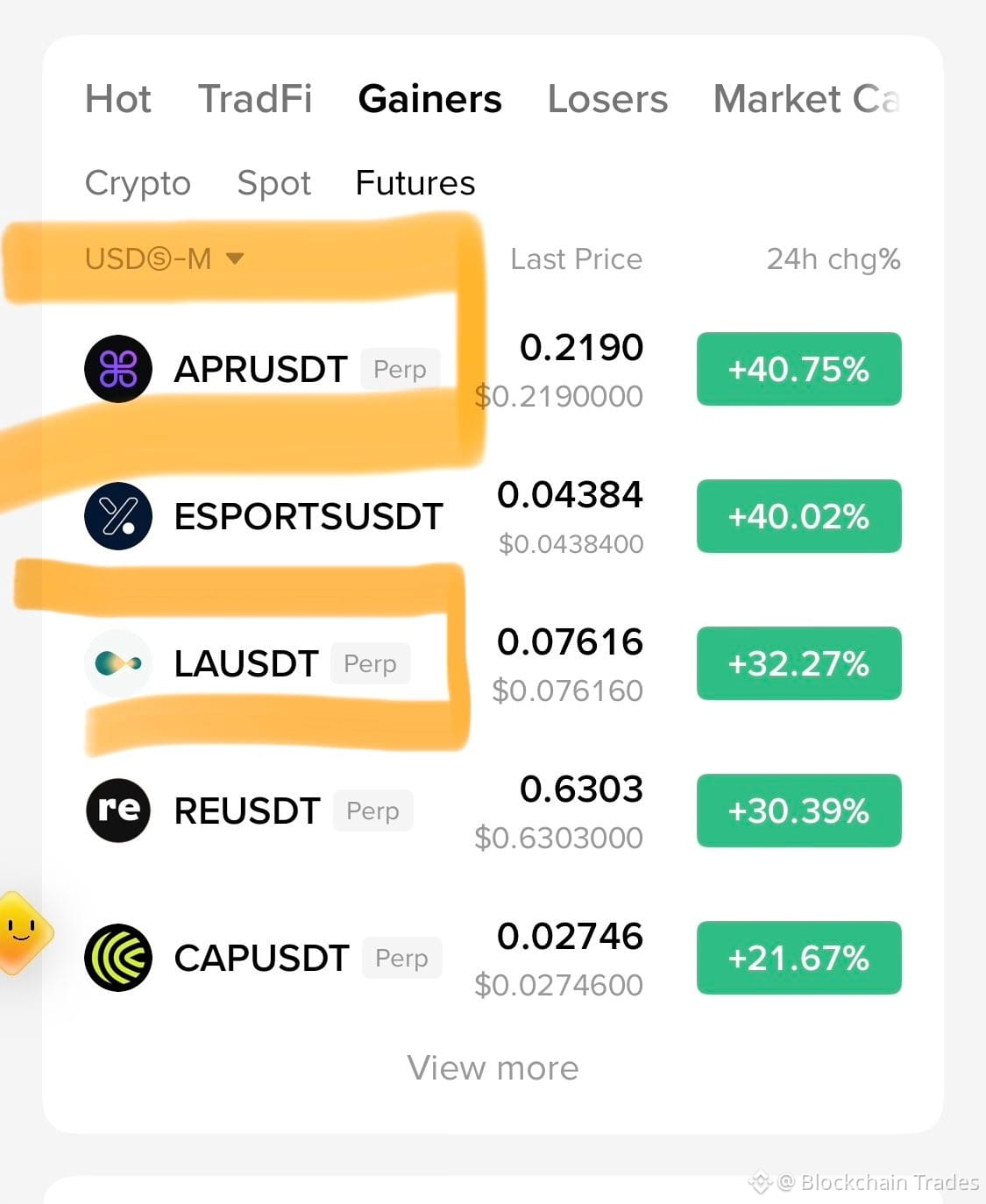
$LA 70% in 3 days
{future}(LAUSDT)
$APR ruling fully recover updated to my subs hold
I know these are hard times but i will make sure u make money
Love u all ❤️
Bull ruling Binance in worst market
$LA 70% in 3 days
$APR ruling fully recover updated to my subs hold
I know these are hard times but i will make sure u make money
Love u all ❤️
$LA 70% in 3 days
$APR ruling fully recover updated to my subs hold
I know these are hard times but i will make sure u make money
Love u all ❤️
39
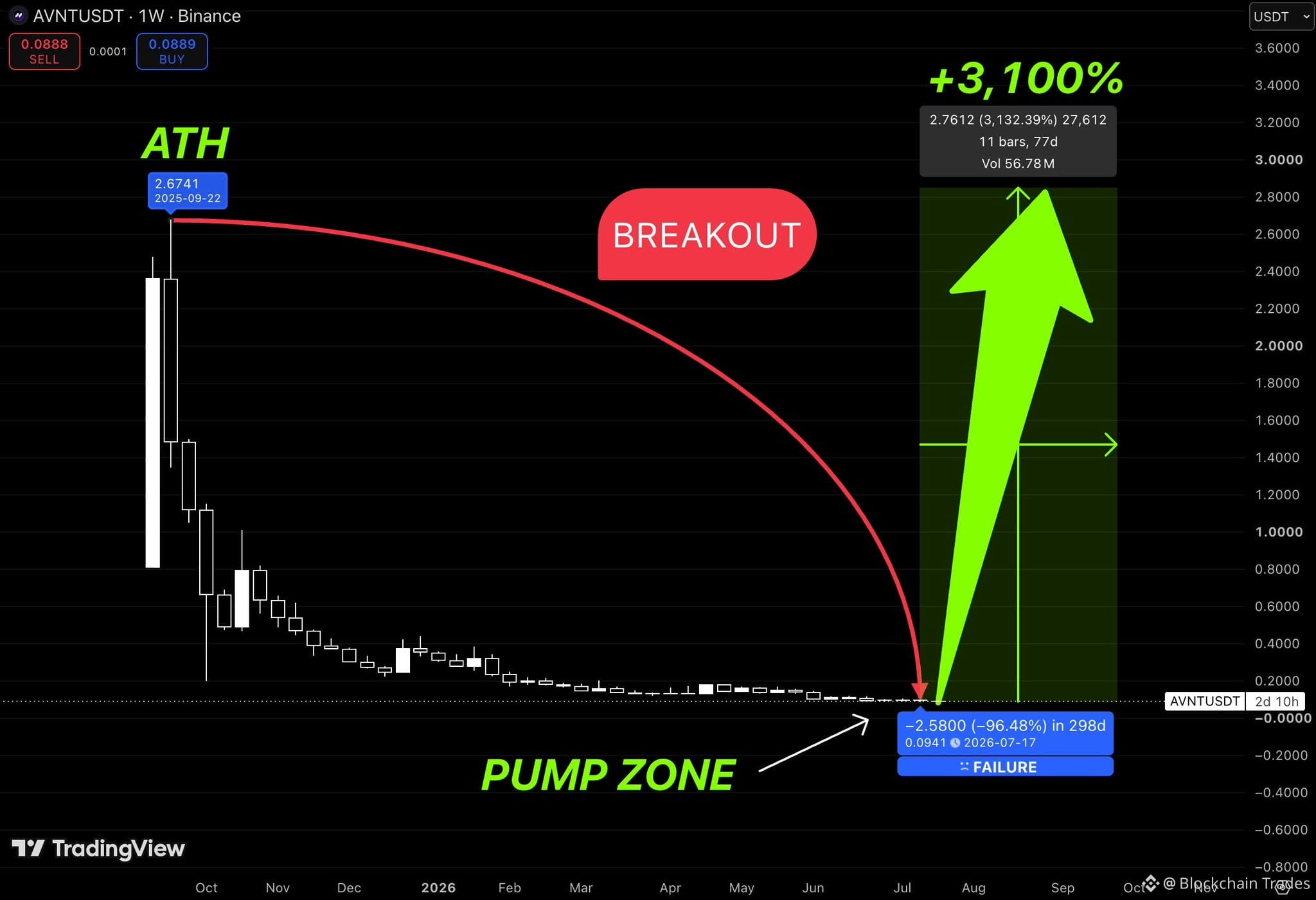
$AVNT has completed one of the deepest corrections on the market, losing more than 96% from its all-time high and entering a prolonged accumulation phase.
After months of relentless selling pressure, price has stabilized near historical lows where downside appears increasingly limited compared to the potential upside.
{future}(AVNTUSDT)
This type of structure is often seen near the end of major bear markets, when volatility contracts, weak hands exit the market, and long-term accumulation begins.
The current price is sitting inside what could become a major demand zone, making this one of the most interesting risk-to-reward areas on the chart.
If buyers manage to defend this support and reclaim momentum, the first major confirmation would come from a breakout above the long-term descending structure that has capped every rally since the all-time high.
A successful breakout would signal a complete shift in market structure and could mark the beginning of a new expansion cycle.
From current levels, the long-term projection points toward the $3 region, representing a potential move of roughly +3,100%.
That target would also place AVNT back near its previous cycle highs, where price is likely to encounter significant resistance for the first time.
The recovery is unlikely to happen in a straight line.
Strong rallies are typically interrupted by corrections and consolidation phases, allowing the market to build momentum before continuing higher.
As long as price continues to hold the current accumulation zone, the broader structure remains constructive and favors a bullish reversal rather than continued downside.
If $AVNT confirms a breakout from this long-term base, it could become one of the strongest recovery stories of the next crypto market cycle.
$AVNT has completed one of the deepest corrections on the market, losing more than 96% from its all-time high and entering a prolonged accumulation phase.
After months of relentless selling pressure, price has stabilized near historical lows where downside appears increasingly limited compared to the potential upside.
This type of structure is often seen near the end of major bear markets, when volatility contracts, weak hands exit the market, and long-term accumulation begins.
The current price is sitting inside what could become a major demand zone, making this one of the most interesting risk-to-reward areas on the chart.
If buyers manage to defend this support and reclaim momentum, the first major confirmation would come from a breakout above the long-term descending structure that has capped every rally since the all-time high.
A successful breakout would signal a complete shift in market structure and could mark the beginning of a new expansion cycle.
From current levels, the long-term projection points toward the $3 region, representing a potential move of roughly +3,100%.
That target would also place AVNT back near its previous cycle highs, where price is likely to encounter significant resistance for the first time.
The recovery is unlikely to happen in a straight line.
Strong rallies are typically interrupted by corrections and consolidation phases, allowing the market to build momentum before continuing higher.
As long as price continues to hold the current accumulation zone, the broader structure remains constructive and favors a bullish reversal rather than continued downside.
If $AVNT confirms a breakout from this long-term base, it could become one of the strongest recovery stories of the next crypto market cycle.
216
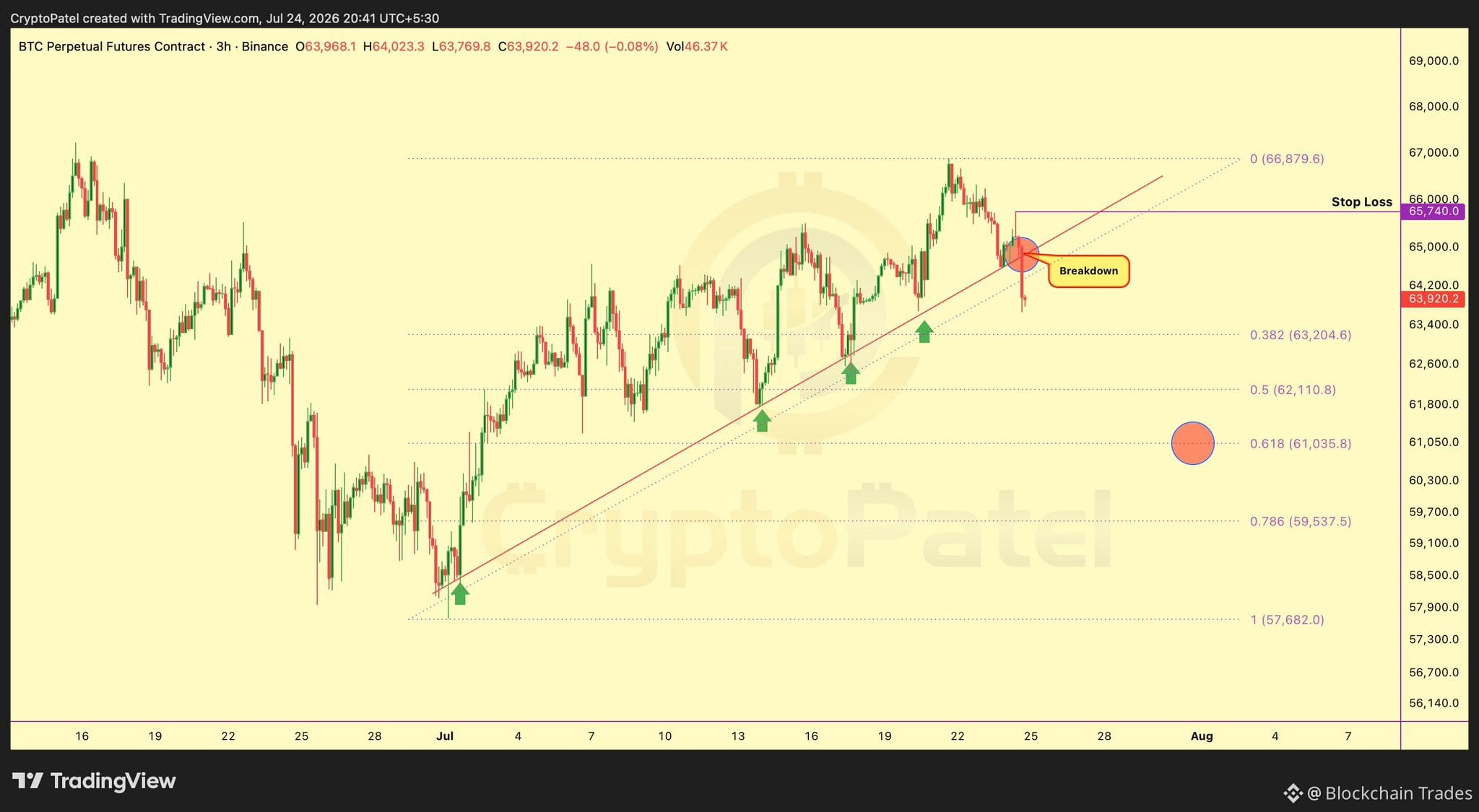
$BTC Short Setup:
{future}(BTCUSDT)
Trendline support has failed and bears are gaining short-term control.
Unless bulls reclaim $65.7K, I'm targeting the 0.382–0.618 Fibonacci support cluster at $63.2K → $61K.
Risk management is everything. NFA & DYOR
$BTC Short Setup:
Trendline support has failed and bears are gaining short-term control.
Unless bulls reclaim $65.7K, I'm targeting the 0.382–0.618 Fibonacci support cluster at $63.2K → $61K.
Risk management is everything. NFA & DYOR
Trendline support has failed and bears are gaining short-term control.
Unless bulls reclaim $65.7K, I'm targeting the 0.382–0.618 Fibonacci support cluster at $63.2K → $61K.
Risk management is everything. NFA & DYOR
30
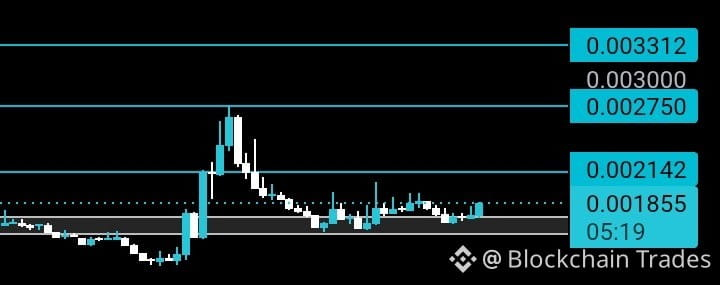
$TLM is bouncing from support and looking strong.
{future}(TLMUSDT)
This could be the start of a nice move. Keep an eye on it.
$TLM is bouncing from support and looking strong.
This could be the start of a nice move. Keep an eye on it.
This could be the start of a nice move. Keep an eye on it.
1
139
🐋 $BANK Whale Order Update
{future}(BANKUSDT)
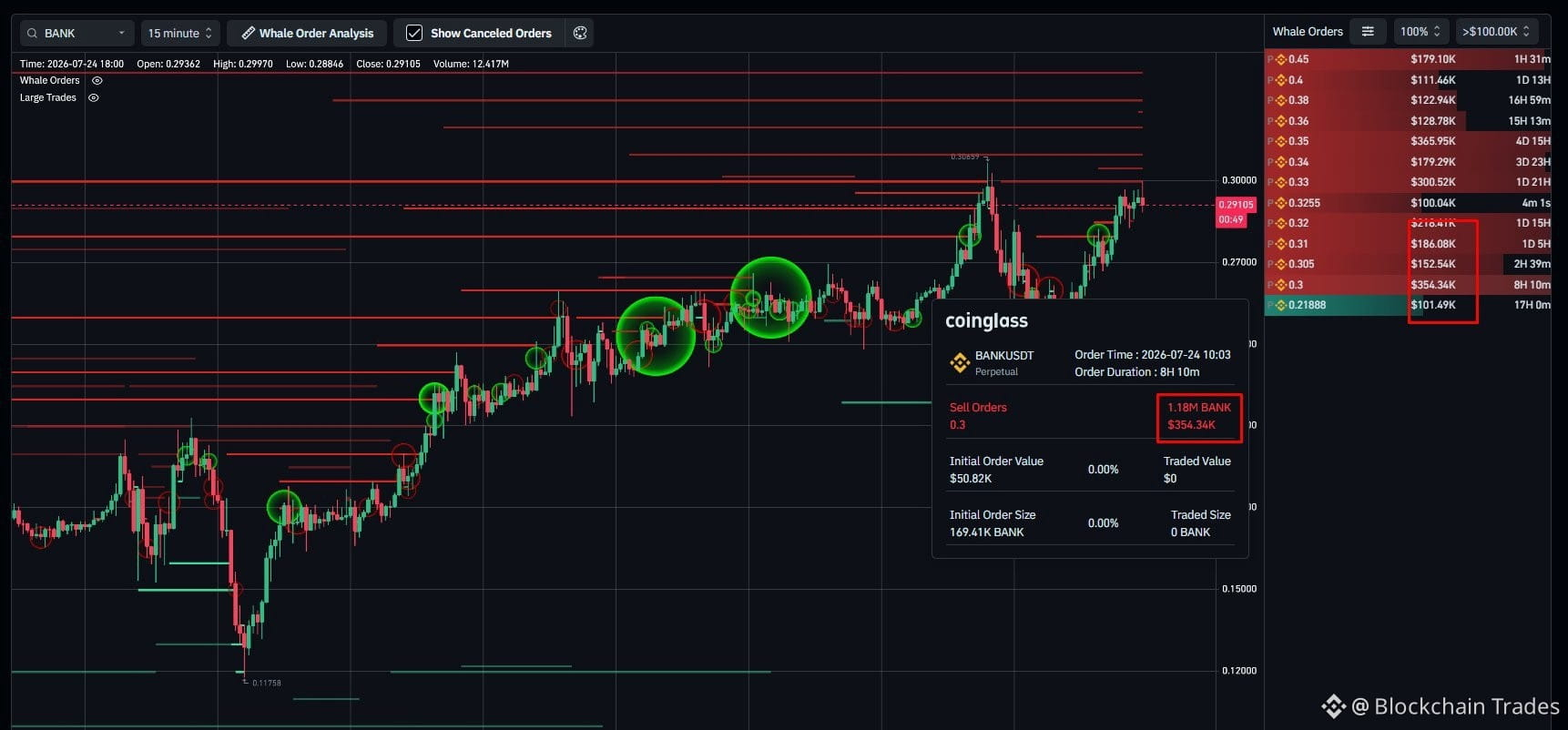
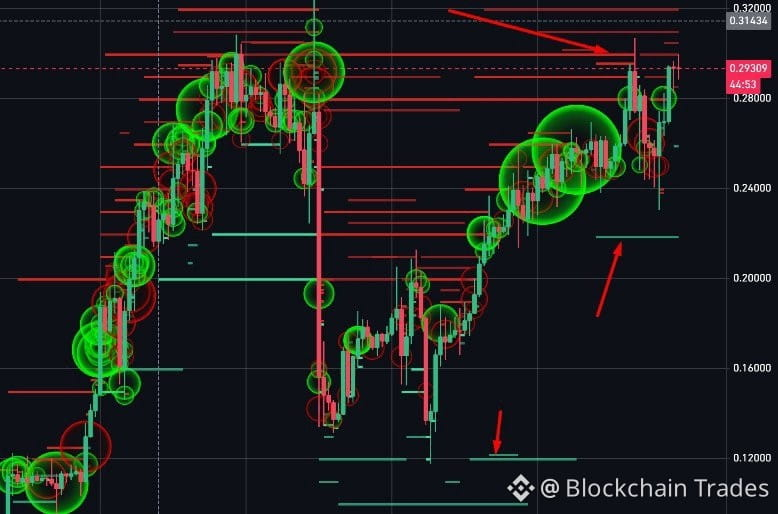
Massive sell walls are stacked at $0.30–$0.32 🚧
Biggest wall: $0.30 (~1.18M BANK / $354K) 💰
If buyers absorb the pressure, continuation toward the next resistance is likely 📈👀
Watch the reaction closely.
NFA. DYOR. #BANK #Crypto #Altcoins🐋
🐋 $BANK Whale Order Update
Massive sell walls are stacked at $0.30–$0.32 🚧
Biggest wall: $0.30 (~1.18M BANK / $354K) 💰
If buyers absorb the pressure, continuation toward the next resistance is likely 📈👀
Watch the reaction closely.
NFA. DYOR. #BANK #Crypto #Altcoins🐋
Massive sell walls are stacked at $0.30–$0.32 🚧
Biggest wall: $0.30 (~1.18M BANK / $354K) 💰
If buyers absorb the pressure, continuation toward the next resistance is likely 📈👀
Watch the reaction closely.
NFA. DYOR. #BANK #Crypto #Altcoins🐋
40
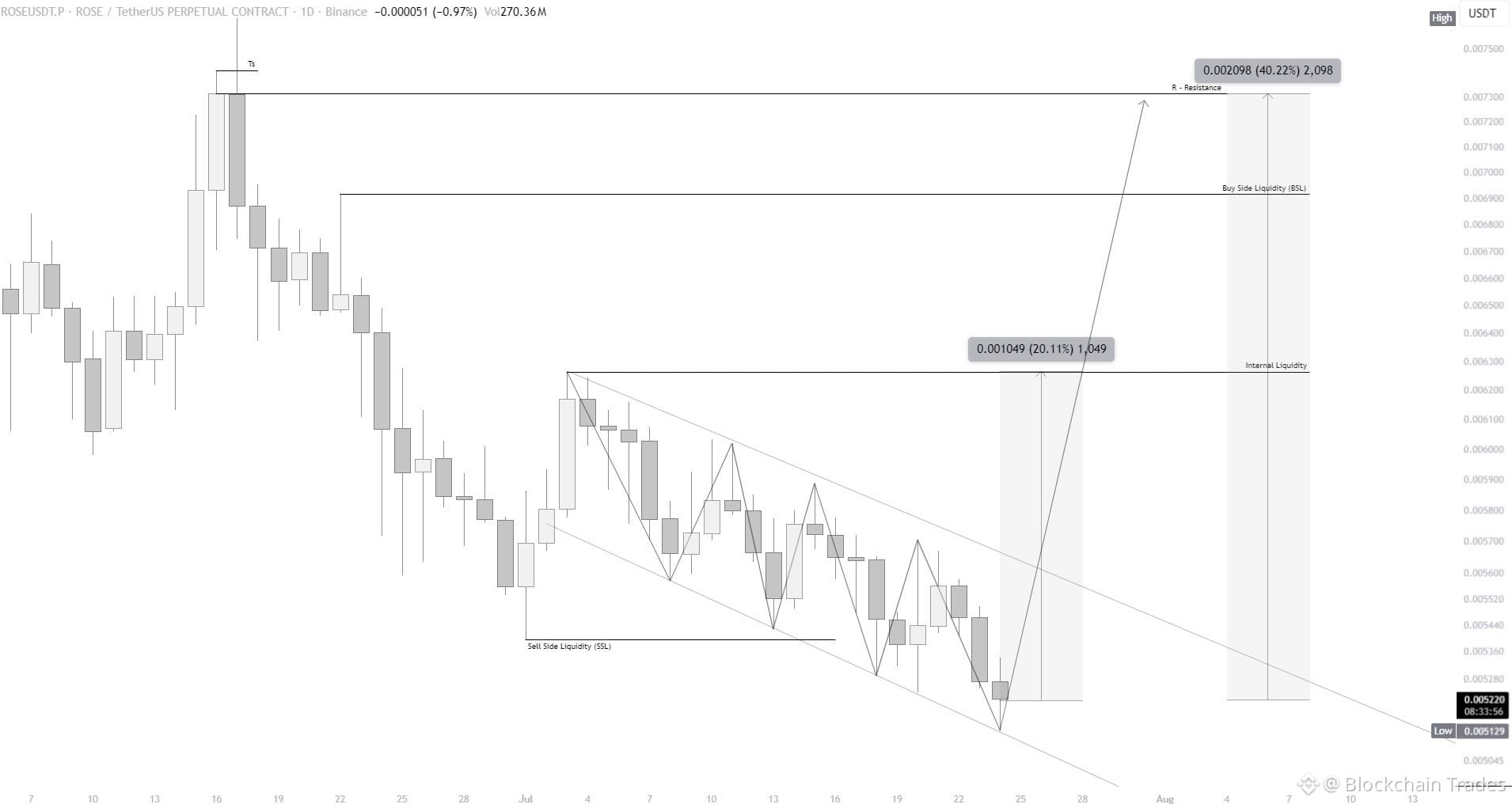
$ROSE - The End of Accumulation!
{future}(ROSEUSDT)
After the price worked with SSL Liquidity, I’m planning to build a long position as a significant amount of compression has formed above.
Position entry zone:
0.005225$ - 0.005030$
Targets: 0.005770$ 0.006260$ 0.007315$
Stop-loss:
0.004790$
Potential impulse: +40% within the next few days.
$ROSE - The End of Accumulation!
After the price worked with SSL Liquidity, I’m planning to build a long position as a significant amount of compression has formed above.
Position entry zone:
0.005225$ - 0.005030$
Targets: 0.005770$ 0.006260$ 0.007315$
Stop-loss:
0.004790$
Potential impulse: +40% within the next few days.
After the price worked with SSL Liquidity, I’m planning to build a long position as a significant amount of compression has formed above.
Position entry zone:
0.005225$ - 0.005030$
Targets: 0.005770$ 0.006260$ 0.007315$
Stop-loss:
0.004790$
Potential impulse: +40% within the next few days.
19
Article
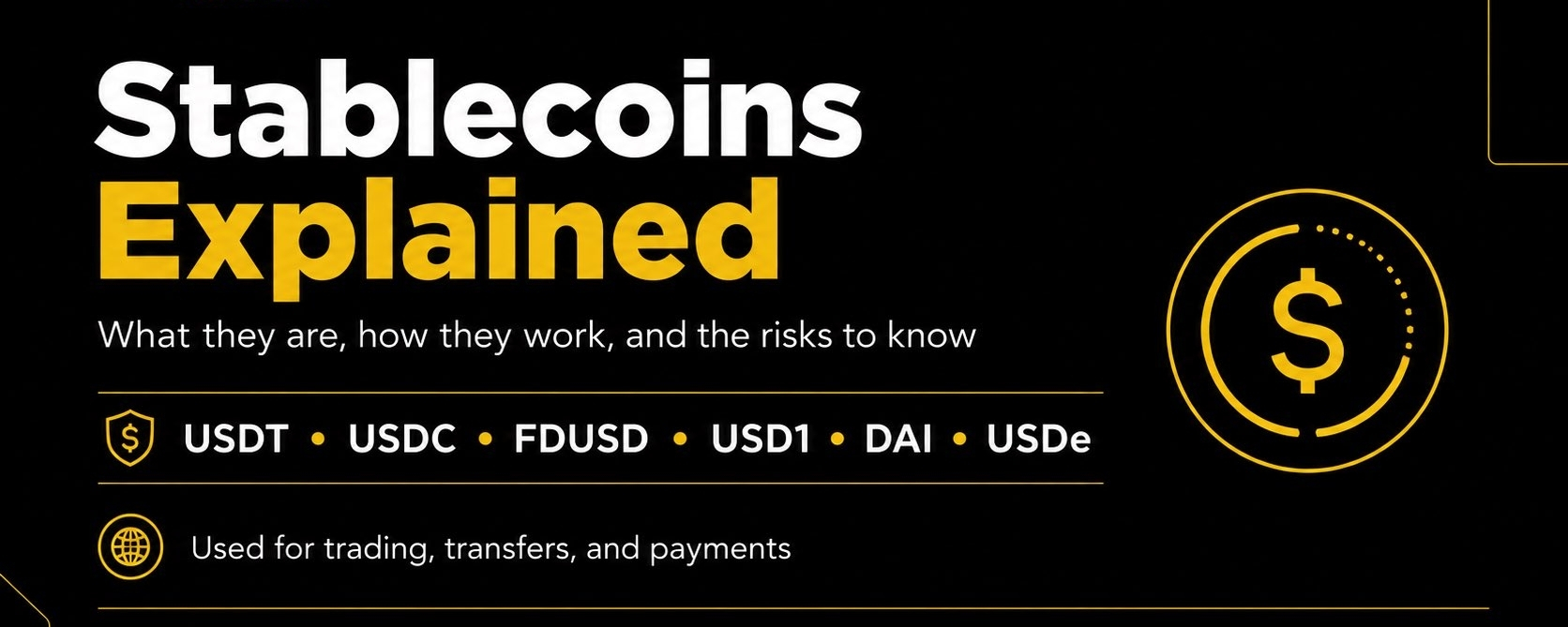
Stable coin 🪙STABLECOINS are often called the “digital cash” of crypto, but not every stablecoin works in the same way.
They are tokens designed to stay close to a fixed value, usually $1. Most maintain that price by holding reserves, accepting redemptions, and using market arbitrage to bring the token back toward its peg.
The major names beginners should know are:
$USDT by Tether
The largest and most widely used stablecoin, with roughly $183B in circulation. Its biggest strength is deep liquidity and broad support across exchanges and blockchains. Tether says USDT is backed by reserves worth at least as much as the tokens issued.
$USDC by Circle
The second-largest stablecoin, with around $74B in circulation. It is backed by cash and highly liquid cash-equivalent assets, with most reserves held through a government money-market fund. USDC is commonly used for payments, institutional settlement and DeFi.
$USDS and DAI by Sky
These are decentralized-finance-focused stablecoins. Unlike simple bank-reserve models, they rely on collateral, smart contracts and protocol governance. This provides more onchain functionality, but also introduces collateral, governance and smart-contract risks.
$USD1 by World Liberty Financial
A newer dollar-backed stablecoin, currently among the larger stablecoins at roughly $4B in circulation. It is redeemable 1:1 and backed by dollars, short-term U.S. government assets and government money-market funds, with BitGo serving as issuer and custodian.
$USDe by Ethena
USDe is different from traditional fiat-backed stablecoins. It uses crypto collateral and hedging positions to target dollar stability. It may offer additional yield opportunities, but it also carries exchange, funding-rate, collateral and strategy risk.
$FDUSD and $USDG
These are reserve-backed digital dollars used for trading, payments and exchange liquidity. Their availability can depend heavily on the platform, blockchain and user’s region.
Why do people use stablecoins?
For trading, they let users move out of volatile assets without immediately withdrawing to a bank.
For payments, they offer a more stable unit than Bitcoin or other volatile tokens.
On #binance , stablecoins are also used across Spot Trading, Futures, Simple Earn, payments, and campaign rewards. But users should always check which stablecoin is supported in their region and understand how it is backed.
The most important thing to remember is this:
A stablecoin may stay close to $1, but it is not risk-free.
Before using one, check the issuer, reserves, redemption process, network, smart contract, liquidity, and regional restrictions.
For beginners, USDTis usually the most liquid for trading, while $USDC is often prefe
Stablecoins are becoming the bridge between crypto trading, payments, and real-world money.
NFA. DYOR.
#Binance� #BinanceAcademy #LearnWithBinance
Stable coin 🪙
STABLECOINS are often called the “digital cash” of crypto, but not every stablecoin works in the same way.
They are tokens designed to stay close to a fixed value, usually $1. Most maintain that price by holding reserves, accepting redemptions, and using market arbitrage to bring the token back toward its peg.
The major names beginners should know are:
$USDT by Tether
The largest and most widely used stablecoin, with roughly $183B in circulation. Its biggest strength is deep liquidity and broad support across exchanges and blockchains. Tether says USDT is backed by reserves worth at least as much as the tokens issued.
$USDC by Circle
The second-largest stablecoin, with around $74B in circulation. It is backed by cash and highly liquid cash-equivalent assets, with most reserves held through a government money-market fund. USDC is commonly used for payments, institutional settlement and DeFi.
$USDS and DAI by Sky
These are decentralized-finance-focused stablecoins. Unlike simple bank-reserve models, they rely on collateral, smart contracts and protocol governance. This provides more onchain functionality, but also introduces collateral, governance and smart-contract risks.
$USD1 by World Liberty Financial
A newer dollar-backed stablecoin, currently among the larger stablecoins at roughly $4B in circulation. It is redeemable 1:1 and backed by dollars, short-term U.S. government assets and government money-market funds, with BitGo serving as issuer and custodian.
$USDe by Ethena
USDe is different from traditional fiat-backed stablecoins. It uses crypto collateral and hedging positions to target dollar stability. It may offer additional yield opportunities, but it also carries exchange, funding-rate, collateral and strategy risk.
$FDUSD and $USDG
These are reserve-backed digital dollars used for trading, payments and exchange liquidity. Their availability can depend heavily on the platform, blockchain and user’s region.
Why do people use stablecoins?
For trading, they let users move out of volatile assets without immediately withdrawing to a bank.
For payments, they offer a more stable unit than Bitcoin or other volatile tokens.
On #binance , stablecoins are also used across Spot Trading, Futures, Simple Earn, payments, and campaign rewards. But users should always check which stablecoin is supported in their region and understand how it is backed.
The most important thing to remember is this:
A stablecoin may stay close to $1, but it is not risk-free.
Before using one, check the issuer, reserves, redemption process, network, smart contract, liquidity, and regional restrictions.
For beginners, USDTis usually the most liquid for trading, while $USDC is often prefe
Stablecoins are becoming the bridge between crypto trading, payments, and real-world money.
NFA. DYOR.
#Binance� #BinanceAcademy #LearnWithBinance
1
114
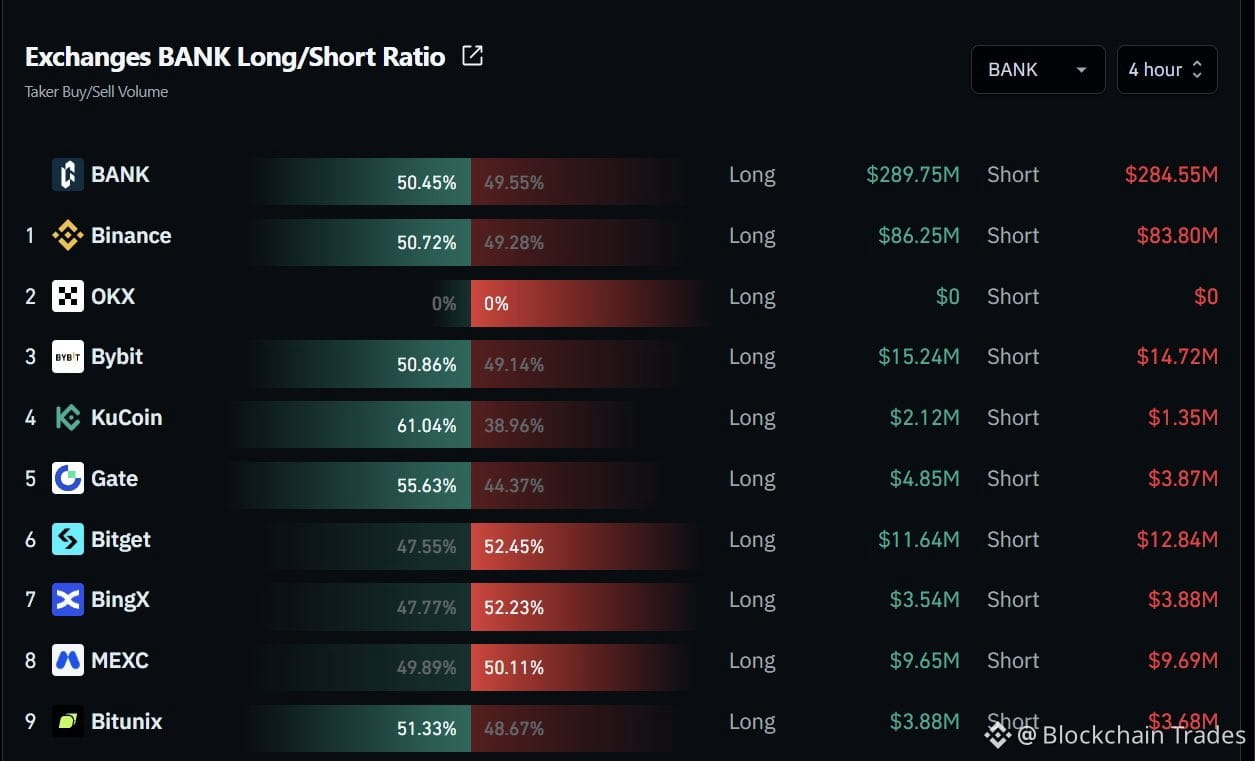
Exchange positioning on $BANK remains nearly balanced.
{future}(BANKUSDT)
Longs hold a slight edge at 50.45%, keeping the short-term trend in favor of the bulls.
Any further upside could put additional pressure on short sellers.
NFA. DYOR.
Exchange positioning on $BANK remains nearly balanced.
Longs hold a slight edge at 50.45%, keeping the short-term trend in favor of the bulls.
Any further upside could put additional pressure on short sellers.
NFA. DYOR.
Longs hold a slight edge at 50.45%, keeping the short-term trend in favor of the bulls.
Any further upside could put additional pressure on short sellers.
NFA. DYOR.
198
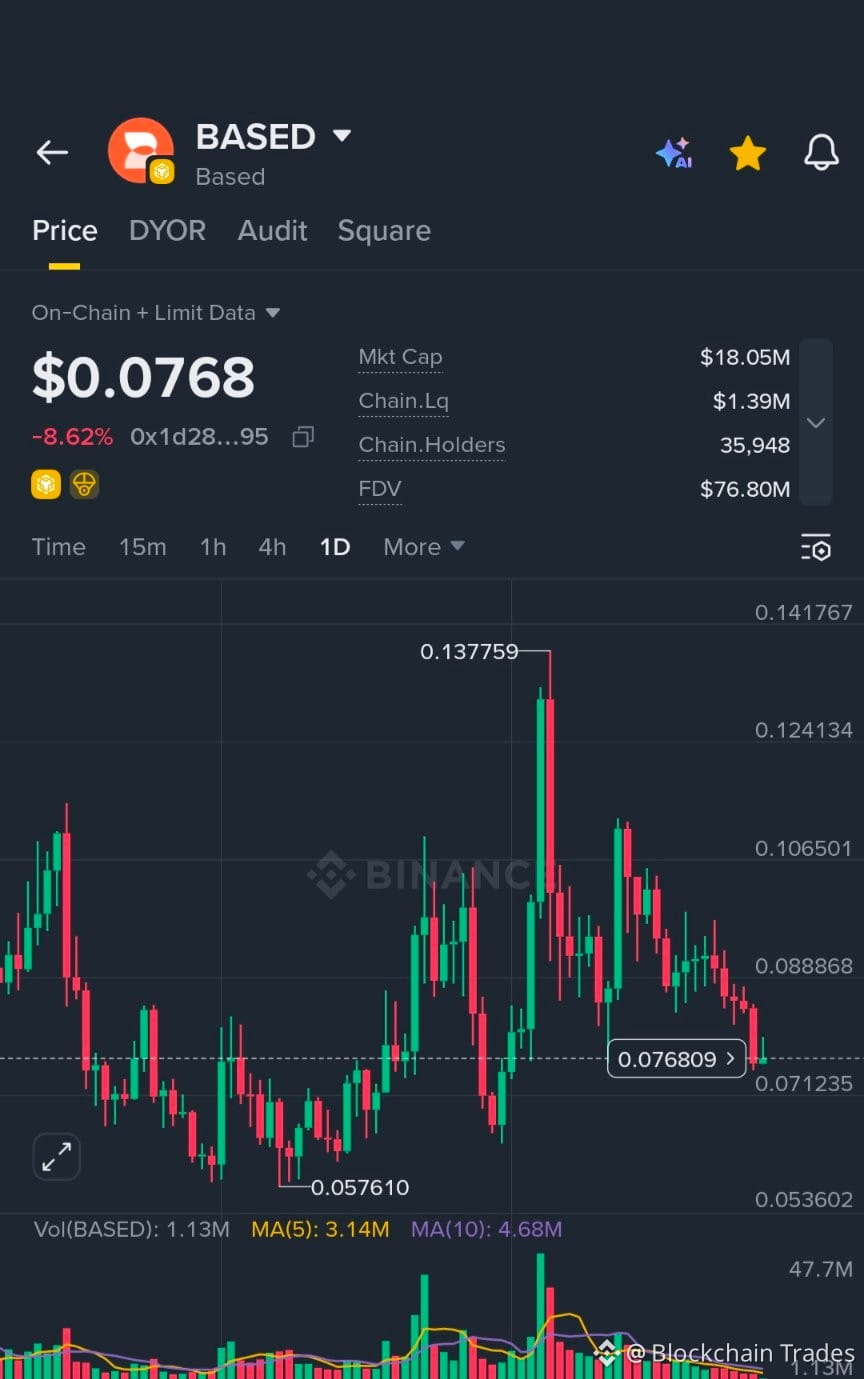
$BASED is sitting directly on a key support zone around $0.071–$0.076.
A clean hold here could trigger a relief bounce, but losing support would weaken the setup.
Watching closely. DYOR. NFA.
{alpha}(560x1d28d989f9e3ccb8b15d0cec601734514f958e4d)
$BASED is sitting directly on a key support zone around $0.071–$0.076.
A clean hold here could trigger a relief bounce, but losing support would weaken the setup.
Watching closely. DYOR. NFA.
A clean hold here could trigger a relief bounce, but losing support would weaken the setup.
Watching closely. DYOR. NFA.
58
$DEXE hit my prediction price too fast
100% Accuracy
{future}(DEXEUSDT)
Note : Follow for more trades ✅
$DEXE hit my prediction price too fast
100% Accuracy
Note : Follow for more trades ✅
100% Accuracy
Note : Follow for more trades ✅
152
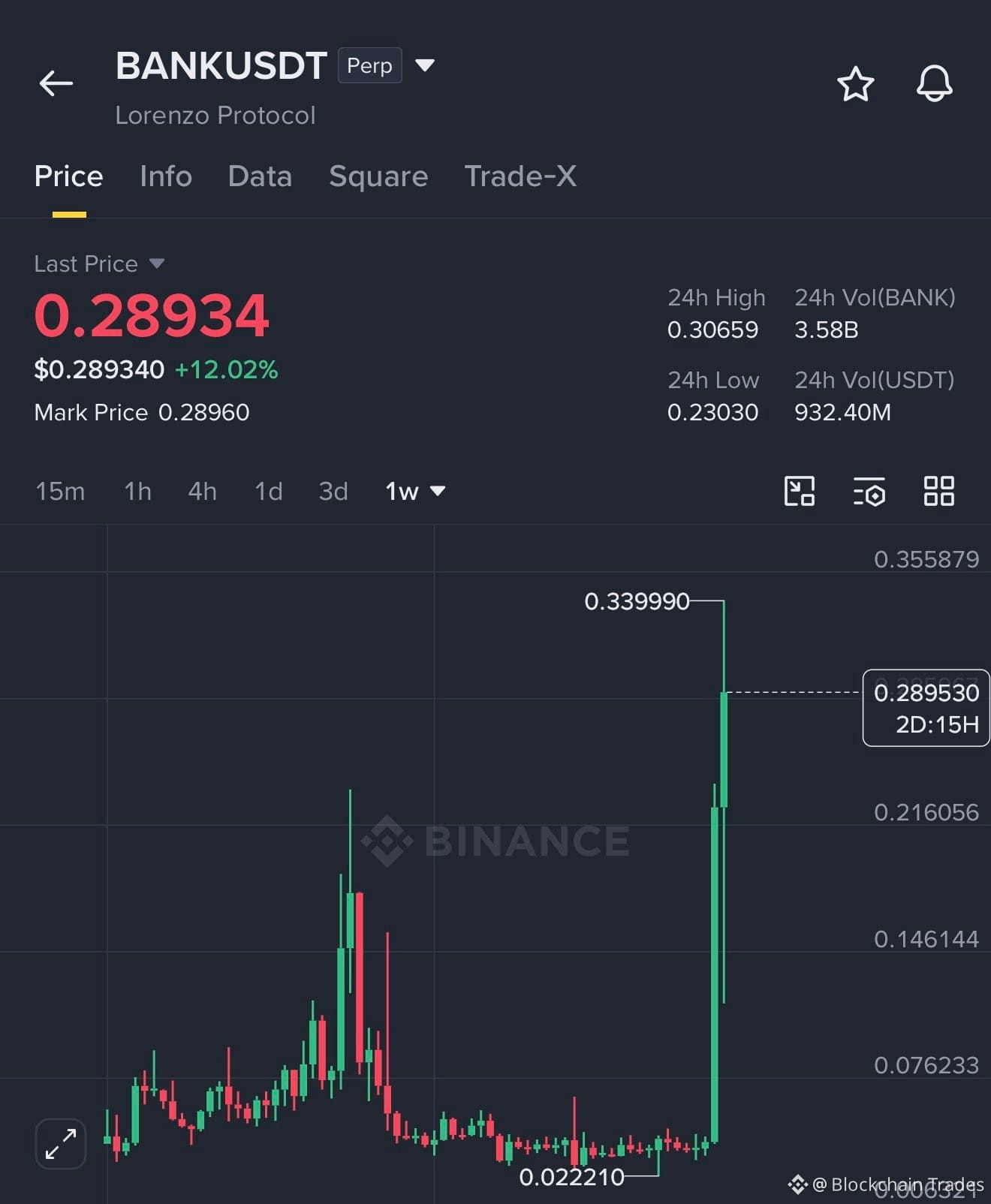
$BANK is very cheap right now 👀
Still sitting near 200M marketcap, $BANK could easily reach 1B marketcap in less then 24 hours 📈
Momentum is right, just hold it tight 🚨
{future}(BANKUSDT)
$BANK is very cheap right now 👀
Still sitting near 200M marketcap, $BANK could easily reach 1B marketcap in less then 24 hours 📈
Momentum is right, just hold it tight 🚨
Still sitting near 200M marketcap, $BANK could easily reach 1B marketcap in less then 24 hours 📈
Momentum is right, just hold it tight 🚨
165
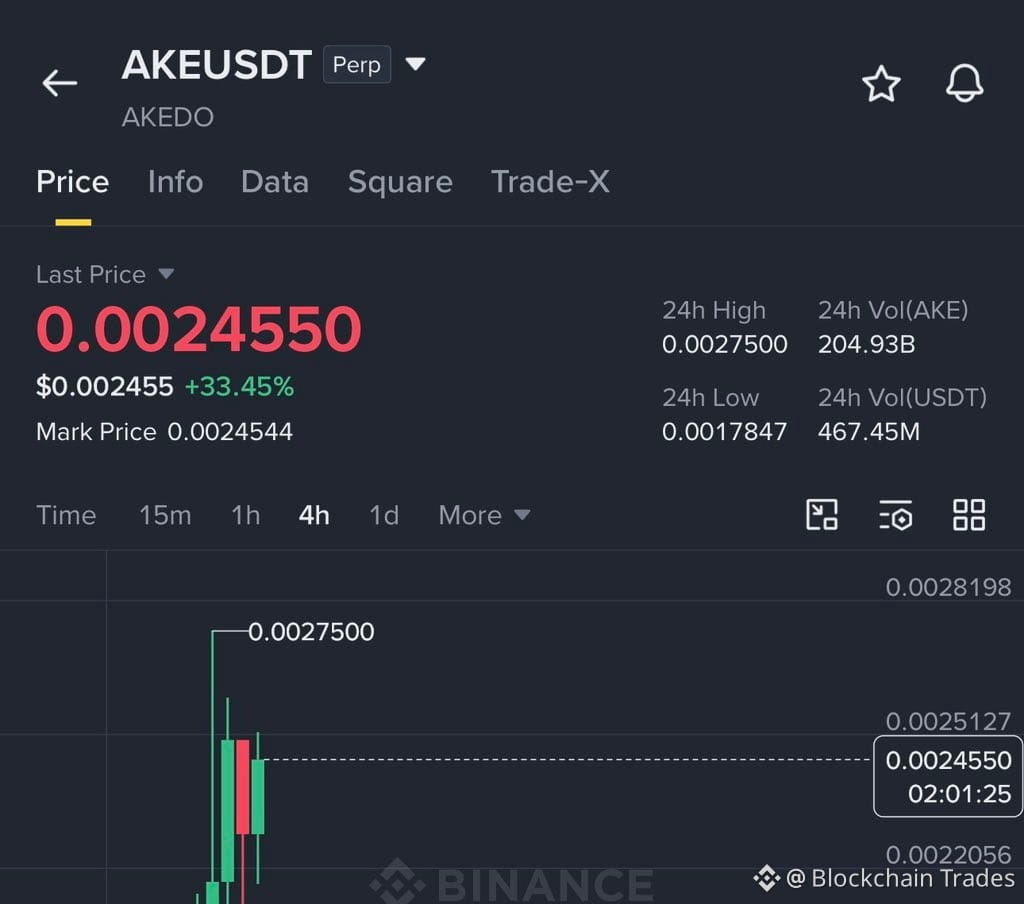
0.00043$ —-> 0.0027$
Solid 7X gain on $AKE so far
{future}(AKEUSDT)
Note : Follow for more trades ✅
0.00043$ —-> 0.0027$
Solid 7X gain on $AKE so far
Note : Follow for more trades ✅
Solid 7X gain on $AKE so far
Note : Follow for more trades ✅
149
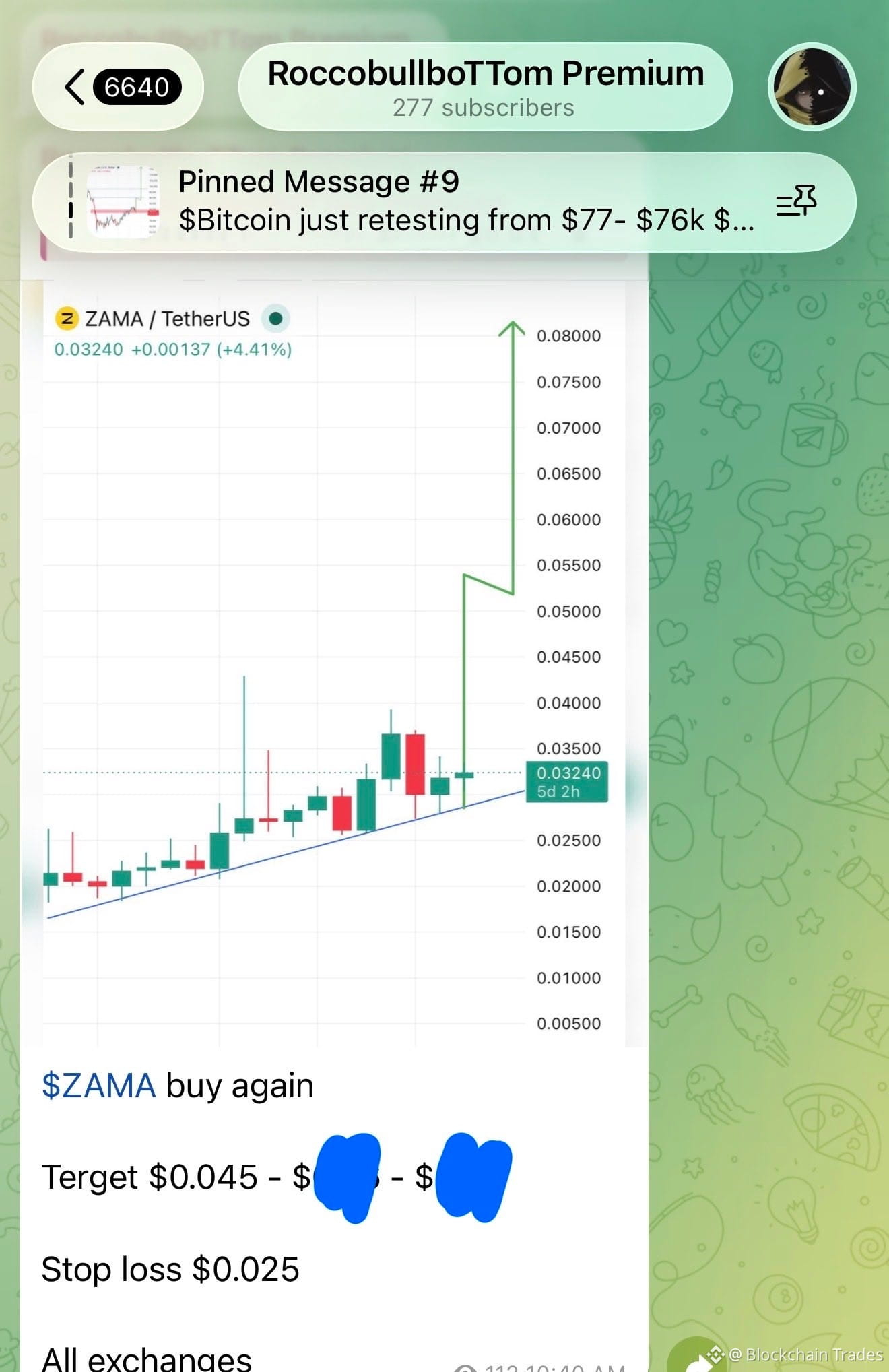
GM, $LUNC Family ☀️
{spot}(LUNCUSDT)
We don't need the CLARITY Act to remind us what conviction looks like.
Real momentum comes from: 🔥 Consistent development
🗳️ Community governance
🔥 Ongoing LUNC burns
⚙️ Builders who keep improving the chain
💎 Holders who stay through every cycle
Regulatory clarity can help the broader crypto market, but Terra Classic's future will be shaped by what this community builds together.
Stay patient. Stay informed. Keep building.
GM, #LUNC. The story isn't over. 🚀
GM, $LUNC Family ☀️
We don't need the CLARITY Act to remind us what conviction looks like.
Real momentum comes from: 🔥 Consistent development
🗳️ Community governance
🔥 Ongoing LUNC burns
⚙️ Builders who keep improving the chain
💎 Holders who stay through every cycle
Regulatory clarity can help the broader crypto market, but Terra Classic's future will be shaped by what this community builds together.
Stay patient. Stay informed. Keep building.
GM, #LUNC. The story isn't over. 🚀

24
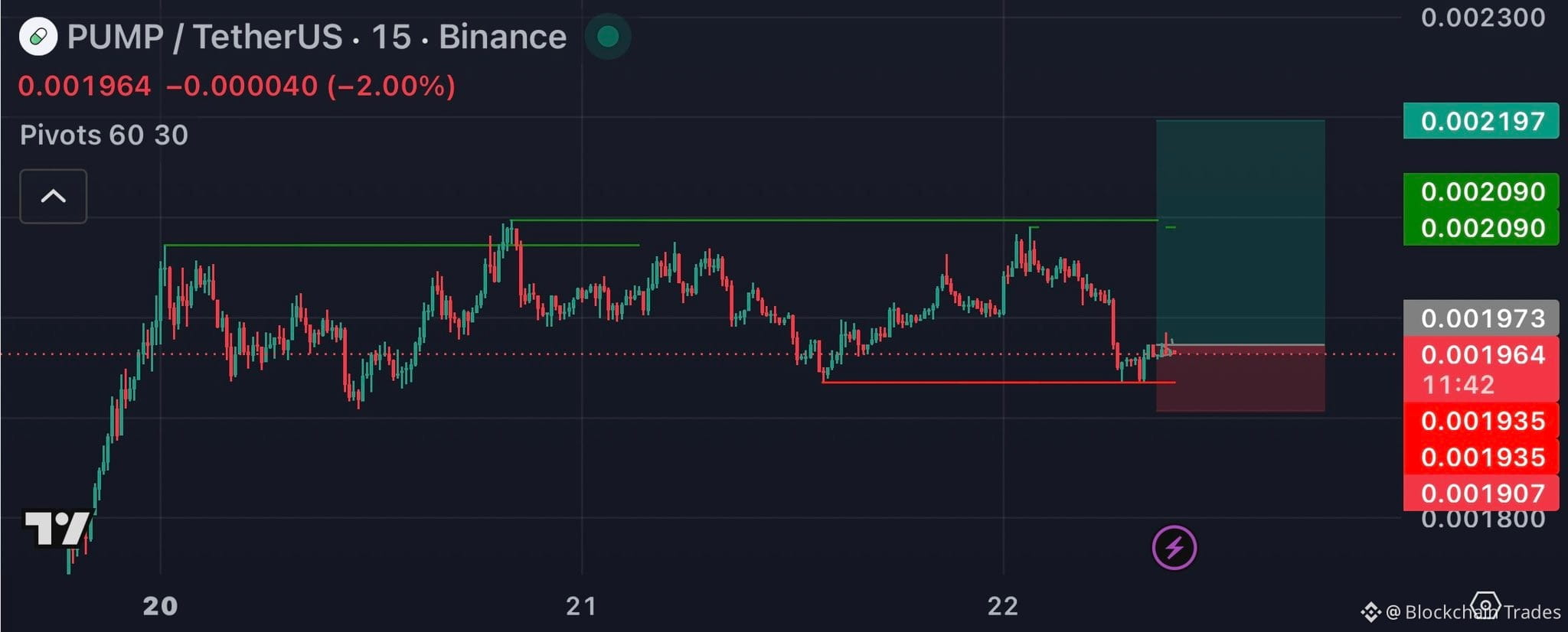
lol nice one $PUMP
{future}(PUMPUSDT)
broke down below entry💔but my tight stop loss never let me down
most of my long entries except $ONDO was invalidated this week 🤦🏽 but i’ve had more take profits than stop losses so overall it’s a win
coming back stronger next week 💪 but the week isn’t over yet
{future}(ONDOUSDT)
we still have wins ahead peeps
lol nice one $PUMP
broke down below entry💔but my tight stop loss never let me down
most of my long entries except $ONDO was invalidated this week 🤦🏽 but i’ve had more take profits than stop losses so overall it’s a win
coming back stronger next week 💪 but the week isn’t over yet
we still have wins ahead peeps
broke down below entry💔but my tight stop loss never let me down
most of my long entries except $ONDO was invalidated this week 🤦🏽 but i’ve had more take profits than stop losses so overall it’s a win
coming back stronger next week 💪 but the week isn’t over yet
we still have wins ahead peeps
128
#WIF Channel Breakout Approaching🔥
Dogwifhat is ready to break the descending channel pattern on the daily chart👩💻
Strong support zone near $0.14 is preventing any deeper decline, keeping bullish pressure alive and growing💪
Target levels:
🎯 $0.26
🎯 $0.47
🎯 $0.75
🎯 $1.30
One confirmed candle above resistance changes everything📈
Dogwifhat is ready to break the descending channel pattern on the daily chart👩💻
Strong support zone near $0.14 is preventing any deeper decline, keeping bullish pressure alive and growing💪
Target levels:
🎯 $0.26
🎯 $0.47
🎯 $0.75
🎯 $1.30
One confirmed candle above resistance changes everything📈
99
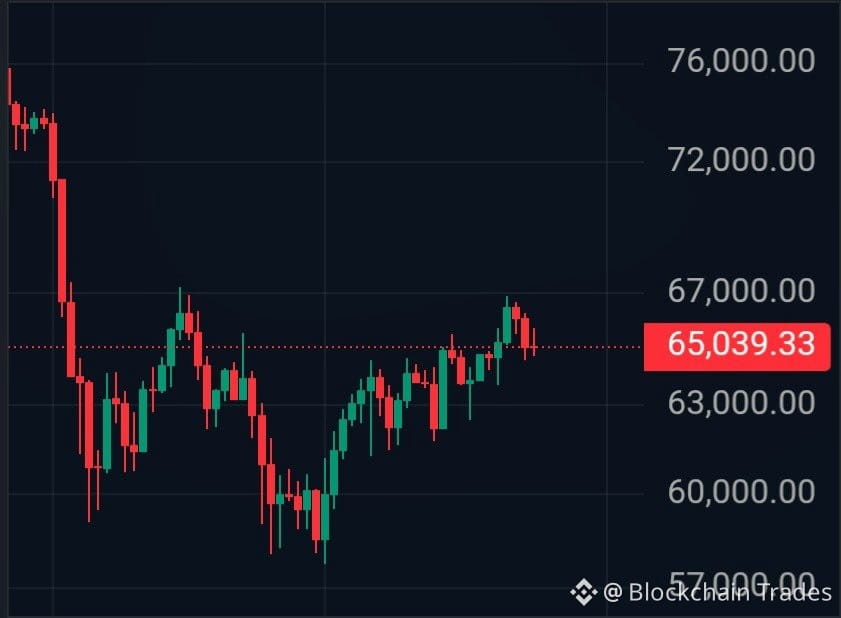
This is good news i was skeptical about $BTC & $ETH rally continuation due to the delay in getting the Clarity act passed but seeing this now, i believe we are good to go
{future}(BTCUSDT)
So far , the $BTC uptrend is still intact too. Everything is aligning ⏳️...
{future}(ETHUSDT)
This is good news i was skeptical about $BTC & $ETH rally continuation due to the delay in getting the Clarity act passed but seeing this now, i believe we are good to go
So far , the $BTC uptrend is still intact too. Everything is aligning ⏳️...
So far , the $BTC uptrend is still intact too. Everything is aligning ⏳️...
27
Log in to explore more content
Join global crypto users on Binance Square
⚡️ Get latest and useful information about crypto.
💬 Trusted by the world’s largest crypto exchange.
👍 Discover real insights from verified creators.
Email / Phone number
Trending Topics
BinanceSAFUFundTransferCompleted7499BTC
0 views
33 Discussing
#BinanceSAFUFundTransferCompleted7499BTC - Update & Prediction*
On Oct 31 at 10:51am ET, Binance completed the on-chain SAFU transfer of *7,499 BTC (∼$581M)* from its disclosed SAFU wallet `1BAuq7Vho2CEkVkUxbfU26LhwQkD` to a receiving wallet, confirmed by Whale Alert / http://mempool.space. The receiving address now holds 7,500 BTC, while SAFU retains 7,500 BTC. 0135
This is part of the 90% replenishment of the $6.3B hack. Binance set aside $6.34B in company funds, using SAFU + Futures Insurance Fund + treasury. SAFU itself was 15,000 BTC (∼$1.17B) before this move. BTC, ETH, USDT, BNB, SOL, USDC, XRP, USD1, RLUSD, ZEC are now 100% backed.
*Prediction (next 7-10 days):* This transfer is the confidence trigger. It proves SAFU is liquid and not just a marketing number. Expect BTC/BNB to reclaim the pre-hack wick as withdrawals resume Nov 1 and PoR ZK-proof lands Nov 3. Binance pledges to rebuild SAFU back to $1B. Near-term upside if BTC holds $77.5K support; resistance $82.5K. Long-term bullish for exchange trust, but SAFU alone can't cover a $6.3B hole — future relies on corporate treasury strength.
Sidra Rehman_444
·0 Likes
·29 views
BinanceRecovery90% of stolen assets
22,053 views
79 Discussing
YiHe:ProofOfReserves:10TokensAt100%Backing
61,282 views
266 Discussing