
交易者日记__精华
467 Posts

交易者日记__精华
Report
Block User
Frequent Trader
6.3 Years
27 Following
133 Followers
217 Liked
Posts
All
Quotes
Videos
·
--
Why are whales buying aggressively during the crash? They’re going against the trend for the first time in nine years—but who’s catching the falling knife?
Whale addresses holding thousands of BTC added 121,117 BTC—worth about $7.4 billion—over 50 days, while BTC fell 29.5%. Ordinary investors are cutting losses; whales are scooping up coins.
According to NewsBTC data, addresses holding 1,000–10,000 BTC added a net 121,117 BTC between September 30 and November 21, worth about $7.4 billion at the reference price. Put simply, retail investors aren’t behind this—it’s deep-pocketed, long-time players making a move.
What’s unusual is the seasonal pattern: in seven of the past nine fourth quarters, this group reduced its holdings. This time, they’re doing the opposite. So far in Q4 2026, they’ve added 4.29%—the biggest fourth-quarter increase since 2020.
Even more interesting is their cost basis: their unrealized profit margin has been battered from 33.9% down to 5.7%, its lowest level of 2026. In other words, these whales chose to keep adding as their paper profits were nearly wiped out, rather than cashing in. BTC is now at $60,144, down another 0.52% over the past 24 hours, so these holdings are probably still barely in the green, if at all.
What this means for the market
- Short term: Whale accumulation doesn’t directly drive prices up, but it has helped put a floor under an important price range—$7.4 billion in buy orders have been absorbing selling pressure there. Coins sold off in panic by retail investors are being scooped up by big-money players. This kind of transfer of coins is often a classic sign of a bottoming zone, though nobody can say how long the bottoming process will take.
- Medium term: Coins are shifting from weak hands to strong hands. Historically, when this kind of structure emerges, the market tends to have more upside potential once a rally begins, because overhead selling pressure has been absorbed. At the same time, whales’ profit margin has fallen to 5.7%, showing that this downturn has left them hurting too. Both sides are waiting for the market to choose a direction.
In a nutshell: Retail investors panicked and handed their coins to people who, for the first time in nine years, are buying against the usual fourth-quarter trend.
🎯 My take
Honestly, whale accumulation is a bullish signal, but it’s not a starting gun—they could be early, or they could get caught in a losing position. I’m about 60% confident in this view; I’ll leave the remaining 40% to the market.
I’m leaning bullish: the $7.4 billion in accumulation is significant, and the nine-year seasonal pattern has been broken, suggesting big-money players see coins at these levels as cheap. In the short term, sustained whale buying around $60,000 is providing support, and the worst of the panic has probably passed. But let’s acknowledge the risk: if macro conditions keep deteriorating, whales could also end up deeply underwater. They’re not gods. I plan to give it a few more days to play out before reassessing, and I’ll keep my position small. If I’m wrong, go easy on me.
What do you make of whales buying the dip against the trend?
$BTC $ETH #BTC #ETH
⚠️ This is not investment advice



321
·
--
Canada’s deficit surges to C$5 billion—will the central bank still dare to cut rates? BTC is already taking a hit
Canada’s widening fiscal deficit could make the central bank more cautious, putting short-term pressure on risk assets.
According to CryptoBriefing, Canada’s budget deficit has reached C$5 billion. When the government spends freely, the central bank has reason to stay alert to inflation—fiscal easing often forces the central bank to be more cautious about interest rates. Put simply, it’s the classic script of “the government borrows and spends too much, so the central bank can’t casually turn on the money taps.”
Here’s how that feeds through to crypto markets: expectations for global macro liquidity are an important anchor for BTC’s price. Canada isn’t the Fed, but its central bank’s stance is one signal of interest-rate conditions in developed economies. If even a central bank in a deficit-running country is leaning cautious, markets may have to wait longer for the “global easing pivot” they’re hoping for. BTC is trading at $59,933.36 today, down 1.20% over 24 hours; ETH is at $1,669.47, down 1.30%. Market sentiment is clearly defensive. BNB ($552.8) and SOL ($72.09) are edging higher against the trend, suggesting that money isn’t fleeing altogether—it’s just rotating. Don’t come down too hard on me if I’m wrong; I’m only watching with a small position myself.
In a nutshell: this isn’t bad news, but rather “good news delayed”—a cautious central bank = cooler easing expectations = one fewer short-term catalyst for BTC.
Impact on the market
- Short term: Risk appetite is under pressure. BTC is likely to keep grinding around $59K, with rebounds lacking a supportive macro narrative. Funds may keep taking shelter in assets with their own narratives, such as BNB and SOL, while large-cap coins are left on the back foot.
- Medium term: A widening fiscal deficit is actually a double-edged sword. In the short term, it pushes the central bank to be cautious. But over the long term, as government debt keeps piling up, the case for fiat currency losing value is strengthened—which is a plus for BTC’s long-term narrative as a hard-money asset. What the market is wrestling with now is simply a timing mismatch: not enough liquidity in the short term, more of it in the long term.
My take
Cautious and on the sidelines. At its current level, BTC lacks a macro catalyst to move higher, while the macro headwinds aren’t severe enough to drive it sharply lower. Most likely, it will move sideways as the market digests the news. ETH is following the broader market, with no independent move around $1,669. I think there’s a 70% chance of continued short-term volatility, with the remaining 30% left to unexpected events—if the Bank of Canada really does strike a hawkish tone at its next meeting, sentiment could take another hit. But over the medium to long term, the risks of deficit monetization remain, and BTC’s story hasn’t changed; only the timing has. Put simply: what’s being tested now isn’t conviction, but patience.
$BTC $ETH #BTC #ETH
⚠️ This is not investment advice
$BNB



348
·
--
📰 European brokers may no longer be able to use Kyrgyzstan’s exchanges: this time, it’s not licenses but clearing channels that are being targeted
According to CoinTelegraph, the EU is about to vote on Kyrgyzstan, and the result could determine whether European brokers can continue using the country’s crypto exchanges to settle trades. Put simply, whether an exchange can be used by European institutions in the future may depend not on whether the exchange itself is licensed, but on which country it is registered in and that country’s relationship with the EU. This is a structural headwind for small and midsize exchanges, but a moat for leading compliant platforms.
In-depth analysis
Why does this news matter?
On the surface, it concerns a single country, Kyrgyzstan. But the key lies in the shift in the underlying logic: after MiCA took effect, the EU is upgrading its regulatory approach from “regulating exchanges” to “regulating every stop along the flow of funds.” In the past, European brokers chose exchanges based on fees and liquidity. Now, their checklist includes another item: in which jurisdiction is your clearing counterparty registered?
The impact on the industry’s structure will be clear. Leading platforms have the resources to build compliant operations across multiple jurisdictions, while smaller and offshore exchanges will be forced out. Countries like Kyrgyzstan have traditionally been home to the back-end operations of many small and midsize platforms. Once a precedent is set for “one-country vetoes,” it’s anyone’s guess which country will be singled out next. This fits a broader trend of recent years: regulators are no longer chasing projects; they are cutting off funding channels. The industry’s market share will become increasingly concentrated among leading exchanges. That is a fairly certain direction.
In a nutshell: the EU isn’t banning a particular exchange; it’s drawing a “country-of-origin line” for exchanges around the world.
Market impact
In the short term, this news is slightly neutral to bearish for crypto prices. BTC is at $60,159.3 today (24-hour change: -0.78%), and ETH is at $1,674.51 (24-hour change: -1.13%). The market was already moving sideways with a weak bias, and this kind of regulatory news has no direct impact on fund flows, so it’s unlikely to cause much of a stir in sentiment.
In the medium term, two things are worth watching. First, it will become more expensive for European users to trade on these offshore exchanges, and liquidity may shift to compliant platforms, changing how trading depth is distributed. Second, if a blanket rule based on place of registration becomes standard practice, the global exchange landscape will consolidate around larger players more quickly. Similar concerns arose around the time MiCA was passed, but they didn’t directly cause a market crash. The market has clearly become better at absorbing regulatory news in recent years.
My overall view is neutral: the impact on the industry’s structure is greater than the impact on prices. 💬 This is a “slow-moving variable.” Don’t expect it to dictate market direction in the short term, but a year from now, we’ll be able to see its mark on the exchange industry landscape.
Put simply, I’m 70% confident that this will increase industry concentration, and the remaining 30% depends on how strictly the policy is implemented—the EU’s approach to enforcing provisions like this is still uncertain. Don’t be too harsh if I’m wrong; I’m just putting my view on record.
What do you think of Europe’s regulatory approach? Could it spread to other regions?
$BTC $ETH #BTC #ETH
This article was not sponsored by any project, and the author does not hold any of the assets mentioned.
⚠️ This is not investment advice. Predictions are for reference only.
#NicheRegionalEvent



348
·
--
🏛️ Ethereum’s Glamsterdam upgrade moves forward, with Hoodi testnet set for December 15: Why is ETH falling instead?
📊 Quick data overview
According to the latest updates from Ethereum developers, the Glamsterdam upgrade is moving forward, and the Hoodi testnet is scheduled for December 15. However, the market reaction has been muted: ETH is currently at $1,671.34, down 1.10% over 24 hours; BTC is also hovering around $59,999.5, down 0.93% over 24 hours. The positive news about the upgrade has yet to translate into buying pressure, and both BTC and ETH are weakening.
💡 Bottom line: Glamsterdam is a clear long-term positive, but the market simply isn’t buying it in the short term. Sentiment is still waiting for macro signals.
🔍 Market analysis
Impact on BTC: BTC is stuck at $59,999.5, just shy of moving back above $60,000. That alone shows a lack of active buying. Glamsterdam is an Ethereum-specific development and has no direct impact on BTC. BTC is still mainly driven by macro liquidity and ETF flows. Put simply, if the broader market doesn’t stabilize, good news about altcoins and ETH won’t make much difference.
Impact on ETH: Progress on the upgrade is a genuine fundamental positive. Glamsterdam involves ongoing protocol-level improvements, and the Hoodi testnet’s December 15 date means development is accelerating rather than being delayed. But the market’s current logic is “sell the good news before it arrives,” and ETH’s 1.10% decline over 24 hours reflects that sentiment. Based on past experience, expectations for the mainnet only start to be priced in once the testnet runs successfully. This is a slow-moving factor, not something that causes a quick rally today and a drop tomorrow.
Outlook for fund flows: In the short term, funds clearly prefer assets with current market catalysts. SOL is up 1.58% today and BNB is up 0.61%, the only ones in the green, showing that risk appetite is present—but ETH hasn’t had its turn. ETH currently looks more like a “buy-the-dip-and-wait” asset: institutions and new investors are focused on the long-term narrative following the upgrade, while short-term traders are watching the broader market. The mismatch in timing between these two groups can lead to the awkward situation of positive news alongside a slow price decline.
💭 A few candid thoughts
Honestly, at this level, I’m leaning toward “positive catalysts are on the way, but sentiment hasn’t caught up.” A clear upgrade roadmap is a good thing, but the December 15 testnet is still some time away, and any macro event in the meantime could overshadow it. I’m personally planning to build a position gradually with a small allocation, rather than going all in just because of a news headline. Those who bought in after seeing the last update are probably waiting for the market to catch on, just like me. I’m about 70% confident in this view; I’ll leave the other 30% to the market.
In a nutshell: Glamsterdam is laying the groundwork for ETH’s long-term future, but today’s market is focused only on short-term sentiment. The positive news and price gains are not on the same wavelength—for now.
What do you think—is this dip a golden opportunity, or will ETH keep grinding lower? Let’s discuss in the comments 👇
$BTC $ETH #BTC #ETH
⚠️ This is not investment advice
#EthereumdevelopersadvanceGlamsterdamupgrade,scheduleHoodiforDec.15
$BNB



303
·
--
🔍 FCC Chair Urges Musk to Build Data Centers in Space: Is There Not Enough Computing Power on Earth Anymore?
Honestly, at first glance this sounds like a joke—data centers in space? But on closer inspection, this is more serious than it sounds.
📊 Key Data
According to media reports, FCC Chair Carr publicly urged SpaceX to speed up its plans for orbital data centers. It’s rare for regulators to proactively “push for progress” like this.
BTC is currently at $60,028.39, down 0.67% over 24 hours; ETH is at $1,673.19, down 0.80%. The market is broadly subdued.
SOL is up 1.94% against the trend, and BNB is up 0.88%. Funds are cautiously testing the waters as they wait and see.
The expansion of AI computing power on Earth is running into three major bottlenecks: electricity, land, and cooling. These are the underlying reasons for considering orbital solutions.
📝 Analysis
1. Regulators are proactively pushing for progress—a sign the tide is turning
In the past, most people’s first reaction to talk of space data centers was, “That’s just a PowerPoint project.” But this time, the FCC chair has publicly urged SpaceX to get moving. Regulators actively giving an emerging industry the green light is itself a signal. Computing power is no longer just a business issue; it’s being treated as national infrastructure. As a close relative of the “computing power narrative,” crypto assets stand to benefit from this broader trend over the long term.
2. Why is BTC getting swept up in this narrative?
AI’s competition for electricity has been one of miners’ biggest headaches over the past two years. AI data centers are guzzling electricity on the ground, squeezing mining operations’ costs and site options. If computing power starts moving into space, pressure on the terrestrial power supply could ease, potentially benefiting the mining industry. And once the “computing power in space” narrative catches on with the market, BTC—as the flagship asset representing “digital computing power/proof of work”—will have another layer to its valuation story.
In a nutshell: Money is looking for a new story about “unlimited computing power,” and space is currently the most imaginative way to tell it.
3. Don’t get carried away—it’s still a long way from reality
Cooling, maintenance, and launch costs are all major challenges for orbital data centers. Even with SpaceX’s capabilities, this is a timeline measured in years. In the short term, it’s a narrative catalyst, not a change in fundamentals. The market is slightly down or up across the board over the past 24 hours, suggesting investors haven’t taken this news seriously yet; sentiment has priced it at zero.
💡 Conclusion
My view: This is an early seed of a long-term narrative, not a signal for a short-term surge. With BTC hovering around $60,028.39, this kind of news is mostly “story ammunition” for the bulls. If SpaceX produces verifiable orbital computing nodes within the next 12–24 months, this narrative could reprice the entire crypto sector. I’m 60% confident in this view; the other 40% depends on Musk’s execution and launch schedule. Take it easy if I’m wrong—I’m only watching from the sidelines myself and haven’t added to my position because of this.
What do you think? Are space data centers a genuine growth trend or a Tesla-style story about future promises? 👀
$BTC $ETH #BTC #ETH
This article has received no sponsorship from any project team. The author does not hold any of the stocks mentioned, and crypto holdings have been disclosed accurately.
⚠️ This does not constitute investment advice
#FCCChairCarrpushesSpaceXtomovefastonorbitaldatacenters
$BNB



340
·
--
ETH falls below a psychological threshold, down just 0.36%—why is the market so nervous?
According to Binance market data, on November 27, 2026, ETH fell below 1,700 USDT, trading at around 1,697 USDT, down just 0.36% over 24 hours; its current live price is $1,656.71 (-1.58%). BTC was also hovering at $59,444.99 (-1.46%) over the same period. The broader market is slowly grinding lower, with no plunge and no panic—just a slow, steady decline. Put simply, this is a classic low-volume drift downward: no one is dumping, but no one is stepping in to buy, either.
In a nutshell: It’s not that someone is selling; it’s that the buyers have disappeared.
In-Depth Analysis
Why does this news matter?
The significance of a psychological threshold is emotional, not technical. Breaking below a round-number level can mechanically trigger a large number of stop-loss orders and leveraged liquidations, creating forced selling pressure. But the real signal this time is the size of the decline itself—a 24-hour drop of 0.36% suggests the market isn’t panic-selling; it’s slowly drifting lower without a clear direction.
This kind of situation is usually rooted in a lull in capital flows: no new buying is coming in, and existing investors are sitting on the sidelines. BTC and ETH are weakening in tandem, but only moderately, while BNB is basically flat ($548.55, +0.04%). This suggests the issue isn’t with any one coin, but with a broader pullback in risk appetite—though things haven’t reached the point of collapse.
Viewed in the context of market cycles, this kind of “slow simmer lower” often occurs at an inflection point when the market is choosing a direction: bulls lack the strength to push prices up, while bears can’t be bothered to press their shorts. Similar periods in the past have shared a common pattern: volatility contracts first, then the market makes a sudden directional move.
Market Impact
In the short term, breaking below a round-number level brings another wave of liquidation pressure and weighs on sentiment. That much has to be acknowledged. ETH’s current price of $1,656.71 already reflects this pressure, and BTC’s simultaneous weakness ($59,444.99) means there’s no independent move to hedge against it.
In the medium term, the real question is whether the slow decline will turn into a high-volume sell-off. If trading volume rises noticeably and losses accelerate on a particular day, it would suggest that sidelined capital is starting to leave, and the trend would truly be weakening. If prices hold steady at lower levels while volume continues to shrink, it’s more likely to be a bottoming process after coins change hands.
Historically, slow declines below round-number levels tend to end in one of two ways: either sentiment bottoms out and the market reverses, or a low-volume decline develops into a sustained downtrend. The dividing line between the two is trading volume, not price itself.
My Take
💡 I’m personally cautious. I’m 60% confident in my short-term bearish outlook and leaving the remaining 40% up to the market. The current low-volume decline looks more like a continuation of the downtrend than a bottom. Unless I see a clear change in volume dynamics, I won’t try to guess where the low is. Take it easy if I’m wrong—I’m mostly sitting on the sidelines for now.
This article was not sponsored by any project, and the author does not hold any of the assets mentioned.
$BTC $ETH #BTC #ETH
⚠️ This is not investment advice
#Ethereum(ETH)DropsBelow1,700USDTwitha0.36%Decreasein24Hours
$BNB


93
·
--
📰 We just finished talking about ETH’s slow bleed, and now BTC suddenly falls below 60,000: Who’s selling this time?
I just wrote a post the other day about ETH losing a key psychological level, and now there’s a new development in the story—this time, it’s BTC’s turn.
According to Binance market data, at 14:43 UTC on November 27, BTC fell below 60,000 USDT, reaching 59,906 USDT, with its 24-hour loss narrowing to 1.40%. It’s currently trading at $59,606 (-0.94%), while ETH has also drifted down to $1,659 (-1.08%). BNB and SOL, on the other hand, are in the green at $549 and $71.3, respectively, edging up against the trend.
Put simply, this isn’t a crash-style plunge—it’s a slow bleed as the market searches for a bottom. A 1.4% drop barely counts as a decent wick in crypto, but the psychological impact is much greater than the number suggests. The round-number level of 60,000 has been breached, which can force leveraged longs and stop-loss orders to close. That’s what makes a slow bleed so painful.
In a nutshell: it’s not a whale dumping a huge amount of coins; it’s that nobody wants to buy, so the price is drifting lower on its own.
Why does this matter?
First, psychological levels matter more than technical ones. 60,000 isn’t just a number—it’s the cost basis for many spot holders and a major options concentration zone. Breaking below it can trigger a chain reaction: stop-losses are triggered → liquidity thins → there’s less resistance to further declines. It’s the same playbook as ETH’s earlier breakdown, except BTC is the market’s anchor. When the anchor loosens, the whole market wobbles.
Second, look at how capital is diverging. BNB is up 0.49% and SOL is up 1.51% at the same time, which shows that money hasn’t left the market—it’s moving to different places. BTC and ETH, the old buddies, are both slowly bleeding, while second-tier assets are strengthening against the trend. This looks more like capital rotating into higher-beta assets than a systemic retreat.
Third, the losses are narrowing. The 24-hour decline has eased from a deeper level to 1.40%, suggesting selling pressure isn’t actually that intense. What’s truly dangerous is a breakdown accompanied by increasingly steep losses. Historically, a breakdown where “the price falls but can’t keep falling” has often been followed by a period of sideways trading near the lows.
Impact on the market
In the short term, sentiment is definitely bearish. After breaking a round-number level, futures funding rates are likely to turn negative, and panic selling may continue over the next few hours. ETH, as a high-beta asset, will probably follow BTC lower.
In the medium term, the key isn’t the price itself but trading volume. If the decline over the next few days comes on falling volume, this breakdown looks more like a shakeout. If it comes on rising volume, it would suggest institutional-scale capital is really pulling out, which would be a completely different story. For historical context: in BTC’s previous breaks below round-number levels, slow declines on low volume mostly developed into sideways bottoming action rather than another waterfall drop.
Go easy on me if I’m wrong. I’m only watching with a small position myself and haven’t made a move.
💡 My view is bearish, but I wouldn’t dare take a large short position: within 24 hours of the breakdown, we’ll probably see another test of the lows. If volume is low, expect choppy trading; if it’s high, I’ll have to admit I’m wrong and that a trend is starting. But as I said earlier, SOL and BNB’s strength reminds me this could be structural rotation, not the end of the bull market. I’m 60% confident this is a shakeout; I’ll leave the other 40% up to the market.
What do you think about this breakdown—is it a shakeout or a trend reversal? Let’s discuss in the comments.
This article is not sponsored by any project, and the author does not hold any of the assets mentioned.
$BTC $ETH #BTC #ETH
⚠️ This is not investment advice
#Bitcoin(BTC)DropsBelow60,000USDT
$BNB


105
·
--
📰 ETH breaking below 1,700 was just a 0.36% drop—so why does the whole market seem unable to bounce?
According to Binance market data, ETH fell below 1,700 USDT on November 27 and is currently at $1,650.28, down 1.70% in 24 hours. BTC was also hovering around $59,358.45 that day, down 1.46% over 24 hours. Honestly, these losses don't look that big on their own, but something feels off across the market: major coins are steadily edging down, SOL and XRP are holding steady, and BNB is even slightly up. This kind of “falling without collapsing” is more worth examining than a sharp drop.
In a nutshell: The market isn't panicking, but the bulls have no desire to push higher either. Both sides are waiting for a reason to act.
In-Depth Analysis
Why does this news matter?
Breaking below the round-number level of 1,700 looks like a minor 0.36% move on the surface, but underneath, it's the result of continued outflows. ETH's weakness didn't start today. It reflects how, after leveraged traders were repeatedly shaken out during the previous rebound, spot buyers are unwilling to step in at current levels.
Viewed in the context of the market cycle, the current situation is a classic example—not a phase of panic selling and capitulation, but one of a slow grind lower and bottoming out. BTC is also directionless around $59,358, suggesting that fresh capital is missing from the market as a whole. Interestingly, SOL is up 1.21% at $71.07, showing that money hasn't disappeared from the market; instead, it's crowding into a handful of assets with compelling narratives, and ETH isn't on that list for now.
This kind of structural divergence is more damaging to bullish sentiment than a broad market decline: as the number two crypto, ETH's ability to attract capital has been pushed to the margins. That's the real underlying logic behind this slow slide.
Impact on the Market
In the short term, breaking below a round-number threshold could trigger some technical stop-loss orders, and sentiment is bearish. This trend will most likely continue. Historically, ETH has repeatedly “drifted lower without collapsing, wearing down market confidence before finally bottoming out.” The current pattern looks more like the middle of that process than the end.
In terms of the broader market landscape, capital will likely continue shifting from major coins like ETH, which lack a fresh story, toward sectors with their own distinct catalysts. A capital-draining rally in major coins doesn't look likely in the short term. If BTC also loses a key level, ETH will probably fall harder—that's what its beta nature implies.
My view is bearish: ETH has no fuel for a short-term reversal at this level, and is likely to continue trading weakly and drifting lower. I'm about 70% confident in this call; the remaining 30% is up to the market. If we see a quick recovery after a high-volume drop, that would suggest buyers are stepping in, and I'd have to reassess. Don't be too hard on me if I'm wrong—I'm only watching with a small position myself.
What do you think?
$BTC $ETH #BTC #ETH
This article is not sponsored by any project, and the author does not hold any of the assets mentioned.
⚠️ Not investment advice. Predictions are for reference only.
$BNB


92
·
--
🚨 Institutions suddenly scoop up ETH—why did it surge 2.24% in 24 hours?
$ETH skyrocketed 2.24%, as if investors had discovered a whole new world.
📊 Key points:
1. The Fear & Greed Index fell from 52 to 48, while market sentiment suddenly warmed up
2. CoinGlass data shows a net inflow of $316M into ETH over the past 12 hours, the largest in nearly two weeks
3. A similar surge occurred on the eve of the June 2024 FOMC meeting, when the Fed hinted at expectations of rate cuts
💡 My take: institutions are scrambling to capitalize on the “regulatory expectations window.” After ETH broke through the key $1950 resistance level, the divide between bulls and bears has disappeared—the bears have either left or are already trapped in losing positions. What’s left is smart money willing to step in; they know that before regulatory policy becomes clear, only price gains can outrun inflation. Don’t be too harsh if I’m wrong—I’m only testing the waters with a small position myself.
$BTC $ETH #BTC #ETH
⚠️ This is not investment advice
#ETH📈24h+2.24%



344
·
--
Partly True
🚨 Fed issues emergency statement, BTC flash-crashes 5.2%, wiping out $1.8B
Bitcoin suddenly plunged from $61,812.32, leaving a massive crater. Its 24-hour gains were erased, and the bulls’ line of defense crumbled at the $18,000 level.
📊 [2–3 key points: critical levels, fund flows/sentiment, historical comparison]
1️⃣ BTC had been range-bound around $18,000 for two weeks. This sharp drop completely broke through support, leaving last week’s $63,238 high far out of reach.
2️⃣ Short-term liquidations surged to $280M, but whale wallets actually added $5.16M, suggesting some think the bottom is in.
3️⃣ Compared with November 2022, when ETH also saw a panic-driven shakeout near $1,700, Bitcoin is falling faster this time.
💡 [2–3 sentences sharing a personal opinion and taking a stance]
Honestly, the Fed’s hawkish remarks were harsher than the market expected, but there’s no way to call a bottom for BTC below $18,000 unless a new fundamental catalyst emerges. Hashrate data shows miners are already struggling around $60K. This drop may well be a shakeout to clear the way for ETF buying.
$BTC $ETH #BTC #ETH
⚠️ This is not investment advice
#BTC📈24h+2.27%




71
·
--
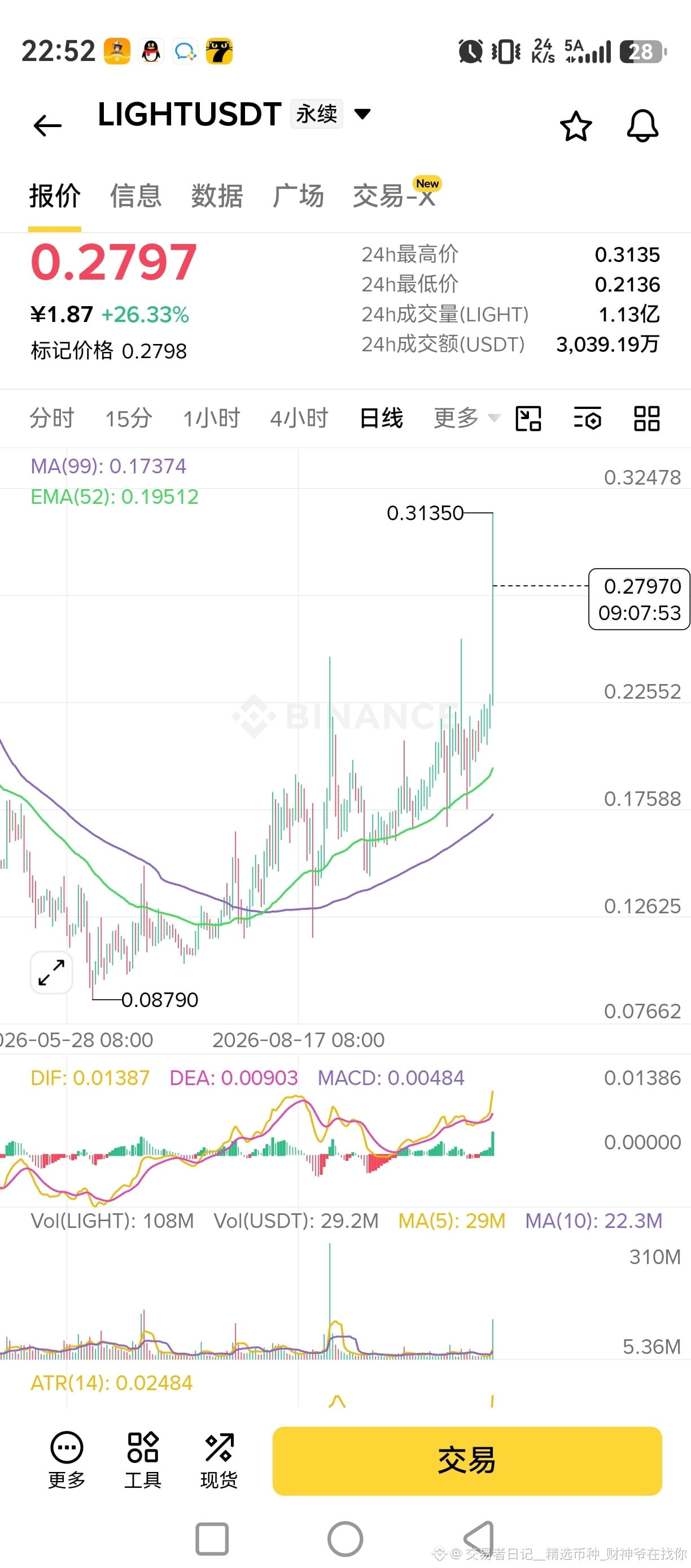
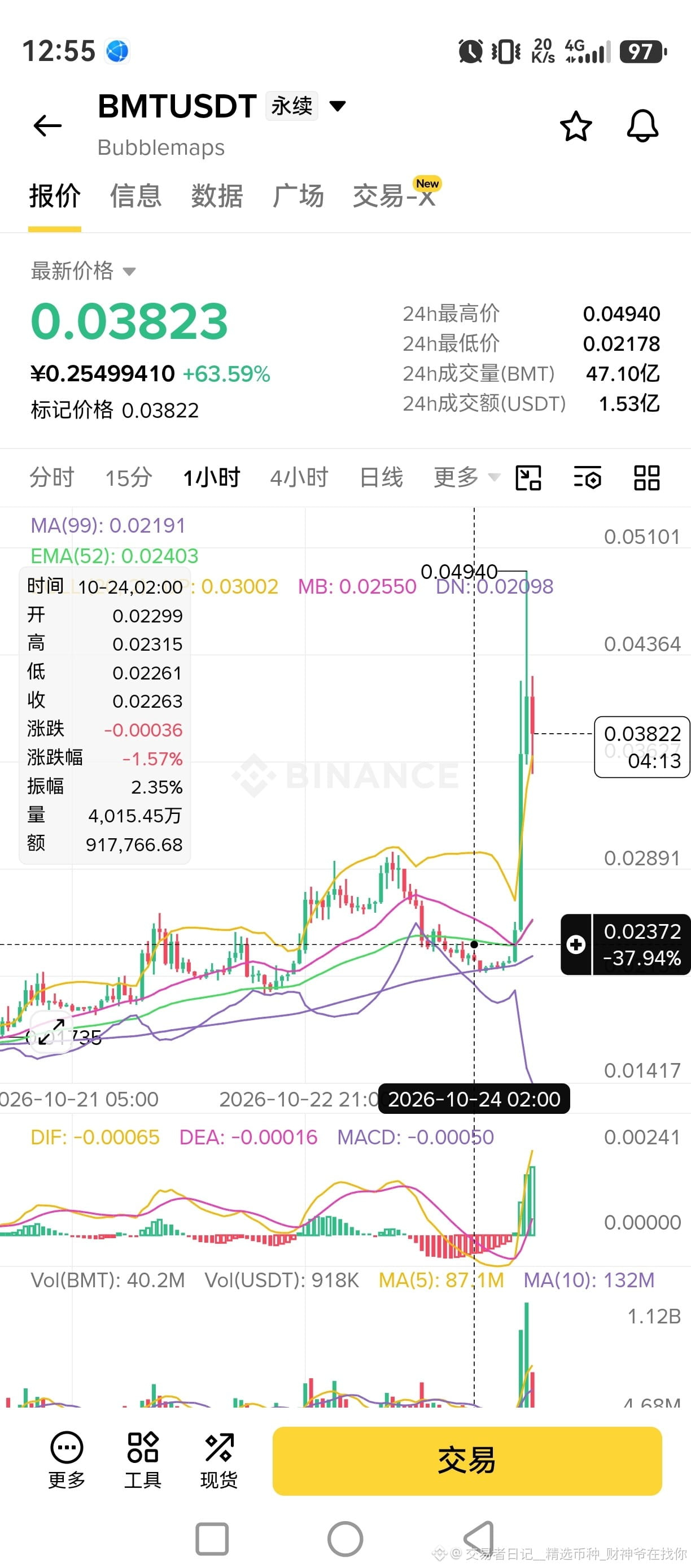
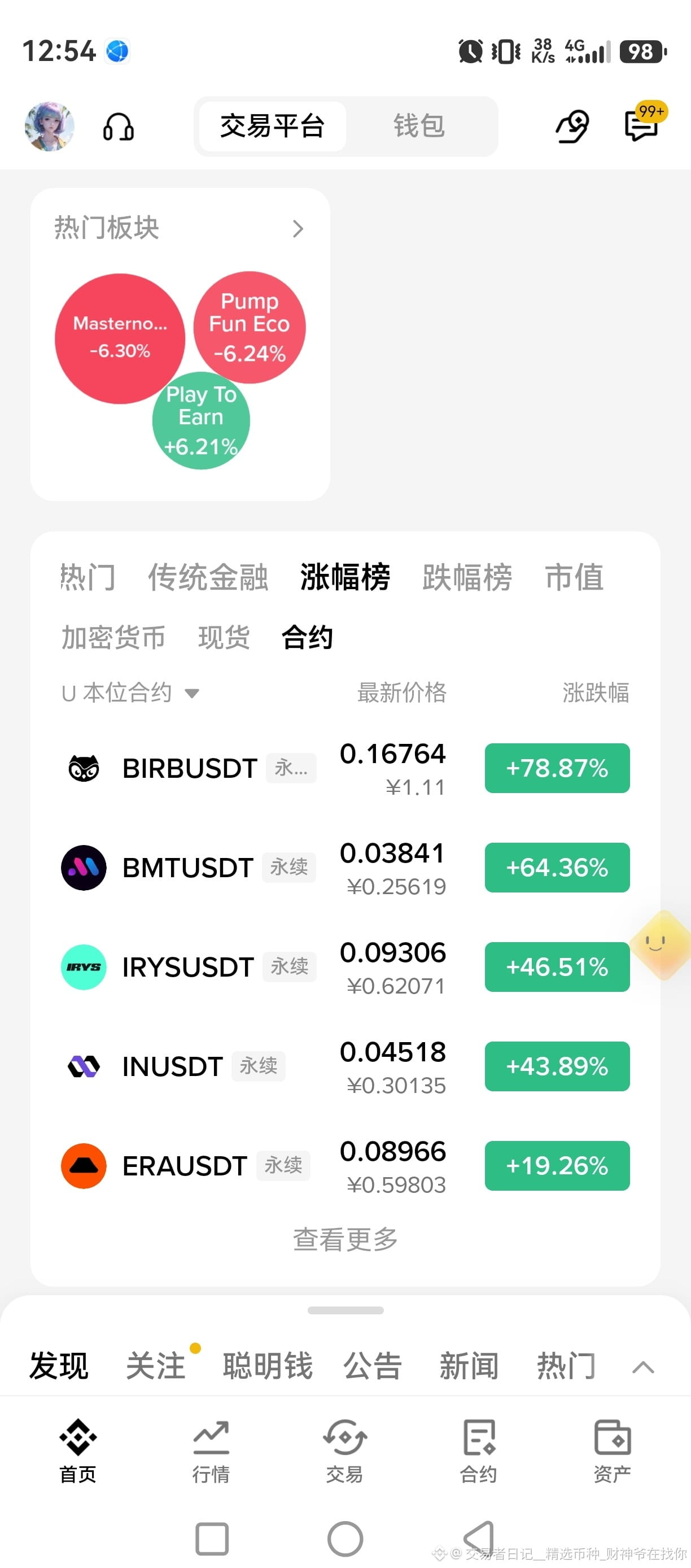
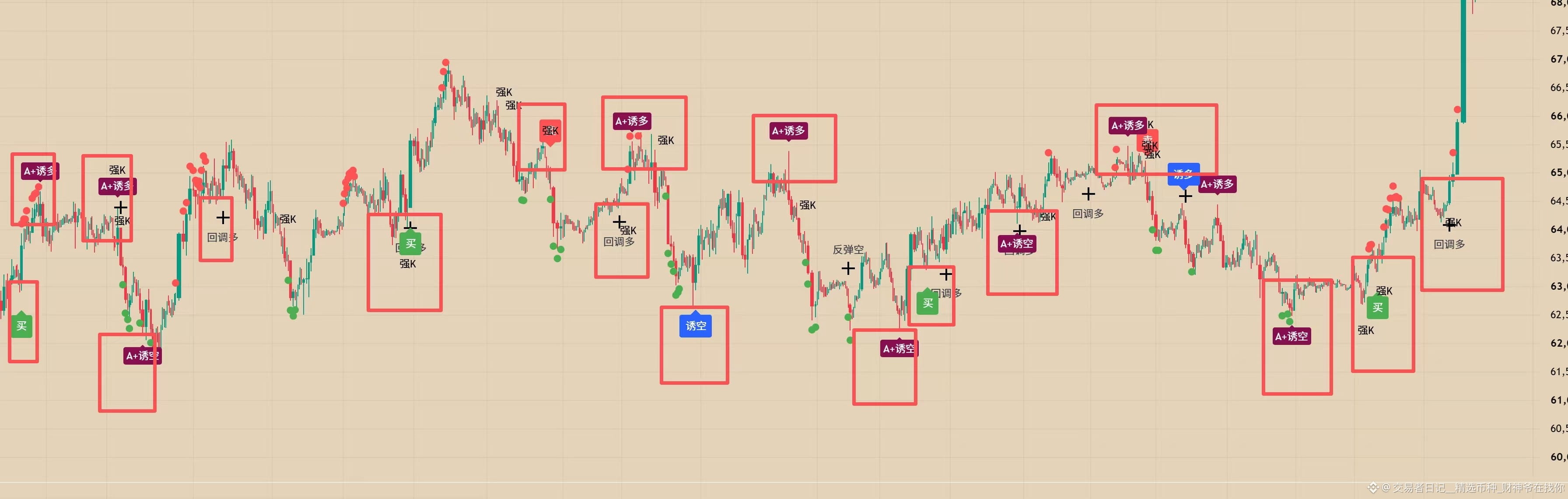
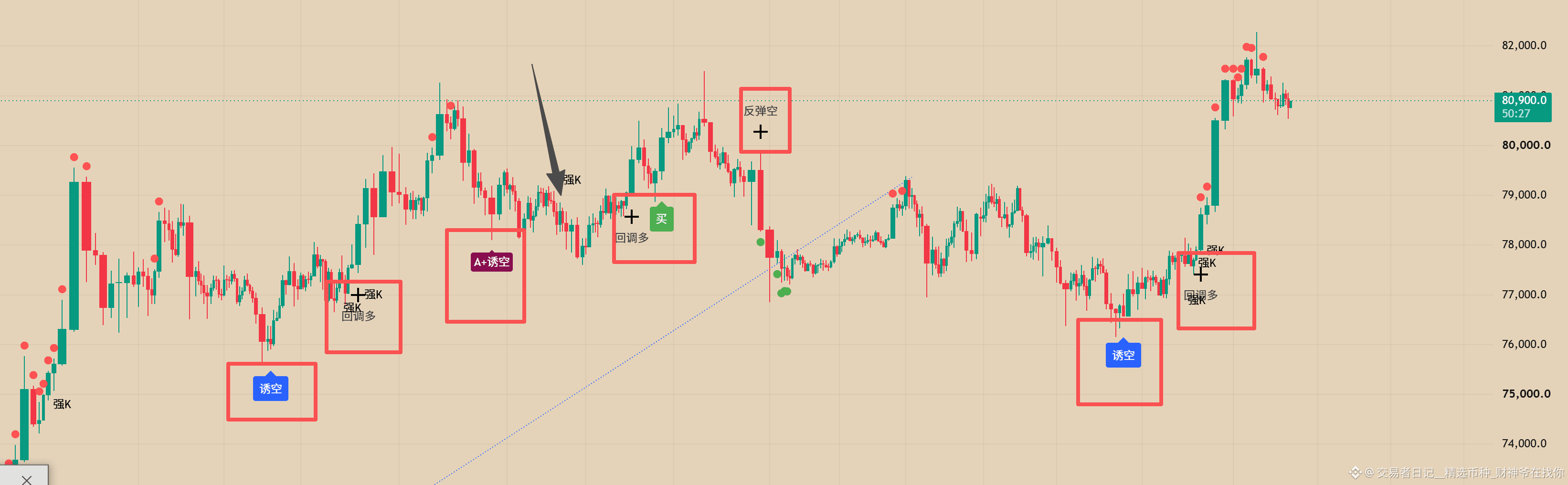
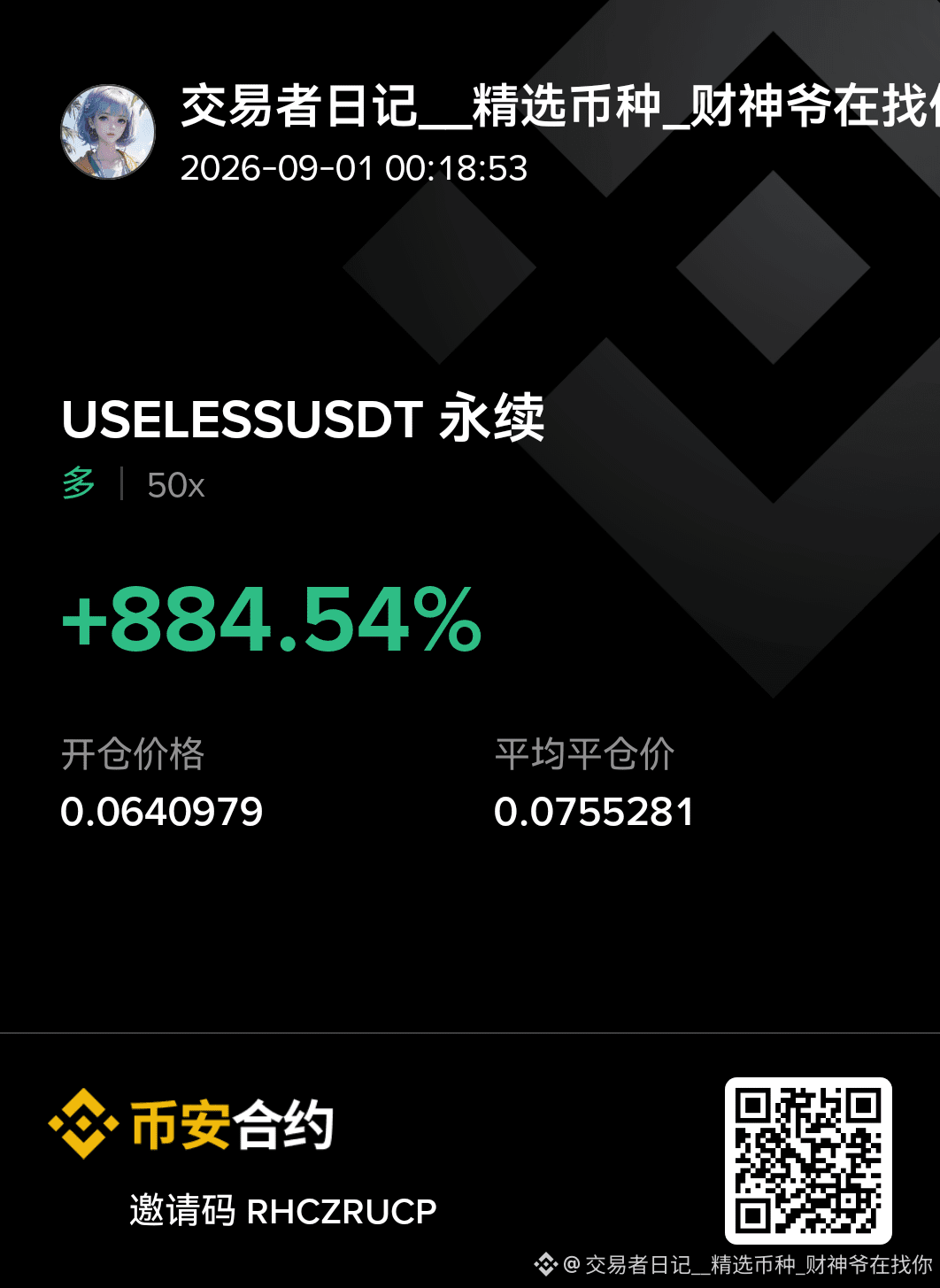
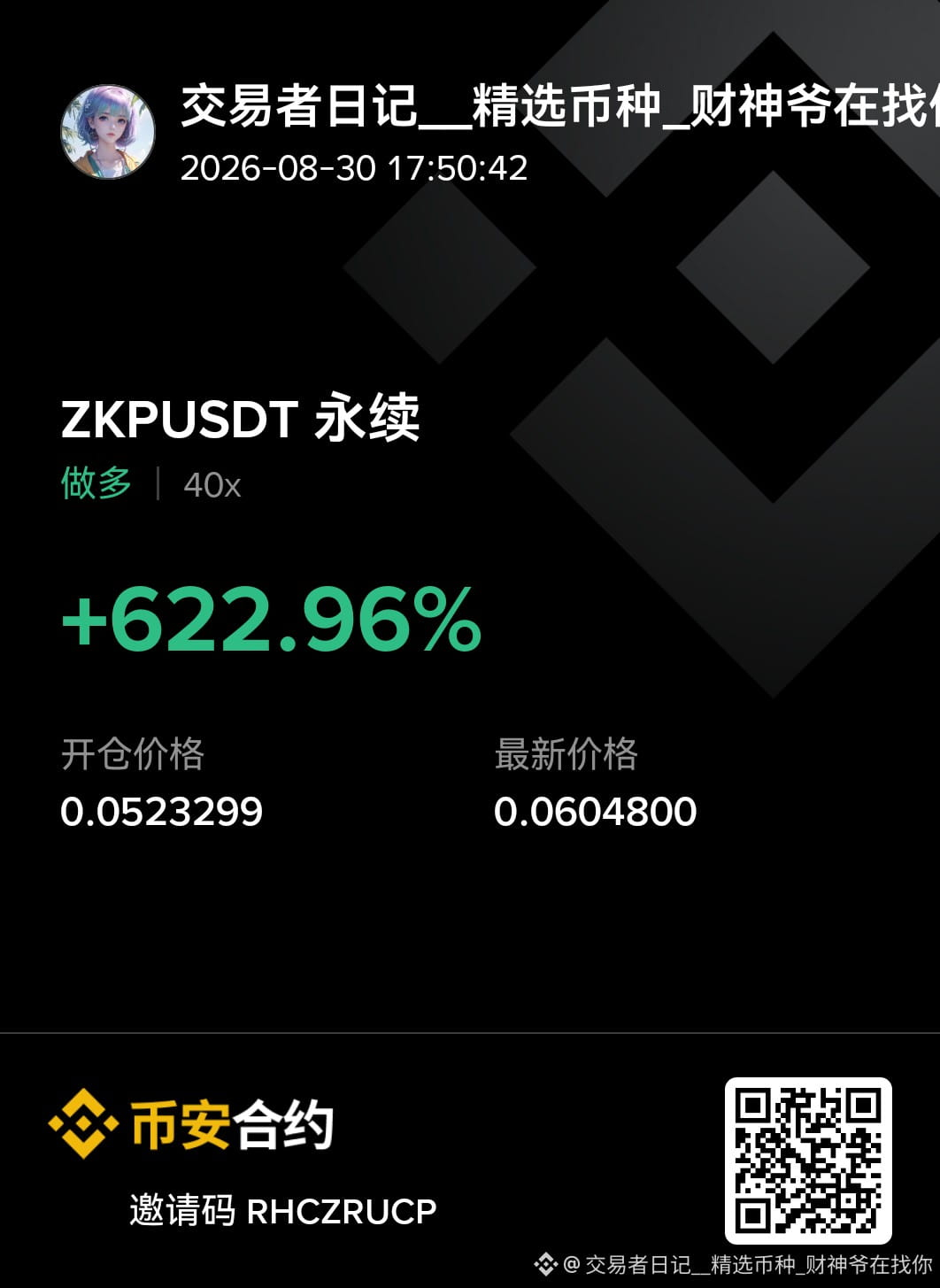
#LIGHT looks promising—guess whether it could go 20x!
I think it will! 20x upside!
#LIGHT looks promising—guess whether it could go 20x!
I think it will! 20x upside!
I think it will! 20x upside!
1
1.3k

·
--
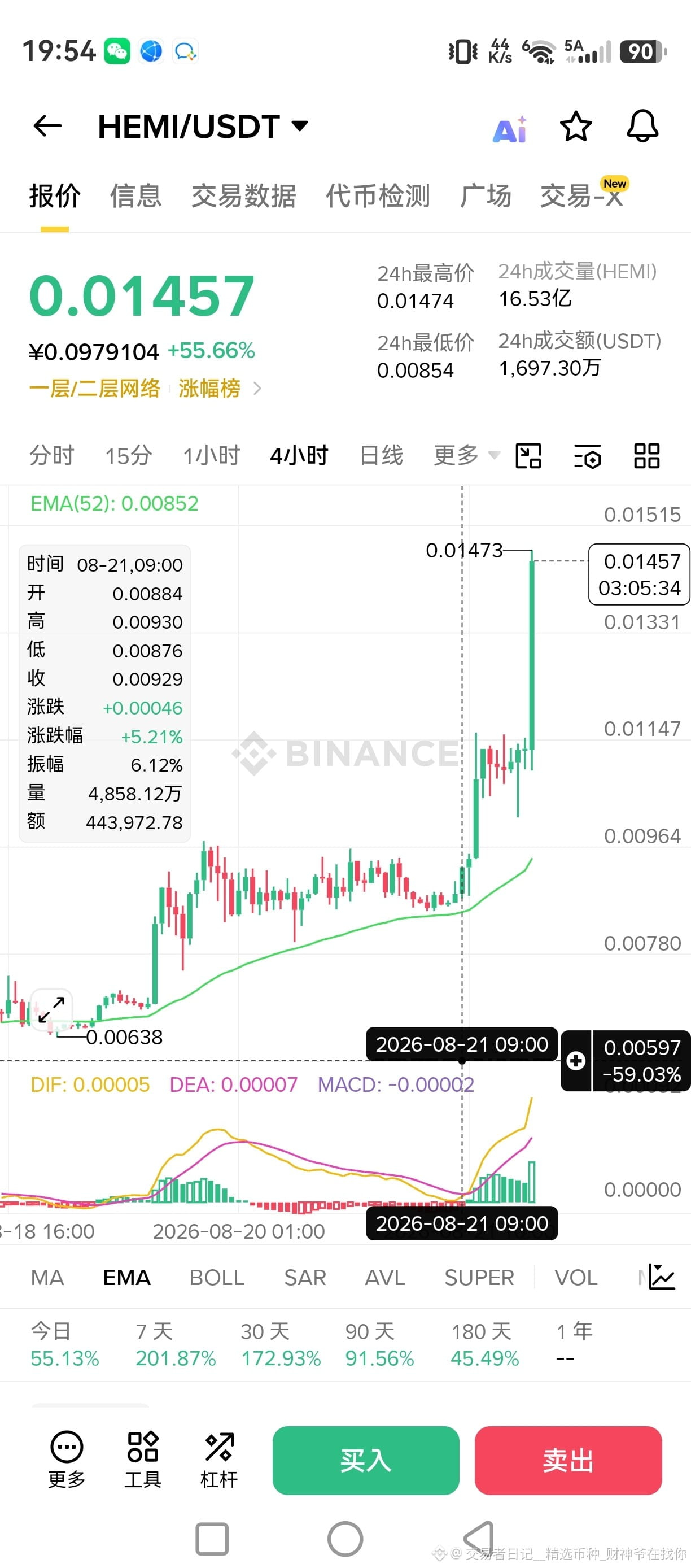
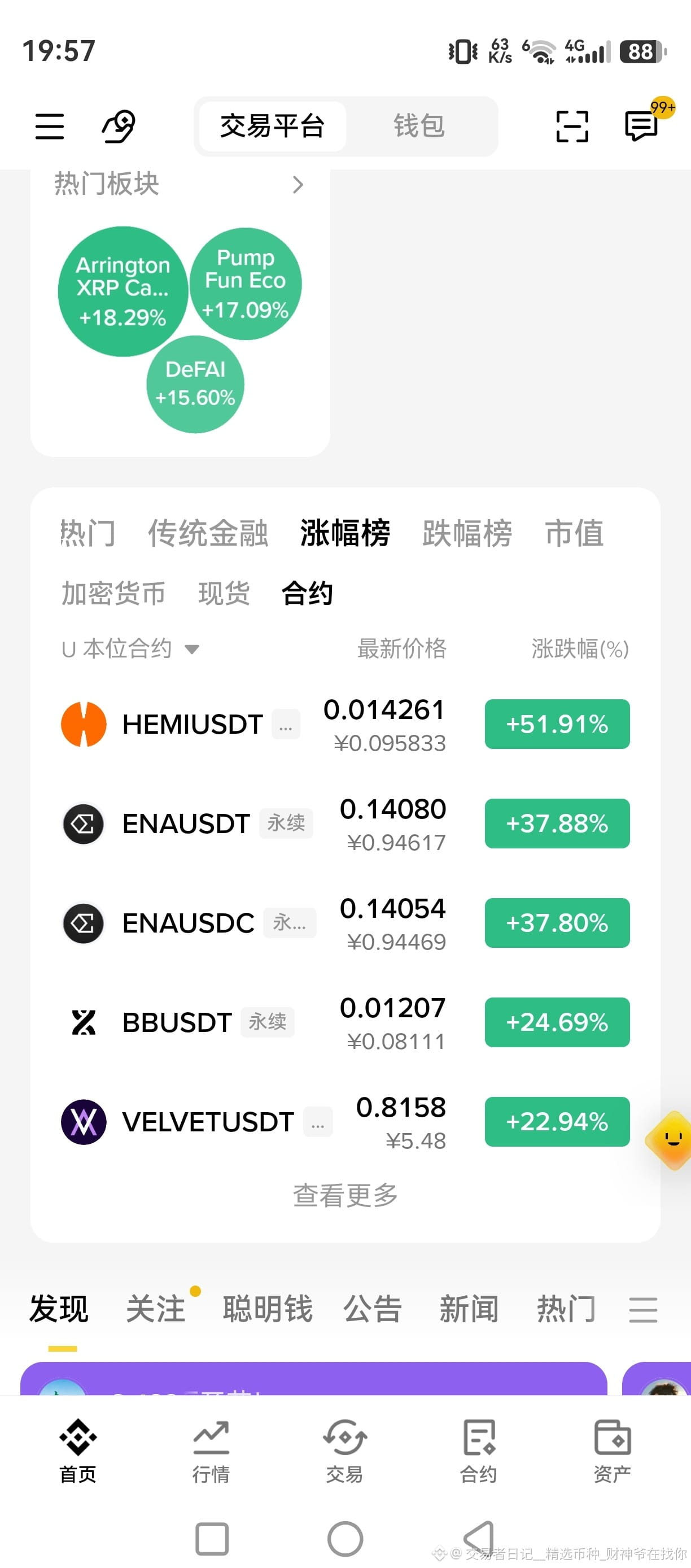
Haven't seen this in a long time, and I ran into the top-ranked big shot again!
Haven't seen this in a long time, and I ran into the top-ranked big shot again!

452
·
--
Bullish
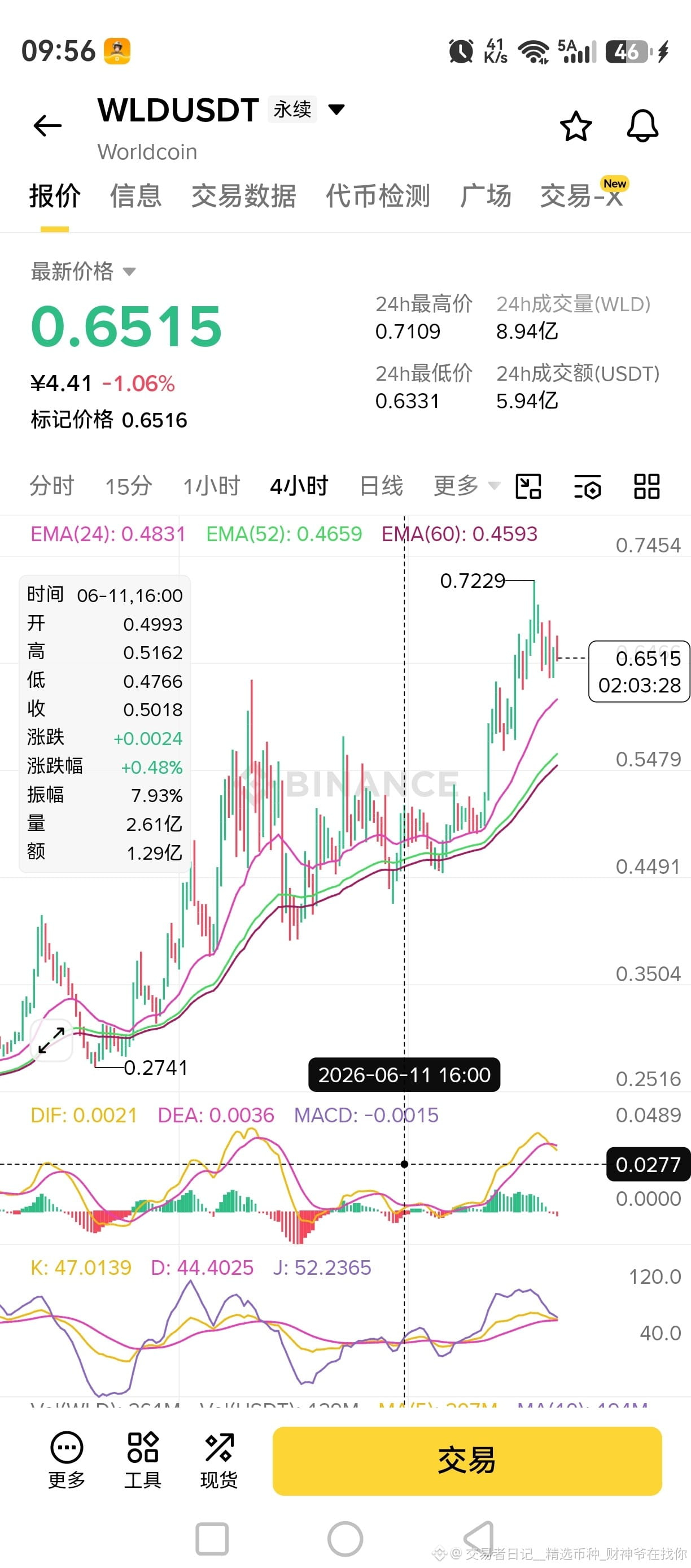
Overall bullish trend with $WLD ,
Buy zone 0.65-0.665
Stop loss at 0.62
Targets at 0.7/0.75/0.8
Overall bullish trend with $WLD ,
Buy zone 0.65-0.665
Stop loss at 0.62
Targets at 0.7/0.75/0.8
Buy zone 0.65-0.665
Stop loss at 0.62
Targets at 0.7/0.75/0.8
1
477
·
--
1
1
297
Log in to explore more content
Join global crypto users on Binance Square
⚡️ Get latest and useful information about crypto.
💬 Trusted by the world’s largest crypto exchange.
👍 Discover real insights from verified creators.
Email / Phone number
Trending Topics
MoneroFalls13%OnDelistings
10,212 views
174 Discussing
🚨 BREAKING: MONERO DROPS 11%+ — KUCOIN DELISTING SPARKS SELL-OFF!
Monero (XMR) is facing a sharp sell-off as another major exchange moves to remove the privacy-focused cryptocurrency. 📉
📊 HERE'S WHAT HAPPENED:
▪️XMR dropped around 13% in 24 hours on November 27.
▪️KuCoin announced it will delist all four XMR spot trading pairs on November 30.
▪️MEXC had already removed XMR spot trading earlier this month.
▪️KuCoin withdrawals are scheduled to remain available until December 31.
⚠️ WHY DOES THIS MATTER?
Fewer exchange listings can reduce trading access and liquidity, potentially leading to wider spreads and sharper price swings.
🔍 WHAT'S NEXT FOR XMR?
The market will be watching whether Monero can stabilize or face further pressure as the delisting deadline approaches.
💬 Is this just a temporary setback for Monero, or could more exchange delistings follow? 👀
$PORTAL - $HAEDAL - $BULLA
#Monero #XMR #CryptoNews
#MoneroFalls13%OnDelistings
"Can XMR recover from this sell-off"!?⚡
GirlyHub
·0 Likes
·83 views
EvolveAtBinanceBlockchainWeek
1.2M views
13,762 Discussing
CanMarketsReboundAfterThanksgiving?
427,763 views
3,295 Discussing