
Bit Gurly
10.2k Posts

Bit Gurly
 Square Verified+
Report
Block User
Belive it, manifest it!
Open Trade

WOO Holder
Frequent Trader
4.7 Years
107 Following
69.9K+ Followers
65.4K+ Liked
Posts
Portfolio
All
Quotes
Videos
Live
PINNED
·
--
Bullish
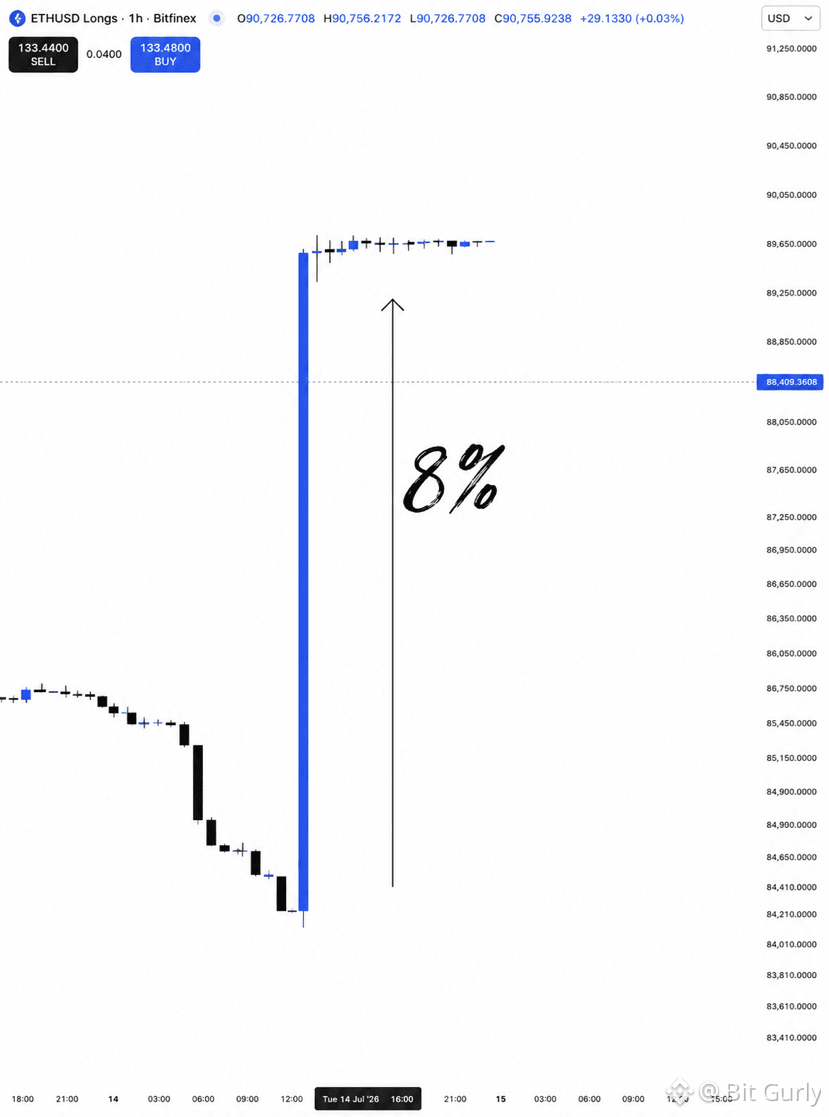
Ethereum longs jumped 8% in a single move today.
At the same time, Tom Lee says the bottom may already be in.
Could be coincidence but someone already knows something.
$ETH
{future}(ETHUSDT)
#FootballSeason2026 #JuneCPIFedHike20% #TrumpMeetsOnWiderIranOffensive
Ethereum longs jumped 8% in a single move today.
At the same time, Tom Lee says the bottom may already be in.
Could be coincidence but someone already knows something.
$ETH
#FootballSeason2026 #JuneCPIFedHike20% #TrumpMeetsOnWiderIranOffensive
At the same time, Tom Lee says the bottom may already be in.
Could be coincidence but someone already knows something.
$ETH
#FootballSeason2026 #JuneCPIFedHike20% #TrumpMeetsOnWiderIranOffensive
28
1
86
163.1k
PINNED
·
--
Bearish
Partly True
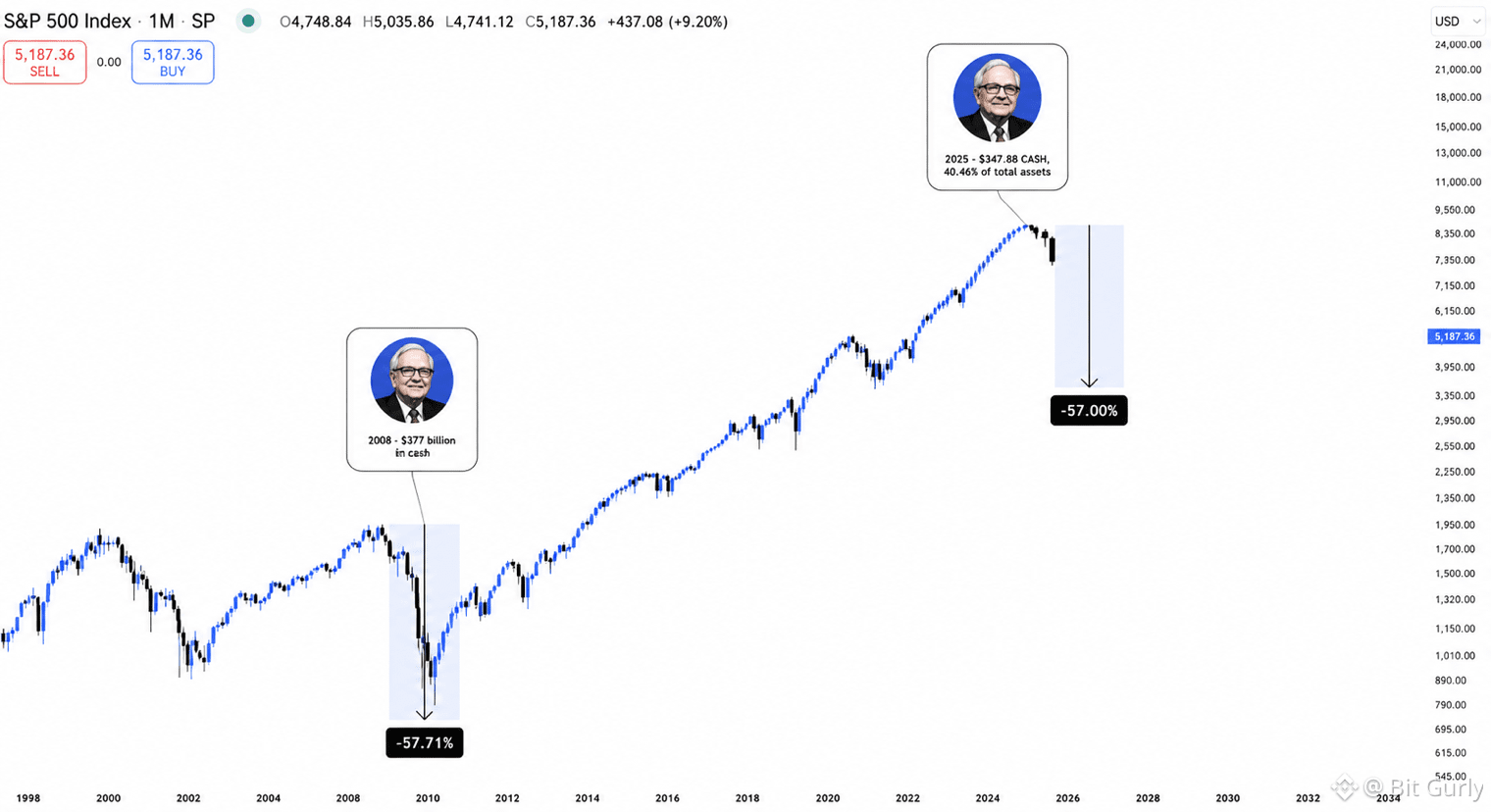
Warren Buffett is sitting on nearly $400B in cash, and that’s hard to ignore.
The last time Berkshire built a cash pile this large was around the 2007–2008 period. It doesn’t guarantee a crash, but it does suggest Buffett sees more value in waiting than chasing current prices.
GM.
#S&P500 #BitcoinPlansECashHardFork #SpaceXAnthropicOpenAIIPOsMayTopVCExitsSince2000
Warren Buffett is sitting on nearly $400B in cash, and that’s hard to ignore.
The last time Berkshire built a cash pile this large was around the 2007–2008 period. It doesn’t guarantee a crash, but it does suggest Buffett sees more value in waiting than chasing current prices.
GM.
#S&P500 #BitcoinPlansECashHardFork #SpaceXAnthropicOpenAIIPOsMayTopVCExitsSince2000
The last time Berkshire built a cash pile this large was around the 2007–2008 period. It doesn’t guarantee a crash, but it does suggest Buffett sees more value in waiting than chasing current prices.
GM.
#S&P500 #BitcoinPlansECashHardFork #SpaceXAnthropicOpenAIIPOsMayTopVCExitsSince2000
16
3
63
79.6k
·
--
Bearish
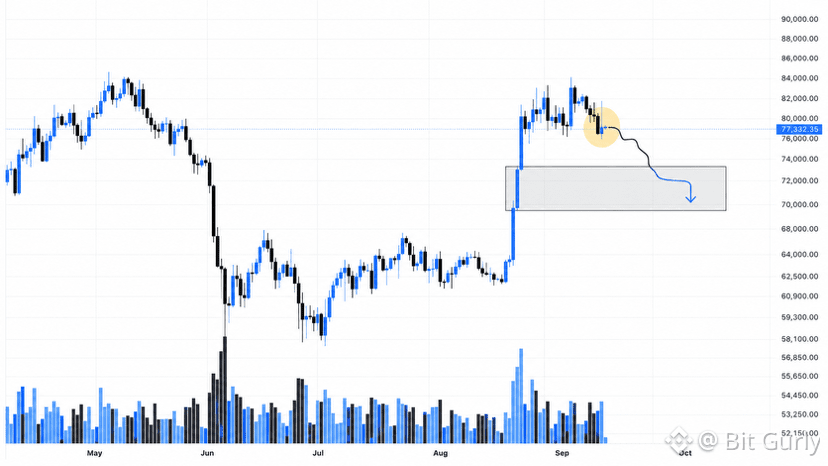
$BTC will soon fill this zone in daily chart 🔴
{future}(BTCUSDT)
$BTC will soon fill this zone in daily chart 🔴
1
189
·
--
Bullish
Verified
I’ve been watching this Fed setup closely, and the labor market + inflation combination now looks harder to ignore.
August payrolls came in at 162K, far above the roughly 56K expected, while unemployment stayed at 4.1%. That already removed some of the argument for the Fed to stay cautious.
Now CPI has added another layer.
Headline inflation came in at 3.4% YoY, with prices rising 0.4% MoM. Core CPI also rose 0.3% MoM, keeping underlying inflation pressure alive. Markets are now pricing a very high probability of a September rate hike.
My read is that this is not automatically “bearish everything.”
Higher rates are a headwind for risk assets, but the bigger signal is that the Fed may have less room to ignore persistent inflation while the labor market is still holding up.
That makes me more cautious on high-beta equities, while gold remains the asset I’m watching more closely as inflation, geopolitical risk and rate expectations pull in different directions.
For me, the next move is less about chasing one CPI candle and more about how markets reprice the September 16 Fed decision.
#CPIWatch
I’ve been watching this Fed setup closely, and the labor market + inflation combination now looks harder to ignore.
August payrolls came in at 162K, far above the roughly 56K expected, while unemployment stayed at 4.1%. That already removed some of the argument for the Fed to stay cautious.
Now CPI has added another layer.
Headline inflation came in at 3.4% YoY, with prices rising 0.4% MoM. Core CPI also rose 0.3% MoM, keeping underlying inflation pressure alive. Markets are now pricing a very high probability of a September rate hike.
My read is that this is not automatically “bearish everything.”
Higher rates are a headwind for risk assets, but the bigger signal is that the Fed may have less room to ignore persistent inflation while the labor market is still holding up.
That makes me more cautious on high-beta equities, while gold remains the asset I’m watching more closely as inflation, geopolitical risk and rate expectations pull in different directions.
For me, the next move is less about chasing one CPI candle and more about how markets reprice the September 16 Fed decision.
#CPIWatch
August payrolls came in at 162K, far above the roughly 56K expected, while unemployment stayed at 4.1%. That already removed some of the argument for the Fed to stay cautious.
Now CPI has added another layer.
Headline inflation came in at 3.4% YoY, with prices rising 0.4% MoM. Core CPI also rose 0.3% MoM, keeping underlying inflation pressure alive. Markets are now pricing a very high probability of a September rate hike.
My read is that this is not automatically “bearish everything.”
Higher rates are a headwind for risk assets, but the bigger signal is that the Fed may have less room to ignore persistent inflation while the labor market is still holding up.
That makes me more cautious on high-beta equities, while gold remains the asset I’m watching more closely as inflation, geopolitical risk and rate expectations pull in different directions.
For me, the next move is less about chasing one CPI candle and more about how markets reprice the September 16 Fed decision.
#CPIWatch
29
34
4.7k
·
--
Bullish
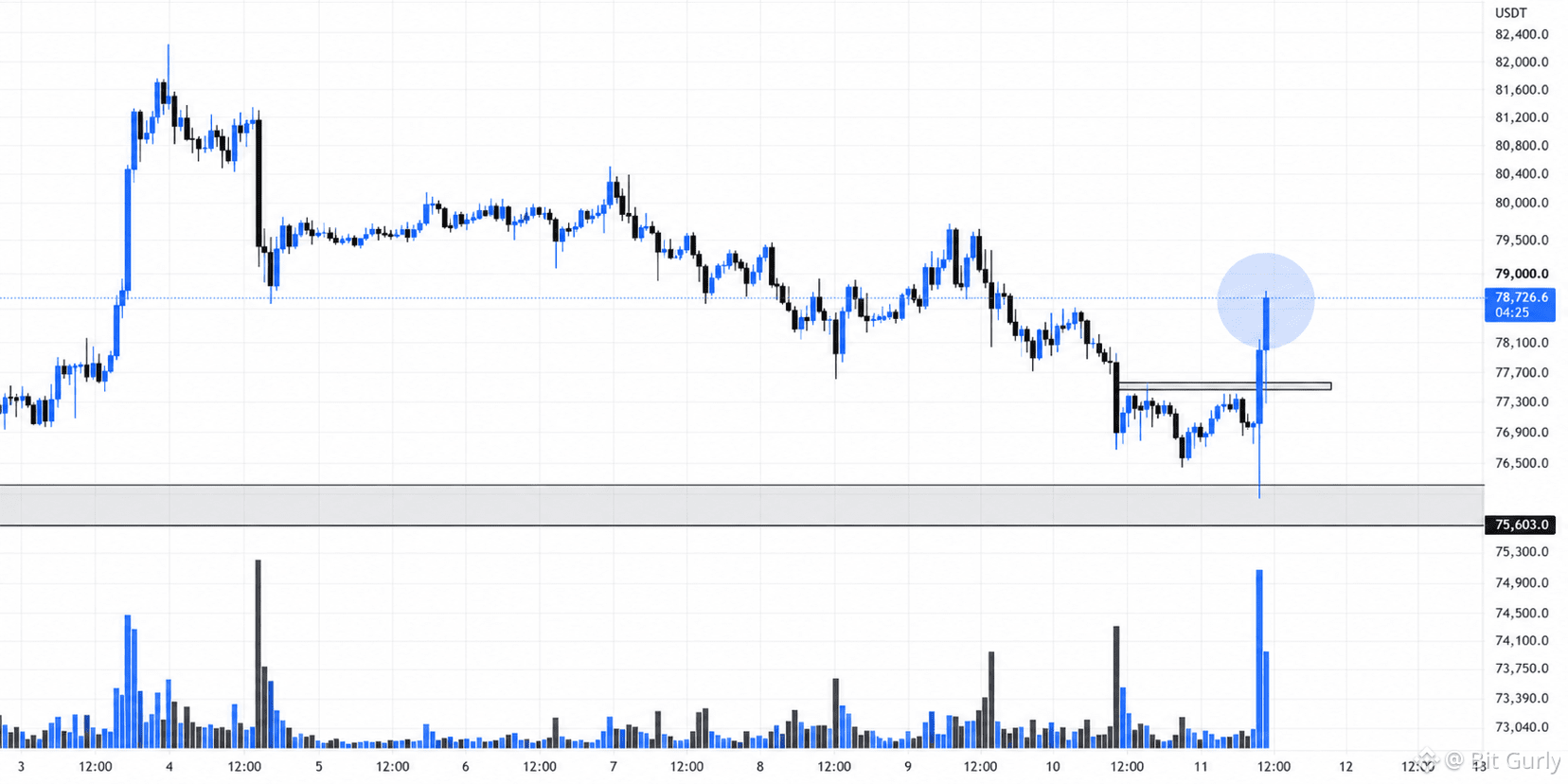
$BTC is starting to shift its 1H structure back toward an uptrend. 🔥
The key move wasn’t just the bounce from the $76K area — BTC reclaimed the local resistance around $77.4K–$77.6K with a strong expansion candle and noticeable volume.
Now the important part is holding that breakout instead of slipping straight back below it.
If $77.5K starts acting as support, the structure opens room toward $79K and then the previous 1H supply above.
For me, this is the first meaningful sign that buyers are taking control of the short-term structure again.
Educational only, not financial advice.
{future}(BTCUSDT)
$BTC is starting to shift its 1H structure back toward an uptrend. 🔥
The key move wasn’t just the bounce from the $76K area — BTC reclaimed the local resistance around $77.4K–$77.6K with a strong expansion candle and noticeable volume.
Now the important part is holding that breakout instead of slipping straight back below it.
If $77.5K starts acting as support, the structure opens room toward $79K and then the previous 1H supply above.
For me, this is the first meaningful sign that buyers are taking control of the short-term structure again.
Educational only, not financial advice.
The key move wasn’t just the bounce from the $76K area — BTC reclaimed the local resistance around $77.4K–$77.6K with a strong expansion candle and noticeable volume.
Now the important part is holding that breakout instead of slipping straight back below it.
If $77.5K starts acting as support, the structure opens room toward $79K and then the previous 1H supply above.
For me, this is the first meaningful sign that buyers are taking control of the short-term structure again.
Educational only, not financial advice.
2
836
·
--
Bearish
Verified
🇺🇸 US PPI data will be released at 8:30 AM ET, right before the US market opens:
If PPI < 5.1% → bullish for markets
If PPI = 5.3% → markets will stay flat
If PPI > 5.5% → bearish for markets
$BTC
{future}(BTCUSDT)
$ETH
{future}(ETHUSDT)
🇺🇸 US PPI data will be released at 8:30 AM ET, right before the US market opens:
If PPI < 5.1% → bullish for markets
If PPI = 5.3% → markets will stay flat
If PPI > 5.5% → bearish for markets
$BTC
$ETH
If PPI < 5.1% → bullish for markets
If PPI = 5.3% → markets will stay flat
If PPI > 5.5% → bearish for markets
$BTC
$ETH
1
4
1.1k
·
--
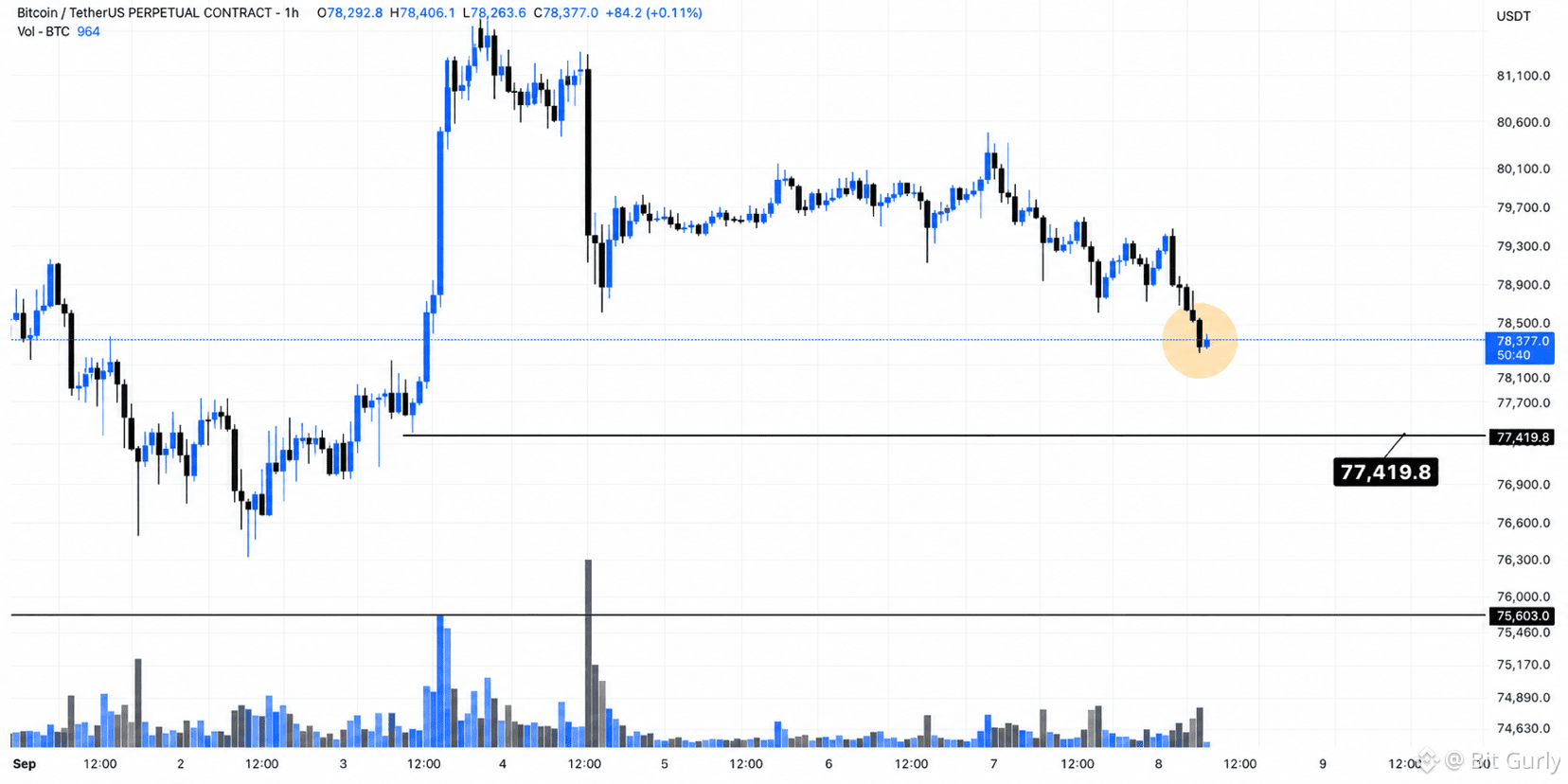
$BTC is sitting on a critical $77.4K support zone.
Lose it cleanly and downside could accelerate fast.
{future}(BTCUSDT)
#DowFallsOver600Points
$BTC is sitting on a critical $77.4K support zone.
Lose it cleanly and downside could accelerate fast.
#DowFallsOver600Points
Lose it cleanly and downside could accelerate fast.
#DowFallsOver600Points
2
2
896
·
--
Verified
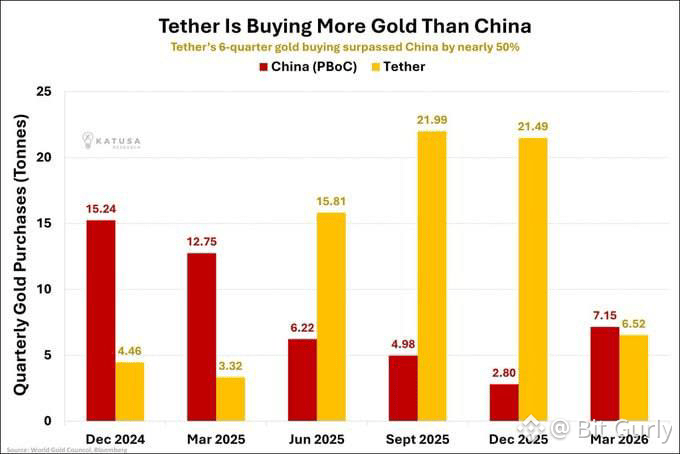
Tether has bought nearly 50% more gold than China over the past six quarters.
A crypto company is now buying gold like a central bank. 🤔
Tether has bought nearly 50% more gold than China over the past six quarters.
A crypto company is now buying gold like a central bank. 🤔
A crypto company is now buying gold like a central bank. 🤔
2
1k
·
--
Bullish
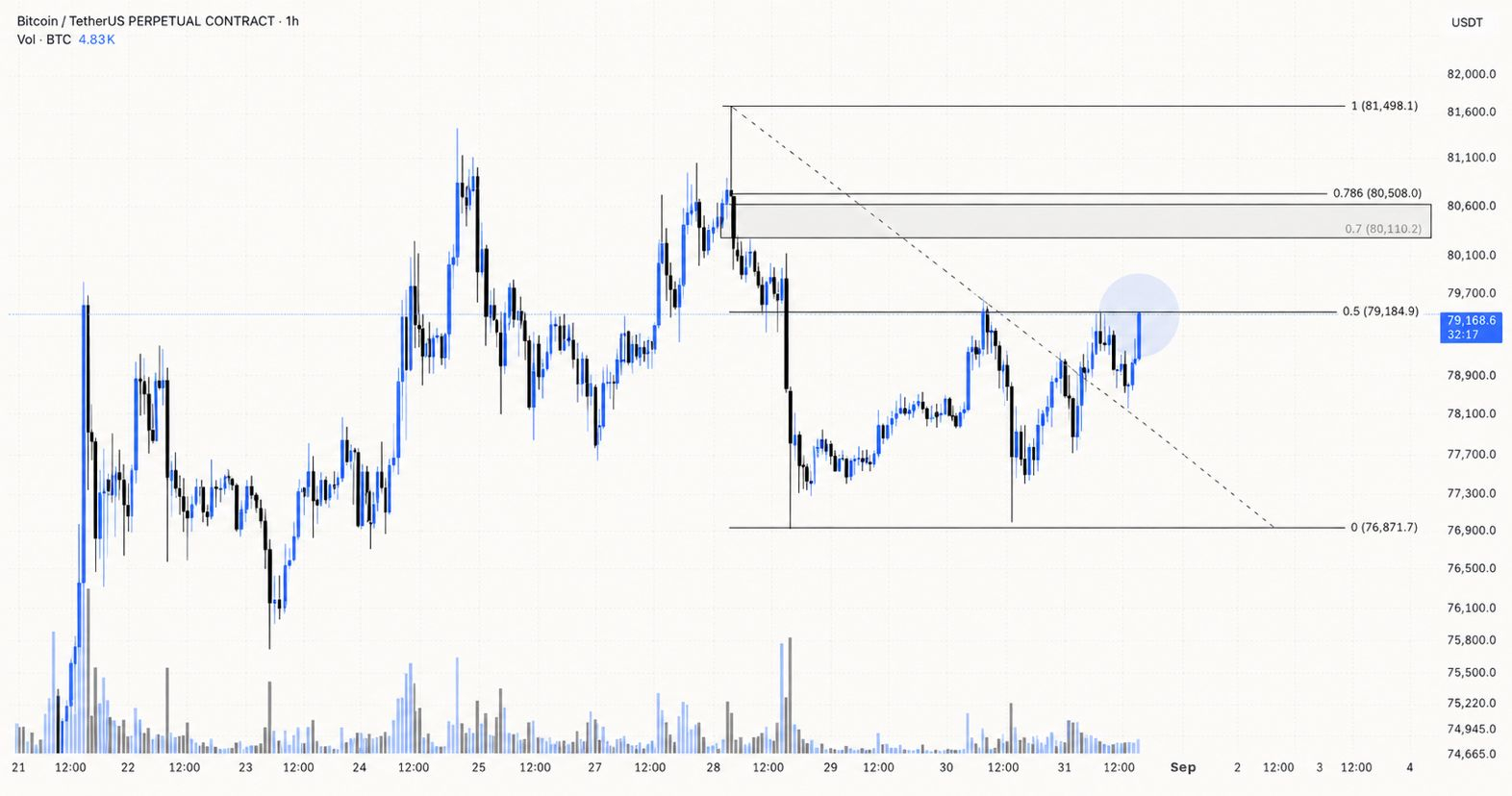
$BTC is approaching a key resistance zone at $80K–$80.5K, where the order block meets a strong Fibonacci level.
The reaction here could define the next short-term move. 👀
{future}(BTCUSDT)
$BTC is approaching a key resistance zone at $80K–$80.5K, where the order block meets a strong Fibonacci level.
The reaction here could define the next short-term move. 👀
The reaction here could define the next short-term move. 👀
1
783
·
--
Bullish
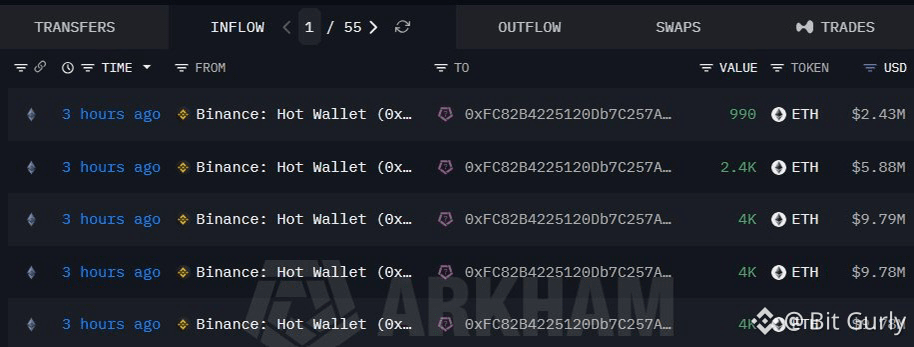
While retail hesitates, institutional whales strike 🚨
Over 37.66M inETH was bought by a single institution today.
When big money buys the dip, you pay attention.
Bullish or bearish on $ETH for the rest of the week?
{future}(ETHUSDT)
#BitcoinUp23%InAugustOutperformingGoldAndStocks
While retail hesitates, institutional whales strike 🚨
Over 37.66M inETH was bought by a single institution today.
When big money buys the dip, you pay attention.
Bullish or bearish on $ETH for the rest of the week?
#BitcoinUp23%InAugustOutperformingGoldAndStocks
Over 37.66M inETH was bought by a single institution today.
When big money buys the dip, you pay attention.
Bullish or bearish on $ETH for the rest of the week?
#BitcoinUp23%InAugustOutperformingGoldAndStocks
2
2
2.4k
·
--
Bullish
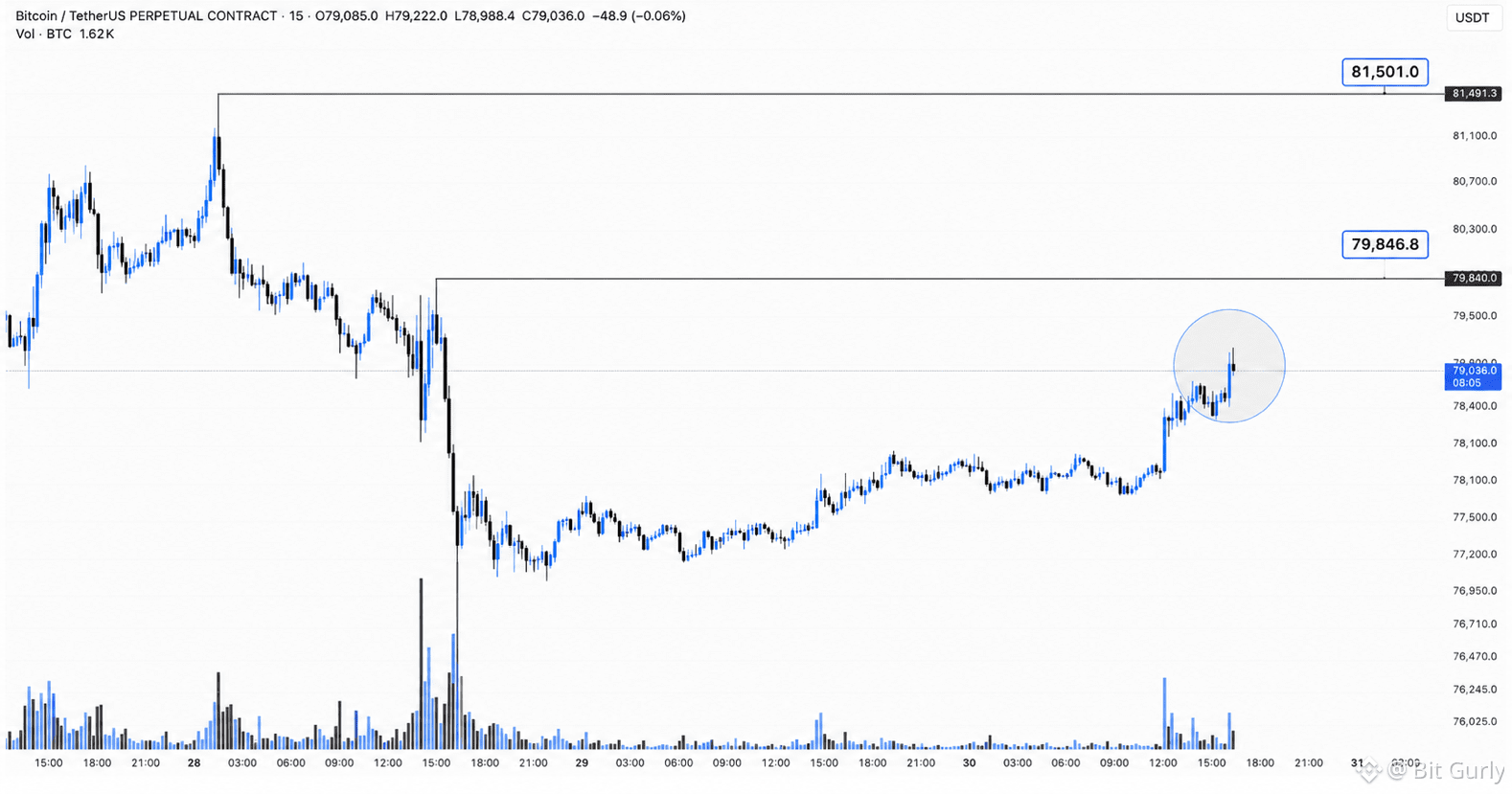
$BTC has two important levels ahead ✅
First resistance: $79,846
Main resistance: $81,501
A clean break above the first level could open the way toward $81.5K.
Until then, watch the reaction carefully. 👀
NFA. DYOR.
{future}(BTCUSDT)
$BTC has two important levels ahead ✅
First resistance: $79,846
Main resistance: $81,501
A clean break above the first level could open the way toward $81.5K.
Until then, watch the reaction carefully. 👀
NFA. DYOR.
First resistance: $79,846
Main resistance: $81,501
A clean break above the first level could open the way toward $81.5K.
Until then, watch the reaction carefully. 👀
NFA. DYOR.
1
3
538
·
--
Bullish
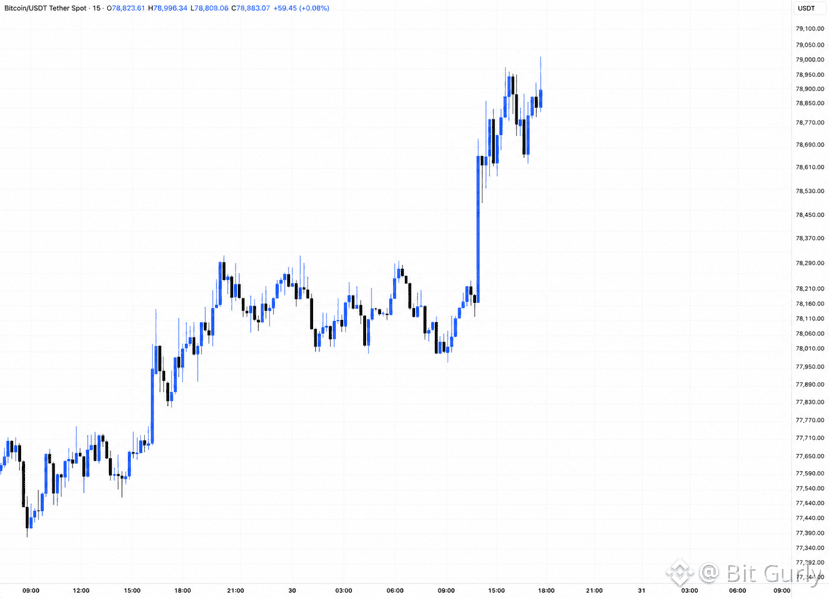
$79,000 Bitcoin. 💥
$BTC just pushed through with strong momentum.
Now the real test is whether buyers can hold this level and turn $79K into support.
Hold it, and $80K comes into focus. 👀
NFA. DYOR.
{future}(BTCUSDT)
#GoldFalls3.24%ThisWeek
$79,000 Bitcoin. 💥
$BTC just pushed through with strong momentum.
Now the real test is whether buyers can hold this level and turn $79K into support.
Hold it, and $80K comes into focus. 👀
NFA. DYOR.
#GoldFalls3.24%ThisWeek
$BTC just pushed through with strong momentum.
Now the real test is whether buyers can hold this level and turn $79K into support.
Hold it, and $80K comes into focus. 👀
NFA. DYOR.
#GoldFalls3.24%ThisWeek
1
7
3.6k
·
--
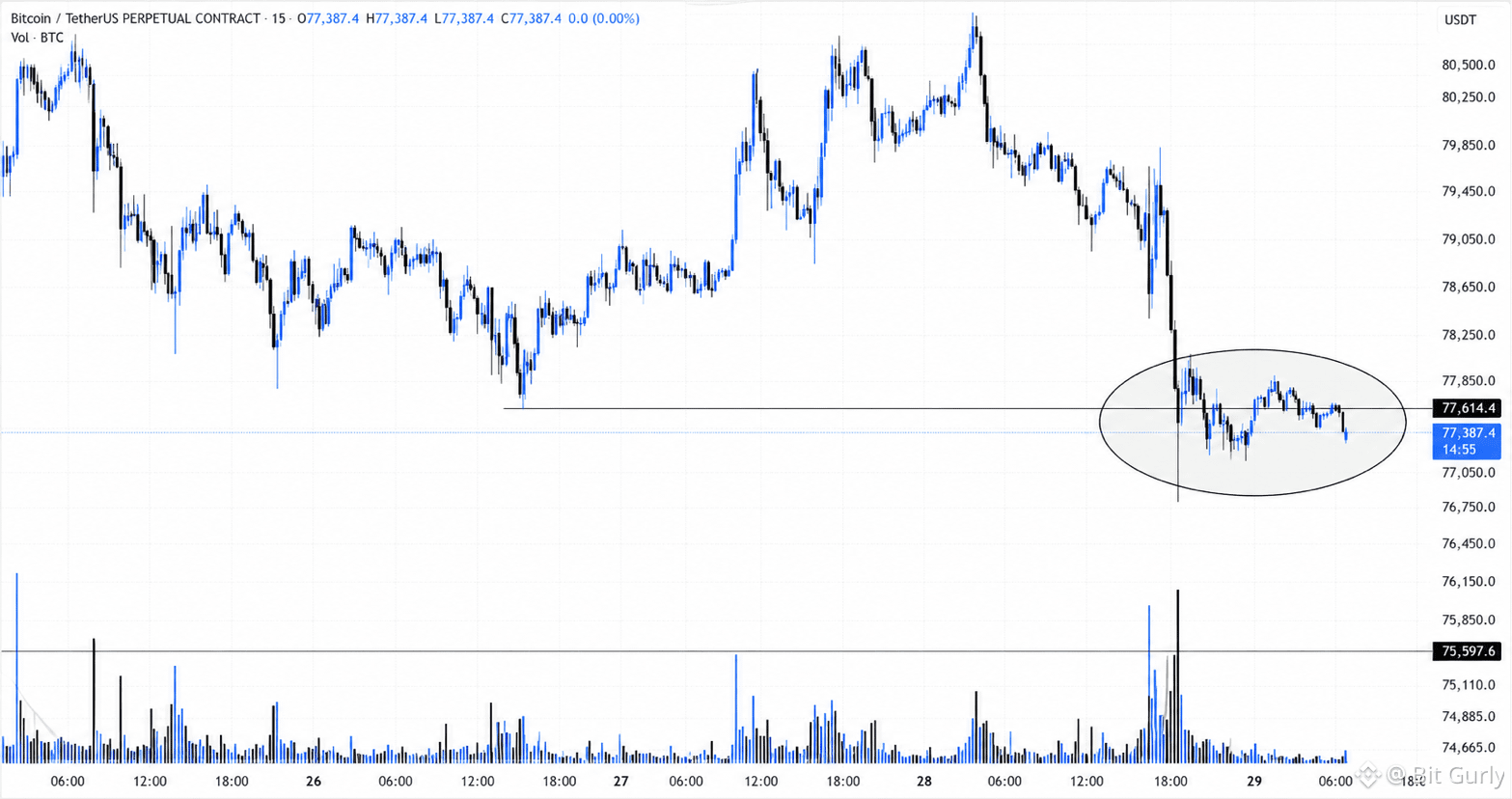
$BTC is moving sideways around support after the sharp drop.
Price is trapped in a tight range, with no clear direction yet.
Entering here means trading in the middle of the noise. I’d rather wait for a confirmed breakout or breakdown before making a move. 🥱
{future}(BTCUSDT)
#BTCDrops3.4%To$77383
$BTC is moving sideways around support after the sharp drop.
Price is trapped in a tight range, with no clear direction yet.
Entering here means trading in the middle of the noise. I’d rather wait for a confirmed breakout or breakdown before making a move. 🥱
#BTCDrops3.4%To$77383
Price is trapped in a tight range, with no clear direction yet.
Entering here means trading in the middle of the noise. I’d rather wait for a confirmed breakout or breakdown before making a move. 🥱
#BTCDrops3.4%To$77383
2
1.8k
·
--
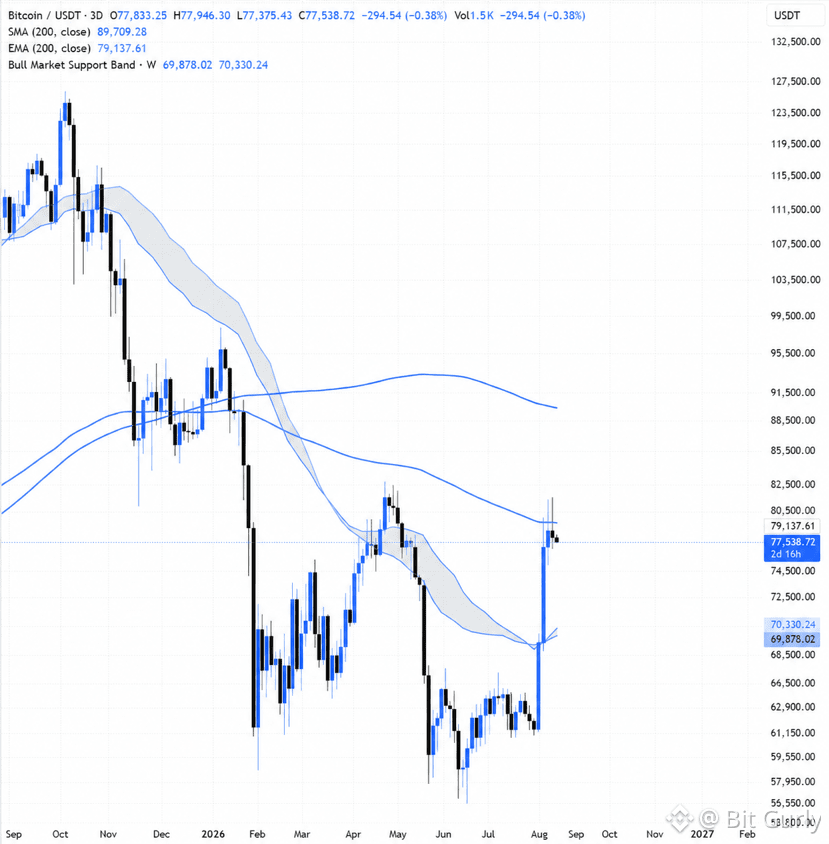
$BTC faced strong selling pressure at $81,500 and was quickly rejected.
The next important area to watch is $74,000–$75,000, where buyers may step in again.
A solid defense of this support zone would keep the broader bullish structure intact and open the door for another move higher.
Lose it, and the pullback could deepen.
NFA. DYOR.
{future}(BTCUSDT)
$BTC faced strong selling pressure at $81,500 and was quickly rejected.
The next important area to watch is $74,000–$75,000, where buyers may step in again.
A solid defense of this support zone would keep the broader bullish structure intact and open the door for another move higher.
Lose it, and the pullback could deepen.
NFA. DYOR.
The next important area to watch is $74,000–$75,000, where buyers may step in again.
A solid defense of this support zone would keep the broader bullish structure intact and open the door for another move higher.
Lose it, and the pullback could deepen.
NFA. DYOR.
2
899
·
--
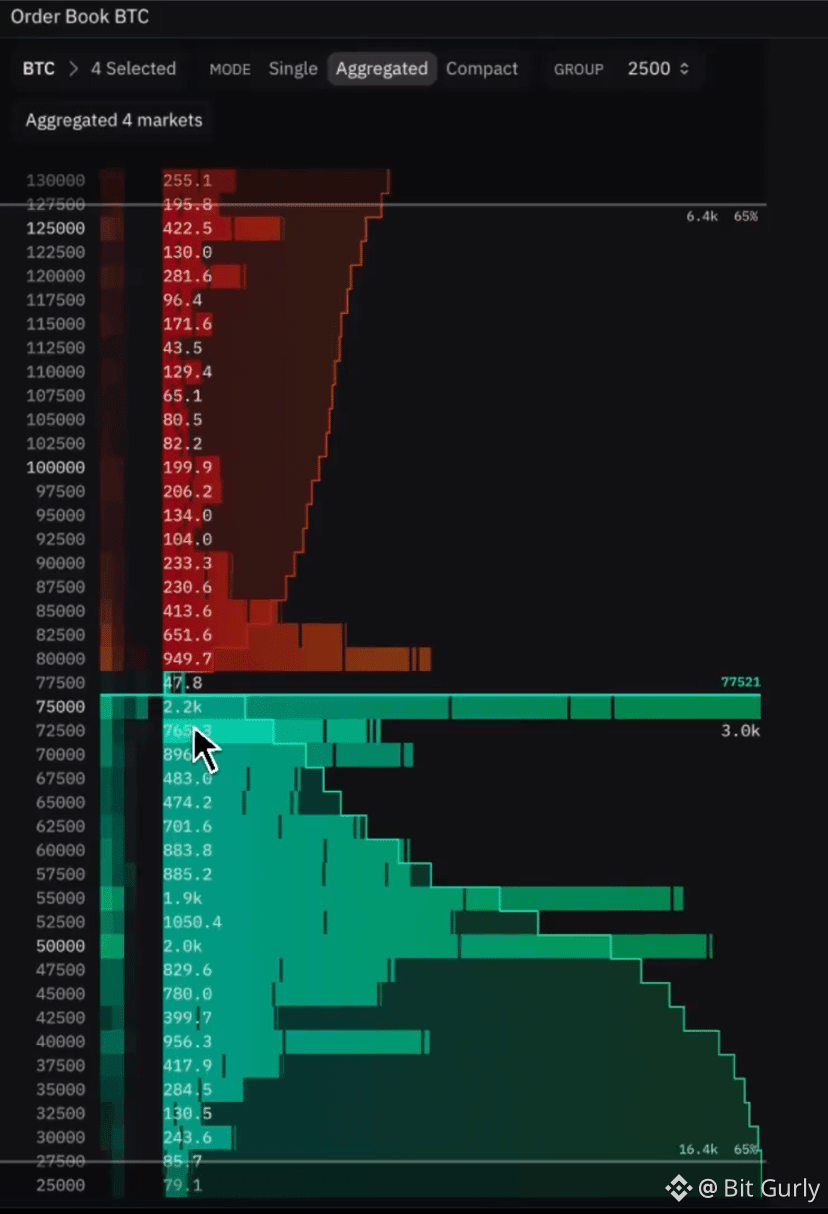
🚨 A major Bitcoin buy wall is sitting around $75,000.
That level is currently acting as the strongest visible liquidity support.
The concern is what sits below it: the order book becomes noticeably thinner, with the next major concentration appearing around $55,000–$60,000.
So $75K is more than another price level—it is the line buyers need to defend.
If it holds, the wall could absorb selling pressure. If it disappears or breaks, the downside could accelerate quickly through the liquidity gap.
Order-book liquidity can change at any time, so watch the orders—not just the level.
NFA. DYOR.
$BTC
{future}(BTCUSDT)
#BTCDrops3.4%To$77383 #SOLJumps20%OnTheWeek
🚨 A major Bitcoin buy wall is sitting around $75,000.
That level is currently acting as the strongest visible liquidity support.
The concern is what sits below it: the order book becomes noticeably thinner, with the next major concentration appearing around $55,000–$60,000.
So $75K is more than another price level—it is the line buyers need to defend.
If it holds, the wall could absorb selling pressure. If it disappears or breaks, the downside could accelerate quickly through the liquidity gap.
Order-book liquidity can change at any time, so watch the orders—not just the level.
NFA. DYOR.
$BTC
#BTCDrops3.4%To$77383 #SOLJumps20%OnTheWeek
That level is currently acting as the strongest visible liquidity support.
The concern is what sits below it: the order book becomes noticeably thinner, with the next major concentration appearing around $55,000–$60,000.
So $75K is more than another price level—it is the line buyers need to defend.
If it holds, the wall could absorb selling pressure. If it disappears or breaks, the downside could accelerate quickly through the liquidity gap.
Order-book liquidity can change at any time, so watch the orders—not just the level.
NFA. DYOR.
$BTC
#BTCDrops3.4%To$77383 #SOLJumps20%OnTheWeek
2
14
11k
·
--
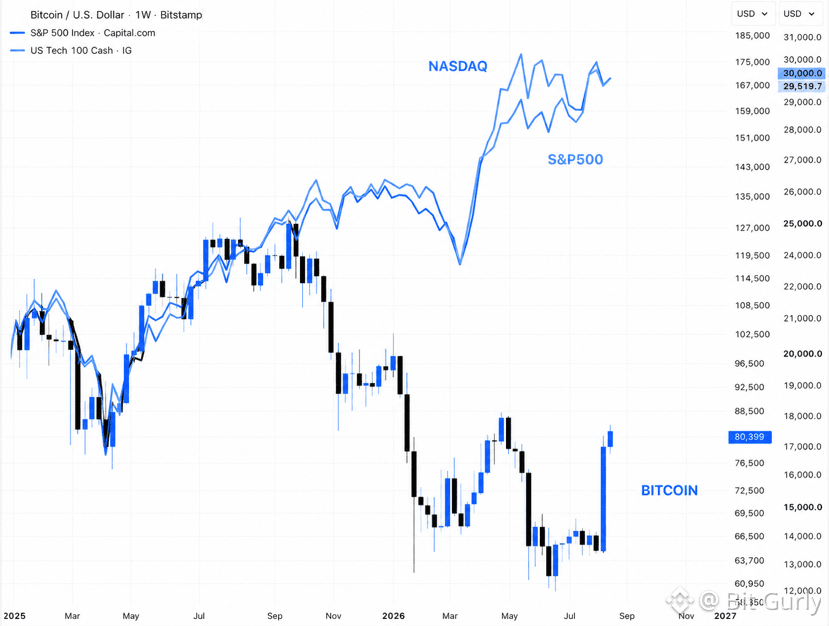
🚨 Bitcoin is seriously underperforming the stock market.
The S&P 500 and Nasdaq have recovered toward record highs, while $BTC is still trading near $80K after a major correction.
Stocks have already priced in renewed risk appetite. Bitcoin hasn’t.
If capital starts rotating back into crypto, Bitcoin may have a lot of catching up to do.
{future}(BTCUSDT)
#BitcoinHoldsNear$79400 #OktaCrowdStrikeSurgeOnEarningsBeat
🚨 Bitcoin is seriously underperforming the stock market.
The S&P 500 and Nasdaq have recovered toward record highs, while $BTC is still trading near $80K after a major correction.
Stocks have already priced in renewed risk appetite. Bitcoin hasn’t.
If capital starts rotating back into crypto, Bitcoin may have a lot of catching up to do.
#BitcoinHoldsNear$79400 #OktaCrowdStrikeSurgeOnEarningsBeat
The S&P 500 and Nasdaq have recovered toward record highs, while $BTC is still trading near $80K after a major correction.
Stocks have already priced in renewed risk appetite. Bitcoin hasn’t.
If capital starts rotating back into crypto, Bitcoin may have a lot of catching up to do.
#BitcoinHoldsNear$79400 #OktaCrowdStrikeSurgeOnEarningsBeat
26
8
105
216.8k
·
--
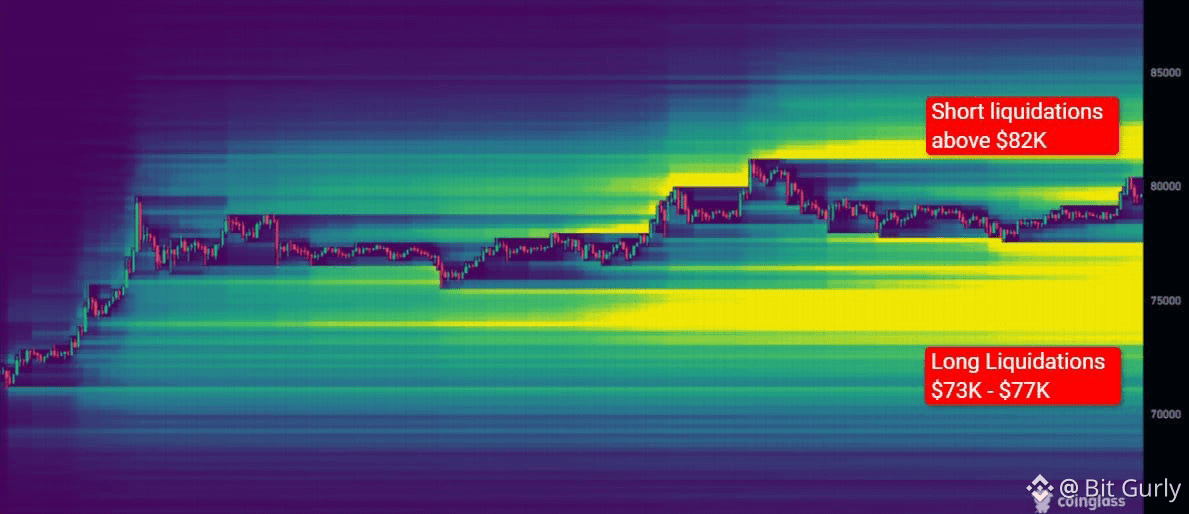
$BTC has liquidations sitting above $82K.
But look at what's stacked below between $73K and $77K.
That's a lot of liquidity.
I don't think that gets left alone.
{future}(BTCUSDT)
#BitcoinHoldsNear$79400
$BTC has liquidations sitting above $82K.
But look at what's stacked below between $73K and $77K.
That's a lot of liquidity.
I don't think that gets left alone.
#BitcoinHoldsNear$79400
But look at what's stacked below between $73K and $77K.
That's a lot of liquidity.
I don't think that gets left alone.
#BitcoinHoldsNear$79400
2
903
·
--
📊 FRIDAY WILL DECIDE THE NEXT $BTC MOVE.
In 3 days, Kevin Warsh speaks at 10:00 AM ET:
Vote below:
{future}(BTCUSDT)
📊 FRIDAY WILL DECIDE THE NEXT $BTC MOVE.
In 3 days, Kevin Warsh speaks at 10:00 AM ET:
Vote below:
In 3 days, Kevin Warsh speaks at 10:00 AM ET:
Vote below:
DOVISH: Break $80K and run
63%
HAWKISH: Dump back to $72K
37%
NEUTRAL: More chop
0%
16 votes • Voting closed
2
559
·
--
Bullish
I was reading through Dusk’s cryptography stack when one less glamorous page caught my attention: the hardware guide for prover nodes.
That page changed the question for me.
Dusk can hide transaction details and still prove that a transfer is valid. But those proofs do not appear for free. Someone has to perform the computation.
Dusk’s operator docs describe proof generation as a compute-heavy job. Each prover worker needs its own CPU core, and strong single-core performance matters because individual proofs are generated in a single-threaded process.
This sounds like an infrastructure detail until you imagine actual financial traffic.
A tokenized fund may process subscriptions during the day, then calculate redemptions and ownership updates together. A bond issuer may distribute interest to thousands of holders at once. A market stress event could trigger many private transfers or compliance checks within the same short window.
That traffic would not arrive evenly.
It would arrive in bursts.
So the privacy question is not only whether Dusk can generate a valid zero-knowledge proof. It is whether the prover network can absorb a sudden concentration of proof requests without turning confidentiality into a queue.
Hedger says its lightweight circuits can generate client-side proofs in under two seconds. That is encouraging, but one clean proof and a full market workflow are different tests.
I would want to see how proof time changes when many users submit private transactions together, and whether applications can add prover capacity without making the experience unpredictable.
Public chains usually measure scale through transactions per second.
For Dusk, another number may matter just as much: proofs completed per second during peak demand.
The cryptography can be correct while the user experience still becomes slow.
That is the part of Dusk’s privacy stack I would benchmark before the institutional traffic arrives.
@Dusk_Foundation | #dusk | $DUSK
{future}(DUSKUSDT)
I was reading through Dusk’s cryptography stack when one less glamorous page caught my attention: the hardware guide for prover nodes.
That page changed the question for me.
Dusk can hide transaction details and still prove that a transfer is valid. But those proofs do not appear for free. Someone has to perform the computation.
Dusk’s operator docs describe proof generation as a compute-heavy job. Each prover worker needs its own CPU core, and strong single-core performance matters because individual proofs are generated in a single-threaded process.
This sounds like an infrastructure detail until you imagine actual financial traffic.
A tokenized fund may process subscriptions during the day, then calculate redemptions and ownership updates together. A bond issuer may distribute interest to thousands of holders at once. A market stress event could trigger many private transfers or compliance checks within the same short window.
That traffic would not arrive evenly.
It would arrive in bursts.
So the privacy question is not only whether Dusk can generate a valid zero-knowledge proof. It is whether the prover network can absorb a sudden concentration of proof requests without turning confidentiality into a queue.
Hedger says its lightweight circuits can generate client-side proofs in under two seconds. That is encouraging, but one clean proof and a full market workflow are different tests.
I would want to see how proof time changes when many users submit private transactions together, and whether applications can add prover capacity without making the experience unpredictable.
Public chains usually measure scale through transactions per second.
For Dusk, another number may matter just as much: proofs completed per second during peak demand.
The cryptography can be correct while the user experience still becomes slow.
That is the part of Dusk’s privacy stack I would benchmark before the institutional traffic arrives.
@Dusk | #dusk | $DUSK
That page changed the question for me.
Dusk can hide transaction details and still prove that a transfer is valid. But those proofs do not appear for free. Someone has to perform the computation.
Dusk’s operator docs describe proof generation as a compute-heavy job. Each prover worker needs its own CPU core, and strong single-core performance matters because individual proofs are generated in a single-threaded process.
This sounds like an infrastructure detail until you imagine actual financial traffic.
A tokenized fund may process subscriptions during the day, then calculate redemptions and ownership updates together. A bond issuer may distribute interest to thousands of holders at once. A market stress event could trigger many private transfers or compliance checks within the same short window.
That traffic would not arrive evenly.
It would arrive in bursts.
So the privacy question is not only whether Dusk can generate a valid zero-knowledge proof. It is whether the prover network can absorb a sudden concentration of proof requests without turning confidentiality into a queue.
Hedger says its lightweight circuits can generate client-side proofs in under two seconds. That is encouraging, but one clean proof and a full market workflow are different tests.
I would want to see how proof time changes when many users submit private transactions together, and whether applications can add prover capacity without making the experience unpredictable.
Public chains usually measure scale through transactions per second.
For Dusk, another number may matter just as much: proofs completed per second during peak demand.
The cryptography can be correct while the user experience still becomes slow.
That is the part of Dusk’s privacy stack I would benchmark before the institutional traffic arrives.
@Dusk | #dusk | $DUSK
1
418
·
--
Bullish
I went into the DuskEVM bridge guide looking for withdrawal timing.
The fee line was what made me stop.
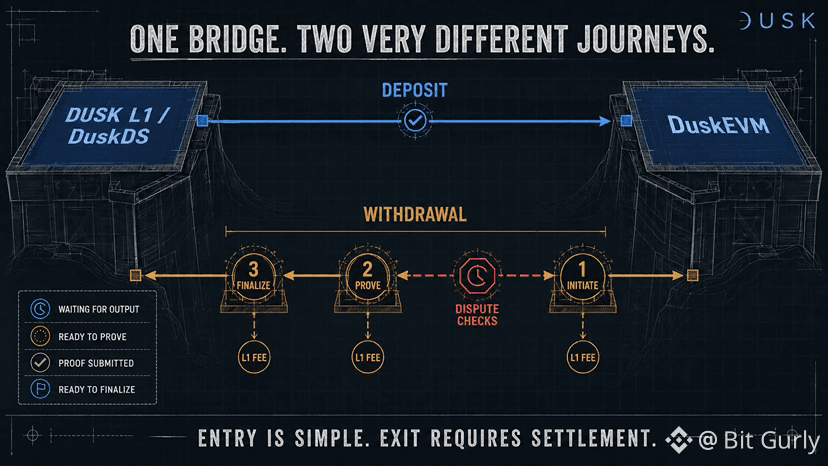
Moving DUSK into the current DuskEVM testnet flow is fairly simple: submit the deposit on Dusk L1, then wait for the balance to appear on DuskEVM.
Coming back is different.
A withdrawal requires three separate actions:
Initiate it on DuskEVM.
Prove it on Dusk L1.
Finalize it on Dusk L1.
The wallet can move through “Waiting for output proposal,” “Ready to prove,” “Proof submitted” and “Waiting to finalize” before the DUSK is released.
That part makes sense. The return journey is where DuskDS verifies the state coming from the EVM layer.
But then I noticed the user also needs enough unshielded DUSK on the L1 to pay for both the proof and finalization transactions.
So someone can hold DUSK inside DuskEVM, start moving it back, and still need a separate usable L1 balance to complete the exit.
The funds are not necessarily stuck. The user may simply be missing the asset required to finish proving that they are allowed to retrieve them.
That feels like a small technical requirement until DuskEVM is used by someone who has never touched Dusk L1 directly.
A Solidity developer may understand contracts and MetaMask perfectly, while the end user only sees a withdrawal sitting at “Waiting to finalize.”
Dusk’s docs are careful here. They tell users to follow the wallet status rather than estimate readiness from elapsed time alone.
Now I am watching how much of this survives into the final production experience.
Will users still manually manage three transactions and two L1 fees, or will the wallet abstract the process without hiding which settlement stage their money has actually reached?
The bridge is not only moving DUSK between layers. It is where DuskEVM’s familiar front end meets Dusk-native settlement and where that difference becomes impossible to ignore.
@Dusk_Foundation $DUSK #dusk
{future}(DUSKUSDT)
I went into the DuskEVM bridge guide looking for withdrawal timing.
The fee line was what made me stop.
Moving DUSK into the current DuskEVM testnet flow is fairly simple: submit the deposit on Dusk L1, then wait for the balance to appear on DuskEVM.
Coming back is different.
A withdrawal requires three separate actions:
Initiate it on DuskEVM.
Prove it on Dusk L1.
Finalize it on Dusk L1.
The wallet can move through “Waiting for output proposal,” “Ready to prove,” “Proof submitted” and “Waiting to finalize” before the DUSK is released.
That part makes sense. The return journey is where DuskDS verifies the state coming from the EVM layer.
But then I noticed the user also needs enough unshielded DUSK on the L1 to pay for both the proof and finalization transactions.
So someone can hold DUSK inside DuskEVM, start moving it back, and still need a separate usable L1 balance to complete the exit.
The funds are not necessarily stuck. The user may simply be missing the asset required to finish proving that they are allowed to retrieve them.
That feels like a small technical requirement until DuskEVM is used by someone who has never touched Dusk L1 directly.
A Solidity developer may understand contracts and MetaMask perfectly, while the end user only sees a withdrawal sitting at “Waiting to finalize.”
Dusk’s docs are careful here. They tell users to follow the wallet status rather than estimate readiness from elapsed time alone.
Now I am watching how much of this survives into the final production experience.
Will users still manually manage three transactions and two L1 fees, or will the wallet abstract the process without hiding which settlement stage their money has actually reached?
The bridge is not only moving DUSK between layers. It is where DuskEVM’s familiar front end meets Dusk-native settlement and where that difference becomes impossible to ignore.
@Dusk $DUSK #dusk
The fee line was what made me stop.
Moving DUSK into the current DuskEVM testnet flow is fairly simple: submit the deposit on Dusk L1, then wait for the balance to appear on DuskEVM.
Coming back is different.
A withdrawal requires three separate actions:
Initiate it on DuskEVM.
Prove it on Dusk L1.
Finalize it on Dusk L1.
The wallet can move through “Waiting for output proposal,” “Ready to prove,” “Proof submitted” and “Waiting to finalize” before the DUSK is released.
That part makes sense. The return journey is where DuskDS verifies the state coming from the EVM layer.
But then I noticed the user also needs enough unshielded DUSK on the L1 to pay for both the proof and finalization transactions.
So someone can hold DUSK inside DuskEVM, start moving it back, and still need a separate usable L1 balance to complete the exit.
The funds are not necessarily stuck. The user may simply be missing the asset required to finish proving that they are allowed to retrieve them.
That feels like a small technical requirement until DuskEVM is used by someone who has never touched Dusk L1 directly.
A Solidity developer may understand contracts and MetaMask perfectly, while the end user only sees a withdrawal sitting at “Waiting to finalize.”
Dusk’s docs are careful here. They tell users to follow the wallet status rather than estimate readiness from elapsed time alone.
Now I am watching how much of this survives into the final production experience.
Will users still manually manage three transactions and two L1 fees, or will the wallet abstract the process without hiding which settlement stage their money has actually reached?
The bridge is not only moving DUSK between layers. It is where DuskEVM’s familiar front end meets Dusk-native settlement and where that difference becomes impossible to ignore.
@Dusk $DUSK #dusk
1
549
Log in to explore more content
Join global crypto users on Binance Square
⚡️ Get latest and useful information about crypto.
💬 Trusted by the world’s largest crypto exchange.
👍 Discover real insights from verified creators.
Email / Phone number
Trending Topics
ClarityActFacesProceduralVoteSept15
50,199 views
739 Discussing
Tuesday, September 15, 2:15pm ET. Mark it. 🗓️
The Senate votes on whether to even debate the CLARITY Act, the bill that would finally define which coins are securities vs commodities under US law.
Needs 60 votes. Republicans have 53. Several Democrats need to cross over, and it's not guaranteed.
Fail this vote = the bill is dead for 2026, likely until 2029 (midterms eat the calendar after this).
Pass this vote = doors open to real debate, still a long way to actual law.
Biggest crypto regulation moment of the year happens in a few days.
#ClarityActFacesProceduralVoteSept15
NewbieToNode
·5 Likes
·5.5k views
US2YearYieldRisesTo4.61%
36,274 views
686 Discussing
US10YearTreasuryYieldNears5%
22,193 views
405 Discussing