
分析师恒哥
199 Posts

分析师恒哥
Report
Block User
市场不相信眼泪,只相信数据。聚焦加密与美市科技巨头,抛弃散户思维,用硬逻辑丈量每一次清算与突破。
45 Following
128 Followers
234 Liked
Posts
All
Quotes
Live
PINNED
·
--
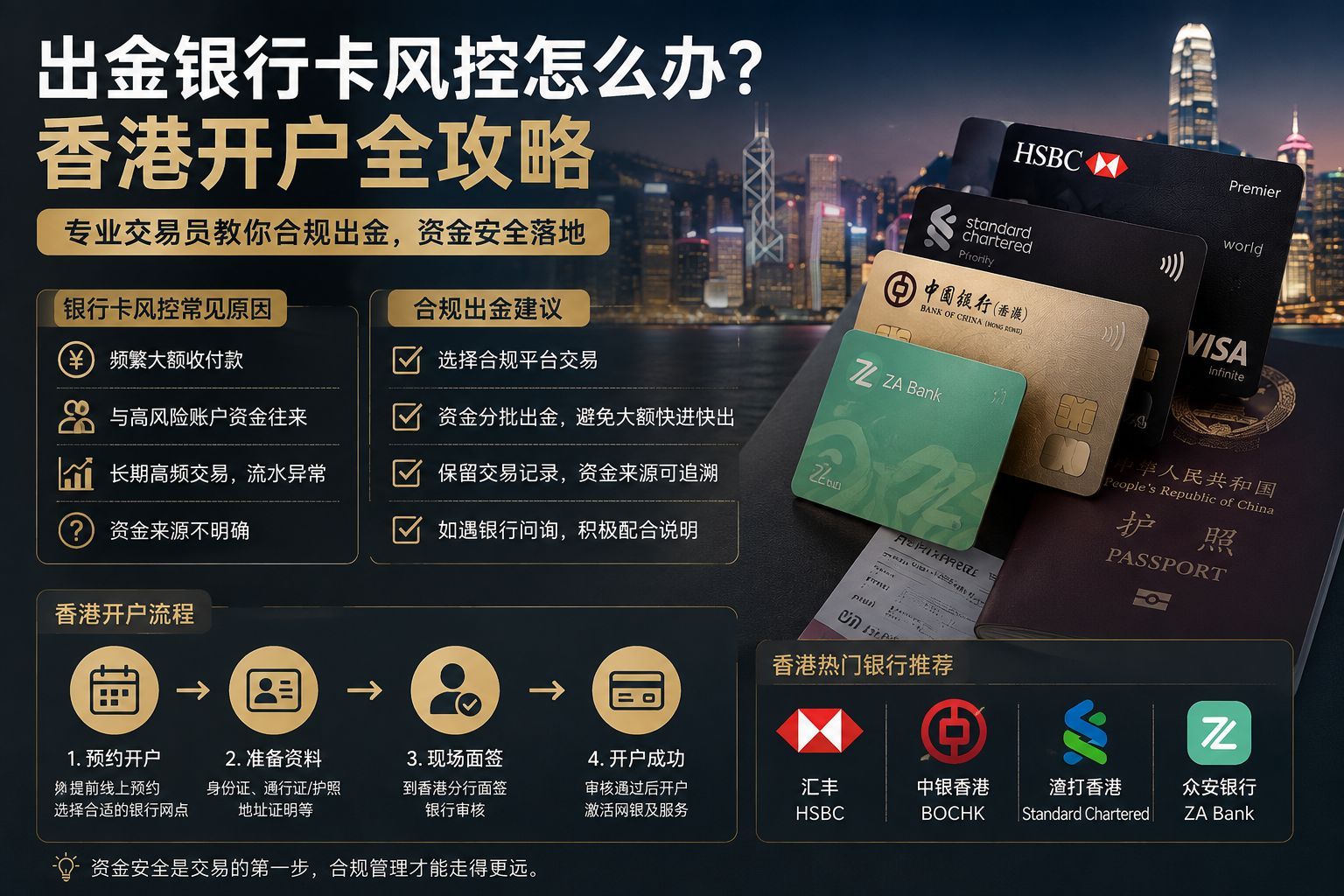
What should you do if cash withdrawals from a bank card are flagged for risk control? Professional answers for you—please save this
First, here’s my viewpoint:
Don’t try to bypass risk controls; instead, make your fund flows more compliant.
Many people find their withdrawals restricted—not because they’ve made money, but because of:
❌ Frequent large-amount incoming and outgoing payments
❌ Fund transfers with high-risk accounts
❌ Using a personal bank card for high-frequency trading over a long period
❌ Transaction flow clearly doesn’t match the account’s usual daily spending habits
All these behaviors may trigger the bank’s risk controls.
My advice:
✅ Choose compliant platforms for transactions whenever possible.
✅ Don’t withdraw large sums frequently within a short period—try to smooth out your fund plan.
✅ Keep transaction records and proof of fund sources; when necessary, explain the source of funds to the bank.
Many friends ask me:
Should I apply for a bank card in Hong Kong?
If you often participate in global asset allocation, many people do choose Hong Kong bank accounts as a long-term tool for managing funds.
The ones drawing more attention currently include:
HSBC (HSBC), Bank of China Hong Kong (BOCHK), Standard Chartered Hong Kong (Standard Chartered), ZA Bank (a digital bank)
The general process is roughly:
1️⃣ Make an online appointment in advance (some banks support this).
2️⃣ Bring valid identification, a Mainland Travel Permit to Hong Kong and Macau or a passport, and address proof required by the bank, among other materials.
3️⃣ Go to the Hong Kong branch for face-to-face verification; the bank will review your account opening based on your situation.
4️⃣ If approved, open the account and activate online banking and related services as required.
Please note:
Opening an account in Hong Kong isn’t a “guaranteed approval.” Requirements may change across different banks and different times, and the decision to open an account also depends on the customer’s circumstances.
My viewpoint:
A real trader, besides studying market trends, must also study the safety of funds.
Making money is only the first step.
Managing funds safely, stably, and compliantly is the key to staying in the market for the long term.
Follow me to safeguard your assets—an 8-year professional trader!
#出金被冻 #出金避坑指南 #出金注意事项
What should you do if cash withdrawals from a bank card are flagged for risk control? Professional answers for you—please save this
First, here’s my viewpoint:
Don’t try to bypass risk controls; instead, make your fund flows more compliant.
Many people find their withdrawals restricted—not because they’ve made money, but because of:
❌ Frequent large-amount incoming and outgoing payments
❌ Fund transfers with high-risk accounts
❌ Using a personal bank card for high-frequency trading over a long period
❌ Transaction flow clearly doesn’t match the account’s usual daily spending habits
All these behaviors may trigger the bank’s risk controls.
My advice:
✅ Choose compliant platforms for transactions whenever possible.
✅ Don’t withdraw large sums frequently within a short period—try to smooth out your fund plan.
✅ Keep transaction records and proof of fund sources; when necessary, explain the source of funds to the bank.
Many friends ask me:
Should I apply for a bank card in Hong Kong?
If you often participate in global asset allocation, many people do choose Hong Kong bank accounts as a long-term tool for managing funds.
The ones drawing more attention currently include:
HSBC (HSBC), Bank of China Hong Kong (BOCHK), Standard Chartered Hong Kong (Standard Chartered), ZA Bank (a digital bank)
The general process is roughly:
1️⃣ Make an online appointment in advance (some banks support this).
2️⃣ Bring valid identification, a Mainland Travel Permit to Hong Kong and Macau or a passport, and address proof required by the bank, among other materials.
3️⃣ Go to the Hong Kong branch for face-to-face verification; the bank will review your account opening based on your situation.
4️⃣ If approved, open the account and activate online banking and related services as required.
Please note:
Opening an account in Hong Kong isn’t a “guaranteed approval.” Requirements may change across different banks and different times, and the decision to open an account also depends on the customer’s circumstances.
My viewpoint:
A real trader, besides studying market trends, must also study the safety of funds.
Making money is only the first step.
Managing funds safely, stably, and compliantly is the key to staying in the market for the long term.
Follow me to safeguard your assets—an 8-year professional trader!
#出金被冻 #出金避坑指南 #出金注意事项
First, here’s my viewpoint:
Don’t try to bypass risk controls; instead, make your fund flows more compliant.
Many people find their withdrawals restricted—not because they’ve made money, but because of:
❌ Frequent large-amount incoming and outgoing payments
❌ Fund transfers with high-risk accounts
❌ Using a personal bank card for high-frequency trading over a long period
❌ Transaction flow clearly doesn’t match the account’s usual daily spending habits
All these behaviors may trigger the bank’s risk controls.
My advice:
✅ Choose compliant platforms for transactions whenever possible.
✅ Don’t withdraw large sums frequently within a short period—try to smooth out your fund plan.
✅ Keep transaction records and proof of fund sources; when necessary, explain the source of funds to the bank.
Many friends ask me:
Should I apply for a bank card in Hong Kong?
If you often participate in global asset allocation, many people do choose Hong Kong bank accounts as a long-term tool for managing funds.
The ones drawing more attention currently include:
HSBC (HSBC), Bank of China Hong Kong (BOCHK), Standard Chartered Hong Kong (Standard Chartered), ZA Bank (a digital bank)
The general process is roughly:
1️⃣ Make an online appointment in advance (some banks support this).
2️⃣ Bring valid identification, a Mainland Travel Permit to Hong Kong and Macau or a passport, and address proof required by the bank, among other materials.
3️⃣ Go to the Hong Kong branch for face-to-face verification; the bank will review your account opening based on your situation.
4️⃣ If approved, open the account and activate online banking and related services as required.
Please note:
Opening an account in Hong Kong isn’t a “guaranteed approval.” Requirements may change across different banks and different times, and the decision to open an account also depends on the customer’s circumstances.
My viewpoint:
A real trader, besides studying market trends, must also study the safety of funds.
Making money is only the first step.
Managing funds safely, stably, and compliantly is the key to staying in the market for the long term.
Follow me to safeguard your assets—an 8-year professional trader!
#出金被冻 #出金避坑指南 #出金注意事项
HSBCUS-0.14%
4
183
PINNED
·
--
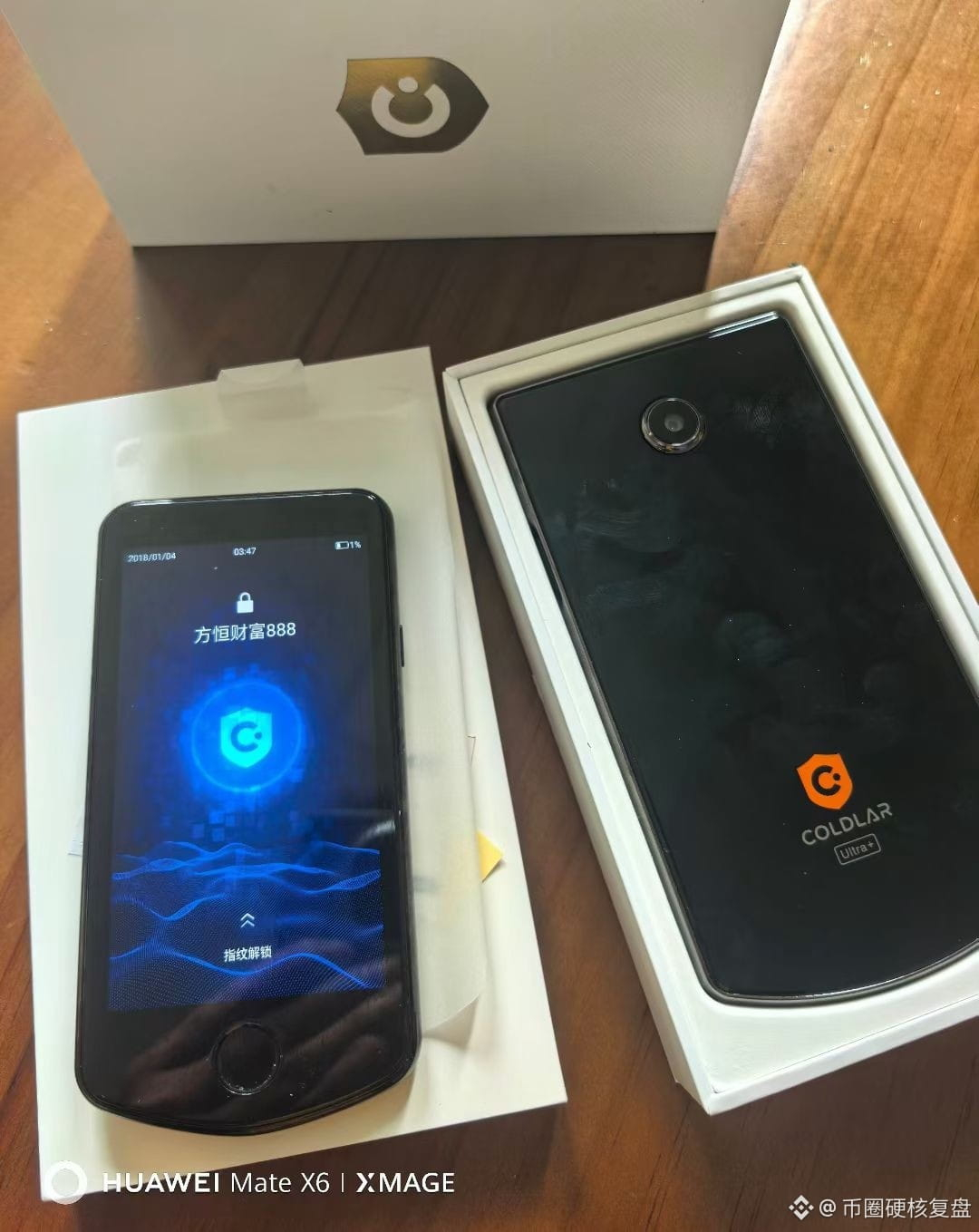
Over the past couple of days there hasn’t been much business. Everyone should place limit orders at the price points I’ve provided. Also, whenever the price dips, buy $BNB $BTC $ETH —long-term spot. For large funds, for safety you still need to use a cold wallet. Keep your private keys and seed phrase safe; it’s best to hand-copy a few copies—don’t take photos. This is my experience from playing the crypto market for 8 years! My current main position is spot holdings of over 60%. Let’s welcome the bull market together. I’m planning to start streaming recently; if you’re interested, please follow me. Then, you can come chat in the stream room! #牛市进行中… #BTC走势分析
Over the past couple of days there hasn’t been much business. Everyone should place limit orders at the price points I’ve provided. Also, whenever the price dips, buy $BNB $BTC $ETH —long-term spot. For large funds, for safety you still need to use a cold wallet. Keep your private keys and seed phrase safe; it’s best to hand-copy a few copies—don’t take photos. This is my experience from playing the crypto market for 8 years! My current main position is spot holdings of over 60%. Let’s welcome the bull market together. I’m planning to start streaming recently; if you’re interested, please follow me. Then, you can come chat in the stream room! #牛市进行中… #BTC走势分析
2
440
·
--
The $BTC $SOL $ETH that I recommended to everyone before has been making insane profits lately, right? Buy the spot on dips. Leverage users can also create a small position to catch the bull market’s move and sell at the top. Everything’s been going up recently, so there isn’t much news either—just hold it.
The $BTC $SOL $ETH that I recommended to everyone before has been making insane profits lately, right? Buy the spot on dips. Leverage users can also create a small position to catch the bull market’s move and sell at the top. Everything’s been going up recently, so there isn’t much news either—just hold it.
1
1
368
·
--
Bullish
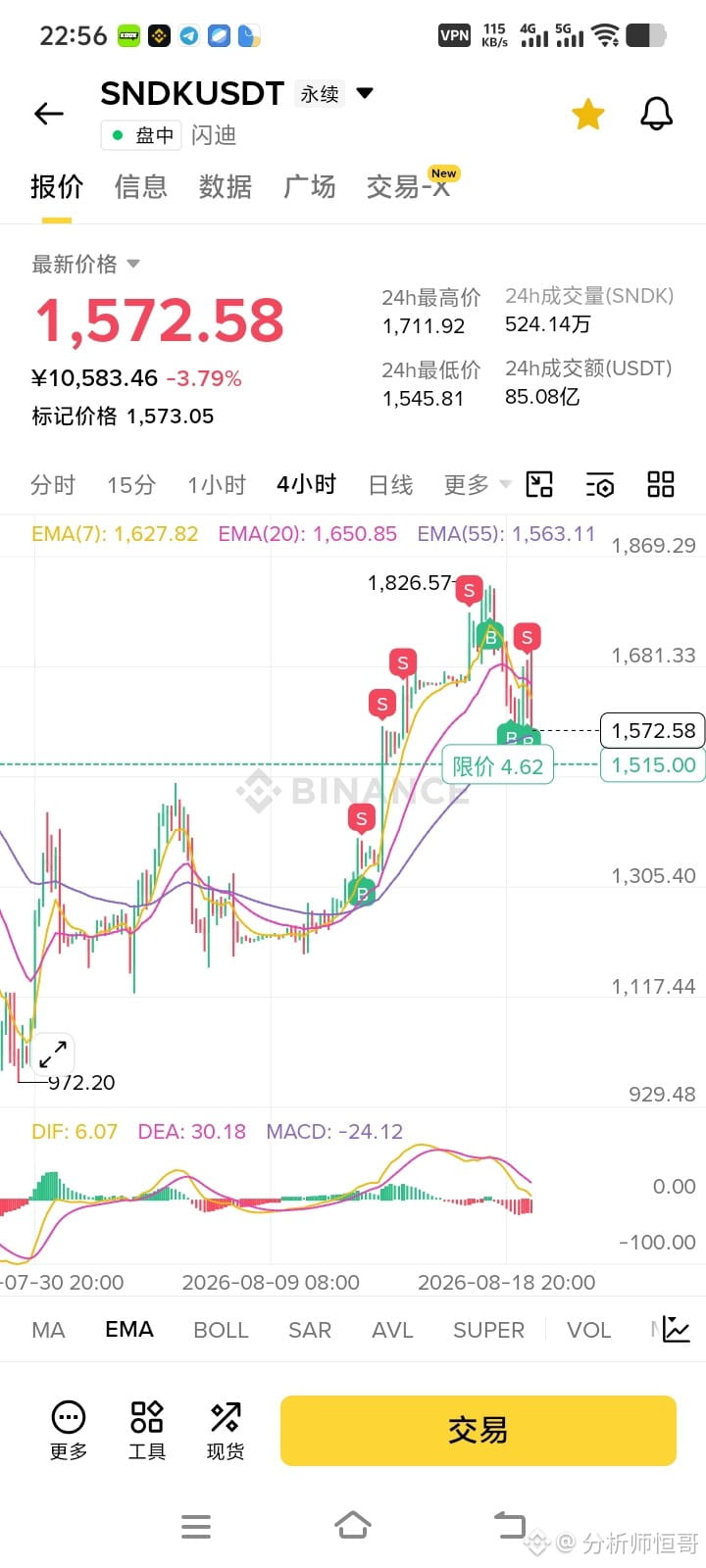
$SNDK Have the last time you went short on SanDisk and got trapped? Then this time we’re here to take revenge. We’ll go long near the 1515 pressure level. What you need to pay special attention to is that this US stock is extremely volatile—it’s essentially like it has built-in leverage. We must trade with low leverage. Set the stop-loss around 1480 near #SNDK #分析师恒哥
$SNDK Have the last time you went short on SanDisk and got trapped? Then this time we’re here to take revenge. We’ll go long near the 1515 pressure level. What you need to pay special attention to is that this US stock is extremely volatile—it’s essentially like it has built-in leverage. We must trade with low leverage. Set the stop-loss around 1480 near #SNDK #分析师恒哥
3
1
5.7k
·
--
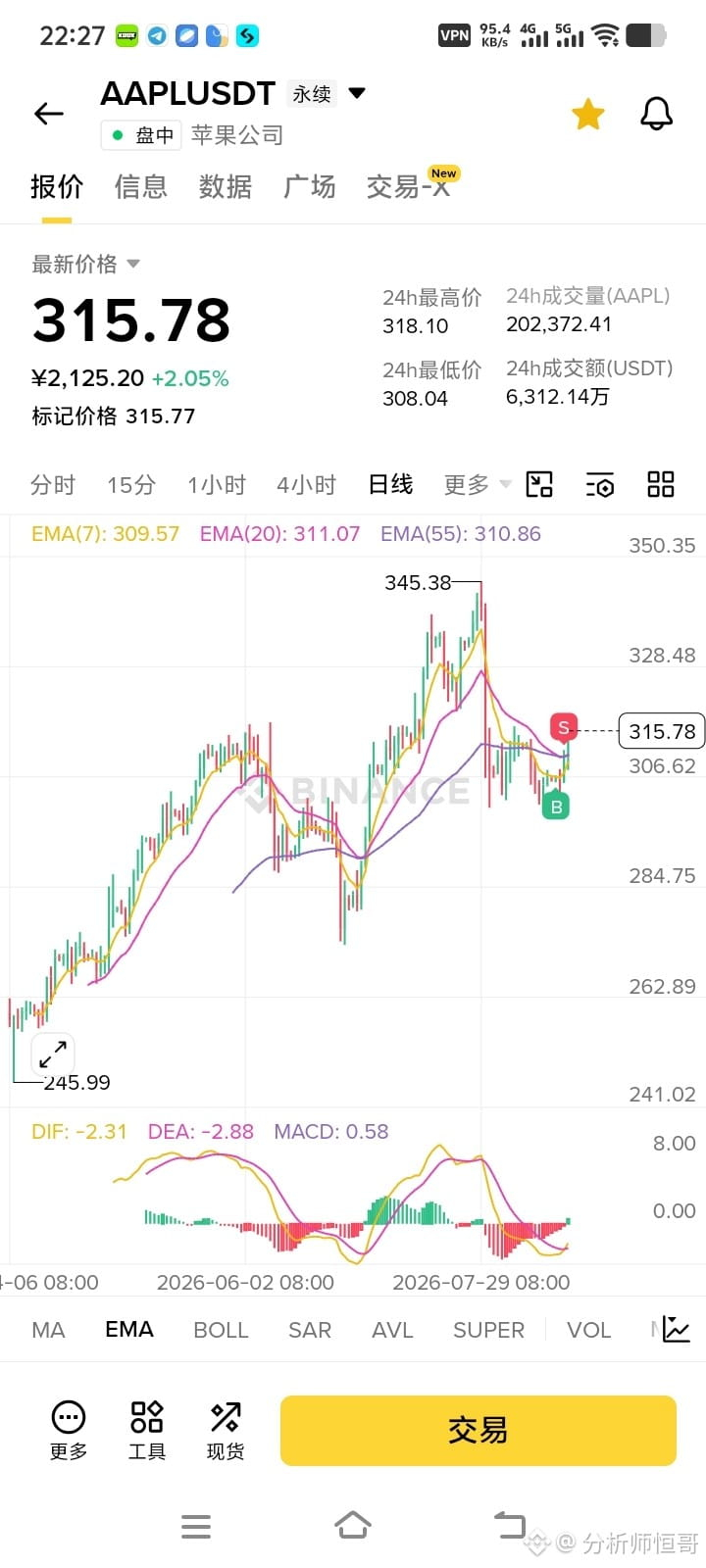
$AAPL $GOOGL $OPENAI You can arrange in batches; Apple and Google are companies that keep making profits. They continuously buy back shares every year, so they can be used as a long-term low-multiple long-term holding. Today, Apple has already risen from 305 to 316, and those friends who followed earlier should have already profited. Follow me, and let’s welcome the bull market #分析师恒哥 #AAPLE
$AAPL $GOOGL $OPENAI You can arrange in batches; Apple and Google are companies that keep making profits. They continuously buy back shares every year, so they can be used as a long-term low-multiple long-term holding. Today, Apple has already risen from 305 to 316, and those friends who followed earlier should have already profited. Follow me, and let’s welcome the bull market #分析师恒哥 #AAPLE

大吉大利!
From 分析师恒哥
3
293
·
--
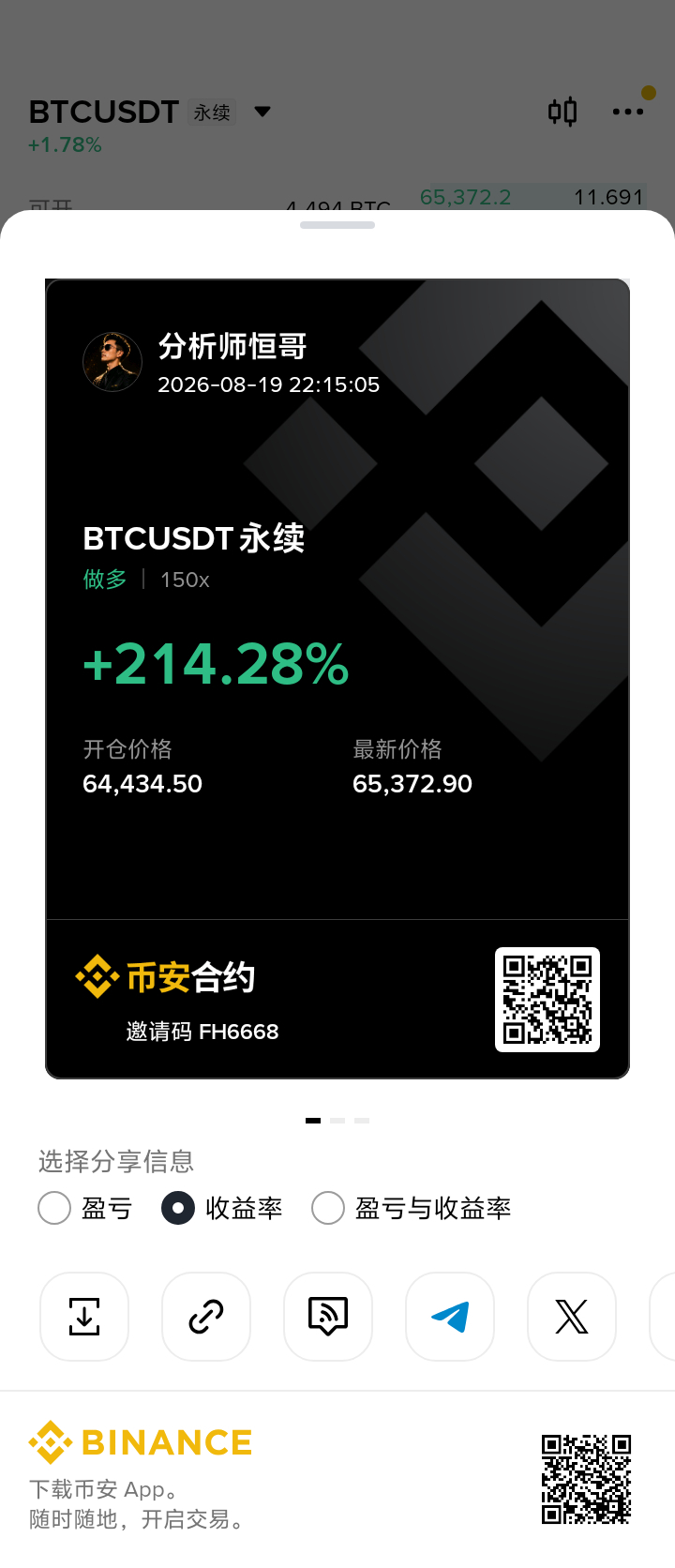
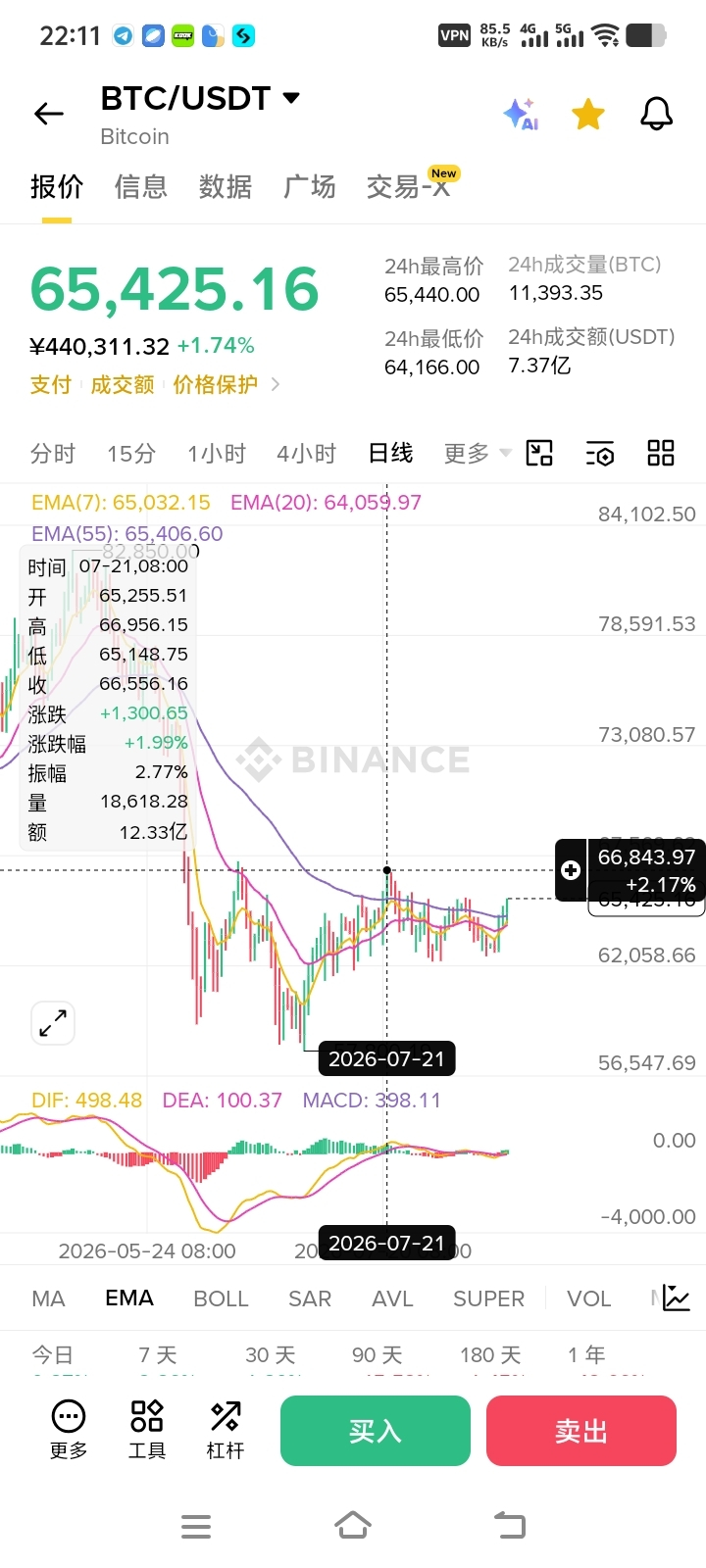
$BTC Yesterday received 65000 short to 64200, also precisely hit the target. Then I flipped and went long. Today it rose again to 65400. I will close around 65900. Because 66700 is a relatively strong resistance level, I will short around there. Everyone can place an order for a 66500 short and catch a pullback! #BTC走势分析 #分析师恒哥
$BTC Yesterday received 65000 short to 64200, also precisely hit the target. Then I flipped and went long. Today it rose again to 65400. I will close around 65900. Because 66700 is a relatively strong resistance level, I will short around there. Everyone can place an order for a 66500 short and catch a pullback! #BTC走势分析 #分析师恒哥
大吉大利!
From 分析师恒哥
2
3
239
·
--
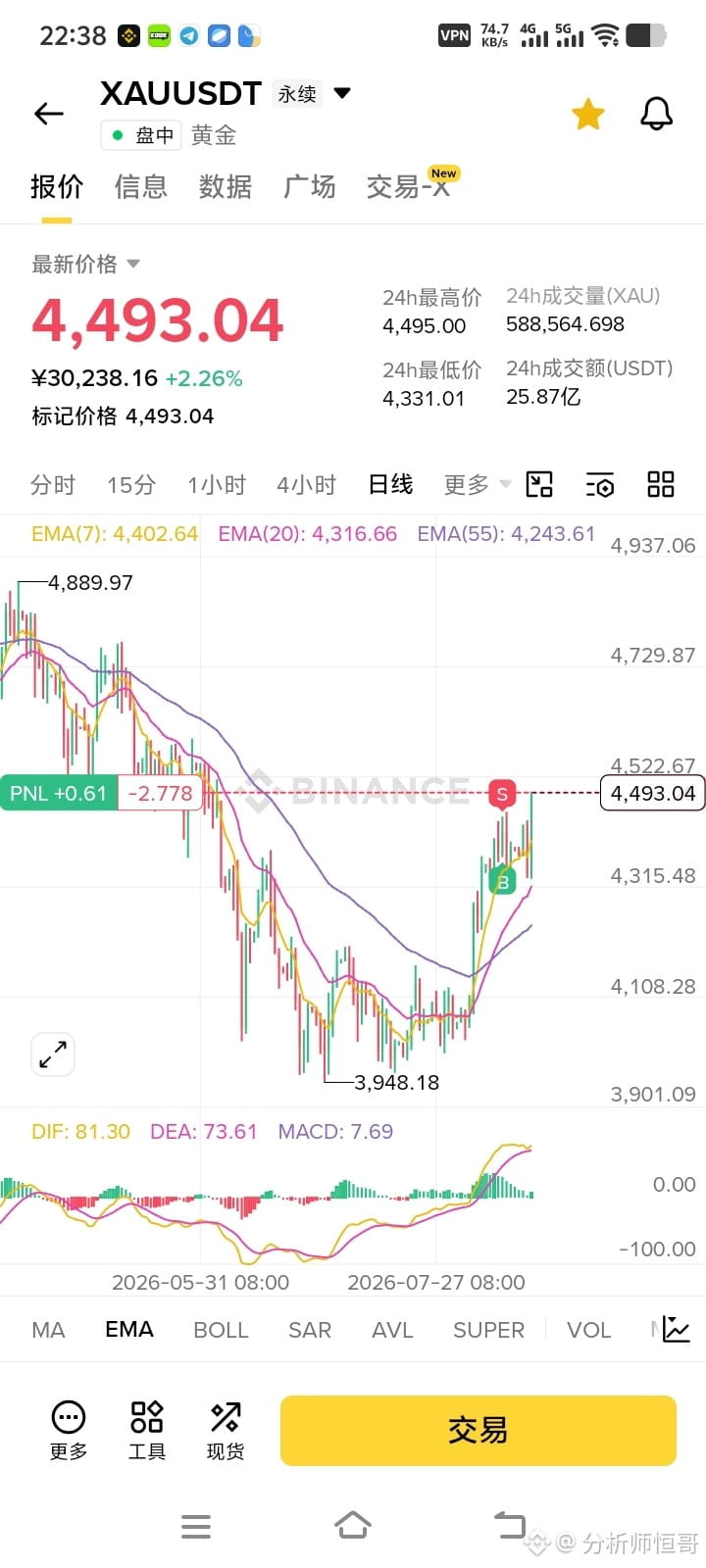
$BTC Last night’s short position—now you can close the profit in batches. Next is the crude oil trade. I also told everyone before: crude oil at $BZ $CL has risen above 90—use low-leverage, go short without overthinking. In the end, it will come down so you can take the profit.
$BTC Last night’s short position—now you can close the profit in batches. Next is the crude oil trade. I also told everyone before: crude oil at $BZ $CL has risen above 90—use low-leverage, go short without overthinking. In the end, it will come down so you can take the profit.
分析师恒哥
·
--
Bearish$BTC 64800 to 65300 short, 10x leverage, use 10% of capital, take profit at 64200, stop loss at 65700. Brothers, we can start trading now
1
171
·
--
Article
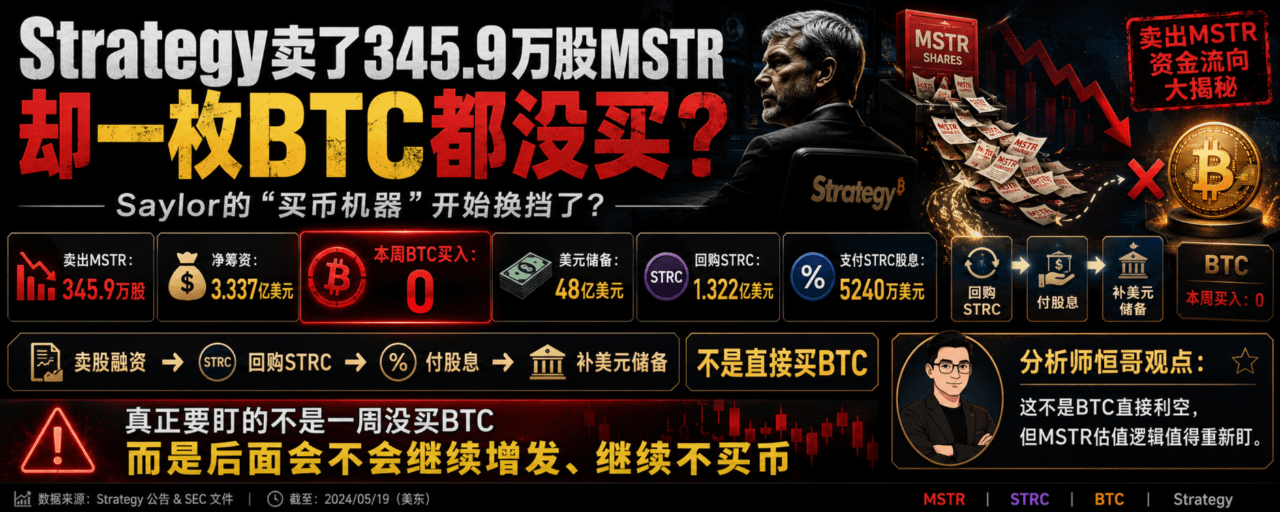
Strategy sold 3.459 million shares of MSTR, yet bought not a single BTC! Saylor’s “infinite coin-buying machine” is switching gears?For this message, I think many people misread the key point at first glance.
Everyone knows Strategy’s most classic play in the past:
Sell stocks ↓
Raise financing ↓
Buy BTC ↓
BTC price goes up ↓
MSTR premium continues to expand
But this time, the script has changed.
According to Strategy’s latest submitted SEC filing:
August 10—August 16
Strategy sold a total of:
3.459 million shares of MSTR
Net funding raised is approximately:
$333.7 million
But the most crucial point is—
This week’s BTC purchases: 0.
Not a single one was bought.
Where did the money go?
Very simple:
🔴 About $132.2 million
Use it to buy back STRC preferred shares.
🔴 About $52.4 million
Strategy sold 3.459 million shares of MSTR, yet bought not a single BTC! Saylor’s “infinite coin-buying machine” is switching gears?
For this message, I think many people misread the key point at first glance.
Everyone knows Strategy’s most classic play in the past:
Sell stocks ↓
Raise financing ↓
Buy BTC ↓
BTC price goes up ↓
MSTR premium continues to expand
But this time, the script has changed.
According to Strategy’s latest submitted SEC filing:
August 10—August 16
Strategy sold a total of:
3.459 million shares of MSTR
Net funding raised is approximately:
$333.7 million
But the most crucial point is—
This week’s BTC purchases: 0.
Not a single one was bought.
Where did the money go?
Very simple:
🔴 About $132.2 million
Use it to buy back STRC preferred shares.
🔴 About $52.4 million
Everyone knows Strategy’s most classic play in the past:
Sell stocks ↓
Raise financing ↓
Buy BTC ↓
BTC price goes up ↓
MSTR premium continues to expand
But this time, the script has changed.
According to Strategy’s latest submitted SEC filing:
August 10—August 16
Strategy sold a total of:
3.459 million shares of MSTR
Net funding raised is approximately:
$333.7 million
But the most crucial point is—
This week’s BTC purchases: 0.
Not a single one was bought.
Where did the money go?
Very simple:
🔴 About $132.2 million
Use it to buy back STRC preferred shares.
🔴 About $52.4 million
1
211
·
--
Verified
Article
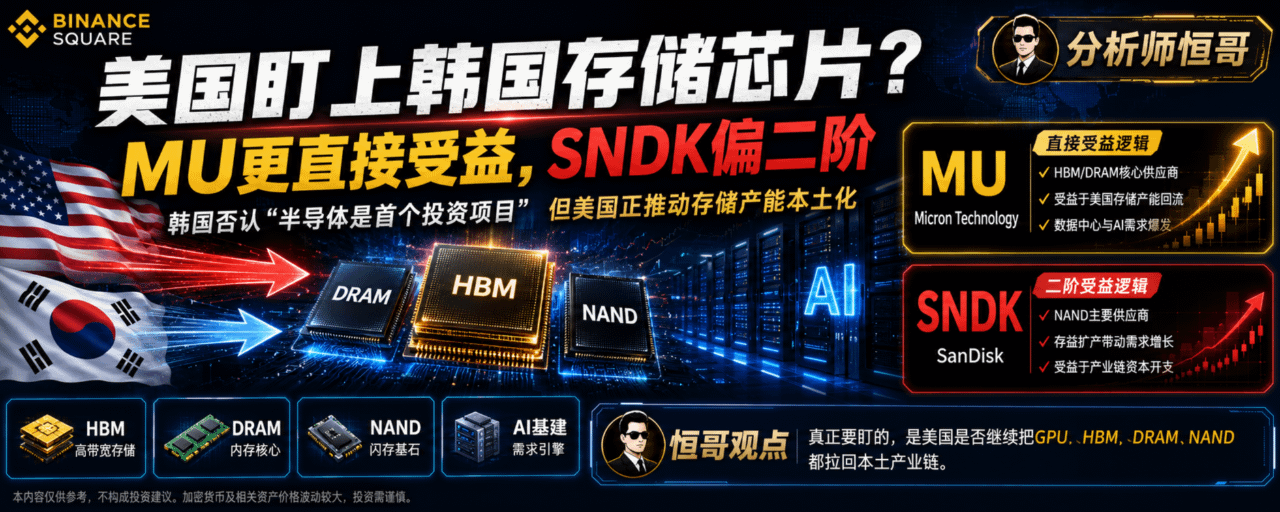
The U.S. sets its sights on South Korea’s storage chips—will MU and SNDK be about to catch a tailwind?The United States is pushing South Korea to expand its investment in the U.S., and the market’s latest focus has already shifted to:
Storage chips.
Earlier reports suggested that the U.S. wants South Korea to prioritize directing funds toward U.S.-based storage chip capacity.
But the South Korean government subsequently denied it:
At present, there is no confirmed plan to make semiconductors the first investment project.
However, one thing is already very clear:
The U.S. commerce secretary previously did publicly call on Samsung and SK Hynix to expand the production of storage chips in the United States.
Why is the United States suddenly putting so much emphasis on this?
Because what AI truly lacks is not just GPUs.
Also:
HBM, DRAM, NAND.
The U.S. sets its sights on South Korea’s storage chips—will MU and SNDK be about to catch a tailwind?
The United States is pushing South Korea to expand its investment in the U.S., and the market’s latest focus has already shifted to:
Storage chips.
Earlier reports suggested that the U.S. wants South Korea to prioritize directing funds toward U.S.-based storage chip capacity.
But the South Korean government subsequently denied it:
At present, there is no confirmed plan to make semiconductors the first investment project.
However, one thing is already very clear:
The U.S. commerce secretary previously did publicly call on Samsung and SK Hynix to expand the production of storage chips in the United States.
Why is the United States suddenly putting so much emphasis on this?
Because what AI truly lacks is not just GPUs.
Also:
HBM, DRAM, NAND.
Storage chips.
Earlier reports suggested that the U.S. wants South Korea to prioritize directing funds toward U.S.-based storage chip capacity.
But the South Korean government subsequently denied it:
At present, there is no confirmed plan to make semiconductors the first investment project.
However, one thing is already very clear:
The U.S. commerce secretary previously did publicly call on Samsung and SK Hynix to expand the production of storage chips in the United States.
Why is the United States suddenly putting so much emphasis on this?
Because what AI truly lacks is not just GPUs.
Also:
HBM, DRAM, NAND.
2
3.5k
·
--
Article
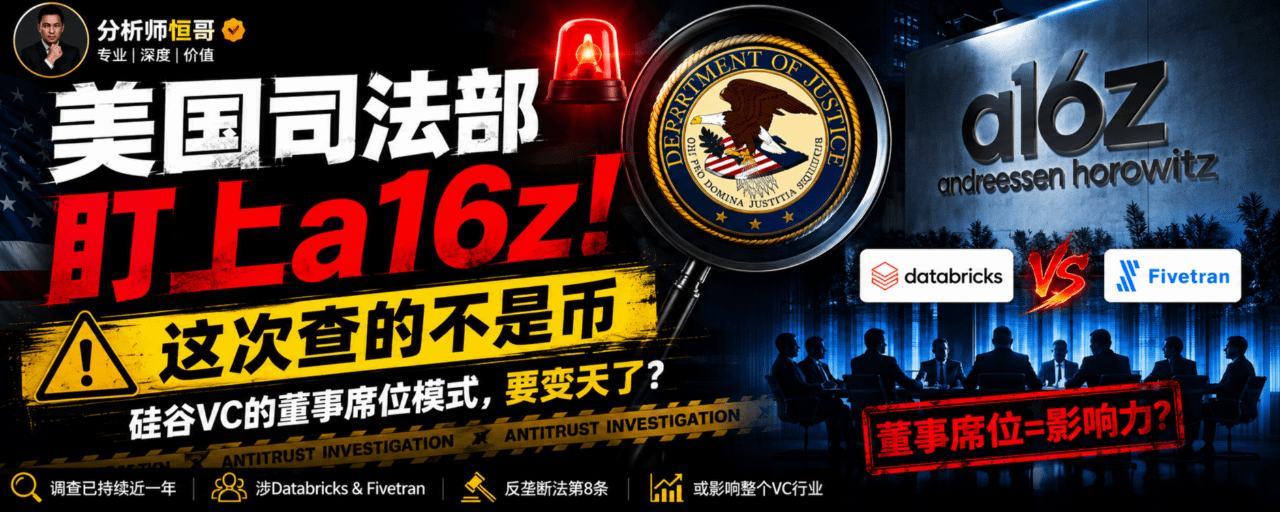
a16z exposed as being investigated by the U.S. Department of Justice! The real danger may not be a finethe U.S. Department of Justice is targeting this time,
Not BTC.
not some token.
and it's not even about what projects a16z invested in.
instead of something that is a token—it's a playbook that Silicon Valley VCs have used for many years:
an investment firm, while also holding board seats at companies that may compete with each other.
According to the latest reports,
The U.S. Department of Justice is investigating Andreessen Horowitz—very well known in the crypto world, the a16z—
The core issue is:
a16z's investment partner, whether they are improperly sitting on the boards of AI/data companies that have competing relationships at the same time.
What’s drawing the most attention right now are two companies:
Databricks
a16z exposed as being investigated by the U.S. Department of Justice! The real danger may not be a fine
the U.S. Department of Justice is targeting this time,
Not BTC.
not some token.
and it's not even about what projects a16z invested in.
instead of something that is a token—it's a playbook that Silicon Valley VCs have used for many years:
an investment firm, while also holding board seats at companies that may compete with each other.
According to the latest reports,
The U.S. Department of Justice is investigating Andreessen Horowitz—very well known in the crypto world, the a16z—
The core issue is:
a16z's investment partner, whether they are improperly sitting on the boards of AI/data companies that have competing relationships at the same time.
What’s drawing the most attention right now are two companies:
Databricks
Not BTC.
not some token.
and it's not even about what projects a16z invested in.
instead of something that is a token—it's a playbook that Silicon Valley VCs have used for many years:
an investment firm, while also holding board seats at companies that may compete with each other.
According to the latest reports,
The U.S. Department of Justice is investigating Andreessen Horowitz—very well known in the crypto world, the a16z—
The core issue is:
a16z's investment partner, whether they are improperly sitting on the boards of AI/data companies that have competing relationships at the same time.
What’s drawing the most attention right now are two companies:
Databricks
1
1.2k
·
--
Article
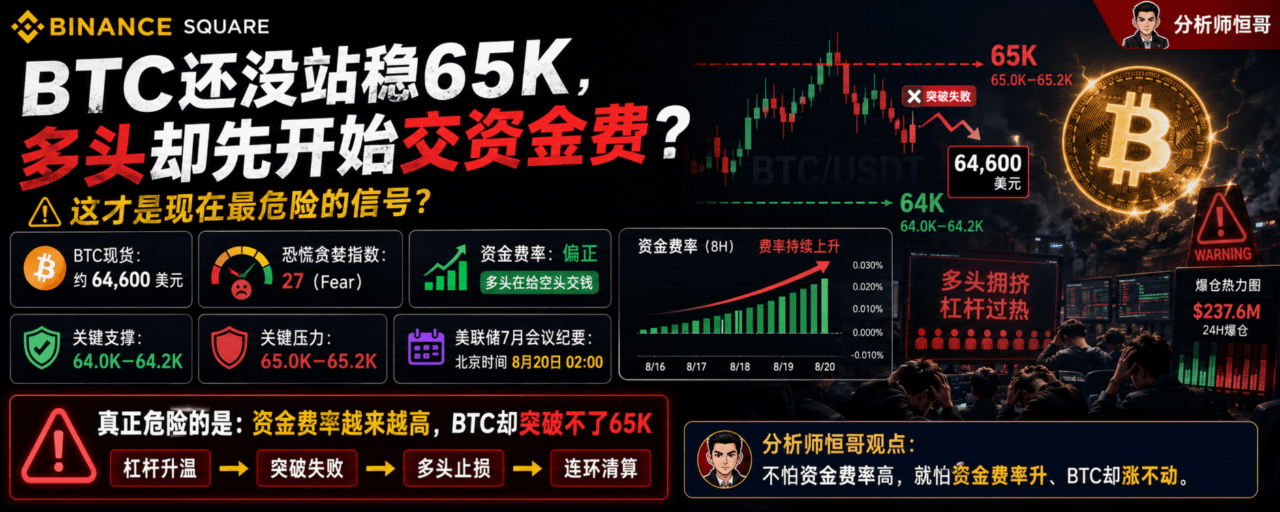
BTC hasn’t yet held above 65K, but the bulls have started paying funding first: isn’t this the most dangerous signal right now?BTC has once again shown a very interesting contradiction.
Spot price is latest around:
$64,600.
But the Crypto Fear & Greed Index is still only:
27—Fear.
People still have regular capital locked in and are afraid—
Yet in perpetual futures, the longs have already started to be willing to pay higher and higher costs to maintain their positions.
What does it mean when the funding rate is positive?
Plain English:
The bulls need to periodically “pay the shorts.”
This indicates that bullish bets in the futures market are becoming increasingly crowded.
Note:
This by itself isn’t a bearish signal.
In a bull market, positive funding rates can last a long time.
What’s truly dangerous is—
Funding rates keep rising, yet the BTC price can’t move up.
BTC hasn’t yet held above 65K, but the bulls have started paying funding first: isn’t this the most dangerous signal right now?
BTC has once again shown a very interesting contradiction.
Spot price is latest around:
$64,600.
But the Crypto Fear & Greed Index is still only:
27—Fear.
People still have regular capital locked in and are afraid—
Yet in perpetual futures, the longs have already started to be willing to pay higher and higher costs to maintain their positions.
What does it mean when the funding rate is positive?
Plain English:
The bulls need to periodically “pay the shorts.”
This indicates that bullish bets in the futures market are becoming increasingly crowded.
Note:
This by itself isn’t a bearish signal.
In a bull market, positive funding rates can last a long time.
What’s truly dangerous is—
Funding rates keep rising, yet the BTC price can’t move up.
Spot price is latest around:
$64,600.
But the Crypto Fear & Greed Index is still only:
27—Fear.
People still have regular capital locked in and are afraid—
Yet in perpetual futures, the longs have already started to be willing to pay higher and higher costs to maintain their positions.
What does it mean when the funding rate is positive?
Plain English:
The bulls need to periodically “pay the shorts.”
This indicates that bullish bets in the futures market are becoming increasingly crowded.
Note:
This by itself isn’t a bearish signal.
In a bull market, positive funding rates can last a long time.
What’s truly dangerous is—
Funding rates keep rising, yet the BTC price can’t move up.
2
1.8k
·
--
Bearish
$BTC 64800 to 65300 short, 10x leverage, use 10% of capital, take profit at 64200, stop loss at 65700. Brothers, we can start trading now
$BTC 64800 to 65300 short, 10x leverage, use 10% of capital, take profit at 64200, stop loss at 65700. Brothers, we can start trading now
1
1
78
·
--
Article
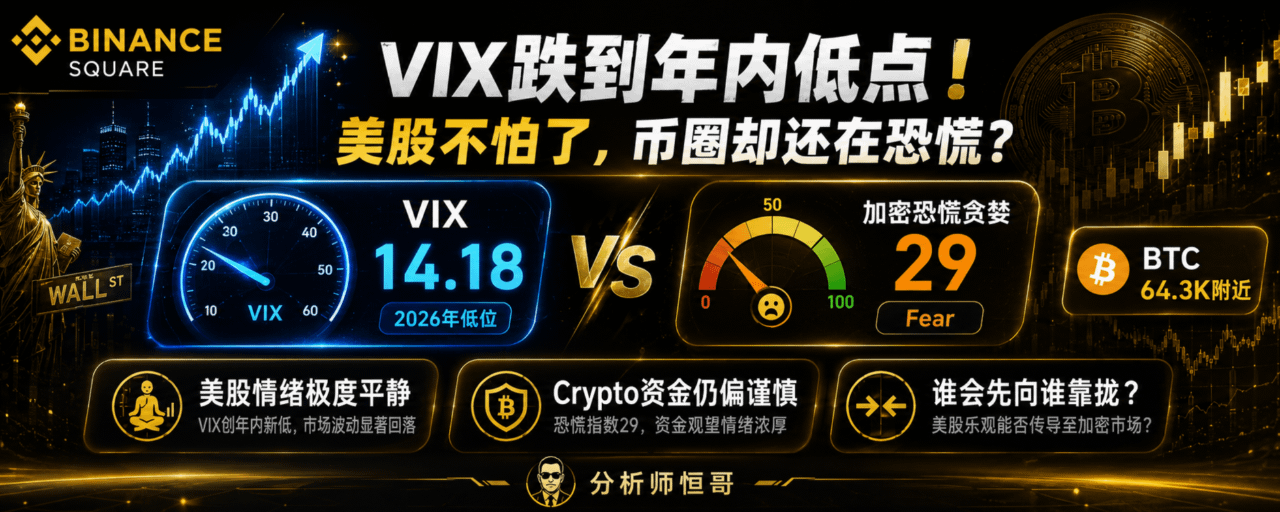
The U.S. stock fear index has fallen to 14.18, but Crypto is still in fear: is someone on one side definitely getting it wrong?Now the market has shown a very unusual signal.
VIX recently fell as low as:
14.18
setting a new low for 2026.
What is VIX?
Simply put, it’s Wall Street’s expectation for market volatility over the next ~30 days, based on S&P 500 options. The lower the number, the more U.S. stock investors think:
“Nothing big should happen next.”
But Crypto is a completely different story.
The latest Crypto Fear & Greed Index is only:
29—Fear.
That is to say:
U.S. stocks: staying calm.
Crypto: still afraid.
This is what I think is most worth trading.
Why?
The U.S. stock fear index has fallen to 14.18, but Crypto is still in fear: is someone on one side definitely getting it wrong?
Now the market has shown a very unusual signal.
VIX recently fell as low as:
14.18
setting a new low for 2026.
What is VIX?
Simply put, it’s Wall Street’s expectation for market volatility over the next ~30 days, based on S&P 500 options. The lower the number, the more U.S. stock investors think:
“Nothing big should happen next.”
But Crypto is a completely different story.
The latest Crypto Fear & Greed Index is only:
29—Fear.
That is to say:
U.S. stocks: staying calm.
Crypto: still afraid.
This is what I think is most worth trading.
Why?
VIX recently fell as low as:
14.18
setting a new low for 2026.
What is VIX?
Simply put, it’s Wall Street’s expectation for market volatility over the next ~30 days, based on S&P 500 options. The lower the number, the more U.S. stock investors think:
“Nothing big should happen next.”
But Crypto is a completely different story.
The latest Crypto Fear & Greed Index is only:
29—Fear.
That is to say:
U.S. stocks: staying calm.
Crypto: still afraid.
This is what I think is most worth trading.
Why?
2
236
·
--
Article
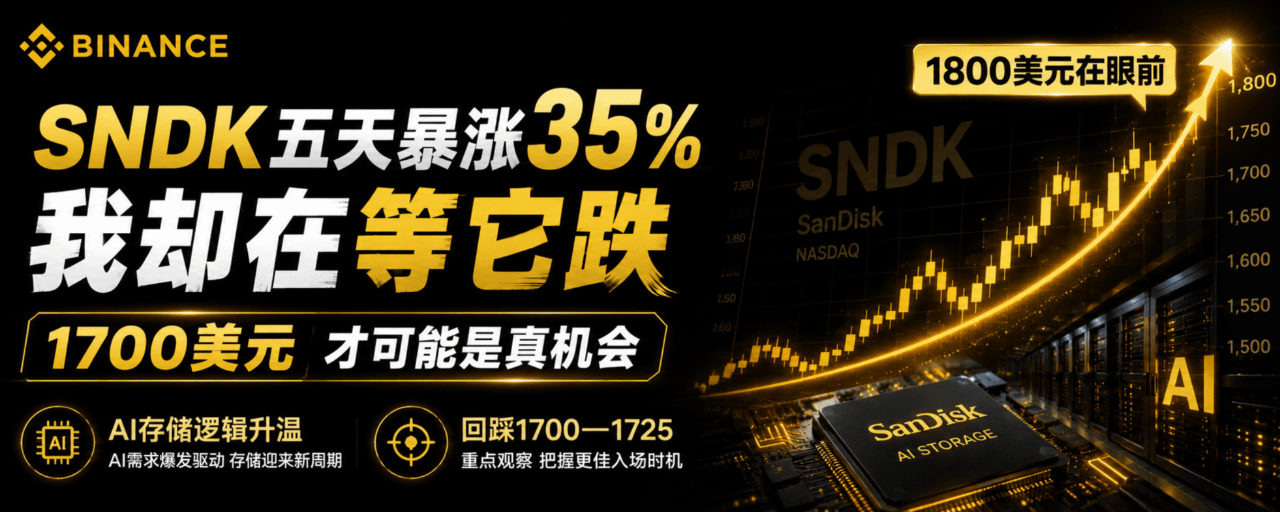
SNDK jumps 35% in five days—I’m still waiting for it to dip: $1,700 might be the real opportunitySanDisk has gone crazy again this time.
Earlier on the hot list people were still saying:
“Up nearly 14% in a single day.”
But in the latest round,
SNDK rose again by about 8.9% on Monday, closing at $1,786.85.
In the past five trading days, it has already gained about 35% in total.
Why is it suddenly being抢 by capital again?
the core is still two words:
AI storage.
SanDisk’s latest long-term targets are:
From 2028 to 2030, revenue will remain at high-double-digit growth,
and a large wave of demand for AI data centers is re-pricing NAND from a traditional cyclical commodity to “AI infrastructure.”
So this wave isn’t just pure emotion.
But here’s the problem too:
Good companies ≠ any price is worth chasing.
SNDK jumps 35% in five days—I’m still waiting for it to dip: $1,700 might be the real opportunity
SanDisk has gone crazy again this time.
Earlier on the hot list people were still saying:
“Up nearly 14% in a single day.”
But in the latest round,
SNDK rose again by about 8.9% on Monday, closing at $1,786.85.
In the past five trading days, it has already gained about 35% in total.
Why is it suddenly being抢 by capital again?
the core is still two words:
AI storage.
SanDisk’s latest long-term targets are:
From 2028 to 2030, revenue will remain at high-double-digit growth,
and a large wave of demand for AI data centers is re-pricing NAND from a traditional cyclical commodity to “AI infrastructure.”
So this wave isn’t just pure emotion.
But here’s the problem too:
Good companies ≠ any price is worth chasing.
Earlier on the hot list people were still saying:
“Up nearly 14% in a single day.”
But in the latest round,
SNDK rose again by about 8.9% on Monday, closing at $1,786.85.
In the past five trading days, it has already gained about 35% in total.
Why is it suddenly being抢 by capital again?
the core is still two words:
AI storage.
SanDisk’s latest long-term targets are:
From 2028 to 2030, revenue will remain at high-double-digit growth,
and a large wave of demand for AI data centers is re-pricing NAND from a traditional cyclical commodity to “AI infrastructure.”
So this wave isn’t just pure emotion.
But here’s the problem too:
Good companies ≠ any price is worth chasing.
1
4.6k
·
--
Article
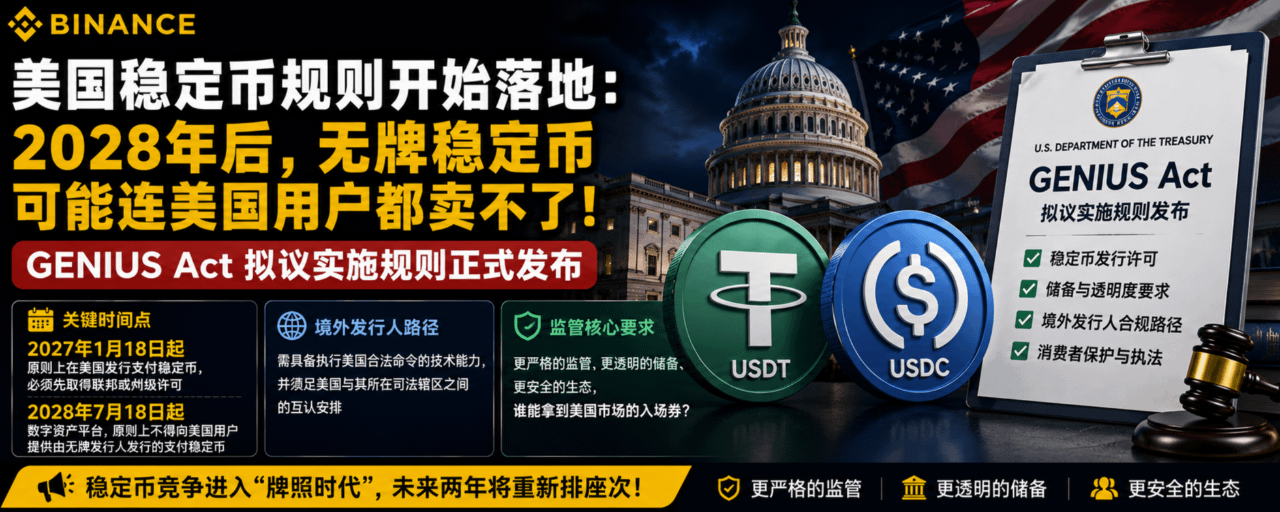
After 2028, unlicensed stablecoins may not even be able to sell to U.S. users: USDT and USDC face their real big testThis time, stablecoins aren’t just “another round of regulatory news.”
The U.S. has started truly setting the rules.
The Ministry of Finance has just released the proposed implementation rules for the GENIUS Act. Two key time points:
From January 18, 2027: If you want to issue payment stablecoins in the U.S., in principle you first need federal or state-level authorization.
From July 18, 2028: Digital asset platforms, in principle, also can no longer offer payment stablecoins to U.S. users that are issued by an “unlicensed issuer.”
Plain speech:
Previously, the market competed on—
Who issues more, and who has the best liquidity.
There’ll be more to compare:
Who has the license, whose reserves are more transparent, and who can actually get the entry ticket to the U.S. market.
After 2028, unlicensed stablecoins may not even be able to sell to U.S. users: USDT and USDC face their real big test
This time, stablecoins aren’t just “another round of regulatory news.”
The U.S. has started truly setting the rules.
The Ministry of Finance has just released the proposed implementation rules for the GENIUS Act. Two key time points:
From January 18, 2027: If you want to issue payment stablecoins in the U.S., in principle you first need federal or state-level authorization.
From July 18, 2028: Digital asset platforms, in principle, also can no longer offer payment stablecoins to U.S. users that are issued by an “unlicensed issuer.”
Plain speech:
Previously, the market competed on—
Who issues more, and who has the best liquidity.
There’ll be more to compare:
Who has the license, whose reserves are more transparent, and who can actually get the entry ticket to the U.S. market.
The U.S. has started truly setting the rules.
The Ministry of Finance has just released the proposed implementation rules for the GENIUS Act. Two key time points:
From January 18, 2027: If you want to issue payment stablecoins in the U.S., in principle you first need federal or state-level authorization.
From July 18, 2028: Digital asset platforms, in principle, also can no longer offer payment stablecoins to U.S. users that are issued by an “unlicensed issuer.”
Plain speech:
Previously, the market competed on—
Who issues more, and who has the best liquidity.
There’ll be more to compare:
Who has the license, whose reserves are more transparent, and who can actually get the entry ticket to the U.S. market.
1
1
1.1k
·
--
Article
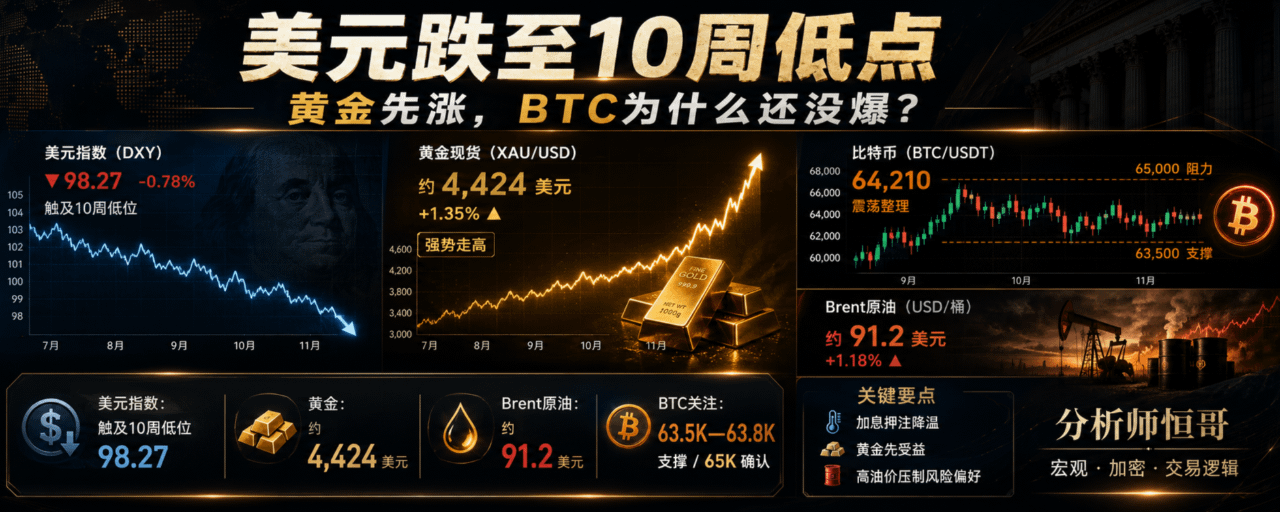
The dollar falls to a 10-week low, and gold rises first: Why hasn’t BTC exploded yet? The real pressure is at the $91 oil priceThis time the dollar really is weaker, but I won’t just chase BTC because of that.
The US dollar index briefly dipped to about 99.3, touching a 10-week low. The logic behind it is very simple:
US employment weakens
Retail sales decline
Inflation has not worsened further for now
↓
The market has reduced expectations for further Fed rate hikes
↓
The US dollar is weakening.
Under normal circumstances, this should be comfortable for gold, tech stocks, and Crypto.
Gold has already reacted first; spot prices briefly rose to about $4,424.
So why hasn’t BTC surged in sync?
Because the market still has another storyline:
Brent crude oil is about $91.2
+
US 30-year yields are 5.321%
The dollar falls to a 10-week low, and gold rises first: Why hasn’t BTC exploded yet? The real pressure is at the $91 oil price
This time the dollar really is weaker, but I won’t just chase BTC because of that.
The US dollar index briefly dipped to about 99.3, touching a 10-week low. The logic behind it is very simple:
US employment weakens
Retail sales decline
Inflation has not worsened further for now
↓
The market has reduced expectations for further Fed rate hikes
↓
The US dollar is weakening.
Under normal circumstances, this should be comfortable for gold, tech stocks, and Crypto.
Gold has already reacted first; spot prices briefly rose to about $4,424.
So why hasn’t BTC surged in sync?
Because the market still has another storyline:
Brent crude oil is about $91.2
+
US 30-year yields are 5.321%
The US dollar index briefly dipped to about 99.3, touching a 10-week low. The logic behind it is very simple:
US employment weakens
Retail sales decline
Inflation has not worsened further for now
↓
The market has reduced expectations for further Fed rate hikes
↓
The US dollar is weakening.
Under normal circumstances, this should be comfortable for gold, tech stocks, and Crypto.
Gold has already reacted first; spot prices briefly rose to about $4,424.
So why hasn’t BTC surged in sync?
Because the market still has another storyline:
Brent crude oil is about $91.2
+
US 30-year yields are 5.321%
1
1
2.5k
·
--
Article
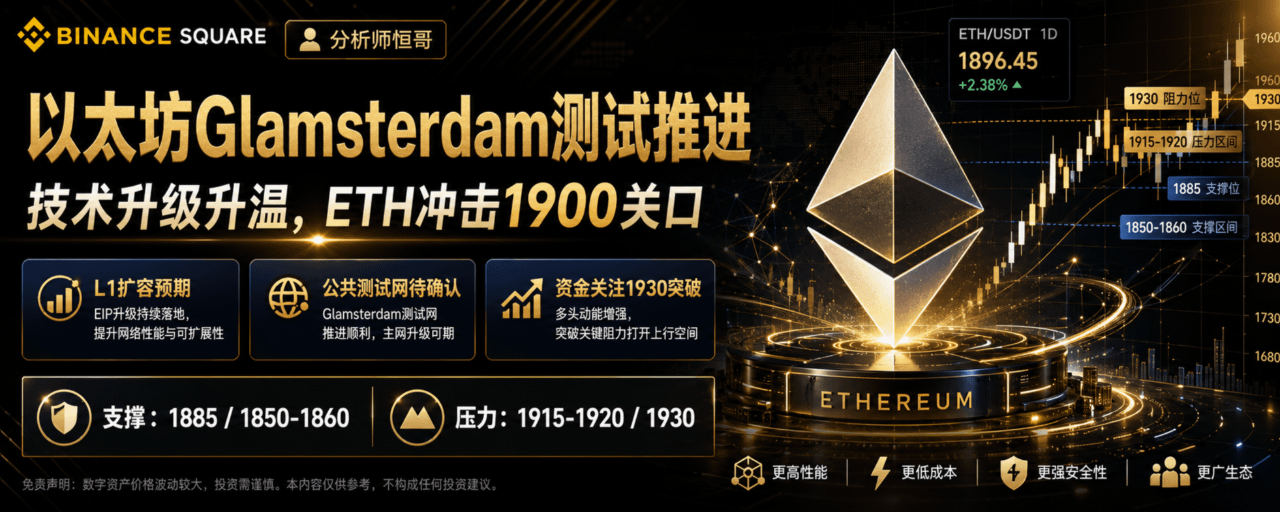
ETH upgrades are almost at the final testing stage, yet the price is still held below 1900: Can Glamsterdam really bring in funds this time?First, let’s correct a detail.
What the trending list says is:
“The Ethereum Foundation has launched the Glamsterdam testnet.”
But what the official side can currently confirm is:
The Glamsterdam multi-client devnet is already running. The public testnet has officially launched, and I haven't yet seen an official announcement.
This cannot be written wrong.
But what’s really worth looking at isn’t the words “testnet.”
Instead——
This time, Ethereum is preparing to truly expand the underlying L1 layer.
Speak human language,
Glamsterdam mainly does three things:
✅ Make block processing faster
✅ Pave the way for parallel execution
✅ Leave room for future increases to the Gas Limit
ETH upgrades are almost at the final testing stage, yet the price is still held below 1900: Can Glamsterdam really bring in funds this time?
First, let’s correct a detail.
What the trending list says is:
“The Ethereum Foundation has launched the Glamsterdam testnet.”
But what the official side can currently confirm is:
The Glamsterdam multi-client devnet is already running. The public testnet has officially launched, and I haven't yet seen an official announcement.
This cannot be written wrong.
But what’s really worth looking at isn’t the words “testnet.”
Instead——
This time, Ethereum is preparing to truly expand the underlying L1 layer.
Speak human language,
Glamsterdam mainly does three things:
✅ Make block processing faster
✅ Pave the way for parallel execution
✅ Leave room for future increases to the Gas Limit
What the trending list says is:
“The Ethereum Foundation has launched the Glamsterdam testnet.”
But what the official side can currently confirm is:
The Glamsterdam multi-client devnet is already running. The public testnet has officially launched, and I haven't yet seen an official announcement.
This cannot be written wrong.
But what’s really worth looking at isn’t the words “testnet.”
Instead——
This time, Ethereum is preparing to truly expand the underlying L1 layer.
Speak human language,
Glamsterdam mainly does three things:
✅ Make block processing faster
✅ Pave the way for parallel execution
✅ Leave room for future increases to the Gas Limit
1
195
·
--
Verified
Article
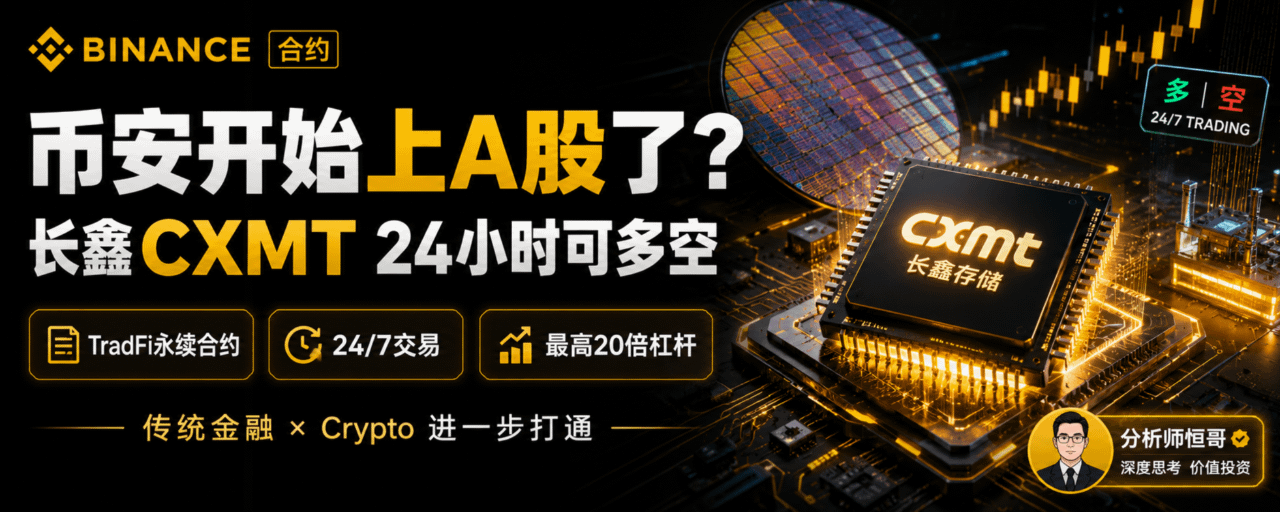
Binance really brought “A-shares” into contracts this time: the first one to go mainstream was ChangXin $CXMTI think a lot of people in the crypto space haven’t reacted to this yet.
Binance Futures is about to be listed:
ChangXin Technology (CXMT) perpetual contract in TradFi
According to Binance’s official information:
Trade 24/7 + up to 20x leverage.
Plainly speaking:
After A-shares close, you can still trade ChangXin’s rises and falls on Binance.
But note—
This isn’t directly buying 688825 stock,
Instead, it’s a perpetual contract that tracks the price of ChangXin.
What really makes it interesting to me is:
ChangXin isn’t a typical A-share.
It’s China’s largest DRAM manufacturer, ranked fourth globally.
On the first day of listing on July 27, the stock price surged by about 466%.
Binance really brought “A-shares” into contracts this time: the first one to go mainstream was ChangXin $CXMT
I think a lot of people in the crypto space haven’t reacted to this yet.
Binance Futures is about to be listed:
ChangXin Technology (CXMT) perpetual contract in TradFi
According to Binance’s official information:
Trade 24/7 + up to 20x leverage.
Plainly speaking:
After A-shares close, you can still trade ChangXin’s rises and falls on Binance.
But note—
This isn’t directly buying 688825 stock,
Instead, it’s a perpetual contract that tracks the price of ChangXin.
What really makes it interesting to me is:
ChangXin isn’t a typical A-share.
It’s China’s largest DRAM manufacturer, ranked fourth globally.
On the first day of listing on July 27, the stock price surged by about 466%.
Binance Futures is about to be listed:
ChangXin Technology (CXMT) perpetual contract in TradFi
According to Binance’s official information:
Trade 24/7 + up to 20x leverage.
Plainly speaking:
After A-shares close, you can still trade ChangXin’s rises and falls on Binance.
But note—
This isn’t directly buying 688825 stock,
Instead, it’s a perpetual contract that tracks the price of ChangXin.
What really makes it interesting to me is:
ChangXin isn’t a typical A-share.
It’s China’s largest DRAM manufacturer, ranked fourth globally.
On the first day of listing on July 27, the stock price surged by about 466%.
2
6
4.6k
·
--
Article
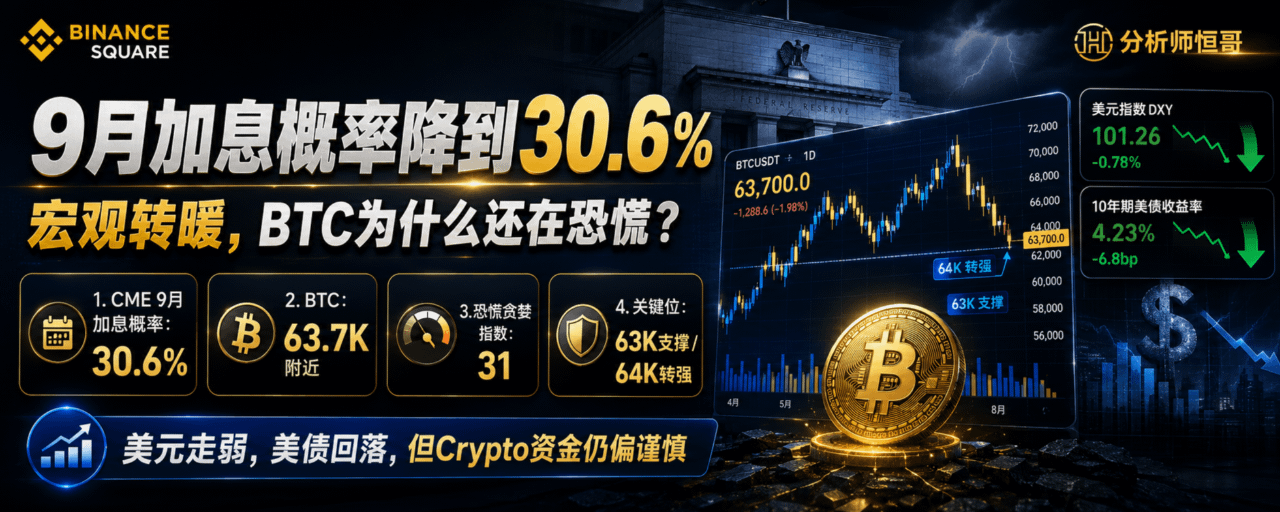
Rate-hike probability cut from 50% to 30%, and the dollar is also down: why is BTC still in the “panic zone”?The macro outlook is starting to warm up, but the crypto money hasn’t truly come back yet.
The latest CME pricing shows:
The probability of a Fed rate hike has already fallen to about 30%.
Just a week ago it was still close to 50%.
Why did it drop so fast all of a sudden?
The U.S. has recently seen a run of:
Jobs are weakening
+
July retail sales unexpectedly declined
+
CPI/PPI have not continued to deteriorate
The market starts to think:
The Fed doesn’t need to rush into more rate hikes.
The normal logic should be:
The rate-hike probability is declining
↓
U.S. Treasury yields are falling
↓
The U.S. dollar is weakening
↓
Gold, tech stocks, and BTC feel more comfortable
The dollar has indeed already weakened significantly, and gold has also risen to about $4,394.
Rate-hike probability cut from 50% to 30%, and the dollar is also down: why is BTC still in the “panic zone”?
The macro outlook is starting to warm up, but the crypto money hasn’t truly come back yet.
The latest CME pricing shows:
The probability of a Fed rate hike has already fallen to about 30%.
Just a week ago it was still close to 50%.
Why did it drop so fast all of a sudden?
The U.S. has recently seen a run of:
Jobs are weakening
+
July retail sales unexpectedly declined
+
CPI/PPI have not continued to deteriorate
The market starts to think:
The Fed doesn’t need to rush into more rate hikes.
The normal logic should be:
The rate-hike probability is declining
↓
U.S. Treasury yields are falling
↓
The U.S. dollar is weakening
↓
Gold, tech stocks, and BTC feel more comfortable
The dollar has indeed already weakened significantly, and gold has also risen to about $4,394.
The latest CME pricing shows:
The probability of a Fed rate hike has already fallen to about 30%.
Just a week ago it was still close to 50%.
Why did it drop so fast all of a sudden?
The U.S. has recently seen a run of:
Jobs are weakening
+
July retail sales unexpectedly declined
+
CPI/PPI have not continued to deteriorate
The market starts to think:
The Fed doesn’t need to rush into more rate hikes.
The normal logic should be:
The rate-hike probability is declining
↓
U.S. Treasury yields are falling
↓
The U.S. dollar is weakening
↓
Gold, tech stocks, and BTC feel more comfortable
The dollar has indeed already weakened significantly, and gold has also risen to about $4,394.
1
237
Log in to explore more content
Join global crypto users on Binance Square
⚡️ Get latest and useful information about crypto.
💬 Trusted by the world’s largest crypto exchange.
👍 Discover real insights from verified creators.
Email / Phone number
Trending Topics
AIStocksWhatNext
718,082 views
5,349 Discussing
Share & Win Traffic Reward in our Trending Hashtag Campaign
✨Topic: What Other Investment Opportunities Remain as AI Stocks Keep Rising?
👉How to Join:
Publish a short post or article with hashtag #AIStocksWhatNext
Share whether you’re bullish or bearish, and post your AI stock holdings or trade — using the trade widget may improve your eligibility.
You can also strengthen your post by sharing data or charts, and avoiding AI-generated images.
✍️Create content based on the below angles:
- Nvidia says chip sales will double next year, and top AI companies keep hitting record revenue, the compute spend behind it is just as staggering. Is AI demand really taking off? And how long can it last? AI stocks are up across the board. Is this a real breakout, or just a short-term bounce?
- Industry leaders are calling to slow down AI development, while Trump plans to build an “AI Force”, claiming AI could account for 25% of U.S. GDP in the future. Whose side are you on? Will state-level backing be a long-term win for AI stocks?
- Are you buying AI stocks? Share your AI-related trade/holdings with our trade sharing widget.
⏰Campaign Period:
- 2026-09-22 7:00 - 2026-09-24 4:00 UTC
🎁Reward:
- Qualified posts that comply with the above guidelines and contain more than 100 words will be reviewed and may receive a random traffic boost of 500 to 3,000 views. You will receive a notification from your feed secretary if your post is selected.
- Get a chance to have your article featured on Binance Square Official
Need ideas for your post? Visit the topic page #AIStocksWhatNext or the Square Guide on How to Post for Better Reach.
Binance Square Official
·527 Likes
·1.4M views
21SharesLaunchesEuropesFirstZcashETP
20,070 views
679 Discussing
CardanoJoinsX402PaymentStandard
13,830 views
515 Discussing