

bisheng
242 Posts
bisheng
Report
Block User
擅长一级以及空投埋伏
6 Following
32 Followers
39 Liked
Posts
All
Quotes
·
--
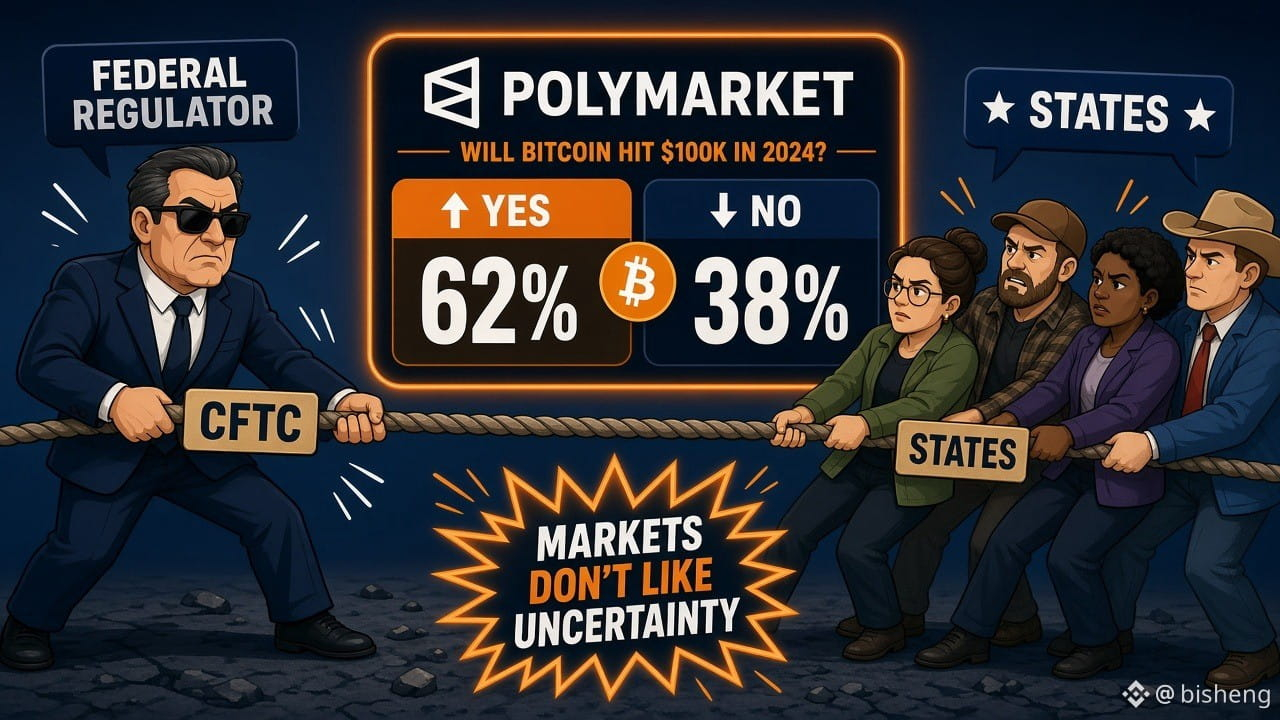
Came across an interesting story today: the CFTC is looking into Polymarket again.
It’s investigating whether the platform violated the 2022 settlement agreement, under which it paid a $1.4 million fine and agreed not to let U.S. users participate. The agency now suspects its safeguards weren’t strict enough and is examining its advertising, access controls, customer protections, and more.
On the same day, the CFTC also sued Utah. The state wants to use its own rules to restrict prediction markets, but the feds are stepping in: event contracts fall under our jurisdiction, so don’t try to claim authority over them.
The CFTC is investigating platforms on one front while defending federal turf on another. Prediction markets in the U.S. are getting increasingly tangled up—with Kalshi, Polymarket, the states, and the CFTC all mixed together.
What’s even more interesting is that major players like Millennium are starting to treat prediction-market data as a trading signal. Susquehanna, Jump, and AQR have been in the game for a while, too. While the rules are still being fought over, institutions are already treating market odds as a source of information.
It’s also FOMC day, and BTC has just climbed back to around $80,000. Regulatory drama and interest-rate drama are unfolding on the same day, yet the market is surprisingly quiet—as if everyone’s waiting to see which side makes the first move.
What do you think will happen to prediction markets in the end: will the federal government take full control, or will the states keep pushing back?
#Polymarket #CryptoMarket
122
·
--
I saw a post: Ripple’s national trust bank has finally received OCC approval.
Last December it was only conditionally approved, and it took until now to clear this final hurdle. “Trust bank” sounds pretty formal — it’s for managing the reserves behind RLUSD and providing digital asset custody for enterprises. It doesn’t take deposits or make loans; it just pushes the layer behind the stablecoin further into the federal regulatory framework.
A lot of people in the crypto circle’s first reaction is still that XRP is going to fly. But I think what’s more worth watching is the other layer: competition in stablecoins is no longer so much about who can issue more, but about who can clearly explain reserve custody and regulatory responsibility. With a federal license in place, when institutions talk about custody and compliant entry, the threshold is different.
Of course, don’t overhype it either. A trust bank approval does not mean XRP will immediately become some kind of settlement currency; where the price goes still depends on capital and sentiment. It’s just that this shows one thing — the connection between on-chain systems and traditional finance is no longer just a PowerPoint deck; it is really going through the regulatory process.
Tonight, bulls and bears are still arguing over whether 80,000 will be broken, while on the regulatory side things are steadily moving forward step by step. That contrast is pretty interesting.
#XRP #Crypto

54
·
--
Just came across this: Ripple’s national trust bank has received final approval from the OCC.
It was only conditionally approved last December, and it’s taken until now to clear the final hurdle. A trust bank sounds pretty official—it would manage the reserves behind RLUSD and provide digital asset custody for businesses. It won’t take deposits or make loans; it’s about bringing the layer behind stablecoins into the federal regulatory framework.
A lot of people in the crypto community immediately think XRP is about to take off. I think the more interesting point is something else: competition among stablecoins is becoming less about who issues the most and more about who can clearly explain how reserves are custodied and who’s responsible under the rules. With a federal charter in hand, the bar is different when institutions consider custody and entering the market compliantly.
Of course, let’s not make too much of it. Getting trust bank approval doesn’t mean XRP is suddenly going to become some kind of settlement currency; prices still depend on capital flows and sentiment. But it does show one thing: the connection between blockchain and traditional finance isn’t just a PowerPoint anymore—it’s actually making its way through regulatory review.
The bulls and bears are still arguing tonight about whether 80,000 will break, while on the regulatory front, things are moving forward one step at a time. The contrast is pretty interesting.
#XRP #Crypto

113
·
--
I checked the markets this morning, and BTC is still hovering around 80,000. The range is under a thousand bucks—it’s like it’s pinned there and refusing to move. ETH is weak too, struggling to stay above 2,333.
Looking at liquidations, around $170 million was wiped out in a day, with more than 70,000 traders liquidated. Longs still made up the bulk of it. The Fear and Greed Index dropped to 48—not panicking, not greedy, just that feeling of waiting around.
The Fed’s FOMC meeting is underway, and the market is largely betting on no change. Over in AI, Anthropic has filed for a Nasdaq IPO, and tech stocks were buzzing yesterday. Crypto, by contrast, is pretty quiet—capital hasn’t followed them over.
I wouldn’t call it bearish; the short term just lacks direction. The 80,000 level looks pretty solid for now, but if something unexpected happens, liquidity isn’t exactly deep. I’ll keep watching for now—no need to invent things to do.
#比特币 #FOMC

288
·
--
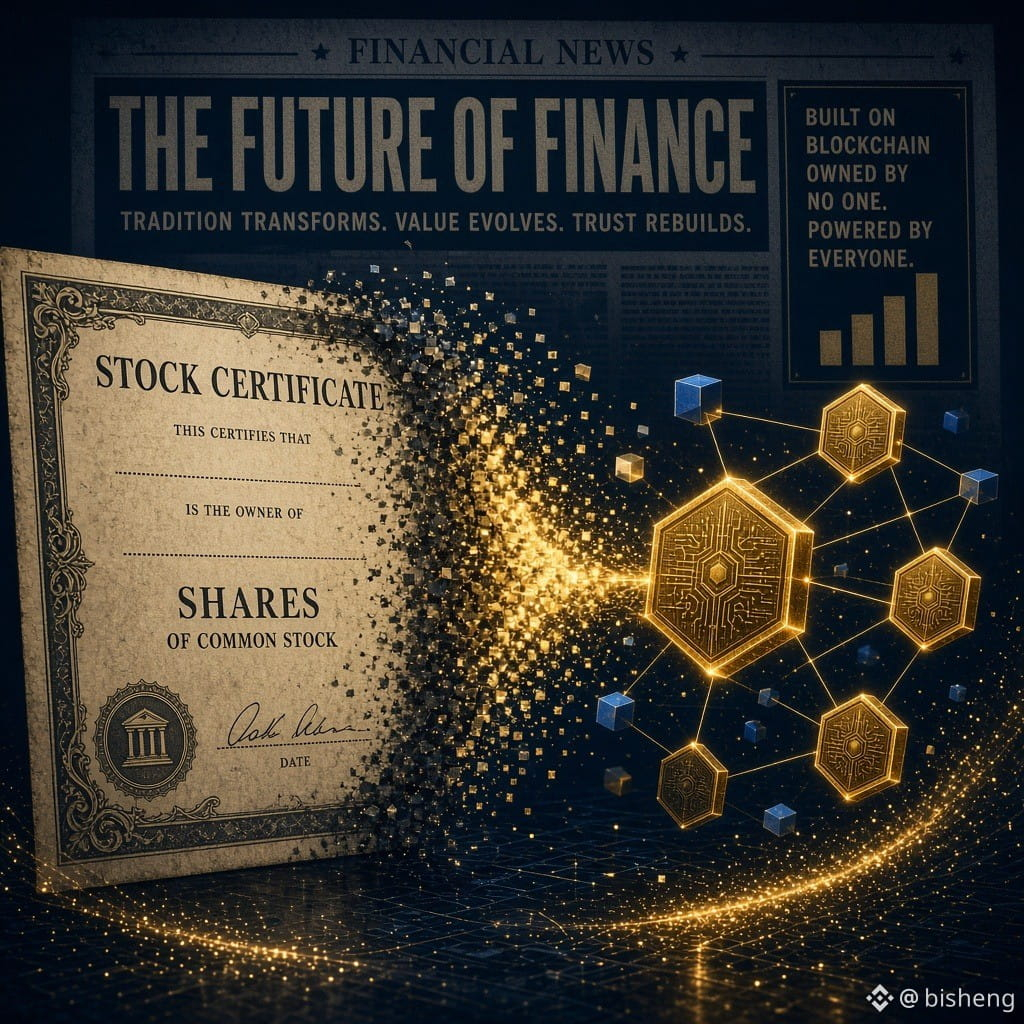
The Wall Street Journal ran a full-page ad today, directly warning public-company CEOs: If your stock is tokenized and put on-chain, the headaches could be worse than you think.
The ad listed eight risks, including pricing discrepancies, theft, and legal liability, and urged companies to opt out within 30 days.
Meanwhile, OKX and the parent company of the New York Stock Exchange are still pushing ahead with tokenized stock trading platforms. Microsoft, Goldman Sachs, and others have already come out against them. Supporters are focused on 24/7 trading, instant settlement, and global access; opponents are hung up on regulation and security.
It feels like the debate is still in its early stages. Traditional finance wants the efficiency of blockchain, but is wary of disrupting the old rules governing equity. The next step may depend on the SEC’s framework—and whether the market is willing to scale up in earnest.
#代币化 #Crypto
51
·
--
BNB is launching another chain.
It’s not replacing BSC, but adding a parallel high-performance L1: 200ms block times, gas still paid in BNB, and no new token.
CZ’s “Multiple chains, one coins” line is finally becoming reality.
Testnet by year-end, mainnet in early 2027—first, let’s see if it can deliver on speed.
#BNBChain #Web3
It’s not replacing BSC, but adding a parallel high-performance L1: 200ms block times, gas still paid in BNB, and no new token.
CZ’s “Multiple chains, one coins” line is finally becoming reality.
Testnet by year-end, mainnet in early 2027—first, let’s see if it can deliver on speed.
#BNBChain #Web3
123
·
--
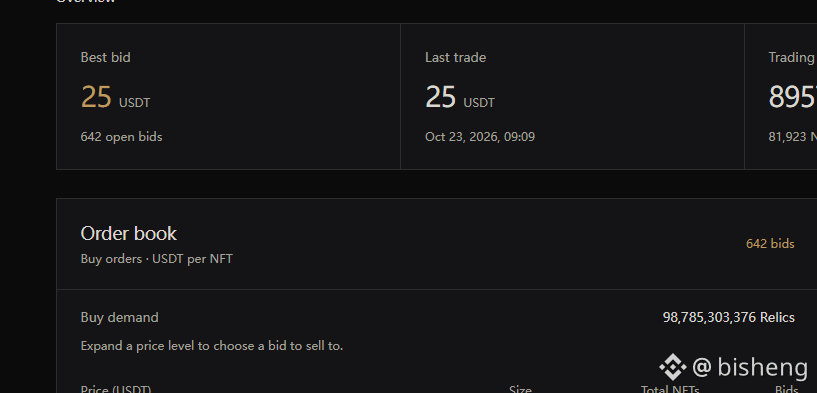
Minted this before bed last night. Path... Cost about 14 USDT per wallet... Got four... They’re going for 25 USDT each on the market now. This is the first NFT minted by AI—a new narrative. There are already copycat projects, but you can never go wrong betting on the leader... There are 100,000 in total, and the market cap is now over 2 million...
Minted this before bed last night. Path... Cost about 14 USDT per wallet... Got four... They’re going for 25 USDT each on the market now. This is the first NFT minted by AI—a new narrative. There are already copycat projects, but you can never go wrong betting on the leader... There are 100,000 in total, and the market cap is now over 2 million...
4
2.1k
·
--
#币安 has been acting crazy lately, restricting a huge number of accounts. My main Binance account, which I've used for seven or eight years, was restricted too... Appeals don't seem to help. Even if there's a problem with the person who invited you, your account can be restricted as well.
#币安 has been acting crazy lately, restricting a huge number of accounts. My main Binance account, which I've used for seven or eight years, was restricted too... Appeals don't seem to help. Even if there's a problem with the person who invited you, your account can be restricted as well.

12
7
18.3k
·
--
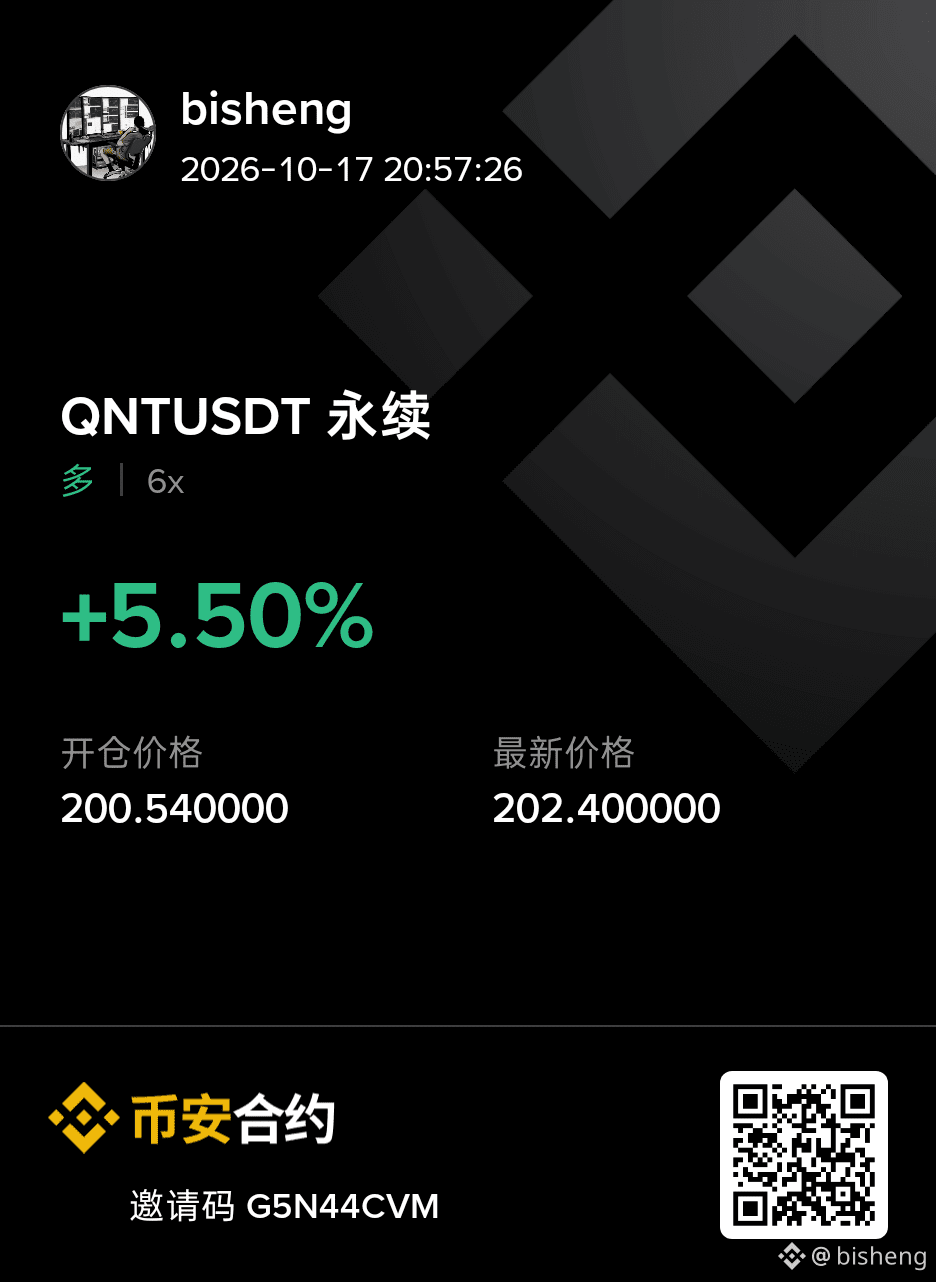
$QNT 's lifeline has reached a critical time and price level...
If it breaks below 190 again, it'll keep heading down. If it rallies from here, it'll mark the start of a new strong run... Great value at this price.
$QNT 's lifeline has reached a critical time and price level...
If it breaks below 190 again, it'll keep heading down. If it rallies from here, it'll mark the start of a new strong run... Great value at this price.
If it breaks below 190 again, it'll keep heading down. If it rallies from here, it'll mark the start of a new strong run... Great value at this price.
260
·
--
Bullish
Partly True
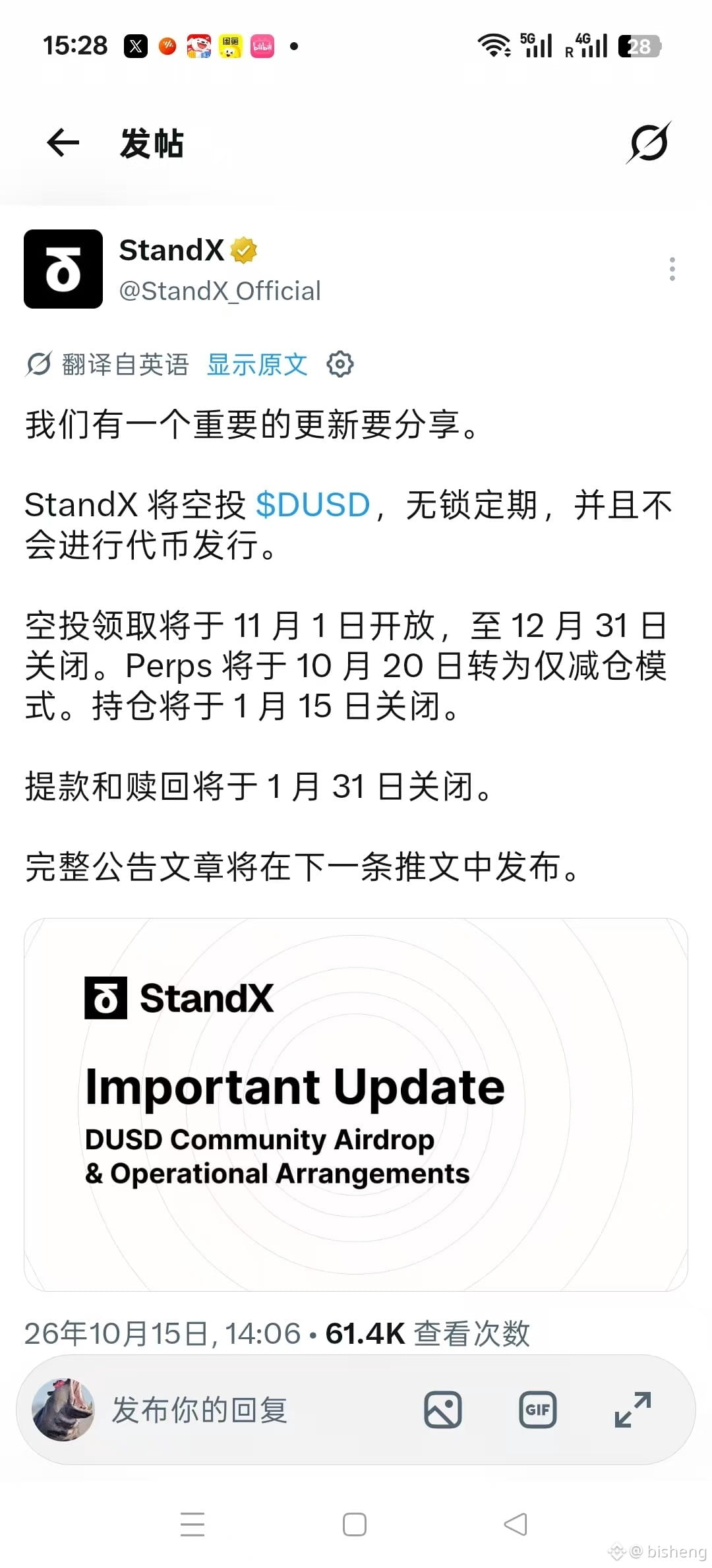
The StandX project announced yesterday, after refunding the KOL round, that it would be shutting down...
Starting on the 11th, it will airdrop the DUSD stablecoin to players as compensation.
Compared with ABS, which just walked away, this is at least a somewhat more dignified exit.
So, will you all keep farming the two similar projects, Entropy and Arcus? #
Starting on the 11th, it will airdrop the DUSD stablecoin to players as compensation.
Compared with ABS, which just walked away, this is at least a somewhat more dignified exit.
So, will you all keep farming the two similar projects, Entropy and Arcus? #
1
723
·
--
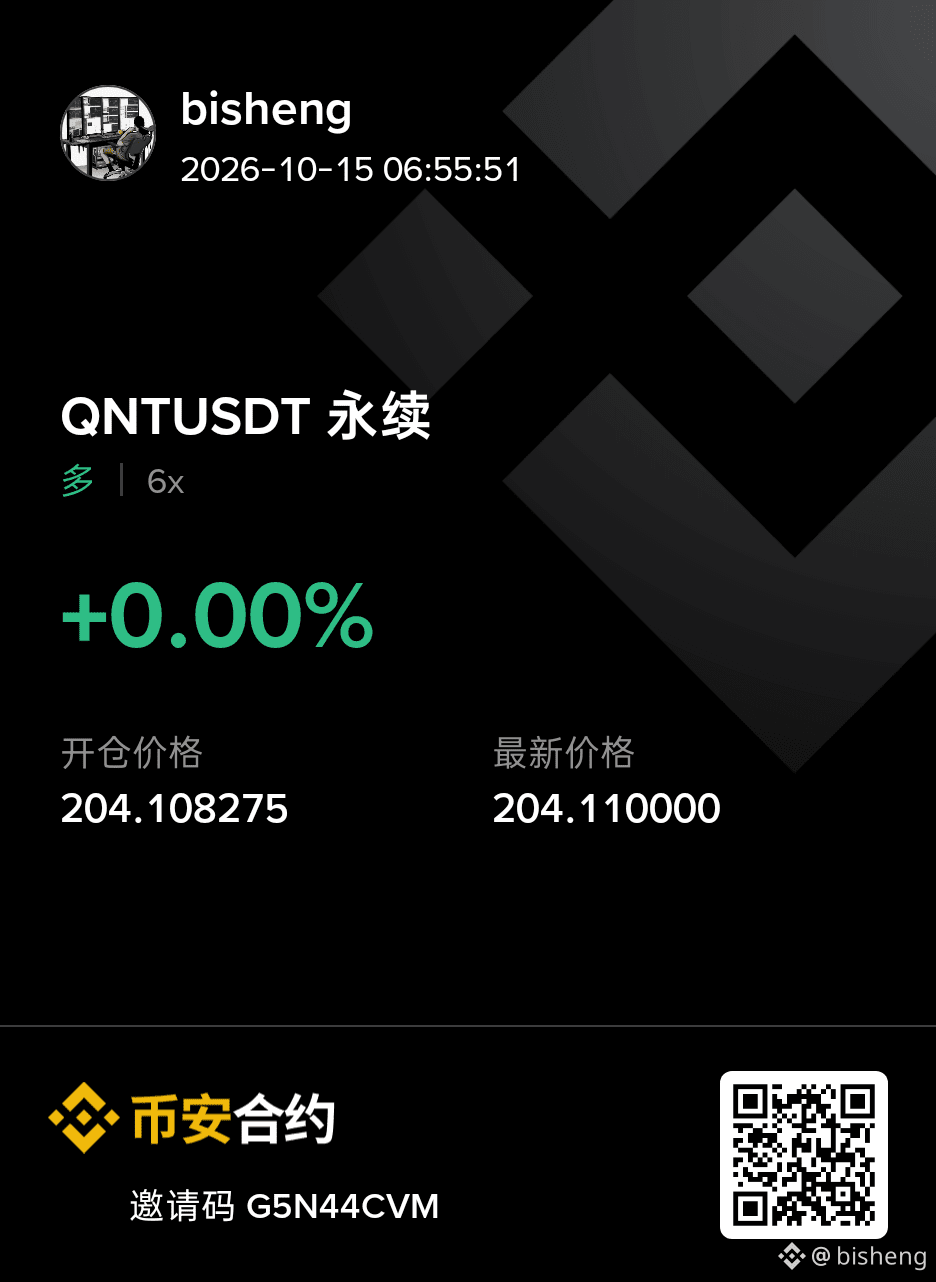
At the $QNT 200 mark, I'll make a small trial run to test the waters...
At the $QNT 200 mark, I'll make a small trial run to test the waters...
5
·
--
$QNT has started up. It's very tenacious.
$QNT has started up. It's very tenacious.
bisheng
·
--
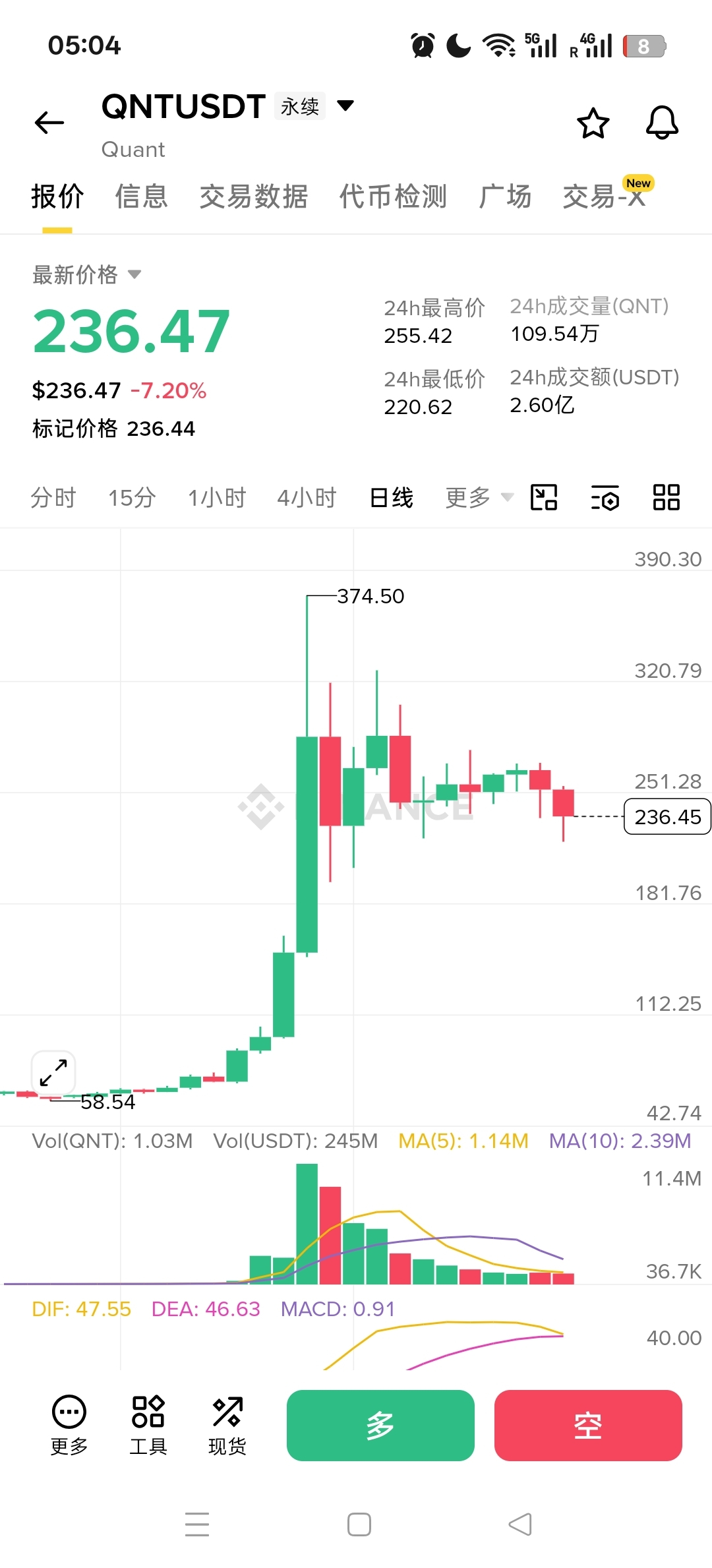
$QNT This is a very contradictory period right now.
The founder has recently, one after another, transferred tokens to exchanges like Coinbase. This has greatly affected the market’s confidence in it.
Many people are watching and wavering.
And then the strong “zhuang” (major player) has still been here and hasn’t left. If you dare to go big short, it’s very easy for this place to immediately shoot up with a single long bullish candle.
For a coin like this, at this stage it’s unlikely to slowly bleed down or climb step by step. Big volatility is coming.
1
280
·
--
Partly True
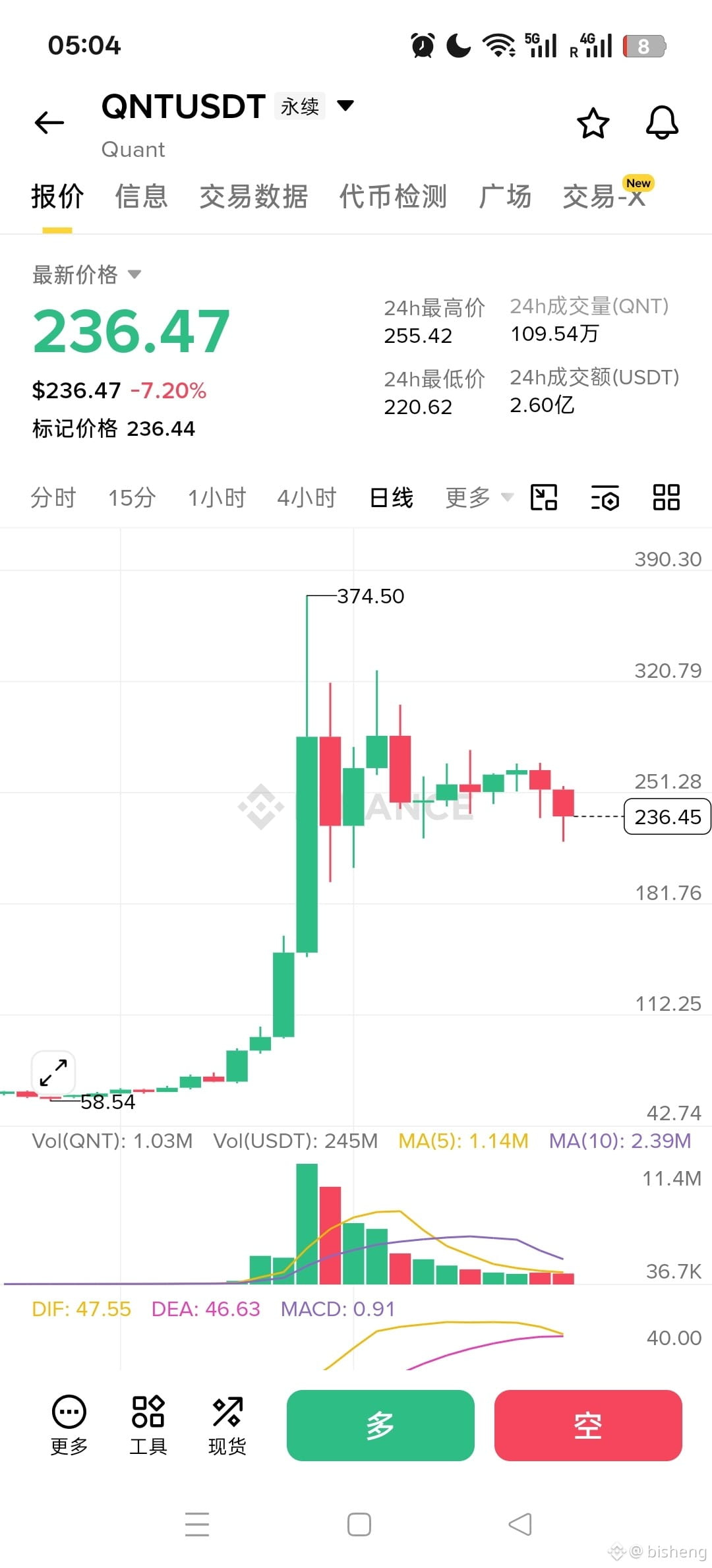
$QNT This is a very contradictory period right now.
The founder has recently, one after another, transferred tokens to exchanges like Coinbase. This has greatly affected the market’s confidence in it.
Many people are watching and wavering.
And then the strong “zhuang” (major player) has still been here and hasn’t left. If you dare to go big short, it’s very easy for this place to immediately shoot up with a single long bullish candle.
For a coin like this, at this stage it’s unlikely to slowly bleed down or climb step by step. Big volatility is coming.
2
1
1
2.3k
Log in to explore more content
Join global crypto users on Binance Square
⚡️ Get latest and useful information about crypto.
💬 Trusted by the world’s largest crypto exchange.
👍 Discover real insights from verified creators.
Email / Phone number