
Billionaire guy
43 Posts
Billionaire guy
let's earn passive income together 🥂
21 Following
40 Followers
30 Liked
Posts
All
Quotes
🔥 WAR ESCALATION + CRYPTO: SHOULD TRADERS BE WORRIED?
Geopolitical tensions can move crypto markets FAST. ⚠️📉
When conflict escalates, investors often move toward safer assets, while risk assets like BTC, ETH and altcoins can experience sudden volatility.
But here’s the interesting part 👇
🟢 Bitcoin: Can face short-term selling pressure, but some investors view it as a hedge against financial instability.
🟡 Altcoins: Usually carry higher risk and can see sharper moves.
🔴 Stablecoins: Demand can increase as traders move to the sidelines.
📊 Watch these signals:
• Oil & energy prices ⛽
• Gold 🥇
• DXY (U.S. Dollar Index) 💵
• BTC dominance
• Global liquidity
• Fed/rate expectations
The big question:
If geopolitical tensions intensify, does Bitcoin eventually become a safe-haven asset—or does it trade like every other risk asset?
👇 What’s your prediction: BTC UP 🚀 or BTC DOWN 📉?
#Bitcoin #BTC #Crypto #BinanceSquare #Ethereum #Altcoins #Trading #Geopolitics #CryptoNewsCommunity
Geopolitical tensions can move crypto markets FAST. ⚠️📉
When conflict escalates, investors often move toward safer assets, while risk assets like BTC, ETH and altcoins can experience sudden volatility.
But here’s the interesting part 👇
🟢 Bitcoin: Can face short-term selling pressure, but some investors view it as a hedge against financial instability.
🟡 Altcoins: Usually carry higher risk and can see sharper moves.
🔴 Stablecoins: Demand can increase as traders move to the sidelines.
📊 Watch these signals:
• Oil & energy prices ⛽
• Gold 🥇
• DXY (U.S. Dollar Index) 💵
• BTC dominance
• Global liquidity
• Fed/rate expectations
The big question:
If geopolitical tensions intensify, does Bitcoin eventually become a safe-haven asset—or does it trade like every other risk asset?
👇 What’s your prediction: BTC UP 🚀 or BTC DOWN 📉?
#Bitcoin #BTC #Crypto #BinanceSquare #Ethereum #Altcoins #Trading #Geopolitics #CryptoNewsCommunity
usdt ...lets go

Best Wishes!
From Billionaire guy
#BTCSurpasses$72000
🚨📊 CRYPTO CANDLE WATCH — DON’T IGNORE THIS 👀
The market can change direction FAST.
One candle can trigger FOMO.
The next can wipe it out. 😳
So before you chase the next pump, ask yourself:
🟢 BREAKOUT?
🔴 FAKEOUT?
🐻 REVERSAL?
I’m starting a daily Candle Watch here on Binance Square — breaking down interesting setups, market catalysts, and the levels traders should watch. 📈
🔥 LET’S TEST THE COMMUNITY:
If BTC suddenly breaks resistance with strong volume, what do you expect?
🚀 PUMP
📉 FAKEOUT
⏳ SIDEWAYS
Comment your prediction 👇
Follow me if you want to see tomorrow’s setup and find out who got it right. 👀
#BinanceSquare #Crypto #Bitcoin #BTC #Trading #CryptoTrading #Candlestick #Altcoins #CryptoCommunity
The market can change direction FAST.
One candle can trigger FOMO.
The next can wipe it out. 😳
So before you chase the next pump, ask yourself:
🟢 BREAKOUT?
🔴 FAKEOUT?
🐻 REVERSAL?
I’m starting a daily Candle Watch here on Binance Square — breaking down interesting setups, market catalysts, and the levels traders should watch. 📈
🔥 LET’S TEST THE COMMUNITY:
If BTC suddenly breaks resistance with strong volume, what do you expect?
🚀 PUMP
📉 FAKEOUT
⏳ SIDEWAYS
Comment your prediction 👇
Follow me if you want to see tomorrow’s setup and find out who got it right. 👀
#BinanceSquare #Crypto #Bitcoin #BTC #Trading #CryptoTrading #Candlestick #Altcoins #CryptoCommunity
🚨🇺🇸 TRUMP JUST PUT CRYPTO BACK IN THE SPOTLIGHT — HERE’S WHAT MATTERS 👀
President Donald Trump hosted major crypto industry leaders at the White House on August 19, pushing Congress to pass the CLARITY Act — legislation designed to bring clearer rules to the U.S. digital-asset market.
But here’s the bigger picture 👇
🇺🇸 Trump’s crypto approach
→ Pro-innovation regulation
→ Make the U.S. a global crypto hub
→ Greater regulatory clarity for digital assets
→ Support for blockchain and digital-asset infrastructure
📅 NEXT CATALYST TO WATCH
The CFTC’s Innovation Advisory Committee is meeting as the administration continues pushing crypto policy forward. Meanwhile, the CLARITY Act remains a major market catalyst if Congress can move it forward.
💡 My insight:
The biggest story may not be Trump's comments themselves.
It's whether the U.S. can turn pro-crypto rhetoric → actual rules → institutional adoption.
If that happens, the impact could extend far beyond BTC.
Think:
BTC → ETH → stablecoins → DeFi → tokenization → crypto infrastructure.
🔥 Question for Binance Square:
If the U.S. becomes the world's most crypto-friendly major economy…
Which sector benefits MOST?
🟠 Bitcoin
🔵 Ethereum
💵 Stablecoins
🌐 DeFi
🚀 Altcoins
Drop your pick below 👇
#Binance #Crypto #Bitcoin #Trump #Ethereum #BTC #DeFi #Stablecoins #CryptoNews #Blockchain #BinanceSquare
President Donald Trump hosted major crypto industry leaders at the White House on August 19, pushing Congress to pass the CLARITY Act — legislation designed to bring clearer rules to the U.S. digital-asset market.
But here’s the bigger picture 👇
🇺🇸 Trump’s crypto approach
→ Pro-innovation regulation
→ Make the U.S. a global crypto hub
→ Greater regulatory clarity for digital assets
→ Support for blockchain and digital-asset infrastructure
📅 NEXT CATALYST TO WATCH
The CFTC’s Innovation Advisory Committee is meeting as the administration continues pushing crypto policy forward. Meanwhile, the CLARITY Act remains a major market catalyst if Congress can move it forward.
💡 My insight:
The biggest story may not be Trump's comments themselves.
It's whether the U.S. can turn pro-crypto rhetoric → actual rules → institutional adoption.
If that happens, the impact could extend far beyond BTC.
Think:
BTC → ETH → stablecoins → DeFi → tokenization → crypto infrastructure.
🔥 Question for Binance Square:
If the U.S. becomes the world's most crypto-friendly major economy…
Which sector benefits MOST?
🟠 Bitcoin
🔵 Ethereum
💵 Stablecoins
🌐 DeFi
🚀 Altcoins
Drop your pick below 👇
#Binance #Crypto #Bitcoin #Trump #Ethereum #BTC #DeFi #Stablecoins #CryptoNews #Blockchain #BinanceSquare
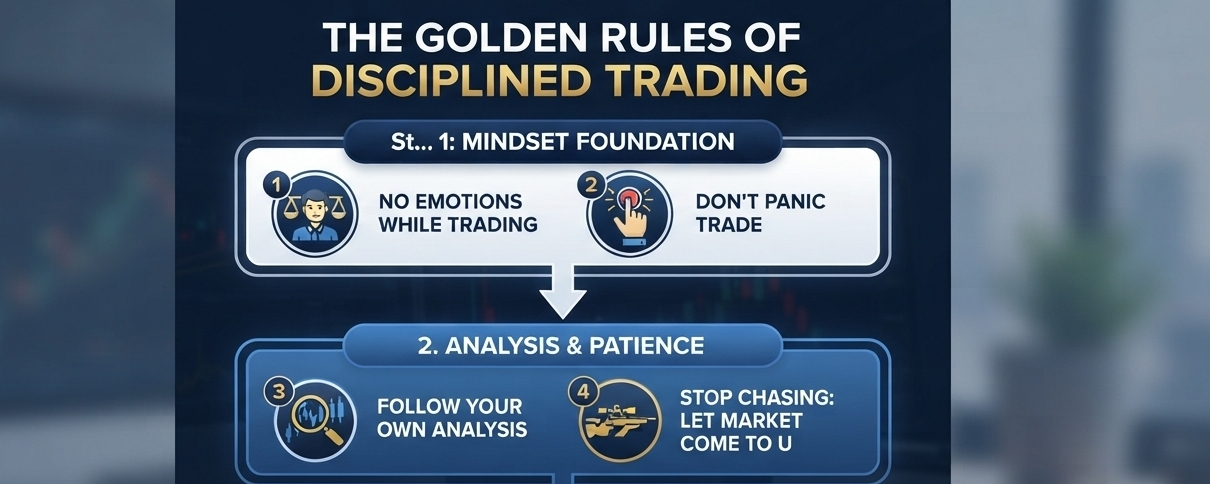
🕯️ DOGE Traders — What Are These Candles Saying?
DOGE can move fast, but the candlestick chart often tells the story before the crowd does. 👀🐕
When looking at DOGE/USDT, keep an eye on:
🟢 Bullish momentum
🔴 Selling pressure
🕯️ Long wicks & rejection
📍 Support and resistance
📈 Breakout attempts
📉 Failed breakouts
📊 Volume confirmation
The question is simple:
If DOGE showed a strong breakout candle right now, would you BUY, SELL, or WAIT?
🟢 BUY
🔴 SELL
🟡 WAIT FOR CONFIRMATION
Drop your choice and explain what you see on the candles. 👇
Let’s see who can read the DOGE chart without getting distracted by the hype. 🐕📈
#DOGE #Dogecoin #Binance #CryptoTrading #Candlestick #TechnicalAnalysis #DOGEUSDT #WriteToEarn
DOGE can move fast, but the candlestick chart often tells the story before the crowd does. 👀🐕
When looking at DOGE/USDT, keep an eye on:
🟢 Bullish momentum
🔴 Selling pressure
🕯️ Long wicks & rejection
📍 Support and resistance
📈 Breakout attempts
📉 Failed breakouts
📊 Volume confirmation
The question is simple:
If DOGE showed a strong breakout candle right now, would you BUY, SELL, or WAIT?
🟢 BUY
🔴 SELL
🟡 WAIT FOR CONFIRMATION
Drop your choice and explain what you see on the candles. 👇
Let’s see who can read the DOGE chart without getting distracted by the hype. 🐕📈
#DOGE #Dogecoin #Binance #CryptoTrading #Candlestick #TechnicalAnalysis #DOGEUSDT #WriteToEarn
🕯️ XRP Traders — What Do You See?
XRP is one of those assets where the candles can tell a very different story from the headlines. 👀
When you look at the XRP/USDT chart, watch for:
🟢 Strong bullish candles
🔴 Heavy selling candles
🕯️ Long upper/lower wicks
📍 Support & resistance zones
📈 Breakout attempts
📉 Failed breakouts
The big question isn’t simply “Will XRP pump?”
It’s:
What is the candlestick structure telling you right now?
👇 XRP traders, choose one:
🟢 BUY — bullish setup
🔴 SELL — bearish setup
🟡 WAIT — needs confirmation
And tell us which candle or pattern made you choose it.
Let’s see how the Binance community reads XRP. 🚀
#XRP #Ripple #Binance #CryptoTrading #Candlestick #TechnicalAnalysis #XRPUSDT #WriteToEarn
XRP is one of those assets where the candles can tell a very different story from the headlines. 👀
When you look at the XRP/USDT chart, watch for:
🟢 Strong bullish candles
🔴 Heavy selling candles
🕯️ Long upper/lower wicks
📍 Support & resistance zones
📈 Breakout attempts
📉 Failed breakouts
The big question isn’t simply “Will XRP pump?”
It’s:
What is the candlestick structure telling you right now?
👇 XRP traders, choose one:
🟢 BUY — bullish setup
🔴 SELL — bearish setup
🟡 WAIT — needs confirmation
And tell us which candle or pattern made you choose it.
Let’s see how the Binance community reads XRP. 🚀
#XRP #Ripple #Binance #CryptoTrading #Candlestick #TechnicalAnalysis #XRPUSDT #WriteToEarn
🕯️ What Is the Chart Really Telling You?
A lot of traders look at a candlestick chart and immediately ask:
“Is it going up or down?”
But experienced traders look deeper. 👀
🟢 Strong bullish candles
🔴 Strong bearish candles
📈 Breakouts
📉 Rejections
🕯️ Long wicks showing where buyers or sellers fought back
The interesting part? One candle doesn’t tell the whole story.
Context matters: support, resistance, volume, trend, and what happened before that candle appeared.
So here’s the challenge for Binance traders:
If you saw this candlestick pattern on a chart, would you BUY, SELL, or WAIT? 🤔
Drop your answer below — and most importantly, explain why.
Let’s see how the community reads the market. 👇
#Binance #WriteToEarn #Candlestick #Trading #CryptoTrading #TechnicalAnalysis #Bitcoin #CryptoCommunity
A lot of traders look at a candlestick chart and immediately ask:
“Is it going up or down?”
But experienced traders look deeper. 👀
🟢 Strong bullish candles
🔴 Strong bearish candles
📈 Breakouts
📉 Rejections
🕯️ Long wicks showing where buyers or sellers fought back
The interesting part? One candle doesn’t tell the whole story.
Context matters: support, resistance, volume, trend, and what happened before that candle appeared.
So here’s the challenge for Binance traders:
If you saw this candlestick pattern on a chart, would you BUY, SELL, or WAIT? 🤔
Drop your answer below — and most importantly, explain why.
Let’s see how the community reads the market. 👇
#Binance #WriteToEarn #Candlestick #Trading #CryptoTrading #TechnicalAnalysis #Bitcoin #CryptoCommunity
The Crypto Mindset That Changes Everything 🧠
Most people enter crypto asking:
“Which coin will make me rich?”
I think the better question is:
“What can I learn here that makes me better at investing?”
Markets will pump. Markets will crash. Narratives will change. New projects will appear every day.
But skills like research, patience, risk management, and understanding market psychology stay valuable.
Imagine looking back 5 years from now. Would you rather have chased every pump—or actually learned how the market works?
💬 What’s ONE crypto lesson you learned the hard way?
Share it below. Someone reading your comment might avoid the same mistake.
#Binance #WriteToEarn #Crypto #Web3 #Trading #CryptoEducation #bitcoin
Most people enter crypto asking:
“Which coin will make me rich?”
I think the better question is:
“What can I learn here that makes me better at investing?”
Markets will pump. Markets will crash. Narratives will change. New projects will appear every day.
But skills like research, patience, risk management, and understanding market psychology stay valuable.
Imagine looking back 5 years from now. Would you rather have chased every pump—or actually learned how the market works?
💬 What’s ONE crypto lesson you learned the hard way?
Share it below. Someone reading your comment might avoid the same mistake.
#Binance #WriteToEarn #Crypto #Web3 #Trading #CryptoEducation #bitcoin
The Crypto Question Nobody Wants to Answer
What if the biggest mistake in crypto isn’t buying the wrong coin…
…but selling too early? 👀
Every cycle, people say they’re here for the long term. Then the market drops 20% and suddenly the plan changes.
So I want to know:
What’s ONE crypto project you would still hold if the market crashed tomorrow — and WHY?
No “because it will moon.” 😂
Give me your actual reasoning.
Let’s see which projects the Binance community really believes in. 👇
#Crypto #Binance #Web3 #Bitcoin #Altcoins #CryptoCommunity
What if the biggest mistake in crypto isn’t buying the wrong coin…
…but selling too early? 👀
Every cycle, people say they’re here for the long term. Then the market drops 20% and suddenly the plan changes.
So I want to know:
What’s ONE crypto project you would still hold if the market crashed tomorrow — and WHY?
No “because it will moon.” 😂
Give me your actual reasoning.
Let’s see which projects the Binance community really believes in. 👇
#Crypto #Binance #Web3 #Bitcoin #Altcoins #CryptoCommunity
Exploring what @OpenGradient is building has been fascinating. OpenGradient Chat highlights how AI can become more open, transparent, and community-driven while giving users greater control over their data and interactions. The combination of decentralized infrastructure and practical AI applications could help shape the next generation of intelligent services. Looking forward to seeing the ecosystem grow and how developers continue to innovate around these tools. $OPG #OPG
#opg $OPG Exploring what @OpenGradient is building has been fascinating. OpenGradient Chat highlights how AI can become more open, transparent, and community-driven while giving users greater control over their data and interactions. The combination of decentralized infrastructure and practical AI applications could help shape the next generation of intelligent services. Looking forward to seeing the ecosystem grow and how developers continue to innovate around these tools. $OPG #OPG

#openledger $OPEN The OpenLedger native token (OPEN) is the economic foundation of a decentralized AI blockchain network. It powers an ecosystem built on the OP Stack, designed to reward users for data contributions.
Instead of corporate tech monopolies controlling datasets, OpenLedger leverages "Proof of Attribution" to reward creators fairly. This unique protocol calculates the exact impact that a specific dataset has on an AI model's training or final output.
The OPEN utility token acts as network gas. It handles staking, protocol governance, and data licensing transactions seamlessly. Ultimately, it creates a sustainable, "Payable AI" infrastructure for fair digital ownership.
Instead of corporate tech monopolies controlling datasets, OpenLedger leverages "Proof of Attribution" to reward creators fairly. This unique protocol calculates the exact impact that a specific dataset has on an AI model's training or final output.
The OPEN utility token acts as network gas. It handles staking, protocol governance, and data licensing transactions seamlessly. Ultimately, it creates a sustainable, "Payable AI" infrastructure for fair digital ownership.
Hmstr Will be going crazy soon✅✅✅
Dăn Tây À
·
--
Just hold on, making money is a long game, I'll spend so the kids can earn 😂 $RAVE
Log in to explore more content