

姑苏表哥
223 Posts

姑苏表哥
Report
Block User
姑苏表哥|陪你看盘 不喊单,只陪你把盘看清楚;不带你暴富,只陪你少亏。
Open Trade
Occasional Trader
1.9 Years
36 Following
125 Followers
163 Liked
Posts
Portfolio
PINNED
·
--
Charlie Munger once said: Wealth has no secrets; it is not obtained through speculation or chance in the short term, but through long-term steady investment and gradual accumulation.
Cousin Suzhou | Watching the market with you, helping you understand the market clearly, not pursuing instant wealth from a single trade, but aiming to achieve daily gains, accumulating over time to gradually become wealthy.
Everyone is welcome to add me, let's communicate and grow together.
You can find me by searching in the search box:
Enter > Chat Room > chat ID: axxiao2012
Or my uid: 1034759164
Or directly scan the QR code below
#加密市场观察 #Bitcoin and Gold Wars

1
67
·
--
What really gets you liquidated
is never that one wick,
but the fact that you always think, “Just hold on a little longer.”
What really gets you liquidated
is never that one wick,
but the fact that you always think, “Just hold on a little longer.”
is never that one wick,
but the fact that you always think, “Just hold on a little longer.”

97
·
--
As long as you keep doing what needs to be done,
steadily and diligently,
you will surely receive a positive response!
Trust in time, and trust in the power of belief.
#比特币再度跌破8万美元 #以太坊跌破2300美元
As long as you keep doing what needs to be done,
steadily and diligently,
you will surely receive a positive response!
Trust in time, and trust in the power of belief.
#比特币再度跌破8万美元 #以太坊跌破2300美元
steadily and diligently,
you will surely receive a positive response!
Trust in time, and trust in the power of belief.
#比特币再度跌破8万美元 #以太坊跌破2300美元

195
·
--
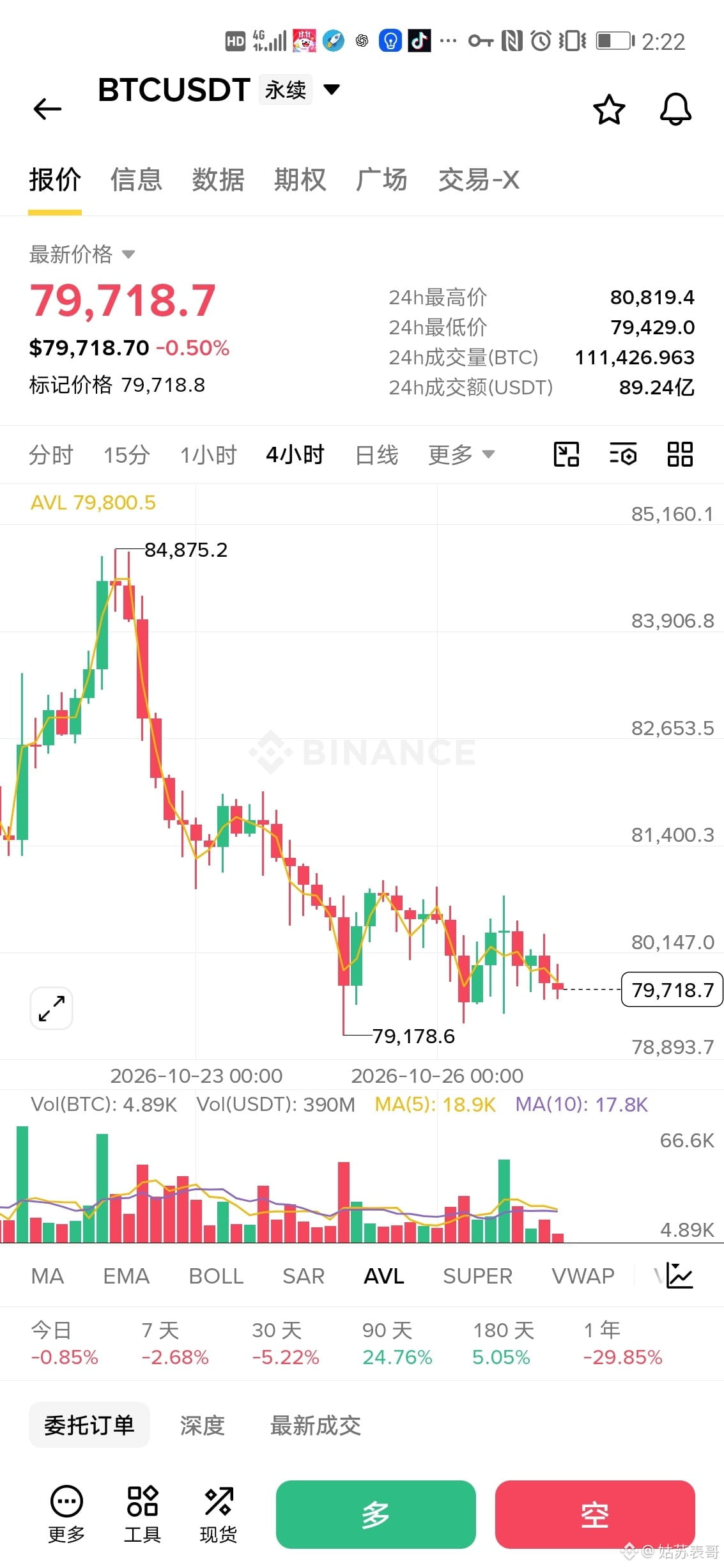
Currently, $ETH is fluctuating around 2,300, while $BTC is hovering around 80,000. It feels like a major move is just around the corner, but these two key round-number levels are psychological price points for many people, and the market has swung back and forth around them so many times already. Sigh, it’s so exhausting—the market just keeps grinding away. Could it suddenly print a big candle and reverse upward...?
Currently, $ETH is fluctuating around 2,300, while $BTC is hovering around 80,000. It feels like a major move is just around the corner, but these two key round-number levels are psychological price points for many people, and the market has swung back and forth around them so many times already. Sigh, it’s so exhausting—the market just keeps grinding away. Could it suddenly print a big candle and reverse upward...?
283
·
--
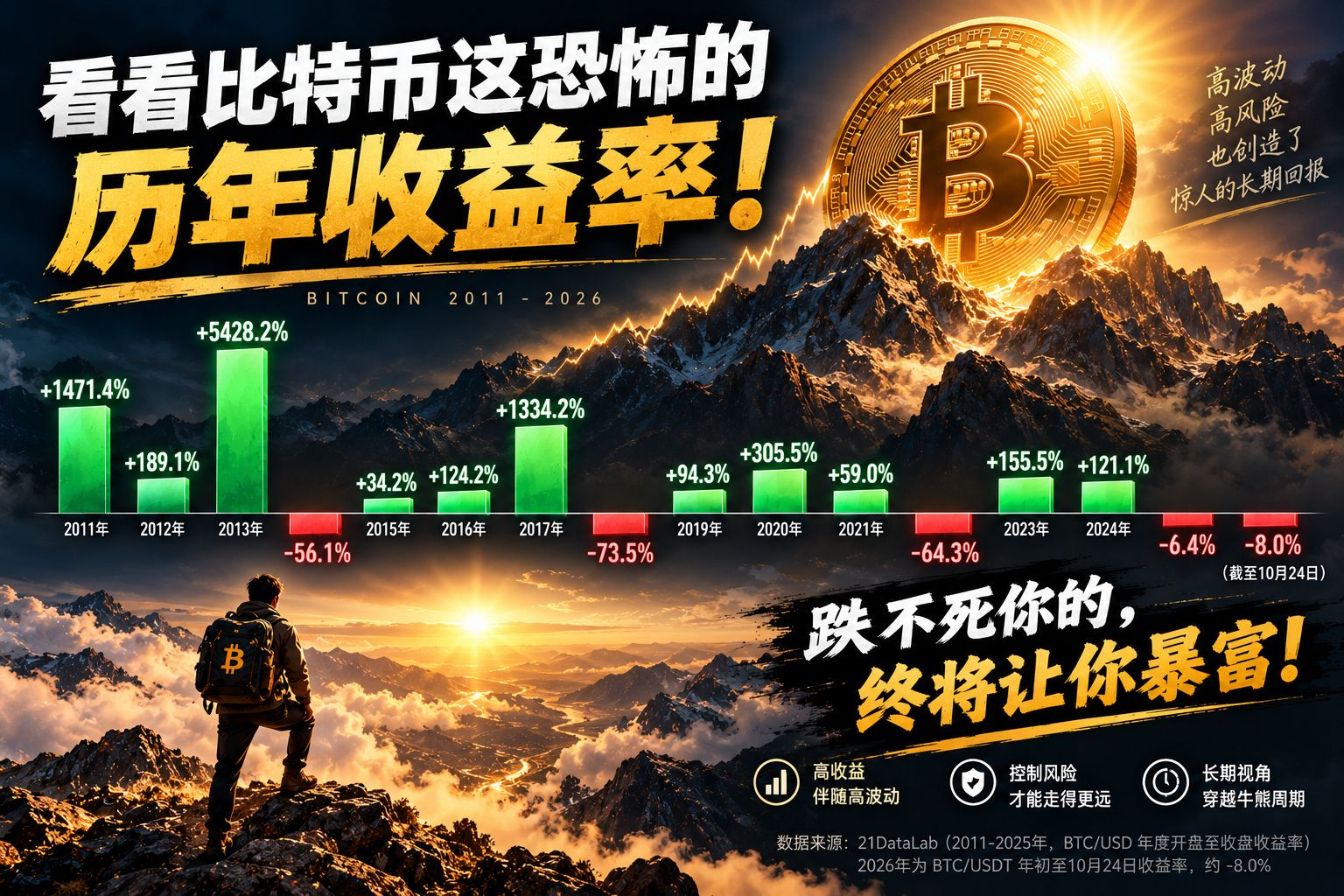
Look at the returns over the years since $BTC . Bitcoin's price history over the past 15 years has seen more gains than losses, but we've heard many stories of people getting rich overnight. Perhaps far fewer people than we imagine have truly managed to weather both bull and bear markets……
Bitcoin Annual Returns
Year Return
2011 +1471.4%
2012 +189.1%
2013 +5428.2%
2014 -56.1%
2015 +34.2%
2016 +124.2%
2017 +1334.2%
2018 -73.5%
2019 +94.3%
2020 +305.5%
2021 +59.0%
2022 -64.3%
2023 +155.5%
2024 +121.1%
2025 -6.4%
2026 -8.0% (as of October 24)
Bitcoin Annual Returns
Year Return
2011 +1471.4%
2012 +189.1%
2013 +5428.2%
2014 -56.1%
2015 +34.2%
2016 +124.2%
2017 +1334.2%
2018 -73.5%
2019 +94.3%
2020 +305.5%
2021 +59.0%
2022 -64.3%
2023 +155.5%
2024 +121.1%
2025 -6.4%
2026 -8.0% (as of October 24)
283
·
--
With the U.S. midterm elections on November 3 getting closer, I personally lean toward thinking that once election uncertainty gradually fades, BTC and U.S. stocks could have a decent rally.
But the truly hard part of crypto trading has never been predicting whether prices will go up or down—it’s weathering the volatility in between. Many people aren’t wrong about the overall direction; they just get shaken out by their own emotions.
If your account is up 200,000, then a pullback cuts your profit to just 50,000, I think you might panic and rush to sell, like most people. Then, right after you sell, the market rises again. I think most people wouldn’t be able to resist buying back in at a higher price. But what if the market turns around and leaves you holding the bag again? After a few rounds of this, that original 200,000 in gains often disappears completely.
Over the past decade or more, BTC has suffered several crashes of over 50% and gone on to reach new highs multiple times. But history doesn’t guarantee the future, and a big drop doesn’t mean prices are certain to recover.
So holding for the long term doesn’t mean blindly hanging on no matter what. It means truly understanding the asset and choosing a position size that gives you room to ride out the volatility.
What makes Buffett impressive isn’t that he always buys at the bottom, but that he has his own valuation framework and the discipline to hold.
The most regrettable thing in trading isn’t missing out on a good asset. It’s being right about the direction, yet losing all your profits by repeatedly chasing rallies and selling off in dips.
If you firmly believe in the long-term value of $BTC , you shouldn’t be afraid of volatility. Instead, even when the market swings sharply, you should still know why you bought and when you’ll sell.
#美股 #交易心理

146
·
--
Nothing in this world comes without effort.
If you want to reap rewards, you have to work hard for them.
Life’s gifts are hidden in the effort you put in day after day.
All the good fortune that seems to fall from the sky
is simply the payoff of hard work built up over time.
#Pepe上涨14%领涨山寨币反弹
Nothing in this world comes without effort.
If you want to reap rewards, you have to work hard for them.
Life’s gifts are hidden in the effort you put in day after day.
All the good fortune that seems to fall from the sky
is simply the payoff of hard work built up over time.
#Pepe上涨14%领涨山寨币反弹
If you want to reap rewards, you have to work hard for them.
Life’s gifts are hidden in the effort you put in day after day.
All the good fortune that seems to fall from the sky
is simply the payoff of hard work built up over time.
#Pepe上涨14%领涨山寨币反弹

193
·
--
It’s Saturday, and $BTC is hovering around $80,600. Over the past two days, it plunged from a high of 84,875 to a low of 80,461—a drop of more than $4,400.
A few days ago, when BTC was climbing from 81K, many people were still talking about breaking through 85K and reaching new highs. But today, they’re already starting to worry about whether 80K can hold.
That’s just how crypto goes: when prices rise, people fear missing out; when they fall, people worry they won’t catch the bottom. But remember this: consecutive declines don’t mean a rebound is coming right away, and a big drop doesn’t mean the bottom is in.
The 1-hour and 4-hour charts are currently looking weak, with rebounds lacking strength. Add in the low liquidity over the weekend, and conditions are ripe for false breakouts, fake rebounds, and sharp price wicks.
Keep an eye on three key levels in the short term:
📍 80000: A key psychological level. Watch to see whether it can hold decisively.
📍 81350: A short-term rebound confirmation level. Only consider a small long position if price reclaims and holds above it.
📍 79700: A downside risk level. If price breaks below it decisively, be wary of a further decline.
The biggest mistake right now isn’t missing out or chasing a short—it’s rushing to prove that the bottom is in and buying the dip.
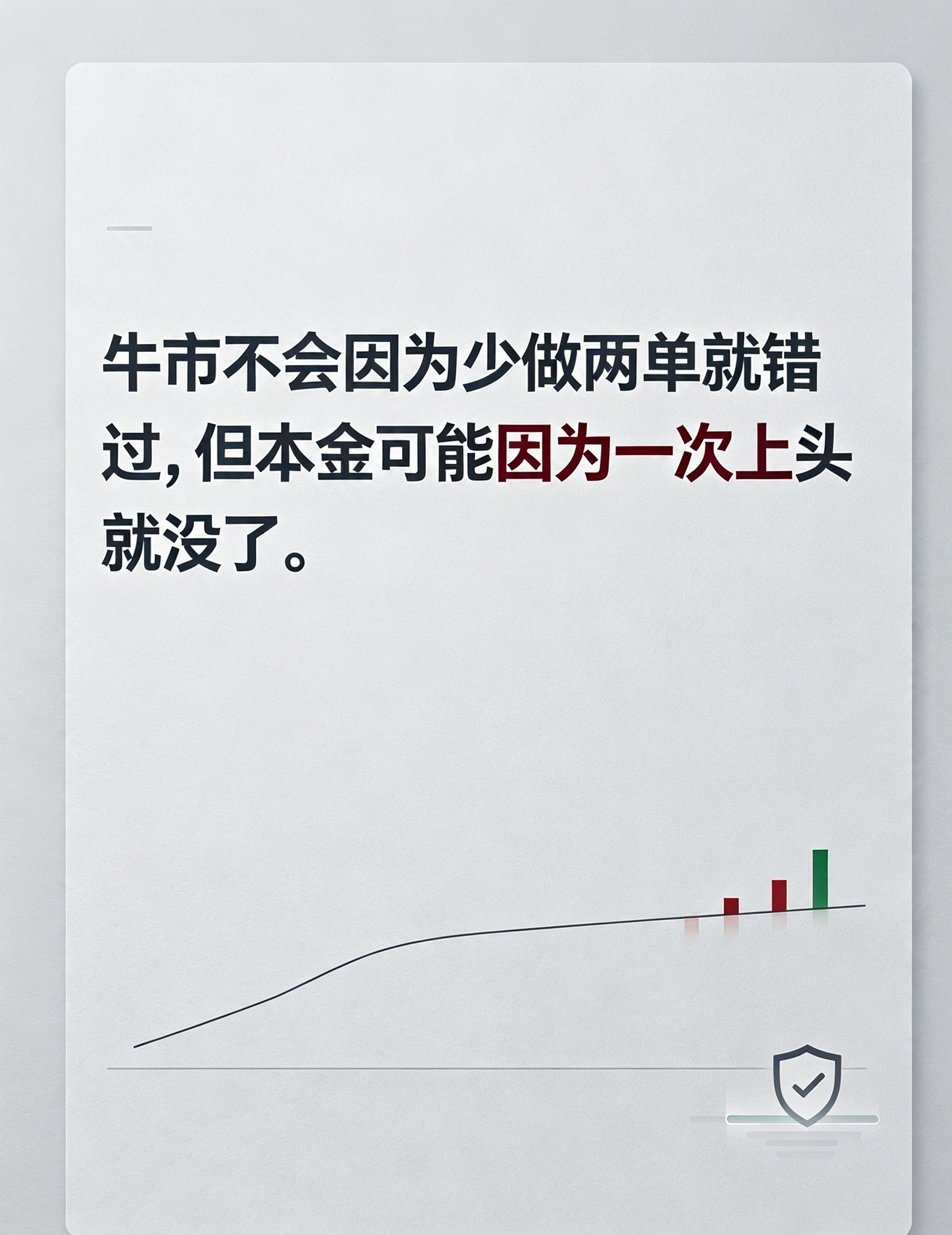
Trading isn’t about making money every day; it’s about protecting your principal first. Even if a bull market is underway, you won’t miss it just because you sit out a couple of trades—but one impulsive move could wipe out your capital.
I’m going to take a break this weekend and wait to see what happens at next week’s October 27–28 Federal Reserve meeting and the U.S. PCE inflation data on October 29 before making any specific moves.
#币安神算子
#PCE #美联储议息会议
1
483
·
--
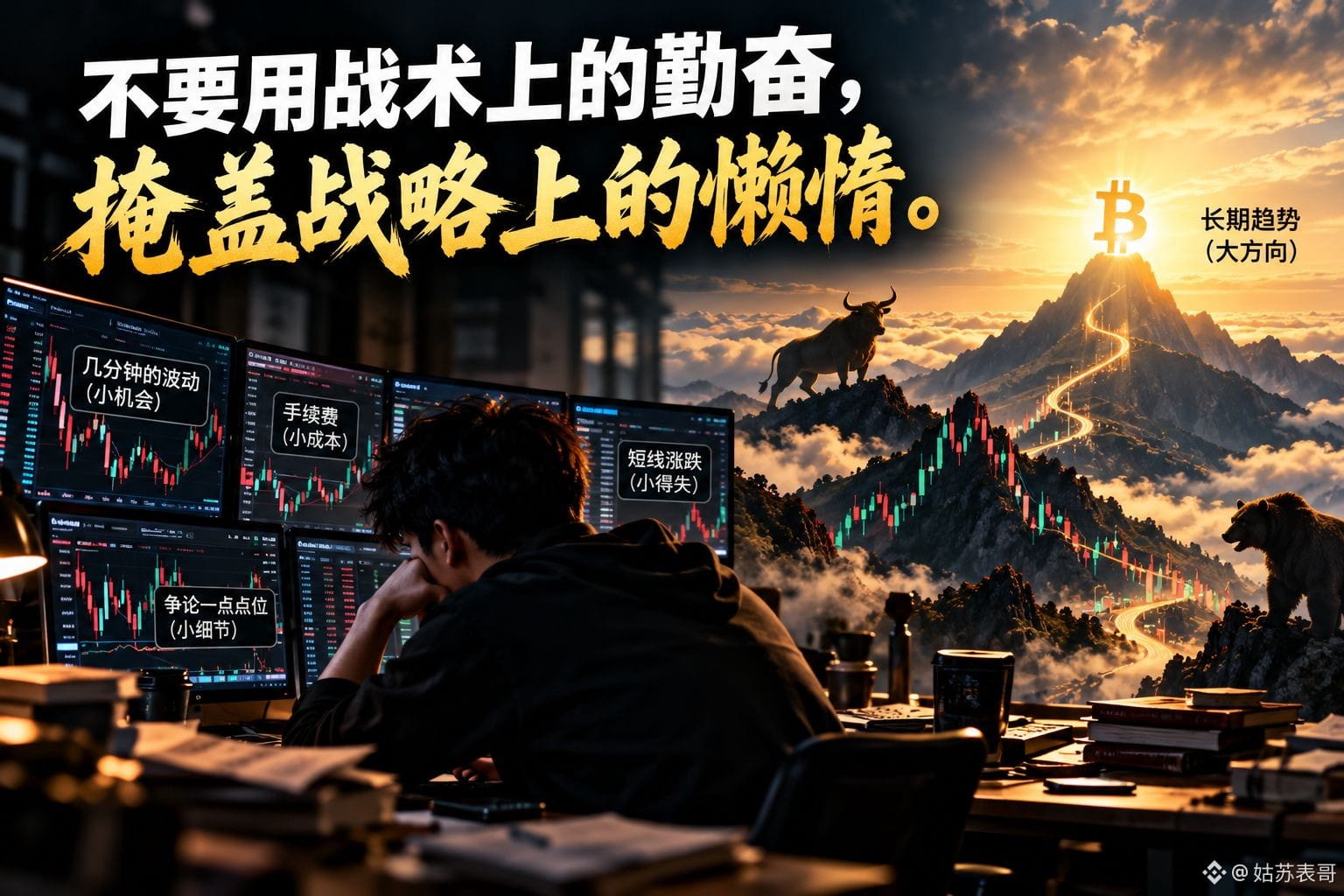
Do you know anyone like this? They’ve been in crypto for years, watching the charts for more than ten hours a day.
They spend ages researching just to pay a little less in fees; constantly trade back and forth over a few percentage points of movement; and kick themselves for days over missing a short-term opportunity.
Yet when it comes to important questions, they often don’t think things through—or don’t give them serious thought:
Are we in a bull or bear market right now?
Is my position size appropriate?
Is the risk-reward ratio of this trade worth it?
If I’m wrong about this trade, what’s the most I could lose?
How should I allocate my funds over the next three years?
That’s what you call being tactically sharp but strategically clueless. Sigh. When you think about it, it’s such a waste.
In fact, plenty of people are like this in everyday life too. They spend most of their energy on little things that affect only 1% of the outcome, while ignoring the big things that truly shape their destiny.
Why does this happen?
Because small things are easy to control, while big things are often full of uncertainty.
Take crypto, for example. Studying a single candlestick or arguing over a price level can create the illusion that you’re “working hard to make money.”
But identifying market cycles, building a trading system, and managing risk require deep thought, acknowledging your own shortcomings, and—more than anything—ongoing learning and practice. These are skills that usually take more than a day or two to develop.
Being busy doesn’t mean you’re making an effort, and trading frequently doesn’t mean you’re making progress.
What really sets people apart in crypto may not be who watches the charts longer or trades more often, but who makes the right important decisions at the critical moment.
Make fewer meaningless trades, dwell less on short-term gains and losses, and spend more time learning, studying market cycles, and managing risk. Don’t use tactical diligence to disguise strategic laziness…
#比特币突破8.2万美元
#币圈 #交易认知 #投资思维 #风险管理
143
·
--
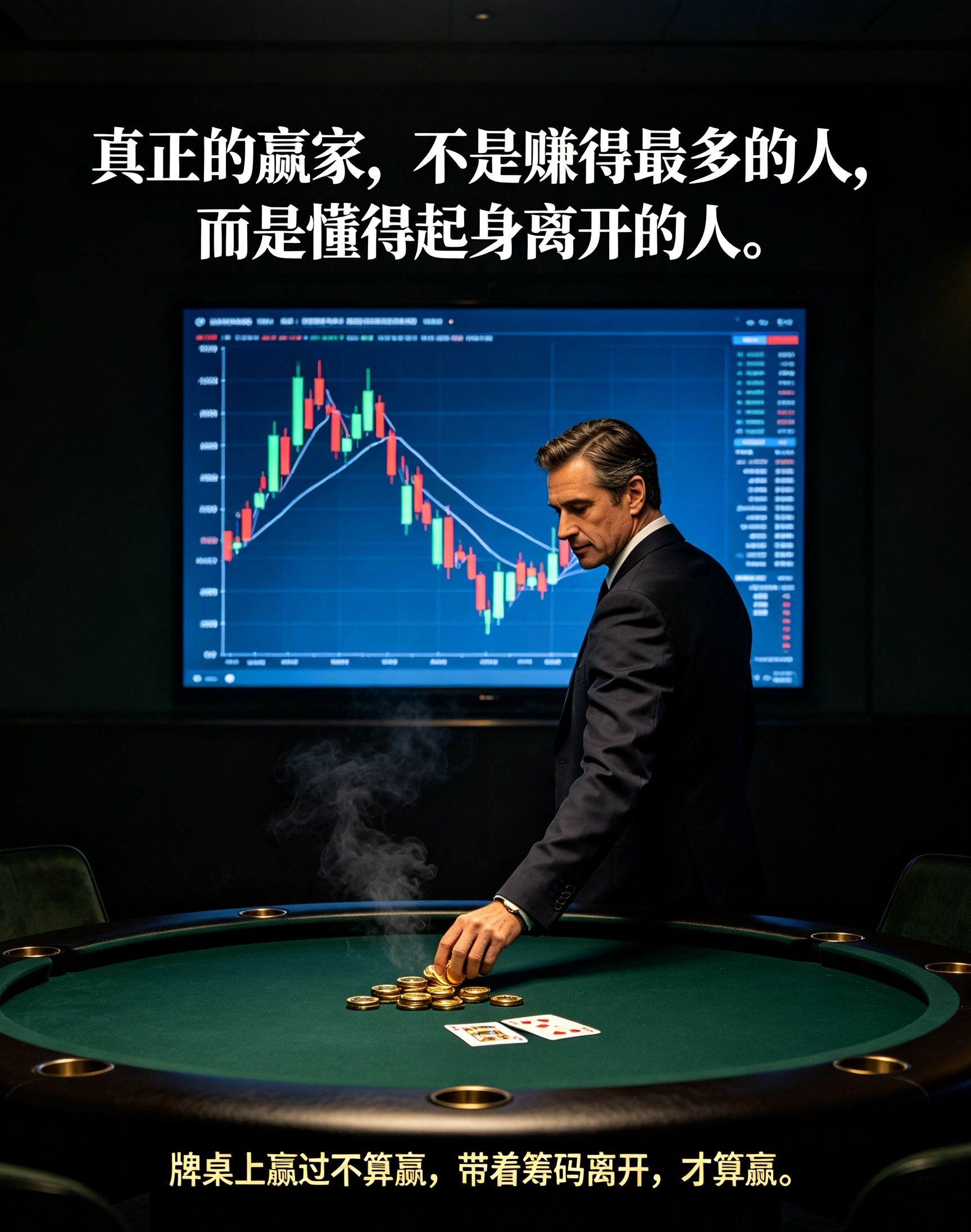
The true winner isn’t the person who makes the most money, but the one who knows when to walk away.
The cruelest thing about crypto isn’t that you can’t make money.
It’s that you can make money and still fail to take it with you.
During a bull market, many people have made huge gains.
But some people:
Make 50% and want to double their money;
Triple their money and want to make 10x;
Make 10x and start dreaming of financial freedom.
Then the market turns, profits evaporate, their initial investment takes a hit, and some even go down just before the dawn.
Many people don’t lose to the market—they lose to their own greed.
Knowing when to buy makes you an apprentice. Knowing when to sell makes you a master. Knowing when to stay out makes you a true pro.
A truly seasoned trader doesn’t try to capture an entire market move.
They know when to go on the offensive, when to step back, and when to put their profits safely in their pocket.
Bull markets can easily create the illusion that:
As long as I don’t leave, I can keep making money.
But the market never runs out of opportunities to make money. What’s in short supply are people who know how to take their money and leave.
So be sure to learn to:
Take profits in stages as prices rise, reduce your positions when euphoria sets in, and give yourself permission to walk away once you’ve made enough.
Don’t always try to sell at the very top.
You don’t need to win every trade, and you certainly don’t need to take every last penny from the market.
Remember:
A winner isn’t someone whose account once showed a certain amount of unrealized profit. It’s someone who still has real wealth after going through several bull and bear cycles.
Winning at the poker table doesn’t count if you leave empty-handed. You’ve truly won only when you walk away with your chips.
#比特币跌破8.4万美元 #以太坊突破2500美元
2
2
439
·
--
Many people spend years trading crypto, learning countless indicators, studying all kinds of candlestick charts, and chasing every bit of news day after day—only to watch their account balance shrink.
Why?
It took me several years of trading to gradually understand that the essence of trading can be summed up in three words: stay in the game.
But many people get the purpose of trading wrong from the very beginning.
The essence of trading has never been about trying to predict whether prices will rise or fall. It’s about managing risk in an uncertain market so you can stay in the game as long as possible.
A truly competent trader should understand a few key principles:
1. Prediction isn’t important; probability is.
No one gets the direction right every time. What matters is losing less when you’re wrong and trying to make more when you’re right.
2. Technical analysis is just a tool; discipline is what matters most.
Even the best trading system won’t help you earn consistent profits over the long term if you can’t control your impulses or emotions.
3. Position size shapes your mindset; risk management determines whether you survive.
Those who take oversized positions often can’t afford to lose. That makes them more likely to stubbornly hold on to losing trades, and a single loss can wipe them out.
4. Your biggest opponent isn’t the market—it’s yourself.
Greed makes you chase the highs, fear makes you sell at a loss, wishful thinking makes you hold on to losing trades, and stubbornness makes you trade too often.
5. Trading isn’t about who makes money fastest; it’s about who stays in the game longest.
You might double your money in the short term through luck, but staying in the market over the long term takes a set of rules you can follow consistently.
Crypto has never been short of stories about overnight riches. What’s rare are people who can weather both bull and bear markets and still stay at the table.
Whatever the market conditions, remember this:
You don’t need to seize every opportunity, but you must avoid making one mistake that ends your trading journey and costs you every opportunity that might come later.
There will always be opportunities in the market—as long as you still have capital and remain in it.
#比特币跌破8.4万美元 #风险管理 #交易纪律

206
·
--
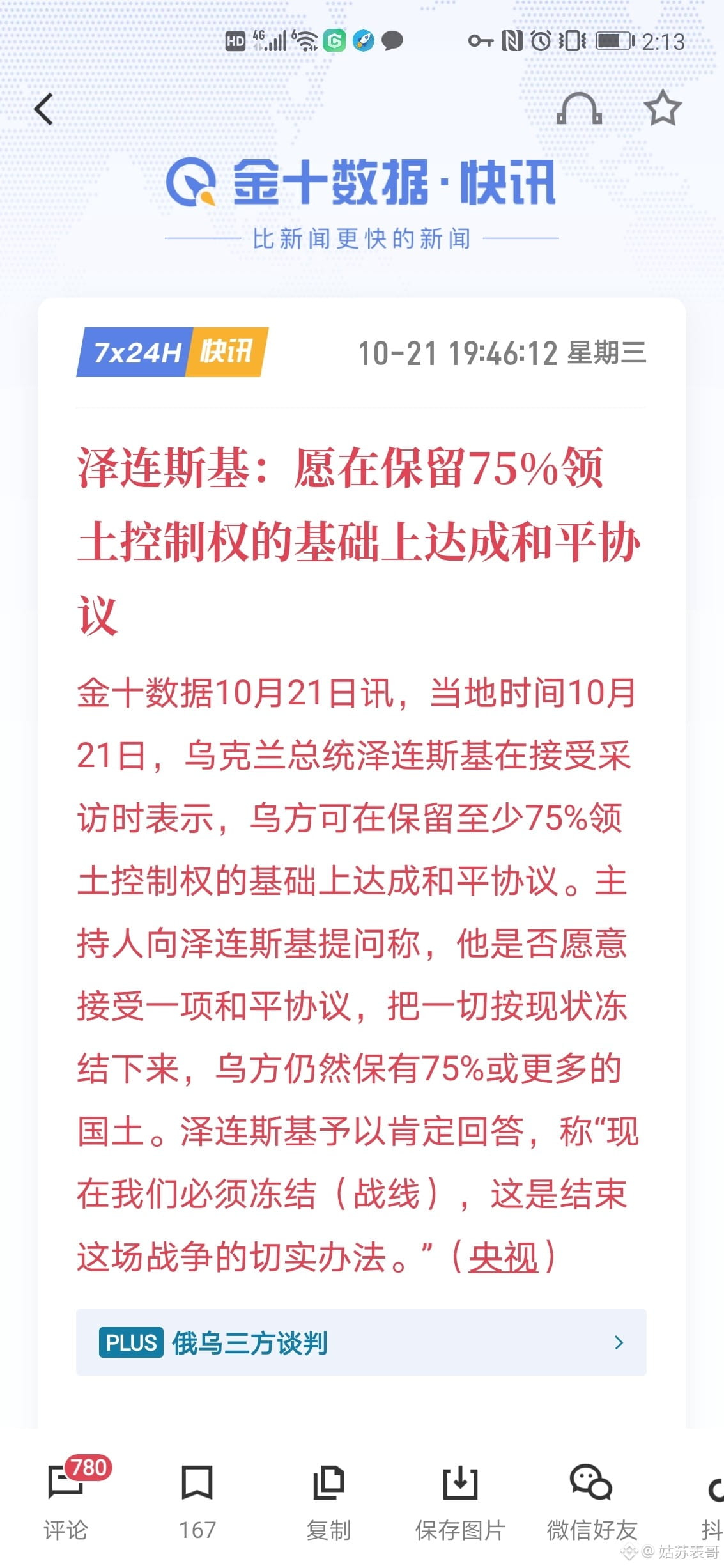
The Russia-Ukraine war may soon come to a halt. Zelensky says he’s willing to cede 25% of the territory to reach a peace agreement!
If fighting stops, what will go up? Is there a chance to make a fortune? Get in early.
The Russia-Ukraine war may soon come to a halt. Zelensky says he’s willing to cede 25% of the territory to reach a peace agreement!
If fighting stops, what will go up? Is there a chance to make a fortune? Get in early.
If fighting stops, what will go up? Is there a chance to make a fortune? Get in early.
3
1.3k
·
--
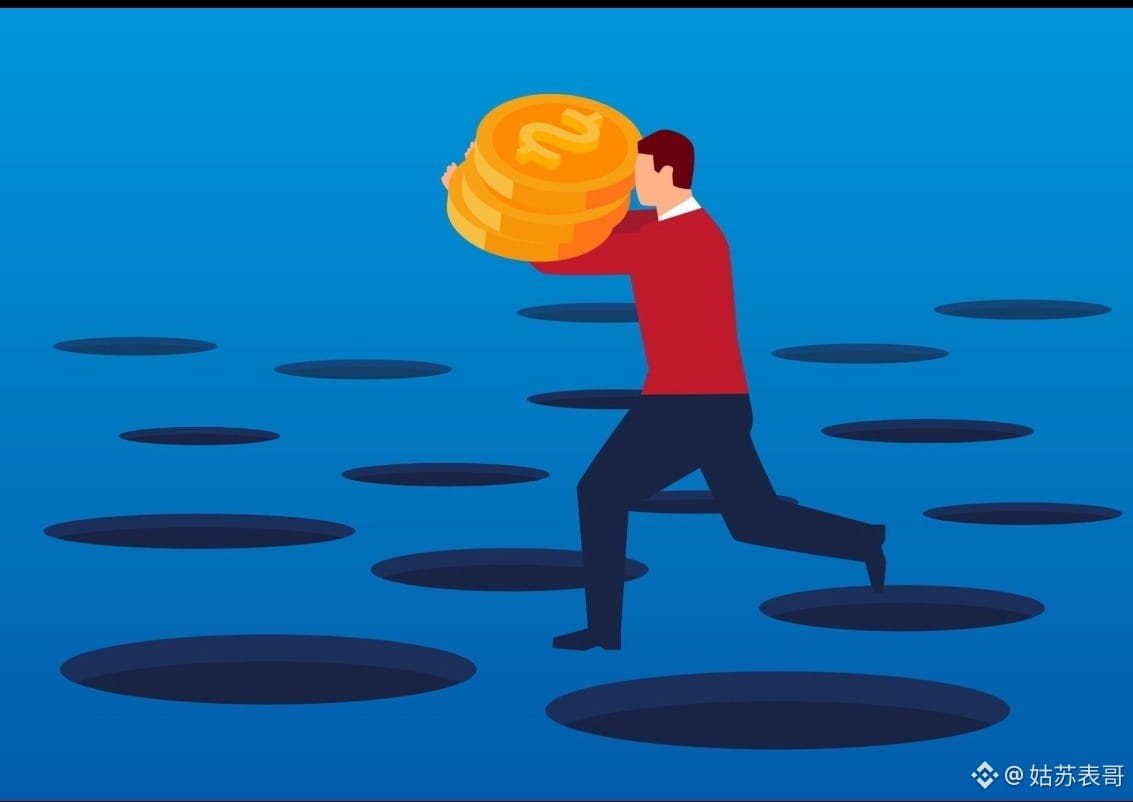
The scariest thing in crypto isn’t losing money—it’s having once held onto a losing position and gotten away with it.
That luck, or sheer good fortune, can create the illusion that holding onto losing positions works, and that you can get by without stop-losses.
Once you’ve managed to hold through a loss and come out ahead, the next time you’re losing, you’ll often choose to keep holding. If the market comes back again, you become even more convinced that holding on can turn things around.
Until one day, the market doesn’t come back, and you reach the end of the road as a trader—liquidation. Only then do you realize how cruel the market can be.
You break down in tears, overwhelmed with regret. Suddenly, you understand: those positions you once held until they recovered weren’t the result of any real skill. It may have seemed like luck was on your side, but the market was really baiting you into forming bad habits—then wiping out your entire trading account in one liquidation. More often than not, you end up giving back all the gains from holding on, and sometimes even losing more on top of that.
A truly mature trader isn’t someone who gets it right every time. It’s someone who, when they get it wrong, knows how much they can afford to lose, sets risk limits in advance, and follows through when those limits are reached—that’s what a stop-loss is for.
When it comes to stop-losses, why do so many people know they’re essential to trading, yet still fail to use them?
I think it’s not just wishful thinking or past success at holding onto losing positions that keeps people from using stop-losses. Other factors are at play too, such as the difficulty of overcoming the psychological hurdle.
A stop-loss means admitting you got it wrong and accepting the loss you’ve already incurred. At its core, it’s an act of owning up to a mistake. But many people would rather keep losing than face reality. Or their position is too large, making it impossible to accept the reality of an immediate loss, so they can only hope that if they wait a little longer, the price will recover.
That’s when past success at holding through losses becomes the scariest thing in crypto. Many people don’t lose to the market—they lose to their own wishful thinking.
Remember: getting away with holding onto a losing position once may just be luck. If you don’t manage risk over the long term, sooner or later you’ll pay the price for relying on luck. That price is often enormous—so big it’s unbearable, and potentially enough to bring your trading journey to an end.
There will always be opportunities in the market, as long as you still have capital.
#Zcash24小时上涨8.5%
#币圈 #交易心理
235
·
--
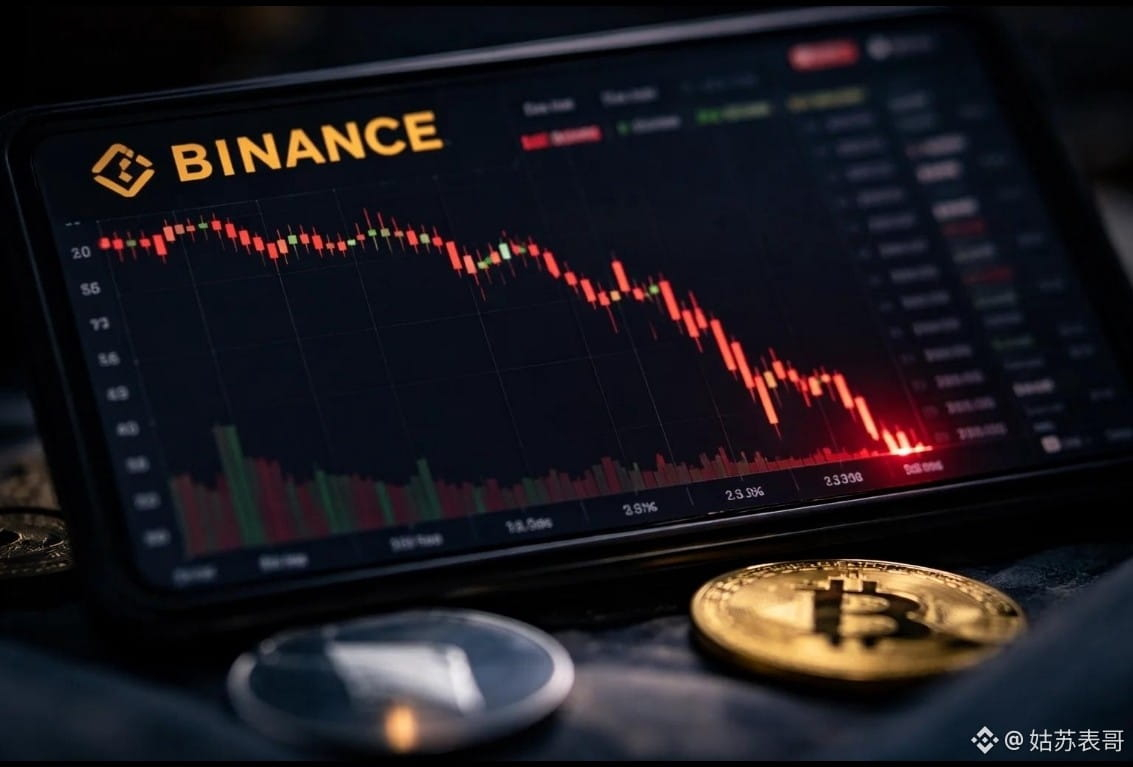
If you trade often, I’m sure you’ve had this experience:
You stop out, and the price immediately rebounds. You regret stopping out too soon.
So some people think they’ve learned their lesson and decide to hold on no matter what next time. They end up holding through a 5% loss until it becomes a 20% loss, and finally lose so much they start questioning their life choices.
This leaves you wondering: is setting a stop-loss right or wrong?
Actually, stop-losses themselves aren’t wrong. What’s wrong is setting them without rules.
Panicking when the price dips a little, chasing it when it rises a little, and cutting your losses only when you can’t take it anymore—that isn’t trading discipline. It’s emotional, random, ruleless stop-loss trading.
A proper stop-loss means deciding before you enter a trade: if you’re wrong, how much are you willing to lose at most?
If the price rebounds after you stop out, that doesn’t mean your stop-loss was wrong. And if the price rebounds after you hold on, that doesn’t prove holding was the right call.
Trading is a probability game. You can’t judge whether a decision was right or wrong based on a single outcome. We all get things wrong sometimes.
A stop-loss is how we admit we were wrong. It lets you exit with a small loss and avoid a much bigger one. It’s not giving up—it’s protecting yourself.
The cruelest thing about the crypto market is this:
You can be wrong many times, but as long as you manage risk and set stop-losses, you’ll still have a chance.
But if you go all in and stubbornly hold on just once, hoping for a lucky break, all your previous gains could be handed back to the market.
Remember: stop-losses are a cost of trading; liquidation is the end of the road.
The market will always offer more opportunities. The question is whether you’ll still have capital when the next one comes along.
#BitMine增持12535枚ETH
#币圈 #交易心得分享 #止损永远是对的
250
·
--
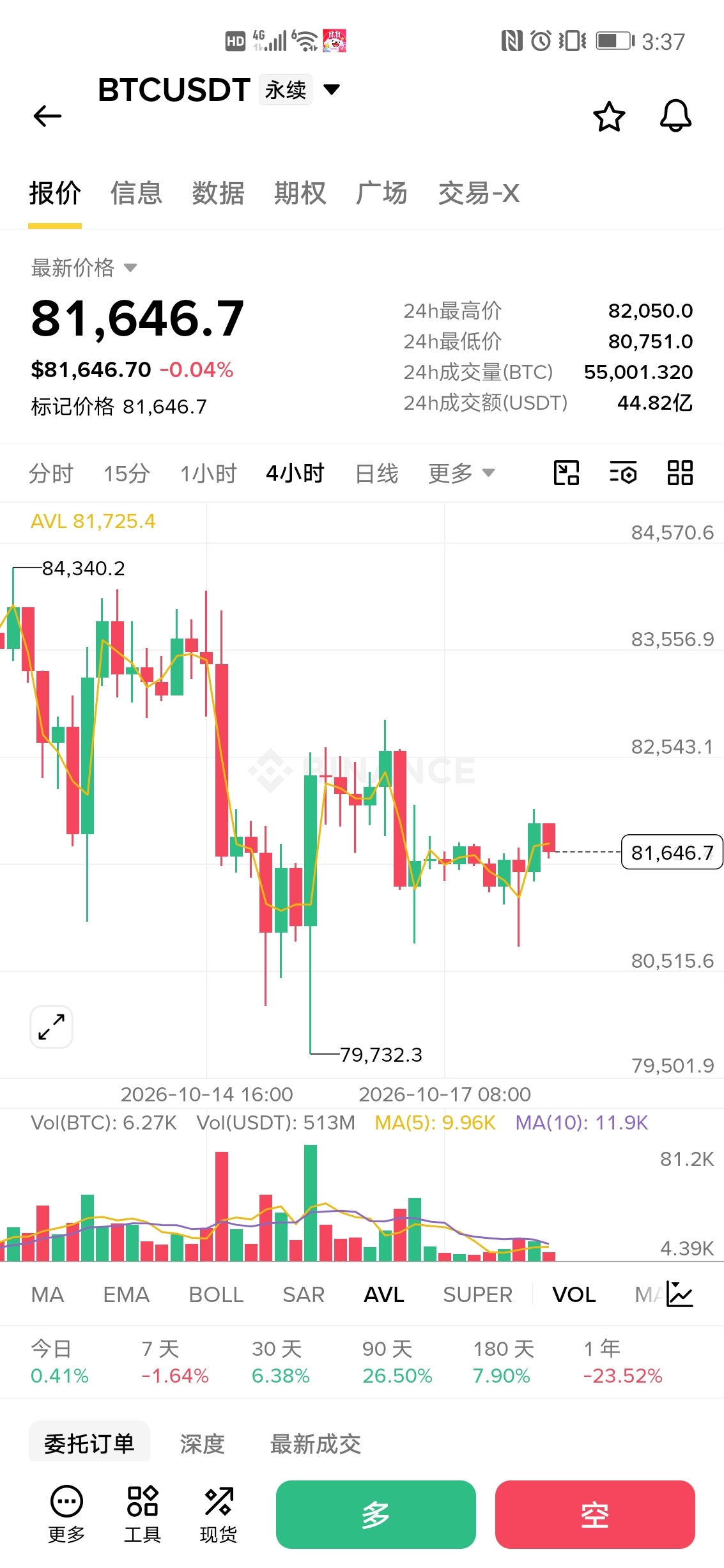
Today is Sunday, and traditional financial markets are closed. BTC is fluctuating around $81,000, while ETF funds have yet to post consecutive net inflows.
Overall, the dollar is weakening and Treasury yields are falling, yet BTC has not staged a significant rebound. This alone warrants caution: it suggests risk appetite remains weak, and easing macro pressure has not yet translated into sustained buying of BTC.
The most important thing to watch next week is whether these three conditions align: the dollar continuing to weaken, the Nasdaq stabilizing, and BTC ETFs returning to net inflows.
At this point, BTC has shown no clear reversal signals, so the focus remains on defense in the short term.
If oil prices continue to rise next week and U.S. tech stocks keep correcting, BTC could test the area around $80,000 again, even if the dollar weakens temporarily. This is worth noting. For now, staying out of the market or managing position size is more important than trying to guess the bottom.
#纳指100本周跌5.5%创18个月最大周跌幅
#纳指道指周度差距创2002年7月来最大
175
·
--
There's not much market action on the weekend, so take a break.
A missed trade costs you nothing;
A reckless trade could cost you everything.
#比特币突破8.2万美元
There's not much market action on the weekend, so take a break.
A missed trade costs you nothing;
A reckless trade could cost you everything.
#比特币突破8.2万美元
A missed trade costs you nothing;
A reckless trade could cost you everything.
#比特币突破8.2万美元
143
·
--
These past few days, #BTC has been fluctuating around 81,000 again. It’s hard for both bulls and bears to trade, and making money isn’t easy. That’s right—where in the world is money easy to make?
The biggest challenge to making money in crypto isn’t failing to understand the market; it’s failing to control your emotions.
When prices rise, you’re afraid of missing out; when they fall, you’re afraid they’ll go to zero. When you make a profit, it feels too small; when you take a loss, you can’t accept it. When it’s time to cut losses, you cling to wishful thinking; when it’s time to take profits, you get greedy. And when there’s no market action, you still can’t keep your hands off the keyboard.
Many people have made money before, only to lose it all again through their own actions.
The hardest part of trading has never been predicting a single rise or fall. It’s sticking to your rules in the face of greed and fear.
In the end, success in crypto isn’t about who’s bolder, but who can control themselves better. Making money depends on knowledge; keeping it depends on human nature.
#美国PPI同比升至6.3%
114
·
--
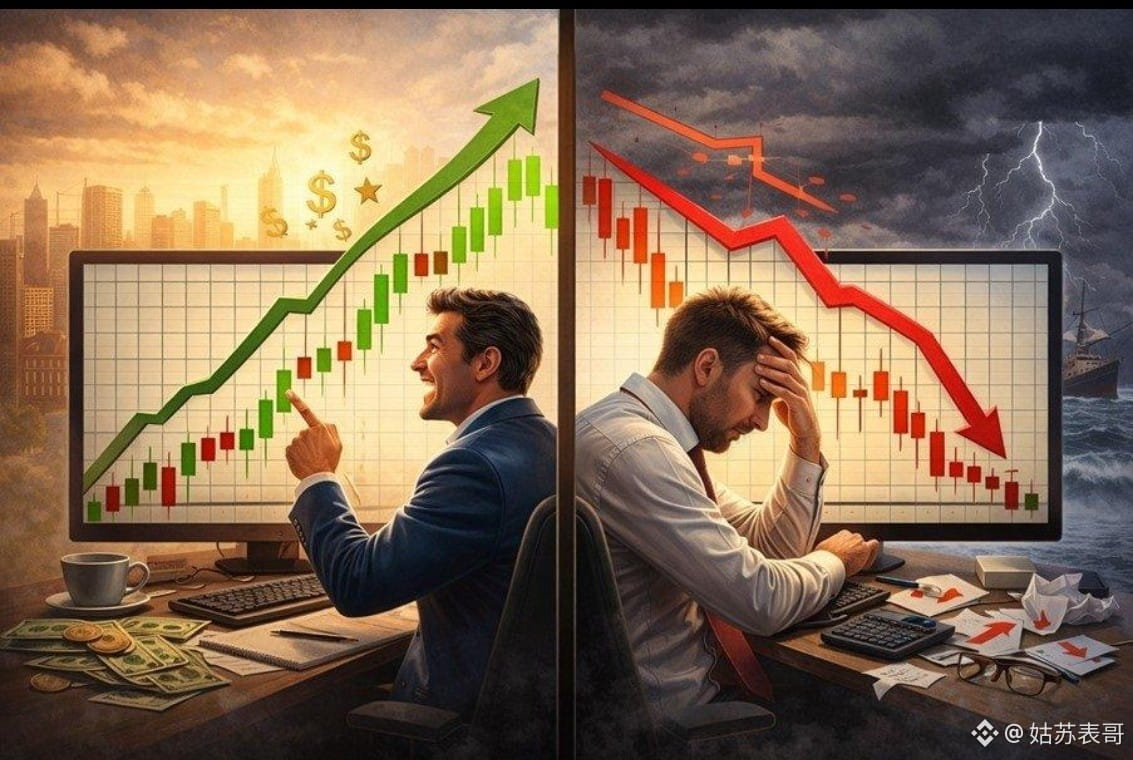
There’s an interesting phenomenon in the crypto market:
During the same market cycle, some people change their lives, while others never manage to make money;
Some see panic in a bear market, while others see opportunity;
Some are afraid to buy when prices are low, then afraid to chase when they rise. By the time the market goes completely wild, they start piling in with everything they have,
Only to miss the opportunity while taking on every bit of risk.
Why?
The truth is, there are always opportunities in the market, but not everyone can see them;
And opportunities have never been distributed equally for everyone to enjoy.
The market has never lacked opportunities. What’s lacking is the ability to recognize them.
Rather than constantly complaining that you missed an opportunity or can’t find the right one,
why not improve your ability to recognize opportunities and broaden your understanding?
Because what you understand determines what you can see, your judgment determines whether you dare to act, and risk management determines whether you can hold on to your profits.
So what truly sets people apart may be more than just capital, luck, and courage. It may also be what they know…
#BTC
145
·
--
Today, let’s talk about an interesting topic: why do people who are fully invested often have the hardest time holding on?
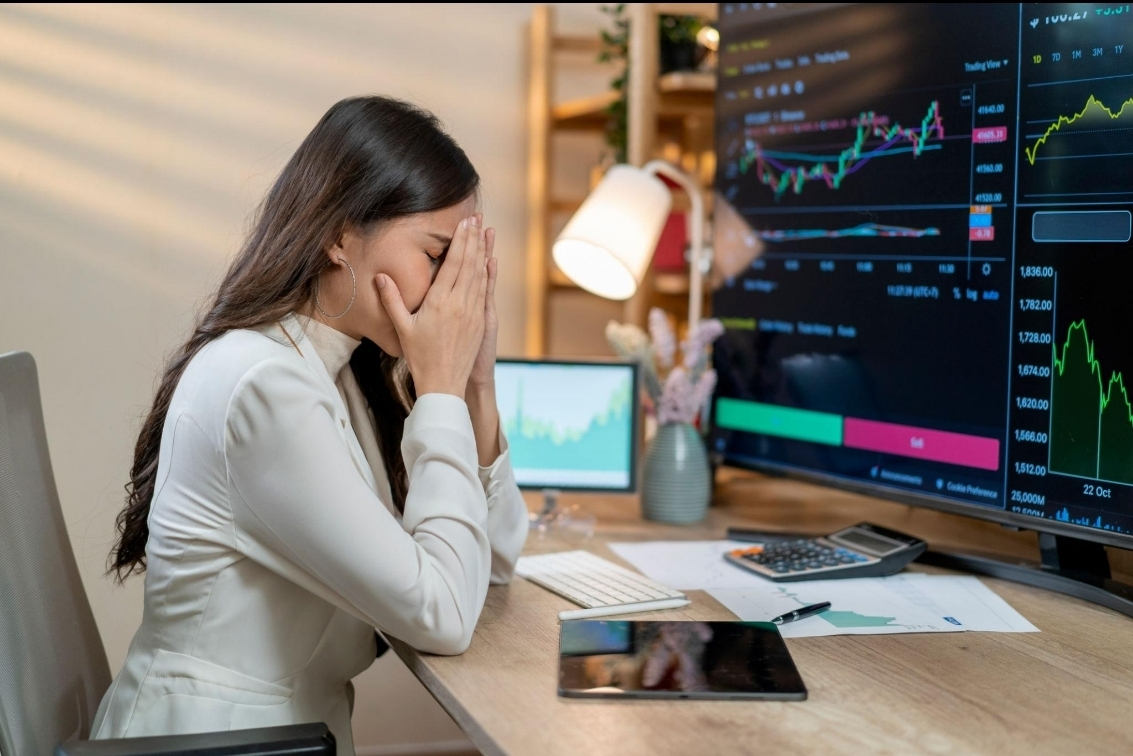
I’m sure many of you have experienced this: the more bullish you are on a coin, say $BTC , the more you want to invest heavily. Gradually, you keep adding to your position until you’re fully invested—and then you find it even harder to hold on.
The truth is, once your position exceeds what you can psychologically handle, it becomes very difficult to view the market objectively. Your position size affects your mindset.
If you’re lightly invested and the price drops 10%, you might ask yourself:
Has the thesis changed? Have the fundamentals changed?
But if you’re fully invested and the price drops 10%, you’re more likely to think:
That’s it, how much further will it fall? Should I get out now?
You planned to hold for six months, but now you’re watching five-minute candlestick charts.
You used to focus on the trend, but now all you look at is your account balance.
A small pullback makes you panic; one big red candle makes you sell at a loss.
In the end, you sell at the bottom—not because you got the direction wrong,
but because your position was too large and your nerves gave out first.
That’s why holding a suitable position is important too.
A truly sensible position isn’t about “how much can I make at most this time?” It’s about asking:
If it suddenly drops 20%, will I still be able to sleep?
Can I still stick to my trading strategy?
If the answer is no, your position is already too large.
In short: with a small position, you watch the market; with a large position, you watch your profits and losses; fully invested, you watch your emotions.
What really helps you hold through a major market move is often more than just unwavering conviction.
It’s also having a position size that lets you feel comfortable enough to stick with your original judgment.
#美联储10月维持利率概率升至82.3%
#日经225涨2.5%创三月新高
373
Log in to explore more content
Join global crypto users on Binance Square
⚡️ Get latest and useful information about crypto.
💬 Trusted by the world’s largest crypto exchange.
👍 Discover real insights from verified creators.
Email / Phone number