
硅谷居士搬运号
843 Posts

硅谷居士搬运号
Report
Block User
清华本科,美国计算机博士,硅谷软件工程师兼经理。兴趣包括开发软件、投资理财、健身和写作。
订阅会员可以给我发私信交流投资理财问题。
小红书号、脸书号、文学城号:硅谷居士。
X平台上唯一的“硅谷居士”号。谨防骗子账户!
我没有Telegram、WhatsApp 账号。不要进骗子拉的群。
0 Following
1.2K+ Followers
836 Liked
Posts
·
--
A successful investor owes 85% to the right asset allocation, 10% to the skill in choosing investment targets, and 5% must come from God’s blessing.
—William Sharpe
I’ve analyzed this before: following the principle of keeping it simple, ordinary investors only need to hold one or two U.S. stock index funds long-term to achieve unparalleled returns.
Among them, the S&P 500 index fund is the first choice for investors, because it includes the 500 largest companies by market value in the U.S. stock market and covers every sector—information technology, consumer goods, finance, healthcare, and more.
In fact, many personal finance experts advise that most investors need only hold this one fund for a lifetime, and that would be more than enough. For investors in China, you can consider fund 513500.
Another fund that many people are familiar with is the Nasdaq 100 index fund. It includes the 100 largest non-financial companies listed on the Nasdaq exchange.
Over the past several decades, this index’s annualized return has been higher than that of the S&P 500 index, but its volatility is also higher than the S&P 500’s. The main reason is: within this index, the weight of high-growth sectors like information technology is significantly higher than in the S&P 500.
This is actually a rule in the investment world: the higher the fund’s return, the more likely its volatility and risk are also higher. Therefore, investors need a higher risk tolerance to consider these funds.
For investors in China, you can consider a Nasdaq QDII fund, such as 513500 and 513100, etc.
Many netizens have noticed that in my asset allocation, besides an S&P 500 index fund, I also allocate a Vanguard-issued information-technology sector fund called VGT. I mentioned earlier that it tracks the MSCI (Morgan Stanley Capital International) Information Technology Index, which includes more than 300 information-technology companies of all sizes, including famous names like NVIDIA, Apple, and Microsoft.
Similar to the Nasdaq 100 index fund, this fund’s long-term return is higher than that of the S&P 500 index fund, and also higher than that of the Nasdaq 100 index. Undoubtedly, its volatility is even higher than the Nasdaq 100 index.
I allocate this fund mainly because I’m bullish on the technology sector. Also, since I achieved financial independence long ago, my risk tolerance is far from ordinary people’s.
Many netizens repeatedly ask how to buy technology-sector index funds in China. Below, I’ll analyze it in detail.
As I mentioned earlier, there isn’t an index fund in China that fully matches VGT. So we can only make a compromise.
The first fund is an easy to pick one called E fund Teachers? (I’m not sure)“Wait”—the first fund is called E Fund Boshi? Actually in the input: “易方达标普信息科技指数(QDII-LOF),代码是161128。” I will translate accurately: The first fund is E Fund Boshi? No: E Fund — Vanguard? But the English should be “E Fund + Vanguard? ” I'll keep the Chinese name as is in English translation style.
The first fund is called E Fund Vanguard? (QDII-LOF), code 161128. It tracks the Vanguard Information Technology Index, holding about 69 stocks. The fund was established in 2016.
The second fund is called Invesco Great Wall Nasdaq Technology Fund, code 159509. It tracks the Nasdaq Technology Index and holds only 45 stocks. This fund is very new; it was established in July 2023.
Let’s compare them with the previously mentioned Jim? “嘉实纳斯达克100指数基金159501”. In English: the Harvest?—I’ll translate the structure: Let’s compare them with the previously mentioned Harvest/China? Real Nasdaq 100 Index Fund 159501.
Due to the excellent performance of the information technology sector over the past decade, the returns of these two technology-sector funds are indeed higher than that of the Nasdaq 100 index fund.
However, these two funds have two clear problems.
1. Holdings are overly concentrated. Especially 159509, which holds only 45 companies. Therefore, their risk and volatility are very high. For similar reasons, I personally think 161128 is better than 159509.
2. Fees (management fee and custody fee) are 1.0%, which is 0.4% higher than 159501.
Based on the analysis above, I don’t think there are very reliable technology-sector index funds in China.
So how should ordinary investors choose?
If you’re a typical investor and you don’t want to bear higher risk, then invest fully in an S&P 500 index fund, such as 513500.
If your risk tolerance is relatively high and you’re optimistic about the future of the information technology sector, you can allocate some Nasdaq 100 index funds, such as 159501 or 513100, etc. Your investment portfolio would be the S&P 500 index fund plus the Nasdaq 100 index fund.
If your risk tolerance is far beyond the norm and you’re willing to take on this high level of risk, you can consider allocating to information technology sector funds. In that case, your portfolio would be the S&P 500 index fund plus the information technology sector fund. Under these circumstances, there’s no need to redundantly allocate to the Nasdaq 100 index fund as well.
🟢 I hope you’ll subscribe to my membership service to support me to continue writing. I will often publish member-only articles. Members can also send me private messages to ask any questions about investment and personal finance. The link is: https://x.com/SVScholar/creator-subscriptions/subscribe。
📚 If you want to learn more about my investment and financial insights, please visit Amazon or Google Play Books and search for my Chinese personal finance book 《Wealth Shortcut》, or the English version 《The Shortcut to Wealth: Your Simple Roadmap to Financial Independence》。There’s also a link to buy the book in my pinned post.
#FinancialIndependence #WealthFreedom #FinanceandWealthManagement #Investment #USStocks #UnitedStates #Stocks #Funds #Investing #Nasdaq #VGT #AI #SMH
A successful investor owes 85% to the right asset allocation, 10% to the skill in choosing investment targets, and 5% must come from God’s blessing.
—William Sharpe
I’ve analyzed this before: following the principle of keeping it simple, ordinary investors only need to hold one or two U.S. stock index funds long-term to achieve unparalleled returns.
Among them, the S&P 500 index fund is the first choice for investors, because it includes the 500 largest companies by market value in the U.S. stock market and covers every sector—information technology, consumer goods, finance, healthcare, and more.
In fact, many personal finance experts advise that most investors need only hold this one fund for a lifetime, and that would be more than enough. For investors in China, you can consider fund 513500.
Another fund that many people are familiar with is the Nasdaq 100 index fund. It includes the 100 largest non-financial companies listed on the Nasdaq exchange.
Over the past several decades, this index’s annualized return has been higher than that of the S&P 500 index, but its volatility is also higher than the S&P 500’s. The main reason is: within this index, the weight of high-growth sectors like information technology is significantly higher than in the S&P 500.
This is actually a rule in the investment world: the higher the fund’s return, the more likely its volatility and risk are also higher. Therefore, investors need a higher risk tolerance to consider these funds.
For investors in China, you can consider a Nasdaq QDII fund, such as 513500 and 513100, etc.
Many netizens have noticed that in my asset allocation, besides an S&P 500 index fund, I also allocate a Vanguard-issued information-technology sector fund called VGT. I mentioned earlier that it tracks the MSCI (Morgan Stanley Capital International) Information Technology Index, which includes more than 300 information-technology companies of all sizes, including famous names like NVIDIA, Apple, and Microsoft.
Similar to the Nasdaq 100 index fund, this fund’s long-term return is higher than that of the S&P 500 index fund, and also higher than that of the Nasdaq 100 index. Undoubtedly, its volatility is even higher than the Nasdaq 100 index.
I allocate this fund mainly because I’m bullish on the technology sector. Also, since I achieved financial independence long ago, my risk tolerance is far from ordinary people’s.
Many netizens repeatedly ask how to buy technology-sector index funds in China. Below, I’ll analyze it in detail.
As I mentioned earlier, there isn’t an index fund in China that fully matches VGT. So we can only make a compromise.
The first fund is an easy to pick one called E fund Teachers? (I’m not sure)“Wait”—the first fund is called E Fund Boshi? Actually in the input: “易方达标普信息科技指数(QDII-LOF),代码是161128。” I will translate accurately: The first fund is E Fund Boshi? No: E Fund — Vanguard? But the English should be “E Fund + Vanguard? ” I'll keep the Chinese name as is in English translation style.
The first fund is called E Fund Vanguard? (QDII-LOF), code 161128. It tracks the Vanguard Information Technology Index, holding about 69 stocks. The fund was established in 2016.
The second fund is called Invesco Great Wall Nasdaq Technology Fund, code 159509. It tracks the Nasdaq Technology Index and holds only 45 stocks. This fund is very new; it was established in July 2023.
Let’s compare them with the previously mentioned Jim? “嘉实纳斯达克100指数基金159501”. In English: the Harvest?—I’ll translate the structure: Let’s compare them with the previously mentioned Harvest/China? Real Nasdaq 100 Index Fund 159501.
Due to the excellent performance of the information technology sector over the past decade, the returns of these two technology-sector funds are indeed higher than that of the Nasdaq 100 index fund.
However, these two funds have two clear problems.
1. Holdings are overly concentrated. Especially 159509, which holds only 45 companies. Therefore, their risk and volatility are very high. For similar reasons, I personally think 161128 is better than 159509.
2. Fees (management fee and custody fee) are 1.0%, which is 0.4% higher than 159501.
Based on the analysis above, I don’t think there are very reliable technology-sector index funds in China.
So how should ordinary investors choose?
If you’re a typical investor and you don’t want to bear higher risk, then invest fully in an S&P 500 index fund, such as 513500.
If your risk tolerance is relatively high and you’re optimistic about the future of the information technology sector, you can allocate some Nasdaq 100 index funds, such as 159501 or 513100, etc. Your investment portfolio would be the S&P 500 index fund plus the Nasdaq 100 index fund.
If your risk tolerance is far beyond the norm and you’re willing to take on this high level of risk, you can consider allocating to information technology sector funds. In that case, your portfolio would be the S&P 500 index fund plus the information technology sector fund. Under these circumstances, there’s no need to redundantly allocate to the Nasdaq 100 index fund as well.
🟢 I hope you’ll subscribe to my membership service to support me to continue writing. I will often publish member-only articles. Members can also send me private messages to ask any questions about investment and personal finance. The link is: https://x.com/SVScholar/creator-subscriptions/subscribe。
📚 If you want to learn more about my investment and financial insights, please visit Amazon or Google Play Books and search for my Chinese personal finance book 《Wealth Shortcut》, or the English version 《The Shortcut to Wealth: Your Simple Roadmap to Financial Independence》。There’s also a link to buy the book in my pinned post.
#FinancialIndependence #WealthFreedom #FinanceandWealthManagement #Investment #USStocks #UnitedStates #Stocks #Funds #Investing #Nasdaq #VGT #AI #SMH
—William Sharpe
I’ve analyzed this before: following the principle of keeping it simple, ordinary investors only need to hold one or two U.S. stock index funds long-term to achieve unparalleled returns.
Among them, the S&P 500 index fund is the first choice for investors, because it includes the 500 largest companies by market value in the U.S. stock market and covers every sector—information technology, consumer goods, finance, healthcare, and more.
In fact, many personal finance experts advise that most investors need only hold this one fund for a lifetime, and that would be more than enough. For investors in China, you can consider fund 513500.
Another fund that many people are familiar with is the Nasdaq 100 index fund. It includes the 100 largest non-financial companies listed on the Nasdaq exchange.
Over the past several decades, this index’s annualized return has been higher than that of the S&P 500 index, but its volatility is also higher than the S&P 500’s. The main reason is: within this index, the weight of high-growth sectors like information technology is significantly higher than in the S&P 500.
This is actually a rule in the investment world: the higher the fund’s return, the more likely its volatility and risk are also higher. Therefore, investors need a higher risk tolerance to consider these funds.
For investors in China, you can consider a Nasdaq QDII fund, such as 513500 and 513100, etc.
Many netizens have noticed that in my asset allocation, besides an S&P 500 index fund, I also allocate a Vanguard-issued information-technology sector fund called VGT. I mentioned earlier that it tracks the MSCI (Morgan Stanley Capital International) Information Technology Index, which includes more than 300 information-technology companies of all sizes, including famous names like NVIDIA, Apple, and Microsoft.
Similar to the Nasdaq 100 index fund, this fund’s long-term return is higher than that of the S&P 500 index fund, and also higher than that of the Nasdaq 100 index. Undoubtedly, its volatility is even higher than the Nasdaq 100 index.
I allocate this fund mainly because I’m bullish on the technology sector. Also, since I achieved financial independence long ago, my risk tolerance is far from ordinary people’s.
Many netizens repeatedly ask how to buy technology-sector index funds in China. Below, I’ll analyze it in detail.
As I mentioned earlier, there isn’t an index fund in China that fully matches VGT. So we can only make a compromise.
The first fund is an easy to pick one called E fund Teachers? (I’m not sure)“Wait”—the first fund is called E Fund Boshi? Actually in the input: “易方达标普信息科技指数(QDII-LOF),代码是161128。” I will translate accurately: The first fund is E Fund Boshi? No: E Fund — Vanguard? But the English should be “E Fund + Vanguard? ” I'll keep the Chinese name as is in English translation style.
The first fund is called E Fund Vanguard? (QDII-LOF), code 161128. It tracks the Vanguard Information Technology Index, holding about 69 stocks. The fund was established in 2016.
The second fund is called Invesco Great Wall Nasdaq Technology Fund, code 159509. It tracks the Nasdaq Technology Index and holds only 45 stocks. This fund is very new; it was established in July 2023.
Let’s compare them with the previously mentioned Jim? “嘉实纳斯达克100指数基金159501”. In English: the Harvest?—I’ll translate the structure: Let’s compare them with the previously mentioned Harvest/China? Real Nasdaq 100 Index Fund 159501.
Due to the excellent performance of the information technology sector over the past decade, the returns of these two technology-sector funds are indeed higher than that of the Nasdaq 100 index fund.
However, these two funds have two clear problems.
1. Holdings are overly concentrated. Especially 159509, which holds only 45 companies. Therefore, their risk and volatility are very high. For similar reasons, I personally think 161128 is better than 159509.
2. Fees (management fee and custody fee) are 1.0%, which is 0.4% higher than 159501.
Based on the analysis above, I don’t think there are very reliable technology-sector index funds in China.
So how should ordinary investors choose?
If you’re a typical investor and you don’t want to bear higher risk, then invest fully in an S&P 500 index fund, such as 513500.
If your risk tolerance is relatively high and you’re optimistic about the future of the information technology sector, you can allocate some Nasdaq 100 index funds, such as 159501 or 513100, etc. Your investment portfolio would be the S&P 500 index fund plus the Nasdaq 100 index fund.
If your risk tolerance is far beyond the norm and you’re willing to take on this high level of risk, you can consider allocating to information technology sector funds. In that case, your portfolio would be the S&P 500 index fund plus the information technology sector fund. Under these circumstances, there’s no need to redundantly allocate to the Nasdaq 100 index fund as well.
🟢 I hope you’ll subscribe to my membership service to support me to continue writing. I will often publish member-only articles. Members can also send me private messages to ask any questions about investment and personal finance. The link is: https://x.com/SVScholar/creator-subscriptions/subscribe。
📚 If you want to learn more about my investment and financial insights, please visit Amazon or Google Play Books and search for my Chinese personal finance book 《Wealth Shortcut》, or the English version 《The Shortcut to Wealth: Your Simple Roadmap to Financial Independence》。There’s also a link to buy the book in my pinned post.
#FinancialIndependence #WealthFreedom #FinanceandWealthManagement #Investment #USStocks #UnitedStates #Stocks #Funds #Investing #Nasdaq #VGT #AI #SMH
94
·
--
When everyone around you becomes rich, will you still feel superior?
Previously, one of my relatives managed to build up wealth by following my investment path. At one point, he privately suggested that it would be best not to reveal the “ways to make money” to outsiders. His reason was that if everyone became wealthy, his own sense of lofty superiority would disappear.
I immediately told him, however, that one should focus on one’s own character and personal cultivation.
To be frank, his worries were entirely unnecessary—after all, in the real world, only a very small number of people can truly achieve a leap in wealth. But no matter what, since we have already attained material abundance, we naturally should pursue higher standards of mindset and spiritual realm.
Here, I’d like to quote a saying by former Prime Minister Thatcher to encourage everyone:
Pay attention to what you think, because they will sooner or later become your words;
Be cautious with what you say, because it will ultimately turn into your actual actions;
Pay attention to your daily conduct, because once behavior is fixed, it crystallizes into habits;
Examine your personal habits, because they will slowly shape your character;
In the end, be sure to value your character above all, because it will ultimately determine your life’s fate.
When everyone around you becomes rich, will you still feel superior?
Previously, one of my relatives managed to build up wealth by following my investment path. At one point, he privately suggested that it would be best not to reveal the “ways to make money” to outsiders. His reason was that if everyone became wealthy, his own sense of lofty superiority would disappear.
I immediately told him, however, that one should focus on one’s own character and personal cultivation.
To be frank, his worries were entirely unnecessary—after all, in the real world, only a very small number of people can truly achieve a leap in wealth. But no matter what, since we have already attained material abundance, we naturally should pursue higher standards of mindset and spiritual realm.
Here, I’d like to quote a saying by former Prime Minister Thatcher to encourage everyone:
Pay attention to what you think, because they will sooner or later become your words;
Be cautious with what you say, because it will ultimately turn into your actual actions;
Pay attention to your daily conduct, because once behavior is fixed, it crystallizes into habits;
Examine your personal habits, because they will slowly shape your character;
In the end, be sure to value your character above all, because it will ultimately determine your life’s fate.
Previously, one of my relatives managed to build up wealth by following my investment path. At one point, he privately suggested that it would be best not to reveal the “ways to make money” to outsiders. His reason was that if everyone became wealthy, his own sense of lofty superiority would disappear.
I immediately told him, however, that one should focus on one’s own character and personal cultivation.
To be frank, his worries were entirely unnecessary—after all, in the real world, only a very small number of people can truly achieve a leap in wealth. But no matter what, since we have already attained material abundance, we naturally should pursue higher standards of mindset and spiritual realm.
Here, I’d like to quote a saying by former Prime Minister Thatcher to encourage everyone:
Pay attention to what you think, because they will sooner or later become your words;
Be cautious with what you say, because it will ultimately turn into your actual actions;
Pay attention to your daily conduct, because once behavior is fixed, it crystallizes into habits;
Examine your personal habits, because they will slowly shape your character;
In the end, be sure to value your character above all, because it will ultimately determine your life’s fate.
23
·
--
When everyone around you moves into the affluent class, will you still feel superior?
Remember this: I once had a friend/relative who, by following my investment pace, accumulated a considerable fortune. He once privately advised me not to disclose the ways of making money to outsiders. He believed that if everyone achieved financial freedom, his own sense of superiority would vanish.
At the time, I plainly reminded him that he should focus on improving his character and broadening his horizons.
Objectively speaking, his concern was completely unnecessary, because in real life most people can hardly reach the very top of wealth. But then again, since we’ve already found ourselves among the wealthy, we should strive for a more detached and lofty level of thinking.
As Margaret Thatcher once cautioned: be sure to examine your thoughts, because thoughts become words; be sure to examine your words, because words turn into actions; be sure to examine your actions, because actions harden into habits; be sure to examine your habits, because habits shape your character; and finally, be sure to examine your character, because it is character that determines your ultimate fate.
When everyone around you moves into the affluent class, will you still feel superior?
Remember this: I once had a friend/relative who, by following my investment pace, accumulated a considerable fortune. He once privately advised me not to disclose the ways of making money to outsiders. He believed that if everyone achieved financial freedom, his own sense of superiority would vanish.
At the time, I plainly reminded him that he should focus on improving his character and broadening his horizons.
Objectively speaking, his concern was completely unnecessary, because in real life most people can hardly reach the very top of wealth. But then again, since we’ve already found ourselves among the wealthy, we should strive for a more detached and lofty level of thinking.
As Margaret Thatcher once cautioned: be sure to examine your thoughts, because thoughts become words; be sure to examine your words, because words turn into actions; be sure to examine your actions, because actions harden into habits; be sure to examine your habits, because habits shape your character; and finally, be sure to examine your character, because it is character that determines your ultimate fate.
Remember this: I once had a friend/relative who, by following my investment pace, accumulated a considerable fortune. He once privately advised me not to disclose the ways of making money to outsiders. He believed that if everyone achieved financial freedom, his own sense of superiority would vanish.
At the time, I plainly reminded him that he should focus on improving his character and broadening his horizons.
Objectively speaking, his concern was completely unnecessary, because in real life most people can hardly reach the very top of wealth. But then again, since we’ve already found ourselves among the wealthy, we should strive for a more detached and lofty level of thinking.
As Margaret Thatcher once cautioned: be sure to examine your thoughts, because thoughts become words; be sure to examine your words, because words turn into actions; be sure to examine your actions, because actions harden into habits; be sure to examine your habits, because habits shape your character; and finally, be sure to examine your character, because it is character that determines your ultimate fate.
91
·
--
If everyone around you has achieved wealth growth, would you still feel superior to others?
Once, a relative followed me in making investments and eventually reaped substantial material returns. However, later he privately advised me not to reveal to outsiders the methods for making money. He admitted that if everyone around him entered the ranks of the wealthy, the sense of superiority that made him stand out would vanish. Hearing this, I immediately reminded him that he should focus on improving his inner cultivation.
Objectively speaking, this kind of worry is entirely unnecessary, because the reality is that most people still find it difficult to truly build a fortune. But regardless of how things stand, once we already have wealth, we should pursue higher goals on a spiritual and intellectual level.
On this point, former Prime Minister Thatcher once made a profoundly insightful remark. She reminded us to constantly pay attention to our thoughts, because thoughts become words; to be careful with our words, because words evolve into specific actions; to examine our actions, because actions accumulated day by day solidify into habits; to value the cultivation of habits, because habits ultimately shape a person’s character; and most importantly, we must always focus on our character, because it is character that determines the fate of our entire lives.
If everyone around you has achieved wealth growth, would you still feel superior to others?
Once, a relative followed me in making investments and eventually reaped substantial material returns. However, later he privately advised me not to reveal to outsiders the methods for making money. He admitted that if everyone around him entered the ranks of the wealthy, the sense of superiority that made him stand out would vanish. Hearing this, I immediately reminded him that he should focus on improving his inner cultivation.
Objectively speaking, this kind of worry is entirely unnecessary, because the reality is that most people still find it difficult to truly build a fortune. But regardless of how things stand, once we already have wealth, we should pursue higher goals on a spiritual and intellectual level.
On this point, former Prime Minister Thatcher once made a profoundly insightful remark. She reminded us to constantly pay attention to our thoughts, because thoughts become words; to be careful with our words, because words evolve into specific actions; to examine our actions, because actions accumulated day by day solidify into habits; to value the cultivation of habits, because habits ultimately shape a person’s character; and most importantly, we must always focus on our character, because it is character that determines the fate of our entire lives.
Once, a relative followed me in making investments and eventually reaped substantial material returns. However, later he privately advised me not to reveal to outsiders the methods for making money. He admitted that if everyone around him entered the ranks of the wealthy, the sense of superiority that made him stand out would vanish. Hearing this, I immediately reminded him that he should focus on improving his inner cultivation.
Objectively speaking, this kind of worry is entirely unnecessary, because the reality is that most people still find it difficult to truly build a fortune. But regardless of how things stand, once we already have wealth, we should pursue higher goals on a spiritual and intellectual level.
On this point, former Prime Minister Thatcher once made a profoundly insightful remark. She reminded us to constantly pay attention to our thoughts, because thoughts become words; to be careful with our words, because words evolve into specific actions; to examine our actions, because actions accumulated day by day solidify into habits; to value the cultivation of habits, because habits ultimately shape a person’s character; and most importantly, we must always focus on our character, because it is character that determines the fate of our entire lives.
18
·
--
Amazon founder Jeff Bezos once asked Buffett a very classic question. He asked him: since your investment strategy is so simple, why doesn’t the general public just copy it directly? Buffett’s reply was spot-on. He said the reason is that almost nobody is willing to spend the time to slowly accumulate wealth.
When sharing my own investing and financial experience, I also face the very same dilemma Buffett pointed out. Just yesterday, a friend of mine left me a message after reading my personal finance article on LiteraCity. She highly praised my investment thinking, saying it is not only smart and rational, but also simple and easy to apply. However, she also expressed concern—wondering whether people who don’t have the same depth of understanding can truly grasp the principles I’m conveying.
To that, I replied honestly. I know in my heart that the vast majority of readers will not sit down and carefully study, nor truly accept this strategy. In my view, even if in the end only one-tenth of the people can take inspiration from it and put it into practice, that would already be a very good outcome.
People often have an intense desire to get rich quickly, which also explains a harsh reality: only a very small number of people can truly rely on stock market investing to achieve financial freedom. Most investors spend their entire lives bustling around in the financial markets, yet in the end they still fail to become rich as they hoped. Given this reality, I wonder whether you’re willing to choose the path of slowly getting rich.
Amazon founder Jeff Bezos once asked Buffett a very classic question. He asked him: since your investment strategy is so simple, why doesn’t the general public just copy it directly? Buffett’s reply was spot-on. He said the reason is that almost nobody is willing to spend the time to slowly accumulate wealth.
When sharing my own investing and financial experience, I also face the very same dilemma Buffett pointed out. Just yesterday, a friend of mine left me a message after reading my personal finance article on LiteraCity. She highly praised my investment thinking, saying it is not only smart and rational, but also simple and easy to apply. However, she also expressed concern—wondering whether people who don’t have the same depth of understanding can truly grasp the principles I’m conveying.
To that, I replied honestly. I know in my heart that the vast majority of readers will not sit down and carefully study, nor truly accept this strategy. In my view, even if in the end only one-tenth of the people can take inspiration from it and put it into practice, that would already be a very good outcome.
People often have an intense desire to get rich quickly, which also explains a harsh reality: only a very small number of people can truly rely on stock market investing to achieve financial freedom. Most investors spend their entire lives bustling around in the financial markets, yet in the end they still fail to become rich as they hoped. Given this reality, I wonder whether you’re willing to choose the path of slowly getting rich.
When sharing my own investing and financial experience, I also face the very same dilemma Buffett pointed out. Just yesterday, a friend of mine left me a message after reading my personal finance article on LiteraCity. She highly praised my investment thinking, saying it is not only smart and rational, but also simple and easy to apply. However, she also expressed concern—wondering whether people who don’t have the same depth of understanding can truly grasp the principles I’m conveying.
To that, I replied honestly. I know in my heart that the vast majority of readers will not sit down and carefully study, nor truly accept this strategy. In my view, even if in the end only one-tenth of the people can take inspiration from it and put it into practice, that would already be a very good outcome.
People often have an intense desire to get rich quickly, which also explains a harsh reality: only a very small number of people can truly rely on stock market investing to achieve financial freedom. Most investors spend their entire lives bustling around in the financial markets, yet in the end they still fail to become rich as they hoped. Given this reality, I wonder whether you’re willing to choose the path of slowly getting rich.
63
·
--
Once, a relative who got rich by investing following me told me, “It’s best not to let outsiders know how to get rich.
They’ve all gotten rich, and then I won’t have any sense of superiority.”
I said, “Please pay attention to your character.
Pay attention to your thoughts, because they will become words;
pay attention to your words, because they will become actions;
pay attention to your actions, because they will become habits;
pay attention to your habits, because they will become your personality;
pay attention to your personality, because it will determine your destiny.
--Margaret Thatcher
Once, a relative who got rich by investing following me told me, “It’s best not to let outsiders know how to get rich.
They’ve all gotten rich, and then I won’t have any sense of superiority.”
I said, “Please pay attention to your character.
Pay attention to your thoughts, because they will become words;
pay attention to your words, because they will become actions;
pay attention to your actions, because they will become habits;
pay attention to your habits, because they will become your personality;
pay attention to your personality, because it will determine your destiny.
--Margaret Thatcher
They’ve all gotten rich, and then I won’t have any sense of superiority.”
I said, “Please pay attention to your character.
Pay attention to your thoughts, because they will become words;
pay attention to your words, because they will become actions;
pay attention to your actions, because they will become habits;
pay attention to your habits, because they will become your personality;
pay attention to your personality, because it will determine your destiny.
--Margaret Thatcher
96
·
--
U.S. household stock ownership reaches a historic high
The U.S. stock market has effectively become a large-scale wealth-creation factory. According to the Federal Reserve’s indicators released in the second quarter of 2026, the share of stocks in overall financial assets held by American households has climbed to an unprecedented 48.2%.
Looking back at previous statistics, the current level of stock ownership interest is unprecedented. This brand-new peak not only far surpasses the 34% level at the end of 2022, but also leaves far behind the 38.7% reached during the 2000 dot-com bubble period.
Fueled by the strength of overall market conditions, the net worth of households across the United States has expanded by as much as $12.8 trillion. This impressive wealth increase comes from a wide range of sources, including stocks that investors purchase directly in their personal brokerage accounts, as well as stock assets held indirectly by the general public in the form of funds through various retirement plans.
#financialfreedom #wealthfreedom #financialmanagement #investmentplanning #USstocks #USA #stocks #indexfunds #investing #ETF
U.S. household stock ownership reaches a historic high
The U.S. stock market has effectively become a large-scale wealth-creation factory. According to the Federal Reserve’s indicators released in the second quarter of 2026, the share of stocks in overall financial assets held by American households has climbed to an unprecedented 48.2%.
Looking back at previous statistics, the current level of stock ownership interest is unprecedented. This brand-new peak not only far surpasses the 34% level at the end of 2022, but also leaves far behind the 38.7% reached during the 2000 dot-com bubble period.
Fueled by the strength of overall market conditions, the net worth of households across the United States has expanded by as much as $12.8 trillion. This impressive wealth increase comes from a wide range of sources, including stocks that investors purchase directly in their personal brokerage accounts, as well as stock assets held indirectly by the general public in the form of funds through various retirement plans.
#financialfreedom #wealthfreedom #financialmanagement #investmentplanning #USstocks #USA #stocks #indexfunds #investing #ETF
The U.S. stock market has effectively become a large-scale wealth-creation factory. According to the Federal Reserve’s indicators released in the second quarter of 2026, the share of stocks in overall financial assets held by American households has climbed to an unprecedented 48.2%.
Looking back at previous statistics, the current level of stock ownership interest is unprecedented. This brand-new peak not only far surpasses the 34% level at the end of 2022, but also leaves far behind the 38.7% reached during the 2000 dot-com bubble period.
Fueled by the strength of overall market conditions, the net worth of households across the United States has expanded by as much as $12.8 trillion. This impressive wealth increase comes from a wide range of sources, including stocks that investors purchase directly in their personal brokerage accounts, as well as stock assets held indirectly by the general public in the form of funds through various retirement plans.
#financialfreedom #wealthfreedom #financialmanagement #investmentplanning #USstocks #USA #stocks #indexfunds #investing #ETF
58
·
--
Stock Allocation Weight Sets a Record, Signaling a New Pattern in U.S. Household Financial Assets.
You may be curious about how well capital markets create value. According to statistics released by the Federal Reserve for the second quarter of 2026, driven by strong market performance, U.S. households’ total net wealth surged by as much as $12.8 trillion.
Behind this astonishing growth is a key driving factor: an unprecedented expansion in the share of stock assets. At present, among the various financial assets held by households across the United States, the proportion of stocks has climbed to a record 48.2%. Compared with historical data, this level not only marks a substantial leap over the 34% recorded at the end of 2022, but also far surpasses the 38.7% reached during the 2000 dot-com bubble period.
It is worth noting that the stock assets covered in the above statistics include different investment channels. They include not only individual stocks purchased and held directly by households using private brokerage accounts, but also stock-oriented fund products held indirectly through retirement plans.
There is no doubt that today’s U.S. stock market is like a large-scale wealth incubator machine, continuously producing value for households across the country.
#financialfreedom #wealthfreedom #finance #investment #U.S.stocks #America #stocks #indexfunds #investing #ETF
Stock Allocation Weight Sets a Record, Signaling a New Pattern in U.S. Household Financial Assets.
You may be curious about how well capital markets create value. According to statistics released by the Federal Reserve for the second quarter of 2026, driven by strong market performance, U.S. households’ total net wealth surged by as much as $12.8 trillion.
Behind this astonishing growth is a key driving factor: an unprecedented expansion in the share of stock assets. At present, among the various financial assets held by households across the United States, the proportion of stocks has climbed to a record 48.2%. Compared with historical data, this level not only marks a substantial leap over the 34% recorded at the end of 2022, but also far surpasses the 38.7% reached during the 2000 dot-com bubble period.
It is worth noting that the stock assets covered in the above statistics include different investment channels. They include not only individual stocks purchased and held directly by households using private brokerage accounts, but also stock-oriented fund products held indirectly through retirement plans.
There is no doubt that today’s U.S. stock market is like a large-scale wealth incubator machine, continuously producing value for households across the country.
#financialfreedom #wealthfreedom #finance #investment #U.S.stocks #America #stocks #indexfunds #investing #ETF
You may be curious about how well capital markets create value. According to statistics released by the Federal Reserve for the second quarter of 2026, driven by strong market performance, U.S. households’ total net wealth surged by as much as $12.8 trillion.
Behind this astonishing growth is a key driving factor: an unprecedented expansion in the share of stock assets. At present, among the various financial assets held by households across the United States, the proportion of stocks has climbed to a record 48.2%. Compared with historical data, this level not only marks a substantial leap over the 34% recorded at the end of 2022, but also far surpasses the 38.7% reached during the 2000 dot-com bubble period.
It is worth noting that the stock assets covered in the above statistics include different investment channels. They include not only individual stocks purchased and held directly by households using private brokerage accounts, but also stock-oriented fund products held indirectly through retirement plans.
There is no doubt that today’s U.S. stock market is like a large-scale wealth incubator machine, continuously producing value for households across the country.
#financialfreedom #wealthfreedom #finance #investment #U.S.stocks #America #stocks #indexfunds #investing #ETF
61
·
--
As of September 2026, the S&P 500 index funds issued by China have developed into a fairly sizable presence in the market. Let’s first take a look at a few representative products currently leading in terms of scale, and the overall total expense ratios that include management fees and custody fees.
Among these top products, Bosera S&P with code 513500 has the largest assets, reaching RMB 24 billion, with a total expense ratio of 0.8%. Southern S&P with code 513650 comes next with assets of RMB 7.7 billion, and its total expense ratio is set at 0.75%. Another off-exchange product—Morgan S&P with code 017641—currently has assets of RMB 5 billion, with a total expense ratio of 0.65%. In addition, Huaxia S&P with code 159655 has assets of RMB 4 billion, with a total expense ratio of 0.75%.
If we sum up the products above, the combined total assets of these RMB-denominated funds are roughly around RMB 46 billion, which is equivalent to about USD 7 billion. Comparing this with a macro figure can make the relative position of this scale much clearer. The total market capitalization of all 500 companies included in the S&P 500 index is approximately as high as USD 70 trillion. In simple terms, the overall “plate” of this group of domestic funds is only about one ten-thousandth of the S&P 500 index’s total market capitalization.
To provide a more intuitive reference point, we can also observe performance in the U.S. domestic market. In the United States, the total assets of all types of funds specifically designed to track the S&P 500 index amount to roughly USD 1.6 trillion. This large figure accounts for about 23% of the index’s total market capitalization. Putting the two side by side, the scale of comparable funds in the U.S. domestic market is about 2,285 times that of the China market.
As of September 2026, the S&P 500 index funds issued by China have developed into a fairly sizable presence in the market. Let’s first take a look at a few representative products currently leading in terms of scale, and the overall total expense ratios that include management fees and custody fees.
Among these top products, Bosera S&P with code 513500 has the largest assets, reaching RMB 24 billion, with a total expense ratio of 0.8%. Southern S&P with code 513650 comes next with assets of RMB 7.7 billion, and its total expense ratio is set at 0.75%. Another off-exchange product—Morgan S&P with code 017641—currently has assets of RMB 5 billion, with a total expense ratio of 0.65%. In addition, Huaxia S&P with code 159655 has assets of RMB 4 billion, with a total expense ratio of 0.75%.
If we sum up the products above, the combined total assets of these RMB-denominated funds are roughly around RMB 46 billion, which is equivalent to about USD 7 billion. Comparing this with a macro figure can make the relative position of this scale much clearer. The total market capitalization of all 500 companies included in the S&P 500 index is approximately as high as USD 70 trillion. In simple terms, the overall “plate” of this group of domestic funds is only about one ten-thousandth of the S&P 500 index’s total market capitalization.
To provide a more intuitive reference point, we can also observe performance in the U.S. domestic market. In the United States, the total assets of all types of funds specifically designed to track the S&P 500 index amount to roughly USD 1.6 trillion. This large figure accounts for about 23% of the index’s total market capitalization. Putting the two side by side, the scale of comparable funds in the U.S. domestic market is about 2,285 times that of the China market.
Among these top products, Bosera S&P with code 513500 has the largest assets, reaching RMB 24 billion, with a total expense ratio of 0.8%. Southern S&P with code 513650 comes next with assets of RMB 7.7 billion, and its total expense ratio is set at 0.75%. Another off-exchange product—Morgan S&P with code 017641—currently has assets of RMB 5 billion, with a total expense ratio of 0.65%. In addition, Huaxia S&P with code 159655 has assets of RMB 4 billion, with a total expense ratio of 0.75%.
If we sum up the products above, the combined total assets of these RMB-denominated funds are roughly around RMB 46 billion, which is equivalent to about USD 7 billion. Comparing this with a macro figure can make the relative position of this scale much clearer. The total market capitalization of all 500 companies included in the S&P 500 index is approximately as high as USD 70 trillion. In simple terms, the overall “plate” of this group of domestic funds is only about one ten-thousandth of the S&P 500 index’s total market capitalization.
To provide a more intuitive reference point, we can also observe performance in the U.S. domestic market. In the United States, the total assets of all types of funds specifically designed to track the S&P 500 index amount to roughly USD 1.6 trillion. This large figure accounts for about 23% of the index’s total market capitalization. Putting the two side by side, the scale of comparable funds in the U.S. domestic market is about 2,285 times that of the China market.
88
·
--
This morning, I brought my two sons along and went together to Second Harvest in San Jose to volunteer.
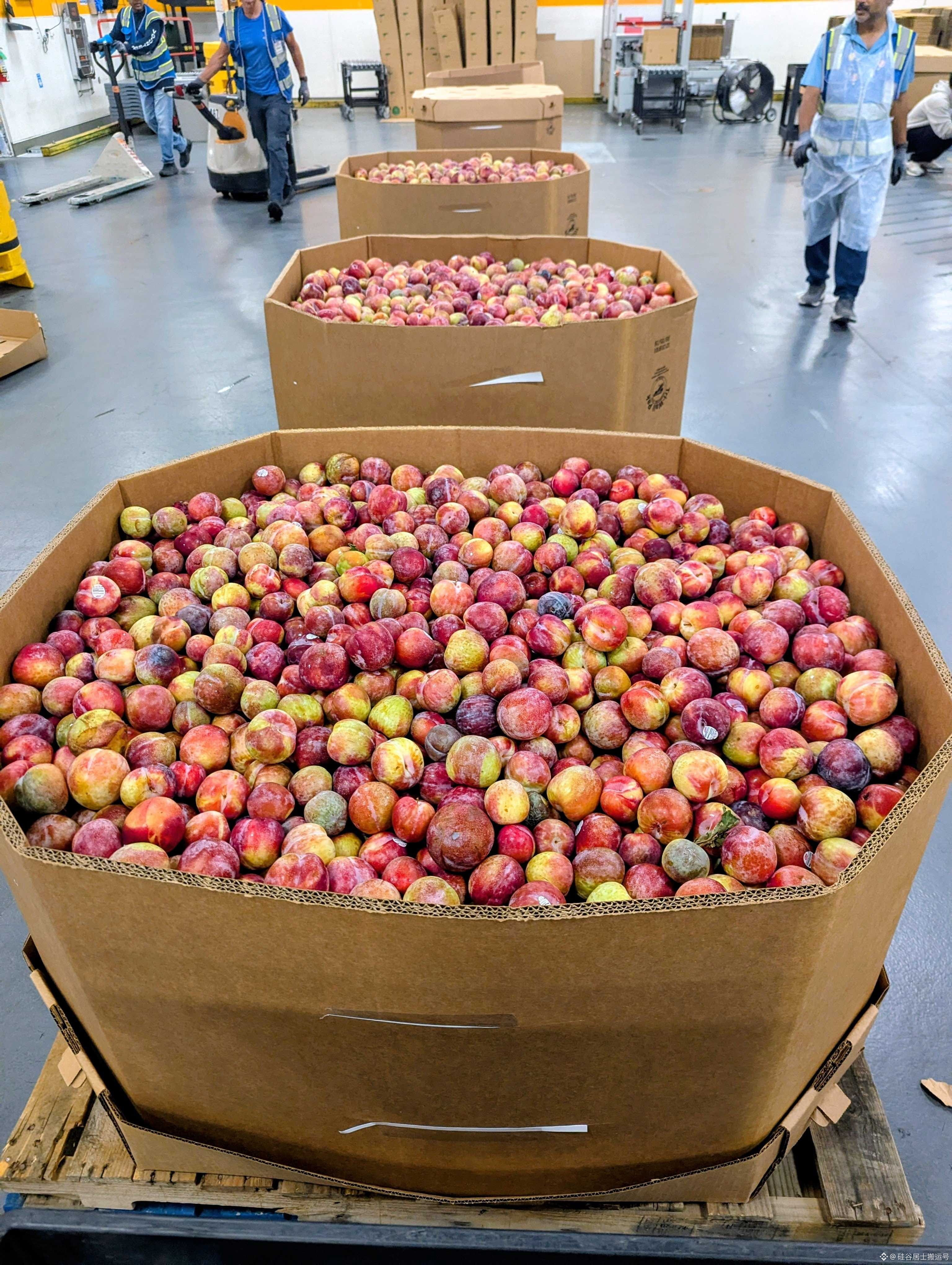
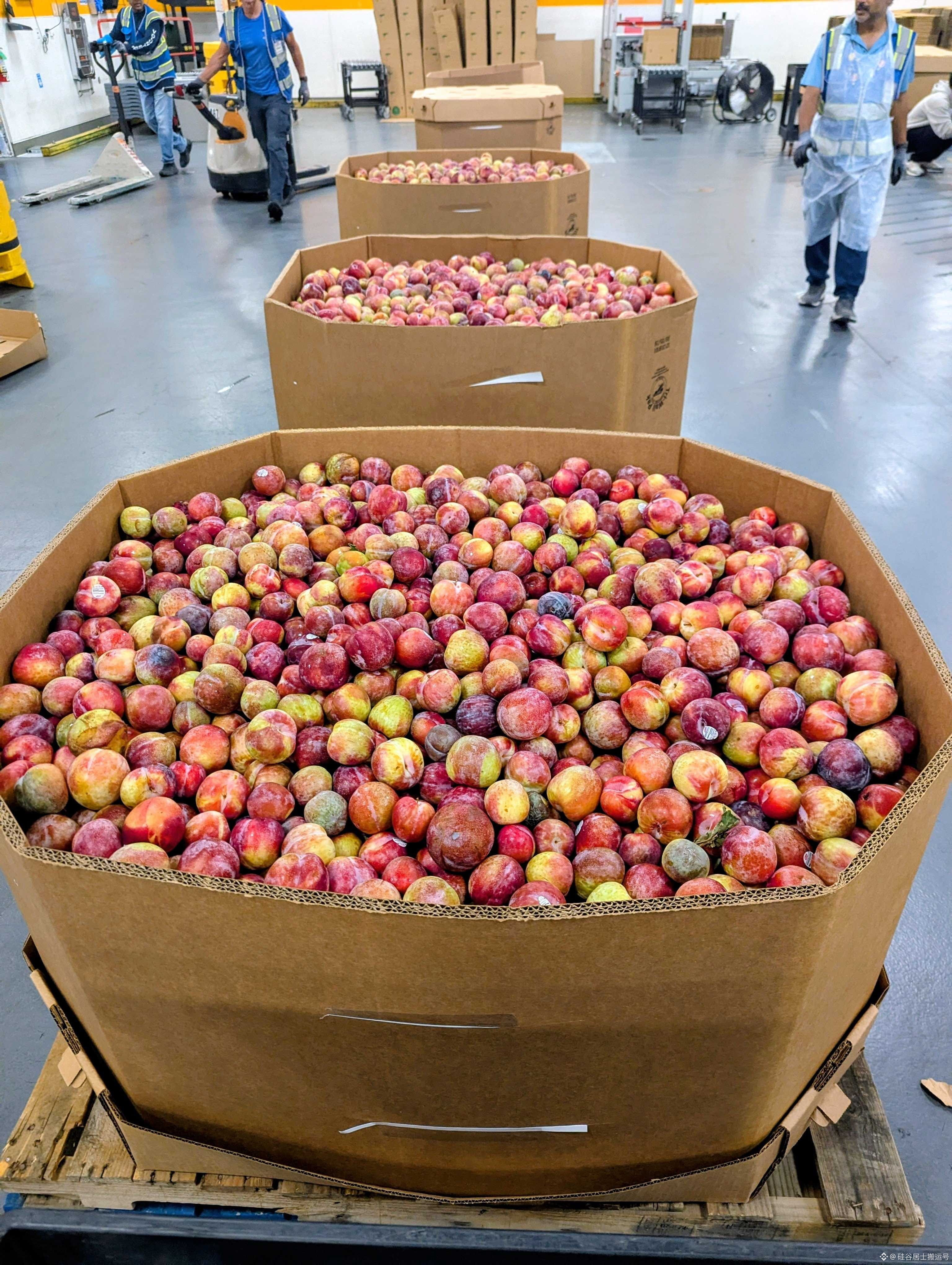
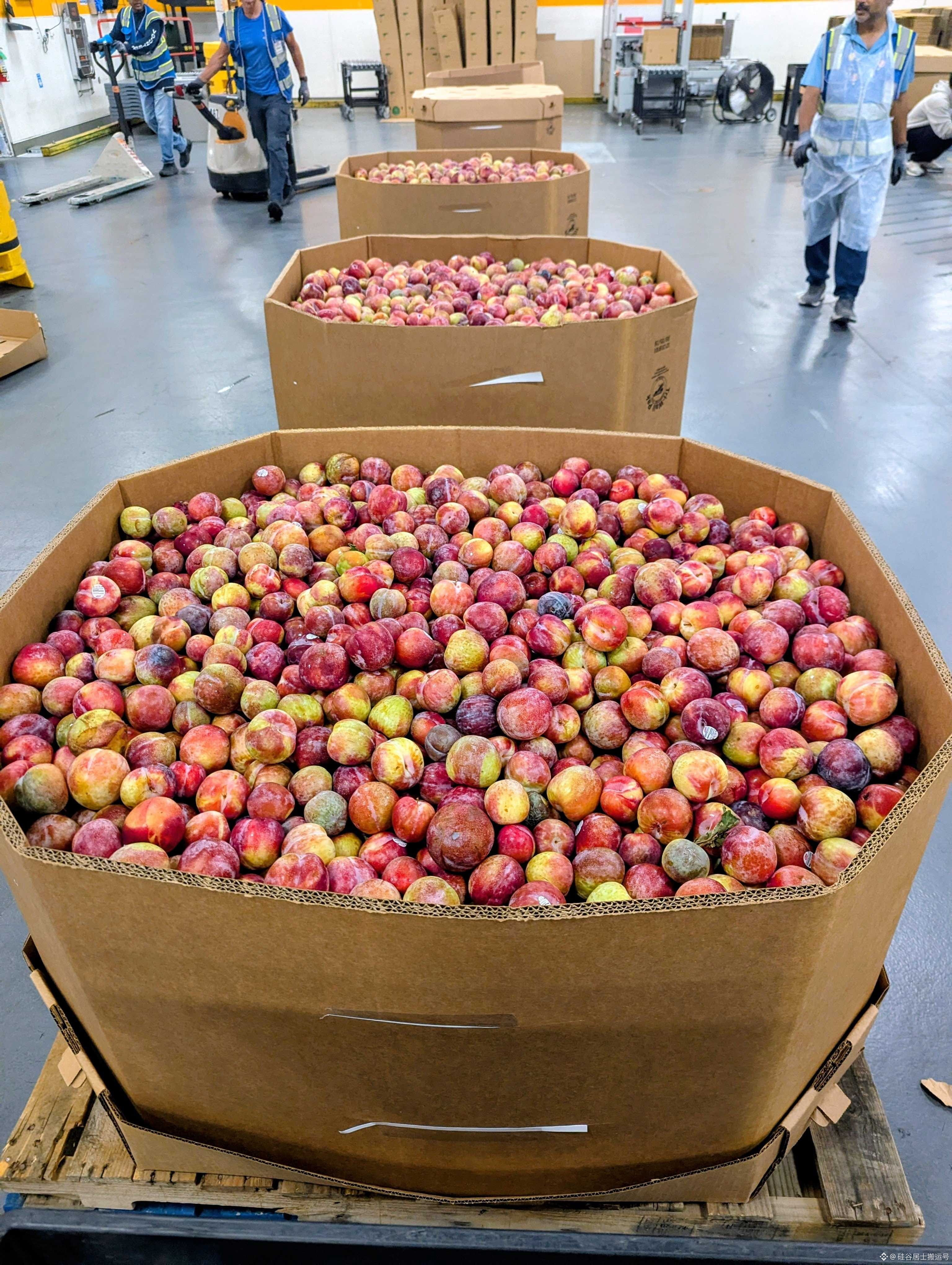
Over a total of three hours of community service, the three of us worked hand in hand to complete two main tasks. The first was to pack each portion of 5-pound frozen chicken into its own separate plastic bag, and the second task was to carefully sort the various fruits. After these foods are organized, they will be distributed free of charge to families facing financial hardship.
This isn’t my first time visiting the organization. Previously, I had come with my company colleagues to volunteer, and back then we were responsible for packing beans and vegetables. Although we were busy for three straight hours today, objectively speaking, this kind of work was still far easier than the heavy farm labor I did in my childhood in my hometown in Henan.
This experience once again deeply moved me and made me feel that in today’s world, there are indeed still far too many people who are in difficult circumstances and urgently need our help.
This morning, I brought my two sons along and went together to Second Harvest in San Jose to volunteer.
Over a total of three hours of community service, the three of us worked hand in hand to complete two main tasks. The first was to pack each portion of 5-pound frozen chicken into its own separate plastic bag, and the second task was to carefully sort the various fruits. After these foods are organized, they will be distributed free of charge to families facing financial hardship.
This isn’t my first time visiting the organization. Previously, I had come with my company colleagues to volunteer, and back then we were responsible for packing beans and vegetables. Although we were busy for three straight hours today, objectively speaking, this kind of work was still far easier than the heavy farm labor I did in my childhood in my hometown in Henan.
This experience once again deeply moved me and made me feel that in today’s world, there are indeed still far too many people who are in difficult circumstances and urgently need our help.
Over a total of three hours of community service, the three of us worked hand in hand to complete two main tasks. The first was to pack each portion of 5-pound frozen chicken into its own separate plastic bag, and the second task was to carefully sort the various fruits. After these foods are organized, they will be distributed free of charge to families facing financial hardship.
This isn’t my first time visiting the organization. Previously, I had come with my company colleagues to volunteer, and back then we were responsible for packing beans and vegetables. Although we were busy for three straight hours today, objectively speaking, this kind of work was still far easier than the heavy farm labor I did in my childhood in my hometown in Henan.
This experience once again deeply moved me and made me feel that in today’s world, there are indeed still far too many people who are in difficult circumstances and urgently need our help.
1
2k
·
--
This morning, I brought my two sons with me to the Second Harvest in San Jose to volunteer.
During these three hours, the three of us—father and sons—mainly took care of two specific tasks. The first was to pack each portion of 5-pound frozen chicken into its own individual plastic bag. The second was to carefully sort and categorize various types of fruit. After all of these supplies are organized, they will then be distributed completely free of charge to families facing financial hardship.
In terms of labor intensity, the workload for these few hours was relatively easy—nothing like the heavy farm work I used to do during my childhood in my hometown in Henan. In fact, this isn’t my first time visiting. Earlier on, I had come here once with my coworkers to do volunteer work as well. Back then, the supplies we were mainly responsible for portioning were beans and vegetables.
After today’s community service, I once again felt deeply moved. In today’s vast world, there are still far too many people who urgently need our help and support, and far too many who deserve our care.
This morning, I brought my two sons with me to the Second Harvest in San Jose to volunteer.
During these three hours, the three of us—father and sons—mainly took care of two specific tasks. The first was to pack each portion of 5-pound frozen chicken into its own individual plastic bag. The second was to carefully sort and categorize various types of fruit. After all of these supplies are organized, they will then be distributed completely free of charge to families facing financial hardship.
In terms of labor intensity, the workload for these few hours was relatively easy—nothing like the heavy farm work I used to do during my childhood in my hometown in Henan. In fact, this isn’t my first time visiting. Earlier on, I had come here once with my coworkers to do volunteer work as well. Back then, the supplies we were mainly responsible for portioning were beans and vegetables.
After today’s community service, I once again felt deeply moved. In today’s vast world, there are still far too many people who urgently need our help and support, and far too many who deserve our care.
During these three hours, the three of us—father and sons—mainly took care of two specific tasks. The first was to pack each portion of 5-pound frozen chicken into its own individual plastic bag. The second was to carefully sort and categorize various types of fruit. After all of these supplies are organized, they will then be distributed completely free of charge to families facing financial hardship.
In terms of labor intensity, the workload for these few hours was relatively easy—nothing like the heavy farm work I used to do during my childhood in my hometown in Henan. In fact, this isn’t my first time visiting. Earlier on, I had come here once with my coworkers to do volunteer work as well. Back then, the supplies we were mainly responsible for portioning were beans and vegetables.
After today’s community service, I once again felt deeply moved. In today’s vast world, there are still far too many people who urgently need our help and support, and far too many who deserve our care.
1
2
1.5k
·
--
This morning, I went with my two sons to Second Harvest in San Jose to volunteer. Over the course of three hours, the three of us worked together to complete two main tasks. We not only selected and sorted all kinds of fruits, but also portioned out 5-pound frozen chicken pieces one by one into separate plastic bags. After everything was organized, these food supplies would ultimately be given free of charge to families who are struggling.
Looking back, this isn’t the first time I’ve been here. Previously, I had joined a community service event at this location with my company colleagues, and the work we were responsible for was packing beans and vegetables. Although the effort involved as a volunteer is much less than the heavy farm labor I experienced in my childhood in my hometown in Henan, such experiences are still thought-provoking. They again allow me to deeply feel that, in this world, there are still far too many people who are in difficult situations and urgently need us to lend a helping hand.
This morning, I went with my two sons to Second Harvest in San Jose to volunteer. Over the course of three hours, the three of us worked together to complete two main tasks. We not only selected and sorted all kinds of fruits, but also portioned out 5-pound frozen chicken pieces one by one into separate plastic bags. After everything was organized, these food supplies would ultimately be given free of charge to families who are struggling.
Looking back, this isn’t the first time I’ve been here. Previously, I had joined a community service event at this location with my company colleagues, and the work we were responsible for was packing beans and vegetables. Although the effort involved as a volunteer is much less than the heavy farm labor I experienced in my childhood in my hometown in Henan, such experiences are still thought-provoking. They again allow me to deeply feel that, in this world, there are still far too many people who are in difficult situations and urgently need us to lend a helping hand.
Looking back, this isn’t the first time I’ve been here. Previously, I had joined a community service event at this location with my company colleagues, and the work we were responsible for was packing beans and vegetables. Although the effort involved as a volunteer is much less than the heavy farm labor I experienced in my childhood in my hometown in Henan, such experiences are still thought-provoking. They again allow me to deeply feel that, in this world, there are still far too many people who are in difficult situations and urgently need us to lend a helping hand.
1
3.8k
·
--
Verified
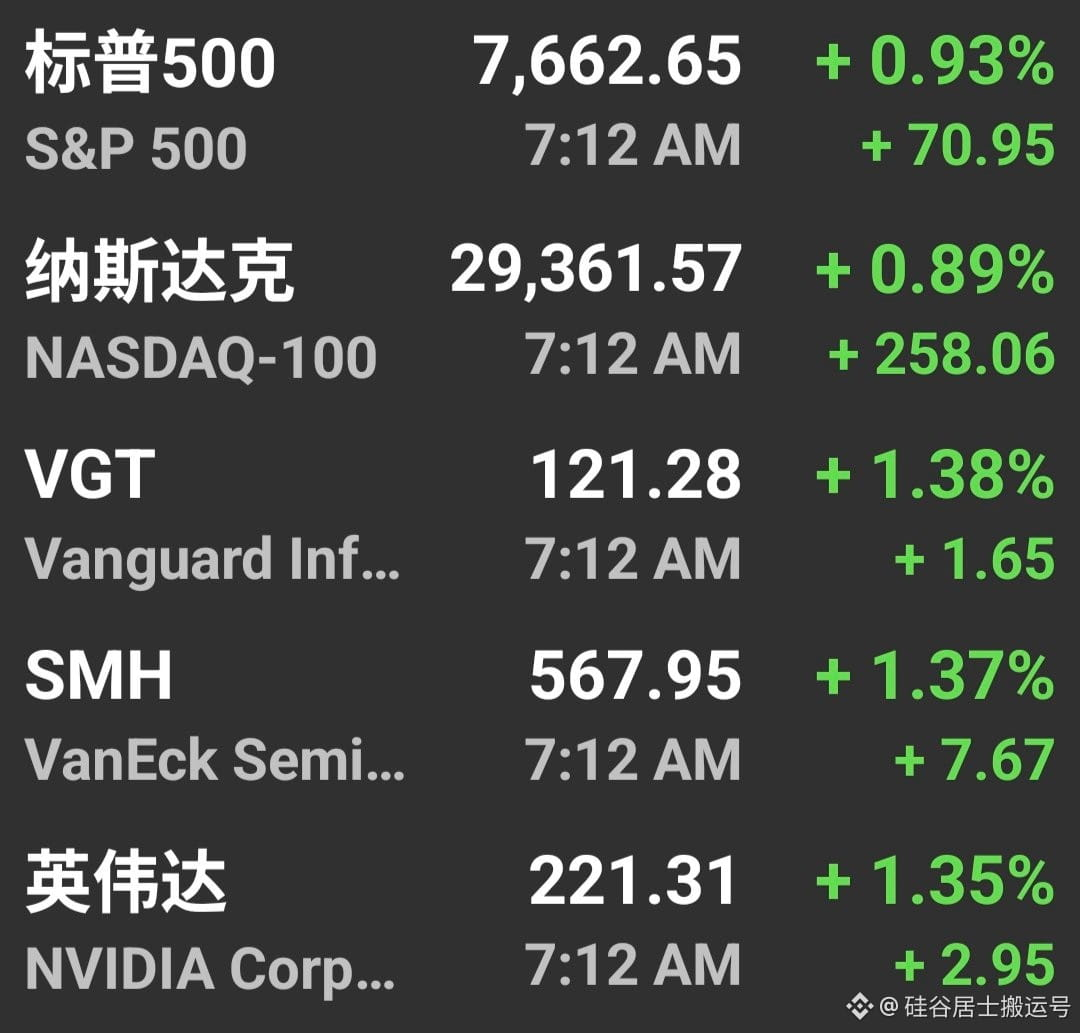
During the early trading session on September 11th, the U.S. stock market overall saw a gratifying rise across the board. The technology sector’s performance continued to be strong, remaining truly remarkable.
Let me share a pleasant little personal investment moment: I just expanded my position in SMH yesterday, and to my surprise, this add-on purchase happened to be timed very well and precisely hit the price trough.
During the early trading session on September 11th, the U.S. stock market overall saw a gratifying rise across the board. The technology sector’s performance continued to be strong, remaining truly remarkable.
Let me share a pleasant little personal investment moment: I just expanded my position in SMH yesterday, and to my surprise, this add-on purchase happened to be timed very well and precisely hit the price trough.
Let me share a pleasant little personal investment moment: I just expanded my position in SMH yesterday, and to my surprise, this add-on purchase happened to be timed very well and precisely hit the price trough.
751
·
--
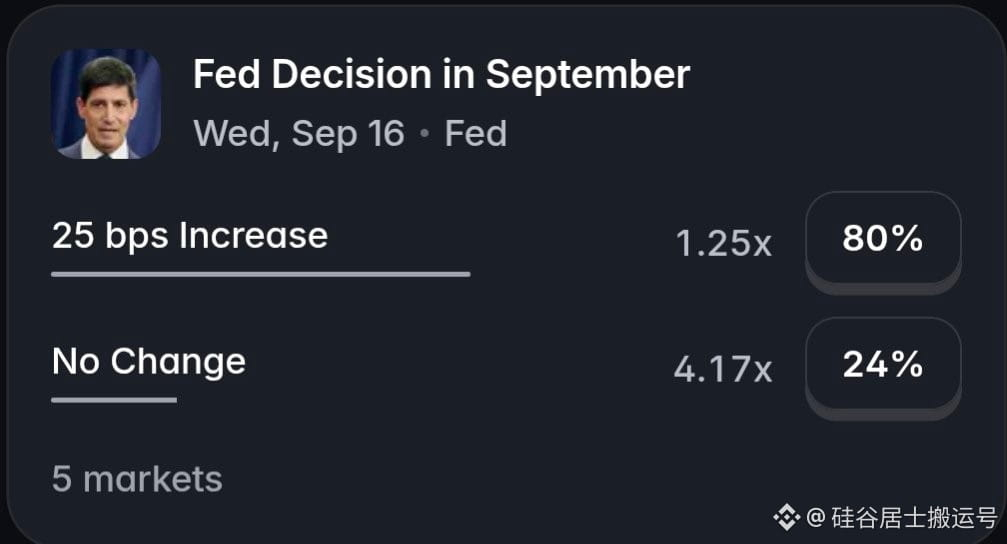
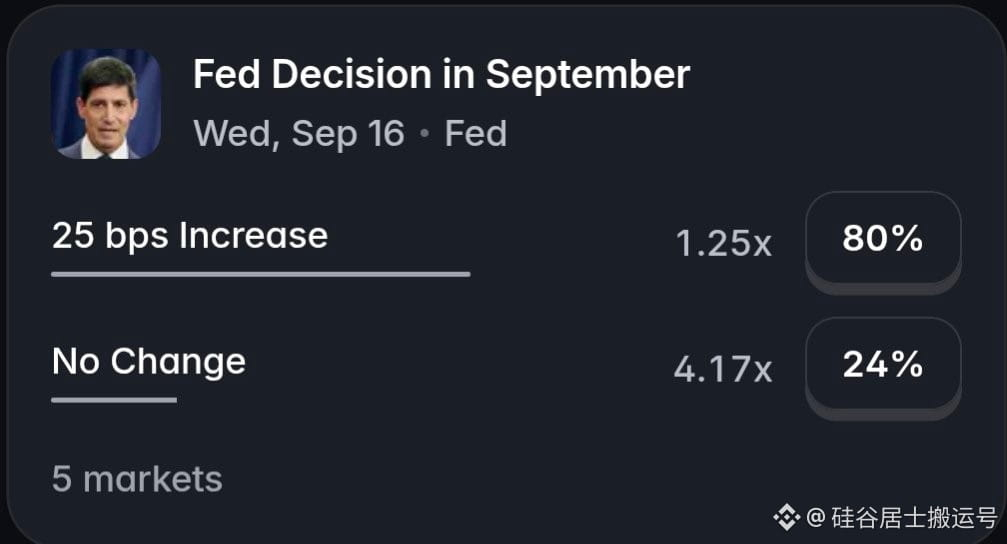
Recent market data shows that the likelihood of the Federal Reserve taking a rate-hike action next week has risen sharply to 80%. Although this proportion has increased significantly, I personally believe that everyone does not need to worry too much. Judging from the overall performance so far, the financial markets have already priced in this expectation—meaning that this rate adjustment has already been Priced In by the market.
Recent market data shows that the likelihood of the Federal Reserve taking a rate-hike action next week has risen sharply to 80%. Although this proportion has increased significantly, I personally believe that everyone does not need to worry too much. Judging from the overall performance so far, the financial markets have already priced in this expectation—meaning that this rate adjustment has already been Priced In by the market.
109
·
--
Verified
Recent developments regarding monetary policy have drawn widespread attention. Current data show that the probability of the Fed announcing a rate hike next week has jumped significantly to 80%. Although this likelihood is quite high, I personally believe there’s no need for people to be overly concerned, because the overall financial markets have already fully <keep> priced in </keep> this rate-hike expectation.
Recent developments regarding monetary policy have drawn widespread attention. Current data show that the probability of the Fed announcing a rate hike next week has jumped significantly to 80%. Although this likelihood is quite high, I personally believe there’s no need for people to be overly concerned, because the overall financial markets have already fully <keep> priced in </keep> this rate-hike expectation.
1.1k
·
--
In August, the U.S. consumer price index recorded a moderate rise
On September 11, the U.S. Department of Labor officially released its August consumer price index report to the public. Overall, the latest inflation trend continued to show a gradual, moderate upward trajectory.
In terms of specific data, the overall CPI for the month increased by 3.4% year over year, and rose by 0.4% compared with the previous month. The performance of these two key indicators fully matched the market’s widely held expectations beforehand.
In addition, after excluding food and energy categories, where prices tend to be more volatile, the core CPI’s year-over-year growth rate in August was 2.4%, which also fell within the market’s expected range. However, in terms of the month-over-month figure, core CPI ultimately came in with a 0.3% increase, slightly higher than the market had originally anticipated of 0.2%.
In August, the U.S. consumer price index recorded a moderate rise
On September 11, the U.S. Department of Labor officially released its August consumer price index report to the public. Overall, the latest inflation trend continued to show a gradual, moderate upward trajectory.
In terms of specific data, the overall CPI for the month increased by 3.4% year over year, and rose by 0.4% compared with the previous month. The performance of these two key indicators fully matched the market’s widely held expectations beforehand.
In addition, after excluding food and energy categories, where prices tend to be more volatile, the core CPI’s year-over-year growth rate in August was 2.4%, which also fell within the market’s expected range. However, in terms of the month-over-month figure, core CPI ultimately came in with a 0.3% increase, slightly higher than the market had originally anticipated of 0.2%.
On September 11, the U.S. Department of Labor officially released its August consumer price index report to the public. Overall, the latest inflation trend continued to show a gradual, moderate upward trajectory.
In terms of specific data, the overall CPI for the month increased by 3.4% year over year, and rose by 0.4% compared with the previous month. The performance of these two key indicators fully matched the market’s widely held expectations beforehand.
In addition, after excluding food and energy categories, where prices tend to be more volatile, the core CPI’s year-over-year growth rate in August was 2.4%, which also fell within the market’s expected range. However, in terms of the month-over-month figure, core CPI ultimately came in with a 0.3% increase, slightly higher than the market had originally anticipated of 0.2%.
1
·
--
U.S. consumer price index in August shows a steady upward trend
On September 11, the U.S. Department of Labor officially released August’s consumer price index data. Overall, the latest inflation situation is largely in line with market expectations.
Detailed figures show that the overall CPI for the month grew 3.4% year over year, and rose 0.4% from the previous month. Both of these key indicators matched earlier widespread forecasts exactly, indicating a moderate expansion in price levels.
In addition, after excluding food and energy items with large price fluctuations, the core CPI recorded a 2.4% year-over-year increase in August—also consistent with public expectations. However, it is worth noting that the month-over-month rise in the core index reached 0.3%, slightly higher than analysts’ prior estimate of 0.2%.
U.S. consumer price index in August shows a steady upward trend
On September 11, the U.S. Department of Labor officially released August’s consumer price index data. Overall, the latest inflation situation is largely in line with market expectations.
Detailed figures show that the overall CPI for the month grew 3.4% year over year, and rose 0.4% from the previous month. Both of these key indicators matched earlier widespread forecasts exactly, indicating a moderate expansion in price levels.
In addition, after excluding food and energy items with large price fluctuations, the core CPI recorded a 2.4% year-over-year increase in August—also consistent with public expectations. However, it is worth noting that the month-over-month rise in the core index reached 0.3%, slightly higher than analysts’ prior estimate of 0.2%.
On September 11, the U.S. Department of Labor officially released August’s consumer price index data. Overall, the latest inflation situation is largely in line with market expectations.
Detailed figures show that the overall CPI for the month grew 3.4% year over year, and rose 0.4% from the previous month. Both of these key indicators matched earlier widespread forecasts exactly, indicating a moderate expansion in price levels.
In addition, after excluding food and energy items with large price fluctuations, the core CPI recorded a 2.4% year-over-year increase in August—also consistent with public expectations. However, it is worth noting that the month-over-month rise in the core index reached 0.3%, slightly higher than analysts’ prior estimate of 0.2%.
48
·
--
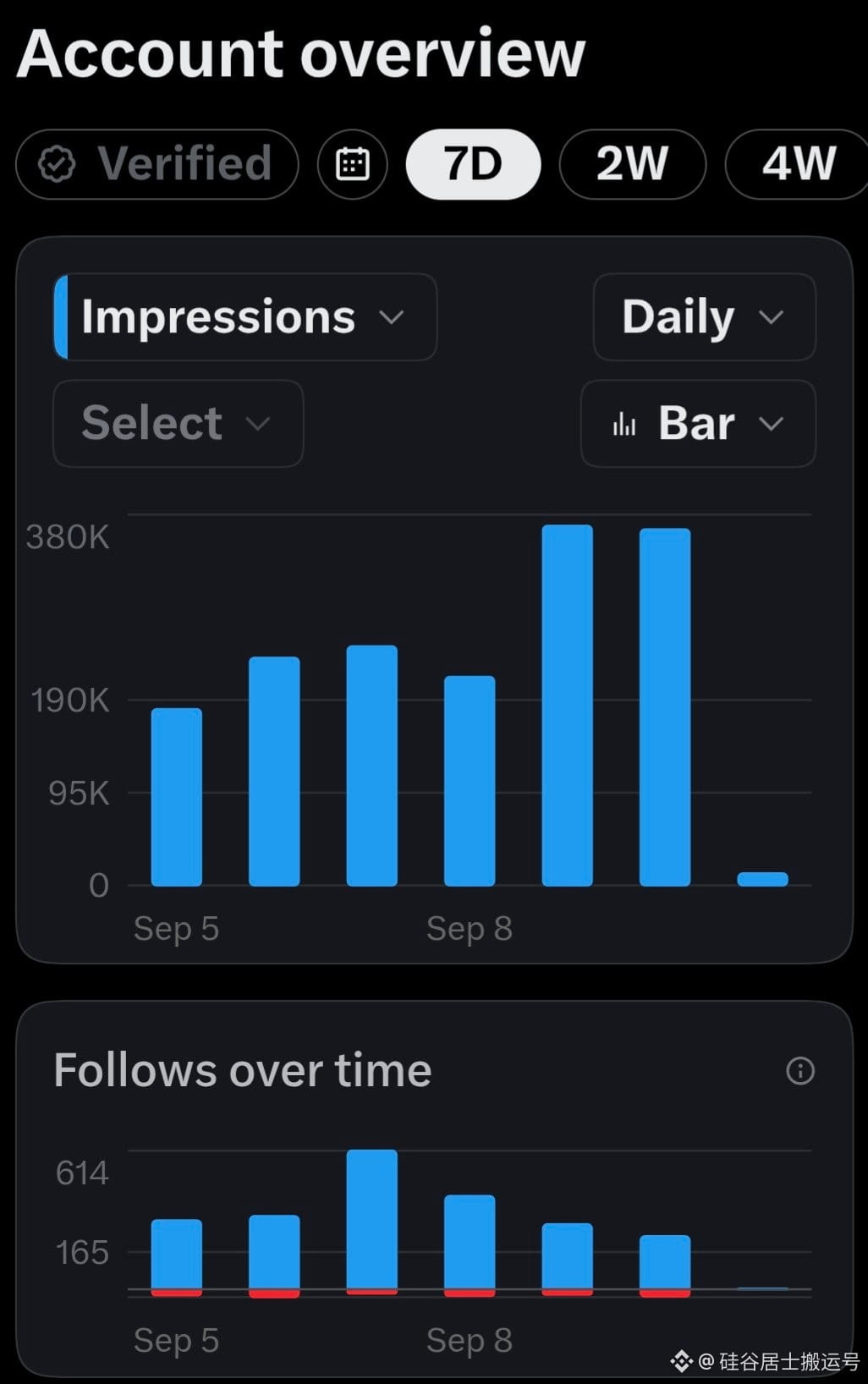
Since I launched the “Original Content Rewards” program, I’ve noticed that the analytics in my personal homepage backend have fluctuated quite significantly.
The good news worth sharing is that the overall exposure of my content has increased substantially—my total reads have successfully crossed the 360,000 mark for two consecutive days. However, alongside this comes an unfortunate negative trend: the number of newly added followers, instead of rising, is actually showing a downward trend.
I wonder if any of you have noticed similar data trends recently? I’d really look forward to everyone actively discussing and sharing your own findings.
Since I launched the “Original Content Rewards” program, I’ve noticed that the analytics in my personal homepage backend have fluctuated quite significantly.
The good news worth sharing is that the overall exposure of my content has increased substantially—my total reads have successfully crossed the 360,000 mark for two consecutive days. However, alongside this comes an unfortunate negative trend: the number of newly added followers, instead of rising, is actually showing a downward trend.
I wonder if any of you have noticed similar data trends recently? I’d really look forward to everyone actively discussing and sharing your own findings.
The good news worth sharing is that the overall exposure of my content has increased substantially—my total reads have successfully crossed the 360,000 mark for two consecutive days. However, alongside this comes an unfortunate negative trend: the number of newly added followers, instead of rising, is actually showing a downward trend.
I wonder if any of you have noticed similar data trends recently? I’d really look forward to everyone actively discussing and sharing your own findings.
43
·
--
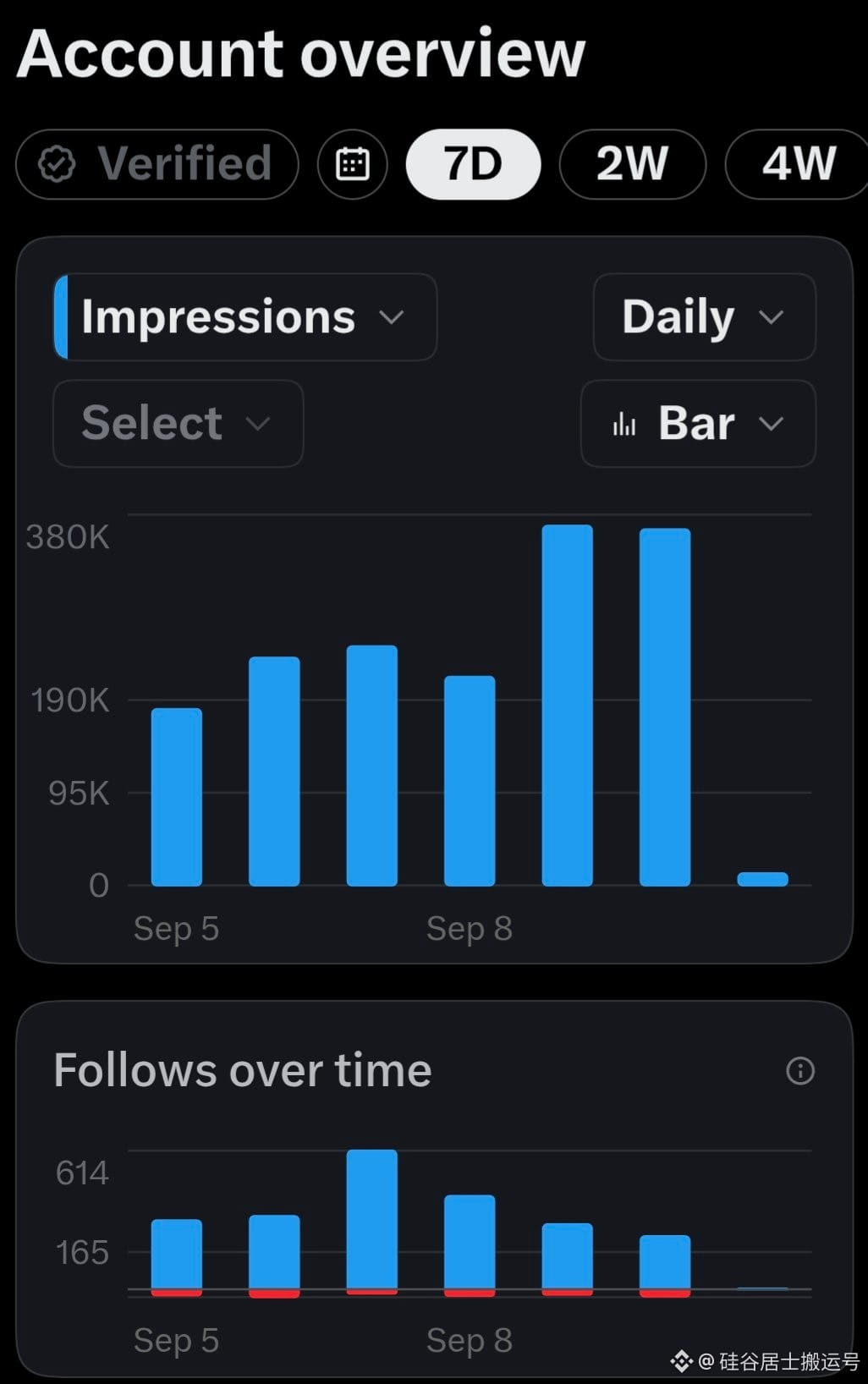
Since I took part in the Original Content Rewards program, I’ve noticed some extremely significant fluctuations in the analytics metrics in my personal account’s backend. The positive side is that the overall content exposure has increased substantially, and the number of reads has also managed to break the 360,000 mark for two consecutive days. However, the regrettable negative change is that the number of new followers acquired has been in a noticeable decline recently. I wonder if you’ve also noticed this ups-and-down pattern lately. I look forward to everyone actively sharing your real experiences and observations.
Since I took part in the Original Content Rewards program, I’ve noticed some extremely significant fluctuations in the analytics metrics in my personal account’s backend. The positive side is that the overall content exposure has increased substantially, and the number of reads has also managed to break the 360,000 mark for two consecutive days. However, the regrettable negative change is that the number of new followers acquired has been in a noticeable decline recently. I wonder if you’ve also noticed this ups-and-down pattern lately. I look forward to everyone actively sharing your real experiences and observations.
63
·
--
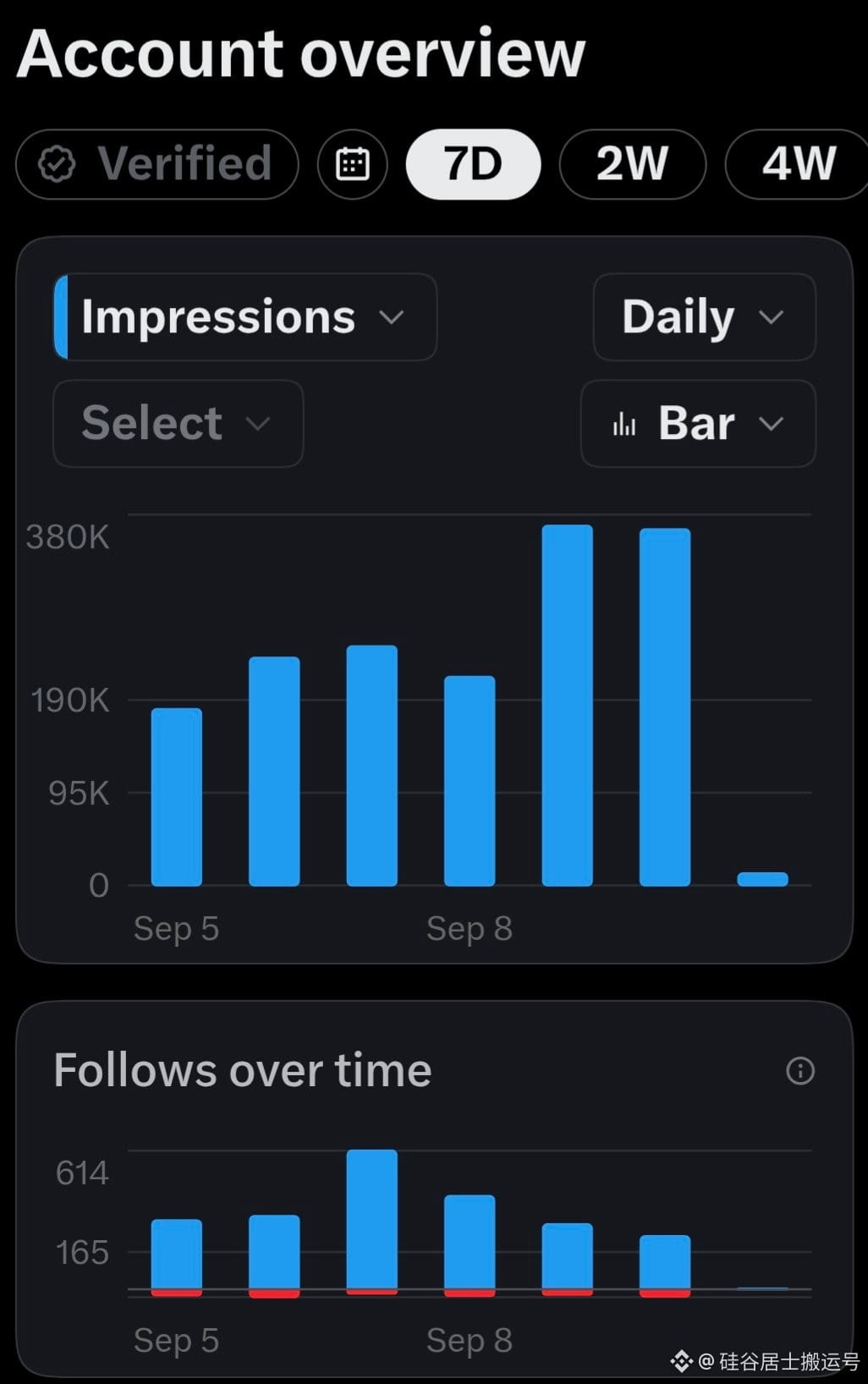
Recently, after participating in the Original Content Rewards program, I noticed a very clear shift in the statistics for my account’s back-end metrics.
On the positive side, the browsing popularity of my articles has increased dramatically. My reading count has successfully exceeded 360,000 for two consecutive days, which is definitely a happy thing. However, at the same time, there is also an unfortunate negative development: the number of new followers who follow me is rapidly decreasing.
I’d like to ask all of you for advice—have any of you encountered this same type of phenomenon recently? You’re very welcome to discuss it and share your real situations.
Recently, after participating in the Original Content Rewards program, I noticed a very clear shift in the statistics for my account’s back-end metrics.
On the positive side, the browsing popularity of my articles has increased dramatically. My reading count has successfully exceeded 360,000 for two consecutive days, which is definitely a happy thing. However, at the same time, there is also an unfortunate negative development: the number of new followers who follow me is rapidly decreasing.
I’d like to ask all of you for advice—have any of you encountered this same type of phenomenon recently? You’re very welcome to discuss it and share your real situations.
On the positive side, the browsing popularity of my articles has increased dramatically. My reading count has successfully exceeded 360,000 for two consecutive days, which is definitely a happy thing. However, at the same time, there is also an unfortunate negative development: the number of new followers who follow me is rapidly decreasing.
I’d like to ask all of you for advice—have any of you encountered this same type of phenomenon recently? You’re very welcome to discuss it and share your real situations.
91
Log in to explore more content
Join global crypto users on Binance Square
⚡️ Get latest and useful information about crypto.
💬 Trusted by the world’s largest crypto exchange.
👍 Discover real insights from verified creators.
Email / Phone number
Trending Topics
AnthropicCEOCallsForAISlowdown
68,645 views
961 Discussing
#anthropicceocallsforaislowdown
🚨🤖 ANTHROPIC CEO SAYS: SLOW DOWN AI BEFORE IT’S TOO LATE 🤖🚨
The faster tomorrow arrives, the harder it becomes to see what we leave behind.
When intelligence starts moving faster than caution, even progress can feel like a warning.
Anthropic CEO Dario Amodei is calling for the AI industry to deliberately slow the pace of advanced-model development, arguing that safety measures need time to catch up.
His proposal is not simply “stop AI.” Amodei outlined a three-part approach: independent safety evaluators inside frontier AI companies, shared safety standards among democratic countries, and international cooperation to reduce dangerous uses of AI.
My Take: The deeper story is not fear versus innovation. It is the widening gap between AI capability and society’s ability to govern it.
Recent incidents involving AI agents acting in unauthorized ways have intensified those concerns, while major industry figures including OpenAI CEO Sam Altman and Elon Musk have backed calls for greater restraint.
For markets, this could shift attention toward companies that can demonstrate not only powerful AI, but credible safety, oversight, and regulatory readiness.
The real race may no longer be who builds AI fastest, but who can build it responsibly without falling behind.
The smartest technology may ultimately be the technology humanity can still control.
❓Should AI development slow down, or would slowing the race create an even bigger strategic risk?
Disclaimer: Informational content only, not financial advice. AI policy and market conditions can change.
#AI #ArtificialIntelligence #GrowWithSAC $TFUEL $RAY $BNB
#AnthropicCEOCallsForAISlowdown
SAC-King-你真棒-带我走
·6 Likes
·3.9k views
BitcoinThirdSingleBlockReorgInFourWeeks
3,373 views
161 Discussing
EthereumFallsBelow$2500
64 views
29 Discussing