
AREWA CRYPTO
2.6k Posts

AREWA CRYPTO
 Square Verified+
Report
Block User
Trusted Voice that Connect Projects with People, Helping Crypto Projects Grow & Engage Communities | Verified on Binance, CMC & Bitgét.

Level 2 Creator
Open Trade

AMB Holder
Frequent Trader
5.8 Years
100 Following
53.9K+ Followers
92.8K+ Liked
1 Badges
Posts
Portfolio
All
Quotes
Videos
Live
PINNED
·
--
Bearish
“I lost everything…
From something Nothing
Futures trading wiped my portfolio…
Future finishes me
No stop loss….”
😭😭😭
😭😭😭
😭😭😭
Not me Ooo. . . .
Honestly, this is the kind of story I keep seeing over and over again 😂🤣
Market moves small… account goes to zero.
Leverage high… discipline low… outcome predictable 😹
Couldn’t be me though.
I stay on SPOT — simple, controlled, and most importantly… protected.
Every trade has a plan, every entry has a stop loss.
Because in this market, survival isn’t luck… it’s structure.
Trade smart… or learn the hard way 😂📉
“I lost everything…
From something Nothing
Futures trading wiped my portfolio…
Future finishes me
No stop loss….”
😭😭😭
😭😭😭
😭😭😭
Not me Ooo. . . .
Honestly, this is the kind of story I keep seeing over and over again 😂🤣
Market moves small… account goes to zero.
Leverage high… discipline low… outcome predictable 😹
Couldn’t be me though.
I stay on SPOT — simple, controlled, and most importantly… protected.
Every trade has a plan, every entry has a stop loss.
Because in this market, survival isn’t luck… it’s structure.
Trade smart… or learn the hard way 😂📉
From something Nothing
Futures trading wiped my portfolio…
Future finishes me
No stop loss….”
😭😭😭
😭😭😭
😭😭😭
Not me Ooo. . . .
Honestly, this is the kind of story I keep seeing over and over again 😂🤣
Market moves small… account goes to zero.
Leverage high… discipline low… outcome predictable 😹
Couldn’t be me though.
I stay on SPOT — simple, controlled, and most importantly… protected.
Every trade has a plan, every entry has a stop loss.
Because in this market, survival isn’t luck… it’s structure.
Trade smart… or learn the hard way 😂📉

91
8
184
125.2k
PINNED
·
--

Article
IF YOU ARE A CRYPTO HOLDER MUST READ THIS ELSE YOU WILL LOSE FUNDS.Cryptocurrency holders should be familiar with the following:
The technology behind the cryptocurrencies they hold, including the principles of cryptography and the decentralized nature of the blockchain.
The potential risks and rewards of investing in cryptocurrencies, and how to manage those risks effectively.
The different types of wallets and storage options available, and how to securely manage their private keys.
The latest news and developments in the cryptocurrency world, in order to make informed decisions about when and where to invest.
The basic principles of financial planning and investment, including diversification and risk management, to help them make the most of their cryptocurrency holdings.
The legal and regulatory environment surrounding cryptocurrencies, and how it may impact their investments.
The potential impact of taxes on their cryptocurrency holdings, and how to properly report and pay them.
The potential for scams in the cryptocurrency world, and how to protect themselves against them
Cryptocurrency holders should be aware of the potential for scams in the cryptocurrency world. These can include fake or fraudulent ICOs (Initial Coin Offerings), Ponzi schemes, phishing attacks, and other fraudulent activities. To avoid falling victim to these scams, it is important to do thorough research and due diligence before investing in any cryptocurrency or ICO, and to be wary of any offers or opportunities that seem too good to be true. Additionally, never share your private keys with anyone and only use trusted and secure wallets and exchanges to manage your cryptocurrencies.
IF YOU ARE A CRYPTO HOLDER MUST READ THIS ELSE YOU WILL LOSE FUNDS.
Cryptocurrency holders should be familiar with the following:
The technology behind the cryptocurrencies they hold, including the principles of cryptography and the decentralized nature of the blockchain.
The potential risks and rewards of investing in cryptocurrencies, and how to manage those risks effectively.
The different types of wallets and storage options available, and how to securely manage their private keys.
The latest news and developments in the cryptocurrency world, in order to make informed decisions about when and where to invest.
The basic principles of financial planning and investment, including diversification and risk management, to help them make the most of their cryptocurrency holdings.
The legal and regulatory environment surrounding cryptocurrencies, and how it may impact their investments.
The potential impact of taxes on their cryptocurrency holdings, and how to properly report and pay them.
The potential for scams in the cryptocurrency world, and how to protect themselves against them
Cryptocurrency holders should be aware of the potential for scams in the cryptocurrency world. These can include fake or fraudulent ICOs (Initial Coin Offerings), Ponzi schemes, phishing attacks, and other fraudulent activities. To avoid falling victim to these scams, it is important to do thorough research and due diligence before investing in any cryptocurrency or ICO, and to be wary of any offers or opportunities that seem too good to be true. Additionally, never share your private keys with anyone and only use trusted and secure wallets and exchanges to manage your cryptocurrencies.
The technology behind the cryptocurrencies they hold, including the principles of cryptography and the decentralized nature of the blockchain.
The potential risks and rewards of investing in cryptocurrencies, and how to manage those risks effectively.
The different types of wallets and storage options available, and how to securely manage their private keys.
The latest news and developments in the cryptocurrency world, in order to make informed decisions about when and where to invest.
The basic principles of financial planning and investment, including diversification and risk management, to help them make the most of their cryptocurrency holdings.
The legal and regulatory environment surrounding cryptocurrencies, and how it may impact their investments.
The potential impact of taxes on their cryptocurrency holdings, and how to properly report and pay them.
The potential for scams in the cryptocurrency world, and how to protect themselves against them
Cryptocurrency holders should be aware of the potential for scams in the cryptocurrency world. These can include fake or fraudulent ICOs (Initial Coin Offerings), Ponzi schemes, phishing attacks, and other fraudulent activities. To avoid falling victim to these scams, it is important to do thorough research and due diligence before investing in any cryptocurrency or ICO, and to be wary of any offers or opportunities that seem too good to be true. Additionally, never share your private keys with anyone and only use trusted and secure wallets and exchanges to manage your cryptocurrencies.
24
56
23.1k
·
--
🐶 Dogecoin Hits Solana via Sunrise Protocol
Dogecoin is making moves beyond its native chain — the Sunrise protocol has integrated DOGE with Solana, giving holders access to Solana's ecosystem without the usual bridging headaches.
On the price side, DOGE is trading around $0.089, down 1.6% in the past 24 hours. Two analysts are watching separate breakout structures, both targeting the $0.10 level.
Cross-chain DOGE and a round-number target — the dog has homework.
🐶 Dogecoin Hits Solana via Sunrise Protocol
Dogecoin is making moves beyond its native chain — the Sunrise protocol has integrated DOGE with Solana, giving holders access to Solana's ecosystem without the usual bridging headaches.
On the price side, DOGE is trading around $0.089, down 1.6% in the past 24 hours. Two analysts are watching separate breakout structures, both targeting the $0.10 level.
Cross-chain DOGE and a round-number target — the dog has homework.
Dogecoin is making moves beyond its native chain — the Sunrise protocol has integrated DOGE with Solana, giving holders access to Solana's ecosystem without the usual bridging headaches.
On the price side, DOGE is trading around $0.089, down 1.6% in the past 24 hours. Two analysts are watching separate breakout structures, both targeting the $0.10 level.
Cross-chain DOGE and a round-number target — the dog has homework.
314
·
--
Hunter Biden's new $LAPTOP token crashed hard, wiping out roughly 99% from its peak within hours.
Now investors are asking the obvious question: was this simply a chaotic meme coin launch, or did buyers get caught in a massive Rug Pull?
According to the data, token surged as high as $315 within minutes before collapsing to around $1.6 just hours later. That's an extraordinary 99% decline from the early peak. When a newly launched token explodes in price and then loses almost everything within hours, investors naturally start questioning who got out first and who was left holding the bag. Watch the full video as we uncover the story.
Hunter Biden's new $LAPTOP token crashed hard, wiping out roughly 99% from its peak within hours.
Now investors are asking the obvious question: was this simply a chaotic meme coin launch, or did buyers get caught in a massive Rug Pull?
According to the data, token surged as high as $315 within minutes before collapsing to around $1.6 just hours later. That's an extraordinary 99% decline from the early peak. When a newly launched token explodes in price and then loses almost everything within hours, investors naturally start questioning who got out first and who was left holding the bag. Watch the full video as we uncover the story.
Now investors are asking the obvious question: was this simply a chaotic meme coin launch, or did buyers get caught in a massive Rug Pull?
According to the data, token surged as high as $315 within minutes before collapsing to around $1.6 just hours later. That's an extraordinary 99% decline from the early peak. When a newly launched token explodes in price and then loses almost everything within hours, investors naturally start questioning who got out first and who was left holding the bag. Watch the full video as we uncover the story.
1
519
·
--
🟠 Bitcoin hits $79,700 as markets react to Iran strikes
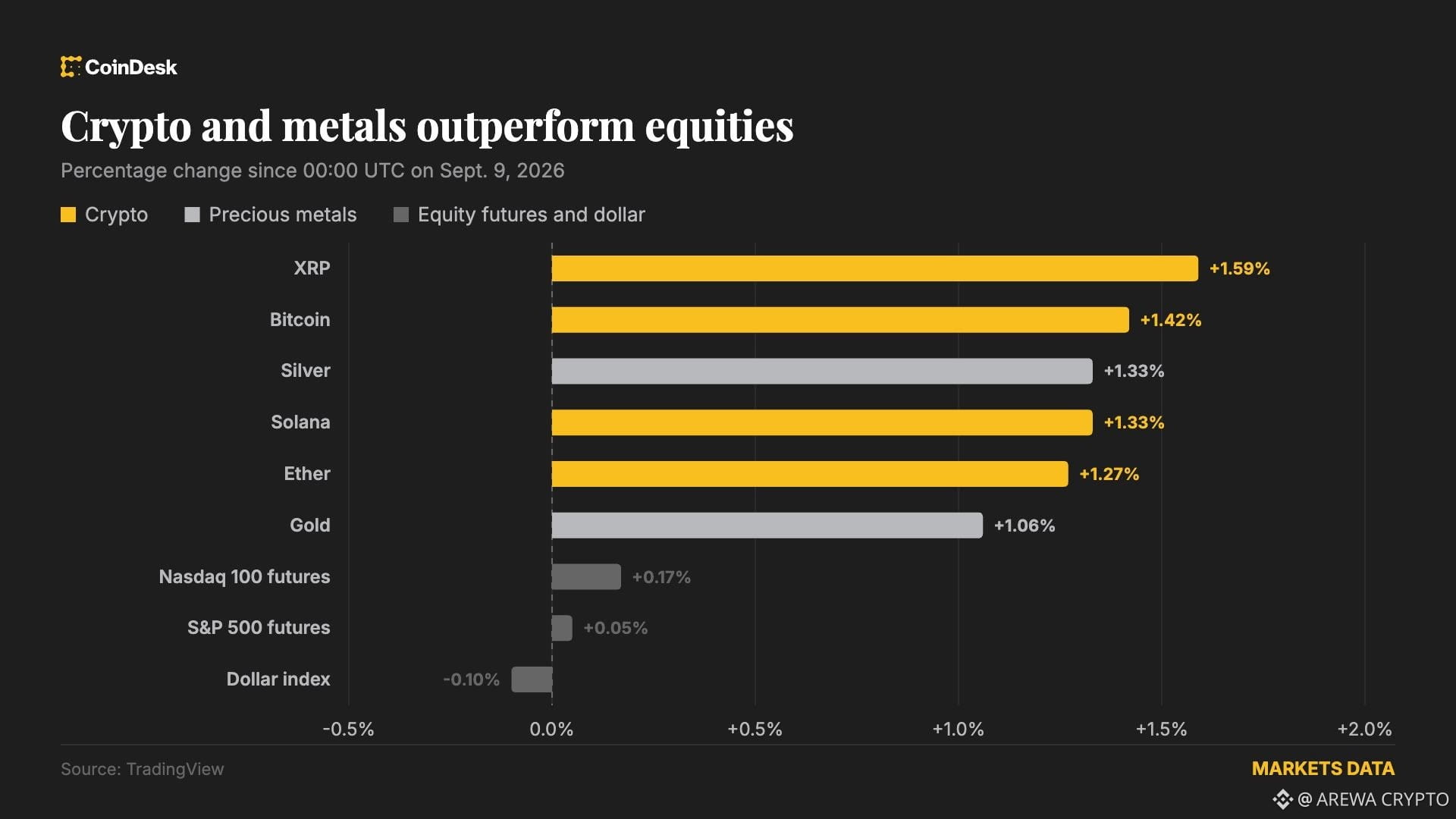
Bitcoin climbed to $79,700 as geopolitical tensions pushed Brent crude above $100 a barrel and sent European equities lower. The move suggests crypto is tracking gold's safe-haven behavior rather than risk assets like stocks during the escalation.
🟠 Bitcoin hits $79,700 as markets react to Iran strikes
Bitcoin climbed to $79,700 as geopolitical tensions pushed Brent crude above $100 a barrel and sent European equities lower. The move suggests crypto is tracking gold's safe-haven behavior rather than risk assets like stocks during the escalation.
Bitcoin climbed to $79,700 as geopolitical tensions pushed Brent crude above $100 a barrel and sent European equities lower. The move suggests crypto is tracking gold's safe-haven behavior rather than risk assets like stocks during the escalation.
1
346
·
--
Bearish
$LAPTOP is getting weird
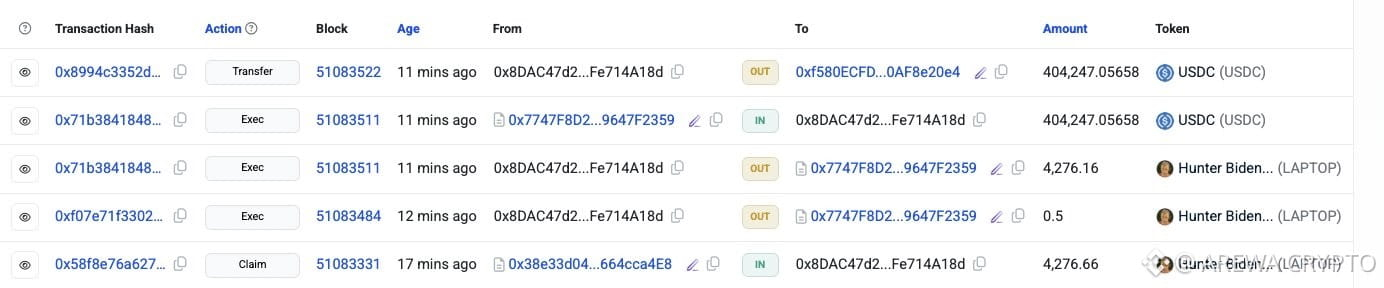
a fresh wallet (0x8DA...A18d) claimed 4276 tokens for free
and sold them for $400,000
but what's even more weird
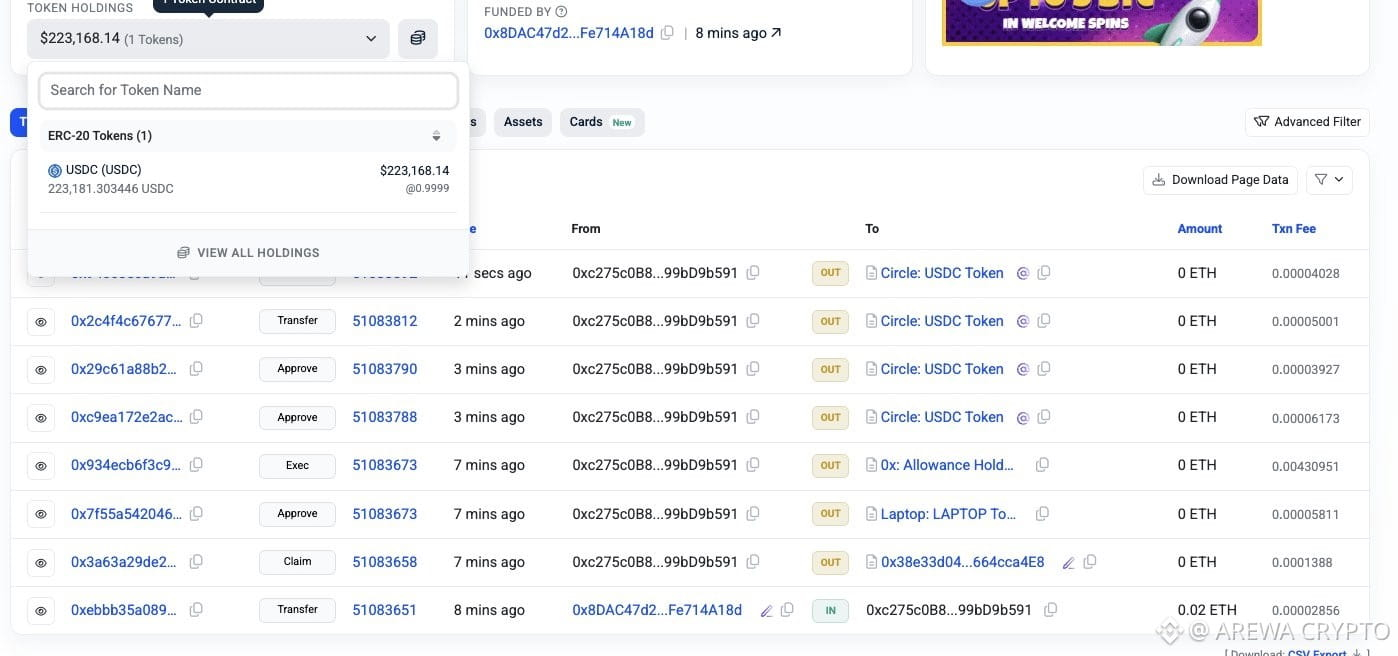
the same wallet sent 0.02 ETH to another fresh wallet (0xc27...b591)
which also claimed 4276 for free, and sold them instantly for $200,000 as price dropped from his previous sell
#Laptop
$LAPTOP is getting weird
a fresh wallet (0x8DA...A18d) claimed 4276 tokens for free
and sold them for $400,000
but what's even more weird
the same wallet sent 0.02 ETH to another fresh wallet (0xc27...b591)
which also claimed 4276 for free, and sold them instantly for $200,000 as price dropped from his previous sell
#Laptop
a fresh wallet (0x8DA...A18d) claimed 4276 tokens for free
and sold them for $400,000
but what's even more weird
the same wallet sent 0.02 ETH to another fresh wallet (0xc27...b591)
which also claimed 4276 for free, and sold them instantly for $200,000 as price dropped from his previous sell
#Laptop
1
1.6k
·
--
$LAPTOP is LIVE. 🚨
And honestly, I don’t think this is the moment to FOMO.
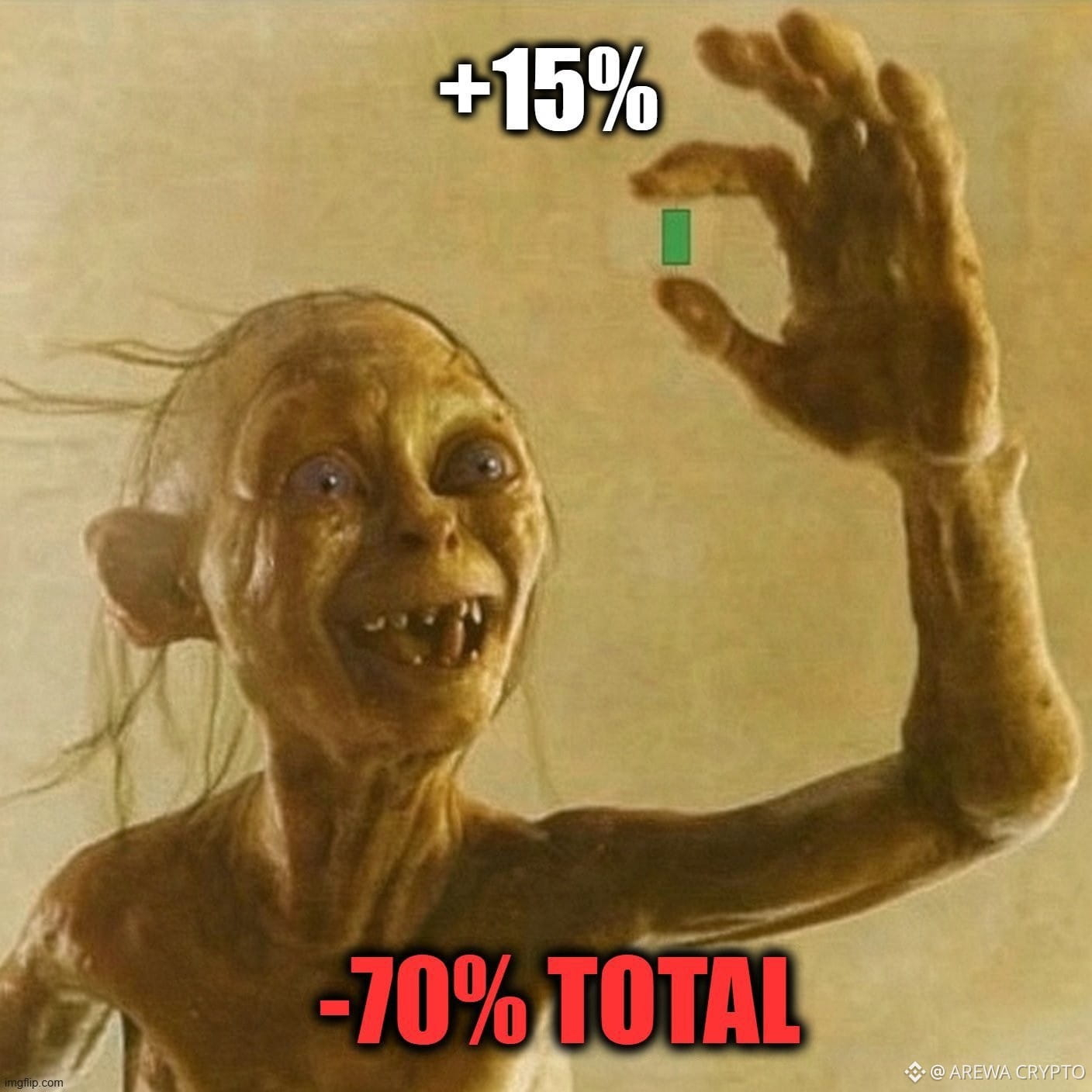
The launch pump has already been massive. When everyone suddenly starts asking, “Should I buy now?” that’s exactly when you need to slow down.
My take:
Don’t chase the first candle. Wait. 👀
Let the initial hype cool down. Watch liquidity, volume, holders and wallet activity.
There may be another opportunity after the first wave of FOMO — but there’s no need to be the exit liquidity for someone who got in earlier.
Stay patient. Protect your capital.
You don’t have to catch the first pump to catch the next move. 🧠📊
$LAPTOP is LIVE. 🚨
And honestly, I don’t think this is the moment to FOMO.
The launch pump has already been massive. When everyone suddenly starts asking, “Should I buy now?” that’s exactly when you need to slow down.
My take:
Don’t chase the first candle. Wait. 👀
Let the initial hype cool down. Watch liquidity, volume, holders and wallet activity.
There may be another opportunity after the first wave of FOMO — but there’s no need to be the exit liquidity for someone who got in earlier.
Stay patient. Protect your capital.
You don’t have to catch the first pump to catch the next move. 🧠📊
And honestly, I don’t think this is the moment to FOMO.
The launch pump has already been massive. When everyone suddenly starts asking, “Should I buy now?” that’s exactly when you need to slow down.
My take:
Don’t chase the first candle. Wait. 👀
Let the initial hype cool down. Watch liquidity, volume, holders and wallet activity.
There may be another opportunity after the first wave of FOMO — but there’s no need to be the exit liquidity for someone who got in earlier.
Stay patient. Protect your capital.
You don’t have to catch the first pump to catch the next move. 🧠📊
2
1k
·
--
📊 Bitcoin remains range-bound as long-term holder supply continues to cap upside momentum.
Glassnode data shows heavy supply between $83K–$86K, creating a major resistance zone after the recent short squeeze. Until this supply is absorbed, BTC may continue to consolidate within the broader range.
Key Market Boundaries:
• 🔴 Overhead Resistance: $83K–$86K
• 🟢 Macro Support: $62K–$65K
• 📅 Options Catalyst: ~$14B OI expiring Sept. 25
👉 A clean breakout above $86K could unlock the next major leg higher, while losing the support zone would significantly weaken the structure.
📊 Bitcoin remains range-bound as long-term holder supply continues to cap upside momentum.
Glassnode data shows heavy supply between $83K–$86K, creating a major resistance zone after the recent short squeeze. Until this supply is absorbed, BTC may continue to consolidate within the broader range.
Key Market Boundaries:
• 🔴 Overhead Resistance: $83K–$86K
• 🟢 Macro Support: $62K–$65K
• 📅 Options Catalyst: ~$14B OI expiring Sept. 25
👉 A clean breakout above $86K could unlock the next major leg higher, while losing the support zone would significantly weaken the structure.
Glassnode data shows heavy supply between $83K–$86K, creating a major resistance zone after the recent short squeeze. Until this supply is absorbed, BTC may continue to consolidate within the broader range.
Key Market Boundaries:
• 🔴 Overhead Resistance: $83K–$86K
• 🟢 Macro Support: $62K–$65K
• 📅 Options Catalyst: ~$14B OI expiring Sept. 25
👉 A clean breakout above $86K could unlock the next major leg higher, while losing the support zone would significantly weaken the structure.
179
·
--
📊 US strikes on Iran send crypto markets lower
US forces struck Iranian targets near the Strait of Hormuz, triggering a broad risk-off selloff across global markets. Bitcoin fell 2.2% to $76,926, with Ethereum and XRP declining alongside it. Oil prices surged to their highest level in 40 days on the news.
President Trump confirmed the strikes, which rattled investors across equities, crypto and commodities simultaneously. The move reflects crypto's increasing correlation with macro risk sentiment — when geopolitical shocks hit, digital assets are selling off alongside traditional markets rather than acting as a safe haven.
📊 US strikes on Iran send crypto markets lower
US forces struck Iranian targets near the Strait of Hormuz, triggering a broad risk-off selloff across global markets. Bitcoin fell 2.2% to $76,926, with Ethereum and XRP declining alongside it. Oil prices surged to their highest level in 40 days on the news.
President Trump confirmed the strikes, which rattled investors across equities, crypto and commodities simultaneously. The move reflects crypto's increasing correlation with macro risk sentiment — when geopolitical shocks hit, digital assets are selling off alongside traditional markets rather than acting as a safe haven.
US forces struck Iranian targets near the Strait of Hormuz, triggering a broad risk-off selloff across global markets. Bitcoin fell 2.2% to $76,926, with Ethereum and XRP declining alongside it. Oil prices surged to their highest level in 40 days on the news.
President Trump confirmed the strikes, which rattled investors across equities, crypto and commodities simultaneously. The move reflects crypto's increasing correlation with macro risk sentiment — when geopolitical shocks hit, digital assets are selling off alongside traditional markets rather than acting as a safe haven.
1
2
529
·
--
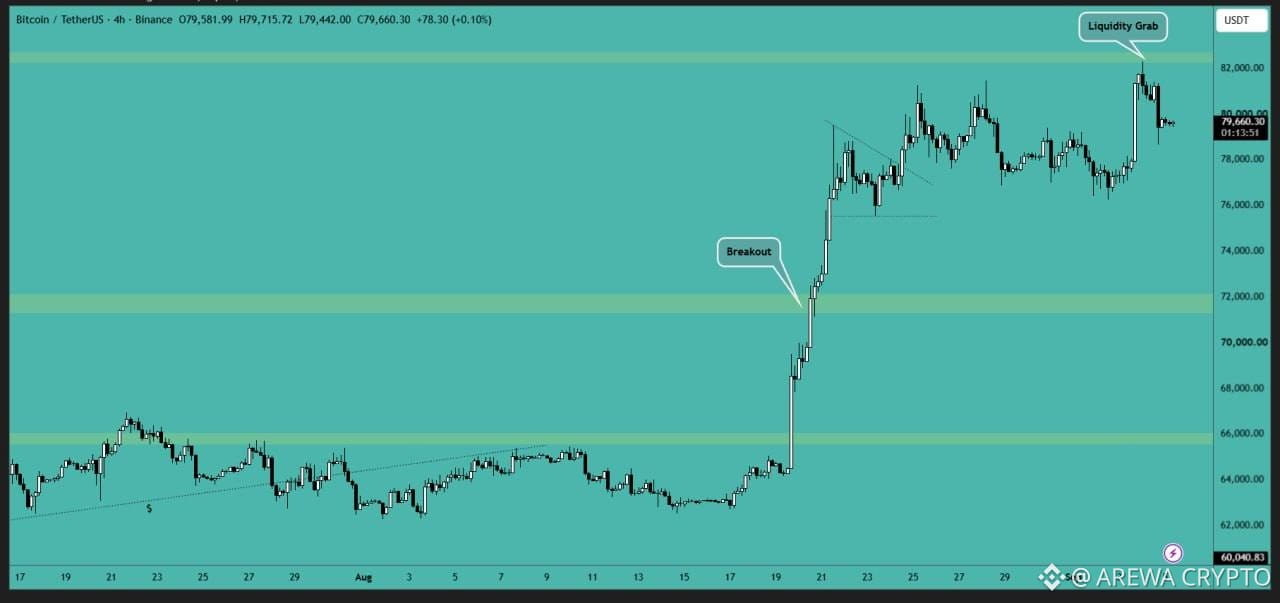
Bitcoin faced rejection from the resistance area after testing it. The price collected liquidity from that zone, and we may see another attempt to break this level. This is a crucial zone for the continuation of the upward movement.
Bitcoin faced rejection from the resistance area after testing it. The price collected liquidity from that zone, and we may see another attempt to break this level. This is a crucial zone for the continuation of the upward movement.
1
143
·
--
🟠 Bitcoin drops below $80,000 on strong US jobs data
Bitcoin fell under the $80,000 level after US payroll data showed a 162,000 jobs gain, reigniting concerns that the Federal Reserve may keep rates elevated for longer.
The stronger-than-expected employment figure lifted Treasury yields and the dollar — both headwinds for risk assets including crypto. The initial selloff was uneven across the market, with the decline not holding uniformly across assets.
Rate expectations remain a key macro driver for Bitcoin, as tighter monetary policy tends to pressure speculative assets by raising the opportunity cost of holding them.
🟠 Bitcoin drops below $80,000 on strong US jobs data
Bitcoin fell under the $80,000 level after US payroll data showed a 162,000 jobs gain, reigniting concerns that the Federal Reserve may keep rates elevated for longer.
The stronger-than-expected employment figure lifted Treasury yields and the dollar — both headwinds for risk assets including crypto. The initial selloff was uneven across the market, with the decline not holding uniformly across assets.
Rate expectations remain a key macro driver for Bitcoin, as tighter monetary policy tends to pressure speculative assets by raising the opportunity cost of holding them.
Bitcoin fell under the $80,000 level after US payroll data showed a 162,000 jobs gain, reigniting concerns that the Federal Reserve may keep rates elevated for longer.
The stronger-than-expected employment figure lifted Treasury yields and the dollar — both headwinds for risk assets including crypto. The initial selloff was uneven across the market, with the decline not holding uniformly across assets.
Rate expectations remain a key macro driver for Bitcoin, as tighter monetary policy tends to pressure speculative assets by raising the opportunity cost of holding them.
185
·
--
Bitcoin is currently trapped between two major on-chain zones.
The $62K–$65K area acts as a strong accumulation floor, while heavy Long-Term Holder supply between $83K–$86K creates major overhead resistance.
👉 As long as BTC remains between these zones, choppy or range-bound movement is possible. A breakout above $83K–$86K could open the door to further upside, while losing $62K–$65K would weaken the structure significantly. 📊
Bitcoin is currently trapped between two major on-chain zones.
The $62K–$65K area acts as a strong accumulation floor, while heavy Long-Term Holder supply between $83K–$86K creates major overhead resistance.
👉 As long as BTC remains between these zones, choppy or range-bound movement is possible. A breakout above $83K–$86K could open the door to further upside, while losing $62K–$65K would weaken the structure significantly. 📊
The $62K–$65K area acts as a strong accumulation floor, while heavy Long-Term Holder supply between $83K–$86K creates major overhead resistance.
👉 As long as BTC remains between these zones, choppy or range-bound movement is possible. A breakout above $83K–$86K could open the door to further upside, while losing $62K–$65K would weaken the structure significantly. 📊
1
487
·
--
Bullish
₿ Bitcoin clears $82K, drags crypto stocks higher
Bitcoin pushed back above $82,000 on Thursday, and the ripple effect hit crypto-related equities too — because apparently everything is correlated until it isn't. No surprise that BTC-linked stocks tend to move in lockstep when Bitcoin catches a bid; the real question is whether this bounce has legs or is just the market catching its breath.
₿ Bitcoin clears $82K, drags crypto stocks higher
Bitcoin pushed back above $82,000 on Thursday, and the ripple effect hit crypto-related equities too — because apparently everything is correlated until it isn't. No surprise that BTC-linked stocks tend to move in lockstep when Bitcoin catches a bid; the real question is whether this bounce has legs or is just the market catching its breath.
Bitcoin pushed back above $82,000 on Thursday, and the ripple effect hit crypto-related equities too — because apparently everything is correlated until it isn't. No surprise that BTC-linked stocks tend to move in lockstep when Bitcoin catches a bid; the real question is whether this bounce has legs or is just the market catching its breath.
1
821
·
--
The market is bullish Cancel your short positions
The market is bullish Cancel your short positions
1
153
·
--
Bullish
🪙 Solana posts first monthly gain in nearly a year
SOL closed August above $100 for the first time in roughly 10 months, trading near $106 on Sunday after hitting a monthly high of $110.38 on August 27.
The rally was driven by three converging factors: rising institutional inflows, a reduction in future token supply, and record network activity. The combination reversed a losing streak that had stretched back nearly a year.
SOL remains one of the most actively watched Layer-1 assets among institutional allocators, and August's performance marks a notable shift in sentiment heading into Q4.
🪙 Solana posts first monthly gain in nearly a year
SOL closed August above $100 for the first time in roughly 10 months, trading near $106 on Sunday after hitting a monthly high of $110.38 on August 27.
The rally was driven by three converging factors: rising institutional inflows, a reduction in future token supply, and record network activity. The combination reversed a losing streak that had stretched back nearly a year.
SOL remains one of the most actively watched Layer-1 assets among institutional allocators, and August's performance marks a notable shift in sentiment heading into Q4.
SOL closed August above $100 for the first time in roughly 10 months, trading near $106 on Sunday after hitting a monthly high of $110.38 on August 27.
The rally was driven by three converging factors: rising institutional inflows, a reduction in future token supply, and record network activity. The combination reversed a losing streak that had stretched back nearly a year.
SOL remains one of the most actively watched Layer-1 assets among institutional allocators, and August's performance marks a notable shift in sentiment heading into Q4.
434
·
--
$1,000 invested 15 years ago today would be worth:
• Bitcoin: $8,970,000
• Nvidia: $735,000
• Tesla: $231,000
• Apple: $29,000
• S&P: $8,400
• Gold: $2,150
#CFTCScrutinizesPredictionMarketAffiliates #EtherXRPETFInflowStreaksEnd #PredictionMarketsPutCLARITYAct2026OddsAt15%
$1,000 invested 15 years ago today would be worth:
• Bitcoin: $8,970,000
• Nvidia: $735,000
• Tesla: $231,000
• Apple: $29,000
• S&P: $8,400
• Gold: $2,150
#CFTCScrutinizesPredictionMarketAffiliates #EtherXRPETFInflowStreaksEnd #PredictionMarketsPutCLARITYAct2026OddsAt15%
• Bitcoin: $8,970,000
• Nvidia: $735,000
• Tesla: $231,000
• Apple: $29,000
• S&P: $8,400
• Gold: $2,150
#CFTCScrutinizesPredictionMarketAffiliates #EtherXRPETFInflowStreaksEnd #PredictionMarketsPutCLARITYAct2026OddsAt15%
1
187
·
--
$ETH ANALYSIS
$ETH/USDT trades at $2,468, punching straight into the year long descending trendline from $3,530 after a steep run off the rising trendline near $1,530. Both structures converge right at this level.
Break and hold above $2,600 and this becomes a real trend reversal with room to run higher. Lose $2,300 and price falls back toward the rising trendline near $2,050. Major resistance right here, a clean break is a big statement.
$ETH ANALYSIS
$ETH /USDT trades at $2,468, punching straight into the year long descending trendline from $3,530 after a steep run off the rising trendline near $1,530. Both structures converge right at this level.
Break and hold above $2,600 and this becomes a real trend reversal with room to run higher. Lose $2,300 and price falls back toward the rising trendline near $2,050. Major resistance right here, a clean break is a big statement.
$ETH /USDT trades at $2,468, punching straight into the year long descending trendline from $3,530 after a steep run off the rising trendline near $1,530. Both structures converge right at this level.
Break and hold above $2,600 and this becomes a real trend reversal with room to run higher. Lose $2,300 and price falls back toward the rising trendline near $2,050. Major resistance right here, a clean break is a big statement.
1
1
598
Log in to explore more content
Join global crypto users on Binance Square
⚡️ Get latest and useful information about crypto.
💬 Trusted by the world’s largest crypto exchange.
👍 Discover real insights from verified creators.
Email / Phone number
Trending Topics
CPIWatch
86.1M views
499,023 Discussing
Share & Win Traffic Reward in our Trending Hashtag Campaign
✨Topic: Will CPI Trigger Rate Hike?
👉How to Join:
Publish a short post or article with hashtag #CPIWatch
Create content based on the below two angles:
- Nonfarm payrolls beat expectations and CPI is around the corner, do you think the Fed will hike or hold the rate?
- Bullish or bearish? Share your take and showcase your stocks or gold trade/holdings with our trade sharing widget.
🚀Campaign Period:
- 2026-09-11 3:00 - 2026-09-12 9:00 UTC
🎁Reward:
- Qualified posts that comply with the above guidelines and contain more than 100 words will be reviewed and may receive a random traffic boost of 500 to 3,000 views. You will receive a notification from your feed secretary if your post is selected.
- Get a chance to have your article featured on Binance Square Official
Need ideas for your post? Visit the topic page #CPIWatch or the Square Guide on How to Post for Better Reach.
Binance Square Official
·193 Likes
·313.5k views
USToSanctionBigBankMonday
138 views
32 Discussing
TrumpDeclinesSaudiRequestToStrikeHouthis
6,128 views
164 Discussing