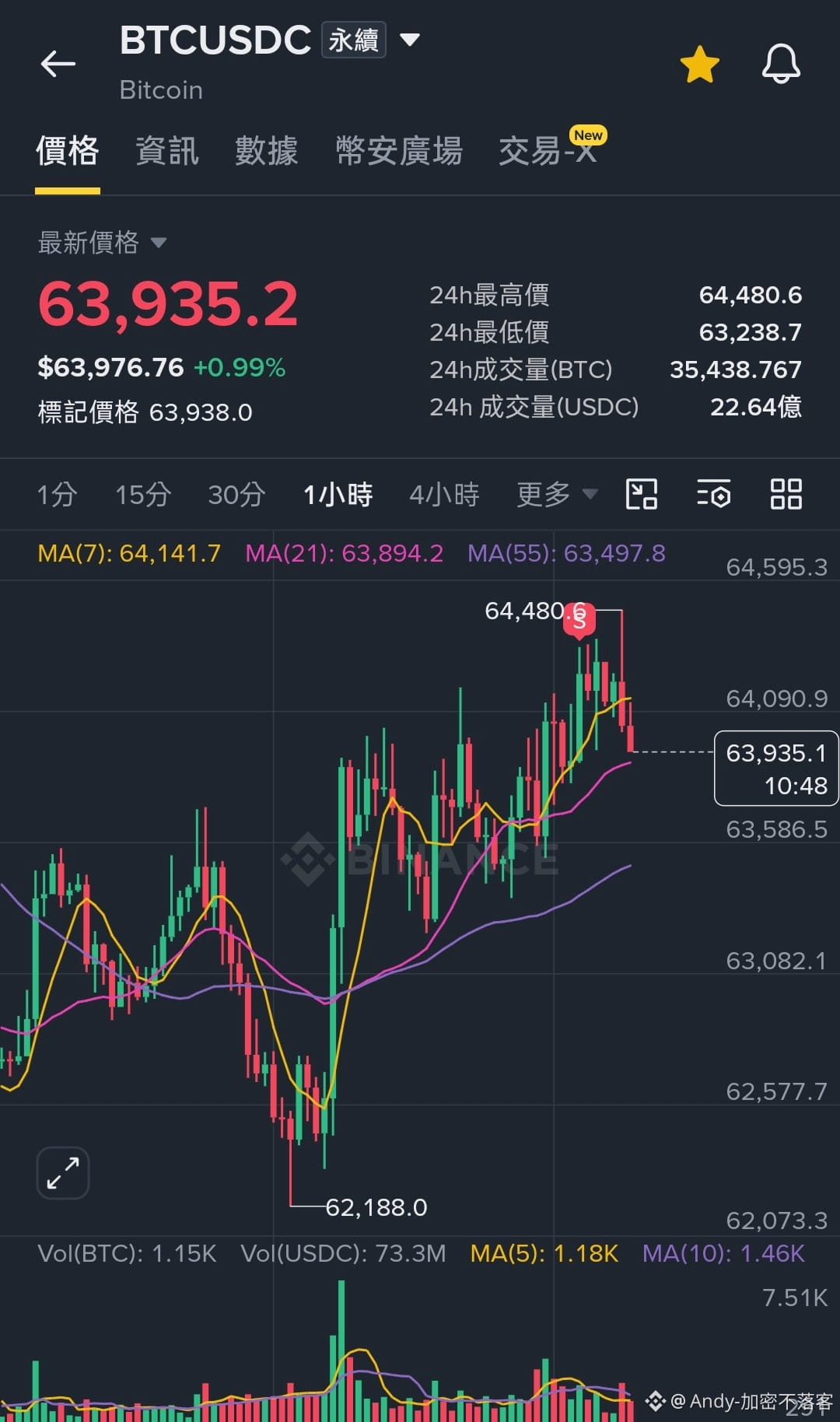
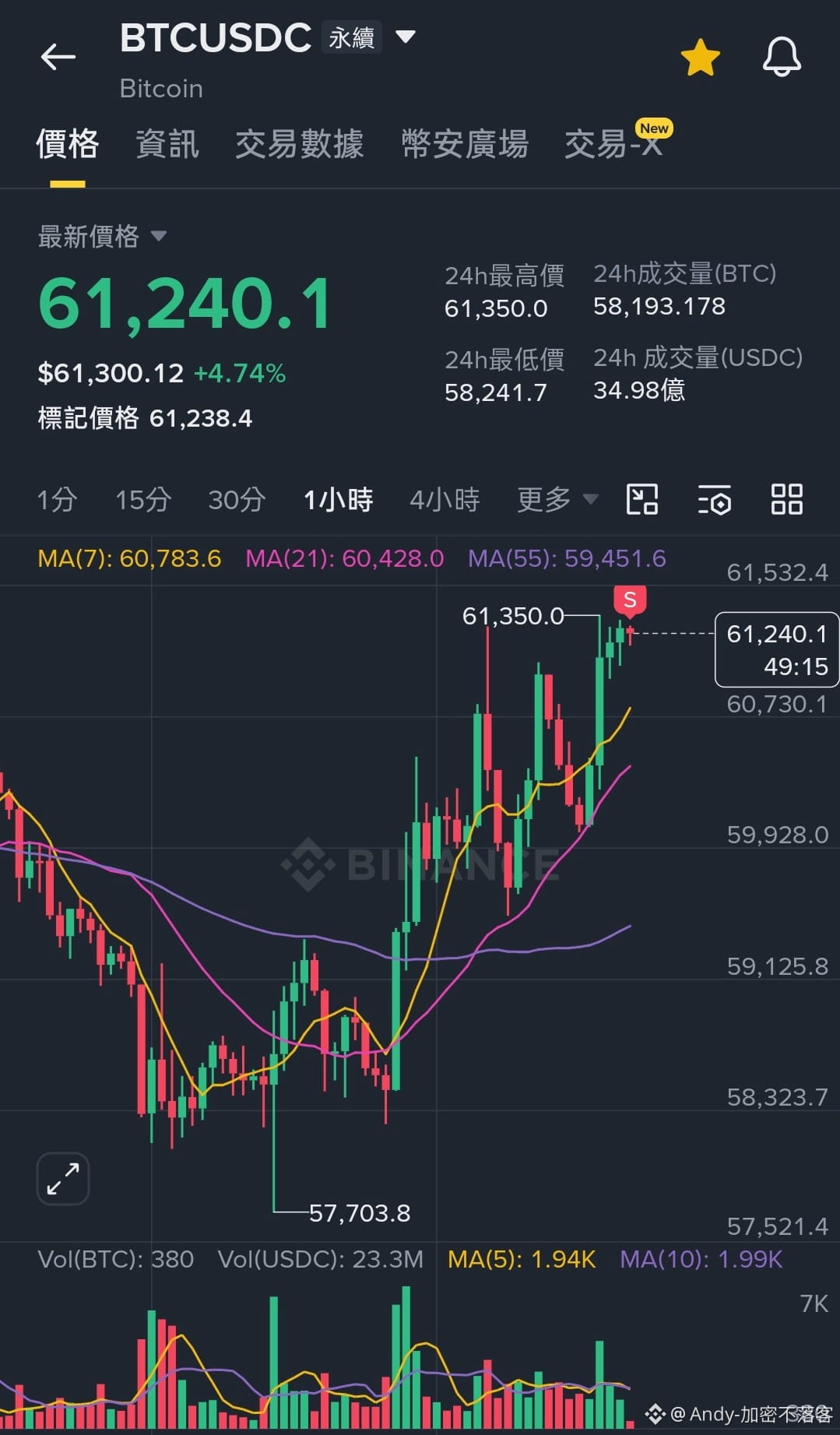
🔥BTC violently rebounds! 69000 stabilizes, the 70000 mark is just around the corner! $ETH Bitcoin daily line has three consecutive ups, from 64800 all the way to 69184, the bulls are going crazy!
📊 Core signals are all positive $BTC ✅ Price: The pullback has completely ended, stabilizing at 69000, the next target is 70000+ ✅ Indicators: RSI is strongly rebounding, MACD golden cross is imminent, the bears are completely exhausted ✅ Volume: The rebound comes with volume, real money is entering, not a false rally! $XRP 🎯 Operation in one sentence
Buy with eyes closed on the pullback to 67500-68000, stop loss at 64800, targets 70700→73700→76000 new high!
🎁🚀 $USDT GIFT BOX DROP – JOIN NOW 🚀🎁 Why scroll when you can open a gift box? 🎁 📌 Steps to enter: 💬 Comment USDT ❤️ Like 🔁 Repost ➕ Follow 🎁 A few lucky boxes contain real $USDT ⏳ First come, first served #USDT #Airdrop
Schema Hooks: Turning Sign Attestations into Self-Executing Superpowers
Unlocking Programmable Trust: Schema Hooks Are the Hidden Superpower Turning Sign Protocol Attestations into Self-Executing Magic. Hey Binance Square fam, Let me be real with you — I’ve been deep in the trenches of on-chain attestations for a while now, and most of the hype around Sign Protocol stays pretty surface-level. Everyone’s posting about “attest anything” or chasing the next airdrop, but almost no one is talking about the feature that actually makes Sign feel like future infrastructure: Schema Hooks. This isn’t just another checkbox in the docs. Schema Hooks turn every attestation into something programmable, automated, and alive. Think of it like attaching smart contract brains directly to your verifiable claims. Every time someone attests (or revokes), your custom logic fires automatically. No extra transactions. No trust in a third party. Just pure, on-chain automation baked into the trust layer itself.
If you’re a trader, KOL, builder, or even just a curious degen scrolling Square at 2 AM, this is the concept that’s going to separate basic hype from real utility in 2026. Let’s break it down like we’re chatting over coffee — no fluff, no corporate speak. First, Quick Refresher (Because Most Square Threads Skip This) Sign Protocol lets you create schemas — basically structured templates for claims. “I completed this course,” “This wallet has X on-chain reputation,” “I hold this position with proof-of-funds.” Once the schema exists, anyone can issue an attestation against it. The attestation is cryptographically signed, verifiable forever, and works across chains thanks to Sign’s omni-chain magic. But here’s where it gets spicy. Normally, that’s it. Attestation created -done. Static data sitting there.
Schema Hooks change the game entirely. When you create a schema, you can optionally point it to a hook contract — your own Solidity smart contract that implements Sign’s ISPHook interface. From that moment on, every single attestation (and revocation) on that schema automatically calls your hook. The protocol literally pauses, runs your code, and if your code reverts… the whole thing fails. No attestation gets created. It’s like a bouncer at the door of trust itself. How Schema Hooks Actually Work (The Technical Meat) The hook must implement four functions from the ISPHook interface (two for attestations, two for revocations — one payable, one view). Here’s the core idea in plain English: function didReceiveAttestation( address attester, uint64 schemaId, uint64 attestationId, bytes calldata extraData ) external payable;
function didReceiveRevocation(...) external payable; // ... plus the view overloads for fee handling Sign calls these automatically. You get the attester’s address, the schema, the new attestation ID, and any extraData you want to pass. Inside your hook you can: Check who’s attesting (whitelist/blacklist) Decode the actual attestation data and validate it Collect fees (ERC-20 or native) Update other contracts (reputation scores, leaderboards, token distributions) Trigger events, mint NFTs, whatever your imagination cooks up Even integrate ZK proofs for private-yet-verifiable logic If your logic says “nah” -transaction reverts. Atomic. Clean. No half-created attestations. The official docs give two killer examples I love: Whitelist Hook – Only approved addresses can attest. Perfect for gated KOL signals or verified community rewards. Data Validation Hook – Decode the attestation data on the fly and enforce rules (e.g., “this trading P&L number must be above X” or “proof-of-human score must pass”). I’ve seen builders separate the logic into clean contracts (WhitelistManager + Hook) so it’s readable and reusable. Super clean Solidity patterns. Real-World Use Cases That Actually Matter on Binance Square Right Now This is where it stops being theory and starts printing alpha. 1. Self-Executing Trading Reputation Badges Create a schema for “Profitable Call Attestation.” Hook automatically checks the attached on-chain proof (via oracle or direct decode), updates a global leaderboard contract, and maybe even auto-distributes a tiny reward token if criteria met. No more fake P&L screenshots. Every signal becomes verifiable and programmable. 2. Sybil-Resistant Airdrop & Reward Gates DAO or project wants to reward real contributors? Schema for “Proof of Contribution.” Hook charges a tiny fee, validates activity attestations from other schemas, and only lets legitimate wallets through. TokenTable integration becomes god-tier when hooks handle the rules. 3. Automated Educational Certifications Run a trading course on Square. Finish the quiz → attest completion. Hook validates the score, mints a soulbound badge, and updates your cross-chain reputation. Portable across — wherever you go. 4. Programmable RWAs & Compliance Real-world asset issuers can hook attestations to automatically enforce KYC/AML rules, royalty splits, or conditional ownership transfers. Governments or institutions could literally build sovereign identity layers on top. 5. Cross-Chain Fee & Bridging Logic Sign already supports hybrid and cross-chain attestations. Hooks make it seamless — pay a small fee in the hook, trigger Lit nodes or whatever oracle magic, and boom: your claim is verified on another chain automatically. The inspiration? Uniswap V4 hooks. Same vibe — let the core protocol stay simple, but give builders infinite extensibility. Why This Feels Fresh and Underrated on Square (April 2026 Edition) Scroll through the current CreatorPad flood and you’ll see 90% of posts are “Sign is trust infrastructure 🔥 #SignDigitalSovereignInfra.” Cool, but basic. Schema Hooks are the part that actually makes Sign feel like sovereign infrastructure for nations, DAOs, and individuals. It’s not just “attest anything.” It’s “attest anything and make it do something useful automatically.” We’re talking programmable money meeting programmable trust. In a world full of fake signals, farmed airdrops, and broken reputation systems, this is the reset button. And the best part? You don’t need to be a Solidity god to play. Start with no-code schemas on SignScan, test simple hooks, or even fork the whitelist example from the docs. Deploy on any EVM chain Sign supports. The barrier is lower than it looks. How You Can Start Playing Today (Step-by-Step for Degens & Builders) Head to docs.sign.global → Advanced Topics → Schema Hooks. Study the ISPHook interface and the whitelist/data validator examples. Deploy your hook contract (testnet first!). Create a new schema on SignScan or via SDK and paste your hook address. Attest something and watch the magic happen. Share your schema + hook address right here in the comments — let’s build in public. I’m planning to drop my own first hook experiment this week (a simple “verified profitable trade” schema with auto-leaderboard update). If you build one, tag me — I’ll attest it myself. The Bigger Picture Schema Hooks aren’t just a feature. They’re the bridge from “Web3 data” to “Web3 actions.” They make attestations feel alive. In 2026, the projects and creators who understand programmable attestations will eat. The rest will still be posting static screenshots. So what are you waiting for? Drop your thoughts below — have you tried hooks yet? What wild use case would you build? Let’s make this the most engaged Sign thread on Square. #SignDigitalSovereignInfra $SIGN @SignOfficial {spot}(SIGNUSDT) {future}(SIRENUSDT)
📈Soaring high for ninety thousand miles, the bull market is unbeatable🥳 💰A thousand pieces of gold spent will return, account balance increases step by step🤩 🚀Soaring into the sky and breaking through the limits, wealth freedom comes effortlessly🔥 💎Holding positions means all dividends, wealth and honor are within reach🧧 👍Like and follow to welcome good luck, your value will increase a hundredfold✨
Tavern Story Session: Is April the Window for the Bull Market to Start? (500 Days to Halving)
#币安广场热门推荐 The tavern has been in operation for thirty-five days. Speaking of today's topic, it originates from the recent discussions about whether the bull market has already left. For the cryptocurrency market, April is a month engraved with the 'fateful mark.' The classic four-year halving cycle of Bitcoin usually reaches a critical point this month, and the narrative of supply contraction tends to ignite market enthusiasm. Looking back at history, halving events often serve as catalysts for the start of a bull market. However, the current market structure has evolved with the landing of ETFs and institutional participation, and the original logic of scarcity, which was the core pillar supporting the market, is no longer recognized. In past cycles, the market's health and capital absorption capacity post-halving were strong. However, for the current market, especially for miners, the current prices are still at a loss, and many small miners are struggling to sustain and are considering transferring their operations just to cover electricity costs 😂.
Why Sign Protocol Feels More Like Infrastructure Than a Crypto Story
@SignOfficial #SignDigitalSovereignInfra $SIGN Honestly, I didn’t stumble onto Sign Protocol because of the hype. It definitely wasn’t dominating my timeline. What actually caught my eye was how quiet it is. Unlike most crypto projects screaming for attention, Sign feels like it’s just quietly sitting underneath everything else, not trying to sit on top. It’s a subtle difference, but it completely shifted how I view it. On paper, Sign is all about attestations—basically structured, verifiable claims living on or off-chain. That's accurate, but it also misses the bigger picture. Anyone can store data. The real magic is whether those claims actually mean anything outside the moment they're created. That’s what got my attention. What’s interesting here isn’t just recording data; it’s the attempt to standardize trust. You have schemas setting the rules for what info should look like, and attestations filling in the blanks with actual, signed data. Sounds boring and administrative, right? But honestly, that’s the point. When trust works at scale, it should look boring. It should just look like consistency. But here's the catch: structure alone doesn't fix everything. Sometimes it just creates a new kind of friction. Getting people—and whole organizations—to agree on a format, maintain it, and trust it is incredibly hard. That’s where a lot of "good on paper" tech quietly dies. It makes sense technically, but it clashes with human behavior. And that’s the part I keep coming back to. It’s not about whether Sign works. It’s whether people will actually use it instead of what’s already “good enough.” Let's face it: a PDF report, a centralized database, or even a screenshot might be flawed, but they’re easy. They don't need a whole query layer or an indexing service to make sense. I think the Sign team gets this tension. Building tools like SignScan and their developer platform shows they know there's a huge gap between just saving data and actually using it. Indexing, querying, and retrieval aren't just side features—they're the whole ballgame. Without them, attestations are useless puzzle pieces. With them? Now we're talking about actual infrastructure. I wouldn't call it a massive, world-changing breakthrough yet, but I definitely wouldn't dismiss it. There’s something deeply practical about their approach. They aren't trying to redefine trust in some abstract way; they just want to make verification less of a manual headache and more of a shared standard. It’s a smaller ambition, sure, but a way more realistic one. Look at the use cases: audits, identity checks, developer reputation. None of this is wildly new. What is different is trying to bring it all under one roof. But even here, I have my hesitations. Not because the tech is bad, but because reality is messy. Verification systems rely on incentives, human habits, and trusting the issuers themselves. A perfectly structured attestation is useless if the guy issuing it isn't credible—or if users just don't care enough to double-check. People usually take the path of least resistance. If Sign makes things too complex, it risks becoming just a playground for a handful of developers. At the same time, this is exactly the kind of tech that could age beautifully. Not everything needs to blow up overnight to matter. Some ideas just need time for the rest of the ecosystem to catch up. If more apps start demanding actual, verifiable proof instead of just taking people's word for it, something like Sign goes from a "nice idea" to an absolute necessity. That’s where I’m at with it for now. I don’t see Sign as a finished product, and I don't think they're pretending to be one. It feels more like an experiment testing whether we can make trust consistent without making it fragile. And maybe that’s the best way to look at it: not as a product to judge today, but as a piece of infrastructure that will either become totally invisible because everyone adopts it—or remain glaringly visible because it never quite fit. #SignDigitalSovereignInfra $SIGN {future}(SIGNUSDT)
Spacious pattern: Year of the Horse, fire is strong, unstoppable momentum 🐎 Positioning logic: Hold the strong, abandon the weak, traverse the bull and bear markets Timing for action: Buy at the lows, escape at the peaks Performance declaration: All investments are hundredfold coins, account is a long rainbow towards freedom
🧧🧧 $SOL 🧧🧧 💎 Sharp vision for low entry, 🎁 Comprehensive layout for DeFi NFT, 👍 Like and share to gather wealth, ✨ SOL to the moon 🧧🧧 $SOL 🧧🧧 #币安钱包将推出预测市场 #国际油价上涨
The market will have ups and downs, and it's natural for people to feel anxious, but you must remember, there's no need to compare your speed with others, just stick to your own pace. Waiting quietly is also a form of strength. $STO $NOM $ONT #币安钱包将推出预测市场 #谷歌量子AI警示加密安全 #Bitmine新增质押ETH {future}(ONTUSDT) {future}(NOMUSDT) {future}(STOUSDT)
April Fool's Day on April 1, the crypto market exploded! BTC/ETH surged across the board, Bitcoin rushing towards the 70000 mark, Ethereum leading with a rise of 2200 points!
The big market 📈📈 is going crazy $BTC , $ETH BTC looks at 69500, 70000, ETH focuses on 2160, 2200! MACD golden cross, volume and price rising together, the main upward wave is coming! Hold your positions, buy on dips, and definitely don't chase highs! #CryptoBullMarket #BTC走势分析
Operation advice: 1. Short-term (1-3 days) Bitcoin and Ethereum have both broken through the previous fluctuation range, the bullish trend is completely established, and in the short term, it will continue to impact the round numbers (BTC 70000, ETH 2200). As long as the trading volume does not shrink significantly, the upward trend will not easily end. 2. Medium-term (1-2 weeks) If it successfully breaks through the round number, a new round of main upward wave will begin, with Bitcoin targeting 72000-75000 and Ethereum targeting 2400-2600, while altcoins will usher in a collective explosion.
# ETH The US-Iran relationship has eased, and the US stock market has surged, driving Ethereum up from 1936 to 2124. It is currently hovering around 2100, a fierce battleground for bulls and bears, with a total network liquidation reaching 325 million USD. The volatility is quite significant, leading to a double whammy for both sides. Control your position and don't be too rigid. Those who entered long positions yesterday should hold on. Pay close attention to the 2150 mark; if it breaks and retraces without falling, we can continue to look upwards. For short positions, focus on building at 2150, 2200, and 2288; if it breaks without retracing, don't enter. I made a few hundred dollars yesterday, sending 188 USDT to my brothers 🧧