
Amaan Pay
45 Posts
Amaan Pay
امان باي ثقة ومان
Open Trade

BNB Holder
High-Frequency Trader
1.3 Years
159 Following
99 Followers
55 Liked
Posts
Portfolio
All
Quotes
PINNED
Peace be upon you and God's mercy and blessings. We begin our new journey in the exciting world of #Binance , filled with thrills, and God willing, it will be a journey of profit and building financial wealth.
Let us support each other #متابعة #لايكات
$BTC $BNB $ETH
#BinanceAlphaPoints #SaylorBTCPurchase
Let us support each other #متابعة #لايكات
$BTC $BNB $ETH
#BinanceAlphaPoints #SaylorBTCPurchase
Very good
واجه
·
--
BullishNew advanced interface services will be in your hands soon
Instant Candles Service
Price Map Service
Relative Movement Service
Do you have a suggestion for a specific service?
Instant Candles Service
Price Map Service
Relative Movement Service
Do you have a suggestion for a specific service?
Ok


BullishBanter
·
--
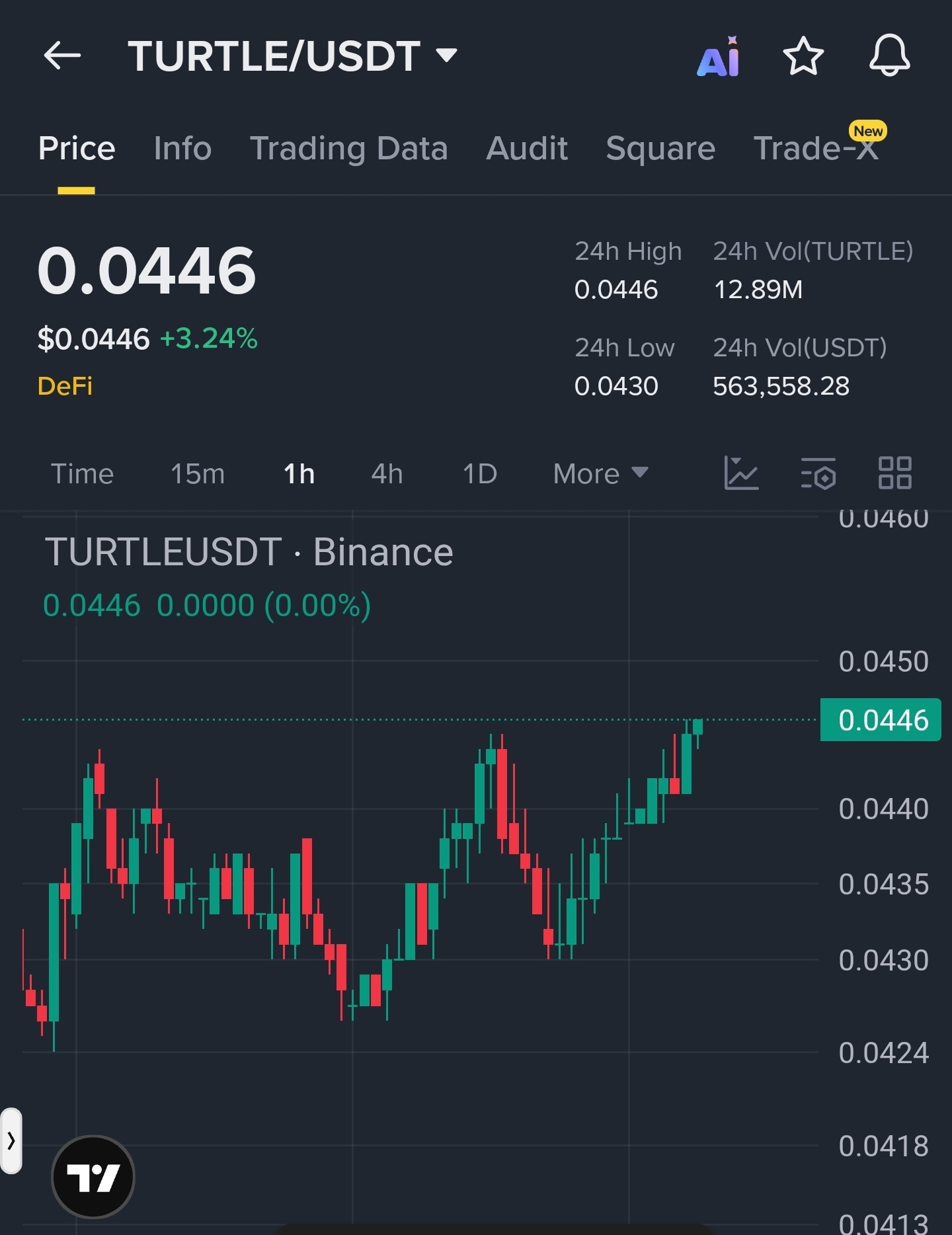
Bullish$TURTLE building bullish structure with higher lows and breakout pressure
$TURTLE LONG
Trade Plan
Entry: $0.0440 – $0.0450
SL: $0.0425
TP1: $0.0470
TP2: $0.0495
TP3: $0.0525
Buy and Trade $TURTLE
$TURTLE LONG
Trade Plan
Entry: $0.0440 – $0.0450
SL: $0.0425
TP1: $0.0470
TP2: $0.0495
TP3: $0.0525
Buy and Trade $TURTLE
Indeed

محترف عملات رقميه
·
--
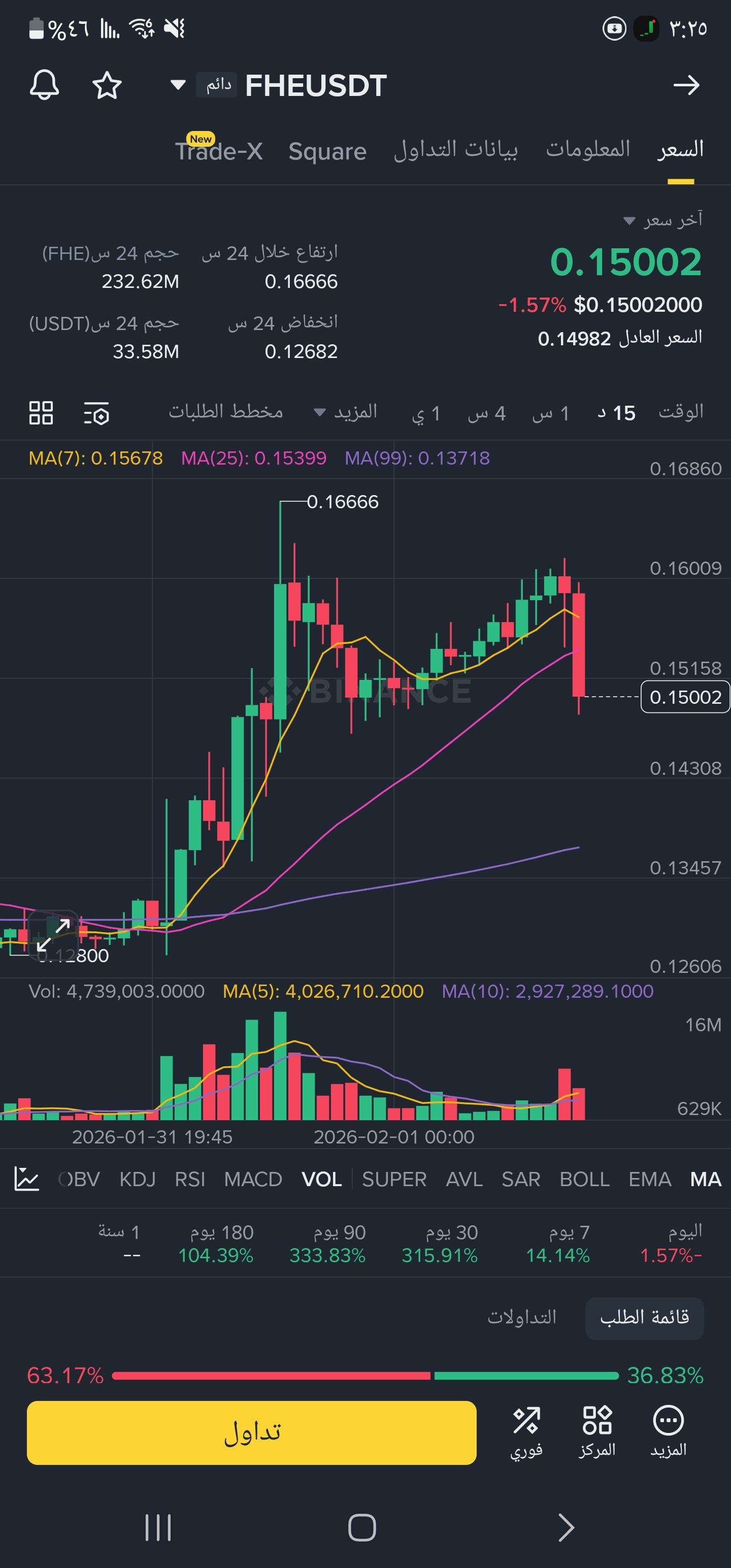
Bearish$FHE 🫨🫨🫨🫨🫨$FHE
Can we communicate privately, my friend? I want to talk to you about work.

HOSSAM-M
·
--
You are making me stray in public, my love 😂😂😂
"I am listening to the live audio broadcast ""The strongest traders🇧🇭🇦🇪🇪🇬🇲🇦🇨🇳🇺🇲🇮🇳🇸🇦🇵🇰"" on Binance Square, join me here: "
https://app.binance.com/uni-qr/cspa/34587064030714?r=P54APR1Q&l=ar&uc=app_square_share_link&us=more
https://app.binance.com/uni-qr/cspa/34587064030714?r=P54APR1Q&l=ar&uc=app_square_share_link&us=more
descendant
$USDC
USDT currencies differ in several aspects: issuer, transparency, regulation, adoption, and the blockchains they rely on. USDT is issued by Tether Limited, while USDC is issued by Centre Consortium. USDC complies with US anti-money laundering regulations and know your customer requirements, and is subject to regulatory audits.
USDT currencies differ in several aspects: issuer, transparency, regulation, adoption, and the blockchains they rely on. USDT is issued by Tether Limited, while USDC is issued by Centre Consortium. USDC complies with US anti-money laundering regulations and know your customer requirements, and is subject to regulatory audits.
These are my trades and transactions for this month
#CircleIPO #CircleIPO
Circle, the company behind the USDC stablecoin, announced that it plans to sell shares at a price ranging from $24 to $26 per share in its initial public offering. This move will raise up to $624 million for the company and its supporters. Circle's USD Coin is a stablecoin, meaning it is a cryptocurrency backed by the US dollar or assets denominated in it, such as US Treasury bonds.
Circle, the company behind the USDC stablecoin, announced that it plans to sell shares at a price ranging from $24 to $26 per share in its initial public offering. This move will raise up to $624 million for the company and its supporters. Circle's USD Coin is a stablecoin, meaning it is a cryptocurrency backed by the US dollar or assets denominated in it, such as US Treasury bonds.
#TradingPairs101 The term currency pair in cryptocurrency refers to trading one currency against another. For example, if you see $BTC/$USDT, it means you are trading Bitcoin (BTC) against Tether (USDT). The first currency (BTC) is what you are buying or selling, while the second currency (USDT) represents the price. If the price of BTC/USDT is 30,000, it means that one Bitcoin is equal to 30,000 USDT.
There are many pairs like ETH/BTC and XRP/USDT, among others. These pairs help traders exchange currencies directly without using fiat currencies like the dollar. They also assist users in comparing the value of different currencies.
Using trading pairs simplifies and speeds up trading in the cryptocurrency market. If you know how to use them, you can make better decisions and possibly achieve a profit. "101 trading pairs" likely means the availability of a wide range of 101 different pairs for trading, providing more options for traders.
There are many pairs like ETH/BTC and XRP/USDT, among others. These pairs help traders exchange currencies directly without using fiat currencies like the dollar. They also assist users in comparing the value of different currencies.
Using trading pairs simplifies and speeds up trading in the cryptocurrency market. If you know how to use them, you can make better decisions and possibly achieve a profit. "101 trading pairs" likely means the availability of a wide range of 101 different pairs for trading, providing more options for traders.
#Liquidity101
Liquidity in financial markets refers to the ability to buy or sell assets quickly and at reasonable prices. It reflects how easily assets can be converted to cash without a significant impact on the price. High liquidity is characterized by ease of trading, while low liquidity is marked by difficulty in trading and a significant impact on prices. Factors affecting liquidity include trading volume, number of participants, and market stability. Liquidity is important for facilitating trading and reducing risks, and by understanding it, traders can improve their strategies.
Liquidity in financial markets refers to the ability to buy or sell assets quickly and at reasonable prices. It reflects how easily assets can be converted to cash without a significant impact on the price. High liquidity is characterized by ease of trading, while low liquidity is marked by difficulty in trading and a significant impact on prices. Factors affecting liquidity include trading volume, number of participants, and market stability. Liquidity is important for facilitating trading and reducing risks, and by understanding it, traders can improve their strategies.
#OrderTypes101
When entering the trading world, it is essential to understand the types of orders you can use to buy or sell assets. Here’s a quick overview of the most common types of orders:
1. Market Order
Definition: Buying or selling the asset at the current market price.
Usage: When you want to execute the trade immediately.
Disadvantage: The final price may not be what you expect due to market fluctuations.
2. Limit Order
Definition: Setting a specific price to buy or sell the asset.
Usage: When you want a specific price and do not wish to exceed it.
Advantage: Gives you greater control over the price.
Disadvantage: The order may not be executed if the market does not reach the specified price.
3. Stop Order
Definition: Becomes a market order once the price reaches a certain level (stop price).
Usage: To limit losses or enter the market when a certain price is breached.
Disadvantage: Once activated, it may execute at an undesirable price if the market is fast-moving.
4. Stop-Loss Order
Definition: A special type of stop order used to reduce losses.
Usage: To protect capital when the market moves against you.
Advantage: Effective risk management.
When entering the trading world, it is essential to understand the types of orders you can use to buy or sell assets. Here’s a quick overview of the most common types of orders:
1. Market Order
Definition: Buying or selling the asset at the current market price.
Usage: When you want to execute the trade immediately.
Disadvantage: The final price may not be what you expect due to market fluctuations.
2. Limit Order
Definition: Setting a specific price to buy or sell the asset.
Usage: When you want a specific price and do not wish to exceed it.
Advantage: Gives you greater control over the price.
Disadvantage: The order may not be executed if the market does not reach the specified price.
3. Stop Order
Definition: Becomes a market order once the price reaches a certain level (stop price).
Usage: To limit losses or enter the market when a certain price is breached.
Disadvantage: Once activated, it may execute at an undesirable price if the market is fast-moving.
4. Stop-Loss Order
Definition: A special type of stop order used to reduce losses.
Usage: To protect capital when the market moves against you.
Advantage: Effective risk management.
#CEXvsDEX101 The Difference Between Centralized and Decentralized Exchanges in the Trading World**
In the world of cryptocurrencies, centralized exchanges (**CEX**) and decentralized exchanges (**DEX**) are the two main options for trading. Each has its advantages and disadvantages, and the choice between them depends on your goals and level of expertise.
## **1. Centralized Exchanges (CEX)**
Like **Binance** and **Coinbase**, they act as intermediaries between buyers and sellers. They are characterized by:
- **Ease of Use**: Intuitive interfaces suitable for beginners.
- **High Liquidity**: Fast trading at stable prices.
- **Support for Traditional Currencies (Fiat)**: Deposits and withdrawals in dollars or euros.
However, they require **KYC** (Know Your Customer) and expose your funds to the risk of hacking due to being stored in the platform's wallets.
## **2. Decentralized Exchanges (DEX)**
Like **Uniswap** and **PancakeSwap**, they operate without intermediaries through smart contracts. Their features include:
- **Privacy**: No need for KYC.
- **Full Control of Funds**: Your assets remain in your personal wallet.
- **Access to New Tokens**: Tokens are listed before CEX.
However, they have lower liquidity and require a technical understanding to manage wallets and pay network fees (**Gas Fees**).
## **Conclusion**
- **Choose CEX** if you are a beginner or want high liquidity.
- **Choose DEX** if you prefer privacy and full control over your funds.
- You can combine both to maximize benefits.
In the world of cryptocurrencies, centralized exchanges (**CEX**) and decentralized exchanges (**DEX**) are the two main options for trading. Each has its advantages and disadvantages, and the choice between them depends on your goals and level of expertise.
## **1. Centralized Exchanges (CEX)**
Like **Binance** and **Coinbase**, they act as intermediaries between buyers and sellers. They are characterized by:
- **Ease of Use**: Intuitive interfaces suitable for beginners.
- **High Liquidity**: Fast trading at stable prices.
- **Support for Traditional Currencies (Fiat)**: Deposits and withdrawals in dollars or euros.
However, they require **KYC** (Know Your Customer) and expose your funds to the risk of hacking due to being stored in the platform's wallets.
## **2. Decentralized Exchanges (DEX)**
Like **Uniswap** and **PancakeSwap**, they operate without intermediaries through smart contracts. Their features include:
- **Privacy**: No need for KYC.
- **Full Control of Funds**: Your assets remain in your personal wallet.
- **Access to New Tokens**: Tokens are listed before CEX.
However, they have lower liquidity and require a technical understanding to manage wallets and pay network fees (**Gas Fees**).
## **Conclusion**
- **Choose CEX** if you are a beginner or want high liquidity.
- **Choose DEX** if you prefer privacy and full control over your funds.
- You can combine both to maximize benefits.
#TradingTypes101
Do you want to learn the basics of trading? Let's get to know them together.
Types of trading:
Scalping: Quick trades from seconds to minutes, targeting small and frequent profits. Suitable if you are in front of the screen all the time and love challenges.
Day Trading: Opening a trade in the morning and closing it before the end of the day. It relies heavily on technical analysis and keeping up with fast news.
Swing Trading: Staying in the trade for days or weeks, taking advantage of price movements between support and resistance levels. It's excellent if you don't want to be under screen pressure every moment.
Position Trading: Holding trades for months or even years, relying on the fundamentals of the project, its team, and innovations. Suitable if you have patience and confidence in the long-term vision of the currency.
✨ My advice: Try the type that suits your time and spirit, and above all, have a clear plan for capital management and avoid excessive risk.
Do you want to learn the basics of trading? Let's get to know them together.
Types of trading:
Scalping: Quick trades from seconds to minutes, targeting small and frequent profits. Suitable if you are in front of the screen all the time and love challenges.
Day Trading: Opening a trade in the morning and closing it before the end of the day. It relies heavily on technical analysis and keeping up with fast news.
Swing Trading: Staying in the trade for days or weeks, taking advantage of price movements between support and resistance levels. It's excellent if you don't want to be under screen pressure every moment.
Position Trading: Holding trades for months or even years, relying on the fundamentals of the project, its team, and innovations. Suitable if you have patience and confidence in the long-term vision of the currency.
✨ My advice: Try the type that suits your time and spirit, and above all, have a clear plan for capital management and avoid excessive risk.
#CryptoRegulation
Regulating cryptocurrencies is not a barrier... but a bridge to trust.
In light of the rapid expansion of financial technologies, having clear laws and a robust regulatory framework becomes essential to protect investors and ensure market stability.
The goal is not to restrict freedom, but to enhance transparency, combat fraud, and attract major institutions with greater confidence.
The digital future needs solid foundations, and smart regulation is the cornerstone.
Regulating cryptocurrencies is not a barrier... but a bridge to trust.
In light of the rapid expansion of financial technologies, having clear laws and a robust regulatory framework becomes essential to protect investors and ensure market stability.
The goal is not to restrict freedom, but to enhance transparency, combat fraud, and attract major institutions with greater confidence.
The digital future needs solid foundations, and smart regulation is the cornerstone.
$BTC The Reality of September for Digital Currencies (Bitcoin)
Why did we say September and not another date? On what basis is this date important for Bitcoin and digital currencies over the past four years, especially this month? Each year we see all currencies surge to reach a new peak. A 50% correction in the currency gives you strong purchasing power, and there is huge liquidity during this period.
Why did we say September and not another date? On what basis is this date important for Bitcoin and digital currencies over the past four years, especially this month? Each year we see all currencies surge to reach a new peak. A 50% correction in the currency gives you strong purchasing power, and there is huge liquidity during this period.
#CryptoRoundTableRemarks
Recently, we have witnessed many discussions and observations regarding the future of digital currencies through specialized events. One of these discussions was highlighted through #CryptoRoundTableRemarks, where experts discussed the importance of government regulation, technology, and the impact of artificial intelligence on digital currencies. It is noticeable that there is a global trend towards broader adoption of cryptocurrencies, especially in developing countries. By monitoring these observations, investors can develop a deeper understanding of future trends. One of the prominent currencies mentioned in the discussion was $ADA, which is evolving significantly and deserves attention.
Recently, we have witnessed many discussions and observations regarding the future of digital currencies through specialized events. One of these discussions was highlighted through #CryptoRoundTableRemarks, where experts discussed the importance of government regulation, technology, and the impact of artificial intelligence on digital currencies. It is noticeable that there is a global trend towards broader adoption of cryptocurrencies, especially in developing countries. By monitoring these observations, investors can develop a deeper understanding of future trends. One of the prominent currencies mentioned in the discussion was $ADA, which is evolving significantly and deserves attention.
Log in to explore more content