
Akiiiiiii
417 Posts

Akiiiiiii
 Square Verified
Report
Block User
X: @Guomin184935 |
WEB3 忠实建设者,华语区 kol |
Keep building BNB 🔶🔶
币安广场忠实建设者
Open Trade

U Holder
Occasional Trader
6.6 Years
264 Following
15.6K+ Followers
4.5K+ Liked
Posts
Portfolio
All
Quotes
Videos
PINNED
·
--
The house rented for 800 is really becoming more appealing
Recently living in Dali
Today I found a lot of things to bring back
Made a big table for the yard
The study is also looking better and better
This place is really suitable for living and traveling
The temperature in summer does not exceed 30 degrees, and 10 yuan roadside restaurants are filling
Two people can eat hot pot + barbecue for 100 yuan until full
I discovered there is a <a>"Digital Nomad Club"</a>
I will go check it out another day
@MidnightNetwork is about to go live on the mainnet
Wishing for a smooth journey ahead
#night $NIGHT @MidnightNetwork
The house rented for 800 is really becoming more appealing
Recently living in Dali
Today I found a lot of things to bring back
Made a big table for the yard
The study is also looking better and better
This place is really suitable for living and traveling
The temperature in summer does not exceed 30 degrees, and 10 yuan roadside restaurants are filling
Two people can eat hot pot + barbecue for 100 yuan until full
I discovered there is a <a>"Digital Nomad Club"</a>
I will go check it out another day
@MidnightNetwork is about to go live on the mainnet
Wishing for a smooth journey ahead
#night $NIGHT @MidnightNetwork
Recently living in Dali
Today I found a lot of things to bring back
Made a big table for the yard
The study is also looking better and better
This place is really suitable for living and traveling
The temperature in summer does not exceed 30 degrees, and 10 yuan roadside restaurants are filling
Two people can eat hot pot + barbecue for 100 yuan until full
I discovered there is a <a>"Digital Nomad Club"</a>
I will go check it out another day
@MidnightNetwork is about to go live on the mainnet
Wishing for a smooth journey ahead
#night $NIGHT @MidnightNetwork

69
4
150
50.7k
·
--
Verified
In the past, when people in the crypto world talked about Nvidia, it was mostly about this:
If it goes up, will AI coins follow?
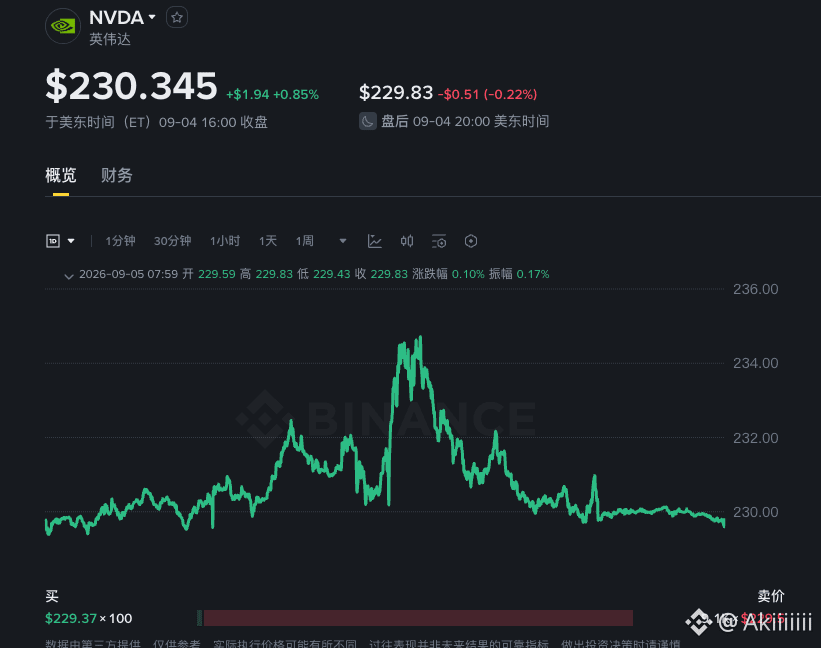
Now it’s different. Binance has directly brought U.S. stocks into the platform.
At the moment, Binance stock spot already covers 7,000+ U.S. stocks and ETFs, including Nvidia, Apple AAPL, Microsoft, Tesla, Meta, Google, and Amazon.
If I could pick only one, I’d still choose NVDA.
/
The reason is simple:
As this AI rally has unfolded, Nvidia has long since become more than just a company that sells GPUs.
From GPUs, NVLink, and networking, to the CUDA software ecosystem, and then the full AI Factory stack, Nvidia is now essentially positioned at the very core of AI infrastructure.
And the storage, 800G, 1.6T, and CPO I’ve been watching lately are also, in essence, all about continuing to scale up ever-larger AI clusters.
The more servers there are, the greater the demand for HBM, optical modules, switches, and high-speed interconnects.
/
What’s even more interesting is that Binance now not only offers NVDA stock spot, but also NVDAUSDT stock perpetual contracts, with up to 10x leverage and 24/7 trading.
In the past, if crypto users wanted exposure to Nvidia, they had to go through a broker, convert to U.S. dollars, and wait for the U.S. stock market to open.
Now, within a single Binance account, BTC, ETH, and NVDA can all be placed in the same trading framework.
I think this is the most important change:
Crypto exchanges are gradually transforming from places to “trade coins” into gateways for global asset trading.
In the past, when people in the crypto world talked about Nvidia, it was mostly about this:
If it goes up, will AI coins follow?
Now it’s different. Binance has directly brought U.S. stocks into the platform.
At the moment, Binance stock spot already covers 7,000+ U.S. stocks and ETFs, including Nvidia, Apple AAPL, Microsoft, Tesla, Meta, Google, and Amazon.
If I could pick only one, I’d still choose NVDA.
/
The reason is simple:
As this AI rally has unfolded, Nvidia has long since become more than just a company that sells GPUs.
From GPUs, NVLink, and networking, to the CUDA software ecosystem, and then the full AI Factory stack, Nvidia is now essentially positioned at the very core of AI infrastructure.
And the storage, 800G, 1.6T, and CPO I’ve been watching lately are also, in essence, all about continuing to scale up ever-larger AI clusters.
The more servers there are, the greater the demand for HBM, optical modules, switches, and high-speed interconnects.
/
What’s even more interesting is that Binance now not only offers NVDA stock spot, but also NVDAUSDT stock perpetual contracts, with up to 10x leverage and 24/7 trading.
In the past, if crypto users wanted exposure to Nvidia, they had to go through a broker, convert to U.S. dollars, and wait for the U.S. stock market to open.
Now, within a single Binance account, BTC, ETH, and NVDA can all be placed in the same trading framework.
I think this is the most important change:
Crypto exchanges are gradually transforming from places to “trade coins” into gateways for global asset trading.
If it goes up, will AI coins follow?
Now it’s different. Binance has directly brought U.S. stocks into the platform.
At the moment, Binance stock spot already covers 7,000+ U.S. stocks and ETFs, including Nvidia, Apple AAPL, Microsoft, Tesla, Meta, Google, and Amazon.
If I could pick only one, I’d still choose NVDA.
/
The reason is simple:
As this AI rally has unfolded, Nvidia has long since become more than just a company that sells GPUs.
From GPUs, NVLink, and networking, to the CUDA software ecosystem, and then the full AI Factory stack, Nvidia is now essentially positioned at the very core of AI infrastructure.
And the storage, 800G, 1.6T, and CPO I’ve been watching lately are also, in essence, all about continuing to scale up ever-larger AI clusters.
The more servers there are, the greater the demand for HBM, optical modules, switches, and high-speed interconnects.
/
What’s even more interesting is that Binance now not only offers NVDA stock spot, but also NVDAUSDT stock perpetual contracts, with up to 10x leverage and 24/7 trading.
In the past, if crypto users wanted exposure to Nvidia, they had to go through a broker, convert to U.S. dollars, and wait for the U.S. stock market to open.
Now, within a single Binance account, BTC, ETH, and NVDA can all be placed in the same trading framework.
I think this is the most important change:
Crypto exchanges are gradually transforming from places to “trade coins” into gateways for global asset trading.
2
1.2k
·
--
The market on September 7 actually replayed the main AI hardware theme once again.
Fueled by semiconductors, memory, and electronic heavyweights, Taiwan stocks surged 775 points to close at 47,326. Mainland China A-shares, however, were clearly mixed: the Shanghai Composite basically moved sideways, while the ChiNext Index jumped 3.41%. CPO, optical modules, and PCB became the most concentrated areas for capital inflows. Innolight rose more than 10%, and Eoptolink and TFC Optical Communication also strengthened in sync.
But in my view, more worth watching than a single day’s gains and losses are the two structural bottlenecks now emerging in AI infrastructure:
memory + optical interconnect.
Let’s start with memory.
KB Securities’ latest data shows that the inventory levels of Samsung Electronics and SK Hynix memory have fallen to under 10 days, and it judges that a “tightest in history” supply-demand environment may emerge in 2027. More importantly, memory’s share of AI infrastructure investment is expected to rise from 14% in 2025 to 40% in 2026 and 57% in 2027. HBM4 will further squeeze traditional DRAM wafer capacity, and supply pressure could exist simultaneously across DDR5, HBM, eSSD, and even NAND.
Now look at optical communications.
TrendForce expects the shipment share of 800G and above optical modules to exceed 60% in 2026. Goldman Sachs’ latest forecast has also raised its 2026 shipment estimates for 800G and 1.6T modules to about 45 million and 33 million units, respectively.
So there is nothing wrong with the market chasing the "Yi-Zhong-Tian" names, but what may be even more worth tracking is actually the upstream parts of the industrial chain: test equipment, precision coupling, CW lasers, optical chips, substrates, and packaging equipment.
Because once AI computing power continues to expand, GPUs may not be the only bottleneck.
Whoever constrains capacity expansion will hold the real pricing power in the next stage.
Buy U.S. stocks on binance
The market on September 7 actually replayed the main AI hardware theme once again.
Fueled by semiconductors, memory, and electronic heavyweights, Taiwan stocks surged 775 points to close at 47,326. Mainland China A-shares, however, were clearly mixed: the Shanghai Composite basically moved sideways, while the ChiNext Index jumped 3.41%. CPO, optical modules, and PCB became the most concentrated areas for capital inflows. Innolight rose more than 10%, and Eoptolink and TFC Optical Communication also strengthened in sync.
But in my view, more worth watching than a single day’s gains and losses are the two structural bottlenecks now emerging in AI infrastructure:
memory + optical interconnect.
Let’s start with memory.
KB Securities’ latest data shows that the inventory levels of Samsung Electronics and SK Hynix memory have fallen to under 10 days, and it judges that a “tightest in history” supply-demand environment may emerge in 2027. More importantly, memory’s share of AI infrastructure investment is expected to rise from 14% in 2025 to 40% in 2026 and 57% in 2027. HBM4 will further squeeze traditional DRAM wafer capacity, and supply pressure could exist simultaneously across DDR5, HBM, eSSD, and even NAND.
Now look at optical communications.
TrendForce expects the shipment share of 800G and above optical modules to exceed 60% in 2026. Goldman Sachs’ latest forecast has also raised its 2026 shipment estimates for 800G and 1.6T modules to about 45 million and 33 million units, respectively.
So there is nothing wrong with the market chasing the "Yi-Zhong-Tian" names, but what may be even more worth tracking is actually the upstream parts of the industrial chain: test equipment, precision coupling, CW lasers, optical chips, substrates, and packaging equipment.
Because once AI computing power continues to expand, GPUs may not be the only bottleneck.
Whoever constrains capacity expansion will hold the real pricing power in the next stage.
Buy U.S. stocks on binance
Fueled by semiconductors, memory, and electronic heavyweights, Taiwan stocks surged 775 points to close at 47,326. Mainland China A-shares, however, were clearly mixed: the Shanghai Composite basically moved sideways, while the ChiNext Index jumped 3.41%. CPO, optical modules, and PCB became the most concentrated areas for capital inflows. Innolight rose more than 10%, and Eoptolink and TFC Optical Communication also strengthened in sync.
But in my view, more worth watching than a single day’s gains and losses are the two structural bottlenecks now emerging in AI infrastructure:
memory + optical interconnect.
Let’s start with memory.
KB Securities’ latest data shows that the inventory levels of Samsung Electronics and SK Hynix memory have fallen to under 10 days, and it judges that a “tightest in history” supply-demand environment may emerge in 2027. More importantly, memory’s share of AI infrastructure investment is expected to rise from 14% in 2025 to 40% in 2026 and 57% in 2027. HBM4 will further squeeze traditional DRAM wafer capacity, and supply pressure could exist simultaneously across DDR5, HBM, eSSD, and even NAND.
Now look at optical communications.
TrendForce expects the shipment share of 800G and above optical modules to exceed 60% in 2026. Goldman Sachs’ latest forecast has also raised its 2026 shipment estimates for 800G and 1.6T modules to about 45 million and 33 million units, respectively.
So there is nothing wrong with the market chasing the "Yi-Zhong-Tian" names, but what may be even more worth tracking is actually the upstream parts of the industrial chain: test equipment, precision coupling, CW lasers, optical chips, substrates, and packaging equipment.
Because once AI computing power continues to expand, GPUs may not be the only bottleneck.
Whoever constrains capacity expansion will hold the real pricing power in the next stage.
Buy U.S. stocks on binance


2
511
·
--
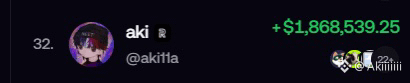
My ideas have never made me big money; it’s always my persistence that has made me big money.
$哈基米
My ideas have never made me big money; it’s always my persistence that has made me big money.
$哈基米
$哈基米

4
4.7k
·
--
Article
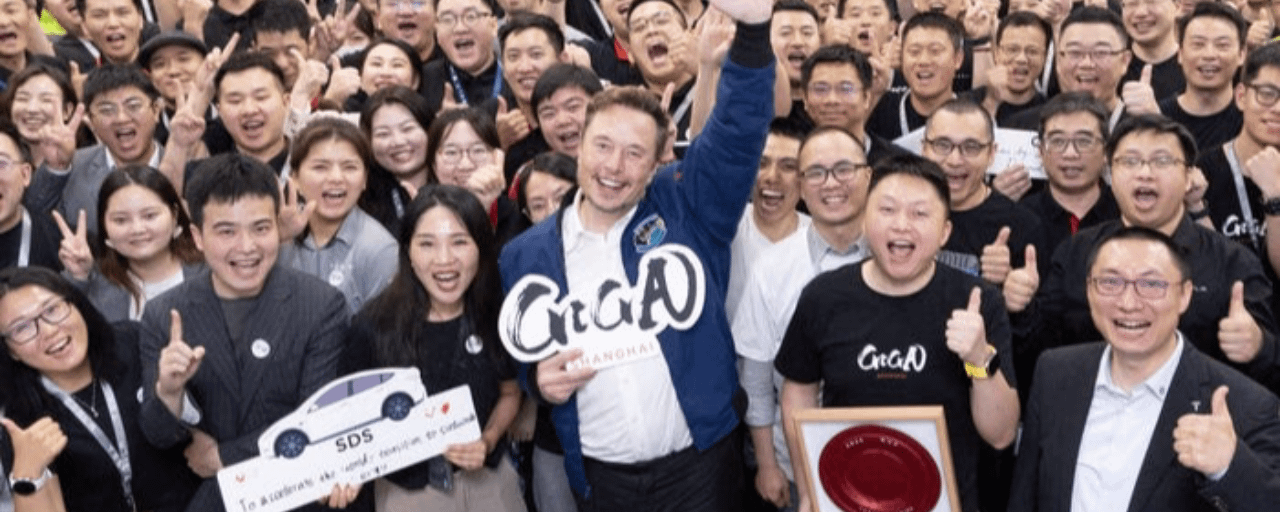
Why are Tesla cars getting cheaper and cheaper?Yesterday I chatted with a big shot from a VC firm’s A11, and when we talked about Robotaxi "autonomous taxis," he said something that really stuck with me:
What will really be valuable in the future may not be the car at all.
After I came back, I went over Uber, Tesla, and autonomous driving in China again.
The more I looked at it, the more I felt that this industry may eventually head toward a very interesting ending.
/
Uber has recently been aggressively expanding into Robotaxi.
Waymo, Zoox, Motional, including the Lucid + Nuro line, basically all the parties that can cooperate are cooperating.
Except for Tesla.
Why are Tesla cars getting cheaper and cheaper?
Yesterday I chatted with a big shot from a VC firm’s A11, and when we talked about Robotaxi "autonomous taxis," he said something that really stuck with me:
What will really be valuable in the future may not be the car at all.
After I came back, I went over Uber, Tesla, and autonomous driving in China again.
The more I looked at it, the more I felt that this industry may eventually head toward a very interesting ending.
/
Uber has recently been aggressively expanding into Robotaxi.
Waymo, Zoox, Motional, including the Lucid + Nuro line, basically all the parties that can cooperate are cooperating.
Except for Tesla.
What will really be valuable in the future may not be the car at all.
After I came back, I went over Uber, Tesla, and autonomous driving in China again.
The more I looked at it, the more I felt that this industry may eventually head toward a very interesting ending.
/
Uber has recently been aggressively expanding into Robotaxi.
Waymo, Zoox, Motional, including the Lucid + Nuro line, basically all the parties that can cooperate are cooperating.
Except for Tesla.
1
1
5
1.3k
·
--
No matter what industry it is, if you keep at it, you will eventually succeed.
Compared with many restaurants abroad that only do one thing, they take one thing to the extreme.
Even when you go to a noodle shop, there is only one kind of noodle.
No matter what industry it is, if you keep at it, you will eventually succeed.
Compared with many restaurants abroad that only do one thing, they take one thing to the extreme.
Even when you go to a noodle shop, there is only one kind of noodle.
Compared with many restaurants abroad that only do one thing, they take one thing to the extreme.
Even when you go to a noodle shop, there is only one kind of noodle.

CZ
·
--
Haven’t used WeChat in a long time. When I opened it, I found that the content inside is more friendly than on X.
Also, some netizens said I look like a fitness coach—more than happy than being on any kind of ranking 😂
Encourage everyone to work out more. Looks come from your parents, fitness comes from yourself.
Also, some netizens said I look like a fitness coach—more than happy than being on any kind of ranking 😂
Encourage everyone to work out more. Looks come from your parents, fitness comes from yourself.

5
546
·
--
Huang Renxun’s company $12.9 billion—buying the GitHub of the AI world
Today the agreement has been signed: Nvidia will acquire Hugging Face for approximately $11.9 billion, plus up to $1 billion for employee retention, for a total of nearly $13 billion
A year ago, Hugging Face still refused Huang’s $500 million investment, saying that a major shareholder would undermine neutrality; nine months later, the entire company was sold
⬇️
Hugging Face’s annualized revenue is only $150 million
What’s expensive is the entry point:
〓 Millions of open-source models
〓 Tens of millions of developers
Closed-source giants are developing their own chips—what Huang is trying to lock down is where the next wave of compute power will come from
Huang Renxun’s company $12.9 billion—buying the GitHub of the AI world
Today the agreement has been signed: Nvidia will acquire Hugging Face for approximately $11.9 billion, plus up to $1 billion for employee retention, for a total of nearly $13 billion
A year ago, Hugging Face still refused Huang’s $500 million investment, saying that a major shareholder would undermine neutrality; nine months later, the entire company was sold
⬇️
Hugging Face’s annualized revenue is only $150 million
What’s expensive is the entry point:
〓 Millions of open-source models
〓 Tens of millions of developers
Closed-source giants are developing their own chips—what Huang is trying to lock down is where the next wave of compute power will come from
Today the agreement has been signed: Nvidia will acquire Hugging Face for approximately $11.9 billion, plus up to $1 billion for employee retention, for a total of nearly $13 billion
A year ago, Hugging Face still refused Huang’s $500 million investment, saying that a major shareholder would undermine neutrality; nine months later, the entire company was sold
⬇️
Hugging Face’s annualized revenue is only $150 million
What’s expensive is the entry point:
〓 Millions of open-source models
〓 Tens of millions of developers
Closed-source giants are developing their own chips—what Huang is trying to lock down is where the next wave of compute power will come from


1
1
17
27.7k
·
--
Thank you, Binance 🙏🏻 For the most time
I think I’ve figured out the wealth code
Thank you, Binance 🙏🏻 For the most time
I think I’ve figured out the wealth code
I think I’ve figured out the wealth code

2
790
·
--
September 1
→ John Ternus @johnternus officially takes over as Apple CEO
→ Tim Cook @tim_cook moves to Executive Chairman
Apple officially enters the “John Ternus era”
John Ternus has worked at Apple for more than 25 years, rising from Hardware Engineering Head to CEO by relying on persistence. From here on, keep an eye on him—at Apple’s 18th keynote debut, I hope there will be more new things. After all, I’ve been an Apple user for nearly 20 years
Where will Apple go next? It’s worth paying attention
September 1
→ John Ternus @johnternus officially takes over as Apple CEO
→ Tim Cook @tim_cook moves to Executive Chairman
Apple officially enters the “John Ternus era”
John Ternus has worked at Apple for more than 25 years, rising from Hardware Engineering Head to CEO by relying on persistence. From here on, keep an eye on him—at Apple’s 18th keynote debut, I hope there will be more new things. After all, I’ve been an Apple user for nearly 20 years
Where will Apple go next? It’s worth paying attention
→ John Ternus @johnternus officially takes over as Apple CEO
→ Tim Cook @tim_cook moves to Executive Chairman
Apple officially enters the “John Ternus era”
John Ternus has worked at Apple for more than 25 years, rising from Hardware Engineering Head to CEO by relying on persistence. From here on, keep an eye on him—at Apple’s 18th keynote debut, I hope there will be more new things. After all, I’ve been an Apple user for nearly 20 years
Where will Apple go next? It’s worth paying attention


1
1.6k
·
--
I’ve been keeping an eye on AI trading lately.
What’s the real difference between Midas Markets and TradingView?
To be frank, these two aren’t even in the same category—you can’t really compare them directly.
⬇️
1. What Midas does is use AI to break market news down and feed it to you
Stocks, crypto, tokens, commodities—the official wording is: Realtime market news and intel synthesized by AI. It also has a slogan: all markets, one account, one touch.
Think about it: if you’re watching four or five markets at the same time, the most annoying thing is that information gets scattered everywhere. Midas’s value is essentially compressing all of that into a single interface—helping you sift through it—then decide whether you want to dig deeper.
2. TradingView looks completely different
Charts, smart alerts, filters, a calendar—100+ brokers integrated directly. It’s a complete hub that lets you analyze and then place orders. If you’re the type who likes to draw two lines first and then form your view, this ecosystem is still the industry benchmark.
//
So how should you choose?
From my own experience: if you want to quickly understand what’s happening in the market, Midas is a high-efficiency entry point.
If you want your decisions to truly be built on charts and signals, TradingView is more solid.
Honestly, I can’t really make the call for you. It depends on what kind of trading style you have. They don’t replace each other—they complement each other. One shortens your research time, and the other helps you verify and execute.
And taking it further, a hundred-plus years ago, traders crowded around telegraph machines waiting for market updates—whoever saw the information first had the advantage. Putting it in today’s context, it still feels like that…
Midas smooths out the information gap, and TradingView turns judgment into action. The best combination is using both together.
I’ve been keeping an eye on AI trading lately.
What’s the real difference between Midas Markets and TradingView?
To be frank, these two aren’t even in the same category—you can’t really compare them directly.
⬇️
1. What Midas does is use AI to break market news down and feed it to you
Stocks, crypto, tokens, commodities—the official wording is: Realtime market news and intel synthesized by AI. It also has a slogan: all markets, one account, one touch.
Think about it: if you’re watching four or five markets at the same time, the most annoying thing is that information gets scattered everywhere. Midas’s value is essentially compressing all of that into a single interface—helping you sift through it—then decide whether you want to dig deeper.
2. TradingView looks completely different
Charts, smart alerts, filters, a calendar—100+ brokers integrated directly. It’s a complete hub that lets you analyze and then place orders. If you’re the type who likes to draw two lines first and then form your view, this ecosystem is still the industry benchmark.
//
So how should you choose?
From my own experience: if you want to quickly understand what’s happening in the market, Midas is a high-efficiency entry point.
If you want your decisions to truly be built on charts and signals, TradingView is more solid.
Honestly, I can’t really make the call for you. It depends on what kind of trading style you have. They don’t replace each other—they complement each other. One shortens your research time, and the other helps you verify and execute.
And taking it further, a hundred-plus years ago, traders crowded around telegraph machines waiting for market updates—whoever saw the information first had the advantage. Putting it in today’s context, it still feels like that…
Midas smooths out the information gap, and TradingView turns judgment into action. The best combination is using both together.
What’s the real difference between Midas Markets and TradingView?
To be frank, these two aren’t even in the same category—you can’t really compare them directly.
⬇️
1. What Midas does is use AI to break market news down and feed it to you
Stocks, crypto, tokens, commodities—the official wording is: Realtime market news and intel synthesized by AI. It also has a slogan: all markets, one account, one touch.
Think about it: if you’re watching four or five markets at the same time, the most annoying thing is that information gets scattered everywhere. Midas’s value is essentially compressing all of that into a single interface—helping you sift through it—then decide whether you want to dig deeper.
2. TradingView looks completely different
Charts, smart alerts, filters, a calendar—100+ brokers integrated directly. It’s a complete hub that lets you analyze and then place orders. If you’re the type who likes to draw two lines first and then form your view, this ecosystem is still the industry benchmark.
//
So how should you choose?
From my own experience: if you want to quickly understand what’s happening in the market, Midas is a high-efficiency entry point.
If you want your decisions to truly be built on charts and signals, TradingView is more solid.
Honestly, I can’t really make the call for you. It depends on what kind of trading style you have. They don’t replace each other—they complement each other. One shortens your research time, and the other helps you verify and execute.
And taking it further, a hundred-plus years ago, traders crowded around telegraph machines waiting for market updates—whoever saw the information first had the advantage. Putting it in today’s context, it still feels like that…
Midas smooths out the information gap, and TradingView turns judgment into action. The best combination is using both together.

1
1.1k
·
--
Verified
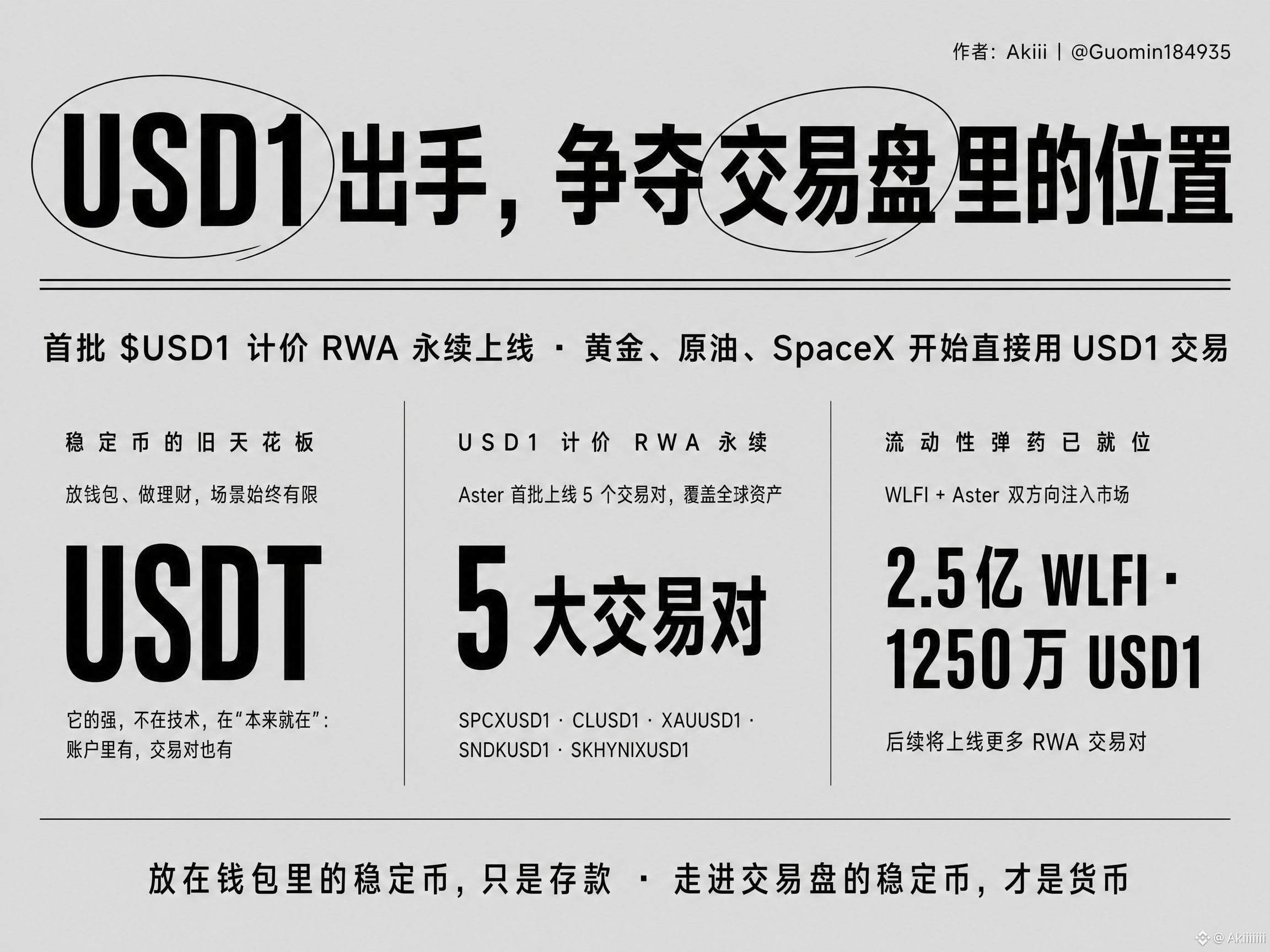
After you trade gold, oil, even SpaceX, you’re not using USDT—but $USD1 , right?
Aster @Aster_DEX launches the first batch of USD1-denominated RWA perps:
〓 SpaceX
〓 Oil
〓 Gold
〓 US stocks
〓 Korean stocks
⬇️
To build the market, WLFI @worldlibertyfi put up 250 million $WLFI tokens. Then Aster adds 12.5 million USD1 to support liquidity. More RWA trading pairs will be added afterward.
But I think the key isn’t only RWA.
It’s that USD1 is starting to grab a place in the “trading capital.”
Why is USDT so strong?
Because you basically don’t even need to think about why to use it: it’s already in your account, and the trading pairs are already there.
That’s the strongest network effect.
//
Earlier, WLFI has been constantly shoring up USD1’s issuance, custody, and reserve—these foundational infrastructures. Now comes another piece of the puzzle:
Make gold, oil, stocks, and even SpaceX directly tradable with USD1.
If that works, USD1 won’t just be fighting for rankings by stablecoin market cap.
What it wants is to become the default currency on the trading desk.
After you trade gold, oil, even SpaceX, you’re not using USDT—but $USD1 , right?
Aster @Aster_DEX launches the first batch of USD1-denominated RWA perps:
〓 SpaceX
〓 Oil
〓 Gold
〓 US stocks
〓 Korean stocks
⬇️
To build the market, WLFI @worldlibertyfi put up 250 million $WLFI tokens. Then Aster adds 12.5 million USD1 to support liquidity. More RWA trading pairs will be added afterward.
But I think the key isn’t only RWA.
It’s that USD1 is starting to grab a place in the “trading capital.”
Why is USDT so strong?
Because you basically don’t even need to think about why to use it: it’s already in your account, and the trading pairs are already there.
That’s the strongest network effect.
//
Earlier, WLFI has been constantly shoring up USD1’s issuance, custody, and reserve—these foundational infrastructures. Now comes another piece of the puzzle:
Make gold, oil, stocks, and even SpaceX directly tradable with USD1.
If that works, USD1 won’t just be fighting for rankings by stablecoin market cap.
What it wants is to become the default currency on the trading desk.
Aster @Aster_DEX launches the first batch of USD1-denominated RWA perps:
〓 SpaceX
〓 Oil
〓 Gold
〓 US stocks
〓 Korean stocks
⬇️
To build the market, WLFI @worldlibertyfi put up 250 million $WLFI tokens. Then Aster adds 12.5 million USD1 to support liquidity. More RWA trading pairs will be added afterward.
But I think the key isn’t only RWA.
It’s that USD1 is starting to grab a place in the “trading capital.”
Why is USDT so strong?
Because you basically don’t even need to think about why to use it: it’s already in your account, and the trading pairs are already there.
That’s the strongest network effect.
//
Earlier, WLFI has been constantly shoring up USD1’s issuance, custody, and reserve—these foundational infrastructures. Now comes another piece of the puzzle:
Make gold, oil, stocks, and even SpaceX directly tradable with USD1.
If that works, USD1 won’t just be fighting for rankings by stablecoin market cap.
What it wants is to become the default currency on the trading desk.
2
1.6k
·
--
Verified
Just got back from out of town, and I haven’t had time to unpack and tidy my luggage. Yesterday, the盘主 @thecryptoskanda_ went ahead and gave me a heads-up recommendation first. So I did one real thing first:
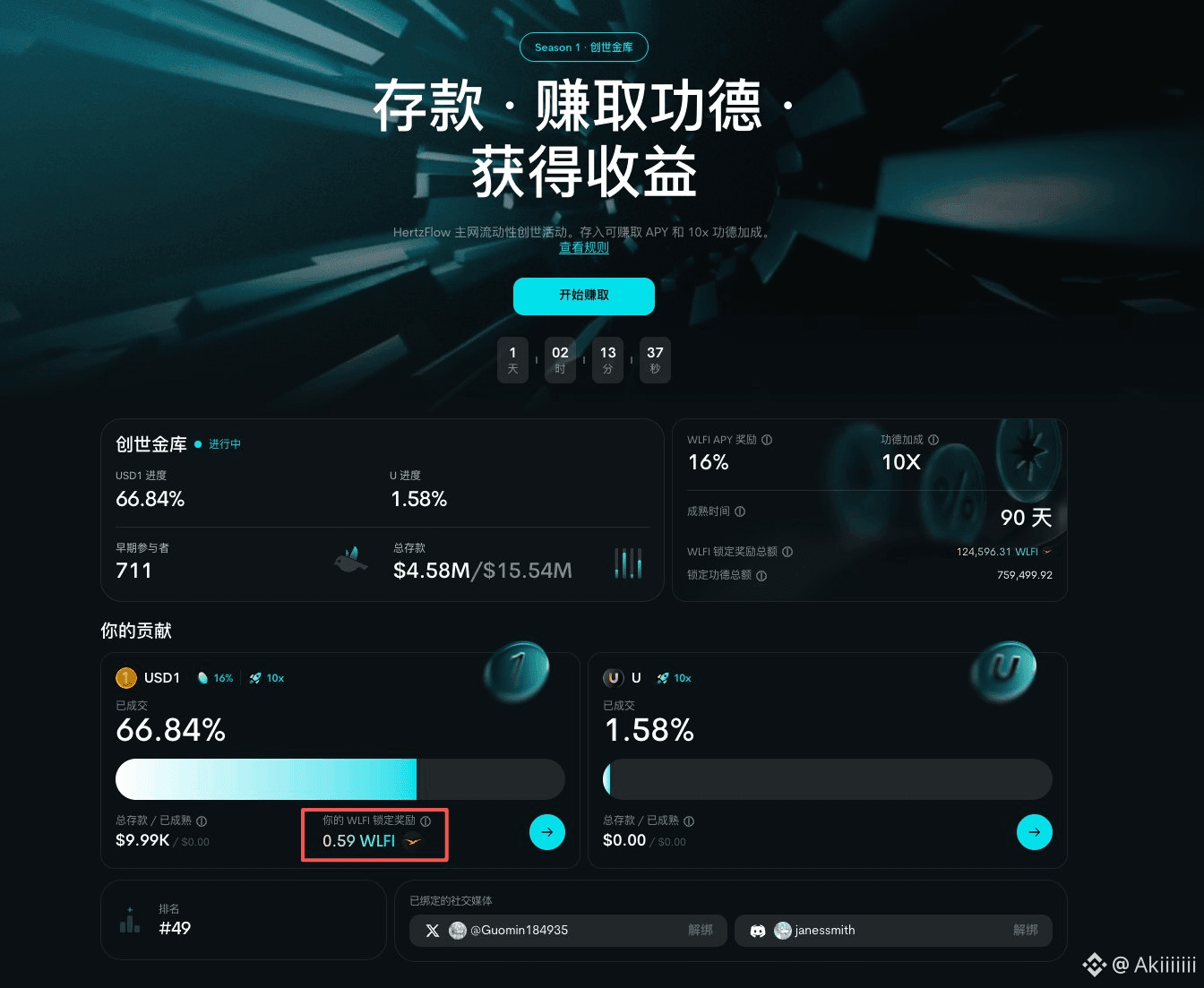
I stuffed 10,000 USD into the Genesis vault of @Hertzflow_xyz, the one belonging to盘主 @thecryptoskanda_ and made public.
I actually quite like this way of playing. The official has given it a really interesting name:
Deposit to earn merit 😂
⬇️
Right now, two limited vaults are open: $USD1 and $U . The allocation is first-come, first-served, with 1 day left.
→ Besides deposit earnings, later you can also receive Tokens + vault position capacity. It’s like placing a spot ahead of time for the mainnet launch.
→ The funds themselves can be withdrawn anytime. If you hold the pre-deposited LP for 90 days, you can directly get a 10× Merit Boost.
This time I’m mainly going after $USD1 —I’ve also been managing my finances/investing funds.
→ In addition to the future benefits, you can also get a $WLFI cash reward: APY 16%. And the returns aren’t just pie-in-the-sky—your backend dashboard can show the numbers rising in real time.
As for the vault’s APR itself, the official site hasn’t displayed it officially yet.
We’ll have to wait until tomorrow, the 24th—after mainnet trading opens, everything will be revealed. The rumor is it won’t be low, and that actually makes me more excited. If it opens again by then, I’ll add more.
I’ve been a “sucker” for too long—it’s about time I tried what it feels like to be the market maker 💪
Just got back from out of town, and I haven’t had time to unpack and tidy my luggage. Yesterday, the盘主 @thecryptoskanda_ went ahead and gave me a heads-up recommendation first. So I did one real thing first:
I stuffed 10,000 USD into the Genesis vault of @Hertzflow_xyz, the one belonging to盘主 @thecryptoskanda_ and made public.
I actually quite like this way of playing. The official has given it a really interesting name:
Deposit to earn merit 😂
⬇️
Right now, two limited vaults are open: $USD1 and $U . The allocation is first-come, first-served, with 1 day left.
→ Besides deposit earnings, later you can also receive Tokens + vault position capacity. It’s like placing a spot ahead of time for the mainnet launch.
→ The funds themselves can be withdrawn anytime. If you hold the pre-deposited LP for 90 days, you can directly get a 10× Merit Boost.
This time I’m mainly going after $USD1 —I’ve also been managing my finances/investing funds.
→ In addition to the future benefits, you can also get a $WLFI cash reward: APY 16%. And the returns aren’t just pie-in-the-sky—your backend dashboard can show the numbers rising in real time.
As for the vault’s APR itself, the official site hasn’t displayed it officially yet.
We’ll have to wait until tomorrow, the 24th—after mainnet trading opens, everything will be revealed. The rumor is it won’t be low, and that actually makes me more excited. If it opens again by then, I’ll add more.
I’ve been a “sucker” for too long—it’s about time I tried what it feels like to be the market maker 💪
I stuffed 10,000 USD into the Genesis vault of @Hertzflow_xyz, the one belonging to盘主 @thecryptoskanda_ and made public.
I actually quite like this way of playing. The official has given it a really interesting name:
Deposit to earn merit 😂
⬇️
Right now, two limited vaults are open: $USD1 and $U . The allocation is first-come, first-served, with 1 day left.
→ Besides deposit earnings, later you can also receive Tokens + vault position capacity. It’s like placing a spot ahead of time for the mainnet launch.
→ The funds themselves can be withdrawn anytime. If you hold the pre-deposited LP for 90 days, you can directly get a 10× Merit Boost.
This time I’m mainly going after $USD1 —I’ve also been managing my finances/investing funds.
→ In addition to the future benefits, you can also get a $WLFI cash reward: APY 16%. And the returns aren’t just pie-in-the-sky—your backend dashboard can show the numbers rising in real time.
As for the vault’s APR itself, the official site hasn’t displayed it officially yet.
We’ll have to wait until tomorrow, the 24th—after mainnet trading opens, everything will be revealed. The rumor is it won’t be low, and that actually makes me more excited. If it opens again by then, I’ll add more.
I’ve been a “sucker” for too long—it’s about time I tried what it feels like to be the market maker 💪
11
2
8
10.8k
·
--
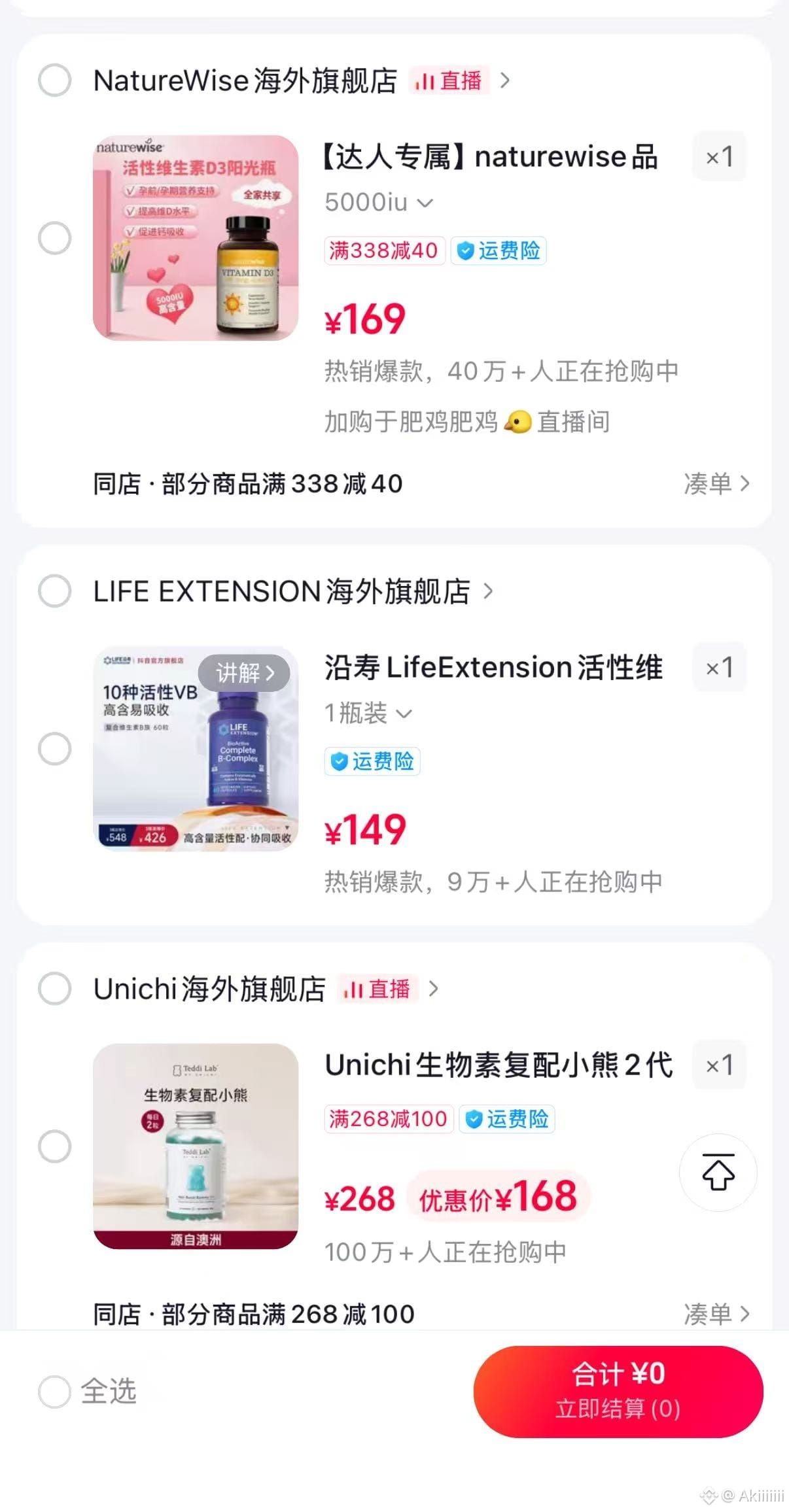
Planning to buy these three: Vitamin D, Vitamin B, and biotin
Asians tend to be deficient in Vitamin D
For Vitamin B, it’s still necessary—sometimes I feel my diet isn’t balanced
And as for biotin, I heard it can help promote hair growth. I feel like I’m shedding too much hair, so I’ll give it a try.
Planning to buy these three: Vitamin D, Vitamin B, and biotin
Asians tend to be deficient in Vitamin D
For Vitamin B, it’s still necessary—sometimes I feel my diet isn’t balanced
And as for biotin, I heard it can help promote hair growth. I feel like I’m shedding too much hair, so I’ll give it a try.
Asians tend to be deficient in Vitamin D
For Vitamin B, it’s still necessary—sometimes I feel my diet isn’t balanced
And as for biotin, I heard it can help promote hair growth. I feel like I’m shedding too much hair, so I’ll give it a try.
21
8
30.6k
·
--
Verified
Aligned Layer finally is about to TGE, and ALIGN goes live tonight.
Let me briefly explain what it’s for.
Aligned Layer is a ZK verification layer built on top of EigenLayer. Its core addresses one problem:
→ ZK proof verification is too expensive.
⬇️
It can borrow the security of Ethereum validators, but without fully having to bear Ethereum’s costly verification costs. For projects like L2s and cross-chain bridges that constantly need to verify lots of proofs every day, it’s essentially like getting a discount on verification fees.
$ALIGN is finally about to TGE
⏰ 8:00 PM Beijing time on August 20. See you there.
Aligned Layer finally is about to TGE, and ALIGN goes live tonight.
Let me briefly explain what it’s for.
Aligned Layer is a ZK verification layer built on top of EigenLayer. Its core addresses one problem:
→ ZK proof verification is too expensive.
⬇️
It can borrow the security of Ethereum validators, but without fully having to bear Ethereum’s costly verification costs. For projects like L2s and cross-chain bridges that constantly need to verify lots of proofs every day, it’s essentially like getting a discount on verification fees.
$ALIGN is finally about to TGE
⏰ 8:00 PM Beijing time on August 20. See you there.
Let me briefly explain what it’s for.
Aligned Layer is a ZK verification layer built on top of EigenLayer. Its core addresses one problem:
→ ZK proof verification is too expensive.
⬇️
It can borrow the security of Ethereum validators, but without fully having to bear Ethereum’s costly verification costs. For projects like L2s and cross-chain bridges that constantly need to verify lots of proofs every day, it’s essentially like getting a discount on verification fees.
$ALIGN is finally about to TGE
⏰ 8:00 PM Beijing time on August 20. See you there.

12
11
1k
·
--
Cutting the hands, raging—grab the 528
Cutting the hands, raging—grab the 528


Akiiiiiii
·
--
Didn’t buy it when it first came out, but got it on Xianyu for half price 😁 so happy
1
1
10.9k
·
--
Verified
Turning things upside down—Coinbase’s institutional business veteran went to work for WLFI’s stablecoin?
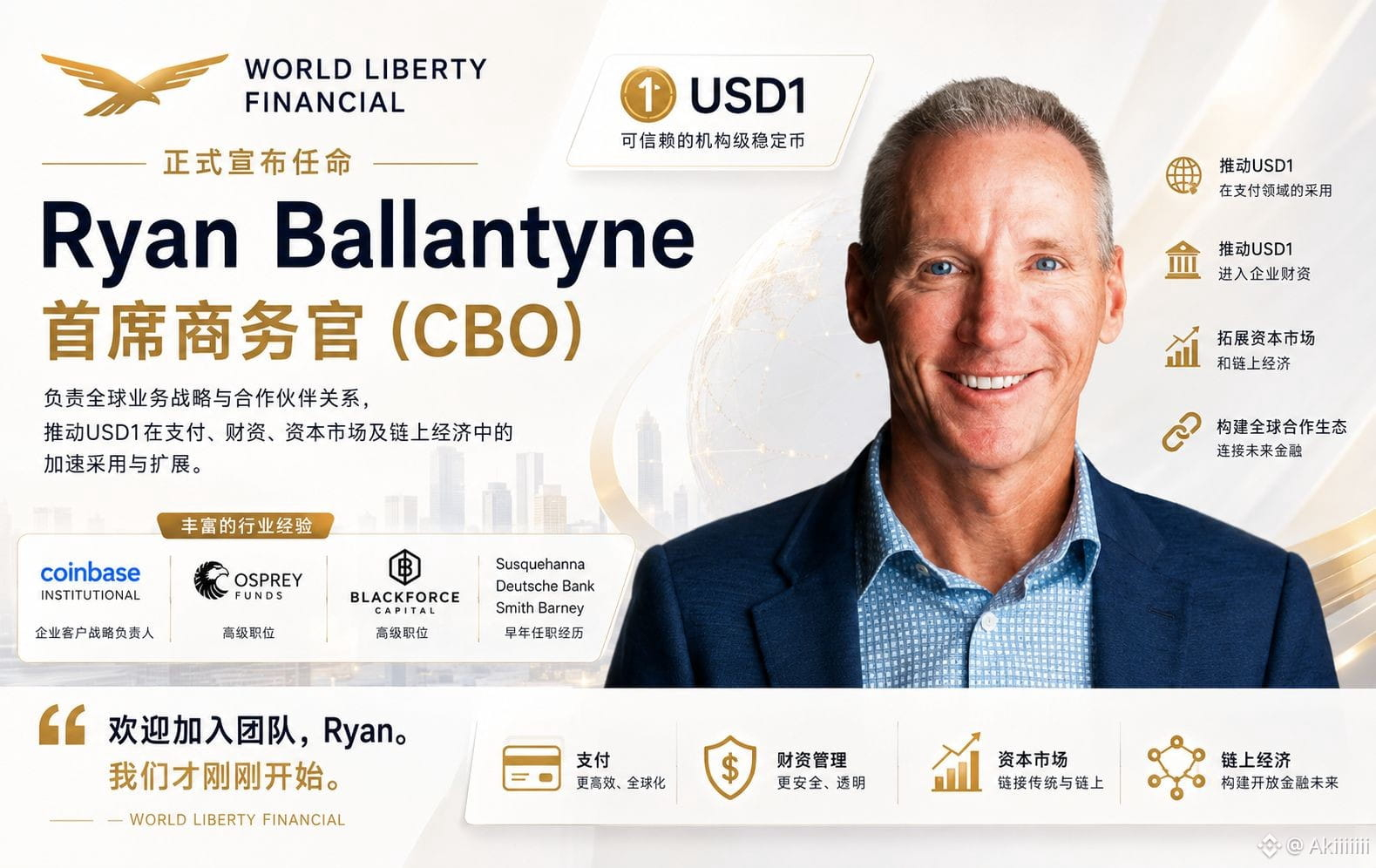
Ryan Ballantyne has some serious credentials.
With over 30 years of experience in capital markets, derivatives, asset management, and digital assets, his background spans both traditional finance and the crypto industry.
🅰️ 🅺️ 🅸️ 🅸️
Now, this seasoned driver has officially switched cars.
World Liberty Financial (@worldlibertyfi) has announced the appointment of Ryan Ballantyne as Chief Business Officer, responsible for the company’s global business strategy, partnerships, and driving the adoption of USD1 across payments, corporate treasury, capital markets, and the on-chain economy.
On the left are banks, public companies, and asset management institutions. On the right are stablecoins, on-chain trading, and DeFi.
His job is to truly connect the two sides.
/
If USD1 is really able to move from the stablecoin market into payments, corporate treasury, and capital markets, then what WLFI is facing won’t be just USDT and USDC—it will be the traditional financial system.
So what I’m more focused on this time isn’t “they hired an executive.”
It’s that WLFI is filling in its institutional finance puzzle.
Product is one thing.
Whether someone can sell the product into institutions is another.
Turning things upside down—Coinbase’s institutional business veteran went to work for WLFI’s stablecoin?
Ryan Ballantyne has some serious credentials.
With over 30 years of experience in capital markets, derivatives, asset management, and digital assets, his background spans both traditional finance and the crypto industry.
🅰️ 🅺️ 🅸️ 🅸️
Now, this seasoned driver has officially switched cars.
World Liberty Financial (@worldlibertyfi) has announced the appointment of Ryan Ballantyne as Chief Business Officer, responsible for the company’s global business strategy, partnerships, and driving the adoption of USD1 across payments, corporate treasury, capital markets, and the on-chain economy.
On the left are banks, public companies, and asset management institutions. On the right are stablecoins, on-chain trading, and DeFi.
His job is to truly connect the two sides.
/
If USD1 is really able to move from the stablecoin market into payments, corporate treasury, and capital markets, then what WLFI is facing won’t be just USDT and USDC—it will be the traditional financial system.
So what I’m more focused on this time isn’t “they hired an executive.”
It’s that WLFI is filling in its institutional finance puzzle.
Product is one thing.
Whether someone can sell the product into institutions is another.
Ryan Ballantyne has some serious credentials.
With over 30 years of experience in capital markets, derivatives, asset management, and digital assets, his background spans both traditional finance and the crypto industry.
🅰️ 🅺️ 🅸️ 🅸️
Now, this seasoned driver has officially switched cars.
World Liberty Financial (@worldlibertyfi) has announced the appointment of Ryan Ballantyne as Chief Business Officer, responsible for the company’s global business strategy, partnerships, and driving the adoption of USD1 across payments, corporate treasury, capital markets, and the on-chain economy.
On the left are banks, public companies, and asset management institutions. On the right are stablecoins, on-chain trading, and DeFi.
His job is to truly connect the two sides.
/
If USD1 is really able to move from the stablecoin market into payments, corporate treasury, and capital markets, then what WLFI is facing won’t be just USDT and USDC—it will be the traditional financial system.
So what I’m more focused on this time isn’t “they hired an executive.”
It’s that WLFI is filling in its institutional finance puzzle.
Product is one thing.
Whether someone can sell the product into institutions is another.
5
3.1k
·
--
Verified
Today @worldlibertyfi received conditional approval from the OCC
Many people don’t know what the OCC is ⬇️
The OCC is the Office of the Comptroller of the Currency, meaning:
If a company gets an OCC national bank charter, it means it enters the U.S. federal banking regulatory system—not just obtaining some financial license from a single state.
This opens up a whole new world of possibilities for what we can build and how far USD1 can expand.
This isn’t the finish line—it’s the unlocking of WLFI’s next phase
Today @worldlibertyfi received conditional approval from the OCC
Many people don’t know what the OCC is ⬇️
The OCC is the Office of the Comptroller of the Currency, meaning:
If a company gets an OCC national bank charter, it means it enters the U.S. federal banking regulatory system—not just obtaining some financial license from a single state.
This opens up a whole new world of possibilities for what we can build and how far USD1 can expand.
This isn’t the finish line—it’s the unlocking of WLFI’s next phase
Many people don’t know what the OCC is ⬇️
The OCC is the Office of the Comptroller of the Currency, meaning:
If a company gets an OCC national bank charter, it means it enters the U.S. federal banking regulatory system—not just obtaining some financial license from a single state.
This opens up a whole new world of possibilities for what we can build and how far USD1 can expand.
This isn’t the finish line—it’s the unlocking of WLFI’s next phase

1
2.7k
·
--
I’ve been eating boiled vegetables to lose weight lately
And today is finally my cheat day 😌😌
I’ve been eating boiled vegetables to lose weight lately
And today is finally my cheat day 😌😌
And today is finally my cheat day 😌😌

1
6
6.8k
·
--
Due to the typhoon, it’s been overcast and rainy in Inner Mongolia for days 😂
When I’m free, I visit my friend’s elder relatives. My grandma cooked a whole table full of delicious dishes with her own hands—the taste is really amazing
Older people may not fully understand your moods, but they’ll still put thought into making sure your stomach is taken care of just right. I guess that’s what warm affection across generations is like 🥰
Due to the typhoon, it’s been overcast and rainy in Inner Mongolia for days 😂
When I’m free, I visit my friend’s elder relatives. My grandma cooked a whole table full of delicious dishes with her own hands—the taste is really amazing
Older people may not fully understand your moods, but they’ll still put thought into making sure your stomach is taken care of just right. I guess that’s what warm affection across generations is like 🥰
When I’m free, I visit my friend’s elder relatives. My grandma cooked a whole table full of delicious dishes with her own hands—the taste is really amazing
Older people may not fully understand your moods, but they’ll still put thought into making sure your stomach is taken care of just right. I guess that’s what warm affection across generations is like 🥰

5
8
5.6k
·
--
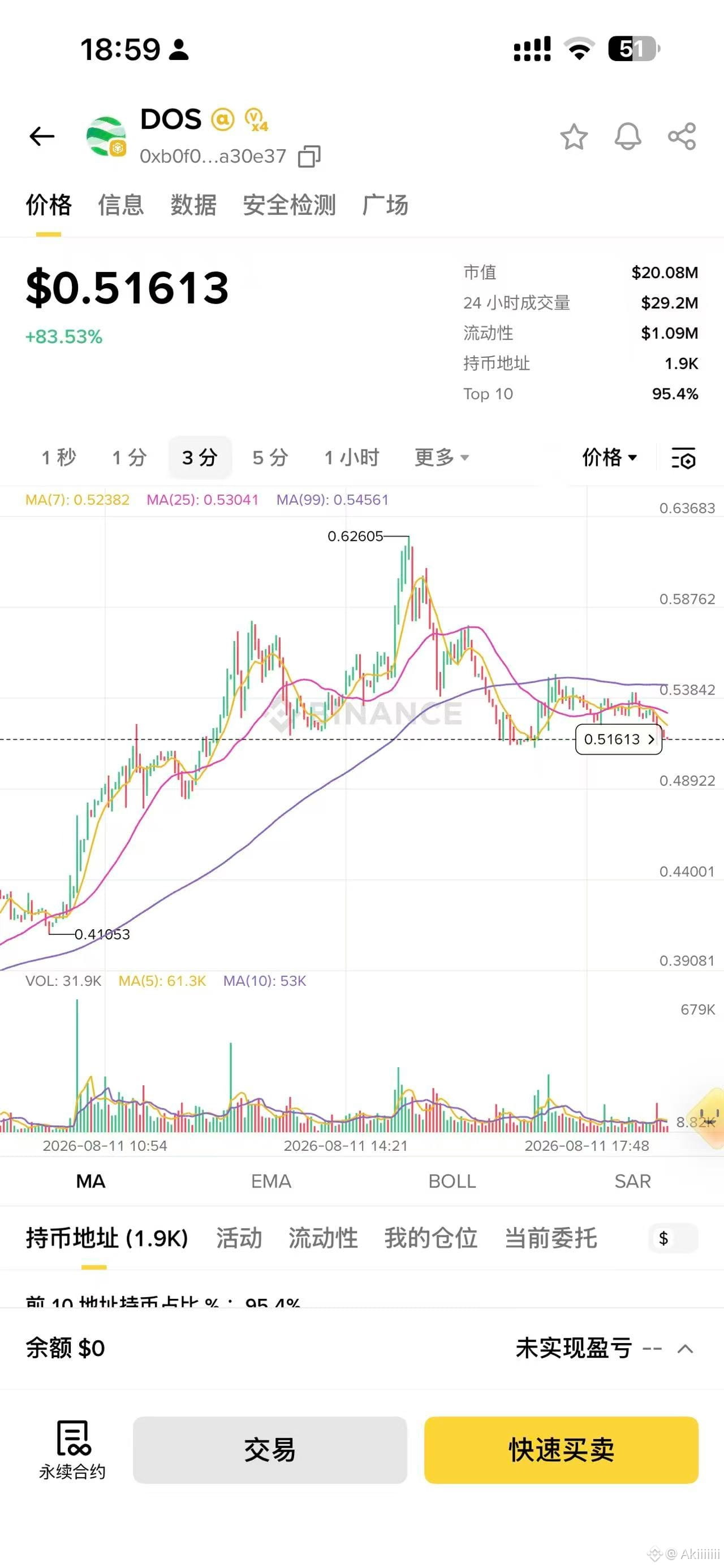
This is what a bull market is really supposed to taste like $DOS
Binance contracts are coming soon
A Grand Slam!
This is what a bull market is really supposed to taste like $DOS
Binance contracts are coming soon
A Grand Slam!
Binance contracts are coming soon
A Grand Slam!
Akiiiiiii
·
--
$DOS airdrop actually went up instead
A project that many exchanges and major firms like Binance have funded
So I think it also makes sense for me to get on Up and Binance contracts
yy check the price
A project that many exchanges and major firms like Binance have funded
So I think it also makes sense for me to get on Up and Binance contracts
yy check the price
5
8.1k
Log in to explore more content
Join global crypto users on Binance Square
⚡️ Get latest and useful information about crypto.
💬 Trusted by the world’s largest crypto exchange.
👍 Discover real insights from verified creators.
Email / Phone number
Trending Topics
US2YearYieldRisesTo4.61%
4,159 views
141 Discussing
#us2yearyieldrisesto4.61% 📊 Macro Watch: US 2-Year Treasury Yield Climbs to 4.61% – What It Means for Crypto
The traditional finance landscape is shifting. A rise in the US 2-year Treasury yield to 4.61% is sending ripples across global markets, and the crypto ecosystem is paying close attention. 🌐
📰 Core News
• The US 2-year Treasury yield has recently moved up to 4.61%, reflecting market adjustments to recent economic data and evolving Federal Reserve interest rate expectations [[1]].
• As a key benchmark for short-term interest rates, the 2-year yield is a vital indicator of macroeconomic liquidity, borrowing costs, and overall market sentiment.
📈 Market Impact
• 📉 Risk Assets & Liquidity Higher traditional yields generally increase the opportunity cost of holding non-yielding assets. This can temporarily tighten financial conditions, acting as a macroeconomic headwind for speculative risk assets like Bitcoin and Ethereum in the short term [[9]].
• 🏛️ RWA & On-Chain Yield On the flip side, elevated traditional yields continue to fuel interest in Real-World Asset (RWA) tokenization. On-chain Treasury products are becoming increasingly attractive as users seek transparent, yield-generating opportunities within the digital asset ecosystem [[12]].
• ⚖️ Market Sensitivity Expect crypto markets to remain highly responsive to upcoming macroeconomic data releases (such as CPI or employment reports) as traders continuously reassess the timeline for future monetary policy shifts.
💬 Join the Discussion
How do you think sustained higher traditional yields will shape the growth of on-chain RWA protocols versus broader crypto market liquidity? Share your analysis in the comments below! 👇
#MacroEconomics #CryptoMarket #RealWorldAssets #Bitcoin #BinanceSquare
This is for educational purposes only. Not Financial Advice (NFA). Always Do Your Own Research (DYOR).
$LSK $MITO $VTHO
ZoyaQueen16
·0 Likes
·209 views
US10YearTreasuryYieldNears5%
2,466 views
84 Discussing
CryptoLiquidations$674MIn24H
4,284 views
53 Discussing